Soil nitrogen (N) is a renewable resource of N fixed by free-living N fixation (FLNF) diazotrophs. Thus, understanding the microbial driving mechanism of FLNF activity can aid in the optimization of N input. However, the role of co-symbiosis between diazotrophs and arbuscular mycorrhizal fungi (AMF) in the FLNF activity at different soil depths has been largely overlooked, particularly in karst ecosystems. Thus, we investigated soil properties and the characteristics of diazotroph and AMF across soil depths, from topsoil to soil-rock mixing layer, based on the soil profile. Soil properties such as soil organic matter and ammonium N decreased with increasing soil depth, whereas pH showed the opposite trend. Similarly, diazotroph abundance and diversity and AMF abundance were higher by 8–73% in 0–20 cm soil than in 20–40 cm and soil-rock mixing layer. Despite high diazotroph abundance in the topsoil, the FLNF activity was higher by 30% at soil-rock mixing layer than in 0–20 cm. The co-occurrence network analysis revealed a strengthening of the cooperative relationship between the diazotroph and AMF taxa at the soil-rock mixing layer via an increase in the number of unique AMF taxa. A structural equation model indicated that increasing soil depth improves the FLNF activity due to increasing soil pH and mutualistic cooperations between diazotrophs and AMF taxa, such as Bradyrhizobium to AMF unclassified taxa and Bradyrhizobium to Racocetra. This study provides novel insights into the interspecific interactions between diazotrophs and AMF, rather than their abundance and diversity, which were found to be the most important driving factors of FLNF activity at the soil-rock mixing layer. Consequently, the roles of biotic factors in influencing mutually beneficial microbial taxa regulating FLNF activity should be considered during vegetation recovery in the fragile karst region.
What if the solution to feeding humanity has been hiding in the soil for millions of years? Bioengineer Karsten Temme discovered a remarkable answer to this question: for eons, crops relied on soil microbes to convert atmospheric nitrogen into food — until modern farming severed that ancient partnership. He shows how we can reawaken those dormant microbes using gene editing, creating “living fertilizer” that delivers nutrients to crops in real time and transforms farms around the world. (Recorded at TED Countdown Summit 2025 on June 18, 2025)
The TED Talks channel features talks, performances and original series from the world's leading thinkers and doers. Subscribe to our channel for videos on Technology, Entertainment and Design — plus science, business, global issues, the arts and more. Visit https://TED.com to get our entire library of TED Talks, transcripts, translations, personalized talk recommendations and more.
TED's videos may be used for non-commercial purposes under a Creative Commons License, Attribution–Non Commercial–No Derivatives (or the CC BY – NC – ND 4.0 International) and in accordance with our TED Talks Usage Policy: https://www.ted.com/about/our-organization/our-policies-terms/ted-talks-usage-policy. For more information on using TED for commercial purposes (e.g. employee learning, in a film or online course), please submit a Media Request at https://media-requests.ted.com
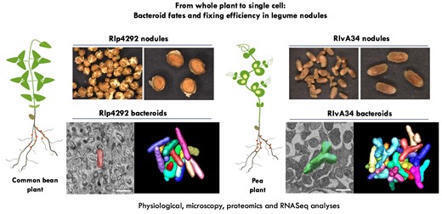
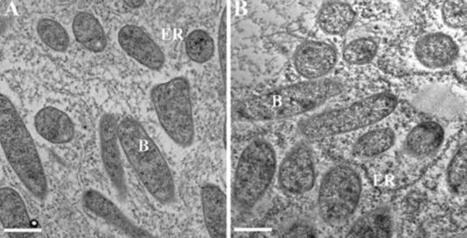
Within legume root nodules, rhizobia differentiate into bacteroids, which reduce N2 into NH3 for secretion to the plant. Bacteroids may be swollen and terminally differentiated or non-swollen and can regenerate outside nodules. It is unclear why these different endosymbiotic lifestyles exist and whether they differ in symbiotic efficiency. Here, we compared N2 fixing bacteroids of the near isogenic strains Rhizobium leguminosarum bv. phaseoli 4292 (Rlp4292) and R. leguminosarum bv. viciae A34 (RlvA34), nodulating Phaseolus vulgaris (common bean) and Pisum sativum (pea), respectively. The larger bean plants fixed more N2, but peas fixed 1.6–3-fold more per unit nodule mass. Values per unit volume were similar between bean and pea because bean nodules are 2.7-fold denser (i.e. mass per unit volume). Bean nodules have higher numbers of smaller (∼1/5 the volume) bacteroids than peas. Bean bacteroids are denser (i.e. 2.5-fold protein per unit volume) although less closely packed than pea bacteroids (i.e. more space between bean bacteroids). Critically, pea bacteroids fix N2 at higher rates versus bean per unit bacteroid protein, as protein expression is skewed toward N2 fixation and TCA-cycle enzymes. Pea bacteroids infect 1.6 times the percentage of nodule volume of beans (i.e. 14.2% versus 9.1%). Overall, the increased packing density of pea bacteroids, as well as the bias of their proteome to nitrogenase, associated N2 fixation processes, and dicarboxylate metabolism, contributes to their greater symbiotic efficiency, which is likely driven by plant antimicrobial peptides.
Symbiosis is a concept that has been profoundly shaped by the contributions of women scientists, among whom Lynn Margulis stands as a leading figure. Through her vision and determination, Margulis drew scholarly attention to symbiosis, offering a transformative interpretation of the evolution of living organisms. This mini-review highlights the essential contributions of women researchers to the study of symbioses, tracing the shift from naturalistic and descriptive studies to molecular, genetic, and omics-based approaches.
Arbuscular mycorrhizal fungi (AMF) are important components of terrestrial ecosystems and sustainable agricultural practices, forming mutually beneficial symbiotic associations with roots of most land plants including crops by providing them with nutrients in exchange for photosynthesis-derived carbon and protection from biotic and abiotic stresses. Microorganisms, including bacteria, are emerging as important new players in the AMF-plant symbiosis by influencing symbiotic outcome. Specifically, bacteria can tightly associate with AMF extraradical mycelium and spores. Spores are produced mainly in the soil and function in reproduction and dissemination. Spores are large and full of lipids and therefore represent an important soil carbon pool as well as an attractive niche for soil bacteria, termed the “sporosphere”. Intriguingly, diverse bacterial communities have been found in different parts of the sporosphere environment, and they may possess roles in complementing and enhancing AMF function. In this review, we describe the AMF sporosphere environment and summarize our current knowledge of spore-associated bacterial communities including their composition, assembly, function and localization. We also identify knowledge gaps and future research directions as well as highlight spores as model systems for studying AMF–microbe interactions.
Phosphorus (P) deficiency in soil remains one of the most important limitations to sustainable legume production worldwide, strongly influencing nodule development, symbiosis, and crop productivity. Recent discoveries provide compelling evidence that phosphate starvation triggers molecular and physiological responses in nodules, fundamentally reshaping symbiotic efficiency. In this commentary, we discuss new insights into how phosphate availability regulates nodulation through local and systemic regulatory pathways, with a particular focus on the role of GmAIR12-5 in soybean (Qin et al. J Plant Physiol 313:154585, https://doi.org/10.1016/j.jplph.2025.154585, 2025), alongside contributions from GmPAP12 (Wang et al. Front Plant Sci 11:450. https://doi.org/10.3389/fpls.2020.00450, 2020 ) and PvPHR1/PvPHR-L7 (Isidra-Arellano et al. Plant J Aug 103(3):1125–1139, 2020 ; Singh et al. Plant Cell Physiol. https://doi.org/10.1093/pcp/pcaf069, 2025). Together, these findings provided a unified perspective on the molecular and physiological mechanisms through which legumes sense, integrate, and respond to P deprivation, to determine nodulation outcomes. We highlight the significance of these discoveries for advancing our understanding of the phosphate–nodulation nexus and their potential in breeding legumes resilient to nutrient limitations.
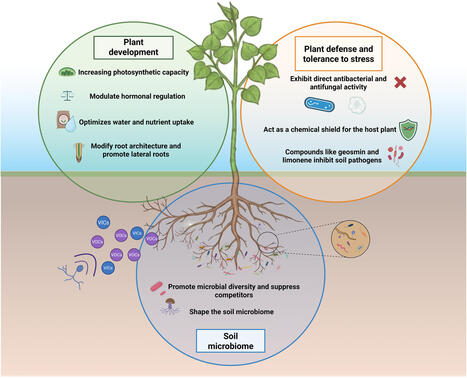
Mycorrhizal fungi represent one of the oldest and most successful symbioses in plant evolution. Communication among mycorrhizal fungi and plants occurs prior to direct contact among them through different and variable biochemical signals, including microRNAs, hormones, small peptides and volatile organic and inorganic compounds. Volatile organic compounds (VOCs) emerge as key chemical signals that enable the transmission of chemical messages modulating plant and microorganism responses in both below- and above-ground ecosystems. The diversity and concentration of mycorrhizal VOCs will vary depending on the environment and the emitting organism and are usually related to changes in the conformation of root architecture and lateral root formation mediated by auxin and strigolactones. Moreover, the study of the effects of mycorrhizal VOCs in the tolerance to abiotic and biotic stress are still scarce although there are some promising results pointing out to the effect of these VOCs in plant development under osmotic stress conditions, and their properties as antifungal and antibacterial molecules. However, the information regarding the molecular mechanisms involved in mycorrhizal VOCs signaling and their effect on plants remains still elusive. The understanding of VOC-mediated plant-mycorrhizal interactions, together with the technical improvements for their detection and mode of application in the field, will open new avenues for biotechnological crop improvement and management that not only will reduce the dependence on agrochemicals but also fosters soil health and plant resilience.
Cross-kingdom RNA interference is an emerging concept in plant–pathogen interactions. Here we provide evidence that cross-kingdom RNA interference also occurs in a beneficial plant symbiosis called arbuscular mycorrhiza. The arbuscular mycorrhizal fungus Rhizophagus irregularis transfers small RNAs into plant cells, promoting the colonization of host roots. This finding establishes inter-organismal RNA communication as a new regulatory mechanism of this ancient and widespread symbiosis.
The state of food security is achieved if no one has to worry whether or how they can acquire—typically purchase—healthy and nutritious meals. In theory, food security could be addressed from two sides: increasing households’ purchasing power or lowering food prices. However, in practice, food insecurity is a by-product of prevailing political and economic systems. Agriculture produces more calories and nutrients than needed to feed humanity, so it is fundamentally an issue of distributive justice, where geography, education, ethnicity, gender, and other mechanisms of marginalization determine one’s food security—through access to wealth. Yet humanity has failed to eliminate poverty and instead of addressing socioeconomic causes of food insecurity, agricultural research and practice are called upon to compensate. This is not only unfair but bound to fail. It also diverts muchneeded scientific capacity from the long list of sustainability challenges that agricultural production systems must address.
The widespread use of plant protection products (PPPs) may lead to soil contamination, potentially compromising the symbiotic integrity of arbuscular mycorrhizal fungi (AMF) in agricultural systems. However, the effects of PPPs on AMF are underexplored due to the absence of standardized methodology for ecotoxicological assessments. The objective of this study was to introduce an in vivo method for assessing the effects of PPP pollutants on the AMF symbiotic phase and to evaluate the suitability of this method as an intermediate-tier protocol in risk assessment frameworks. Four tests were conducted using combinations of: (1) Gigaspora albida + Glycine max; (2) G. albida + Urochloa brizantha; (3) Rhizophagus clarus + G. max; (4) R. clarus + U. brizantha). All assays were performed in tropical artificial soil (TAS) under a gradient of chlorothalonil concentrations (0, 12, 18, 24, 36, 48, and 72 mg a.i. kg⁻1). The evaluated endpoints included total root colonization, percentage of arbuscules colonization, total extraradical mycelial length (ERM), and spore number. All endpoints were sensitive to the presence of PPPs in TAS, with mycorrhizal colonization and ERM being the most sensitive, meeting the validity criteria (CV < 30%). The Inhibitory concentration (IC50) values for all endpoints were higher than the predicted environmental concentrations (PECs). Therefore, this method can be considered suitable as an intermediate-tier protocol, as it exhibits key characteristics of a standardized approach and can be applied to ecotoxicological studies involving other potentially contaminating PPPs, as well as additional classes of environmental contaminants.
Colonization of plant roots by symbionts requires substantial morphodynamic reorganization. Examples are actin-scaffolded microcompartments called infection pockets formed during root nodule symbiosis (RNS) by legumes. We demonstrate that the actin-binding formin SYFO2 is indispensable for rhizobial infection in Medicago truncatula, where it drives actin polymerization in phase-separated and symbiosis-specific nanodomains. SYFO2 also regulates symbiotically active arbuscules formed during mycorrhizal symbiosis in plants outside the nodulating clade, indicating that it was additionally recruited to promote rhizobial infections in legumes. As part of our aim to enable nitrogen fixation in nonlegumes, we activated endogenous SYFO2 by stably introducing the RNS master regulator NODULE INCEPTION (NIN) into the natural nonhost tomato. This demonstrates the possibility of recruiting arbuscular mycorrhizae–related genes into an engineered nodulation-specific pathway.
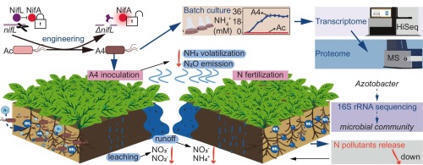
Engineered free-living diazotrophs with enhanced ammonium excretion have long been proposed as a promising biofertilizer to replace chemical nitrogen fertilizers synthesized via the Haber-Bosch process. Deletion of nifL has been widely used as a strategy to engineer nitrogen-fixing strains with enhanced NH4+ excretion. However, the effects of nifL mutation on the global expression of genes and proteins in nitrogen-fixing strains, as well as their actual environmental effects under field conditions, remain not fully understood. We created an Azotobacter mutant (A4) through deletion of the central nifL gene region without introducing any additional promoters or other genetic modifications. The A4 exhibited excellent ammonium excretion and retained phenotypic stability for four years of subculturing. Transcriptomic and proteomic analyses revealed a significant upregulation of NifA-activated genes and their corresponding nitrogen-fixation proteins in A4 compared to the wild types. The high-level nitrogen fixation supports the ability of A4 to potentially replace the synthetic nitrogen fertilizers while maintaining normal yields in vegetable field cultivation under medium-fertility soil conditions. Notably, A4 application reduced nitrogen pollutant release by 87.4%, compared to conventional fertilization. Inoculation with A4 significantly enhanced the predicted nitrogen fixation-related functions of the rhizosphere microbial community without introducing potential ecological risks. This work offers a stable and field-effective strategy for sustainable agriculture.
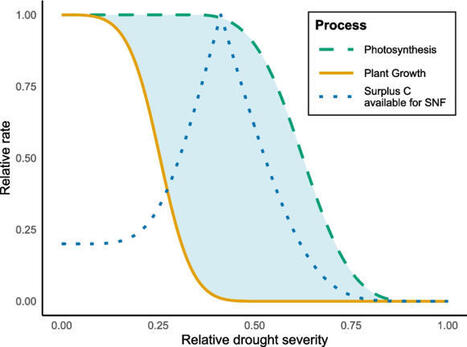
Background and Aims The return-on-investment framework suggests that symbiotic nitrogen fixation (SNF) is carbon (C)-expensive and optimized for nitrogen (N) acquisition, implying its downregulation when N is abundant. However, many studies reveal paradoxical findings, with high SNF rates occurring under high N availability, often under conditions of drought, high light intensity, and elevated CO2.
Scope Here we propose an alternative framework suggesting that C allocation to SNF is at least partly driven by plants transporting surplus C belowground, rather than being solely explained by N demand or availability. Under conditions like moderate drought, nutrient limitation, high light, or elevated CO2, plants may accumulate surplus C. For instance, moderate drought inhibits leaf growth but maintains photosynthesis, generating surplus C that could stimulate SNF through increased nodule biomass and SNF rates, even with low plant N demand.
Conclusions Therefore, plant C availability may be a key factor regulating SNF. Adopting this surplus C perspective could improve ecological models, particularly for plant-microbial interactions under climate change scenarios. We recommend experimental validation involving isotopic tracing of C and N, and monitoring non-structural carbohydrate pools and SNF under conditions that induce C surplus. We suggest that plant surplus C provides a plausible, parsimonious explanation for many observations and should be considered when interpreting unexpected or paradoxical patterns in SNF.
This study aimed to isolate and characterize nitrogen-fixing bacteria from the maize rhizosphere and evaluate their plant growth-promoting potential to reduce reliance on synthetic fertilizers and enhance soil fertility. Nitrogen-free selective media were used for bacterial isolation, followed by detection of the nifH gene and nitrogenase activity. Phylogenetic identification was conducted via 16S rRNA sequencing. Growth-promoting traits, stress tolerance, and pot-based plant inoculation effects were assessed. Genetic modification of strain GN8811 was performed to improve nitrogen fixation and growth promotion. Seven isolates possessed the nifH gene and nitrogenase activity, including Azotobacter chroococcum GN2001, A. vinelandii GN1202, Azospirillum brasilense GN1004, Kosakonia sacchari GN2003, Klebsiella michiganensis GN8799 and GN8801, and K. quasivariicola GN8811. Furthermore, GN8801 and GN2001 exhibited phosphate solubilization and iron chelation, while GN1004 and GN8811 showed strong IAA production and potassium solubilization. Additionally, GN2003 and GN8811 tolerated high salinity and variable pH. Maize inoculated with GN8811 showed biomass and root enhancement comparable to nitrogen-fertilized controls. The genetically modified GN8811 strain (ΔnifL::nifA) exhibited further improvement in ni-trogen fixation and plant growth, maintaining performance even under high nitrogen conditions. Diverse nitrogen-fixing bacteria were identified from the maize rhizo-sphere, possessing multiple growth-promoting functions and stress tolerance. K. quasivariicola GN8811 demonstrated the best performance, and its genetic enhancement further improved nitrogen fixation efficiency. These findings highlight the potential of combining microbial screening with genetic engineering to develop efficient bioinocu-lants for sustainable maize cultivation. Biological nitrogen fixation by plant-associated bacteria offers a promising route to reduce synthetic nitrogen fertilizer inputs in cere-al-based agroecosystems, yet its reliability is often constrained by environmental stress and nitrogen repression. In this study, we combined systematic isolation of native maize rhizosphere diazotrophs with targeted regulatory engineering of the NifL–NifA system to generate a high-performance nitrogen-fixing strain capable of promoting maize growth even under nitrogen-replete conditions. Our results demonstrate that precise genetic rewiring of indigenous plant-associated bacteria can substantially en-hance nitrogen fixation efficiency and plant growth promotion, highlighting a viable strategy for developing next-generation biofertilizers to support sustainable maize production.
Climate change and increased pollution are driving dynamic and rapidly accelerating changes in our environment, negatively impacting agricultural production. Meanwhile, modern agricultural research is mostly failing to provide rapid, adequate, and accessible solutions. A farmer-centered and multidisciplinary model is proposed here to accelerate research and promote breakthrough developments in agriculture.
Microbial communities are dynamic networks that regulate nutrient cycling, energy flow, and ecosystem stability, making microbial diversity essential to the health and resilience of all living organisms and ecosystems. However, Anthropocene-driven human activities have led to substantial losses of microbial diversity in environmental and host-associated microbiomes. Despite their critical role, microbiome is underrepresented in conservation and public health strategies, creating a knowledge and intervention gap. Emerging strategies based on microbiome approach offer promising avenues for restoring microbial diversity and enhancing Planetary Health. Achieving these goals requires coordinated global policies, interdisciplinary collaboration, and recognition of microbes as essential partners in sustaining life on Earth.
Mycorrhizal symbiosis is one of the most widespread and ecologically significant mutually beneficial interactions in terrestrial ecosystems, with decisive effects on plant nutrition, soil microbial dynamics, and ecosystem stability. Classically defined through carbon-nutrient exchange, this symbiotic relationship is now considered a more complex and multifaceted structure in current studies. In particular, secondary metabolites synthesized by plants and mycorrhizal fungi are increasingly being shown to be key chemical signals regulating the tripartite interactions between plants, fungi, and the rhizosphere microbiome. Secondary metabolites such as phenolic compounds, flavonoids, terpenoids, and alkaloids play a critical role in processes such as selectively promoting beneficial microorganisms, suppressing pathogenic or competitive species, and supporting functional microbial groups involved in nutrient cycling. Mycorrhizal colonization alters the secondary metabolite profiles of plants, is associated with shifts in the rhizosphere microbial community structure, and indirectly affects fundamental ecosystem functions such as nitrogen fixation, phosphorus mobilization, and organic matter decomposition. This review aims to provide a mechanistic and integrative evaluation of secondary metabolite-mediated interactions within the plant-mycorrhiza-rhizosphere microbiome tripartite system. This tripartite system represents a multilayered regulatory network operating across molecular, microbial, and ecosystem levels. The findings shed light on new approaches in terms of sustainable agricultural practices and ecosystem management.
Background and aims Common bean (Phaseolus vulgaris L.) is an important food legume which contributes to sustainable agriculture by fixing atmospheric nitrogen (N). However, modern breeding programs have mostly focused on improving crop yield and agronomic traits, ignoring the crop’s capacity for effective symbiotic nitrogen fixation and interactions with microbial communities. We sought to investigate how genotype, soil N availability, and environmental conditions, affect plant growth, N fixation, and the composition of root-associated bacterial communities of 16 bean cultivars released over 77 years of breeding history.
Methods Crop growth parameters of 14 pintos, 1 pink, and a non-nodulating navy bean R99 were evaluated in field trials conducted over two growing seasons under differing N soil fertility. The soil and root microbiomes associated with these cultivars were analyzed using 16S rRNA amplicon sequencing.
Results The results revealed significant year-to-year differences in crop yield and SNF. While nodulation rates were consistent, N fixation efficiency declined under high soil N conditions. Cultivar-specific differences in microbiome composition were observed under N-limited conditions, with several taxa strongly associated with individual genotypes. Notably, modern cultivars showed reduced SNF, which was also more prominent under low N availability, suggesting potential trade-offs associated with breeding for high-input systems. The line R99 exhibited a distinct microbial profile and reduced Rhizobium abundance, indicating a complex genotype–microbiome interaction.
Conclusion These findings highlight the importance of both genotype and soil environment on bean performance and microbiome structure and underscore the need for breeding strategies aimed at improving N-use efficiency in bean production.
With the aim to elucidate the interdependence between potassium transport by the host plant in nodule cells and potassium transport in bacteroids, a null mutant of rhizobial potassium ion transporter Smkup1 was created and investigated. The mutation, according to cytological analysis, has not caused specific aberrations in the root nodules’ anatomy and ultrastructure, but a significant induction of the expression of host plant and rhizobial genes involved in the stress response was observed. At the same time, an opposite trend was observed for genes of the autophagy pathway that have shown a significant downregulation of expression. To identify the mechanisms of interplay between autophagy and senescence in the root nodule, an in silico analysis of protein–protein interactions of positive (Beclin 1) and negative (NAC1, BAK1) regulators of autophagy was performed. The resulting networks allowed the predictions of interacting proteins putatively linking symbiotic interactions, autophagy, stress, programmed cell death (PCD), and senescence. Based on these data, we hypothesized that modulation of the expression of these genes in the root nodule could be the way to extend the root nodule’s lifespan and the duration of the nitrogen fixation process.
Plant diseases pose a great risk to global food security, and recent research indicates that pathogen pressures on plant productivity will substantially increase under ongoing climate change (that is, increasing CO2 levels and global warming). However, our mechanistic and predictive knowledge of the impacts of climate extremes, such as heatwaves and prolonged droughts, and their interaction with other climatic factors, on plant pathogens, hosts and microbiomes, remains largely unknown. This is an important knowledge gap that limits our ability to develop effective strategies to mitigate the socioeconomic impacts of climate change-induced plant disease outbreaks. This Review examines the impacts of key climate extremes on soil-borne pathogens, plant microbiomes and host physiology that ultimately determine disease outcomes. We explore evidence that suggests that the responses of pathogen–host–microbiome interactions to climate extremes may differ in many ways from those to long-term climate change. Climate extremes may increase the virulence and distribution of many pathogens, suppress certain plant immune responses, and weaken the core functions of host microbiomes within the disease triangle, thereby facilitating disease outbreaks. We propose an integrated pathway for harnessing microbiomes to address the critical challenges posed by climate extremes. These insights offer new approaches to mitigate disease risks by harnessing microbiomes and metabolites under climate extremes, with the potential to support climate-resilient and sustainable agricultural and natural ecosystems.
Plants take up nitrogen from the soil as ions or free amino acids. Some plant species form symbioses with nitrogen-fixing soil bacteria to carry out biological nitrogen fixation using the enzyme complex nitrogenase to convert atmospheric nitrogen to ammonia, which the plants can use. This involves the formation of specialized plant structures called root nodules and is known as root nodule symbiosis. Such bacteria include rhizobia and Frankia. The hosts of rhizobia are legumes (order Fabales) and one non-legume (Parasponia, order Rosales), while Frankia associates with actinorhizal plants from the orders Fagales, Cucurbitales, and Rosales. Phylogenetically, Frankia can be divided into four clusters. The earliest diverging cluster is Frankia cluster-2, which can be divided into the island and continental lineages, and, with one exception, contains species that have never been cultivated. It diverged from the non-symbiotic cluster-4. Subsequently, another symbiotic lineage branched off from cluster-4: the precursor of the two symbiotic clusters, cluster-1 and cluster-3. Cluster-1 contains two distinct groups: cluster-1a, whose species can infect Alnus, and cluster-1c, whose species can infect (Allo-)Casuarina. To date, some cluster-1a strains have not been cultivated. The as-yet-uncultivable strains of both cluster-1a and cluster-2 lineages show strong genome erosion (4.2 to 5.6 MB compared to 10 MB in cluster-4). This thesis aims to provide a broader understanding of the evolution and saprotrophic capabilities of the nitrogen-fixing Actinomycetota Frankia, and how these bacteria interact with their host plants.
In Study I, we tried to determine why certain Frankia strains cannot be cultured. Frankia have an uptake hydrogenase enzyme (Hup), which recycles the hydrogen produced by nitrogen fixation to counter the loss of energy that occurs during the process. We analysed the different types of [NiFe] uptake hydrogenases found across Frankia clusters to understand whether they play a role in a strain’s ability to survive in culture. We found that the Frankia strains which could not be cultivated to date have lost the gene set required to produce type-1h [NiFe] uptake hydrogenase, which scavenges electrons from atmospheric hydrogen for respiration during carbon starvation. These strains contain either type-1f or type-2a hydrogenases, either of which can recycle the hydrogen produced during nitrogen fixation, allowing them to fix nitrogen during symbiosis in an energy-efficient manner.
In Study II and Study III, we checked for the presence of undiscovered Frankia species exhibiting genome reduction in Casuarina or Coriaria hosts that escaped isolation via traditional culturing techniques. Nodules were collected from several countries and directly sequenced the nodule to obtain nodule metagenome assembled genomes (MAGs), bypassing the need to culture the microsymbionts. We identified five new Frankia species: one Casuarina-infective species from cluster-1c, and four from earlier studies: one novel Coriaria-infective species from the cluster-2 continental lineage, and three novel Coriaria-infective species from the cluster-2 island lineage. All these strains show evidence of erosion of the genes needed to produce type-1h [NiFe] uptake hydrogenase. In conclusion, Frankia strains follow one of two evolutionary trajectories – either towards obligate symbiosis (accompanied by strong genome erosion), or towards rhizosphere colonization (with limited genome erosion).
In Study IV, we examined the lipochitooligosaccharide (LCO) compounds produced by some species from the continental lineage of cluster-2 Frankia. In rhizobia and arbuscular mycorrhizal (AM) fungi (i.e., in other plant microsymbionts), LCOs are used for microbe-host communication. In the evolutionarily older AM fungi, LCOs can also suppress host defences. Since Frankia LCOs are not produced by all Frankia species, a function in genus-wide microsymbiont-host communication seems unlikely. We therefore examined the effect of Frankia LCOs on plant defence. Our findings suggest that, like AM LCOs, Frankia LCOs suppress plant defence, enabling infection and nodulation under stressed conditions.
Ethylene is a well-established negative regulator of nodulation, yet how ethylene biosynthesis and perception are spatially coordinated during early symbiotic signalling remains unresolved. Here, we investigate the dynamics of ethylene responses in Medicago truncatula using transcriptomics, promoter–reporter analyses, loss-of-function approaches and a synthetic reporter. We show that the activity of the ethylene-responsive EBSn reporter shifts from inner root tissues under non-symbiotic conditions to the outer cortex and epidermis following rhizobial inoculation, revealing a spatial reprogramming of ethylene signalling. Among the eight Medicago 1-AMINOCYCLOPROPANE-1-CARBOXYLIC ACID SYNTHASE (ACS) genes, upon rhizobia application MtACS3 is induced in outer root cell layers, while MtACS10 is repressed in the inner cortex and pericycle, mirroring the shift in ethylene perception. Functional analysis demonstrates that MtACS10 restricts nodule initiation, whereas MtACS3 modulates infection thread number, prevents nodule clustering, and contributes to radial positioning of nodule primordia. Rhizobial induced ectopic ACS expression in the root interior counteracts MtACS10 repression and blocks nodulation, highlighting the requirement for spatially confined downregulation of ethylene biosynthesis. Together, these findings establish a framework in which localized shift in ethylene biosynthesis, mediated by distinct Medicago ACS genes, balances infection and organogenesis while co-defining the spatial limits of the root susceptible zone.
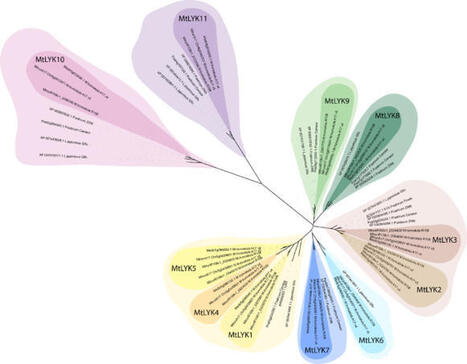
Fine-tuning of the immune response plays a key role in legume-rhizobial symbiosis. Rhizobial Nod factors can suppress the defense responses during symbiosis, but the possible mechanisms of such regulation remain poorly understood. Here, we observe that Nod factors effectively suppress the expression of genes encoding defense markers (WRKYs, PRs, PALs), the reactive oxygen species (ROS) formation, and reduce the content of pattern recognition receptor (PRR) LYK9 induced by treatment with deacetylated chitooligosaccharide CO8-DA in pea roots. Since PRR LYK9 may recognize both chitin/COs and peptidoglycan, it likely plays an important role in the activation of defense responses during rhizobial inoculation. To identify potential regulators through which Nod factors suppress the immune response in plants during symbiosis with rhizobia, proteome and transcriptome analyses were performed. This allowed identifying several potential candidates activated by Nod factors, such as superoxide dismutase and catalase enzymes, which prevent excessive ROS accumulation and the development of oxidative stress. We also found ubiquitin ligases and ubiquitin-conjugating enzymes that may target PRRs activated in response to rhizobial inoculation. LYK9 degradation via ubiquitinylation was shown to prevent a hypersensitive response in plants. Nod factors activate enzymes involved in jasmonic acid biosynthesis, which in turn activates the transcription factor ABR1, suppressing the abscisic acid-induced responses and decreasing the immune response. Finally, we showed that LysM-receptor-like kinases PsLYK11/MtLYK11, probable homologs of Arabidopsis AtLYK3 in pea and Medicago, are involved in regulation of the immune response.
Electricigens serve as anode catalysts to catalyze nitrogen fixation. At present, only a few electricigens can simultaneously perform both outward and inward extracellular electron transfer (EET) metabolic pathways during the process of biological nitrogen fixation. The mechanism of bidirectional EET coupling in nitrogen-fixing is still not well elucidated. In this study, a nitrogen-fixing bacterial strain Klebsiella variicola C1 that possesses the capacity for bidirectional EET was first reported. Scanning electron microscopy (SEM), three-dimensional fluorescence spectroscopy and cyclic voltammetry (CV) were employed to reveal the differences of biofilms formed at the anode and cathode. Fluorescence-based quantitative PCR and comparative proteomic approaches were used to explore key genes and proteins involve in bidirectional EET pathways and nitrogen fixation. The results showed the outer-membrane lipoprotein carrier proteins seemed to be primarily responsible for facilitating electron transfer from the cell to the anode, whereas pilus proteins may mainly perform electron uptake from the cathode. Additionally, an NAD(P)-dependent oxidoreductase located in the cytoplasm appears to play a critical role in ATP synthesis, which might contribute to efficient nitrogen fixation at the anode. Overall, these results suggested that bidirectional EET for K. variicola C1 led to different nitrogen fixation performance.
Soybean can meet much of its nitrogen demand through biological nitrogen fixation (BNF). However, yields in sub-Saharan Africa (SSA) remain constrained by nitrogen deficiency and inconsistent responses to rhizobial inoculation. Despite widespread promotion of inoculation, the influence of host genotype on symbiotic effectiveness in African soybean cultivars remains is not well characterized. We assessed nodulation, nitrogen fixation, and growth responses of three widely cultivated Ghanaian soybean cultivars inoculated with ten phylogenetically diverse Bradyrhizobiumstrains under controlled, nitrogen-free conditions. Symbiotic performance was assessed using nodulation traits, acetylene reduction assay, shoot biomass, and relative symbiotic effectiveness (RSE) relative to mineral nitrogen treatment. Symbiotic outcomes were strongly dependent on the host. Two cultivars exhibited high nitrogen fixation and growth with multiple strains, whereas one showed consistently weak fixation and growth despite nodulation, indicating host-imposed post-infection constraints. Nodule weight and nitrogenase activity, but not nodule number, reliably predicted symbiotic benefits. Notably, several non-classical soybean Bradyrhizobium strains performed comparably or better to recognized soybean symbionts when paired with compatible hosts. These results demonstate that host genotype is a key determinant of soybean BNF effectiveness and highlight the need to integrate symbiotic performance traits into breeding and inoculant design for reliable BNF in low-input SSA farming systems.
Rhizobia fix nitrogen in plant nodules. Notably, Rhizobium sp. ACO-34A (which could be reclassified as Paenirhizobium), recovered from the rhizosphere of Agave americana, is capable of fixing nitrogen in a defined medium in microaerobic conditions and carries nifHDKENBV genes in a 213 kb plasmid. ACO-34A failed to induce nodules in several leguminous hosts and does not have nod genes. ACO-34A NifH mutant did not fix nitrogen in pure cultures and did not promote stem growth in Lotus japonicum plants as the wild strain did. The plasmid harboring the nif genes contains repABC replication genes, genes for homocitrate synthesis, for toxin-antitoxin production and for plant colonization. Comparative phylogenomic analyses revealed that strain ACO-34A is close to Ciceribacter sichuanensis S101, which was isolated from soybean nodules and should be reclassified. According to ANI, AAI and dDDH parameters, ACO-34A may represent a novel species within the Rhizobiacea family.
To get content containing either thought or leadership enter:
To get content containing both thought and leadership enter:
To get content containing the expression thought leadership enter:
You can enter several keywords and you can refine them whenever you want. Our suggestion engine uses more signals but entering a few keywords here will rapidly give you great content to curate.


 Your new post is loading...