Your new post is loading...

|
Scooped by
Jean-Michel Ané
November 11, 2013 6:27 PM
|
Transcription factor complex formation is a central step in regulating gene expression. In this report, a novel MYB coiled-coil transcription factor referred to as IPN2, for Interacting Protein of NSP2, is described.The interaction between IPN2 and NSP2 was examined by protein pull-down assays and bimolecular fluorescence complementation (BiFC). Subcellular localization of proteins, gene expression and gene function were assessed in transgenic hairy roots expressing tagged recombinant proteins, promoter-reporter and RNA interference (RNAi) constructs, respectively.The GRAS domain of NSP2 and the coiled-coil domain of IPN2 were found to be responsible for the interaction between the two proteins. IPN2 had strong transcription activation activity, bound directly to the NIN gene promoter, and was localized to the nuclei of Lotus japonicus root cells. The expression of IPN2 was elevated during nodule development, coinciding with increased NSP2gene expression during nodule organogenesis. RNAi-mediated knockdown expression of IPN2 did not affect arbuscular mycorrhizal development, but had deleterious effects on rhizobial infection and nodule formation in L. japonicus.These results demonstrate an important role of IPN2 in nodule organogenesis and place a new MYB transcription factor in the Nod signaling pathway.
|
|
Rescooped by
Jean-Michel Ané
from Rhizobium Research
November 10, 2013 2:20 PM
|
Bacterial interactions with plants are accompanied by complex signal exchange processes. Previously, the nitrogen-fixing symbiotic (rhizo)bacteriumBradyrhizobium japonicum was found to carry adjacent genes encoding two sequentially acting diterpene cyclases that together transform geranylgeranyl diphosphate to ent-kaurene, the olefin precursor to the gibberellin plant hormones. Species from the three other major genera of rhizobia were found to have homologous terpene synthase genes. Cloning and functional characterization of a representative set of these enzymes confirmed the capacity of each genus to produce ent-kaurene. Moreover, comparison of their genomic context revealed that these diterpene synthases are found in a conserved operon, which includes an adjacent isoprenyl diphosphate synthase, shown here to produce the geranylgeranyl diphosphate precursor, providing a critical link to central metabolism. In addition, the rest of the operon consists of enzymatic genes that presumably lead to a more elaborated diterpenoid, although the production of gibberellins was not observed. Nevertheless, it has previously been shown that the operon is selectively expressed during nodulation, and the scattered distribution of the operon via independent horizontal gene transfer within the symbiotic plasmid or genomic island shown here suggests that such diterpenoid production may modulate the interaction of these particular symbionts with their host plants. Hershey DM, Lu X, Zi J, Peters RJ.(2013). J Bacteriol. Oct 18. [Epub ahead of print]
Via IvanOresnik
|
|
Scooped by
Jean-Michel Ané
November 8, 2013 10:20 AM
|
The cell wall is a complex structure mainly composed of cellulose microfibrils embedded in a cohesive hemicellulose and pectin matrix. Cell wall structural proteins, enzymes and their inhibitors are also essential components of plant cell walls. They are involved in the cross-link of cell wall polysaccharides, wall structure, and the perception and signaling of defense-related elicitors at the cell surface. In the outer part of the epidermal cells, the polysaccharides are coated by the cuticle, consisting of hydrophobic cutin, suberin and wax layers. Lignin, a macromolecule composed of highly cross-linked phenolic molecules, is a major component of the secondary cell wall. The cell wall is the first cell structure on which interactions between plants and a wide range of other organisms, including insects, nematodes, pathogenic or symbiotic micro-organisms take place. It not only represents a barrier that limits access to the cellular contents that provide a rich nutrient source for pathogens but serves as a source of elicitors of plant defense responses released upon partial enzymatic degradation of wall polysaccharides during infection. Modification of the plant cell wall can also occur at the level of plasmodesmata during virus infection as well as during abiotic stresses. The fine structure and composition of the plant cell wall as well as the regulation of its biosynthesis can thus strongly influence resistance and susceptibility to pathogens. We welcome research papers, short communications, reviews, and methods focused on the impact of cell wall during plant stresses and symbiotic interactions.
|
|
Scooped by
Jean-Michel Ané
November 7, 2013 10:23 PM
|
Arbuscular mycorrhizal fungi (AMF) form symbioses with most plant species. They are ecologically important determinants of plant growth and diversity. Considerable genetic variation occurs in AMF populations. Thus, plants are exposed to AMF of varying relatedness to each other. Very little is known about either the effects of coexisting AMF on plant growth or which factors influence intraspecific AMF coexistence within roots. No studies have addressed whether the genetics of coexisting AMF, and more specifically their relatedness, influences plant growth and AMF coexistence. Relatedness is expected to influence coexistence between individuals, and it has been suggested that decreasing ability of symbionts to coexist can have negative effects on the growth of the host. We tested the effect of a gradient of AMF genetic relatedness on the growth of two plant species. Increasing relatedness between AMFs lead to markedly greater plant growth (27% biomass increase with closely related compared to distantly related AMF). In one plant species, closely related AMF coexisted in fairly equal proportions but decreasing relatedness lead to a very strong disequilibrium between AMF in roots, indicating much stronger competition. Given the strength of the effects with such a shallow relatedness gradient and the fact that in the field plants are exposed to a steeper gradient, we consider that AMF relatedness can have a strong role in plant growth and the ability of AMF to coexist. We conclude that AMF relatedness is a driver of plant growth and that relatedness is also a strong driver of intraspecific coexistence of these ecologically important symbionts.
|
|
Rescooped by
Jean-Michel Ané
from Plant pathogenic fungi
November 7, 2013 10:21 PM
|
Background: The endophytic fungus, Neotyphodium coenophialum, can enhance drought tolerance of its host grass, tall fescue. To investigate endophyte effects on plant responses to acute water deficit stress, we did comprehensive profiling of plant metabolite levels in both shoot and root tissues of genetically identical clone pairs of tall fescue with endophyte (E+) and without endophyte (E-) in response to direct water deficit stress. The E- clones were generated by treating E+ plants with fungicide and selectively propagating single tillers. In time course studies on the E+ and E- clones, water was withheld from 0 to 5 days, during which levels of free sugars, sugar alcohols, and amino acids were determined, as were levels of some major fungal metabolites. Results: After 2--3 days of withholding water, survival and tillering of re-watered plants was significantly greater for E+ than E- clones. Within two to three days of withholding water, significant endophyte effects on metabolites manifested as higher levels of free glucose, fructose, trehalose, sugar alcohols, proline and glutamic acid in shoots and roots. The fungal metabolites, mannitol and loline alkaloids, also significantly increased with water deficit. Conclusions: Our results suggest that symbiotic N. coenophialum aids in survival and recovery of tall fescue plants from water deficit, and acts in part by inducing rapid accumulation of these compatible solutes soon after imposition of stress.
Via Steve Marek
|
|
Scooped by
Jean-Michel Ané
November 7, 2013 9:40 PM
|
CALL FOR SATELLITE SESSION PROPOSALS The Congress Organizers offer the opportunity for Satellite sessions, duration one or two hours, on July 6 (Sunday), 2014
Between 10.00 and 16.30.
Just before the official opening of the congress
|
|
Scooped by
Jean-Michel Ané
November 7, 2013 9:27 PM
|
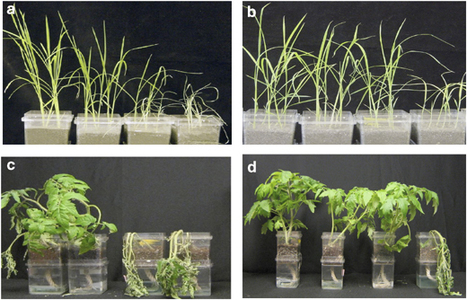
We demonstrate that native grass species from coastal and geothermal habitats require symbiotic fungal endophytes for salt and heat tolerance, respectively. Symbiotically conferred stress tolerance is a habitat-specific phenomenon with geothermal endophytes conferring heat but not salt tolerance, and coastal endophytes conferring salt but not heat tolerance. The same fungal species isolated from plants in habitats devoid of salt or heat stress did not confer these stress tolerances. Moreover, fungal endophytes from agricultural crops conferred disease resistance and not salt or heat tolerance. We define habitat-specific, symbiotically-conferred stress tolerance as habitat-adapted symbiosis and hypothesize that it is responsible for the establishment of plants in high-stress habitats. The agricultural, coastal and geothermal plant endophytes also colonized tomato (a model eudicot) and conferred disease, salt and heat tolerance, respectively. In addition, the coastal plant endophyte colonized rice (a model monocot) and conferred salt tolerance. These endophytes have a broad host range encompassing both monocots and eudicots. Interestingly, the endophytes also conferred drought tolerance to plants regardless of the habitat of origin. Abiotic stress tolerance correlated either with a decrease in water consumption or reactive oxygen sensitivity/generation but not to increased osmolyte production. The ability of fungal endophytes to confer stress tolerance to plants may provide a novel strategy for mitigating the impacts of global climate change on agricultural and native plant communities.
|
|
Scooped by
Jean-Michel Ané
November 7, 2013 2:28 PM
|
We used natural and tracer nitrogen (N) isotopes in a Pinus taeda free air CO2 enrichment (FACE) experiment to investigate functioning of ectomycorrhizal and saprotrophic fungi in N cycling.Fungal sporocarps were sampled in 2004 (natural abundance and 15N tracer) and 2010 (tracer) and δ15N patterns were compared against litter and soil pools.Ectomycorrhizal fungi with hydrophobic ectomycorrhizas (e.g. Cortinarius and Tricholoma) acquired N from the Oea horizon or deeper. Taxa with hydrophilic ectomycorrhizas acquired N from the Oi horizon (Russula and Lactarius) or deeper (Laccaria,Inocybe, and Amanita). 15N enrichment patterns for Cortinarius and Amanita in 2010 did not correspond to any measured bulk pool, suggesting that a persistent pool of active organic N supplied these two taxa. Saprotrophic fungi could be separated into those colonizing pine cones (Baeospora), wood, litter (Oi), and soil (Ramariopsis), with δ15N of taxa reflecting substrate differences. 15N enrichment between sources and sporocarps varied across taxa and contributed to δ15N patterns.Natural abundance and 15N tracers proved useful for tracking N from different depths into fungal taxa, generally corresponded to literature estimates of fungal activity within soil profiles, and provided new insights into interpreting natural abundance δ15N patterns.
|
|
Rescooped by
Jean-Michel Ané
from Plant microbe interactions
November 7, 2013 10:41 AM
|
For the establishment of an effective root nodule symbiosis, a coordinated regulation of the infection processes between the epidermis and cortex is required. However, it remains unclear whether the symbiotic genes identified so far are involved in epidermal and/or cortical infection, e.g., epidermal and cortical infection thread formation and cortical cell division. To analyze the symbiotic gene requirement for the infection process, we have developed an epidermal specific expression system (pEpi-expression system) and examined the symbiotic genes NFR1, NFR5, NUP85, NUP133, CASTOR, POLLUX, CCaMK, CYCLOPS, NSP1 and NSP2 for their involvement in the infection process in the epidermis and cortex. Our study shows that the expression of upstream common symbiosis genes, CASTOR, POLLUX, NUP85 and NUP133, in the epidermis is sufficient to induce the formation of infection threads and cortical cell division, leading to the development of fully effective nodules. Our system also shows the requirement of CCaMK, CYCLOPS, NSP1 and NSP2 for the entire nodulation process, and the different contribution of NFR1 and NFR5 to cortical infection thread formation. Based on these analyses via a pEpi-expression system, we propose a functional model of symbiotic genes for epidermal and cortical infection.
Via Olivier ANDRE
|
|
Rescooped by
Jean-Michel Ané
from Rhizobium Research
November 7, 2013 10:34 AM
|
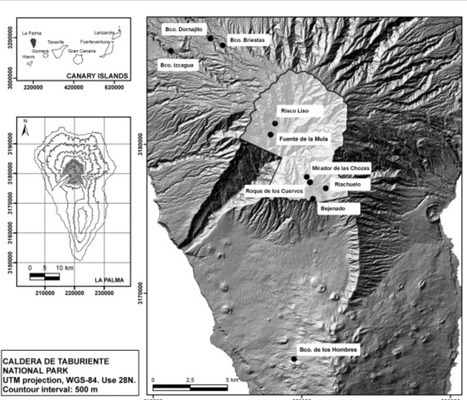
Cicer canariense is a threatened perennial wild chickpea endemic to the Canary Islands. In this study, rhizobia that nodulate this species in its natural habitats on La Palma (Canary Islands) were characterised. The genetic diversity and phylogeny were estimated by RAPD profiles, 16S-RFLP analysis and sequencing of the rrs, recA, glnII and nodC genes. 16S-RFLP grouped the isolates within the Mesorhizobium genus and distinguished nine different ribotypes. Four branches included minority ribotypes (3-5 isolates), whereas another five contained the predominant ribotypes that clustered with reference strains of M. tianshanense/M. gobiense/M. metallidurans, M. caraganae, M. opportunistum, M. ciceri and M. tamadayense. The sequences confirmed the RFLP groupings but resolved additional internal divergence within the M. caraganae group and outlined several potential novel species. The RAPD profiles showed a high diversity at the infraspecific level, except in the M. ciceri group. The nodC phylogeny resolved three symbiotic lineages. A small group of isolates had sequences identical to those of symbiovar ciceri and were only detected in M. ciceri isolates. Another group of sequences represented a novel symbiotic lineage that was associated with two particular chromosomal backgrounds. However, nodC sequences closely related to symbiovar loti predominated in most isolates, and they were detected in several chromosomal backgrounds corresponding to up to nine Mesorhizobium lineages. The results indicated that C. canariense is a promiscuous legume that can be nodulated by several rhizobial species and symbiotypes, which means it will be important to determine the combination of core and symbiotic genes that produce the most effective symbiosis. Armas-Capote N, Pérez-Yépez J, Martínez-Hidalgo P, Garzón-Machado V, Del Arco-Aguilar M, Velázquez E, León-Barrios M (2013). Syst Appl Microbiol. Oct 31. [Epub ahead of print]
Via IvanOresnik
|
|
Scooped by
Jean-Michel Ané
November 5, 2013 3:13 PM
|
Native tallgrass prairie once dominated much of the midwestern United States, but this biome and the soil microbial diversity that once sustained this highly productive system have been almost completely eradicated by decades of agricultural practices. We reconstructed the soil microbial diversity that once existed in this biome by analyzing relict prairie soils and found that the biogeographical patterns were largely driven by changes in the relative abundance of Verrucomicrobia, a poorly studied bacterial phylum that appears to dominate many prairie soils. Shotgun metagenomic data suggested that these spatial patterns were associated with strong shifts in carbon dynamics. We show that metagenomic approaches can be used to reconstruct below-ground biogeochemical and diversity gradients in endangered ecosystems; such information could be used to improve restoration efforts, given that even small changes in below-ground microbial diversity can have important impacts on ecosystem processes.
|
|
Scooped by
Jean-Michel Ané
November 4, 2013 11:40 PM
|
Phosphorus is the second important key element after nitrogen as a mineral nutrient in terms of quantitative plant requirement. Although abundant in soils, in both organic and inorganic forms, its availability is restricted as it occurs mostly in insoluble forms. The P content in average soil is about 0.05 % (w/w) but only 0.1 % of the total P is available to plant because of poor solubility and its fixation in soil (Illmer and Schinner, Soil Biol Biochem 27:257-263, 1995). An adequate supply of phosphorus during early phases of plant development is important for laying down the primordia of plant reproductive parts. It plays significant role in increasing root ramification and strength thereby imparting vitality and disease resistance capacity to plant. It also helps in seed formation and in early maturation of crops like cereals and legumes. Poor availability or deficiency of phosphorus (P) markedly reduces plant size and growth. Phosphorus accounts about 0.2 - 0.8 % of the plant dry weight.To satisfy crop nutritional requirements, P is usually added to soil as chemical P fertilizer, however synthesis of chemical P fertilizer is highly energy intensive processes, and has long term impacts on the environment in terms of eutrophication, soil fertilility depletion, carbon footprint. Moreover, plants can use only a small amount of this P since 75--90% of added P is precipitated by metal--cation complexes, and rapidly becomes fixed in soils. Such environmental concerns have led to the search for sustainable way of P nutrition of crops. In this regards phosphate-solubilizing microorganisms (PSM) have been seen as best eco-friendly means for P nutrition of crop. Although, several bacterial (pseudomonads and bacilli) and fungal strains (Aspergilli and Penicillium) have been identified as PSM their performance under in situ conditions is not reliable and therefore needs to be improved by using either genetically modified strains or co-inoculation techniques. This review focuses on the diversity of PSM, mechanism of P solubilization, role of various phosphatases, impact of various factors on P solubilization, the present and future scenario of their use and potential for application of this knowledge in managing a sustainable environmental system.
|
|
Scooped by
Jean-Michel Ané
November 4, 2013 11:30 PM
|
Plant innate immune system is a potential surveillance system against possible attack by pathogens. The invading pathogen’s signature (pathogen associated molecular pattern [PAMP]) is perceived by pattern recognition receptors (PRRs) of host plants. The informations generated by the PAMP alarm signals activate the plant innate immune system. The plant immune system uses several second messengers to encode information generated by the PAMPs and deliver the information downstream of PRRs to proteins which decode and interpret the signals and initiate defense gene expression. Calcium ion is an important intracellular second messenger and carries the PAMP signal downstream to initiate immune responses. Transient changes in permeability of the plasma membrane to Ca2+ and influx of extracellular Ca2+ through various plasma membrane-resident ion channels are the earliest events in defense signaling system. Different PAMPs trigger Ca2+ influx through activation/‘opening’ of specifically different ion channels. Massive influx of Ca2+occurs within a few minutes after PAMP treatment. The PAMP-activated calcium signaling is modulated by calcium signatures. Ca2+ signatures (single calcium transients, oscillations, or waves) are generated in the cytosol, and in noncytosolic locations including the nucleus and chloroplast through the coordinated action of Ca2+ influx and efflux pathways. PAMP signals induce an oscillation in the cytosolic free Ca2+ concentration and the information encoded in the induced transient Ca2+ changes is decoded by an array of Ca2+-binding proteins that serve as Ca2+ sensors. The Ca2+ sensors identified in plants include calmodulins (CaMs), CaM-like and CaM-related proteins, calcineurin B-like (CBL) proteins, Ca2+-dependent protein kinases (CDPKs), and Ca2+-binding proteins without EF hands. Specific calcium signatures are recognized by different calcium sensors to transduce calcium-mediated signals into downstream events. The information encoded by specific calcium signatures is decoded by an array of sensors and the extracellular signals are transmitted to cellular calcium-dependent effectors. Thus the extracellular PAMP signals are transmitted to the calcium-dependent effectors through calcium sensors resulting in activation of the complex immune signaling network.
|
|
|
Scooped by
Jean-Michel Ané
November 11, 2013 6:25 PM
|
Medicago truncatula is one of the model species for legume studies. In an effort to develop legume genetics resources, > 21 700Tnt1 retrotransposon insertion lines have been generated.To facilitate fast-growing needs in functional genomics, two reverse genetics approaches have been established: web-based database searching and PCR-based reverse screening. More than 840 genes have been reverse screened using the PCR-based approach over the past 6 yr to identify mutants in these genes. Overall, c. 84% (705 genes) success rate was achieved in identifying mutants with at least one Tnt1 insertion, of which c. 50% (358 genes) had three or more alleles.To demonstrate the utility of the two reverse genetics platforms, two mutant alleles were isolated for each of the two floral homeotic MADS-box genes, MtPISTILATA and MtAGAMOUS. Molecular and genetic analyses indicate that Tnt1 insertions in exons of both genes are responsible for the defects in floral organ development.In summary, we have developed two efficient reverse genetics platforms to facilitate functional characterization of M. truncatulagenes.
|
|
Scooped by
Jean-Michel Ané
November 9, 2013 7:20 PM
|
|
|
Scooped by
Jean-Michel Ané
November 7, 2013 10:31 PM
|
There is a concerted understanding of the ability of root exudates to influence the structure of rhizosphere microbial communities. However, our knowledge of the connection between plant development, root exudation and microbiome assemblage is limited. Here, we analyzed the structure of the rhizospheric bacterial community associated with Arabidopsis at four time points corresponding to distinct stages of plant development: seedling, vegetative, bolting and flowering. Overall, there were no significant differences in bacterial community structure, but we observed that the microbial community at the seedling stage was distinct from the other developmental time points. At a closer level, phylum such as Acidobacteria, Actinobacteria, Bacteroidetes, Cyanobacteria and specific genera within those phyla followed distinct patterns associated with plant development and root exudation. These results suggested that the plant can select a subset of microbes at different stages of development, presumably for specific functions. Accordingly, metatranscriptomics analysis of the rhizosphere microbiome revealed that 81 unique transcripts were significantly (P<0.05) expressed at different stages of plant development. For instance, genes involved in streptomycin synthesis were significantly induced at bolting and flowering stages, presumably for disease suppression. We surmise that plants secrete blends of compounds and specific phytochemicals in the root exudates that are differentially produced at distinct stages of development to help orchestrate rhizosphere microbiome assemblage.
|
|
Scooped by
Jean-Michel Ané
November 7, 2013 10:21 PM
|
The leaves of fescue grasses are protected from herbivores by the production of loline alkaloids by the mutualist fungal endophytes Neotyphodium sp. or Epichloë sp. Most bacteria that reside on the leaf surface of such grasses can consume these defensive chemicals. Loline-consuming bacteria are rare on the leaves of other plant species. Several bacterial species including Burkholderia ambifaria recovered from tall fescue could use N-formyl loline as a sole carbon and nitrogen source in culture and achieved population sizes that were about eightfold higher when inoculated onto plants harboring loline-producing fungal endophytes than on plants lacking such endophytes or which were colonized by fungal variants incapable of loline production. In contrast, mutants of B. ambifaria and other bacterial species incapable of loline catabolism achieved similarly low population sizes on tall fescue colonized by loline-producing Neotyphodium sp. and on plants lacking this endophytic fungus. Lolines that are released onto the surface of plants benefiting from a fungal mutualism thus appear to be a major resource that can be exploited by epiphytic bacteria, thereby driving the establishment of a characteristic bacterial community on such plants
Mycorrhizal fungi have a key role in nitrogen (N) cycling, particularly in boreal and temperate ecosystems. However, the significance of ectomycorrhizal fungal (EMF) diversity for this important ecosystem function is unknown. Here, EMF taxon-specific N uptake was analyzed via 15N isotope enrichment in complex root-associated assemblages and non-mycorrhizal root tips in controlled experiments. Specific 15N enrichment in ectomycorrhizas, which represents the N influx and export, as well as the exchange of 15N with the N pool of the root tip, was dependent on the fungal identity. Light or water deprivation revealed interspecific response diversity for N uptake. Partial taxon-specific N fluxes for ectomycorrhizas were assessed, and the benefits of EMF assemblages for plant N nutrition were estimated. We demonstrated that ectomycorrhizal assemblages provide advantages for inorganic N uptake compared with non-mycorrhizal roots under environmental constraints but not for unstressed plants. These benefits were realized via stress activation of distinct EMF taxa, which suggests significant functional diversity within EMF assemblages. We developed and validated a model that predicts net N flux into the plant based on taxon-specific 15N enrichment in ectomycorrhizal root tips. These results open a new avenue to characterize the functional traits of EMF taxa in complex communities.
Via Francis Martin
|
|
Scooped by
Jean-Michel Ané
November 7, 2013 9:34 PM
|
Cell walls are deeply involved in the molecular talk between partners during plant and microbe interactions and their role has been extensively investigated in mycorrhizae, i.e., the widespread symbiotic associations established between plant roots and soil fungi (Bonfante and Genre 2010). All mycorrhizal interactions achieve full symbiotic functionality with the development of an extensive contact surface between the plant and fungal cells, where nutrients and signals are exchanged. In more detail, the exchange of molecules from the fungal to the plant cytoplasm and viceversa takes place through both partners’ plasma membranes and cell walls, defining a functional compartment known as the symbiotic interface (Bonfante 2001; Harrison 2005). Plant cell walls form a dynamic extracellular matrix that actively controls plant growth and development (Sattelmacher and Horst 2007). An analogous condition is found in fungi, where the cell wall determines hyphal growth, shape and responses (Durán and Nombela 2004). Not surprisingly, cell wall organization and composition within the interface compartment has attracted strong attention, both in ecto- and endomycorrhizae (Balestrini and Bonfante 2005; Balestrini et al. 1996; Genre and Bonfante 2012).
The aim of this review is to provide a general overview of the current knowledge integrating morphological observations which have illustrated cell wall features in ecto- and endomycorrhizae with the today data produced by the genomics and transcriptomics approaches.
Among all symbiotic interfaces, the complex intracellular interface of arbuscular mycorrhizal (AM) symbiosis has received large attention since its first description. Here in fact the host plasmamembrane invaginates and proliferates around all the developing intracellular fungal structures and cell wall material is laid down between this membrane and the fungal cell surface (Balestrini and Bonfante 2005). Transcriptome analysis, on roots colonized by AM fungi, revealed up-regulation of many genes directly or indirectly involved in cellular reorganization events, which may be required for fungal accommodation, including several genes involved in cell wall metabolism (Guether et al. 2009). On the other side, in ectomycorrhizae (ECM), where the fungus grows outside and among the root cells, plant and fungal cell walls are always in direct contact and form the interface between the two partners (Martin 2007). In recent years, thanks to the genome/transcriptome projects of several fungal species, the analysis of the cell wall-degrading enzymes present in the genome has offered information on their own specialized lifestyles and their adaptation capacity (Balestrini et al. 2012). It has been recently reported that the ECM fungi Laccaria bicolor and Tuber melanosporum genomes contains a reduced gene set involved in the production of enzymes that are active on the plant cell wall polysaccharides (Martin et al. 2008; Martin et al. 2010), compared to saprotrophic and pathogenic fungi (Martin and Selosse 2008). T. melanosporum and L. bicolor may use different gene sets for plant cell wall degradation, which would seem to suggest differences in the mode of interaction with the respective host plants (Martin et al. 2010). A lack of expression of hydrolitic enzymes acting on plant cell wall polysaccharides has been reported also in the AM fungus Rhizophagus irregularis (syn. Glomus intraradices), revealing a similarity with obligate biotrophic pathogens. By contrast, a large set of genes encoding enzymes involved in fungal cell wall metabolism were expressed, suggesting a role in remodeling the fungal cell wall during growth and symbiosis (Tisserant et al. 2012).
In conclusion, advances in mycorrhizal fungal genome/transcriptome sequencing is suggesting that the strict regulation of the cell wall-related genes from both the partners, together with the reciprocal remodeling of their cell walls at the interface and the production of signaling molecules (Genre et al. 2013), is one of the key element to understand biotrophism.
|
|
Scooped by
Jean-Michel Ané
November 7, 2013 9:19 PM
|
The arbuscular mycorrhizal symbiosis associates soil fungi with the roots of the majority of plants species and represents a major source of soil phosphorus acquisition. Mycorrhizal interactions begin with an exchange of molecular signals between the two partners. A root signaling pathway is recruited, for which the perception of fungal signals triggers oscillations of intracellular calcium concentration. High phosphate availability is known to inhibit the establishment and/or persistence of this symbiosis, thereby favoring the direct, non-symbiotic uptake of phosphorus by the root system. In this study, Medicago truncatula plants were used to investigate the effects of phosphate supply on the early stages of the interaction. When plants were supplied with high phosphate fungal attachment to the roots was drastically reduced. An experimental system was designed to individually study the effects of phosphate supply on the fungus, on the roots, and on root exudates. These experiments revealed that the most important effects of high phosphate supply were on the roots themselves, which became unable to host mycorrhizal fungi even when these had been appropriately stimulated. The ability of the roots to perceive their fungal partner was then investigated by monitoring nuclear calcium spiking in response to fungal signals. This response did not appear to be affected by high phosphate supply. In conclusion, high levels of phosphate predominantly impact the plant host, but apparently not in its ability to perceive the fungal partner.
|
|
Scooped by
Jean-Michel Ané
November 7, 2013 2:22 PM
|
Sinorhizobium meliloti requires exopolysaccharides in order to form a successful nitrogen-fixing symbiosis with Medicago species. Additionally, during early stages of symbiosis, S. meliloti is presented with an oxidative burst that must be overcome. Levels of production of the exopolysaccharides succinoglycan (EPS-I) and galactoglucan (EPS-II) were found to correlate positively with survival in hydrogen peroxide (H2O2). H2O2 damage is dependent on the presence of iron and is mitigated when EPS-I and EPS-II mutants are cocultured with cells expressing either exopolysaccharide. Purified EPS-I is able to decrease in vitrolevels of H2O2, and this activity is specific to the symbiotically active low-molecular-weight form of EPS-I. This suggests a potential protective function of exopolysaccharides against H2O2 during early symbiosis.
|
|
Scooped by
Jean-Michel Ané
November 7, 2013 10:37 AM
|
BASF highlights functional crop care products at Agri-Trade (Innovative rhizobia in NODULATOR® XL heightens yield potential http://t.co/QRn5qcWrCi)...
|
|
Scooped by
Jean-Michel Ané
November 6, 2013 4:11 PM
|
Rhizobia establish a symbiotic relationship with their host legumes to induce the formation of nitrogen-fixing nodules. This process is regulated by many rhizobium regulators, including some two-component regulatory systems (TCSs). NtrY/NtrX, a TCS that was first identified in Azorhizobium caulinodans, is required for free-living nitrogen metabolism and symbiotic nodulation onSesbania rostrata. However, its functions in a typical rhizobium such asSinorhizobium meliloti remain unclear. Here we found that the S. melilotiresponse regulator NtrX but not the histidine kinase NtrY is involved in the regulation of exopolysaccharide production, motility, and symbiosis with alfalfa. A plasmid insertion mutant of ntrX formed mucous colonies, which overproduced succinoglycan, an exopolysaccharide, by upregulating its biosynthesis genes. This mutant also exhibited motility defects due to reduced flagella and decreased expression of flagellins and regulatory genes. The regulation is independent of the known regulatory systems of ExoR/ExoS/ChvI, EmmABC, and ExpR. Alfalfa plants inoculated with the ntrX mutant were small and displayed symptoms of nitrogen starvation. Interestingly, the deletion mutant of ntrY showed a phenotype similar to that of the parent strain. These findings demonstrate that the S. meliloti NtrX is a new regulator of succinoglycan production and motility that is not genetically coupled with NtrY.
|
|
Rescooped by
Jean-Michel Ané
from Rhizobium Research
November 5, 2013 3:07 PM
|
Sinorhizobium meliloti of the order Rhizobiales is a symbiotic nitrogen-fixing bacterium nodulating plants of the genera Medicago, Trigonella and Melilotus and hence is of great agricultural importance. In its free-living state it is motile and capable of modulating its movement patterns in response to chemical attractants. Here, the draft genome consisting of a circular chromosome, the megaplasmids pSymA and pSymB and three accessory plasmids of Sinorhizobium meliloti RU11/001, a model organism for flagellum structure, motility and chemotaxis, is reported. Wibberg D, Blom J, Rückert C, Winkler A, Albersmeier A, Pühler A, Schlüter A, Scharf BE. (2013). J Biotechnol. Oct 29. [Epub ahead of print]
Via IvanOresnik
|
|
Scooped by
Jean-Michel Ané
November 4, 2013 11:35 PM
|
Ectomycorrhizas (EMs) are mutualistic associations between certain soil fungi and higher plants. EMs can modulate the cellular, physiological and molecular processes of host plants, resulting in altered responses of the colonized plants to heavy metals. Progress in elucidating the role of EMs in modulating heavy metal tolerance of host trees is reviewed. In the last decade, a number of ectomycorrhizal fungal isolates and host plants have been characterized for their tolerance to heavy metals. Additionally, the cellular processes have been investigated with regard to heavy metal uptake, transport, distribution, toxicity and detoxification by ectomycorrhizal fungi and/or host plants. At the cellular level, mechanisms of heavy metal detoxification include (i) binding of heavy metals to cell wall and extracellular exudates, (ii) decreased uptake and/or pumping metal ions out of cytosol, (iii) chelation of metal ions in cytosol, (iv) compartmentation of metals in vacuoles or other subcellular structures, and (v) repair of damaged biomolecules. The efficiency of these protective measures is often increased by EMs, resulting in improved physiological status and rescued growth. While physiological and cellular responses to heavy metals have been well studied, experimental data on the underlying molecular mechanisms, especially those induced by the interaction of ectomycorrhizal fungi and hosts, are scattered. Progress in genome sequencing of EM partners has revealed the importance of metal transporters in mediating tolerance. A better understanding of the molecular mechanisms is essential for effective application of selected fungal isolates and hosts to improve the efficiency of bioremediation on heavy metal polluted sites.
|