


Researchers have discovered that brain metastases harbour high densities of tumour-infiltrating lymphocytes, which provide an immunoactive environment.


 Your new post is loading...
 Scoop.it! Researchers have discovered that brain metastases harbour high densities of tumour-infiltrating lymphocytes, which provide an immunoactive environment. 
No comment yet.
Sign up to comment
Scoop.it!

I've just posted on my Blog about: Immunology of relapses http://t.co/Nj5eC1rq2N
Scoop.it!

Gastroenterology & Endoscopy News Study Hints Gut Microbiome Plays A Role in Multiple Sclerosis Gastroenterology & Endoscopy News The study included untreated MS patients (n=19) as well as those treated with interferon β-1a (n=21), interferon β-1b... Via Krishan Maggon
Scoop.it!

Antigen Dependently Activated Cluster of Differentiation 8-Positive T Cells Cause Perforin-Mediated Neurotoxicit... http://t.co/BkGngX6dOO
Scoop.it!

Abstract
we identified a peptide, known as Angiopep-2 (An2), which crosses the blood–brain barrier (BBB) efficiently via receptor-mediated transcytosis, and, when conjugated, endows small molecules and peptides with this property. Extending this strategy to higher molecular weight biologics, we now demonstrate that a conjugate between An2 and an anti-HER2 mAb results in a new chemical entity, ANG4043, which retains in vitro binding affinity for the HER2 receptor and antiproliferative potency against HER2-positive BT-474 breast ductal carcinoma cells. Unlike the native mAb, ANG4043 binds LRP1 clusters and is taken up by LRP1-expressing cells. Measuring brain exposure after intracarotid delivery, we demonstrate that the new An2–mAb conjugate penetrates the BBB with a rate of brain entry (Kin) of 1.6 × 10⁻³mL/g/s. Finally, in mice with intracranially implanted BT-474 xenografts, systemically administered ANG4043 increases survival. Overall, this study demonstrates that the incorporation of An2 to the anti-HER2 mAb confers properties of increased uptake in brain endothelial cells as well as BBB permeability. These characteristics of ANG4043 result in higher exposure levels in BT-474 brain tumors and prolonged survival following systemic treatment. Moreover, the data further validate the An2–drug conjugation strategy as a way to create brain-penetrant biologics for neuro-oncology and other CNS indications. Mol Cancer Ther; 1–12. ©2014 AACR.
The technology platform has been validated in more than 200 patients in four US clinical trials and in multiple preclinical studies. Strong efficacy and excellent safety have been demonstrated with no evidence of CNS toxicity or immunogenicity, even after repeat dosing up to 22 cycles.
Via Krishan Maggon

Krishan Maggon 's curator insight,
December 9, 2014 12:53 PM
ANG4043, a Novel Brain-Penetrant Peptide–mAb Conjugate, Is Efficacious against HER2-Positive Intracranial Tumors in MiceAnthony Regina, Michel Demeule, Sasmita Tripathy, Simon Lord-Dufour,Jean-Christophe Currie, Mustapha Iddir, Borhane Annabi, Jean-Paul Castaigne,and Jean E. LachowiczMol Cancer Ther; Published OnlineFirst December 9, 2014; doi:10.1158/1535-7163.MCT-14-0399Molecular Cancer Therapeutics OnlineFirst
Last updated December 9, 2014 The LRP-1 Solution: Robust and VersatileThe blood-brain barrier (BBB) does a very good job of preventing most natural molecules and foreign substances from entering the brain via the BBB’s tight junctions of endothelial cells and P-glycoprotein (P-gp) activity. Essential substances like insulin and growth hormones are able to successfully enter the brain using receptors in the BBB. One of the most important receptors involved in that transport process is lipoprotein receptor-related protein, or LRP-1. By engineering drugs that bind to the LRP-1 receptor, Angiochem has created therapeutics that are able to permeate the BBB while maintaining their activity and efficacy. Binding Drug Compounds to the Body’s Own LRP-1 ReceptorAngiochem's proprietary, proven, and highly versatile technology platform uses the body’s own receptors, specifically Angiochem’s drugs bind to the LRP-1 receptor, and cross the BBB through LRP-1 receptor mediated transcytosis, which is the same natural process by which substances like insulin enter the brain.
Scoop.it!
Studies of the properties of soluble oligomers species of amyloidogenic proteins, derived from different proteins with little sequence homology, have indicated that they share a common structure an...
Scoop.it!

The Secrets of Cerebrospinal Fluid http://t.co/dkZK1pwjL4
Scoop.it!

An avenue for therapeutic intervention of multiple sclerosis may be ahead, thanks to new research.
Scoop.it!

In a new study published today in the journal Frontiers in Neurology, a team of researchers led by the University of Surrey, have identified a rogue protein in multiple sclerosis, which attacks the body's central nervous system.
Scoop.it!
The brain barriers are essential because they protect the brain but also because they regulate the exchange of cells and molecules in and out of the brain; both functions are responsible for the ho...
Scoop.it!

A multi-disciplinary research team from the National University of Singapore (NUS) has made a breakthrough discovery of a new type of immune cells that may help in the development of a future treatment for multiple sclerosis (MS).
Scoop.it!
Activated microglia are associated with deposits of aggregated proteins within the brains of patients with Alzheimer's disease (AD), Parkinson's disease (PD) and prion diseases. Since the cytokines secreted from activated ...
Scoop.it!

Background/Purpose: Complications of neuropsychiatric systemic lupus erythematosus (NP-SLE) are associated with the morbidity and mortality of patients with SLE. Via Krishan Maggon

Gilbert C FAURE's curator insight,
November 21, 2014 10:03 AM
among searchable ACR abstracts 2012-2013-2014
|
Scoop.it!

RT @GavinGiovannoni: I've just posted on my Blog about: Daclizumab and Tregs http://t.co/whxEeEEnay
Krishan Maggon 's curator insight,
December 15, 2014 12:29 PM
In Vivo Maintenance of Human Regulatory T Cells during CD25 BlockadeDavid J. Huss, Devangi S. Mehta, Akanksha Sharma, Xiaojun You,Katherine A. Riester, James P. Sheridan, Lakshmi S. Amaravadi, Jacob S. Elkins,and Jason D. FontenotJ Immunol 1402140; published ahead of print November 21, 2014,doi:10.4049/jimmunol.1402140...or potentiate tumor immunotherapy. Daclizumab is a humanized mAb that binds the IL-2...study, we investigated the effect of daclizumab-mediated CD25 blockade on Treg homeostasis...multiple sclerosis. We report that daclizumab therapy caused an 50% decrease in Tregs...
Scoop.it!

Mscmeacademy - Sitecore | CME, Free CME, MS Academy, Multiple Sclerosis, Treatment, Slides-Audio Lecture
Scoop.it!

Read About How the MS Society Heralds 2014 as a Year Of Great Progress in Multiple Sclerosis Research.
Scoop.it!
Isolation and characterization of antibody fragments selective for toxic oligomeric tau http://t.co/EZ4v7W3eqY
Scoop.it!

by Kareem L. Graham, Jian V. Zhang, Susanna Lewén, Thomas M. Burke, Ton Dang, Maria Zoudilova, Raymond A. Sobel, Eugene C. Butcher, Brian A.
Scoop.it!
A recent study reports that the seroprevalence of 25 autoantibodies against brain antigens were found to be comparable for both healthy people and those with...
Scoop.it!

Nad+ and autoimmunity #Nature --> http://t.co/tUa5H4QvsQ
Scoop.it!

1. Anti-N-methyl-D-aspartate receptor (Anti-NMDAR) encephalitis is an autoimmune disorder, which can result in behavior changes, psychosis, executive dysfu
Scoop.it!

Alexion today announced that Soliris has been granted orphan drug designation by Japan’s Ministry of Health, Labour and Welfare for the treatment
Gilbert C FAURE's insight:
of NMO
Scoop.it!

Cell death and differentiation is a monthly research journal focused on the exciting field of programmed cell death and apoptosis. Via Krishan Maggon
Krishan Maggon 's curator insight,
November 25, 2014 3:42 AM
Cell Research advance online publication 21 November 2014; doi: 10.1038/cr.2014.154 STAT5 programs a distinct subset of GM-CSF-producing T helper cells that is essential for autoimmune neuroinflammation Wanqiang Sheng1,2, Fan Yang1, Yi Zhou3, Henry Yang1, Pey Yng Low4, David Michael Kemeny4, Patrick Tan1,5, Akira Moh7, Mark H Kaplan7,8, Yongliang Zhang4 and Xin-Yuan Fu1,3,6,8 1Cancer Science Institute of Singapore, YLL School of Medicine, National University of Singapore, Singapore2Department of Biological Sciences, Faculty of Science, National University of Singapore, Singapore3Department of Biochemistry, YLL School of Medicine, National University of Singapore, Singapore4Immunology Programme and Department of Microbiology, YLL School of Medicine, National University of Singapore, Singapore5Cancer and Stem Cell Biology, Duke-NUS Graduate Medical School, Singapore6Neurobiology Programme, Life Sciences Institute, National University of Singapore, Singapore7Departments of Pediatrics and Herman B Wells Center for Pediatric Research, Indiana University School of Medicine, Indianapolis, IN 46202, USA8Department of Microbiology and Immunology, Indiana University School of Medicine, Indianapolis, IN 46202, USA Correspondence: Yongliang Zhang, E-mail: miczy@nus.edu.sg; Xin-Yuan Fu, E-mail: xin-yuan_fu@nuhs.edu.sg Received 22 September 2014; Revised 29 September 2014; Accepted 9 October 2014
Scoop.it!
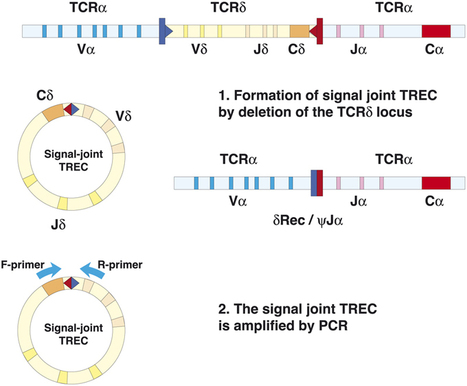
Abstract Via Krishan Maggon
Krishan Maggon 's curator insight,
November 25, 2014 2:22 AM
Newly produced T and B lymphocytes and T-cell receptor repertoire diversity are reduced in peripheral blood of fingolimod-treated multiple sclerosis patients Mult Scler 1352458514551456, first published on November 12, 2014
Scoop.it!

PLOS ONE: an inclusive, peer-reviewed, open-access resource from the PUBLIC LIBRARY OF SCIENCE. Reports of well-performed scientific studies from all disciplines freely available to the whole world. Via Krishan Maggon
Krishan Maggon 's curator insight,
November 21, 2014 4:03 AM
Uptake and Presentation of Myelin Basic Protein by Normal Human B CellsMarie Klinge Brimnes, Bjarke Endel Hansen, Leif Kofoed Nielsen, Morten Hanefeld Dziegiel, Claus Henrik Nielsen mail Published: November 17, 2014DOI: 10.1371/journal.pone.0113388
|




