Your new post is loading...

|
Scooped by
Gilbert C FAURE
June 28, 2020 2:36 AM
|
“I tell the same stories repeatedly; I forget words I know.”
|
|
Scooped by
Gilbert C FAURE
June 8, 2020 4:20 AM
|
Type I IFN has apposing effects in neuromyelitis optica spectrum disorder (NMOSD) and multiple sclerosis (MS). Here the authors perform molecular profiling of NMOSD patients and mouse mechanistic experiments of neuro-inflammation to show that IFN-I stimulates pathogenic Th17 via IL-6 production by...
|
|
Scooped by
Gilbert C FAURE
June 5, 2020 1:59 PM
|
Abstract Objective To review currently available data on the transfer of monoclonal antibodies (mAbs) in the breastmilk of women receiving treatment for neurologic and non-neurologic diseases. Methods We systematically searched the medical literature for studies referring to 19 selected mAb therapies frequently used in neurologic conditions and “breastmilk,” “breast milk,” “breastfeeding,” or “lactation.” From an initial list of 288 unique references, 29 distinct full-text studies met the eligibility criteria. One additional study was added after the literature search based on expert knowledge of an additional article. These 30 studies were reviewed. These assessed the presence of our selected mAbs in human breastmilk in samples collected from a total of 155 individual women. Results Drug concentrations were typically low in breastmilk and tended to peak within 48 hours, although maximum levels could occur up to 14 days from infusion. Most studies did not evaluate the breastmilk to maternal serum drug concentration ratio, but in those evaluating this, the highest ratio was 1:20 for infliximab. Relative infant dose, a metric comparing the infant with maternal drug dose (<10% is generally considered safe), was evaluated for certolizumab (<1%), rituximab (<1%), and natalizumab (maximum of 5.3%; cumulative effects of monthly dosing are anticipated). Importantly, a total of 368 infants were followed for ≥6 months after exposure to breastmilk of mothers treated with mAbs; none experienced reported developmental delay or serious infections. Conclusions The current data are reassuring for low mAb drug transfer to breastmilk, but further studies are needed, including of longer-term effects on infant immunity and childhood development. Glossary ADA=adalimumab; BVZ=bevacizumab; FcR=Fc receptor; GOL=golimumab; IBD=inflammatory bowel disease; IPI=ipilimumab; mAb=monoclonal antibody; NAT=natalizumab; NMOSD=neuromyelitis optica spectrum disorder; RA=rheumatoid arthritis; RBZ=ranibizumab; RID=relative infant dose; RTX=rituximab; TNFi=TNF inhibitors; TCZ=tocilizumab; UST=ustekinumab; VDZ=vedolizumab Monoclonal antibodies (mAbs) are increasingly used to treat autoimmune conditions that affect women who may become pregnant or breastfeed. These conditions span various subspecialties, and many are neurologic including migraine, myasthenia gravis, MS, neuromyelitis optica spectrum disorder (NMOSD), and autoimmune encephalitis.1,–,6 However, the optimal treatment of these women during the peripartum period remains uncertain.7 Although immunoglobulin (Ig) A is the primary immunoglobulin in human breastmilk due to transport mechanisms,8,9 IgG-based mAbs with large molecular sizes and limited transport mechanisms are largely precluded from transfer into breastmilk.9 Most immunoglobulins have low oral bioavailability, which reduces the likelihood of absorption by breastfeeding infants8 to less than 25%.10 It is generally recognized that secretory IgA, the primary class of Ig in human breastmilk, is stable against enzymatic degradation.10 The neonatal Fc receptor (FcR) could allow passage of some undigested IgG molecules into the neonatal circulation, although it may be stripped from the IgG during passage through the gut.11 Limited safety data on the use of mAbs during breastfeeding have resulted in women being advised to either forego breastfeeding despite strong evidence for maternal and neonatal benefits from breastfeeding12 or forego treatment until weaning. Recently, several studies investigated this research gap and provided evidence-based recommendations for women who may benefit from treatment with mAbs in the peripartum period and concluded that biologic therapies used in inflammatory bowel disease (IBD) are compatible with breastfeeding.13,14 Here, we performed a narrative review to assess current knowledge about the transfer of mAbs in breastmilk. Methods The bibliographic databases PubMed and EMBASE were queried from inception through April 7, 2019. The reference lists from each medication entry in the Drugs and Lactation Database (LactMed) were also reviewed from inception through May 11, 2019. The search located terms in either the article title or abstract contents in PubMed and EMBASE. We included mAbs used in the treatment of neurologic autoimmune diseases, as well as other non-neurologic conditions such as rheumatoid arthritis (RA) or IBD. The following mAb search terms were included: “adalimumab,” “alemtuzumab,” “bevacizumab,” “certolizumab,” “daclizumab,” “eculizumab,” “erenumab,” “fremanezumab,” “galcanezumab,” “golimumab,” “infliximab,” “natalizumab,” “ocrelizumab,” “ofatumumab,” “rituximab,” “satralizumab,” “tocilizumab,” “ustekinumab,” and “vedolizumab.” The term “monoclonal antibody” was also searched in an effort to find additional articles discussing the aforementioned mAbs, additional mAbs, and general concepts pertaining to mAbs. The following search terms were used in combination with each of the mAb terms previously listed: “breastmilk,” “breast milk,” “breastfeeding,” or “lactation.” A medical librarian assisted with the structure of this search. Studies were included if they examined the use of mAb therapies in human breastmilk, published in English with full text available. Studies with data derived solely from animal models, or available only in abstract form, were excluded. When available, we extracted the following data: (1) absolute average and (2) maximum absolute mAb dose to the infant in a 24-hour period and (3) relative infant dose (RID)15 (see table 1 for calculations). Data on the clinical condition studied, treatment details, breastfeeding details, and pregnancy and infant outcomes were collected when available. View inline View popup Table 1 Calculations used to measure antibody content in breastmilk Results The search yielded a total of 529 references (figure). One additional study was added after the literature search based on expert knowledge of an additional article published after May 11, 2019. After duplicates were removed, 289 references were screened by title and abstract review (S.L. and R.B.). A total of 62 full-text studies were assessed for eligibility, and 30 studies were included (S.L. and R.B.). Data were extracted (A.A.) and checked (R.B. and K.K.) for individual study-level information relating to measurement of mAb in breastmilk (table 2). No relevant studies were found for the following mAbs: alemtuzumab, daclizumab, erenumab, fremanezumab, galcanezumab, ocrelizumab, ofatumumab, and satralizumab. Data on the use of ipilimumab (IPI) and ranibizumab were found in the process of study review. Figure Flow diagram of study identification and inclusion as according to PRISMA 2009 guidelines The database search yielded a total of 529 references, which were screened for duplicates, full-text availability, and content; 30 studies screened eligible for inclusion in the review. View inline View popup Table 2 Summary of studies reporting measurement of monoclonal antibody (mAb) therapies in breastmilk in women with chronic conditions treated during pregnancy and breastfeeding CD20 inhibitors: rituximab A single case study of 1 mother with granulomatosis with polyangiitis and a prospective registry, which included 9 mothers with MS, investigated the presence of rituximab (RTX) in breastmilk.16,17 Across both studies, 5 mothers conceived within 6 months of their last RTX infusion; all 10 women resumed or initiated RTX within 1.5–11 months after delivery. All 10 women provided breastmilk, a total of 34 samples (5 with serial samples), collected from 8 hours to 90 days postinfusion. Six mothers elected to continue breastfeeding after RTX treatment.16,17 Although present in all samples, the concentration of RTX was minimal, with the maximum concentration of 0.6 μg/mL observed 8 days postinfusion.16 One study determined a low milk/serum ratio of 1:240 of RTX in breastmilk relative to maternal serum.16 The maximum RID of 0.33% was observed in a single sample provided 11 days postinfusion, although among women with serial samples, the median RID was 0.08% (range 0.06–0.10%), and estimated 24-hour infant dose was 9.4 μg/kg/d (based on Cavg in breastmilk).17 Five of the 6 infants breastfed after maternal treatment with RTX were followed between 8 and 18 months with normal development, no serious infections, and routine vaccination (vaccination schedule only reported for 4 infants17). Complement protein C inhibitors: eculizumab One prospective study of eculizumab during pregnancy and breastfeeding followed 75 pregnancies in 61 mothers with paroxysmal nocturnal hemoglobinuria.18 Forty-five of 46 mothers treated before conception continued treatment throughout pregnancy, and 29 mothers initiated eculizumab during the second or third trimester and continued postpartum. Measurable eculizumab was detected in 7 of 20 cord blood samples with a concentration ranging from 11.8 to 21.2 μg/mL. Twenty-five infants were breastfed following maternal eculizumab treatment, and 10 mothers provided a single breastmilk sample posttreatment: none showed detectable eculizumab (5 μg/mL lower limit of detection). Sixty-four infants were formally followed up to 12 months of age; the number of these infants breastfed following maternal treatment was not specified. All infants were healthy and reached normal developmental milestones with the exception of 2 infants: one with asymptomatic neutropenia after delivery and another with slightly delayed speech, and for whom breastfeeding status was not reported. CTLA-4 inhibitors: ipilimumab IPI during breastfeeding was prospectively evaluated in 1 woman treated for metastatic melanoma.19 A course of 4 IPI infusions administered at 3 mg/kg every 3 weeks was initiated postpartum, and breastfeeding was temporarily discontinued until 3 weeks after the final infusion. The mother provided breastmilk serially sampled up to 25 days postinitiation of treatment. Although IPI was detectable in all samples, the concentration reached a Cmax of 0.147 μg/mL at 4 days after the second infusion (21 days posttreatment initiation) with a notable increase at repeat infusion.19 An estimated infant exposure of 53.481 μg/d was calculated based on the average IPI concentration available in breastmilk and average breastmilk intake by infants within 24 hours. Based on this potential exposure, a concern for cumulative toxicity was noted, given that over the course of 12 weeks of treatment, the potential infant exposure would reach approximately 4500 μg/mL. Integrin inhibitors: vedolizumab (α4β7) and natalizumab (α4) Vedolizumab Two cohort studies prospectively followed a combined 13 pregnancies in women with IBD treated with vedolizumab (VDZ) during breastfeeding.20,21 All 13 mothers elected to continue breastfeeding after VDZ treatment, and 10 provided breastmilk, serially sampled between 30 minutes and up to 15 days postinfusion. Before the infusion at which breastmilk collection occurred, all mothers had received infusions at an earlier time point. Minimal concentrations of VDZ were observed in all samples, with the highest concentration of 0.478 μg/mL observed 3 to 4 days postinfusion.21 The ratio of maximum vedolizumab concentration in breastmilk was calculated to be less than 1% of the concentration in maternal serum.20 All 13 infants were followed up to 10 months of age and were found to have normal development, routine vaccinations, and no serious infections.20,21 Natalizumab (IgG4) Unlike most other mAbs, natalizumab (NAT) is an IgG4 subclass. There are 3 prospective studies of safety of NAT during breastfeeding in women treated for MS22,23 or IBD.24 Cumulatively, 13 infants were breastfed following maternal resumption of NAT postpartum. Seven of these nursing mothers provided breastmilk samples between 1 hour and up to 50 days following the first postpartum infusion; several mothers gave multiple samples after 2 and up to 5 maintenance infusions. NAT was detectable as early as 12 hours,24 and a notable increase in concentration over time with repeat infusions was observed.22,23 The highest concentration, 2.83 μg/mL, was observed 21 days after a second postpartum NAT infusion (and 50 days after the first infusion).22 In this study, maximal RID was calculated as 5.30% (based on the peak concentration) and 1.74% (based on the average concentration).22 A risk for accumulation of NAT in breastmilk in women receiving multiple infusions was identified in 2 studies, providing a rationale for longer duration of follow-up.22,23 Longitudinal infant outcomes at 12 months were assessed in a pooled cohort comparing development and infection rate according to breastfeeding status in 824 infants whose mothers were treated with various mAbs, including 12 treated with NAT, 8 of whom breastfed posttreatment, with no significant risk observed overall.24 Interleukin inhibitors: tocilizumab (IL-6) and ustekinumab (IL-12 and IL-23) Tocilizumab Three prospective studies evaluated the safety of tocilizumab (TCZ) during pregnancy and breastfeeding for a total of 7 pregnancies in women treated for RA and adult-onset Still disease.25,–,27 In all 7 women, TCZ was either stopped during the first trimester or continued throughout pregnancy; all resulted in term delivery of healthy infants. Infant serum was collected at delivery in 1 pregnancy with a low, but detectable, TCZ concentration attributed to placental transfer.25 All 7 mothers breastfed their infants while receiving TCZ postpartum and provided serially sampled breastmilk between 11 hours and up to 34 days postinfusion. TCZ was present at low concentrations in all samples, with the highest reported concentration at 0.215 μg/mL 2.8 days postinfusion.25 Only 2 studies longitudinally followed 3 infants within a range of 6 to 13 months with normal development, routine vaccinations, and no severe infections noted.25,26 In addition, a retrospective study evaluated TCZ treatment in 61 pregnancies in 53 mothers treated for chronic inflammatory conditions (RA, systematic idiopathic arthritis, polyarticular juvenile idiopathic arthritis, and multicentric Castleman disease)28; 2 mothers breastfed while receiving TCZ postpartum, but further details were not reported. Ustekinumab Two case reports and 1 registry prospectively followed a combined 9 pregnancies in 8 mothers treated with ustekinumab (UST) for IBD24,29 or psoriasis.30 Across all 3 studies, 8 infants were breastfed during maternal UST treatment. Two studies collected breastmilk from 7 mothers, sampled serially between 1 hour and up to 16 weeks postinfusion; some samples were collected after maintenance infusions. UST was detectable in breastmilk within the first 48 hours after infusion.24 The highest reported concentration in breastmilk, 3.2 μg/mL, occurred 1 day postmaintenance infusion (and 16 weeks posttreatment initiation), but was observed to steadily decrease over time despite repeat infusions.29 One infant breastfed after maternal treatment was followed to 12 months of age with normal development and no severe infections.29 Longitudinal infant outcomes at 12 months were also assessed in a pooled cohort comparing development and infection rate according to breastfeeding status in 824 infants whose mothers were treated with various mAbs, including 6 mothers who all breastfed posttreatment with UST, with no significant risk observed overall.24 TNF-α inhibitors: adalimumab, certolizumab, golimumab, and infliximab Adalimumab Three case reports and 2 prospective registries evaluated a combined 141 pregnancies in women treated with adalimumab (ADA) for psoriasis30 or IBD.24,31,–,33 ADA was given during pregnancy in 5 mothers with no adverse pregnancy complications; however, 2 of these infants had measurable ADA at delivery in the cord and 1 day postpartum in serum, respectively.30,–,33 At 3 months of age, ADA was no longer detectable in the infant with measurable levels in cord blood despite breastfeeding after maternal treatment,31 and another breastfed infant had no measurable concentration in serum at 9 days.33 Cumulatively, 102 infants were breastfed during maternal ADA treatment; 24 mothers provided breastmilk samples between 1 hour and up to 9 days posttreatment, and ADA was only detectable in 17 of these samples. Concentrations in breastmilk were minimal, with the highest observed level of 0.71 µg/mL between 12 and 48 hours posttreatment.24 In longitudinal follow-up between 7 and 18 months, 3 infants who breastfed had no serious developmental delays or elevated rate of infection.31,33 In an additional, pooled cohort comparing development and infection rate according to breastfeeding status in 824 infants whose mothers were treated with various mAbs, including 136 treated with ADA, of which 99 continued breastfeeding, there was no significant risk observed overall.24 Certolizumab Certolizumab is an IgG1 antibody whose FcRn transporter has been removed by the manufacturer. One study suggests that transport in the last trimester was largely blocked34—an investigation important because of the potential for prenatal transplacental exposure to confound assessment of relative monoclonal levels in the serum of mothers and nursing infants postpartum. Two case studies and 2 prospective studies have evaluated 103 pregnancies in women treated with certolizumab for chronic inflammatory diseases (RA, spondyloarthritis, Crohn disease, axial spondyloarthritis, and psoriatic arthritis).24,34,–,36 More than 60 women elected to breastfeed after resuming certolizumab (CZP); 33 mothers provided 1 or several breastmilk samples between 1 hour and up to 28 days posttreatment.24,34,–,36 Only 16 mothers had samples with measurable CZP, reaching the highest observed concentration, 0.29 µg/mL, within 12–48 hours posttreatment.24 One study calculated an RID (range) of 0.15 (0.04–0.3)%.34 No increased risk of developmental delays or elevated rate of infection was observed in 54 infants breastfed after maternal treatment with CZP in a pooled cohort comparing 12-month outcomes by breastfeeding status in 824 infants whose mothers were treated with various mAbs.24 Golimumab In 1 prospective registry following 824 women treated with several different mAbs for IBD,24 1 mother was treated with golimumab (GOL) postpartum and provided serially sampled breastmilk between 1 hour and up to 7 days posttreatment. GOL was not detectable in any samples. The mother elected not to breastfeed posttreatment. Infliximab Eight studies prospectively followed 242 pregnancies in women treated with infliximab for IBD or psoriasis.24,33,37,–,42 Mothers with infliximab (IFX) treatment during pregnancy delivered healthy infants with no long-term developmental delays or increased rate of infection.37,–,41 One hundred seventy-nine mothers continued breastfeeding after resuming IFX postpartum; 1 mother discontinued breastfeeding after IFX was detected in infant serum 5 days following maternal treatment, but 3 other breastfed infants had no measurable IFX in serum.33,41 One other infant had IFX detected in serum at 6 weeks postpartum, and breastfeeding was temporarily stopped and later resumed, with decreasing infant IFX concentrations despite maternal retreatment and continued breastfeeding, suggesting that this was due to placental rather than breastmilk transfer.38 Forty-two mothers provided 1 or more (serial) breastmilk samples between 1 hour and up to 13 weeks posttreatment resumption; 27 women had detectable IFX levels. The highest measured concentration in breastmilk, 0.74 µg/mL, occurred within 24–48 hours after treatment.24 One case report noted a formal immunologic evaluation of 1 infant breastfed after maternal IFX treatment at 6 months of age with normal lymphocyte subsets, IgG, IgM, IgA, and immune response to vaccines.38 No developmental delays or elevated rate of infection were observed in longitudinal follow-up of 175 breastfed infants.24,33,38,41 VEGF-A inhibitors: bevacizumab and ranibizumab One case report and 2 case series investigated the use of bevacizumab (BVZ) and ranibizumab (RBZ) during pregnancy and breastfeeding for 8 pregnancies in 7 mothers treated for choroidal neovascularization.43,–,45 In 7 of the 8 pregnancies, mothers were treated with intravitreal BVZ injections during pregnancy, and treatment was resumed postpartum in all 8. All pregnancies resulted in full-term, live births. Two studies reported on breastfeeding status, noting 2 infants breastfed following maternal treatment with BVZ,43,44 one of which was later switched to RBZ.44 Three mothers provided breastmilk sampled serially between 1 and up to 42 days postinjection; 2 mothers received several BVZ treatments, and 1 changed treatment to RBZ after 1 infusion.44 Samples were only analyzed for BVZ with no detectable concentration at any time point.44,45 One study analyzed the vascular endothelial growth factor A concentration after maternal treatment with BVZ and later RBZ, noting vascular endothelial growth factor A depletion in breastmilk post-BVZ but not RBZ.44 One of 2 infants that were breastfed after maternal treatment had normal development and no serious infections at follow-up at 12 months of age.43 Discussion In this review, we identified a total of 30 distinct studies assessing the presence of mAbs (11 IgG1, 1 hybrid IgG2/G4, and 1 IgG4 subclass) in human breastmilk in samples collected from a total of 155 individual women. To summarize the general trends for IgG1 mAbs evaluated (NAT differs in that it is an IgG4 subclass molecule), drug concentrations were typically low in breastmilk and drug concentrations tended to peak within 48 hours, although maximum levels could occur up to 14 days from infusion. Most studies did not evaluate the breastmilk/serum drug concentration ratio, but in those evaluating this, the highest ratio was 1:20 for infliximab. RID is a useful metric to compare the infant with maternal drug dose, although this was only evaluated in 2 studies, evaluating certolizumab and RTX, but was reassuringly <1% in both. An RID less than 10% has generally been considered safe for an infant to breastfeed, although toxicity of the particular drug should also be considered.15 Importantly, the RID for NAT, while below the 10% commonly considered acceptable level, was estimated to be as high as 5.3%,22 and cumulative effects of monthly dosing are anticipated as the drug had not reached steady state by the time of the last breastmilk sample in this study. Given this, the safety of breastfeeding during NAT treatment is unclear. IgG subclass appears to be important in determining drug transfer into breastmilk, as there is greater IgG4 than IgG1 in mature breastmilk,46 explaining greater observed transfer of NAT than IgG1 mAbs such as RTX. Furthermore, a total of 368 infants were followed for at least 6 months after exposure to breastmilk of mothers treated with mAbs; none were reported to experience developmental delay or serious infections. There were a number of limitations in this review. First, data on mAb use were largely derived from case reports and case series, restricting the quality rating for the evidence provided. Second, although studies were consistent in the concentrations reported across various mothers' samples, there was an overall low sample size for most mAbs studied. Third, relevant measures such as maximal concentration and RID were often unavailable. Fourth, mAb concentrations were measured in maternal milk but usually not measured in the serum of exposed infants. More research is needed to better understand the transfer of IgG compounds across the infant's gut and potential systemic exposure.47 In addition, potential exposure during pregnancy should also be considered when measuring antibody levels in infant serum postpartum. Last, exposed infants were typically followed for up to 12 and 18 months, but not further into childhood and adolescence. Although the shorter-term data were reassuring, longer-term sequelae cannot be excluded. Several mAbs were recently approved for the treatment of neurologic conditions, such as migraine, and thus far, there are limited data available to inform their presence in breastmilk, as is the case for many therapies used in neurologic conditions.7 For example, there is an increased risk of MS relapses in the postpartum period,48,49 and early resumption of effective mAb therapies could represent 1 approach to reducing this relapse risk. Along with RTX and NAT, alemtuzumab50,51 and ocrelizumab52 are 2 other highly effective mAbs approved for the treatment of MS, and to date, there are no published data about their presence in breastmilk. Although 3 cases of ocrelizumab exposure during lactation were reported in abstract form, concentration in breastmilk was not reported.53 Similarly, in 2018, several mAbs acting against calcitonin gene-related peptide (CGRP), or its receptor, were approved for the treatment of migraines,3,54,55 a condition that affects young adults56 and can commonly worsen during the first trimester postpartum after a period of relative quiescence. As additional mAbs are approved for the treatment of other conditions affecting women of childbearing age, such as NMOSD, their presence in breastmilk will also need to be ascertained. In contrast to the limited data and lack of guidelines for use of mAbs in pregnancy or breastfeeding for neurologic conditions, prospective registries in other disciplines have improved understanding of mAb safety during breastfeeding such as the PIANO registry, in which mAb content in breastmilk of 72 women with inflammatory bowel disorders was measured.24 These findings were included in the American Gastrointestinal Association Institute's 2019 Clinical Decision Support Tool that recommends that biologics can be continued during breastfeeding.14 Similarly, the American College of Rheumatologists, representing another medical subspecialty that commonly prescribes mAbs, issued guidelines recommending continuation of tumor necrosis factor inhibitors (TNFi) and RTX during breastfeeding, and to consider starting or continuing non-TNFi biologics.13 Registries combining assessments of similar mAbs across disciplines and clinical indications (neurology, oncology, gastroenterology, and rheumatology), as well as compulsory postmarketing registries monitoring women who become pregnant or elect to breastfeed on treatment, could increase the number of samples available for analysis. Furthermore, these samples could also be used to determine whether the immune and metabolic profile of breastmilk differs in women with and without chronic conditions.57 Once additional data are available for mAb transfer into breastmilk when used in neurologic disorders, this should be incorporated into treatment guidelines in neurology. While awaiting additional studies, data presented here may provide some reassurance for low mAb transfer to breastmilk, although study of breastmilk transfer of individual therapies and effects on children is needed. Study funding RB is supported by the National Multiple Sclerosis Society. Disclosure Dr. LaHue and Ms. Anderson report no disclosures. Dr. Krysko is funded by a Sylvia Lawry Physician Fellowship from the National Multiple Sclerosis Society (FP-1605-08753 (Krysko)) and receives fellowship support from Biogen. Dr. Rutatangwa receives fellowship support from Biogen. Dr. Dorsey reports no disclosures. Dr. Hale is a consultant for Biogen Pharmaceuticals. Dr. Uma Mahadevan is a consultant for Janssen, AbbVie, Takeda, Gilead, Genentech, and Pfizer Dr. Rogers and Dr. Rosenstein report no disclosures. Dr. Bove has received consulting and advisory board fees from Alexion, Biogen, EMD Serono, Genzyme-Sanofi, Novartis, Pear Digital, and Roche-Genentech. She has received research support from Akili Interactive. The authors have no conflicts of interest relevant to this article to disclose. Go to Neurology.org/NN for full disclosures. Acknowledgment The authors acknowledge Evans Whitaker, MD, MLIS, for his guidance on the structure of this review. Appendix Authors Footnotes Go to Neurology.org/NN for full disclosures. Funding information is provided at the end of the article. The Article Processing Charge was funded by the authors. Received February 11, 2020. Accepted in final form April 23, 2020. Copyright © 2020 The Author(s). Published by Wolters Kluwer Health, Inc. on behalf of the American Academy of Neurology. This is an open access article distributed under the terms of the Creative Commons Attribution-NonCommercial-NoDerivatives License 4.0 (CC BY-NC-ND), which permits downloading and sharing the work provided it is properly cited. The work cannot be changed in any way or used commercially without permission from the journal. References 1.↵Almas S, Vance J, Baker T, Hale T. Management of multiple sclerosis in the breastfeeding mother. Mult Scler Int 2016;2016:6527458.OpenUrl 2.↵Loder EW, Burch RC. Who should try new antibody treatments for migraine? JAMA Neurol 2018;75:1039–1040.OpenUrl 3.↵Loder EW, Robbins MS. Monoclonal antibodies for migraine prevention: progress, but not a panacea. JAMA 2018;319:1985–1987.OpenUrlCrossRef 4.↵Mantegazza R, Antozzi C. When myasthenia gravis is deemed refractory: clinical signposts and treatment strategies. Ther Adv Neurol Disord 2018;11:1756285617749134.OpenUrl 5.↵Stieglbauer K, Pichler R, Topakian R. 10-year-outcomes after rituximab for myasthenia gravis: efficacy, safety, costs of inhospital care, and impact on childbearing potential. J Neurol Sci 2017;375:241–244.OpenUrl 6.↵Novak JC, Lovett-Racke AE, Racke MK. Monoclonal antibody therapies and neurologic disorders. Arch Neurol 2008;65:1162–1165.OpenUrlCrossRefPubMed 7.↵LaHue SC, Gelfand AA, Bove RM. Navigating monoclonal antibody use in breastfeeding women: do no harm or do little good? Neurology 2019;93:668–672.OpenUrl 8.↵Anderson PO, Sauberan JB. Modeling drug passage into human milk. Clin Pharmacol Ther 2016;100:42–52.OpenUrl 9.↵Hurley WL, Theil PK. Perspectives on immunoglobulins in colostrum and milk. Nutrients 2011;3:442–474.OpenUrlCrossRefPubMed 10.↵Jasion VS, Burnett BP. Survival and digestibility of orally-administered immunoglobulin preparations containing IgG through the gastrointestinal tract in humans. Nutr J 2015;14:22.OpenUrlCrossRefPubMed 11.↵Giragossian C, Clark T, Piche-Nicholas N, Bowman CJ. Neonatal Fc receptor and its role in the absorption, distribution, metabolism and excretion of immunoglobulin G-based biotherapeutics. Curr Drug Metab 2013;14:764–790.OpenUrlCrossRefPubMed 12.↵Breastfeeding and the use of human milk. Pediatrics 2012;129:e827–841. 13.↵Rheumatology ACo. Reproductive Health in Rheumatic Diseases [online]. Available at: rheumatology.org/Practice-Quality/Clinical-Support/Clinical-Practice-Guidelines/Reproductive-Health-in-Rheumatic-Diseases. Accessed October 16, 2019. 14.↵Mahadevan U, Robinson C, Bernasko N, et al. Inflammatory bowel disease in pregnancy clinical care pathway: a report from the American Gastroenterological Association IBD Parenthood Project Working Group. Am J Obstet Gynecol 2019;220:308–323.OpenUrl 15.↵Bennett P. Drugs and Human Lactation: A Comprehensive Guide to the Content and Consequences of Drugs, Micronutrients, Radiopharmaceuticals and Environmental and Occupational Chemicals in Human Milk. 2nd ed. Amsterdam, The Netherlands: Elsevier; 1996. 16.↵Bragnes Y, Boshuizen R, de Vries A, Lexberg A, Ostensen M. Low level of Rituximab in human breast milk in a patient treated during lactation. Rheumatology (Oxford) 2017;56:1047–1048.OpenUrl 17.↵Krysko KM, LaHue SC, Anderson A, et al. Minimal breast milk transfer of rituximab, a monoclonal antibody used in neurological conditions. Neurol Neuroimmunol Neuroinflamm 2020;7:e637. 10.1212/NXI.0000000000000637.OpenUrl 18.↵Kelly RJ, Hochsmann B, Szer J, et al. Eculizumab in pregnant patients with paroxysmal nocturnal hemoglobinuria. N Engl J Med 2015;373:1032–1039.OpenUrlCrossRefPubMed 19.↵Ross E, Robinson SE, Amato C, et al. Therapeutic monoclonal antibodies in human breast milk: a case study. Melanoma Res 2014;24:177–180.OpenUrl 20.↵Julsgaard M, Kjeldsen J, Bibby BM, Brock B, Baumgart DC. Vedolizumab concentrations in the breast milk of nursing mothers with inflammatory bowel disease. Gastroenterology 2018;154:752–754.e751.OpenUrl 21.↵Lahat A, Shitrit AB, Naftali T, et al. Vedolizumab levels in breast milk of nursing mothers with inflammatory bowel disease. J Crohns Colitis 2018;12:120–123.OpenUrl 22.↵Baker TE, Cooper SD, Kessler L, Hale TW. Transfer of natalizumab into breast milk in a mother with multiple sclerosis. J Hum Lact 2015;31:233–236.OpenUrlCrossRefPubMed 23.↵Proschmann U, Thomas K, Thiel S, Hellwig K, Ziemssen T. Natalizumab during pregnancy and lactation. Mult Scler 2018;24:1627–1634.OpenUrl 24.↵Matro R, Martin CF, Wolf D, Shah SA, Mahadevan U. Exposure concentrations of infants breastfed by women receiving biologic therapies for inflammatory bowel diseases and effects of breastfeeding on infections and development. Gastroenterology 2018;155:696–704.OpenUrl 25.↵Saito J, Yakuwa N, Kaneko K, et al. Tocilizumab during pregnancy and lactation: drug levels in maternal serum, cord blood, breast milk and infant serum. Rheumatology (Oxford) 2019;58:1505–1507.OpenUrl 26.↵Saito J, Yakuwa N, Takai C, et al. Tocilizumab concentrations in maternal serum and breast milk during breastfeeding and a safety assessment in infants: a case study. Rheumatology (Oxford) 2018;57:1499–1501.OpenUrl 27.↵Saito J, Yakuwa N, Kaneko K, et al. Clinical application of the dried milk spot method for measuring tocilizumab concentrations in the breast milk of patients with rheumatoid arthritis. Int J Rheum Dis 2019;22:1130–1137.OpenUrl 28.↵Nakajima K, Watanabe O, Mochizuki M, Nakasone A, Ishizuka N, Murashima A. Pregnancy outcomes after exposure to tocilizumab: a retrospective analysis of 61 patients in Japan. Mod Rheumatol 2016;26:667–671.OpenUrl 29.↵Klenske E, Osaba L, Nagore D, Rath T, Neurath MF, Atreya R. Drug levels in the maternal serum, cord blood and breast milk of a ustekinumab-treated patient with Crohn's disease. J Crohns Colitis 2019;13:267–269.OpenUrlPubMed 30.↵Mugheddu C, Atzori L, Lappi A, Murgia S, Rongioletti F. Biologics exposure during pregnancy and breastfeeding in a psoriasis patient. Dermatol Ther 2019;32:e12895.OpenUrl 31.↵Julsgaard M, Brown S, Gibson P, Bell S. Adalimumab levels in an infant. J Crohns Colitis 2013;7:597–598.OpenUrlCrossRefPubMed 32.↵Ben-Horin S, Yavzori M, Katz L, et al. Adalimumab level in breast milk of a nursing mother. Clin Gastroenterol Hepatol 2010;8:475–476.OpenUrlCrossRefPubMed 33.↵Fritzsche J, Pilch A, Mury D, Schaefer C, Weber-Schoendorfer C. Infliximab and adalimumab use during breastfeeding. J Clin Gastroenterol 2012;46:718–719.OpenUrlCrossRefPubMed 34.↵Clowse ME, Forger F, Hwang C, et al. Minimal to no transfer of certolizumab pegol into breast milk: results from CRADLE, a prospective, postmarketing, multicentre, pharmacokinetic study. Ann Rheum Dis 2017;76:1890–1896. 35.↵Morita T, Fujimoto K, Shima Y, Ogata A, Kumanogoh A. Minimal neonatal transfer of certolizumab pegol in a Japanese patient with rheumatoid arthritis. Ann Rheum Dis 2018;77:e56.OpenUrlFREE Full Text 36.↵Forger F, Zbinden A, Villiger PM. Certolizumab treatment during late pregnancy in patients with rheumatic diseases: low drug levels in cord blood but possible risk for maternal infections. A case series of 13 patients. Joint Bone Spine 2016;83:341–343.OpenUrl 37.↵Stengel JZ, Arnold HL. Is infliximab safe to use while breastfeeding? World J Gastroenterol 2008;14:3085–3087.OpenUrlCrossRefPubMed 38.↵Vasiliauskas EA, Church JA, Silverman N, Barry M, Targan SR, Dubinsky MC. Case report: evidence for transplacental transfer of maternally administered infliximab to the newborn. Clin Gastroenterol Hepatol 2006;4:1255–1258.OpenUrlCrossRefPubMed 39.↵Puig L, Barco D, Alomar A. Treatment of psoriasis with anti-TNF drugs during pregnancy: case report and review of the literature. Dermatology 2010;220:71–76.OpenUrlCrossRefPubMed 40.↵Grosen A, Julsgaard M, Kelsen J, Christensen LA. Infliximab concentrations in the milk of nursing mothers with inflammatory bowel disease. J Crohns Colitis 2014;8:175–176.OpenUrlCrossRefPubMed 41.↵Kane S, Ford J, Cohen R, Wagner C. Absence of infliximab in infants and breast milk from nursing mothers receiving therapy for Crohn's disease before and after delivery. J Clin Gastroenterol 2009;43:613–616.OpenUrlCrossRefPubMed 42.↵Ben-Horin S, Yavzori M, Kopylov U, et al. Detection of infliximab in breast milk of nursing mothers with inflammatory bowel disease. J Crohns Colitis 2011;5:555–558.OpenUrlCrossRefPubMed 43.↵Tarantola RM, Folk JC, Boldt HC, Mahajan VB. Intravitreal bevacizumab during pregnancy. Retina 2010;30:1405–1411.OpenUrlCrossRefPubMed 44.↵Ehlken C, Martin G, Stahl A, Agostini HT. Reduction of vascular endothelial growth factor a in human breast milk after intravitreal injection of bevacizumab but not ranibizumab. Arch Ophthalmol 2012;130:1226–1227.OpenUrlCrossRefPubMed 45.↵McFarland TJ, Rhoads AD, Hartzell M, Emerson GG, Bhavsar AR, Stout JT. Bevacizumab levels in breast milk after long-term intravitreal injections. Retina 2015;35:1670–1673.OpenUrl 46.↵Rodriguez-Camejo C, Puyol A, Fazio L, et al. Antibody profile of colostrum and the effect of processing in human milk banks: implications in immunoregulatory properties. J Hum Lact 2018;34:137–147.OpenUrl 47.↵Kane SV, Acquah LA. Placental transport of immunoglobulins: a clinical review for gastroenterologists who prescribe therapeutic monoclonal antibodies to women during conception and pregnancy. Am J Gastroenterol 2009;104:228–233.OpenUrlCrossRefPubMed 48.↵Confavreux C, Hutchinson M, Hours MM, Cortinovis-Tourniaire P, Moreau T. Rate of pregnancy-related relapse in multiple sclerosis. Pregnancy in Multiple Sclerosis Group. N Engl J Med 1998;339:285–291.OpenUrlCrossRefPubMed 49.↵Bove R, Alwan S, Friedman JM, et al. Management of multiple sclerosis during pregnancy and the reproductive years: a systematic review. Obstet Gynecol 2014;124:1157–1168.OpenUrlCrossRefPubMed 50.↵Cohen JA, Coles AJ, Arnold DL, et al. Alemtuzumab versus interferon beta 1a as first-line treatment for patients with relapsing-remitting multiple sclerosis: a randomised controlled phase 3 trial. Lancet 2012;380:1819–1828.OpenUrlCrossRefPubMed 51.↵Coles AJ, Twyman CL, Arnold DL, et al. Alemtuzumab for patients with relapsing multiple sclerosis after disease-modifying therapy: a randomised controlled phase 3 trial. Lancet 2012;380:1829–1839.OpenUrlCrossRefPubMed 52.↵Hauser SL, Bar-Or A, Comi G, et al. Ocrelizumab versus interferon beta-1a in relapsing multiple sclerosis. N Engl J Med 2017;376:221–234.OpenUrlCrossRefPubMed 53.↵Oreja-Guevara C, Wray S, Buffels R, Zecevic D, Vukusic S. Pregnancy Outcomes in Patients Treated With Ocrelizumab [abstract]. Stockholm: ECTRIMS; 2019. 54.↵Burch R, Rayhill M. New preventive treatments for migraine. BMJ 2018;361:k2507.OpenUrlFREE Full Text 55.↵Oakes TMM, Skljarevski V, Zhang Q, et al. Safety of galcanezumab in patients with episodic migraine: a randomized placebo-controlled dose-ranging Phase 2b study. Cephalalgia 2018;38:1015–1025.OpenUrl 56.↵Group GBDNDC. Global, regional, and national burden of neurological disorders during 1990-2015: a systematic analysis for the Global Burden of Disease Study 2015. Lancet Neurol 2017;16:877–897.OpenUrlCrossRefPubMed 57.↵Meng X, Dunsmore G, Koleva P, et al. The profile of human milk metabolome, cytokines, and antibodies in inflammatory bowel diseases versus healthy mothers, and potential impact on the newborn. J Crohns colitis 2019;13:431–441.OpenUrl Reference e1-e31 are available at links.lww.com/NXI/A260.
|
|
Scooped by
Gilbert C FAURE
May 31, 2020 2:49 PM
|
Antibodies to glutamic acid decarboxylase (GAD) are associated with several neurological syndromes but their importance and role are controversial. In this Review, Graus et al. propose criteria for assessing the association between GAD antibodies and neurological syndromes and discuss the...
Abstract. Multiple sclerosis is a chronic inflammatory, demyelinating disease, although it has been suggested that in the progressive late phase, inflammatory
Via Krishan Maggon
|
|
Scooped by
Gilbert C FAURE
May 2, 2020 2:53 PM
|
Interleukin-6 (IL-6) is a pleiotropic cytokine that is generally proinflammatory and contributes to several inflammatory stimuli, including antibody production, resulting in fever, and activation of T cells.1 IL-6 is a crucial component of the immune system, but when IL-6 production is altered...
Introduction: Neurodegenerative processes occur from the beginning of multiple sclerosis, contribute to irreversible clinical disability and are only partially addressed by current disease-modifyin...
Via Krishan Maggon
|
|
Scooped by
Gilbert C FAURE
April 19, 2020 2:54 PM
|
Our understanding of Alzheimer’s disease (AD) pathophysiology remains incomplete. Here we used quantitative mass spectrometry and coexpression network analysis to conduct the largest proteomic study thus far on AD. A protein network module linked to sugar metabolism emerged as one of the modules most significantly associated with AD pathology and cognitive impairment. This module was enriched in AD genetic risk factors and in microglia and astrocyte protein markers associated with an anti-inflammatory state, suggesting that the biological functions it represents serve a protective role in AD. Proteins from this module were elevated in cerebrospinal fluid in early stages of the disease. In this study of >2,000 brains and nearly 400 cerebrospinal fluid samples by quantitative proteomics, we identify proteins and biological processes in AD brains that may serve as therapeutic targets and fluid biomarkers for the disease. Large-scale, comprehensive proteomic profiling of Alzheimer’s disease brain and cerebrospinal fluid reveals disease-associated protein coexpression modules and highlights the importance of glia and energy metabolism in disease pathogenesis.
|
|
Scooped by
Gilbert C FAURE
April 13, 2020 3:13 AM
|
Multiple sclerosis (MS) is a chronic, inflammatory autoimmune disease that affects the central nervous system (CNS) for which there is no cure. In MS,…
|
|
Scooped by
Gilbert C FAURE
April 1, 2020 1:40 PM
|
|
|
Scooped by
Gilbert C FAURE
March 28, 2020 2:41 PM
|
Natural killer (NK) cell therapy is one of the most promising treatments for Glioblastoma Multiforme (GBM). However, this emerging technology is limited by the availability of sufficient numbers of fully functional cells.
|
|
Scooped by
Gilbert C FAURE
March 21, 2020 3:33 PM
|
A trio of studies are investigating the role our brain’s immune cells play in the progression of Alzheimer’s disease. Researchers are revealing these cells can contribute to neurodegeneration, and how they may be harnessed to prevent neuron damage.
Approximately 1 million individuals are living with multiple sclerosis in the United States, according to the National MS Society.
Via Krishan Maggon
|
In this issue of Blood, Karschnia et al spotlight the “Achilles heel” of chimeric antigen receptor (CAR) T-cell therapy and call for prospective clinical trials...
Via Krishan Maggon
|
|
Scooped by
Gilbert C FAURE
June 7, 2020 5:20 AM
|
In this article, Singh and colleagues undertook a comparative evaluation of pre-clinical
efficacy and safety of three immunotherapeutic modalities directed against CD133 braintumor-initiating
cells. While all three modalities were efficacious in orthotopic GBM xenografts, CD133-specific CAR-T...
|
|
Scooped by
Gilbert C FAURE
June 4, 2020 11:10 AM
|
Few detailed investigations of neurologic complications in severe acute respiratory syndrome coronavirus 2 infection have been conducted. We describe 3 patients with laboratory-confirmed coronavirus disease who showed development of encephalopathy and encephalitis. Neuroimaging showed nonenhancing unilateral, bilateral, and midline changes not readily attributable to vascular causes. All 3 patients had increased cerebrospinal fluid (CSF) levels of anti-S1 IgM. One patient who died also had increased levels of anti–envelope protein IgM. CSF analysis also showed markedly increased levels of interleukin (IL) 6, IL-8, and IL-10, but severe acute respiratory syndrome coronavirus 2 was not identified in any CSF sample. These changes provide evidence of CSF periinfectious/postinfectious inflammatory changes during coronavirus disease with neurologic complications.
|
|
Scooped by
Gilbert C FAURE
May 20, 2020 3:20 AM
|
Mass cytometry has allowed us to identify nine unique IgG3+ B‐cell subsets. Using two independent cohorts of multiple sclerosis (MS) patients, we show that a number of these IgG3+ subsets are no
|
|
Scooped by
Gilbert C FAURE
May 13, 2020 6:59 AM
|
PubMed comprises more than 30 million citations for biomedical literature from MEDLINE, life science journals, and online books. Citations may include links to full-text content from PubMed Central and publisher web sites.
|
|
Scooped by
Gilbert C FAURE
May 2, 2020 2:43 PM
|
Author summary Zika virus invades the human brains and causes Zika-associated neurological complications; however, the mechanism(s) by which Zika virus accesses the central nerves system remain unclear.
|
|
Scooped by
Gilbert C FAURE
April 21, 2020 4:09 AM
|
T cells that react to alpha-synuclein are most abundant in the early stages of Parkinson's disease but tend to disappear as the disease progresses. Signs of autoimmunity can appear in Parkinson's patients up to ten years before a diagnosis of the neurodegenerative disease.
|
|
Scooped by
Gilbert C FAURE
April 17, 2020 1:36 PM
|
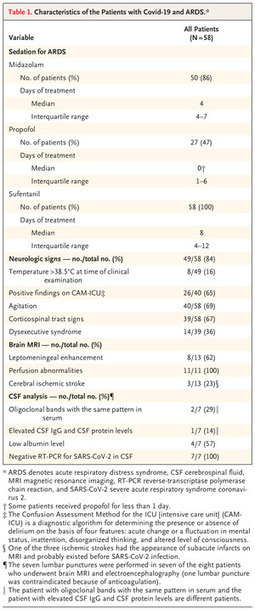
Neurologic Features in SARS-CoV-2 Infection In a consecutive series of 64 patients with Covid-19 and ARDS, 58 of whom underwent neurologic examination, severe agitation and corticospinal sign
|
|
Scooped by
Gilbert C FAURE
April 3, 2020 12:10 PM
|
Highlights
1.
Connexins in oligodendrocytes and astrocytes play an essential role in the development and maintenance of myelin
2.
The function of connexins in oligodendrocytes and astrocytes is important in MS pathology
3.
Role of connexins in demyelination phase may provide novel therapeutic targets for MS
Via Krishan Maggon
|
|
Scooped by
Gilbert C FAURE
March 24, 2020 3:35 PM
|
Cerebrospinal fluid biomarker profiles characterized by decreased amyloid-beta peptide levels and increased total and phosphorylated tau levels at threonine 181 (pT181) are currently used to discriminate between Alzheimer’s disease and other neurodegenerative diseases. However, these changes are not entirely specific to Alzheimer’s disease, and it is noteworthy that other phosphorylated isoforms of tau, possibly more specific for the disease process, have been described in the brain parenchyma of patients. The precise detection of these isoforms in biological fluids remains however a challenge. In the present study, we used the latest quantitative mass spectrometry approach, which achieves a sensitive detection in cerebrospinal fluid biomarker of two phosphorylated tau isoforms, pT181 and pT217, and first analyzed a cohort of probable Alzheimer’s disease patients and patients with other neurological disorders, including tauopathies, and a set of cognitively normal controls. We then checked the validity of our results on a second cohort comprising cognitively normal individuals and patients with mild cognitive impairments and AD stratified in terms of their amyloid status based on PiB-PET imaging methods. In the first cohort, pT217 but not pT181 differentiated between Alzheimer’s disease patients and those with other neurodegenerative diseases and control subjects much more specificity and sensitivity than pT181. T217 phosphorylation was increased by 6.0-fold in patients with Alzheimer’s disease whereas T181 phosphorylation was only increased by 1.3-fold, when compared with control subjects. These results were confirmed in the case of a second cohort, in which the pT217 cerebrospinal fluid levels marked out amyloid-positive patients with a sensitivity and a specificity of more than 90% (AUC 0.961; CI 0.874 to 0.995). The pT217 concentrations were also highly correlated with the PiB-PET values (correlation coefficient 0.72; P < 0.001). Increased cerebrospinal fluid pT217 levels, more than those of pT181, are highly specific biomarkers for detecting both the preclinical and advanced forms of Alzheimer’s disease. This finding should greatly improve the diagnosis of Alzheimer’s disease, along with the correlations found to exist between pT217 levels and PiB-PET data. It also suggests that pT217 is a promising potential target for therapeutic applications and that a link exists between amyloid and tau pathology.
|
|
Scooped by
Gilbert C FAURE
March 17, 2020 3:01 PM
|
Understanding neuroimmunological disorders is essential for developing new diagnostic
and therapeutic strategies. Rodent models have provided valuable insights, but are
sometimes equated with their human counterparts. Here, we summarize how novel technologies
may enable an improved human-focused view of immune mechanisms. Recent studies have
applied these new technologies to the brain parenchyma, its surrounding cerebrospinal
fluid, and peripheral immune compartments. Therapeutic interventions have also facilitated
translational understanding in a reverse way.
|




 Scoop.it!