


http://earthship.com/Electricity/Electricity-from-the-sun-and-the-wind Vertical Axis Windmill. Highly efficient. 4th generation of vertical axis windmills as...
researched and developed by Earthship Biotecture.

 Your new post is loading...
 Your new post is loading...
Your new post is loading...
 Scoop.it!
http://earthship.com/Electricity/Electricity-from-the-sun-and-the-wind Vertical Axis Windmill. Highly efficient. 4th generation of vertical axis windmills as... researched and developed by Earthship Biotecture. 
No comment yet.
Sign up to comment
Scoop.it!
This video is in Turkish so don't expect to understand very much of what is said - but it is fascinating to watch the electric airplane do its thing...
Scoop.it!

German aircraft company e-volo has accomplished what it claims is the world's first manned flight of an electric multicopter.
Scoop.it!
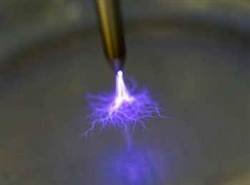
Ionized plasmas like those in neon signs and plasma TVs can sterilize water and make it antimicrobial as well, according to researchers studying the potential to use inexpensive plasma-generating devices to create sterile water in developing countries...
"Researchers have known plasmas will kill bacteria in water. Now, a new experiment shows that water treated with plasma killed all the E. coli bacteria that were added to it within a few hours of treatment and still killed 99.9 percent of the bacteria added after it sat for a week."
|
Scoop.it!

High on a mountainside in the Peruvian Andes – 9,000 feet above sea level – sits a modest adobe schoolhouse that is a lot safer for students and teachers than it was six months ago, thanks in part to the efforts of some Stanford students and their...
The school retrofit involved wrapping the walls in sheets of geomesh, a molded plastic grid resembling construction or chain link fencing. Geomesh is commonly used for stabilizing slopes and preventing soil erosion.
Using wooden blocks to stand in for adobe bricks, the students had constructed a model building on a tabletop, and then simulated an earthquake by shaking the table until the model collapsed. The next video clip featured two model buildings side by side, but on one the walls had been covered with mosquito netting to simulate the geomesh.
Scoop.it!

Zero Motorcycles recently unveiled the first mass-produced electric motorcycle capable of traveling more than 100 miles, breaking down one of the long-standing obstacles to consumer adoption.
Finally - electric motorcycles that can go a decent distance. 88 miles (or 140 km) per hour speed isn't too bad either.
Scoop.it!
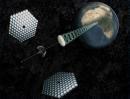
WASHINGTON (Reuters) - The sun's abundant energy, if harvested in space, could provide a cost-effective way to meet global power needs in as little as 30 years with seed money from governments...
I link this one as an example of how *not* to do it.
Concentrated solar power can do it. There is no lack of energy, even at ground level. Check out a map that shows how large an area of the Sahara desert would have to be covered with solar collector mirrors to produce all the energy needed for Europe ... and for the entire World. You will see why we shouldn't be going the satellite route for energy.
|




