Mucosal Immunity
34.5K views | +33 today
Mucosal Immunity
The largest immune tissue in the body
Your new post is loading...
Scooped by Gilbert C FAURE
February 28, 2018 10:53 AM
Scoop.it!

E3 Ligase VHL Promotes Group 2 Innate Lymphoid Cell Maturation and Function via Glycolysis Inhibition and Induction of Interleukin-33 Receptor

E3 Ligase VHL Promotes Group 2 Innate Lymphoid Cell Maturation and Function via Glycolysis Inhibition and Induction of Interleukin-33 Receptor | Mucosal Immunity | Scoop.it
ILC2s are critically involved in allergic responses, but the mechanisms by which they
are regulated remain unclear. Li et al. demonstrate that the VHL-HIF axis is essential
for ILC2 maturation and function via inhibition of glycolysis and induction of IL-33
receptor expression. These findings have implications for identifying therapeutic
targets for allergic diseases.
No comment yet.
Scooped by Gilbert C FAURE
February 26, 2018 11:26 AM
Scoop.it!

Stretching the limits: from homeostasis to stem cell plasticity in wound healing and cancer

Stretching the limits: from homeostasis to stem cell plasticity in wound healing and cancer | Mucosal Immunity | Scoop.it
Review
No comment yet.
Scooped by Gilbert C FAURE
February 25, 2018 4:19 AM
Scoop.it!

The Vagus Nerve at the Interface of the Microbiota-Gut-Brain Axis. - PubMed - NCBI

The Vagus Nerve at the Interface of the Microbiota-Gut-Brain Axis. - PubMed - NCBI | Mucosal Immunity | Scoop.it
Front Neurosci. 2018 Feb 7;12:49. doi: 10.3389/fnins.2018.00049. eCollection 2018. Review
No comment yet.
Suggested by LIGHTING
February 23, 2018 2:11 PM
Scoop.it!

Regionally compartmentalized resident memory T cells mediate naturally acquired protection against pneumococcal pneumonia

Regionally compartmentalized resident memory T cells mediate naturally acquired protection against pneumococcal pneumonia | Mucosal Immunity | Scoop.it
Article
No comment yet.
Rescooped by Gilbert C FAURE from Immunology and Biotherapies
February 21, 2018 6:47 AM
Scoop.it!

Microbiome-Host Interactions in Hematopoietic Stem-Cell Transplant Recipients

Microbiome-Host Interactions in Hematopoietic Stem-Cell Transplant Recipients | Mucosal Immunity | Scoop.it
• Microbiome alterations are associated with infection, GVHD, and other adverse transplant
outcomes.• “Multi-omic” technologies may better identify clinically actionable microbiome
biomarkers.• Functional microbial characterization may improve diagnostic and therapeutic
strategies.• Knowledge gaps persist in chronic GVHD and extra-intestinal microbiome-host
interactions.• Multi-institutional studies and data collection expansion will maximize
microbiome research impact.

Via Krishan Maggon
No comment yet.
Scooped by Gilbert C FAURE
February 19, 2018 9:04 AM
Scoop.it!

Airway T cells protect against RSV infection in the absence of antibody

Airway T cells protect against RSV infection in the absence of antibody | Mucosal Immunity | Scoop.it
Article
No comment yet.
Suggested by Société Francaise d'Immunologie
February 17, 2018 3:18 AM
Scoop.it!

Innate lymphoid cells - YouTube

No comment yet.
Scooped by Gilbert C FAURE
February 16, 2018 1:28 PM
Scoop.it!

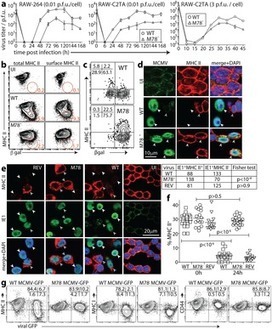
Murine cytomegalovirus degrades MHC class II to colonize the salivary glands

Murine cytomegalovirus degrades MHC class II to colonize the salivary glands | Mucosal Immunity | Scoop.it
Author summary Human cytomegalovirus is the commonest infectious cause of harm to unborn children. Vaccines have not stopped it establishing chronic, systemic infections. Murine cytomegalovirus (MCMV) provides an accessible model to understand why. We show that MCMV evades CD4+ T cells via its M78 protein, and that this helps infection to spread despite the immune response. Thus while CD4+ T cells are important for host defence, viral evasion limits their capacity to act alone in controlling infection.
No comment yet.
Scooped by Gilbert C FAURE
February 16, 2018 10:52 AM
Scoop.it!

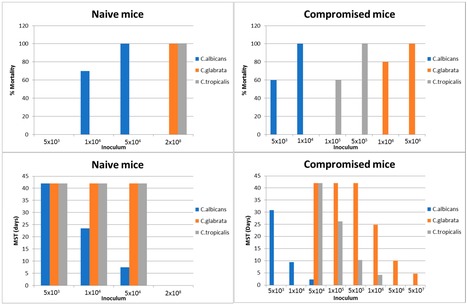
JoF | Free Full-Text | Experimental in Vivo Models of Candidiasis

JoF | Free Full-Text | Experimental in Vivo Models of Candidiasis | Mucosal Immunity | Scoop.it
Candidiasis is a multifaceted fungal disease including mucosal-cutaneous, visceral, and disseminated infections caused by yeast species of the genus Candida. Candida infections are among the most common human mycoses. Candida species are the third to fourth most common isolates from bloodstream infections in neutropenic or immunocompromised hospitalized patients. The mucosal-cutaneous forms—particularly vaginal infections—have a high prevalence. Vaginitis caused by Candida species is the second most common vaginal infection. Hence, candidiasis is a major subject for research, including experimental in vivo models to study pathogenesis, prevention, or therapy of the disease. The following review article will focus on various experimental in vivo models in different laboratory animals, such as mammals (mice, rats, rabbits), the fruit fly–Drosophila melanogaster, the larvae of the moth Galleria mellonella, or the free-living nematode Caenorhabditis elegans. The review will describe the induction of the different clinical forms of candidiasis in the various models and the validity of such models in mimicking the human clinical situations. The use of such models for the assessment of antifungal drugs, evaluation of potential vaccines to protect before candidiasis, exploration of Candida virulence factors, and comparison of pathogenicity of different Candida species will be included in the review. All of the above will be reported as based on published studies of numerous investigators as well as on the research of the author and his group.
No comment yet.
Scooped by Gilbert C FAURE
February 16, 2018 6:31 AM
Scoop.it!

Essential immunologic orchestrators of intestinal homeostasis

Essential immunologic orchestrators of intestinal homeostasis | Mucosal Immunity | Scoop.it
Over the past 25 years, substantial advances have been made in our understanding of the cellular and molecular pathways that are essential to maintain a state of health in the mammalian gastrointestinal tract, an organ that is densely colonized by both immune cells and trillions of microbes. Seminal studies in the 1990s identified that several cytokines, antigen-presentation molecules, and components of the T cell receptor were necessary to prevent the development of spontaneous intestinal inflammation in mice. Subsequent research revealed that these pathways orchestrate beneficial interactions with intestinal microbes, involve complex communication between innate and adaptive immune cells, and can be dysregulated in human inflammatory bowel disease. Here, we discuss how these early findings set the stage for numerous other advances and shaped our current knowledge of host-microbiota interactions and intestinal homeostasis in mammals. It is expected that continued investigation of these areas will define previously unknown immunologic mechanisms of tolerance and inflammation in the intestine that can be exploited to benefit human health.
No comment yet.
Scooped by Gilbert C FAURE
February 13, 2018 8:25 AM
Scoop.it!

Causal effects of the microbiota on immune-mediated diseases

Causal effects of the microbiota on immune-mediated diseases | Mucosal Immunity | Scoop.it
The mammalian immune system has evolved in the presence of a complex community of indigenous microorganisms that constitutively colonize all barrier surfaces. This intimate relationship has resulted in the development of a vast array of reciprocal interactions between the microbiota and the host immune system, particularly in the intestine, where the density and diversity of indigenous microbes are greatest. Alterations in the gut microbiota have been correlated with almost every known immunological disease, but in most cases, it remains unclear whether these changes are a cause or effect of the disease or merely a reflection of epidemiological differences between groups. Here, we review recent efforts to demonstrate a causal role for the microbiota in health and disease, outline experimental advances that have made these studies possible, and highlight how changes in microbial composition may influence immune system function.
Gilbert C FAURE's insight:
FULL TEXT
No comment yet.
Suggested by LIGHTING
February 11, 2018 10:17 AM
Scoop.it!

CD4 T cells silence innate over-activation to gut microbiota | NIHilist's Immunology

CD4 T cells silence innate over-activation to gut microbiota | NIHilist's Immunology | Mucosal Immunity | Scoop.it
CD4 T cells silence innate over-activation to gut flora
Gilbert C FAURE's insight:
No comment yet.
Scooped by Gilbert C FAURE
February 10, 2018 3:43 AM
Scoop.it!

Frontiers | The Interface between Fungal Biofilms and Innate Immunity | Immunology

Frontiers | The Interface between Fungal Biofilms and Innate Immunity | Immunology | Mucosal Immunity | Scoop.it
Fungal biofilms are communities of adherent cells surrounded by an extracellular matrix. These biofilms are commonly found in fungal infections, such as those caused by Candida, Aspergillus, and Cryptococcus. Clinically, biofilm infections can be extremely difficult to eradicate due to their resistance to antifungals and host defenses. Biofilm formation can protect fungal pathogens from many aspects of the innate immune system, including killing by neutrophils and monocytes. Altered immune recognition during this phase of growth is also evident by changes in the cytokine profiles of monocytes and macrophages exposed to biofilm. In this manuscript, we review the host response to fungal biofilms, focusing on how these structures are recognized by the innate immune system. We describe common themes involved in the resilience of fungal biofilms to host immunity and give examples of biofilm defenses that are pathogen-specific.
No comment yet.
Suggested by Société Francaise d'Immunologie
February 27, 2018 1:20 PM
Scoop.it!

Diet Modifies Colonic Microbiota and CD4+ T Cell Repertoire to Trigger Flares in a Novel Model of Colitis Induced by IL-23

bioRxiv - the preprint server for biology, operated by Cold Spring Harbor Laboratory, a research and educational institution
No comment yet.
Scooped by Gilbert C FAURE
February 25, 2018 1:23 PM
Scoop.it!

Antibodies against glycoprotein 2 display diagnostic advantages over ASCA in distinguishing CD from intestinal tuberculosis and intestinal Behçet's disease

Antibodies against glycoprotein 2 display diagnostic advantages over ASCA in distinguishing CD from intestinal tuberculosis and intestinal Behçet's disease | Mucosal Immunity | Scoop.it
Article Report
No comment yet.
Scooped by Gilbert C FAURE
February 24, 2018 11:07 AM
Scoop.it!

Ruminococcus on the horizon in arthritic disease

Ruminococcus on the horizon in arthritic disease | Mucosal Immunity | Scoop.it
News & Views
No comment yet.
Scooped by Gilbert C FAURE
February 21, 2018 2:05 PM
Scoop.it!

Inflammatory Bowel Disease Goes Global | Gastroenterology | JAMA | The JAMA Network

Since 1990, the rates of inflammatory bowel diseases (IBD) have been increasing in newly industrialized countries in Asia, Africa, South America, and the Middle
No comment yet.
Scooped by Gilbert C FAURE
February 19, 2018 11:15 AM
Scoop.it!

The immunology of the vermiform appendix: a review of the literature - Kooij - 2016 - Clinical & Experimental Immunology - Wiley Online Library

This literature review assesses the current knowledge about the immunological aspects of the vermiform appendix in health and disease. An essential part of its immunological function is th
No comment yet.
Scooped by Gilbert C FAURE
February 19, 2018 2:42 AM
Scoop.it!

Intestine on a Chip Technique Opens Door to Personalized Medicine

Intestine on a Chip Technique Opens Door to Personalized Medicine | Mucosal Immunity | Scoop.it
Researchers at the Harvard Wyss Institute have developed a way to effectively culture donor intestinal cells in an organ-on-a-chip device. The technique op
No comment yet.
Rescooped by Gilbert C FAURE from Amazing Science
February 17, 2018 2:31 AM
Scoop.it!

Viruses - lots of them - are falling from the sky

Viruses - lots of them - are falling from the sky | Mucosal Immunity | Scoop.it

An astonishing number of viruses are circulating around the Earth's atmosphere -- and falling from it -- according to new research from scientists in Canada, Spain and the U.S.


The study marks the first time scientists have quantified the viruses being swept up from the Earth's surface into the free troposphere, that layer of atmosphere beyond Earth's weather systems but below the stratosphere where jet airplanes fly. The viruses can be carried thousands of kilometers there before being deposited back onto the Earth's surface.


"Every day, more than 800 million viruses are deposited per square metre above the planetary boundary layer -- that's 25 viruses for each person in Canada," said University of British Columbia virologist Curtis Suttle, one of the senior authors of a paper in the International Society for Microbial Ecology Journal that outlines the findings.


"Roughly 20 years ago we began finding genetically similar viruses occurring in very different environments around the globe," says Suttle. "This preponderance of long-residence viruses traveling the atmosphere likely explains why -- it's quite conceivable to have a virus swept up into the atmosphere on one continent and deposited on another."


Bacteria and viruses are swept up in the atmosphere in small particles from soil-dust and sea spray. Suttle and colleagues at the University of Granada and San Diego State University wanted to know how much of that material is carried up above the atmospheric boundary layer above 2,500 to 3,000 meters. At that altitude, particles are subject to long-range transport unlike particles lower in the atmosphere.


Using platform sites high in Spain's Sierra Nevada Mountains, the researchers found billions of viruses and tens of millions of bacteria are being deposited per square meter per day. The deposition rates for viruses were nine to 461 times greater than the rates for bacteria.


Via Dr. Stefan Gruenwald
No comment yet.
Scooped by Gilbert C FAURE
February 16, 2018 11:01 AM
Scoop.it!

Goblet cell associated antigen passages are inhibited during Salmonella typhimur/cium infection to prevent pathogen dissemination and limit responses to dietary antigens

Goblet cell associated antigen passages are inhibited during Salmonella typhimur/cium infection to prevent pathogen dissemination and limit responses to dietary antigens | Mucosal Immunity | Scoop.it
Article
No comment yet.
Scooped by Gilbert C FAURE
February 16, 2018 10:49 AM
Scoop.it!

Probiotics and infective endocarditis in patients with hereditary hemorrhagic telangiectasia: a clinical case and a review of the literature | BMC Infectious Diseases | Full Text

Probiotics and infective endocarditis in patients with hereditary hemorrhagic telangiectasia: a clinical case and a review of the literature | BMC Infectious Diseases | Full Text | Mucosal Immunity | Scoop.it
In the last decades, probiotics have been widely used as food supplements because of their putative beneficial health effects. They are generally considered safe but rare reports of serious infections caused by bacteria included in the definition of probiotics raise concerns on their potential pathogenic role in patients with particular predisposing factors. Patients with hereditary hemorrhagic telangiectasia (HHT) are exposed to infections because of telangiectasias and arteriovenous malformations (AVMs). We describe what is, to our knowledge, the first case of infective endocarditis (IE) caused by Lactobacillus rhamnosus in a patient with HHT. A systematic review of the relevant medical literature is presented. A patient with HHT and an aortic bioprosthesis was admitted because of prolonged fever not responding to antibiotics. The patient had a history of repeated serious infections with hospitalizations and prolonged use of antibiotics, and used to assume large amounts of different commercial products containing probiotics. Weeks before the onset of symptoms the patient had been treated with nasal packings and with surgical closure of a nasal bleeding site because of recurrent epistaxis. A diagnosis of IE of the aortic bioprosthesis was made. All blood coltures were positive for L. rhamnosus. The patients responded to a cycle of 6 weeks of amoxicillin/clavulanate plus gentamicin. A systematic review of IE linked to consumption of probiotics, and of infective endocarditis in patients with HHT was conducted. 10 cases of IE linked to probiotics consumption and 6 cases of IE in patients with HHT were found. Consumption of probiotics can pose a risk of serious infections in patients with particular predisposing factors. Patients with HHT can be considered at risk because of their predisposition to infections. Prophylaxis with antibiotics before nasal packings in patients with HHT can be considered.
No comment yet.
Scooped by Gilbert C FAURE
February 13, 2018 2:32 PM
Scoop.it!

So you want to run FACS on your microbiome samples… –

So you want to run FACS on your microbiome samples… – | Mucosal Immunity | Scoop.it
So you want to run FACS on your microbiome samples… By Cara Pardon Although optimized for eukaryotic cell research, an increasingly common technique used in the microbiome field is Fluorescence Act…
No comment yet.
Scooped by Gilbert C FAURE
February 13, 2018 6:43 AM
Scoop.it!

IFN-γ increases susceptibility to influenza A infection through suppression of group II innate lymphoid cells

IFN-γ increases susceptibility to influenza A infection through suppression of group II innate lymphoid cells | Mucosal Immunity | Scoop.it
Article
No comment yet.
Scooped by Gilbert C FAURE
February 10, 2018 10:46 AM
Scoop.it!

Lysogeny is prevalent and widely distributed in the murine gut microbiota

Lysogeny is prevalent and widely distributed in the murine gut microbiota | Mucosal Immunity | Scoop.it
Article
No comment yet.