Your new post is loading...

|
Scooped by
Gilbert C FAURE
November 14, 2021 5:26 AM
|
Efficient immune responses against invading pathogens often involve coordination between cells from both the innate and adaptive immune systems. For multiple decades, it has been believed that CD8<sup>+</sup> memory T cells and natural killer (NK) cells constantly and uniformly recirculate.
|
|
Scooped by
Gilbert C FAURE
November 9, 2021 5:25 AM
|
Immunity to pulmonary infection typically requires elicitation of lung-resident T cells that subsequently confer protection against secondary infection. The presence of tissue-resident T cells in severe acute respiratory syndrome coronavirus 2 (SARS-CoV-2) convalescent patients is unknown. Using a sublethal mouse model of coronavirus disease 2019, we determined if SARS-CoV-2 infection potentiated Ag-specific pulmonary resident CD4+ and CD8+ T cell responses and if these cells mediated protection against secondary infection. S protein–specific T cells were present in resident and circulating populations. However, M and N protein–specific T cells were detected only in the resident T cell pool. Using an adoptive transfer strategy, we found that T cells from SARS-CoV-2 immune animals did not protect naive mice. These data indicate that resident T cells are elicited by SARS-CoV-2 infection but are not sufficient for protective immunity.
|
|
Scooped by
Gilbert C FAURE
November 6, 2021 10:46 AM
|
Objective To characterize the microbiota of postmenopausal women undergoing hysterectomy for endometrioid (EAC) or uterine serous cancers (USC) compared to controls with non-malignant conditions. Methods Endometrial, cervicovaginal and anorectal microbial swabs were obtained from 35...
|
|
Scooped by
Gilbert C FAURE
November 1, 2021 6:49 AM
|
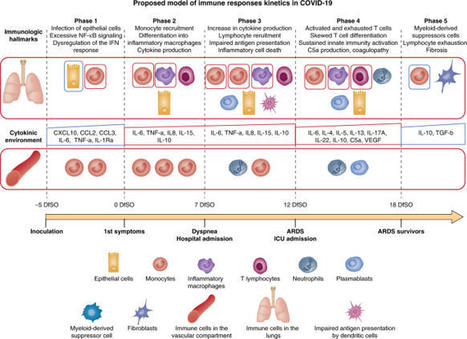
As the COVID-19 pandemic is still ongoing, and considering the lack of efficacy of antiviral strategies to this date, and the reactive hyperinflammation leading to tissue lesions and pneumonia, effective treatments targeting the dysregulated immune response are more than ever required. Immunomodulatory and immunosuppressive drugs have been repurposed in severe COVID-19 with contrasting results. The heterogeneity in the timing of treatments administrations could be accountable for these discrepancies. Indeed, many studies included patients at different timepoints of infection, potentially hiding the beneficial effects of a time-adapted intervention. We aim to review the available data on the kinetics of the immune response in beta-coronaviruses infections, from animal models and longitudinal human studies, and propose a four-step model of severe COVID-19 timeline. Then, we discuss the results of the clinical trials of immune interventions with regards to the timing of administration, and finally suggest a time frame in order to delineate the best timepoint for each treatment.
|
|
Scooped by
Gilbert C FAURE
October 21, 2021 2:25 PM
|
Mucosal immunity plays a key role in prevention of SARS-CoV-2 virus spread to the lungs. In this study, we evaluated systemic and mucosal immune signatures in asymptomatic SARS-CoV-2–infected versu...
|
|
Scooped by
Gilbert C FAURE
October 4, 2021 1:28 PM
|
In a recent study, researchers conducted a nasopharyngeal microbiota profiling parallelism in an effort to analyze microbiota variations in COVID-19 patients.
|
|
Scooped by
Gilbert C FAURE
October 1, 2021 11:38 AM
|
Respiratory illnesses are on the rise in an increasingly polluted world. Particularly, viral respiratory infections tend to aggravate previously existing respiratory illnesses, or cause life-long negative after-effects in patients.
|
|
Scooped by
Gilbert C FAURE
September 25, 2021 11:00 AM
|
Placental transfer of maternal IgG antibodies to the fetus is an important mechanism that provides protection to the infant while his/her humoral response is inefficient. IgG is the only antibody class that significantly crosses the human placenta.
|
|
Scooped by
Gilbert C FAURE
September 24, 2021 2:23 PM
|
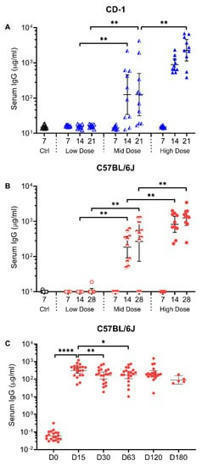
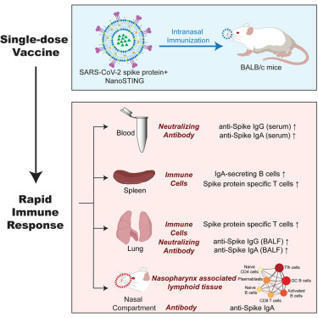
The coronavirus disease 2019 (COVID-19) pandemic has highlighted the urgent need for effective prophylactic vaccination to prevent the spread of severe acute respiratory syndrome coronavirus 2 (SARS-CoV-2).
|
|
Scooped by
Gilbert C FAURE
September 18, 2021 5:09 AM
|
Sepsis causes immunosuppression and increased susceptibility to infection by unknown
means. Nascimento et al. show sepsis-induced expansion of a CD39hi plasmablast population
that elevated circulating adenosine.
|
|
Scooped by
Gilbert C FAURE
September 14, 2021 11:34 AM
|
|
|
Scooped by
Gilbert C FAURE
September 14, 2021 5:14 AM
|
Despite remarkable progress in the development and authorization of vaccines against severe acute respiratory syndrome coronavirus 2 (SARS-CoV-2), the…...
|
|
Scooped by
Gilbert C FAURE
September 12, 2021 3:21 AM
|
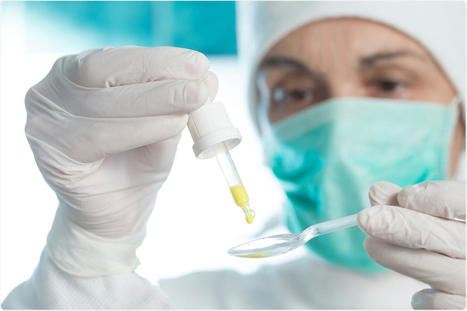
SalivaDirect, an open-source protocol, avoids many of the supply bottlenecks of other tools and could be offered for as little as $10 a test.
|
|
|
Scooped by
Gilbert C FAURE
November 14, 2021 5:25 AM
|
Viral respiratory tract infection (RTI) is the most frequent cause of infectious illnesses including the common cold. Pharmacological solutions for treating or preventing viral RTIs are so far limited and thus several self-care products are available in the market.
|
|
Scooped by
Gilbert C FAURE
November 8, 2021 9:28 AM
|
Respiratory syncytial virus (RSV) is a common, ubiquitous and contagious viral pathogen that infects the respiratory tract of most children by two years of age. RSV is an RNA pneumovirus of the Paramyxoviridae family, and humans arethe only natural host.
|
|
Scooped by
Gilbert C FAURE
November 3, 2021 7:39 AM
|
Postmortem samples of respiratory and olfactory mucosa and whole olfactory bulbs are
harvested immediately after the death of COVID-19 patients revealing ciliated cells
and sustentacular cells but not olfactory sensory neurons as the main target cell
types for SARS-CoV-2 infection and replication.
|
|
Scooped by
Gilbert C FAURE
October 24, 2021 2:34 PM
|
The maternal microbiota shape offspring development, including susceptibility to some illnesses
|
|
Scooped by
Gilbert C FAURE
October 6, 2021 2:50 AM
|
Inflammatory bowel disease (IBD) is a group of multifactorial and inflammatory infirmities comprised of two main entities: Ulcerative colitis (UC) and Crohn’s disease (CD). Classic strategies to treat IBD are focused on decreasing inflammation besides inducing and extending disease remission. However, these approaches have several limitations such as low responsiveness, excessive immunosuppression, and refractoriness. Despite the multifactorial causality of IBD, immune disturbances and intestinal dysbiosis have been suggested as the central players in disease pathogenesis. Hence, therapies aiming at modulating intestinal microbial composition may represent a promising strategy in IBD control. Fecal microbiota transplantation (FMT) and probiotics have been explored as promising candidates to reestablish microbial balance in several immune-mediated diseases such as IBD. These microbial-based therapies have demonstrated the ability to reduce both the dysbiotic environment and production of inflammatory mediators, thus inducing remission, especially in UC. Despite these promising results, there is still no consensus on the relevance of such treatments in IBD as a potential clinical strategy. Thus, this review aims to critically review and describe the use of FMT and probiotics to treat patients with IBD.
|
|
Scooped by
Gilbert C FAURE
October 4, 2021 11:33 AM
|
Recurrent Pregnancy Loss (RPL) affects 2–4% of couples, and with increasing numbers of pregnancy losses the risk of miscarrying a euploid pregnancy is increased, suggesting RPL is a pathology distinct from sporadic miscarriage that is due largely to lethal embryonic aneuploidy. There are a number of conditions associated with RPL including unspecified “immune” pathologies; one of the strongest candidates for dysregulation remains T regulatory cells as depletion in the very early stages of pregnancy in mice leads to pregnancy loss. Human endometrial Treg and conventional CD4T cells were isolated during the peri-implantation period of the menstrual cycle in normal women. We identified an endometrial Treg transcriptomic signature and validated an enhanced regulatory phenotype compared to peripheral blood Treg. Parous women had an altered endometrial Treg transcriptome compared to nulliparity, indicating acquired immune memory of pregnancy within the Treg population, by comparison endometrial conventional CD4T cells were not altered. We compared primary and secondary RPL to nulliparous or parous controls respectively. Both RPL subgroups displayed differentially expressed Treg gene transcriptomes compared to controls. We found increased cell surface S1PR1 and decreased TIGIT protein expression by Treg in primary RPL, confirming the presence of altered Treg in the peri-implantation RPL endometrium.
|
|
Scooped by
Gilbert C FAURE
October 1, 2021 5:36 AM
|
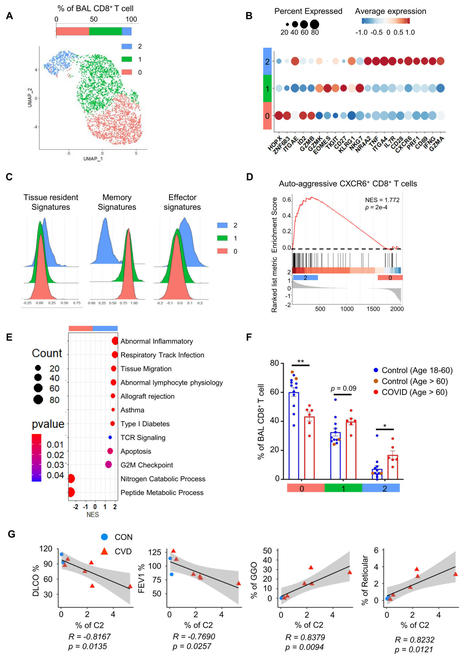
Severe COVID-19 pneumonia survivors often exhibit long-term pulmonary sequalae, but the underlying mechanisms or associated local and systemic immune correlates are not known. Here, we have perform...
|
|
Scooped by
Gilbert C FAURE
September 25, 2021 5:43 AM
|
Abstract Aging is paradoxically associated with a deteriorated immune defense (immunosenescence) and increased basal levels of tissue inflammation (inflammaging). The lung is particularly sensitive...
|
|
Scooped by
Gilbert C FAURE
September 18, 2021 6:43 AM
|
Investing in universal access to water, sanitatio
|
|
Scooped by
Gilbert C FAURE
September 15, 2021 2:56 AM
|
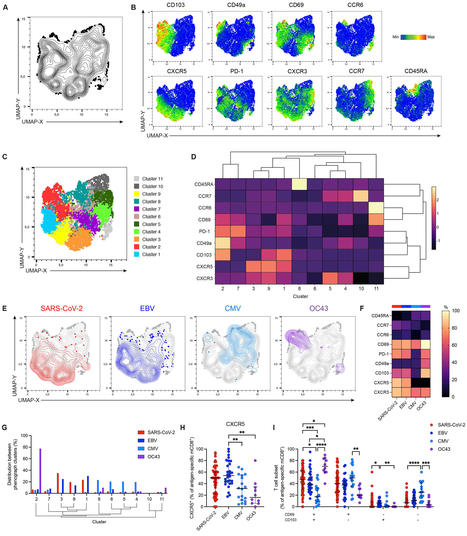
Cross-reactive CD4+ T cells that recognize SARS-CoV-2 are more commonly detected in the peripheral blood of unexposed individuals compared to SARS-CoV-2-reactive CD8+ T cells. However, larg
|
|
Scooped by
Gilbert C FAURE
September 14, 2021 5:16 AM
|
Researchers have collaborated to resolve the aforementioned problems associated with injection vaccines to create a thermostable vaccine that can be taken orally.
|
|
Scooped by
Gilbert C FAURE
September 12, 2021 3:36 AM
|
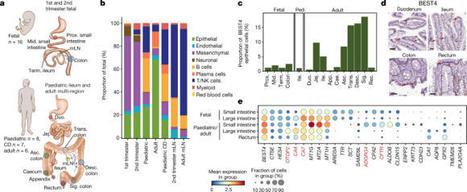
The cellular landscape of the human intestinal tract is dynamic throughout life, developing in utero and changing in response to functional requirements and environmental exposures. Here, to comprehensively map cell lineages, we use single-cell RNA sequencing and antigen receptor analysis of almost half a million cells from up to 5 anatomical regions in the developing and up to 11 distinct anatomical regions in the healthy paediatric and adult human gut. This reveals the existence of transcriptionally distinct BEST4 epithelial cells throughout the human intestinal tract. Furthermore, we implicate IgG sensing as a function of intestinal tuft cells. We describe neural cell populations in the developing enteric nervous system, and predict cell-type-specific expression of genes associated with Hirschsprung’s disease. Finally, using a systems approach, we identify key cell players that drive the formation of secondary lymphoid tissue in early human development. We show that these programs are adopted in inflammatory bowel disease to recruit and retain immune cells at the site of inflammation. This catalogue of intestinal cells will provide new insights into cellular programs in development, homeostasis and disease. Cells from embryonic, fetal, paediatric and adult human intestinal tissue are analysed at different locations along the intestinal tract to construct a single-cell atlas of the developing and adult human intestinal tract, encompassing all cell lineages.
|