Your new post is loading...

|
Scooped by
Gilbert C FAURE
January 16, 2023 4:51 AM
|
/PRNewswire/ -- Intravacc, a world leader in translational research and development of preventive and therapeutic vaccines, today announced favorable...
|
|
Scooped by
Gilbert C FAURE
January 12, 2023 9:41 AM
|
Assess presence, durability, and neutralization capacity of SARS-CoV-2-specific antibodies in breastfeeding infants’ stool, mother’s plasma and milk following maternal vaccination. Thirty-seven mothers and 25 infants were enrolled between December 2020 and November 2021 for this prospective...
|
|
Scooped by
Gilbert C FAURE
January 10, 2023 1:49 PM
|
The role of the maternal immune system in reproductive success in humans remains controversial. Here we focus on the events that occur in the maternal decidua during the first few weeks of human pregnancy, because this is the site at which maternal leukocytes initially interact with and can recognize fetal trophoblast cells, potentially involving allorecognition by both T cells and natural killer (NK) cells. NK cells are the dominant leukocyte population in first-trimester decidua, and genetic studies point to a role of allorecognition by uterine NK cells in establishing a boundary between the mother and the fetus. By contrast, definitive evidence that allorecognition by decidual T cells occurs during the first trimester is lacking. Thus, our view is that during the crucial period when the placenta is established, damaging T cell-mediated adaptive immune responses towards placental trophoblast are minimized, whereas NK cell allorecognition contributes to successful implantation and healthy pregnancy. Major human pregnancy disorders arise from the failure of placental trophoblast to access sufficient supplies of maternal oxygen and nutrients. Key to understanding this process are the interactions that occur early in pregnancy between trophoblast cells that invade the decidua and maternal uterine immune cells.
|
|
Scooped by
Gilbert C FAURE
January 2, 2023 9:12 AM
|
Single-cell transcriptomics has allowed unprecedented resolution of cell types/states in the human lung, but their spatial context is less well defined. To (re)define tissue architecture of lung and airways, we profiled five proximal-to-distal locations of healthy human lungs in depth using multi-omic single cell/nuclei and spatial transcriptomics (queryable at lungcellatlas.org ). Using computational data integration and analysis, we extend beyond the suspension cell paradigm and discover macro and micro-anatomical tissue compartments including previously unannotated cell types in the epithelial, vascular, stromal and nerve bundle micro-environments. We identify and implicate peribronchial fibroblasts in lung disease. Importantly, we discover and validate a survival niche for IgA plasma cells in the airway submucosal glands (SMG). We show that gland epithelial cells recruit B cells and IgA plasma cells, and promote longevity and antibody secretion locally through expression of CCL28, APRIL and IL-6. This new ‘gland-associated immune niche’ has implications for respiratory health. Multi-omics profiling of 45 human lung samples highlights 80 different cell types along the proximal to distal axis of the lung with certain cell types showing enrichment for disease-associated genes. An immune niche for IgA-expressing plasma cells within airway submucosal glands (SMG) is also identified.
|
|
Scooped by
Gilbert C FAURE
December 31, 2022 1:39 AM
|
Scientific American is the essential guide to the most awe-inspiring advances in science and technology, explaining how they change our understanding of the world and shape our lives.
|
|
Scooped by
Gilbert C FAURE
December 28, 2022 2:44 AM
|
|
|
Scooped by
Gilbert C FAURE
December 26, 2022 5:52 AM
|
The nasal cavity is a primary checkpoint for the invasion of respiratory pathogens. Numerous pathogens, including SARS-CoV-2, S. pneumoniae, S. aureus, etc., can adhere/colonize nasal lining to trigger an infection. Secretory IgA (sIgA) serves as the first line of immune defense against foreign pathogens. sIgA facilitates clearance of pathogenic microbes by intercepting their access to epithelial receptors and mucus entrapment through immune exclusion. Elevated levels of neutralizing IgA at the mucosal surfaces are associated with a high level of protection following intranasal immunizations. This review summarizes recent advances in intranasal vaccination technology and challenges in maintaining nominal IgA levels at the mucosal surface. Overall, the review emphasizes the significance of IgA-mediated nasal immunity, which holds a tremendous potential to mount protection against respiratory pathogens.
|
|
Scooped by
Gilbert C FAURE
December 22, 2022 2:22 AM
|
Mucosal Vaccines for SARS-CoV-2: Scientific Gaps and Opportunities. Online registration by Cvent
|
|
Scooped by
Gilbert C FAURE
December 20, 2022 8:01 AM
|
Mucosal immunity is the largest component of the immune system, providing protection at mucosal surfaces such as the respiratory tract [1]. It differs from systemic immunity on a structural, cellular, molecular and functional level [2], with a distinctive repertoire of lymphocytes [3] and small foci of lymphocytes and plasma cells scattered throughout the lamina propria of the gut wall [3]. Advances in mucosal vaccine development and immunomodulation for treating autoimmune diseases and allergies are being made [4]. The Society of Mucosal Immunology publishes Mucosal Immunology to provide a forum for scientists to discuss all aspects of immunity and inflammation involving mucosal tissues [5]. Was this result accurate? 1. Mucosal Immunity in COVID-19: A Neglected but Critical Aspect of SARS ... The mucosal immune system is the largest component of the entire immune system, having evolved to provide protection at the main sites of infectious threat: the mucosae. As SARS-CoV-2 initially infects the upper respiratory tract, its first interactions with the immune system must occur predominantly at the respiratory mucosal surfaces, during ... 2. What is Mucosal Immunity? - News-Medical.net Mucosal immunity differs from systemic immunity on a structural, cellular, molecular, and functional level. The intestinal mucosa is the home of more than 80% of the activated B cells which ... 3. The mucosal immune system - Immunobiology - NCBI Bookshelf 10-14. The mucosal immune system contains a distinctive repertoire of lymphocytes. In addition to the organized lymphoid tissue in which induction of immune responses occurs within the mucosal immune system, small foci of lymphocytes and plasma cells are scattered widely throughout the lamina propria of the gut wall. These represent the effector cells of the gut mucosal immune system. 4. Mucosal immunity and vaccines - PubMed There is currently great interest in developing mucosal vaccines against a variety of microbial pathogens. Mucosally induced tolerance also seems to be a promising form of immunomodulation for treating certain autoimmune diseases and allergies. Here we review the properties of the mucosal immune system and discuss advances in the development of ... 5. Mucosal Immunology - Nature Mucosal Immunology is the publication of Society of Mucosal Immunology (SMI). It provides a forum for scientists to discuss all aspects of immunity and inflammation involving mucosal tissues.
|
|
Scooped by
Gilbert C FAURE
December 18, 2022 7:09 AM
|
|
|
Scooped by
Gilbert C FAURE
December 17, 2022 1:56 AM
|
SARS-CoV-2; IFN alpha; IFN beta; Type I interferon; Interferon-stimulated genes (ISGs);
COVID-19; children; adults; Poly (I:C); RSV.
|
|
Scooped by
Gilbert C FAURE
December 17, 2022 1:53 AM
|
Less known to the general public, mucosal vaccination via the mucus membranes could provide robust protection against SARS-CoV-2 infections. Immune cells in the nose and lungs are considered better prepared to encounter and block the virus that causes COVID-19.
|
|
Scooped by
Gilbert C FAURE
December 15, 2022 3:27 AM
|
Macrophage migration inhibitory factor (MIF) is a key innate immune mediator with chemokine- and cytokine-like properties in the inflammatory pathway. While its actions on macrophages are well-studied, its effects on other cell types are less understood. Here we report that MIF is required for expansion of intestinal tuft cells during infection with the helminth Nippostrongylus brasiliensis. MIF-deficient mice show defective innate responses following infection, lacking intestinal epithelial tuft cell hyperplasia or upregulation of goblet cell RELMβ, and fail to expand eosinophil, type 2 innate lymphoid cell (ILC2) and macrophage (M2) populations. Similar effects were observed in MIF-sufficient wild-type mice given the MIF inhibitor 4-IPP. MIF had no direct effect on epithelial cells in organoid cultures, and MIF-deficient intestinal stem cells could generate tuft cells in vitro in the presence of type 2 cytokines. In vivo the lack of MIF could be fully compensated by administration of IL-25, restoring tuft cell differentiation and goblet cell expression of RELM-β, demonstrating its requirement upstream of the ILC2-tuft cell circuit. Both ILC2s and macrophages expressed the MIF receptor CXCR4, indicating that MIF may act as an essential co-factor on both cell types to activate responses to IL-25 in helminth infection.
|
|
|
Scooped by
Gilbert C FAURE
January 12, 2023 10:35 AM
|
Mucosal immunity has a pivotal role in protection from respiratory viral infections.1
The current authors have showed substantial protection from omicron infection by high
concentrations of nasal mucosal SARS-CoV-2 WT spike immunoglobulin-A (M-IgA) over
a 4-week screening period.2 A sharp increase in M-IgA concentrations following BA.1
or BA.2 breakthrough infection in triple vaccinated health-care workers was also observed.2
Here, we present follow-up data with prospectively collected omicron infection rates
and systemic and mucosal antibody concentrations from the same cohort (appendix pp
7–9, 12–14).
|
|
Rescooped by
Gilbert C FAURE
from Immunology
January 11, 2023 6:16 AM
|
Since their discovery almost two decades ago, interleukin-17-producing CD4+ T cells (TH17 cells) have been implicated in the pathogenesis of multiple autoimmune and inflammatory disorders. In addition, TH17 cells have been found to play an important role in tissue homeostasis, especially in the intestinal mucosa. Recently, the use of single-cell technologies, along with fate mapping and various mutant mouse models, has led to substantial progress in the understanding of TH17 cell heterogeneity in tissues and of TH17 cell plasticity leading to alternative T cell states and differing functions. In this Review, we discuss the heterogeneity of TH17 cells and the role of this heterogeneity in diverse functions of TH17 cells from homeostasis to tissue inflammation. In addition, we discuss TH17 cell plasticity and its incorporation into the current understanding of T cell subsets and alternative views on the role of TH17 cells in autoimmune and inflammatory diseases. Kuchroo and colleagues review TH17 cell heterogeneity and discuss how this affects the function of TH17 cells in homeostasis and disease.
|
|
Scooped by
Gilbert C FAURE
January 4, 2023 6:58 AM
|
bioRxiv - the preprint server for biology, operated by Cold Spring Harbor Laboratory, a research and educational institution
|
|
Scooped by
Gilbert C FAURE
January 2, 2023 8:02 AM
|
MIT researchers have identified molecules found in mucus that can block cholera infection by interfering with the genes that cause the microbe to switch into a harmful state.These protective molecules, known as glycans, are a major constituent of muc...
|
|
Scooped by
Gilbert C FAURE
December 28, 2022 10:51 AM
|
|
|
Scooped by
Gilbert C FAURE
December 26, 2022 7:33 AM
|
|
|
Scooped by
Gilbert C FAURE
December 26, 2022 5:17 AM
|
COVID-19 vaccination with mRNA vaccines induces immune responses capable of neutralizing SARS-CoV-2. Commercially available serological anti-SARS-CoV-2 quantitative and neutralizing assays are essential for the determination of immune responses to vaccines.
|
|
Rescooped by
Gilbert C FAURE
from Veille Coronavirus - Covid-19
December 20, 2022 2:03 PM
|
La vaccination est souvent associée à une piqure. Elle peut également prendre la forme d’un spray nasal : une approche encore rare, mais qui pourrait être efficace contre le Covid. Voici pourquoi.
Via HAS-veille
|
|
Scooped by
Gilbert C FAURE
December 18, 2022 7:23 AM
|
Mucosal DNA Vaccine: Created using a vector developed by a Centre National de la Recherche Scientifique (CNRS) researcher at the Immunology and New Concepts in Immunotherapy Laboratory, Nantes University, France, this vaccine acts in a manner similar to that of RNA vaccines on the market.
|
|
Scooped by
Gilbert C FAURE
December 17, 2022 2:41 AM
|
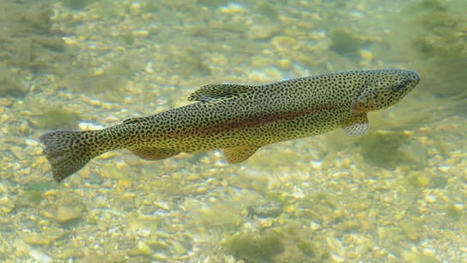
The new knowledge will allow fish immunologists better understand the efficacy of aquaculture vaccines.
|
|
Scooped by
Gilbert C FAURE
December 17, 2022 1:54 AM
|
Host defense against virus infection is provided by virus-specific CD8+ T cells. T.
Kawasaki et al. show that antigen cross-presentation by alveolar macrophages induces a rapid expansion of antigen-specific CD8+ T cells and subsequent formation of CD8+ resident memory T cells to protect virus...
|
|
Scooped by
Gilbert C FAURE
December 17, 2022 1:50 AM
|
Of all the organ systems in the body, the gastrointestinal tract is the most complicated in terms of numbers of the structures involved, each with different functions, and the numbers and types of ...
|





 Scoop.it!