


From
twitter

 Your new post is loading...
 Scoop.it! 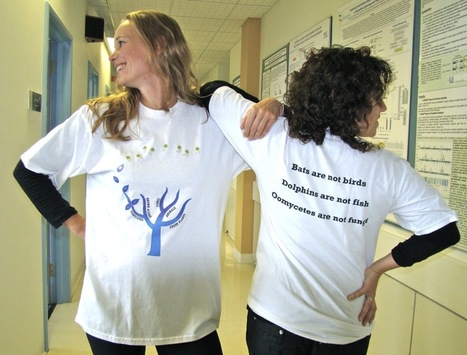
From
medium
Readers of PlantVillage who visited popular pages like the one on tomato late blight would have come across the term “oomycetes” and probably wondered what in the world is an oomycete? It’s the taxon of microbes that groups many plant pathogens such as Phytophthora, Pythium, and the downy mildews. These are destructive pathogens of plants. Phytophthora, which stems from Greek words meaning plant-destroyer, is a diverse group of plant pathogens with over 100 species known to science . It includes the infamous Irish potato famine pathogen Phytophthora infestans. When this pathogen reached Ireland in the 1840s, it triggered famine and mayhem with one million people dead and another million forced to leave the island. Today, the late blight disease caused by P. infestans threatens not only tomatoes and potatoes in your gardens but also commercial and subsistence farming worldwide. Matt Fisher, Sarah Gurr and their colleagues recently estimated that losses due to late blight add up to enough calories to feed hundreds of millions of people. So what are these oomycetes that are so feared by gardeners and farmers alike? Traditionally oomycetes were thought to be fungi (yeasts, molds and mushrooms). They are not. Modern methods of evolutionary analyses, known as phylogenetics, have cemented the view that oomycetes are only distant relatives of the fungi. In fact, fungi are more closely related to you and I than they are to the oomycetes. Oomycete biologists like to quip “bats are not birds, dolphins are not fish, and oomycetes are not fungi.” In fact, oomycetes turned out to have unexpected marine cousins in brown algae (kelp) and diatoms in a grouping known as the heterokonts. Oomycetes form a very deep branch in the tree of life and may have evolved from marine parasitic microorganisms. Just a few months ago, while I was visiting Christine Strullu-Derrien and Paul Kenrick at the Natural History Museum in London, I had the amazing opportunity to hold a fossil oomycete that is 300 million year old. Already in those ancient times, oomycetes were successful colonizers of plants and may even have been parasitic. But evolution is a complicated process. More often than widely assumed, it proceeded as a reticulate network rather than a straight line. One example is the transfer of genes from one organism to another. This process, known as horizontal or lateral gene transfer, has occurred frequently in bacteria but is not as well documented in more complex organisms like oomycetes and fungi. Nonetheless, Tom Richard and colleagues at Exeter University reported that oomycetes have at some point in their evolution acquired genes from fungi. Whether this took place hundreds million years ago or more recently is not yet resolved. But as Tom likes to say “oomycetes are 99% not fungi”. How this phenomenon has contributed to the evolution of oomycetes into destructive plant pathogens is an interesting research topic. But why all the misery? Why are oomycetes the scourge of farmers worldwide? The truth is, although Phytophthora are astonishing plant killers that can wipe out crops in days, the secret of their success is their ability to rapidly adapt to resistant plant varieties. Just like the constantly morphing flu virus, the potato blight pathogen and its relatives continuously spawn new races adapted to the resistant varieties released by plant breeders and even occasionally to new host plants. Like Lewis Carroll’s fictional Red Queen, plant breeders and biotechnologists only hope is to strenuously run to keep in the same place. If only we could produce resistant varieties more often then perhaps we’ll have a chance to outrace the ever-evolving blight pathogen. So while you lament your blighted potatoes and your dying tomatoes, take a moment to ponder over the awesome parasite that’s making your vegetable garden look so gloomy. That microbe has already colonized plants way before humans emerged on earth. And for hundreds of millions of years it has kept on changing, evolving, and adapting ensuring its uninterrupted survival on an astonishing array of plant species and varieties. When humans domesticated plants, it could not resist the offering and adopted the crops as its new hosts. Ultimately, it moved to new continents and farmlands causing misery and despair. But we haven’t given up. Plant pathologists are hard at work learning more about these parasites and applying new knowledge and technologies to build disease-resistant crops. 
Scoop.it!

Stripe (yellow) rust, caused by Puccinia striiformis f. sp. tritici (Pst), is a serious disease of wheat occurring in most wheat areas with cool and moist weather conditions during the growing season. The basidiomycete fungus is an obligate biotrophic parasite that is difficult to culture on artificial media. Pst is a macrocyclic, heteroecious fungus that requires both primary (wheat or grasses) and alternate (Berberis or Mahonia spp.) host plants to complete its life cycle. Urediniospores have the capacity for wind dispersal over long distances, which may, under high inoculum pressure, extend to thousands of kilometres from the initial infection sites. Stripe rust, which is considered to be the current major rust disease affecting winter cereal production across the world, has been studied intensively for over a century. This review summarizes the current knowledge of the Pst–wheat pathosystem, with emphasis on the life cycle, uredinial infection process, population biology of the pathogen, genes for stripe rust resistance in wheat and molecular perspectives of wheat–Pst interactions.
Scoop.it!

From
jobs
A scientist in the Joint Research Unit for Plant-Microbe Interactions (LIPM) at INRA in Toulouse, Sylvain Raffaele obtained a Starting Grant from the European Research Council (ERC) in 2013. This grant will enable work to understand plant defence mechanisms more clearly, and also the abilities of some pathogens to circumvent them.
Scoop.it!
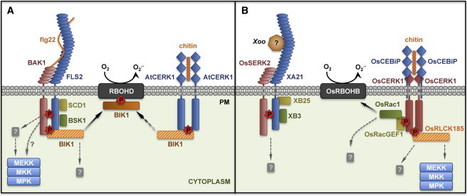
Despite being sessile organisms constantly exposed to potential pathogens and pests, plants are surprisingly resilient to infections. Plants can detect invaders via the recognition of pathogen-associated molecular patterns (PAMPs) by pattern recognition receptors (PRRs). Plant PRRs are surface-localized receptor-like kinases, which comprise a ligand-binding ectodomain and an intracellular kinase domain, or receptor-like proteins, which do not exhibit any known intracellular signaling domain. In this review, we summarize recent discoveries that shed light on the molecular mechanisms underlying ligand perception and subsequent activation of plant PRRs. Notably, plant PRRs appear as central components of multiprotein complexes at the plasma membrane that contain additional transmembrane and cytosolic kinases required for the initiation and specificity of immune signaling. PRR complexes are under tight control by protein phosphatases, E3 ligases, and other regulatory proteins, illustrating the exquisite and complex regulation of these molecular machines whose proper activation underlines a crucial layer of plant immunity.
Scoop.it!

Genome sequences of several economically important phytopathogenic oomycetes have revealed the presence of large families of so-called RXLR effectors. Functional screens have identified RXLR effector repertoires that either compromise or induce plant defense responses. However, limited information is available about the molecular mechanisms underlying the modes of action of these effectors in planta. The perception of highly conserved pathogen- or microbe-associated molecular patterns (PAMPs/MAMPs), such as flg22, triggers converging signaling pathways recruiting MAP kinase cascades and inducing transcriptional re-programming, yielding a generic anti-microbial response. We used a highly synchronizable, pathogen-free protoplast-based assay to identify a set of RXLR effectors from Phytophthora infestans (PiRXLRs), the causal agent of potato and tomato light blight that manipulate early stages of flg22-triggered signaling. Of thirty-three tested PiRXLR effector candidates, eight, called Suppressor of early Flg22-induced Immune response (SFI), significantly suppressed flg22-dependent activation of a reporter gene under control of a typical MAMP-inducible promoter (pFRK1-Luc) in tomato protoplasts. We extended our analysis to Arabidopsis thaliana, a non-host plant species of P. infestans. From the aforementioned eight SFI effectors, three appeared to share similar functions in both Arabidopsis and tomato by suppressing transcriptional activation of flg22-induced marker genes downstream of post-translational MAP kinase activation. A further three effectors interfere with MAMP signaling at, or upstream of, the MAP kinase cascade in tomato, but not in Arabidopsis. Transient expression of the SFI effectors in Nicotiana benthamianaenhances susceptibility to P. infestans and, for the most potent effector, SFI1, nuclear localization is required for both suppression of MAMP signaling and virulence function. The present study provides a framework to decipher the molecular mechanisms underlying the manipulation of host MAMP-triggered immunity (MTI) by P. infestans and to understand the basis of host versus non-host resistance in plants towards P. infestans.
Scoop.it!

Cytoplasmic plant immune receptors recognize specific pathogen effector proteins and initiate effector-triggered immunity. In Arabidopsis, the immune receptors RPS4 and RRS1 are both required to activate defense to three different pathogens. We show that RPS4 and RRS1 physically associate. Crystal structures of the N-terminal Toll–interleukin-1 receptor/resistance (TIR) domains of RPS4 and RRS1, individually and as a heterodimeric complex (respectively at 2.05, 1.75, and 2.65 angstrom resolution), reveal a conserved TIR/TIR interaction interface. We show that TIR domain heterodimerization is required to form a functional RRS1/RPS4 effector recognition complex. The RPS4 TIR domain activates effector-independent defense, which is inhibited by the RRS1 TIR domain through the heterodimerization interface. Thus, RPS4 and RRS1 function as a receptor complex in which the two components play distinct roles in recognition and signaling. See also Perspective by Nishimura and Dangl http://www.sciencemag.org/content/344/6181/267.short
Scoop.it!

Last month was the 100th anniversary of the birth of Norman Borlaug, the father of the Green Revolution. In 1944, Borlaug moved to Mexico to work on breeding high-yield, disease-resistant strains of wheat. Mexico adopted them — and in 1970, wheat yields were six times what they had been in 1950. In 1965, India and Pakistan, then on the brink of widespread famine, began growing the high-yield wheat. Over the next 30 years, wheat yields in India tripled. The same happened with high-yield rice strains that had been developed in the Philippines. Borlaug, who died in 2009, directed the wheat improvement program of the International Maize and Wheat Improvement Center, which goes by the Spanish acronym Cimmyt. The research headquarters is a 78-hectare spread of land a half-hour drive from Mexico City. Today Cimmyt researchers grow and test new varieties of corn, or maize, along with the wheat. Their purpose is to contribute to a new green revolution — this time for Africa. Read also http://nyti.ms/1ql15i2
Scoop.it!

ANYONE who walks in the woods will be familiar with witches’ brooms (pictured). Many trees sport these bushy tumours, which have a variety of causes. An important one is a group of bacteria called phytoplasma that are, in turn, carried from plant to plant by sap-sucking insects such as leafhoppers. Phytoplasma do other odd things to plants as well, sometimes including making their flowers develop like leaves. Witches’ brooms and leaf-like flowers provide more of the soft tissue leafhoppers like to suck sap from. Bacteria and bugs have thus developed a symbiosis at the expense of their vegetable hosts, since leaf-like flowers are sterile and a plant so afflicted cannot reproduce. Saskia Hogenhout of the John Innes Centre in Norwich, Britain, has been investigating this symbiosis—and asking, in particular, just how phytoplasma bacteria hijack a plant’s developmental machinery and make it work to their advantage and the plant’s detriment. Her results, now published in PLOS Biology, are a dark tale of molecular mayhem. Dr Hogenhout and her team experimented on Arabidopsis, a type of cress that is to plant geneticists what Drosophila, the fruit fly, is to animal geneticists—a species whose genes have been thoroughly investigated and are reasonably well understood. Phytoplasma bacteria, she found, produce a protein called SAP54 that interferes with molecular switches, known as MADS-box transcription factors, which promote flower formation. With these transcription factors switched off, Arabidopsis’s flowers develop bushy leaves similar in form to witches’ brooms. Further experiments showed that Arabidopsis plants with leafy flowers are indeed, as would be expected, more attractive to leafhoppers. The insects pick up the bacteria as they feed and carry them to other plants, perpetuating the mutually beneficial process. The magic of witches’ brooms is thus demystified.
Scoop.it!

Many parasites commandeer the bodies of their hosts in order to spread. Examples of this include horsehair worms that reach water by forcing their cricket hosts to drown themselves, and liver flukes that drive infected ants to climb blades of grass, where cows can eat the insects, and so the flukes. But parasites can turn plants into zombies, too — and a team of scientists from the John Innes Centre in Norwich, UK, has now discovered how they do it. When plants are infected by parasitic bacteria called phytoplasmas, their flowers turn into leafy shoots, their petals turn green and they develop a mass of shoots called ‘witches’ brooms’. This transformation sterilizes the plant, while attracting the sap-sucking insects that carry the bacteria to new hosts. “The plant appears alive, but it’s only there for the good of the pathogen,” says plant pathologist Saskia Hogenhout from the John Innes Centre in Norwich, UK. “In an evolutionary sense, the plant is dead and will not produce offspring.” “Many might baulk at the concept of a zombie plant because the idea of plants behaving is strange,” says David Hughes, a parasitologist at Pennsylvania State University in University Park. “But they do, and since they do, why wouldn't parasites have evolved to take over their behaviour, as they do for ants and crickets?”
Scoop.it!

Outbreaks of a deadly fungal disease in wheat crops in Germany and Ethiopia in 2013 have had the scientific community buzzing over the threat posed to global food security. Wheat stem rust, also known as wheat black rust, is often referred to as the “polio of agriculture”: The rapidly mutating fungal disease can travel thousands of kilometres and wipe out crops. Wheat farmers and scientists at a recent summit hosted by the Mexico-based International Maize and Wheat Improvement Center (CIMMYT ) have been examining outbreaks of different strains of wheat stem rust in the two countries to identify any similarities. In Germany “the occurrence of stem rust was favoured by a period of unusually high temperatures… and an unusually late development of the wheat crop due to cold spring and early summer temperatures,” explained Kerstin Flath, senior scientist at Germany’s Federal Research Centre for Cultivated Plants at the Julius Kuehn-Institut. The outbreak occurred in June in central Germany, a mainly wheat producing area, and was the first in the country in several decades. Then in November 2013 the disease struck a popular variety of wheat in Ethiopia called digalu, used to make bread, said Bekele Abeyo, a senior scientist and wheat breeder at CIMMYT. What was particularly disconcerting for the scientists was that digalu had been bred with inherent resistance to certain strains of stem rust and another wheat disease called “yellow rust” or “stripe”.
Scoop.it!

The Cf-5 gene of tomato confers resistance to strains of the fungal pathogen Cladosporium fulvum carrying the avirulence gene Avr5. Although Cf-5 has been cloned, Avr5 has remained elusive. We report the cloning of Avr5 using a combined bioinformatic and transcriptome sequencing approach. RNA-Seq was performed on the sequenced race 0 strain (0WU; carries Avr5), as well as a race 5 strain (IPO 1979; lacks a functional Avr5 gene), during infection of susceptible tomato. Forty-four in planta-induced C. fulvum Candidate Effector (CfCE) genes of 0WU were identified that putatively encode a secreted, small cysteine-rich protein. An expressed transcript sequence comparison between strains revealed two polymorphic CfCE genes in IPO 1979. One of these conferred avirulence to IPO 1979 on Cf-5 tomato following complementation with the corresponding 0WU allele, confirming identification of Avr5. Complementation also led to increased fungal biomass during infection of susceptible tomato, signifying a role for Avr5 in virulence. Seven of eight race 5 strains investigated escape Cf-5–mediated resistance through deletion of the Avr5 gene. Avr5 is heavily flanked by repetitive elements, suggesting that repeat instability, in combination with Cf-5–mediated selection pressure, has led to the emergence of race 5 strains deleted for the Avr5 gene.
Scoop.it!

Both plants and animals rely on nucleotide-binding domain and leucine-rich repeat-containing proteins (NB-LRRs or NLRs) to respond to invading pathogens and activate immune responses. How plant NB-LRR proteins respond to pathogens is poorly understood. We undertook a gain-of-function random mutagenesis screen of the potato NB-LRR immune receptor R3a to study how this protein responds to the effector protein AVR3a from the oomycete pathogen Phytophthora infestans. R3a response can be extended to the stealthy AVR3aEM isoform of the effector while retaining recognition of AVR3aKI. Each one of 8 single amino acid mutations is sufficient to expand the R3a response to AVR3aEM and other AVR3a variants. These mutations occur across the R3a protein, from the N-terminus to different regions of the LRR domain. Further characterization of these R3a mutants revealed that at least one of them was sensitized, exhibiting a stronger response than the wild-type R3a protein to AVR3aKI. Remarkably, the N336Y mutation, near the R3a nucleotide-binding pocket, conferred response to the effector protein PcAVR3a4 from the vegetable pathogen Phytophthora capsici. This work contributes to understanding how NB-LRR receptor specificity can be modulated. Together with knowledge of pathogen effector diversity, this strategy can be exploited to develop synthetic immune receptors.

Stephen Bolus's curator insight,
March 30, 2014 2:09 AM
I just really love the idea of synthetic immune receptors! |
Scoop.it!

Specific chemicals can prime the plant immune system for augmented defense. β-aminobutyric acid (BABA) is a priming agent that provides broad-spectrum disease protection. However, BABA also suppresses plant growth when applied in high doses, which has hampered its application as a crop defense activator. Here we describe a mutant of Arabidopsis thaliana that is impaired in BABA-induced disease immunity (ibi1) but is hypersensitive to BABA-induced growth repression. IBI1encodes an aspartyl-tRNA synthetase. Enantiomer-specific binding of the R enantiomer of BABA to IBI1 primed the protein for noncanonical defense signaling in the cytoplasm after pathogen attack. This priming was associated with aspartic acid accumulation and tRNA-induced phosphorylation of translation initiation factor eIF2α. However, mutation of eIF2α-phosphorylating GCN2 kinase did not affect BABA-induced immunity but relieved BABA-induced growth repression. Hence, BABA-activated IBI1 controls plant immunity and growth via separate pathways. Our results open new opportunities to separate broad-spectrum disease resistance from the associated costs on plant growth.
Scoop.it!

Filamentous pathogens such as the oomycete Phytophthora infestans infect plants by developing specialized structures termed haustoria inside the host cells. Haustoria are thought to enable secretion of effector proteins into the plant cells. Haustorium biogenesis is therefore critical for pathogen accommodation in the host tissue. Haustoria are enveloped by a specialized host-derived membrane, the extrahaustorial membrane (EHM), which is distinct from the plant plasma membrane. The mechanisms underlying the biogenesis of the EHM are unknown. Remarkably, several plasma membrane localised proteins are excluded from the EHM but the remorin REM1.3 accumulates around P. infestans haustoria. Here, we used overexpression, co-localization with reporter proteins, and super-resolution microscopy in cells infected by P. infestans to reveal discrete EHM domains labelled by REM1.3 and P. infestans effector AVRblb2. Moreover, SYT1 synaptotagmin, another previously identified perihaustorial protein, localized to subdomains which are mainly not labelled by REM1.3 and AVRblb2. Functional characterization of REM1.3 revealed that it is a susceptibility factor that promotes infection by P. infestans. This activity, and REM1.3 recruitment to the EHM, require REM1.3 membrane binding domain. Our results implicate REM1.3 membrane micro-domains in plant susceptibility to an oomycete pathogen.

Jean-Michel Ané's curator insight,
May 14, 2014 4:17 PM
I know that it is not a symbiont but... some people will guess why I am scooping this :-)
Scoop.it!

An invasive pest threatens America’s orange groves. Saving them may require early detection and genetic engineering. The epidemic known as citrus greening is the greatest threat the U.S. citrus industry has ever encountered and a dramatic example of the disruptive effects of invasive species. The Asian citrus psyllid (Diaphorina citri), seen for the first time in Florida in 2005, transmits one of three species of Liberibacter from tree to tree. The bacteria then starve the host of nutrients so that its fruits are deformed, taste bitter, and drop early. As infected trees and psyllids have been inadvertently transported around the world, the disease has caused havoc in citrus industries worldwide, including the leading orange-producing regions, Brazil and Florida. Citrus greening, which infects all types of citrus trees, has no known cure; it ultimately kills the tree. One major orange grower in Florida, Southern Gardens, has lost a quarter of its grove to the disease. A March 2014 report from the USDA forecast a 15 percent decline in Florida’s orange production from last year, largely due to citrus greening. By 2011, the disease had cost Florida’s economy $4.5 billion, according to a 2012 report by extension scientists Alan W. Hodges and Thomas H. Spreen—no small coin for the state’s $9 billion industry to swallow. More broadly, invasive pests and plant pathogens collectively cost agricultural industries about $66 billion annually according to a 2005 study in Ecological Economics.
Scoop.it!

A stepwise mutation occurred in both pathogens and their respective hosts has played seminal role in the co-evolutionary arms race evolution in diverse pathosystems. The process driven by rice blast AvrPik and Pik alleles was investigated through population genetic and evolutionary approaches. The genetic diversity of the non-signal domain of AvrPik was higher than that in its signal peptide domain. Positive selection for particular AvrPik alleles in the Northeastern region of China was stronger than in the South. The perfect relationship between the functional lineages and AvrPik allele specific pathotypes was established by ruling out the non-functional lineages derived from additional copies. Only four alleles conditioning stepwise pathotypes were detected in natural populations, which were likely created by only one evolutionary pathway with three recognizable mutation steps. Two non-stepwise pathotypes were determined by two blocks in a network constructed by all the 16 possible alleles, indicating that a natural evolution process can be artificially changed by a combination of specific SNPs. Assuming that AvrPik evolution has been largely driven by host selection, the co-evolutionary stepwise relationships between AvrPik and Pik was established. The experimental validation of stepwise mutation is required for the development of sustainable management strategies against plant disease.
Scoop.it!

Fungi (Eumycota) form close associations with plants, with which they have co-existed since the dawn of life on land, but their diversity in early terrestrial ecosystems is still poorly understood.We studied petrographic sections of exceptionally well-preserved petrified plants from the 407 million yr-old Rhynie Chert (Scotland, UK). For comparative purposes, we illustrate fungal associations in four extant lower land plants.We document two new endophytes in the plant Horneophyton lignieri: Palaeoglomus boullardii (sp. nov. Glomeromycota) colonizes parenchyma in a discontinuous zone of the outer cortex of the aerial axes, forming arbuscule-like structures, vesicles and spores; Palaeoendogone gwynne-vaughaniae (gen. nov., sp. nov. Mucoromycotina) colonizes parenchyma in the basal part of the plant, where it is present in intercellular spaces and as intracellular coils but absent from rhizoids.Critical comparisons between the newly discovered Horneophyton endophytes, fungi previously described from the Rhynie Chert and fungal colonization in extant lower land plants reveal several features characteristic of both Mucoromycotina and Glomeromycota. A reappraisal of fungal associations in early land plants indicates that they are more diverse than assumed hitherto, overturning the long-held paradigm that the early endophytes were exclusively Glomeromycota.
Scoop.it!

Experts in Europe and Africa are racing to develop resistant grain varieties as university researchers predict the likely spread across continents of the air-borne spores of the fungus ---- Scientists are warning that wheat is facing a serious threat from a fungal disease that could wipe out the world’s crop if not quickly contained. Wheat rust, a devastating disease known as the “polio of agriculture”, has spread from Africa to South and Central Asia, the Middle East and Europe, with calamitous losses for the world’s second most important grain crop, after rice. There is mounting concern at the dangers posed to global food security.Experts have been aware of the threat since a major epidemic swept across North America’s wheat belt in the 1950s, destroying up to 40 per cent of the crop. Since then, tens of millions of pounds have been invested in developing rust-resistant varieties of the grain. However, an outbreak in Uganda in 1999 was discovered to have been caused by a virulent mutation of the fungus. There has been alarm at the speed at which further mutations have subsequently developed and spread across continents.Plant scientists in Britain estimate the latest developments mean that 90 per cent of all current African wheat varieties are now vulnerable to the disease.
Scoop.it!

The bacterium Agrobacterium tumefaciens is widely used to genetically transform leaf cells of Nicotiana benthamiana using the agroinfiltration method. Interestingly, A. tumefaciens does not transform guard cells, whereas it transforms efficiently pavement cells. The high chlorophyll content makes chloroplasts autofluorescent. In the case of live-cell imaging experiments with leaf cells transiently expressing fluorescent markers targeted to chloroplasts, it is hard to differentiate the fluorescent marker signal from chlorophyll autofluorescence. Here, I show that guard cells can be used to differentiate those. A GFP targeted to the chloroplast stroma was transiently expressed in N. benthamiana leaf cells, and epidermis cells were observed by live-cell imaging with a laser-scanning confocal microscope two days after the agro-infiltration. A 488 nm wavelength was used to illuminate the tissues, and GFP and chlorophyll signals were collected between 505-525 nm and 680-700 nm, respectively. The asterisks mark the guard cells, the cross marks a non-transformed pavement cell. The white rectangle on the merged image delimitates the close-ups presented in the lower panel. Note the absence of GFP signal in chloroplasts from the guard cells and from the non-transformed pavement cell.
Scoop.it!

Upon analysis of phytopathogen genomes it turned out that phytopathogenic microbes typically express dozens (bacteria; Collmer et al., 2009) to hundreds (oomycetes and fungi; Schmidt & Panstruga, 2011) of effector proteins. They often do not share any considerable sequence relatedness to known proteins and therefore can be considered as ‘pioneer proteins’, which renders their functional analysis a formidable task. Nevertheless, owing to the key role effector proteins play in plant–microbe interactions, their molecular analysis lately became very popular and is a flourishing research field. This development, which is evidenced by the substantial increase in literature devoted to ‘effectors’ during the last decade (Fig. 1), has also been appreciated by New Phytologist as documented by the organization of two symposia, in 2009 and 2012, with an emphasis on effectors in plant–microbe interactions (22nd New Phytologist Symposium and 30th New Phytologist Symposium; Lee et al., 2013). Besides proteinaceous effectors, secreted small molecules can also exhibit effector activity. Prominent examples from the phytopathogenic bacterium Pseudomonas syringae comprise syringolin (a proteasome inhibitor) and coronatine (a mimic of the phytohormone jasmonic acid), but also fungal secondary metabolites can have defense-suppressing activities (e.g. host-selective toxins; Tsuge et al., 2013). In this Virtual Special Issue we compile a number of papers that were published recently in New Phytologist which all deal with various aspects of effector biology, ranging from bacterial to oomycete and fungal as well as nematode effectors. These papers cover effector functions related to suppression of plant immune responses as well as nutrient acquisition and the identification of plant effector targets.
Scoop.it!

Epichloё festucae is a filamentous fungus that forms a mutually beneficial symbiotic association with Lolium perenne. This endophyte synthesizes bioprotective lolitrems (ltm) and ergot alkaloids (eas) in planta but the mechanisms regulating expression of the corresponding subtelomeric gene clusters are not known. We show here that the status of histone H3 lysine 9 and lysine 27 trimethylation (H3K9me3/H3K27me3) at these alkaloid gene loci are critical determinants of transcriptional activity. Using ChIP-qPCR we found that levels of H3K9me3 and H3K27me3 were reduced at these loci in plant infected tissue compared to axenic culture. Deletion of E. festucae genes encoding the H3K9- (ClrD) or H3K27- (EzhB) methyltransferases led to derepression of ltm and eas gene expression under non-symbiotic culture conditions and a further enhancement of expression in the double deletion mutant. These changes in gene expression were matched by corresponding reductions in H3K9me3 and H3K27me3 marks. Both methyltransferases are also important for the symbiotic interaction between E. festucae and L. perenne. Our results show that the state of H3K9 and H3K27 trimethylation of E. festucae chromatin is an important regulatory layer controlling symbiosis-specific expression of alkaloid bioprotective metabolites and the ability of this symbiont to form a mutualistic interaction with its host.
Scoop.it!

Pathogens that rely upon multiple hosts to complete their life cycles often modify behavior and development of these hosts to coerce them into improving pathogen fitness. However, few studies describe mechanisms underlying host coercion. In this study, we elucidate the mechanism by which an insect-transmitted pathogen of plants alters floral development to convert flowers into vegetative tissues. We find that phytoplasma produce a novel effector protein (SAP54) that interacts with members of the MADS-domain transcription factor (MTF) family, including key regulators SEPALLATA3 and APETALA1, that occupy central positions in the regulation of floral development. SAP54 mediates degradation of MTFs by interacting with proteins of the RADIATION SENSITIVE23 (RAD23) family, eukaryotic proteins that shuttle substrates to the proteasome. Arabidopsis rad23 mutants do not show conversion of flowers into leaf-like tissues in the presence of SAP54 and during phytoplasma infection, emphasizing the importance of RAD23 to the activity of SAP54. Remarkably, plants with SAP54-induced leaf-like flowers are more attractive for colonization by phytoplasma leafhopper vectors and this colonization preference is dependent on RAD23. An effector that targets and suppresses flowering while simultaneously promoting insect herbivore colonization is unprecedented. Moreover, RAD23 proteins have, to our knowledge, no known roles in flower development, nor plant defence mechanisms against insects. Thus SAP54 generates a short circuit between two key pathways of the host to alter development, resulting in sterile plants, and promotes attractiveness of these plants to leafhopper vectors helping the obligate phytoplasmas reproduce and propagate (zombie plants).
Scoop.it!

A United Nations report raised the threat of climate change to a whole new level on Monday, warning of sweeping consequences to life and livelihood. The report from the UN's intergovernmental panel on climate change concluded that climate change was already having effects in real time – melting sea ice and thawing permafrost in the Arctic, killing off coral reefs in the oceans, and leading to heat waves, heavy rains and mega-disasters. And the worst was yet to come. Climate change posed a threat to global food stocks, and to human security, the blockbuster report said. The warning signs about climate change and extreme weather events have been accumulating over time. But this report struck out on relatively new ground by drawing a clear line connecting climate change to food scarcity, and conflict. The report said climate change had already cut into the global food supply. Global crop yields were beginning to decline – especially for wheat – raising doubts as to whether production could keep up with population growth. “It has now become evident in some parts of the world that the green revolution has reached a plateau,” Pachauri said. The future looks even more grim. Under some scenarios, climate change could lead to dramatic drops in global wheat production as well as reductions in maize. "Climate change is acting as a brake. We need yields to grow to meet growing demand, but already climate change is slowing those yields," said Michael Oppenheimer, a Princeton professor and an author of the report.
Scoop.it!

Infection fireball…Phytophthora palmivora spore droplet on a leaf with outgrowing red fluorescent hyphae.
|




