In this article Christian Johansen gives you an example of how immutability can be used with React, the well-known library developed by Facebook.
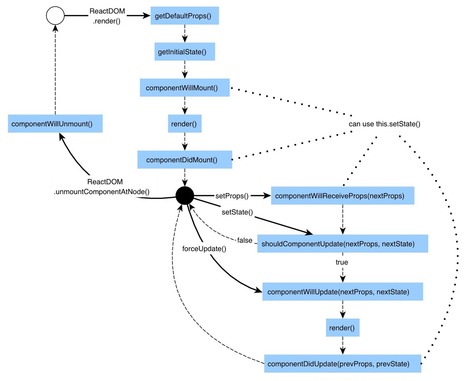
In my previous article I mentioned that tracking changes can be drastically improved because we can short-circuit the expensive diffing algorithm in libraries like React. When you give React some new data, it calls theshouldComponentUpdate() function on all the components. If this function returns false, React won’t diff this component with the existing version, so the library won’t re-render the elements that make the component. This potentially saves a lot of work, and can lead to a massive improvement in performance.
Let’s consider our game. When you reveal a tile, the whole game is rendered over again. However, thanks to our immutable data model, all the tiles that didn’t change will still be the same exact references. These don’t need to be re-rendered, because with immutable data, same reference means no change. To let React know about this detail, we can improve our component wrapper as follows:


 Your new post is loading...