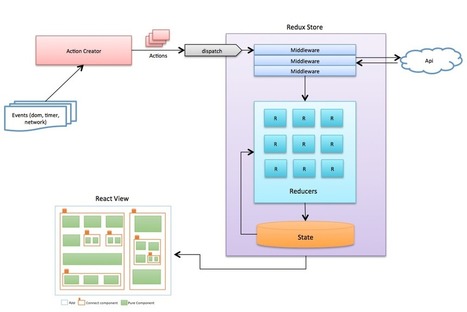
The bulk of the application logic (views, templates, controllers, models, internationalization, etc.) lives in the client, and it talks to an API for data. The server could be written in any language, such as Ruby, Python, or Java, and it mostly handles serving up an initial barebones page of HTML. Once the JavaScript files are downloaded by the browser, they are evaluated and the client-side app is initialized, fetching data from the API and rendering the rest of the HTML page.
This is great for the user because once the app is initially loaded, it can support quick navigation between pages without refreshing the page, and if done right, can even work offline.
This is great for the developer because the idealized single-page app has a clear separation of concerns between the client and the server, promoting a nice development workflow and preventing the need to share too much logic between the two, which are often written in different languages.


 Your new post is loading...