In a traditional page, measuring the page performance is quite easy; a request is made, the server responds with some HTML and the browser renders it. Done.
A lot of the rendering logic is taken care of as part of the server processing and so looking at Window Load and DOMContentReady are good indicators of page performance.
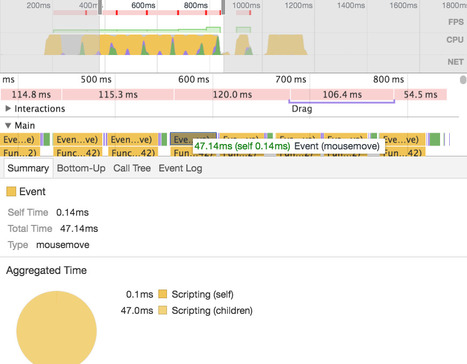
In a Single Page Application, things get trickier. The Window Load is only the beginning - that's when the JavaScript has been delivered to the browser, at which point the client-side logic - all the real work - kicks in and begins rendering the page, making API calls and setting up listeners, events, etc.
The DOM is then continuously manipulated as part of user interaction or monitoring, polling and other events. As you can see, the traditional definition of a page being 'done' doesn't apply here.
The perceived page performance is how long the user thinks the major elements of the page took to load. By definition it is highly subjective - some users may think that the page is loaded just because the initial furniture appears. But for most users this will be the parts of the page they consider most important.


 Your new post is loading...