




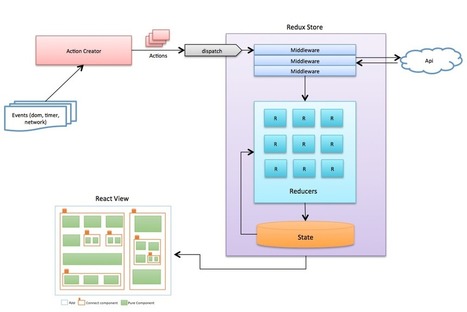
Both of these frameworks define a reference architecture for developing single page web applications, providing developers with the means to:
* declaratively construct a user interface from constituent components,
* correlate user interface gestures to corresponding business logic,
* retrieve and persist data to data sources, and
* structure application logic in a manner that enforces separation of concerns.
However, these two frameworks go about solving these problems through fundamentally different approaches.
Irrespective of the two frameworks being evaluated here, we think the criteria discussed here are equally applicable to any web application development framework. Even if you aren’t evaluating Sencha’s frameworks or AngularJS, we hope the questions posed above will be useful as you explore the vast ecosystem of the web platform.


 Your new post is loading...





















Comparing:
* Architecture
* Components
* Ecosystem
* Testability
* Community
* Licensing