Your new post is loading...

|
Scooped by
Joshua Mendez
April 16, 9:53 PM
|
L.A. has been tested time and time again. Southern California's battle with smog shows we can overcome big obstacles.

|
Scooped by
Ashlyn Olson
April 15, 7:55 PM
|
Several climate centres said last month that El Niño is likely to form during the summer months and persist into 2027.

|
Scooped by
Devan Page
April 15, 5:16 PM
|
The trawler "reportedly sank due to heavy winds, rough seas and overcrowding", the United Nations said.

|
Scooped by
Rogelio Navarro
April 14, 10:35 PM
|

|
Scooped by
Kalani Wagoner
April 14, 12:56 PM
|
JAKARTA, Indonesia — An earthquake in Indonesian waters set off small tsunami waves Thursday morning, killed at least one person and damaged houses and buildings, officials said

|
Scooped by
Julia Richter
April 14, 12:33 PM
|

|
Scooped by
Heather Farlow
April 14, 12:25 PM
|
Strikes to Iran’s Bushehr nuclear power plant could release long-lasting radioactive cesium 137 into the Persian Gulf, causing environmental calamity and threatening drinking-water supplies for millions

|
Scooped by
Christopher Blackwell
April 13, 2:23 PM
|
The U.S. Department of Agriculture has finalized a sweeping reform of its NEPA regulations, consolidating rules.
|
|
Scooped by
Julia Richter
April 10, 11:46 PM
|
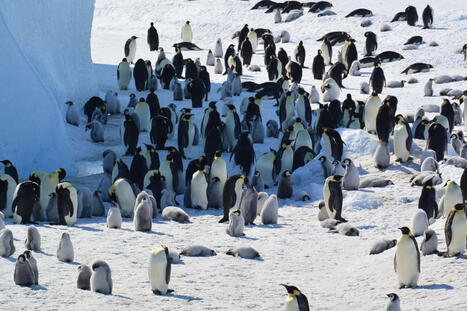
The emperor penguin was downgraded from "Near Threatened" to "Endangered", the Antarctic fur seal from "Least Concern" to "Endangered".

|
Scooped by
Chad Chambers
April 9, 12:15 PM
|
It’s bad enough that the company at fault considers the issue closed, but the Vietnamese government has effectively sided with a foreign corporation – and arrested those who dared to protest.
|
|
Scooped by
Heather Farlow
April 8, 10:41 PM
|
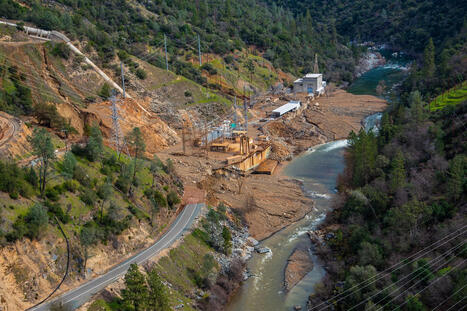
Climate change and age are stressing California's water infrastructure, endangering struggling salmon populations and other wildlife.

|
Scooped by
Bradley Wagner
April 8, 6:59 PM
|
This article talks about the raging heat conditions in Chile and Argentina. The conditions are hot, dry, and windy. That's a formula for wildfires. The article states because of these conditions Chile and Argentina are three times more likely to have wildfires. This poses a threat to some of the worlds oldest trees. Some being thousands of years old. Once these types of trees destroyed, then will not come back.

|
Scooped by
Ryan Murgatroyd
April 8, 1:48 PM
|
The head of the Environmental Protection Agency on Wednesday defended his decision to repeal the legal determination that serves as the basis for federal rules to slow climate change.
|
For years, water managers have been puzzled as the Colorado River kept delivering less water than expected—even when snowpack levels looked promising. New research reveals the missing piece: spring rain, or rather, the lack of it. Warmer, drier springs mean plants are soaking up more snowmelt before it can reach rivers, fueled by sunny skies that boost growth and evaporation. In fact, this shift explains nearly 70% of the shortfall, tying the mystery directly to the long-running Millennium drought.

|
Scooped by
Sierra Williams
April 15, 7:14 PM
|
The Ukraine war on our doorstep is a constant threat. Contaminated drinking water is a dangerous new twist, says Moldovan journalist Paula Erizanu

|
Scooped by
Irma Hinojos
April 15, 1:57 AM
|
"When the next hurricane, fire or flood strikes, there will simply be fewer trained workers available to help communities recover."
|
|
Scooped by
Ryan Murgatroyd
April 14, 7:48 PM
|
MTC adopted Plan Bay Area 2050+ and certified its environmental impact report last month, giving final approval to the region's long-range blueprint for transportation, housing, economic resiliency and environmental sustainability.
|
|
Scooped by
Bradley Wagner
April 14, 12:45 PM
|
A New York Times climate reporter, Raymond Zhong and a photographer, Chang W. Lee. They traveled with a scientific expedition to study Antarctica’s fastest melting glacier, documenting the journey in real time. They were aboard the Araon, a South Korean icebreaker, with nearly 40 scientists from around the world. The destination was the Thwaites, an immense and remote glacier whose uncertain fate could affect global sea-level rise for generations to come. The scientists battled the unyielding polar elements to conduct their research, and have returned bearing new data and insights on the rapid changes that are well underway.
Scrolling the article you read throughout the journey. There are photos and videos above each text to give a better idea of it all.

|
Scooped by
marisa denninger
April 14, 12:26 PM
|
Water has long been the go-to when it comes to fighting a fire. But what about sound waves? It might be hard to wrap your head around the concept at first, but the San Bernardino County Fire Department is testing out the idea of using sound to extinguish flames. The technology – called Sonic Fire Tech – was developed by ex-NASA engineers and works without water or chemicals. San Bernardino County Fire Department officials explained that the device, which resembles a leaf blower, is designed to detect and suppress fire using sound waves.

|
Scooped by
Catalina Monroe
April 14, 2:40 AM
|
Several climate centres said last month that El Niño is likely to form during the summer months and persist into 2027.
The Trump administration approved major disaster declaration requests for at least seven states this week, according to information released Saturday by the Federal Emergency Management Agency, allowing affected communities to access federal support.
|
|
Scooped by
Devan Page
April 9, 3:37 PM
|
"Iran’s environmental strain is not only the result of neglect or mismanagement, but also of deliberate policies that have redirected natural and economic resources toward militarization at the expense of long-term sustainability."
|
|
Scooped by
Catalina Monroe
April 9, 11:51 AM
|
Some Colorado residents have already been told to reduce their water use — the earliest such restrictions ever imposed — following a heat wave and snow drought.
|
|
Scooped by
Ashlyn Olson
April 8, 9:39 PM
|
Federal regulators are moving to add microplastics to a list of drinking water contaminants marked for research, funding and possible regulation in the future.
|
|
Scooped by
Irma Hinojos
April 8, 4:01 PM
|
Some park users are getting in the faces of city crews and leaving ugly voicemails, demanding the debris be taken elsewhere.
|


 Scoop.it!