Your new post is loading...

|
Scooped by
Gilbert C FAURE
February 20, 2017 4:32 AM
|
Am J Clin Dermatol. 2017 Feb 16. doi: 10.1007/s40257-017-0257-1. [Epub ahead of print]
|
|
Scooped by
Gilbert C FAURE
February 17, 2017 6:42 AM
|
|
|
Scooped by
Gilbert C FAURE
February 15, 2017 9:27 AM
|
The T‐cell response to low‐density lipoprotein (LDL) in the vessel wall plays a critical role in atherosclerotic plaque formation and stability. In this study, we used a new translational approach t
|
|
Scooped by
Gilbert C FAURE
February 15, 2017 5:27 AM
|
Humoral and cellular autoimmunity in women with recurrent pregnancy losses and repeated implantation failures: A possible role o
|
|
Scooped by
Gilbert C FAURE
February 15, 2017 5:01 AM
|
Objective: Dendritic cells (DCs) are critical effectors of innate and adaptive immunity playing crucial roles in autoimmune responses. We previously showed that blood DC numbers were reduced in autoimmune ANCA-associated vasculitis (AAV). Here, we assessed toll-like receptor (TLR) responsiveness of blood DCs from patients with granulomatosis with polyangiitis (GPA) or microscopic polyangiitis (MPA). Methods: Blood samples from healthy controls (HC), GPA or MPA patients, without treatment, during acute phase (AP) or remission (RP) were analyzed. Cytokine production by DCs and T cells was assessed on whole blood by flow cytometry after TLRs or polyclonal stimulation, respectively. Results: We first showed that GPA and MPA are associated with a decreased blood DC number during AP. Conventional DCs (cDCs) from patients with GPA and MPA in AP exhibited a profound decrease of IL-12/IL-23p40 production after TLR3, 4 or 7/8 stimulation compared to patients in remission and HC, with a return to normal values in RP. TNFα secretion was also affected, with a decrease in cDCs from GPA patients in AP after TLR3 stimulation but an increase after TLR7/8 stimulation. In contrast, the responsiveness of pDCs to TLR7 and 9 was only marginally affected. Finally, we observed that IFNγ-producing CD4+ T cell frequency was significantly lower in AP-GPA patients than in HC. Conclusion: We describe, for the first time, a dysregulated response to TLRs of circulating DCs in AAV patients mostly affecting cDCs that exhibit an unexpected reduced inflammatory cytokine secretion possibly contributing to an altered Th cell response.
|
|
Scooped by
Gilbert C FAURE
February 14, 2017 12:41 PM
|
Antibody-antigen complexes challenge our understanding, as analyses to date failed to un- veil the key determinants of binding affinity and interaction specificity. We partially fill this gap based on novel quantitative analyses using two standardized databases, the IMGT/3Dstructure- DB and the structure affinity benchmark. First, we introduce a statistical analysis of interfaces which enables the classification of ligand types (protein, peptide, chemical; cross-validated classification error of 9.6%), and yield binding affinity predictions of unprecedented accuracy (median absolute error of 0.878 kcal/mol). Second, we exploit the contributions made by CDRs in terms of position at the interface and atomic packing properties to show that in general, VH CDR3 and VL CDR3 make dominant contributions to the binding affinity, a fact also shown to be consistent with the enthalpy - entropy compensation associated with pre-configuration of CDR3. Our work suggests that the affinity prediction problem could be partially solved from databases of high resolution crystal structures of complexes with known affinity.
|
|
Scooped by
Gilbert C FAURE
February 13, 2017 9:01 AM
|
A newly identified type of T cells, involved in the development of rheumatoid arthritis, could hold the key to understanding the immune response that underlies type 1 diabetes. The researchers from Harvard Medical School, who made the discovery, reported in the journal Nature that this type of T cell could be responsible for causing most of the damage in joints affected by rheumatoid arthritis.
|
|
Scooped by
Gilbert C FAURE
February 8, 2017 12:48 PM
|
National Academy of Sciences
|
|
Scooped by
Gilbert C FAURE
February 7, 2017 1:12 PM
|
Dysfunctional tear syndrome (DTS) is a common and complex condition affecting the ocular surface. Th
|
|
Scooped by
Gilbert C FAURE
February 6, 2017 1:02 PM
|
Nasopharyngeal carcinoma (NPC) is a major head and neck cancer with high occurrence in Southeast Asia and southern China. We aimed to identify autoantibodies that may contribute to early detection of NPC. We used serological proteome analysis to identify candidate autoantibodies against tumor-associated antigens. Levels of autoantibodies and Epstein–Barr virus capsid antigen-IgA (VCA-IgA) were measured by ELISA in 129 patients with NPC and 100 normal controls. We employed receiver operating characteristics to calculate diagnostic accuracy. Sera from patients with NPC yielded multiple spots, two of which were identified as PRDX2 and PRDX3. Levels of serum autoantibodies against PRDX2 and PRDX3 were significantly higher for patients with NPC than for normal controls (P < 0.01), respectively. Combined detection of autoantibodies against PRDX2 and PRDX3 and VCA-IgA provided a high diagnostic accuracy in NPC (an area under the curve (AUC) of 0.811 (95% CI 0.753–0.869), 66.7% sensitivity, and 95.0% specificity). This combination maintained diagnostic performance for early NPC with AUC value of 0.754 (95% CI 0.652–0.857), 50.0% sensitivity, and 95.0% specificity. This study reports autoantibodies against PRDX2 and PRDX3 identified by a proteomic approach in sera from NPC patients. Our findings suggest that autoantibodies against PRDX2 and PRDX3 may serve as supplementary biomarkers to VCA-IgA for the screening and diagnosis of NPC.
|
|
Scooped by
Gilbert C FAURE
February 5, 2017 10:37 AM
|
Author summary Juvenile dermatomyositis (JDM) is an autoimmune disease of the skin and muscle influenced by both genetic and environmental components. Although genes independent of the MHC are thought to contribute to disease pathogenesis, their identification has been complicated by a paucity of biological samples, disease heterogeneity, and genetically diverse subjects. A naturally occurring inflammatory disease of domestic dogs, also termed dermatomyositis (DMS), is analogous to JDM and is the only animal model available for genetic study. We first determined that, as in JDM, a particular MHC haplotype confers susceptibility to DMS. Capitalizing on the genetic isolation of dog breeds and extremely low MHC diversity within affected breeds, we used multibreed genome-wide association studies to identify two novel loci. Through genome resequencing and additional genotyping, we uncovered highly associated polymorphisms in conserved positions of PAN2 and MAP3K7CL. Analysis of three-locus genotypes revealed uniquely high frequencies among affected breeds and nine allelic combinations that confer moderate or high risk for DMS. The pattern of disease probability illustrates the presence of gene-gene interaction, as well as an inverse correlation between age of onset and number of risk alleles. This study highlights the utility of canine models for mapping susceptibility loci in complex diseases and detecting patterns of genetic interactions obscured in diverse human populations.
|
|
Scooped by
Gilbert C FAURE
February 5, 2017 4:06 AM
|
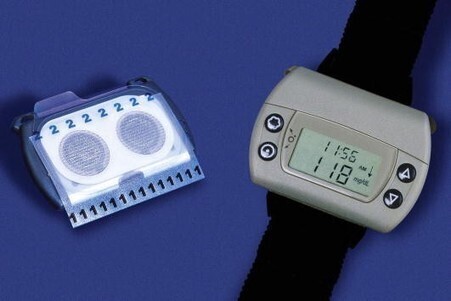
I tested "gluten-free" fast food with The Nima. Read on for the results.
|
|
Scooped by
Gilbert C FAURE
February 2, 2017 10:04 AM
|
Genes and Immunity is a journal dedicated to functional genetics of the immune response. Emphasizing studies that demonstrate genetic, genomic or functional variation in the immune system, Genes and Immunity assists our understanding of how the basic control over the immune system varies between individuals both in health and disease.
|

|
Suggested by
Société Francaise d'Immunologie
February 20, 2017 4:31 AM
|
Invariant NKT (iNKT) cells in healthy people express iNKT-TCRs with widely varying affinities for CD1d, suggesting different roles for high- and low-affinity iNKT clones in immune regulation. However, the functional implications of this heterogeneity have not yet been determined. Functionally aberrant iNKT responses have been previously demonstrated in different autoimmune diseases, including human type 1 diabetes, but their relationship to changes in the iNKT clonal repertoire have not been addressed. In this study, we directly compared the clonal iNKT repertoire of people with recent onset type 1 diabetes and age- and gender-matched healthy controls with regard to iNKT-TCR affinity and cytokine production. Our results demonstrate a selective loss of clones expressing high-affinity iNKT-TCRs from the iNKT repertoire of people with type 1 diabetes. Furthermore, this bias in the clonal iNKT repertoire in type 1 diabetes was associated with increased GM-CSF, IL-4, and IL-13 cytokine secretion among Ag-stimulated low-affinity iNKT clones. Thus, qualitative changes of the clonal iNKT repertoire with the potential to affect the regulatory function of this highly conserved T cell population are already established at the early stages in type 1 diabetes. These findings may inform future rationales for the development of iNKT-based therapies aiming to restore immune tolerance in type 1 diabetes.
|
|
Scooped by
Gilbert C FAURE
February 16, 2017 9:50 AM
|
Read about AARDA's launch of ARNet, a patient registry for individuals diagnosed with autoimmune diseases, to help advance clinical research.
|
|
Scooped by
Gilbert C FAURE
February 15, 2017 9:06 AM
|
Dear Members of the Forum, All our team is thrilled to invite you to participate in the 10th Meeting of the European Forum on Antiphospholipid Antibodies which will be held in Nancy, France, on April 27-28, 2017. Of note, a master class in French will be organized by the French Society of Vascular Medicine on April 29, 2017. This Forum meeting will be the best place for the European clinicians and scientists involved in the field of APS to meet and strengthen current or future collaborations. As in previous meetings, there will be no registration fee for the speakers and attendees. However, hotel and travel expenses should be covered by participants. Each participant must complete the registration form. Additionally, we also invite sponsors and people working on APS though they are not members of the Forum, yet. Nancy together with organizers will provide to the participants the opportunity to experience the historical, cultural and culinary delights of the city. Looking forward to seeing you all in April 2017 in Nancy. Dr. Jessie Risse, Prof. Stéphane Zuily and Prof. Denis Wahl
|
|
Scooped by
Gilbert C FAURE
February 15, 2017 5:06 AM
|
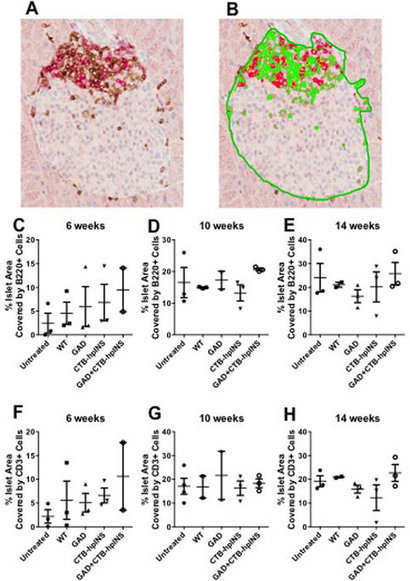
Autoimmune disease is a condition wherein treatment battle is hard and crucial. There is a new research that discovers how insulin-producing cells can avoid auto-immune attack particularly in Type 1 diabetes.
|
|
Rescooped by
Gilbert C FAURE
from Mucosal Immunity
February 15, 2017 4:35 AM
|
Autoantigen-specific immunological tolerance represents a central objective for prevention of type 1 diabetes (T1D).
|
|
Scooped by
Gilbert C FAURE
February 13, 2017 9:01 AM
|
ResearchNet is an innovative web portal that will provide a virtual meeting place for the research community, providing a single point of contact to share information, collaborate, and conduct business with funding organizations. ResearchNet is in its pilot phase. It currently provides a secure web portal to perform the electronic workflow for the submission of grant and award applications, and the submission of peer reviews.
|
|
Scooped by
Gilbert C FAURE
February 12, 2017 11:28 AM
|
Myasthenia gravis (MG) is a prototypical B cell-mediated autoimmune disease affecting 20–50 people per 100,000. The majority of patients fall into two clinically distinguishable types based on whether they produce autoantibodies targeting the acetylcholine receptor (AChR-MG) or muscle specific kinase (MuSK-MG). The autoantibodies are pathogenic, but whether their generation is associated with broader defects in the B cell repertoire is unknown. To address this question, we performed deep sequencing of the BCR repertoire of AChR-MG, MuSK-MG, and healthy subjects to generate ∼518,000 unique VH and VL sequences from sorted naive and memory B cell populations. AChR-MG and MuSK-MG subjects displayed distinct gene segment usage biases in both VH and VL sequences within the naive and memory compartments. The memory compartment of AChR-MG was further characterized by reduced positive selection of somatic mutations in the VH CDR and altered VH CDR3 physicochemical properties. The VL repertoire of MuSK-MG was specifically characterized by reduced V-J segment distance in recombined sequences, suggesting diminished VL receptor editing during B cell development. Our results identify large-scale abnormalities in both the naive and memory B cell repertoires. Particular abnormalities were unique to either AChR-MG or MuSK-MG, indicating that the repertoires reflect the distinct properties of the subtypes. These repertoire abnormalities are consistent with previously observed defects in B cell tolerance checkpoints in MG, thereby offering additional insight regarding the impact of tolerance defects on peripheral autoimmune repertoires. These collective findings point toward a deformed B cell repertoire as a fundamental component of MG.
|
|
Scooped by
Gilbert C FAURE
February 8, 2017 12:47 PM
|
Invariant NKT (iNKT) cells in healthy people express iNKT-TCRs with widely varying affinities for CD1d, suggesting different roles for high- and low-affinity iNKT clones in immune regulation. However, the functional implications of this heterogeneity have not yet been determined. Functionally aberrant iNKT responses have been previously demonstrated in different autoimmune diseases, including human type 1 diabetes, but their relationship to changes in the iNKT clonal repertoire have not been addressed. In this study, we directly compared the clonal iNKT repertoire of people with recent onset type 1 diabetes and age- and gender-matched healthy controls with regard to iNKT-TCR affinity and cytokine production. Our results demonstrate a selective loss of clones expressing high-affinity iNKT-TCRs from the iNKT repertoire of people with type 1 diabetes. Furthermore, this bias in the clonal iNKT repertoire in type 1 diabetes was associated with increased GM-CSF, IL-4, and IL-13 cytokine secretion among Ag-stimulated low-affinity iNKT clones. Thus, qualitative changes of the clonal iNKT repertoire with the potential to affect the regulatory function of this highly conserved T cell population are already established at the early stages in type 1 diabetes. These findings may inform future rationales for the development of iNKT-based therapies aiming to restore immune tolerance in type 1 diabetes.
|
|
Scooped by
Gilbert C FAURE
February 7, 2017 4:55 AM
|
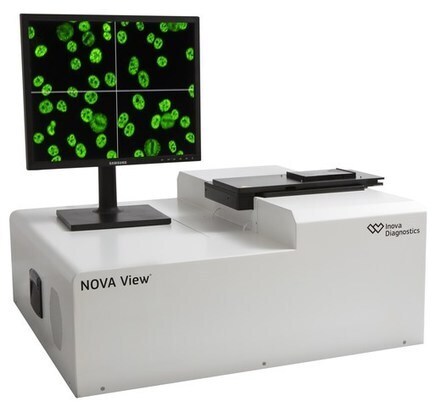
SAN DIEGO, Feb. 6, 2017 /PRNewswire/ -- First automated ANCA IFA assays cleared by FDA.
|
|
Scooped by
Gilbert C FAURE
February 6, 2017 11:48 AM
|
The regulatory T cell (T reg cell) T cell receptor (TCR) repertoire is highly diverse and skewed toward recognition of self-antigens. TCR expression by T reg cells is continuously required for maintenance of immune tolerance and for a major part of their characteristic gene expression signature; however, it remains unknown to what degree diverse TCR-mediated interactions with cognate self-antigens are required for these processes. In this study, by experimentally switching the T reg cell TCR repertoire to a single T reg cell TCR, we demonstrate that T reg cell function and gene expression can be partially uncoupled from TCR diversity. An induced switch of the T reg cell TCR repertoire to a random repertoire also preserved, albeit to a limited degree, the ability to suppress lymphadenopathy and T helper cell type 2 activation. At the same time, these perturbations of the T reg cell TCR repertoire led to marked immune cell activation, tissue inflammation, and an ultimately severe autoimmunity, indicating the importance of diversity and specificity for optimal T reg cell function.
|
|
Scooped by
Gilbert C FAURE
February 5, 2017 10:35 AM
|
The current goals in the development of novel therapeutics of systemic autoimmune diseases are to develop agents more effective than conventional therapies as well as to reduce the risk of organ damage. To
|
|
Scooped by
Gilbert C FAURE
February 2, 2017 10:07 AM
|
Abstract Autoantibodies against myelin oligodendrocyte glycoprotein (MOG) are associated with autoimmune central nervous system diseases like acute disseminated encephalomyelitis (ADEM). For ADEM, it is speculated that a preceding infection is the trigger of the autoimmune response, but the mechanism connecting the infection to the production of MOG antibodies remains a mystery. We reasoned that the ability of B cells to capture cognate antigen from cell membranes, along with small quantities of coexpressed “bystander” antigens, might enable B-cell escape from tolerance. We tested this hypothesis using influenza hemagglutinin as a model viral antigen and transgenic, MOG-specific B cells. Using flow cytometry and live and fixed cell microscopy, we show that MOG-specific B cells take up large amounts of MOG from cell membranes. Uptake of the antigen from the membrane leads to a strong activation of the capturing B cell. When influenza hemagglutinin is also present in the membrane of the target cell, it can be cocaptured with MOG by MOG-specific B cells via the B-cell receptor. Hemagglutinin and MOG are both presented to T cells, which in turn are activated and proliferate. As a consequence, MOG-specific B cells get help from hemagglutinin-specific T cells to produce anti-MOG antibodies. In vivo, the transfer of MOG-specific B cells into recipient mice after the cocapture of MOG and hemagglutinin leads to the production of class-switched anti-MOG antibodies, dependent on the presence of hemagglutinin-specific T cells. This mechanism offers a link between infection and autoimmunity.
|




 Scoop.it!