 Your new post is loading...

|
Scooped by
Gust MEES
February 7, 2017 10:43 AM
|
Furthermore, there is no doubt that Apple has done a much better job of keeping its iPhone and iPad customers patched with the latest security operating system updates than many of the Android manufacturers – some of whom have left their users in the lurch with badly out-of-date and at-risk software. But malware and operating system vulnerabilities aren’t the only considerations. The truth is that the most significant threat is probably not your chances of encountering malware, or whether your OS is properly patched, but rather the third-party apps that you have installed on your device. After all, you don’t know what your apps are *really* doing do you, or how well they’re keeping your sensitive information safe and secure? New research has discovered scores of buggy iOS apps that do a lousy job of securing users’ information, and could be making life all too easy for hackers keen to intercept and steal data. Security researcher Will Strafach says that he was able to identify 76 popular apps in the official App Store that failed to make use of the Transport Layer Security (TLS) protocol, and allowed a malicious attacker to silently perform a man-in-the-middle (MiTM) attack, stealing or manipulating data as it is sent and received from the mobile device. Learn more / En savoir plus / Mehr erfahren: http://www.scoop.it/t/apple-mac-ios4-ipad-iphone-and-in-security
|
|
Scooped by
Gust MEES
January 25, 2017 1:57 AM
|
Apple patcht Root-Exploits für fast alle Plattformen
Apple hat umfangreiche Sicherheitsupdates für alle Plattformen herausgegeben. Ein Root-Exploit im Kernel betrifft zahlreiche Geräte, darüber hinaus gibt es viele Fehler in Webkit und in verschiedenen Bibliotheken.
Mit der aktuellen Update-Runde schließt Apple Sicherheitslücken in fast allen seiner aktuellen Produkte. Am gravierendsten ist ein Fehler in iOS-Versionen vor 10.2.1 und MacOS vor 10.12.3, der es Angreifern ermöglicht, aus der Ferne Malware auf ein Gerät aufzuspielen.
Learn more / En savoir plus / Mehr erfahren: http://www.scoop.it/t/apple-mac-ios4-ipad-iphone-and-in-security
|
|
Scooped by
Gust MEES
January 20, 2017 6:59 AM
|
|
|
Scooped by
Gust MEES
January 19, 2017 4:17 PM
|
For a long time, one of the most common reasons for buying an Apple computer over a Windows-based one was that the former was less susceptible to viruses and other malware. However, the perceived invulnerability of Macs to all manner of computer nasties may not have any grounding in reality – or at least, not anymore. Learn more / En savoir plus / Mehr erfahren: http://www.scoop.it/t/apple-mac-ios4-ipad-iphone-and-in-security
|
|
Scooped by
Gust MEES
January 19, 2017 4:47 AM
|
A strain of malware which targets Mac machines has been spotted in the wild, and while new, makes use of antiquated code to target biomedical facilities.
This week, researchers from Malwarebytes said the malware, dubbed Quimitchin, was discovered after an IT administrator detected unusual traffic flowing out of a computer based on Apple's Mac OS X operating system.
According to the team, Quimitchin has been "in existence, undetected, for some time" and has been primarily used to target biomedical research centers.
Quimitchin is named after ancient Aztec spies and suits as the malicious code's primary purpose is to spy on victims, although it is also registered by Apple as Fruitfly.
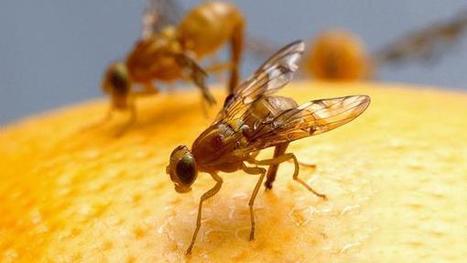
The malware is able to perform various tasks including grabbing screen sizes and mouse cursor positions, taking screenshots, simulating mouse clicks and key presses, as well as rudimentary remote control functions. Learn more / En savoir plus / Mehr erfahren: http://www.scoop.it/t/apple-mac-ios4-ipad-iphone-and-in-security
|
|
Scooped by
Gust MEES
January 6, 2017 8:49 AM
|
|
|
Scooped by
Gust MEES
November 23, 2016 7:33 AM
|
Petite par la taille, cette vidéo provoque néanmoins des dégâts important : ralentissements puis plantage qui nécessite un reset du smartphone. Pour le moment, on ne sait pas si la vidéo contient un malware qui exploite une faille dans iOS. Une chose est sûre, la dite vidéo circule massivement après avoir été diffusée sur le pendant russe de Facebook, VKontakte. Learn more / En savoir plus / Mehr erfahren: http://www.scoop.it/t/apple-mac-ios4-ipad-iphone-and-in-security
|
|
Scooped by
Gust MEES
November 17, 2016 10:58 AM
|
Apple has a hidden feature for you in its iPhones: call logs going back as far as four months are stored in near real-time in the iCloud. That’s the warning today from a Russian provider of iPhone hacking tools, Elcomsoft, which claimed the feature was automatic and there was no way to turn it off bar shutting down iCloud Drive altogether.
Whilst it was well-known that iCloud backups would store call logs, contacts and plenty of other valuable data, users should be concerned to learn that their communications records are consistently being sent to Apple servers without explicit permission, said Elcomsoft CEO Vladimir Katalov. Even if those backups are disabled, he added, the call logs continue making their way to the iCloud, Katalov said.
“Syncing call logs happens almost in real time, though sometimes only in a few hours,” he added. “But all you need to have is just iCloud Drive enabled, and there is no way to turn that syncing off, apart from just disabling iCloud Drive completely. In that case many applications will stop working or lose iCloud-related features completely.”
All FaceTime calls are logged in the iCloud too, whilst as of iOS 10 incoming missed calls from apps like WhatsApp and Skype are uploaded, said Elcomsoft, which provides phone forensics tools to police. Its tools were also linked to the iCloud leaks of celebrity nude pictures, as anyone can purchase Elcomsoft kit. Last month, it revealed Apple had failed to properly secure its iTunes backups, making it much easier for its tools (and cybercriminals) to access users’ information. Apple subsequently updated iOS 10 to improve backup security. Learn more / En savoir plus / Mehr erfahren: http://www.scoop.it/t/apple-mac-ios4-ipad-iphone-and-in-security/?tag=Privacy http://www.scoop.it/t/apple-mac-ios4-ipad-iphone-and-in-security/
|
|
Scooped by
Gust MEES
October 25, 2016 6:16 AM
|
Si vous ne mettez pas à jour régulièrement vos appareils, voici une excellente raison de le faire cette fois. iOS 10.1 pour les appareils iOS et macOS 10.12.1 pour les Mac corrigent une faille de sécurité potentiellement très dangereuse : afficher un banal fichier JPEG ou un document PDF pouvait permettre d’exécuter du code. Un vecteur d’attaque très simple : il suffit d’afficher le fichier dans le navigateur, par exemple, pour exécuter le code malveillant. Learn more / En savoir plus / Mehr erfahren: http://www.scoop.it/t/apple-mac-ios4-ipad-iphone-and-in-security
|
|
Scooped by
Gust MEES
October 7, 2016 6:59 AM
|
Der Sicherheitsforscher Patrick Wardle hat offenbar eine Möglichkeit gefunden, auf Apple-Rechner unbefugt Anrufe und Video-Chats via FaceTime und Skype aufzuzeichnen. Um Apples Sicherheitsmechanismen zu umgehen, wartet die Malware gezielt darauf, dass der Nutzer Webcam und Video benutzt.
Der Sicherheitsforscher Patrick Wardle hat auf der Konferenz Virus Bulletin eien Möglichkeit gezeigt, Nutzer von MacBooks und iMacs auszuspähen. Seiner Präsentation auf der Konferenz Virus Bulletin zufolge ist es möglich Malware zu entwickeln, die Telefongespräche und Video-Chats vom Nutzer unbemerkt aufzeichnet.
Anstat das Opfer direkt nach der Installation auszuspähen, wartet die Malware gezielt darauf, dass Webcam und Video benutzt werden, beispielsweise für die Kommunikation via FaceTime oder Skype. Sie zeichnet dann im Hintergrund Bild und Ton auf. Die von Apple in seine Macs integrierte LED, die über die Aktivität der Webcam informiert und damit vor unbefugten Zugriffen auf die Kamera warnen soll, ist in diesem Fall keine Hilfe: Da sie während des vom Nutzer ja absichtlich angestoßenen Anrufs eingeschaltet ist, fällt auch nicht auf, dass das Gespräch im Hintergrund mitgeschnitten wird.
Wardle hat zudem darauf hingewiesen, dass sich Cyberkriminelle und Geheimdienste gerade für Telefonate und Video-Chats interessieren. Unterhaltungen zwischen einem Journalisten und seiner Quelle oder eine Telefonkonferenz mit hochrangigen Managern lieferten unter Umständen Informationen von unschätzbarem Wert.
Learn more / En savoir plus / Mehr erfahren: http://www.scoop.it/t/apple-mac-ios4-ipad-iphone-and-in-security http://www.scoop.it/t/apple-mac-ios4-ipad-iphone-and-in-security/?tag=webcam
|
|
Scooped by
Gust MEES
October 6, 2016 10:58 AM
|
|
|
Scooped by
Gust MEES
September 30, 2016 12:17 PM
|
Wie aus einem geleakten Dokument hervor geht, zeichnet Apple Metadaten zu iMessages-Konversationen auf und kann diese auch auf richterliche Anordnung der Polizei aushändigen. Die Konversation selbst bleibt verschlüsselt, doch speichert Apple für 30 Tage auf seinen Servern Daten über die Kontaktaufnahme. In dem Moment, in dem man in die Nachrichten-App eine Nummer oder einen Namen eintippt, richtet das iPhone eine Anfrage an den Server bei Apple, ob der Kontakt mit iMessages verknüpft ist oder eine unverschlüsselte SMS versandt werden soll. Diese Daten bleiben dann einen Monat bestehen, es geht aber aus ihnen nicht hervor, ob tatsächlich eine Konversation stattgefunden hat oder nicht.
Die ursprüngliche Meldung ist gestern auf " The Intercept " erschienen, die Autoren bekamen jede Menge Unterlagen zugespielt, die wohl einst im internen Umlauf beim Support-Team der Abteilung für elektronische Überwaschung der Staatsanwaltschaft in Florida war. Darunter fand sich ein Dokument mit dem Namen "iMessage FAQ für Strafverfolgungsbehörden". Bis zu der letzten Frage liest sich das Dokument wie eine Einführung zur iMessage-Nutzung, erst als Antwort auf die letzte Frage "Was bekomme ich von Apple, wenn ich eine Gerichtsverfügung für ein iMessage-Konto habe?" eine detaillierte Liste der Meta-Daten. Darunter sind die Kontaktdaten wie die Telefonnummer des Gesprächspartners in iMessage, das Datum und die Uhrzeit, wann das iPhone versucht hat, den Kontakt per iMessage zu erreichen, die IP-Adresse des nächsten WLANs, über die die Verbindung zum Apple-Server stattgefunden hat. Die Apple-Sprecherin hat gegenüber "The Intercept" bestätigt, dass das geleakte Dokument den tatsächlichen Stand der Dinge beschreibt, allerdings speichert Apple nach deren Angaben solche Logs nur einen Monat lang, danach werden sie gelöscht. Learn more / En savoir plus / Mehr erfahren: http://www.scoop.it/t/apple-mac-ios4-ipad-iphone-and-in-security/?tag=Privacy http://www.scoop.it/t/apple-mac-ios4-ipad-iphone-and-in-security/
|
|
Scooped by
Gust MEES
September 26, 2016 3:26 AM
|
|
|
|
Scooped by
Gust MEES
January 31, 2017 6:28 AM
|
Um den eigenen Cloud-Service zu verbessern, startet Apple ab iOS 10.3 mit einer neuen Datenanalyse seiner Nutzer namens ”iCloud Analytics & Privacy”.
Bekanntlich ist Apple im Bereich der künstlichen Intelligenz (KI oder AI) gegenüber den Mitbewerbern wie Google oder Amazon etwas ins Hintertreffen geraten. Hier möchte man durch verschiedene Initiativen wie dem Beitritt zur offenen Plattform Partnership on AI aufholen. Außerdem sollen zur Verbesserung des eigenen Angebots zukünftig Nutzerdaten umfangreicher erhoben werden.
Dazu will Apple laut einem Artikel von ZDNet.com mit iCloud Analytics unter anderem auf die Fotos, E-Mails, Kontakte, Kalender, Notizen, iCloud Drive, Schlüsselbund, iTunes und Find my iPhone zugreifen. Doch im Unterschied zu Google oder Facebook könne man diesem Ansinnen des iPhone-Herstellers auch widersprechen – wie es zumindest in der aktuellen Betaversion von iOS 10.3 von letzter Woche möglich ist. Dort bittet Apple unter dem Stichwort ”iCloud Analytics & Privacy” um die Mithilfe des Nutzers, indem es Daten des iCloud-Accounts nutzt und analysiert. Dies lässt sich aber nach der Beschreibung von Apple auch abstellen. Außerdem werde man die erhobenen Daten nach einem bestimmten Algorithmus auswerten, den Apple ”Differential Privacy” nennt. Offensichtlich sollen bestimmte statistische Techniken zur Anwendung kommen, die möglichst wenig persönliche Zuordnung der Daten erlaubt, und trotzdem den Service wie Siri oder Quicktype, Vorschläge von Emojis beim Tippen oder bei der Suche via Spotlight verbessert. Learn more / En savoir plus / Mehr erfahren: https://gustmees.wordpress.com/2013/12/21/privacy-in-the-digital-world-shouldnt-we-talk-about-it/ http://www.scoop.it/t/apple-mac-ios4-ipad-iphone-and-in-security
|
|
Scooped by
Gust MEES
January 24, 2017 1:23 AM
|
If you have a piece of Apple technology in your house or office, chances are that it’s time you updated it.
On Monday Apple issued security patches for all of its major operating systems – fixing vulnerabilities in iOS, macOS, watchOS, tvOS, the Safari browser, and iCloud for Windows.
iPhones and iPads, for instance, now have access to new version of the iOS operating system – version 10.2.1. In a support knowledgebase article, Apple shares details of a host of vulnerabilities that iOS 10.2.1 reportedly fixes, including a flaw that allowed devices to be automatically unlocked even when users were not wearing a linked Apple Watch.
In addition, updating to iOS 10.2.1 is said to fix two very serious remote code execution flaws that Google vulnerability researchers uncovered in Apple’s code. Such vulnerabilities potentially, if left unpatched, could be abused by criminal hackers eager to install malware onto targeted devices.
Learn more / En savoir plus / Mehr erfahren: http://www.scoop.it/t/apple-mac-ios4-ipad-iphone-and-in-security
|
|
Scooped by
Gust MEES
January 20, 2017 5:15 AM
|
|
|
Scooped by
Gust MEES
January 19, 2017 9:59 AM
|
Ein Malware spioniert offenbar seit Jahren Macs aus, aktiv war sie wohl vor allem in Forschungseinrichtungen.
Eine neue Mac-Malware haben die Forscher von Malwarebytes entdeckt und als OSX.Backdoor.Quimitchin benannt, Apple nennt sie „Fruitfly“. Sie besteht aus einer Perl-Skript-Datei und einem Launch-Agent namens com.client.client.plist. Letzterer sorgt für die Aktivierung des Skripts, der eigentlichen Malware. Wie sie auf die Rechner gelangen kann, ist allerdings bisher nicht bekannt. Ist sie im Hintergrund aktiv, kann die Malware über einen zentralen Server gesteuert werden, nimmt Bildschirmfotos auf und protokolliert die Laufzeit des Macs. Zugriff auf die Mac-Kamera ist ebenfalls möglich, ein zweites Skript und ein Java-Tool sind enthalten. Durch ein Sicherheitsupdate von Apple sollen Macs zukünftig gegen die Malware geschützt sein, die kostenlose Software Anti-Malware von Malwarebytes kann die Malware erkennen und entfernen. Learn more / En savoir plus / Mehr erfahren: http://www.scoop.it/t/apple-mac-ios4-ipad-iphone-and-in-security/?tag=Fruitfly http://www.scoop.it/t/apple-mac-ios4-ipad-iphone-and-in-security
|
|
Scooped by
Gust MEES
January 6, 2017 1:51 PM
|
|
|
Scooped by
Gust MEES
December 4, 2016 11:45 AM
|
Aktivierungssperre des iPads lässt sich umgehen
Ein Fehler in iOS 10.1.1 macht das iPad unsicher. Ein verlorenes oder gestohlenes iOS-Tablet kann ohne viel Aufwand in Betrieb genommen werden. Dabei wird die Aktivierungssperre umgangen, die genau das verhindern soll. Von Apple gibt es noch keine Reaktion darauf.
Ein gestohlenes oder verlorengegangenes iPad ist weniger sicher als vermutet. Sicherheitsforscher des Vulnerability Labs konnten ohne viel technischen Aufwand die Aktivierungssperre des Betriebssystems umgehen.
Apple hatte die Aktivierungssperre vor drei Jahren mit iOS 7 eingeführt. Damit soll verhindert werden, dass ein gestohlenes iPhone oder iPad wieder in Betrieb genommen werden kann, nachdem es in den Recovery-Modus versetzt oder vollständig zurückgesetzt wurde. Learn more / En savoir plus / Mehr erfahren: http://www.scoop.it/t/apple-mac-ios4-ipad-iphone-and-in-security
|
|
Scooped by
Gust MEES
November 17, 2016 11:07 AM
|
|
|
Scooped by
Gust MEES
October 26, 2016 2:32 AM
|
Es sind auch die Versionen Yosemite 10.10.5 und El Capitan 10.11.6 betroffen. Eine kritische Lücke sorgt für eine Kontroverse zwischen Google und Apple. Darüber hinaus stopft der iPhone-Hersteller auch drei Löcher in seinem Browser Safari.
Apple hat ein Sicherheitsupdate für macOS Sierra 10.12 veröffentlicht. Es beseitigt 16 Sicherheitslücken, von denen einige das Einschleusen und Ausführen von Schadcode ermöglichen. Davon betroffen sind auch die Vorgängerversionen OS X Yosemite 10.10.5 und OS X El Capitan 10.11.6.
Eine Remotecodeausführung erlauben Schwachstellen in den Komponenten AppleGraphicsControl, ATS, CoreImage, CoreGraphics, ImageIO, libxpc und System Boot. Unter Umständen kann ein Angreifer Schadprogramme sogar mit Kernel- oder Root-Rechten starten. Learn more / En savoir plus / Mehr erfahren: http://www.scoop.it/t/apple-mac-ios4-ipad-iphone-and-in-security
|
|
Scooped by
Gust MEES
October 7, 2016 8:36 AM
|
|
|
Scooped by
Gust MEES
October 6, 2016 11:40 AM
|
|
|
Scooped by
Gust MEES
October 3, 2016 11:47 AM
|
|
|
Scooped by
Gust MEES
September 29, 2016 11:57 AM
|
Although it has previously claimed otherwise, Apple stores Messages metadata and can be compelled by court orders to hand over such data logs. It turns out that’s not entirely true: The Intercept has secured a document from the Florida Department of Law Enforcement’s Electronic Surveillance Support Team, that details how Messages stores metadata about every phone number you try to contact through the app, and how police can get their hands on that data by filing a request. Here’s how it works: When you enter a number into Messages on your iPhone, the app pings Apple servers to figure out whether it should send your message over SMS or over the company’s encrypted service (if the recipient also uses Messages). Apple records those queries, in addition to the date and time when you entered that number, as well as your IP address – which could used to determine your approximate location. The company is compelled to hand over these logs when served with court orders in connection with investigations. Learn more / En savoir plus / Mehr erfahren: http://www.scoop.it/t/apple-mac-ios4-ipad-iphone-and-in-security/?tag=Privacy http://www.scoop.it/t/apple-mac-ios4-ipad-iphone-and-in-security/
|

























Furthermore, there is no doubt that Apple has done a much better job of keeping its iPhone and iPad customers patched with the latest security operating system updates than many of the Android manufacturers – some of whom have left their users in the lurch with badly out-of-date and at-risk software.
But malware and operating system vulnerabilities aren’t the only considerations.
The truth is that the most significant threat is probably not your chances of encountering malware, or whether your OS is properly patched, but rather the third-party apps that you have installed on your device.
After all, you don’t know what your apps are *really* doing do you, or how well they’re keeping your sensitive information safe and secure?
New research has discovered scores of buggy iOS apps that do a lousy job of securing users’ information, and could be making life all too easy for hackers keen to intercept and steal data.
Security researcher Will Strafach says that he was able to identify 76 popular apps in the official App Store that failed to make use of the Transport Layer Security (TLS) protocol, and allowed a malicious attacker to silently perform a man-in-the-middle (MiTM) attack, stealing or manipulating data as it is sent and received from the mobile device.
Learn more / En savoir plus / Mehr erfahren:
http://www.scoop.it/t/apple-mac-ios4-ipad-iphone-and-in-security