Your new post is loading...

|
Scooped by
Dr. Stefan Gruenwald
January 12, 2020 11:48 PM
|
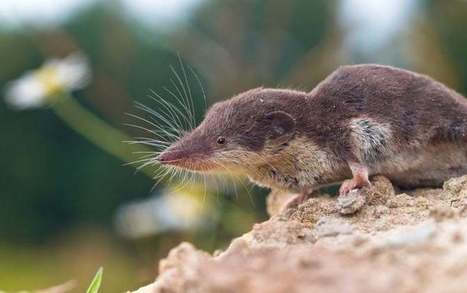
Borna disease virus 1 (BoDV-1) causes a bizarre and deadly neurological infection in horses, sheep and other domesticated mammals in parts of Germany, Switzerland, Liechtenstein and Austria. Borna disease was named after a city in eastern Germany where it once killed numerous horses in the late 19th century. Infected animals have been known to engage in strange behaviors, such as smashing their heads into things, as well as “pipe smoking”—an informal term for when animals are eating hay and suddenly stop chewing mid-mouthful, with the uneaten portion protruding like a pipe. But the disease does not appear to spread between horses; they are thought to acquire it from shrews, which can live in hay and secrete or excrete fluids containing the virus. About 14 years ago, researchers identified the bicolored white-toothed shrew as a reservoir host—an organism in which a virus replicates but does not usually cause illness—for BoDV-1. Horses and sheep are considered “dead-end hosts” that cannot spread the pathogen. For decades, scientists had debated whether the virus is zoonotic, or capable of jumping from animals to humans. Several studies even suggested that it might be present in people with psychiatric disorders such as depression, schizophrenia and bipolar disorder. It was later shown, however, that the viral RNA sequences detected in these studies were likely the result of laboratory contamination, and research on human infections subsided. But in 2015 a related type of bornavirus found in exotic squirrels was implicated in at least four human deaths. Then, between 2018 and 2019, scientists detected the classical bornavirus, BoDV-1, in five people in Germany who suffered serious or fatal encephalitis (brain inflammation caused by infection)—three of whom were recipients of organ transplants and were taking drugs to suppress their immune system. Now, in a study published Tuesday in Lancet Infectious Diseases, researchers have reported eight additional cases of BoDV-1 infection in humans who died of encephalitis. The pathogen appears to have flown under the radar for decades, but the researchers say doctors should be considering it a potential cause in such deaths.
|
|
Scooped by
Dr. Stefan Gruenwald
January 9, 2020 11:17 PM
|
Scientists at the MDI Biological Laboratory, in collaboration with scientists from the Buck Institute for Research on Aging in Novato, Calif., and Nanjing University in China, have identified synergistic cellular pathways for longevity that amplify lifespan fivefold in C. elegans, a nematode worm used as a model in aging research. The increase in lifespan would be the equivalent of a human living for 400 or 500 years, according to one of the scientists. The research draws on the discovery of two major pathways governing aging in C. elegans, which is a popular model in aging research because it shares many of its genes with humans and because its short lifespan of only three to four weeks allows scientists to quickly assess the effects of genetic and environmental interventions to extend healthy lifespan. Because these pathways are “conserved,” meaning that they have been passed down to humans through evolution, they have been the subject of intensive research. A number of drugs that extend healthy lifespan by altering these pathways are now under development. The discovery of the synergistic effect opens the door to even more effective anti-aging therapies. The new research uses a double mutant in which the insulin signaling (IIS) and TOR pathways have been genetically altered. Because alteration of the IIS pathways yields a 100 percent increase in lifespan and alteration of the TOR pathway yields a 30 percent increase, the double mutant would be expected to live 130 percent longer. But instead, its lifespan was amplified by 500 percent. “Despite the discovery in C. elegans of cellular pathways that govern aging, it hasn’t been clear how these pathways interact,” said Hermann Haller, M.D., president of the MDI Biological Laboratory. “By helping to characterize these interactions, our scientists are paving the way for much-needed therapies to increase healthy lifespan for a rapidly aging population.”
The elucidation of the cellular mechanisms controlling the synergistic response is the subject of a recent paper in the online journal Cell Reports entitled “Translational Regulation of Non-autonomous Mitochondrial Stress Response Promotes Longevity.” The authors include Jarod A. Rollins, Ph.D., and Aric N. Rogers, Ph.D., of the MDI Biological Laboratory.
“The synergistic extension is really wild,” said Rollins, who is the lead author with Jianfeng Lan, Ph.D., of Nanjing University. “The effect isn’t one plus one equals two, it’s one plus one equals five. Our findings demonstrate that nothing in nature exists in a vacuum; in order to develop the most effective anti-aging treatments we have to look at longevity networks rather than individual pathways.”
|
|
Scooped by
Dr. Stefan Gruenwald
January 9, 2020 11:13 PM
|
Birds are the best known class of animals, and since 1999, only five or six new species have been described each year on average. Recently, a joint research team from NUS and the Indonesian Institute of Sciences (LIPI) made a quantum leap in the discovery of cryptic avian diversity by uncovering five bird species and five subspecies new to science. The team, led by Associate Professor Frank Rheindt from NUS Biological Sciences, found the birds in three small island groups off Sulawesi, Indonesia. The islands are situated in Indonesia’s Wallacea region, an archipelago at the interface between the Oriental and Australian biogeographical realms, named after Sir Alfred Wallace, who was the most famous historical collector exploring the area. The results of the study, which were published in the journal Science on 10 January 2020, provide evidence that our understanding of species diversity of complex areas such as Wallacea remains incomplete even for relatively well-known groups such as birds. The findings also suggest that modern exploration to find undescribed species diversity can be targeted to areas of high promise. Sea depth is an important and long-neglected factor in determining the distinctness of an island’s terrestrial communities. The Earth undergoes periods of glacial-interglacial cycles, leading to the formation of land bridges between shallow islands during ice ages, allowing fauna of the different islands to interbreed. Deep sea islands, which have always been isolated, and high elevation islands are more likely to harbor endemism due to absence of land connections even during glacial cycles. Guided by this knowledge, Assoc Prof Rheindt and his team concentrated their research efforts on the islands of Taliabu and Peleng, which are located off the north-eastern coast of Sulawesi, as bathymetric data indicate the presence of deep sea between these islands and Sulawesi. The research team also examined the accounts of historic collectors such as Sir Alfred Wallace, and sought to focus on parts of Wallacea that had received the least coverage by historic collectors, as these areas would hold the highest promise of harboring undescribed avian diversity. The islands that the team targeted were characterized by such incomplete historic coverage: Taliabu and its neighbors, together forming the Sula group, were only briefly visited by eight historic collecting expeditions, all of which remained in coastal areas and failed to penetrate the highlands of the interior because of poor accessibility; and Peleng and the remaining islands of the Banggai group were visited along their coastline by only three historic collectors who never ventured far uphill into the interior..
|
|
Scooped by
Dr. Stefan Gruenwald
January 9, 2020 11:08 PM
|
A novel nanoparticle vaccine that combines two major influenza proteins is effective in providing broad, long-lasting protection against influenza virus in mice, showing promise as a universal flu vaccine, according to a study by the Institute for Biomedical Sciences at Georgia State University. The double-layered nanoparticle vaccine contains the influenza virus proteins matrix protein 2 ectodomain (M2e) and neuraminidase (NA). Mice were immunized with the nanoparticle vaccine before being exposed to influenza virus, and they were protected against six different strains of the virus. The findings, which suggest this unique vaccine combination has potential as a universal influenza vaccine or component of such vaccines, are published in the journal Advanced Healthcare Materials. “This nanoparticle antigen combination conferred mice with strong cross protection,” said Ye Wang, first author of the study and a biology Ph.D. student working in Dr. Bao-Zhong Wang’s lab in the Institute for Biomedical Sciences. “It can protect mice from different strains of influenza virus. Each season, we have different flu strains that affect us. By using this approach, we hope this nanoparticle vaccine can protect humans from different strains of influenza virus.” Influenza, a contagious respiratory illness caused by influenza viruses, is a leading cause of death by infection. Seasonal flu vaccines are insufficient to prevent influenza outbreaks, and developing a universal influenza vaccine is the ideal strategy for eliminating public health threats of influenza epidemics and pandemics. A universal influenza vaccine would eliminate the need for vaccinations each season and offers universal protection against all influenza strains. The influenza virus protein M2e is found in all influenza virus strains, with each strain having a very similar version, and the protein has mutated very slowly over time. The protein NA is found on the surface of influenza virus and has also mutated much slower than other influenza proteins. This double-layered nanoparticle vaccine uses M2e as its core, and NA is coated on the surface. In the study, mice were exposed to one of six influenza virus strains after receiving the nanoparticle vaccine by intramuscular injection. The vaccine proved to have long-lasting immune protection, which was unchanged against viral challenges up to four months after immunizations.
|
|
Scooped by
Dr. Stefan Gruenwald
January 9, 2020 11:04 PM
|
African grey parrots are not only really smart, they are helpful too. They are the first bird species to pass a test that requires them both to understand when another animal needs help and to actually give assistance. Besides humans, only bonobos and orangutans have passed this test, says Désirée Brucks at the Ludwig Maximilian University of Munich in Germany. Even chimps and gorillas have failed at it. Brucks and her colleague Auguste von Bayern first trained birds one at a time. Each was given a pile of tokens – small metal washers – and taught that they could exchange them for food by passing them to a researcher through a small hole in a clear screen. A month later, two birds were separated from each other and the researcher by clear screens. One bird was given a pile of tokens but the hole between it and the researcher was blocked. The other bird’s hole to the researcher was open but it had no tokens. There was a third hole in the screen between the two birds, allowing them to pass objects through, as shown above. Seven out of eight African grey parrots passed tokens through this third hole to birds without tokens, so those birds could swap them for food. They passed more tokens when the other bird was one they spend lots of time with – a “friend” – but still did it for birds they spend little time with. If there was no other bird, they didn’t pass tokens through the hole. And if both holes to the researcher were closed so neither bird could exchange tokens for food, those with tokens passed far fewer to the other bird.
|
|
Scooped by
Dr. Stefan Gruenwald
January 4, 2020 12:38 AM
|
Recently, doctors in the UK surgically removed a 14cm-long “dragon horn” from a man’s lower back. The 50-year-old patient reported that it had been growing for at least three years. The doctors determined that the “gigantic” skin growth was a cutaneous squamous cell carcinoma (cSCC)—a type of skin cancer that causes growing, scaly bumps on the top layer of skin. There was “an enormous cutaneous horn on the lower back measuring 140×60×55mm,” the doctors report. The man’s case is rare, the doctors report in the journal BMJ Case Reports this week. Such lesions are typically caught much earlier. But in this case, doctors found “an extremely large well-differentiated SCC that was neglected by a patient,” even though he was “living in a developed country with access to free healthcare.” “This highlights that despite current public skin cancer awareness and rigorous healthcare measures, cases like this can still arise and slip through the net,” they conclude. Cases of SCC are typically seen in those with light skin, who have a lot of sun exposure, are older, have a weakened immune system, or have had certain chemical exposures, such as arsenic. In this case, the man was a light-skinned manual laborer, but he reported no other clear risk factors. He had no significant sun exposure, no personal or family history of skin cancers, and was not immunosuppressed. Also unusual, his lymph nodes weren’t swollen—a common, nonspecific sign that the body is fighting off an infection or disease, such as skin cancer. To treat the woefully neglected cancer, doctors surgically removed the horn, taking out several millimeters of peripheral tissue to ensure no cancer was left behind. Tests indicated that they caught it all, and the doctors patched the resulting gaping wound on the man’s back with skin from his thigh. While the surgery seems to have been a success, the doctors report that SCC should be diagnosed and treated earlier, “before becoming ‘dragon horns.’” BMJ Case Reports, 2020. DOI: 10.1136/bcr-2019-233305 (About DOIs).
|
|
Scooped by
Dr. Stefan Gruenwald
January 4, 2020 12:32 AM
|
A flash of light would have come first, followed by a shockwave and massive earthquake. Only later would the hailstorm of black, glassy debris begun to fall, a rocky rain that would touch ten percent of the planet's surface. That's the scene that followed a massive asteroid impact 790,000 years ago. The remains it scattered, called tektites, have been found from Asia to Antarctica. For decades, scientists have searched for the elusive resting place of the impactor that coated the Earth with debris. Now, they may have finally found it. Elusive crater A new report published in the Proceedings of the National Academy of Sciences says that the meteorite likely struck in southern Laos, carving a 10.5 by eight mile crater now covered by a lava flow. The find helps reconstruct some of the chaos that ensued after impact, says study co-author Kerry Sieh, a geologist at Nanyang Technological University in Singapore. It could also illustrate some of what we could expect if a similarly large asteroid were to hit Earth again. Most massive meteorites struck Earth so long ago their craters have almost completely eroded, Sieh says. But this impact was unusual in that it was huge and recent enough that the site where it hit should be identifiable. But with rocks from the impact spread across the world, zeroing in on the location proved difficult. The site eluded geochemists for decades, but Sieh decided to take a new approach and look at satellite imagery from parts of the world where the meteorite might have hit. In the Bolaven Plateau in southern Laos, he found an expanse of flat, shallow rock formed from hardened lava, just thick enough to obscure a crater of this size. In-person excavations found the lava dated to around the same time as the impact, while surrounding sediments were older. Additional gravity measurements also hinted at a crater below. Altogether it's enough for Sieh to be confident he's finally located ancient ground zero.
|
|
Scooped by
Dr. Stefan Gruenwald
January 4, 2020 12:20 AM
|
In long-distance space travel, traditional rockets would eventually run out of fuel. There is an alternative: Since as early as the 19th century, scientists have dreamed of building spacecraft with light sails that can accelerate slowly, but for a much longer time, by catching the light from Earth’s sun or, in more modern designs, powerful ground-based lasers. Researchers have now introduced a lab-tested design for a laser-driven light sail that can self-stabilize and could potentially ride a laser beam all the way out of our solar system. With a powerful enough laser, one can push a light sail away from Earth like a geyser of water would push a manhole cover. But the slightest misalignment between the sail and the laser beam could send the spacecraft spiraling out of control. The new light sail reduces the chance of misalignment by changing the material used to convert the incoming laser into propulsion. Most light sail designs simply reflect the light to get a push, but the new design uses a different process known as diffraction that bends the incoming light to also generate a sideways force. If the sail is drifting away from the center of the beam, this force naturally nudges it back. The researchers have successfully built and tested a centimeter-wide prototype in their lab, according to a paper published in Physical Review Letters in December.
|
|
Scooped by
Dr. Stefan Gruenwald
January 2, 2020 6:35 PM
|
This year was full of fascinating discoveries. New viruses were identified, and others were associated with new and old diseases. Milestones were reached in the battle against viral diseases, and yet viral outbreaks continued to frighten the world. Scientists uncovered novel technologies to diagnose viral infections, and to deliver gene therapies that achieved results we could not imagine decades ago. Virologists learned more about the role the human microbiome plays in viral infection. This is the year in review with the findings that shaped 2019 in the field of viruses.
|
|
Scooped by
Dr. Stefan Gruenwald
December 29, 2019 11:33 PM
|
The red giant Betelgeuse is the dimmest seen in years, prompting some speculation that the star is about to explode. The young, bright star has been acting a little erratic lately. Betelgeuse, is suddenly dimming. It may be a sign, astronomers say, that the star is about to explode. Another possibility is the red supergiant may just be going through a phase. Ed Guinan, an astronomy professor at Villanova University, was the lead author on a December 8 paper entitled “The Fainting of the Nearby Supergiant Betelgeuse.” He explained that Betelgeuse (pronounced: BAY-tel juice) been declining in brightness sharply since October 2019, and was now about 2.5 times fainter than usual. Once the ninth brightest star in the sky, Betelgeuse has fallen now to about the 23rd brightest. Guinan and his colleagues have been closely observing the star for decades, with “continuous coverage since 1980,” he said. In the last half-century, the star has never dimmed so aggressively, and that could mean we’re on the verge of something extraordinary. “What causes the supernova is deep inside the star,” Guinan said. And because the star is so huge, it’s impossible to tell what’s going on so far down. It could be a prelude to a supernova Betelgeuse is the star at the shoulder of Orion, the iconic constellation in the shape of a hunter wielding a bow in the night sky. Its name is derived from the Arabic for “hand of Orion.” The star, which is about 700 light years away from Earth, is a relatively close neighbor within our galaxy. “What’s special about this is how close it is,” Guinan said. Guinan said it’s the most likely nearby supernova candidate. It’s about nine million years old, and stars as large as Betelgeuse don’t usually have lifespans past 10 million years. Though its time is nigh, it probably won’t explode in your lifetime. “It’ll probably happen in the next 200,000 or 300,000 years,” Guinan said. It’s a variable star, which means it regularly dims and brightens, in cycles that can last about 420 days. Betelgeuse has been in a normal dimming period over the past few months, but it’s just dramatically accelerated compared to past years.
|
|
Scooped by
Dr. Stefan Gruenwald
December 17, 2019 11:05 PM
|
Particles can sometimes act like waves, and photons (particles of light) are no exception. Just as waves create an interference pattern, like ripples on a pond, so do photons. Physicists from the National Institute of Standards and Technology (NIST) and their colleagues have achieved a major new feat—creating a bizarre "quantum" interference between two photons of markedly different colors, originating from different buildings on the University of Maryland campus. The experiment is an important step for future quantum communications and quantum computing, which could potentially do things that classical computers can't, such as break powerful encryption codes and simulate the behavior of complex new drugs in the body. The interference between two photons could connect distant quantum processors, enabling an internet-like quantum computer network. Using photons that originally had different colors (wavelengths) is important because it mimics the way a quantum computer would operate. For instance, visible-light photons can interact with trapped atoms, ions or other systems that serve as quantum versions of computer memory while longer-wavelength (near-infrared) photons are able to propagate over long distances through optical fibers. Just as classical computers needed reliable ways to transmit, store and process electrons before complex, networked computing was possible, the NIST result brings the exchange of quantum computing information an important step closer to reality.
|
|
Scooped by
Dr. Stefan Gruenwald
December 15, 2019 10:15 PM
|
Described as ''living rocks'', giant land tortoises are lumbering beasts with a reputation for being sluggish in both speed and brainpower. But new research carried out by scientists from the Okinawa Institute of Science and Technology (OIST) suggests we have greatly underestimated the intelligence of these creatures, who can not only be trained but also have amazing powers of long-term recall. "When first discovered, giant land tortoises were viewed as stupid because explorers could simply collect and store them on ships as a supply of fresh meat," said Dr Tamar Gutnick, first author of the study and a postdoctoral scholar in the OIST Physics and Biology Unit. But Gutnick pointed out that there had been contradictory reports that hinted at their intellect. Darwin himself noted that Galapagos tortoises travelled long distances between where they ate, drank, slept or mud-bathed, requiring a good memory. Explorers also documented that they could be trained to stay in one place on the ships. "We also observed firsthand that tortoises recognized their keepers, so we knew they were capable of learning," added Gutnick. "This research shows the rest of the world just how smart they are." Teaching an old tortoise new tricks The study, recently published in the journal Animal Cognition, is the culmination of almost a decade's worth of work, starting when Gutnick was a master's student at The Hebrew University and worked with Aldabra tortoises housed at Vienna Zoo. "When I met the tortoises, I immediately fell in love with them," said Gutnick. "It was clear to me that they all had very distinct - and often cheeky - personalities." In this latest research, Dr Tamar Gutnick and Dr Michael Kuba - who originally worked at Vienna Zoo and is now a staff scientist at OIST - trained Aldabra and Galapagos tortoises from Vienna Zoo and Zürich Zoo to perform three tasks of increasing difficulty. The researchers used a form of conditioning called positive reinforcement training, where they rewarded the tortoises for a correct action by treating them with their favorite food, such as carrot, red beet or dandelions. For the first task, the scientists trained the tortoises to bite a colored ball on the end of a stick. Once mastered, the researchers then taught them to move towards and bite the colored ball, which was held around one to two meters away. For the final task, the scientists assigned each tortoise a unique color and trained the tortoises to choose the correctly colored ball, from two offered targets. When the researchers tested the tortoises three months later, the tortoises immediately performed the first two tasks. Although they were unable to recall their correct individual colors for the third task, five out of six tortoises relearned which color ball to bite quicker than in the initial training, suggesting some residual memory. The researchers also revisited three of the Aldabra tortoises they had trained nine years earlier which were still housed at Vienna Zoo. Remarkably, all three recalled the first two tasks, showing an incredible long-term recall ability befitting their long lifespan.
|
|
Scooped by
Dr. Stefan Gruenwald
December 15, 2019 10:10 PM
|
The world's oceans are currently under threat not only from large pieces of plastic trash, but also from minuscule "microplastic" particles – many of which take the form of fibers that are shed by synthetic fabrics as they're being washed. A new system uses sound to help capture those fibers at their source. First of all, scientists have already developed filters that help to remove microplastic fibers from the wastewater that drains out of washing machines. Such filters usually have to be cleaned or replaced, however, plus their pores do allow particularly small fibers to pass through. With these limitations in mind, researchers at Japan's Shinshu University have designed what's known as a bulk acoustic wave (BAW) system. It starts with a central stream of microplastic-fiber-laden wastewater, that forks into three separate channels. Just upstream of the forking point, a piezoelectric device is used to apply acoustic waves from either side of the central stream, creating a standing acoustic wave in its middle. The fibers congregate within that wave, and are subsequently all carried down the middle channel – clean, plastic-free water goes down the two side channels. This means that the clean water could proceed into the sewer system, while the fiber-heavy water could be collected for disposal (which would likely involve evaporating the water, then collecting the fibers). In lab tests, the BAW setup was found to capture 95 percent of PET (polyethylene terephthalate) fibers, and 99 percent of Nylon 6 fibers. Before the system can enter production, though, the fiber-separation process needs to be speeded up, as it would currently take washing machines quite a long time to drain. A paper on the research, which is being led by Professors Hiroshi Moriwaki and Yoshitake Akiyama, was recently published in the journal Sensors and Actuators B: Chemical.
|
|
|
Scooped by
Dr. Stefan Gruenwald
January 9, 2020 11:32 PM
|
African swine fever (ASF) is a devastating hemorrhagic fever of pigs with mortality rates approaching 100 per cent. It causes major economic losses, threatens food security and limits pig production in affected countries. ASF is caused by a large DNA virus, African swine fever virus (ASFV). There is no vaccine against ASFV and this limits the options for disease control. ASF has been confined mainly to sub-Saharan Africa, where it is maintained in a sylvatic cycle and/or among domestic pigs. Wildlife hosts include wild suids and arthropod vectors. The relatively small numbers of incursions to other continents have proven to be very difficult to eradicate. Thus, ASF remained endemic in the Iberian peninsula until the mid-1990s following its introductions in 1957 and 1960 and the disease has remained endemic in Sardinia since its introduction in 1982. ASF has continued to spread within Africa to previously uninfected countries, including recently the Indian Ocean islands of Madagascar and Mauritius. Given the continued occurrence of ASF in sub-Saharan Africa and increasing global movements of people and products, it is not surprising that further transcontinental transmission has occurred. The introduction of ASF to Georgia in the Caucasus in 2007 and dissemination to neighboring countries emphasizes the global threat posed by ASF and further increases the risks to other countries. We review the mechanisms by which ASFV is maintained within wildlife and domestic pig populations and how it can be transmitted. We then consider the risks for global spread of ASFV and discuss possibilities of how disease can be prevented. 1. AETIOLOGY African swine fever (ASF) is caused by a large, double-stranded DNA virus, African swine fever virus (ASFV), which replicates predominantly in the cytoplasm and is the only member of the Asfarviridae family, genus Asfivirus (Dixon et al. 2005). 2. HISTORY AND DISTRIBUTION ASF was first described in Kenya in the 1920s as an acute haemorrhagic fever which caused mortality approaching 100 per cent in domestic pigs. It was noted that disease outbreaks occurred when domestic pigs came into close contact with wildlife species, particularly warthogs (Phacochoerus aethiopicus and Phacochoerus africanus). The source of the infection was identified as a virus carried by warthogs which did not show clinical disease (Montgomery 1921). Following these early descriptions, ASF has been reported in most sub-Saharan African countries. Initial reports were from countries in East and southern Africa where the virus is recognized to have been present in its wildlife hosts for a very long time (reviewed in Penrith et al. 2004). However, the disease has spread through central and West Africa and was introduced to Indian Ocean islands including Madagascar in 1998 (Roger et al. 2001) and Mauritius in 2007 (OIE WAHID 2009). The first spread of ASF outside Africa was to Portugal in 1957 as a result of waste from airline flights being fed to pigs near Lisbon airport. Although this incursion of disease was eradicated, a further outbreak occurred in 1960 in Lisbon and ASF then remained endemic in the Iberian peninsula until the mid 1990s. In Spain, a species of soft tick, Ornithodoros erraticus, was identified as a vector and reservoir for the virus (Sanchez-Botija 1963) and, following this discovery in Europe, ticks of the Ornithodoros spp. which include O. moubata, O. porcinus domesticusand O. porcinus porcinus, were identified as vectors and reservoirs for the virus in Africa (Plowright et al. 1969). Outbreaks of ASF were reported subsequently in a number of other European countries, including Malta (1978), Italy (1967, 1980), France (1964, 1967, 1977), Belgium (1985) and The Netherlands in 1986. The disease was eradicated from each of these countries but in Sardinia it has remained endemic since its introduction in 1982 (Plowright et al. 1994). Cuba, in 1971, was the first country in the Caribbean region to report infection with ASF (Seifert 1996), and the virus was believed to have been introduced from Spain. ASF was further reported in the late 1970s in several Caribbean island countries—Cuba (1978, date of last occurrence 1980), Dominican Republic (1978, date of last occurrence 1981), Haiti (1979, date of last occurrence 1984; Wilkinson 1989). ASF was reported in Brazil in 1978 and was probably introduced from Spain or Portugal through food waste carried by transcontinental flights and/or animal products imported by tourists (Lyra 2006). The date of the last reported occurrence was 1981. In 2007, further transcontinental spread of ASF occurred with the introduction of ASF to Georgia in the Caucasus region. Delays in recognizing ASF resulted in its widespread distribution to neighbouring countries, including Armenia, Azerbaijan and several territories in Russia. The Russian epidemic has since been reported from the territories of Chechnya, North Ossetia-Alania, Ingushetia, Orenburg, the Stavropolskiy Kray (Stavropol), the Krasnodarskiy Kray (Krasnodar) and now further westwards into the Rostovskaya Oblast, which has common borders with the Ukraine. The reports of infection in wild boar on several occasions will complicate eradication (Beltran-Alcrudo et al. 2008; OIE WAHID 2009).
|
|
Scooped by
Dr. Stefan Gruenwald
January 9, 2020 11:14 PM
|
Around 570,000 crabs become entrapped in debris each year on the Henderson and Cocos (Keeling) islands Unlike many other crustaceans, hermit crabs don’t have their own hard shell to protect them. Instead they find an empty shell, often left behind by a sea snail, to climb in. However, hermit crabs are not particular about their shell: in fact, an artist convinced hermit crabs to use 3D printed shelters in the shape of famous cities. Because of this, we might expect that hermit crabs are quick to adapt to increasing amounts of plastic on their beaches. Indeed, crabs have been found using old bottle caps and other plastic objects as shelters. But a new study by Jennifer Lavers from the University of Tasmania shows that this plastic is in fact incredibly damaging to hermit crab populations. The major danger for the crabs is plastic bottles that wash up on shore. If these bottles don’t have a cap or have a hole of some sort, the hermit crabs may climb in them. However, they often can’t climb out again and get stuck without food and water, causing them to die after about a week. This is the start of a chain reaction. Hermit crabs rely on their shells to survive, and good shells are hard to come by. If a crab dies, it releases a special odor that other crabs can detect. They will climb into the bottle in search of the shell of the dead crab, but get stuck themselves. This was probably the cause of the single bottle with 526 hermit crabs stuck in it that the researchers found. They estimated the total number of hermit crabs that got stuck in bottles on the Cocos (Keeling) Islands and Henderson Island was about 507,000 and 62,000 respectively.
|
|
Scooped by
Dr. Stefan Gruenwald
January 9, 2020 11:10 PM
|
Cuttlefish have the ability to watch 3D movies and react to them much like they would if they saw the real thing out in the ocean.
And when it comes to depth perception, they're incredibly proficient. Those are the findings from a study published Wednesday in the journal Science Advances. Trevor Wardill, an assistant professor of ecology, evolution and behavior at the University of Minnesota and lead author of the paper, told CNN his team super glued Velcro to the skin of the cuttlefish. Then they fastened 3D glasses, with one red and one blue filtered lens, to the Velcro on the skin. On a screen at the front of the cuttlefish tank, the researchers played video of shrimp, one of the species' favorite tasty snacks. "It took a lot of coaxing of the cuttlefish to make them wear their glasses," Wardill said. "They'll want to play with it." But when the little critters behaved, something magical happened. The cuttlefish extended their tentacles and attacked the on-screen shrimp the same way they would if they saw their prey in the wild.
|
|
Scooped by
Dr. Stefan Gruenwald
January 9, 2020 11:06 PM
|
Researchers from ETH Zurich and the National University of Singapore have developed a new kind of bandage that helps blood to clot and doesn’t stick to the wound. This marks the first time that scientists have combined both properties in one material. One of the materials tested demonstrated some unexpected properties: not only did it repel blood, but it also aided the clotting process. Although this made the material unsuitable for use as a coating for blood pumps and related devices, the researchers quickly realized that it would work ideally as a bandage. Repelling blood and achieving fast clotting are two different properties that are both beneficial in bandages: blood-repellent bandages do not get soaked with blood and do not adhere to the wound, so they can be later removed easily, avoiding secondary bleeding. Substances and materials that promote clotting, on the other hand, are used in medicine to stop bleeding as quickly as possible. However, to date, no materials that simultaneously repel blood and also promote clotting have been available – this is the first time that scientists have managed to combine both these properties in one material “We did not actually plan this, but that is just how science works sometimes: you start researching one thing and end up somewhere else,” says ETH Professor Dimos Poulikakos. Together with scientists from his group and from the National University of Singapore, they developed and tested various superhydrophobic materials – which are, like Teflon, extremely good at repelling liquids such as water and blood. The goal was to find coatings for devices that come into contact with blood, for example heart-lung machines or artificial heart devices.
|
|
Scooped by
Dr. Stefan Gruenwald
January 4, 2020 1:21 PM
|
Deforestation in Brazil's Amazon in November surged by 104 percent compared to the same month in 2018, according to official data. The 563 square kilometers (217 square miles) deforested that month is also the highest number for any November since 2015, according to Brazil's National Institute for Space Research (INPE), which provides official data on deforestation. That is considered a significant increase, particularly during the rainy season, when deforestation generally slows. For the first 11 months of the year—also the first months in office of Jair Bolsonaro, a far-right leader who has eased restrictions on exploiting the Amazon's vast riches—deforestation totaled 8,974.3 square kilometers. That is nearly twice the 4,878.7 square kilometers reported for the first 11 months of 2018. The data was collected by the satellite-based DETER system, which monitors deforestation in real time. Another satellite-based system used by the INPE known as PRODES, considered more reliable but slower to compile data, reported in late November that in the 12 months beginning August 2018, deforestation of the Brazilian Amazon had passed the 10,000 square kilometer threshold for the first time since 2008. That represented a 43 percent increase from the preceding 12-month period. Deforestation in indigenous areas rose even faster, by 74.5 percent from the preceding period, INPE reported.
|
|
Scooped by
Dr. Stefan Gruenwald
January 4, 2020 12:34 AM
|
A new gene therapy appears to serve as a functional cure for the most common type of hemophilia, early clinical trial results indicate. Patients who received the one-time intravenous therapy continue to have a more than 90 percent decrease in bleeding events two to three years after their initial treatment, researchers reported Jan. 1, 2020 in the New England Journal of Medicine. The therapy fixes a broken gene in liver cells that causes production of flawed factor VIII, a protein that plays a key role in blood clotting. People with this genetic mutation have hemophilia A, the most common type of this bleeding disorder. Hemophilia A accounts for 8 out of 10 cases of hemophilia, researchers said. Hemophilia A patients must inject themselves with factor VIII every other day to prevent bleeding, said lead researcher John Pasi, a professor at Barts and The London School of Medicine and Dentistry in England. "There's been a massive reduction in bleeding in the patients, and none of them any longer need to regularly treat themselves with factor VIII to prevent bleeding," Pasi said of participants in the phase 1/phase 2 clinical trial. "That huge treatment burden of having to give yourself an intravenous injection every other day has gone away." The therapy uses a virus to carry the DNA sequence for a functional factor VIII gene into liver cells, he said. "It infects liver cells and transfers into those cells the factor VIII gene," Pasi said. "Liver cells make factor VIII and then secrete it, and it passes into the circulation." Seven initial participants in the study have a 96 percent decrease in bleeding events three years out, researchers report. Another six who joined later had a 92 percent decrease in bleeding by the end of year two. "At three years, the patients who were treated at a higher dose were expressing functional levels of factor VIII -- somewhat lower than they were at their peak, but they're still at really good levels that are hugely effective in protecting the patients against bleeding," Pasi said.
|
|
Scooped by
Dr. Stefan Gruenwald
January 4, 2020 12:29 AM
|
We know that some knots hold better than others, but the why of it hasn't been so clear. Special fibers that change color under strain are providing some answers. Special fibers that change color when they are under strain have helped scientists come up with some simple rules that can predict how a knot will perform in the real world. There's a whole field of mathematics that studies knots, to explore abstract properties of idealized curves. "But that's not what you care about if you are, for example, a sailor or a climber and you need to tie something which holds," says Vishal Patil, a graduate student at the Massachusetts Institute of Technology whose new findings appear in the journal Science. People have used knots since ancient times, notes Patil, and thousands of knots have been invented. Yet scientists struggle to explain why knots do what they do. Most of what's known about them comes from long experience, rather than any theoretical understanding. For example, take the granny knot and the reef knot — two simple knots that look very similar but behave very differently. "It's quite easy to see this, if you just take a shoelace or a bit of string and you tie it. If you pull on the reef knot, it tends to hold. And if you pull on the granny knot, it tends to slip quite easily," says Patil. "The fact that they behave so differently suggests that there must be some story there, something you can say mathematically and physically about them." Recently, he and Jorn Dunkel of MIT heard about a special kind of new fiber. It was developed by their MIT colleague Mathias Kolle, and it changes color when it's under strain. Dunkel says this fiber seemed like a real opportunity "to actually study the stability of knots. Because before, obviously, nobody was really able to look into knots and see where the strain goes and how the forces are distributed." Joseph Sandt of MIT tied simple knots in this fiber, and the team observed the color changes to understand what was going on in the knots. Then they used this information to fine-tune some computer simulations. After that, they took what they'd learned and came up with basic rules that would let them identify strong knots and weak knots without having to do a bunch of rigorous calculations. "You should be able to look at a knot and how it's tied and guess how stable it's going to be," says Patil.
|
|
Scooped by
Dr. Stefan Gruenwald
January 4, 2020 12:19 AM
|
An ultra-high capacity lithium-sulphur battery that could keep a smartphone charged for five days may pave the way for cheaper electric cars. A new lithium-sulphur battery with an ultra-high capacity could lead to drastically cheaper electric cars and grid energy storage. Mahdokht Shaibani at Monash University in Melbourne, Australia, and her colleagues have developed a battery with a capacity five times higher than that of lithium-ion batteries. The battery maintains an efficiency of 99 per cent for more than 200 cycles, and a smartphone-sized version would be able to keep a phone charged for five days. To date, the problem with lithium-sulphur batteries has been that the capacity of the sulphur electrode is so large that it breaks apart over cycles of charging and discharging, and the energy advantage rapidly disappears, says Shaibani. “The electrode will fall apart, and then the battery dies fast.” That happens because the sulphur electrode expands and contracts as it cycles, with a volume change of about 78 per cent. Volume change also occurs in electrodes in the lithium-ion batteries that power electric cars and smartphones, but is about eight times smaller. To prevent the electrode disintegrating in their lithium-sulphur battery, the researchers gave the sulphur particles more space to expand and contract. Usually, lithium-sulphur batteries have materials added that bind the particles together inside so the battery doesn’t crack as it expands. Shaibani and her team used a smaller amount of a polymer binding material in their electrode, and created more spaced-out structures between the sulphur particles.
|
|
Scooped by
Dr. Stefan Gruenwald
January 2, 2020 6:33 PM
|
|
|
Scooped by
Dr. Stefan Gruenwald
December 19, 2019 7:46 PM
|
Garra surinbinnani looks like a stout, brown minnow with the face of a boxer who's gone one too many rounds. The species makes its home in the fast-flowing, rocky streams of Western Thailand, a region that its namesake, the late conservationist Surin Binnan, devoted himself to protecting. At first glance, Garra surinbinnani looks like a stout, brown minnow with the face of a boxer who's gone one too many rounds. But the deep gash in its forehead studded with blue spikes is a natural feature whose function remains a mystery. Lawrence Page, curator of fishes, and his team collected the fish in the Thung Yai Naresuan Wildlife Sanctuary, a pristine but treacherous area they could only access with the help and expertise of Surin and sanctuary rangers. When the team surveyed its catch, G. surinbinnani's odd physiognomy was cause for conversation. "In terms of weirdness, this fish is up there," said Page, lead author of the study describing the species. "The reaction of everyone who saw it was just 'Why is it so bizarre-looking?'" A few other Garra species have similarly outlandish foreheads, but G. surinbinnani sports two tiny horns, giving it a "netherworldly appearance," Page said. The purpose of the facial groove in these species is unknown: Some scientists have suggested it could be used in territorial displays or even for fighting, but in fish, these behaviors are common only in males, and both male and female G. surinbinnani have the modification. "It could be for burrowing or maybe it's just bling," said David Boyd, study co-author and an ichthyology collection technician at the Florida Museum.
|
|
Scooped by
Dr. Stefan Gruenwald
December 15, 2019 10:52 PM
|
A new and remarkable development here is that several researchers at Google’s research center in Mountain View, California have now developed an AI theorem-proving program. Their program works with the HOL-Light theorem prover, which was used in Hales’ proof of the Kepler conjecture, and can prove, essentially unaided by humans, many basic theorems of mathematics. What’s more, they have provided their tool in an open-source release, so that other mathematicians and computer scientists can experiment with it.
The Google AI system was “trained” on a set of 10,200 theorems that the researchers had gleaned from several sources, including many sub-theorems of Hales’ proof of the Kepler conjecture. Most of these theorems were in the area of linear algebra, real analysis and complex analysis, but the Google researchers emphasize that their approach is very broadly applicable.
In the initial release, their software was able to prove 5919, or 58% of the training set. When they applied their software to a set of 3217 new theorems that it had not yet seen, it succeeded in proving 1251, or 38.9%. Not bad for a brand-new piece of software!
Mathematicians are already envisioning how this software can be used in day-to-day research. Jeremy Avigad of Carnegie Mellon University sees it this way: "You get the maximum of precision and correctness all really spelled out, but you don’t have to do the work of filling in the details. Maybe offloading some things that we used to do by hand frees us up for looking for new concepts and asking new questions".
For additional details see the authors’ technical paper, or this New Scientist article by Leah Crane.
What will the future hold?
So where is all this heading? A recent Time article features an interview with futurist Ray Kurzweil, who predicts an era, roughly in 2045, when machine intelligence will meet, then transcend human intelligence. Such future intelligent systems will then design even more powerful technology, resulting in a dizzying advance that we can only dimly foresee at the present time. Kurzweil outlines this vision in his book The Singularity Is Near.
Futurists such as Kurzweil certainly have their skeptics and detractors. Sun Microsystem founder Bill Joy is concerned that humans could be relegated to minor players in the future, if not extinguished. Indeed, in many cases AI systems already make decisions that humans cannot readily understand or gain insight into. But even setting aside such concerns, there is considerable concern about the societal, legal, financial and ethical challenges of such technologies, as exhibited by the current backlash against technology, science and “elites” today.
One implication of all this is that education programs in engineering, finance, medicine, law and other fields will need to be upgraded to train students in machine learning and AI techniques. Along this line, large technology firms such as Amazon, Apple, Facebook, Google and Microsoft are aggressively luring top AI talent, including university faculty, with huge salaries. But clearly the field cannot eat its seed corn in this way; some solution is needed to permit faculty to continue teaching while still participating in commercial work.
But one way or the other, intelligent computers are coming. Society must find a way to accommodate this technology, and to deal respectfully with the many people whose lives will be affected. But not all is gloom and doom. Mathematician Steven Strogatz envisions a mixed future:
Maybe eventually our lack of insight would no longer bother us. After all, AlphaInfinity could cure all our diseases, solve all our scientific problems and make all our other intellectual trains run on time. We did pretty well without much insight for the first 300,000 years or so of our existence as Homo sapiens. And we’ll have no shortage of memory: we will recall with pride the golden era of human insight, this glorious interlude, a few thousand years long, between our uncomprehending past and our incomprehensible future.
|
|
Scooped by
Dr. Stefan Gruenwald
December 15, 2019 10:12 PM
|
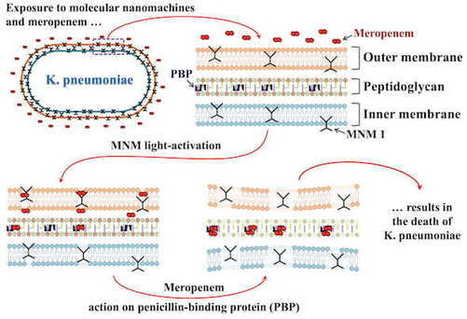
Motorized molecules activated by light target and drill through highly antibiotic resistant bacteria and kill them within minutes. The molecules can open bacteria to attack by drugs they previously resisted. The strategy could be applied to bacterial infections or diseases on the skin, in the lungs or in the gastrointestinal tract. Molecular drills have gained the ability to target and destroy deadly bacteria that have evolved resistance to nearly all antibiotics. In some cases, the drills make the antibiotics effective once again. Researchers at Rice University, Texas A&M University, Biola University and Durham (U.K.) University showed that motorized molecules developed in the Rice lab of chemist James Tour are effective at killing antibiotic-resistant microbes within minutes. “These superbugs could kill 10 million people a year by 2050, way overtaking cancer,” Tour said. “These are nightmare bacteria; they don’t respond to anything.” The motors target the bacteria and, once activated with light, burrow through their exteriors. An illustration shows how motorized nanomachines triggered by light drill into bacteria, making a path for antibiotics. Experiments showed the bacteria became susceptible again to the antibiotic meropenem, to which it had developed resistance. While bacteria can evolve to resist antibiotics by locking the antibiotics out, the bacteria have no defense against molecular drills. Antibiotics able to get through openings made by the drills are once again lethal to the bacteria. The researchers reported their results in the American Chemical Society journal ACS Nano. Tour and Robert Pal, a Royal Society University Research Fellow at Durham and co-author of the new paper, introduced the molecular drills for boring through cells in 2017. The drills are paddlelike molecules that can be prompted to spin at 3 million rotations per second when activated with light. Tests by the Texas A&M lab of lead scientist Jeffrey Cirillo and former Rice researcher Richard Gunasekera, now at Biola, effectively killed Klebsiella pneumoniae within minutes. Microscopic images of targeted bacteria showed where motors had drilled through cell walls.
|