CDC is closely monitoring an outbreak of respiratory illness caused by a novel (new) coronavirus (named “2019-nCoV”) that was first detected in Wuhan City, Hubei Province, China and which continues to expand. Chinese health officials have reported thousands of infections with 2019-nCoV in China, with the virus reportedly spreading from person-to-person in many parts of that country. Infections with 2019-nCoV, most of them associated with travel from Wuhan, also are being reported in a growing number of international locations, including the United States. The United States reported the first confirmed instance of person-to-person spread with this virus on January 30, 2020.
Coronaviruses are a large family of RNA viruses that are common in many different species of animals, including camels, cattle, cats, and bats. Rarely, animal coronaviruses can infect people and then spread between people such as with MERS and SARS.
Source and Spread of the Virus
Chinese health authorities were the first to post the full genome of the 2019-nCoV in GenBankexternal icon, the NIH genetic sequence database, and in the Global Initiative on Sharing All Influenza Data (GISAIDexternal icon) portal, an action which has facilitated detection of this virus. CDC is posting the full genome of the 2019-nCoV viruses detected in U.S. patients to GenBank as sequencing is completed.
2019-nCoV is a betacoronavirus, like MERS and SARs, all of which have their origins in bats. The sequences from U.S. patients are similar to the one that China initially posted, suggesting a likely single, recent emergence of this virus from an animal reservoir.
Early on, many of the patients in the outbreak of respiratory illness caused by 2019-nCov in Wuhan, China had some link to a large seafood and live animal market, suggesting animal-to-person spread. Later, a growing number of patients reportedly did not have exposure to animal markets, indicating person-to-person spread. Chinese officials report that sustained person-to-person spread in the community is occurring in China. Learn what is known about the spread of newly emerged coronaviruses.
When it comes to AI, Elon Musk has a name in treating it like some aliens’ attack or God.
Tesla chief executive Elon Musk has warned about artificial intelligence before, tweeting that it could be more dangerous than nuclear weapons. Speaking Friday at the MIT Aeronautics and Astronautics department’s Centennial Symposium, Musk called it our biggest existential threat:
I think we should be very careful about artificial intelligence. If I were to guess like what our biggest existential threat is, it’s probably that. So we need to be very careful with the artificial intelligence. Increasingly scientists think there should be some regulatory oversight maybe at the national and international level, just to make sure that we don’t do something very foolish. With artificial intelligence we are summoning the demon. In all those stories where there’s the guy with the pentagram and the holy water, it’s like yeah he’s sure he can control the demon. Didn’t work out.
Musk was so caught up on artificial intelligence that he missed the audience’s next question. “Sorry can you repeat the question, I was just sort of thinking about the AI thing for a second,” he said. Musk spoke expansively for over an hour, at one point even asking a MIT student what his favorite sci-fi books were. He left to a standing ovation. You can watch the entire interview here.
Researchers from the Moscow Institute of Physics and Technology have discovered an additional component in ATP synthase, a molecular machine that produces the energy-conserving compound in all cellular organisms. The new unique features of the ATP synthase structure are described in detail in a paper in Scientific Reports.
In order to store energy, living cells rely on a molecule called ATP. It is produced by ATP synthase, a molecular-scale motor comprised by a rotor and a stator. Such machines are nested in the inner membranes of mitochondria and chloroplasts in most organisms, including animals, plants, and bacteria. The rotor component resembles a barrel embedded into a biological membrane. This "barrel," or C-ring, is made of between eight and 17 so-called protomers. Their exact number depends on the organism.
MIPT researchers and their colleagues from Grenoble, France, have obtained a first-ever high-resolution structure of the C ring from spinach chloroplasts. As the 3D computer model of the C ring was taking shape, the biophysicists spotted something peculiar.
"We noticed additional circle-shaped elements inside the C ring," said MIPT doctoral student Alexey Vlasov from the Institute's Research Center for Molecular Mechanisms of Aging and Age-Related Diseases. "At first we thought that was an artifact. But when we looked through the C ring structures obtained by other scientists for various organisms, the circles turned up again, time after time."
It came as a surprise for the researchers that previous studies did not pay attention to the circles inside C rings. Up until now, their nature remained unexplained.
What if solar cells worked at night? That's no joke, according to Jeremy Munday, professor in the Department of Electrical and Computer Engineering at UC Davis. In fact, a specially designed photovoltaic cell could generate up to 50 watts of power per square meter under ideal conditions at night, about a quarter of what a conventional solar panel can generate in daytime, according to a concept paper by Munday and graduate student Tristan Deppe. The article was published in, and featured on the cover of, the January 2020 issue of ACS Photonics.
Munday, who recently joined UC Davis from the University of Maryland, is developing prototypes of these nighttime solar cells that can generate small amounts of power. The researchers hope to improve the power output and efficiency of the devices.
Munday said that the process is similar to the way a normal solar cell works, but in reverse. An object that is hot compared to its surroundings will radiate heat as infrared light. A conventional solar cell is cool compared to the sun, so it absorbs light.
Space is really, really cold, so if you have a warm object and point it at the sky, it will radiate heat toward it. People have been using this phenomenon for nighttime cooling for hundreds of years. In the last five years, Munday said, there has been a lot of interest in devices that can do this during the daytime (by filtering out sunlight or pointing away from the sun). Generating power by radiating off heat.
There's another kind of device called a thermoradiative cell that generates power by radiating heat to its surroundings. Researchers have explored using them to capture waste heat from engines. "We were thinking, what if we took one of these devices and put it in a warm area and pointed it at the sky," Munday said.
Sophia Hanson Robotics’ most advanced human-like robot, Sophia, personifies our dreams for the future of AI. As a unique combination of science, engineering, and artistry, Sophia is simultaneously a human-crafted science fiction character depicting the future of AI and robotics, and a platform for advanced robotics and AI research.
Trans-humanism is coming and here to stay. Still, many people fear trans-humanism. Critics warn of designer babies and chips implanted in our minds. Theologians fear we will denigrate the soul’s sanctity by achieving immortality. In the early 2000s, the editors of Foreign Policy asked policy intellectuals: “What idea, if embraced, would pose the greatest threat to the welfare of humanity?” Francis Fukuyama, professor of international political economy at Johns Hopkins School of Advanced International Studies, pointed to transhumanism, calling it the “world’s most dangerous idea.”
Writing for Psychology Today, Massimo Pigliucci stated, “There are several problems with the pursuit of immortality, one of which is particularly obvious. If we all live (much, much) longer, we all consume more resources and have more children, leading to even more overpopulation and environmental degradation.”
No matter the intellectual misgivings surrounding this controversial topic, the fact remains that if we view transhumanism the way it is conventionally defined, people have been evolving toward an updated version of humanity for some time. “In some ways, we already operate as human machine-hybrids,” said Goertzel. “If a caveman came into the modern world, he would be astounded at how symbiotic we are with the various machines we use. We use cars to get from point A to point B and air conditioners to regulate our temperature. In Hong Kong at least, you never see anyone who’s not holding a phone in their hand and staring at it.”
But there may be other, more pragmatic reasons why we need to become transhuman, if only to stand up to the intelligent machines that are coming. Early on, Elon Musk sounded the alarm about humans being usurped by artificial intelligence in a series of well-publicized warnings. Since then, he has suggested that the only way not to be overtaken by computers is to merge with our creations. His venture, Neuralink, is in development precisely for this purpose. Meant to combine human brains with computers, it’s his attempt to symbiotically join our minds with the machines. “The merge scenario with A.I. is the one that seems like probably the best,” he recently said on the podcast, the Joe Rogan Experience. “If you can’t beat it, join it.”
A visionary himself, Goertzel has long foreseen Musk’s vision coming, yet he urges caution in its implementation. “The next step to take is to wire these machines directly into the brain and body rather than have them held in our hands. Clearly, this takes time and thought because you need to be careful with sticking wires into human brains and bodies. But that work is being done, and it’s not going to take more than a decade.”
Returning to Vinge’s prescience at the end of the 20th century, we can see he was imagining a future that would occur even sooner than he predicted. If we take Goertzel at his word, we are through Fukuyama’s and others’ hand-wringing stage. We’re now at the point to think about practicalities. Technology slows down for no one. Whether we like it or not, there is a pre-smartphone and a post-smartphone world. Presumably, we all know someone who was loathe to adopt the new technology — it’s likely their business even suffered until they began using an iPhone or Android — or got swept aside by adapters willing to change with the times. Are we at the precipice of a similar phenomenon? Are we staring down the gulf at “Human 2.0?”
To put this dilemma in clearer focus, Goertzel advises considering the question, not from your perspective, but from your child’s. He paints a picture: “Imagine it’s eight years from now. All the other kids in your daughter’s third-grade class are way ahead of her because their brains are connected directly to Google and a calculator, and they’re SMSing back and forth by Wi-Fi telepathy between their brains while your daughter sits there in class being stunted because she must memorize things the old-fashioned way and can’t send messages brain-to-brain.”
Goertzel suggests you consider what you would do if your daughter’s teacher brought you in for a parent conference and told you your daughter couldn’t keep up with her classmates. Imagine she suggested some form of upgrade. You love your daughter. You want the best for her. What would you do? At this point, the prospect of trans-humanism stops being an intellectual exercise. It becomes a question of subsistence.
Can physical concepts and laws emerge in a neural network as it learns to predict the observation data of physical systems? As a benchmark and a proof-of-principle study of this possibility, here we show an introspective learning architecture that can automatically develop the concept of the quantum wave function and discover the Schrödinger equation from simulated experimental data of the potential-to-density mappings of a quantum particle.
This introspective learning architecture contains a machine translator to perform the potential to density mapping, and a knowledge distiller auto-encoder to extract the essential information and its update law from the hidden states of the translator, which turns out to be the quantum wave function and the Schrödinger equation. Perhaps this new introspective learning architecture can enable machine learning to discover new physics in the future. Can physical concepts and laws emerge in a neural network as it learns to predict the observation data of physical systems?
Scientists have created algorithms that make no use of prior knowledge such as atomic orbitals. The algorithm learns from scratch the shell structure of the electrons. The complexity of evaluating the wavefunction is quadratic with the number of electrons involved.
This year will see a relatively low number of icebergs drifting into busy shipping regions in the north-west Atlantic, according to a combination of control systems and artificial intelligence forecasting models developed by experts at the University of Sheffield.
A recently published control systems model has been used to predict that between 479 and 1,015 icebergs will reach waters south of 48°N—the area of greatest risk to shipping traveling between Europe and north-east North America—in 2020, compared with 1,515 observed there last year.
In an innovative new model approach, the team have used experimental artificial intelligence analysis to independently support the low iceberg number prediction while also predicting a rapid early rise in the number of icebergs in this area during the ice season of January to September.
The findings are supplied to the International Ice Patrol (IIP) to inform resource use for better regular ice forecasts during the season. The seasonal forecast suggests that the probability of an iceberg encounter for ships in the north-west Atlantic will be less than it was last year.
Icebergs have long been a risk to shipping in the north-west Atlantic, with records of collisions and sinkings stretching back into the 17th century. The infamous sinking of the Titanic in 1912 led to the formation of the IIP, which is tasked with observing sea ice and icebergs in the north-west Atlantic and warning shipping of ice hazards.
The iceberg risk varies enormously from year to year, with some years recording no icebergs passing across 48°N while others record well in excess of 1,000—making it difficult to predict, though generally higher numbers have been counted south of 48°N since the 1980s.
This year is the first time experts have used artificial intelligence to forecast the total number of icebergs passing 48°N, and the rate of change in this number across the season.
The model, developed by a team led by Professor Grant Bigg at the University of Sheffield and funded by insurance firm AXA XL's Ocean Risk Scholarships Programme, uses a control systems model and two machine learning tools. These analyze data relating to the surface temperature of the Labrador Sea, variations in atmospheric pressure in the North Atlantic, and the surface mass balance of the Greenland ice sheet. The foundation control systems approach achieved an 80 percent accuracy level when tested against data on iceberg numbers for seasons between 1997 and 2016.
One of the greatest unsolved puzzles in all of science is dark energy. The Universe isn't just expanding, but the expansion rate that we infer for distant galaxies is accelerating: their recession velocity speeds up from our perspective as time goes on. This was a surprise when it was discovered empirically in the 1990s, and more than two decades later, we still don't understand where this mysterious form of energy, the most abundant in all the Universe, comes from.
While you can explain dark energy in the context of General Relativity, it's recently become fashionable to attempt to explain dark energy by modifying gravity instead. Recently, the award-winning theoretical work of Dr. Claudia de Rham has come into focus, leading The Guardian to ask, "Has physicist's gravity theory solved 'impossible' dark energy riddle?" It's a fascinating possibility, but one that demands an appropriate level of skepticism.
Researchers at Columbia University and University of California, San Diego, have introduced a novel "multi-messenger" approach to quantum physics that signifies a technological leap in how scientists can explore quantum materials.
The findings appear in a recent article published in Nature Materials, led by A. S. McLeod, postdoctoral researcher, Columbia Nano Initiative, with co-authors Dmitri Basov and A. J. Millis at Columbia and R.A. Averitt at UC San Diego. "We have brought a technique from the inter-galactic scale down to the realm of the ultra-small," said Basov, Higgins Professor of Physics and Director of the Energy Frontier Research Center at Columbia. Equipped with multi-modal nanoscience tools we can now routinely go places no one thought would be possible as recently as five years ago."
The work was inspired by "multi-messenger" astrophysics, which emerged during the last decade as a revolutionary technique for the study of distant phenomena like black hole mergers. Simultaneous measurements from instruments, including infrared, optical, X-ray and gravitational-wave telescopes can, taken together, deliver a physical picture greater than the sum of their individual parts.
The search is now on for new materials that can supplement the current reliance on electronic semiconductors. Control over material properties using light can offer improved functionality, speed, flexibility and energy efficiency for next-generation computing platforms.
Experimental papers on quantum materials have typically reported results obtained by using only one type of spectroscopy. The researchers have shown the power of using a combination of measurement techniques to simultaneously examine electrical and optical properties.
The researchers performed their experiment by focusing laser light onto the sharp tip of a needle probe coated with magnetic material. When thin films of metal oxide are subject to a unique strain, ultra-fast light pulses can trigger the material to switch into an unexplored phase of nanometer-scale domains, and the change is reversible.
By scanning the probe over the surface of their thin film sample, the researchers were able to trigger the change locally and simultaneously manipulate and record the electrical, magnetic and optical properties of these light-triggered domains with nanometer-scale precision.
The study reveals how unanticipated properties can emerge in long-studied quantum materials at ultra-small scales when scientists tune them by strain. "It is relatively common to study these nano-phase materials with scanning probes. But this is the first time an optical nano-probe has been combined with simultaneous magnetic nano-imaging, and all at the very low temperatures where quantum materials show their merits," McLeod said. "Now, investigation of quantum materials by multi-modal nanoscience offers a means to close the loop on programs to engineer them."
A book is made of wood. But it is not a tree. The dead cells have been repurposed to serve another need. Now a team of scientists has repurposed living cells -- scraped from frog embryos -- and assembled them into entirely new life-forms. These millimeter-wide "xenobots" can move toward a target, perhaps pick up a payload (like a medicine that needs to be carried to a specific place inside a patient) -- and heal themselves after being cut.
"These are novel living machines," says Joshua Bongard, a computer scientist and robotics expert at the University of Vermont who co-led the new research. "They're neither a traditional robot nor a known species of animal. It's a new class of artifact: a living, programmable organism."
The new creatures were designed on a supercomputer at UVM -- and then assembled and tested by biologists at Tufts University. "We can imagine many useful applications of these living robots that other machines can't do," says co-leader Michael Levin who directs the Center for Regenerative and Developmental Biology at Tufts, "like searching out nasty compounds or radioactive contamination, gathering microplastic in the oceans, traveling in arteries to scrape out plaque."
The results of the new research were published January 13, 2020, in the Proceedings of the National Academy of Sciences (PNAS), USA.
Astronomers from UCLA’s Galactic Center Orbits Initiative have discovered a new class of bizarre objects at the center of our galaxy, not far from the supermassive black hole called Sagittarius A*. They published their research in the Jan. 16 issue of the journal Nature. “These objects look like gas and behave like stars,” said co-author Andrea Ghez, UCLA’s Lauren B. Leichtman and Arthur E. Levine Professor of Astrophysics and director of the UCLA Galactic Center Group.
The new objects look compact most of the time and stretch out when their orbits bring them closest to the black hole. Their orbits range from about 100 to 1,000 years, said lead author Anna Ciurlo, a UCLA postdoctoral researcher.
Ghez’s research group identified an unusual object at the center of our galaxy in 2005, which was later named G1. In 2012, astronomers in Germany made a puzzling discovery of a bizarre object named G2 in the center of the Milky Way that made a close approach to the supermassive black hole in 2014.
Ghez and her research team believe that G2 is most likely two stars that had been orbiting the black hole in tandem and merged into an extremely large star, cloaked in unusually thick gas and dust.
“At the time of closest approach, G2 had a really strange signature,” Ghez said. “We had seen it before, but it didn’t look too peculiar until it got close to the black hole and became elongated, and much of its gas was torn apart. It went from being a pretty innocuous object when it was far from the black hole to one that was really stretched out and distorted at its closest approach and lost its outer shell, and now it’s getting more compact again.”
“One of the things that has gotten everyone excited about the G objects is that the stuff that gets pulled off of them by tidal forces as they sweep by the central black hole must inevitably fall into the black hole,” said co-author Mark Morris, UCLA professor of physics and astronomy. “When that happens, it might be able to produce an impressive fireworks show since the material eaten by the black hole will heat up and emit copious radiation before it disappears across the event horizon.”
Today, modern lasers can generate extremely short light pulses, which can be used for a wide range of applications from investigating materials to medical diagnostics. For this purpose, it is important to measure the shape of the laser light wave with high accuracy.
Until now, this has required a large, complex experimental setup. Now this can be done with a tiny crystal with a diameter of less than one millimeter. The new method has been developed by the MPI for Quantum Optics in Garching, the LMU Munich and the TU Wien (Vienna). The advance will now help to clarify important details about the interaction of light and matter.
Looking at Light with Electrons
Extremely short light pulses with a duration in the order of femtoseconds (10-15 seconds) were investigated. "In order to create an image of such light waves, they must be made to interact with electrons," says Prof. Joachim Burgdörfer from the Institute of Theoretical Physics at the TU Wien. "The reaction of the electrons to the electric field of the laser gives us very precise information about the shape of the light pulse".
Previously, the common way to measure an infrared laser pulse was adding a much shorter laser pulse with a wavelength in the X-ray range. Both pulses are sent through a gas. The X-ray pulse ionizes individual atoms, electrons are released, which are then accelerated by the electric field of the infrared laser pulse. The motion of the electrons is recorded, and if the experiment is carried out many times with different time shifts between the two pulses, the shape of the infrared laser pulse can eventually be reconstructed. "The experimental effort required for this method is very high," says Prof. Christoph Lemell (TU Vienna). "A complicated experimental setup is needed, with vacuum systems, many optical elements and detectors."
Measurement in Tiny Silicon Oxide Crystals
To bypass such complications, the idea was born to measure light pulses not in a gas but in a solid: "In a gas you have to ionize atoms first to get free electrons. In a solid it is sufficient to give the electrons enough energy so that they can move through the solid, driven by the laser field", says Isabella Floss (TU Vienna). This generates an electric current which can be directly measured.
Tiny crystals of silicon oxide with a diameter of a few hundred micrometers are used for this purpose. They are hit by two different laser pulses: The pulse which is to be investigated can have any wavelength ranging from ultraviolet light and visible colors to long-wave infrared. While this laser pulse penetrates the crystal, another infrared pulse is fired at the target. "This second pulse is so strong that non-linear effects in the material can change the energy state of the electrons so that they become mobile. This happens at a very specific point in time, which can be tuned and controlled very precisely," explains Joachim Burgdörfer.
As soon as the electrons can move through the crystal, they are accelerated by the electric field of the first beam. This produces an electric current which is measured directly at the crystal. This signal contains precise information about the shape of the light pulse.
Some infectious disease experts are warning that it may no longer be feasible to contain the new coronavirus circulating in China. Failure to stop it there could see the virus spread in a sustained way around the world and even perhaps join the ranks of respiratory viruses that regularly infect people.
“The more we learn about it, the greater the possibility is that transmission will not be able to be controlled with public health measures,” said Dr. Allison McGeer, a Toronto-based infectious disease specialist who contracted SARS in 2003 and who helped Saudi Arabia control several hospital-based outbreaks of MERS.
If that’s the case, she said, “we’re living with a new human virus, and we’re going to find out if it will spread around the globe.” McGeer cautioned that because the true severity of the outbreak isn’t yet known, it’s impossible to predict what the impact of that spread would be, though she noted it would likely pose significant challenges to health care facilities.
This pessimistic assessment comes from both researchers studying the dynamics of the outbreak—the rate at which cases are rising in and emerging from China—and infectious diseases experts who are parsing the first published studies describing cases to see if public health tools such as isolation and quarantine could as effective in this outbreak as they were in the 2003 SARS epidemic.
And the warnings come as the United States reported over the weekend finding three more cases, the country’s third, fourth, and fifth. Two were diagnosed in California. One is a traveler from Wuhan, where the outbreak is believed to have started, who was diagnosed in Orange County. The other is someone who visited Wuhan who was diagnosed in Los Angeles County. The fifth case was diagnosed in Arizona and is a student at Arizona State University; the person had also traveled to Wuhan.
Confirmed infections within China climbed to nearly 2,750 and the death toll rose to 80, so far.
Few times in history has mankind ever united to solve a single goal. Even the ultimate moonshot in history—putting a man on the moon—was driven by international competition rather than unification. So it’s perhaps fitting that mankind is now uniting to understand the organ that fundamentally makes us human: our brain. First envisioned in 2016 through a series of discussions on the “grand challenges” in neuroscience at Johns Hopkins University, the International Brain Initiative (IBI) “came out” this week in a forward-looking paper in Neuron.
Rather than each country formulating their own brain projects independently, the project argues, it’s high time for the world to come together and share their findings, resources, and expertise across borders. By uniting efforts, the IBI can help shape the future of neuroscience research at a global scale—for promoting brain and mental health, for stimulating international collaboration, for ethical neuroscience practices, and for crafting future generations of scientists.
“It takes a world to understand the brain,” said Caroline Montojo of the Kavli Foundation, which offered support to the project. “When we have the best brains and the best minds working together, sharing information and research that could benefit us all.”
The IBI comes at a time when global research divisions are prominent. Established national projects, such as the BRAINI and the HBP, have notably different goals at the operational level. The BRAINI, for example, prominently champions developing new tools to study brain functions, whereas the HBP’s ultimate goal is to recreate the function of a human brain inside machines.
Even within single countries, divisions in practical paths forward have been, mildly put, chaotic. China’s Brain Project, announced officially in 2016 and kicked off two years later, was plagued by different opinions on focus: should it be on solving brain disorders, or understanding the neurobiology behind cognition, or focused on engineering problems that more intimately link human brains with AI?
Then there’s the underlying political milieu, where certain countries are cracking down on international researchers for fear that they may be stealing or selling trade secrets. To all these divisions, the IBI took a stance and said no—it’s time to work together.
“The biggest challenge that we’re facing is to really understand how the brain works, the mystery of the brain, to crack the code,” said Dr. Yves De Koninck of the Canadian Brain Research Strategy.
“If we’re going to make the really big leap changes in the level of understanding of how the brain works in health and disease, we need to have global collaboration, I mean that’s just absolutely vital,” added Dr. Linda Lanyon at the IBI Data Standards and Sharing Working Group.
Researchers at Massachusetts Institute of Technology (MIT) and Qatar Computing Research Institute (QCRI) have developed a model powered by AI. The AI model is designed to tag road features in digital maps using satellite imagery. This AI-driven RoadTagger model combines a convolutional neural network (CNN) and a graph neural network (GNN) to automatically envisage the number of lanes and road types concealed by obstructions, improving GPS navigation, especially in countries with limited map data.
The model helps drivers in incorporating information about parking spots, while mapping bicycle lanes that can assist cyclists to negotiate busy city streets. Providing updated information on road conditions, the RoadTagger model can also improve planning for disaster relief.
Unlike other GPS navigation systems, RoadTagger makes use of an amalgamation of neural network architectures to automatically predict the number of lanes and road types, including residential or highway, even when roads can be blocked by trees or buildings.
Sam Madden, a professor in the Department of Electrical Engineering and Computer Science (EECS) and a researcher in the Computer Science and AI Laboratory (CSAIL) says, “Most updated digital maps are from places that big companies care the most about. If you’re in places they don’t care about much, you’re at a disadvantage with respect to the quality of map. Our goal is to automate the process of generating high-quality digital maps, so they can be available in any country.”
When testing RoadTagger on occluded roads from digital maps of 20 US cities, the model reckoned lane numbers with 77 percent accuracy and inferred road types with 93 percent accuracy. Also, the researchers are planning to enable the model to foresee other features, such as parking spots and bike lanes.
The model relies on CNN and GNN, where GNNs form relationships between connected nodes in a graph, CNNs take as input raw satellite images of target roads. RoadTagger is based on an end-to-end model, meaning it is fed only raw data and automatically generates output, without human intervention. This combined architecture of CNN and GNN signifies a more human-like intuition, researchers noted.
Just when it seemed like robots couldn't get any cooler, Cornell University researchers have created a soft robot muscle that can regulate its temperature through sweating.
This form of thermal management is a basic building block for enabling untethered, high-powered robots to operate for long periods of time without overheating, according to Rob Shepherd, associate professor of mechanical and aerospace engineering at Cornell, who led the project.
The team's paper, "Autonomic Perspiration in 3D Printed Hydrogel Actuators," published in Science Robotics.
One of the hurdles for making enduring, adaptable and agile robots is managing the robots' internal temperature, according to Shepherd. If the high-torque density motors and exothermic engines that power a robot overheat, the robot will cease to operate.
This is a particular issue for soft robots, which are made of synthetic materials. While more flexible, they hold their heat, unlike metals, which dissipate heat quickly. An internal cooling technology, such as a fan, may not be much help because it would take up space inside the robot and add weight.
So Shepherd's team took inspiration from the natural cooling system that exists in mammals: sweating.
"The ability to perspire is one of the most remarkable features of humans," said co-lead author T.J. Wallin, a research scientist at Facebook Reality Labs. "Sweating takes advantage of evaporated water loss to rapidly dissipate heat and can cool below the ambient environmental temperature. ... So as is often the case, biology provided an excellent guide for us as engineers."
Shepherd's team partnered with the lab of Cornell engineering professor Emmanuel Giannelis, to create the necessary nanopolymer materials for sweating via a 3D-printing technique called multi-material stereolithography, which uses light to cure resin into predesigned shapes.
The researchers fabricated fingerlike actuators composed of two hydrogel materials that can retain water and respond to temperature - in effect, "smart" sponges. The base layer, made of poly-N-isopropylacrylamide, reacts to temperatures above 30 ˚C (86 ˚F) by shrinking, which squeezes water up into a top layer of polyacrylamide that is perforated with micron-sized pores. These pores are sensitive to the same temperature range and automatically dilate to release the "sweat," then close when the temperature drops below 30 ˚C.
The kilometer-scale Laser Interferometer Gravitational-Wave Observatory (LIGO) interferometers have just begun to detect gravitational waves (GWs), firmly establishing the nascent field of GW astronomy. It is paramount to study GW radiation across a wide frequency range, as astronomers have done for visible light and other electromagnetic radiation. While advanced LIGO has achieved remarkable sensitivity at frequencies ranging from 10s of Hz to a few kHz, no established methods can probe the higher frequency part of the spectrum, where undiscovered GW sources may exist, including primordial black holes and other well-motivated dark matter candidates.
With support from the W. M. Keck Foundation’s Science and Engineering program, our Northwestern University team aims to develop and test a 1-meter prototype of a novel (GW) detector, based on optically-levitated dielectric particles in an optical cavity. As shown in a peer-reviewed paper (Phys. Rev. Lett. 110: 071105, 2013), the method could extend the search volume of advanced GW observatories by up to 1000 times in the high frequency (HF) range of 10-300 kHz, using an instrument that is a fraction of their size (~10 m). To realize the full sensitivity of the detector, Northwestern University scientists will need to demonstrate trapping and cooling of non-spherical, i.e., disc-like, particles in high vacuum. After initial tests, we will conduct a 1-year observing run using two detectors for frequencies > 10 kHz. The frequency coverage of this instrument complements existing and other proposed GW detectors and promises to enable a new HF-GW map of our universe.
“This is the start of the next phase of gravitational-wave and multi-messenger astronomy,” said Andrew Geraci, principal investigator on the project. “This tabletop sensor will be able to observe events we’ve never seen before, expanding our understanding of space and the universe.”
The Levitated Sensor Detector will extend the spectrum of detectable gravitational waves to higher frequencies, possibly opening a window to the types of events that are related to the mysterious dark matter in the universe. It will complement research being conducted at the Laser Interferometer Gravitational-Wave Observatory (LIGO) and Virgo observatories, which occupy several acres of land in the United States and Italy, by observing smaller cosmic events that produce waves at a frequency LIGO and Virgo cannot detect.
“If you think of gravitational waves like sound waves, the frequency we are trying to capture with levitated sensors is sort of like a dog whistle,” said Vicky Kalogera, project co-investigator and CIERA director. “Dogs are capable of hearing sound frequencies that the human ear cannot perceive. Similarly, levitated sensors will pick up frequencies that LIGO and Virgo cannot detect,” said Kalogera, who also is the Daniel I. Linzer Distinguished University Professor of Physics and Astronomy and one of the foremost astrophysicists in the LIGO Scientific Collaboration (LSC).
Computer engineers study the mathematics of how to optimize complex systems. In one example, they face a logistics challenge known as the "travelling salesman problem:" how can a hypothetical salesperson visit every city on their route in the shortest distance?
The algorithms developed to answer these sorts of questions are useful in many situations, such as reducing the costs of and pollution from a fleet of delivery trucks. But when engineers tried to optimize traffic on the internet, they found their methods wanting. Demand quickly rises and falls - for example, an oncoming hurricane drives traffic to a weather website, or a sports team's pageviews peak when there is a big play at a game - so the resources cannot be allocated systematically but must be continuously reorganized in response to a changing situation.
Honeybees don't study mathematics, but the demands of evolution reward those colonies that succeed in optimizing their resources. Fortunately, in the strange tale of how honeybees make the internet work. the scientists were smart enough to see that the honeybees knew better than they did.
Ayumu the chimpanzee has made headlines around the world for his ability to beat humans on memory tests, in both speed and accuracy. Does Ayumu's ability force us to reconsider our assumptions about human superiority to other primates?
Researchers find master regulator needed for Toxoplasma gondii parasite to chronically infect host; promising step toward infection treatment, prevention.
Toxoplasma gondii (T. gondii) is a parasite that chronically infects up to a quarter of the world’s population, causing toxoplasmosis, a disease that can be dangerous, or even deadly, for the immunocompromised and for developing fetuses. One reason that T. gondii is so pervasive is that the parasites are tenacious occupants once they have infected a host. They can transition from an acute infection stage into a quiescent life cycle stage and effectively barricade themselves inside of their host’s cells. In this protected state, they become impossible to eliminate, leading to long-term infection.
Researchers used to think that a combination of genes were involved in triggering the parasite’s transition into its chronic stage, due to the complexity of the process and because a gene essential for differentiation had not been identified. However, new research from Sebastian Lourido, Whitehead Institute member and assistant professor of biology at MIT, and MIT graduate student Benjamin Waldman has identified a sole gene whose protein product is the master regulator, which is both necessary and sufficient for the parasites to make the switch. Their findings, which appeared online in the journal Cell on Jan. 16, 2020, illuminate an important aspect of the parasite’s biology and provide researchers with the tools to control whether and when T. gondii transitions, or undergoes differentiation. These tools may prove valuable for treating toxoplasmosis, since preventing the parasites from assuming their chronic form keeps them susceptible to both treatment and elimination by the immune system.
This article explains new research showing how the parasite, Toxoplasma Gondii, forms. It was previously thought that once the parasite had infected a host, it was impossible to eliminate. These new findings, however, show that one gene is the master regulator for infection. The regulator of T. Gondii was previously unknown, so this research is essential for moving forward with the prevention and treatment of toxoplasmosis.
Researchers have developed an ultra-thin and ultra-flexible electronic material that could be printed and rolled out like newspaper, for the touchscreens of the future.
The touch-responsive technology is 100 times thinner than existing touchscreen materials and so pliable it can be rolled up like a tube.
To create the new conductive sheet, an RMIT University-led team used a thin film common in cell phone touchscreens and shrunk it from 3D to 2D, using liquid metal chemistry.
The nano-thin sheets are readily compatible with existing electronic technologies and because of their incredible flexibility, could potentially be manufactured through roll-to-roll (R2R) processing just like a newspaper.
The research, with collaborators from UNSW, Monash University and the ARC Centre of Excellence in Future Low-Energy Electronics Technologies (FLEET), is published in the journal Nature Electronics. Lead researcher Dr Torben Daeneke said that most cell phone touchscreens were made of a transparent material, indium-tin oxide, that was very conductive but also very brittle.
"We've taken an old material and transformed it from the inside to create a new version that's supremely thin and flexible," said Daeneke, an Australian Research Council DECRA Fellow at RMIT. "You can bend it, you can twist it, and you could make it far more cheaply and efficiently that the slow and expensive way that we currently manufacture touchscreens."
"Turning it two-dimensional also makes it more transparent, so it lets through more light. This means a cell phone with a touchscreen made of our material would use less power, extending the battery life by roughly 10%."
MIT researchers developed a circuit that uses a nanometer-thin magnetic domain wall in magnetic material to enable precise control of computing binary bits with magnetic spin waves. This advance could make practical “spintronics” devices that compute more efficiently than electronics. Circuit design offers a path to “spintronic” devices that use little electricity and generate practically no heat.
Classical computers rely on massive amounts of electricity for computing and data storage, and generate a lot of wasted heat. In search of more efficient alternatives, researchers have started designing magnetic-based “spintronic” devices, which use relatively little electricity and generate practically no heat.
Spintronic devices leverage the “spin wave” — a quantum property of electrons — in magnetic materials with a lattice structure. This approach involves modulating the spin wave properties to produce some measurable output that can be correlated to computation. Until now, modulating spin waves has required injected electrical currents using bulky components that can cause signal noise and effectively negate any inherent performance gains.
The MIT researchers developed a circuit architecture that uses only a nanometer-wide domain wall in layered nanofilms of magnetic material to modulate a passing spin wave, without any extra components or electrical current. In turn, the spin wave can be tuned to control the location of the wall, as needed. This provides precise control of two changing spin wave states, which correspond to the 1s and 0s used in classical computing. A paper describing the circuit design was published today in Science.
In the future, pairs of spin waves could be fed into the circuit through dual channels, modulated for different properties, and combined to generate some measurable quantum interference — similar to how photon wave interference is used for quantum computing. Researchers hypothesize that such interference-based spintronic devices, like quantum computers, could execute highly complex tasks that conventional computers struggle with.
“People are beginning to look for computing beyond silicon. Wave computing is a promising alternative,” says Luqiao Liu, a professor in the Department of Electrical Engineering and Computer Science (EECS) and principal investigator of the Spintronic Material and Device Group in the Research Laboratory of Electronics. “By using this narrow domain wall, we can modulate the spin wave and create these two separate states, without any real energy costs. We just rely on spin waves and intrinsic magnetic material.”
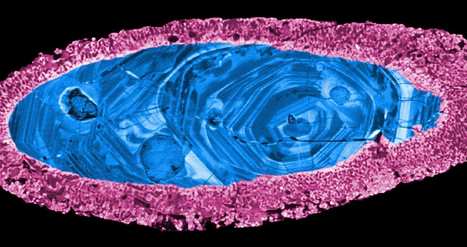
Curtin University scientists have discovered Earth's oldest asteroid strike occurred at Yarrabubba, in outback Western Australia, and coincided with the end of a global deep freeze known as a Snowball Earth.
The research, published in the leading journal Nature Communications, used isotopic analysis of minerals to calculate the precise age of the Yarrabubba crater for the first time, putting it at 2.229 billion years old -- making it 200 million years older than the next oldest impact.
Lead author Dr Timmons Erickson, from Curtin's School of Earth and Planetary Sciences and NASA's Johnson Space Center, together with a team including Professor Chris Kirkland, Associate Professor Nicholas Timms and Senior Research Fellow Dr Aaron Cavosie, all from Curtin's School of Earth and Planetary Sciences, analyzed the minerals zircon and monazite that were 'shock recrystallized' by the asteroid strike, at the base of the eroded crater to determine the exact age of Yarrabubba.
The team inferred that the impact may have occurred into an ice-covered landscape, vaporized a large volume of ice into the atmosphere, and produced a 70km diameter crater in the rocks beneath.
Professor Kirkland said the timing raised the possibility that the Earth's oldest asteroid impact may have helped lift the planet out of a deep freeze. "Yarrabubba, which sits between Sandstone and Meekatharra in central WA, had been recognized as an impact structure for many years, but its age wasn't well determined," Professor Kirkland said.
"Now we know the Yarrabubba crater was made right at the end of what's commonly referred to as the early Snowball Earth -- a time when the atmosphere and oceans were evolving and becoming more oxygenated and when rocks deposited on many continents recorded glacial conditions."
Professor Nicholas Timms noted the precise coincidence between the Yarrabubba impact and the disappearance of glacial deposits. "The age of the Yarrabubba impact matches the demise of a series of ancient glaciations. After the impact, glacial deposits are absent in the rock record for 400 million years. This twist of fate suggests that the large meteorite impact may have influenced global climate," Timms stated.
An international team of astronomers from the University of California San Diego, the Instituto de Astrofísica de Canarias (IAC), and the University of Cambridge have detected large amounts of oxygen in the atmosphere of one of the oldest and most elementally depleted stars known -- a "primitive star" scientists call J0815+4729.
This new finding, which was made using W. M. Keck Observatory on Maunakea in Hawaii to analyze the chemical makeup of the ancient star, provides an important clue on how oxygen and other important elements were produced in the first generations of stars in the universe. The results are published in the January 21, 2020 edition of the The Astrophysical Journal Letters.
"This result is very exciting. It tells us about some of the earliest times in the universe by using stars in our cosmic back yard," said Keck Observatory Chief Scientist John O'Meara. "I look forward to seeing more measurements like this one so we can better understand the earliest seeding of oxygen and other elements throughout the young universe."
Oxygen is the third most abundant element in the universe after hydrogen and helium, and is essential for all forms of life on Earth, as the chemical basis of respiration and a building block of carbohydrates. It is also the main elemental component of the Earth's crust. However, oxygen didn't exist in the early universe; it is created through nuclear fusion reactions that occur deep inside the most massive stars, those with masses roughly 10 times the mass of the Sun or greater.
Tracing the early production of oxygen and other elements requires studying the oldest stars still in existence. J0815+4729 is one such star; it resides over 5,000 light years away toward the constellation Lynx.
"Stars like J0815+4729 are referred to as halo stars," explained UC San Diego astrophysicist Adam Burgasser, a co-author of the study. "This is due to their roughly spherical distribution around the Milky Way, as opposed to the more familiar flat disk of younger stars that include the Sun."
The first evidence of a giant planet orbiting a dead white dwarf star has been found in the form of a disc of gas formed from its evaporating atmosphere.
The Neptune-like planet orbits a star a quarter of its size about once every ten days, leaving a comet-like tail of gas comprised of hydrogen, oxygen and sulphur in its wake.
The discovery by astronomers from the University of Warwick's Department of Physics and the Millennium Nucleus for Planet Formation (NPF) at the University of Valparaíso is published today (4 December) in the journal Nature. It is the first evidence of a giant planet orbiting a white dwarf star and suggests that there could be many more planets around such stars waiting to be discovered. Until now, there has never been evidence of a planet that has survived a star's transition to a white dwarf.
The star WDJ0914+1914 was identified in a survey of ten thousand white dwarfs observed by the Sloan Digital Sky Survey. Scientists at Warwick analyzed subtle variations in the light emitted from the system to identify the elements present around the star.
They detected very minute spikes of hydrogen in the data, which was unusual in itself, but also of oxygen and sulphur, which they had never seen before. Using the Very Large Telescope of the European Southern Observatory in Chile to obtain more observations of this star, they found that the shape of the hydrogen, oxygen and sulphur features are typical indicators of a ring of gas.
Lead author Dr Boris Gaensicke, from the University of Warwick, said: "At first, we thought that this was a binary star with an accretion disc formed from mass flowing between the two stars. However, our observations show that it is a single white dwarf with a disc around it roughly ten times the size of our sun, made solely of hydrogen, oxygen and sulphur. Such a system has never been seen before, and it was immediately clear to me that this was a unique star."
When the astronomers averaged all the spectra they obtained over two nights in Chile it was clear that WDJ0914+1914 was accreting sulphur and oxygen from the disc. Analyzing the data, they were able to measure the composition of the disc, and concluded that it matches what scientists expect for the deeper layers of our own solar system's ice giants, Uranus and Neptune.
Dr Matthias Schreiber from the University of Valparaíso showed through a set of calculations that the 28,000 degrees Celsius hot white dwarf is slowly evaporating this hidden icy giant by bombarding it with high energy photons and pulling its lost mass into a gas disc around the star at a rate of over 3,000 tons per second.
Dr Gaensicke said: "This star has a planet that we can't see directly, but because the star is so hot it is evaporating the planet, and we detect the atmosphere it is losing. There could be many cooler white dwarfs that have planets but lacking the high-energy photons necessary to drive evaporation, so we wouldn't be able to find them with the same method. However, some of those planets might detectable using the transit method once the Large Synoptic Survey Telescope goes on sky.
To get content containing either thought or leadership enter:
To get content containing both thought and leadership enter:
To get content containing the expression thought leadership enter:
You can enter several keywords and you can refine them whenever you want. Our suggestion engine uses more signals but entering a few keywords here will rapidly give you great content to curate.


 Your new post is loading...