Your new post is loading...

|
Scooped by
Dr. Stefan Gruenwald
April 20, 2022 5:07 PM
|
Parts of the human genome now available to study for the first time are important for understanding genetic diseases, human diversity, and evolution.
The first truly complete sequence of a human genome, covering each chromosome from end to end with no gaps and unprecedented accuracy, is now accessible through the UCSC Genome Browser and is described in six papers published today (March 31, 2022) in Science.
Since the first working draft of a human genome sequence was assembled at UC Santa Cruz in 2000, genomics research has led to enormous advances in our understanding of human biology and disease. Nevertheless, crucial regions accounting for some 8% of the human genome have remained hidden from scientists for over 20 years due to the limitations of DNA sequencing technologies.
Karen Miga, assistant professor of biomolecular engineering at UC Santa Cruz, and Adam Phillippy at the National Human Genome Research Institute (NHGRI) organized an international team of scientists—the Telomere-to-Telomere (T2T) Consortium—to fill in the missing pieces. Their efforts have now paid off.
|
|
Scooped by
Dr. Stefan Gruenwald
April 20, 2022 4:25 PM
|
Researchers at Dartmouth College have built the world's first superfluid circuit that uses pairs of ultracold electron-like atoms, according to a study published in Physical Review Letters. The laboratory test bed gives physicists control over the strength of interactions between atoms, providing a new way to explore the phenomena behind exotic materials such as superconductors.
"Much of modern technology revolves around controlling the flow of electrons around circuits," said Kevin Wright, assistant professor of physics at Dartmouth and senior researcher of the study. "By using electron-like atoms we can test theories in ways that were not possible before."
While conductive materials such as copper are well understood, researchers do not completely understand how electrons move or can be controlled in exotic materials like topological insulators and superconductors that can be useful for building quantum computers.
The new circuit acts as a quantum emulator to explore how electrons work in real materials, offering a way to analyze the movement of electrons in a highly controllable setting.
"Electrons can do things that are far more strange and rich than anyone imagined," said Wright. "We are learning about electrons without using electrons." Atomic particles are either bosons or fermions. Bosons, such as photons, tend to bunch together. Fermions, such as electrons, tend to avoid each other. While superfluid circuits using ultracold boson-like atoms already exist, the Dartmouth circuit is the first to use ultracold atoms that act as fermions.
The circuit operates on the isotope lithium-6. Although lithium-6 is a complete atom, it has properties that make it act like an individual electron. The behavior of the complete atom serves as an analog for individual electrons.
"If we could scale the properties of lithium-6 atoms to electrons, they would be flowing without resistance even above room temperature," said Yanping Cai, the first author of the paper who wrote the paper as a Dartmouth Ph.D. candidate. "Studying these simple circuits might provide insights about high-temperature superconductivity."
|
|
Scooped by
Dr. Stefan Gruenwald
April 19, 2022 4:49 PM
|
A completely paralyzed patient can now convey full sentences thanks to electrodes implanted in his brain. Medical research surgically placed brain-computer interfaces (BCIs) into a patient’s brain. The implants tracked electrical activity in the brain and translated the signals to commands to another device. According to a paper published in Nature detailing the procedure, the subject was able to message requests for beer, soup and massages from his nurses. He also asked to watch movies with his son. The participant suffers from Amyotrophic lateral sclerosis, or ALS, and is completely ‘locked-in,’ meaning he can’t use his limbs or make eye movements. In the past, BCIs have helped patients convey ‘yes’ or ‘no’ via thoughts or allowed partially paralyzed patients to move prosthetic limbs. “It’s really remarkable to be able to reestablish communication with someone in a completely locked-in state. To me, that’s a tremendous breakthrough and obviously quite meaningful for the research participant,” said Jaimie Henderson, M.D., a Stanford University neurosurgeon who wasn’t involved in the project. The individual received the innovative treatment through ALS Voice GmbH. A nonprofit that works with noncommunicative participants to incorporate BCIs and other technologies to improve their quality of life. The patient responded well to neurofeedback, which shows brain activity in real time so a patient can control their responses. When brain electrical activity alters, a computer would respond with ascending or descending tones. “Within two days, [the patient] was able to increase and decrease the frequency of a sound tone,” said Ujwal Chaudhary of ALS Voice gGmbH. His team developed software based on a computer system the patient’s family created. One of the patient’s first sentences was, “boys, it works so effortlessly.” In the future, Chaudhary wants to develop software with a word list that has an autocomplete function in the software. “There are many ways in which we could make it faster,” he said.
|
|
Scooped by
Dr. Stefan Gruenwald
April 17, 2022 12:32 PM
|
Donated immune cells mixed with a molecule that helps them home in on tumor cells have dramatically shrunk tumors in most of the 22 people with blood cancer who received experimental infusions. The results, reported in Science at the annual meeting of the American Association for Cancer Research (AACR), are a new twist on cell therapies that harness a patient’s own immune cells to treat cancer. The new treatment is simpler to make than other cell therapies for advanced lymphoma, or cancer of the lymph system, the study’s leaders say. “It’s an interesting idea,” says hematologist and oncologist Jeffrey Miller of the University of Minnesota, Twin Cities, who was a panelist at the plenary session where the work was presented. CAR-T cells, immune cells genetically modified to carry a surface protein that helps them home in on cancer cells, are the best known cancer cell therapy. Although approved for some types of leukemia and lymphoma, CAR-T cells can cause serious side effects and must be custom-made from a person’s own T cells. To craft a potentially gentler, more practical alternative, some researchers are equipping a different type of immune cell, natural killer (NK) cells, with the surface protein. Known as a chimeric antigen receptor (CAR), it binds to a tumor cell surface protein, or marker, that identifies the cell as cancerous. Unlike CAR-T cells, these cells can be harvested from donated blood, either from an adult donor or from umbilical cord blood, and they don’t provoke a dangerous immune response if infused into another person. But genetically engineering CAR cells is costly and complex. As a shortcut, scientists are devising protein drugs called bispecific antibodies. These antibodies have two arms, one that sticks to a T cell or an NK cell and the other to a tumor marker. When infused into a patient, the antibody bridges the two cells so the immune cell attacks a tumor much like a CAR cell does. One such bispecific, called AFM13, links NK cells to a marker called CD30 on Hodgkin’s lymphoma cells. But the antibody, produced by biotech company Affimed, hasn’t worked well in patients so far. Hematologist and oncologist Katy Rezvani at MD Anderson Cancer Center and colleagues thought the problem might be with the patient’s own NK cells: They were simply too weak to function, compared with those of a healthy person. So her team tried mixing AFM13 in a lab dish with donated, normal NK cells. They added a cocktail of proteins called cytokines to boost their potency. “It was such a simple idea,” Rezvani says. But the NK cell–antibody complex worked well at shrinking tumors in mice. They then tested the strategy in 22 people seriously ill with Hodgkin’s lymphoma who had relapsed after many different treatments. The patients first got a few days of chemotherapy to deplete their own NK cells and make room for the donated cells. They next received an infusion of AFM13-coated cells isolated from umbilical cord blood. Because the bispecific antibody falls off the NK cell within a few days, they also got weekly infusions of AFM13. A month later, they received a second dose of the AFM13–NK cell treatment with cells from a different cord blood donor. The AFM13-dotted NK cells themselves only stick around for about 3 weeks before a person’s immune system eliminates them. “But those 3 weeks are plenty for a good response. We see massive tumor lesions shrinking within a day,” says oncologist Yago Nieto, who presented the work at the AACR meeting. No patients experienced serious side effects, and tumors shrank in 17 of 19 patients who could be evaluated. In the 13 who got the highest of three NK cell doses, tumors disappeared completely in eight cases.
|
|
Scooped by
Dr. Stefan Gruenwald
April 15, 2022 12:01 PM
|
The journey of commissioning the Webb telescope continues this week with the successful cooling of the Mid-InfraRed Instrument (MIRI), through the critical ‘pinch point,’ down to its final operating temperature of less than 7 kelvins (-447 degrees Fahrenheit, or -266 degrees Celsius). This was a precondition to completing the seventh and final stage of the mirror alignment process. The next steps include initial check-outs of MIRI and continue on to the final stages of multi-instrument, multi-field alignment with all four science instruments. Webb will investigate star and planet formation and will study planets around other stars, which are known as extrasolar planets, or exoplanets. Knicole Colón, Webb’s deputy project scientist for exoplanet science, discusses the discovery space of exploring new worlds beyond our solar system. Dr. Colón brings a unique perspective as she is also the project scientist for the Transiting Exoplanet Survey Satellite (TESS), a mission that has found many exoplanet targets that Webb will observe. Over the last 30 years, astronomers have discovered over 5,000 extrasolar planets. These discoveries have revealed that exoplanets span a vast range of masses, sizes, and temperatures and orbit all types of stars, leading to extraordinarily diverse worlds. With its powerful spectroscopic and imaging capabilities across a wide infrared wavelength range, Webb is poised to revolutionize our knowledge of the composition of these worlds and of planet-forming disks. From small, potentially rocky exoplanets up to giant, gaseous ones, Webb will observe these worlds with the transit technique. Direct imaging techniques will be used to study young, giant exoplanets along with the environments in which planets form and evolve around stars, known as protoplanetary disks and debris disks. One specific exoplanet observation that will be done with Webb involves collecting observations over the course of a planet’s orbit to enable measurements of the atmospheric composition and dynamics. I am involved in a program to observe the gas giant HD 80606 b as part of Webb’s first year of observations. Because the orbit of HD 80606 b is extremely eccentric (non-circular) and long (111 days), the amount of energy received by the planet from its star ranges from approximately 1 to 950 times what Earth receives from the Sun! This results in extreme temperature variations, which are predicted to cause clouds to rapidly form and dissipate in the planet’s atmosphere on very short timescales. Our science team will probe these predicted cloud dynamics in real-time over the course of a continuous ~18 hour observation of HD 80606 b as it passes behind its star, using the NIRSpec instrument on Webb to measure thermal light from the planet’s atmosphere.
|
|
Scooped by
Dr. Stefan Gruenwald
April 14, 2022 2:40 PM
|
With help from a cryocooler, Webb's Mid-Infrared Instrument has dropped down to just a few degrees above the lowest temperature matter can reach and is ready for calibration. The James Webb Space Telescope will see the first galaxies to form after the Big Bang, but to do that its instruments first need to get cold – really cold. On 7 April 2022, Webb’s Mid-Infrared Instrument (MIRI) – a joint development by ESA and NASA – reached its final operating temperature below 7 kelvins (minus 266 degrees Celsius). “I am delighted that after so many years of hard work by the MIRI team the instrument is now cold and ready for the next steps. That the cooler worked so well is a major achievement for the mission,” said Gillian Wright, European principal investigator for MIRI and Director of the UK Astronomy Technology Centre (ATC) [Access the video]. Along with Webb’s three other instruments, MIRI initially cooled off in the shade of Webb’s tennis-court-size sunshield, dropping to about 90 kelvins (minus 183 C). But dropping to less than 7 kelvins required an electrically powered cryocooler. Last week, the team passed a particularly challenging milestone called the “pinch point,” when the instrument goes from 15 kelvins (minus 258 C) to 6.4 kelvins (minus 267 C). “The MIRI cooler team has poured a lot of hard work into developing the procedure for the pinch point,” said Analyn Schneider, project manager for MIRI at NASA’s Jet Propulsion Laboratory in Southern California, USA. “The team was both excited and nervous going into the critical activity. In the end it was a textbook execution of the procedure, and the cooler performance is even better than expected.” Why study the Universe in infrared? The low temperature is necessary because all four of Webb’s instruments detect infrared light – wavelengths slightly longer than those that human eyes can see. Distant galaxies, stars hidden in cocoons of dust, and planets outside our Solar System all emit infrared light. But so do other warm objects, including Webb’s own electronics and optics hardware. Cooling down the four instruments’ detectors and the surrounding hardware suppresses those infrared emissions. MIRI detects longer infrared wavelengths than the other three instruments, which means it needs to be even colder.
|
|
Scooped by
Dr. Stefan Gruenwald
April 4, 2022 6:47 PM
|
Origin-of-life researchers have proposed countless imaginative ideas about how that occurred and where the necessary raw ingredients came from. Some of the most difficult to account for are proteins, the critical backbones of cellular chemistry, because in nature today they are made exclusively by living cells. How did the first protein form without life to make it? Scientists have mostly looked for clues on Earth. Yet a new discovery suggests that the answer could be found beyond the sky, inside dark interstellar clouds. Last month in Nature Astronomy, a group of astrobiologists showed that peptides, the molecular subunits of proteins, can spontaneously form on the solid, frozen particles of cosmic dust drifting through the universe. Those peptides could in theory have traveled inside comets and meteorites to the young Earth — and to other worlds — to become some of the starting materials for life. The simplicity and favorable thermodynamics of this new space-based mechanism for forming peptides make it a more promising alternative to the known purely chemical processes that could have occurred on a lifeless Earth, according to Serge Krasnokutski, the lead author on the new paper and a researcher at the Max Planck Institute for Astronomy and the Friedrich Schiller University in Germany. And that simplicity “suggests that proteins were among the first molecules involved in the evolutionary process leading to life,” he said. Researchers say they’ve found a shortcut to proteins — a simpler chemical pathway that reenergizes the theory that proteins were present very early in the genesis of life. Whether those peptides could have survived their arduous trek from space and contributed meaningfully to the origin of life is very much an open question. Paul Falkowski, a professor at the School of Environmental and Biological Sciences at Rutgers University, said that the chemistry demonstrated in the new paper is “very cool” but “doesn’t yet bridge the phenomenal gap between proto-prebiotic chemistry and the first evidence of life.” He added, “There’s a spark that’s still missing.”
|
|
Scooped by
Dr. Stefan Gruenwald
March 30, 2022 4:58 PM
|
The Hubble Space Telescope has glimpsed the most distant single star it's ever observed, glimmering 28 billion light-years away. And the star could be between 50 to 500 times more massive than our sun, and millions of times brighter. It's the farthest detection of a star yet, from 900 million years after the big bang. Astronomers have nicknamed the star Earendel, derived from an Old English words that means "morning star" or "rising light." A study detailing the findings is published in the journal Nature. This observation breaks the record set by Hubble in 2018 when it observed a star that existed when the universe was around four billion years old. Earendel is so distant that the starlight has taken 12.9 billion years to reach us.
|
|
Scooped by
Dr. Stefan Gruenwald
March 23, 2022 1:49 PM
|
Researchers have developed a new high-purity single-photon source that can operate at room temperature. The source is an important step toward practical applications of quantum technology, such as highly secure communication based on quantum key distribution (QKD). "We developed an on-demand way to generate photons with high purity in a scalable and portable system that operates at room temperature," said Helen Zeng, a member of the research team from the University of Technology Sydney in Australia. "Our single-photon source could advance the development of practical QKD systems and can be integrated into a variety of real-world quantum photonic applications." In the Optica Publishing Group journal Optics Letters, Zeng and colleagues from Australia's University of New South Wales and Macquarie University describe their new single-photon source and show that it can produce over ten million single photons per second at room temperature. They also incorporated the single-photon source into a fully portable device that can perform QKD. The new single-photon source uniquely combines a 2-D material called hexagonal boron nitride with an optical component known as a hemispherical solid immersion lens, which increases the source's efficiency by a factor of six. Single photons at room temperature QKD offers impenetrable encryption for data communication by using the quantum properties of light to generate secure random keys for encrypting and decrypting data. QKD systems require robust and bright sources that emit light as a string of single photons. However, most of today's single-photon sources don't perform well unless operated at cryogenic temperatures hundreds of degrees below zero, which limits their practicality. Although hexagonal boron nitride has previously been used to create a single-photon source that operates at room temperature, until now researchers had not been able to achieve the efficiency needed for real-world application. "Most approaches used to improve hexagonal boron nitride single-photon sources rely on precisely positioning the emitter or using nano-fabrication," said Zeng. "This makes the devices complex, difficult to scale and not easy to mass produce." Zeng and colleagues set out to create a better solution by using a solid immersion lens to focus the photons coming from the single-photon emitter, allowing more photons to be detected. These lenses are commercially available and easy to fabricate. The researchers combined their new single-photon source with a custom-built portable confocal microscope that can measure the single photons at room temperature, creating a system that can perform QKD. The single-photon source and confocal microscope are housed inside a robust package that measures just 500 x 500 millimeters and weighs around 10 kilograms. The package is also engineered to deal with vibration and stray light. "Our streamlined device is easier to use and much smaller than traditional optical table setups, which often take up entire labs," said Zeng. "This allows the system to be used with a range of quantum computing schemes. It could also be adapted to work with existing telecommunications infrastructure."
|
|
Scooped by
Dr. Stefan Gruenwald
March 23, 2022 1:45 PM
|
Atomic clocks are the best sensors mankind has ever built. Today, they can be found in national standards institutes or satellites of navigation systems. Scientists all over the world are working to further optimize the precision of these clocks. Now, a research group led by Peter Zoller, a theorist from Innsbruck, Austria, has developed a new concept that can be used to operate sensors with even greater precision irrespective of which technical platform is used to make the sensor. "We answer the question of how precise a sensor can be with existing control capabilities, and give a recipe for how this can be achieved," explain Denis Vasilyev and Raphael Kaubrügger from Peter Zoller's group at the Institute of Quantum Optics and Quantum Information at the Austrian Academy of Sciences in Innsbruck. For this purpose, the physicists use a method from quantum information processing: Variational quantum algorithms describe a circuit of quantum gates that depends on free parameters. Through optimization routines, the sensor autonomously finds the best settings for an optimal result. "We applied this technique to a problem from metrology—the science of measurement," Vasilyev and Kaubrügger explain. "This is exciting because historically advances in atomic physics were motivated by metrology, and in turn quantum information processing emerged from that. So, we've come full circle here," Peter Zoller says. With the new approach, scientists can optimize quantum sensors to the point where they achieve the best possible precision technically permissible. Better measurements with little extra effort For some time, it has been understood that atomic clocks could run even more accurately by exploiting quantum mechanical entanglement. However, there has been a lack of methods to realize robust entanglement for such applications. The Innsbruck physicists are now using tailor-made entanglement that is precisely tuned to real-world requirements. With their method, they generate exactly the combination consisting of quantum state and measurements that is optimal for each individual quantum sensor. This allows the precision of the sensor to be brought close to the optimum possible according to the laws of nature, with only a slight increase in overhead. "In the development of quantum computers, we have learned to create tailored entangled states," says Christian Marciniak from the Department of Experimental Physics at the University of Innsbruck. "We are now using this knowledge to build better sensors." Demonstrating quantum advantage with sensors This theoretical concept was now implemented in practice for the first time at the University of Innsbruck, as the research group led by Thomas Monz and Rainer Blatt now reported in Nature. The physicists performed frequency measurements based on variational quantum calculations on their ion trap quantum computer. Because the interactions used in linear ion traps are still relatively easy to simulate on classical computers, the theory colleagues were able to check the necessary parameters on a supercomputer at the University of Innsbruck. Although the experimental setup is by no means perfect, the results agree surprisingly well with the theoretically predicted values. Since such simulations are not feasible for all sensors, the scientists demonstrated a second approach: They used methods to automatically optimize the parameters without prior knowledge. "Similar to machine learning, the programmable quantum computer finds its optimal mode autonomously as a high-precision sensor," says experimental physicist Thomas Feldker, describing the underlying mechanism.
Commercially viable biofuel crops are vital to reducing greenhouse gas emissions, and a new tool developed by the Center for Advanced Bioenergy and Bioproducts Innovation should accelerate their development -; as well as genetic editing advances overall. CROPSR, the first open-source software tool for genome-wide design and evaluation of guide RNA (gRNA) sequences for CRISPR experiments, created by scientists at CABBI, a Department of Energy-funded Bioenergy Research Center (BRC). The genome-wide approach significantly shortens the time required to design a CRISPR experiment, reducing the challenge of working with crops and accelerating gRNA sequence design, evaluation, and validation, according to the study published in BMC Bioinformatics. "CROPSR provides the scientific community with new methods and a new workflow for performing CRISPR/Cas9 knockout experiments," said CROPSR developer Hans Müller Paul, a molecular biologist and Ph.D. student with co-author Matthew Hudson, Professor of Crop Sciences at the University of Illinois Urbana-Champaign. "We hope that the new software will accelerate discovery and reduce the number of failed experiments." CROPSR developer Hans Müller Paul, a molecular biologist and Ph.D. student with co-author Matthew Hudson, Professor of Crop Sciences at the University of Illinois Urbana-Champaign. To better meet the needs of crop geneticists, the team built software that lifts restrictions imposed by other packages on design and evaluation of gRNA sequences, the guides used to locate targeted genetic material. Team members also developed a new machine learning model that would not avoid guides for repetitive genomic regions often found in plants, a problem with existing tools. The CROPSR scoring model provided much more accurate predictions, even in non-crop genomes, the authors said.
Via BigField GEG Tech
|
|
Scooped by
Dr. Stefan Gruenwald
March 22, 2022 4:36 PM
|
Neutrinos have long puzzled physicists, as they have only ever been observed to be “left-handed” (i.e. their spin and momentum are opposed), while all other particles can also be observed in “right-handed” states. One possibility is that right-handed neutrinos exist but are very heavy, and therefore harder to produce in nature. These particles – called “heavy neutral leptons” (HNLs) – could also explain why neutrinos are so light. In a new search for HNLs, ATLAS physicists looked for leptons originating from a common point a short distance from the collision point. The HNL could have decayed to a mixture of electrons, muons and missing energy. Using the decay products, they reconstructed the possible HNL mass and were able to set limits on masses between 3 and ~15 GeV. They also reported on HNL decays to electron–muon pairs for the very first time! Harnessing the power of machine learning If a new, neutral LLP were to decay to quarks in the outer layers of the calorimeter, it would leave behind sprays of collimated particles called “displaced” jets. These would leave an unusual signature in the detector: the jets would have no associated particle trajectories and would be very narrow compared to their Standard Model counterparts (see event display). ATLAS researchers have exploited the uncommon characteristics of displaced jets to search for pairs of neutral LLPs. They developed novel machine-learning methods to distinguish displaced jets from background interactions. No significant excess of events has been spotted so far. But what if the neutral LLP decays to leptons instead of quarks? “Dark photons” are a type of LLP believed to behave this way, and would leave behind collimated sprays of leptons in the detector, called “lepton-jets”. ATLAS’s newest search for dark photons uses machine-learning techniques that exploit patterns of raw energy deposits in each layer of the detector – a first for the collaboration. Although no excess of events was seen, physicists set stringent new limits on the existence of dark photons and were able to probe dark-photon decays to electrons for the very first time!
|
|
Scooped by
Dr. Stefan Gruenwald
March 22, 2022 4:20 PM
|
Many coronal loops -- ropey strands of plasma that scientists have long thought existed in the sun's atmosphere -- may be optical illusions, according to a new paper that challenges prevailing assumptions of what researchers know, and don't know, about the sun. The study, led by scientists at the National Center for Atmospheric Research, or NCAR, and published in The Astrophysical Journal, relied on a cutting-edge, realistic 3D simulation of the solar corona. The simulation allowed the researchers to slice the corona in distinct sections to isolate individual coronal loops. The study was supported in part by the U.S. National Science Foundation. What the scientists found is that many of the loops weren't loops at all. "This is an exciting and unexpected result that proposes an entirely new way of thinking about the sun's coronal loops," said Maria Womack, a program director in NSF's Division of Atmospheric and Geospace Sciences. While the researchers were able to pinpoint some of the coronal loops they were looking for, they also found that in many cases what appear to be loops in images taken of the sun may be wrinkles of bright plasma in the solar atmosphere. As sheets of bright plasma fold over themselves, the folds look like bright thin lines, mimicking the look of distinct and self-contained strands of plasma. The findings, which the team is calling the "coronal veil hypothesis," have significant implications for our understanding of the sun, since the presumed coronal loops have been used for decades to infer information about density, temperature and other physical characteristics of the solar atmosphere. "I have spent my entire career studying coronal loops," said NCAR's High Altitude Observatory scientist Anna Malanushenko, who led the study. "This is an entirely new paradigm of understanding the sun's atmosphere."
|
|
|
Scooped by
Dr. Stefan Gruenwald
April 20, 2022 4:47 PM
|
They're like novas, just smaller in scale and more localized on a white dwarf's surface. Astronomers have discovered highly localized thermonuclear blasts coming from the surface of three white dwarf stars—unusually short-lived events they have dubbed "micronovae." They're similar to novas, except these blasts can burn through a tremendous amount of material in just a few hours, roughly equivalent to 3.5 billion Great Pyramids of Giza. According to the authors of a new paper published in the journal Nature, micronovae could be common in the Universe; they're just difficult to detect because they don't last very long. “The phenomenon challenges our understanding of how thermonuclear explosions in stars occur,' said co-author Simone Scaringi, an astronomer at Durham University in the UK. "We thought we knew this, but this discovery proposes a totally new way to achieve them. It just goes to show how dynamic the Universe is." Astronomers have known about novas for centuries. The 16th-century astronomer Tycho Brahe coined the term after witnessing a supernova in 1572, describing it in his treatise De nova stella ("concerning the new star"). The terms were used interchangeably until the 1930s when scientists began distinguishing between the events, since their causes and energies seemed quite different. Novas typically are the result, not of new stars, as the name implies, but the remnants of ancient stars known as white dwarfs. The process begins with a binary system, in which one of the two stars turns into a red giant, leaving just a white dwarf remnant core still in orbit with the other star in the system. A white dwarf is small and incredibly dense because it collapses so tightly that its electrons are smashed together, forming "electron-degenerate matter." Eventually the electrons provide enough of an outward-pressing force to halt the star's collapse. One of the first white dwarf stars discovered, dubbed 40 Eridani B, had a density over 25,000 times that of the Sun, packed into a much smaller volume (roughly the size of Earth)—an observational deduction that astronomers initially deemed impossible. A second white dwarf, Sirius B (orbiting the star Sirius), was discovered soon after and appeared incredibly dense. And it's the unique properties of white dwarf stars that give rise to novas. If a white dwarf is close enough to its companion star, it begins siphoning off matter (usually hydrogen) from its companion star's outer atmosphere. The hydrogen falls onto the white dwarf's very hot surface, and its atoms fuse into helium in a thermonuclear explosion. For a nova, this occurs across the entire surface of the star, producing an intense, bright light that can be observed for several weeks. So Scaringi and his fellow astronomers were surprised to find bright flashes of light, akin to a nova, that only lasted for just a few hours while analyzing data from NASA's Transiting Exoplanet Survey Satellite (TESS). Launched in 2018, TESS's mission is to hunt for planets outside our Solar System by looking for periodic dips in light from stars—evidence that an exoplanet might be orbiting such a star. Advertisement Further investigation revealed two more similar events, which the astronomers dubbed micronovae. Two of those events were observed on stars already known to be white dwarfs. The team relied on additional observations from the European Southern Observatory's Very Large Telescope to confirm the third was also a white dwarf. But why were these thermonuclear explosions so strangely localized? A follow-up paper published in the Monthly Notices of the Royal Astronomical Society proposes that micronovae could be triggered by magnetic confinement of material on an accreting white dwarf. The star's powerful magnetic fields funnel matter toward the magnetic poles, triggering a thermonuclear explosion confined by those same magnetic fields. “For the first time, we have now seen that hydrogen fusion can also happen in a localized way. The hydrogen fuel can be contained at the base of the magnetic poles of some white dwarfs, so that fusion only happens at these magnetic poles,” said co-author Paul Groot, an astronomer at Radboud University in the Netherlands. “This leads to micro-fusion bombs going off, which have about one-millionth of the strength of a nova explosion, hence the name micronova.”
|
|
Scooped by
Dr. Stefan Gruenwald
April 20, 2022 4:23 PM
|
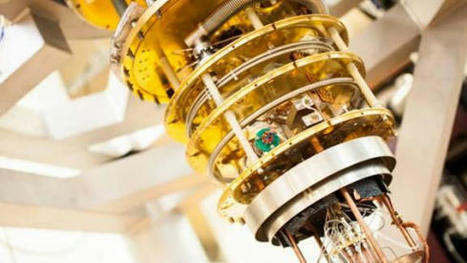
Full-scale quantum computers require the integration of millions of qubits, and the potential of using industrial semiconductor manufacturing to meet this need has driven the development of quantum computing in silicon quantum dots. However, fabrication has so far relied on electron-beam lithography and, with a few exceptions, conventional lift-off processes that suffer from low yield and poor uniformity. Now a group of quantum scientists report quantum dots that are hosted at a 28Si/28SiO2 interface and fabricated in a 300 mm semiconductor manufacturing facility using all-optical lithography and fully industrial processing. With this approach, they were able to achieve nanoscale gate patterns with excellent yield. In the multi-electron regime, the quantum dots allow good tunnel barrier control—a crucial feature for fault-tolerant two-qubit gates. Single-spin qubit operation using magnetic resonance in the few-electron regime reveals relaxation times of over 1 s at 1 T and coherence times of over 3 ms.
|
|
Scooped by
Dr. Stefan Gruenwald
April 17, 2022 12:44 PM
|
Machine learning and neuroscience discover the mathematical system used by the brain to organize visual objects. When Plato set out to define what made a human a human, he settled on two primary characteristics: We do not have feathers, and we are bipedal (walking upright on two legs). Plato's characterization may not encompass all of what identifies a human, but his reduction of an object to its fundamental characteristics provides an example of a technique known as principal component analysis. Now, Caltech researchers have combined tools from machine learning and neuroscience to discover that the brain uses a mathematical system to organize visual objects according to their principal components. The work shows that the brain contains a two-dimensional map of cells representing different objects. The location of each cell in this map is determined by the principal components (or features) of its preferred objects; for example, cells that respond to round, curvy objects like faces and apples are grouped together, while cells that respond to spiky objects like helicopters or chairs form another group. The research was conducted in the laboratory of Doris Tsao (BS '96), professor of biology, director of the Tianqiao and Chrissy Chen Center for Systems Neuroscience and holder of its leadership chair, and Howard Hughes Medical Institute Investigator. A paper describing the study appears in the journal Nature on June 3, 2022. The researchers took the set of thousands of images they had shown primates and passed them through a deep network. They then examined activations of units found in the eight different layers of the deep network. Because there are thousands of units in each layer, it was difficult to discern any patterns to their firing. The lead researcher, Bao, decided to use principal component analysis to determine the fundamental parameters driving activity changes in each layer of the network. In one of the layers, Bao noticed something oddly familiar: one of the principal components was strongly activated by spiky objects, such as spiders and helicopters, and was suppressed by faces. This precisely matched the object preferences of the cells Bao had recorded from earlier in the no man's land network. What could account for this coincidence? One idea was that IT cortex might actually be organized as a map of object space, with x- and y-dimensions determined by the top two principal components computed from the deep network. This idea would predict the existence of face, body, and no man's land regions, since their preferred objects each fall neatly into different quadrants of the object space computed from the deep network. But one quadrant had no known counterpart in the brain: stubby objects, like radios or cups. Bao decided to show primates images of objects belonging to this "missing" quadrant as he monitored the activity of their IT cortexes. Astonishingly, he found a network of cortical regions that did respond only to stubby objects, as predicted by the model. This means the deep network had successfully predicted the existence of a previously unknown set of brain regions. Why was each quadrant represented by a network of multiple regions? Earlier, Tsao's lab had found that different face patches throughout IT cortex encode an increasingly abstract representation of faces. Bao found that the two networks he had discovered showed this same property: cells in more anterior regions of the brain responded to objects across different angles, while cells in more posterior regions responded to objects only at specific angles. This shows that the temporal lobe contains multiple copies of the map of object space, each more abstract than the preceding. Finally, the team was curious how complete the map was. They measured the brain activity from each of the four networks comprising the map as the primates viewed images of objects and then decoded the brain signals to determine what the primates had been looking at. The model was able to accurately reconstruct the images viewed by the primates. "We now know which features are important for object recognition," says Bao. "The similarity between the important features observed in both biological visual systems and deep networks suggests the two systems might share a similar computational mechanism for object recognition. Indeed, this is the first time, to my knowledge, that a deep network has made a prediction about a feature of the brain that was not known before and turned out to be true. I think we are very close to figuring out the how the primate brain solves the object recognition problem." The research paper is titled "A map of object space in primate inferotemporal cortex."
|
|
Scooped by
Dr. Stefan Gruenwald
April 15, 2022 12:56 PM
|
The Sun is nothing special when comparing it with other stars, there are stars that are smaller but there are also stars that have unimaginable sizes. Stephenson 2–18 is arguably the largest star known at this time. It lies 18,900 light-years from the Earth. But remember, light travels 1,080 million kilometers per hour or 9.46 trillion kilometers in a year, yes this star is very far away by our standards. How can we visualize the size of Stephenson 2–18 when comparing it to the Sun? This gigantic star has a diameter that is 2,150 times that of the Sun. The Sun has a diameter of 1,392,680 kilometers, so using a simple sum the diameter of Stephenson 2–18 works out at 2,994,262,000 kilometers. When we use large numbers it becomes difficult for us to comprehend. Replace the Sun with Stephenson 2-18 so it is in the same position in the Solar System, that would be very bad news for all the planets, especially the five closest to the Sun and possibly the sixth planet Saturn, they would all be inside the giant star. In the above image, our sun is only 3 pixels big.
|
|
Scooped by
Dr. Stefan Gruenwald
April 15, 2022 11:56 AM
|
The rates and patterns of somatic mutation in normal tissues are largely unknown outside of humans. Comparative analyses can shed light on the diversity of mutagenesis across species, and on long-standing hypotheses about the evolution of somatic mutation rates and their role in cancer and aging. Scientists now performed whole-genome sequencing of 208 intestinal crypts from 56 individuals to study the landscape of somatic mutation across 16 mammalian species. They found that somatic mutagenesis was dominated by seemingly endogenous mutational processes in all species, including 5-methylcytosine deamination and oxidative damage. With some differences, mutational signatures in other species resembled those described in humans, although the relative contribution of each signature varied across species. Notably, the somatic mutation rate per year varied greatly across species and exhibited a strong inverse relationship with species lifespan, with no other life-history trait studied showing a comparable association. Despite widely different life histories among the species we examined—including variation of around 30-fold in lifespan and around 40,000-fold in body mass—the somatic mutation burden at the end of lifespan varied only by a factor of around 3. These data unveil common mutational processes across mammals, and suggest that somatic mutation rates are evolutionarily constrained and may be a contributing factor in aging.
|
|
Scooped by
Dr. Stefan Gruenwald
April 4, 2022 7:05 PM
|
NASA's Hubble Space Telescope has directly photographed evidence of a Jupiter-like protoplanet forming through what researchers describe as an "intense and violent process." This discovery supports a long-debated theory for how planets like Jupiter form, called "disk instability." Direct images of protoplanets embedded in disks around infant stars provide the key to understanding the formation of gas giant planets such as Jupiter. Using the Subaru Telescope and the Hubble Space Telescope, astronomers just found evidence for a Jovian protoplanet around AB Aurigae orbiting at a wide projected separation (~93 au), probably responsible for multiple planet-induced features in the disk. Its emission is reproducible as reprocessed radiation from an embedded protoplanet. They also identified two structures located at 430–580 au that are candidate sites of planet formation. These data reveal planet formation in the embedded phase and a protoplanet discovery at wide, >50 au separations characteristic of most imaged exoplanets. With at least one clump-like protoplanet and multiple spiral arms, the AB Aur system may also provide the evidence for a long-considered alternative to the canonical model for Jupiter’s formation, namely disk (gravitational) instability.
|
|
Scooped by
Dr. Stefan Gruenwald
April 1, 2022 4:15 PM
|
If we ever encounter intelligent life beyond Earth, the first question we are most likely to ask is “How can we effectively communicate?” As we approach the 50th anniversary of the 1974 Arecibo message — humanity’s first attempt to send out a message capable of being understood by extraterrestrials — the question feels more urgent than ever. Advances in remote sensing technologies have revealed that the vast majority of stars in our galaxy has planets and that many of these exoplanets appear capable of hosting liquid water on their surface—a prerequisite for life as we know it. The odds that at least one of these billions of planets has produced intelligent life seem favorable enough to spend some time figuring out how to say “hello.” In early March 2022 an international team of researchers led by Jonathan Jiang of NASA’s Jet Propulsion Laboratory posted a paper on the preprint server arXiv.org that detailed a new design for a message intended for extraterrestrial recipients (“A Beacon in the Galaxy: Updated Arecibo Message for Potential FAST and SETI Projects,” by Jonathan H. Jiang et al. Preprint posted online March 4, 2022 (CC BY-NC-SA 4.0). The 13-page epistle, referred to as the “Beacon in the Galaxy,” is meant to be a basic introduction to mathematics, chemistry and biology that draws heavily on the design of the Arecibo message and other past attempts at contacting extraterrestrials. The researchers included a detailed plan for the best time of year to broadcast the message and proposed a dense ring of stars near the center of our galaxy as a promising destination. Importantly, the transmission also features a freshly designed return address that will help any alien listeners pinpoint our location in the galaxy so they can—hopefully—kick off an interstellar conversation. “The motivation for the design was to deliver the maximum amount of information about our society and the human species in the minimal amount of message,” Jiang says. “With improvements in digital technology, we can do much better than the [Arecibo message] in 1974.” MESSAGE BASICS Every interstellar message must address two fundamental questions: what to say and how to say it. Nearly all the messages that humans have broadcast into space so far start by establishing common ground with a basic lesson in science and mathematics, two topics that are presumably familiar to both ourselves and extraterrestrials. If a civilization beyond our planet is capable of building a radio telescope to receive our message, it probably knows a thing or two about physics. A far messier question is how to encode these concepts into the communiqué. Human languages are out of the question for obvious reasons, but so are our numeral systems. Though the concept of numbers is nearly universal, the way we depict them as numerals is entirely arbitrary. This is why many attempts, including “Beacon in the Galaxy,” opt to design their letter as a bitmap, a way to use binary code to create a pixelated image. The bitmap design philosophy for interstellar communication stretches back to the Arecibo message. It is a logical approach—the on/off, present/absent nature of a binary seems like it would be recognized by any intelligent species. But the strategy is not without its shortcomings. When pioneering search for extraterrestrial intelligence (SETI) scientist Frank Drake designed a prototype of the Arecibo message, he sent the binary message by post to some colleagues, including several Nobel laureates. None of them were able to understand its contents, and only one figured out that the binary was meant to be a bitmap. If some of the smartest humans struggle to understand this form of encoding a message, it seems unlikely that an extraterrestrial would fare any better. Furthermore, it is not even clear that space aliens will be able to see the images contained within the message if they do receive it. “One of the key ideas is that, because vision has evolved independently many times on Earth, that means aliens will have it, too,” says Douglas Vakoch, president of METI (Messaging Extraterrestrial Intelligence) International, a nonprofit devoted to researching how to communicate with other life-forms. “But that’s a big ‘if,’ and even if they can see, there is so much culture embedded in the way we represent objects. Does that mean we should rule out pictures? Absolutely not. It means we should not naively assume that our representations are going to be intelligible.”
|
|
Scooped by
Dr. Stefan Gruenwald
March 28, 2022 11:24 AM
|
After the Amazon rainforest, the Arctic is the second largest carbon sink in the world, locking approximately 1.5 trillion metric tons of organic carbon—twice as much as Earth’s atmosphere currently holds—under thick layers of frozen soil and ancient plant matter called permafrost. At least for now. The region is warming four times faster than the rest of the planet. As the Arctic heats up, the permafrost thaws, releasing stores of planet-warming carbon and methane gasses in a continuous feedback loop that threatens to turn the Arctic into a net carbon emitter, instead of a carbon sink, locking the planet on a cataclysmic climate trajectory. The problem with the Arctic’s carbon flux, as the exchange of environmental gasses between the land and the atmosphere is called, is that no one knows when, or under what conditions, that tipping point might occur, because scientists still do not have baseline data on how much carbon the region is absorbing or emitting at any given place or time. A better understanding of the carbon flux in the Arctic is one of the most important elements of understanding, and predicting, climate change in the world today, says Natali. “This is one of the largest and most vulnerable carbon pools on the planet. The region is warming faster than anywhere else, and there are still so many unknowns.” Having data from the Russian Arctic “is essential” she says. “We cannot just ignore what is happening with permafrost in Russia. It’s a massive blind spot.” An intensifying conflict in Ukraine, however, could have repercussions in the Arctic that go way beyond the permafrost study. The conflict in Ukraine will have far reaching consequences for climate change and the Arctic.
|
|
Scooped by
Dr. Stefan Gruenwald
March 23, 2022 1:48 PM
|
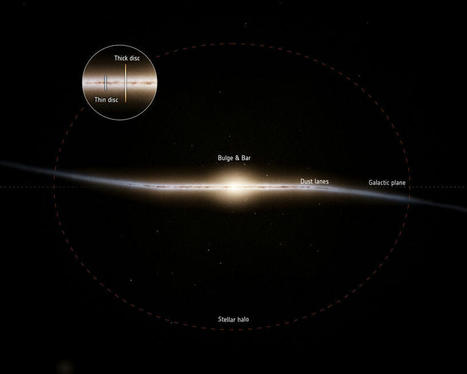
Using data from ESA's Gaia mission, astronomers have shown that a part of the Milky Way known as the 'thick disc' began forming 13 billion years ago, around 2 billion years earlier than expected, and just 0.8 billion years after the Big Bang. This surprising result comes from an analysis performed by Maosheng Xiang and Hans-Walter Rix, from the Max-Planck Institute for Astronomy, Heidelberg, Germany. They took brightness and positional data from Gaia's Early Data Release 3 (EDR3) dataset and combined it with measurements of the stars' chemical compositions, as given by data from China's Large Sky Area Multi-Object Fiber Spectroscopic Telescope (LAMOST) for roughly 250 000 stars to derive their ages. They chose to look at sub giant stars. In these stars, energy has stopped being generated in the star's core and has moved into a shell around the core. The star itself is transforming into a red giant star. Because the sub giant phase is a relatively brief evolutionary phase in a star's life, it permits its age to be determined with great accuracy, but it's still a tricky calculation. How old are the stars? The age of a star is one of the most difficult parameters to determine. It cannot be measured directly but must be inferred by comparing a star's characteristics with computer models of stellar evolution. The compositional data helps with this. The Universe was born with almost exclusively hydrogen and helium. The other chemical elements, known collectively as metals to astronomers, are made inside stars, and exploded back into space at the end of a star's life, where they can be incorporated into the next generation of stars. So, older stars have fewer metals and are said to have lower metallicity. The LAMOST data gives the metallicity. Together, the brightness and metallicity allow astronomers to extract the star's age from the computer models. Before Gaia, astronomers were routinely working with uncertainties of 20-40 percent, which could result in the determined ages being imprecise by a billion years or more. Gaia's EDR3 data release changes this. "With Gaia's brightness data, we are able to determine the age of a sub giant star to a few percent," says Maosheng. Armed with precise ages for a quarter of a million sub giant stars spread throughout the galaxy, Maosheng and Hans-Walter began the analysis.
|
|
Scooped by
Dr. Stefan Gruenwald
March 22, 2022 5:08 PM
|
Daniel Rothman says carbon in the atmosphere may push our seas past a tipping point, triggering a cascading catastrophe for global ecosystems that we do not yet fully understand. Earth’s skin already bears the scars of the climate crisis. Fires ravage forests, hurricanes swamp coastlines, floods drown city blocks and entire species disappear. But beneath the surface layer, in the planet’s rocks, lies evidence of past catastrophes much more severe. Daniel Rothman, a professor of geophysics at Massachusetts Institute of Technology, believes we may be creeping toward a calamity for Earth’s life system as a whole — the planet’s sixth mass extinction event. The staggering amount of carbon humans are pumping into the atmosphere and the oceans may soon cross a threshold that will disorder the planet’s carbon cycle and cause a cascade of disruptions we cannot fully envision, Rothman said. What we do know is that such disruptions in the past have coincided with a series of mass extinctions in the 540 million years since life became abundant on the planet. And while the climate crisis is usually framed in terms of years, decades, or the next century, mass extinctions play out over thousands of years. “Every time there has been a major event in the history of life, there has also been a major perturbation of the environment. These things tend to come together,” he said. These disruptions are associated with the carbon cycle, or the exchange of carbon in the environment, “and we know that by traces that are left in the carbon chemistry of old rocks. The average person doesn’t really think about such long time scales, of course they don’t, but that’s also geology’s gift to the world,” Rothman said.
|
|
Scooped by
Dr. Stefan Gruenwald
March 22, 2022 5:01 PM
|
Researchers at Ulsan National Institute of Science and Technology in South Korea have developed a CRISPR-Cas9-based method to eliminate tumor cells. In this first proof-of-concept study, they confirm the feasibility of using CRISPR-Cas9 to selectively kill cancer cells in various disease models by targeting cancer-specific InDels. Despite recent advances in cancer treatment using drugs that induce DNA damage or boost anti-tumor immune responses, eliminating tumor cells whilst leaving normal cells intact remains a major challenge.bIn a recent proof-of-concept study, researchers from the Institute of Basic Science and Ulsan National Institute of Science and Technology (UNIST), Republic of Korea, developed CINDELA, a new CRISPR-Cas9-based method for selectively inducing DNA damage and cell death in cancer cells. »We developed an innovative CRISPR-Cas9-based approach to target multiple cancer-specific mutations that are accumulated in cancer cells during tumor development,« said Taejoon Kwon, PhD, Associate Professor at UNIST and first author of the study. »Using this method, we can introduce multiple DNA double-strand breaks (DSBs) and induce cell death selectively in cancer cells,« he added. The team’s findings were published in PNAS late last month. Dr Kwon also noted that they validated the ability of CINDELA to selectively eliminate tumor cells in cancer cell lines, patient-derived cancer cells, mouse models, and patient-derived xenografts. This extensive validation makes him confident that the novel approach may open new avenues for personalized cancer treatment. Dr Sandra Rodriguez-Perales, an expert in the use of CRISPR-Cas9 to engineer tumor cells, agrees that there is a clear need for new therapeutic alternatives that can selectively target cancer cells without affecting healthy cells. She is the head of the Molecular Cytogenetics Unit, Spanish National Cancer Centre (CNIO) and did not participate in the study. »This study has advanced a little further along the long road that could lead to the future treatment of different types of tumors,« she said. Role of genomic instability in cancer Most cancer cells exhibit a high degree of genomic instability, which leads to the accumulation of alterations in genes and regulatory regions of the genome in cancer cells. These alterations range from single-nucleotide mutations to large-scale structural rearrangements in chromosomes. Small insertions and deletions (InDels) are genomic alterations that are frequently found in cancer cells but not in neighboring non-malignant cells. Genomic instability is therefore characterized as a hallmark of cancer, and Dr Kwon pointed out that this plays a key role in cancer cell evolution and tumor progression: »Most tumor cells accumulate thousands of InDels, providing an opportunity to selectively eliminate cancer cells by targeting InDels that are present in cancer cells but not in normal cells.«
|
|
Scooped by
Dr. Stefan Gruenwald
March 22, 2022 4:25 PM
|
NASA's new hardware is an integral component of the Mars Sample Return campaign, a historic endeavor that will, for the first time, retrieve and deliver samples of that faraway alien terrain for intensive study in laboratories on Earth. A strategic partnership of NASA and ESA (European Space Agency), Mars Sample Return also will bring us closer to human exploration missions to the Red Planet. Angie Jackman – who has spent more than 35 years leading some of the agency’s most advanced propulsion and engineering projects, state-of-the-art launch vehicle development programs, and complex space science missions – is the Mars Ascent Vehicle project manager. Set to be the first rocket ever to launch from the surface of another planet, the Mars Ascent Vehicle will play a key role in the Mars Sample Return mission, launching into orbit around the Red Planet the samples gathered by the Perseverance rover from the ancient crater floor it’s now exploring. They’ll be transferred there to ESA’s Earth Return Orbiter. Jackman’s team includes structural, thermal, mechanical, systems, and propulsion engineers, as well as analysts and technologists – a diverse team of NASA veterans alongside innovative newcomers – all of them deeply familiar with the vital intersection between flight hardware and scientific progress. “Ask any engineer on the team, and they’ll tell you the science fascinates them,” Jackman said. “Engineers ask, ‘How?’ Scientists ask, ‘Why?’ Ultimately, that deeper imperative drives us all – the pride in helping to advance our collective knowledge, to increase our ability to safely navigate our world, and to better understand our place in the cosmos.” The Marshall team is partnering with Lockheed Martin Space of Littleton, Colorado, which is building the integrated Mars Ascent Vehicle system and designing and developing the rocket’s ground support equipment, and Northrop Grumman Systems Corporation of Elkton, Maryland, which leads development of the ascent vehicle’s propulsion system.
|