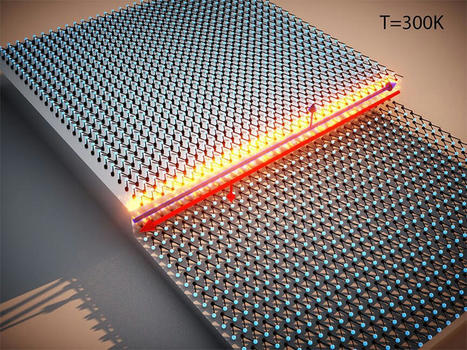
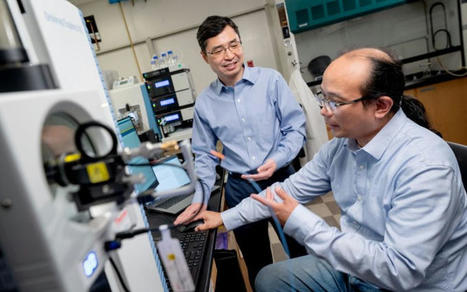
For the first time, physicists have observed novel quantum effects in a topological insulator at room temperature. This breakthrough, published as the cover article of the October issue of Nature Materials, came when Princeton scientists explored a topological material based on the element bismuth.
The scientists have used topological insulators to demonstrate quantum effects for more than a decade, but this experiment is the first time these effects have been observed at room temperature. Typically, inducing and observing quantum states in topological insulators requires temperatures around absolute zero, which is equal to -459 degrees Fahrenheit (or -273 degrees Celsius).
This finding opens up a new range of possibilities for the development of efficient quantum technologies, such as spin-based electronics, which may potentially replace many current electronic systems for higher energy efficiency.
In recent years, the study of topological states of matter has attracted considerable attention among physicists and engineers and is presently the focus of much international interest and research. This area of study combines quantum physics with topology—a branch of theoretical mathematics that explores geometric properties that can be deformed but not intrinsically changed.
"The novel topological properties of matter have emerged as one of the most sought-after treasures in modern physics, both from a fundamental physics point of view and for finding potential applications in next-generation quantum engineering and nanotechnologies," said M. Zahid Hasan, the Eugene Higgins Professor of Physics at Princeton University, who led the research.
Exploring the unknown in space and the atmosphere is at the heart of who we are. The nature of science is to better understand the unknown – but the language of scientists is data. The limited number of high-quality observations of unidentified aerial phenomena, or UAP, currently makes it impossible to draw scientific conclusions about the nature of such events. Without access to an extensive set of data, it is nearly impossible to verify or explain any observation, thus the focus of the study is to inform NASA what possible data could be collected in the future to shed light on UAP. NASA is commissioning the UAP Independent Study Team to examine unidentified aerial phenomena from a scientific perspective – with a focus on how NASA can use data and the tools of science to move our understanding forward.
When will the independent study’s report be released to the public?
The report will be released in mid-2023.
Will this be a National Academies study?
No, this will not be an academy study.
What is the difference between an independent study versus an independent review board?
NASA established the Independent Study as a means to securing the counsel of community experts across diverse areas on matters relevant to potential methods of study for unidentified aerial phenomena (UAP). The UAP Independent Study serves as a community-based, interdisciplinary forum for soliciting and coordinating community analysis and input and providing advice.
This nine-month study does not involve an independent review board. NASA uses independent reviews for early-stage strategic missions to put these important and complex science missions on the path to success.
Can the public and media view the Independent Study Meetings?
NASA expects to hold a full public meeting of the UAP Independent Study Team in late Spring, 2023. The meeting will be broadcast to the public.
What can the public expect to see after the report is released?
A full report will be released to the public in conjunction with NASA’s principles of openness, transparency, and scientific integrity. After the report is released, NASA will hold a public meeting to discuss the study’s findings. NASA is going in with an open mind and we expect to find that explanations will apply to some events and different explanations will apply to others. We will not underestimate what the natural world contains, and we believe there is a lot to learn. Data is the language of scientists, so we are excited to see what the independent study team discovers.
Is NASA conducting this study to support the DoD’s recently established All-Domain Anomaly Resolution Office?
NASA is pursuing this study for the agency’s own science and air safety purposes. However, the results of NASA’s independent study will be publicly available for use. NASA has, additionally, coordinated widely across the government regarding how to apply the tools of science to shed light on the nature and origin of UAP.
How were the independent study team members selected?
Our UAP Independent Study team is made up of some of the world's leading scientists, data and artificial intelligence practitioners, aerospace safety experts, all with a specific charge, which is to tell us how to apply the full focus of science and data to UAP. Each member of the team was appointed in accordance with the Federal Advisory Committee Act, which is the gold standard to ensure independent and objective advice.
Possessing a security clearance was not a requirement as team is only studying unclassified data.
Who will participate in the Independent Study? What will it do?
NASA has selected 16 individuals to participate in its independent study team on unidentified aerial phenomena. They are experts in the scientific, aeronautics, and data analytics communities.. This independent study team is led by astrophysicist David Spergel, who is president of the Simons Foundation in New York City, and previously the chair of the astrophysics department at Princeton University in Princeton, New Jersey. Daniel Evans, the assistant deputy associate administrator for research at NASA’s Science Mission Directorate, serves as the NASA official responsible for orchestrating the study. The study will identify what data – from civilian government entities, commercial data and data from other sources can potentially be analyzed to shed light on unidentified aerial phenomena. It will then recommend a roadmap for potential future NASA unidentified aerial data analysis. The study is planned to take nine months. Afterward, the information will be shared in an independent, unclassified report.
Why is the independent study team 16 members?
NASA brought together leading minds to help bring a scientific perspective to the nature of unidentified aerial phenomena so we can best understand and utilize the data and learn how to apply it to UAP. Data is the language of scientists and NASA wants to ensure a 360-degree understanding from a multitude of perspectives.
Are there any data supporting the idea that UAP are evidence of alien technologies?
No. Most UAP sightings result in very limited data, making it difficult to draw scientific conclusions about the nature of UAP.
Is there a possibility of life beyond Earth? Is NASA involved in the search for extraterrestrial life?
One of NASA’s key priorities is the search for life elsewhere in the universe: NASA has not found any credible evidence of extraterrestrial life and there is no evidence that UAPs are extraterrestrial. However, NASA is exploring the solar system and beyond to help us answer fundamental questions, including whether we are alone in the universe.
What are technosignatures? Does NASA fund technosignature research?
One of NASA’s key priorities is the search for life elsewhere in the universe: NASA has not found any credible evidence of extraterrestrial life, and there is no evidence that UAPs are extraterrestrial. However, NASA is exploring the solar system and beyond to help us answer fundamental questions, including whether we are alone in the universe. Technosignatures are a specific type of biosignature, which is defined as any detectable sign of extant or extinct life. Technosignatures are sign of technology that we can use to infer the existence of an advanced civilization elsewhere in the universe, including large orbiting structures, atmospheric pollution, narrow-band radio signals or pulsed lasers. The term SETI (Search for Extraterrestrial Intelligence) often is used synonymously with the search for technosignatures. NASA efforts include search for biosignatures (signs of biology) and technosignatures (signs of technology), as long as it is space-based, not ground-based, research. Given that a planet might support life for billions of years before intelligent life evolves to create technology that can be spotted from other solar systems – our own planet has only been creating detectable technosignatures for a little over a century, for example – we have a much better chance of finding life by looking at a broad spectrum of biosignatures.
Does NASA have a budget or any associated funding for this UAP study?
The budget for this study is consistent with any of the other external review groups that the Science Mission Directorate convenes each year through its Research Opportunities in Space and Earth Science (ROSES) calls. NASA has not established a program to search for UAP, so there is no associated programmatic funding. For more information on ROSES, visit:
What has NASA funded so far in the search for extraterrestrial life or UAP?
To date, NASA has funded uncountable numbers of exoplanet and biosignatures research missions and grants. We welcome solicitations for, and currently fund a handful of technosignatures science grants. We have funded two “Technoclimes” workshops to develop a research agenda for searching for technosignatures.
NASA does not actively search for UAP. However, through our Earth-observing satellites, NASA collects extensive data about Earth’s atmosphere, often in collaboration with the other space agencies of the world. While these data are not specifically collected to identify UAP or alien technosignatures, they are publicly available, and anyone may use them.
NASA Announces Unidentified Aerial Phenomena Study Team Members
A new Northwestern Medicine study identifies common and rare gene mutations that impact radiation resistance and sensitivity, an important step toward providing more individualized and effective radiotherapy for patients with cancer.
Radiotherapy continues to be delivered using generic schedules and doses, unlike newer targeted drug therapy that are guided by the genomics of an individual’s cancer. “The lack of incorporation of genetic data into radiation treatment is a significant unmet clinical need,” said corresponding author Dr. Mohamed Abazeed, associate professor of Radiation Oncology at Northwestern University Feinberg School of Medicine and a Northwestern Medicine radiation oncologist.
“This information ultimately will allow us to better calibrate the dose of radiation for patients in the clinic,” Abazeed said. “We can give higher doses to more resistant tumors based on their genetic mutations and a lower dose to the more sensitive cancers, allowing us to both improve treatment efficacy and reduce toxicity.
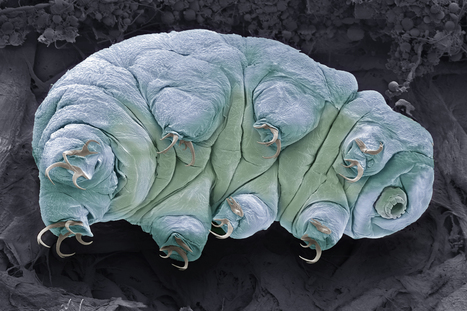
Measuring less than half a millimeter long, tardigrades -- also known as water bears -- can survive being completely dried out; being frozen to just above absolute zero (about minus 458 degrees Fahrenheit, when all molecular motion stops); heated to more than 300 degrees Fahrenheit; irradiated several thousand times beyond what a human could withstand; and even survive the vacuum of outer space.
University of Wyoming researchers have gained further insight into the biological processes that allow microscopic creatures called tardigrades to survive extreme conditions, including being completely dried out in suspended animation for years.
Thomas Boothby, an assistant professor of molecular biology, and colleagues discovered how a sugar called trehalose works with proteins to allow tardigrades to survive a severe lack of water. Their research appears in the journal Communications Biology.
Tardigrades' ability to survive being dried out has puzzled scientists, as they do so in a manner that appears to differ from a number of other organisms with the ability to enter suspended animation. At one time, scientists thought tardigrades did not manufacture trehalose to survive drying up, but Boothby and his team found that they do produce the sugar -- just at lower levels than other organisms.
The researchers also found that, in tardigrades, trehalose works synergistically with another tardigrade-specific protein called CAHS D. Ultimately, Boothby and other researchers hope that their discoveries can be applied to help solve societal and global health issues -- in this case, water scarcity. Their work might lead to better ways of stabilizing pharmaceuticals and generating engineered crops that can cope with harsh environments.
"A long-term goal of this field is to understand better how to confer the adaptation abilities of tardigrades to organisms that do not naturally survive drying," Boothby says. "This study and its findings provide a compelling argument that to do so may require the combination of different, synergistic protectants."
Astrophysicists have performed a powerful new analysis that places the most precise limits yet on the composition and evolution of the universe. With this analysis, dubbed Pantheon+, cosmologists find themselves at a crossroads.
Pantheon+ convincingly finds that the cosmos is composed of about two-thirds dark energy and one-third matter -- mostly in the form of dark matter -- and is expanding at an accelerating pace over the last several billion years. However, Pantheon+ also cements a major disagreement over the pace of that expansion that has yet to be solved.
By putting prevailing modern cosmological theories, known as the Standard Model of Cosmology, on even firmer evidentiary and statistical footing, Pantheon+ further closes the door on alternative frameworks accounting for dark energy and dark matter. Both are bedrocks of the Standard Model of Cosmology but have yet to be directly detected and rank among the model's biggest mysteries. Following through on the results of Pantheon+, researchers can now pursue more precise observational tests and hone explanations for the ostensible cosmos.
"With these Pantheon+ results, we are able to put the most precise constraints on the dynamics and history of the universe to date," says Dillon Brout, an Einstein Fellow at the Center for Astrophysics | Harvard & Smithsonian. "We've combed over the data and can now say with more confidence than ever before how the universe has evolved over the eons and that the current best theories for dark energy and dark matter hold strong."
Brout is the lead author of a series of papers describing the new Pantheon+ analysis, published jointly today in a special issue of The Astrophysical Journal. Pantheon+ is based on the largest dataset of its kind, comprising more than 1,500 stellar explosions called Type Ia supernovae. These bright blasts occur when white dwarf stars -- remnants of stars like our Sun -- accumulate too much mass and undergo a runaway thermonuclear reaction.
Because Type Ia supernovae outshine entire galaxies, the stellar detonations can be glimpsed at distances exceeding 10 billion light years, or back through about three-quarters of the universe's total age. Given that the supernovae blaze with nearly uniform intrinsic brightnesses, scientists can use the explosions' apparent brightness, which diminishes with distance, along with redshift measurements as markers of time and space. That information, in turn, reveals how fast the universe expands during different epochs, which is then used to test theories of the fundamental components of the universe.
Gravitational waves identify what could be a rare one-in-1000 event
Researchers at Cardiff University have identified a peculiar twisting motion in the orbits of two colliding black holes, an exotic phenomenon predicted by Einstein's theory of gravity. Their study, which is published in Nature and led by Professor Mark Hannam, Dr Charlie Hoy and Dr Jonathan Thompson, reports that this is the first time this effect, known as precession, has been seen in black holes, where the twisting is 10 billion times faster than in previous observations.
The binary black hole system was found through gravitational waves in early 2020 in the Advanced LIGO and Virgo detectors. One of the black holes, 40 times bigger than our Sun, is likely the fastest spinning black hole to be found through gravitational waves. And unlike all previous observations, the rapidly revolving black hole distorted space and time so much that the binary's entire orbit wobbled back and forth.
This form of precession is specific to Einstein's theory of general relativity. These results confirm its existence in the most extreme physical event we can observe, the collision of two black holes. "We've always thought that binary black holes can do this," said Professor Mark Hannam of Cardiff University's Gravity Exploration Institute. "We have been hoping to spot an example ever since the first gravitational wave detections. We had to wait for five years and over 80 separate detections, but finally we have one!"
A more down-to-earth example of precession is the wobbling of a spinning top, which may wobble -- or precess -- once every few seconds. By contrast, precession in general relativity is usually such a weak effect that it is imperceptible. In the fastest example previously measured from orbiting neutron stars called binary pulsars, it took over 75 years for the orbit to precess. The black-hole binary in this study, colloquially known as GW200129 (named after the date it was observed, January 29, 2020), precesses several times every second -- an effect 10 billion times stronger than measured previously.
The great inventor Thomas Edison once said, "So long as the sun shines, man will be able to develop power in abundance." His wasn't the first great mind to marvel at the notion of harnessing the power of the sun; for centuries inventors have been pondering and perfecting the way to harvest solar energy. They've done an amazing job with photovoltaic cells which convert sunlight directly into energy. And still, with all the research, history and science behind it, there are limits to how much solar power can be harvested and used -- as its generation is restricted only to the daytime.
A University of Houston professor is continuing the historic quest, reporting on a new type of solar energy harvesting system that breaks the efficiency record of all existing technologies. And no less important, it clears the way to use solar power 24/7. "With our architecture, the solar energy harvesting efficiency can be improved to the thermodynamic limit," reports Bo Zhao, Kalsi Assistant Professor of mechanical engineering and his doctoral student Sina Jafari Ghalekohneh in the journal Physical Review Applied. The thermodynamic limit is the absolute maximum theoretically possible conversion efficiency of sunlight into electricity.
Finding more efficient ways to harness solar energy is critical to transitioning to a carbon-free electric grid. According to a recent study by the U.S. Department of Energy Solar Energy Technologies Office and the National Renewable Energy Laboratory, solar could account for as much as 40% of the nation's electricity supply by 2035 and 45% by 2050, pending aggressive cost reductions, supportive policies and large-scale electrification.
How Does it Work?
Traditional solar thermo-photovoltaics (STPV) rely on an intermediate layer to tailor sunlight for better efficiency. The front side of the intermediate layer (the side facing the sun) is designed to absorb all photons coming from the sun. In this way, solar energy is converted to thermal energy of the intermediate layer and elevates the temperature of the intermediate layer. But the thermodynamic efficiency limit of STPVs, which has long been understood to be the blackbody limit (85.4%), is still far lower than the Landsberg limit (93.3%), the ultimate efficiency limit for solar energy harvesting.
"In this work, we show that the efficiency deficit is caused by the inevitable back emission of the intermediate layer towards the sun resulting from the reciprocity of the system. We propose nonreciprocal STPV systems that utilize an intermediate layer with nonreciprocal radiative properties," said Zhao. "Such a nonreciprocal intermediate layer can substantially suppress its back emission to the sun and funnel more photon flux towards the cell. We show that, with such improvement, the nonreciprocal STPV system can reach the Landsberg limit, and practical STPV systems with single-junction photovoltaic cells can also experience a significant efficiency boost."
A breakthrough in electric vehicle battery design has enabled a 10-minute charge time for a typical EV battery. The record-breaking combination of a shorter charge time and more energy acquired for longer travel range was announced today (Oct. 12, 2022) in Nature.
"The need for smaller, faster-charging batteries is greater than ever," said Chao-Yang Wang, the William E. Diefenderfer Professor of Mechanical Engineering at Penn State and lead author on the study. "There are simply not enough batteries and critical raw materials, especially those produced domestically, to meet anticipated demand."
In August 2022, California's Air Resources Board passed an extensive plan to restrict and ultimately ban the sale of gasoline-powered cars within the state. By 2035, the largest auto market in the United States will effectively retire the internal combustion engine. If new car sales are going to shift to battery-powered electric vehicles (EVs), Wang explained, they'll need to overcome two major drawbacks: they are too slow to recharge and too large to be efficient and affordable. Instead of taking a few minutes at the gas pump, depending on the battery, some EVs can take all day to recharge.
"Our fast-charging technology works for most energy-dense batteries and will open a new possibility to downsize electric vehicle batteries from 150 to 50 kWh without causing drivers to feel range anxiety," said Wang, whose lab partnered with State College-based startup EC Power to develop the technology. "The smaller, faster-charging batteries will dramatically cut down battery cost and usage of critical raw materials such as cobalt, graphite and lithium, enabling mass adoption of affordable electric cars."
The presented technology relies on internal thermal modulation, an active method of temperature control to demand the best performance possible from the battery, Wang explained. Batteries operate most efficiently when they are hot, but not too hot. Keeping batteries consistently at just the right temperature has been major challenge for battery engineers. Historically, they have relied on external, bulky heating and cooling systems to regulate battery temperature, which respond slowly and waste a lot of energy, Wang said.
Wang and his team decided to instead regulate the temperature from inside the battery. The researchers developed a new battery structure that adds an ultra-thin nickel foil as the fourth component besides anode, electrolyte and cathode. Acting as a stimulus, the nickel foil self-regulates the battery's temperature and reactivity which allows for 10-minute fast charging on just about any EV battery, Wang explained. "True fast-charging batteries would have immediate impact," the researchers write. "Since there are not enough raw minerals for every internal combustion engine car to be replaced by a 150 kWh-equipped EV, fast charging is imperative for EVs to go mainstream."
Chirality is one of the most fundamental geometric properties and plays a special role in biology, chemistry and physics. It can cause surprising effects: One version of the carvone molecule, for example, produces a spearmint smell but its chiral -- mirrored -- equivalent smells of caraway. In material science, one distinguishes between crystals in which the periodic arrangement of the atoms is chiral or not. If it is, the electrons and electric currents flowing within it must also differ somehow from their mirror image, a property that can lead to exotic responses and novel applications.
One example is a diode-like effect where the electric currents flowing from left to right are different from those flowing right to left, a property called electronic magneto-chiral anisotropy (eMChA). So far, this phenomenon has only been found in structurally chiral crystals. Now, however, a team of researchers from Germany, Switzerland, and Spain has reported the first observation of this chiral transport in a structurally achiral crystal, the Kagome superconductor CsV3Sb5.
The quantum puzzle is as simple as it is deep: If the atomic positions in the crystal are just the same as in their mirror image, how is it possible that its electrons are not? Clearly a novel mechanism beyond a simple shape effect as in our hands must be at play. Unlike structural chirality, which is as firmly imprinted in a crystal as it is in a human hand, this new electronic chirality can be switched using magnetic fields. Switchable chirality has never before been observed and may well find its application in future technology. It is clear that this unusual behavior is directly linked to the strong electronic interactions. The team proposes a model in which the electrons arrange themselves in patterns that violate mirror symmetry, even though the atoms are arranged symmetrically.
CsV3Sb5 is already known for many such interacting electronic structures, such as the formation of an unconventional chiral charge order featuring a tantalizing charge modulation. These chiral electronic structures may rotate spontaneously, causing an orbital magnetic response associated to a behavior known as 'loop currents', as described by C. Mielke et al., Nature (2022), CsV3Sb5 appears to be a fantastic sandbox to probe correlated quantum phenomena, including the first example of switchable electronic chirality. The next steps include increasing the operational range from cryogenic to room temperature and enhancing the magnitude of this response. Clearly, much more is to come from interacting systems on geometrically frustrated lattices.
Human and mouse neurons in a dish learned to play the video game Pong, researchers report October 12, 2022 in the journal Neuron. The experiments are evidence that even brain cells in a dish can exhibit inherent intelligence, modifying their behavior over time.
"From worms to flies to humans, neurons are the starting block for generalized intelligence," says first author Brett Kagan (@ANeuroExplorer), chief scientific officer at Cortical Labs in Melbourne, Australia. "So, the question was, can we interact with neurons in a way to harness that inherent intelligence?"
To start, the researchers connected the neurons to a computer in such a way where the neurons received feedback on whether their in-game paddle was hitting the ball. They monitored the neuron's activity and responses to this feedback using electric probes that recorded "spikes" on a grid.
The spikes got stronger the more a neuron moved its paddle and hit the ball. When neurons missed, their playstyle was critiqued by a software program created by Cortical Labs. This demonstrated that the neurons could adapt activity to a changing environment, in a goal-oriented way, in real time.
"We chose Pong due to its simplicity and familiarity, but, also, it was one of the first games used in machine learning, so we wanted to recognize that," says Kagan, who worked with collaborators from 10 other institutions on the project.
"An unpredictable stimulus was applied to the cells, and the system as a whole would reorganize its activity to better play the game and to minimize having a random response," he says. "You can also think that just playing the game, hitting the ball and getting predictable stimulation, is inherently creating more predictable environments."
The theory behind this learning is rooted in the free-energy principle. Simply put, the brain adapts to its environment by changing either its world view or its actions to better fit the world around it.
Pong wasn't the only game the research team tested. "You know when the Google Chrome browser crashes and you get that dinosaur that you can make jump over obstacles (Project Bolan). We've done that and we've seen some nice preliminary results, but we still have more work to do building new environments for custom purposes," says Kagan.
Future directions of this work have potential in disease modeling, drug discoveries, and expanding the current understanding of how the brain works and how intelligence arises.
Researchers have identified a promising strategy for development of broad-spectrum antiviral therapies that centers around promoting a strong immune response capable of stopping a number of viruses in their infectious tracks.
Experiments in cell cultures and mice showed that blocking the function of a specific enzyme present in all cells triggers a powerful innate immune response, the body's first line of defense against any foreign invader. When challenged by several types of viruses in the study, this response dramatically lowered replication of viral particles and protected mouse lungs from damage.
There are still several avenues to explore, but the scientists say the finding could help change the approach to developing antiviral medications. "Typically, in antiviral development, the saying is, 'one bug, one drug,'" said Jianrong Li, co-senior author of the study and a professor of virology in The Ohio State University Department of Veterinary Biosciences and Infectious Diseases Institute. "A drug that can stimulate the immune system to have broad antiviral activities would be very attractive -- one drug against multiple bugs would be an ideal situation." The study is published in the journal Proceedings of the National Academy of Sciences.
This discovery was enabled in part by a technique the researchers used to map the precise location of an RNA modification they were studying, and to see which enzyme made the modification. The mapping led them to determine that this enzyme's work happens not in viruses, but in mammal hosts that viruses want to infect.
"If you can detect the modification, then you can study it and target it. But it took a while to figure this out -- in the beginning of the pandemic, a lot of people, including our lab, were studying RNA modifications in hosts and viruses," said co-senior author Chuan He, John T. Wilson Distinguished Service Professor of chemistry, biochemistry and molecular biology at the University of Chicago. "It turns out the key here is not a viral RNA modification, but a host RNA modification, and it triggers a host immune response."
Discarded electronic devices, such as cell phones, are a fast-growing source of waste. One way to mitigate the problem could be to use components that are made with renewable resources and that are easy to dispose of responsibly. Now, researchers reporting in ACS Applied Materials & Interfaces have created a prototype circuit board that is made of a sheet paper with fully integrated electrical components, and that can be burned or left to degrade.
Most small electronic devices contain circuit boards that are made from glass fibers, resins and metal wiring. These boards are not easy to recycle and are relatively bulky, making them undesirable for use in point-of-care medical devices, environmental monitors or personal wearable devices. One alternative is to use paper-based circuit boards, which should be easier to dispose of, less expensive and more flexible. However, current options require specialized paper, or they simply have traditional metal circuitry components mounted onto a sheet of paper. Instead, Choi and colleagues wanted to develop circuitry that would be simple to manufacture and that had all the electronic components fully integrated into the sheet.
The team designed a paper-based amplifier-type circuit that incorporated resistors, capacitors and a transistor. They first used wax to print channels onto a sheet of paper in a simple pattern. After melting the wax so that it soaked into the paper, the team printed semi-conductive and conductive inks, which soaked into the areas not blocked by wax. Then, the researchers screen-printed additional conductive metal components and casted a gel-based electrolyte onto the sheet.
Tests confirmed that the resistor, capacitor and transistor designs performed properly. The final circuit was very flexible and thin, just like paper, even after adding the components. To demonstrate the degradability of the circuit, the team showed that the entire unit quickly burned to ash after being lit on fire. The researchers say this represents a step toward producing completely disposable electronic devices.
The largest known plant on Earth - a seagrass roughly three times the size of Manhattan - has been discovered off the coast of Australia. Using genetic testing, scientists have determined a large underwater meadow in Western Australia is in fact one plant. It is believed to have spread from a single seed over at least 4,500 years.
The seagrass covers about 200 sq km (77 sq miles), researchers from the University of Western Australia said. The team stumbled upon the discovery by accident at Shark Bay, about 800km (497 miles) north of Perth. They had set out to understand the genetic diversity of the species - also known as ribbon weed - which is commonly found along parts of Australia's coast.
Researchers collected shoots from across the bay and examined 18,000 genetic markers to create a "fingerprint" from each sample. They had aimed to discover how many plants made up the meadow. "The answer blew us away - there was just one!" said Jane Edgeloe, the study's lead author. "That's it, just one plant has expanded over 180km in Shark Bay, making it the largest known plant on Earth."
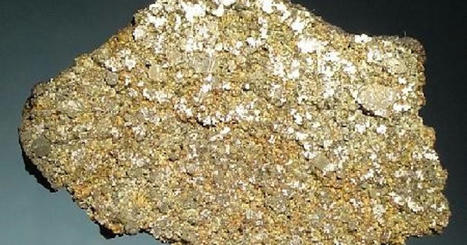
In a recent study, researchers from Cambridge investigated a promising alternative called tetrataenite. This mineral is an alloy of iron and nickel arranged in a stacked crystalline structure, which gives it magnetic properties similar to those of rare earth magnets. The advantage of course is that iron and nickel are much easier to come by.
The problem is, tetrataenite is tricky to find – it mostly shows up in meteorite samples, where it’s thought to have taken millions of years to form. Previous attempts to produce it artificially in the lab have shown some success, but the techniques aren’t scalable.
On closer inspection of meteorite samples of tetrataenite, the team found that phosphorus was in the mix, helping to speed up the arrangement of the iron and nickel atoms into the stack structure. So, they mixed iron, nickel and phosphorus together in specific quantities, and found that tetrataenite formed up to 15 orders of magnitude faster – essentially, in seconds.
“What was so astonishing was that no special treatment was needed: we just melted the alloy, poured it into a mold, and we had tetrataenite,” said Greer. “The previous view in the field was that you couldn’t get tetrataenite unless you did something extreme, because otherwise, you’d have to wait millions of years for it to form. This result represents a total change in how we think about this material.”
The team says this discovery could lead to a viable alternative to rare-earth magnets – although more work will be required to check whether tetrataenite created this way will work in these magnets.
Large language models are increasingly attracting interest from writers and artists. However, such models lack long-range semantic coherence, limiting their usefulness for longform creative writing. Deepmind now addresses this limitation by applying language models hierarchically, in a system they call Dramatron. By building structural context via prompt chaining, Dramatron can generate coherent scripts and screenplays complete with title, characters, story beats, location descriptions, and dialogue.
In a recent paper they illustrate Dramatron's usefulness as an interactive co-creative system with a user study of 15 theatre and film industry professionals. Participants co-wrote theatre scripts and screenplays with Dramatron and engaged in open-ended interviews. They report critical reflections both from our interviewees and from independent reviewers who watched stagings of the works to illustrate how both Dramatron and hierarchical text generation could be useful for human-machine co-creativity. Finally, Deepmind discusses the suitability of Dramatron for co-creativity, ethical considerations -- including plagiarism and bias -- and participatory models for the design and deployment of such tools.
Methane traps 30 times more heat than carbon dioxide and is estimated to account for about 30 percent of human-driven global warming. The gas is emitted naturally through geological processes and by methane-generating archaea; however, industrial processes are releasing stored methane back into the atmosphere in worrying quantities.
Last year, a team led by Jill Banfield discovered DNA structures within a methane-consuming microbe called Methanoperedens that appear to supercharge the organism’s metabolic rate. They named the genetic elements “Borgs” because the DNA within them contains genes assimilated from many organisms. In a study published today in Nature, the researchers describe the curious collection of genes within Borgs and begin to investigate the role these DNA packages play in environmental processes, such as carbon cycling.
Methanoperedens are a type of archaea (unicellular organisms that resemble bacteria but represent a distinct branch of life) that break down methane (CH4) in soils, groundwater, and the atmosphere to support cellular metabolism. Methanoperedens and other methane-consuming microbes live in diverse ecosystems around the world but are believed to be less common than microbes that use photosynthesis, oxygen, or fermentation for energy. Yet they play an outsized role in Earth system processes by removing methane – the most potent greenhouse gas – from the atmosphere.
Banfield, a faculty scientist at Lawrence Berkeley National Laboratory (Berkeley Lab) and professor of Earth & Planetary Science and Environmental Science, Policy & Management at UC Berkeley, studies how microbial activities shape large-scale environmental processes and how, in turn, environmental fluctuations alter the planet’s microbiomes. As part of this work, she and her colleagues regularly sample microbes in different habitats to see what interesting genes microbes are using for survival, and how these genes might affect global cycles of key elements, such as carbon, nitrogen, and sulfur. The team looks at the genomes within cells as well as the portable packets of DNA known as extra-chromosomal elements (ECEs) that transfer genes between bacteria, archaea, and viruses. These elements allow microbes to quickly gain beneficial genes from their neighbors, including those that are only distantly related.
While studying Methanoperedens sampled from seasonal wetland pool soil in California, the scientists found evidence of an entirely new type of ECE. Unlike the circular strands of DNA that make up most plasmids, the most well-known type of extra-chromosomal element, the new ECEs are linear and very long – up to one-third the length of the entire Methanoperedens genome. After analyzing additional samples from underground soil, aquifers, and riverbeds in California and Colorado that contain methane-consuming archaea, the team uncovered a total of 19 distinct ECEs they dubbed Borgs. Using advanced genome analysis tools, the scientists determined that many of the sequences within the Borgs are similar to the methane-metabolizing genes within the actual Methanoperedens genome. Some of the Borgs even encode all the necessary cellular machinery to eat methane on their own, so long as they are inside a cell that can express the genes.
An Earth-like planet orbiting an M dwarf -- the most common type of star in the universe -- appears to have no atmosphere at all. This discovery could cause a major shift in the search for life on other planets. Because M-dwarfs are so ubiquitous, this discovery means a large number of planets orbiting these stars may also lack atmospheres and therefore are unlikely to harbor living things. The work that led to the revelations about the no-atmosphere planet, named GJ 1252b, are detailed in the Astrophysical Journal Letters.
This planet orbits its star twice during the course of a single day on Earth. It is slightly larger than Earth, and it is much closer to its star than Earth is to the sun, making GJ 1252b intensely hot as well as inhospitable. "The pressure from the star's radiation is immense, enough to blow a planet's atmosphere away," said Michelle Hill, UC Riverside astrophysicist and study co-author.
Earth also loses some of its atmosphere over time because of the sun, but volcanic emissions and other carbon cycling processes make the loss barely noticeable by helping replenish what is lost. However, in greater proximity to a star, a planet cannot keep replenishing the amount being lost. In our solar system, this is the fate of Mercury. It does have an atmosphere, but one that is extremely thin, made up of atoms blasted off its surface by the sun. The extreme heat of the planet causes these atoms to escape into space.
To determine that GJ 1252b lacks an atmosphere, astronomers measured infrared radiation from the planet as its light was obscured during a secondary eclipse. This type of eclipse occurs when a planet passes behind a star and the planet's light, as well as light reflected from its star, is blocked. The radiation revealed the planet's scorching daytime temperatures, estimated to reach 2,242 degrees Fahrenheit -- so hot that gold, silver, and copper would all melt on the planet. The heat, coupled with assumed low surface pressure, led the researchers to believe there's no atmosphere.
Even with a tremendous amount of carbon dioxide, which traps heat, the researchers concluded GJ 1252b would still not be able to hold on to an atmosphere. "The planet could have 700 times more carbon than Earth has, and it still wouldn't have an atmosphere. It would build up initially, but then taper off and erode away," said Stephen Kane, UCR astrophysicist and study co-author.
A guy with no background in film or artificial intelligence is working on making an entire movie — in a provocative attempt to demonstrate that generative AI art models can open ambitious levels of filmmaking to the masses. German tech entrepreneur Fabian Stelzer told PC Magazine that his 70s-style sci-fi film “Salt” will feature all artificial voices except his own, and that generative models will also create the film’s footage and sound effects, too.
From what Stelzer’s been posting to Twitter, the film appears to be about space travelers who encounter a planet with an overgrowth of bizarre salt — but beyond that basic premise, the neuroscientist is allowing his Twitter followers to determine which specific directions the film will go in a sort of “Choose Your Own Adventure” style for the AI age. “I definitely want to have a ‘Director's Cut’ at some point, or a ‘Community's Cut,’ but the real goal is to transcend the medium of film into something new,” he said. “Like enable everyone in the community to eventually use a model that lets them write their own scenes.”
Brave New World
That transcendence mentality clearly plays out in Stelzer’s larger ethos surrounding AI and film, too. “We're on the verge of a new era, really,” Stelzer told PCMag. “To me this is as big as the invention of photography, and to be honest maybe as big as the invention of writing.” Using programs like DALL-E 2, Stable Diffusion and Midjourney, he’s generating the film’s imagery and audio by entering minute text descriptions of what he wants, which include everything from the graininess of the “camera” stock to a VHS distortion effect. “All big things start as experiments,” Stelzer told PCMag, and given how audacious his project is, it’s hard to not see the beauty in his.
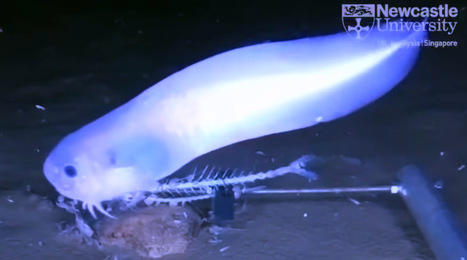
A new small blue snailfish is changing our understanding of the world's deepest fishes.
In 2018, an international team of scientists studied the Atacama Trench, an expansive trench that runs along the west coast of South America as a deep underwater valley that mirrors the Andes Mountains. The team, including Newcastle University scientists, deployed free-falling landers to sample the sparse deep-sea creatures around cameras and traps with bait. Two lander systems from Newcastle University recorded three types of hadal snailfish and one of them was not like the others.
The small blue fish, seen from about 6,000 to 7,600 m deep, doesn't look like other hadal snailfish. With large eyes and striking color, it resembles other species of snailfishes that are found living in much shallower waters. The team used a 3D x-ray technique called micro-computed tomography (micro-CT) and DNA barcoding to see where the new species fit within the snailfish family. To the team's surprise, the new species appears to be a separate colonizer of the Atacama Trench. The new species belongs is a member of the genus Paraliparis. Species in this genus are particularly abundant in the Southern Ocean of the Antarctic and are rarely found deeper than 2,000 m. Significantly, this is the first time this genus has been found living in the hadal zone.
The team named the new species Paraliparis selti, meaning blue in the Kunza language of the indigenous peoples of the Atacama Desert. The description is published in the journal Marine Biodiversity. Study lead author, Dr Thom Linley, a visiting researcher at Newcastle University said: "I find this family of fishes absolutely fascinating. They are not at all what we expect from a deep-sea fish and I love to show people that the world's deepest fishes are actually pretty cute.
"For me to get a camera down to where these animals live, it's made of inches thick stainless steel and sapphire glass. It then films these delicate and beautiful animals perfectly adapted to this extreme environment. With engineering-built force we can only clumsily visit these animals for a short time. We have been wondering for some time just what makes this type of fish so good at living deep. Maybe it was a series of lucky accidents, a chance fluke, that happened in one lineage. Finding this new species tells us that it's bigger than that. Lightning struck twice and there is something special about this Family. Paraliparis selti provides a fantastic opportunity to explore what allows fish to live so deep. If we only had a single lineage to study, we could never be sure which traits were just part of that lineage and which are the deep-sea secret sauce."
In October 2018, a small star was ripped to shreds when it wandered too close to a black hole in a galaxy located 665 million light years away from Earth. Though it may sound thrilling, the event did not come as a surprise to astronomers who occasionally witness these violent incidents while scanning the night sky. But nearly three years after the massacre, the same black hole is lighting up the skies again -- and it hasn't swallowed anything new, scientists say.
"This caught us completely by surprise -- no one has ever seen anything like this before," says Yvette Cendes, a research associate at the Center for Astrophysics | Harvard & Smithsonian (CfA) and lead author of a new study analyzing the phenomenon. The team concludes that the black hole is now ejecting material traveling at half of the speed of light, but are unsure why the outflow was delayed by several years. The results, described this week in the Astrophysical Journal, may help scientists better understand black holes' feeding behavior, which Cendes likens to "burping" after a meal.
The team spotted the unusual outburst while revisiting tidal disruption events (TDEs) -- when encroaching stars are spaghettified by black holes -- that occurred over the last several years. Radio data from the Very Large Array (VLA) in New Mexico showed that the black hole had mysteriously reanimated in June 2021. Cendes and the team rushed to examine the event more closely. "We applied for Director's Discretionary Time on multiple telescopes, which is when you find something so unexpected, you can't wait for the normal cycle of telescope proposals to observe it," Cendes explains. "All the applications were immediately accepted."
The team collected observations of the TDE, dubbed AT2018hyz, in multiple wavelengths of light using the VLA, the ALMA Observatory in Chile, MeerKAT in South Africa, the Australian Telescope Compact Array in Australia, and the Chandra X-Ray Observatory and the Neil Gehrels Swift Observatory in space.
Radio observations of the TDE proved the most striking. "We have been studying TDEs with radio telescopes for more than a decade, and we sometimes find they shine in radio waves as they spew out material while the star is first being consumed by the black hole," says Edo Berger, professor of astronomy at Harvard University and the CfA, and co-author on the new study. "But in AT2018hyz there was radio silence for the first three years, and now it's dramatically lit up to become one of the most radio luminous TDEs ever observed."
A new technique enables on-device training of machine-learning models on edge devices like microcontrollers, which have very limited memory. This could allow edge devices to continually learn from new data, eliminating data privacy issues, while enabling user customization.
Microcontrollers, miniature computers that can run simple commands, are the basis for billions of connected devices, from internet-of-things (IoT) devices to sensors in automobiles. But cheap, low-power microcontrollers have extremely limited memory and no operating system, making it challenging to train artificial intelligence models on "edge devices" that work independently from central computing resources.
Training a machine-learning model on an intelligent edge device allows it to adapt to new data and make better predictions. For instance, training a model on a smart keyboard could enable the keyboard to continually learn from the user's writing. However, the training process requires so much memory that it is typically done using powerful computers at a data center, before the model is deployed on a device. This is more costly and raises privacy issues since user data must be sent to a central server.
To address this problem, researchers at MIT and the MIT-IBM Watson AI Lab developed a new technique that enables on-device training using less than a quarter of a megabyte of memory. Other training solutions designed for connected devices can use more than 500 megabytes of memory, greatly exceeding the 256-kilobyte capacity of most microcontrollers (there are 1,024 kilobytes in one megabyte).
The intelligent algorithms and framework the researchers developed reduce the amount of computation required to train a model, which makes the process faster and more memory efficient. Their technique can be used to train a machine-learning model on a microcontroller in a matter of minutes. This technique also preserves privacy by keeping data on the device, which could be especially beneficial when data are sensitive, such as in medical applications. It also could enable customization of a model based on the needs of users. Moreover, the framework preserves or improves the accuracy of the model when compared to other training approaches.
"Our study enables IoT devices to not only perform inference but also continuously update the AI models to newly collected data, paving the way for lifelong on-device learning. The low resource utilization makes deep learning more accessible and can have a broader reach, especially for low-power edge devices," says Song Han, an associate professor in the Department of Electrical Engineering and Computer Science (EECS), a member of the MIT-IBM Watson AI Lab, and senior author of the paper describing this innovation.
St. Jude scientists studied the role of RNA splicing defects in Alzheimer’s disease, revealing degeneration and toxicity caused by neuron hyperexcitability.
Researchers have puzzled over the neurodegenerative disorder Alzheimer's disease for decades, but treatments to stop or reverse the disease's effects on the brain have remained elusive. Scientists at St. Jude Children's Research Hospital recently added an important piece to the puzzle by creating a mouse model that more closely resembles the disease in humans than previous models. The findings appeared today in Nature Aging.
The researchers used their new model to discover how defects in RNA splicing contribute to neurodegeneration in Alzheimer's disease. RNA splicing is a process that removes non-coding genetic sequences and joins protein-coding sequences together. "RNA splicing is an essential step between transcription and translation," said corresponding author Junmin Peng, Ph.D., St. Jude Departments of Structural Biology and Developmental Neurobiology and the Center for Proteomics and Metabolomics, who led the research. "It is particularly important in the brain because we know the brain has more cellular diversity than any other organs in the body and splicing is believed to be an important process for generating protein diversity."
Previous work by Peng and others revealed that a specific component of the RNA splicing machinery, called the U1 small nuclear ribonucleoprotein (snRNP), creates aggregates in the brains of individuals with Alzheimer's. The U1 snRNP complex is essential in RNA splicing. Now, Peng and his team have demonstrated that the dysfunction of the U1 snRNP contributes to neurodegeneration, opening new avenues of research for Alzheimer's treatment. The study found that RNA splicing dysfunction due to U1 snRNP pathology helps cause neurodegeneration. "Our previous work showed that the U1 snRNP is a type of aggregate in the brain that forms tangle-like structures -- but that is just descriptive, we didn't understand the mechanisms that link this pathology to the disease phenotype until now," Peng said.
What makes the human brain distinct from that of all other animals -- including even our closest primate relatives? In an analysis of cell types in the prefrontal cortex of four primate species, Yale researchers identified species-specific -- particularly human-specific -- features, they report Aug. 25, 2022 in the journal Science. And they found that what makes us human may also makes us susceptible to neuropsychiatric diseases.
For the study, the researchers looked specifically at the dorsolateral prefrontal cortex (dlPFC), a brain region that is unique to primates and essential for higher-order cognition. Using a single cell RNA-sequencing technique, they profiled expression levels of genes in hundreds of thousands of cells collected from the dlPFC of adult humans, chimpanzees, macaque, and marmoset monkeys.
"Today, we view the dorsolateral prefrontal cortex as the core component of human identity, but still we don't know what makes this unique in humans and distinguishes us from other primate species." said Nenad Sestan, the Harvey and Kate Cushing Professor of Neuroscience at Yale, professor of comparative medicine, of genetics. and of psychiatry, and the lead senior author of the paper. "Now we have more clues."
To answer this, the researchers first asked whether there are there any cell types uniquely present in humans or other analyzed non-human primate species. After grouping cells with similar expression profiles they revealed 109 shared primate cell types but also five that were not common to all species. These included a type of microglia, or brain-specific immune cell, that was present only in humans and a second type shared by only humans and chimpanzees.
The human-specific microglia type exists throughout development and adulthood, the researchers found, suggesting the cells play a role in maintenance of the brain upkeep rather than combatting disease. "We humans live in a very different environment with a unique lifestyle compared to other primate species; and glia cells, including microglia, are very sensitive to these differences," Sestan said. "The type of microglia found in the human brain might represent an immune response to the environment."
An analysis of gene expression in the microglia revealed another human-specific surprise -- the presence of the gene FOXP2. This discovery raised great interest because variants of FOXP2 have been linked to verbal dyspraxia, a condition in which patients have difficulty producing language or speech. Other studies have also shown that FOXP2 is associated with other neuropsychiatric diseases, such as autism, schizophrenia, and epilepsy.
Billions of years ago, a version of our Earth that looks very different than the one we live on today was hit by an object about the size of Mars, called Theia -- and out of that collision the Moon was formed. How exactly that formation occurred is a scientific puzzle researchers have studied for decades, without a conclusive answer.
Most theories claim the Moon formed out of the debris of this collision, coalescing in orbit over months or years. A new simulation puts forth a different theory -- the Moon may have formed immediately, in a matter of hours, when material from the Earth and Theia was launched directly into orbit after the impact.
"This opens up a whole new range of possible starting places for the Moon's evolution," said Jacob Kegerreis, a postdoctoral researcher at NASA's Ames Research Center in California's Silicon Valley, and lead author of the paper on these results published in The Astrophysical Journal Letters. "We went into this project not knowing exactly what the outcomes of these high-resolution simulations would be. So, on top of the big eye-opener that standard resolutions can give you misleading answers, it was extra exciting that the new results could include a tantalisingly Moon-like satellite in orbit."
The simulations used in this research are some of the most detailed of their kind, operating at the highest resolution of any simulation run to study the Moon's origins or other giant impacts. This extra computational power showed that lower-resolution simulations can miss out on important aspects of these kinds of collisions, allowing researchers to see new behaviors emerge in a way previous studies just couldn't see.
An odor machine, so-called olfactometer, makes it possible to smell in VR environments. First up is a "wine tasting game" where the user smells wine in a virtual wine cellar and gets points if the guess on aromas in each wine is correct. The new technology that can be printed on 3D printers has been developed in collaboration between Stockholm University and Malmö University. The research, funded by the Marianne and Marcus Wallenberg Foundation, was recently published in the International Journal of Human -- Computer Studies.
"We hope that the new technical possibilities will lead to scents having a more important role in game development, says Jonas Olofsson, professor of psychology and leader of the research project at Stockholm University.
In the past, computer games have focused mostly on what we can see -- moving images on screens. Other senses have not been present. But an interdisciplinary research group at Stockholm University and Malmö University has now constructed a scent machine that can be controlled by a gaming computer. In the game, the participant moves in a virtual wine cellar, picking up virtual wine glasses containing different types of wine, guessing the aromas. The small scent machine is attached to the VR system's controller, and when the player lifts the glass, it releases a scent.
"The possibility to move on from a passive to a more active sense of smell in the game world paves the way for the development of completely new smell-based game mechanics based on the players' movements and judgments," says Simon Niedenthal, interaction and game researcher at Malmö University.
To get content containing either thought or leadership enter:
To get content containing both thought and leadership enter:
To get content containing the expression thought leadership enter:
You can enter several keywords and you can refine them whenever you want. Our suggestion engine uses more signals but entering a few keywords here will rapidly give you great content to curate.


 Your new post is loading...