Your new post is loading...

|
Scooped by
Dr. Stefan Gruenwald
August 8, 2016 4:08 PM
|
We learn a lot about objects by manipulating them: poking, pushing, prodding, and then seeing how they react. We obviously can’t do that with videos — just try touching that cat video on your phone and see what happens. But is it crazy to think that we could take that video and simulate how the cat moves, without ever interacting with the real one? Researchers from MIT’s Computer Science and Artificial Intelligence Laboratory (CSAIL) have recently done just that, developing an imaging technique called Interactive Dynamic Video (IDV) that lets you reach in and “touch” objects in videos. Using traditional cameras and algorithms, IDV looks at the tiny, almost invisible vibrations of an object to create video simulations that users can virtually interact with.
|
|
Scooped by
Dr. Stefan Gruenwald
August 8, 2016 1:50 PM
|
MIT researchers with DARPA funding have developed a portable device for manufacturing a range of biopharmaceuticals on demand, virtually anywhere. For medics on the battlefield and doctors in remote or developing parts of the world, getting rapid access to the drugs needed to treat patients can be challenging. That’s because biopharmaceutical drugs, which are used in a wide range of therapies including vaccines and treatments for diabetes and cancer, are currently produced in large, centralized fermentation plants. Then they must be transported to the treatment site, which can be expensive, time-consuming, and difficult to execute in areas with poor supply chains. In an open-access paper published Friday July 29 in the journal Nature Communications, the researchers demonstrate that the system can be used to produce a single dose of treatment from a compact device containing just a small droplet of cells in a liquid. The system could ultimately be carried onto the battlefield and used to produce treatments at the point of care. It could also be used to manufacture a vaccine to prevent a disease outbreak in a remote village, according to senior author Tim Lu, an associate professor of biological engineering and electrical engineering and computer science, and head of the Synthetic Biology Group at MIT’s Research Laboratory of Electronics. “Imagine you were on Mars or in a remote desert, without access to a full formulary; you could program the yeast to produce drugs on demand locally,” Lu says.
|
|
Scooped by
Dr. Stefan Gruenwald
August 8, 2016 1:45 PM
|
Prototype wireless battery-less neural dust mote (3 x 1 x 1 millimeters) with electrodes attached to a nerve fiber in a rat. University of California, Berkeley engineers have designed and built millimeter-scale device wireless, battery-less “neural dust” sensors and implanted them in muscles and peripheral nerves of rats to make in vivo electrophysiological recordings. The new technology opens the door to “electroceuticals” — bioelectronic methods to monitor and record wireless electromyogram (EMG) signals from muscle membranes and electroneurogram (ENG) signals from local neuron electrical activity, and to stimulate the immune system, reduce inflammation, and treat disorders such as epilepsy. The technology could also improve neural control of prosthetics (allowing a paraplegic to control a computer or a robotic arm, for example) by stimulating nerves and muscles directly, instead of requiring implanted wires. The neural-dust sensors use ultrasound technology to both power the sensors and read out measurements. Ultrasound is already well-developed for hospital use and can penetrate nearly anywhere in the body, unlike radio waves. The researchers reported their findings August 3 in an open-access paper in the journal Neuron.
|
|
Scooped by
Dr. Stefan Gruenwald
August 8, 2016 1:28 PM
|
The National Institutes of Health (NIH) today announced that the agency soon expects to lift a moratorium on funding for controversial experiments that add human stem cells to animal embryos, creating an organism that is part animal, part human. Instead, these so-called chimera studies will undergo an extra layer of ethical review but may ultimately be allowed to proceed. Although scientists who support such research welcomed the move, some were left trying to parse exactly what the draft policy will mean. It is “a step in the right direction,” says Sean Wu, a stem cell researcher at Stanford University in Palo Alto, California, who co-authored a letter to Science last year opposing the moratorium. But "we still don’t know what the outcome will be case by case,” he adds. However, some see the proposal as opening up research in some areas that had been potentially off-limits. At issue are experiments in which scientists introduce human pluripotent stem cells—cells that can potentially turn into any kind of tissue—into very early embryos of mice and other animals and then let the animals develop. Such experiments can be used to study human development, generate disease models, and potentially grow human organs for transplantation. But the idea of such human-animal chimeras has drawn public concern, and some scientists and ethicists worry that the experiments could produce, say, a supersmart mouse. Last September, NIH abruptly announced it was suspending funding for studies that introduce human stem cells into animal embryos while the agency considered the ethical issues. Although NIH wasn’t yet funding such research, the pause put on hold future federal support for studies by researchers who want to create pig-human or sheep-human chimeras to generate organs for transplantation. NIH then held a workshop last November to gather input, where the general consensus was that these studies are scientifically valuable. According to two notices released today, NIH is proposing to replace the moratorium with a new agency review process for certain chimera experiments. One type involves adding human stem cells to nonhuman vertebrate embryos through the gastrulation stage, when an embryo develops three distinct layers of cells that then give rise to different tissues and organs. The other category is studies that introduce human cells into the brains of post-gastrulation mammals (except rodent studies, which won’t need an extra review).
|
|
Scooped by
Dr. Stefan Gruenwald
August 8, 2016 1:22 PM
|
Nasa's Kepler telescope has been busy in the hunt for alien life, finding over 4,000 new planets outside our solar system over the past three years.
Now a team of astronomers has narrowed down this list to those with the most potential to have liquid water, or even life.
They pinpointed 20 out of the 4,000 that are most likely to be like our own, and are starting to look more closely at these candidates.
|
|
Scooped by
Dr. Stefan Gruenwald
August 8, 2016 1:14 PM
|
New research suggests that it is possible to create a new form of light by binding light to a single electron, combining the properties of both. According to the scientists behind the study, from Imperial College London, the coupled light and electron would have properties that could lead to circuits that work with packages of light – photons – instead of electrons. It would also allow researchers to study quantum physical phenomena, which govern particles smaller than atoms, on a visible scale. In normal materials, light interacts with a whole host of electrons present on the surface and within the material. But by using theoretical physics to model the behavior of light and a recently-discovered class of materials known as topological insulators, Imperial researchers have found that it could interact with just one electron on the surface. This would create a coupling that merges some of the properties of the light and the electron. Normally, light travels in a straight line, but when bound to the electron it would instead follow its path, tracing the surface of the material. In the study, published today in Nature Communications, Dr Vincenzo Giannini and colleagues modeled this interaction around a nanoparticle – a small sphere below 0.00000001 meters in diameter – made of a topological insulator. Their models showed that as well as the light taking the property of the electron and circulating the particle, the electron would also take on some of the properties of the light. Normally, as electrons are traveling along materials, such as electrical circuits, they will stop when faced with a defect. However, Dr Giannini's team discovered that even if there were imperfections in the surface of the nanoparticle, the electron would still be able to travel onwards with the aid of the light. If this could be adapted into photonic circuits, they would be more robust and less vulnerable to disruption and physical imperfections.
|
|
Scooped by
Dr. Stefan Gruenwald
August 7, 2016 3:16 PM
|
Jupiter's volcanic moon Io boasts an atmosphere made from sulfur dioxide gas — when the satellite is in straight sunlight. For the first time, researchers have observed the atmosphere during the moon's daily pass through Jupiter's shadow, watching that the atmosphere temporarily freezes and collapses.
|
|
Scooped by
Dr. Stefan Gruenwald
August 7, 2016 3:11 PM
|
Many lower organisms retain the miraculous ability to regenerate form and function of almost any tissue after injury. Humans share many of our genes with these organisms, but our capacity for regeneration is limited. Researchers identify a genetic signature for limb regeneration in three different species with three different types of appendages which suggests a common genetic instruction manual governing regeneration that may be shared by all forms of animal life, including humans.
|
|
Scooped by
Dr. Stefan Gruenwald
August 7, 2016 3:08 PM
|
Here’s the scene: a suspicious package is found in a public place. The police are called in and clear the area. Forced to work from a distance and unable to peer inside, they fear the worst and decide to detonate the package. New research at the University of Rochester might help authorities in the not-too-distant future be better informed in tackling such situations and do so more safely. Working with a special type of electromagnetic wave—called terahertz (THz)—that’s capable of sensing and/or imaging objects behind barriers, the team demonstrated that they can detect a THz wave at a distance of up to 100 feet. The THz wave created by the researchers is more than five times stronger than what is generated by more conventional means, leading them to believe that a THz wave—and the image of a hidden object—can be detected at much greater distances in the future. The research project was led by Kang Liu, a PhD student in optics, and Xi-Cheng Zhang, the M. Parker Givens Professor of Optics and the director of the Institute of Optics, in collaboration with a group from Greece led by Tzortzakis Stelios. The results have been published in the journal Optica. “The use of an unconventional laser beam in our project goes beyond a scientific curiosity,” said Zhang. “It makes possible the remote sensing of chemical, biological, and explosive materials from a standoff distance.” THz waves, which fall between microwave and the infrared band on the electromagnetic spectrum, can penetrate certain solid objects that are opaque to visible light to create images of what is hidden from view. Unlike traditional x-rays, the waves do so without damaging human tissue. All that makes THz waves a promising tool for Homeland Security and other law enforcement agencies. But before THz waves can be widely used, a number of obstacles need to be overcome, including how to make them more effective over greater distances.
|
|
Scooped by
Dr. Stefan Gruenwald
August 2, 2016 4:25 PM
|
According to our best theories of physics, the universe is a fixed block where time only appears to pass. Last month, about 60 physicists, along with a handful of philosophers and researchers from other branches of science, gathered at the Perimeter Institute for Theoretical Physics in Waterloo, Canada, to debate this question at the Time in Cosmology conference. The conference was co-organized by the physicist Lee Smolin, an outspoken critic of the block-universe idea (among other topics). His position is spelled out for a lay audience in Time Reborn and in a more technical work, The Singular Universe and the Reality of Time, co-authored with the philosopher Roberto Mangabeira Unger, who was also a co-organizer of the conference. In the latter work, mirroring Elitzur’s sentiments about the future’s lack of concreteness, Smolin wrote: “The future is not now real and there can be no definite facts of the matter about the future.” What is real is “the process by which future events are generated out of present events,” he said at the conference. Andreas Albrecht, a physicist at the University of California, Davis, presents his work on the nature of time. Those in attendance wrestled with several questions: the distinction between past, present and future; why time appears to move in only one direction; and whether time is fundamental or emergent. Most of those issues, not surprisingly, remained unresolved. But for four days, participants listened attentively to the latest proposals for tackling these questions — and, especially, to the ways in which we might reconcile our perception of time’s passage with a static, seemingly timeless universe.
|
|
Scooped by
Dr. Stefan Gruenwald
August 2, 2016 3:53 PM
|
Robotaxi tests will soon begin in Singapore, and commercial service is projected for 2019, says Delphi, the auto supplier that’s running the project alongside the Singaporean government and with help from Mobileye. “It’s one of the first, if not the very first, pilot programs where we’ll demonstrate mobility-on-demand systems,” Glen DeVos, a Delphi senior vice president, told Bloomberg News at a press briefing at the company’s headquarters in Troy, Michigan. Mobility on demand is fancy-speak for ride-hailing, such as Uber and Lyft offer. DeVos added that later this year Delphi will announce similar programs in Europe and the United States. Nutonomy, a spinoff of the Massachusetts Institute of Technology, has already road-tested its own robotaxi concept in Singapore’s central business district. That company also plans to go commercial soon. Delphi’s first modified cars—Audi Q5’s, fitted with extra sensors—will have drivers behind the wheel and will follow three, well-mapped circuits just 5.6 kilometers (3.5 miles) around. After researchers gain experience, they will let the cars dispense with their human minders and range over the entire city-state. Singapore, as an island, is a good testbed because of its compact size, sober drivers, unified government, and congested roads. Robotaxis can ease congestion because they should decrease the number of cars on the road and they rarely need a parking space. A cab ride in a dense urban area can cost US $3 to 4 a mile, DeVos said. “We think we can get to 90 cents a mile.”
|
|
Scooped by
Dr. Stefan Gruenwald
August 2, 2016 2:51 PM
|
Ancient DNA from skeletons shows dramatic natural selection on skin color and height in many Europeans The origins of Europeans have come into sharp focus in the past year as researchers have sequenced the genomes of ancient populations, rather than only a few individuals. By comparing key parts of the DNA across the genomes of 83 ancient individuals from archaeological sites throughout Europe, the international team of researchers reported earlier this year that Europeans today are a mix of the blending of at least three ancient populations of hunter-gatherers and farmers who moved into Europe in separate migrations over the past 8000 years. The study revealed that a massive migration of Yamnaya herders from the steppes north of the Black Sea may have brought Indo-European languages to Europeabout 4500 years ago. Now, a new study from the same team drills down further into that remarkable data to search for genes that were under strong natural selection—including traits so favorable that they spread rapidly throughout Europe in the past 8000 years. By comparing the ancient European genomes with those of recent ones from the 1000 Genomes Project, population geneticist Iain Mathieson, a postdoc in the Harvard University lab of population geneticist David Reich, found five genes associated with changes in diet and skin pigmentation that underwent strong natural selection. First, the scientists confirmed an earlier report that the hunter-gatherers in Europe could not digest the sugars in milk 8000 years ago, according to a poster. They also noted an interesting twist: The first farmers also couldn’t digest milk. The farmers who came from the Near East about 7800 years ago and the Yamnaya pastoralists who came from the steppes 4800 years ago lacked the version of the LCT gene that allows adults to digest sugars in milk. It wasn’t until about 4300 years ago that lactose tolerance swept through Europe. When it comes to skin color, the team found a patchwork of evolution in different places, and three separate genes that produce light skin, telling a complex story for how European’s skin evolved to be much lighter during the past 8000 years. The modern humans who came out of Africa to originally settle Europe about 40,000 years are presumed to have had dark skin, which is advantageous in sunny latitudes. And the new data confirm that about 8500 years ago, early hunter-gatherers in Spain, Luxembourg, and Hungary also had darker skin: They lacked versions of two genes—SLC24A5 and SLC45A2—that lead to depigmentation and, therefore, pale skin in Europeans today. But in the far north—where low light levels would favor pale skin—the team found a different picture in hunter-gatherers: Seven people from the 7700-year-old Motala archaeological site in southern Sweden had both light skin gene variants, SLC24A5 and SLC45A2. They also had a third gene, HERC2/OCA2, which causes blue eyes and may also contribute to light skin and blond hair. Thus ancient hunter-gatherers of the far north were already pale and blue-eyed, but those of central and southern Europe had darker skin. Then, the first farmers from the Near East arrived in Europe; they carried both genes for light skin. As they interbred with the indigenous hunter-gatherers, one of their light-skin genes swept through Europe, so that central and southern Europeans also began to have lighter skin. The other gene variant, SLC45A2, was at low levels until about 5800 years ago when it swept up to high frequency. The team also tracked complex traits, such as height, which are the result of the interaction of many genes. They found that selection strongly favored several gene variants for tallness in northern and central Europeans, starting 8000 years ago, with a boost coming from the Yamnaya migration, starting 4800 years ago. The Yamnaya have the greatest genetic potential for being tall of any of the populations, which is consistent with measurements of their ancient skeletons. In contrast, selection favored shorter people in Italy and Spain starting 8000 years ago, according to the paper now posted on the bioRxiv preprint server. Spaniards, in particular, shrank in stature 6000 years ago, perhaps as a result of adapting to colder temperatures and a poor diet.
|
|
Scooped by
Dr. Stefan Gruenwald
August 2, 2016 11:38 AM
|
Last February, scientists made the groundbreaking discovery of gravitational waves produced by two colliding black holes. Now researchers are expecting to detect similar gravitational wave signals in the near future from collisions involving neutron stars—for example, the merging of two neutron stars to form a black hole, or the merging of a neutron star and a black hole. In a new study published in Physical Review Letters, Aleksi Kurkela at CERN and the University of Stavanger in Norway and Aleksi Vuorinen at the University of Helsinki in Finland have developed an improved method of analyzing the ultradense matter called "quark matter" that is thought to exist in the cores of neutron stars. Their method makes theoretical predictions regarding the properties of neutron star matter that researchers working with the future data will hopefully be able to test. So far, the best quantitative description of quark matter works only at a temperature of absolute zero. Although this zero-temperature approximation is adequate for describing dormant neutron stars, neutron star collisions would have such drastically higher temperatures that thermal corrections are essential. In the new study, Kurkela and Vuorinen have accounted for high-temperature effects and incorporated them into the equation of state that describes quark matter, generalizing the equation to relatively small but non-zero temperatures. This modified framework provides a much more accurate description of quark matter that is valid in the hot conditions present in neutron star mergers. As their name implies, neutron stars are made mostly of neutrons, and like all known matter, neutrons are made of quarks. Usually quarks are tightly bound together in groups of three, but the enormous density and pressure in the core of a neutron star is thought to break the structure of the neutrons, so that the quarks separate and form quark matter. Whereas atoms are the basic constituents of the atomic matter that we're familiar with, the basic constituents of quark matter are quarks, along with gluons that hold the quarks together. Currently, quark matter is not very well understood, mainly because it does not exist naturally on Earth. Researchers can produce quark-gluon plasma at high-energy particle colliders, such as the Large Hadron Collider (LHC), but it only exists for a fraction of a second before decaying because of the difficulty in maintaining the extreme conditions it requires.
|
|
|
Scooped by
Dr. Stefan Gruenwald
August 8, 2016 1:52 PM
|
A new study of human intelligence by University of Warwick researchers and associates at nine universities in China and NEC Laboratories America has quantified the brain’s dynamic functions, identifying how different parts of the brain interact with each other at different times, they reported in the journal Brain. The more variable a brain is, and the more its different parts frequently connect with each other, the higher a person’s intelligence and creativity are, the researchers found . Specifically, using resting-state MRI analysis of 1180 people’s brains in eight datasets around the world, the researchers discovered that the areas of the brain associated with learning and development, such as the hippocampus, show high levels of temporal variability — meaning that they change their neural connections with other parts of the brain more frequently, over a matter of minutes or seconds. But regions of the brain that aren’t associated with intelligence — visual, auditory, and sensory-motor areas — show small variability and adaptability. This more accurate understanding of human intelligence could be applied to the construction of advanced artificial neural networks for computers, with the ability to learn, grow and adapt, the researchers suggest. Currently, AI systems do not process the functional variability and adaptability that is vital to the human brain for growth and learning, they note.
|
|
Scooped by
Dr. Stefan Gruenwald
August 8, 2016 1:48 PM
|
Scientists at IBM Research in Zurich have developed artificial neurons that emulate how neurons spike (fire). The goal is to create energy-efficient, high-speed, ultra-dense integrated neuromorphic (brain-like) technologies for applications in cognitive computing, such as unsupervised learning for detecting and analyzing patterns. Applications could include internet of things sensors that collect and analyze volumes of weather data for faster forecasts and detecting patterns in financial transactions, for example. IBM’s new neuron-like spiking mechanism is based on a recent IBM breakthrough in phase-change materials. Phase-change materials are used for storing and processing digital data in re-writable Blu-ray discs, for example. The new phase-change materials developed by IBM recently are used instead for storing and processing analog data — like the synapses and neurons in our biological brains. The new phase-change materials also overcome problems in conventional computing, where there’s a separate memory and logic unit, slowing down computation. These functions are combined in the new artificial neurons, just as they are in a biological neuron. In addition, previous attempts to build artificial neurons are built using CMOS-based circuits, the standard transistor technology we have in our computers. The new phase-change technology can reproduce similar functionality at reduced power consumption. The artificial neurons are also superior in functioning at nanometer-length-scale dimensions and feature native stochasticity (based on random variables, simulating neurons). The results of this research appeared as a cover story in the August 3rd 2016 issue in the journal Nature Nanotechnology. “Populations of stochastic phase-change neurons, combined with other nanoscale computational elements such as artificial synapses, could be a key enabler for the creation of a new generation of extremely dense neuromorphic computing systems,” said Tomas Tuma, a co-author of the paper. “The relatively complex computational tasks, such as Bayesian inference, that stochastic neuronal populations can perform with collocated processing and storage render them attractive as a possible alternative to von-Neumann-based algorithms in future cognitive computers,” the IBM scientists state in the paper.
|
|
Scooped by
Dr. Stefan Gruenwald
August 8, 2016 1:32 PM
|
Noncoding portions of genome may have played an important role in animal evolution Over the past couple decades, geneticists have discovered that this so-called junk DNA is anything but junk. It has important functions, such as switching genes on and off and setting the timing for changes in gene activity. Recently, scientists have even begun to suspect that noncoding DNA plays an important role in evolution. Body shape is a case in point: “There’s an immense amount of variation in body length across vertebrates, but within species the number of ribs and so forth stays almost exactly the same,” says developmental biologist Valerie Wilson of the University of Edinburgh. “There must be some ways to alter the expression of those genes regulating evolution to generate this massive amount of variation that we see across the vertebrates.” To explore this question further, researchers led by developmental biologist Moises Mallo of the Gulbenkian Institute of Science in Oeiras, Portugal, turned to an unusual mouse. Most mice have 13 pairs of ribs, but a few strains of mutant mice bred by Mallo and colleagues have 24 pairs. Their rib cages extend all the way along their backbone, down to the hind legs, similar to those of snakes. The research team traced the extra ribs to a mutation deactivating a gene called GDF11, which puts the brakes on another gene that helps stem cells retain their ability to morph into many cell types. Without GDF11 to slow down that second gene—OCT4—the mice grew extra vertebrae and ribs. But GDF11 seemed just fine in snakes. So what was regulating vertebrate growth in snakes? The researchers decided to look at the DNA surrounding OCT4 to see whether something else was going on. The OCT4 gene itself is similar in snakes, mice, and humans, but the surrounding noncoding DNA—which also plays a role in slowing down OCT4—looks different in snakes. To see whether this junk DNA gives snakes a longer-lasting growth spurt, Mallo and his colleagues spliced noncoding snake DNA into normal mouse embryos near OCT4. The embryos grew large amounts of additional spinal cord, suggesting that this junk DNA does indeed play a role in body shape regulation, the team reports this month in Developmental Cell. But the researchers will have to do more to definitively confirm their findings, says developmental biologist and snake specialist Michael Richardson of Leiden University in the Netherlands, who was not involved in the study. Snakes would have to be genetically engineered with noncoding DNA that switches off OCT4 early, as it does in most other vertebrates. If this noncoding DNA is in fact the cause of snakes’ extra-long midsections, then snakes with that version governing OCT4 would be much shorter. Unfortunately, genetically engineering snakes is almost impossible because there’s no way to get access to very early embryos. “When the snake lays an egg, it’s already got a little head and about 26 vertebrate, so it’s already well on the way [to becoming a fully formed snake]. That way we miss out on the early genes,” Richardson explains. Developmental biologists say OCT4 could be another example of evolution using noncoding DNA to change up animal anatomy. “We know that oftentimes it’s not the gene itself that changed—it’s the flanking regions or the regulatory regions,” Richardson says. “What they’ve shown quite clearly here is that the OCT4 gene isn’t different but the timing [of its expression] is prolonged.”
|
|
Scooped by
Dr. Stefan Gruenwald
August 8, 2016 1:25 PM
|
A new map of Mars' gravity made with three NASA spacecraft is the most detailed to date, providing a revealing glimpse into the hidden interior of the Red Planet. "Gravity maps allow us to see inside a planet, just as a doctor uses an X-ray to see inside a patient," said Antonio Genova of the Massachusetts Institute of Technology (MIT), Cambridge. "The new gravity map will be helpful for future Mars exploration, because better knowledge of the planet's gravity anomalies helps mission controllers insert spacecraft more precisely into orbit about Mars. Furthermore, the improved resolution of our gravity map will help us understand the still-mysterious formation of specific regions of the planet." Genova, who is affiliated with MIT but is located at NASA's Goddard Space Flight Center in Greenbelt, Maryland, is the lead author of a paper on this research published online March 5 in the journal Icarus. The improved resolution of the new gravity map suggests a new explanation for how some features formed across the boundary that divides the relatively smooth northern lowlands from heavily cratered southern highlands. Also, the team confirmed that Mars has a liquid outer core of molten rock by analyzing tides in the Martian crust and mantle caused by the gravitational pull of the sun and the two moons of Mars. Finally, by observing how Mars' gravity changed over 11 years - the period of an entire cycle of solar activity -- the team inferred the massive amount of carbon dioxide that freezes out of the atmosphere onto a Martian polar ice cap when it experiences winter. They also observed how that mass moves between the south pole and the north pole with the change of season in each hemisphere.
|
|
Scooped by
Dr. Stefan Gruenwald
August 8, 2016 1:15 PM
|
New experimental results show a difference in the way neutrinos and antineutrinos behave, which could explain why matter persists over antimatter. The results, from the T2K experiment in Japan, show that the degree to which neutrinos change their type differs from their antineutrino counterparts. This is important because if all types of matter and antimatter behave the same way, they should have obliterated each other shortly after the Big Bang. So far, when scientists have looked at matter-antimatter pairs of particles, no differences have been large enough to explain why the universe is made up of matter – and exists – rather than being annihilated by antimatter. Neutrinos and antineutrinos are one of the last matter-antimatter pairs to be investigated since they are difficult to produce and measure, but their strange behavior hints that they could be the key to the mystery. Neutrinos (and antineutrinos) come in three ‘flavors’ of tau, muon and electron, each of which can spontaneously change into the other as the neutrinos travel over long distances. The latest results, announced today by a team of researchers including physicists from Imperial College London, show more muon neutrinos changing into electron neutrinos than muon antineutrinos changing into electron antineutrinos. This difference in muon-to-electron changing behavior between neutrinos and antineutrinos means they would have different properties, which could have prevented them from destroying each other and allow the universe to exist.
|
|
Scooped by
Dr. Stefan Gruenwald
August 8, 2016 1:10 PM
|
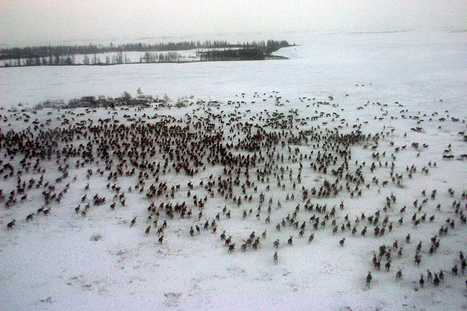
First a heatwave hit Siberia. Then came the anthrax. Temperatures have soared in western Russia’s Yamal tundra this summer. Across Siberia, some provinces warmed an additional 10 degrees Fahrenheit beyond normal. In the fields, large bubbles of vegetation appeared above the melting permafrost — strange pockets of methane or, more likely, water. Record fires blazed through dry Russian grassland. In one of the more unusual symptoms of unseasonable warmth, long-dormant bacteria appear to be active. For the first time since 1941, anthrax struck western Siberia. Thirteen Yamal nomads were hospitalized, including four children, the Siberian Times reported. The bacteria took an even worse toll on wildlife, claiming some 1,500 reindeer since Sunday. According to NBC News, the outbreak is thought to stem from a reindeer carcass that died in the plague 75 years ago. As the old flesh thawed, the bacteria once again became active. The disease tore through the reindeer herds, prompting the relocation of dozens of the indigenous Nenet community. Herders face a quarantine that may last until September. The governor, Dmitry Kobylkin, declared a state of emergency. On Tuesday, Kobylkin said “all measures” had been taken to isolate the area, according to AP. “Now the most important thing is the safety and health of our fellow countrymen — the reindeer herders and specialists involved in the quarantine.”
|
|
Scooped by
Dr. Stefan Gruenwald
August 7, 2016 3:14 PM
|
We are now in an incredible new era of astronomy where the faint ripples in spacetime caused by distant black hole collisions are being detected and studied. These are the most energetic events in the cosmos and, by "listening in" to their gravitational wave signals, these black hole mergers have finally been directly observed. Although the first detections of gravitational waves by the Laser Interferometer Gravitational-wave Observatory (LIGO) have, so far, been exclusive to the collisions of black holes, astrophysicists have far loftier goals. The next step will be to detect the collisions of neutron stars and, hopefully, use their gravitational wave signals to crack open the super-dense husks of stellar matter, revealing what they are really made of. Gravitational waves traveling through spacetime can be imagined as ripples traveling across the surface of a pond. And, like those water ripples, gravitational waves carry energy away from massive objects that accelerate, collide or explode. The historic Feb. 11 2016 announcement of the detection of gravitational waves that were recorded by LIGO on Sept. 14, 2015, revealed the first direct observation of two black holes, one 29 solar masses and another 36 solar masses, colliding and merging as one. Then, on June 14, 2016 a second detection was announced, revealing yet another black hole merger. Only this time the black holes were smaller, "weighing in" at 14 solar masses and 8 solar masses.
|
|
Scooped by
Dr. Stefan Gruenwald
August 7, 2016 3:09 PM
|
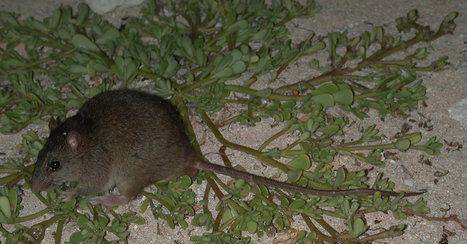
In 2014, researchers used traps and cameras to try to determine how many Bramble Cay melomys were left on a tiny outcrop in the Great Barrier Reef. They found none. Australian researchers say rising sea levels have wiped out a rodent that lived on a tiny outcrop in the Great Barrier Reef, in what they say is the first documented extinction of a mammal species due to human-caused climate change. The rodent was known to have lived only on Bramble Cay, a minuscule atoll in the northeast Torres Strait, between the Cape York Peninsula in the Australian state of Queensland and the southern shores of Papua New Guinea. The long-tailed, whiskered creature, called the Bramble Cay melomys, was considered the only mammal endemic to the Great Barrier Reef. “The key factor responsible for the death of the Bramble Cay melomys is almost certainly high tides and surging seawater, which has traveled inland across the island,” Luke Leung, a scientist from the University of Queensland who was an author of a report on the species’ apparent disappearance, said by telephone. “The seawater has destroyed the animal’s habitat and food source.” “This is the first documented extinction of a mammal because of climate change,” he said.
|
|
Scooped by
Dr. Stefan Gruenwald
August 4, 2016 4:35 PM
|
In a new study published in Biology Letters, researchers Sara Weinstein and Armand Kuris from the University of California-Santa Barbara show that parasitism independently evolved many more times than originally thought. To conduct their analysis, Weinstein and Kuris examined how often parasitism evolved from non-parasitic ancestors. They concluded that it evolved at least 223 times, far more than the previous estimate of 60. As shown below, parasitism arose more times in certain phyla (e.g., arthropods, nematodes, flatworms, and mollusks) than in others. Parasitism evolved on at least 143 occasions in the arthropods, not because there is something unique about them but most likely because this phylum includes a very large number of species. Indeed, arthropods comprise ocean critters (e.g., crabs and shrimp) as well as land-dwelling creepy-crawlies (e.g., scorpions, spiders, ticks, centipedes, and insects). In the image below, the arthropod Cymothoa exigua has eaten the tongue of a fish.
With the advent of the Internet of Things (IoT) era, strong demand has grown for wearable and transparent displays that can be applied to various fields such as augmented reality (AR) and skin-like thin flexible devices. However, previous flexible transparent displays have posed real challenges to overcome, which are, among others, poor transparency and low electrical performance. To improve the transparency and performance, past research efforts have tried to use inorganic-based electronics, but the fundamental thermal instabilities of plastic substrates have hampered the high temperature process, an essential step necessary for the fabrication of high performance electronic devices. As a solution to this problem, a research team led by Professors Keon Jae Lee and Sang-Hee Ko Park of the Department of Materials Science and Engineering at the Korea Advanced Institute of Science and Technology (KAIST) has developed ultrathin and transparent oxide thin-film transistors (TFT) for an active-matrix backplane of a flexible display by using the inorganic-based laser lift-off (ILLO) method. Professor Lee's team previously demonstrated the ILLO technology for energy-harvesting (Advanced Materials, February 12, 2014) and flexible memory (Advanced Materials, September 8, 2014) devices. The research team fabricated a high-performance oxide TFT array on top of a sacrificial laser-reactive substrate. After laser irradiation from the backside of the substrate, only the oxide TFT arrays were separated from the sacrificial substrate as a result of reaction between laser and laser-reactive layer, and then subsequently transferred onto ultrathin plastics (4μm thickness). Finally, the transferred ultrathin-oxide driving circuit for the flexible display was attached conformally to the surface of human skin to demonstrate the possibility of the wearable application. The attached oxide TFTs showed high optical transparency of 83% and mobility of 40 cm^2 V^(-1) s^(-1) even under several cycles of severe bending tests. Professor Lee said, "By using our ILLO process, the technological barriers for high performance transparent flexible displays have been overcome at a relatively low cost by removing expensive polyimide substrates. Moreover, the high-quality oxide semiconductor can be easily transferred onto skin-like or any flexible substrate for wearable application."
Via Mariaschnee
|
|
Scooped by
Dr. Stefan Gruenwald
August 2, 2016 3:49 PM
|
It’s long been understood that early disease detection is the key to successful treatments. But annual checkups with a doctor might not be frequent enough to help. So imagine if you could forego a trip to the doctor’s office and detect any disease with a simple urine or saliva test at home. Of course this has been the aim of lab-on-a-chip technologies for years now, but now scientists at IBM Research may have tipped the scales in the technology that could make such at-home tests real. In cross-disciplinary research described in the journal Nature Nanotechnology, a team at IBM led by research scientist Joshua Smith and Gustavo Stolovitzky, program director of IBM Translational Systems Biology and Nanobiotechnology, has been able to retool silicon-based technologies to create a diagnostic device that can separate viruses, DNA, and other nanoscale-size biological targets from saliva or urine. This could enable the device to detect the presence of diseases before any physical symptoms are visible. Of course, the separation of nanoscale particles has been possible for years in various forms, such as ultracentrifugation, gel electrophoresis, chromatography, or filtration. These approaches all come with compromises: Centrifugation and chromatography can be very precise but require expensive machinery and trained technicians; gels and filter media are cheap and easy to use but are less precise and more difficult to recover samples from. The basis of the IBM team’s approach is something called deterministic lateral displacement (DLD) separation technology, which was first developed in 2004. DLD is a microfluidic process that uses the laminar flow of fluid through a field of tiny posts to separate particles based on size. In this array of pillars, the separation occurs because the smaller particles are moving in the direction of the fluid, while the larger particles get deflected along the direction of pillar asymmetry. This sorting makes it possible to isolate, detect, and analyze the particles downstream. DLD has been used to sort and separate micrometer-scale organisms, like parasites, but it has never been used for sorting nanoscale targets, like viruses. See Jonas Tegenfeldt and Stefan Holms’ video.
|
|
Scooped by
Dr. Stefan Gruenwald
August 2, 2016 11:41 AM
|
Japan's National Science Museum is no stranger to eerily human androids: It employs two in its exhibition hall already. But for a week, they're getting a new colleague. Called "Alter," it has a very human face like Professor Ishiguro's Geminoids, but goes one step further with an embedded neural network that allows it to move itself. The technology powering this involves 42 pneumatic actuators and, most importantly, a "central pattern generator." That CPG has a neutral network that replicates neurons, allowing the robot to create movement patterns of its own, influenced by sensors that detect proximity, temperature and, for some reason, humidity. The setup doesn't make for human-like movement, but it gives the viewer the very strange sensation that this particular robot is somehow alive. And that's precisely the point.
|