Your new post is loading...

|
Scooped by
Dr. Stefan Gruenwald
August 16, 2016 5:02 PM
|
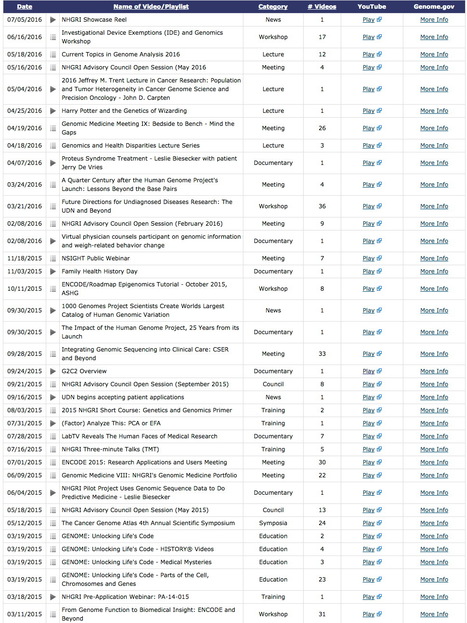
A full listing of videos featuring the science, research, programs and staff of the National Human Genome Research Institute, as well as researchers and scientists from around the world.
Many of these videos were created and produced by Genome Productions, a part of the Communications and Public Liaison Branch of the National Human Genome Research Institute. All government-produced video and audio clips are in the public domain and may be freely distributed and copied, but, as a courtesy, it is requested that the National Human Genome Research Institute be given an appropriate acknowledgement: Courtesy: National Human Genome Research Institute.
|
|
Scooped by
Dr. Stefan Gruenwald
August 16, 2016 4:09 PM
|
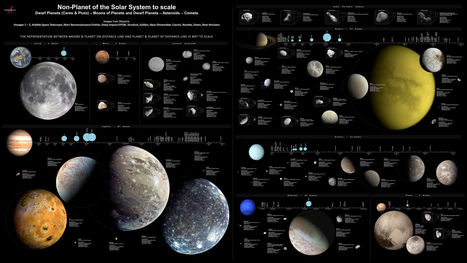
Contrary to what was once believed, the Solar System is home to hundreds of moons. Beyond Earth, there are many natural satellites orbiting the gas giants, dwarf planets, and even some asteroids! For millennia, human beings stared up at the night sky and were held in awe by the Moon. To many ancient cultures, it represented a deity, and its cycles were accorded divine significance. By the time of Classical Antiquity and the Middle Ages, the Moon was considered to be a heavenly body that orbited Earth, much like the other known planets of the day (Mercury, Venus, Mars, Jupiter, and Saturn). However, our understanding of moons was revolutionized when in 1610, astronomer Galileo Galileipointed his telescope to Jupiter and noticed ” four wandering stars” around Jupiter. From this point onward, astronomers have come to understand that planets other than Earth can have their own moons – in some cases, several dozen or more. So just how many moons are there in the Solar System? In truth, answering that question requires a bit of a clarification first. If we are talking about confirmed moons that orbit any of the planets of the Solar System (i.e. those that are consistent with the definition adopted by the IAU in 2006), then we can say that there are currently 173 known moons. If, however, we open the floor to dwarf planets that have objects orbiting them, the number climbs to 182. However, over 200 minor-planet moons have also been observed in the Solar System (as of Jan. 2012). This includes the 76 known objects in the asteroid belt with satellites, four Jupiter Trojans, 39 near-Earth objects (two with two satellites each), 14 Mars-crossers, and 84 natural satellites of Trans-Neptunian Objects. And some 150 additional small bodies have been observed within the rings of Saturn. If we include all these, then we can say that the Solar System has 545 known satellites.
|
|
Scooped by
Dr. Stefan Gruenwald
August 16, 2016 2:39 PM
|
Dogs have a specialized region in their brains for processing faces, a new study finds. PeerJ published the research, which provides the first evidence for a face-selective region in the temporal cortex of dogs.
“Our findings show that dogs have an innate way to process faces in their brains, a quality that has previously only been well-documented in humans and other primates,” says Gregory Berns, a neuroscientist at Emory University and the senior author of the study.
Having neural machinery dedicated to face processing suggests that this ability is hard-wired through cognitive evolution, Berns says, and may help explain dogs’ extreme sensitivity to human social cues.
Berns heads up the Dog Project in Emory’s Department of Psychology, which is researching evolutionary questions surrounding man’s best, and oldest, friend. The project was the first to train dogs to voluntarily enter a functional magnetic resonance imaging (fMRI) scanner and remain motionless during scanning, without restraint or sedation. In previous research, the Dog Project identified the caudate region of the canine brain as a reward center. It also showed how that region of a dog’s brain responds more strongly to the scents of familiar humans than to the scents of other humans, or even to those of familiar dogs.
|
|
Scooped by
Dr. Stefan Gruenwald
August 16, 2016 2:33 PM
|
Thirty years have passed since a pair of physicists, working together on a stormy summer night in Aspen, Colo., realized that string theory might have what it takes to be the “theory of everything.” “We must be getting pretty close,” Michael Green recalls telling John Schwarz as the thunder raged and they hammered away at a proof of the theory’s internal consistency, “because the gods are trying to prevent us from completing this calculation.” Their mathematics that night suggested that all phenomena in nature, including the seemingly irreconcilable forces of gravity and quantum mechanics, could arise from the harmonics of tiny, vibrating loops of energy, or “strings.” The work touched off a string theory revolution and spawned a generation of specialists who believed they were banging down the door of the ultimate theory of nature. But today, there’s still no answer. Because the strings that are said to quiver at the core of elementary particles are too small to detect — probably ever — the theory cannot be experimentally confirmed. Nor can it be disproven: Almost any observed feature of the universe jibes with the strings’ endless repertoire of tunes. The publication of Green and Schwarz’s paper “was 30 years ago this month,” the string theorist and popular-science author Brian Greene wrote inSmithsonian Magazine in January, “making the moment ripe for taking stock: Is string theory revealing reality’s deep laws? Or, as some detractors have claimed, is it a mathematical mirage that has sidetracked a generation of physicists?” Greene had no answer, expressing doubt that string theory will “confront data” in his lifetime. Recently, however, some string theorists have started developing a new tactic that gives them hope of someday answering these questions. Lacking traditional tests, they are seeking validation of string theory by a different route. Using a strange mathematical dictionary that translates between laws of gravity and those of quantum mechanics, the researchers have identified properties called “consistency conditions” that they say any theory combining quantum mechanics and gravity must meet. And in certain highly simplified imaginary worlds, they claim to have found evidence that the only consistent theories of “quantum gravity” involve strings. According to many researchers, the work provides weak but concrete support for the decades-old suspicion that string theory may be the only mathematically consistent theory of quantum gravity capable of reproducing gravity’s known form on the scale of galaxies, stars and planets, as captured by Albert Einstein’s theory of general relativity. And if string theory is the only possible approach, then its proponents say it must be true — with or without physical evidence. String theory, by this account, is “the only game in town.”
|
|
Scooped by
Dr. Stefan Gruenwald
August 16, 2016 2:17 PM
|
Thanks to technologies that generate, store and analyze huge sets of data, companies are able to perform tasks that previously were impossible. But the added benefit does come with its own setbacks, specifically from a security standpoint. With reams of data being generated and transferred over networks, cybersecurity experts will have a hard time monitoring everything that gets exchanged — potential threats can easily go unnoticed. Hiring more security experts would offer a temporary reprieve, but the cybersecurity industry is already dealing with a widening talent gap, and organizations and firms are hard-pressed to fill vacant security posts. The solution might lie in machine learning, the phenomenon that is transforming an increasing number of industries and has become the buzzword in Silicon Valley. But while more and more jobs are being forfeited to robots and artificial intelligence, is it conceivable to convey to machines a responsibility as complicated as cybersecurity? The topic is being hotly debated by security professionals, with strong arguments on both ends of the spectrum. In the meantime, tech firms and security vendors are looking for ways to add this hot technology to their cybersecurity arsenal.
|
|
Scooped by
Dr. Stefan Gruenwald
August 16, 2016 2:10 PM
|
Swarms of microscopic, magnetic, robotic beads could be scrubbing in next to the world’s top vascular surgeons—all taking aim at blocked arteries. These microrobots, which look and move like corkscrew-shaped bacteria, are being developed by mechanical engineers at Drexel University as a part of a surgical toolkit being assembled by the Daegu Gyeongbuk Institute of Science and Technology (DGIST) in South Korea. MinJun Kim, PhD, a professor in the College of Engineering and director of the Biological Actuation, Sensing & Transport Laboratory (BASTLab) at Drexel, is adding his team’s extensive work in bio-inspired microrobotics to an $18-million international research initiative from the Korea Evaluation Institute of Industrial Technologies (KEIT) set on creating a minimally invasive, microrobot-assisted procedure for dealing with blocked arteries within five years. DGIST, a government-funded research entity in Daegu, South Korea, is the leader of the 11-institution partnership, which includes some of the top engineers and roboticists in the world. Drexel’s team, the lone representatives from the United States, is already well on its way to tailoring robotic “microswimmer” technology for clearing arteries. “Microrobotics is still a rather nascent field of study, and very much in its infancy when it comes to medical applications,” Kim said. “A project like this, because it is supported by leading institutions and has such a challenging goal, is an opportunity to push both medicine and microrobotics into a new and exciting place.”
|
|
Scooped by
Dr. Stefan Gruenwald
August 15, 2016 6:19 PM
|
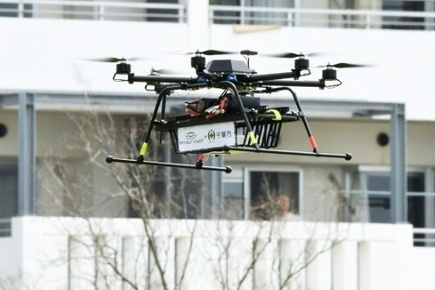
With a chicken sandwich, hot coffee and donuts, aviation history was made Friday. These were among the items in the first drone delivery on US soil approved by aviation officials, made by convenience retailer 7-Eleven and the drone startup Flirtey. The delivery took place in Reno, Nevada, with the items loaded into a special box for hot and cold food and flown to a local family. "We're absolutely thrilled to have 7-Eleven, the largest convenience chain in the world, embracing new technologies and working with us at Flirtey to make drone delivery a reality for customers all over the world," said Flirtey chief executive Matt Sweeny. "This is just the first step in our collaboration with 7-Eleven. Flirtey's historic drone deliveries to date have been stepping stones to store-to-home drone delivery, and today is a giant leap toward a not-too-distant future where we are delivering you convenience on demand." Others include US online giant Amazon are also working on drone deliver, but this was the first in what could become a broader trend. Flirtey is also working with drones to deliver relief supplies as part of humanitarian missions around the world. But it also hopes to expand its partnership with 7-Eleven for convenience deliveries. Friday's delivery also included store candy and its Slurpee iced drinks. "Drone delivery is the ultimate convenience for our customers and these efforts create enormous opportunities to redefine convenience," said Jesus Delgado-Jenkins, the retailer's chief marketing officer. "This delivery marks the first time a retailer has worked with a drone delivery company to transport immediate consumables from store to home. In the future, we plan to make the entire assortment in our stores available for delivery to customers in minutes." The Federal Aviation Administration this year updated rules allowing for some commercial drone operations in US airspace.
|
|
Scooped by
Dr. Stefan Gruenwald
August 15, 2016 6:16 PM
|
Graphene nanoribbons (GNRs) bend and twist easily in solution, making them adaptable for biological uses like DNA analysis, drug delivery and biomimetic applications, according to scientists at Rice University. Knowing the details of how GNRs behave in a solution will help make them suitable for wide use in biomimetics, according to Rice physicist Ching-Hwa Kiang, whose lab employed its unique capabilities to probe nanoscale materialslike cells and proteins in wet environments. Biomimetic materials are those that imitate the forms and properties of natural materials. The research led by recent Rice graduate Sithara Wijeratne, now a postdoctoral researcher at Harvard University, appears in the Nature journal Scientific Reports. Graphene nanoribbons can be thousands of times longer than they are wide. They can be produced in bulk by chemically "unzipping" carbon nanotubes, a process invented by Rice chemist and co-author James Tour and his lab. Their size means they can operate on the scale of biological components like proteins and DNA, Kiang said. "We study the mechanical properties of all different kinds of materials, from proteins to cells, but a little different from the way other people do," she said. "We like to see how materials behave in solution, because that's where biological things are." Kiang is a pioneer in developing methods to probe the energy states of proteins as they fold and unfold. She said Tour suggested her lab have a look at the mechanical properties of GNRs. "It's a little extra work to study these things in solution rather than dry, but that's our specialty," she said. Nanoribbons are known for adding strength but not weight to solid-state composites, like bicycle frames and tennis rackets, and forming an electrically active matrix. A recent Rice project infused them into an efficient de-icer coating for aircraft. But in a squishier environment, their ability to conform to surfaces, carry current and strengthen composites could also be valuable. "It turns out that graphene behaves reasonably well, somewhat similar to other biological materials. But the interesting part is that it behaves differently in a solution than it does in air," she said. The researchers found that like DNA and proteins, nanoribbons in solution naturally form folds and loops, but can also form helicoids, wrinkles and spirals. Kiang, Wijeratne and Jingqiang Li, a co-author and student in the Kiang lab, used atomic force microscopy to test their properties. Atomic force microscopy can not only gather high-resolution images but also take sensitive force measurements of nanomaterials by pulling on them. The researchers probed GNRs and their precursors, graphene oxide nanoribbons. The researchers discovered that all nanoribbons become rigid under stress, but their rigidity increases as oxide molecules are removed to turn graphene oxide nanoribbons into GNRs. They suggested this ability to tune their rigidity should help with the design and fabrication of GNR-biomimetic interfaces.
|
|
Scooped by
Dr. Stefan Gruenwald
August 15, 2016 2:51 PM
|
National Geographic just did a solid favor for all the adventurous outdoor photographers out there. They put every US Geological Survey (USGS) topographical map from across the United States on one easy-to-navigate site and made them easy to print out at home. If you’ve ever gone hunting topo maps via the USGS, you know that it can be a bit of a pain because, not only is finding the quad you’re looking for more difficult, the PDFs they have available aren’t formatted for standard printer paper. The National Geographic website solves both of these issues. First, the homepage greets you with a searchable, interactive map: all you have to do is search for or zoom in on the area you’re looking for. Then, once you find your quad, just click on it and a printable PDF loads right up. It’s incredibly easy. I pulled this one up in a matter of seconds.
|
|
Scooped by
Dr. Stefan Gruenwald
August 15, 2016 2:31 PM
|
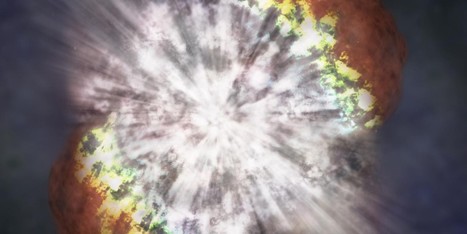
The explosions may be creating some of the most powerful magnets in the universe. A mysterious kind of supernova that appears to explode twice may be giving birth to some of the most powerful magnets in the universe, a new study finds. Supernovas are explosions that occur when certain types of stars run out of fuel and "die." These outbursts can briefly outshine all of the millions of other stars in their galaxies. Recently, scientists detected a very rare class of supernova, known as superluminous supernovas. These star explosions are up to 100 times brighter than other supernovas. The superluminous variety account for less than a thousandth of all supernovas, and only about 30 examples have been studied well. "They are extremely bright and can be seen for up to a year but are incredibly rare, so [they] are difficult to find and measure," said study lead author Mathew Smith, an astrophysicist at the University of Southampton in England. "We don't yet know the physical origin of these cosmic explosions that can be seen out to the beginning of the universe; that's the main focus of current and future searches." Mysteriously, previous research suggested that some superluminous supernovas appear to explode twice. Before their main explosions, each of these supernovas experience a spike in brightness that lasts a few days. Now, Smith and his colleagues have analyzed such a "double-peaked" superluminous supernova from almost the moment it occurred, shedding light on its origins. In their new paper, they said most superluminous supernovas may actually be double-peaked. The researchers discovered this superluminous supernova, named DES14X3taz, in 2014 by examining data from theDark Energy Survey. DES14X3taz is located about 6.4 billion light-years from Earth. Using the Gran Telescopio Canarias, a telescope in Spain's Canary Islands, the team of astronomers carried out follow-up observations shortly after DES14X3taz was first detected. This helped the researchers to see how the supernova's temperature evolved over time. The researchers saw that after the initial spike of brightness, the object rapidly cooled off. Another, more powerful burst of brightness followed. The initial spike of brightness likely coincided with the dying star's ejection of a huge bubble of material into outer space. The star's mass was about 200 times that of the sun, and the mass of the bubble of expelled material was about equivalent to the sun's, the researchers estimated. This bubble of expelled material cooled rapidly as it grew, they said. Following the initial spike in brightness, this supernova gave birth to a magnetar, the researchers said. Magnetars are among the most powerful magnets in the universe. They are a kind of neutron star, which is the leftover core of material in a dead massive star. To reach this conclusion about the magnetar birth, the researchers compared the data with several physical models of supernovas. The explosion created by the magnetar's formation heated up the bubble expelled by the first explosion, leading to the second, more powerful burst of brightness, the researchers found. However, the researchers said that their most surprising discovery was "not that the supernova had a double peak, but that there's significant evidence that most superluminous supernovae do, too," Smith told Space.com.
Cell division is a fundamental process of life, producing two cells from one single cell at each cell division. During animal development, a fertilized egg divides many times, increasing the number of cells, which are precisely organized within the animal’s body. How many times a cell undergoes cell division and how the two daughter cells are positioned after the division can be critical for shaping the animal. Although the machinery essential for cell division is well characterized and evolutionarily conserved, it remains unknown in most animals how a cell division can become oriented relative to the animal’s body axis. The work by Negishi et al., published recently in the electronic journal eLife, has revealed that in the sea squirt (Ciona intestinalis) embryo, the orientation of the cell division machinery in epithelial cells is controlled by a unique cell membrane structure, which we call an “invagination”. Live imaging by fluorescence microscopy revealed that the invaginations originate from the posterior (tail) side of each epithelial cell and grows intracellularly toward the centrosome, an essential component of the cell division machinery. Using a specialized electron microscopy called “SBF-SEM”, the authors demonstrated that the tip of invagination associates closely with the centrosome. Furthermore, laser cutting of the invagination resulted in immediate recoil of both cut ends to opposite directions, highlighting that this polarized membrane structure is under tension. Based on these findings, the authors propose an entirely new model for controlling cell division orientation, which involves the polarized membrane structure repositioning the cell division machinery to one end of the cell, thus orientating the subsequent cell division. Professor Naoto Ueno, who co-supervised the current study, states “We hope our findings facilitates studies on similar membrane structures in other animals that might have diverse biological functions.”
Via Mariaschnee
|
|
Scooped by
Dr. Stefan Gruenwald
August 15, 2016 2:11 PM
|
A spacecraft navigation method based on X-ray signals emitted from a pulsar has taken a leap forward due to a study conducted by UK scientists. Pulsars are highly magnetized, rotating neutron stars that emit electromagnetic radiation at regular intervals. They are often dubbed “lighthouses” of the universe as their emission is beamed, thus a pulse of radiation is seen only each time the beam sweeps across line-of-sight. A spacecraft navigation method based on X-ray signals emitted from pulsars, known as XNAV, has recently taken a leap forward thanks to a study conducted by UK scientists from the National Physical Laboratory (NPL) and the University of Leicester. Current spacecraft navigation systems rely on a global network of large ground-based radio antennas like NASA’s Deep Space Network (DSN) and ESA’s European Space Tracking (ESTRACK). These networks require a spacecraft to communicate with ground-based systems for months or years, while XNAV would enable autonomous navigation, minimizing the necessity of communication with Earth. Moreover, the new method is expected to provide faster estimation of spacecraft location as current systems are limited by the time delay at great distances. XNAV is also seen as a cheaper alternative for a radio-based system as it would require reduced ground infrastructure. Additionally, cost savings occur due to the fact X-ray telescopes can be made smaller and lighter. XNAV technology is currently in the early stages of development. In February 2017, NASA plans to launch the Neutron star Interior Composition Explorer (NICER) to the International Space Station (ISS). There it will be hosted as an externally attached payload on the orbital laboratory. An enhancement to the NICER mission, the Station Explorer for X-ray Timing and Navigation Technology (SEXTANT) will perform the first space demonstration of pulsar-based navigation of spacecraft. Meanwhile, ESA also investigates the feasibility of the XNAV method. The agency commissioned NPL and the University of Leicester to develop a potential design and determine the accuracy of this technique. As part of this task, a team of researchers, led by Setnam Shemar of NPL, recently published a paper in Experimental Astronomy, detailing simulations that bring the new navigation system one step closer to reality. “The work we have done is just one step towards understanding how a practical system may be realized and what its performance may be,” Shemar told Astrowatch.net.
|
|
Scooped by
Dr. Stefan Gruenwald
August 15, 2016 1:16 PM
|
Venus may have had a shallow liquid-water ocean and habitable surface temperatures for up to 2 billion years of its early history, according to computer modeling of the planet's ancient climate by scientists at NASA's Goddard Institute for Space Studies (GISS) in New York. The findings, published this week in the journal Geophysical Research Letters, were obtained with a model similar to the type used to predict future climate change on Earth. "Many of the same tools we use to model climate change on Earth can be adapted to study climates on other planets, both past and present," said Michael Way, a researcher at GISS and the paper's lead author. "These results show ancient Venus may have been a very different place than it is today." Venus today is a hellish world. It has a crushing carbon dioxide atmosphere 90 times as thick as Earth's. There is almost no water vapor. Temperatures reach 864 degrees Fahrenheit (462 degrees Celsius) at its surface. Scientists long have theorized that Venus formed out of ingredients similar to Earth's, but followed a different evolutionary path. Measurements by NASA's Pioneer mission to Venus in the 1980s first suggested Venus originally may have had an ocean. However, Venus is closer to the sun than Earth and receives far more sunlight. As a result, the planet's early ocean evaporated, water-vapor molecules were broken apart by ultraviolet radiation, and hydrogen escaped to space. With no water left on the surface, carbon dioxide built up in the atmosphere, leading to a so-called runaway greenhouse effect that created present conditions. Previous studies have shown that how fast a planet spins on its axis affects whether it has a habitable climate. A day on Venus is 117 Earth days. Until recently, it was assumed that a thick atmosphere like that of modern Venus was required for the planet to have today's slow rotation rate. However, newer research has shown that a thin atmosphere like that of modern Earth could have produced the same result. That means an ancient Venus with an Earth-like atmosphere could have had the same rotation rate it has today.
|
|
|
Scooped by
Dr. Stefan Gruenwald
August 16, 2016 4:57 PM
|
In 2013, when University of Birmingham computer scientist Flavio Garcia and a team of researchers were preparing to reveal a vulnerability that allowed them to start the ignition of millions of Volkswagen cars and drive them off without a key, they were hit with a lawsuit that delayed the publication of their research for two years. But that experience doesn’t seem to have deterred Garcia and his colleagues from probing more of VW’s flaws: Now, a year after that hack was finally publicized, Garcia and a new team of researchers are back with another paper that shows how Volkswagen left not only its ignition vulnerable but the keyless entry system that unlocks the vehicle’s doors, too. And this time, they say, the flaw applies to practically every car Volkswagen has sold since 1995. Later this week at the Usenix security conference in Austin, a team of researchers from the University of Birmingham and the German engineering firm Kasper & Oswald plan to reveal two distinct vulnerabilities they say affect the keyless entry systems of an estimated nearly 100 million cars. One of the attacks would allow resourceful thieves to wirelessly unlock practically every vehicle the Volkswagen group has sold for the last two decades, including makes like Audi and Škoda. The second attack affects millions more vehicles, including Alfa Romeo, Citroen, Fiat, Ford, Mitsubishi, Nissan, Opel, and Peugeot.
|
|
Scooped by
Dr. Stefan Gruenwald
August 16, 2016 4:02 PM
|
In 2020, NASA plans to launch a new Mars rover that will be tasked with probing a region of the planet scientists believe could hold remnants of ancient microbial life. The rover will collect samples of rocks and soil, and store them on the Martian surface; the samples would be returned to Earth sometime in the distant future so that scientists can meticulously analyze the samples for signs of present or former extraterrestrial life. Now, as reported in the journal Carbon, MIT scientists have developed a technique that will help the rover quickly and non-invasively identify sediments that are relatively unaltered, and that maintain much of their original composition. Such “pristine” samples give scientists the best chance for identifying signs of former life, if they exist, as opposed to rocks whose histories have been wiped clean by geological processes such as excessive heating or radiation damage. The team’s technique centers on a new way to interpret the results of Raman spectroscopy, a common, non-destructive process that geologists use to identify the chemical composition of ancient rocks. Among its suite of scientific tools, the 2020 Mars rover includes SHERLOC (Scanning Habitable Environments with Raman and Luminescence for Organics and Chemicals), an instrument that will acquire Raman spectra from samples on or just below the Martian surface. SHERLOC will be pivotal in determining whether life ever existed on Mars. Raman spectroscopy measures the minute vibrations of atoms within the molecules of a given material. For example, graphite is composed of a very orderly arrangement of carbon atoms. The bonds between these carbon atoms vibrate naturally, at a frequency that scientists can measure when they focus a laser beam on graphite’s surface. As atoms and molecules vibrate at various frequencies depending on what they are bound to, Raman spectroscopy enables scientists to identify key aspects of a sample’s chemical composition. More importantly, the technique can determine whether a sample contains carbonaceous matter — a first clue that the sample may also harbor signs of life.
|
|
Scooped by
Dr. Stefan Gruenwald
August 16, 2016 2:35 PM
|
Nanobeads are all around us- and are, some might argue, used too frequently in everything from sun-screen to white paint, but a new ground-breaking application is revealing hidden worlds. A paper in Science Advances (12 August) provides proof of a new concept, using new solid 3D superlenses to break through the scale of things previously visible through a microscope. Illustrating the strength of the new superlens, the scientists describe seeing for the first time, the actual information on the surface of a Blue Ray DVD. That shiny surface is not as smooth as we think. Current microscopes cannot see the grooves containing the data- but now even the data itself is revealed. Led by Dr Zengbo Wang at Bangor University, UK and Prof Limin Wu at Fudan University, China, the team created minute droplet-like lens structures on the surface to be examined. These act as an additional lens to magnify the surface features previously invisible to a normal lens. Made of millions of nanobeads, the spheres break up the light beam. Each bead refracts the light, acting as individual torch-like minute beam. It is the very small size of each beam of light which illuminate the surface, extending the resolving ability of the microscope to record-breaking levels. The new superlens adds 5x magnification on top of existing microscopes.
|
|
Scooped by
Dr. Stefan Gruenwald
August 16, 2016 2:24 PM
|
Recent findings indicating the possible discovery of a previously unknown subatomic particle may be evidence of a fifth fundamental force of nature, according to a paper published in the journal Physical Review Letters by theoretical physicists at the University of California, Irvine.
"If true, it's revolutionary," said Jonathan Feng, professor of physics & astronomy. "For decades, we've known of four fundamental forces: gravitation, electromagnetism, and the strong and weak nuclear forces. If confirmed by further experiments, this discovery of a possible fifth force would completely change our understanding of the universe, with consequences for the unification of forces and dark matter." The UCI researchers came upon a mid-2015 study by experimental nuclear physicists at the Hungarian Academy of Sciences who were searching for "dark photons," particles that would signify unseen dark matter, which physicists say makes up about 85 percent of the universe's mass. The Hungarians' work uncovered a radioactive decay anomaly that points to the existence of a light particle just 30 times heavier than an electron. "The experimentalists weren't able to claim that it was a new force," Feng said. "They simply saw an excess of events that indicated a new particle, but it was not clear to them whether it was a matter particle or a force-carrying particle." The UCI group studied the Hungarian researchers' data as well as all other previous experiments in this area and showed that the evidence strongly disfavors both matter particles and dark photons. They proposed a new theory, however, that synthesizes all existing data and determined that the discovery could indicate a fifth fundamental force. Their initial analysis was published in late April on the public arXiv online server, and a follow-up paper amplifying the conclusions of the first work was released Friday on the same website. The UCI work demonstrates that instead of being a dark photon, the particle may be a "protophobic X boson." While the normal electric force acts on electrons and protons, this newfound boson interacts only with electrons and neutrons - and at an extremely limited range. Analysis co-author Timothy Tait, professor of physics & astronomy, said, "There's no other boson that we've observed that has this same characteristic. Sometimes we also just call it the 'X boson,' where 'X' means unknown." Feng noted that further experiments are crucial. "The particle is not very heavy, and laboratories have had the energies required to make it since the '50s and '60s," he said. "But the reason it's been hard to find is that its interactions are very feeble. That said, because the new particle is so light, there are many experimental groups working in small labs around the world that can follow up the initial claims, now that they know where to look."
|
|
Scooped by
Dr. Stefan Gruenwald
August 16, 2016 2:16 PM
|
A team of scientists headed by folks at Rice University have developed a way of killing off neoplastic cells that often remain after surgical procedures and supportive therapies. Failure of cancer surgery to intraoperatively detect and eliminate microscopic residual disease (MRD) causes lethal recurrence and metastases, and the removal of important normal tissues causes excessive morbidity. Here, scientists now show that a plasmonic nanobubble (PNB), a non-stationary laser pulse-activated nanoevent, intraoperatively detects and eliminates MRD in the surgical bed. PNBs were generated in vivo in head and neck cancer cells by systemically targeting tumors with gold colloids and locally applying near-infrared, low-energy short laser pulses, and were simultaneously detected with an acoustic probe. In mouse models, between 3 and 30 residual cancer cells and MRD (undetectable with current methods) were non-invasively detected up to 4 mm deep in the surgical bed within 1 ms. In resectable MRD, PNB-guided surgery prevented local recurrence and delivered 100% tumor-free survival. In unresectable MRD, PNB nanosurgery improved survival twofold compared with standard surgery. These results show that PNB-guided surgery and nanosurgery can rapidly and precisely detect and remove MRD in simple intraoperative procedures.
|
|
Scooped by
Dr. Stefan Gruenwald
August 15, 2016 6:21 PM
|
The exotic cosmic objects we call black holes aren’t truly holes, and it turns out that they may not be totally black either. In an article that appears today in the journal Nature Physics, Jeff Steinhauer from the Israel Institute of Technology (Technion) outlines the strongest experimental evidence yet that energy can escape from a black hole. Black holes are extremely dense areas of space defined by an event horizon, a boundary beyond which nothing that gets sucked in can escape—not even light (hence the “black” in “black hole”). Theory predicts that black holes can be the size of an atom or millions of times as massive as the sun, although smaller ones are less stable. As strange and unique as they seem, there are likely millions of black holes in the universe, including at least one at the center of each galaxy.
Nearly 50 years ago, bold work by then-graduate student Jacob Bekenstein inspired black hole expert Stephen Hawking to take a closer look at the theoretical physics governing black holes. In the process, a surprised Hawking discovered that quantum mechanics enables some energy to escape from black holes. Hawking realized that over time this could cause black holes to shrink and evaporate.
Experimentally verifying or ruling out this “Hawking radiation” might seem like just a scientific curiosity, but it is actually an important test of our understanding of the universe and its behavior. Its existence would answer some questions, but raise others.
One of the biggest unsolved problems in physics is how general relativity merges with quantum mechanics. Gravitational effects and quantum effects meet head-on in black holes, so they are an ideal place to study this. However, the Hawking radiation escaping from a cosmic black hole is so small that we aren’t able to detect it directly, at least not yet.
If you can’t study Hawking radiation from a cosmic black hole, why not build your own black hole? Okay, how about a system with similar properties? The experiment reported in the Nature Physics article involved an analogous system called an acoustic black hole. Acoustic black holes don’t occur in nature, but they can be built out of a fluid whose flow changes from subsonic to supersonic. The idea was proposed in 1981 by William Unruh.
An acoustic black hole is similar in many ways to a cosmic black hole, but it traps sound instead of matter and light. It turns out the equations that describe how gravity affects light are the same equations that describe how a flowing fluid affects phonons, which you can think of as a kind of particle that makes up sound waves.
Like the event horizon of a black hole, the event horizon of an acoustic black hole is the point of no return. Any sound that goes in will not come out—unless the hole emits the phonon equivalent of Hawking radiation. The systems are so similar that if you detect phonon radiation coming from an acoustical black hole, Hawking radiation most likely exists too.
|
|
Scooped by
Dr. Stefan Gruenwald
August 15, 2016 6:17 PM
|
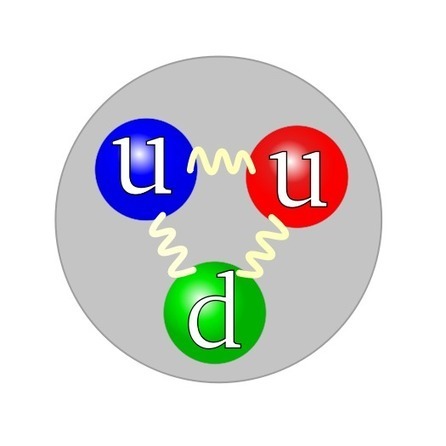
A large team made up of researchers from across the globe has repeated experiments conducted several years ago that showed a different radius for a proton when it was orbited by a muon as opposed to an electron—a finding dubbed the proton radius puzzle—using a deuterium nucleus this time and has found the same puzzle. In their paper published in the journal Science, the team describes the experiments they conducted, what they found and offer a few possible ideas to help dispel the notion that the puzzle indicates that there may be some problems with the Standard Model. Scientists have been able to calculate the radius of a proton (0.88 ± 0.01 femtometers) for some time using the charge of the electron that orbits around it and doing so has helped confirm theories regarding the Standard Model. But, in trying to improve the accuracy of the measurement by using a negatively charged muon (which orbits closer to the proton), researchers at the Max Planck Institute back in 2010 found a different radius—one that was 7 deviations from what was considered the official value. This proton radius puzzle has had physicists scratching their heads ever since because it suggests there is an error in the Standard Model somewhere. Over the past six years various researchers have offered theories to solve the puzzle, most of which have involved ways to preserve the Standard Model, but to date, the puzzle still remains. In this latest effort the researchers sought to gain more insight into the problem by adding another piece to the puzzle, a neutron, i.e. by using a deuterium nucleus. Their thinking was that the presence of the neutron would change the way that electrons and muons perceived the proton charge. They report that they found that the measurement they made of the radius of the proton was still different from that found with just an electron and proton, by approximately 7.5 sigma.
|
|
Scooped by
Dr. Stefan Gruenwald
August 15, 2016 6:08 PM
|
Over 200 Human Accelerated Regions (HAR) have been describe in the human genome. Ignoring human DNA for a moment, HAR regions are some of the most conserved sequences in the genomes of mammals. Some of them are nearly identical between chimpanzee and platypus, for example. This close identity suggests that the information encoded in these sequences is critical, and that changes to the sequences will alter their important instructions. This makes the human mutations in HARs truly unexpected. It is tempting to speculate that these mutations destroy or change gene regulatory functions, altering when and where genes turn on. The first two HARs to be functionally characterized support this idea. HAR1 does not code for a protein but for a long RNA, a type of molecule that guides proteins or modulates their expression.5 Scientists predicted that HAR1 RNA could fold into a three-dimensional structure because its conserved sequence has palindromic regions that pair up to form a series of interconnected “stems” that look like ladders—think of an untwisted DNA double helix. This computational prediction was confirmed by RNA structure–probing experiments using human and chimpanzee HAR1 RNAs synthesized in vitro to identify stems. By labeling HAR1 molecules in human and macaque embryos, researchers discovered that the RNAs functioned in neurons during patterning and layout of the cortex,6 a brain structure that expanded greatly in size during human evolution.7 Exactly which genes HAR1 is regulating, however, remains to be determined. HAR2 (also known as HACNS1) encodes neither a protein nor an RNA. Rather, HAR2 functions as an enhancer, a DNA sequence that works to increase or decrease the level of a gene’s expression.8 An enhancer can be located thousands of base pairs away from the gene it regulates. The gene gets activated when it comes into physical proximity with its enhancer. Studies in mice revealed that human HAR2 is active in several embryonic tissues, including those that give rise to the wrist and thumb, structures that morphed in our ancestors after their split from a common ancestor with chimpanzees. Once again, the genes that are subject to HAR2 regulation are still unclear, although GBX2, a transcription factor that controls proper expression of genes involved in embryo morphogenesis, is one promising candidate. Building on these initial discoveries, researchers have revealed the role of other HARs in gene regulation thanks to advances in techniques that measure gene expression at the single-cell level, track where proteins bind to DNA, and assess other epigenetic properties of the genome. (See “Scaling to Singles,”The Scientist, May 2016; “Silencing Surprise,” The Scientist, June 2015.) Integrating this new information into computational models, my colleagues and I predicted that about 5 percent of HARs function as noncoding RNAs, while most are enhancers that control gene expression during embryonic development.9 To more concretely test this hypothesis, a team of researchers has recently begun examining the function of nearly 100 of the fastest-evolving HARs, many of which we suspected to have enhancer activity. They injected fertilized mouse or fish eggs with a reporter construct that contains the chimp HAR sequence in front of a gene that will label any cells of the embryo in which the HAR functions as an enhancer. So far, two-thirds of HARs tested for enhancer activity turned on a gene during development.4 For 26 HAR enhancers, the scientists repeated the experiment with the human sequences. Eight HARs showed differences in their enhancer activity when the human mutations were present.4 These differences modify how genes were expressed in the developing limb (HAR2, 2xHAR114), eye (HAR25), and central nervous system (2xHAR142, 2xHAR238, 2xHAR164, 2xHAR170, ANC516/HARE5).4,10 Because relatively few time points have been examined, it is likely that an even higher percentage of the tested HARs are active enhancers at some point during embryonic development or in adult tissues, possibly with human-chimp differences.
|
|
Scooped by
Dr. Stefan Gruenwald
August 15, 2016 2:35 PM
|
Using a unique single-molecule force measurement tool, a research team has developed a clearer understanding of how platelets sense the mechanical forces they encounter during bleeding to initiate the cascading process that leads to blood clotting. Beyond providing a better understanding of this vital bodily process, research into a mechanoreceptor molecule that triggers clotting could provide a potential new target for therapeutic intervention. Excessive clotting can lead to heart attack and stroke - major killers worldwide - while insufficient clotting allows life-threatening bleeding. "We have opened a new door to study how mechanical force triggers biochemical signals inside living cells," said Lining (Arnold) Ju, who was part of the team conducting the research as a Ph.D. student in the Wallace H. Coulter Department of Biomedical Engineering at Georgia Tech and Emory University. The research, supported by the National Institutes of Health and the National Science Foundation, was reported July 19 in the journal eLife. It is believed to be the first detailed mechanobiology study on how mechanical forces acting on a single molecule on a platelet are sensed and transduced into biochemical signals. Beyond blood clotting, the work could have implications for other cellular systems that respond to mechanical force. In the beginning of the clotting process, human platelets use a highly specialized molecule known as glycoprotein Ibα (GPIbα) to receive mechanical signals. In a process known as mechanosensing, the mechanical information is converted into chemical signals - the release of different types of calcium ions - that alter adhesion between platelets and other components of the clotting process. Using their unique experimental equipment, the research team correlated various forces applied to the GPIbα molecule with different chemical signals, working to understand the operation of this natural transducer built into human platelets. How cells sense their mechanical environment and transduce forces into biochemical signals is a crucial, yet unresolved question in mechanobiology, the researchers noted in their paper. The researchers studied how mechanical forces outside the platelets trigger the release of calcium ions inside the cells. They applied force on the GPIbα molecule via the binding of von Willebrand factor and a mutant form of this plasma protein that causes von Willibrand Disease, a bleeding disorder.
|
|
Scooped by
Dr. Stefan Gruenwald
August 15, 2016 2:27 PM
|
Insects are conscious, egocentric beings, according to a new paper that also helps to explain why and likely when consciousness first evolved. The discovery could not only change our view of these tiny beings, but it could also have major implications for the origins of consciousness in all animals. Recent neuroimaging suggests insects are fully hardwired for both consciousness and egocentric behavior, providing strong evidence that organisms from flies to fleas exhibit both. Consciousness, however, comes in many levels, and researchers say that insects have the capacity for at least one basic form: subjective experience. “When you and I are hungry, we don't just move towards food; our hunger also has a particular feeling associated with it," Colin Klein, who co-authored the new paper, explains. "An organism has subjective experience if its mental states feel like something when they happen." Klein, a researcher at Macquarie University, and colleague Andrew Barron studied detailed neuroimaging reports concerning insect brains. They then compared the structure of such brains with those of humans and other animals. The resulting information is published in the journal Proceedings of the National Academy of Sciences. Their work focused on the midbrain, a set of evolutionarily ancient structures that are surrounded by the gray folds of the cortex. The arrangement, they say, looks a bit like the flesh of a peach surrounding the pit. “In humans and other vertebrates there is good evidence that the midbrain is responsible for the basic capacity for subjective experience," Klein said. “The cortex determines much about what we are aware of, but the midbrain is what makes us capable of being aware in the first place. It does so, very crudely, by forming a single integrated picture of the world from a single point of view." Portions of insect brains work in a similar way to the midbrain in humans, performing the same sort of modeling of the world, the authors believe. As for being egocentric, Barron explained that there is now compelling evidence that insects display selective attention to their processing of the world. “They don't pay attention to all sensory input equally," Barron explained. "The insect selectively pays attention to what is most relevant to it at the moment, hence (it is) egocentric."
|
|
Scooped by
Dr. Stefan Gruenwald
August 15, 2016 2:21 PM
|
An international team of researchers has sequenced the genome of the tobacco (or tomato) hornworm—a caterpillar species used in many research laboratories for studies of insect biology. Professor Gary Blissard of the Boyce Thompson Institute, located at Cornell University, and Professor Michael Kanost of Kansas State University, initiated the study and are co-senior authors on this large international project that included 114 researchers from 50 institutions and 11 countries. The researchers have published their work in a paper titled “Multifaceted biological insights from a draft genome sequence of the tobacco hornworm moth, Manduca sexta” in the journal Insect Biochemistry and Molecular Biology. The scientists have made the genome sequence available to the public through the National Agricultural Library and the National Center for Biotechnology Information (NCBI). “The completion of this project marks a major milestone in the study of insect biochemistry and molecular biology, as Manduca sexta is an important model insect: one that has been studied for its physiology and biochemistry for many decades,” said Blissard. Manduca sexta is susceptible to infection with the Autographa californica (AcNPV) Baculovirus.
|
|
Scooped by
Dr. Stefan Gruenwald
August 15, 2016 1:18 PM
|
Lie on the beach this summer and your body will be bombarded by about sextillion photons of light per second. Most of these photons, or small packets of energy, originate from the Sun but a very small fraction have travelled across the Universe for billions of years before ending their existence when they collide with your skin. In a new study to be published in the Astrophysical Journal on August 12th, astronomers have accurately measured the light hitting Earth from outside our galaxy over a very broad wavelength range. The research looked at photons whose wavelengths vary from a fraction of a micron (damaging) to millimeters (harmless). But radiation from outside the galaxy constitutes only ten trillionths of your suntan, so there is no immediate need for alarm. International Centre for Radio Astronomy Research (ICRAR) astrophysicist Professor Simon Driver, who led the study, said we are constantly bombarded by about 10 billion photons per second from intergalactic space when we're outside, day and night. "Most of the photons of light hitting us originate from the Sun, whether directly, scattered by the sky, or reflected off dust in the Solar System," he said. "However, we're also bathed in radiation from beyond our galaxy, called the extra-galactic background light. These photons are minted in the cores of stars in distant galaxies, and from matter as it spirals into supermassive black holes." Professor Driver, who is based at the University of Western Australia, measured this ambient radiation from the Universe, from a wide range of wavelengths by combining deep images from a flotilla of space telescopes. He and collaborators from Arizona State University and Cardiff University collated observations from NASA's Galaxy Evolution Explorer and Wide-field Infrared Survey Explorer telescopes, the Spitzer and Hubble space telescopes, the European Space Agency's Herschel space observatory and Australia's Galaxy And Mass Assembly survey to make the most accurate measurements ever of the extra-galactic background light. While 10 billion photons a second might sound like a lot, Professor Driver said we would have to bask in it for trillions of years before it caused any long-lasting damage. Professor Rogier Windhorst, from Arizona State University, said the Universe also comes with its own inbuilt protection as about half the energy coming from the ultraviolet light of galaxies is converted into a less damaging wavelength by dust grains. "The galaxies themselves provide us with a natural suntan lotion with an SPF of about two," he said.
|