Your new post is loading...

|
Scooped by
Dr. Stefan Gruenwald
September 1, 2016 12:29 PM
|
The New Horizons mission has reshaped our understanding of our dwarf planet Pluto, and with it our ideas about our entire planetary neighborhood. Pluto is far. Really far. While sunlight takes only eight minutes to reach Earth, the trip to Pluto is more than five hours. And even then not much light or heat gets there – the Sun is 1,500 times fainter than it appears on Earth. The average temperature is about -230 degrees Celsius. Such a frigid surface should be frozen and relatively dormant. Still, astronomers had long known Pluto's surface was at least somewhat active. Pluto's extreme seasons lead to wild temperature swings, driving changes in the ices and its thin atmosphere. "We knew the atmosphere and surface were coupled and things would be moving around on Pluto timescales," McKinnon says. "But it's another thing altogether to say there are moving glaciers, floating ice mountains, convection, or a vast frozen sea of solid nitrogen. This was stuff that was over the top – people would've laughed at us." Indeed, New Horizons discovered a surface beyond anyone's imagination. Much of the giant heart that dominates the now-famous photo of Pluto turns out to be an enormous glacier, the biggest in the Solar System. It is a vast chunk of frozen nitrogen creeping across the surface. More detailed images revealed polygonal shapes etched onto this glacial surface, called Sputnik Planum. Computer models and further analysis show that these shapes, as wide as 50km across, are churning convection cells. This is where the downward pressure from surface ice warms the ice underneath. Since heat rises, the warmer ice below flows upward and forces the surface ice downward, driving the ice into a circular motion called convection.
|
|
Scooped by
Dr. Stefan Gruenwald
September 1, 2016 12:23 PM
|
An antibody that can almost completely clear the visible signs of Alzheimer’s disease from the brain has been discovered in a breakthrough that left one scientist “trying not to get too excited”. After a year, virtually all the toxic “amyloid plaques” that build up in Alzheimer’s patients appeared to have gone from the brains of those given the highest dose of the antibody. Researchers scanned the brains of people with the degenerative condition as they were given doses of the drug, which is based on an immune cell taken from the blood of elderly people aged up to 100 who showed no signs of the disease. The scientists, who described their results in a paper in the journal Nature, also said the patients showed signs that the rate of their cognitive decline had slowed. The findings of the trial suggest the plaques are at least part of the cause of the disease – not simply a byproduct. And, if the results are confirmed in larger clinical trials already under way around the world, one expert said it could be a “game changer” for efforts to prevent Alzheimer’s. One of the researchers, Professor Roger Nitsch, of Zurich University, described what they found when they scanned the brains of patients given either a placebo or three different doses of the antibody, called aducanumab. “One year later, the images of the placebo group are basically unchanged. In the three doses groups, a very clear reduction in amyloid plaques is shown – the higher the dose, the larger the degree of reduction,” he said.
|
|
Scooped by
Dr. Stefan Gruenwald
August 30, 2016 8:05 PM
|
A squishy octopus-shaped machine less than 2 centimetres tall is making waves in the field of soft robotics. The ‘octobot’ described today in Nature1 is the first self-contained robot made exclusively of soft, flexible parts. Interest in soft robots has taken off in recent years, as engineers look beyond rigid Terminator-type machines to designs that can squeeze into tight spaces, mould to their surroundings, or handle delicate objects safely. But engineering soft versions of key parts has challenged researchers. “The brains, the electronics, the batteries — those components were all hard,” says roboticist Daniela Rus at the Massachusetts Institute of Technology in Cambridge. “This work is new and really exciting. The octobot is made of silicone rubber. Its ‘brain’ is a flexible microfluidic circuit that directs the flow of liquid fuel through channels using pressure-activated valves and switches. “It’s an analogy of what would be an electrical circuit normally,” says engineer Robert Wood at Harvard University in Cambridge, Massachusetts, one of the study’s leaders. “Instead of passing electrons around, we're passing liquids and gases.” Valves and switches in the robot’s brain are positioned to extend the arms in two alternating groups. The process starts when researchers inject fuel into two reservoirs, each dedicated to one group of four arms. These reservoirs expand like balloons and push fuel through the microfluidic circuit. As fuel travels through the circuit, changes in pressure close off some control points and open others, restricting flow to only one half of the system at a time. As that side consumes fuel, its internal pressure decreases, allowing fuel to enter the other side — which then pinches off the first side, and so on.
|
|
Rescooped by
Dr. Stefan Gruenwald
from Talks
August 30, 2016 5:29 PM
|
We're on the edge of a new frontier in art and creativity — and it's not human. Blaise Agüera y Arcas, principal scientist at Google, works with deep neural networks for machine perception and distributed learning. In this captivating demo, he shows how neural nets trained to recognize images can be run in reverse, to generate them. The results: spectacular, hallucinatory collages (and poems!) that defy categorization. "Perception and creativity are very intimately connected," Agüera y Arcas says. "Any creature, any being that is able to do perceptual acts is also able to create."
Via Complexity Digest
|
|
Scooped by
Dr. Stefan Gruenwald
August 29, 2016 7:17 PM
|
For the first time, researchers led by Tufts University engineers have integrated nano-scale sensors, electronics and microfluidics into threads - ranging from simple cotton to sophisticated synthetics - that can be sutured through multiple layers of tissue to gather diagnostic data wirelessly in real time, according to a paper published online July 18 in Microsystems & Nanoengineering. The research suggests that the thread-based diagnostic platform could be an effective substrate for a new generation of implantable diagnostic devices and smart wearable systems. The researchers used a variety of conductive threads that were dipped in physical and chemical sensing compounds and connected to wireless electronic circuitry to create a flexible platform that they sutured into tissue in rats as well as in vitro. The threads collected data on tissue health (e.g. pressure, stress, strain and temperature), pH and glucose levels that can be used to determine such things as how a wound is healing, whether infection is emerging, or whether the body's chemistry is out of balance. The results were transmitted wirelessly to a cell phone and computer. The three-dimensional platform is able to conform to complex structures such as organs, wounds or orthopedic implants. While more study is needed in a number of areas, including investigation of long-term biocompatibility, researchers said initial results raise the possibility of optimizing patient-specific treatments. "The ability to suture a thread-based diagnostic device intimately in a tissue or organ environment in three dimensions adds a unique feature that is not available with other flexible diagnostic platforms," said Sameer Sonkusale, Ph.D., corresponding author on the paper and director of the interdisciplinary Nano Lab in the Department of Electrical and Computer Engineering at Tufts University's School of Engineering. "We think thread-based devices could potentially be used as smart sutures for surgical implants, smart bandages to monitor wound healing, or integrated with textile or fabric as personalized health monitors and point-of-care diagnostics." Until now, the structure of substrates for implantable devices has essentially been two-dimensional, limiting their usefulness to flat tissue such as skin, according to the paper. Additionally, the materials in those substrates are expensive and require specialized processing. "By contrast, thread is abundant, inexpensive, thin and flexible, and can be easily manipulated into complex shapes," said Pooria Mostafalu, Ph.D., first author on the paper who was a doctoral student at Tufts when he worked on the project and is now a postdoctoral research fellow with the Harvard-MIT Division of Health Sciences and Technology, Brigham and Women's Hospital, and the Wyss Institute for Biologically Inspired Engineering at Harvard University. "Additionally, analytes can be delivered directly to tissue by using thread's natural wicking properties."
|
|
Scooped by
Dr. Stefan Gruenwald
August 29, 2016 6:57 PM
|
NASA is working on sending a submarine into the depths of the Kraken Mare — the largest ocean on Saturn’s moon Titan. There are really two big reasons why we want to go to Titan. Number one: “to determine if hydrocarbon-based life is possible on Titan,” said Jason Hartwig, a NASA cryogenics engineer, in a presentation at the NASA Innovative Advanced Concepts Symposium in Raleigh on Wednesday. Number two: as the only moon in our solar system with clouds and an atmosphere, Titan is very similar to Earth — apart from the extreme cold and oceans of liquid methane. But hidden in the methane sea may be clues to how life evolved and potentially some weird extraterrestrial microbes. Hartwig’s proposed submarine would carry instruments to measure the chemical composition of the ocean, the currents and tides, and the structure of the ocean floor. The mast at the top allows the sub to communicate with Earth when it surfaces, and since it won’t be able to communicate when underwater, its search for life is planned to be fully autonomous, probably with tech similar to what the Mars 2020 rover is carrying. There are still a number of problems to be overcome, including figuring out if the gas ejection system the submarine would use to change depth would actually work in a high-pressure methane ocean. “Somewhere around the 450-500 meter mark we may start to freeze,” said Hartwig. Freezing, in general, is bad, so Hartwig and his team are working on a fix to get the sub 500 meters or more below the surface. The whole plan is still in the conceptual stages, and a one-shot mission to Titan probably can’t occur until 2038 because of how the Earth and Saturn are aligned with Titan’s seasons. But if the epic soundtrack of this concept video for the submarine is any sign, NASA’s getting pretty excited about this idea.
|
|
Scooped by
Dr. Stefan Gruenwald
August 29, 2016 5:20 PM
|
Welcome to the dark side of the universe. In a direct contrast with the beautifully bright Milky Way galaxy, a "dark twin" called Dragonfly 44 has been discovered 300 million light-years away in the Coma constellation, according to a new study. But don’t cue “Star Wars’ ” Imperial March theme music or Darth Vader breathing just yet (even if the closeup image looks like a slightly creepy emoji). Although it’s massive and mysterious, Dragonfly 44 is really just misunderstood. Dragonfly 44 went unnoticed until last year because, when regarding the darkness of space, this galaxy resembles a virtually indistinguishable blob. But by looking at it with some of the world’s most powerful telescopes, including the Dragonfly telescope array designed and built by study authors Pieter van Dokkum and Roberto Abraham, researchers realized something else. It is named for the telescope that found it. Dragonfly 44 is an incredibly large but diffuse and dim galaxy. Encircling its core is a halo made up of clusters of stars, much like what we see in the Milky Way. But this galaxy is only 0.1% stars. The Milky Way has more than a hundred times that. The researchers knew that something had to be holding those few stars in place. “We knew as soon as we discovered the galaxy that it would be so tenuous if it was just made up of stars and no dark matter, that it would quickly disrupt and disappear,” said van Dokkum, lead study author and Yale University astronomer. A huge amount of gravity was working to hold those stars in place, and once researchers used star velocity to measure how much mass the galaxy contained, they realized that the other 99.9% is dark matter. To put this in perspective, Dragonfly 44 is comparable in size to the Milky Way, which is 100,000 light-years wide. Mostly it is just unseen because it is cloaked in darkness. “It’s very exciting because we thought we had sort of figured out what the relationship is between galaxies and dark matter,” van Dokkum said. “This discovery turns that on its head. Now, you can have a hundred times fewer stars in the galaxy with the same amount of dark matter as the Milky Way. That was entirely unexpected, and that means that there is something missing in our description of galaxy formations, and there are physics that we don’t yet understand in that process.” This newly observed galaxy could hold the secrets to understanding dark matter, the hypothesized ingredient that makes up 90% of the universe. Given the fact that we know next to nothing about it, this find could open the door to our discovery and understanding of the mysterious building block.
|
|
Scooped by
Dr. Stefan Gruenwald
August 29, 2016 2:54 PM
|
Electronic components have become faster and faster over the years, thus making powerful computers and other technologies possible. Researchers at ETH Zurich have now investigated how fast electrons can ultimately be controlled with electric fields. Their insights are of importance for the petahertz electronics of the future. Speed may not be witchcraft, but it is the basis for technologies that often seem like magic. Modern computers, for instance, are as powerful as they are because tiny switches inside them steer electric currents in fractions of a billionth of a second. The incredible data flows of the internet, on the other hand, are only possible because extremely fast electro-optic modulators can send information through fibre-optic cables in the shape of very short light pulses. Today's electronic circuits already routinely work at frequencies of several gigahertz (a billion oscillations per second) up to terahertz (a thousand billion oscillations). The next generation of electronics will therefore, sooner or later have to reach the realm of petahertz, which is a thousand times faster still. If and how electrons can be controlled that fast, however, is still largely unknown. In a groundbreaking experiment, a team led by ETH professor Ursula Keller has now investigated how electrons react to petahertz fields. In their experiment, Keller and her collaborators exposed a tiny piece of diamond with a thickness of only 50 nanometres to an infrared laser pulse lasting a few femtoseconds (i.e., a millionth of a billionth of a second). The electric field of that laser light, having a frequency of about half a petahertz, oscillated back and forth five times in that short time and thus excited the electrons. Generally, the effect of electric fields on electrons in transparent materials can be measured indirectly by sending light through the material and then observing how strongly the material absorbs it. Whereas such measurements are easy for constant electric fields, the extremely rapidly oscillating fields of a laser beam pose a difficult challenge to the researchers. In principle, the light used for measuring the absorption should only be switched on for a fraction of the oscillation period of the electric field. That, in turn, means that a probe pulse may only last less than a femtosecond. Moreover, the oscillation phase of the electric field of the laser pulse has to be known exactly when the probe pulse is switched on. Keller's team performed the groundwork for the solution of these problems already in the late 1990's. "At the time we were the first to show how the oscillatory phase of a femtosecond laser pulse can be precisely stabilized", Keller explains, "which, in turn, is a prerequisite for producing attosecond laser pulses". That technique has since been refined and today allows the researchers to realize light pulses in the extreme ultraviolet, with wavelengths around 30 nanometres, that only last a fraction of a femtosecond and are also synchronized with the oscillatory phase of an infrared pulse. In their recent experiments the researchers at ETH used such a harnessed team of laser pulses to excite the electrons in the diamond with the electric field of the infrared pulse and, at the same time, to measure the resulting absorption changes with the ultraviolet attosecond pulse. They observed, indeed, that the absorption varied characteristically following the rhythm of the oscillating electric field of the infrared pulse.
|
|
Scooped by
Dr. Stefan Gruenwald
August 29, 2016 2:48 PM
|
Human noroviruses – the leading viral cause of acute diarrhea around the world – have been difficult to study because scientists had not found a way to grow them in the lab. Now, more than 40 years after Dr. Albert Kapikian identified human noroviruses as a cause of severe diarrhea, scientists at Baylor College of Medicine have, for the first time, succeeded at growing noroviruses in laboratory cultures of human intestinal epithelial cells. This work, published today in Science, represents a major step forward in the study of human gastroenteritis viruses because it establishes a system in which a number of norovirus strains can be grown, which will allow researchers to explore and develop procedures to prevent and treat infection and to better understand norovirus biology. “People have been trying to grow norovirus in the lab for a very long time. We tried for the last 20 years. Despite all the attempts and the success of growing other viruses, it remained a mystery why noroviruses were so hard to work with,” said senior author Dr. Mary Estes, Cullen endowed professor of human and molecular virology and microbiology at Baylor and emeritus founding director of the Texas Medical Center Digestive Diseases Center. Noroviruses, also known as the cruise ship viruses, do not grow in laboratory cultures that traditionally support the growth of other viruses, such as transformed cells that are derived from cancerous tissues. In addition, noroviruses are species specific – human noroviruses only infect and cause disease in humans, and mouse noroviruses only do so in mice. Human noroviruses do not grow in mice or other small animal models typically used for research. “My idea was that we had not succeeded at growing noroviruses because we didn’t have the right cell type,” said Estes. “We first showed that in patients with chronic norovirus infections, the virus could be detected in intestinal cells called enterocytes, but normal human enterocyte cells rapidly died when put into culture. A breakthrough came when we learned that Dr. Hans Clevers’ team in the Netherlands had developed a method to make a new type of human intestinal epithelial cell culture system including enterocytes. These novel, multi-cellular human cultures, called enteroids, are made from adult intestinal stem cells from patient tissues. We anticipated that putting the virus in these non-transformed human cell cultures would let the virus grow.” “I have been working with Dr. Estes for five years trying to cultivate this virus,” said co-first author Dr. Khalil Ettayebi, senior staff scientist in Estes’s lab. “We tried many approaches but obtained only negative results until we started using the new human stem cell-derived enteroid cultures in the laboratory.”
|
|
Scooped by
Dr. Stefan Gruenwald
August 29, 2016 2:44 PM
|
Although great strides have been made in cataloging viral diversity, the evolutionary mechanisms that have generated this extraordinary variety of genomic organizations are still poorly understood. This is due in part to the extensive genetic divergence that exists between most viruses with different organizations (typically present in distinct families), thus preventing meaningful sequence-based evolutionary comparisons. Occasionally, though, more recent transitions are uncovered, and analysis of these events provides insight into the macroevolution of RNA viruses. Qin and his team reported in 2014 just such a connection between segmented and unsegmented RNA viruses by describing a segmented virus (Jingmen tick virus [JMTV]) with sequence homology to the Flaviviridae, a large family of vertebrate and invertebrate viruses (including a number of important human pathogens, e.g., Zika, yellow fever, West Nile, dengue, Japanese encephalitis, and hepatitis C viruses) with unsegmented, positive-sense RNA genomes. Now, a team of scientists expand upon this finding by describing a genetically distinct, segmented virus isolated from mosquitoes that also exhibits homology to viruses in the family Flaviviridae and that appears to be multicomponent (also termed multiparticle or multipartite), with each genome segment separately packaged into virions. Although multicomponent genomes are relatively common among RNA viruses that infect plants and fungi, this method of genome organization has not previously been seen in animal viruses. This new virus has tentatively been designated Guaico Culex virus (GCXV), on the basis of the first collection location (near the Guaico community in Trinidad) and the genus of the mosquito that appears to serve as its primary host. Through phylogenetic analysis, the researchers demonstrate that GCXV and JMTV both belong to a highly diverse clade of segmented (and likely multicomponent) viruses, which has recently been termed the Jingmenvirus group. The scientists also report the detection of a variant of JMTV in a red colobus monkey in Uganda, thus expanding the host range of Jingmenviruses to include primates and highlighting the potential relevance of these viruses to animal and human health.
|
|
Scooped by
Dr. Stefan Gruenwald
August 29, 2016 2:36 PM
|
Researchers have identified a new, distinct eye movement that we all perform on a daily basis, but never actually notice. This new movement, which is hidden by our constant blinking, helps to help stabilize the images we perceive by 'resetting' our eyes after they move around to view an object. "We were really surprised to discover this new type of eye movement and it was not what we had anticipated from the experiment," says one of the team, Mohammad Khazali from the University of Tübingen in Germany. "We had expected to find that another, already well-known type of eye movement is synchronised to blinking." Khazali and his team weren’t actually looking for a new eye movement. Instead, they were trying to see if an involuntary movement called torsional optokinetic nystagmus (tOKN) happens when we blink. tOKN occurs when a person is looking at a rotating object, causing the eye to jump directions quickly to make sense of the motion. Imagine you're looking a globe rotating on its stand. As it moves, your eyes follow a spot on the globe, then snap back to the opposite side to keep track - that's tOKN. To figure out if this happens while we blink, the team gathered 11 subjects, connected tiny wires to their corneas, and tracked how their eyes twisted when they followed a pattern of dots. They assumed that tOKN would frequently reset the eye’s movements back to their original spot, to avoid straining the eye muscles. But instead, they found that these 'resets' during blinking were imperfect, deviating roughly 3 to 8 degrees, depending on the subject. Another clue that they were observing something different from tOKN was that even with the repeated resetting, the subjects’ eyes would continue to twist until the muscles were at their max. At this point, during a blink, the team observed the eye completely resetting back to its untwisted state. The movement caused the eye to stabilise, much like a video camera does to keep a level picture. "The eye's sharpest vision is enabled by a spot on the light-sensitive sheet of the retina called the fovea and this needs to stay balanced to ensure objects of interest can be scrutinised in an optimum way," says Khazali. They’ve called this new movement blink-associated resetting movement (BARM), and have even discovered that it happens when a person isn’t even looking at a rotating object, unlike the tOKN resets.
|
|
Scooped by
Dr. Stefan Gruenwald
August 29, 2016 2:30 PM
|
She’s the most famous of our distant ancestral kin and, while it’s way too late to send flowers, we now know how Lucy died some 3.18 million years ago. The most famous Australopithecus afarensis appears to have died due to injuries sustained in a fall, according to new research. But it’s not quite case closed: The proposed scenario that led to her death is fanning the flames of an old debate about how the early members of our family tree lived. When her remains were unearthed in Ethiopia’s Afar region in 1974, Lucy kicked off a new era in the understanding of human evolution. At the time she was the oldest hominin fossil ever found. And instead of the odd jawbone, tooth or partial skull typically found by paleoanthropologists, much of Lucy’s skeleton was recovered — including enough to see she had traits handy for tree-climbing as well as for walking upright. More than 40 years on, paleoanthropologists still argue over whether she and other members of A. afarensis spent most of their time above ground or on it, walking fully upright. The new findings, published today in Nature, don’t settle the debate. But they do add an intriguing new piece of evidence to the discussion. According to the researchers, the plausible explanation for the severe injuries Lucy suffered shortly before death is that she fell out of a tree.
|
|
Scooped by
Dr. Stefan Gruenwald
August 29, 2016 2:26 PM
|
A team of UCLA researchers has found a way to speed and simplify the detection of proteins in blood and plasma opening up the potential for diagnosing the early presence of infectious diseases or cancer during a doctor's office visit. The new test takes about 10 minutes as opposed to two to four hours for current state-of-the-art tests. The new approach overcame several key challenges in detecting proteins that are biomarkers of disease. First, these proteins are often at low abundance in body fluids and accurately identifying them requires amplification processes. The current approach uses enzymes to amplify the signal from proteins. However, enzymes can break down if they are not stored at proper temperatures. Also, to avoid a false positive, excess enzymes need to be washed away. This increases the complexity and cost of the test. The study, which included researchers from the Henry Samueli School of Engineering and Applied Science, the California NanoSystems Institute, and the David Geffen School of Medicine, was published online in the journal ACS Nano. The researchers included lead author Donghyuk Kim, a UCLA post-doctoral researcher in bioengineering and Dino Di Carlo, professor of bioengineering. They collaborated with Aydogan Ozcan, Chancellor's Professor of Electrical Engineering and Bioengineering and Omai Garner, assistant professor of pathology and medicine at the David Geffen School of Medicine at UCLA. The UCLA team devised an approach to amplify a protein signal without any enzymes, thus eliminating the need for a complex system to wash away excess enzymes, and that would work only in the presence of the target protein. This new approach made use of a molecular chain reaction that was strongly triggered only in the presence of a target protein. The molecular chain reaction is driven by a cycle of DNA binding events. The process begins with a DNA key divided into two parts. If the target protein is present, the two parts bind together to form a DNA complex. The formation of the DNA complex generates DNA signaling molecules, which in turn generates the same DNA complex, leading to more signaling molecules, thus propagating repeated cycles. "By cutting the DNA 'key' into two parts, we found that each part could not catalyze or 'open' the reaction separately, but only when a protein acted as glue—essentially bridging the parts together, does the DNA key became functional again," said Kim, a member of Di Carlo's laboratory.
|
|
|
Scooped by
Dr. Stefan Gruenwald
September 1, 2016 12:25 PM
|
In an important new study, scientists at UCLA have found that the brains of people with autism spectrum disorders show distinctive changes in the levels of tiny regulator molecules known as microRNAs, which control the activities of large gene networks. The new research, published online in Nature Neuroscience, is by far the most comprehensive autism-related study of microRNAs, small molecules made of single-stranded RNA (ribonucleic acid), DNA's more primitive cousin. Almost nothing was known about microRNAs before 2001, but researchers have since determined that hundreds of different microRNAs exist in human cells, and collectively regulate the activity of most of our genes. Because a typical microRNA reduces the activities of dozens to hundreds of genes, too much or too little of that microRNA can disrupt the normal workings of many cellular processes at once. Unsurprisingly, microRNA abnormalities have already been linked to a variety of disorders, including Alzheimer's and cancers. "Autism is in a sense a good place to look for microRNA abnormalities, because prior studies from our laboratory and others have linked autism disorders to changes in the expression levels of a large number of genes," said Geschwind, who is also a professor of neurology and psychiatry. For the study, Geschwind and colleagues measured levels of nearly 700 microRNAs in samples of brain tissue taken during autopsies of 55 people with autism spectrum disorders, and 42 control subjects without autism disorders. The analysis focused on samples from the cortex, which in most of the autism spectrum disorder cases showed a distinctive "signature" of abnormalities, involving 58 microRNAs—17 with lower than normal levels and 41 with higher than normal levels.
|
|
Scooped by
Dr. Stefan Gruenwald
September 1, 2016 12:17 PM
|
Snakes kill tens of thousands of people each year. But experts can't agree on how best to overcome a desperate shortage of antivenom. Snakebites are a growing public-health crisis. According to the World Health Organization, around 5 million people worldwide are bitten by snakes each year; more than 100,000 of them die and as many as 400,000 endure amputations and permanent disfigurement. Some estimates point to a higher toll: one systematic survey concluded that in India alone, more than 45,000 people died in 2005 from snakebite1 — around one-quarter the number that died from HIV/AIDS (see 'The toll of snakebite'). “It's the most neglected of the world's neglected tropical diseases,” says David Williams, a toxicologist and herpetologist at the University of Melbourne, Australia, and chief executive of the non-profit organization Global Snakebite Initiative in Herston. Many of those bites are treatable with existing antivenoms, but there are not enough to go around. This long-standing problem became international news in September 2015, when Médecins Sans Frontières (MSF, also known as Doctors Without Borders) announced that the last remaining vials of the antivenom Fav-Afrique, used to treat bites from several of Africa's deadliest snakes, were about to expire. The French pharma giant Sanofi Pasteur in Lyons had decided to cease production in 2014. MSF estimates that this will cause an extra 10,000 deaths in Africa each year — an “Ebola-scale disaster”, according to Julien Potet, a policy adviser for MSF in Paris. Yet, because most of those affected by snakebites are in the poorest regions of the world, the issue has been largely ignored. In May 2016, however, the crisis was discussed for the first time at the annual World Heath Assembly meeting in Geneva, Switzerland. The world's handful of snakebite specialists gathered in a small conference room in the Palais des Nations — although they shared concern over the problem, they were split about how to solve it. Many want to use synthetic biology and other high-tech tools to develop a new generation of broad-spectrum antivenoms. Others argue that existing antivenoms are safe, effective and low cost, and that the focus should be on improving their production, price and use. “From the physician perspective, patient care and public health comes before anything new,” says Leslie Boyer, who directs an institute dedicated to antivenom study at the University of Arizona, Tucson.
|
|
Rescooped by
Dr. Stefan Gruenwald
from DNA and RNA research
August 30, 2016 5:31 PM
|
A genetic study of Tasmanian devils has uncovered signs that the animals are rapidly evolving to defend themselves against an infectious face cancer. One of just three known transmissible cancers, this tumor has wiped out 80% of wild devils in the past 20 years. Researchers looked at samples from 294 animals, in three different areas, before and after the disease arrived. Two small sections of the devil genome appear to be changing very fast - and contain possible cancer-fighting genes. The team, made up of US, UK and Australian scientists, described their findings in the journal Nature Communications. They say the results offer much-needed hope that the species, which is unique to Tasmania, could survive the disease. Devil facial tumor disease (DFTD) was discovered in 1996 and kills nearly every devil it infects. Essentially a single tumor that jumps between hosts, it is transferred when the aggressive beasts bite each other's snouts. Only two other infectious cancers are known to science. A similar tumor is shared between the genitals of dogs when they mate, and has traversed the globe since it originated 11,000 years ago; another was discovered in 2015 affecting clams on the US west coast.
Via Integrated DNA Technologies
New research, led by the University of Southampton, suggests that the release of methane from the seafloor was much slower than previously thought during a rapid global warming event 56 million years ago. The study, published in the journal Geophysical Research Letters, could allow scientists to better understand the potential effects of rising ocean temperatures worldwide on current and future climate change.
During the Paleocene-Eocene Thermal Maximum (PETM), temperatures in the deep ocean rose by about five degrees Celsius and sea surface temperatures increased by up to nine degrees Celsius. This hot period lasted for about 100,000 years and caused the extinction of many species.
Based on evidence from tiny fossils deposited in sediments at the bottom of the ocean, which record information about the chemical composition of the ocean in their shells, current theories suggest that at the same time as the warming there was a massive release of methane gas from the solid earth into the ocean and atmosphere. A large proportion of the Earth’s methane is stored beneath the oceans in the form of an ice-like material called hydrate. This hydrate can melt if the ocean above warms, and melting of hydrate provides a widely accepted mechanism for the methane outburst.
Via Mariaschnee
|
|
Scooped by
Dr. Stefan Gruenwald
August 29, 2016 7:07 PM
|
After three years of painstaking experiments using novel gene-editing techniques and sensitive fate mapping to label and track developing cells in fish, the researchers describe how the small flexible bones found at the ends of fins are related to fingers and toes, which are more suitable for life on land. "When I first saw these results you could have knocked me over with a feather," said the study's senior author, Neil Shubin, PhD, the Robert R. Bensley Distinguished Service Professor of Organismal Biology and Anatomy at the University of Chicago. Shubin is an authority on the transition from fins to limbs. "For years," he said, "scientists have thought that fin rays were completely unrelated to fingers and toes, utterly dissimilar because one kind of bone is initially formed out of cartilage and the other is formed in simple connective tissue. Our results change that whole idea. We now have a lot of things to rethink." To unravel how fins might have transformed into wrists and fingers, the researchers worked mostly with a standard fish model: the zebrafish. Tetsuya Nakamura, PhD, a postdoctoral scholar in Shubin's lab, used a gene-editing technique, CRISPR/Cas, in zebrafish to delete important genes linked to limb-building, and then selectively bred zebrafish with multiple targeted deletions. He spent more than two years building and cross breeding the fish mutants, a project that began at the Marine Biological Laboratories in Woods Hole, Massachusetts. At the same time, Andrew Gehrke, PhD, a former graduate student in Shubin's lab, refined cell-labelling techniques to map out when and where specific embryonic cells migrated as the animals grew and developed. "It was one of those eureka moments," Gehrke said. "We found that the cells that mark the wrists and fingers of mice and people were exclusively in the fin rays of fish." The team focused on Hox genes, which control the body plan of a growing embryo along the head-to-tail, or shoulder-to-fingertip, axis. Many of these genes are crucial for limb development. They studied the development of cells, beginning, in some experiments, soon after fertilization, and followed them as they became part of an adult fin. Previous work has shown that when Hox genes, specifically those related to the wrists and digits of mice (HoxD and HoxA), were deleted, the mice did not develop those structures. When Nakamura deleted those same genes in zebrafish, the long fins rays were greatly reduced. "What matters is not what happens when you knock out a single gene but when you do it in combination," Nakamura explained. "That's where the magic happens."
|
|
Scooped by
Dr. Stefan Gruenwald
August 29, 2016 5:31 PM
|
Theres trouble brewing in the field of cosmology, as astrophysicists attempt to understand the latest measurements of the Hubble constant. Reporting in April 2016, I wrote about a team of astrophysicists – led by Nobel-winning astrophysicist Adam Riess – claiming a 2.4% determination of the expansion rate of our local universe. The paper claimed a significant difference in the value of H0, as compared with the Planck Collaboration value. Now, Riess and his team, Bernal and Verde, have pushed another effort describing the ‘trouble’ with H0. Standard cosmology – the Lambda-CDM model – is robust, and with a few exceptions passed every test thrown at it. Most parameters have been constrained at a level that has error bars of ~ 1% or lower. A major observational effort has been led by astrophysicists to map the expansion history of the universe, and this is what today’s story is about. Astrophysicists measure the expansion history of the current (or local) universe (H0) through observations of Type 1a Supernovae, gravitational lensing of quasars and similar probes. We measure the expansion history of the early universe through the Cosmic Microwave Background (CMB) observations(H of an earlier epoch), through projects like PLANCK and theSouth Pole Telescope. But there is an interesting caveat: Expansion history is intricately linked to how we measure or understand distance scales between objects in the epoch we are analyzing. Our inhomogeneous universe is expanding, and distance scales change in a non linear fashion between the times of the CMB and now. Over the last few years, PLANCK has given us tremendous insight into three major parameters with great statistical significance: - Geometry of the universe – Spatially flat, well, almost.
- H0 – 67.8 +- 0.9 km/s/Mpc – depends on how we interpret the properties of the current or local universe.
- A number called rs (in scientific jargon known as the sound horizon at drag epoch) – a derived parameter that relies on the density and the nature of different species in the early universe.
Both H0 and rs are absolutely essential in building the distance ladder in the universe, from early to current times. As mentioned before, PLANCK does these measurements using the CMB. The imprints of the first matter fluctuations embedded in the CMB – the radiation from the earliest epochs – give us an insight into the expansion history of the past. Using this information, astrophysical modeling lets us extrapolate that to the current expansion rate of the universe. In simple terms, from H at the redshift of CMB (~ 1100) we extrapolate H at present times i.e. H0. The problem is, PLANCK’s value of the extrapolated H0 doesn’t match local measurements.
|
|
Scooped by
Dr. Stefan Gruenwald
August 29, 2016 5:17 PM
|
NASA's Juno space probe has made its closest approach yet to Jupiter during the main phase of its planned mission to the gas giant, the US space agency's officials said. Traveling at 208,000 kilometers per hour, Juno swung within approximately 4,200 kilometers of the solar system's largest planet at 8:44pm last night (AEST), the closest any spacecraft has passed. It was the first time Juno's eight scientific instruments and its camera were switched on, marking the science mission's start, officials said in a statement on NASA's website. "This is our first opportunity to really take a close-up look at the king of our solar system and begin to figure out how he works," said Scott Bolton, Juno's principal investigator from the Southwest Research Institute in San Antonio. Juno first swept close to Jupiter when it entered orbit around the planet early last month after a nearly five-year voyage to help study the solar system's origins. It also sent back its first images of the planet last month as well. However, all the probe's instruments were turned off not to interfere with its positioning as it entered the 53.5-day orbit. Juno will now be probing Jupiter's many layers to measure their composition, magnetic field and other properties. Scientists hope to learn the source of the planet's fierce winds and whether Jupiter is made entirely of gas or has a solid core. They also expect to learn more about the planet's Great Red Spot, a huge storm that has raged for thousands of years. Jupiter at a glance... - Fifth planet from the Sun
- Largest planet in the solar system with a diameter of 142,984 kilometres
- Takes 11.86 Earth years to orbit the Sun
- Average of 778 million kilometres distance from the Sun
- A day lasts 10 hours.
- Orbited by at least 67 moons
|
|
Scooped by
Dr. Stefan Gruenwald
August 29, 2016 2:52 PM
|
Humanity’s impact on the Earth is now so profound that a new geological epoch – the Anthropocene – needs to be declared, according to an official expert group who presented the recommendation to the International Geological Congress in Cape Town on Monday. The new epoch should begin about 1950, the experts said, and was likely to be defined by the radioactive elements dispersed across the planet by nuclear bomb tests, although an array of other signals, including plastic pollution, soot from power stations, concrete, and even the bones left by the global proliferation of the domestic chicken were now under consideration. The current epoch, the Holocene, is the 12,000 years of stable climate since the last ice age during which all human civilisation developed. But the striking acceleration since the mid-20th century of carbon dioxide emissions and sea level rise, the global mass extinction of species, and the transformation of land by deforestation and development mark the end of that slice of geological time, the experts argue. The Earth is so profoundly changed that the Holocene must give way to the Anthropocene. “The significance of the Anthropocene is that it sets a different trajectory for the Earth system, of which we of course are part,” said Prof Jan Zalasiewicz, a geologist at the University of Leicester and chair of the Working Group on the Anthropocene (WGA), which started work in 2009. “If our recommendation is accepted, the Anthropocene will have started just a little before I was born,” he said. “We have lived most of our lives in something called the Anthropocene and are just realising the scale and permanence of the change.” Prof Colin Waters, principal geologist at the British Geological Survey and WGA secretary, said: “Being able to pinpoint an interval of time is saying something about how we have had an incredible impact on the environment of our planet. The concept of the Anthropocene manages to pull all these ideas of environmental change together.”
|
|
Scooped by
Dr. Stefan Gruenwald
August 29, 2016 2:46 PM
|
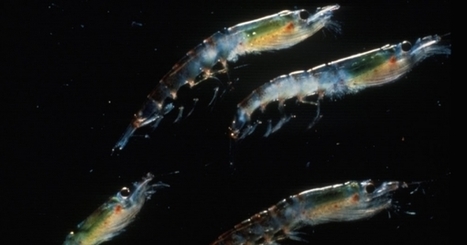
They may be small, but krill — tiny, shrimp-like creatures — play a big role in the Antarctic food chain. As climate change warms the Southern Ocean and alters sea ice patterns, though, the area of Antarctic water suitable for krill to hatch and grow could drop precipitously, a new study finds. Most Antarctic krill are found in an area from the Weddell Sea to the waters around the Antarctic Peninsula, the finger of land that juts up toward South America. They serve as an important source of food for various species of whales, seals and penguins. While those animals find other food sources during lean years, it is unclear if those alternate sources are sustainable long-term. Over the past 40 years, populations of adult Antarctic krill have declined by 70 to 80 percent in those areas, though researchers debate whether that drop is due to the effects of climate change, a rebound in whale populations after the end of commercial whaling or some combination of those pressures. Because of its key role in the regional food chain, scientists are concerned about the impacts that future climate change may have on the krill population and the larger Antarctic ecosystem. In the new study published in the journal Geophysical Research Letters, Andrea Piñones and Alexey Fedorov examined how expected changes in ocean temperatures and sea ice coverage might affect krill during their earliest life stages when they are most vulnerable to environmental conditions. Krill has a complex, regimented life cycle that requires a delicate balance of conditions. Female krill lay their eggs in the upper ocean during summer; those eggs then sink to where the water is in the right temperature range for them to hatch. Once they hatch, the krill larvae swim back to the surface waters where they must find food, in the form of phytoplankton, within 10 days or they will die. The larvae must then eat enough food during the late summer and fall to fatten up before winter. To survive that winter, they also need sea ice to form by a certain time, as they use it for shelter, as well as feeding on the algae that dwells in the nooks and crannies of the ice. “Even if there is a lot of a sea ice, if the sea ice is not there at the time that they need, they don’t survive,” said Piñones, who has dual appointments at the Center for Advanced Studies in Arid Zones and the High Latitude Marine Ecosystem Dynamic Center in Chile. Piñones and Fedorov, who works at Yale University, took a krill growth model and plugged in expected ocean temperature rise from climate models, projections of how sea ice area and the timing of its growth and melt might change, and possible changes in phytoplankton to see how those changes impacted the krill during its early life stages.
|
|
Scooped by
Dr. Stefan Gruenwald
August 29, 2016 2:39 PM
|
An international team of researchers – including a team from Trinity College Dublin (TCD) – has discovered what it is calling a breakthrough in fundamental physics that allows it to turn the mass of an object on or off at will. The reasoning behind the physics of this latest breakthrough is still mystifying the researchers, led by Prof Stefano Sanvito, a principal investigator at TCD’s AMBER centre and the CRANN Institute. After some experimentation with an exotic mineral, the team was astonished to find that, with help from an external stimulus, the object’s electron mass could be switched on or off like a light switch. Marking the first discovery of an object whose mass can be switched on or off, it’s hoped that this will mark the starting point for new work in high-energy physics. According to the team’s research paper, published in Nature Communications earlier this month, they had wanted to examine what happened to the current passing through the exotic material zirconium pentatelluride (ZrTe5) when exposed to a very high magnetic field. ZrTe5 is quite unique in the sense that, in the absence of a magnetic field, the current flows easily through the mineral because the electrons responsible for the current have no mass. Yet when a magnetic field of 60 Tesla is applied – more than 1m-times more intense than our own planet’s magnetic field – the current drastically reduces, resulting in ZrTe5 acquiring mass because of ‘fattening’ electrons. That is about as far as the team have gotten with its research into the strange phenomenon, but Sanvito has said that “like any fundamental discovery in physics, the importance is in its discovery”. “We have demonstrated for the first time one way in which mass can be generated in a material,” he continued. “In principle, the external stimulus that enabled this, the magnetic field, could be replaced with some other stimulus and perhaps applied long-term in the development of more sophisticated sensors or actuators.”
|
|
Scooped by
Dr. Stefan Gruenwald
August 29, 2016 2:34 PM
|
A "strong signal" detected by a radio telescope in Russia that is scanning the heavens for signs of extraterrestrial life has stirred interest among the scientific community. "No one is claiming that this is the work of an extraterrestrial civilization, but it is certainly worth further study," said Paul Gilster, author of the Centauri Dreams website which covers peer-reviewed research on deep space exploration. The signal in question comes from the direction of HD164595, a star about 95 light-years from Earth. The star is known to have at least one planet, and may have more. The observation is being made public now, but was actually detected last year by the RATAN-600 radio telescope in Zelenchukskaya, Russia, he said. Experts say it is far too early to know what the signal means or where, precisely, it came from. "But the signal is provocative enough that the RATAN-600 researchers are calling for permanent monitoring of this target," wrote Gilster. The discovery is expected to feature in discussions at the 67th International Astronautical Congress in Guadalajara, Mexico, on September 27. "Working out the strength of the signal, the researchers say that if it came from an isotropic beacon, it would be of a power possible only for a Kardashev Type II civilization," Gilster wrote, referring to a scale-system that indicates a civilization far more advanced than our own. "If it were a narrow beam signal focused on our Solar System, it would be of a power available to a Kardashev Type I civilization," indicating one closer to Earth's capabilities. Gilster, who broke the story on August 27, said he had seen a presentation on the matter from Italian astronomer Claudio Maccone. "Permanent monitoring of this target is needed," said the presentation. Nick Suntzeff, a Texas A&M University astronomer told the online magazine Ars Technica that the 11 gigahertz signal was observed in part of the radio spectrum used by the military. "If this were a real astronomical source, it would be rather strange," Suntzeff was quoted as saying. "God knows who or what broadcasts at 11Ghz, and it would not be out of the question that some sort of bursting communication is done between ground stations and satellites," Suntzeff said. "I would follow it if I were the astronomers, but I would also not hype the fact that it may be at SETI signal given the significant chance it could be something military."
|
|
Scooped by
Dr. Stefan Gruenwald
August 29, 2016 2:28 PM
|
A powerful new material developed by Northwestern University chemist William Dichtel and his research team could one day speed up the charging process of electric cars and help increase their driving range. An electric car currently relies on a complex interplay of both batteries and supercapacitors to provide the energy it needs to go places, but that could change. “Our material combines the best of both worlds -- the ability to store large amounts of electrical energy or charge, like a battery, and the ability to charge and discharge rapidly, like a supercapacitor,” said Dichtel, a pioneer in the young research field of covalent organic frameworks (COFs). Dichtel and his research team have combined a COF -- a strong, stiff polymer with an abundance of tiny pores suitable for storing energy -- with a very conductive material to create the first modified redox-active COF that closes the gap with other older porous carbon-based electrodes. “COFs are beautiful structures with a lot of promise, but their conductivity is limited,” Dichtel said. “That’s the problem we are addressing here. By modifying them -- by adding the attribute they lack -- we can start to use COFs in a practical way.” And modified COFs are commercially attractive: COFs are made of inexpensive, readily available materials, while carbon-based materials are expensive to process and mass-produce. Dichtel, the Robert L. Letsinger Professor of Chemistry at the Weinberg College of Arts and Sciences, is presenting his team’s findings in a paper published by the journal ACS Central Science.
|