Physicists harness starlight to support the case for entanglement.
A version of an iconic experiment to confirm quantum theory has for the first time used the light of distant stars to bolster the case for a phenomenon that Albert Einstein referred to as “spooky action at a distance”.
Einstein disliked the notion that objects can share a mysterious connection across any distance of space, and scientists have spent the past 50 years trying to make sure that their results showing this quantum effect could not have been caused by more intuitive explanations.
Quantum physics suggests that two so-called entangled particles can maintain a special connection — even at a large distance — such that if one is measured, that instantly tells an experimenter what measuring the other particle will show. This happens despite the fact neither particle has definite properties until it is measured. That unsettled some physicists, including Einstein, who favored an alternative explanation: that quantum theory is incomplete, and that the outcomes instead depend on some predetermined, but hidden, variables.
The latest effort to explore the phenomenon, to be published1 in Physical Review Letters on 7 February, uses light emitted by stars around 600 years ago to select which measurements to make in a quantum experiment known as a Bell test. In doing so, they narrow down the point in history when, if they exist, hidden variables could have influenced the experiment.
“It’s a beautiful experiment,” says Krister Shalm, a quantum physicist at the US National Institute of Standards and Technology (NIST) in Gaithersburg, Maryland. Although few expected it to disprove quantum mechanics, such experiments “keep pushing alternative theories to be more and more contrived and ridiculous”, he says. Similar techniques could, in the future, help to protect against hackers who try to crack quantum-cryptography systems, he adds.
Special bacteria-killing surfaces constitute a highly active area of research and development. Strategies to construct them vary widely. One group has infused a slippery surface with molecules that disrupt bacterial communication. Others have shown that silver nanoparticle coatings can destroy bacteria. Yet another group used black silicon to create a surface that resembled a tiny "bed of nails" (nanopillars), which physically rip bacteria apart.
That latter example, which falls into a broad category known as nano-textured surfaces (NTS), is of particular interest because it also exists in nature. The nanostructure of black silicon is very similar to that of dragonfly wings. And just like their elemental counterpart, dragonfly wings kill bacteria.
It is widely thought that a "bed of nails" surface destroys bacteria through puncturing the cell wall. But in newly published research based on extensive use of various microscopy techniques, a team of Australian and Nigerian researchers demonstrated that an entirely different killing mechanism may be at play.
The first clue that the conventional wisdom was wrong came from the observation that nanopillars on dragonfly wings were not all the same height. (See image on right.) This stands in contrast to synthetic "bed of nails" surfaces, which tend to produce nanopillars of equal height. A closer examination further demonstrated that the bacterial membrane does not come into direct contact with the nanopillars. Rather, bacteria (in this case, E. coli) attach to the nanopillars via structural molecules secreted by the bacteria, known as "extracellular polymeric substances" (EPSs), as well as by "finger-like" extensions.
Once the bacteria land on the surface, they are subjected to adhesive forces. These can deform the bacterial membrane, but by themselves, probably do not cause the bacteria to rupture.
Instead, the bacteria are essentially caught in one of those sinister traps of which movie villains are quite fond. If they don't move, the bacteria might survive. However, when they do move, shear forces pull on the EPSs, ripping the membrane apart. This results in a fatal leakage of cellular contents, which causes the cell to deflate like a balloon. Only after the cell is dead do the nanopillars penetrate it.
Extreme softness makes a frog's tongue a lethal weapon
Frogs capture prey using shear-thinning saliva that spreads over insects when the tongue hits and then thickens and sticks when the tongue retracts – according to researchers in the US. In combination with the tongue's unique material properties, this two-phase, viscoelastic fluid makes the tongue extremely sticky, allowing frogs to capture and swallow prey heavier than themselves in the blink of an eye. The research could lead to the development of new types of adhesives and material-handling technologies, say the scientists.
Frogs can capture flying insects at astonishing speeds with a flick of their whip-like tongues. But it is not just lightweight insects that they can grab. Research has shown that a frog tongue can pull up to 1.4 times the frog's body weight. And frogs have been recorded capturing larger animals such as mice and birds.
At the start of the latest study, Alexis Noel, at the Georgia Institute of Technology in Atlanta, and colleagues, filmed common leopard frogs,Rana pipiens and other species capturing crickets with a high-speed camera at 1400 frames per second. They found that a leopard-frog's tongue can capture an insect in less than 0.07 s – five times faster than humans can blink.
The team's calculations show that when the tongue is retracting, the force on the insect can reach 12 times that of gravity. The tongue is able to adhere to prey under such forces because it is extremely soft and viscoelastic, and coated in a non-Newtonian, shear thinning saliva, according to the researchers. Shear thinning is the property of some fluids whereby a shear force on the fluid reduces its viscosity. At low shear rates the saliva is very thick and more viscous than honey. But when subjected to high shear forces, for example when the tongue is accelerating in to prey, the saliva thins, becoming around 50 times less viscous, the researchers found.
"During prey impact, the saliva experiences high shear rates, resulting in the saliva becoming thin and liquidy, penetrating insect cracks," explains Noel. "During insect retraction, the saliva experiences low shear rates, firming up and maintaining grip on the insect."
Barely wider than a strand of human DNA, magnetic nanoparticles -- such as those made from iron and platinum atoms -- are promising materials for next-generation recording and storage devices like hard drives. Building these devices from nanoparticles should increase storage capacity and density, but understanding how magnetism works at the level of individual atoms is critical to getting the best performance.
However, magnetism at the atomic scale is extremely difficult to observe experimentally, even with the best microscopes and imaging technologies. That's why researchers working with magnetic nanoparticles at the University of California, Los Angeles (UCLA), and the US Department of Energy's (DOE's) Lawrence Berkeley National Laboratory (Berkeley Lab) approached computational scientists at DOE's Oak Ridge National Laboratory (ORNL) to help solve a unique problem: to model magnetism at the atomic level using experimental data from a real nanoparticle.
"These types of calculations have been done for ideal particles with ideal crystal structures but not for real particles," said Markus Eisenbach, a computational scientist at the Oak Ridge Leadership Computing Facility (OLCF), a DOE Office of Science User Facility located at ORNL.
Eisenbach develops quantum mechanical electronic structure simulations that predict magnetic properties in materials. Working with Paul Kent, a computational materials scientist at ORNL's Center for Nanophase Materials Sciences, the team collaborated with researchers at UCLA and Berkeley Lab's Molecular Foundry to combine world-class experimental data with world-class computing to do something new--simulate magnetism atom by atom in a real nanoparticle.
Using the new data from the research teams on the West Coast, Eisenbach and Kent were able to precisely model the measured atomic structure, including defects, from a unique iron-platinum (FePt) nanoparticle and simulate its magnetic properties on the 27-petaflop Titan supercomputer at the OLCF.
Electronic structure codes take atomic and chemical structure and solve for the corresponding magnetic properties. However, these structures are typically derived from many 2-D electron microscopy or x-ray crystallography images averaged together, resulting in a representative, but not true, 3-D structure.
A group of scientists led by Johannes Fink from the Institute of Science and Technology Austria (IST Austria) reported the first experimental observation of a first-order phase transition in a dissipative quantum system. Phase transitions include such phenomena as the freezing of water at the critical temperature of 0 degrees Celsius. However, phase transitions also occur at the quantum mechanical level, where they are still relatively unexplored by researchers.
One example of a phase transition at the quantum level is the photon-blockade breakdown, which was only discovered two years ago. During photon blockade, a photon fills a cavity in an optical system and prevents other photons from entering the same cavity until it leaves, hence blocking the flow of photons. But if the photon flux increases to a critical level, a quantum phase transition is predicted: The photon blockade breaks down, and the state of the system changes from opaque to transparent. This specific phase transition has now been experimentally observed by researchers who, for the first time, met the very specific conditions necessary to study this effect.
During a phase transition, the continuous tuning of an external parameter, for example temperature, leads to a transition between two robust steady states with different attributes. First-order phase transitions are characterized by a coexistence of the two stable phases when the control parameter is within a certain range close to the critical value. The two phases form a mixed phase in which some parts have completed the transition and others have not, as in a glass containing ice water. The experimental results that Fink and his collaborators will publish in the journal Physical Review X give insight into the quantum mechanical basis of this effect in a microscopic, zero-dimensional system.
Their setup consisted of a microchip with a superconducting microwave resonator acting as the cavity and a few superconducting qubits acting as the atoms. The chip was cooled to a temperature astoundingly close to absolute zero—0.01 Kelvin—so that thermal fluctuations did not play a role. To produce a flux of photons, the researchers then sent a continuous microwave tone to the input of the resonator on the chip. On the output side, they amplified and measured the transmitted microwave flux. For certain input powers, they detected a signal flipping stochastically between zero transmission and full transmission, proving the expected coexistence of both phases had occurred. "We have observed this random switching between opaque and transparent for the first time and in agreement with theoretical predictions," says lead author Johannes Fink from IST Austria.
Griffith's Professor Geoff Pryde, who led the project, says that such processes could be simulated using a "quantum hard drive", much smaller than the memory required for conventional simulations.
"Stephen Hawking once stated that the 21st century is the 'century of complexity', as many of today's most pressing problems, such as understanding climate change or designing transportation system, involve huge networks of interacting components," he says.
"Their simulation is thus immensely challenging, requiring storage of unprecedented amounts of data. What our experiments demonstrate is a solution may come from quantum theory, by encoding this data into a quantum system, such as the quantum states of light."
Einstein once said that "God does not play dice with the universe," voicing his disdain with the idea that quantum particles contain intrinsic randomness. "But theoretical studies showed that this intrinsic randomness is just the right ingredient needed to reduce the memory cost for modelling partially random statistics," says Dr Mile Gu, a member of the team who developed the initial theory.
In contrast with the usual binary storage system - the zeroes and ones of bits - quantum bits can be simultaneously 0 and 1, a phenomenon known as quantum superposition.
The researchers, in their paper published in Science Advances, say this freedom allows quantum computers to store many different states of the system being simulated in different superpositions, using less memory overall than in a classical computer. The team constructed a proof-of-principle quantum simulator using a photon - a single particle of light - interacting with another photon. They measured the memory requirements of this simulator, and compared it with the fundamental memory requirements of a classical simulator, when used to simulate specified partly random processes.
The data showed that the quantum system could complete the task with much less information stored than the classical computer- a factor of 20 improvements at the best point. "Although the system was very small - even the ordinary simulation required only a single bit of memory - it proved that quantum advantages can be achieved," Pryde says.
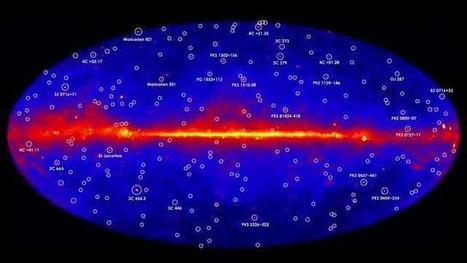
Black-hole-powered galaxies called blazars are the most common sources detected by NASA's Fermi. As matter falls toward the supermassive black hole at the galaxy's center, some of it is accelerated outward at nearly the speed of light along jets pointed in opposite directions.
NASA's Fermi Gamma-ray Space Telescope has identified the farthest gamma-ray blazars, a type of galaxy whose intense emissions are powered by supersized black holes. Light from the most distant object began its journey to us when the universe was 1.4 billion years old, or nearly 10 percent of its present age.
Blazars constitute roughly half of the gamma-ray sources detected by Fermi's Large Area Telescope (LAT). Astronomers think their high-energy emissions are powered by matter heated and torn apart as it falls from a storage, or accretion, disk toward a supermassive black hole with a million or more times the sun's mass. A small part of this infalling material becomes redirected into a pair of particle jets, which blast outward in opposite directions at nearly the speed of light. Blazars appear bright in all forms of light, including gamma rays, the highest-energy light, when one of the jets happens to point almost directly toward us.
Previously, the most distant blazars detected by Fermi emitted their light when the universe was about 2.1 billion years old. Earlier observations showed that the most distant blazars produce most of their light at energies right in between the range detected by the LAT and current X-ray satellites, which made finding them extremely difficult.
Then, in 2015, the Fermi team released a full reprocessing of all LAT data, called Pass 8, that ushered in so many improvements astronomers said it was like having a brand new instrument. The LAT's boosted sensitivity at lower energies increased the chances of discovering more far-off blazars.
The research team was led by Vaidehi Paliya and Marco Ajello at Clemson University in South Carolina and included Dario Gasparrini at the Italian Space Agency's Science Data Center in Rome as well as Ojha. They began by searching for the most distant sources in a catalog of 1.4 million quasars, a galaxy class closely related to blazars. Because only the brightest sources can be detected at great cosmic distances, they then eliminated all but the brightest objects at radio wavelengths from the list. With a final sample of about 1,100 objects, the scientists then examined LAT data for all of them, resulting in the detection of five new gamma-ray blazars.
Two of the blazars boast black holes of a billion solar masses or more. All of the objects possess extremely luminous accretion disks that emit more than two trillion times the energy output of our sun. This means matter is continuously falling inward, corralled into a disk and heated before making the final plunge to the black hole.
A UK, Canadian and Italian study has provided what researchers believe is the first observational evidence that our universe could be a vast and complex hologram.
Theoretical physicists and astrophysicists, investigating irregularities in the cosmic microwave background (the 'afterglow' of the Big Bang), have found there is substantial evidence supporting a holographic explanation of the universe—in fact, as much as there is for the traditional explanation of these irregularities using the theory of cosmic inflation.
The researchers, from the University of Southampton (UK), University of Waterloo (Canada), Perimeter Institute (Canada), INFN, Lecce (Italy) and the University of Salento (Italy), have published findings in the journal Physical Review Letters.
A holographic universe, an idea first suggested in the 1990s, is one where all the information that makes up our 3-D 'reality' (plus time) is contained in a 2-D surface on its boundaries.
Prof Kostas Skenderis of Mathematical Sciences at the University of Southampton explains: "Imagine that everything you see, feel and hear in three dimensions (and your perception of time) in fact emanates from a flat two-dimensional field. The idea is similar to that of ordinary holograms where a three-dimensional image is encoded in a two-dimensional surface, such as in the hologram on a credit card. However, this time, the entire universe is encoded."
Although not an example with holographic properties, it could be thought of as rather like watching a 3-D film in a cinema. We see the pictures as having height, width and crucially, depth—when in fact it all originates from a flat 2-D screen. The difference, in our 3-D universe, is that we can touch objects and the 'projection' is 'real' from our perspective.
In recent decades, advances in telescopes and sensing equipment have allowed scientists to detect a vast amount of data hidden in the 'white noise' or microwaves (partly responsible for the random black and white dots you see on an un-tuned TV) left over from the moment the universe was created. Using this information, the team were able to make complex comparisons between networks of features in the data and quantum field theory. They found that some of the simplest quantum field theories could explain nearly all cosmological observations of the early universe.
Prof Skenderis comments: "Holography is a huge leap forward in the way we think about the structure and creation of the universe. Einstein's theory of general relativity explains almost everything large scale in the universe very well, but starts to unravel when examining its origins and mechanisms at quantum level. Scientists have been working for decades to combine Einstein's theory of gravity and quantum theory. Some believe the concept of a holographic universe has the potential to reconcile the two. I hope our research takes us another step towards this."
The scientists now hope their study will open the door to further our understanding of the early universe and explain how space and time emerged.
Astronomers have detected the presence of water molecules in the atmosphere of a nearby hot Jupiter exoplanet known as 51 Pegasi b (51 Peb b for short). The discovery sheds new light on the nature of the exoworld's atmosphere and indicates that the star-planet system is a double-lined spectroscopic binary. The findings were presented Jan. 25 in a paper published on arXiv.org.
Located some 50 light years away, 51 Pegasi b is the first exoplanet discovered orbiting a main-sequence star and the first known hot Jupiter. It was classified as a hot Jupiter because it has orbital period of less than 10 days (4.23 days) and is similar in characteristics to the solar system's biggest planet, with a mass of about 0.47 Jupiter masses. It has high surface temperature, as it orbits its parent star 51 Pegasi very closely—at a distance of about 0.05 AU.
To better characterize this planetary system, a team of astronomers led by Jayne Birkby have observed 51 Pegasi and its planet with the CRyogenic high-resolution InfraRed Echelle Spectrograph (CRIRES) at the Very Large Telescope (VLT) in Chile. They obtained a total of 42 spectra allowing them to observe the radial-velocity shift of the water features in the planet's day side atmosphere.
"We have presented a 5,6σ detection of water molecules in the atmosphere of the original hot Jupiter, 51 Peg b, providing the first confirmation that the 51 Peg Ab system is a double-lined spectroscopic binary. (…) The best-matching model to the planet spectra from our grid contained molecular features from water only, with a volume mixing ratio of VMRH2O = 104," the researchers wrote in the paper.
According to the team, the direct detection of water absorption lines in the spectrum of the planet's atmosphere that undergo a change in Doppler shift provides important insights on the nature of this planetary system. In particular, this shows the true binary nature of this star-planet system, revealing it to be a double-lined spectroscopic (non-eclipsing) binary.
Besides water, the researchers also searched for molecular features arising from the expected major carbon- and oxygen-bearing gases at the observed wavelengths, like water carbon dioxide and methane. However, they found no significant signal from these molecules that would indicate their presence at the abundances probed by their model grid in the atmosphere of 51 Pegasi b.
Developed by chemists at Brown University in conjunction with colleagues at MIT and Cornell, the compound could enable a new drug strategy for treating tuberculosis. Part of the reason tuberculosis-causing bacteria are so good at colonizing the human body is that they have defenses against the body’s immune system. A research team led by Brown University chemists has developed a new compound that can take down one of those defenses in Mycobacterium tuberculosis. The researchers are hopeful that the compound could be part of a new drug strategy for treating tuberculosis.
“Given the increasing resistance of Mycobacterium tuberculosis to drugs, we contemplated the treatment of tuberculosis in a fundamentally different way,” said Jason Sello, associate professor of chemistry at Brown who directed the research. “Instead of seeking conventional drug leads that kill M. tuberculosis directly, we hoped to develop compounds that could render the bacterium susceptible to the immune system. We were successful in designing compounds that make laboratory-grown bacteria sensitive to a chemical produced during the immune response.”
The team found that the natural syringolin product was 160-fold more specific for the human proteasome. One of the engineered syringolin analogs, in contrast, was 74-fold more specific for the bacterial proteasome.
“Using this rational design approach and chemical synthesis, we were able to generate selective inhibitors of the M. tuberculosis 20S proteaseome,” Sello said. “In the best case, our engineering of the syringolins increased the inhibition of the bacterial enzyme by 220-fold, yet reduced the reaction with the human enzyme by 99.6 percent. Our success validated both the apparent substrate specificity of the M. tuberculosis proteasome and the structural model for proteasome inhibition by the syringolins."
The next step was to see whether the engineered compounds could indeed make bacteria more susceptible to nitric oxide, the chemical produced during the immune response. Sello’s collaborators at the Weill Cornell Medicine added the engineered syringolins to cultures of M. tuberculosis in the presence and absence of a source of nitric oxide. As expected, they found that the bacteria treated with the compounds were highly susceptible to nitric oxide. In keeping with their weak inhibition of the human proteasome, the engineered syringolin did not inhibit the growth of human cell models.
“We were pleased to have engineered out the toxicity of the syringolins to human cells,” Sello said. That suggested that an engineered syringolin could be safe in humans.” Sello and his colleagues are hopeful that this initial round of testing could lay the groundwork for developing new drugs to treat tuberculosis. “We’ve only modified the syringolins in two ways,” Sello said. “There are many other possibilities for structural modification that could improve potency and other pharmacological properties of the molecules. We can now see a long but feasible pathway towards the development of a novel therapeutic agent for tuberculosis."
Early prototype of smart glasses with liquid-based lenses that can automatically adjust the focus on what a person is seeing, whether it's far away or close.
Don’t throw away your bifocals or multiple glasses yet, but those days might soon be over. A team led by University of Utah engineers has created “smart glasses” with liquid-based lenses that can automatically adjust the focus on what you’re seeing, at any distance.
They’ve created eyeglass lenses made of glycerin, a thick colorless liquid, enclosed by flexible rubber-like membranes in the front and back. The rear membrane in each lens is connected to a series of three mechanical actuators that push the membrane back and forth like a transparent piston, changing the curvature of the liquid lens and therefore the focal length between the lens and the eye.
In the bridge of the glasses is a distance meter that measures the distance from the glasses to an object via pulses of near-infrared light. When the wearer looks at an object, the meter instantly measures the distance and tells the actuators how to curve the lenses. If the user then sees another object that’s closer, the distance meter readjusts and tells the actuators to reshape the lens for farsightedness.
The lenses can change focus from one object to another in 14 milliseconds (faster than human reaction time). A rechargeable battery in the frames could last more than 24 hours per charge, according to electrical and computer engineering professor Carlos Mastrangelo, senior author of an open-access paper in a special edition of the journalOptics Express.
Before putting them on for the first time, users would input their eyeglasses prescription into an accompanying smartphone app, which then calibrates the lenses automatically via Bluetooth. Users only need to do that once, except for when their prescription changes over time. Theoretically, eyeglass wearers will never have to buy another pair again since these glasses would constantly adjust to their eyesight.
A startup company, Sharpeyes LLC, has been created to commercialize the glasses. The project was funded with a grant from the National Institutes of Health and the National Institute of Biomedical Imaging and Bioengineering.
Appliances & Audio Devices: These include household products that function as a conventional appliance or device, yet offer advantages through connectivity, such as Sectorqube‘s MAID Oven and Sonos‘ smart home speakers. Sonos is the most well-funded smart home startup in terms of equity financing.
Device Controllers: While most startups produce individual smart home products, these companies produce the devices controlling them. Examples are Peel‘s universal remote and Ivee‘s personal voice assistant, advertised as “Siri for the home.” Both of these companies have received VC funding from Lightspeed Venture Partners and Foundry Group. Most of these products are able to control smart home products from other companies such as Philips and Nest.
Energy & Utilities: These are companies that utilize sensors, monitoring tech, and data to conserve water and energy. Ecobee and Rachio, for instance, develop products that monitor and control AC and water sprinkler systems respectively, to help make consumption more efficient. Interestingly, several startups in this category have received funding from corporations and corporate venture capital firms, such as Carrier Corporation, which backed Ecobee, and Amazon’s Alexa Fund, which backed Rachio.
Gardening: These companies focus on producing smart products for watering and monitoring household yards, gardens, and plants. This is one of the smaller categories in terms of number of companies. The most well-funded startup in this category is Edyn.
General Smart Home Solutions: Instead of producing a single smart gadget, these companies build or distribute multi-device systems that automate several parts of your home, such as ecoVent‘s custom vent/sensor system or Vivint‘s third-party device bundles.
Health & Wellness: These are products that assist home occupants in maintaining their health and lifestyle, such as MedMinder Systems‘ smart medicine containers and Beddit‘s under-the-bed health sensor. A notable deal in this category is Hello‘s $40M Series A round last year, which made it the most well-funded smart home startup in health & wellness.
Home Robots: This category is home to companies that produce robots specifically for maintenance and assistance in a home environment. These include robotic assistant Jibo and home cleaning robot Neato.
Lighting: Taking cues from products such as the Philips Hue, companies like Sequioa Capital-backed LIFX are coming up with their own app-controlled lightbulbs. Others such as Switchmate are going beyond the bulb and building app-controllable light switches.
Pet/Baby Monitors: These companies focus on producing video monitors and sensors to monitor pets and babies through the comfort of a smartphone. Most startups in this space, such as Y Combinator alumni Lully and Petcube, are young and still in their early stages of funding.
Safety & Security: These companies utilize the internet and home automation technologies to help protect you and your home with monitors, internet-enabled locks, smart smoke detectors, and more. This is one of the larger and more well-funded categories, as companies in this space include Ring, Simplisafe, August Home, and Canary.
Miscellaneous: Startups in this category have particularly unique offerings, such as Electric Objects‘ dynamic art display, Kamarq‘s sound table, and Notion‘s universal sensor.
What fractal dimension is, and how this is the core concept defining what fractals themselves are. It is possible to have fractals with an integer dimension. The example to have in mind is some *very* rough curve, which just so happens to achieve roughness level exactly 2. Slightly rough might be around 1.1-dimension; quite rough could be 1.5; but a very rough curve could get up to 2.0 (or more). A classic example of this is the boundary of the Mandelbrot set.
The proper definition of a fractal, at least as Mandelbrot wrote it, is a shape whose "Hausdorff dimension" is greater than its "topological dimension". Hausdorff dimension is similar to the box-counting one I showed in this video, in some sense counting using balls instead of boxes, and it coincides with box-counting dimension in many cases. But it's more general, at the cost of being a bit harder to describe. Topological dimension is something that's always an integer, wherein (loosely speaking) curve-ish things are 1-dimensional, surface-ish things are two-dimensional, etc. For example, a Koch Curve has topological dimension 1, and Hausdorff dimension 1.262. The surface of an ocean would have topological dimension 2, but might have fractal dimension around 2.1. And if a curve with topological dimension 1 has a Hausdorff dimension that *happens* to be exactly 2, it would be considered a fractal, even though it's fractal dimension is an integer. Pick a random fractal from a hat, though, and it will almost certainly have a non-integer dimension.
Sulphuric rain is easy; not being cremated by 500°C or crushed by 90 atmospheres is hard.
Venus is one of the most inhospitable places in the solar system. Descending through the clouds of boiling sulphuric rain is actually the easy bit—the hard bit is not being cremated by the surface temperature of 470°C (878°F) or crushed by the atmospheric pressure, which is about 90 times that of Earth, the same as swimming 900 meters under water.
The longest survival time for a human-made object on Venus was 127 minutes, back in 1981 when the Soviet spacecraft Venera 13 landed there. Not dying for two hours, and netting our first ever colour photos of the planet's surface, was considered a huge success; the probe had only been designed to live for 32 minutes before it was cooked, crushed, and dissolved by its environs. Three more spacecraft followed, all Soviet—Venera 14, Vega 1, Vega 2—but we haven't tried to land anything on Venus since 1985.
Now, researchers out of NASA's Glenn Research Centre appear to have cracked the other big problem with high-temperature integrated circuits: they've crafted interconnects—the tiny wires that connect transistors and other integrated components together—that can also survive the extreme conditions on Venus.
The NASA Glenn researchers combined the new interconnects with some SiC transistors to create a ceramic-packaged chip. The chip was then placed into the GEER—the Glenn Extreme Environments Rig, a machine that can maintain Venus-like temperature and pressure for hundreds of hours at a time. The chip, a simple 3-stage oscillator, kept functioning at a steady 1.26MHz for 521 hours (21.7) days before the GEER had to be shut down.
NASA Glenn says this is the first reported demonstration of a computer chip operating in Venus-like conditions for multiple days/weeks without the aid of a pressure vessel, cooling system, or other means of protection. "With further technology maturation, such SiC IC electronics could drastically improve Venus lander designs and mission concepts, fundamentally enabling long-duration enhanced missions to the surface of Venus," the researchers conclude.
To get a 3-D shape from an ordinary polynomial takes a little doing. The first step is to run the polynomial dynamically — that is, to iterate it by feeding each output back into the polynomial as the next input. One of two things will happen: either the values will grow infinitely in size, or they’ll settle into a stable, bounded pattern. To keep track of which starting values lead to which of those two outcomes, mathematicians construct the Julia set of a polynomial. The Julia set is the boundary between starting values that go off to infinity and values that remain bounded below a given value. This boundary line — which differs for every polynomial — can be plotted on the complex plane, where it assumes all manner of highly intricate, swirling, symmetric fractal designs.
If you shade the region bounded by the Julia set, you get the filled Julia set. If you use scissors and cut out the filled Julia set, you get the first piece of the surface of the eventual 3-D shape. To get the second, DeMarco and Lindsey wrote an algorithm. That algorithm analyzes features of the original polynomial, like its degree (the highest number that appears as an exponent) and its coefficients, and outputs another fractal shape that DeMarco and Lindsey call the “planar cap.”
“The Julia set is the base, like the southern hemisphere, and the cap is like the top half,” DeMarco said. “If you glue them together you get a shape that’s polyhedral.” The algorithm was Thurston’s idea. When he suggested it to Lindsey in 2010, she wrote a rough version of the program. She and DeMarco improved on the algorithm in their work together and “proved it does what we think it does,” Lindsey said. That is, for every filled Julia set, the algorithm generates the correct complementary piece.
The filled Julia set and the planar cap are the raw material for constructing a 3-D shape, but by themselves they don’t give a sense of what the completed shape will look like. This creates a challenge. When presented with the six faces of a cube laid flat, one could intuitively know how to fold them to make the correct 3-D shape. But, with a less familiar two-dimensional surface, you’d be hard-pressed to anticipate the shape of the resulting 3-D object.
In the early 20th century, Danish biologist Johannes Schmidt solved a puzzle that had confounded European fisherman for generations. Freshwater eels—popular for centuries on menus across northern Europe—were abundant in rivers and creeks, but only as adults, never as babies. So where were they coming from?
In 1922, after nearly two decades of research, Schmidt published the answer: the Sargasso Sea, the center of a massive, swirling gyre in the North Atlantic Ocean. Now regarded as some of the world’s most impressive animal migrators, European eels (Anguilla anguilla) journey westward across the Atlantic to spawning sites in the Sargasso; their eggs hatch into larvae that are carried back across the ocean by the Gulf Stream, arriving two or three years later to repopulate European waterways. For decades, researchers have assumed that adults made the journey in one short and rapid migration, leaving European coastlines in autumn and arriving in the Sargasso Sea, ready to spawn, the following spring. But this assumption rests on surprisingly little evidence, says behavioral ecologist David Righton of the UK Centre for Environment, Fisheries, and Aquaculture Science.
“Since Johannes Schmidt identified this spawning area in the Sargasso Sea, people have been wondering about that great journey and trying to figure out how to follow the eels,” says Righton, whose work on epic marine migrations includes appropriately titled projects such as CODYSSEY and EELIAD. “But the technology hasn’t been available. . . . They just slip away into the darkness, really, in autumn, and no one knows what happens to them.”
This information gap is of particular concern to conservationists. European eel recruitment (the number of babies added to a population each year) is thought to have declined more than 90 percent in the last 45 years. In 2008, the International Union for Conservation of Nature classified the fish as “critically endangered,” citing a concerning lack of data on their life histories. “We have a black hole, or a ‘blue hole,’ out in the ocean in terms of adult migratory behavior,” says Kim Aarestrup, a senior researcher at the National Institute of Aquatic Resources, Denmark, and one of Righton’s collaborators. “It’s really hard to do population ecology and management if you have a hole in the life cycle.”
In the mid-2000s, with these concerns in mind, Righton, Aarestrup, and other European colleagues set out to fill in the blanks. Taking advantage of recent improvements in animal telemetry, they tagged more than 700 large (therefore female) European eels—no easy task, Aarestrup admits, since “they’re pretty slimy.” The team planned to track their slippery quarry across the Atlantic. As eels swim too deep—usually at least 200 meters down—to be tracked using GPS, tags logged environmental data to provide indirect clues about the eels’ whereabouts. When a tag’s battery died after several months, it detached and floated to the surface, where, depending on the type of tag, it either relayed data via satellite or drifted back to shore for collection.
As the data rolled in, the researchers realized there was more to European eel migration than previously thought. Just a fraction of tagged eels made it to the ocean: only 87 tags collected data beyond the coastline. Many of those 87 were soon separated from their eels by predation, and none made it beyond the Azores—a result that highlights the peril inherent to the transoceanic journey, Righton notes. The partial trajectories recorded by the tagged eels that did make it to the ocean revealed further surprises. For starters, rather than take a direct route, eels apparently meandered their way to the Sargasso. “They’re taking a much longer route than ‘as the eel swims,’” says Righton, meaning that many models of eel migration are likely inaccurate. What’s more, the team found, eels don’t seem to swim with nearly enough urgency to reach the Sargasso in time for spawning early the following year.
Using eel larvae catch data from the spawning region, the researchers had estimated larval growth rates and extrapolated backwards in time to predict hatching times. From those estimates, they’d calculated that peak spawning must occur as early as February. But comparing this timeline with tag data revealed that eels leaving Europe in the autumn would have trouble reaching their destination fast enough at the pace they were going. “An eel has to go, for example, from Denmark at 55 kilometers a day to make it,” says Aarestrup. Tags instead showed maximum speeds of around 47 kilometers per day for the largest—and presumably strongest swimming—fish in the population.
The findings point to a different story from the one told until now, the researchers argue—at least some of these eels weren’t destined for the first spawning season at all, but the second (Sci Adv, 2:e1501694, 2016).
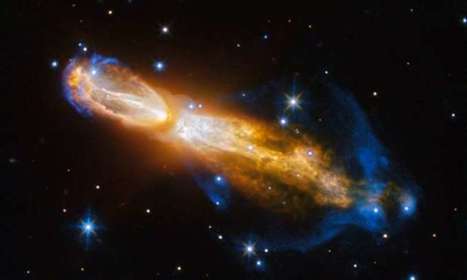
The Calabash Nebula, pictured here—which has the technical name OH 231.8+04.2—is a spectacular example of the death of a low-mass star like the sun. This image taken by the NASA/ESA Hubble Space Telescope shows the star going through a rapid transformation from a red giant to a planetary nebula, during which it blows its outer layers of gas and dust out into the surrounding space. The recently ejected material is spat out in opposite directions with immense speed—the gas shown in yellow is moving close to one million kilometers per hour (621,371 miles per hour).
Astronomers rarely capture a star in this phase of its evolution because it occurs within the blink of an eye—in astronomical terms. Over the next thousand years the nebula is expected to evolve into a fully-fledged planetary nebula. The nebula is also known as the Rotten Egg Nebula because it contains a lot of sulphur, an element that, when combined with other elements, smells like a rotten egg—but luckily, it resides over 5,000 light-years away in the constellation of Puppis.
In an effort to curb the adverse environmental impacts of paper production, researchers in a new study have developed a light-printable paper—paper that can be printed with UV light, erased by heating to 120 °C (250 °F), and rewritten more than 80 times. The secret to printing with light lies in the color-changing chemistry of nanoparticles, a thin coating of which can be easily applied to conventional paper to transform it into the light-printable version.
The researchers, Wenshou Wang and coauthors at Shandong University in China; the University of California, Riverside; and Lawrence Berkeley National Laboratory, have published a paper on the light-printable rewritable paper in a recent issue of Nano Letters.
"The greatest significance of our work is the development of a new class of solid-state photoreversible color-switching system to produce an ink-free light-printable rewritable paper that has the same feel and appearance as conventional paper, but can be printed and erased repeatedly without the need for additional ink," Yadong Yin, Chemistry Professor at the University of California, Riverside, told Phys.org. "Our work is believed to have enormous economic and environmental merits to modern society."
Currently, paper production and disposal have a large negative impact on the environment: paper production is a leading source of industrial pollution, discarded paper is a major component (approximately 40%) of landfills, and even recycling paper contributes to pollution due to the process of ink removal. There is also the issue of deforestation: in the US, about one-third of all harvested trees are used for paper and cardboard production.
Working to address these problems, researchers have been investigating alternatives to disposable paper. One possibility is to take advantage of the color-switching ability of certain chemicals when exposed to light, although in the past this approach has faced challenges in terms of stability, limited reversibility, high cost, toxicity, and difficulty in applying the coating to ordinary porous paper.
The light-printable paper developed in the new study improves in all of these areas, bringing the technology closer to applications, which could include any medium on which information is printed and needed for only a short time.
Researchers use modified messenger RNA to produce a vaccine that protected mice and nonhuman primates from infection.
In the last year, a diverse suite of anti-Zika vaccines has rapidly advanced through preclinical development and into human trials. A Phase 1 trial testing one approach, which relies on DNA to encode vaccine components, has already yielded encouraging results. Now, another nucleic acid, messenger RNA (mRNA) is joining the Zika-vaccine toolbox. According to a study published in Nature today (February 2), a single shot of a vaccine containing Zika virus mRNA encapsulated in a lipid nanoparticle induced protective immune responses in both mice and Rhesus macaques.
“It’s a novel vaccine platform. It has not been explored in great detail in humans yet, but it will have more clinical experience going forward,” said Dan Barouch, who directs the Center for Virology and Vaccine Research at Harvard Medical School and was not involved in the present study.
Like the current DNA vaccines, the mRNA-based vaccine encodes the Zika virus pre-membrane protein and the envelope protein. Once produced by a vaccine recipient’s cells, the proteins elicit an antiviral immune response. The difference, explained study coauthor Drew Weissman, an immunologist at the University of Pennsylvania, is that mRNA can bypass many of the obstacles that stand between DNA and protein production, such as transport to the nucleus and transcription into RNA. “With RNA, it just has to be taken up into the cytoplasm and then it’s translated,” he told The Scientist.
Weissman added that mammalian cells internalize RNA more efficiently than they do DNA. These advantages enabled his group to use 20 times less genetic material to generate levels of Zika virus–neutralizing antibodies in Rhesus macaques that were comparable to those generated by DNA-based vaccines. “We were surprised that we could use such a small amount and that it worked so well in macaques,” he said.
The team exposed five macaques to Zika virus five weeks after immunization, finding that four were completely protected from detectable virus in the blood. One animal that produced low levels of antibodies had transient viremia three days after the challenge. Barouch said it was encouraging that, as with other Zika vaccines, there was a correlation between antibody levels and protection from infection.
Weissman’s group had to overcome two major hurdles that have long plagued the RNA vaccine field. First, outside the cellular environment, the body is full of RNA-degrading enzymes. “That’s been one of the problems with RNA vaccines in the past,” said Kayvon Modjarrad, an infectious disease specialist at the Walter Reed Army Institute of Research in Silver Spring, Maryland, who was not involved in the work.
In the historical novel The Black Tulip, written by Alexandre Dumas, an honest and decent Dutch tulip fancier is nearly brought to ruin by his quest to breed a purely black flower. More precisely, his misadventure is due to the dastardly schemes of his neighbor, who, frantic with spite and jealousy over the plants, frames him for a political crime and gets him thrown in jail. The potboiler plot is ridiculously overheated, but Dumas got one thing exactly right: People will go nuts over the desire to possess a living thing in a strange and beautiful color.
The breed was developed in Indonesia, but due to concerns over avian flu, the U.S. Department of Agriculture bans direct imports from that nation. So these extraordinary chickens are very hard to get in America and, as a result, are extremely expensive. The best-known and most reputable breeder, Greenfire Farms, offers them for more than a thousand dollars per pair of juveniles; just one day-old chick of unknown sex goes for $199, plus shipping and handling. You can find Cemanis advertised for cheaper, but the discussion forums of backyardchickens.com (for example) suggest that you risk getting scammed. Order eggs off eBay and you might find yourself hatching out counterfeit chicks of silver or brown.
Cemanis are not the only black birds, but most of the others have pink tongues and deep brown eyes, along with innards of the normal hues. A few wild birds are naturally melanistic, meaning that due to genetic variations they have more pigment production in their feathers or skin. Their feathers are darker than usual, often brown or sooty grey. (See Nautilus’ story on the wide range of birds with abnormal colors.)
This phenomenon of internal blackness, which is called fibromelanosis, seems to occur in only three other oddball breeds: the Swedish Bohuslän-Dals svarthöna, the Vietnamese Black H’Mong, and the Silkie, an ancient breed of fluffy, five-toed chickens with feathers that look like hair. In 2011, a team of Swedish, American, and Chinese researchers figured out the genetics of this strange phenomenon. It was lead by Leif Andersson, a Swedish geneticist at Uppsala University who has long been interested in the genetic origins of striking phenotypes in livestock. The team discovered that fibromelanosis in all three breeds is caused by a mutation that affects how pigment-producing cells travel in the very early stages of development.
Normally, the precursor cells that will later give rise to melanin-producing melanocytes travel through the developing embryo in a specific pattern, winding up in the tissues that will develop into the skin and the eyes. In these birds, the cells also turn within, invading and colonizing tissues that will later turn into the fibers that hold the body together—the abdominal lining and the connective fibers and sheaths that encase the muscles and organs. There they continue to multiply instead of shutting down, resulting in significant deposits of dark color throughout the inside of the bird.
This genetic fluke is the result of two sizable chunks of DNA that are duplicated within the chromosome (one of them upside-down). Inside those stretches, Andersson’s group also pinpointed a gene called endothelian-3 (EDN3), known to be involved in the regulation of pigment-producing melanocyte cells. About 10 times as much EDN3 was expressed in the skin of adult black chickens than in other breeds. (The lovely black metallic sheen of the Cemani’s feathers actually has nothing to do with this variation; in fact, some Silkies have white feathers despite their black skin and black bones.)
Newly released images showcase the incredible closeness with which NASA's Cassini spacecraft, now in its "Ring-Grazing" orbits phase, is observing Saturn's dazzling rings of icy debris.
The views are some of the closest-ever images of the outer parts of the main rings, giving scientists an eagerly awaited opportunity to observe features with names like "straw" and "propellers." Although Cassini saw these features earlier in the mission, the spacecraft's current, special orbits are now providing opportunities to see them in greater detail. The new images resolve details as small as 0.3 miles (550 meters), which is on the scale of Earth's tallest buildings.
Cassini is now about halfway through its penultimate mission phase—20 orbits that dive past the outer edge of the main ring system. The ring-grazing orbits began last November, and will continue until late April, when Cassini begins its grand finale. During the 22 finale orbits, Cassini will repeatedly plunge through the gap between the rings and Saturn. The first finale plunge is scheduled for April 26, 2017.
For now, the veteran spacecraft is shooting past the outer edges of the rings every week, gathering some of its best images of the rings and moons. Already Cassini has sent back the closest-ever views of small moons Daphnis and Pandora.
Another university finds dinosaur blood in a rib bone. This one breaks records for age, over double previous reports.
A thin section of the rib of the 195 million year old dinosaur Lufengosaurus, cut along the length of the rib showing a vascular canal with dark hematite particles. These were probably derived from the iron rich blood cells of the living dinosaur, and would have provided the internal environment for the preservation of collagen. Lacunae, where adult bone cells would reside, are also preserved with dark hematite particles inside them.
A new wave of portable biosensors allows frequent measurement of health-related physiology. A group at Stanford investigated the use of these devices to monitor human physiological changes during various activities and their role in managing health and diagnosing and analyzing disease. By recording over 250,000 daily measurements for up to 43 individuals, they found personalized circadian differences in physiological parameters, replicating previous physiological findings. Interestingly, the research group also found striking changes in particular environments, such as airline flights (decreased peripheral capillary oxygen saturation [SpO2] and increased radiation exposure). These events are associated with physiological macro-phenotypes such as fatigue, providing a strong association between reduced pressure/oxygen and fatigue on high-altitude flights.
Importantly, when they combined biosensor information with frequent medical measurements, they made two important observations: First, wearable devices were useful in identification of early signs of Lyme disease and inflammatory responses; the research team used this information to develop a personalized, activity-based normalization framework to identify abnormal physiological signals from longitudinal data for facile disease detection. Second, wearables distinguish physiological differences between insulin-sensitive and -resistant individuals.
Overall, these results indicate that portable biosensors provide useful information for monitoring personal activities and physiology and are likely to play an important role in managing health and enabling affordable health care access to groups traditionally limited by socioeconomic class or remote geography.
A binary response to tumor pH by a fluorescent nanoprobe allows for precise surgery.
Oncologic surgery is practiced today as it has been for millennia – the surgeon looks for and sees the tumor, and executes a strategy for the most complete and efficient removal. Intraoperatively, surgeons still largely rely on inspection and palpation to determine surgical margins in real-time. Given this inherently imprecise method, positive tumor margins are encountered quite often. For example, a second operation, due to inadequate tumor removal during breast cancer surgery, is required for 20–25% of patients, delaying recovery, causing patient trauma, and adding to healthcare costs as well as worsening patient prognosis2. Techniques that can improve the intraoperative visualization of tumor margins would improve the completeness of surgical resection while minimizing the removal of normal tissue.
Surgeons rely heavily on preoperative imaging with modalities such as computed tomography (CT) and magnetic resonance imaging (MRI), but these do not provide real-time information to the surgeon during the operation and do not easily mesh with the optical and tactile methods that surgeons have used since the earliest days of surgery. To integrate imaging into the surgical workflow, optical imaging strategies are being developed using fluorescent probes, targeting tumor markers1,2. One limitation of the marker-targeting strategy is the lack of broad tumor applicability in cancer patients. For example, although the folate receptor is widely expressed in ovarian cancer, expression in other cancers, such as head-and-neck cancer, is limited. Even within a given type of cancer, expression can be variable; < 25% breast cancer patients have Her2 expression3.
To achieve universal tumor targeting, a group of researchers has now been working with ubiquitous tumor markers, or “hallmarks of cancer”4. These researchers have previously shown that targeting two such hallmarks, angiogenesis andextracellular acidic tumor microenvironment, allows for imaging of a wide variety of cancers using fluorescence5. They have subsequently discovered that the acidic cancer microenvironment, first described by Otto Warburg6, can be imaged in a unique way that enhances the information provided to surgeons.
Carl Sagan,American astronomer and astronomy popularizer, first speculated that hydrogen warming could have been important on early Mars back in 1977, but this is the first time scientists have been able to calculate its greenhouse effect accurately.
Researchers from the Harvard John A. Paulson School of Engineering and Applied Sciences (SEAS) performed studies which suggest that early Mars may have been warmed now and again by a powerful greenhouse effect. In a recent paper published in Geophysical Research Letters, researchers found that interactions between methane, carbon dioxide and hydrogen in the early Martian atmosphere may have created warm periods when the planet could support liquid water on its surface.
The team first considered the effects of CO2, an obvious choice since it comprises 95% of Mars’ present day atmosphere and famously traps heat. But when you take into account that the Sun shone 30% fainter 4 billion years ago compared to today, CO2 alone couldn’t cut it.
“You can do climate calculations where you add CO2 and build up to hundreds of times the present day atmospheric pressure on Mars, and you still never get to temperatures that are even close to the melting point,” said Robin Wordsworth, assistant professor of environmental science and engineering at SEAS, and first author of the paper.
When you take methane into consideration, Mars may have had episodes of warmth based on geological activity associated with earthquakes and volcanoes. There have been at least three volcanic epochs during the planet’s history — 3.5 billion years ago (evidenced by lunar mare-like plains), 3 billion years ago (smaller shield volcanoes) and 1 to 2 billion years ago, when giant shield volcanoes such as Olympus Monswere active. So we have three potential methane bursts that could rejigger the atmosphere to allow for a mellower Mars.
The sheer size of Olympus Mons practically shouts massive eruptions over a long period of time. During the in-between times, hydrogen, a lightweight gas, would have continued to escape into space until replenished by the next geological upheaval.
“This research shows that the warming effects of both methane and hydrogen have been underestimated by a significant amount,” said Wordsworth. “We discovered that methane and hydrogen, and their interaction with carbon dioxide, were much better at warming early Mars than had previously been believed.”
To get content containing either thought or leadership enter:
To get content containing both thought and leadership enter:
To get content containing the expression thought leadership enter:
You can enter several keywords and you can refine them whenever you want. Our suggestion engine uses more signals but entering a few keywords here will rapidly give you great content to curate.


 Your new post is loading...