Your new post is loading...

|
Scooped by
Dr. Stefan Gruenwald
August 22, 2017 11:28 AM
|
Physicists have experimentally demonstrated an optical system based on an unconventional class of quantum mechanical systems that could lead to the development of new quantum optical devices. The system is called a "PT-symmetric quantum walk," since it consists of single photons that occupy a superposition of states, called quantum walks, that obey parity-time (PT) symmetry—the property in which a system's coordinates in space and time can have their signs reversed without inherently changing the system.
|
|
Scooped by
Dr. Stefan Gruenwald
August 22, 2017 11:26 AM
|
Tremendous amounts of soot, lofted into the air from global wildfires following a massive asteroid strike 66 million years ago, would have plunged Earth into darkness for nearly two years, new research finds. This would have shut down photosynthesis, drastically cooled the planet, and contributed to the mass extinction that marked the end of the age of dinosaurs. These new details about how the climate could have dramatically changed following the impact of a 10-kilometer-wide asteroid will be published Aug. 21 in the Proceedings of the National Academy of Sciences. The study, led by the National Center for Atmospheric Research (NCAR) with support from NASA and the University of Colorado Boulder, used a world-class computer model to paint a rich picture of how Earth's conditions might have looked at the end of the Cretaceous Period, information that paleobiologists may be able to use to better understand why some species died, especially in the oceans, while others survived. Scientists estimate that more than three-quarters of all species on Earth, including all non-avian dinosaurs, disappeared at the boundary of the Cretaceous-Paleogene periods, an event known as the K-Pg extinction. Evidence shows that the extinction occurred at the same time that a large asteroid hit Earth in what is now the Yucatán Peninsula. The collision would have triggered earthquakes, tsunamis, and even volcanic eruptions. Scientists also calculate that the force of the impact would have launched vaporized rock high above Earth's surface, where it would have condensed into small particles known as spherules. As the spherules fell back to Earth, they would have been heated by friction to temperatures high enough to spark global fires and broil Earth's surface. A thin layer of spherules can be found worldwide in the geologic record. "The extinction of many of the large animals on land could have been caused by the immediate aftermath of the impact, but animals that lived in the oceans or those that could burrow underground or slip underwater temporarily could have survived," said NCAR scientist Charles Bardeen, who led the study. "Our study picks up the story after the initial effects—after the earthquakes and the tsunamis and the broiling. We wanted to look at the long-term consequences of the amount of soot we think was created and what those consequences might have meant for the animals that were left."
|
|
Scooped by
Dr. Stefan Gruenwald
August 21, 2017 2:55 PM
|
250+ math theorems. Can you solve some of them?
|
|
Rescooped by
Dr. Stefan Gruenwald
from DNA and RNA research
August 20, 2017 6:05 PM
|
In a bid to detect cancers early and in a noninvasive way, scientists at the Johns Hopkins Kimmel Cancer Center report they have developed a test that spots tiny amounts of cancer-specific DNA in blood and have used it to accurately identify more than half of 138 people with relatively early-stage colorectal, breast, lung and ovarian cancers. The test, the scientists say, is novel in that it can distinguish between DNA shed from tumors and other altered DNA that can be mistaken for cancer biomarkers.
Via Integrated DNA Technologies
|
|
Rescooped by
Dr. Stefan Gruenwald
from DNA and RNA research
August 20, 2017 6:03 PM
|
Researchers use a big-data approach to find links between different genes and patient survival. Understanding the genetic changes in tumors that distinguish the most lethal cancers from more benign ones could help doctors better treat patients. Recently, Swedish researchers launched a new open-access catalog that maps many of those genetic changes. This “atlas” links thousands of specific genes involved in numerous cancers to patient survival and also reveals potential new drug targets. The new atlas is one of several ongoing efforts to make sense of data that’s been collected by public databases—like the National Cancer Institute’s Cancer Genome Atlas—that act as repositories for tumor samples. The goal is to glean practical information, like markers of disease, that can be used to develop cancer drugs and diagnostics. To generate the atlas, researchers led by Mathias Uhlén, a professor of microbiology at the Royal Institute of Technology in Sweden, used a supercomputer to analyze 17 major types of human cancers from nearly 8,000 tumor samples. Uhlén says his team was looking for “holistic changes across the genome caused by these mutations.” They then mapped all the genes found in those cancer cells to find out how proteins made by these genes affect patient survival. Genes carry instructions for making proteins, and the level of gene expression increases or decreases the amount of protein that genes make. These resulting proteins can dramatically influence biological processes like cancer.
Via Integrated DNA Technologies
|
|
Scooped by
Dr. Stefan Gruenwald
August 14, 2017 8:49 PM
|
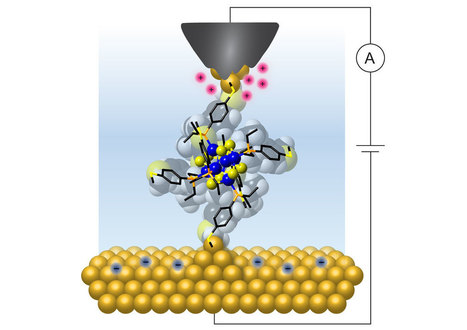
Columbia Engineering researchers are first to reproducibly achieve the current blockade effect using atomically precise molecules at room temperature, a result that could lead to shrinking electrical components and boosting data storage and computing power.Columbia researchers wired a single molecular cluster to gold electrodes to show that it exhibits a quantized and controllable flow of charge at room temperature. A major goal in the field of molecular electronics, which aims to use single molecules as electronic components, is to make a device where a quantized, controllable flow of charge can be achieved at room temperature. A first step in this field is for researchers to demonstrate that single molecules can function as reproducible circuit elements such as transistors or diodes that can easily operate at room temperature. A team led by Latha Venkataraman, professor of applied physics and chemistry at Columbia Engineeringand Xavier Roy, assistant professor of chemistry (Arts & Sciences), published a study (DOI 10.1038/nnano.2017.156) today in Nature Nanotechnology that is the first to reproducibly demonstrate current blockade—the ability to switch a device from the insulating to the conducting state where charge is added and removed one electron at a time—using atomically precise molecular clusters at room temperature. Bonnie Choi, a graduate student in the Roy group and co-lead author of the work, created a single cluster of geometrically ordered atoms with an inorganic core made of just 14 atoms—resulting in a diameter of about 0.5 nanometers—and positioned linkers that wired the core to two gold electrodes, much as a resistor is soldered to two metal electrodes to form a macroscopic electrical circuit (e.g. the filament in a light bulb). The researchers used a scanning tunneling microscope technique that they have pioneered to make junctions comprising a single cluster connected to the two gold electrodes, which enabled them to characterize its electrical response as they varied the applied bias voltage. The technique allows them to fabricate and measure thousands of junctions with reproducible transport characteristics. “We found that these clusters can perform very well as room-temperature nanoscale diodes whose electrical response we can tailor by changing their chemical composition,” says Venkataraman. “Theoretically, a single atom is the smallest limit, but single-atom devices cannot be fabricated and stabilized at room temperature. With these molecular clusters, we have complete control over their structure with atomic precision and can change the elemental composition and structure in a controllable manner to elicit certain electrical response.”
|
|
Scooped by
Dr. Stefan Gruenwald
August 14, 2017 7:56 PM
|
This is a picture of the algebraic numbers in the complex plane, made by David Moore based on earlier work by Stephen J. Brooks, and available along with other neat stuff at Moore’s site Math and Code. Algebraic numbers are roots of polynomials with integer coefficients. The integers 0 and 1 are the big dots near the bottom, while ii is near the top. In this picture, the color of a point indicates the degree of the polynomial of which it’s a root: • red = roots of linear polynomials, i.e. rational numbers, • green = roots of quadratic polynomials, • blue = roots of cubic polynomials, • yellow = roots of quartic polynomials, and so on. The size of a point decreases exponentially with the ‘complexity’ of the simplest polynomial with integer coefficient of which it’s a root. Here the complexity is the sum of the absolute values of the coefficients of that polynomial. There are many patterns in this picture that call for explanation! For example, look near the point ii. Can you describe some of these patterns, formulate some conjectures about them, and prove some theorems? Maybe you can dream up a stronger version of Roth’s theorem, which says roughly that algebraic numbers tend to ‘repel’ rational numbers of low complexity. David Moore made this image using software created by Stephen J. Brooks on Wikipedia.
|
|
Scooped by
Dr. Stefan Gruenwald
August 11, 2017 7:40 PM
|
Heatwaves amplified by high humidity can reach above 40°C and may occur as often as every two years, leading to serious risks for human health. If global temperatures rise with 4°C, a new super heatwave of 55°C can hit regularly many parts of the world, including Europe, warn researchers. A recently published study by the Joint Research Centre (JRC) -- the European Commission's science and knowledge service -- analyses the interaction between humidity and heat. The novelty of this study is that it looks not only at temperature but also relative humidity to estimate the magnitude and impact of heat waves. It finds out that the combinations of the two, and the resulting heatwaves, leave ever more people exposed to significant health risks, especially in East Asia and America's East Coast. Warm air combined with high humidity can be very dangerous as it prevents the human body from cooling down through sweating, leading to hyperthermia. As a result, if global warming trends continue, many more people are expected to suffer sun strokes, especially in densely populated areas of India, China and the US. The study analyses changes in yearly probability for a high humidity heatwaves since 1979 under different global warming scenarios. If global temperatures increase up to 2 C above pre-industrial levels the combined effect of heat and humidity (known as apparent temperature or Heat Index) will likely exceed 40°C every year in many parts of Asia, Australia, Northern Africa, South and North America. Europe will be least affected with up to 30% chance of having such strong heat wave annually. However, if temperatures rise to 4°C a severe scenario is on the horizon. Scientists predict that a new super-heatwave will appear with apparent temperature peaking at above 55°C- a level critical for human survival. It will affect densely populated areas such as USA's East coast, coastal China, large parts of India and South America. Under this global warming scenario Europe is likely to suffer annual heatwaves with apparent temperature of above 40°C regularly while some regions of Eastern Europe may be hit by heatwaves of above 55°C. The authors highlight that although some urban areas such as Chicago and Shanghai are not considered to have high risk for heatwaves based on temperature only, the probability of extreme weather strongly increased when considering relative humidity. According to the study, the effect of relative humidity on heatwaves' magnitude and peak might be underestimated in current research. The results of the study support the need for urgent mitigation and adaptation action to address the impacts of heatwaves, and indicate regions where new adaptation measures might be necessary to cope with heat stress. The study draws on the Apparent Heat Wave Index (AHWI), a composite index for humidity and heat developed by JRC's Competence Centre on Composite Indicators and Scoreboards (https://ec.europa.eu/jrc/en/coin)
|
|
Scooped by
Dr. Stefan Gruenwald
August 11, 2017 7:03 PM
|
For the first time, a primitive movie has been encoded in – and then played back from – DNA in living cells. Scientists funded by the National Institutes of Health say it is a major step toward a “molecular recorder” that may someday make it possible to get read-outs, for example, of the changing internal states of neurons as they develop. “We want to turn cells into historians,” explained neuroscientist Seth Shipman, Ph.D. , a post-doctoral fellow at Harvard Medical School, Boston. “We envision a biological memory system that’s much smaller and more versatile than today’s technologies, which will track many events non-intrusively over time.” Shipman, Harvard’s Drs. George Church , Jeffrey Macklis andJeff Nivala report on their proof-of-concept for a futuristic “molecular ticker tape” online July 12, in the journal Nature. The work was funded by NIH’s National Institute of Mental Health, National Institute of Neurological Disorders and Stroke, and the National Human Genome Research Institute. The ability to record such sequential events like a movie at the molecular level is key to the idea of reinventing the very concept of recording using molecular engineering, say the researchers. In this scheme, cells themselves could be induced to record molecular events – such as changes in gene expression over time – in their own genomes. Then the information could be retrieved simply by sequencing the genomes of the cells it is stored in. “If we had those transcriptional steps, we could potentially use them like a recipe to engineer similar cells,” added Shipman. “These could be used to model disease – or even in therapies.” For starters, the researchers had to show that DNA can be used to encode not just genetic information, but any arbitrary sequential information into a genome. For this they turned to the cutting-edge, NIH-funded gene editing technology CRISPR . They first demonstrated that they could encode and retrieve an image of the human hand in DNA inserted into bacteria. They then similarly encoded and reconstructed frames from a classic 1870s race horse in motion sequence of photos – an early forerunner of moving pictures. The researchers had previously shown that they could use CRISPR to store sequences of DNA in bacteria. CRISPR is a group of proteins and DNA that act as an immune system in some bacteria, vaccinating them with genetic memories of viral infections. When a virus infects a bacterium, CRISPR cuts out part of the foreign DNA and stores it in the bacteria’s own genome. The bacterium then uses the stored DNA to recognize the virus and defend against future attacks. “The sequential nature of CRISPR makes it an appealing system for recording events over time,” explained Shipman. The researchers then similarly translated five frames from the race horse in motion photo sequence into DNA. Over the course of five days, they sequentially treated bacteria with a frame of translated DNA. Afterwards, they were able to reconstruct the movie with 90 percent accuracy by sequencing the bacterial DNA. Although this technology could be used in a variety of ways, the researchers ultimately hope to use it to study the brain. “We want to use neurons to record a molecular history of the brain through development,” said Shipman. “Such a molecular recorder will allow us to eventually collect data from every cell in the brain at once, without the need to gain access, to observe the cells directly, or disrupt the system to extract genetic material or proteins.”
|
|
Scooped by
Dr. Stefan Gruenwald
August 11, 2017 6:39 PM
|
PTScientists, one of the companies that originally signed up for the Google Lunar X Prize competition, is planning to deliver two rovers to the Moon, using their ALINA (Autonomous Landing and Navigation) module. The rovers, developed in partnership with Audi, will have four-wheel electrical drive chains, rechargeable batteries, solar panels, and HD cameras. And they'll also need a way to transmit their data back to Earth. To that end, the German-based team is planning to use a simple, already existing solution called LTE technology - the same wireless communications system we use here on Earth for chattering on our mobile phones. LTE has a big advantage over typical radio transmissions - it requires way less power, which means that the rovers can spend more battery juice on exploring and less on communicating. "We will be collecting a lot of scientific data on the Moon and the high-speed data connectivity that LTE gives us will enable the rovers to communicate with ALINA to send that valuable data back to Earth," the team's electrical engineer Karsten Becker told Abigail Beall at Wired. The lunar rovers are designed to draw about 90 watts of energy from their solar panels, and they will need half of that for getting around. Radio transmissions would need to use the other half, but LTE is going to conserve a lot of that leftover power. Right now PTScientists is aiming to be the first private company to set any kind of boot - including robotic - on the Moon. As reported previously, they have already signed a contract to hitch a ride on a SpaceX rocket. But, as Tereza Pultarova reports for Space.com, the team has withdrawn from participating in the Lunar X race, believing that none of the participants are likely to meet the goal to launch by December 2017. If PTScientists succeed in their mission, they are hoping that the trial of using LTE for lunar mission comms could indeed set course for building a whole telecommunications network up there. "We are trying to show that you can use the most widespread means of communication .. on the surface of the Moon, to execute missions there," Becker told Space.com. "We are aiming to provide cost-effective solutions to problems that are arising in terms of building the lunar village." We'll have to watch this space to see whether the mission goes as planned, with ALINA touching down next year. But one way or another, it certainly looks like humans will be putting gear and boots on the Moon once again - and very soon.
|
|
Rescooped by
Dr. Stefan Gruenwald
from DNA and RNA research
August 11, 2017 6:01 PM
|
Proteins in archaea bend strands of DNA in a way that’s similar in eukaryotes, new research from HHMI Investigator Karolin Luger and colleagues reveals. That similarity hints at the evolutionary origin of the elaborate folding that eukaryotic cells use to cram their genome into a nucleus. In the cells of palm trees, humans, and some single-celled microorganisms, DNA gets bent the same way. By studying the 3-D structure of proteins bound to DNA in microbes called archaea, researchers have turned up surprising similarities to DNA packing in more complicated organisms. “If you look at the nitty gritty, it’s identical,” says Howard Hughes Medical Institute Investigator Karolin Luger, a structural biologist and biochemist at the University of Colorado Boulder. “It just blows my mind.” The archaeal DNA folding, reported August 10 in Science, hints at the evolutionary origins of genome folding, a process that involves bending DNA and one that is remarkably conserved across all eukaryotes (organisms that have a defined nucleus surrounded by a membrane). Like Eukarya and Bacteria, Archaea represents one of the three domains of life. But Archaea is thought to include the closest living relatives to an ancient ancestor that first hit on the idea of folding DNA. Scientists have long known that cells in all eukaryotes, from fish to trees to people, pack DNA in exactly the same way. DNA strands are wound around a “hockey puck” composed of eight histone proteins, forming what’s called a nucleosome. Nucleosomes are strung together on a strand of DNA, forming a “beads on a string” structure. The universal conservation of this genetic necklace raises the question of its origin. If all eukaryotes have the same DNA bending style, “then it must have evolved in a common ancestor,” says study coauthor John Reeve, a microbiologist at Ohio State University. “But what that ancestor was, is a question no-one asked.” Earlier work by Reeve had turned up histone proteins in archaeal cells. But, archaea are prokaryotes (microorganisms without a defined nucleus), so it wasn’t clear just what those histone proteins were doing. By examining the detailed structure of a crystal that contained DNA bound to archaeal histones, the new study reveals exactly how DNA packing works. Luger and her colleagues wanted to make crystals of the histone-DNA complex inMethanothermus fervidus, a heat-loving archaeal species. Then, they wanted to bombard the crystals with X-rays. This technique, called X-ray crystallography, yields precise information about the position of each and every amino acid and nucleotide in the molecules being studied. But growing the crystals was tricky (the histones would stick to any given stretch of DNA, making it hard to create consistent histone-DNA structures), and making sense of the data they could get was no easy feat. “It was a very gnarly crystallographic problem,” says Luger. Yet Luger and her colleagues persisted. Postdoctoral researcher Sudipta Bhattacharyya “beat this thing with everything he could,” says Luger, and ultimately solved the structure. The researchers revealed that despite using a single type of histone (and not four as do eukaryotes), the archaea were folding DNA in a very familiar way, creating the same sort of bends as those found in eukaryotic nucleosomes.
Via Integrated DNA Technologies
|
|
Rescooped by
Dr. Stefan Gruenwald
from DNA and RNA research
August 11, 2017 5:56 PM
|
Mice lacking the RNA had deregulated microRNAs in the brain, disrupted synaptic communication, and behavioral abnormalities associated with neuropsychiatric disorders. Circular RNAs (circRNAs) have attracted growing attention in recent years, but their function in living organisms has long remained a mystery. Now, researchers report that one circRNA, Cdr1as, regulates microRNA levels in the mammalian brain, and that its removal results in abnormal neuronal activity and behavioral impairments in mice. The findings were published today (August 10) in Science. “There are few papers where you can really say it’s a breakthrough,” says Sebastian Kadener, a neuroscientist and circRNA researcher at Brandeis University who was not involved in the work. “But this paper is really exciting. It’s the first real demonstration of a function of these molecules in vivo in an animal.” CircRNAs, or simply “circles,” are formed when one or more exons or introns are “back-spliced” into a loop instead of a linear transcript. Once thought to be the result of errors in gene expression, hundreds of circles are now known to be specifically expressed, and are conserved across animal species. Cdr1as, a circRNA that is highly expressed in the mammalian brain, is one of the best characterized circles to date. When the Max Delbrück Center’s Nikolaus Rajewsky and colleagues described it in 2013, they noted the molecule’s potential to act as a microRNA “sponge”—it has more than 60 binding sites for the microRNA miR-7—although the role of this sponging remained unclear. Cdr1as is also unusual in that it is transcribed from the antisense strand of DNA and has no well-expressed linear equivalent—a feature that makes it appealing for loss-of-function assays using DNA-editing tools such as CRISPR-Cas9. “This is an attractive case to study,” Rajewsky tells The Scientist. “It allows you to manipulate the DNA and hope that what you see at the functional level is really a response to the loss of the circular RNA. In the current work, Rajewsky and his colleagues first took advantage of a technique they had previously developed to detect in vivo interactions between microRNAs and other molecules. Using mouse and human postmortem brains, the team showed that miR-7, and to a much lesser extent, another microRNA, miR-671, both bind to Cdr1as.Then, the researchers employed CRISPR-Cas9 to delete the locus in mice and create Cdr1as-deficient mutants. Although the knockout animals were outwardly normal—they were viable, fertile, and showed no obvious changes in brain anatomy—the team detected altered levels of free microRNA in areas of the brain where Cdr1as would normally have been expressed: miR-671 was slightly upregulated, while miR-7 levels were markedly lowered—a result that could reflect the circle’s role in preventing degradation of this microRNA by binding to it in wild-type animals, Rajewsky notes.
Via Integrated DNA Technologies
|
|
Scooped by
Dr. Stefan Gruenwald
August 11, 2017 5:44 PM
|
Neuroscientists want to understand how tangles of neurons produce complex behaviors, but even the simplest networks defy understanding. Marta Zlatic owns what could be the most tedious film collection ever. In her laboratory at the Janelia Research Campus in Ashburn, Virginia, the neuroscientist has stored more than 20,000 hours of black-and-white video featuring fruit-fly (Drosophila) larvae. The stars of these films are doing mundane maggoty things, such as wriggling and crawling about, but the footage is helping to answer one of the biggest questions in modern neuroscience: how the circuitry of the brain creates behavior. It's a major goal across the field: to work out how neurons wire up, how signals move through the networks and how these signals work together to pilot an animal around, to make decisions or — in humans — to express emotions and create consciousness. Even under the most humdrum conditions — “normal lighting; no sensory cues; they're not hungry”, says Zlatic — her fly larvae can be made to perform 30 different actions, including retracting or turning their heads, or rolling. The actions are generated by a brain comprising just 15,000 neurons. That is nothing compared with the 86 billion in a human brain, which is one of the reasons Zlatic and her teammates like the maggots so much. “At the moment, really, the Drosophila larva is the sweet spot,” says Albert Cardona, Zlatic's collaborator and husband, who is also at Janelia. “If you can get the wiring diagram, you have an excellent starting point for seeing how the central nervous system works.” Zlatic and Cardona lead two of the dozens of groups around the world that are generating detailed wiring diagrams for brains of model organisms. New tools and techniques for slicing up brains and tracing their connections have hastened progress over the past few years. And the resulting neural-network diagrams are yielding surprises — showing, for example, that a brain can use one network in multiple ways to create the same behaviors. But understanding even the simplest of circuits — orders of magnitude smaller than those in Zlatic's maggots — presents a host of challenges. Circuits vary in layout and function from animal to animal. The systems have redundancy that makes it difficult to pin one function to one circuit. Plus, wiring alone doesn't fully explain how circuits generate behaviors; other factors, such as neurochemicals, have to be considered. “I try to avoid using the word 'understand',” says Florian Engert, who is putting together an atlas of the zebrafish brain at Harvard University in Cambridge, Massachusetts. “What do you even mean when you say you understand how something works? If you map it out, you haven't really understood anything.” Still, scientists are beginning to detect patterns in simple circuits that may operate in more complex brains. “This is what we hope,” says Willie Tobin, a neuroscientist at Harvard Medical School in Boston, Massachusetts: “that we can come across general principles that can help us understand larger systems.”
|
|
|
Scooped by
Dr. Stefan Gruenwald
August 22, 2017 11:28 AM
|
A team of researchers from Princeton University, the Scripps Institution of Oceanography, the University of Maine and Oregon State University has drilled and retrieved a 2.7-million-year-old ice core from a spot in Antarctica. Until recently, scientists believed that ice core samples taken from either pole had an age limit of approximately 800,000 years—this was because ice at the bottom melted due to heat from inside the Earth. But a team at Princeton discovered a few year ago that another type of ice could hold much older ice known as blue ice. It forms on glaciers due to snowfall which, over time, becomes compressed, squeezing out air bubbles, making the ice look blue. But it also has another characteristic—over time, the ice at the bottom is pushed upwards, protecting it from melting. In this new effort, the team drilled at a site called the Allan Hills, near McMurdo Station. Ice cores taken from glaciers present problems because they are more difficult to date—cores from other places are dated by counting their layers. The older ice, it was found, could be dated by studying trace amounts of potassium and argon—though not as precise as layer counting, the researchers believe it is accurate to within 100,000 years. One of the first teams to take a core sample from the older ice drilled to a depth of 128 meters. In this latest effort, the team drilled to 205 meters and found ice that was nearly twice as old. Ice cores are important because they contain very small air bubbles that are samples of atmospheric conditions. Air bubbles from 2.7 million years ago offer evidence of climactic conditions during the time before the ice ages began, perhaps offering clues as to why they occurred. Already, the team has found that atmospheric carbon dioxide levels were at approximately 300 ppm, which is considerably lower than today's 400 ppm. But the team notes that the core sample represents something perhaps even more exciting—the possibility of finding core samples that are much older, perhaps as old as 5 million years.
|
|
Scooped by
Dr. Stefan Gruenwald
August 22, 2017 11:24 AM
|
In an experiment designed to mimic the conditions deep inside the icy giant planets of our solar system, scientists were able to observe "diamond rain" for the first time as it formed in high-pressure conditions. The glittering precipitation has long been hypothesized to arise more than 5,000 miles below the surface of Uranus and Neptune, created from commonly found mixtures of just hydrogen and carbon. The interiors of these planets are similar—both contain solid cores surrounded by a dense slush of different ices. With the icy planets in our solar system, "ice" refers to hydrogen molecules connected to lighter elements, such as carbon, oxygen and/or nitrogen. Researchers simulated the environment found inside these planets by creating shock waves in plastic with an intense optical laser at the Matter in Extreme Conditions (MEC) instrument at SLAC National Accelerator Laboratory's X-ray free-electron laser, the Linac Coherent Light Source (LCLS). In the experiment, they were able to see that nearly every carbon atom of the original plastic was incorporated into small diamond structures up to a few nanometers wide. On Uranus and Neptune, the study authors predict that diamonds would become much larger, maybe millions of carats in weight. Researchers also think it's possible that over thousands of years, the diamonds slowly sink through the planets' ice layers and assemble into a thick layer around the core. The research was published in Nature Astronomy on August 21, 2017.
|
|
Scooped by
Dr. Stefan Gruenwald
August 21, 2017 1:17 PM
|
During the minutes during which the sun is completely blocked, observers experience the exquisitely odd and wondrous sensation of solar emissions, both visible and invisible, vanishing right in the middle of the day.
|
|
Rescooped by
Dr. Stefan Gruenwald
from Popular Science
August 20, 2017 6:05 PM
|
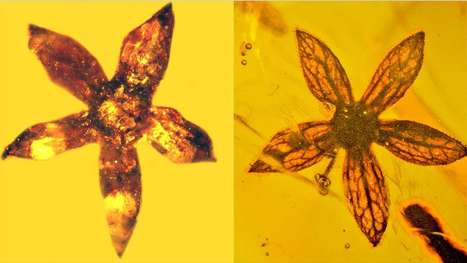
Seven flowers have been found perfectly preserved in amber, from 100 million years ago. The flowers, discovered in Myanmar, were encased in amber in the Cretaceous period in what would have been a pine forest. The authors of a paper studying the flowers, which are in stunning condition, speculated that they could have been dislodged from their trees by a passing dinosaur. “Dinosaurs may have knocked the branches that dropped the flowers into resin deposits on the bark of an araucaria tree, which is thought to have produced the resin that fossilized into the amber." George Poinar Jr, professor emeritus of Oregon State University’s College of Science said in a statement. "Araucaria trees are related to kauri pines found today in New Zealand and Australia, and kauri pines produce a special resin that resists weathering.”
Via Neelima Sinha
|
|
Rescooped by
Dr. Stefan Gruenwald
from DNA and RNA research
August 20, 2017 6:02 PM
|
Many types of cells remain unknown, but researchers have discovered a faster way to group cells by function, paving the way for a complete census. There are some questions in biology that you’d think were settled long ago. For instance: How many types of cells are there in the human body? “If you just Google this, the number everyone uses is 200,” said Jay Shendure, a geneticist at the University of Washington. “But to me that seems absurdly low.” A number of scientists like him want to build a more complete catalog. Yet there are an estimated 37 trillion cells in the human body. The traditional ways to identify cell types — such as carefully tracing the shape of individual cells under a microscope — are too slow and crude for the job. Dr. Shendure and his colleagues recently published a report describing a speedy new method for taking such a cell census. Instead of inspecting one cell at a time, they measured the activity of genes inside 42,035 cells at once. Although still at an experimental stage, the method may become an essential tool for cataloging every cell type in the human body, experts said.
Via Integrated DNA Technologies
|
|
Scooped by
Dr. Stefan Gruenwald
August 14, 2017 8:43 PM
|
National Institute of Standards and Technology has officially launched a new atomic clock, called NIST-F2, to serve as a new US civilian time and frequency standard, along with the current NIST-F1 standard. NIST-F2 would neither gain nor lose one second in about 300 million years, making it about three times as accurate as NIST-F1, which has served as the standard since 1999. Both clocks use a 'fountain' of cesium atoms to determine the exact length of a second. NIST-F1 uses a tiny, cigar-shaped cloud of cesium atoms that is tossed in the air to determine the length of a second (see http://tf.nist.gov/cesium/fountain.htm). Atoms in different parts of the cloud are subject to slight variations in electric and magnetic fields that affect clock accuracy. By contrast, single ions such as mercury can be isolated at a point in space for better control. The ion is created inside an electromagnetic trap, which holds the ion in one place with electric fields oscillating at radio frequencies. Once trapped, the ion is cooled with lasers until it is nearly motionless. The ticks are generated by the oscillations of the ultraviolet light used to induce the ion's transition between two energy levels. These oscillations are about 100,000 times faster than the corresponding oscillations in NIST-F1, which also improves the precision of the mercury ion clock. An optical atomic clock has three components: an atom that switches from one energy level to another when probed by a laser at a well-defined optical frequency; the laser used to induce this transition; and a counter that faithfully records each oscillation per unit time (the ticks) of the probe laser. The latest version of the NIST mercury clock incorporates several improvements over the original design. Most importantly, it compensates for the irregular shape of mercury's electron cloud, which causes a frequency shift that was not previously measured or corrected. NIST developed a method for nullifying the shift by applying a magnetic field on three different axes of the trap, measuring the frequencies at each axis, and calculating the average. The researchers also reduced the frequency shift caused by magnetic fields by reducing the strength of the field used to hold the ion in the trap. The NIST mercury clock is unusual in part because of the method for stabilizing the ultraviolet laser used to probe the clock transition. The laser light is locked to an ultra-stable reference cavity that sits on an isolation platform suspended from the ceiling by latex tubing, essentially a set of huge rubber bands. The suspended platform offers passive isolation against vibration to very low frequency, according to Bergquist, the system designer. Better vibration isolation improves laser frequency stability and that leads to higher resolution when probing the laser's clock transition. "You only want the atom to respond at precisely one frequency," Bergquist says. "An acoustical analogy is the resonant response of a tuning fork to an exquisitely pure musical note, either sung or played." NIST also built the optical "frequency comb" used to convert the optical ticks to microwave frequencies so they can be counted. (No electronics exist that are fast enough to directly count optical frequencies.) A frequency comb is a very precise tool for measuring different frequencies, or colors, of light (see http://www.nist.gov/public_affairs/newsfromnist_frequency_combs.htm).The comb was used to compare the mercury and cesium clocks, serving as the gears, or clockworks, for converting the stable and accurate optical frequency of the mercury clock transition to a stable microwave frequency. The accuracy of the optical frequency measurement is made possible largely by the high accuracy of the NIST-F1 standard.
|
|
Scooped by
Dr. Stefan Gruenwald
August 11, 2017 9:30 PM
|
A bumper crop of Earth-size planets huddled around an ultra-cool, red dwarf star could be little more than chunks of rock blasted by radiation, or cloud-covered worlds as broiling hot as Venus. Or they could harbor exotic lifeforms, thriving under skies of ruddy twilight. Scientists are pondering the possibilities after this week’s announcement: the discovery of seven worlds orbiting a small, cool star some 40 light-years away, all of them in the ballpark of our home planet in terms of their heft (mass) and size (diameter). Three of the planets reside in the “habitable zone” around their star, TRAPPIST-1, where calculations suggest that conditions might be right for liquid water to exist on their surfaces—though follow-up observations are needed to be sure. All seven are early ambassadors of a new generation of planet-hunting targets. Red dwarf stars -- also called “M-dwarfs” -- outnumber others, including yellow stars like our sun, by a factor of three to one, comprising nearly 75 percent of the stars in our galaxy. They also last far longer. And their planets are proportionally larger compared to the small stars they orbit. That means small, rocky worlds orbiting the nearest red dwarfs will be primary targets for new, powerful telescopes coming online in the years ahead, both in space and on the ground. “The majority of stars are M-dwarfs, which are faint and small and not very luminous,” said Martin Still, program scientist at NASA headquarters in Washington. “So the majority of places where you would look for planets are around these cool, small stars. We are interested in the nearest stars, and the nearest stars are mostly M-dwarfs.” But these are sure to be perplexing planets, with strange properties that must be teased out by careful observation as well as computer simulations. Finding out whether they can support some form of life, and what kind, likely will keep astrobiologists working overtime, perhaps attempting to recreate in the laboratory some of the conditions on these red-tinged worlds. “We’re definitely all working overtime now,” said Nancy Kiang, an astrobiologist at NASA’s Goddard Institute for Space Studies in New York City.
|
|
Scooped by
Dr. Stefan Gruenwald
August 11, 2017 7:07 PM
|
During the last decade, commercial brain-training programs have risen in popularity, offering people the hope of improving their cognitive abilities through the routine performance of various “brain games” that tap cognitive functions such as memory, attention and cognitive flexibility. But a recent study at the University of Pennsylvania found that, not only did commercial brain training with Lumosity™ have no effect on decision-making, it also had no effect on cognitive function beyond practice effects on the training tasks. The findings were published in the Journal of Neuroscience. Seeking evidence for an intervention that could reduce the likelihood that people will engage in unhealthy behaviors such as smoking or overeating, a team of researchers at Penn, co-led by Joseph Kable, PhD, the Baird Term associate professor in the department of Psychology in the School of Arts & Sciences, and Caryn Lerman, PhD, the vice dean for Strategic Initiatives and the John H. Glick professor in Cancer Research in the Perelman School of Medicine, examined whether, through the claimed beneficial effect on cognitive function, commercial brain training regimes could reduce individuals’ propensity to make risky or impulsive choices. Lerman’s prior work had shown that engagement of brain circuits involved in self-control predicts whether people can refrain from smoking. This work provided the foundation for examining whether modulating these circuits through brain training could lead to behavior change. “Our motivation,” Kable said, “was that there are enough hints in the literature that cognitive training deserved a real, rigorous, full-scale test. Especially given the addiction angle, we're looking for things that will help people make the changes in their lives that they want to make, one of which is being more future-oriented.”
|
|
Scooped by
Dr. Stefan Gruenwald
August 11, 2017 6:57 PM
|
Swansea University scientists working at CERN have again made a landmark finding, taking them one step closer to answering the question of why matter exists and illuminating the mysteries of the Big Bang and the birth of the Universe. In their recent paper published in Nature the physicists from the University’s College of Science, working with an international collaborative team at CERN, describe the first observation of spectral line shapes in antihydrogen, the antimatter equivalent of hydrogen. Professor Mike Charlton said: “The existence of antimatter is well established in physics, and it is buried deep in the heart of some of the most successful theories ever developed. But we have yet to answer a central question of why didn’t matter and antimatter, which it is believed were created in equal amounts when the Big Bang started the Universe, mutually self-annihilate? “We also have yet to address why there is any matter left in the Universe at all. This conundrum is one of the central open questions in fundamental science, and one way to search for the answer is to bring the power of precision atomic physics to bear upon antimatter.” It has long been established that any excited atom will reach its lowest state by emitting photons, and the spectrum of light and microwaves emitted from them represents a kind of atomic fingerprint and it is a unique identifier. The most familiar everyday example is the orange of the sodium streetlights. Hydrogen has its own spectrum and, as the simplest and most abundant atom in the Universe, it holds a special place in physics. The properties of the hydrogen atom are known with high accuracy. The one looked at in this paper concerns the so-called hyperfine splitting, which in the case of hydrogen has been determined with a precision of one part in ten trillion. This transition is used these days in modern navigation and geo-positioning. The team have made antihydrogen by replacing the proton nucleus of the ordinary atom by an antiproton, while the electron has been substituted by a positron. Last year, in ground-breaking work published inNature, the team used UV light to detect the so-called 1S-2S transition between positron energy levels. Now, the team has used microwaves to flip the spin of the positron. This resulted not only in the first precise determination of the antihydrogen hyperfine splitting, but also the first antimatter transition line shape, a plot of the spin flip probability versus the microwave frequency. If there is a difference between matter and antimatter, it could be found in tiny differences between this line shape in hydrogen and antihydrogen.
|
|
Scooped by
Dr. Stefan Gruenwald
August 11, 2017 6:26 PM
|
Datasets which are identical over a number of statistical properties, yet produce dissimilar graphs, are frequently used to illustrate the importance of graphical representations when exploring data. A recent paper presents a novel method for generating such datasets, along with several examples. This technique varies from previous approaches in that new datasets are iteratively generated from a seed dataset through random perturbations of individual data points, and can be directed towards a desired outcome through a simulated annealing optimization strategy.
|
|
Rescooped by
Dr. Stefan Gruenwald
from DNA and RNA research
August 11, 2017 5:58 PM
|
New research into the body's immune system offers a path to new treatments for autoimmune diseases. Known as T cells regulate our body’s response to foreign substances — our adaptive immune response. In a new study, Yale scientists have learned how changes in a recently discovered RNA epigenetic marker regulate T cells and the immune response. Their finding could lead to new approaches to treating autoimmune diseases. The Yale-led research team focused on an important genetic marker, m6A, which modifies RNA. Prior to this study, it was known that m6A affected RNA and stem cells, but its role in biology was not understood. To investigate, the researchers deleted one of the genes that produce m6A in T cells, and tested m6A-deficient mice using various mice disease models. The researchers found that the m6A-deficient T cells lost the ability to differentiate, or further develop into specialized immune cells; thus the cells were unable to cause autoimmune disease. The authors further revealed detailed molecular pathways that undermine T cell differentiation, which could have a profound impact on the research field, they said. The finding provides new insight into this genetic marker’s role in development and human health. It also points to the potential for developing drugs to target m6A to alleviate autoimmune diseases, said first author and immunobiologist Huabing Li.
Via Integrated DNA Technologies
|
|
Scooped by
Dr. Stefan Gruenwald
August 11, 2017 5:47 PM
|
We don’t know much about the early history of the sun but a surprising discovery might change that. According to an international team of astronomers, the sun’s core actually spins four times faster than its surface. Previously, astronomers presumed the core was simply rotating at the same pace with its surface like a unitary body. What happened instead though was that solar wind steadily slowed down the rotation of the outer part of the sun. “The most likely explanation is that this core rotation is left over from the period when the sun formed, some 4.6 billion years ago,” said Roger Ulrich, a UCLA professor emeritus of astronomy, who has studied the sun’s interior for more than 40 years and co-author of the study that was published today in the journal Astronomy and Astrophysics. “It’s a surprise, and exciting to think we might have uncovered a relic of what the sun was like when it first formed.” The sun is comprised of four distinct layers. Energy is generated in the core, the innermost one, then blasts outward by radiation (mostly gamma-rays and x-rays) through the radiative zone and by convective fluid flows (boiling motion) through the convection zone, the outermost layer. The thin interface layer (the “tachocline”) between the radiative zone and the convection zone is where the sun’s magnetic field is thought to be generated. Ulrich and colleagues learned this after they studied surface acoustic waves that hit the sun’s surface, some of which also penetrated the core. Once at the core, the acoustic waves interact with gravity waves whose motion resembles water bouncing back and forth in a half-filled tanker truck taking a curve. This interaction ultimately revealed the sloshing motions of the solar and by accurately measuring the acoustic waves, the team found out the time required for the waves to travel from the surface to the core and back. This effort required 16 years of coordinated action by many research institutes to bring to fruition. Since two decades ago, some scientists have been proposing that the sun’s core rotates slower than its surface but it was only recently that the tech enabled an investigation. Instruments like GOLF (Global Oscillations at Low Frequency) on a spacecraft called SoHO proved to be essential, for instance. It makes sense that the core and the surface of the sun can have such dissimilar properties. For one, the core — where nuclear fusion occurs — has a temperature of 15.7 million Kelvin while the surface is far, far colder measuring only 5,800 Kelvin in temperature. And as an interesting trivia — just to get an idea of the complexities involved in the many layers between the core and surface of the sun — by the most recent estimates, it takes about a million years for photons forged in the core to escape through the surface. From there, it only takes them eight minutes to reach Earth. The findings appeared in the journal Astronomy & Astrophysics.
|