Your new post is loading...

|
Scooped by
Dr. Stefan Gruenwald
April 29, 2018 1:17 PM
|
A “truly holographic” videoconferencing system has been developed by researchers at Queen’s University in Montreal. With TeleHuman 2, objects appear as stereoscopic images, as if inside a pod (not a two-dimensional video projected on a flat piece of glass). Multiple users can walk around and view the objects from all sides simultaneously — as in Star Trek’s Holodeck. Teleporting for distance meetings TeleHuman 2 “teleports” people live — allowing for meetings at a distance. No headset or 3D glasses required. The researchers presented the system in an open-access paper at CHI 2018, the ACM CHI Conference on Human Factors in Computing Systems in Montreal on April 25. Researchers at Carnegie Mellon University and Disney Research have devised a system called Wall++ for creating interactive “smart walls” that sense human touch, gestures, and signals from appliances. By using masking tape and nickel-based conductive paint, a user would create a pattern of capacitive-sensing electrodes on the wall of a room (or a building) and then paint it over. The electrodes would be connected to sensors. LumiWatch, another interactive interface out of Carnegie Mellon, projects a smart-watch touch screen onto your skin. It solves the tiny-interface bottleneck with smart watches — providing more than five times the interactive surface area for common touchscreen operations, such as tapping and swiping. It was also presented in an open-access paper at CHI 2018.
|
|
Scooped by
Dr. Stefan Gruenwald
April 27, 2018 3:46 PM
|
In the midst of disaster, small items like batteries or medical supplies can be a matter of life or death. But what is the safest and most cost-effective way to deliver those items? The U.S. military is investing resources into answering that question. Along they way, they’ve come up with an unexpected way to pull off dangerous, one-way resupply missions; it’s a solution that involves, of all things, paper airplanes. As IEEE Spectrum’s Evan Ackerman reports, the Defense Advanced Research Projects Agency has a new program devoted to creating disposable—and perhaps paper—drones. The DARPA program is called ICARUS (short for Inbound, Controllable, Air-Releasable, Unrecoverable Systems), and it’s aimed at creating what the agency calls “vanishing air vehicles that can make precise deliveries of critical supplies and then vaporize into thin air.” If paper airplanes don’t exactly seem to fit that bill, think again. Otherlab, a San Francisco-based group that specializes in using unusual materials to create unexpected machines, has received DARPA funding for a drone called APSARA (Aerial Platform Supporting Autonomous Resupply/Actions). Behind this lengthy acronym is a concept that’s actually kind of ingenious. APSARA drones are mainly cardboard and packing tape with a few very simple hardware elements like a battery and GPS system. The tiny package of electronics helps steer the paper plane toward its target. Once they drop their payload (about 2.20 pounds for a 3.3-foot drone) they eventually disintegrate. Ackerman notes that DARPA is funding a separate program—with a separate acronym, of course—that will hopefully develop electronics that disappear or degrade just like the disposable drone. The drones even have a tasty twist: they’ll eventually be made from mushrooms. As Tim Wright notes for Smithsonian’s Air & Space, the drones won’t be cardboard forever. Rather, Otherlab intends to eventually make them from mycelium—the mushroom’s filamentous offshoots that acts a bit like roots. It’s a renewable resource, and one that Otherlab hopes will make the drone disappear even more rapidly once its work is done. Paper airplanes? Mushroom messengers? It’s all part of a day’s work for DARPA, which already has plans for everything from fairy tale-inspired drone swarms to self-steering bullets. The projects may seem futuristic—even esoteric. But they’re all built with safety in mind. Whether or not cardboard or mushroom drones ever make it to the battlefield, the future of warfare is shaping up to be strange indeed.
|
|
Scooped by
Dr. Stefan Gruenwald
April 27, 2018 1:33 PM
|
For the first time, astronomers have witnessed the birth of a colossal cluster of galaxies. Their observations reveal at least 14 galaxies packed into an area only four times the diameter of the Milky Way’s galactic disk. Computer simulations of the galaxies predict that over time the cluster will assemble into one of the most massive structures in the modern universe, the astronomers report in the April 26, 2018 issue of Nature. Galaxies within the cluster are churning out stars at an incredible pace, ranging from 50 to 1,000 times the Milky Way’s star formation rate. These rates are higher than can be explained for solitary galaxies, suggesting that the galaxies are influencing one another and are actively assembling into a cluster. “More so than any other candidate discovered to date, this seems like we’re catching a cluster in the process of being assembled,” says study co-author Chris Hayward, an associate research scientist at the Center for Computational Astrophysics at theFlatiron Institute in New York City. “This is the missing link in our understanding of how clusters form.”
|
|
Scooped by
Dr. Stefan Gruenwald
April 27, 2018 1:19 PM
|
Rearing on its hind legs, the giant ground sloth would have been a formidable prey for anyone, let alone humans without modern weapons. Predator-prey interactions revealed by vertebrate trace fossils are extremely rare. A group of paleontologists and associated scientists now present footprint evidence from the White Sands National Monument in New Mexico for the association of sloth and human trackways. Geologically, the sloth and human trackways were made contemporaneously, and the sloth trackways show evidence of evasion and defensive behavior when associated with human tracks. Behavioral inferences from these trackways indicate prey selection and suggest that humans were harassing, stalking, and/or hunting the now-extinct giant ground sloth in the terminal Pleistocene.
|
|
Scooped by
Dr. Stefan Gruenwald
April 27, 2018 12:37 PM
|
The nonsurgical technique, developed by a UCLA-led team, allows them to turn doorknobs and open water bottles for the first time in years. The ability to perform simple daily tasks can make a big difference in people’s lives, especially for those with spinal cord injuries. A UCLA-led team of scientists reports that six people with severe spinal cord injuries — three of them completely paralyzed — have regained use of their hands and fingers for the first time in years after undergoing a nonsurgical, noninvasive spinal stimulation procedure the researchers developed. At the beginning of the study, three of the participants could not move their fingers at all, and none could turn a doorknob with one hand or twist a cap off a plastic water bottle. Each of them also had great difficulty using a cellphone. After only eight researcher-led training sessions with the spinal stimulation, all six individuals showed substantial improvements. The study participants had chronic and severe paralysis for more than one year, and some for more than 10 years. From before the first session to the end of the last session, the participants improved their grip strength. “About midway through the sessions, I could open my bedroom door with my left hand for the first time since my injury and could open new water bottles, when previously someone else had to do this for me,” said Cecilia Villarruel, one of the participants, whose injury resulted from a car accident 13 years earlier. “Most people with a spinal cord injury say they just want to go to the bathroom like a normal person again,” she said. “Small accomplishments like opening jars, bottles and doors enable a level of independence and self-reliance that is quite satisfying, and have a profound effect on people’s lives.”
|
|
Scooped by
Dr. Stefan Gruenwald
April 27, 2018 12:31 PM
|
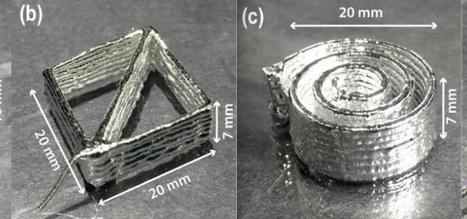
Researchers in Oregon State University’s College of Engineering have taken a key step toward the rapid manufacture of flexible computer screens and other stretchable electronic devices, including soft robots. The advance by a team within the college’s Collaborative Robotics and Intelligent Systems Institute paves the way toward the 3D printing of tall, complicated structures with a highly conductive gallium alloy. Researchers put nickel nanoparticles into the liquid metal, galinstan, to thicken it into a paste with a consistency suitable for additive manufacturing. “The runny alloy was impossible to layer into tall structures,” said Yiğit Mengüç, assistant professor of mechanical engineering and co-corresponding author on the study. “With the paste-like texture, it can be layered while maintaining its capacity to flow, and to stretch inside of rubber tubes. We demonstrated the potential of our discovery by 3D printing a very stretchy two-layered circuit whose layers weave in and out of each other without touching.” Findings were recently published in Advanced Materials Technologies. Gallium alloys are already being used as the conductive material in flexible electronics; the alloys have low toxicity and good conductivity, plus they’re inexpensive and “self-healing” – able to attach back together at break points. But prior to the modification developed at OSU, which used sonication – the energy of sound – to mix the nickel particles and the oxidized gallium into the liquid metal, the alloys’ printability was restricted to 2-dimensional. For this study, researchers printed structures up to 10 millimeters high and 20 millimeters wide. “Liquid metal printing is integral to the flexible electronics field,” said co-author Doğan Yirmibeşoğlu, a robotics Ph.D. student at OSU. “Additive manufacturing enables fast fabrication of intricate designs and circuitry.”
|
|
Scooped by
Dr. Stefan Gruenwald
April 27, 2018 12:22 PM
|
Cancer-fighting nanorobots programmed to seek and destroy tumors. “We have developed the first fully autonomous, DNA robotic system for a very precise drug design and targeted cancer therapy,” said Hao Yan, director of the ASU Biodesign Institute’s Center for Molecular Design and Biomimetics and the Milton Glick Professor in the School of Molecular Sciences. “Moreover, this technology is a strategy that can be used for many types of cancer, since all solid tumor-feeding blood vessels are essentially the same,” said Yan. The successful demonstration of the technology, the first-of-its-kind study in mammals utilizing breast cancer, melanoma, ovarian and lung cancer mouse models, was published in the journal Nature Biotechnology (DOI:10.1038/nbt.4071). Yan is an expert in the field of DNA origami, which in the past two decades, has developed atomic-scale manufacturing to build more and more complex structures. The bricks to build their structures come from DNA, which can self-fold into all sorts of shapes and sizes —all at a scale one thousand times smaller than the width of a human hair—in the hopes of one day revolutionizing computing, electronics and medicine. Nanomedicine is a new branch of medicine that seeks to combine the promise of nanotechnology to open up entirely new avenues for treatments, such as making minuscule, molecule-sized nanoparticles to diagnose and treat difficult diseases, especially cancer. Until now, the challenge to advancing nanomedicine has been difficult because scientists wanted to design, build and carefully control nanorobots to actively seek and destroy cancerous tumors—while not harming any healthy cells. The international team of researchers overcame this problem by using a seemingly simple strategy to very selectively seek and starve out a tumor. This work was initiated about 5 years ago. The NCNST researchers first wanted to specifically cut-off of tumor blood supply by inducing blood coagulation with high therapeutic efficacy and safety profiles in multiple solid tumors using DNA-based nanocarriers. Prof. Hao Yan’s expertise has upgraded the nanomedicine design to be a fully programmable robotic system, able to perform its mission entirely on its own.
|
|
Scooped by
Dr. Stefan Gruenwald
April 25, 2018 3:15 PM
|
It was already 28 years ago that the Hubble Space Telescope was launched and deployed in low-Earth orbit, where it remains today. Outfitted with a 2.4 meter mirror, a slew of instruments designed for viewing stars, planets, nebulae and galaxies, Hubble became humanity's first civilization-class space telescope. Although it had a number of science goals, its most ambitious was what gave rise to its name: it was the Hubble telescope because it was built to measure the Hubble expansion rate of the Universe. But what Hubble wound up teaching us went far beyond anything it was designed for, and that was due to a combination of three factors. First, Hubble was overbuilt for its mission. Second, Hubble was repaired, upgraded, and serviced. And third, the people administering Hubble had the foresight to green-light some very bold, ambitious proposals. This review article summarizes what we have learned.
|
|
Scooped by
Dr. Stefan Gruenwald
April 25, 2018 3:10 PM
|
A multitude of discoveries are on the horizon after this much awaited release, which is based on 22 months of charting the sky. The new data includes positions, distance indicators and motions of more than one billion stars, along with high-precision measurements of asteroids within our Solar System and stars beyond our own Milky Way Galaxy. "The observations collected by Gaia are redefining the foundations of astronomy," says Günther Hasinger, ESA Director of Science.Preliminary analysis of this phenomenal data reveals fine details about the make-up of the Milky Way's stellar population and about how stars move, essential information for investigating the formation and evolution of our home Galaxy. "Gaia is an ambitious mission that relies on a huge human collaboration to make sense of a large volume of highly complex data. It demonstrates the need for long-term projects to guarantee progress in space science and technology and to implement even more daring scientific missions of the coming decades." Gaia was launched in December 2013 and started science operations the following year. The first data release, based on just over one year of observations, was published in 2016; it contained distances and motions of two million stars. The new data release, which covers the period between 25 July 2014 and 23 May 2016, pins down the positions of nearly 1.7 billion stars, and with a much greater precision. For some of the brightest stars in the survey, the level of precision equates to Earth-bound observers being able to spot a Euro coin lying on the surface of the Moon.
|
|
Scooped by
Dr. Stefan Gruenwald
April 25, 2018 3:01 PM
|
Odds of survival can greatly improve for people with the most common type of lung cancer if they are given a new drug that activates the immune system along with chemotherapy, a major new study has shown. The findings, medical experts say, should change the way doctors treat lung cancer: Patients with this form of the disease should receive immunotherapy as early as possible. “What it suggests is that chemotherapy alone is no longer a standard of care,” said Dr. Leena Gandhi, a leader of the study and director of the Thoracic Medical Oncology Program at the Perlmutter Cancer Center at New York University Langone Health. Immunotherapy has been making steady gains against a number of cancers. Four such drugs, called checkpoint inhibitors, which unleash the patient’s own immune system to kill malignant cells, have been approved so far. They cost more than $100,000 a year, can have serious side effects and help only some patients, generally fewer than half. But when the drugs work, responses can be long-lasting, and researchers are rushing to find ways to combine treatments to improve their effects and to determine which formulation is best for each patient. “I’ve been treating lung cancer for 25 years now, and I’ve never seen such a big paradigm shift as we’re seeing with immunotherapy,” said Dr. Roy Herbst, Chief of Medical Oncology at the Yale Cancer Center. He was not involved in the pembrolizumab study. Lung cancer is the leading cause of cancer death globally, causing 1.7 million deaths a year. In the United States, it is expected to kill more than 154,000 people in 2018. Patients in the study had an advanced stage of non-squamous non-small-cell lung cancer. The immune-activating drug was a checkpoint inhibitor called pembrolizumab, or Keytruda, made by Merck, which paid for the study. The chemotherapy was a drug called pemetrexed, plus either carboplatin or cisplatin. Dr. Gandhi said chemotherapy alone had only a “modest benefit,” and could add only a few months of life, with most patients surviving about a year or less. The combination treatment is a significant improvement, she said. It is already approved as a first-line treatment for this disease, so it should be covered by health insurers. She was scheduled to present the results on Monday in Chicago at a meeting of the American Association for Cancer Research, and they were also published in The New England Journal of Medicine.
|
|
Rescooped by
Dr. Stefan Gruenwald
from Geology
April 25, 2018 2:27 PM
|
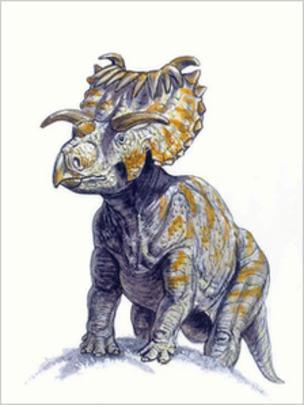
Scientists have unearthed two new species of giant plant-eating horned dinosaurs in southern Utah, US. The creatures lived on the "lost continent" of Laramidia in the Late Cretaceous period, some 68 to 99 million years ago. Laramidia was formed when a shallow sea flooded part of what is now North America and divided the continent in two. The findings were published in the journal Plos One. The scientists say the newly found dinos lived in the subtropical swampy environment. They were close relatives of the dinosaur Triceratops, and belonged to the family known as ceratopsians. Ceratops means horned face in Greek.
Via Dr. Catherine Russell
|
|
Rescooped by
Dr. Stefan Gruenwald
from Geology
April 25, 2018 2:22 PM
|
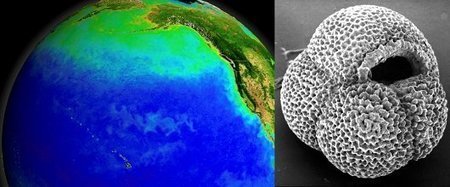
Changes in the circulation of the North Pacific Ocean about 15,000 years ago released large amounts of CO2 to the atmosphere, helping warm the planet and end the last Ice Age, according to research by scientists at the University of St Andrews. The new study, published today (23 April) in Nature Geoscience, also found that the changes in circulation resulted in a reduction of the amount of oxygen in the deep ocean. The findings will help scientists understand the processes controlling the exchange of CO2 and oxygen between the ocean and atmosphere. The researchers measured the chemical composition of the shells of tiny fossil plankton, called foraminifera, which they used to reconstruct the exchange of CO2 between the North Pacific Ocean and atmosphere at the end of the last Ice Age, a time when carbon dioxide levels in the atmosphere increased. They found the North Pacific released large amounts of CO2 to the atmosphere about 15,000 years ago, a time when ocean currents in the Atlantic were also changing rapidly. Findings showed that the release of CO2 by the North Pacific was caused by a change in its circulation and could explain a drop in oxygen levels in the Pacific Ocean seen at the same time, first discovered over 20 years ago. Scientists are observing a similar loss of oxygen from the ocean as the climate changes today. Lead author, Dr. Will Gray from the School of Earth and Environmental Sciences at the University of St Andrews, formerly of University College London, said: "Last week we saw worrying new studies showing us the ocean currents in the North Atlantic are slowing down. In our study we see very rapid changes in the climate of the North Pacific that we think are linked to past changes in ocean currents in the Atlantic. This gives us an example of the way that different parts of the climate system are connected, so that changes in circulation in one region can drive changes in CO2 and oxygen all the way over on the other side of the planet." Dr. Gray added: "The North Pacific Ocean is very big and just below the surface the waters are brimming with CO2; because of this, we really need to understand how this region can change in the future, and looking into the past is a good way to do that."
Via Dr. Catherine Russell
|
|
Scooped by
Dr. Stefan Gruenwald
April 25, 2018 12:57 AM
|
In a dramatic sign of the surge of genomic information available for research around the world, on National DNA Day the Broad Institute of MIT and Harvard will sequence its 100,000th whole human genome, adding to a global total that is approaching one million. National DNA Day, Wednesday, April 25, commemorates the discovery of DNA's double helix in 1953 and marks the 15th anniversary of the successful completion of the Human Genome Project in 2003. The 100,000th whole human genome sequenced at the Broad Institute will be from aproject focused on Asian and African patients affected with birth defects, as part of theGabriella Miller Kids First Pediatric Research Program (Kids First). Kids First is a federally-funded initiative supported by the NIH Common Fund focused on discovering genetic causes for childhood cancer and structural birth defects. The program will create the Kids First Data Resource, including a rich database for clinical and genetic sequence data from thousands of patients (along with their parents) affected with these conditions from around the world. Scientists use genome sequencing data — which is drawn from samples donated by patients with their consent and stripped of identifying information — to research the underlying causes of devastating diseases, as well to identify pathways for potential treatments. “The Human Genome Project kicked off an extraordinary transformation in biology and in our understanding of disease,” said Eric S. Lander, president and founding director of the Broad Institute and a principal leader of the Human Genome Project. “Today, information is driving medicine, and we are beginning to understand human medicine as an information science. It is bringing together extraordinary experimental and computational scientists to answer questions that we could not conceive only a few years ago. This revolution will lead to many more new treatments and cures to help patients.” “What amazing timing to have these two milestones converge on such an important day for genomic science,” said NIH Director Francis S. Collins. “When we announced completion of that first human genome sequence in April 2003, it would have been almost impossible to imagine that just 15 years later, a single genome center could produce 100,000 whole genomes. It is truly gratifying to see how genome sequencing is being used in a wide variety of applications — to understand the pathway of disease, and inform treatment strategies that enhance effectiveness and minimize risk.” The amount of genomic data available for research doubles about every eight months. Since 2009, when the Broad had sequenced just 12 whole human genomes, the Broad Institute has generated more than 70 petabytes of genetic sequence and analysis data — the equivalent of more than 1.2 billion hours of streaming music files. This includes data from whole genomes (which represent the complete DNA sequence) as well as data from approximately 360,000 exomes (covering only the protein-coding genes), and beyond.
|
|
|
Scooped by
Dr. Stefan Gruenwald
April 27, 2018 3:55 PM
|
Harvard team creates a biohybrid being using 3-D printing, tissue engineering, and muscular circuitry. If you met this lab-created critter over your beach vacation, you'd swear you saw a baby ray. In fact, the tiny, flexible swimmer is the product of a team of diverse scientists. They have built the most successful artificial animal yet. This disruptive technology opens the door much wider for lifelike robots and artificial intelligence. Like most disruption, it started with a simple idea. Kit Kevin Parker, PhD, a Harvard professor researching how to build a human heart, saw his daughter entranced by watching stingrays at the New England Aquarium in Boston. He wondered if he could engineer a muscle that could move in the same sinuous, undulating fashion. The quest for a material led to creating an artificial ray with a 3-D-printed rubber body at the School of Engineering and Applied Sciences at Harvard. Scientists from the University of Illinois at Urbana-Champaign, the University of Michigan, and Stanford University's Medical Center joined the team. They reinforced the soft rubber body with a 3-D-printed gold skeleton so thin it functions like cartilage. Geneticists adapted rat heart cells so they could respond to light by contracting. Then, they were grown in a carefully arranged pattern on the rubber and around the gold skeleton. The new engineered animal responds to light so well scientists were able to guide it through an obstacle course 15 times its length using strong and weak light pulses. The study authors write, "Our ray outperformed existing locomotive biohybrid systems in terms of speed, distance traveled, and durability (six days), demonstrating the potential of self-propelled, phototactically activated tissue-engineered robots." Science of this type is fundamental for engineering special-purpose creations such as artificial worms that sniff out and eat cancer. Or bionic body parts for those who have suffered accidents or disease. Imagine having little swimmers in your system that rush to the site of a medical emergency such as a stroke. The promise of sensor-rich soft tissue frees robots to move more easily and yet not be cut off from needed input. Sensitized robot soft tissue could perform without the energy-sucking heaviness of metal or the artificial barrier of hard-plastic exoskeletons.
|
|
Scooped by
Dr. Stefan Gruenwald
April 27, 2018 3:18 PM
|
A global research consortium has identified 44 genetic variants that are risk factors for major depression—including 30 that are newly discovered—essentially mapping out the genetic basis of the mental health disorder affecting an estimated 300 million people worldwide. The Major Depressive Disorder Working Group of the Psychiatric Genomics Consortium has revealed its findings in the largest study to date of genetic risk factors for major depression. That study, “Genome-Wide Association Analyses Identify 44 Risk Variants and Refine the Genetic Architecture of Major Depression,” was published yesterday in Nature Genetics. The Consortium concluded that the genetic basis for major depression is shared with other psychiatric disorders, such as schizophrenia, and that all humans carry at least some of the 44 variants identified in the study. Many of these variants, according to the consortium, are directly linked to targets of current antidepressant medications. “We found important relationships of genetic risk for major depression with educational attainment, body mass, and schizophrenia: lower educational attainment and higher body mass were putatively causal, whereas major depression and schizophrenia reflected a partly shared biological etiology,” the Consortium stated in its study. The researchers included data on 135,458 people with major depression and 344,901 controls by combining seven separate datasets. The new study contrasts with previous research efforts that have linked handfuls of genetic variants with depression. “With this study, depression genetics has advanced to the forefront of genetic discovery,” Gerome Breen, Ph.D., of the Institute of Psychiatry, Psychology & Neuroscience (IoPPN) at King's College London, said in a statement. “The new genetic variants discovered have the potential to revitalize depression treatment by opening up avenues for the discovery of new and improved therapies.”
|
|
Scooped by
Dr. Stefan Gruenwald
April 27, 2018 1:31 PM
|
Researchers playing with a cloud of ultracold atoms uncovered behavior that bears a striking resemblance to the universe in microcosm. Their work, which forges new connections between atomic physics and the sudden expansion of the early universe, was published April 19 in Physical Review X and featured in Physics. "From the atomic physics perspective, the experiment is beautifully described by existing theory," says Stephen Eckel, an atomic physicist at the National Institute of Standards and Technology (NIST) and the lead author of the new paper. "But even more striking is how that theory connects with cosmology." In several sets of experiments, Eckel and his colleagues rapidly expanded the size of a doughnut-shaped cloud of atoms, taking snapshots during the process. The growth happens so fast that the cloud is left humming, and a related hum may have appeared on cosmic scales during the rapid expansion of the early universe—an epoch that cosmologists refer to as the period of inflation. The work brought together experts in atomic physics and gravity, and the authors say it is a testament to the versatility of the Bose-Einstein condensate (BEC)—an ultracold cloud of atoms that can be described as a single quantum object—as a platform for testing ideas from other areas of physics. "Maybe this will one day inform future models of cosmology," Eckel says. "Or vice versa. Maybe there will be a model of cosmology that’s difficult to solve but that you could simulate using a cold atomic gas."
|
|
Scooped by
Dr. Stefan Gruenwald
April 27, 2018 1:11 PM
|
A pair of researchers with Victoria University of Wellington has suggested that the way to prevent future blockchains from future hackers using quantum computers is to use quantum blockchains. Theoretical physicists Del Rajan and Matt Visser explain their idea in a paper they have uploaded to the arXiv preprint server. A blockchain is a digital ledger recording transactions between different entities. These ledgers are stored both publicly and chronologically. The most famous example is BitCoin. For now, BitCoin and other cryptocurrencies like it are considered to be safe from disruptive hackers due to their encryption methods and decentralized nature. But, it has been noted, that could change if quantum computers are fully realized. Rajan and Matt Visser note, however, that this development may not spell the end of the blockchain. They believe they have found a way to prevent quantum computers from being used as a disruptive force by using quantum blockchains. A quantum blockchain, the pair suggests, would take advantage of entanglement, which in most cases, applies to situations regarding space. But it could also be useful for situations involving time, such as blockchains. In such a blockchain, the pair explains, transaction records could be represented by pairs of entangled photons linked in chronological order. When transfers take place, photons would be created and absorbed by the hubs that comprise a network. But since entangled photons are linked across time, they can be caused to have never existed at the same time. Thus, any measurements of the more recent photon in a record would be influenced by the photon that came first, in the past, before it was measured—which would mean if a hacker tried to access such a record or block of records, they would find it impossible, because the entangled photon that represented it no longer existed in the current time. That means a hacker would only ever be able to access the most current record blocks—and if they did, it would invalidate the others, which would alert users of the network to an intruder. Rajan and Visser note that such a blockchain could be viewed as an example of a quantum time machine.
|
|
Scooped by
Dr. Stefan Gruenwald
April 27, 2018 12:35 PM
|
Direct sequencing of RNA molecules such as virus genomes should help to unpick role of mysterious chemical modifications The genome of the flu virus has been fully sequenced in its native RNA form for the first time. Previously, all influenza genomes — as well as those of other viruses that store their genetic material as RNA — had been determined by copying the molecule into DNA. The native flu genome was generated using ‘nanopore’ sequencing technology, which reads RNA strands as they stream through a tiny molecular channel. “For the first time, we can really start to look at the nature of the genome in its original state,” says John Barnes, a microbiologist at the US Centers for Disease Control and Prevention (CDC) in Atlanta, Georgia, who led the effort, described in a preprint posted1 to the bioRxiv server on 12 April. “It really does start to open up a lot of possibilities.” Barnes and other scientists are most interested in probing viral genomes, as well as other forms of RNA in many types of organisms, including humans. Researchers want to investigate mysterious chemical ornaments on RNA molecules that might affect their function in cells but have been hard to study. “The real excitement here is about RNA modifications,” says Ewan Birney, a bioinformatician and co-director of the European Bioinformatics Institute in Hinxton, UK. Birney says that the approach is “transformative”. RNA is chemically similar to its better known cousin, DNA. In cellular organisms, it serves as an intermediary between DNA-encoded genes and proteins, and performs other tasks in the cell. But many viruses — including those behind polio, Ebola and the common cold — store their genetic information as RNA, rather than DNA. Barnes, head of the CDC’s influenza-genomics team, says that no one had sequenced the virus’s RNA genome before because it seemed nearly impossible. Previous methods for sequencing native RNA strands involved degrading one chemical base, or letter, at a time, and these techniques have changed little since their invention in the late 1970s2. To compensate, nearly all ‘RNA sequencing’ instead uses a viral enzyme called reverse transcriptase, which copies RNA into sequencer-friendly DNA strands. .
|
|
Scooped by
Dr. Stefan Gruenwald
April 27, 2018 12:25 PM
|
Motion is a common phenomenon in biological processes. Major advances have been made in designing various self-propelled micromachines that harvest different types of energies into mechanical movement to achieve biomedicine and biological applications. Inspired by fascinating self-organization motion of natural creatures, the swarming or assembly of synthetic micro/nanomachines (often referred to micro/nanoswimmers, micro/nanorobots, micro/nanomachines, or micro/nanomotors), are able to mimic these amazing natural systems to help humanity accomplishing complex biological tasks. This review described the fuel induced methods (enzyme, hydrogen peroxide, hydrazine, et al.) and fuel-free induced approaches (electric, ultrasound, light, and magnetic) that led to control the assembly and swarming of synthetic micro/nanomachines. Such behavior is of fundamental importance in improving our understanding of self-assembly processes that are occurring on molecular to macroscopic length scales.
|
|
Scooped by
Dr. Stefan Gruenwald
April 25, 2018 6:11 PM
|
Over 150 experts in AI, robotics, commerce, law, and ethics from 14 countries have signed an open letter denouncing the European Parliament’s proposal to grant personhood status to intelligent machines. The EU says the measure will make it easier to figure out who’s liable when robots screw up or go rogue, but critics say it’s too early to consider robots as persons—and that the law will let manufacturers off the liability hook. This all started last year when the European Parliament proposed the creation of a specific legal status for robots: The parliament said the law would apply to “smart robots,” which it defined as robots having the capacity to learn through experience and interaction, the ability to acquire autonomy through its sensors, the capacity to adapt its behavior and actions to the environment, among other criteria. By virtue of this proposal, the EU is responding to rapid advances in robotics and AI, and the potential risks imposed on humans and human property. The fear isn’t a robot uprising (at least not yet), but more mundane risks, such as autonomous vehicles and drones accidentally smashing into people, a factory robot crushing an absent-minded worker, or a Roomba giving your cat an unexpected shave. As we venture into this brave new world of ubiquitous robotics and AI, it’s an open question as to who will be liable for these sorts of mishaps. Should we blame the manufacturer? The owner? The bot itself? Or should it be some combination of these? The EU is understandably worried that the actions of these machines will be increasingly incomprehensible to the puny humans who manufacture and use them. The resulting “black box,” it is argued, will preclude us from understanding what exactly went wrong and who should be liable.
|
|
Scooped by
Dr. Stefan Gruenwald
April 25, 2018 3:12 PM
|
In its 2013 fifth assessment report, the IPCC stated in its summary for policymakers that it is “extremely likely that more than half of the observed increase in global average surface temperature” from 1951 to 2010 was caused by human activity. By “extremely likely”, it meant that there was between a 95% and 100% probability that more than half of modern warming was due to humans. This somewhat convoluted statement has been often misinterpreted as implying that the human responsibility for modern warming lies somewhere between 50% and 100%. In fact, as NASA’s Dr Gavin Schmidt has pointed out, the IPCC’s implied best guess was that humans were responsible for around 110% of observed warming (ranging from 72% to 146%), with natural factors in isolation leading to a slight cooling over the past 50 years. Similarly, the recent US fourth national climate assessment found that between 93% to 123% of observed 1951-2010 warming was due to human activities. These conclusions have led to some confusion as to how more than 100% of observed warming could be attributable to human activity. A human contribution of greater than 100% is possible because natural climate change associated with volcanoes and solar activity would most likely have resulted in a slight cooling over the past 50 years, offsetting some of the warming associated with human activities.
|
|
Scooped by
Dr. Stefan Gruenwald
April 25, 2018 3:06 PM
|
This short video from the Cornell Lab of Ornithology documents the spectacular plumage and mating dance of the Vogelkop Superb Bird-of-Paradise. In order to catch the attention of its female counterpart, the male Bird-of-Paradise flips its cape of black feathers into a large ruff that surrounds its head, while also fanning out an iridescent azure blue skirt of feathers from its breast. In a paper published by Timothy G. Laman and Edwin Scholes, this Indonesian bird was recently confirmed as a separate species based on its courtship behavior. You can learn more about the Vogelkop Superb Bird-of-Paradise in another video from Cornell and watch more videos about all things avian on the Lab’s YouTube channel. (via The Kid Should See This)
|
|
Scooped by
Dr. Stefan Gruenwald
April 25, 2018 2:33 PM
|
The elusive quantum mechanical phenomenon called entanglement has now been made a reality in objects almost macroscopic in size. Results published in Nature show how two vibrating drumheads, the width of a human hair, can display the spooky action. In 1935, Einstein observed that quantum mechanics, the then recently developed fundamental theory of nature, implies the existence of a “spooky action at a distance”, which soon became known as “entanglement”. It allows objects to affect each other across arbitrary distances without any direct interaction. The phenomenon defies both classical physics and our common-sense understanding of reality.
Nowadays, entanglement is considered a cornerstone of quantum mechanics, and has previously been vindicated in experiments with microscopic systems such as light or atoms. Entanglement is also the key resource for a host of potentially transformative quantum technologies, such as quantum computation and information transmission, in the decades to come.
Quantum entanglement is, however, extremely fragile, and it will disappear if the entangled particles interact with their surroundings, through thermal disturbances, for example. For long it was considered nonsensical that entanglement could occur between objects larger than atoms or molecules.
A team led by Professor Mika Sillanpää at Aalto University Department of Applied Physics have now proved otherwise. Their results have been published in Nature, the most esteemed scientific journal in the world.
In their laboratory measurements, the researchers managed to bring two distinct and moving objects, nearly visible to the naked eye, into an entangled quantum state where they feel each other through the “spooky action” with which Einstein was famously uncomfortable . The objects in the experiments were two vibrating drumheads fabricated from metallic aluminium on a silicon chip. The drumheads are truly massive and macroscopic compared to the atomic scale: their diameter is similar to the width of a thin human hair. Eliminating all forms of noise is crucial for the experiments, which is why they have to be conducted at extremely low temperatures near absolute zero, at -273 °C. Remarkably, the experimental approach allows the unusual state of entanglement to persist for long periods of time, in this case up to half an hour. 'These measurements are challenging but extremely fascinating. In the future, we will attempt to teleport the mechanical vibrations. In quantum teleportation, properties of physical bodies can be transmitted across arbitrary distances using the channel of "spooky action at a distance",' explains Dr. Caspar Ockeloen-Korppi, the lead author on the work, who also performed the measurements. The results demonstrate that it is now possible to have control over large mechanical objects in which exotic quantum states can be generated and stabilized. Not only does this achievement open doors for new kinds of quantum technologies and sensors, it can also enable studies of fundamental physics in, for example, the poorly understood interplay of gravity and quantum mechanics.
|
|
Rescooped by
Dr. Stefan Gruenwald
from Geology
April 25, 2018 2:24 PM
|
Ever since scientists realized that humans evolved from a succession of primate ancestors, the public imagination has been focused on the inflection point when those ancestors switched from ape-like shuffling to walking upright as we do today. Scientists have long been focused on the question, too, because the answer is important to understanding how our ancestors lived, hunted and evolved. A close examination of 3.6 million year old hominin footprints discovered in Laetoli, Tanzania suggests our ancestors evolved the hallmark trait of extended leg, human-like bipedalism substantially earlier than previously thought. "Fossil footprints are truly the only direct evidence of walking in the past," said David Raichlen, PhD, associate professor at the University of Arizona. "By 3.6 million years ago, our data suggest that if you can account for differences in size, hominins were walking in a way that is very similar to living humans. While there may have been some nuanced differences, in general, these hominins probably looked like us when they walked." Raichlen will present the research at the American Association of Anatomists annual meeting during the 2018 Experimental Biology meeting, held April 21-25 in San Diego. The species that comprises modern humans, Homo sapiens sapiens, emerged roughly 200,000-300,000 years ago. The genusHomo is thought to have emerged about 2-2.5 million years ago. The term hominin is used to refer to a broader set of ancestors that existed before that, although there is debate about the nature of the species included in that grouping and the relationships among them. It is thought that hominins began walking on two legs around 7 million years ago, but based on the way other primates evolved, it is considered likely that these early ancestors retained a crouched, bent-legged walking posture for some time.
Via Dr. Catherine Russell
|
|
Scooped by
Dr. Stefan Gruenwald
April 25, 2018 10:56 AM
|
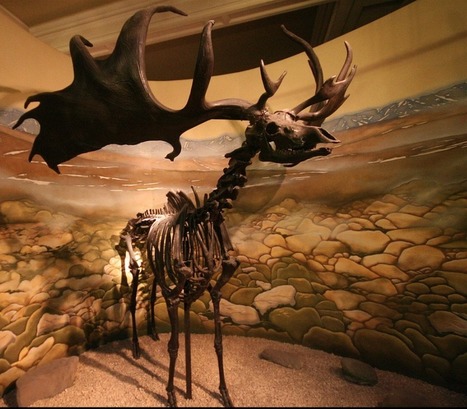
“Another megafauna to fall victim to the ending of an ice age was the Irish elk. Calling this animal an elk is actually a misnomer, as recent DNA analysis has shown that it was actually a deer — in fact, the largest deer to have ever lived,” the website writes. “Its antlers alone measured as much as 12 feet across. As with other animals that lived in the icy north during the Pleistocene, preserved specimens of the Irish elk can be readily found in melting permafrost, making it a prime candidate for being cloned.” The skulls, with their colossal antlers, are often mounted on the walls of castles and hunting lodges. While the science of cloning is still in its infancy, many scientists now believe it's only a matter of time before it becomes a viable option. According to Mother Nature Network, to “successfully clone an extinct animal, scientists need to find animal DNA that is almost entirely intact.”Thus, some species will make better candidates for resurrection than others. Because of the many well-preserved fossils of this majestic seven foot tall creature that exist around the world, it makes an obvious candidate for scientists experimenting with the cloning process. According to the University of California Museum of Paleontology, the Irish elk with its "arresting size and singular appearance is of great significance to paleontologists because of the way in which the animal has become involved in evolutionary debates down through the years." The website lists a theory that the Irish elk finally went extinct when the antlers became so large that the animals could no longer hold up their heads, or got entangled in the trees. To read more about the Irish elk, visit here.
|