Your new post is loading...

|
Scooped by
Dr. Stefan Gruenwald
June 1, 2018 5:55 PM
|
Nearsightedness, or myopia, is an increasing problem around the world. There are now twice as many people in the US and Europe with this condition as there were 50 years ago. In East Asia, 70 to 90 percent of teenagers and young adults are nearsighted. By some estimates, about 2.5 billion of people across the globe may be affected by myopia by 2020. Eye glasses and contact lenses are simple solutions; a more permanent one is corneal refractive surgery. But, while vision correction surgery has a relatively high success rate, it is an invasive procedure, subject to post-surgical complications, and in rare cases permanent vision loss. In addition, laser-assisted vision correction surgeries such as laser in situ keratomileusis (LASIK) and photo-refractive keratectomy (PRK) still use ablative technology, which can thin and in some cases weaken the cornea. Columbia Engineering researcher Sinisa Vukelic has developed a new non-invasive approach to permanently correct vision that shows great promise in preclinical models. His method uses a femtosecond oscillator, an ultrafast laser that delivers pulses of very low energy at high repetition rate, for selective and localized alteration of the biochemical and bio-mechanical properties of corneal tissue. The technique, which changes the tissue's macroscopic geometry, is non-surgical and has fewer side effects and limitations than those seen in refractive surgeries. For instance, patients with thin corneas, dry eyes, and other abnormalities cannot undergo refractive surgery. The study, which could lead to treatment for myopia, hyperopia, astigmatism, and irregular astigmatism, was published May 14, 2018 in Nature Photonics.
|
|
Scooped by
Dr. Stefan Gruenwald
June 1, 2018 5:43 PM
|
July 2016 was the warmest July in 136 years of modern record-keeping, according to a monthly analysis of global temperatures by scientists at NASA's Goddard Institute for Space Studies (GISS) in New York. Because the seasonal temperature cycle peaks in July, it means July 2016 also was warmer than any other month on record. July 2016's temperature was a statistically small 0.1 degrees Celsius warmer than previous warm Julys in 2015, 2011 and 2009. “It wasn't by the widest of margins, but July 2016 was the warmest month since modern record keeping began in 1880,” said GISS Director Gavin Schmidt. “It appears almost a certainty that 2016 also will be the warmest year on record.” The record warm July continued a streak of 10 consecutive months dating back to October 2015 that have set new monthly high-temperature records. Compared to previous years, the warmer global temperatures last month were most pronounced in the northern hemisphere, particularly near the Arctic region. The monthly analysis by the GISS team is assembled from publicly available data acquired by about 6,300 meteorological stations around the world, ship- and buoy-based instruments measuring sea surface temperature, and Antarctic research stations. The modern global temperature record begins around 1880 because previous observations didn't cover enough of the planet. For more information on NASA GISS's monthly temperature analysis, visit: data.giss.nasa.gov/gistemp
|
|
Scooped by
Dr. Stefan Gruenwald
June 1, 2018 5:29 PM
|
Astronomers have in the past 20 years located several hundred planets orbiting distant stars, and they have only scratched the surface. In a small patch of stars—less than 1 percent of the sky—in the Northern Hemisphere, NASA's Kepler mission has already found more than 100 planets, along with strong hints of thousands more. Stars across the sky ought to be similarly laden with planets. A recent study indicated that each star hosts, on average, 1.6 planets. Exoplanets, as these strange worlds are called, are as plentiful as weeds—they crop up wherever they can. Whether any of them harbors life remains to be seen, but the odds of finding such a world are getting better.
|
|
Scooped by
Dr. Stefan Gruenwald
June 1, 2018 11:17 AM
|
Scientists have just created a biohybrid robotic finger that uses real muscle for movement. The technology employs antagonistic muscle pairs grown from rat cells and can bend up to 90°. The muscles were developed in a lab and survived for more than a week. Human-robot hybrids could be in the pipeline as Japanese scientists have succeeded in merging muscle fibers with a robotic skeleton. Previous attempts at this have been short-lived and prone to failure. This new study took a different approach and grew the muscles from scratch, instead of taking a muscle that had grown inside an animal. This discovery could pave the way for superhuman cyborgs, but scientists say larger-scale applications are at least a decade away.
|
|
Scooped by
Dr. Stefan Gruenwald
May 30, 2018 11:22 AM
|
The most commonly consumed vitamin and mineral supplements provide no consistent health benefit or harm, suggests a new study led by researchers at St. Michael's Hospital and the University of Toronto. Published today in the Journal of the American College of Cardiology, the systematic review of existing data and single randomized control trials published in English from January 2012 to October 2017 found that multivitamins, vitamin D, calcium and vitamin C -- the most common supplements -- showed no advantage or added risk in the prevention of cardiovascular disease, heart attack, stroke or premature death. Generally, vitamin and mineral supplements are taken to add to nutrients that are found in food. "We were surprised to find so few positive effects of the most common supplements that people consume," said Dr. David Jenkins*, the study's lead author. "Our review found that if you want to use multivitamins, vitamin D, calcium or vitamin C, it does no harm -- but there is no apparent advantage either." The study found folic acid alone and B-vitamins with folic acid may reduce cardiovascular disease and stroke. Meanwhile, niacin and antioxidants showed a very small effect that might signify an increased risk of death from any cause. "These findings suggest that people should be conscious of the supplements they're taking and ensure they're applicable to the specific vitamin or mineral deficiencies they have been advised of by their healthcare provider," Dr. Jenkins said.
|
|
Scooped by
Dr. Stefan Gruenwald
May 30, 2018 10:45 AM
|
The Earth BioGenome project aims to sequence the DNA of all known life on Earth. It's estimated to take 10 years, cost $4.7 billion, and require more than 200 petabytes of digital storage space. Advances in biotechnology over the past decade have brought rapid progress in the fields of medicine, food, ecology, and neuroscience, among others. With this progress comes ambition for even more progress—realizing we’re capable of, say, engineering crops to yield more food means we may be able to further engineer them to be healthier, too. Building a brain-machine interface that can read basic thoughts may mean another interface could eventually read complex thoughts. One of the fields where progress seems to be moving especially quickly is genomics, and with that progress, ambitions have grown just as fast. The Earth BioGenome project, which aims to sequence the DNA of all known eukaryotic life on Earth, is a glowing example of both progress and ambition. A recent paper published in the journal Proceedings of the National Academy of Science released new details about the project. It’s estimated to take 10 years, cost $4.7 billion, and require more than 200 petabytes of digital storage space (a petabyte is one quadrillion, or 1015 bytes). These statistics sound huge, but in reality they’re small compared to the history of genome sequencing up to this point. Take the Human Genome Project, a publicly-funded project to sequence the first full human genome. The effort took over ten years—it started in 1990 and was completed in 2003—and cost roughly $2.7 billion ($4.8 billion in today’s dollars) overall. Now, just 15 years later, the Earth BioGenome project aims to leverage plummeting costs to sequence, catalog, and analyze the genomes of all known eukaryotic species on Earth in about the same amount of time and for about the same cost. “Eukaryotes” refers to all plants, animals, and single-celled organisms—all living things except bacteria and archaea (those will be taken care of by the Earth Microbiome Project). It’s estimated there are somewhere between 10–15 million eukaryotic species, from a rhinoceros to a chinchilla down to a flea (and there are far smaller still). Of the 2.3 million of these that we’ve documented, we’ve sequenced less than 15,000 of their genomes (most of which have been microbes). As impressive as it is that scientists can do this, you may be wondering, what’s the point? There’s a clear benefit to studying the human genome, but what will we get out of decoding the DNA of a rhinoceros or a flea? Earth BioGenome will essentially allow scientists to take a high-fidelity, digital genetic snapshot of known life on Earth. “The greatest legacy of [the project] will be a complete digital library of life that will guide future discoveries for generations,” said Gene Robinson, one of the project’s leaders, as well as a professor of entomology and the director of the Carl R. Woese Institute for Genomic Biology at the University of Illinois. The estimated return on investment ratio of the Human Genome Project was 141 to 1—and that’s just the financial side of things. The project hugely contributed to advancing affordable genomics as we know it today, a field that promises to speed the discovery of disease-causing genetic mutations and aid in their diagnosis and treatment. New gene-editing tools like CRISPR have since emerged and may one day be able to cure genetic illnesses. Extrapolate these returns over millions of species, then, and the insight to be gained—and the concrete benefits from that insight—are likely significant. Genomic research on crops, for example, has already yielded plants that grow faster, produce more food, and are more resistant to pests or severe weather. Researchers may find new medicines or discover better ways to engineer organisms for use in manufacturing or energy. They’ll be able to make intricate discoveries about how and when various species evolved—information that’s thus far been buried in the depths of history.
|
|
Scooped by
Dr. Stefan Gruenwald
May 28, 2018 2:17 PM
|
Certain types of bacteria and viruses are readily ejected into the atmosphere when waves break while other taxa are less likely to be transported by sea spray into the air, researchers reported May 22, 2018. An interdisciplinary team of scientists from Scripps Institution of Oceanography, the University of California San Diego, and the J. Craig Venter Institute (JCVI) reached this conclusion after replicating a phytoplankton bloom in a unique ocean-atmosphere wave facility developed by scientists in the National Science Foundation-funded Center for Aerosol Impacts on Chemistry of the Environment (CAICE) on the Scripps campus. They found that bacteria and viruses coated by waxy substances or lipids appear in greater quantity and are enriched in sea spray aerosols. According to researchers, the results suggest that the water-repellent properties of the surfaces of these microbes are what make them more likely to be cast out of the ocean as waves break at the sea surface. The team in the National Science Foundation-funded study included chemists, oceanographers, microbiologists, geneticists, and pediatric medicine specialists who are attempting to understand how far potentially infectious bacteria and viruses can travel and if those that pose the greatest risks to public health are among those most likely to escape the ocean. In previous studies, individual members of the team have characterized sea spray aerosols, which form when waves break and bubbles burst at the ocean surface. “Some of the bacteria we detected have been found on skin as well as in your gut, so they could be affecting your health—at this point, no one really knows the health effects of breathing in ocean microbes,” said Kim Prather, who has a joint appointment at UC San Diego’s Scripps Institution of Oceanography and the Department of Chemistry and Biochemistry. “We are trying to understand sources of environmental microbes using the unique ocean-atmosphere facilities we have developed here at Scripps. By breaking waves in fresh seawater in an isolated wave channel, UC San Diego is the only place in the world that can directly measure the microbes transferred from the ocean to the atmosphere.” Prather’s research group has previously shown how microbes have a nearly worldwide reach, able to travel tens of thousands of kilometers on the wind, sometimes re-entering the ocean and re-emerging from it along the journey. As they do, their chemical attributes, their ability to infect, and their effects on cloud formation and precipitation can evolve. “In CAICE, we realized that many of the chemical components found in the aerosols are derived from living microorganisms in the ocean, so one of our first goals was to find out which ones are present in the water and then understand which of them are able to hitch a ride on the aerosol particles,” said Michael Burkart, a researcher at the Department of Chemistry and Biochemistry at UC San Diego. The study tapped into techniques developed in the Earth Microbiome Project, which was founded by co-author Rob Knight and others in 2010 to sample as many microbial communities as possible to understand the ecology of microbes and their interactions with humans.
|
|
Scooped by
Dr. Stefan Gruenwald
May 28, 2018 2:11 PM
|
A far-reaching study conducted by scientists at Cincinnati Children’s reports that the Epstein-Barr virus (EBV)—best known for causing mononucleosis—also increases the risks for some people of developing seven other major diseases. Those diseases are: systemic lupus erythematosus (SLE), multiple sclerosis (MS), rheumatoid arthritis (RA), juvenile idiopathic arthritis (JIA), inflammatory bowel disease (IBD), celiac disease, and type 1 diabetes. Combined, these seven diseases affect nearly 8 million people in the U.S. Study results are published in the journal Nature Genetics. The project was led by three scientists: John Harley, MD, PhD, Director of theCenter for Autoimmune Genomics and Etiology (CAGE) at Cincinnati Children’s and a faculty member of the Cincinnati VA Medical Center; Leah Kottyan, PhD, an immunobiology expert with CAGE; and Matthew Weirauch, PhD, a computational biologist with the center. Critical contributions were provided by Xiaoting Chen, PhD, and Mario Pujato, PhD, both also in CAGE. The study shows that a protein produced by the Epstein-Barr virus, called EBNA2, binds to multiple locations along the human genome that are associated with these seven diseases. Overall, the study sheds new light on how environmental factors, such as viral or bacterial infections, poor diet, pollution or other hazardous exposures, can interact with the human genetic blueprint and have disease-influencing consequences. “Now, using genomic methods that were not available 10 years ago, it appears that components made by the virus interact with human DNA in the places where the genetic risk of disease is increased,” Harley says. “And not just for lupus, but all these other diseases, too.” The full impact of this study could take years to explore. Here are some of the initial implications: New concern about the 'kissing disease' EBV is a strikingly common virus. In the US and other developed nations, more than 90 percent of the population becomes infected by age 20. In less-developed nations, 90 percent of people become infected by age 2. Once infected, the virus remains in people for their entire lives. Mononucleosis, which causes weeks of extreme fatigue, is the most common illness caused by EBV. Mono was nicknamed the "kissing disease" years ago because the virus spreads primarily via contact with saliva. Over the years, scientists have linked EBV to a few other rare conditions, including certain cancers of the lymphatic system. Harley, who has devoted much of his career to studying lupus, found possible connections between lupus and EBV years ago. That work includes proposing mechanisms that the immune system uses in response to the virus that lead to lupus, and showing that children with lupus almost always are infected with EBV. Today's study adds weight to those lupus findings and adds six more well-known diseases to the list.
|
|
Scooped by
Dr. Stefan Gruenwald
May 28, 2018 1:27 PM
|
When trekking through a forest in French Guiana to study termites, a group of biologists noticed unique spots of blue on the backs of the insects in one nest. Curious, one scientist reached down to pick up one of these termites with a pair of forceps. It exploded. The blue spots, the team discovered, contain explosive crystals, and they're found only on the backs of the oldest termites in the colony. The aged termites carry out suicide missions on behalf of their nest mates. After their initial observation, the team carried out field studies of Neocapritermes taracua termites and discovered that those with the blue spots also exploded during encounters with other species of termites or larger predators. The researchers found that the secretions released during the explosion killed or paralyzed opponents from a competing termite species. However, if the scientists removed the blue crystal from the termites, their secretions were no longer toxic.
|
|
Rescooped by
Dr. Stefan Gruenwald
from Soggy Science
May 24, 2018 6:34 PM
|
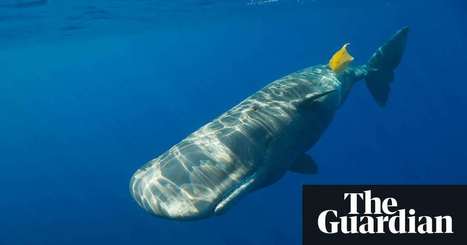
Plastic bags have been blamed for the deaths of sperm whales in the Mediterranean. The Athens-based Pelagos Cetacean Research Institute found that more than a third of the sperm whales found dead in Greek waters had stomachs blocked by plastic waste. But this comes as no surprise to whale watchers. In a plangent 2011 report by same researchers on a mass sperm-whale stranding, a combination of factors – noise from naval exercises, dehydration and stress that caused toxic chemicals and heavy metals to be released from the whales’ body fat – was found to have caused them to beach. The scene of the dying whales moved the scientists to unusually emotive language as they recorded finding them “agonizing on the shore”. Postmortems of some of the 29 sperm whales that stranded around the North Sea coasts in January 2016 found plastic in their stomachs – including large pieces from cars. But many other factors come into play. Another recent report indicated that intense solar activity in the winter of 2016 may have interfered with the whales’ navigational systems, which rely on electromagnetic pathways on the Earth’s surface. The fact that the same activity caused a spectacular display of northern lights only seemed to echo the sense of the deaths of these huge, sentient and social creatures as omens of the fallout from our disruption of the natural world. That Mediterranean whales are swallowing hundreds of plastic bags speaks to a terrible disconnect in the narrative of human and natural history. In the 18th, 19th and 20th centuries, sperm whales were hunted for their oil, which played a key role in the industrial revolution, for light and lubrication. Even as late as the 1980s, sperm whales were being killed in their hundreds off the Azores in the mid-Atlantic. But by that time, no one had a use for their oil, and their bones were ground up for use as plant fertilizer. It seems ironic that some of the plastic ingested by the sperm whales of the Mediterranean has come from intensive fruit and vegetable production.
Via Grant W. Graves
|
|
Scooped by
Dr. Stefan Gruenwald
May 23, 2018 3:54 PM
|
A team of scientists from Purdue University and the Chinese Academy of Sciences has used CRISPR/Cas9 gene-editing technology to develop a variety of rice that produces 25-31 percent more grain and would have been virtually impossible to create through traditional breeding methods. The team, led by Jian-Kang Zhu, a distinguished professor in the Department of Horticulture and Landscape Architecture at Purdue and director of the Shanghai Center for Plant Stress Biology at the Chinese Academy of Sciences, made mutations to 13 genes associated with the phytohormone abscisic acid, known to play roles in plant stress tolerance and suppression of growth. Of several varieties created, one produced a plant that had little change in stress tolerance but produced 25 percent more grain in a field test in Shanghai, China, and 31 percent more in a field test conducted on China's Hainan Island. Their findings were published early online today in the Proceedings of the National Academy of Sciences . Zhu's team, which includes Purdue's Ray A. Bressan, a distinguished professor in the Department of Horticulture and Landscape Architecture, and researchers from the Chinese Academy of Sciences, silenced suites of pyrabactin resistance 1 (PYR1)/PYR1-like (PYL)/regulatory components of ABA receptor (ACAR) genes, or simply, PYL genes. These genes enhance tolerance of abiotic stresses, such as drought, soil salinity and other environmental factors, but also inhibit growth. Since plants have evolved to create genetic redundancies, especially for traits required for survival, knocking out one gene in the PYL family might not have much effect on stress tolerance or growth since redundant genes can kick in to provide a similar function. Crafting the right knockout combination, however, led to a plant that uses just the right redundancies to hold onto its stress-tolerance characteristics but reduces the growth inhibition. "There is lots of evidence that although each PYL gene may have an individual specialty in function, by and large they also share some common functions," Zhu said. "When you remove one, others will function as a replacement." The CRISPR/Cas9 technology allows plant breeders to quickly and accurately snip portions of DNA out of a sequence, editing the DNA code. The method allowed Zhu's team to modify multiple genes at one time, something that would have taken decades to do with traditional methods without a guarantee that the resulting plants would have the desired characteristics. "You couldn't do targeted mutations like that with traditional plant breeding. You'd do random mutations and try to screen out the ones you don't want," Bressan said. "It would have taken millions of plants. Basically, it's not feasible. This is a real accomplishment that could not have been done without CRISPR."
|
|
Scooped by
Dr. Stefan Gruenwald
May 23, 2018 3:49 PM
|
Liquid crystals undergo a peculiar type of phase change. At a certain temperature, their cigar-shaped molecules go from a disordered jumble to a more orderly arrangement in which they all point more or less in the same direction. LCD televisions take advantage of that phase change to project different colors in moving images. For years, however, experiments have hinted at another liquid crystal state—an intermediate state between the disordered and ordered states in which order begins to emerge in discrete patches as a system approaches its transition temperature. Now, chemists at Brown University have demonstrated a theoretical framework for detecting that intermediate state and for better understanding how it works. "People understand the ordered and disordered behaviors very well, but the state where this transition is just about to happen isn't well understood," said Richard Stratt, a professor of chemistry at Brown and coauthor of a paper describing the research. "What we've come up with is a sort of yardstick to measure whether a system is in this state. It gives us an idea of what to look for in molecular terms to see if the state is present." The research, published in the Journal of Chemical Physics , could shed new light not only on liquid crystals, but also molecular motion elsewhere in nature—phenomena such as the protein tangles involved in Alzheimer's disease, for example. The work was led by Yan Zhao, a Ph.D. student in Stratt's lab who expects to graduate from Brown this spring. For the study, the researchers used computer simulations of phase changes in a simplified liquid crystal system that included a few hundred molecules. They used random matrix theory , a statistical framework often used to describe complex or chaotic systems, to study their simulation results. They showed that the theory does a good job of describing the system in both the ordered and disordered states, but fails to describe the transition state. That deviation from the theory can be used as a probe to identify the regions of the material where order is beginning to emerge. "Once you realize that you have this state where the theory doesn't work, you can dig in and ask what went wrong," Stratt said. "That gives us a better idea of what these molecules are doing."
|
|
Scooped by
Dr. Stefan Gruenwald
May 23, 2018 3:43 PM
|
NASA's Transiting Exoplanet Survey Satellite (TESS), led by MIT, successfully completed a lunar flyby on May 17, and the science team snapped a 2-second test exposure using one of the four TESS cameras. The image reveals more than 200,000 stars. NASA’s next planet hunter, the Transiting Exoplanet Survey Satellite (TESS), is one step closer to searching for new worlds after successfully completing a lunar flyby on May 17. The spacecraft passed about 5,000 miles from the moon, which provided a gravity assist that helped TESS sail toward its final working orbit. As part of camera commissioning, the science team snapped a two-second test exposure using one of the four TESS cameras. The image, centered on the southern constellation Centaurus, reveals more than 200,000 stars. The edge of the Coalsack Nebula is in the right upper corner and the bright star Beta Centauri is visible at the lower left edge. TESS is expected to cover more than 400 times as much sky as shown in this image with its four cameras during its initial two-year search for exoplanets. A science-quality image, also referred to as a “first light” image, is expected to be released next month in June. TESS will undergo one final thruster burn on May 30 to enter its science orbit around Earth. This highly elliptical orbit will maximize the amount of sky the spacecraft can image, allowing it to continuously monitor large swaths of the sky. TESS is expected to begin science operations in mid-June after reaching this orbit and completing camera calibrations. TESS will fly in an orbit that completes two circuits around Earth every time the moon orbits once. This special orbit will allow TESS’s cameras to monitor each patch of sky continuously for nearly a month at a time. Launched from Cape Canaveral Air Force Station on April 18, TESS is the next step in NASA’s search for planets outside our solar system, known as exoplanets. The mission will observe nearly the entire sky to monitor nearby, bright stars in search of transits — periodic dips in a star’s brightness caused by a planet passing in front of the star. TESS is expected to find thousands of exoplanets. NASA’s upcoming James Webb Space Telescope, scheduled for launch in 2020, will provide important follow-up observations of some of the most promising TESS-discovered exoplanets, allowing scientists to study their atmospheres. TESS is a NASA Astrophysics Explorer mission led and operated by MIT in Cambridge, Massachusetts, and managed by NASA’s Goddard Space Flight Center in Greenbelt, Maryland. George Ricker of MIT’s Kavli Institute for Astrophysics and Space Research serves as principal investigator for the mission. Additional partners include Orbital ATK, NASA’s Ames Research Center, the Harvard-Smithsonian Center for Astrophysics, and the Space Telescope Science Institute. The TESS science instruments were jointly developed by MIT’s Kavli Institute for Astrophysics and Space Research and MIT’s Lincoln Laboratory. More than a dozen universities, research institutes, and observatories worldwide are participants in the mission.
|
|
|
Scooped by
Dr. Stefan Gruenwald
June 1, 2018 5:51 PM
|
In a paper forthcoming in The Astrophysical Journal, researchers at the University of California, Riverside and the University of Southern Queensland have identified more than 100 giant planets that potentially host moons capable of supporting life. Their work will guide the design of future telescopes that can detect these potential moons and look for tell-tale signs of life, called biosignatures, in their atmospheres. Since the 2009 launch of NASA's Kepler telescope, scientists have identified thousands of planets outside our solar system, which are called exoplanets. A primary goal of the Kepler mission is to identify planets that are in the habitable zones of their stars, meaning it's neither too hot nor too cold for liquid water—and potentially life—to exist. Terrestrial (rocky) planets are prime targets in the quest to find life because some of them might be geologically and atmospherically similar to Earth. Another place to look is the many gas giants identified during the Kepler mission. While not a candidate for life themselves, Jupiter-like planets in the habitable zone may harbor rocky moons, called exomoons, that could sustain life. "There are currently 175 known moons orbiting the eight planets in our solar system. While most of these moons orbit Saturn and Jupiter, which are outside the Sun's habitable zone, that may not be the case in other solar systems," said Stephen Kane, an associate professor of planetary astrophysics and a member of the UCR's Alternative Earths Astrobiology Center. "Including rocky exomoons in our search for life in space will greatly expand the places we can look." The researchers identified 121 giant planets that have orbits within the habitable zones of their stars. At more than three times the radii of the Earth, these gaseous planets are less common than terrestrial planets, but each is expected to host several large moons. Scientists have speculated that exomoons might provide a favorable environment for life, perhaps even better than Earth. That's because they receive energy not only from their star, but also from radiation reflected from their planet. Until now, no exomoons have been confirmed. "Now that we have created a database of the known giant planets in the habitable zone of their star, observations of the best candidates for hosting potential exomoons will be made to help refine the expected exomoon properties. Our follow-up studies will help inform future telescope design so that we can detect these moons, study their properties, and look for signs of life," said Michelle Hill, an undergraduate student at the University of Southern Queensland who is working with Kane and will join UCR's graduate program in the fall.
|
|
Scooped by
Dr. Stefan Gruenwald
June 1, 2018 5:39 PM
|
Each brick represents a single DNA strand composed of 32 nucleotides arranged in a unique pattern. That strand is further divided into four domains, each containing eight nucleotides. The 32-nucleotide fragments can be visualized as a lego, with two pins representing the head domains and two holes representing the tail domains. The pins and holes are different shapes, such that one brick's pins will only plug into the holes of another if the DNA strands are complimentary.
Provided the base pairs of the two domains in question match up, the bricks attach at right angles. Every domain is one voxel (the volume equivalent of a pixel), so a complex shape can be constructed on a 3D molecular canvas, and then an algorithm is used to determine which DNA bricks would self-assemble into the desired structure.
In order to keep the bricks from forming unintended connections, the models include both protector bricks and boundary bricks. The protector bricks contain a string of eight thymines in a row, making it impossible for that pin or hole to connect to other bricks. Boundary bricks are placed along the outside of the finished shape. They are half bricks, each containing 16 nucleotides, that prevent any pieces from attaching outside the established parameters of the final shape.
Each DNA brick can be added or removed independently, allowing for fine-tuning the structure and creating more geometrically sophisticated products than DNA origami. The inventors of DNA bricks tested their system by making microscopic shapes that were solid, closed-cavity, and open-cavity. These included the letters of the alphabet, arabic numerals, emoticon faces, hearts, and playing dice. They tested over 100 distinct shapes before publishing their technique.
|
|
Scooped by
Dr. Stefan Gruenwald
June 1, 2018 11:22 AM
|
The human brain sets us apart from other species, and scientists have been investigating how it first arose. New work led by Howard Hughes Medical Institute (HHMI) Investigator David Haussler of the University of California, Santa Cruz (UCSC) has identified three genes that emerged around 3.5 million years ago; they play crucial roles in the creation of nerve cells and probably helped the human brain to evolve. This paper and another reported in Cell describe a gene that helps construct the neocortex, the brain’s outer layer and an important center of thinking, reasoning, and planning. Studying lab-grown cerebral organoids (one derived from chimpanzee cells, shown) has helped scientists discover genes active only in developing human brains. Because of a mistake in the published version of the human genome, these genes have not been studied much. Haussler noted that they can now help illustrate how we’re separate from chimpanzees. "Understanding ourselves and how we're different from other species has been a scientific quest for millennia," he said. "These studies help address the age-old question of what makes us human." Human brains started getting larger around 6.5 million years ago when chimps and humans diverged from their common ancestor. "If you look at craniums from fossils of our ancestors, you can see this expansion," Haussler said.All of the genetic alterations that accompanied this change in size have not been elucidated, however. After splitting from chimps, around 15 million of those alterations happened in the human genome. Haussler’s team participated in the Human Genome Project, which aimed to sequence the complete human genome. While that goal was met, like most science it is a work still in progress that is continuously updated. The latest update was very important to Haussler’s research. In research at Haussler's lab that sought to identify genes that are only expressed in the developing human brain, Frank Jacobs, now at the University of Amsterdam, identified a candidate gene: NOTCH2NL. It is related to NOTCH2, known as a gene that helps regulate the number of neurons, and is critical in the early development of the brain, Haussler said. He is featured in the video. When the investigators mapped the location of the NOTCH2NL gene, it seemed to be in the wrong place. But when the 38th version of the human genome was released at a later date, they found that the gene was in fact located in a part genome that was connected to brain size. When chunks of that area are gone, brains shrink, and if part of the area is duplicated, brains can grow too large. "And there were three versions of it!" Haussler exclaimed. In what he called "a series of genetic accidents,” the gene was repeatedly copied and pasted into the genome. The timing of the gene’s appearance fits into the story, and additional analysis showed that the genes the researchers found are only present in humans and their closest relatives, and not in chimps or gorillas. Experimental work with stem cells has indicated that NOTCH2NL genes tell the brain to make more of the stuff that makes neurons - more neural progenitor cells. UCSC cell biologist Sofie Salama spearheaded research to understand the mechanisms used by the genes and whether they’re a factor in disease. She and her group found that the Notch pathway is probably the conduit for the directions that NOTCH2NL sends. There are three of these genes, "adding an extra push to the pathway," Salama said.
|
|
Scooped by
Dr. Stefan Gruenwald
May 30, 2018 11:24 AM
|
A new global, satellite-based study of Earth’s freshwater distribution found that Earth’s wet areas are getting wetter, while dry areas are getting drier. The data suggest that this pattern is due to a variety of factors, including human water management practices, human-caused climate change and natural climate cycles. The twin satellites of NASA’s Gravity Recovery and Climate Experiment (GRACE), active between 2002 and 2016, made detailed measurements of Earth's gravity field, enabling discoveries about gravity and Earth's natural systems. A new study that used GRACE data, coupled with data from other satellites and published reports of human activity, determined global-scale changes in Earth’s freshwater supplies. The NASA-led research team, which included Hiroko Beaudoing, a faculty specialist at the University of Maryland’s Earth System Science Interdisciplinary Center (ESSIC), used 14 years of observations from the Gravity Recovery and Climate Experiment (GRACE) mission to track global trends in freshwater in 34 regions around the world. The study, published in the May 17, 2018 issue of the journal Nature, also incorporated satellite precipitation data from the ESSIC-led Global Precipitation Climatology Project; Landsat imagery from NASA and the U.S. Geological Survey; irrigation maps; and published reports of human activities related to agriculture, mining and reservoir operations. The study period spans from 2002 to 2016. "This is the first time we’ve assessed how freshwater availability is changing, everywhere on Earth, using satellite observations," said Matt Rodell, lead author of the paper and chief of the Hydrological Sciences Laboratory at NASA’s Goddard Space Flight Center. "A key goal was to distinguish shifts in terrestrial water storage caused by natural variability—wet periods and dry periods associated with El Niño and La Niña, for example—from trends related to climate change or human impacts, like pumping groundwater out of an aquifer faster than it is replenished." Freshwater is present in lakes, rivers, soil, snow, groundwater and glacial ice. Its loss in the ice sheets at the poles—attributed to climate change—has implications for sea level rise. On land, it is one of Earth's most essential resources for drinking water and irrigation. While some regions' water supplies are relatively stable, others normally experience increases or decreases. But the current study revealed a new and distressing pattern. "What we are witnessing is major hydrologic change," said co-author James Famiglietti of NASA's Jet Propulsion Laboratory. "We see, for the first time, a very distinctive pattern of the wet land areas of the world getting wetter—those are the high latitudes and the tropics—and the dry areas in between getting dryer. Embedded within the dry areas we see multiple hotspots resulting from groundwater depletion."
|
|
Scooped by
Dr. Stefan Gruenwald
May 30, 2018 11:20 AM
|
By comparing the genomes of different species, chiefly birds and turtles, the Kent team were able to determine how the overall genome structure (i.e. the chromosomes) of many people’s favorite dinosaur species – like Velociraptor orTyrannosaurus – might have looked through a microscope. The research was carried out in the laboratory of Professor Darren Griffin, of the University’s School of Biosciences, and is now published in the journal Nature Communications. It involved extrapolating the likely genome structure of a shared common ancestor of birds and turtles that lived around 260 million years ago – 20 million years before the dinosaurs first emerged. Dr Becky O’Connor, senior postdoctoral researcher and co-author of the Nature Communications paper, then traced how chromosomes changed over evolutionary time from a reptile ancestor to the present day. The team found that, although the individual chromosomes rearranged their genes internally, this did not occur much at all between the chromosomes – what the scientists describe as ‘a significant discovery’. Birds (which are themselves living dinosaurs) have a lot of chromosomes compared to most other species and that is possibly one of the reasons why they are so diverse. This research suggests that the pattern of chromosomes (karyotype) seen in early emerging dinosaurs and later theropods is similar to that of most birds and, again, may help explain their great diversity.
|
|
Scooped by
Dr. Stefan Gruenwald
May 28, 2018 2:38 PM
|
Researchers, led by Ali Brivanlou from the Rockefeller University, New York, US, have found the signal that causes cells in the developing human embryo, which start off “pluripotent” – able to become any type of cell – to choose a future career, in this case getting to work in the nervous system.
The early embryo is already known for amazing feats, not least of which is divvying up cells into three groups or “germ layers”. Cells from the “endoderm” become, among other things, stomach and lung; the “mesoderm” forms muscle and bone; and the “ectoderm” morphs into skin, teeth, and the all-important nervous system. It’s called “gastrulation”. To stay on the right side of that line the researchers had previously created a “gastruloid”. This is a cluster of human embryonic stem cells, a millimeter or so across, that is basically a working model of an embryo in a Petri dish.
Under the action of a protein called Bone Morphogenetic Protein 4 (BMP4) the team coaxed those generic cells, breathtakingly, into becoming the three germ layers. But there was always a missing piece to the puzzle.
Back in the 1920s Hilde Mangold and Hans Spemann at the University of Freiberg in Germany identified a bunch of cells in salamanders that marshaled growth of the central nervous system. They called it the “organizer”, and their research bagged Spemann the 1935 Nobel Prize for medicine. Such an organizer in humans has been something of an elusive chalice. Until now.
Brivanlou’s team has shown that small colonies of cells in the gastruloid produce proteins that signal the germ layers to form tissues that eventually become brain and spinal cord. They have, in short, found evidence of a human organizer. But the bars in science are high, and for irrefutable proof the researchers set themselves an even harder task. Using fluorescent markers to track the human cells, they grafted them into chicken embryos to see just how adept the embryonic organizer was at running things. What happened next left Brivanlou stunned.
“To my amazement, the graft not only survived, but actually gave rise to these beautifully organized structures,” he said. Those structures were the beginnings of the chick’s nervous system, a phenomenon that, the researchers say, shows the organizer to be something that has persisted across aeons of evolution.
“Once you transplant the human organizer into a chicken embryo, the language it uses to instruct the bird cells to establish the brain and nervous system is exactly the same as the one used by amphibians and fish,” says Brivanlou.
The research is published in the prestigious journal Nature, not renowned for hyperbole. So, when the abstract states the “discovery represents a milestone in human embryology”, it very likely does.
|
|
Scooped by
Dr. Stefan Gruenwald
May 28, 2018 2:14 PM
|
Sixty-six million years ago, the world burned. An asteroid crashed to Earth with a force one million times larger than the largest atomic bomb, causing the extinction of the dinosaurs. But dinosaurs weren't the only ones that got hit hard -- in a new study, scientists learned that the planet's forests were decimated, leading to the extinction of tree-dwelling birds. "Looking at the fossil record, at plants and birds, there are multiple lines of evidence suggesting that the forest canopies collapsed," says Regan Dunn, a paleontologist at the Field Museum in Chicago and a co-author on the study in Current Biology . "Perching birds went extinct because there were no more perches. We drew on a variety of approaches to stitch this story together," said Daniel Field, the paper's lead author, of the Milner Centre for Evolution at the University of Bath. "We concluded that the temporary elimination of forests in the aftermath of the asteroid impact explains why arboreal birds failed to survive across this extinction event. The ancestors of modern arboreal birds did not move into the trees until forests had recovered from the extinction-causing asteroid." The project's pollen expert, Antoine Bercovici of the Smithsonian Institution and the Denver Museum of Nature and Science, helped determine that the world's forests were destroyed by looking at microscopic fossils of pollen and spores. Dunn explains, "After a disaster like a forest fire or a volcanic eruption, the first plants to come back are the fastest colonizers -- especially ferns." That's because ferns don't sprout from seeds, but from spores, which are much smaller -- just a single cell. "Spores are minuscule, the size of a grain of pollen, so they're easily dispersed. They get picked up by the wind and go further than seeds can, and all they need to grow is a wet spot. The spores are tiny -- you could fit four across a single strand of your hair," says Dunn. "To see them, we take a sample of rock from the time frame just after the collision and dissolve it in acid. Then we purify it so that all that remains is the organic debris, like pollen, spores and little leaf bits, then we look at them under a microscope." Immediately after the asteroid hit, the fossil record shows the charcoal remains of burnt trees, and then, tons of fern spores. An abundance of fern spores in the fossil record often comes on the heels of a natural disaster that destroyed larger plants like trees. "Our study examined the fossil record from New Zealand, Japan, Europe and North America, which showed there was a mass deforestation across the globe at the end of the Cretaceous period," says co-author Bercovici. And with no more trees, the scientists found, tree-dwelling birds went extinct. The birds that did survive were ground-dwellers -- birds whose fossilized remains show longer, sturdier legs like we see in modern ground birds like kiwis and emus. The Cretaceous equivalent of robins and sparrows, with delicate little legs made for perching on tree branches, had no place to live. "Today, birds are the most diverse and globally widespread group of terrestrial vertebrate animals -- there are nearly 11,000 living species," says Field. "Only a handful of ancestral bird lineages succeeded in surviving the mass extinction event 66 million years ago, and all of today's amazing living bird diversity can be traced to these ancient survivors."
|
|
Scooped by
Dr. Stefan Gruenwald
May 28, 2018 1:32 PM
|
A new experimental discovery, led by researchers at the University of Minnesota, demonstrates that the chemical element ruthenium (Ru) is the fourth single element to have unique magnetic properties at room temperature. The discovery could be used to improve sensors, devices in the computer memory and logic industry, or other devices using magnetic materials. The use of ferromagnetism, or the basic mechanism by which certain materials (such as iron) form permanent magnets or are attracted to magnets, reaches back as far as ancient times when lodestone was used for navigation. Since then only three elements on the periodic table have been found to be ferromagnetic at room temperature —iron (Fe), cobalt (Co), and nickel (Ni). The rare earth element gadolinium (Gd) nearly misses by only 8 degrees Celsius. Magnetic materials are very important in industry and modern technology and have been used for fundamental studies and in many everyday applications such as sensors, electric motors, generators, hard disk media, and most recently spintronic memories. As thin film growth has improved over the past few decades, so has the ability to control the structure of crystal lattices—or even force structures that are impossible in nature. This new study demonstrates that Ru can be the fourth single element ferromagnetic material by using ultra-thin films to force the ferromagnetic phase. The details of their work are published in the most recent issue of Nature Communications . We are excited and grateful to be the first group to experimentally demonstrate and add the fourth ferromagnetic element at room temperature to the periodic table," said University of Minnesota Robert F. Hartmann professor of electrical and computer engineering Jian-Ping Wang, the corresponding author for the paper and Quarterman's advisor. "This is an exciting but hard problem. It took us about two years to find a right way to grow this material and validate it. This work will trigger magnetic research community to look into fundamental aspects of magnetism for many well-known elements," Wang added.
|
|
Scooped by
Dr. Stefan Gruenwald
May 24, 2018 6:41 PM
|
By knocking out genes three at a time, scientists have painstakingly deduced the web of genetic interactions that keeps a cell alive. Researchers long ago identified essential genes that yeast cells can’t live without, but new work published in Science shows that looking only at those gives a skewed picture of what makes cells tick: Many genes that are inessential on their own become crucial as others disappear. The result implies that the true minimum number of genes that yeast — and perhaps, by extension, other complex organisms — need to survive and thrive may be surprisingly large. About 20 years ago, Charles Boone and Brenda Andrews decided to do something slightly nuts. The yeast biologists, both professors at the University of Toronto, set out to systematically destroy or impair the genes in yeast, two by two, to get a sense of how the genes functionally connected to one another. Only about 1,000 of the 6,000 genes in the yeast genome, or roughly 17 percent, are considered essential for life: If a single one of them is missing, the organism dies. But it seemed that many other genes whose individual absence was not enough to spell the end might, if destroyed in tandem, sicken or kill the yeast. Those genes were likely to do the same kind of job in the cell, the biologists reasoned, or to be involved in the same process; losing both meant the yeast could no longer compensate. Ignorant as science may still be about certain happenings in yeast, it’s dwarfed by our ignorance of what is going on in our own cells, Boone and Andrews realized they could use this idea to figure out what various genes were doing. They and their collaborators went about it deliberately, by first generating more than 20 million strains of yeast that were each missing two genes — almost all of the unique combinations of knockouts among those 6,000 genes. The researchers then scored how healthy each of the double mutant strains was and investigated how the missing genes could be related. The results let the researchers sketch a map of the shadowy web of interactions that underlie life. Two years ago, they reported the details of the map and revealed that it had already allowed researchers to discover previously unknown roles for genes.
|
|
Scooped by
Dr. Stefan Gruenwald
May 24, 2018 11:34 AM
|
Researchers from the University of Tokyo examined how neurons behave and found that they could be trained to join with one another using a 'synthetic neuron-adhesive material'. A team of researchers in Japan has managed to recreate a tiny portion of a human brain, piece by piece, with more precision that ever before. The team connected networks of neurons, the pathways along which information travels through our brains, with remarkable accuracy. It could be the first step toward the creation of brains in the lab that mirror our own - although millions of connecting neurons are needed to perform even basic tasks. The researchers examined how neurons behave and found that they could be trained to join with one another using a 'synthetic neuron-adhesive material', what they call their microscopic plates. When the team connected two of these artificial neuron scaffolds together, they found that they were able to transmit electrical signals between them. There are a number of practical reasons why scientists hope to realise their ambition of creating a fully-functional artificial brain, and this finding is one small step toward that goal. Growing brains in a lab could afford us greater understanding of a range of neurological and degenerative disorders, including Alzheimer’s and Parkinson’s diseases. While the latest finding is a long way off from achieving this, it does raise some interesting philosophical and ethical questions. Would a lab grown brain be capable of thinking and, if so, does that make it a person? To become a full person in the eyes of the law, an artificial brain would need to be conscious, with definitions of what constitutes 'consciousness' still up for debate.
|
|
Scooped by
Dr. Stefan Gruenwald
May 23, 2018 3:52 PM
|
Scientists at the Department of Energy's Oak Ridge National Laboratory are the first to successfully simulate an atomic nucleus using a quantum computer. The results, published in Physical Review Letters, demonstrate the ability of quantum systems to compute nuclear physics problems and serve as a benchmark for future calculations. Quantum computing, in which computations are carried out based on the quantum principles of matter, was proposed by American theoretical physicist Richard Feynman in the early 1980s. Unlike normal computer bits, the qubit units used by quantum computers store information in two-state systems, such as electrons or photons, that are considered to be in all possible quantum states at once (a phenomenon known as superposition). "In classical computing, you write in bits of zero and one," said Thomas Papenbrock, a theoretical nuclear physicist at the University of Tennessee and ORNL who co-led the project with ORNL quantum information specialist Pavel Lougovski. "But with a qubit, you can have zero, one, and any possible combination of zero and one, so you gain a vast set of possibilities to store data." In October 2017 the multidivisional ORNL team started developing codes to perform simulations on the IBM QX5 and the Rigetti 19Q quantum computers through DOE's Quantum Testbed Pathfinder project, an effort to verify and validate scientific applications on different quantum hardware types. Using freely available pyQuil software, a library designed for producing programs in the quantum instruction language, the researchers wrote a code that was sent first to a simulator and then to the cloud-based IBM QX5 and Rigetti 19Q systems. The team performed more than 700,000 quantum computing measurements of the energy of a deuteron, the nuclear bound state of a proton and a neutron. From these measurements, the team extracted the deuteron's binding energy—the minimum amount of energy needed to disassemble it into these subatomic particles. The deuteron is the simplest composite atomic nucleus , making it an ideal candidate for the project. "Qubits are generic versions of quantum two-state systems. They have no properties of a neutron or a proton to start with," Lougovski said. "We can map these properties to qubits and then use them to simulate specific phenomena—in this case, binding energy." A challenge of working with these quantum systems is that scientists must run simulations remotely and then wait for results. ORNL computer science researcher Alex McCaskey and ORNL quantum information research scientist Eugene Dumitrescu ran single measurements 8,000 times each to ensure the statistical accuracy of their results. "It's really difficult to do this over the internet," McCaskey said. "This algorithm has been done primarily by the hardware vendors themselves, and they can actually touch the machine. They are turning the knobs." The team also found that quantum devices become tricky to work with due to inherent noise on the chip, which can alter results drastically. McCaskey and Dumitrescu successfully employed strategies to mitigate high error rates, such as artificially adding more noise to the simulation to see its impact and deduce what the results would be with zero noise.
|
|
Rescooped by
Dr. Stefan Gruenwald
from Science And Wonder
May 23, 2018 3:47 PM
|
On August 6, 1945, Shigeru Orimen traveled from his rural home near Itsukaichi-cho to Hiroshima, where he was one of nearly 27,000 students working to prepare the city for impending U.S. airstrikes. For lunch that day, he had brought soybeans, sautéed potatoes and strips of daikon. When the atomic bomb fell on Hiroshima at 8:16 a.m., Shigeru was among the nearly 7,200 students who perished. Three days later, his mother Shigeko would identify his body using his lunch box; the food inside was transformed into coal, but the outside remained intact. Today, his lunch box and Shigeko’s testimony are part of the archives at the Hiroshima Peace Memorial Museum. The object and its story left a haunting impression on filmmakers Saschka Unseld and Gabo Arora who co-directed a new virtual reality experience titled The Day the World Changed. Created in partnership with Nobel Media to commemorate the work of the International Campaign to Abolish Nuclear Weapons (the winner of the 2017 Nobel Peace Prize), the film premiered at the Tribeca Film Festival last week. The immersive experience begins with an explanation of the genesis, development, and deployment of the atomic bomb and then moves to a second chapter focused on the aftermath of the attack. Audience members can walk through the ruins of the city and examine artifacts from the bombing, including Shigeru’s lunch box. In the final chapter, the piece shifts toward the present, describing the frenetic race to create new atomic weapons and the continued threat of nuclear war. It’s hardly the only piece at Tribeca to focus on difficult topics: Among the festival’s 34 immersive titles are pieces that grapple with the legacy of racism, the threat of climate change, AIDS and the ongoing crisis in Syria. Neither is it the first VR installation to achieve popular acclaim. Last November, filmmaker Alejandro G. Iñárritu received an Oscar at the Academy’s Governor’s Awards for his virtual reality installation CARNE y ARENA, which captures the experience of migrants crossing the U.S.-Mexico border. The Day the World Changed differs from these installations in a critical respect: Much of the material already exists in an archival format. Video testimony and radiated relics from the day of devastation come from the museum’s archives and photogrammetry (the creation of 3D models using photography) allowed for digital reproductions of surviving sites. In this sense, the piece shares more with the interpretive projects led by traditional documentarians and historians than the fantastical or gamified recreations that most associate with virtual reality. What makes it different, Arora and Unseld say, is that the storytelling possibilities enabled by immersive technologies allow viewers to experience previously inaccessible locations—for example, the inside of the Atomic Dome, the Unesco World Heritage site directly underneath the explosion of the bomb that remains intact—and engage with existing artifacts in a more visceral way. The future is exciting, though there’s a certain tension given the national conversation on the dangers of technological manipulation. “You have to be very careful,” Arora says. “We think it’s important to figure out the grammar of VR and not just rely on an easy sort of way of horrifying people. Because that doesn’t last.”
Via LilyGiraud
|