Your new post is loading...

|
Scooped by
Dr. Stefan Gruenwald
June 13, 2018 7:54 PM
|
Researchers at QuTech in Delft have succeeded in generating quantum entanglement between two quantum chips faster than the entanglement is lost. Entanglement - once referred to by Einstein as "spooky action" - forms the link that will provide a future quantum internet its power and fundamental security. Via a novel smart entanglement protocol and careful protection of the entanglement, the scientists led by Prof. Ronald Hanson are the first in the world to deliver such a quantum link ‘on demand’. This opens the door to connect multiple quantum nodes and create the very first quantum network in the world. They publish their results on 14 June in Nature. Quantum Internet By exploiting the power of quantum entanglement it is theoretically possible to build a quantum internet that cannot be eavesdropped on. However, the realization of such a quantum network is a real challenge: you have to be able to create entanglement reliably, 'on demand', and maintain it long enough to pass the entangled information to the next node. So far, this has been beyond the capabilities of quantum experiments. Scientists at QuTech in Delft have now been the first to experimentally generate entanglement over a distance of two meters in a fraction of a second, 'on demand', and subsequently maintain this entanglement long enough to enable -in theory- further entanglement to a third node. ‘The challenge is now to be the first to create a network of multiple entangled nodes: the first version of a quantum internet’, professor Hanson states.
|
|
Scooped by
Dr. Stefan Gruenwald
June 13, 2018 7:48 PM
|
The source of a mysterious microwave glow detected across our galaxy eluded astronomers for decades. But now a crack team has finally pinpointed the source: nanoscopic particles of crystalline carbon, otherwise known as diamond dust. There are several environments across the Milky Way that produce a faint glow known as anomalous microwave emission (AME). Scientists have known for a while that this light was being produced by a small, rapidly spinning nanoparticle. But the type of particle was harder to pin down. A team of researchers went looking for the glow of AME across the Milky Way. They studied 14 protoplanetary discs of dust and gas that surround newborn stars – and detected AME in three of them. This isn’t just the first time that AME has been detected in protoplanetary discs; it also allowed researchers to determine that the glow was most likely being produced by diamonds hundreds of thousands of times smaller than a grain of sand. Previously, it was thought that carbon-based organic molecules called polycyclic aromatic hydrocarbons (PAH) were responsible for the glow. These are common throughout interstellar space, and emit a faint infrared light. Nanodiamond dust also emits infrared light, at a slightly different wavelength, which allows researchers to tell the two particles apart. The three AME sources were also emitting infrared light that matched that of nanodiamonds – but not that of PAH. In addition, the PAH signature has been observed in protoplanetary discs throughout the Milky Way with no anomalous microwave emissions. “In a Sherlock Holmes-like method of eliminating all other causes, we can confidently say the best candidate capable of producing this microwave glow is the presence of nanodiamonds around these newly formed stars,” said astronomer Jane Greaves of Cardiff University in Wales.
|
|
Scooped by
Dr. Stefan Gruenwald
June 13, 2018 7:44 PM
|
The rate of sea level rise resulting from the melting of the Antarctic ice sheet has tripled over the past five years, according to new research from a global team of scientists. The recent study, published in Nature, finds that ice loss from Antarctica has caused sea levels to rise by 7.6 mm from 1992-2017, with two fifths of this increase occurring since 2012. At a press conference held in London, scientists said the results suggest that Antarctica has become “one of the largest contributors to sea level rise”. A glaciologist not involved in the paper tells Carbon Brief that the findings show “there now should be no doubt that Antarctica is losing ice due to regional climate change, likely linked to global warming”. The new research was carried out by a team of scientists from the Ice Sheet Mass Balance Inter-comparison Exercise (IMBIE). The international group was established in 2011 with the aim of creating a comprehensive view of how melting in world’s polar regions could be contributing to sea level rise. In its last assessment report, released in 2012, it found that ice melt in Antarctica was causing global sea levels to rise by 0.2mm a year. (Over the past two decades, global sea levels have risen around 3.2 mm a year in total.) However, the new analysis finds that Antarctic ice melt is now driving sea level rise of 0.6mm a year – suggesting that the rate of melting has increased three-fold in just five years. The results show that Antarctic ice melt has become “one of the largest contributors to sea level rise”, says Prof Andrew Shepherd, co-leader of IMBIE and director of the Natural Environment Research Council (NERC) Centre for Polar Observation based at the University of Leeds.
|
|
Scooped by
Dr. Stefan Gruenwald
June 12, 2018 3:14 PM
|
Saudi Arabia has a plan to wean its economy off oil. In the biggest sign of what the future of the Gulf state would look like, Saudi Arabia’s crown prince, Mohammed Bin Salman, has signed a memorandum of understanding with Japanese multinational Softbank to build 200 GW of solar power by 2030 at a cost of $200 billion. These are eye-popping numbers. If built, that solar-power plant will be about 200 times the size of the biggest solar plant operating today. It would more than triple Saudi Arabia’s capacity to produce electricity, from about 77 GW today. With current technology, solar panels capable of generating 200 GW would likely cover 5,000 sq km—an area larger than the the world’s largest cities, And, yet, these are not unrealistic figures. Based on data from Bloomberg New Energy Finance (BNEF), the global solar industry produced about 100 GW worth of solar panels last year, and production capacity is ramping up quickly. But memorandums like the one signed by Bin Salman often don’t turn into reality. “I’ve probably made more binding agreements to grab a coffee,” Jenny Chase, a solar analyst with BNEF, joked on Twitter. Still, the crown prince stands to damage his reputation if he doesn’t at least ramp up Saudi Arabia’s solar-power contribution. Though the country has talked about investing in clean energy for quite some time, it was only in 2017 that it began taking bids to build solar-power plants. And if any country could build a solar plant of this scale, it’s Saudi Arabia: the country gets plenty of sun, has vast areas of empty desert, and possibly has the financial power to pull it off.
|
|
Scooped by
Dr. Stefan Gruenwald
June 9, 2018 12:30 PM
|
The US just took back the title for the world's fastest supercomputer. The US Department of Energy's Oak Ridge National Laboratory (ORNL) in Tennessee unveiled the 'Summit' supercomputer that can deliver a peak performance of 200 petaflops, or about 200 quadrillion calculations per second. It managed to beat out the previous record holder that was China's Sunway TaihuLight supercomputer. Summit is 60% faster than the TaihuLight supercomputer, which could achieve a peak performance of 93 petaflops. The feat puts the US at the front of the top 500 supercomputers in the world -- the first time it has held such ranking since June 2013. Summit has been in development for several years now and is made up of thousands of chips. Specifically, it's powered by six Nvidia Tesla V100 GPUs and two 22-core IBM Power 9 chips. It features 4,608 servers and an insane 10 petabytes of memory. Summit is so big that the servers and other gear fill up to two tennis courts. It's heavier than a commercial aircraft and a million times faster than your average laptop. To keep cool, the network of servers requires about 4,000 gallons of water a minute so as to not overheat. Summit is now the world's 'most powerful and smartest scientific supercomputer,' according to IBM. ORNL noted that its capable of over three billion-billion mixed precision calculations per second. Researchers and government officials will use Summit to carry out a variety of tasks tied to machine learning, neural networks and artificial intelligence. For example, it can analyze massive amounts of data, such as medical reports and images, to identify previously unknown causes of disease, according to MIT Technology Review. It will also help inform scientists about 'exascale' computers, which can handle up to a billion billion calculations a second, MIT noted.
|
|
Scooped by
Dr. Stefan Gruenwald
June 8, 2018 12:35 AM
|
Scientists have turned an abstract theory about the quantum properties of magnets into a testable hypothesis about a new kind of light. What is light? It sounds like a simple question, but it is one that has occupied some of the best scientific minds for centuries. Now, a collaborative study with scientists at the Okinawa Institute of Science and Technology Graduate University (OIST) has added another twist to the story, turning an abstract theory about the quantum properties of magnets into a testable hypothesis about a new kind of light. Models of the atomic lattice structure of the quantum spin ice, praseodymium hafnate (Pr2Hf2O7). (Image: OIST)
Ever since Isaac Newton refracted light through prisms in 1672, scientists have been split over whether light is made up of particles or waves. Light seems to travel in straight lines, as would be expected of a particle, but Newton’s experiments have shown it also has frequency and wavelength, like sound waves. Almost 200 years later, the Scottish physicist James Clerk Maxwell supplied one part of the answer, when he realized that light was made up of fluctuating electric and magnetic fields. It was only in the 20thcentury through the work of Einstein, that light was finally understood to be made up of fundamental particles called photons, which act like both particles and waves. This discovery helped inspire the new science of quantum mechanics, which describes the behavior of matter and energy on the atomic and subatomic level. More recently, in the late 20th century, physicists began exploring a phenomenon called emergence. Just as the behavior of large groups of people can differ from that of any single member of the group, emergence describes how particles in large groups can behave in unexpected ways, revealing new laws of physics or providing a new context for old ones. One question being asked was, “Could there be such a thing as emergent light?” This brings us to OIST Professor Nic Shannon, Han Yan, a PhD student in his Theory of Quantum Matter Unit, and their colleagues in Switzerland and in the US. Their recent work centers on a strange family of magnetic systems known as spin ice, which escape all conventional forms of magnetic order and instead open a window on the quantum world. In conventional magnets like the ones on your fridge, magnetic atoms produce a tiny magnetic field and work together to generate the much larger magnetic fields which enable them to “stick” to metal objects. This is possible because the tiny magnetic fields associated with each different atom in the magnet order themselves so that they point in the same direction. In spin ice, however, atoms do not order magnetically, but still work together to produce a magnetic field which fluctuates on the atomic scale. Recently, researchers realized that quantum effects at low temperatures can introduce an emergent electric field in spin ice, with an amazing consequence: Emergent electric and magnetic fields combine to produce magnetic excitations that behave exactly like photons of light.
|
|
Scooped by
Dr. Stefan Gruenwald
June 5, 2018 1:22 AM
|
CubeSats, low-cost, bite-sized satellites inspired by the tubes used to hold Beanie Babies, were invented in 1999 as educational tools. Their creators — engineering professors Bob Twiggs and Jordi Puig-Suari — hoped building satellites the size and shape of Rubik’s Cubes would help students of all ages how to design and engineer efficiently. Now, aerospace suppliers and governments across the globe see the tools as the future of space commercialization and deep space exploration. They want to turn CubeSats into tools for low Earth orbit activities like telecommunications and reconnaissance. Companies like SpaceX, Virgin Galactic, Boeing and Airbus, for instance, want to create a space internet — a network of thousands of CubeSats that provide high speed broadband to remote parts of the world. And people like Paulo Lozano, director of the Space Propulsion Lab at the Massachusetts Institute of Technology, say sending the tiny satellites to asteroids could help improve space research (or even save the planet from an asteroid attack, he said). “Instead of going to an asteroid every five, 10 years the traditional way, release a fleet of these tiny little CubeSats and visit 100 asteroids because it’s so cheap,” he said. “Because some of these asteroids, especially the very small ones, have the potential to collide with the Earth. Detecting them in time is important [for stopping them], but also knowing their composition.” Over the first decade of the CubeSat era, universities dominated the landscape, sending two of every three devices into space. Today, commercial companies and militaries have taken over, launching 70 percent of CubeSats in the last five years.
|
|
Scooped by
Dr. Stefan Gruenwald
June 5, 2018 1:09 AM
|
Cornell University engineers have designed a revolutionary 3D lithium-ion battery that could be charged in just seconds.
In a conventional battery, the battery’s anode and cathode* (the two sides of a battery connection) are stacked in separate columns (the black and red columns in the left illustration above). For the new design, the engineers instead used thousands of nanoscale (ultra-tiny) anodes and cathodes (shown in the illustration on the right above).
Putting those thousands of anodes and cathodes just 20 nanometers (billionths of a meter) apart dramatically extends the area, allowing for extremely fast charging** (in seconds or less) and also allows for holding more power for longer.
|
|
Scooped by
Dr. Stefan Gruenwald
June 5, 2018 12:44 AM
|
Did you ever imagine the sperm whales sleeping? How would that look like..? If you still can’t picture that, then let the Swiss photographer Franco Banfi help you out.
Recently Franco snapped an extremely rare shot of a group of sperm whales in their sleep. He and a team of scuba divers were following the pack in the Caribbean Sea, near Dominica Island, when suddenly the whales stopped moving and went into a synchronized vertical rest.
This behavior was first documented only back in 2008, when a team of biologists from the UK and Japan drifted into a group of stationary sperm whales. After studying tagged whales the team found out that this collective nap occurs for approximately 7 percent of the whale’s life, in short stretches of just 6-24 minutes.
|
|
Scooped by
Dr. Stefan Gruenwald
June 5, 2018 12:20 AM
|
There is growing interest in characterizing the viromes of diverse mammalian species, particularly in the context of disease emergence. However, little is known about virome diversity in aquatic mammals, in part due to difficulties in sampling. Now, scientists characterized the virome of the exhaled breath (or blow) of the Eastern Australian humpback whale (Megaptera novaeangliae). To achieve an unbiased survey of virome diversity, a meta-transcriptomic analysis was performed on 19 pooled whale blow samples collected via a purpose-built Unmanned Aerial Vehicle (UAV, or drone) approximately 3 km off the coast of Sydney, Australia during the 2017 winter annual northward migration from Antarctica to northern Australia. This is the first time that UAVs have been used to sample viruses. Despite the relatively small number of animals surveyed in this initial study, we identified six novel virus species from five viral families. This work demonstrates the potential of UAVs in studies of virus disease, diversity, and evolution.
|
|
Scooped by
Dr. Stefan Gruenwald
June 3, 2018 10:34 PM
|
New research in mice has revealed that the brain’s underlying desire for sweet, and its distaste for bitter, can be erased by manipulating neurons in the amygdala, the emotion center of the brain. The study showed that removing an animal’s capacity to crave or despise a taste had no impact on its ability to identify it. The findings suggest that the brain’s complex taste system — which produces an array of thoughts, memories and emotions when tasting food — are actually discrete units that can be individually isolated, modified or removed all together. The research points to new strategies for understanding and treating eating disorders including obesity and anorexia nervosa. The research was published recently in Nature. “When our brain senses a taste it not only identifies its quality, it choreographs a wonderful symphony of neuronal signals that link that experience to its context, hedonic value, memories, emotions and the other senses, to produce a coherent response,” said Charles S. Zuker, PhD, a principal investigator at Columbia’s Mortimer B. Zuckerman Mind Brain Behavior Institute and the paper’s senior author.
|
|
Scooped by
Dr. Stefan Gruenwald
June 3, 2018 10:28 PM
|
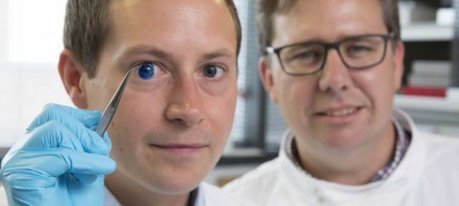
The first human corneas have been 3D printed by scientists at Newcastle University, UK. It means the technique could be used in the future to ensure an unlimited supply of corneas. As the outermost layer of the human eye, the cornea has an important role in focusing vision. Yet there is a significant shortage of corneas available to transplant, with 10 million people worldwide requiring surgery to prevent corneal blindness as a result of diseases such as trachoma, an infectious eye disorder. In addition, almost 5 million people suffer total blindness due to corneal scarring caused by burns, lacerations, abrasion or disease. The proof-of-concept research, published today in Experimental Eye Research, reports how stem cells (human corneal stromal cells) from a healthy donor cornea were mixed together with alginate and collagen to create a solution that could be printed, a 'bio-ink'. Using a simple low-cost 3D bio-printer, the bio-ink was successfully extruded in concentric circles to form the shape of a human cornea. It took less than 10 minutes to print. The stem cells were then shown to culture -- or grow. Che Connon, Professor of Tissue Engineering at Newcastle University, who led the work, said: "Many teams across the world have been chasing the ideal bio-ink to make this process feasible. "Our unique gel -- a combination of alginate and collagen -- keeps the stem cells alive whilst producing a material which is stiff enough to hold its shape but soft enough to be squeezed out the nozzle of a 3D printer. This builds upon our previous work in which we kept cells alive for weeks at room temperature within a similar hydrogel. Now we have a ready to use bio-ink containing stem cells allowing users to start printing tissues without having to worry about growing the cells separately." The scientists, including first author and PhD student Ms Abigail Isaacson from the Institute of Genetic Medicine, Newcastle University, also demonstrated that they could build a cornea to match a patient's unique specifications.
|
|
Scooped by
Dr. Stefan Gruenwald
June 1, 2018 6:00 PM
|
Researchers at King's College London have discovered a fundamental process by which brains are built, which may have profound implications for understanding neuro-developmental conditions like autism and epilepsy. The study, published in Nature and funded by the Wellcome Trust, also answers an evolutionary mystery about how the delicate balance between different types of brain cells might be maintained across species with vastly different brain sizes. The cerebral cortex is the largest region of the human brain and is responsible for many of our advanced abilities such as learning, memory and our ability to plan future actions. The cerebral cortex contains two main types of brain cells: excitatory and inhibitory neurons, which can be more simply defined as 'go' and 'no-go' neurons. Excitatory 'go' neurons process information and provide orders telling other neurons what to do. Inhibitory 'no-go' neurons restrict the activity of excitatory neurons so that they don't all go at the same time. Too much 'go' leads to the over-firing of neurons seen in epilepsy, while too much 'no-go' causes cognitive problems. The researchers have discovered how the correct balance is achieved in the number of 'go' and 'no-go' neurons by studying the brains of developing mice. Since the ratio of the two cell types in all mammals is remarkably similar, the findings are likely to apply to humans. 'Like many fundamental things in nature, the process we have uncovered is elegant and likely very important,' says senior author Professor Oscar Marín, from the Centre for Developmental Neurobiology at the Institute of Psychiatry, Psychology & Neuroscience (IoPPN). 'This study fills a big gap in our understanding of how the brain is built, explaining quite simply how the balance of excitatory and inhibitory neurons in the cerebral cortex has remained constant as mammals have evolved. It is probable that this process has been critical in allowing human brains to expand.' By manipulating brain cells in mice during a critical period of embryonic development, the researchers demonstrated that the number of 'no-go' neurons is adjusted once the number of 'go' neurons is established. Co-lead author Dr Kinga Bercsenyi from the Marín laboratory at the IoPPN explains: 'If we imagine brain activity as a conversation, neurons have to be connected to each other in order to talk. During the first two weeks after birth, 'no-go' neurons can sense if they are alone and are programmed to die if they cannot find 'go' neurons that are willing to talk to them.' The researchers found that 'go' neurons rescue their 'no-go' cousins from death by blocking the function of a protein called PTEN. Mutations in the gene coding for PTEN have been strongly linked to autism, suggesting that when PTEN is not functioning properly not enough 'no-go' neurons die, tipping the balance of cell types and causing problems in information processing in some autistic people.
|
|
|
Scooped by
Dr. Stefan Gruenwald
June 13, 2018 7:52 PM
|
Nitrogen fixation in the surface ocean impacts global marine nitrogen bioavailability and thus microbial primary productivity. Until now, cyanobacterial populations have been viewed as the main suppliers of bioavailable nitrogen in this habitat. Although PCR amplicon surveys targeting the nitrogenase reductase gene have revealed the existence of diverse non-cyanobacterial diazotrophic populations, subsequent quantitative PCR surveys suggest that they generally occur in low abundance. Now, a team of scientists used state-of-the-art metagenomic assembly and binning strategies to recover nearly one thousand non-redundant microbial population genomes from the TARA Oceans metagenomes. Among these, they provided the first genomic evidence for non-cyanobacterial diazotrophs inhabiting surface waters of the open ocean, which correspond to lineages within the Proteobacteria and, most strikingly, the Planctomycetes. Members of the latter phylum are prevalent in aquatic systems, but have never been linked to nitrogen fixation previously. Moreover, using genome-wide quantitative read recruitment, the group of scientists were able to demonstrate that the discovered diazotrophs were not only widespread but also remarkably abundant (up to 0.3% of metagenomic reads for a single population) in both the Pacific Ocean and the Atlantic Ocean northwest. These results extend decades of PCR-based gene surveys, and substantiate the importance of heterotrophic bacteria in the fixation of nitrogen in the surface ocean.
|
|
Scooped by
Dr. Stefan Gruenwald
June 13, 2018 7:46 PM
|
By the way, it’s also the first stellar-mass black hole ever found based on its gravitational pull. The word globule isn’t the most appealing term. Maybe this is why globular clusters don’t get as much press as they deserve. These dense collections of ancient stars numbering in the tens of thousands are home to some of the oldest stars in the universe. If nebulae are the stellar nurseries of the cosmos, then globular clusters are the stellar nursing homes. But just as nebulae can teach us about how young stars form, globular clusters can teach us about how old stars evolve and age – which occasionally ends with an older, massive star collapsing into a black hole.
In a study published today in Monthly Notices of the Royal Astronomical Society, astronomers announced the discovery of one such black hole in the globular cluster NGC 3201. By noticing the exceptionally bizarre orbital behavior of a specific star in the cluster, the researchers were able to conclude that a black hole is lurking in the core of NGC 3201, located some 16,000 light-years away. The discovery of the black hole – which is not feeding on nearby material, and therefore invisible to direct observations – is the first detection of a stellar-mass black hole made purely by measuring its gravitational influence on other stars.
“[The star] was orbiting something that was completely invisible, which had a mass more than four times the Sun,” said Benjamin Giesers, an astrophysicist at the University of Göttingen and lead author of the study, in a press release. “This could only be a black hole! The first one found in a globular cluster by directly observing its gravitational pull.”
As part of a large survey of globular clusters orbiting the Milky Way, an international team of astronomers used the ESO’s Multi Unit Spectroscopic Explore (MUSE) instrument on the Very Large Telescope in Chile to search for stellar binaries – pairs of stars that orbit each other. In addition to analyzing the light of individual stars, MUSE measures their radial velocities, or relative back-and-forth motions. Among the plethora of radial velocity measurements taken for the globular cluster survey, the researchers found one oddball star.
They noticed that this particular star was being flung back and forth so quickly (over 200,000 miles per hour) that it must be orbiting an invisible black hole at least four times as massive as the Sun. Though the researchers acknowledge the possibility that the fast-moving star is being rag-dolled around within a triple star system containing two exceptionally large and tightly bound neutron stars, “since such a system was not observed to date and the actual mass of the discovered object is probably higher, a black hole scenario is more likely.”
|
|
Scooped by
Dr. Stefan Gruenwald
June 12, 2018 3:20 PM
|
Mass production of quantum compute devices could fundamentally change how we look at traditional silicon. Although not necessarily a replacement for conventional hardware, quantum technologies allow for many difficult problems to be solved that would otherwise be impossible to comprehend. Last year, Intel was able to take a few steps forward towards the commercialization of quantum computing. A 17-qubit superconducting chip was built followed by CEO Brian Krzanich showing off a test chip at CES 2018 with 49 qubits. Unlike previous quantum efforts at Intel, this latest batch of wafers are focusing on spin qubits instead of superconducting qubits. This secondary technology is still a few years behind superconducting quantum efforts but could turn out to be more easily scalable. Moving forward, Intel now has the capability to produce up to five silicon wafers every week containing up to 26-qubit quantum chips. This achievement means that Intel has greatly increased the number of quantum devices in existence and could be looking to increase the number of qubits steadily in the coming years.
|
|
Scooped by
Dr. Stefan Gruenwald
June 9, 2018 12:35 PM
|
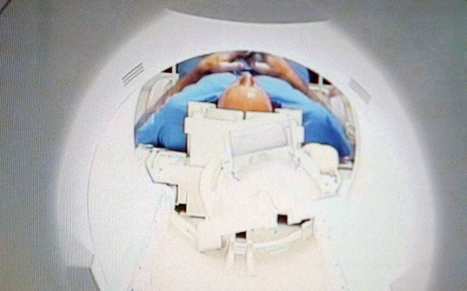
oDeadly brain tumors could be removed in just ten minutes with a groundbreaking new treatment which uses MRI scanners to heat up cancer cells until they die. The new therapy, developed by University College London (UCL), involves injecting tiny magnetic metal beads into the bloodstream and directing it to the site of the cancer. The scanner is then used to heat up the metal seed which causes the cells to die in the surrounding tissue. Not only does it quickly kill cancer cells, but it saves healthy cells from the damaging effects of invasive surgery or radiotherapy. The team at UCL has already proven it is effective in the brains of pigs and plans to move to human trials on patients with prostate cancer within the next two years with the hope it will be available for many cancers on the NHS within five years. Launching the new technology at The Cheltenham Science Festival, Mark Lythgoe, professor of imaging at UCL, said: “The aim is to turn every MRI scanner in the world into a therapeutic device. At the moment it just take pictures. “The simple idea is the patient goes into the MRI scanner, you locate a tumor in the brain or the prostate and then we implant a tiny magnetic particle, a little bit smaller than a grain of rice, to the site of the tumor. “We can guide it with real precision avoiding any areas that we don’t want to go to, like the sensory motor-cortex in the brain, the area with memories. Once it’s in there we’re able to fire in a simple radio wave and these seeds heat up remarkably well, and kills all the cells around it. You then just guide the seed through the tumor, killing all the cells. And you can do it with real precision right up to the margins of the tumor so there is no tumor left. This is a life-changing technology.”
|
|
Scooped by
Dr. Stefan Gruenwald
June 8, 2018 10:08 AM
|
Scientists have begun to identify the symphony of biological triggers that powered the extraordinary expansion of the human brain. When it comes to brains, size isn’t everything. The human brain is much smaller than that of an elephant or whale. But there are far more neurons in a human’s cerebral cortex than in the cortex of any other animal. The human brain has 86 billion neurons in all: 69 billion in the cerebellum, a dense lump at the back of the brain that helps orchestrate basic bodily functions and movement; 16 billion in the cerebral cortex, the brain’s thick corona and the seat of our most sophisticated mental talents, such as self-awareness, language, problem solving and abstract thought; and 1 billion in the brain stem and its extensions into the core of the brain. In contrast, the elephant brain, which is three times the size of our own, has 251 billion neurons in its cerebellum, which helps manage a giant, versatile trunk, and only 5.6 billion in its cortex. Considering brain mass or volume alone masks these important distinctions. Based on her studies, Herculano-Houzel has concluded that primates evolved a way to pack far more neurons into the cerebral cortex than other mammals did. The great apes are tiny compared to elephants and whales, yet their cortices are far denser: Orangutans and gorillas have 9 billion cortical neurons, and chimps have 6 billion. Of all the great apes, we have the largest brains, so we come out on top with our 16 billion neurons in the cortex. In fact, humans appear to have the most cortical neurons of any species on Earth. “That’s the clearest difference between human and nonhuman brains,” Herculano-Houzel says. It’s all about the architecture, not just size. Data taken from the following studies: Cellular scaling rules for primate brains;Cellular scaling rules for rodent brains; Gorilla and Orangutan Brains Conform to the Primate Cellular Scaling Rules: Implications for Human Evolution; The elephant brain in numbers.
|
|
Scooped by
Dr. Stefan Gruenwald
June 8, 2018 12:17 AM
|
The Curiosity rover found seasonally changing methane in Mars’ atmosphere and more signs of organic molecules in an ancient lake bed. To Martian methane, there is a season. NASA’s Curiosity rover has found evidence that methane in Mars’ thin atmosphere varies during the year. Higher concentrations appear in late summer and early autumn in the northern hemisphere and lower concentrations in the winter and spring, researchers report in the June 8, 2018 Science. What’s more, Curiosity also spotted organic molecules previously unseen on Mars preserved in mudstone, some of the same researchers report in another study in the same issue of Science. Although neither methane nor organics alone are signs of life, the implications for astrobiology are “potentially huge,” says planetary scientist Michael Mumma of NASA’s Goddard Space Flight Center in Greenbelt, Md., who was not involved in the studies. In 2004, Mumma and colleagues reported the first observation of huge plumes of methane spewing into Mars’ atmosphere (SN: 2/14/09, p. 10). These plumes, detected with Earth-based telescopes, had methane concentrations as high as 45 parts per billion. That finding was exciting, because methane doesn’t last long in the Martian atmosphere before ultraviolet radiation from the sun destroys it. Something must have been creating or releasing the gas as astronomers watched. On Earth, most methane is produced by living creatures, so the plumes raised hopes that Mars supports life. When Curiosity landed on the Red Planet in 2012, however, the rover initially found no methane to speak of. “A lot of people were disappointed and upset,” says Christopher Webster, a planetary scientist at NASA’s Jet Propulsion Laboratory in Pasadena, Calif., and a coauthor of the new methane study. But in 2014, after more searching, the Curiosity team found traces of methane, though much less than what was expected based on the earlier results. Now after two full Martian years (five Earth years) of observing, the team reports that the annual average concentration of methane in Mars’ atmosphere is 0.41 ppb. But methane levels seem to rise and fall with the seasons, ranging from 0.24 ppb in winter to 0.65 ppb in summer. The researchers also saw relatively large methane spikes, up to about 7 ppb, at apparently random intervals.
|
|
Scooped by
Dr. Stefan Gruenwald
June 5, 2018 1:12 AM
|
Building a mirror for any giant telescope is no simple feat. The sheer size of the glass, the nanometer precision of its curves, its carefully calculated optics, and the adaptive software required to run it make this a task of herculean proportions. But the recent castings of the 15-metric ton, off-axis mirrors for the Giant Magellan Telescope (GMT) forced engineers to push the design and manufacturing process beyond all previous limits.
Building the GMT is not a task of years, but of decades. The Giant Magellan Telescope Organization (GMTO) and a team at the University of Arizona's Richard F. Caris Mirror Laboratory cast the first of seven mirrors back in 2005; they expect to complete construction of the telescope in 2025. Once complete, it’s expected to be the largest telescope in the world. The seven 8.4-meter-wide mirrors will combine to serve as a 24.5-meter mirror telescope with 10 times the resolution of the Hubble Space Telescope. This will allow astronomers to gaze back in time to, they hope, the materialization of galaxies.
Each mirror costs US $20 million dollars and takes more than two years to build. Every stage of the manufacturing process calls for careful thought and meticulous planning. To begin, more than 17,000 kilograms of special glass are ordered and inspected for flaws. Next, a crew must build a 15-metric ton ceramic structure to serve as a mold for the glass, which they carefully place one chunk at a time. The glass is slowly melted and continuously spun in a furnace to create a parabolic shape, then cooled by fractions of degrees over the course of three months. And that’s only the beginning.
Once cooled, massive machinery lifts the mirror and tilts it to a vertical position. Engineers purge the ceramic mold from the mirror, wait for it to dry, and then rotate it again. They grind and refine the back of the mirror with exacting precision. Then they reposition the mirror in order to shape and polish the front face to within 20 nanometers of perfection—a process that takes about 18 months. Along the way, it undergoes four optical tests, some of which were engineered specifically for this project.
|
|
Scooped by
Dr. Stefan Gruenwald
June 5, 2018 1:01 AM
|
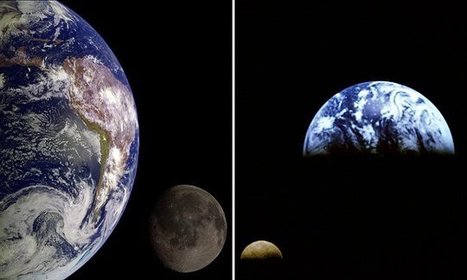
The moon is moving away from Earth at a rate of 1.5 inches (3.82 cm) per year. As it drifts further from Earth, its gravitational pull weakens. This reduces the speed of Earth's spin and means days are slowly getting longer. Scientists discovered that a day used to be 18 hours long 1.4 billion years ago.
Eventually, days will lengthen significantly as the Earth's only celestial body pulls away — reducing the gravitational pull on our planet. Researchers found the shorter days were caused, at least in part, by the moon's closer proximity to Earth. The closer the moon was to the surface of the planet, the stronger its gravitational pull and the quicker it made Earth spin. This contributed to the days on Earth lasting six hours less than they do today. Prof Stephen Meyers, of the University of Wisconsin-Madison and co-author of the study, said: 'As the moon moves away, the Earth is like a spinning figure skater who slows down as they stretch their arms out.'
Professor Meyers and his team attempted to chronicle how the relationship between Earth and the moon has altered over time. They used a complex statistical method that links astronomical theory with geological observation — known as astro-chronology. Using this method, they were able to look back at Earth's geologic past and reconstruct the history of the solar system.
Professor Meyers said: 'One of our ambitions was to use astro-chronology to tell time in the most distant past, to develop very ancient geological time scales. 'We want to be able to study rocks that are billions of years old in a way that is comparable to how we study modern geologic processes.'
|
|
Scooped by
Dr. Stefan Gruenwald
June 5, 2018 12:35 AM
|
All throughout the universe, there are stars in varying phases and ages. The oldest detected Kepler planets (exoplanets found using NASA's Kepler telescope) are about 11 billion years old, and the planetary diversity suggests that around other stars, such initially frozen worlds could be the size of Earth and could even provide habitable conditions once the star becomes older. Astronomers usually looked at middle-aged stars like our sun, but to find habitable worlds, one needs to look around stars of all ages. In their work, Ramses M. Ramirez, research associate at Cornell's Carl Sagan Institute and Lisa Kaltenegger, associate professor of astronomy and director of the Carl Sagan Institute, have modeled the locations of the habitable zones for aging stars and how long planets can stay in it. Their research, "Habitable Zones of Post-Main Sequence Stars," is published in the Astrophysical Journal May 16. The "habitable zone" is the region around a star in which water on a planet's surface is liquid and signs of life can be remotely detected by telescopes. "When a star ages and brightens, the habitable zone moves outward and you're basically giving a second wind to a planetary system," said Ramirez. "Currently objects in these outer regions are frozen in our own solar system, and Europa and Enceladus -- moons orbiting Jupiter and Saturn -- are icy for now." Dependent upon the mass (weight) of the original star, planets and their moons loiter in this red giant habitable zone up to 9 billion years. Earth, for example, has been in our sun's habitable zone so far for about 4.5 billion years, and it has teemed with changing iterations of life. However, in a few billion years our sun will become a red giant, engulfing Mercury and Venus, turning Earth and Mars into sizzling rocky planets, and warming distant worlds like Jupiter, Saturn and Neptune -- and their moons -- in a newly established red giant habitable zone. "Long after our own plain yellow sun expands to become a red giant star and turns Earth into a sizzling hot wasteland, there are still regions in our solar system -- and other solar systems as well -- where life might thrive," says Kaltenegger. "For stars that are like our sun, but older, such thawed planets could stay warm up to half a billion years in the red giant habitable zone. That's no small amount of time," said Ramirez, who is the lead author of the study. "In the far future, such worlds could become habitable around small red suns for billions of years, maybe even starting life, just like Earth. That makes me very optimistic for the chances for life in the long run," said Kaltenegger.
|
|
Scooped by
Dr. Stefan Gruenwald
June 3, 2018 10:37 PM
|
Researchers have demonstrated the ability to program groups of individual cells to self-organize into multi-layered structures reminiscent of simple organisms or the first stages of embryonic development. How do complex biological structures — an eye, a hand, a brain — emerge from a single fertilized egg? This is the fundamental question of developmental biology, and a mystery still being grappled with by scientists who hope to one day apply the same principles to heal damaged tissues or regrow ailing organs. Now, in a study published May 31, 2018 in Science, researchers have demonstrated the ability to program groups of individual cells to self-organize into multi-layered structures reminiscent of simple organisms or the first stages of embryonic development. “What is amazing about biology is that DNA allows all the instructions required to build an elephant to be packed within a tiny embryo,” said study senior author Wendell Lim, PhD, chair and Byers Distinguished Professor in the Department of Cellular and Molecular Pharmacology at UCSF, director of the NIH-funded Center for Systems and Synthetic Biology, and co-director of the National Science Foundation–funded Center for Cellular Construction. “DNA encodes an algorithm for growing the organism — a series of instructions that unfolds in time in a way we still don’t really understand. It’s easy to get overwhelmed by the complexity of natural systems, so here we set out to understand the minimal set of rules for programming cells to self-assemble into multicellular structures.” A critical part of development is that, as biological structures form, cells communicate with one another and make coordinated, collective decisions about how to structurally organize themselves. To mimic this process, the new research — led by UCSF postdoctoral researcher Satoshi Toda, PhD, in Lim’s lab — relied on a powerfully customizable synthetic signaling molecule called synNotch (for “synthetic Notch receptor”) recently developed in Lim’s lab, which allowed the researchers to program cells to respond to specific cell–cell communication signals with bespoke genetic programs. For example, using synNotch, the researchers engineered cells to respond to specific signals from neighboring cells by producing Velcro-like adhesion molecules called cadherins as well as fluorescent marker proteins. Remarkably, just a few simple forms of collective cell communication were sufficient to cause ensembles of cells to change color and self-organize into multi-layered structures akin to simple organisms or developing tissues.
|
|
Scooped by
Dr. Stefan Gruenwald
June 3, 2018 10:31 PM
|
You are what you eat. Or so the saying goes. Science now tells us that we are what the bacteria living in our intestinal tract eat and this could have an influence on how well we age. Building on this, McGill University scientists fed fruit flies with a combination of probiotics and an herbal supplement called Triphala that was able to prolong the flies’ longevity by 60 % and protect them against chronic diseases associated with aging. The study, published in Scientific Reports, adds to a growing body of evidence of the influence that gut bacteria can have on health. The researchers incorporated a symbiotic – made of probiotics with a polyphenol-rich supplement – into the diet of fruit flies. The flies fed with the synbiotic lived up to 66 days old – 26 days more than the ones without the supplement. They also showed reduced traits of aging, such as mounting insulin resistance, inflammation and oxidative stress. “Probiotics dramatically change the architecture of the gut microbiota, not only in its composition but also in respect to how the foods that we eat are metabolized,” says Satya Prakash, professor of biomedical engineering in McGill’s Faculty of Medicine and senior author of the study. “This allows a single probiotic formulation to simultaneously act on several biochemical signaling pathways to elicit broad beneficial physiological effects, and explains why the single formulation we present in this paper has such a dramatic effect on so many different markers”. The fruit fly is remarkably similar to mammals with about 70 % similarity in terms of their biochemical pathways, making it a good indicator of what would happen in humans, adds Prakash. “The effects in humans would likely not be as dramatic, but our results definitely suggest that a diet specifically incorporating Triphala along with these probiotics will promote a long and healthy life.” The authors also say that the findings can be explained by the “gut-brain axis,” a bidirectional communication system between microorganisms residing in the gastrointestinal tract – the microbiota – and the brain. In the past few years, studies have shown the gut-brain axis to be involved in neuropathological changes and a variety of conditions such as irritable bowel syndrome, neurodegeneration and even depression. Few studies, however, have successfully designed gut microbiota-modulating therapeutics having effects as potent or broad as the formulation presented in the new study.
|
|
Scooped by
Dr. Stefan Gruenwald
June 1, 2018 6:02 PM
|
Deep learning, which uses multi-layered artificial neural networks, is a form of machine learning that has demonstrated significant advances in many fields, including natural language processing, image/video labeling and captioning. In image processing, deep learning demonstrates significant potential for automated identification and labeling of features of interest, such as abnormal regions in a medical image. UCLA researchers have demonstrated an innovative application of deep learning to significantly extend the imaging depth of a hologram. In holography, image reconstruction requires performing autofocusing and phase recovery, which are in general cumbersome and time-consuming to perform over a large sample volume. In a recent article published in Optica, a journal of the Optical Society of America, UCLA researchers have demonstrated a new approach they termed HIDEF based on a convolutional neural network that simultaneously performs autofocusing and phase recovery to significantly extend the image depth of field and the reconstruction speed in holography. This research was led by Dr. Aydogan Ozcan, the Chancellor's Professor of electrical and computer engineering at UCLA and an HHMI Professor with the Howard Hughes Medical Institute, along with Yichen Wu, a graduate student, and Dr. Yair Rivenson, a postdoctoral scholar, both at the UCLA electrical and computer engineering department. The authors validated this deep learning based approach by successfully reconstructing holograms of aerosols and human tissue samples. Overall, this approach significantly boosts the computational efficiency and the reconstruction speed of high-resolution holographic imaging by simultaneously performing autofocusing and phase recovery, which also increases the robustness of the image reconstruction process to potential misalignments in the optical setup by extending the depth of the reconstructed images.
|