Your new post is loading...

|
Scooped by
Dr. Stefan Gruenwald
October 1, 2018 4:34 PM
|
Using ESA's XMM-Newton space telescope, two researchers have observed the symbiotic star AG Pegasi after the end of its outburst in 2015. The observations, detailed in a paper published September 24 on the arXiv pre-print server, could reveal the real nature of this peculiar object. AG Pegasi, or AG Peg for short (other designation HD 207757) is a binary consisting of a red giant and white dwarf. It is classified as a symbiotic nova due to its slow, nova-like outburst. The first recorded outburst of AG Peg occurred in the mid-19th century, while the latest was in 2015, during which the hot component if the binary increased in temperature. AG Peg has been observed in X-rays by astronomers numerous times. However, a discrepancy in the results of these studies regarding the properties of X-ray emission from AG Peg showed that follow-up observations of this nova were necessary in order to determine its exact nature. Therefore, Svetozar Zhekov of the Institute of Astronomy and National Astronomical Observatory in Sofia, Bulgaria, and Toma Tomov of the Nicolaus Copernicus University in Toruń, Poland, conducted new X-ray observations of AG Peg. They used the X-ray Multi-Mirror Mission (XMM-Newton) in November 2017 to study the nova after its latest outburst. "In this paper, we report results from the XMM-Newton observation of AG Peg, carried out after the end of its active phase in 2015," the researchers wrote in the paper. According to astronomers, XMM-Newton observations provided data of much better quality than that of the previous X-ray observations performed by NASA Swift and DLR/NASA ROSAT space telescopes. They noted that the new data allowed them to better constrain the properties of AG Peg's X-ray emission. The observations found that X-ray emission of AG Peg is of thermal origin and almost all of the source counts are at energies below 2.0 keV. This, according to Zhekov and Tomov, confirms that AG Peg is in its post-outburst state and is of the class beta of the X-ray sources among the symbiotic stars. Furthermore, the observations detected no short-term X-ray variability. This, together with ultraviolet emission showcasing flickering on time-scales of minutes and hours, suggests that the X-ray and UV emissions in AG Peg originate from different regions of this binary and are subject to different formation mechanisms.
|
|
Scooped by
Dr. Stefan Gruenwald
October 1, 2018 3:31 PM
|
Sun-like stars rotate up to two and a half times faster at the equator than at higher latitudes, a finding by researchers at NYU Abu Dhabi that challenges current science on how stars rotate. Until now, little was known about the precise rotational patterns of Sun-like stars, only that the equator spins faster than at higher latitudes, similar to the Sun. Scientists at the NYU Abu Dhabi Center for Space Science used observations from NASA's Kepler mission and asteroseismology - the study of sound waves traveling inside stars - to determine with precision how Sun-like stars rotate, which no other scientific method has been able to achieve. Their study found that Sun-like stars, characterized as being like the Sun in mass and age, do indeed rotate in a similar manner as the Sun in that their equatorial regions rotate more rapidly than at mid- to high latitudes. But there's a key difference. The equator of the Sun rotates about 10 percent faster than its mid latitudes, while equators of Sun-like stars spin up to two and a half times faster than their mid latitudes. "This is very unexpected, and challenges current numerical simulations, which suggest that stars like these should not be able to sustain differential rotation of this magnitude," said Othman Benomar, research associate at the NYU Abu Dhabi Center for Space Science and lead author of the study published in Science. "Understanding differential rotation - how fast one part of a star spins compared to the rest - is not only important for a complete understanding of how a star works, it will help us gain deeper insights about their magnetic fields," explained Katepalli Sreenivasan, principal investigator of the NYU Abu Dhabi Center for Space Science.
|
|
Scooped by
Dr. Stefan Gruenwald
October 1, 2018 11:52 AM
|
The 2018 Nobel Prize in Physiology or Medicine was awarded on Monday to James P. Allison of the United States and Tasuku Honjo of Japan for their work on unleashing the immune system’s ability to attack cancer, a breakthrough in developing new cancer treatments. Dr. Allison and Dr. Honjo, working separately, showed in the 1990s how certain proteins act as “brakes” on the immune system’s T-cells, limiting their ability to attack cancer cells, and that suppressing those proteins could transform the body’s ability to fight cancer. Until their breakthroughs cancer treatment consisted of surgery, radiation and chemotherapy. Their work led to a fourth class of treatment, harnessing the immune system, what the Nobel committee at the Karolinska Institute called “an entirely new principle for cancer therapy.” Dr. Honjo, 76, is a longtime professor at Kyoto University, where he did his breakthrough work. Previously, he did research at Osaka University, the University of Tokyo and the National Institutes of Health in Washington. Dr. Allison, 70, is chairman of immunology at the University of Texas M.D. Anderson Cancer Center. He did the work recognized by the Nobel committee while working the University of California at Berkeley and Memorial Sloan Kettering Cancer Center in New York.
|
|
Scooped by
Dr. Stefan Gruenwald
October 1, 2018 11:42 AM
|
A single leukemia cell, unknowingly engineered with the leukemia-targeting chimeric antigen receptor (CAR) lentivirus and infused back into a patient, was able to reproduce and cause a deadly recurrence of B-cell acute lymphoblastic leukemia (ALL). New research from the Abramson Cancer Center of the University of Pennsylvania found that in one patient, the CAR lentivirus that would usually enter a T cell to teach it to hunt cancer also ended up binding with a leukemic cell. The presence of the CAR on the leukemic cell may have given that cell the ability to hide from the therapy by masking CD19, the protein that CARs target to kill cancer. Leukemic cells without CD19 are resistant to CAR T therapy, so this single cell led to the patient's relapse. Nature Medicine published the findings today. The treatment, developed by researchers in Penn's Perelman School of Medicine and at Children's Hospital of Philadelphia (CHOP), modifies patients' own immune T cells, which are collected and reprogrammed to potentially seek and destroy the patients' cancer cells. Once they are infused back into patients' bodies, these newly built cells both multiply and attack, targeting cells that express CD19. "In this case, we found that 100 percent of relapsed leukemic cells carried the CAR that we use to genetically modify T cells," said the study's lead author Marco Ruella, MD, an assistant professor of Hematology-Oncology at Penn. "This is the first time in hundreds of patients treated at Penn and other institutions that we've observed this mechanism of relapse, and it provides important evidence that due to the delicate and complex manufacturing process any slight variation can have an impact on patient outcomes." The patient, a 20-year-old who received CAR-T cell therapy manufactured by Penn as part of a Penn-sponsored clinical trial which was completed in 2016, entered the trial with very advanced leukemia that had relapsed three times previously. After receiving the modified T cells, the patient had a complete remission for nine months before relapsing. In about 60 percent of ALL relapses, testing shows cancer cells that do not express CD19. CD19 was also not detectable at relapse in this patient. But in this case, analysis showed the leukemia cells were positive for the CAR protein. This study comes on the heels of another case which showed essentially the opposite situation—a patient went into remission thanks to a single CAR T cell that reproduced and fought off chronic lymphocytic leukemia (CLL).
|
|
Scooped by
Dr. Stefan Gruenwald
September 28, 2018 2:04 PM
|
Scientists have developed a human-friendly, ultra-flexible organic sensor powered by sunlight, which acts as a self-powered heart monitor. Previously, they developed a flexible photovoltaic cell that could be incorporated into textiles. In this study, they directly integrated a sensory device, called an organic electrochemical transistor -- a type of electronic device that can be used to measure a variety of biological functions -- into a flexible organic solar cell. Using it, they were then able to measure the heartbeats of rats and humans under bright light conditions. Self-powered devices that can be fit directly on human skin or tissue have great potential for medical applications. They could be used as physiological sensors for the real-time monitoring of heart or brain function in the human body. However, practical realization has been impractical due to the bulkiness of batteries and insufficient power supply, or due to noise interference from the electrical supply, impeding conformability and long-term operation. The key requirement for such devices is a stable and adequate energy supply. A key advance in this study, published in Nature, is the use of a nano-grating surface on the light absorbers of the solar cell, allowing for high photo-conversion efficiency (PCE) and light angle independency. Thanks to this, the researchers were able to achieve a PCE of 10.5 percent and a high power-per-weight ratio of 11.46 watts per gram, approaching the "magic number" of 15 percent that will make organic photovoltaics competitive with their silicon-based counterparts. They demonstrated a PCE decrease of only 25 percent (from 9.82% to 7.33%) under repetitive compression test (900 cycles) and a higher PCE gain of 45 percent compared to non-grating devices under 60 degree light angle. To demonstrate a practical application, sensory devices called organic electrochemical transistors were integrated with organic solar cells on an ultra-thin substrate, to allow the self-powered detection of heartbeats either on the skin or to record electrocardiographic (ECG) signals directly on the heart of a rat. They found that the device worked well at a lighting level of 10,000 lux, which is equivalent to the light seen when one is in the shade on a clear sunny day, and experienced less noise than similar devices connected to a battery, presumably because of the lack of electric wires. According to Kenjiro Fukuda of the RIKEN Center for Emergent Matter Science, "This is a nice step forward in the quest to make self-powered medical monitoring devices that can be placed on human tissue. There are some important remaining tasks, such as the development of flexible power storage devices, and we will continue to collaborate with other groups to produce practical devices. Importantly, for the current experiments we worked on the analog part of our device, which powers the device and conducts the measurement. There is also a digital silicon-based portion, for the transmission of data, and further work in that area will also help to make such devices practical." The research was carried out by RIKEN in collaboration with researchers from the University of Tokyo.
|
|
Scooped by
Dr. Stefan Gruenwald
September 28, 2018 1:56 PM
|
By making a neural-network computer model that can be fooled by optical illusions like humans, the researchers advanced knowledge of the human visual system and may help improve artificial vision. Optical illusions can be fun to experience and debate, but understanding how human brains perceive these different phenomena remains an active area of scientific research. For one class of optical illusions, called contextual phenomena, those perceptions are known to depend on context. For example, the color you think a central circle is depends on the color of the surrounding ring. Sometimes the outer color makes the inner color appear more similar, such as a neighboring green ring making a blue ring appear turquoise -- but sometimes the outer color makes the inner color appear less similar, such as a pink ring making a grey circle appear greenish. A team of Brown University computer vision experts went back to square one to understand the neural mechanisms of these contextual phenomena. Their study was published on Sept. 20 in Psychological Review. "There's growing consensus that optical illusions are not a bug but a feature," said Thomas Serre, an associate professor of cognitive, linguistic and psychological sciences at Brown and the paper's senior author. "I think they're a feature. They may represent edge cases for our visual system, but our vision is so powerful in day-to-day life and in recognizing objects." For the study, the team lead by Serre, who is affiliated with Brown's Carney Institute for Brain Science, started with a computational model constrained by anatomical and neurophysiological data of the visual cortex. The model aimed to capture how neighboring cortical neurons send messages to each other and adjust one another's responses when presented with complex stimuli such as contextual optical illusions. One innovation the team included in their model was a specific pattern of hypothesized feedback connections between neurons, said Serre. These feedback connections are able to increase or decrease -- excite or inhibit -- the response of a central neuron, depending on the visual context. These feedback connections are not present in most deep learning algorithms. Deep learning is a powerful kind of artificial intelligence that is able to learn complex patterns in data, such as recognizing images and parsing normal speech, and depends on multiple layers of artificial neural networks working together. However, most deep learning algorithms only include feedforward connections between layers, not Serre's innovative feedback connections between neurons within a layer. Once the model was constructed, the team presented it a variety of context-dependent illusions. The researchers "tuned" the strength of the feedback excitatory or inhibitory connections so that model neurons responded in a way consistent with neurophysiology data from the primate visual cortex. Then they tested the model on a variety of contextual illusions and again found the model perceived the illusions like humans.
|
|
Scooped by
Dr. Stefan Gruenwald
September 28, 2018 1:45 PM
|
Researchers have identified cells in the upper digestive tract that can give rise to Barrett's esophagus, a precursor to esophageal cancer. The discovery of this "cell of origin" promises to accelerate the development of more precise screening tools and therapies for Barrett's esophagus and esophageal adenocarcinoma, the fastest growing form of cancer in the U.S. The findings, made in mice and in human tissue, were published Nature, 2017; DOI: 10.1038/nature24269. In Barrett's esophagus, some of the tissue in the tube connecting the mouth to the stomach are replaced by intestinal-like tissue, causing heartburn and difficulty swallowing. Most cases of Barrett's stem from gastroesophageal reflux disease (GERD) -- chronic regurgitation of acid from the stomach into the lower esophagus. A small percentage of people with Barrett's esophagus develop esophageal adenocarcinoma, the most common form of esophageal cancer. Incidence of esophageal adenocarcinoma has risen by 800 percent over the past four decades. However, there has been little progress in screening and treatment over the same period. If esophageal cancer is not detected early, patients typically survive less than a year after diagnosis. Researchers have proposed at least five models of Barrett's esophagus, each based on a different cell type. "However, none of these experimental models mimics all of the characteristics of the condition," said study leader Jianwen Que, MD, PhD, associate professor of medicine at CUMC. "This led us to believe that there must be another, yet-to-be-discovered, cell of origin for Barrett's esophagus." In the current study, Dr. Que and his colleague Ming Jiang, PhD, an associate research scientist in CUMC's Department of Medicine and first author of the paper, genetically altered mice to promote the development of Barrett's esophagus. His team then examined the mice's gastroesophageal junction tissue for changes. "All of the known cells in this tissue remained the same, but we found a previously unidentified zone populated by unique basal progenitor cells," he said. Progenitor cells are early descendants of stem cells that can differentiate into one or more specific cell types. Dr. Que's team then performed a technique called lineage tracing to determine if these unique basal progenitor cells, tagged with a fluorescent protein, can give rise to Barrett's esophagus. In the tests, several mouse models were used to show that bile acid reflux or genetic changes promote expansion of these cells, leading to the development of Barrett's esophagus. The same observations were made in organoids (artificially grown masses of cells that resemble an organ) created from unique basal progenitor cells that were isolated from the gastroesophageal junction in mice and humans. "Now that we know the cell of origin for Barrett's esophagus, the next step is to develop therapies that target these cells or the signaling pathways that are activated by acid reflux," said Dr. Que.
|
|
Scooped by
Dr. Stefan Gruenwald
September 26, 2018 2:37 PM
|
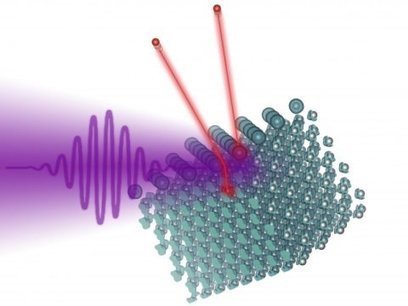
Quantum jumps are usually regarded to be instantaneous. However, new measurement methods are so precise that it has now become possible to observe such a process and to measure its duration precisely -- for example the famous 'photoelectric effect', first described by Albert Einstein. It was one of the crucial experiments in quantum physics: when light falls on certain materials, electrons are released from the surface. Albert Einstein was the first to explain this phenomenon in 1905, when he spoke of "light quanta" -- the smallest units of light that we call photons today. In tiny fractions of a second, an electron of the material absorbs a photon, "jumps" into another state and leaves the surface. This "photoelectric effect" is so fast that until now it has mostly been regarded as instantaneous -- as a sudden change of state, from one moment to the next. However, new measurement methods are so precise that it has now become possible to observe such a process and to measure its duration precisely. A team from the Vienna University of Technology, together with research groups from Garching, Munich and Berlin, determined the duration of the photoelectric effect at a tungsten surface. The results were published in the journal Nature. Measuring on an attosecond scale The photoelectric effect plays an important role in many technical fields, for example in solar cells or in the conversion of data from a fiber optic cable into electrical signals. It occurs on a time scale in the attosecond range -- an attosecond is a billionth of a billionth of a second. "With the help of ultra-short laser pulses, it has been possible in recent years to gain for the first time insight into the timing of such effects," explains Prof. Joachim Burgdörfer from the Institute for Theoretical Physics of the Vienna University of Technology. "Together with our colleagues from Germany, for example, we were able to determine the time interval between different quantum jumps and show that different quantum jumps take different amounts of time." However, until now it was only possible to determine time differences, but not the absolute duration, because it is very difficult to find a "clock," which begins to tick precisely at the beginning of the quantum jump. This is exactly what has become possible through the combination of several experiments, computer simulations and theoretical calculations. Three atomic clocks To achieve this, the scientists had to proceed step by step: in order to have an absolute, precisely calibrated reference scale, they first studied electrons ripped out of helium atoms by laser pulses. "The helium atom is very simple. In this case, we can accurately calculate the time evolution of the photoemission. For more complex objects, such as metal surfaces, this would not be possible even with the best supercomputers in the world," explains Prof. Christoph Lemell. The helium atoms were then used as a reference clock. In a second experiment, the photoemission of helium and iodine was compared, thus calibrating the "iodine clock." Finally, in the third and final step, it was possible to use the iodine atoms to study the photoemission of electrons from a tungsten surface -- the effect, the team wanted to measure. The iodine atoms were deposited on a tungsten surface, which was then hit with ultrashort laser pulses. Now the iodine atoms served as a reference clock, with which the photoemission from the tungsten surface could be measured. An ultrashort laser pulse is used as the starting signal with which the process begins. The electrons are released from their atoms and "jump" into a different quantum state, in which they can reach the tungsten surface and leave. "In tungsten, the duration of this process can be studied particularly well because the interface of the material can be defined very precisely there," explains Prof. Florian Libisch. "The tungsten surface is an excellent finish line for electron-time measurement." The duration of the photoemission process depends on the initial state of the electrons. It ranges from 100 attoseconds for electrons from the inner shells of the tungsten atoms to 45 attoseconds for conduction band electrons, which on average pass the finish line faster. The measurements were carried out at the Max Planck Institute for Quantum Optics in Garching (Germany). Florian Libisch, Christoph Lemell and Joachim Burgdörfer from the Vienna University of Technology were responsible for the theoretical work and computer simulations.
|
|
Scooped by
Dr. Stefan Gruenwald
September 26, 2018 2:31 PM
|
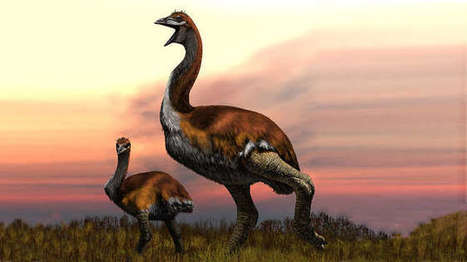
Madagascar’s giant elephant birds receive bone-afide rethink as ZSL names the species. After decades of conflicting evidence and numerous publications, scientists at international conservation charity ZSL’s Institute of Zoology, have finally put the ‘world’s largest bird’ debate to rest. Published today (26 September 2018) in Royal Society Open Science – Vorombe titan (meaning ‘big bird’ in Malagasy and Greek), has taken the title reaching weights of up to 800 kg and three metres tall, with the research also discovering unexpected diversity in these Madagascan creatures. Until now, it was previously suggested that up to 15 different species of elephant birds had been identified under two genera, however research by ZSL scientists boasts new rigorous and quantitative evidence – that shows, in fact, this is not the case. Armed with a tape measure and a pair of callipers, Dr Hansford analysed hundreds of elephant bird bones from museums across the globe to uncover the world’s largest bird, while also revealing their taxonomy is in fact spread across three genera and at least four distinct species; thus, constituting the first taxonomic reassessment of the family in over 80 years. Elephant birds (belonging to the family Aepyornithidae) are an extinct group of colossal flightless birds that roamed Madagascar during the Late Quaternary, with two genera (Aepyornis and Mullerornis) previously recognised by scientists. The first species to be described, Aepyornis maximus, has often been considered to be the world’s largest bird. In 1894, British scientist C.W. Andrews described an even larger species, Aepyornis titan, this has usually been dismissed as an unusually large specimen of A. maximus. However, ZSL’s research reveals Andrew’s ‘titan’ bird was indeed a distinct species. The shape and size of its bones are so different from all other elephant birds that it has now been given the new genus name Vorombe by ZSL.
|
|
Scooped by
Dr. Stefan Gruenwald
September 25, 2018 4:21 PM
|
A strand of spaghetti snaps easily, but an exotic substance known as nuclear pasta is an entirely different story.
Predicted to exist in ultradense dead stars called neutron stars, nuclear pasta may be the strongest material in the universe. Breaking the stuff requires 10 billion times the force needed to crack steel, for example, researchers report in a study accepted in Physical Review Letters.
“This is a crazy-big figure, but the material is also very, very dense, so that helps make it stronger,” says study coauthor and physicist Charles Horowitz of Indiana University Bloomington.
Neutron stars form when a dying star explodes, leaving behind a neutron-rich remnant that is squished to extreme pressures by powerful gravitational forces, resulting in materials with bizarre properties
About a kilometer below the surface of a neutron star, atomic nuclei are squeezed together so close that they merge into clumps of nuclear matter, a dense mixture of neutrons and protons. These as-yet theoretical clumps are thought to be shaped like blobs, tubes or sheets, and are named after their noodle look-alikes, including gnocchi, spaghetti and lasagna. Even deeper in the neutron star, the nuclear matter fully takes over. The burnt-out star’s entire core is nuclear matter, like one giant atomic nucleus.
Nuclear pasta is incredibly dense, about 100 trillion times the density of water. It’s impossible to study such an extreme material in the laboratory, says physicist Constança Providência of the University of Coimbra in Portugal who was not involved with the research.
|
|
Scooped by
Dr. Stefan Gruenwald
September 24, 2018 5:32 PM
|
Mammals are unique in many ways. We're warm-blooded and agile in comparison with our reptilian relatives.
But a new study, funded by the National Science Foundation (NSF) and led by Harvard University researchers Stephanie Pierce and Katrina Jones, suggests we're unique in one more way -- the makeup of our spines. The researchers describe their finding in a paper published this week in the journal Science.
"The spine is basically like a series of beads on a string, with each bead representing a single bone -- a vertebra," said Pierce, curator of vertebrate paleontology at Harvard. "In most four-legged animals, like lizards, the vertebrae all look and function the same.
"But mammal backbones are different. The different sections or regions of the spine -- like the neck, thorax and lower back -- take on very different shapes. They function separately and so can adapt to different ways of life, like running, flying, digging and climbing."
While mammal backbones are specialized, the regions that underlie them were believed to be ancient, dating back to the earliest land animals.
Mammals made the most of the existing anatomical blueprint, or so scientists believed. However, the new study is challenging this idea by looking into the fossil record.
"There are no animals alive today that record the transition from a 'lizard-like' ancestor to a mammal," said Jones, lead author of the study. "To do that, we have to dive into the fossil record and look at the extinct forerunners of mammals, the non-mammalian synapsids."
These ancient ancestors hold the key to understanding the origin of mammal-specific characteristics, including the spine.
|
|
Scooped by
Dr. Stefan Gruenwald
September 24, 2018 5:27 PM
|
When you think of robotics, you likely think of something rigid, heavy, and built for a specific purpose. New “Robotic Skins” technology developed by Yale researchers flips that notion on its head, allowing users to animate the inanimate and turn everyday objects into robots. Developed in the lab of Rebecca Kramer-Bottiglio, assistant professor of mechanical engineering & materials science, robotic skins enable users to design their own robotic systems. Although the skins are designed with no specific task in mind, Kramer-Bottiglio said, they could be used for everything from search-and-rescue robots to wearable technologies. The results of the team’s work are published today in Science Robotics. The skins are made from elastic sheets embedded with sensors and actuators developed in Kramer-Bottiglio’s lab. Placed on a deformable object — a stuffed animal or a foam tube, for instance — the skins animate these objects from their surfaces. The makeshift robots can perform different tasks depending on the properties of the soft objects and how the skins are applied. “We can take the skins and wrap them around one object to perform a task — locomotion, for example — and then take them off and put them on a different object to perform a different task, such as grasping and moving an object,” she said. “We can then take those same skins off that object and put them on a shirt to make an active wearable device.” Robots are typically built with a single purpose in mind. The robotic skins, however, allow users to create multi-functional robots on the fly. That means they can be used in settings that hadn’t even been considered when they were designed, said Kramer-Bottiglio. Additionally, using more than one skin at a time allows for more complex movements. For instance, Kramer-Bottiglio said, you can layer the skins to get different types of motion. “Now we can get combined modes of actuation — for example, simultaneous compression and bending.” To demonstrate the robotic skins in action, the researchers created a handful of prototypes. These include foam cylinders that move like an inchworm, a shirt-like wearable device designed to correct poor posture, and a device with a gripper that can grasp and move objects. Kramer-Bottiglio said she came up with the idea for the devices a few years ago when NASA put out a call for soft robotic systems. The technology was designed in partnership with NASA, and its multifunctional and reusable nature would allow astronauts to accomplish an array of tasks with the same reconfigurable material. The same skins used to make a robotic arm out of a piece of foam could be removed and applied to create a soft Mars rover that can roll over rough terrain. With the robotic skins on board, the Yale scientist said, anything from balloons to balls of crumpled paper could potentially be made into a robot with a purpose.
|
|
Scooped by
Dr. Stefan Gruenwald
September 22, 2018 7:52 PM
|
Learn more about space missions—past, present, and future.
|
|
|
Scooped by
Dr. Stefan Gruenwald
October 1, 2018 3:37 PM
|
By looking at Earth's full natural history and evolution, astronomers may have found a template for vegetation fingerprints - borrowing from epochs of changing flora - to determine the age of habitable exoplanets. "Our models show that Earth's vegetation reflectance signature increases with coverage of our planet's surface, but also with the age of our planet," said co-author Jack O'Malley-James, research associate in astronomy at Cornell University's Carl Sagan Institute. The research, "The Vegetation Red Edge Biosignature Through Time on Earth and Exoplanets," published online in Astrobiology Journal. The geological record of the last 500 million years shows that Earth's surface has changed dramatically, from being ice-covered to having huge forests spread out over land. For most of our home planet's early history, land plants did not exist, but plants eventually became widespread on Earth's surface. The first plants, mosses, show only a weak vegetation signature that is difficult for astronomers to find remotely, compared to modern trees. "We use Earth's history as a key for finding life in the universe," said co-author Lisa Kaltenegger, associate professor of astronomy at Cornell University and director of the Carl Sagan Institute. "Our work shows that as plants evolved on Earth, the vegetation signal that reveals their presence became stronger, making older exoplanets really interesting places to look for vegetation." Exoplanets may be parched, arid with clear skies and endless cacti forests, or hot jungle worlds covered in tropical forests. "Over interstellar distances, these places might be the best targets to spot vegetation," Kaltenegger said. When NASA's Galileo mission left Earth for Jupiter in 1989, the late Cornell astronomer Carl Sagan requested the spacecraft's instruments look at Earth to see how light reflected from an inhabited, life-rich planet. Observations in December 1990 revealed a distinctive boost in reflectance between the red and infrared spectrum, just beyond the limits of human vision, due to vegetation. "The signal Galileo detected for Earth was similar to what observations of an exoplanet in another star system might look like, but, of course, Galileo was much closer to us," said O'Malley-James. "Observing an exoplanet is more challenging, but telescope technology is getting better at spotting tiny signals," said O'Malley-James. "And factoring Earth's changing landscapes into our models will make it easier to detect vegetation in the future on other worlds." Kaltenegger explained: "Looking at how life altered Earth's biosignatures over time helps us to figure out which planets are most likely to show the strongest signs of life, ultimately giving us the best chances of successfully pinpointing life, if it is there."
|
|
Scooped by
Dr. Stefan Gruenwald
October 1, 2018 2:24 PM
|
Your ultimate online portal to the future as well as looking up the past. Reporting on what's new and what's next in technology, science, gadgets, astronomy, physics, math, green tech and much more. We are aggregating science news from over 1,600 international news sources and select the best science news every day, 7 days a week, 24 hours per day. A ranking algorithm preselects the postings. Dubious non-peer reviewed science is filtered out. Amazing Science is the ultimate source to stay on top of the ever changing disciplines of science and get have a scientific resource to your disposal that is unprecedented.
|
|
Scooped by
Dr. Stefan Gruenwald
October 1, 2018 11:48 AM
|
Researchers at the Italian Institute of Technology (IIT) have recently proposed a coupled-dynamics formalism and a new approach for exploiting helpful interactions with humanoid robots. Their paper, which was pre-published on arXiv, also presents a number of task-based, partner-aware techniques for humanoid robot control. "Robots are evolving at a rapid pace, and many recent developments are addressed at bringing down the fences in which robots are currently placed and making them safer to physically interact with the environment and people," Yeshasvi Tirupachuri, one of the researchers who carried out the study, told TechXplore. Humanoid robots are designed to resemble humans, embodying anthropomorphic abilities that allow them to engage actively with human environments. In addition to ensuring that they are reactive to physical interactions with external agents, this team of researchers at IIT is also trying to make them capable of actively engaging and interacting with agents to realize a common goal. "We think this research approach enables a robot to be more resourceful in many tasks, either to assist humans or to augment human capabilities," Tirupachuri says. The Italian Institute of Technology (IIT) is currently working on a project called An.Dy, funded by the European Commission, aimed at enhancing human-robot and robot-robot collaboration. Their recent research efforts focused particularly on understanding and exploiting humanoid robots' physical interactions with external agents. "The main objectives of our study were to formulate a general mathematical framework, that is, a language, through which a robot can understand its physical interactions with external agents, as well as to define how these interactions can be exploited for any task completion by the robot," Tirupachuri said. In their recently published paper, the researchers presented a coupled-dynamics formalism and a new approach to improve interactions with humanoids robots, as well as new task-based, partner-aware techniques for humanoid robot control.
|
|
Scooped by
Dr. Stefan Gruenwald
September 28, 2018 2:16 PM
|
Three new species of fish discovered in the extreme depths of the Pacific Ocean. An exploration to one of the deepest places on earth has captured rare footage of what is believed to be three new species of the elusive Snailfish. Involving a team of 40 scientists from 17 different nations, including Dr Alan Jamieson and Dr Thomas Linley from Newcastle University, UK, the expedition to the Atacama Trench has uncovered a wealth of information about life in one of the deepest places on Earth. Among the new discoveries are what the team believe to be three new species of snailfish. Temporarily named 'the pink, the blue and the purple Atacama Snailfish', the footage shows the fish feeding and interacting in their secret world 7,500 meters below the surface. These fish are part of the Liparidae family and do not conform to the preconceived stereotypical image of what a deep-sea fish should look like. Instead of giant teeth and a menacing frame, the fishes that roam in the deepest parts of the ocean are small, translucent, bereft of scales -- and highly adept at living where few other organisms can. The snailfish will be featured as part of the Challenger Conference 2018 which kicks off at Newcastle University from today and runs until Friday. Dr Thomas Linley, from Newcastle University, said: "There is something about the snailfish (fish of the family Liparidae) that allows them to adapt to living very deep. Beyond the reach of other fish they are free of competitors and predators. As the footage clearly shows, there are lots of invertebrate prey down there and the snailfish are the top predator, they seem to be quite active and look very well-fed."
|
|
Scooped by
Dr. Stefan Gruenwald
September 28, 2018 1:58 PM
|
The VLA's discovery of a jet of material launched from a highly-magnetic neutron star has forced rethinking a longstanding theory. Astronomers using the National Science Foundation's Karl G. Jansky Very Large Array (VLA) have discovered a fast-moving jet of material propelled outward from a type of neutron star previously thought incapable of launching such a jet. The discovery, the scientists said, requires them to fundamentally revise their ideas about how such jets originate. Neutron stars are superdense objects, the remnants of massive stars that exploded as supernovas. When in binary pairs with "normal" stars, their powerful gravity can pull material away from their companions. That material forms a disk, called an accretion disk, rotating around the neutron star. Jets of material are propelled at nearly the speed of light, perpendicular to the disk. "We've seen jets coming from all types of neutron stars that are pulling material from their companions, with a single exception. Never before have we seen a jet coming from a neutron star with a very strong magnetic field," said Jakob van den Eijnden of the University of Amsterdam. "That led to a theory that strong magnetic fields prevent jets from forming," he added. The new discovery contradicts that theory. The scientists studied an object called Swift J0243.6+6124 (Sw J0243), discovered on October 3, 2017, by NASA's orbiting Neil Gehrels Swift Observatory, when the object emitted a burst of X-rays. The object is a slowly-spinning neutron star pulling material from a companion star that is likely significantly more massive than the Sun. The VLA observations began a week after the Swift discovery and continued until January 2018. Both the fact that the object's emission at X-ray and radio wavelengths weakened together over time and the characteristics of the radio emission itself convinced the astronomers that they were seeing radio waves produced by a jet. "This combination is what we see in other jet-producing systems. Alternative mechanisms just don't explain it," van den Eijnden said. Common theories for jet formation in systems like Sw J0243 say the jets are launched by magnetic field lines anchored in the inner parts of the accretion disks. In this scenario, if the neutron star has a very strong magnetic field, that field is overpowering and prevents the jet from forming. "Our clear discovery of a jet in Sw J0243 disproves that longstanding idea," van den Eijnden said.
|
|
Scooped by
Dr. Stefan Gruenwald
September 28, 2018 1:53 PM
|
All machines convert one form of energy into another form - for example a car engine turns the energy stored in fuel into motion energy. Those processes of energy conversion, described by the theory called thermodynamics, don’t only take place on the macro-level of big machines, but also at the micro-level of molecular machines that drive muscles or metabolic processes and even on the atomic level. The research team of Prof. Massimiliano Esposito of the University of Luxembourg studies the thermodynamics of small nanomachines only consisting of a few atoms. In a paper published in the prestigious scientific journal Physical Review X, they outline how these small machines behave in concert. Their insights could be used to improve the energy efficiency of all kinds of machines, big or small. Recent progress in nanotechnology has enabled researchers to understand the world in ever-smaller scales and even allows for the design and manufacture of extremely small artificial machines. “There is evidence that these machines are far more efficient than large machines, such as cars. Yet in absolute terms, the output is low compared to the needs we have in daily life applications,” explains Tim Herpich, PhD student at Esposito’s research group and main author of the paper. “That is why we studied how the nanomachines interact with each other and looked at how ensembles of those small machines behave. We wanted to see if there are synergies when they act in concert.” The researchers found that the nanomachines under certain conditions start to arrange in “swarms” and synchronise their movements. “We could show that the synchronisation of the machines triggers significant synergy effects, so that the overall energy output of the ensemble is far greater than the sum of the individual outputs,” said Prof. Esposito. While this is basic research, the principles outlined in the paper could potentially be used to improve the efficiency of any machine in the future, the researcher explains.
|
|
Scooped by
Dr. Stefan Gruenwald
September 28, 2018 1:40 PM
|
Air conditioning accounts for 10% of global energy consumption. Now researchers at Columbia University and Argonne National Laboratory in the US have produced a polymer “paint” capable of cooling surfaces to around 6 °C below ambient temperatures without using any energy at all. Used in combination with conventional air conditioning, it could allow significant reductions in the time these units are switched on, as well as providing some cooling relief in areas where air conditioning is not so widely available. The approach uses a solution process at room temperature to produce a film of a polymer with nanometer- and micrometer-sized air voids trapped inside. “There are a lot of examples of substances that are white from air voids – like snow for example,” says Nanfang Yu associate professor in Applied Physics at Columbia University in the US. “Snow is white because there are a lot of air bubbles inside, otherwise you have ice which is transparent – it’s as simple as that. We are just pushing this to the extreme by this chemical process.” The solution process they use is based on “phase inversion” and involves mixing the polymer with a solvent alongside water, in which the polymer is insoluble. After painting the mixture onto a surface, the solvent evaporates leaving just the polymer interspersed with water droplets. Finally the water evaporates leaving air voids. Adjusting the percentage of water in the mix allows precise control over the size and density of the air voids, so that they can be tuned to maximize reflection of solar energy. In addition the micrometer-sized voids give the coating a thermal emissivity close to that of a black body, that is, a perfect radiator of heat. This high thermal emissivity of the polymer coating can be used to cool objects that are already hot.
|
|
Scooped by
Dr. Stefan Gruenwald
September 26, 2018 2:35 PM
|
A UK team of astronomers report the first detection of matter falling into a black hole at 30% of the speed of light, located in the center of the billion-light year distant galaxy PG211+143. The team, led by Professor Ken Pounds of the University of Leicester, used data from the European Space Agency’s X-ray observatory XMM-Newton to observe the black hole. Their results appear in a new paper in Monthly Notices of the Royal Astronomical Society. Black holes are objects with such strong gravitational fields that not even light travels quickly enough to escape their grasp, hence the description 'black'. They are hugely important in astronomy because they offer the most efficient way of extracting energy from matter. As a direct result, gas in-fall -- accretion -- onto black holes must be powering the most energetic phenomena in the Universe. The center of almost every galaxy -- like our own Milky Way -- contains a so-called supermassive black hole, with masses of millions to billions of times the mass of our Sun. With sufficient matter falling into the hole, these can become extremely luminous, and are seen as a quasar or active galactic nucleus (AGN). However black holes are so compact that gas is almost always rotating too much to fall in directly. Instead it orbits the hole, approaching gradually through an accretion disc -- a sequence of circular orbits of decreasing size. As gas spirals inwards, it moves faster and faster and becomes hot and luminous, turning gravitational energy into the radiation that astronomers observe. The orbit of the gas around the black hole is often assumed to be aligned with the rotation of the black hole, but there is no compelling reason for this to be the case. In fact, the reason we have summer and winter is that the Earth's daily rotation does not line up with its yearly orbit around the Sun. Until now it has been unclear how misaligned rotation might affect the in-fall of gas. This is particularly relevant to the feeding of supermassive black holes since matter (interstellar gas clouds or even isolated stars) can fall in from any direction. Using data from XMM-Newton, Prof. Pounds and his collaborators looked at X-ray spectra (where X-rays are dispersed by wavelength) from the galaxy PG211+143. This object lies more than one billion light years away in the direction of the constellation Coma Berenices, and is a Seyfert galaxy, characterised by a very bright AGN resulting from the presence of the massive black hole at its nucleus. The researchers found the spectra to be strongly red-shifted, showing the observed matter to be falling into the black hole at the enormous speed of 30 per cent of the speed of light, or around 100,000 kilometers per second. The gas has almost no rotation around the hole, and is detected extremely close to it in astronomical terms, at a distance of only 20 times the hole's size (its event horizon, the boundary of the region where escape is no longer possible).
|
|
Scooped by
Dr. Stefan Gruenwald
September 26, 2018 2:28 PM
|
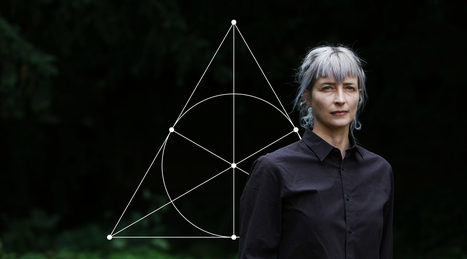
New findings are fueling an old suspicion that fundamental particles and forces spring from strange eight-part numbers called “octonions.” Cohl Furey, a mathematical physicist at the University of Cambridge, is finding links between the Standard Model of particle physics and the octonions, numbers whose multiplication rules are encoded in a triangular diagram called the Fano plane. "When you double the dimensions of mathematical number systems, with each step as you go from real numbers to complex numbers to quaternions to octonions, she explained, “in every step you lose a property.” Real numbers can be ordered from smallest to largest, for instance, “whereas in the complex plane there’s no such concept.” Next, quaternions lose commutativity; for them, a × b doesn’t equal b × a. This makes sense, since multiplying higher-dimensional numbers involves rotation, and when you switch the order of rotations in more than two dimensions you end up in a different place. Much more bizarrely, the octonions are nonassociative, meaning (a × b) × c doesn’t equal a × (b × c). “Nonassociative things are strongly disliked by mathematicians,” said John Baez, a mathematical physicist at the University of California, Riverside, and a leading expert on the octonions. “Because while it’s very easy to imagine noncommutative situations — putting on shoes then socks is different from socks then shoes — it’s very difficult to think of a nonassociative situation.” If, instead of putting on socks then shoes, you first put your socks into your shoes, technically you should still then be able to put your feet into both and get the same result. “The parentheses feel artificial.” The octonions’ seemingly unphysical nonassociativity has crippled many physicists’ efforts to exploit them, but Baez explained that their peculiar math has also always been their chief allure. Nature, with its four forces batting around a few dozen particles and anti-particles, is itself peculiar. The Standard Model is “quirky and idiosyncratic,” he said. In the Standard Model, elementary particles are manifestations of three “symmetry groups” — essentially, ways of interchanging subsets of the particles that leave the equations unchanged. These three symmetry groups, SU(3), SU(2) and U(1), correspond to the strong, weak and electromagnetic forces, respectively, and they “act” on six types of quarks, two types of leptons, plus their anti-particles, with each type of particle coming in three copies, or “generations,” that are identical except for their masses. The fourth fundamental force, gravity, is described separately, and incompatibly, by Einstein’s general theory of relativity, which casts it as curves in the geometry of space-time. Sets of particles manifest the symmetries of the Standard Model in the same way that four corners of a square must exist in order to realize a symmetry of 90-degree rotations. The question is, why this symmetry group — SU(3) × SU(2) × U(1)? And why this particular particle representation, with the observed particles’ funny assortment of charges, curious handedness and three-generation redundancy? The conventional attitude toward such questions has been to treat the Standard Model as a broken piece of some more complete theoretical structure. But a competing tendency is to try to use the octonions and “get the weirdness from the laws of logic somehow,” Baez said. Furey began seriously pursuing this possibility in grad school, when she learned that quaternions capture the way particles translate and rotate in 4-D space-time. She wondered about particles’ internal properties, like their charge. “I realized that the eight degrees of freedom of the octonions could correspond to one generation of particles: one neutrino, one electron, three up quarks and three down quarks,” she said — a bit of numerology that had raised eyebrows before. The coincidences have since proliferated. “If this research project were a murder mystery,” she said, “I would say that we are still in the process of collecting clues.”
|
|
Scooped by
Dr. Stefan Gruenwald
September 25, 2018 4:07 PM
|
The dainty veins gracing the wings of dragonflies and other insects are like fingerprints: Each wing displays a distinct pattern. A randomized mathematical process may help explain how certain thin filaments, called secondary veins, form these complex patterns, a new study finds. Insect wings consist of two types of veins, both of which provide structural support (SN: 6/24/17, p. 5). Primary veins, which tend to be long and relatively straight, are found in the same locations on the wings of each member of a species. But the smaller, secondary veins appear in slightly different places on every wing. Together, these two types of veins section off the wing into a multitude of tiny pieces, like bits of a stained-glass window. Scientists characterized 468 wings from 232 species by calculating the area of each tiny section, and quantifying whether it was circular or elongated. A particular series of steps re-created the wings’ patterns, scientists report September 17 in Proceedings of the National Academy of Sciences. The team started by simulating a scaled-down wing, to mimic processes happening while the insect is developing. First, the placement of primary veins divided the wing into large regions. Then, the researchers randomly selected evenly spaced locations, termed “inhibitory centers,” within each wing region. In a real insect, these inhibitory centers might correspond to places where a chemical cue prevents the formation of veins. Researchers then selected locations for secondary veins via a mathematical mechanism called a Voronoi tessellation. It sections off a region around each selected inhibitory center such that every spot inside a section is closer to its inhibitory center than to any other. Finally, the wing grows, stretching the sections and making some regions more elongated.
|
|
Scooped by
Dr. Stefan Gruenwald
September 24, 2018 5:31 PM
|
By analyzing genomic sequences from more than 400 strains of the bacterium that causes anthrax, researchers have provided the first evidence that the severity – technically known as virulence – of specific strains may be related to the number of copies of certain plasmids they carry. Plasmids are genetic structures of the cell that can reproduce independently, and are responsible for producing the anthrax toxin and other virulence factors.
The research found that bacteria strains collected from humans and animals tended to have more copies of the virulence plasmids than those collected from environmental sources. The research, a collaboration between scientists at the Georgia Institute of Technology and the Centers for Disease Control and Prevention (CDC), used CDC’s collection of Bacillus anthracis strains gathered from around the world beginning in the 1950s.
“There is a hypothesis that the copy number – number of copies of the plasmids – plays a role in how virulent each strain is,” said Kostas Konstantinidis, a professor in the School of Civil and Environmental Engineering at the Georgia Institute of Technology. “We want to understand which are the more virulent strains, which are less virulent and what explains the difference. This study provides the first evidence that there is a significant difference in plasmid copy number that may be related to the virulence. But more research is needed to test this emerging hypothesis.”
The research, which was sponsored by the CDC and the National Science Foundation, was reported August 14 in the journal mSystems, an open access journal from the American Society for Microbiology. The study involved more than 600 gigabytes of data, which will be shared with other researchers working to understand anthrax.
|
|
Scooped by
Dr. Stefan Gruenwald
September 24, 2018 5:26 PM
|
An unusual infrared light emission from a nearby neutron star detected by NASA's Hubble Space Telescope could indicate new features never before seen. One possibility is that there is a dusty disk surrounding the neutron star; another is that there is an energetic wind coming off the object and slamming into gas in interstellar space the neutron star is plowing through. Although neutron stars are generally studied in radio and high-energy emissions, such as X-rays, this study demonstrates that new and interesting information about neutron stars can also be gained by studying them in infrared light, say researchers. The observation, by a team of researchers at Pennsylvania State University, University Park, Pennsylvania; Sabanci University, Istanbul, Turkey; and the University of Arizona, Tucson, Arizona, could help astronomers better understand the evolution of neutron stars -- the incredibly dense remnants after a massive star explodes as a supernova. Neutron stars are also called pulsars because their very fast rotation (typically fractions of a second, in this case 11 seconds) causes time-variable emission from light-emitting regions. A paper describing the research and two possible explanations for the unusual finding appears Sept. 17, 2018, in the Astrophysical Journal. "This particular neutron star belongs to a group of seven nearby X-ray pulsars -- nicknamed 'the Magnificent Seven' -- that are hotter than they ought to be considering their ages and available energy reservoir provided by the loss of rotation energy," said Bettina Posselt, associate research professor of astronomy and astrophysics at Pennsylvania State and the lead author of the paper. "We observed an extended area of infrared emissions around this neutron star -- named RX J0806.4-4123 -- the total size of which translates into about 200 astronomical units (approximately 18 billion miles) at the assumed distance of the pulsar." This is the first neutron star in which an extended signal has been seen only in infrared light. The researchers suggest two possibilities that could explain the extended infrared signal seen by Hubble. The first is that there is a disk of material -- possibly mostly dust -- surrounding the pulsar.
|