 Your new post is loading...
Forklifts, also known as lift trucks, are used for loading, unloading, and transporting various goods and materials in construction, shipping, and retail industries. They are heavy-duty equipment and require extensive training to operate safely. Forklifts are involved in many serious workplace accidents causing thousands of injuries annually. Chiropractors specialize in injury care and rehabilitation from vehicle accidents and collisions. They can help restore optimal musculoskeletal function and health through adjustments, massage, decompression, and traction therapies. Forklift Operation The forklift is one of the most widely used pieces of equipment to raise, lower, or remove pallets, boxes, crates, or other containers and transport and stock goods and materials. There are a variety of lift trucks that include: Operation The weight, speed, and operation difficulty increase the risk of an accident, increasing the risk of injuries. Other factors include: - They can reach up to 20 miles per hour or more.
- They have front braking systems making it harder to stop.
- The weight distribution is in the back.
- The rear wheels turn instead of the front, causing tip-overs.
- Most carry their loads in front and can obstruct an operator’s view.
- Lifting too heavy a load can destabilize a forklift and cause it to turn over.
Accident and Injury Causes Federal work safety regulations require individuals to complete a training program to operate a forklift safely. The most common causes of accidents include: - Lack of training and experience.
- Lack of safety equipment - helmets, seatbelts, grab handles, roll cages, cage guards, warning lights, and sirens.
- Lack of maintenance - bent forks, no load backrest, unbalanced wheels, etc.
- Improper loading - off center, damaged goods, loose loads.
- Lifting, moving or tilting the mast too fast.
- Riding with a raised load.
- Speeding.
- Improper backing-up techniques.
- Poor communication.
- Horseplay.
- Giving rides.
- Failing to immobilize the machine when the operator leaves.
- Failing to pay attention to the position of the forks.
- Failing to yield to pedestrians.
- Traveling up or down unsafe inclines.
- Driving off the side of a ramp.
- Design or manufacturing defects.
Common Accidents The most common type of accidents involve: - Tip-overs and Rollovers.
- Falling off the lift.
- Getting struck by falling materials or objects.
- Pedestrian injuries like getting hit by the vehicle or tripping over the forks.
- Getting caught in or compressed/crushed by the vehicle or objects.
Injuries The most common injuries that result from lift accidents include: - Contusions
- Sprains
- Muscle tears
- Back pain disorders
- Crush injuries
- Fractures
Chiropractic Therapy and Rehabilitation Chiropractic therapy can help heal and rehabilitate musculoskeletal injuries. A chiropractic team will relieve pain symptoms and restore the body’s alignment and function. Treatment includes: Adjustments - To gently realign joints.
- Decrease pain.
- Increase range of motion.
- Improves posture.
Soft-tissue massage - To relax tight muscles.
- Relieve spasms.
- Release tension in the connective tissue surrounding the muscles.
- Reduces pain.
- Improves the range of motion of the spine and joints.
Exercises and stretches - To restore and maintain flexibility, joint stability, and mobility.
Joint bracing and taping - To support sprained joints or muscles during healing.
Health Coaching - Guides diet and nutrition to reduce inflammation and promote healthy eating to manage weight.
General Disclaimer * The information herein is not intended to replace a one-on-one relationship with a qualified healthcare professional or licensed physician and is not medical advice. We encourage you to make your own healthcare decisions based on your research and partnership with a qualified healthcare professional. Our information scope is limited to chiropractic, musculoskeletal, physical medicines, wellness, sensitive health issues, functional medicine articles, topics, and discussions. We provide and present clinical collaboration with specialists from a wide array of disciplines. Each specialist is governed by their professional scope of practice and their jurisdiction of licensure. We use functional health & wellness protocols to treat and support care for the injuries or disorders of the musculoskeletal system. Our videos, posts, topics, subjects, and insights cover clinical matters, issues, and topics that relate to and directly or indirectly support our clinical scope of practice.* Our office has reasonably attempted to provide supportive citations and identified the relevant research study or studies supporting our posts. We provide copies of supporting research studies available to regulatory boards and the public upon request. We understand that we cover matters that require an additional explanation of how it may assist in a particular care plan or treatment protocol; therefore, to further discuss the subject matter above, please feel free to ask Dr. Alex Jimenez or contact us at 915-850-0900. Dr. Alex Jimenez DC, MSACP, CCST, IFMCP*, CIFM*, ATN* email: coach@elpasofunctionalmedicine.com Licensed in: Texas & New Mexico* References Bage, T et al. “Forklift-related lower limb injuries: a retrospective case series study with patient-reported outcome measures (PROMs).” Annals of the Royal College of Surgeons of England vol. 103,10 (2021): 730-733. doi:10.1308/rcsann.2020.7124 Born, C T et al. “Patterns of injury and disability caused by forklift trucks.” The Journal of trauma vol. 40,4 (1996): 636-9. doi:10.1097/00005373-199604000-00020 Hong, Choon Chiet, et al. “Forklift-Related Crush Injuries of the Foot and Ankle.” Foot & ankle international vol. 36,7 (2015): 806-11. doi:10.1177/1071100715576486 Ull, Christopher et al. “Injuries after Forklift Trucks Accidents - Injury Patterns, Therapy and Outcome in the Context of the Statutory Accident Insurance.” “Gabelstaplerunfälle – Verletzungsmuster, Therapie und Outcome im berufsgenossenschaftlichen Kontext.” Zeitschrift fur Orthopadie und Unfallchirurgie, 10.1055/a-1402-1649. 19 Apr. 2021, doi:10.1055/a-1402-1649 Waters, Thomas et al. “Lower back disorders among forklift operators: an emerging occupational health problem?.” American journal of industrial medicine vol. 47,4 (2005): 333-40. doi:10.1002/ajim.20146
Dislocations impact the joint and are injuries that force/knock the bones out of position. Dislocations can be caused by a motor vehicle collision, falls, sports trauma, or weakened muscles and tendons. However, less impact/force is needed to dislocate smaller joints. Dislocations commonly occur at the shoulders, ankles, knees, hips, elbows, fingers and toes, and the jaw. The experience causes swelling, inability to move, and pain. A joint dislocation chiropractor can manipulate, reset, rehabilitate and strengthen the affected area and rebalance the body. Joint Dislocation The region where two or more bones come together is a joint. Each has a primary function, but their functions overlap. The joints allow the bones to move/articulate the skeletal system. Maintaining the body's balance requires mobility and stability. - Mobility is the ability to move the body without restriction.
- Stability is maintaining equilibrium, healthy posture, and support during movement.
- The stable joints do not dislocate easily because their structures are not as flexible.
- Mobile joints are at an increased risk, as they can move in almost any direction.
The stability joints include the following: - Cervical spine
- Elbow
- Lumbar spine
- Knee
- Foot
The mobility joints include: - Shoulder
- Wrist
- Thoracic spine
- Hip
- Ankle
The kinetic chain is a sequence of joints forming an alternating pattern of stability and mobility that create a solid platform for dynamic movement. However, any joint can become dislocated, causing the affected area to become unsteady or immobile, strain or tear the surrounding muscles, nerves, and tendons which are the tissues that connect the bones to a joint. - A joint can be partially dislocated/subluxation or fully dislocated.
- Joints dislocated previously have an increased risk of re-dislocating because the surrounding tissues that hold the joint have been torn or overly stretched.
Symptoms Symptoms vary depending on the severity and location of the injury. Common symptoms include: - Instability
- Loss of ability to move
- Swelling
- Bruising
- Pain
- Visible deformation
Increased Risk Various factors can lead to joint dislocation, including: - Weakness of the supporting ligaments and muscles from natural wear and tear/age or lack of physical conditioning.
- Older individuals with poor balance are more vulnerable to falls that can knock joints out of place.
- Young children developing have more elastic supporting ligaments and are prone to falls, collisions, and other injuries.
- Previous dislocations with overstretched or torn supporting tissues.
- Repeated dislocations are likely to follow the shoulder, knee, and hip.
- Inherited conditions can cause the elastic tissues to overstretch. Examples include Ehlers-Danlos syndrome and Marfan syndrome.
- Physical activities like extreme sports, contact sports, or sports that involve quick body shifts, twists, and turns on the feet.
- Physically demanding job.
- Operating heavy machinery/equipment.
- Joint hypermobility is common in children and around 5% of adults. It can be caused by weak or loose ligaments, weak or loose muscles, and/or shallow joint sockets.
Joint Dislocation Chiropractic Treatment will vary based on the severity of the injury and the dislocated joint. Depending on the location and severity, a chiropractor will perform different movements/manipulations to realign the joint and strengthen the area. - Significant force could be necessary to pull the bones apart to realign them back into their proper position.
- The joint may need to be pulled out and rotated slightly before being put back.
- The focus is on increasing ligament strength.
- Once the joint is back in place, it may need to remain immobile, possibly using a sling or splint to help fully heal the injury.
- Physical therapy exercises will be recommended to strengthen the muscles and ligaments around the joint to support it optimally.
General Disclaimer * The information herein is not intended to replace a one-on-one relationship with a qualified health care professional or licensed physician and is not medical advice. We encourage you to make your own healthcare decisions based on your research and partnership with a qualified healthcare professional. Our information scope is limited to chiropractic, musculoskeletal, physical medicines, wellness, sensitive health issues, functional medicine articles, topics, and discussions. We provide and present clinical collaboration with specialists from a wide array of disciplines. Each specialist is governed by their professional scope of practice and their jurisdiction of licensure. We use functional health & wellness protocols to treat and support care for the injuries or disorders of the musculoskeletal system. Our videos, posts, topics, subjects, and insights cover clinical matters, issues, and topics that relate to and directly or indirectly support our clinical scope of practice.* Our office has reasonably attempted to provide supportive citations and identified the relevant research study or studies supporting our posts. We provide copies of supporting research studies available to regulatory boards and the public upon request. We understand that we cover matters that require an additional explanation of how it may assist in a particular care plan or treatment protocol; therefore, to further discuss the subject matter above, please feel free to ask Dr. Alex Jimenez or contact us at 915-850-0900. Dr. Alex Jimenez DC, MSACP, CCST, IFMCP*, CIFM*, ATN* email: coach@elpasofunctionalmedicine.com Licensed in: Texas & New Mexico* References Dizdarevic, Ismar, et al. "Epidemiology of Elbow Dislocations in High School Athletes." The American journal of sports medicine vol. 44,1 (2016): 202-8. doi:10.1177/0363546515610527 Hodge, Duncan K, and Marc R Safran. "Sideline management of common dislocations." Current sports medicine reports vol. 1,3 (2002): 149-55. doi:10.1249/00149619-200206000-00005 Prechel, Ulla et al. “The Treatment of Temporomandibular Joint Dislocation.” Deutsches Arzteblatt international vol. 115,5 (2018): 59-64. doi:10.3238/arztebl.2018.0059 Skelley, Nathan W et al. "In-game Management of Common Joint Dislocations." Sports health vol. 6,3 (2014): 246-55. doi:10.1177/1941738113499721
Motor vehicle crashes and accidents cause significant trauma in a few seconds changing an individual's life completely. Severe injuries include traumatic brain injury, spinal cord damage, fractures, and amputations. Many individuals experience post-traumatic stress disorder - PTSD after a vehicle collision; even a minor accident can cause emotional trauma symptoms. PTSD commonly presents with other symptoms that range from depression to heart disease, and the most frequent symptom is physical pain. Chiropractic decompression, physical therapy, and therapeutic massage can help alleviate physical pain. PTSD Physical Pain Physical trauma can cause immediate physical effects and injury, as well as physical symptoms that present later on. Symptoms - Flashbacks or reliving the collision incident.
- Sleep disturbances.
- Nightmares about the wreck.
- Fatigue.
- Memory and concentration problems.
- Hyperarousal.
- Fear.
- Anxiety.
- Irritability or anger.
- Avoiding driving or riding in a vehicle.
- Trying not to talk or think about the crash or accident with friends, family, places, or anything associated with the trauma.
- Avoiding activities.
- Emotional numbness.
- Detachment.
All can generate physical muscle tension and chronic stress, leading to headaches, migraines, back pain, stomach pain, and body aches. Long-term physical pain symptoms can turn chronic pain and medication dependency into a vicious cycle. Chiropractic Therapy Chiropractic care diagnoses and treats disorders of the musculoskeletal system. Chiropractic treatment is recommended to help alleviate the physical symptoms of PTSD. Trauma causes individuals to store intense emotions in their bodies. Chiropractic manipulation and decompression release the tension in the muscles caused by the trauma and the emotional stress. Adjustments restore the body's alignment and open the nervous system circulation, allowing signals to flow freely, leading to a healthier mind-body connection. General Disclaimer * The information herein is not intended to replace a one-on-one relationship with a qualified health care professional, or licensed physician, and is not medical advice. We encourage you to make your own healthcare decisions based on your research and partnership with a qualified healthcare professional. Our information scope is limited to chiropractic, musculoskeletal, physical medicines, wellness, sensitive health issues, functional medicine articles, topics, and discussions. We provide and present clinical collaboration with specialists from a wide array of disciplines. Each specialist is governed by their professional scope of practice and their jurisdiction of licensure. We use functional health & wellness protocols to treat and support care for the injuries or disorders of the musculoskeletal system. Our videos, posts, topics, subjects, and insights cover clinical matters, issues, and topics that relate to and support, directly or indirectly, our clinical scope of practice.* Our office has made a reasonable attempt to provide supportive citations and has identified the relevant research study or studies supporting our posts. We provide copies of supporting research studies available to regulatory boards and the public upon request. We understand that we cover matters that require an additional explanation of how it may assist in a particular care plan or treatment protocol; therefore, to further discuss the subject matter above, please feel free to ask Dr. Alex Jimenez or contact us at 915-850-0900. Dr. Alex Jimenez DC, MSACP, CCST, IFMCP*, CIFM*, ATN* email: coach@elpasofunctionalmedicine.com Licensed in: Texas & New Mexico* References Beck, J Gayle, and Scott F Coffey. "Assessment and treatment of PTSD after a motor vehicle collision: Empirical findings and clinical observations." Professional psychology, research, and practice vol. 38,6 (2007): 629-639. doi:10.1037/0735-7028.38.6.629 Elder, Charles et al. "Comparative Effectiveness of Usual Care With or Without Chiropractic Care in Patients with Recurrent Musculoskeletal Back and Neck Pain." Journal of general internal medicine vol. 33,9 (2018): 1469-1477. doi:10.1007/s11606-018-4539-y https://www.nimh.nih.gov/health/topics/post-traumatic-stress-disorder-ptsd Hu, JunMei, et al. "Chronic widespread pain after motor vehicle collision typically occurs through immediate development and nonrecovery: results of an emergency department-based cohort study." Pain vol. 157,2 (2016): 438-444. doi:10.1097/j.pain.0000000000000388
Forearm pain refers to soreness, aches, or discomfort between the wrist and the elbow. An injury or inflammation can affect any tissues, including muscles, bones, blood vessels, tendons, and the skin. The causes usually include overuse injuries, pinched nerves, accidents causing trauma, lifting or heaving heavy objects, sports injuries, and fractures. If left untreated, issues like chronic muscle pain and decreased and disrupted blood/nerve circulation can develop, leading to numbness and weakness. Chiropractic treatment can release tension, massage, reset, and stretch the muscles to expedite healing. Anatomy The forearm comprises the radius and ulna, which extend the forearm's length and cross at the wrist. The Radius - This bone starts at the elbow and connects to the wrist on the thumb side.
Ulna - This bone begins at the elbow and connects to the wrist on the side of the little finger.
Muscles - Several muscles operate to rotate the forearm up/supination and down/pronation and flex and extend the fingers.
Causes Forearm pain can happen to anyone and is usually related to traumatic or repetitive use injury. In other cases, pain may be associated with a benign growth, like a cyst or possibly a malignant tumor. Common causes include: - Pulled and/or strained muscles
- Muscle ruptures or small tears
- A direct blow, fall, or any extreme twisting, bending or jamming action.
- Tendonitis from tennis or golfers elbow.
- Tennis elbow is caused by inflammation or tiny tears in the forearm muscles and tendons outside the elbow.
- Golfers' elbow is on the inside of the elbow.
- Carpal Tunnel Syndrome is a repetitive stress disorder that affects the nerves and tendons of the wrist and forearm.
Musculoskeletal Causes The musculoskeletal causes involve issues in how the forearm components operate together. - Repetitive actions like lifting, gripping, and typing can compress nerves and blood vessels throughout the forearm.
- Repetitive positional injury can lead to swelling.
- Forearm problems like dislocations or sprains can also lead to chronic inflammation and pain.
Traumatic Causes Traumatic causes include those that result in injury to components of the forearm. - Anything that causes a direct injury to the forearm, including an automobile crash or accident, fall, or a direct hit, can fracture bones in the forearm.
- A sprain can twist or stretch a ligament or tendon.
- Activities that cause bending, twisting, quick sudden movement or direct impact can result in sprained multiple ligaments in the forearm.
Chiropractic Treatment Healing forearm pain depends on the type of injury, location, and cause of the pain. Chiropractic addresses arm pain, tingling, and numbness in ways often overlooked by general physicians. - A chiropractor will perform a physical examination to determine if there are any underlying causes.
- They may apply an ice pack to help control inflammation before the massage.
- The chiropractor will perform gentle adjustments to the wrist, arm, and shoulder.
- They may recommend a forearm brace to help retrain positioning and movement.
- They will recommend exercises and stretches to strengthen and maintain the adjustments.
General Disclaimer * The information herein is not intended to replace a one-on-one relationship with a qualified health care professional, or licensed physician, and is not medical advice. We encourage you to make your own healthcare decisions based on your research and partnership with a qualified healthcare professional. Our information scope is limited to chiropractic, musculoskeletal, physical medicines, wellness, sensitive health issues, functional medicine articles, topics, and discussions. We provide and present clinical collaboration with specialists from a wide array of disciplines. Each specialist is governed by their professional scope of practice and their jurisdiction of licensure. We use functional health & wellness protocols to treat and support care for the injuries or disorders of the musculoskeletal system. Our videos, posts, topics, subjects, and insights cover clinical matters, issues, and topics that relate to and support, directly or indirectly, our clinical scope of practice.* Our office has made a reasonable attempt to provide supportive citations and has identified the relevant research study or studies supporting our posts. We provide copies of supporting research studies available to regulatory boards and the public upon request. We understand that we cover matters that require an additional explanation of how it may assist in a particular care plan or treatment protocol; therefore, to further discuss the subject matter above, please feel free to ask Dr. Alex Jimenez or contact us at 915-850-0900. Dr. Alex Jimenez DC, MSACP, CCST, IFMCP*, CIFM*, ATN* email: coach@elpasofunctionalmedicine.com Licensed in: Texas & New Mexico* References Ellenbecker, Todd S et al. "Current concepts in examination and treatment of elbow tendon injury." Sports health vol. 5,2 (2013): 186-94. doi:10.1177/1941738112464761 Shamsoddini, Alireza, and Mohammad Taghi Hollisaz. "Effects of taping on pain, grip strength and wrist extension force in patients with tennis elbow." Trauma monthly vol. 18,2 (2013): 71-4. doi:10.5812/traumamon.12450 Suito, Motomu, et al. "Intertendinous epidermoid cyst of the forearm." Case reports in plastic surgery & hand surgery vol. 6,1 25-28. 28 Jan. 2019, doi:10.1080/23320885.2018.1564314
When the body goes through intense trauma like a car, truck, crash, or accident, the trauma can slip, bulge, herniate, or rupture the spinal fluid-filled discs that can extrude from the disc space, causing the nucleus pulposus to tear through the annulus fibrosus and compress the nerve roots causing pain. Depending on the severity and force of the crash or accident, a herniated disc can cause the vertebrae to push into the spinal canal, where it can compress, irritate, and/or injure the spinal cord, which can lead to other health issues. Nerve impingement from a herniated disc can also cause numbness and tingling in the hands, arms, legs, and feet. A chiropractic spine disc herniation decompression treatment plan can heal the herniation, realign the spine, stretch the muscles and joints, and rehabilitate the body back to top form. Spine Disc Herniation Symptoms of Herniation Signs and symptoms depend on the spinal area and whether the disc is rubbing or compressing a nerve. Pain is often described as a sharp or burning sensation. A herniated disc usually affects one side of the body. Pain Presents When Sitting Down - sitting causes a significant strain on the lower spinal discs. When sitting, the pain experienced can worsen. Arm or leg pain - Depending on the herniated disc, pain can spread to other surrounding areas. - For a lower herniation, this could be the buttock, thigh, calf, and foot.
- For a herniated disc in the neck region, pain can be felt in the shoulder and arm.
Pain can present in the arm or leg when coughing, sneezing, or moving into certain positions. Numbness or tingling - presents from the compressed nerves and spreads as the average blood/energy flow is disrupted. Muscle Weakness - the affected nerves that support the spinal muscles can lose normal strength causing awkward postures and fatigue. A herniated disc can be present without symptoms - individuals won't know unless spinal imaging is ordered. Sciatica Sensations - the damaged nerve roots affect the ability to function correctly and can cause burning pain, numbness, weakness, and tingling along the front and/or back of the thigh, leg, and/or foot. This can result from direct compression or chemical irritation from a leaked out herniated disc that causes inflammation around the nerve root area. Chiropractic Injury Care When a disc herniates, it inhibits the body from communicating and healing itself. To activate proper communication from the brain to the rest of the body, chiropractors perform spine disc herniation decompression which clears the neural system and opens the lines of communication. Spine Disc Herniation Decompression Nonsurgical spinal decompression gently stretches the spine to relieve pressure and heal the herniated disc. It is a safe procedure considered a natural alternative compared to surgery or pharmaceutical approaches. Spinal decompression therapy: - It is safe for all ages
- It is non-invasive
- Sessions take between 30 to 45 minutes, depending on the individual and the injury that could require multiple sessions.
- Offers a quicker recovery time
- It is performed on a computer-controlled table customized to the individual's specific needs and injuries.
A treatment plan can expedite the recovery process, rehabilitate and strengthen the whole body, and help avoid minimally invasive spine surgery. General Disclaimer * The information herein is not intended to replace a one-on-one relationship with a qualified health care professional, or licensed physician, and is not medical advice. We encourage you to make your own healthcare decisions based on your research and partnership with a qualified healthcare professional. Our information scope is limited to chiropractic, musculoskeletal, physical medicines, wellness, sensitive health issues, functional medicine articles, topics, and discussions. We provide and present clinical collaboration with specialists from a wide array of disciplines. Each specialist is governed by their professional scope of practice and their jurisdiction of licensure. We use functional health & wellness protocols to treat and support care for the injuries or disorders of the musculoskeletal system. Our videos, posts, topics, subjects, and insights cover clinical matters, issues, and topics that relate to and support, directly or indirectly, our clinical scope of practice.* Our office has made a reasonable attempt to provide supportive citations and has identified the relevant research study or studies supporting our posts. We provide copies of supporting research studies available to regulatory boards and the public upon request. We understand that we cover matters that require an additional explanation of how it may assist in a particular care plan or treatment protocol; therefore, to further discuss the subject matter above, please feel free to ask Dr. Alex Jimenez or contact us at 915-850-0900. Dr. Alex Jimenez DC, MSACP, CCST, IFMCP*, CIFM*, ATN* email: coach@elpasofunctionalmedicine.com Licensed in: Texas & New Mexico* References Atlas, Steven J et al. "The impact of disability compensation on long-term treatment outcomes of patients with sciatica due to a lumbar disc herniation." Spine vol. 31,26 (2006): 3061-9. doi:10.1097/01.brs.0000250325.87083.8d Dydyk AM, Ngnitewe Massa R, Mesfin FB. Disc Herniation. [Updated 2022 Jan 18]. In: StatPearls [Internet]. Treasure Island (FL): StatPearls Publishing; 2022 Jan-. Available from: https://www.ncbi.nlm.nih.gov/books/NBK441822/ Gane, Elise M et al. "The Impact of Musculoskeletal Injuries Sustained in Road Traffic Crashes on Work-Related Outcomes: A Systematic Review." International journal of environmental research and public health vol. 18,21 11504. 1 Nov. 2021, doi:10.3390/ijerph182111504 Scuderi, Gaetano J et al. "Symptomatic cervical disc herniation following a motor vehicle collision: return to work comparative study of workers' compensation versus personal injury insurance status." The spine journal: official journal of the North American Spine Society vol. 5,6 (2005): 639-44; discussion 644. doi:10.1016/j.spinee.2005.04.007
Injury Medical Spinal Decompression: Spinal decompression therapy/treatment can be surgical or non-surgical, with differences in the procedure, recovery time, and results. Individuals who experience compression-related problems can have severe and prolonged spinal conditions that can lead to various health issues. Individuals experiencing persistent or chronic neck, back, or leg pain should know the differences between surgical and non-surgical spinal decompression. Spinal decompression aims to relieve pressure on the discs and reduce stress on the nerves to eliminate the pain associated with compression on the spine, restoring optimal circulation and improving spinal function. Surgical Procedure - It is invasive, must be performed by a surgeon, and can have a recovery time of up to 6 weeks.
- Surgery is usually suggested as a last resort after alternative therapies have not succeeded or when the compression is so severe that surgery is the only option.
- Surgical spinal decompression is directed towards removal to reduce pressure instead of adjusting or stretching the discs.
- In cases of severe nerve compression, surgery can be an effective option.
- Risks include infection, damage to the spinal cord, and blood clots.
Types of Spinal Decompression Surgery Types of surgeries; spinal fusion could be necessary to stabilize the spine. Common types of back surgery: Discectomy - This procedure removes a portion of the disc to relieve pressure on nerves.
Laminotomy - The procedure removes a small portion of the bone or a section of the bony arch to increase the size of the spinal canal and relieve pressure.
Laminectomy - The procedure removes the entire bony arch or lamina to increase the size of the spinal canal and relieve pressure.
Foraminotomy - This procedure removes bone and other tissue to widen the openings for the nerve roots to pass through.
Osteophyte Removal - The procedure involves removing bony growths.
Corpectomy - The procedure removes a vertebral body along with discs.
Injury Medical Spinal Decompression Surgery for a damaged/injured spine is not always necessary. Treatment regimes vary depending on each individual’s medical condition. Non-surgical motorized spinal decompression is a non-invasive back treatment that uses a mechanized decompression table to slowly and gently stretch the spine. The therapy gradually relieves the pressure on the compressed nerve root/s resulting in reduced or complete alleviation of pain. Non-Surgical Spinal Decompression Treats - Neck pain
- Back pain
- Sciatica
- Injured, damaged, or diseased nerve roots
- Damaged discs
- Deteriorated discs
- Bulging or Herniated discs
- Osteoarthritis
- Facet Joint Syndrome
Benefits - Painless
- Non-invasive
- Sessions only take 30-45 minutes
- Feel immediate results
Decompression Program An Injury Medical Spinal Decompression program incorporates: Injury Medical Spinal Decompression Sessions - Decompression treatment sessions last about 30-45 minutes for 4-6 weeks.
- The sessions are conducted in the chiropractor's office.
Post Decompression Treatment - This is necessary to ensure that the injured areas are fully relaxed and conditioned for chiropractic manual adjustments.
- Massage therapy
- Percussive massage
- Cold laser
- Heat and/or ice
- These treatments facilitate blood and nerve circulation.
Chiropractic Adjustments - Chiropractic adjustments enhance decompression by fine-tuning mechanical and structural misalignments.
Health Coaching Supplements and essential vitamins: - Support, repair, and restore the discs
- Decrease inflammation
- Increase healing
Core Strengthening/Postural Rehabilitation - Core exercises are recommended to strengthen the muscles and soft tissues.
- Posture exercises
Oxygen, water, and nutrients circulate abundantly, promoting healing as the discs re-hydrate, and are re-nourished, improving and enhancing spine function. Individuals can enjoy increased levels of mobility, strength in the spine and muscles, and more flexibility. General Disclaimer * The information herein is not intended to replace a one-on-one relationship with a qualified health care professional, or licensed physician, and is not medical advice. We encourage you to make your own healthcare decisions based on your research and partnership with a qualified healthcare professional. Our information scope is limited to chiropractic, musculoskeletal, physical medicines, wellness, sensitive health issues, functional medicine articles, topics, and discussions. We provide and present clinical collaboration with specialists from a wide array of disciplines. Each specialist is governed by their professional scope of practice and their jurisdiction of licensure. We use functional health & wellness protocols to treat and support care for the injuries or disorders of the musculoskeletal system. Our videos, posts, topics, subjects, and insights cover clinical matters, issues, and topics that relate to and support, directly or indirectly, our clinical scope of practice.* Our office has made a reasonable attempt to provide supportive citations and has identified the relevant research study or studies supporting our posts. We provide copies of supporting research studies available to regulatory boards and the public upon request. We understand that we cover matters that require an additional explanation of how it may assist in a particular care plan or treatment protocol; therefore, to further discuss the subject matter above, please feel free to ask Dr. Alex Jimenez or contact us at 915-850-0900. Dr. Alex Jimenez DC, MSACP, CCST, IFMCP*, CIFM*, ATN* email: coach@elpasofunctionalmedicine.com Licensed in: Texas & New Mexico* References American Spinal Decompression Association: "Spinal Decompression Therapy." Daniel, D.M. Chiropractic and Osteopathy, 2007. Macario, Alex, and Joseph V Pergolizzi. “Systematic literature review of spinal decompression via motorized traction for chronic discogenic low back pain.” Pain practice: the official journal of World Institute of Pain vol. 6,3 (2006): 171-8. doi:10.1111/j.1533-2500.2006.00082.x O'Hara K, editor. Decompression: a treatment for back pain. Vol. 11. National Association of Healthcare Professionals; 2004. pp. 1-2.http://www.naohp.com/menu/publications/mccu/bibliography.htm#10 [Google Scholar]
Stress health recognizes how stress affects the body, thoughts, feelings, and behavior. Stress that's left untreated can contribute to various health problems. These include: - Anxiety
- Decreased energy levels
- Digestive dysfunction
- Obesity
- Diabetes
- High blood pressure
- Abnormal heart rate
- Heart disease
- Mental problems
Chiropractic serves as a powerful intervention for anxiety-related symptoms. Stress Health Blood Pressure and Heart Rate Balance Chiropractic benefits cardiovascular health as it directly affects the nervous and other body systems that include the spinal system, the bones, joints, and muscular system, affecting the function of the cardiovascular system. Chiropractic regulates these system's functions allowing for a moderate heart rate and blood pressure. Balanced blood pressure and heart rate can help minimize stress and anxiety, making it much easier to stay relaxed and focused. Individuals report experiencing decreased blood pressure and lower heart rate with long-term chiropractic treatment. Mental Clarity Cerebrospinal fluid/CSF is necessary for detoxifying the brain and helping to protect the brain. CSF transports oxygen and nutrients to the brain, helping to increase brain function efficiency. Chiropractic has been shown to increase the amount of cerebrospinal fluid delivered to the brain. This is because the spine is aligned correctly, allowing for a smooth flow of blood and nerve energy from the brain through the spine to the rest of the body. This provides: - Sustained mental alertness
- Awareness
- Mental Clarity
This helps to combat mental fog or anxiety hyperactivity. Improve Energy Levels Chiropractic can help increase energy levels in different ways for different individuals. - For some, this works by eliminating headaches, migraines, and other nerve dysfunction/s.
- For others, this happens by decreasing or eliminating pain symptoms.
These conditions can contribute to lowered energy levels. Constant stress can change the body's chemistry, leading to increased stress hormones like cortisol. Over time, these hormone releases can decrease energy, causing interference with the body/brain's natural rejuvenating processes that reduce stress. With chiropractic, the therapeutic effects help correct body chemistry and improve energy levels. Increase Immune Function Lymphatic fluid has a vital role in stress health and the function of the immune system. Lymphatic fluid helps separate and release: - Toxins
- Viruses
- Fungus
- Bacteria from the body.
When lymphatic fluid flows smoothly and is not impeded or trapped in tissues, joints, or muscles, the immune system operates at a high level. Chiropractic helps drive lymphatic fluid out of the tissues, joints, and muscles of the body, facilitating optimal immune function. General Disclaimer * The information herein is not intended to replace a one-on-one relationship with a qualified health care professional, or licensed physician, and is not medical advice. We encourage you to make your own healthcare decisions based on your research and partnership with a qualified healthcare professional. Our information scope is limited to chiropractic, musculoskeletal, physical medicines, wellness, sensitive health issues, functional medicine articles, topics, and discussions. We provide and present clinical collaboration with specialists from a wide array of disciplines. Each specialist is governed by their professional scope of practice and their jurisdiction of licensure. We use functional health & wellness protocols to treat and support care for the injuries or disorders of the musculoskeletal system. Our videos, posts, topics, subjects, and insights cover clinical matters, issues, and topics that relate to and support, directly or indirectly, our clinical scope of practice.* Our office has made a reasonable attempt to provide supportive citations and has identified the relevant research study or studies supporting our posts. We provide copies of supporting research studies available to regulatory boards and the public upon request. We understand that we cover matters that require an additional explanation of how it may assist in a particular care plan or treatment protocol; therefore, to further discuss the subject matter above, please feel free to ask Dr. Alex Jimenez or contact us at 915-850-0900. Dr. Alex Jimenez DC, MSACP, CCST, IFMCP*, CIFM*, ATN* email: coach@elpasofunctionalmedicine.com Licensed in: Texas & New Mexico* References Dragoş, Dorin, and Maria Daniela Tănăsescu. "The effect of stress on the defense systems." Journal of medicine and life vol. 3,1 (2010): 10-8. Meier, Jacqueline Katharina et al. "Stress Alters the Neural Context for Building New Memories." Journal of cognitive neuroscience vol. 32,12 (2020): 2226-2240. doi:10.1162/jocn_a_01613 Pickar, Joel G. "Neurophysiological effects of spinal manipulation." The spine journal: official journal of the North American Spine Society vol. 2,5 (2002): 357-71. doi:10.1016/s1529-9430(02)00400-x
A science teacher contacted me with concerns about a story he saw on his local TV news. It featured a chiropractor in his area who is treating athletes with concussions.He claims that with dynamic...
Functional and holistic medicine both have their merits, so it is important to understand the differences between them.
The thoracic spine, also known as the upper or middle back, is designed for stability to anchor the rib cage and protect the organs in the chest. It is highly resistant to injury and pain. However, when thoracic back pain does present, it is usually from long-term posture problems or an injury. Thoracic back pain is less common than lower back and neck pain, but it does affect up to 20% of the population, particularly women. Treatment options include chiropractic for quick and long-term pain relief. Thoracic Back Pain and Soreness The thoracic area is vital for various functions related to: Common reasons for experiencing thoracic back pain include: - A direct hit or high-impact injury from a fall.
- Sports injury.
- Automobile accident.
- Unhealthy postures that put the spine in chronic misalignment, causing strain.
- Repetitive overuse injury from bending, reaching, lifting, twisting.
- Poor core or shoulder mechanics, causing muscle imbalance.
- Muscular irritation, the large upper back muscles are prone to developing strains or tightness that can be painful and difficult to alleviate.
- De-conditioning or lack of strength.
- Joint dysfunction can come from a sudden injury or natural degeneration from aging. Examples include facet joint cartilage tear or joint capsule tear.
Upper back pain usually feels like a sharp, burning pain localized to one spot or a general achiness that can flare up and spread out to the shoulder, neck, and arms. Types of Upper Back Pain These include: - Myofascial pain
- Spine degeneration
- Joint dysfunction
- Nerve dysfunction
- General spinal misalignments
Depending on what specific tissues are affected, pain can occur with breathing or arm use. It is recommended to have a healthcare professional perform an examination and get an accurate diagnosis. A chiropractor understands the delicate balance and functions that the thoracic spine provides and can develop a proper treatment plan. Chiropractic Treatment options will depend on the symptoms, underlying dysfunctions, and individual preferences. Recommendations for treatment often include: - Spine adjustments to improve alignment and nerve integrity.
- Posture training to maintain spinal alignment.
- Therapeutic massage.
- Exercise training to restore muscular balance.
- Non-invasive pain-relieving techniques.
- Health coaching.
Plant-Based Diets for Weight Loss Individuals who follow vegan, vegetarian, and semivegetarian diets have reported and shown they are less likely to be overweight or obese. This can indicate that reducing intake of meat and animal products is beneficial for weight loss. Studies have found that individuals who follow a vegan diet may lose more weight than individuals on a more conventional weight loss diet, even with similar calories consumed, and often have significant improvements in blood sugar and inflammation markers. Plant-Based Protein and Muscle Gain Some plant-based proteins are just as effective as animal protein at promoting muscle gain. A study found that supplementing rice protein following resistance training had similar benefits to whey protein supplementation. Both groups had: General Disclaimer * The information herein is not intended to replace a one-on-one relationship with a qualified health care professional, licensed physician, and is not medical advice. We encourage you to make your own health care decisions based on your research and partnership with a qualified health care professional. Our information scope is limited to chiropractic, musculoskeletal, physical medicines, wellness, sensitive health issues, functional medicine articles, topics, and discussions. We provide and present clinical collaboration with specialists from a wide array of disciplines. Each specialist is governed by their professional scope of practice and their jurisdiction of licensure. We use functional health & wellness protocols to treat and support care for the injuries or disorders of the musculoskeletal system. Our videos, posts, topics, subjects, and insights cover clinical matters, issues, and topics that relate to and support, directly or indirectly, our clinical scope of practice.* Our office has made a reasonable attempt to provide supportive citations and has identified the relevant research study or studies supporting our posts. We provide copies of supporting research studies available to regulatory boards and the public upon request. We understand that we cover matters that require an additional explanation of how it may assist in a particular care plan or treatment protocol; therefore, to further discuss the subject matter above, please feel free to ask Dr. Alex Jimenez or contact us at 915-850-0900. Dr. Alex Jimenez DC, MSACP, CCST, IFMCP*, CIFM*, ATN* email: coach@elpasofunctionalmedicine.com Licensed in: Texas & New Mexico* References Briggs AM, Smith AJ, Straker LM, Bragge P. Thoracic spine pain in the general population: prevalence, incidence and associated factors in children, adolescents and adults. A systematic review. BMC Musculoskelet Disord. 2009;10:77. Cichoń, Dorota et al. “Efficacy of Physiotherapy in Reducing Back Pain and Improve Joint Mobility in Older Women.” Ortopedia, traumatologia, rehabilitacja vol. 21,1 (2019): 45-55. doi:10.5604/01.3001.0013.1115 Fouquet N, Bodin J, Descatha A, et al. Prevalence of thoracic spine pain in a surveillance network. Occup Med (Lond). 2015;65(2):122-5. Jäger, Ralf et al. “Comparison of rice and whey protein isolate digestion rate and amino acid absorption.” Journal of the International Society of Sports Nutrition vol. 10,Suppl 1 P12. 6 Dec. 2013, doi:10.1186/1550-2783-10-S1-P12 Joy, Jordan M et al. “The effects of 8 weeks of whey or rice protein supplementation on body composition and exercise performance.” Nutrition journal vol. 12 86. 20 Jun. 2013, doi:10.1186/1475-2891-12-86 Medawar, Evelyn et al. “The effects of plant-based diets on the body and the brain: a systematic review.” Translational psychiatry vol. 9,1 226. 12 Sep. 2019, doi:10.1038/s41398-019-0552-0 Newby, PK et al. “Risk of overweight and obesity among semivegetarian, lactovegetarian, and vegan women.” The American journal of clinical nutrition vol. 81,6 (2005): 1267-74. doi:10.1093/ajcn/81.6.1267 Pope, Malcolm H et al. “Spine ergonomics.” Annual review of biomedical engineering vol. 4 (2002): 49-68. doi:10.1146/annurev.bioeng.4.092101.122107
When it comes to functional medicine versus integrative medicine, the two terms are often used interchangeably because there are some commonalities between them.
Dr. Alex Jimenez and Dr. Mario Ruja discuss how chiropractic care can help individuals who have been involved in automobile accidents and the various functional treatments that can help the body’s overall wellbeing. Auto Accident Doctors and Chiropractic Treatments
Video gaming has grown to over 150 million individuals in the United States playing. Around 60% of Americans play video games every day, with the average gamer being 34 years old. Playing video games for an extended amount of time takes a toll on the body. Individuals are experiencing the same kind of pains and aches from sitting and standing all day at work or school. Sitting positions, holding the controllers, and the different accessories can impact the nerves, muscles, and Posture. E-sports professionals understand the physical toll their bodies take with constant practice, tournaments, clinics, etc. They do cardiovascular conditioning, strength train, and stretch to improve their gaming abilities and also take into account: - The correct sitting position.
- Ergonomic chairs.
- Screen height.
- Ergonomic controllers.
- Hand/wrist supports.
- Take regular breaks.
Taking steps can prevent strain, injuries and minimize the risk of long-term damage. If strain and injuries are present, professional chiropractic treatment can help alleviate the pain, rehabilitate/strengthen the muscles, ligaments, tendons, and recommend exercises and stretches. Video Gaming Posture Proper Posture is vital to maintaining spinal as well as overall health. Poor Posture is the most common cause of back and neck pain. Video Gaming Positions Common gaming positions include the couch slouch where the gamer is slumped back into the couch with their feet up. This can lead to low back pain and sciatica. The full-on position is where the individual leans forward, elbows on their knees, head tilted forward, and staring up at the screen. Hours in these positions cause the neck, back, and other body areas to stiffen, generating soreness from the restricted movement. Many gamers use ergonomic gaming chairs. They have found that using the gaming chair improves Posture, eliminating the forward head and rounded shoulders. Gaming chairs can provide the health benefit of sitting correctly, reducing and eliminating neck and back tension or strain. Injuries and Health Issues Common musculoskeletal issues caused by excessive gaming and lack of movement include: - Eyestrain
- Headaches
- Neck pain
- Elbow, arm, wrist pain
- Thumb pain
- General hand pain
- Carpal tunnel syndrome
- Postural stress
- Back pain
Chiropractic Treatment Shoulder Massage The intensity of gaming can cause the shoulders to tense up and stiffen. When using the controller, the shoulders can slightly lift, building up lactic acid, interrupting blood circulation, causing an accumulation of unwanted toxins inflaming trigger points. A chiropractic massage will release tightened muscles, provide relaxation, and increase the blood flow. Hand and Wrist Treatment The most used body parts for video games include the hands and wrist. Individuals grip the controllers or constantly use the keyboard and mouse. No matter what form of input is used, prolonged use can cause hand and wrist injuries. Injuries include: - Inflammation
- Hand muscle aches
Chiropractic focuses on specific areas to help treat the body through a hand and wrist massage. Advanced techniques include electrical muscle stimulation to help stimulate and loosen the muscles. A chiropractor will recommend stretches and exercises, and hand/wrist supports, guards, or special gloves to alleviate muscle pains while still playing. Neck and Back Adjustments Poor posture can result in a misaligned spine or back muscle spasms. During extended game sessions, pain and fatigue can begin to present. A chiropractic adjustment can realign the muscles and set them back in place. The tissue surrounding the neck may thicken and focus on a specific area. Leaning too far forward or using a heavy gaming headset can result in a forward head posture placing a constant strain on the neck. Chiropractic adjustments will loosen the tissue and release any tension. Stretches and exercises will be recommended as well. Recommendations - Set up the gaming station correctly.
- The monitor or TV should be directly in front and around eye level, taking the strain off the neck.
- Support the low back by maintaining the normal curve known as lordosis.
- Use a lumbar support pillow or a small pillow behind the low back to prevent strain and pain.
- Take frequent breaks every hour, take 10 minutes to get up, walk around, and stretch.
- Physical activity/exercise 30-60 minutes a day to improve health.
- Healthy diet
Body Composition Body composition refers to how various substances in the body are proportioned. A few examples of the components that make up the body include: - Water
- Protein
- Fat
- Minerals
All of these components generate balance in the body. When individuals exercise, they begin to notice changes in their body composition. For individuals that exercise regularly, it is vital to track weight gain, weight loss, and changes in body composition. This is to ensure that they aren't losing muscle mass. As individuals exercise, muscle fibers are torn. During the recovery process, muscles are rebuilt. Overtraining can lead to muscle mass reduction because the body cannot catch up and rebuild the number of muscle fibers, eventually leading to lost muscle. General Disclaimer * The information herein is not intended to replace a one-on-one relationship with a qualified health care professional, licensed physician, and is not medical advice. We encourage you to make your own health care decisions based on your research and partnership with a qualified health care professional. Our information scope is limited to chiropractic, musculoskeletal, physical medicines, wellness, sensitive health issues, functional medicine articles, topics, and discussions. We provide and present clinical collaboration with specialists from a wide array of disciplines. Each specialist is governed by their professional scope of practice and their jurisdiction of licensure. We use functional health & wellness protocols to treat and support care for the injuries or disorders of the musculoskeletal system. Our videos, posts, topics, subjects, and insights cover clinical matters, issues, and topics that relate to and support, directly or indirectly, our clinical scope of practice.* Our office has made a reasonable attempt to provide supportive citations and has identified the relevant research study or studies supporting our posts. We provide copies of supporting research studies available to regulatory boards and the public upon request. We understand that we cover matters that require an additional explanation of how it may assist in a particular care plan or treatment protocol; therefore, to further discuss the subject matter above, please feel free to ask Dr. Alex Jimenez or contact us at 915-850-0900. Dr. Alex Jimenez DC, MSACP, CCST, IFMCP*, CIFM*, ATN* email: coach@elpasofunctionalmedicine.com Licensed in: Texas & New Mexico* References Emara, Ahmed K et al. "Gamer's Health Guide: Optimizing Performance, Recognizing Hazards, and Promoting Wellness in Esports." Current sports medicine reports vol. 19,12 (2020): 537-545. doi:10.1249/JSR.0000000000000787 Geoghegan, Luke, and Justin C R Wormald. "Sport-related hand injury: a new perspective of e-sports." The Journal of hand surgery, European volume vol. 44,2 (2019): 219-220. doi:10.1177/1753193418799607 McGee, Caitlin, et al. "More Than a Game: Musculoskeletal Injuries and a Key Role for the Physical Therapist in Esports." The Journal of orthopedic and sports physical therapy vol. 51,9 (2021): 415-417. doi:10.2519/jospt.2021.0109 McGee, Caitlin, and Kevin Ho. "Tendinopathies in Video Gaming and Esports." Frontiers in sports and active living vol. 3 689371. 28 May. 2021, doi:10.3389/fspor.2021.689371 Zwibel, Hallie et al. "An Osteopathic Physician's Approach to the Esports Athlete." The Journal of the American Osteopathic Association vol. 119,11 (2019): 756-762. doi:10.7556/jaoa.2019.125
|
Spinal disc deterioration from aging is normal, but health issues or injuries can advance the degenerative process. Disc protrusions are related to herniated discs but are the mildest form of the condition and are a common form of spinal disc deterioration that can cause neck and back issues. However, individuals may have a small protruding disc that can go undetected unless it irritates or compresses the surrounding nerves. Chiropractic care, decompression, and massage therapy can realign the disc back into position, relieving discomfort and pain. Disc Protrusion A disc is like a sturdy soft rubber shock absorber/cushion with added gel inside. The gel acts as a shock absorber. When the gel begins to protrude out slightly, this is a disc protrusion. Once a protruding disc begins to develop, it usually remains in that position. The disc can sometimes reabsorb on its own and realign back into position, but there is no way of knowing that will happen or how long it will take. With age and/or injuries, the body's parts change. The spine's discs dehydrate and lose elasticity weakening the discs and making them more vulnerable to herniation stages: First Stage - Following natural weakening can be classified as a disc protrusion when the disc's core begins pushing into the spinal column.
- Disc protrusions can be tiny or push out an entire side of the disc.
Second Stage - Disc deterioration often consists of a bulging disc when the core pushes out farther around the circumference beyond the disc's outer layer, called the annulus fibrosus, creating the telltale bulge.
- A bulging disc involves more than 180 degrees of the disc's circumference.
Third Stage - The third stage is a herniated disc, meaning the disc's outer wall has torn, allowing the inner gel to leak out, usually irritating the surrounding nerves.
Fourth Stage - The fourth stage is sequestration, a herniated disc in which a piece of the nucleus breaks free of the vertebral disc fragments and falls into the spinal canal.
Types A disc protrusion is one type of disc herniation that pushes out but remains connected. Different types compress and irritate the discs differently and produce various symptoms, including: Paracentral - This is the most common, where the disc protrusion jams the space between the central canal and the foramen.
Central - This is where the disc protrusion impinges into the spinal canal, with or without spinal cord compression.
Foraminal - The disc intrudes into the foramen, the space through which nerve roots branch off the spinal cord and exit the vertebrae.
Symptoms, Diagnosis, and Chiropractic Care Individuals with a disc protrusion can have symptoms similar to sciatica, which includes back, buttock, and leg discomfort, numbness, and pain sensations. - Treatment for disc protrusion will be based on the individual's symptoms.
- A chiropractor will take a detailed medical history and perform a physical examination.
- A spinal MRI test could be ordered depending on the injury or condition.
- A customized treatment plan will be developed to fit the individual's medical needs.
Most disc protrusions improve after a few weeks of rest, avoiding strenuous activities, activity modification, an anti-inflammatory diet, and gentle exercises that the chiropractic team will provide. General Disclaimer * The information herein is not intended to replace a one-on-one relationship with a qualified healthcare professional or licensed physician and is not medical advice. We encourage you to make your own healthcare decisions based on your research and partnership with a qualified healthcare professional. Our information scope is limited to chiropractic, musculoskeletal, physical medicines, wellness, sensitive health issues, functional medicine articles, topics, and discussions. We provide and present clinical collaboration with specialists from a wide array of disciplines. Each specialist is governed by their professional scope of practice and their jurisdiction of licensure. We use functional health & wellness protocols to treat and support care for the injuries or disorders of the musculoskeletal system. Our videos, posts, topics, subjects, and insights cover clinical matters, issues, and topics that relate to and directly or indirectly support our clinical scope of practice.* Our office has reasonably attempted to provide supportive citations and identified the relevant research study or studies supporting our posts. We provide copies of supporting research studies available to regulatory boards and the public upon request. We understand that we cover matters that require an additional explanation of how it may assist in a particular care plan or treatment protocol; therefore, to further discuss the subject matter above, please feel free to ask Dr. Alex Jimenez or contact us at 915-850-0900. Dr. Alex Jimenez DC, MSACP, CCST, IFMCP*, CIFM*, ATN* email: coach@elpasofunctionalmedicine.com Licensed in: Texas & New Mexico* References Fardon, David F et al. "Lumbar disc nomenclature: version 2.0: Recommendations of the combined task forces of the North American Spine Society, the American Society of Spine Radiology and the American Society of Neuroradiology." The spine journal: official journal of the North American Spine Society vol. 14,11 (2014): 2525-45. doi:10.1016/j.spinee.2014.04.022 Mysliwiec, Lawrence Walter, et al. "MSU classification for herniated lumbar discs on MRI: toward developing objective criteria for surgical selection." The European spine journal: official publication of the European Spine Society, the European Spinal Deformity Society, and the European Section of the Cervical Spine Research Society vol. 19,7 (2010): 1087-93. doi:10.1007/s00586-009-1274-4 https://www.ninds.nih.gov/low-back-pain-fact-sheet#3102_7 Urban, Jill P G, and Sally Roberts. "Degeneration of the intervertebral disc." Arthritis research & therapy vol. 5,3 (2003): 120-30. doi:10.1186/ar629
T-bone accidents/collisions, also known as side-impact or broadside collisions where the front end of one car slams into the side of another, can result in severe injuries and tend to have a more devastating effect on the body. Side impact collisions account for 24% of driver or passenger deaths; even at 30 mph, side-impacts regularly cause injuries to the occupants of the struck car. Modern vehicles have many safety features, including safety belt features, airbags, and collision avoidance systems that protect drivers and passengers from front and rear collisions; however, when it comes to side-impact, occupants tend to remain unprotected. T-Bone Side Collision Causes T-bone accidents usually happen at intersections. Usual Causes of T-bone accidents involve someone failing to yield the right of way. The most common causes include: - A driver makes a risky left turn at an intersection, believing the other car/s will stop.
- A driver decides to run a red light crashing into a vehicle making a left turn.
- A driver runs through a stop sign, slams into a vehicle, or gets slammed.
- Distracted driving.
- Defective automotive equipment like faulty brakes.
Injuries T-bone collision-related injuries include the head, neck, arms, shoulders, chest, ribs, abdominals, pelvis, legs, and feet: - Abrasions
- Bruising
- Cuts
- Gashes
- Soft tissue strains
- Whiplash
- Nerve damage
- Dislocations
- Fractures
- Internal damage to the organs
- Concussions
- Brain trauma
- Partial or complete paralysis
Back injuries can damage the spinal cord causing herniated discs, sciatica, and chronic pain that can radiate to the rest of the body. Treatment and Recovery Individuals have different recovery times and depend on the severity of the injury and on any pre-existing conditions. Brain injuries and spinal issues can take months to recover fully. Fractures placed in a hard or soft cast to heal for weeks or months can lead to muscle atrophy. Chiropractic therapeutic massage and decompression strengthens muscle weakness, resets and realigns the spinal column, improves range of motion/movement, strengthens grip, and relieves pain. General Disclaimer * The information herein is not intended to replace a one-on-one relationship with a qualified health care professional or licensed physician and is not medical advice. We encourage you to make your own healthcare decisions based on your research and partnership with a qualified healthcare professional. Our information scope is limited to chiropractic, musculoskeletal, physical medicines, wellness, sensitive health issues, functional medicine articles, topics, and discussions. We provide and present clinical collaboration with specialists from a wide array of disciplines. Each specialist is governed by their professional scope of practice and their jurisdiction of licensure. We use functional health & wellness protocols to treat and support care for the injuries or disorders of the musculoskeletal system. Our videos, posts, topics, subjects, and insights cover clinical matters, issues, and topics that relate to and directly or indirectly support our clinical scope of practice.* Our office has reasonably attempted to provide supportive citations and identified the relevant research study or studies supporting our posts. We provide copies of supporting research studies available to regulatory boards and the public upon request. We understand that we cover matters that require an additional explanation of how it may assist in a particular care plan or treatment protocol; therefore, to further discuss the subject matter above, please feel free to ask Dr. Alex Jimenez or contact us at 915-850-0900. Dr. Alex Jimenez DC, MSACP, CCST, IFMCP*, CIFM*, ATN* email: coach@elpasofunctionalmedicine.com Licensed in: Texas & New Mexico* References Gierczycka, Donata, and Duane Cronin. “Importance of impact boundary conditions and pre-crash arm position for the prediction of thoracic response to pendulum, side sled, and near side vehicle impacts.” Computer methods in biomechanics and biomedical engineering vol. 24,14 (2021): 1531-1544. doi:10.1080/10255842.2021.1900132 Hu, JunMei, et al. “Chronic widespread pain after motor vehicle collision typically occurs through immediate development and nonrecovery: results of an emergency department-based cohort study.” Pain vol. 157,2 (2016): 438-444. doi:10.1097/j.pain.0000000000000388 Lidbe, Abhay, et al. “Do NHTSA vehicle safety ratings affect side impact crash outcomes?.” Journal of safety research vol. 73 (2020): 1-7. doi:10.1016/j.jsr.2020.02.001 Mikhail, J N. “Side impact motor vehicular crashes: patterns of injury.” International journal of trauma nursing vol. 1,3 (1995): 64-9. doi:10.1016/s1075-4210(05)80041-0 Shaw, Greg et al. “Side impact PMHS thoracic response with a large-volume airbag.” Traffic injury prevention vol. 15,1 (2014): 40-7. doi:10.1080/15389588.2013.792109
Introduction Everybody is always moving in their vehicles as they go from one place to another in less time. Sometimes accidents happen as vehicles collide with each other and cause excruciating pain to the body as it lunges forward, causing back and neck pain to the individual. These are physical effects on the body, but the emotional impact also takes a toll on the individual. It can cause a person to become miserable and affect their quality of life. Today’s article discusses the effects of an auto accident are cause the back and body, as well as how non-surgical decompression therapy can help alleviate the pain in the back from an auto accident. Patients are referred to qualified, skilled providers specializing in spinal decompression and non-surgical treatments. We go hand in hand with our patients by referring them to our associated medical providers based on their examination when it’s appropriate. We find that education is valuable for asking critical questions to our providers. Dr. Jimenez DC provides this information as an educational service only. Disclaimer Can my insurance cover it? Yes, it may. If you are uncertain, here is the link to all the insurance providers we cover. If you have any questions or concerns, please call Dr. Jimenez at 915-850-0900. The Effects Of Auto Accidents On The Back Have you suffered from back pain after a vehicle collision? What about experiencing whiplash or neck pain? Or has your lower back been feeling stiff and aches more? Many of these symptoms are signs that the spine, back, and neck all have suffered from the effects of an auto accident. Research has shown that the impact of a person in an auto accident causes the body to rapidly lunge forward and back after a complete stop, causing damage to the body, especially on the spine. After the auto accident has occurred, many individuals don’t feel the effects of the injuries that are caused by auto accidents sometimes until the day after the accident. This is due to the adrenaline in the body, which is both a neurotransmitter and a hormone and is fully turned on to the max. Additional information has stated that many individuals suffer from low back pain after a motor vehicle collision. Even if the accident was non-lethal, the impact can cause strain on the lower back muscles and compress the spinal nerves, making them irritated. General Disclaimer * The information herein is not intended to replace a one-on-one relationship with a qualified health care professional, licensed physician, and is not medical advice. We encourage you to make your own health care decisions based on your research and partnership with a qualified health care professional. Our information scope is limited to chiropractic, musculoskeletal, physical medicines, wellness, sensitive health issues, functional medicine articles, topics, and discussions. We provide and present clinical collaboration with specialists from a wide array of disciplines. Each specialist is governed by their professional scope of practice and their jurisdiction of licensure. We use functional health & wellness protocols to treat and support care for the injuries or disorders of the musculoskeletal system. Our videos, posts, topics, subjects, and insights cover clinical matters, issues, and topics that relate to and support, directly or indirectly, our clinical scope of practice.* Our office has made a reasonable attempt to provide supportive citations and has identified the relevant research study or studies supporting our posts. We provide copies of supporting research studies available to regulatory boards and the public upon request. We understand that we cover matters that require an additional explanation of how it may assist in a particular care plan or treatment protocol; therefore, to further discuss the subject matter above, please feel free to ask Dr. Alex Jimenez or contact us at 915-850-0900. Dr. Alex Jimenez DC, MSACP, CCST, IFMCP*, CIFM*, ATN* email: coach@elpasofunctionalmedicine.com Licensed in: Texas & New Mexico*
Introduction The body is a well-tuned machine that is on the move constantly. The different systems like the musculoskeletal system, the immune system, and the joint system, to name a few, can help the body’s motor function to get the body from point A to point B. When injuries or auto accidents affect the body, it can cause various issues to affect the body over time. Many people who suffer from an auto accident injury will experience pain in the cervical and lumbar portions of their spine. It can be nerve-wracking as they are trying to comprehend what is happening. Today’s article will focus on herniation due to auto accidents, how it affects the spine, and how decompression treatments can help many suffering individuals with auto accident herniation. Referring patients to qualified and skilled providers who specialize in spinal decompression therapy. We guide our patients by referring to our associated medical providers based on their examination when it’s appropriate. We find that education is essential for asking insightful questions to our providers. Dr. Jimenez DC provides this information as an educational service only. Disclaimer Can my insurance cover it? Yes, it may. If you are uncertain, here is the link to all the insurance providers we cover. If you have any questions or concerns, please call Dr. Jimenez at 915-850-0900. How Do Auto Accidents Cause Herniation? Have you experienced pain in your neck or low back? Did you experience whiplash in your neck? Has the pain progressively gotten worse after the accident? Many of the symptoms are primarily the after-effects of an auto accident involving a person. After a person has been involved in an auto accident, the injuries and symptoms usually occur within a few minutes until the next day. Research studies have shown that auto accident injury symptoms like herniation occur when the cervical and lumbar portions are injured, causing symptoms like soft tissue strain and disc derangement to be accompanied by radicular pain symptoms. Auto accident herniation also starts to compress the surrounding nerves around the spine. It induces inflammatory markers in the affected areas situated in the neck and lower back. Additional studies have found that auto accident herniation also affects the thoracic portion of the back. Many individuals that suffer from herniation will experience posterior shoulder pain and upper/lower back pain from being involved in an auto accident. General Disclaimer * The information herein is not intended to replace a one-on-one relationship with a qualified health care professional, licensed physician, and is not medical advice. We encourage you to make your own health care decisions based on your research and partnership with a qualified health care professional. Our information scope is limited to chiropractic, musculoskeletal, physical medicines, wellness, sensitive health issues, functional medicine articles, topics, and discussions. We provide and present clinical collaboration with specialists from a wide array of disciplines. Each specialist is governed by their professional scope of practice and their jurisdiction of licensure. We use functional health & wellness protocols to treat and support care for the injuries or disorders of the musculoskeletal system. Our videos, posts, topics, subjects, and insights cover clinical matters, issues, and topics that relate to and support, directly or indirectly, our clinical scope of practice.* Our office has made a reasonable attempt to provide supportive citations and has identified the relevant research study or studies supporting our posts. We provide copies of supporting research studies available to regulatory boards and the public upon request. We understand that we cover matters that require an additional explanation of how it may assist in a particular care plan or treatment protocol; therefore, to further discuss the subject matter above, please feel free to ask Dr. Alex Jimenez or contact us at 915-850-0900. Dr. Alex Jimenez DC, MSACP, CCST, IFMCP*, CIFM*, ATN* email: coach@elpasofunctionalmedicine.com Licensed in: Texas & New Mexico*
Introduction The neck holds the head in place in the body like the lower back has the upper body. The neck’s primary function is to support the head and allow it to turn left to right, rotate both counters and clockwise, and stretch to some extent. The neck is part of the cervical area of the spine and is composed of soft tissue muscles, ligaments, and nerve roots that connect to the central nervous system and the musculoskeletal system. However, like the lower back, the neck is sustainable to injuries that can affect a person. This could be numerous scenarios like an auto accident, neck strains, poor posture, or stiff neck muscles that cause the neck to ache and tense up. Fortunately, non-surgical treatments can help alleviate neck stiffness and bring back mobility to the neck muscles. Today’s article focuses on how whiplash injuries occur, their symptoms, and how cervical decompression can help alleviate whiplash on a person’s neck. By referring patients to qualified and skilled providers specializing in spinal decompression therapy. To that end, and when appropriate, we advise our patients to refer to our associated medical providers based on their examination. We find that education is the key to asking valuable questions to our providers. Dr. Alex Jimenez DC provides this information as an educational service only. Disclaimer Can my insurance cover it? Yes, it may. If you are uncertain, here is the link to all the insurance providers we cover. If you have any questions, please call Dr. Jimenez at 915-850-0900. How Does Whiplash Injuries Occur? Whiplash is a common injury in many auto accidents and can range from mild to severe depending on which neck muscle is affected or injured. Since the neck is composed of soft tissue muscle, ligaments, and nerves that help protect the cervical area of the spine, injuries can occur to the neck, causing unwanted symptoms like whiplash to cause many issues to the neck. Research studies have found that whiplashes happen when a person has a traumatic experience that causes their neck to be forcefully moved back and forth rapidly like a whip. Other research studies have mentioned that since auto accidents like rear-end collisions are the leading causes of whiplash, other causes like trauma due to sports injuries like football or contact sports can also cause whiplash to occur in the individual. The Symptoms When a person gets rear-ended from an auto collision or suffers from a brutal fall due to a sports injury, it can impact the body and the neck, causing unwanted symptoms to occur. Research studies have shown that a whiplash injury causes hyperextension to the neck muscles causing the individual to jerk forward and whip back rapidly, causing pain and injuring the ligaments to the neck. This causes various issues in the aftermath after a person suffers from whiplash and has neck-related symptoms pop up. Other research studies have stated that some of the signs that occur after whiplash has affected a person include: When this happens to many individuals suffering from whiplash, treatments can help with whiplash symptoms and ease the neck back to functioning normally. General Disclaimer * The information herein is not intended to replace a one-on-one relationship with a qualified health care professional, licensed physician, and is not medical advice. We encourage you to make your own health care decisions based on your research and partnership with a qualified health care professional. Our information scope is limited to chiropractic, musculoskeletal, physical medicines, wellness, sensitive health issues, functional medicine articles, topics, and discussions. We provide and present clinical collaboration with specialists from a wide array of disciplines. Each specialist is governed by their professional scope of practice and their jurisdiction of licensure. We use functional health & wellness protocols to treat and support care for the injuries or disorders of the musculoskeletal system. Our videos, posts, topics, subjects, and insights cover clinical matters, issues, and topics that relate to and support, directly or indirectly, our clinical scope of practice.* Our office has made a reasonable attempt to provide supportive citations and has identified the relevant research study or studies supporting our posts. We provide copies of supporting research studies available to regulatory boards and the public upon request. We understand that we cover matters that require an additional explanation of how it may assist in a particular care plan or treatment protocol; therefore, to further discuss the subject matter above, please feel free to ask Dr. Alex Jimenez or contact us at 915-850-0900. Dr. Alex Jimenez DC, MSACP, CCST, IFMCP*, CIFM*, ATN* email: coach@elpasofunctionalmedicine.com Licensed in: Texas & New Mexico*
Individuals drive to jobs, to school, run errands, take road trips, spending a lot of time on the road. Accidents and crashes happen more frequently with all kinds of injuries. The National Highway Traffic Safety Commission has found that 37% of car accidents and crashes involve leg injuries and damage. Chiropractic physical rehabilitation and functional medicine can help heal injuries getting the individual back to everyday life. Leg Injuries Common leg injuries include: Bruising and Cuts Bruising and cuts are typical from the impact and the body getting slammed around. Lacerations can be noticed right away, but bruising comes from blood pooling underneath the skin and can take time to present, possibly 24 to 48 hours. Most bruises and cuts heal independently from home first aid care. A standard recovery used to take care of bruising is R.I.C.E or rest, ice, compression, and elevation. This helps the healing process; however, if the injury/s are more severe, chiropractic can help with therapeutic massage to relieve pain and strengthen the injured muscles, tendons, and ligaments. ACL Injuries The femur or thigh bone has several bands of tissue connecting it to the patella or kneecap and tibia or shin bone. One of the bands is the anterior cruciate ligament or ACL. Injuries to this band of tissue are common in sports. Car accidents and crashes are another common cause, specifically tearing the ligament. Individuals experiencing a tear may notice some or all of the following symptoms: - A cracking or popping sound when the accident or crash took place.
- Swelling in and around the knee.
- Severe pain in and around the knee.
- Unstable and unsteady when walking or standing.
- Reduced range of motion that makes walking or moving difficult.
A chiropractor can help treat the injury and help correct any muscular imbalances. Meniscus Tears Tears to the meniscus are also common in car accidents and crashes. The meniscus is a part of the knee. Two wedge-shaped pieces of cartilage provide a cushion where the femur and tibia meet to absorb shock. The wedges are called menisci. - When the meniscus tears, individuals might feel or hear a pop and could feel the leg suddenly give out.
- Swelling in the knee.
- Some pain but still be able to walk.
- The knee will be stiff for the next few days.
- More difficulty bearing weight or walking.
The RICE method is a recommended method of self-care. Many meniscus tears do not require surgery to improve knee function. Mild to moderate meniscus tears can be successfully treated with chiropractic techniques like soft tissue work, corrective stretches, and exercises. Surgery could eventually be necessary for severe cases to repair the meniscus to prevent long-term complications. Broken Crushed Bones From the hips to the toes, the bottom half of the body bones are vulnerable to fractures. Physical trauma from prolonged pressure on the body can cause bones to get shattered from a crush injury. Crush injuries affect the bones, soft tissues, and other leg areas. Different forms of fractures range in severity. There are partial fractures that do not cause the bone to separate and complete fractures that break apart and open fractures that pierce the skin. Some fractures are hard to detect for up to several days. Chiropractic care can help the body heal and recover from a bone fracture. A patient’s bone density is evaluated and tested with an individualized treatment plan to help regain and maintain optimal bone strength. The treatments strengthen the muscles, reduce stiffness, improve nutrition, and relieve pain. Manipulation adjustments, rehabilitation, relaxation techniques, and dietary health coaching help individuals heal faster and strengthen their bones. The objective is to help regain increased mobility and range of motion. Sciatica Car accidents and crashes are one instance where the spine can be damaged enough to bring on sciatic pain where no back problems were present before. The impact from a car accident can cause the discs to be knocked out of place, damaged, and/or rupture around the surrounding tissue. Any of these results can pinch the sciatic nerve, leading to pain and other sciatica symptoms. Chiropractic can realign the spine and relieve pressure from the nerve/s. General Disclaimer * The information herein is not intended to replace a one-on-one relationship with a qualified health care professional, or licensed physician, and is not medical advice. We encourage you to make your own healthcare decisions based on your research and partnership with a qualified healthcare professional. Our information scope is limited to chiropractic, musculoskeletal, physical medicines, wellness, sensitive health issues, functional medicine articles, topics, and discussions. We provide and present clinical collaboration with specialists from a wide array of disciplines. Each specialist is governed by their professional scope of practice and their jurisdiction of licensure. We use functional health & wellness protocols to treat and support care for the injuries or disorders of the musculoskeletal system. Our videos, posts, topics, subjects, and insights cover clinical matters, issues, and topics that relate to and support, directly or indirectly, our clinical scope of practice.* Our office has made a reasonable attempt to provide supportive citations and has identified the relevant research study or studies supporting our posts. We provide copies of supporting research studies available to regulatory boards and the public upon request. We understand that we cover matters that require an additional explanation of how it may assist in a particular care plan or treatment protocol; therefore, to further discuss the subject matter above, please feel free to ask Dr. Alex Jimenez or contact us at 915-850-0900. Dr. Alex Jimenez DC, MSACP, CCST, IFMCP*, CIFM*, ATN* email: coach@elpasofunctionalmedicine.com Licensed in: Texas & New Mexico* References Atkinson, T, and P Atkinson. “Knee injuries in motor vehicle collisions: a study of the National Accident Sampling System database for the years 1979-1995.” Accident; analysis and prevention vol. 32,6 (2000): 779-86. doi:10.1016/s0001-4575(99)00131-1 Foulk, David M, and Brian H Mullis. “Hip dislocation: evaluation and management.” The Journal of the American Academy of Orthopaedic Surgeons vol. 18,4 (2010): 199-209. doi:10.5435/00124635-201004000-00003 Reynolds, April. “The fractured femur.” Radiologic technology vol. 84,3 (2013): 273-91; quiz p.292-4. Wilson, L S Jr et al. “Foot and ankle injuries in motor vehicle accidents.” Foot & ankle international vol. 22,8 (2001): 649-52. doi:10.1177/107110070102200806
Automobile accidents and crashes can cause all kinds of damage to the body even when the accident/crash is not severe. Physical symptoms might not present at all for several days, even weeks. This is known as having delayed injury symptoms. These can include: - Swelling.
- Stiffness.
- Aching.
- Pain that radiates all over the body.
- Sleep problems.
- Headaches.
- Brain fog.
- Disorientation.
- Memory problems.
Chiropractic and physical therapy rehabilitation can restore the body's alignment, stop inflammation, loosen, stretch and strengthen the musculoskeletal system restoring optimal health. Adrenaline When the body is involved in a dangerous physical situation, it protects itself by releasing a surge of adrenaline. This hormone protects the body, causing the fight or flight response when in danger. Adrenaline causes several preservation responses that include: - Intense increase in energy.
- Little or no pain.
- Enlarged blood vessels and airways increase oxygen flow.
- Increased strength from increased blood flow to the muscles.
- Changes in vision and hearing that focus on sights and sounds all around.
- Endorphins are released that make the body feel calm and in control.
- Endorphins affect the way the body responds to pain and stress.
Individuals don't start feeling aches and pains until the adrenaline and endorphins wear off. However, because everybody is different and the emergency response has turned off, the body still might not feel the injury symptoms. These are delayed injury symptoms. Rate of Speed When riding in a vehicle, the body moves at the same speed as the vehicle. During an impact, the vehicle stops, but the body continues moving until it stops, typically with a lot of force from the seatbelt, airbag, or other barriers. The intense momentum change can cause soft tissue damage and ligament or muscle strains from the stretching, pulling, contracting, and tearing. Also, the intervertebral discs can tear, bulge, or herniate over time, creating pressure on nerves and the surrounding tissues. Delayed Injury Symptoms Headaches - Headaches that develop days after an accident/crash are common.
- They can signal a possible injury to the neck or head, a blood clot on the brain, or a concussion.
Numbness - Loss of feeling in arms and hands could indicate a whiplash-associated disorder.
- The loss of feeling/sensation results from damage to the neck or spinal column.
- Around 20 percent of individuals impacted by a rear-end crash develop some whiplash symptoms.
Neck or Shoulder Pain and/or Stiffness - Whiplash is a classic delayed symptom injury associated with accidents.
- Most delayed whiplash injuries are caused by rear-end vehicle collisions at speeds of less than 14 miles an hour.
- Whiplash injuries usually require x-rays, CT scans, or MRIs for proper diagnosis.
Abdominal Pain or Swelling - This could indicate internal bleeding.
- Internal bleeding can remain undiscovered for hours or days.
- This can be a life-threatening condition that needs to be diagnosed and treated by emergency medical personnel.
- Other symptoms include:
- Large areas of deep bruising.
- Dizziness.
- Fainting.
Back Aches and Pains - Back pain can be caused by injury to the muscles, ligaments, nerves, or damage to the vertebrae.
- Low back pain occurs in more than half of rear-impact collisions and almost three-quarters of side-impact crashes.
Chiropractic Rehabilitation After an accident, soft tissues can sustain minimal damage; however, the minimal damage left untreated can start to worsen and turn into a painful condition. Emergency room visits are to rule out major injuries like brain/nerve injuries, bleeding, punctures, lacerated organs, fractures that require emergency stabilization. Chiropractors look for other symptoms and mechanisms that indicate damage to the body's soft tissues and nerves to see if they have been stretched or torn and dysfunction in the nervous system. Calorie Counting Counting calories can be a stepping stone to change behavior towards food. Tracking what foods are being taken into the body promotes mindfulness of dietary habits. Studies on the subject reveal a significant association between self-monitoring and weight loss. Takeaways include: General Disclaimer * The information herein is not intended to replace a one-on-one relationship with a qualified health care professional, licensed physician, and is not medical advice. We encourage you to make your own health care decisions based on your research and partnership with a qualified health care professional. Our information scope is limited to chiropractic, musculoskeletal, physical medicines, wellness, sensitive health issues, functional medicine articles, topics, and discussions. We provide and present clinical collaboration with specialists from a wide array of disciplines. Each specialist is governed by their professional scope of practice and their jurisdiction of licensure. We use functional health & wellness protocols to treat and support care for the injuries or disorders of the musculoskeletal system. Our videos, posts, topics, subjects, and insights cover clinical matters, issues, and topics that relate to and support, directly or indirectly, our clinical scope of practice.* Our office has made a reasonable attempt to provide supportive citations and has identified the relevant research study or studies supporting our posts. We provide copies of supporting research studies available to regulatory boards and the public upon request. We understand that we cover matters that require an additional explanation of how it may assist in a particular care plan or treatment protocol; therefore, to further discuss the subject matter above, please feel free to ask Dr. Alex Jimenez or contact us at 915-850-0900. Dr. Alex Jimenez DC, MSACP, CCST, IFMCP*, CIFM*, ATN* email: coach@elpasofunctionalmedicine.com Licensed in: Texas & New Mexico* References Burke, Lora E et al. "Self-monitoring in weight loss: a systematic review of the literature." Journal of the American Dietetic Association vol. 111,1 (2011): 92-102. doi:10.1016/j.jada.2010.10.008 D'Elia, Michael A et al. "Motor vehicle collision with seatbelt sign and traumatic abdominal wall hernia should raise suspicion for hollow viscus injury." Trauma case reports vol. 22 100206. 25 May. 2019, doi:10.1016/j.tcr.2019.100206 Kacprzynski, Gregory, and Joshua Bucher. "Delayed vertebral artery dissection after mild trauma in a motor vehicle collision." The American Journal of emergency medicine vol. 45 (2021): 678.e1-678.e2. doi:10.1016/j.ajem.2020.11.028 Olinger, Catherine, and Richard Bransford. "Upper Cervical Trauma." The Orthopedic clinics of North America vol. 52,4 (2021): 451-479. doi:10.1016/j.ocl.2021.05.013 Sterling, Michele. "Whiplash-associated disorder: musculoskeletal pain and related clinical findings." The Journal of manual & manipulative therapy vol. 19,4 (2011): 194-200. doi:10.1179/106698111X13129729551949
Dr. Mark Hyman is leading a health revolution—one revolved around using food as medicine to support longevity, energy, mental clarity ...
Sometimes the bones or vertebrae of the spine can crack and collapse under their weight. This is known as a compression fracture, vertebral compression fracture, or VCF. There are almost 1 million compression fractures every year, usually because the bones become weakened and crack under the weight of the vertebrae above them. These fractures can cause spinal weakness affect posture and the ability to stand up straight. They are often the cause for individuals to hunch over, also called kyphosis. Compression Fracture Compression fractures are small breaks or cracks in the vertebrae. The breaks occur in the vertebral body, the thick rounded part on the front of each vertebra. These fractures cause the spine to weaken and collapse. With time, these fractures affect posture as the spine curves forward. The fractures are often found in the middle/thoracic spine in the lower area. They often result from osteoporosis but can also happen after a trauma like an automobile accident, work, sports injury, or a tumor on the spine. Symptoms Compression fracture symptoms range from mild to severe or no symptoms. Many individuals can stand or walk without pain. They are often discovered when X-rays are taken for another condition. Symptoms include: - Back pain can come on suddenly and last for a significant time, often diagnosed as chronic back pain.
- It usually develops between the shoulders and the lower back.
- The pain and discomfort decrease when lying down and worsen when standing or walking.
- Decreased mobility or flexibility in the spine. Individuals are unable to twist or bend.
- Hunched over appearance, known as dowager's hump or hunchback.
- Loss of height from the vertebrae compression and the spine curving.
- Pinched nerves
- Nerve damage can cause tingling, numbness, and difficulty walking.
- Loss of bladder or bowel control with severe, untreated fractures.
Individuals At Risk - Individuals who have had a compression fracture are more likely to have another one.
- Women over 50 have a higher risk due to osteoporosis.
- With age, the risk increases for men and women.
Diagnosis A doctor will perform an examination and ask about symptoms. The exam will include: - Checking spinal alignment.
- Posture analysis.
- Gently palpates different areas of the back to identify the source of pain.
- Examine for signs of nerve damage that include numbness, tingling, or muscle weakness.
A doctor will order imaging studies to examine the backbones, muscles, and soft tissues. Imaging studies include: - CT scan, X-ray, or MRI of the spine.
- DEXA scan is a type of X-ray that measures bone loss bone density.
- A myelogram is a procedure used along with imaging studies. A contrast dye is injected into the spine before the scan making the images easier to see.
- A triple-phase bone scan is an imaging study that takes three sets of pictures.
Treatment Compression fracture treatment focuses on relieving pain, stabilizing the vertebrae, and ongoing fracture prevention. Treatment depends on the severity of the fracture and the individual's overall health. Treatment can include: Pain Medication - A doctor can recommend over-the-counter non-steroidal anti-inflammatory medication.
- A doctor may prescribe muscle relaxers or prescription medication.
- Follow instructions carefully when taking medications.
Back Brace - A special type of back brace helps to support the vertebrae.
- The brace can also relieve pain by reducing how much the spine moves.
Strengthening Meds Vertebroplasty or Kyphoplasty - This minimally invasive procedure relieves pain, stabilizes the bones, and improves mobility.
- During vertebroplasty, the doctor inserts a needle in the vertebra and injects bone cement.
- During kyphoplasty, the doctor inserts an inflatable device that they fill with cement.
- Both are outpatient procedures allowing the individual to go home the same day.
Individuals over 65 or that have osteoporosis or a history of cancer are recommended to see their doctor. Individuals who present with sudden back pain that doesn't get better after a day or two are advised to see a doctor and evaluate for back pain so the doctor can determine the cause and develop a treatment plan. Vitamin D To Build Muscle Skeletal Muscle Mass decreases as the body ages, primarily due to decreased physical activity. Vitamin D has been reported to influence muscle quality. This could be helpful for adults as they age. Muscle loss diminishes functional performance on activities that require strength and coordination. When this loss of muscle mass becomes significant, it becomes a condition known as sarcopenia. Treatments include: - Healthy diet
- Exercise
- Vitamin D supplementation
- All were found to slow down muscle loss and help regain muscle mass and strength.
- Vitamin D supplementation is effective, especially in older adults whose blood levels are low.
General Disclaimer * The information herein is not intended to replace a one-on-one relationship with a qualified health care professional, licensed physician, and is not medical advice. We encourage you to make your own health care decisions based on your research and partnership with a qualified health care professional. Our information scope is limited to chiropractic, musculoskeletal, physical medicines, wellness, sensitive health issues, functional medicine articles, topics, and discussions. We provide and present clinical collaboration with specialists from a wide array of disciplines. Each specialist is governed by their professional scope of practice and their jurisdiction of licensure. We use functional health & wellness protocols to treat and support care for the injuries or disorders of the musculoskeletal system. Our videos, posts, topics, subjects, and insights cover clinical matters, issues, and topics that relate to and support, directly or indirectly, our clinical scope of practice.* Our office has made a reasonable attempt to provide supportive citations and has identified the relevant research study or studies supporting our posts. We provide copies of supporting research studies available to regulatory boards and the public upon request. We understand that we cover matters that require an additional explanation of how it may assist in a particular care plan or treatment protocol; therefore, to further discuss the subject matter above, please feel free to ask Dr. Alex Jimenez or contact us at 915-850-0900. Dr. Alex Jimenez DC, MSACP, CCST, IFMCP*, CIFM*, ATN* email: coach@elpasofunctionalmedicine.com Licensed in: Texas & New Mexico* References American Academy of Orthopaedic Surgeons. Osteoporosis and Spinal Fractures. (https://orthoinfo.aaos.org/en/diseases--conditions/osteoporosis-and-spinal-fractures/) Accessed 10/25/2021. American Association of Neurological Surgeons. Vertebral Compression Fractures. (https://www.aans.org/en/Patients/Neurosurgical-Conditions-and-Treatments/Vertebral-Compression-Fractures) Accessed 10/25/2021. Bischoff-Ferrari, H A et al. "Vitamin D receptor expression in human muscle tissue decreases with age." Journal of bone and mineral research: the official journal of the American Society for Bone and Mineral Research vol. 19,2 (2004): 265-9. doi:10.1359/jbmr.2004.19.2.265 Donnally III CJ, DiPompeo CM, Varacallo M. Vertebral Compression Fractures. [Updated 2021 Nov 21]. In: StatPearls [Internet]. Treasure Island (FL): StatPearls Publishing; 2022 Jan-. Available from: https://www.ncbi.nlm.nih.gov/books/NBK448171/ Hassan-Smith, Zaki K et al. "25-hydroxyvitamin D3, and 1,25-dihydroxyvitamin D3 exert distinct effects on human skeletal muscle function and gene expression." PloS one vol. 12,2 e0170665. 15 Feb. 2017, doi:10.1371/journal.pone.0170665 McCarthy, Jason, and Amy Davis. "Diagnosis and Management of Vertebral Compression Fractures." American family physician vol. 94,1 (2016): 44-50.
As the weather gets colder, individuals may feel like their muscles and joints are frequently stiff and experience more aches and pains. This is even more evident for individuals that work outside in the winter or with specific ailments/conditions. Colder weather can increase the risk of suffering musculoskeletal injuries and intensify the condition. How Colder Weather Impacts The Muscles Individuals with arthritic conditions might find that symptoms become exacerbated. This can keep individuals away from regular activities. Conditions like rheumatoid arthritis and osteoarthritis tend not to react well to weather sudden atmospheric changes, worsening symptoms. However, individuals are well aware of how their body feels and moves when colder weather is present with or without existing conditions. Movement slows down, and when trying to move, the muscles can contract involuntarily, causing tension and stiffness. This usually results in soreness and pain. Feeling warm, safe, and comfortable is essential for the body's overall health. Overuse and overexertion can increase the risk of injury in colder temperatures. Barometric Pressure - When the weather gets colder, barometric pressure drops. The Body's tissues like the muscles, tendons, and ligaments expand. This places pressure on nerves near the joints, causing discomfort and pain.
- In cold weather, the fluid density in the joints lessens, causing the bones to rub against each other harder because the fluid is not thick enough to allow for proper lubrication.
- The cold makes the muscles shiver, contract, and tighten. This can compress the nerves in the joints and increase pain symptoms.
Prevent Stiffness and Musculoskeletal-Related Injuries Maintain an active lifestyle Dress warm - Wear proper clothing to keep the body warm and protected.
- Wear proper boots that are waterproof and have good treads to prevent falls.
- Wear a warm hat to maintain head warmth, reducing the body heat that escapes from the head.
Warm-up during breaks - Try not to stay out in the cold for too long. If working outside, move indoors during breaks if possible.
Eat a healthy diet - Good nutrition helps maintain the whole body.
- Omega 3 fatty acids help reduce inflammation. Salmon and nuts are recommended.
- Leafy greens like spinach and kale are rich in vitamin K, which helps soothe pain symptoms.
- Vitamin C from citrus fruits like oranges, grapefruit, red bell peppers, and tomatoes also help stop cartilage loss reducing friction in the joints.
Proper sleep Chiropractic - A chiropractor can also help manage musculoskeletal condition-related pain during the winter months and help prevent musculoskeletal conditions for individuals that work outdoors.
Exercising Aerobic Exercise Aerobic exercise can include: - Running
- Cycling
- Hiking
- Dancing
- Walking
Resistance Training - Research has shown that resistance training with bands or weights can supplement aerobic exercise to reduce blood pressure.
- It is recommended to complete 2 to 4 sets of 8 to 12 repetitions for each major muscle group during workout sessions.
- Resistance training sessions should be spaced out throughout the week to limit muscle soreness and injury.
Resistance training can include: - Resistance bands with freehand movements, squats, push-ups, bicep curls
- Free weights dumbbells, barbells
- Gym weight machines like the chest press and shoulder press
General Disclaimer * The information herein is not intended to replace a one-on-one relationship with a qualified health care professional, licensed physician, and is not medical advice. We encourage you to make your own health care decisions based on your research and partnership with a qualified health care professional. Our information scope is limited to chiropractic, musculoskeletal, physical medicines, wellness, sensitive health issues, functional medicine articles, topics, and discussions. We provide and present clinical collaboration with specialists from a wide array of disciplines. Each specialist is governed by their professional scope of practice and their jurisdiction of licensure. We use functional health & wellness protocols to treat and support care for the injuries or disorders of the musculoskeletal system. Our videos, posts, topics, subjects, and insights cover clinical matters, issues, and topics that relate to and support, directly or indirectly, our clinical scope of practice.* Our office has made a reasonable attempt to provide supportive citations and has identified the relevant research study or studies supporting our posts. We provide copies of supporting research studies available to regulatory boards and the public upon request. We understand that we cover matters that require an additional explanation of how it may assist in a particular care plan or treatment protocol; therefore, to further discuss the subject matter above, please feel free to ask Dr. Alex Jimenez or contact us at 915-850-0900. Dr. Alex Jimenez DC, MSACP, CCST, IFMCP*, CIFM*, ATN* email: coach@elpasofunctionalmedicine.com Licensed in: Texas & New Mexico* References https://www.cdc.gov/niosh/topics/coldstress/ Heil, Kieran et al. "Freezing and non-freezing cold-weather injuries: a systematic review." British medical bulletin vol. 117,1 (2016): 79-93. doi:10.1093/bmb/ldw001 Kowtoniuk, Robert A et al. "Cutaneous Cold Weather Injuries in the US Military." Cutis vol. 108,4 (2021): 181-184. doi:10.12788/cutis.0363 Long, William B 3rd et al. "Cold injuries." Journal of long-term effects of medical implants vol. 15,1 (2005): 67-78. doi:10.1615/jlongtermeffmedimplants.v15.i1.80
Getting ready for holiday celebrations takes a great deal of work. Visiting family and friends, traveling, spending hours shopping, wrapping gifts, setting up lights, trees, planning meals can make the body feel achy, tight, tired, and sore. Stress is multiplied by ten, adding to the muscle tension, which can cause illness and other health problems. Chiropractic treatment alleviates symptoms bringing stress relief to enjoy the holidays. This includes body adjustments, therapeutic massage, health coaching, nutrition guidance, strengthening exercises, stretch training, and everything to maintain full-body health, prevent illness and injury so individuals can feel and function at their best. Aches and Pains Shopping at stores, malls can cause the body to experience adverse physical effects. Spending hours walking and standing can trigger neck, shoulder, back, leg, and foot pain. Spending hours hunched over a computer, laptop, tablet, or phone while online shopping can also cause neck, back, and shoulder pain. Soreness and pain can result from the spine and the rest of the body becoming misaligned. Muscle tightening is a common sign of stress. When the mind and body become overwhelmed or anxious, the neck, shoulders, or upper back muscles can tense up. Muscle tension can limit the body's range of motion and trigger headaches. Therapeutic massage, mobilization, soft tissue therapy, ultrasound, and other chiropractic treatments can generate stress relief. Massaging the body also triggers the release of endorphins that help the body calm down and relax. The adjustments and massage also increase/improve blood flow that supports healing and reduces anxiety when stress begins to build. Stomach Issues Following the usual diet during the holiday season is a challenge. Work parties, restaurant parties, and family meals offer an array of holiday foods and treats. The body is not used to eating a lot of rich, fatty, sugary, or fried foods, and can experience bloating, constipation, gas, and other uncomfortable symptoms. These issues can be traced to the nerves that control the organs. Chiropractic can balance the nerves to help avoid uncomfortable digestive problems and help the body handle the rich diet better. Maintaining Health and Stress Relief Aches and pains are not the only effects of stress, body misalignment, and tight joints and/or muscles. If these structures press against the nerves and/or organs, it can affect immune system function. Chiropractic ensures that the organs communicate correctly through the nerves, balance the body, reduce inflammation, and improve lymph fluid drainage. The fluid removes toxins and wastes from the body, making fighting colds and other illnesses easier. White Coat Syndrome White Coat Syndrome is the term used for any changes in blood pressure that individuals experience in response to being in a medical office or clinic. Three distinct diagnoses are based on how an individual's blood pressure responds to being in the presence of a healthcare professional: White Coat hypertension - This is when an individual is not taking medication for blood pressure but presents with high blood pressure in a medical office and returns to normal once they leave the medical facility.
White Coat effect - This is when an individual is taking medication for high blood pressure and shows a high blood pressure reading in a medical office that indicates their medication is not working.
Masked Hypertension - This is when an individual has normal blood pressure in a medical office but high blood pressure elsewhere.
General Disclaimer * The information herein is not intended to replace a one-on-one relationship with a qualified health care professional, licensed physician, and is not medical advice. We encourage you to make your own health care decisions based on your research and partnership with a qualified health care professional. Our information scope is limited to chiropractic, musculoskeletal, physical medicines, wellness, sensitive health issues, functional medicine articles, topics, and discussions. We provide and present clinical collaboration with specialists from a wide array of disciplines. Each specialist is governed by their professional scope of practice and their jurisdiction of licensure. We use functional health & wellness protocols to treat and support care for the injuries or disorders of the musculoskeletal system. Our videos, posts, topics, subjects, and insights cover clinical matters, issues, and topics that relate to and support, directly or indirectly, our clinical scope of practice.* Our office has made a reasonable attempt to provide supportive citations and has identified the relevant research study or studies supporting our posts. We provide copies of supporting research studies available to regulatory boards and the public upon request. We understand that we cover matters that require an additional explanation of how it may assist in a particular care plan or treatment protocol; therefore, to further discuss the subject matter above, please feel free to ask Dr. Alex Jimenez or contact us at 915-850-0900. Dr. Alex Jimenez DC, MSACP, CCST, IFMCP*, CIFM*, ATN* email: coach@elpasofunctionalmedicine.com Licensed in: Texas & New Mexico* References Ahmad, Asma Hayati, and Rahimah Zakaria. "Pain in Times of Stress." The Malaysian journal of medical sciences: MJMS vol. 22,Spec Issue (2015): 52-61. PBS NewsHour. (December 2018) "Poll: How stressed are Americans this holiday season?" https://www.pbs.org/newshour/nation/poll-how-stressed-are-americans-this-holiday-season Pioli, Mariana R et al. "White coat syndrome and its variations: differences and clinical impact." Integrated blood pressure control vol. 11 73-79. 8 Nov. 2018, doi:10.2147/IBPC.S152761 The United States Consumer Product Safety Commission (CPSC). (2019) "Holiday Safety Information Center" https://www.cpsc.gov/Safety-Education/Safety-Education-Centers/holiday-safety
Any job-related back injury can significantly complicate an individual's life. Dealing with the pain, trying to figure out how to get things done while in recovery, and workers' compensation to protect individuals who are injured on the job, getting them healthy without the stress of worrying about losing money from missing work. Job-Related Injury According to the Occupational Safety and Health Administration or O.S.H.A, a job-related injury is one that either contributed to or is caused by something in the work environment that injures an individual or exacerbates/worsens a previous injury. This is a general overview of the definition, and there are some exceptions. For example, being at the place of work as a general public citizen and not working when an injury happens will not be covered. If not sure whether a back injury is job-related, it's better to be cautious and report the incident as soon as it happens. Common Back Injuries Back injuries are the most common job-related injuries. Back injuries are the number one reason individuals cannot work, whether they hurt their back at home or on the job. The Bureau of Labor Statistics found that nearly 40% of all musculoskeletal injuries that resulted in lost workdays were because of back injuries. The most common back injuries include: - Sprains
- Strains
- Herniated Discs
- Whiplash
- Spinal Cord Injuries
- Vertebral Fractures
Compensation Every state's workers' compensation program is different; however, the basic components are the same throughout. This means that if a workers' compensation claim is approved and an individual cannot work because of their injury, they can expect to receive a regular base salary during treatment, rehabilitation, and recovery. Individuals also continue to receive medical coverage through the company, while the workers' compensation fund should pay for treatment and diagnostics related to the injury. When A Back Injury Occurs at Work When a back happens at work, inform the employer as soon as possible. Do not be embarrassed or feel as it is not a big deal to seek workers' compensation. It is an insurance program for both the individual and the employer. An employer pays into the state's workers' compensation program for limited liability when employees get injured. Individuals don't pay for the program, but it protects the individual in case something happens. Letting an injury go untreated might not be anything at first, but months and years later, it can come back and be worse than when it first happened, causing greater damage, added medical costs, and procedures that the individual has to pay for out of their pocket. Once an individual knows they have a back injury, it is recommended to seek treatment as soon as possible to prevent worsening the injury or create new ones and develop a treatment, rehabilitation, and strengthening program. If an individual needs emergency care, tell the doctors about the work injury and precisely what happened. Emergency medical care should be sought out when: - There is a loss of function in any of the limbs.
- There is a persistent numbness with the back pain.
- There is nausea, dizziness, or vomiting after the injury.
- There is a fever with back pain.
- Loss of consciousness.
- Loss of bowel or bladder control.
If the injury is not immediate and progresses gradually, but suspect that it is from work, it should be reported and examined by a medical professional. Treatment Proper treatment for a back injury depends on the severity of the injury. Those that prefer non-invasive, medication-free treatment are able to recover with chiropractic or physical therapy. Chiropractic doctors are experts in the spine and the musculoskeletal system. Chiropractic treatment is safe, proven, and can help relieve the pain, restore function, to get back to work safely. Resistance Exercise Resistance workouts are made to stress the muscles resulting in muscle gain. Resistance exercise makes the body adapt by growing the muscles to make them more capable of handling intense forces without strain. The stress of resistance exercise causes the muscle fibers to tear at the cellular level. Then, special muscle cells, known as satellite cells, jump into action to repair, rebuild, and grow the muscle. These types of exercises include high-intensity workouts or compound exercises that increase muscle growth. However, there needs to be a healthy balance between workouts and rest to support healthy hormone levels and maximize muscle gain. Hormones There are three primary hormones that stimulate muscle hypertrophy. They are: - Insulin-like growth factor 1 IGF-1
- Growth hormone GH
- Testosterone
Muscle protein synthesis is a critical process in muscle hypertrophy and happens after weight training. The hormones signal to the muscle to repair and rebuild after workout sessions. GH is released in high quantities during sleep, which is why proper sleep is needed to help reach body composition goals. When nutrition, workouts, and hormonal effects are combined, muscle-building happens. Figuring out the right balance is essential for reaching health goals. General Disclaimer * The information herein is not intended to replace a one-on-one relationship with a qualified health care professional, licensed physician, and is not medical advice. We encourage you to make your own health care decisions based on your research and partnership with a qualified health care professional. Our information scope is limited to chiropractic, musculoskeletal, physical medicines, wellness, sensitive health issues, functional medicine articles, topics, and discussions. We provide and present clinical collaboration with specialists from a wide array of disciplines. Each specialist is governed by their professional scope of practice and their jurisdiction of licensure. We use functional health & wellness protocols to treat and support care for the injuries or disorders of the musculoskeletal system. Our videos, posts, topics, subjects, and insights cover clinical matters, issues, and topics that relate to and support, directly or indirectly, our clinical scope of practice.* Our office has made a reasonable attempt to provide supportive citations and has identified the relevant research study or studies supporting our posts. We provide copies of supporting research studies available to regulatory boards and the public upon request. We understand that we cover matters that require an additional explanation of how it may assist in a particular care plan or treatment protocol; therefore, to further discuss the subject matter above, please feel free to ask Dr. Alex Jimenez or contact us at 915-850-0900. Dr. Alex Jimenez DC, MSACP, CCST, IFMCP*, CIFM*, ATN* email: coach@elpasofunctionalmedicine.com Licensed in: Texas & New Mexico* References Burton, A K, and E Erg. "Back injury and work loss. Biomechanical and psychosocial influences." Spine vol. 22,21 (1997): 2575-80. doi:10.1097/00007632-199711010-00021 https://www.osha.gov/laws-regs/regulations/standardnumber/1904/1904.5 https://www.bls.gov/opub/ted/2018/back-injuries-prominent-in-work-related-musculoskeletal-disorder-cases-in-2016.htm Marjorie L Baldwin, Pierre Côté, John W Frank, William G Johnson, Cost-effectiveness studies of medical and chiropractic care for occupational low back pain: a critical review of the literature, The Spine Journal, Volume 1, Issue 2, 2001, Pages 138-147, ISSN 1529-9430, https://doi.org/10.1016/S1529-9430(01)00016-X.(https://www.sciencedirect.com/science/article/pii/S152994300100016X) Randall, Sara. "1. Avoiding back injury." The practicing midwife vol. 17,11 (2014): 10, 12-4.
|





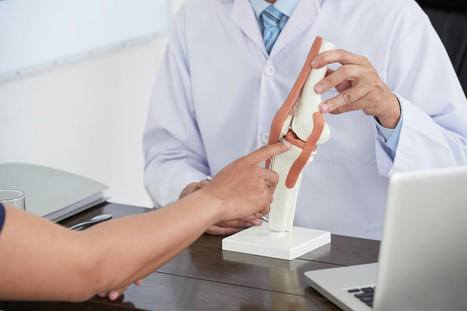


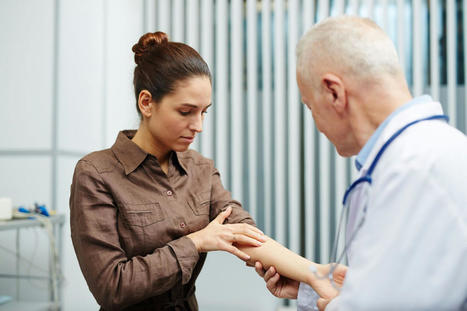
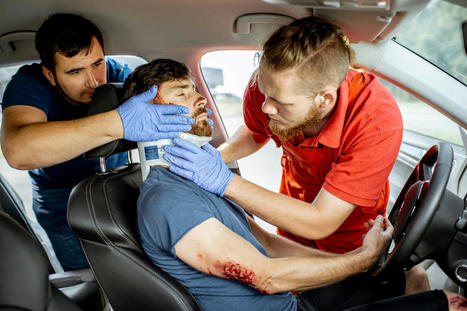
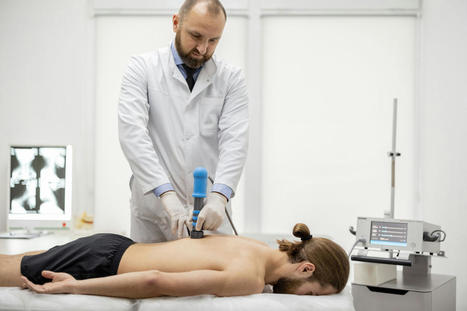
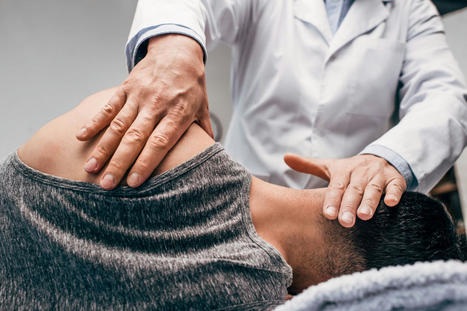
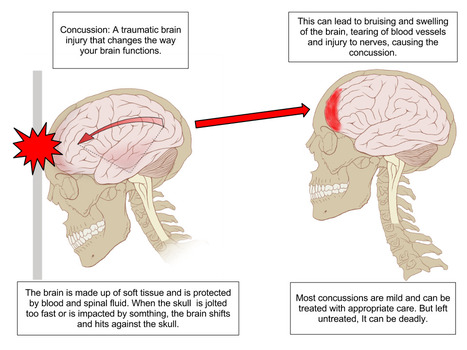





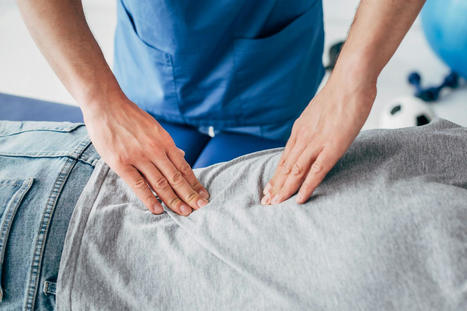
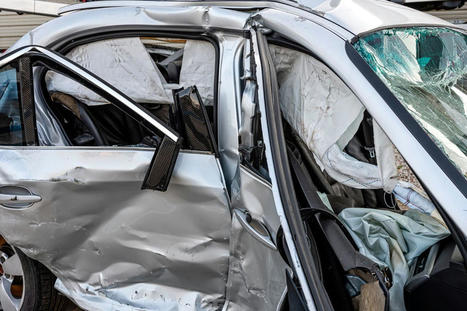
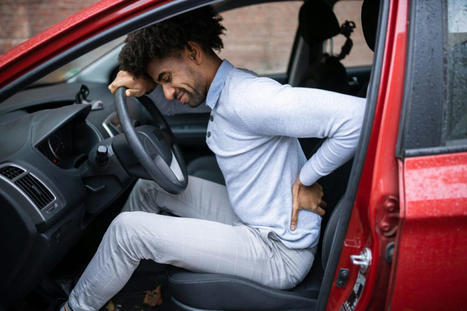
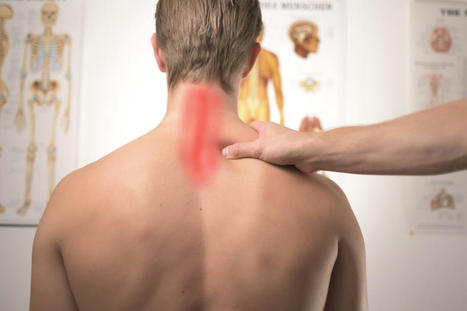












Forklifts are involved in many workplace accidents, causing thousands of injuries annually. Call Injury Medical Chiropractic Clinic for answers to any questions you may have, call Dr. Alexander Jimenez at 915-850-0900 or 915-412-6677