


When it comes to functional medicine versus integrative medicine, the two terms are often used interchangeably because there are some commonalities between them.


|
Scooped by
Dr. Alex Jimenez DC, APRN, FNP, IFMCP, CFMP
onto Accidents and Injuries December 20, 2021 10:26 AM
|
 Scoop.it!
When it comes to functional medicine versus integrative medicine, the two terms are often used interchangeably because there are some commonalities between them.


 Your new post is loading...
 Your new post is loading...
Your new post is loading...
Scoop.it!

AbstractAfter a motor vehicle accident (MVA) or workplace injury, a person may be told that their X-rays look normal. That is good news because an X-ray can help rule out many major fractures and other bone problems. However, a normal X-ray does not always mean that every injured structure is healthy. Ligaments, spinal discs, joint capsules, muscles, fascia, and even some small or hidden bone injuries may require a more detailed examination or different imaging.
Soft-tissue injuries, subtle annular disc tears, facet joint capsule injuries, myofascial trigger points, mild concussions, and repetitive workplace injuries can sometimes be difficult to recognize during the first medical examination. The best approach is not to assume everyone needs more testing. Instead, the examination, symptoms, mechanism of injury, neurologic findings, movement patterns, and recovery over time should guide the next step.
At Injury Medical Clinic PA in El Paso, Texas, an integrative model combines medical oversight, chiropractic care, functional medicine, personal injury care, and rehabilitation. The goal is to address both sides of recovery: mechanical restoration and biological tissue healing. Why Some Accident Injuries Can Be Easy to MissEmergency and urgent medical evaluations have an important job. Their first priority is to find conditions that could threaten a person's life or cause serious disability. Doctors may look for major fractures, internal bleeding, spinal cord damage, brain bleeding, or other emergencies.
The problem is that many accident-related injuries involve tissues that are not clearly visible on a standard X-ray.
X-rays are especially useful for examining bones. They do not directly show most muscles, tendons, ligaments, spinal discs, or joint capsules in detail. Advantage Healthcare Systems explains that soft-tissue injuries may become more noticeable after the first hours or days as inflammation, stiffness, and muscle guarding develop (Advantage Healthcare Systems, 2025).
Research on whiplash has also shown that pain can occur even when obvious tissue damage is not seen on basic imaging. The rapid forces created during a collision can strain the muscles, ligaments, discs, and small joints of the cervical spine (Chen et al., 2009).
This is why the phrase "nothing is broken" should not automatically mean "nothing is injured." 1. Spinal Ligament Micro-InjuriesLigaments are strong bands of tissue that connect bones and help control joint movement.
During a rear-end collision, side impact, fall, lifting accident, or sudden workplace injury, the spine may move beyond its usual range. A ligament may stretch or become injured without completely tearing.
These smaller injuries may cause:
Standard X-rays usually cannot directly show small ligament injuries. MRI provides much better soft-tissue detail and may identify ligament, muscle, bone marrow, or other injuries when clinically appropriate. The American College of Radiology notes that MRI can reveal traumatic soft-tissue findings that may not be seen on other imaging in selected spinal trauma cases (American College of Radiology [ACR], n.d.).
MRI is not required for every accident patient. Select imaging based on the examination, symptoms, neurologic findings, and clinical concern. 2. Annular Tears in Spinal DiscsBetween the bones of the spine are intervertebral discs. Each disc has a softer center surrounded by a strong outer ring called the annulus fibrosus.
Sudden compression, twisting, bending, or impact can stress the annulus. Small fissures or tears may develop even without a large disc herniation.
These injuries can produce:
Annular tears are not visible on a standard X-ray. Some can appear on MRI as a high-intensity zone or other changes within the disc. Research has linked certain MRI findings with annular disruption and painful internal disc problems, although imaging findings must always be interpreted along with the patient's symptoms and examination (Lam et al., 2000; Saifuddin et al., 1999).
An abnormal MRI also does not automatically prove that a disc finding was caused by an accident. Age-related disc changes are common. Timing, prior symptoms, mechanism of injury, and clinical findings all matter. 3. Facet Joint Capsule InjuriesThe spine contains small joints called facet joints. These joints help guide and control movement.
Each facet joint is surrounded by a capsule containing connective tissue and pain-sensitive nerve endings. During whiplash, the capsule may be stretched very quickly.
Biomechanical research has identified the cervical facet joint capsule as one possible source of neck pain following whiplash (Chen et al., 2009).
Facet-related injuries may cause pain that becomes worse with:
The painful structure may not be obvious on a plain X-ray. A detailed physical examination and, when necessary, further diagnostic evaluation may be needed. 4. Myofascial Trigger Points and Deep Muscle InjuriesMuscles often tighten after an accident to protect an injured joint or spinal area.
Sometimes this protective response does not completely settle down.
Sensitive areas called myofascial trigger points may form within tight muscles. These areas can cause local pain or refer pain somewhere else.
For example, a neck muscle injury may contribute to pain in the:
A lower-back trigger point may create discomfort in the hip or buttock.
These problems normally do not appear on X-rays. They are usually identified through the history, physical examination, movement testing, and palpation.
Dr. Alexander Jimenez's clinical observations also emphasize that accident-related joint and soft-tissue injuries frequently occur along with altered posture, gait, spinal motion, and protective movement patterns. Looking beyond the exact location of pain can help clinicians identify mechanical problems that may continue to stress healing tissues (Jimenez, 2026a). 5. Mild Concussion Can Exist With Normal ImagingNot every important accident injury involves the spine.
A person can experience a mild traumatic brain injury, or concussion, during a collision, fall, or workplace accident without having an obvious skull injury.
Possible symptoms include:
Some symptoms may begin immediately, while others may appear hours or days later (Centers for Disease Control and Prevention [CDC], 2025a).
A normal CT does not rule out concussion. The CDC explains that a brain scan is generally not required simply to diagnose a mild TBI or concussion. CT is mainly useful when clinicians are concerned about problems such as bleeding or other serious structural injury (CDC, 2025b).
Research also shows that conventional CT and MRI can appear normal in people who still have a mild traumatic brain injury (Shenton et al., 2012).
Persistent headache, confusion, repeated vomiting, weakness, worsening neurologic symptoms, loss of consciousness, or major behavior changes after a head injury require prompt medical attention. Workplace Injuries Can Develop SlowlyNot every workplace injury happens during one dramatic accident. Some injuries develop little by little from:
This is called cumulative trauma.
Stern and Cohen describe cumulative trauma as conditions that develop gradually from repetitive movement, overuse, or sustained physical strain. Common examples include tendinitis, carpal tunnel syndrome, shoulder problems, and chronic lower-back strain (Stern & Cohen, 2025).
Work-related stress fractures can also develop gradually from repeated loading rather than one major impact (Morgan & Morgan, 2025).
This makes a good work history important. A clinician may need to understand what the person lifts, pushes, pulls, carries, reaches for, or repeats throughout the workday. Why the Physical Examination Still MattersImaging is valuable, but imaging should not replace the clinical examination.
An injury evaluation may include:
This information helps determine whether additional studies such as MRI, CT, electrodiagnostic testing, specialist evaluation, or other testing may be appropriate. Integrative Chiropractic Care: Restoring the Mechanical SideOnce serious injuries have been identified or ruled out, rehabilitation can focus on restoring safe movement.
Integrative chiropractic care may use a combination of carefully selected treatment methods, including joint mobilization or manipulation, soft-tissue care, corrective exercise, mobility work, stabilization training, and rehabilitation.
The goal is not simply to "put a bone back into place."
The broader goal is to improve movement, reduce harmful mechanical stress, rebuild strength, and help the patient return safely to normal activity.
Clinical practice guidelines support exercise and selected manual therapies, including spinal manipulation, as options for certain forms of neck and lower-back pain when properly matched to the patient's condition (George et al., 2021).
Dr. Jimenez describes this as addressing the mechanical side of injury recovery. When joints become stiff and muscles tighten after trauma, people often begin moving differently to avoid pain. Those compensations can place extra stress on other areas of the body (Jimenez, 2026b). Biological Tissue Repair and Regenerative CareSome injuries may also need attention to the biological healing environment.
Regenerative approaches such as platelet-rich plasma, or PRP, use concentrated components from the patient's own blood. Platelets contain signaling proteins involved in normal repair processes. PRP has been studied for several tendon, ligament, and joint conditions, although results vary greatly depending on the injury, preparation method, injection location, and patient (Cohn, n.d.).
Regenerative treatment should therefore never be presented as a guaranteed cure.
When appropriate, the concept is simple:
Rehabilitation and chiropractic care work on mechanics, while selected regenerative procedures may support the biological environment of damaged tissue.
Dr. Jimenez's published clinical approach describes the same relationship: biological therapies may support tissue healing, while chiropractic and rehabilitation help patients use the recovering tissue more effectively and reduce repeated mechanical stress (Jimenez, 2026b). Multidisciplinary Injury Care in El Paso, TexasAt Injury Medical Clinic PA in El Paso, Dr. Alexander Jimenez, DC, APRN, FNP-BC, CCST, CFMP, IFMCP, ATN, works within a multidisciplinary injury-care model.
His areas of care include:
Dr. Jimenez works with Dr. Maria Guadalupe Cardenas, MD, an internal medicine physician with more than four decades of medical experience. Clinic materials identify Dr. Cardenas as the medical director and collaborative physician for Injury Medical Clinic PA. Her Texas physician license is J2933, and public provider information identifies her NPI as 1164426748. Her Texas physician license is listed through May 31, 2027.
This type of multidisciplinary setup allows different parts of an injury to be evaluated together.
Dr. Cardenas provides internal medicine and medical oversight, while Dr. Jimenez addresses chiropractic, neuromusculoskeletal, functional, and rehabilitation needs within his scope of practice. The team can also coordinate referrals or further medical evaluation when symptoms suggest a condition requiring another specialist.
This structure can be especially valuable when an injury involves several systems at once. Mechanical Restoration + Biological RepairA motor vehicle accident or workplace injury can affect more than bones.
The injury may involve:
Ligaments → discs → muscles → fascia → joints → nerves → movement patterns
That is why recovery may require more than looking at one X-ray. A complete care plan begins with the correct diagnosis. It then addresses inflammation, mobility, strength, neurologic function, mechanical stress, and tissue healing as needed.
Dr. Jimenez's clinical observations support a whole-body approach in which injured tissue is not viewed by itself. How the patient stands, walks, bends, moves, sleeps, works, and compensates can influence recovery.
The main principle is straightforward:
Find the injury first. Protect the patient. Restore movement. Support tissue healing. Rebuild function.
That approach can help patients move beyond simply controlling pain and toward a safer return to work, family activities, exercise, and everyday life.
El Paso, TX Chiropractor Near Me ReferencesAdvantage Healthcare Systems. (2025, December 11). The hidden soft-tissue injuries most people miss after a car accident. American College of Radiology. (n.d.). ACR Appropriateness Criteria: Acute spinal trauma. Centers for Disease Control and Prevention. (2025a). Symptoms of mild TBI and concussion. Centers for Disease Control and Prevention. (2025b). About mild TBI and concussion. Chen, H., Yang, K. H., & Wang, Z. (2009). Biomechanics of whiplash injury. Chinese Journal of Traumatology, 12(5), 305–314. Cohn, J. (n.d.). Regenerative orthopedics: PRP, stem cells, and healing from within. George, S. Z., et al. (2021). Interventions for the management of acute and chronic low back pain: Revision 2021. Journal of Orthopaedic & Sports Physical Therapy, 51(11), CPG1–CPG60. Jimenez, A. (2026a). MVA joint trauma: Comprehensive chiropractic approaches. Jimenez, A. (2026b). How regenerative medicine and chiropractic care work together. LinkedIn. Jimenez, A. (2026). Regenerative medicine and integrative chiropractic strategies. El Paso Back Clinic. Lam, K. S., Carlin, D., & Mulholland, R. C. (2000). Lumbar disc high-intensity zone: The value and significance of provocative discography in the determination of the discogenic pain source. European Spine Journal, 9, 36–41. Morgan & Morgan. (2025). 15 work injuries you may not know about. Saifuddin, A., Mitchell, R., & Taylor, B. A. (1999). Extradural inflammation associated with annular tears: Demonstration with gadolinium-enhanced lumbar spine MRI. European Spine Journal, 8(1), 34–39. Shenton, M. E., et al. (2012). A review of magnetic resonance imaging and diffusion tensor imaging findings in mild traumatic brain injury. Brain Imaging and Behavior, 6, 137–192. Stern & Cohen. (2025, April 1). Workplace cumulative trauma and your right to compensation. Texas Medical Board. (2026). Maria Guadalupe Cardenas, MD—Texas physician license J2933.
The information herein is not intended to replace a one-on-one relationship with a qualified healthcare professional or licensed physician and is not medical advice. We encourage you to make healthcare decisions based on your research and partnership with a qualified healthcare professional. Our information scope is limited to chiropractic, musculoskeletal, and physical medicine, as well as wellness, sensitive health issues, and functional medicine articles, topics, and discussions. We provide and facilitate clinical collaboration with specialists across disciplines. Each specialist is governed by their professional scope of practice and the jurisdiction in which they are licensed. We utilize functional health and wellness protocols to treat and support care for musculoskeletal injuries or disorders. Our videos, posts, topics, subjects, and insights cover clinical matters and issues that directly or indirectly support our clinical scope of practice. Our office has made a reasonable effort to provide supportive citations and identify relevant research studies for our posts. We provide copies of supporting research studies upon request to regulatory boards and the public.
We are here to help you and your family. Blessings
Dr. Alex Jimenez, DC, MSACP, APRN, FNP-BC*, CCST, IFMCP, CFMP, ATN email: coach@elpasofunctionalmedicine.com Multi-State Advanced Practice Registered Nurse (APRN*) in Texas & Multi-States ANCC FNP-BC: Board Certified Nurse Practitioner* Graduate with Honors: ICHS: MSN-FNP (Family Nurse Practitioner Program)
Dr. Maria Cardenas, MD
Dr. Alex Jimenez DC, APRN, FNP, IFMCP, CFMP's insight:
Learn about overlooked injuries after crashes and work accidents. Discover how these hidden injuries can affect your recovery. For answers to any questions you may have, call 915-850-0900 or 915-412-6677
Scoop.it!

AbstractMicrofragmented adipose tissue, commonly called MFAT, is a regenerative treatment made from a small amount of a patient’s own fat tissue. It may be considered for moderate-to-severe joint damage, cartilage injuries, chronic tendon problems, and larger partial soft-tissue tears that have not improved with basic conservative care. However, MFAT is not automatically better than platelet-rich plasma, or PRP, and it is not appropriate for every injury. This article explains when MFAT may be recommended after a motor vehicle accident or workplace injury, how it differs from PRP, and how integrative chiropractic care and rehabilitation may support recovery. It also explains the multidisciplinary approach used by Dr. Alexander Jimenez and Dr. Maria Guadalupe Cardenas at Injury Medical Clinic PA in El Paso, Texas. What Is Microfragmented Adipose Tissue?MFAT is prepared from a small amount of the patient’s own adipose (fat) tissue. The tissue is usually collected from the abdomen, side, thigh, or lower back through a small lipoaspiration procedure. It is then washed and mechanically divided into smaller pieces. The processed tissue is placed into the injured joint or soft tissue, often with ultrasound guidance.
MFAT keeps several natural parts of fat tissue together, including:
MFAT should not automatically be called a laboratory-grown stem cell treatment. It is more accurately described as minimally processed tissue taken from the patient’s own body. University of Iowa Health Care describes MFAT as a nonsurgical option used mainly for selected arthritic joints and tendon injuries (University of Iowa Health Care, n.d.). When Is MFAT Recommended for Personal Injuries?MFAT is usually not the first treatment provided after a car accident or workplace injury. New injuries often begin with diagnostic testing, activity changes, chiropractic care, rehabilitation, physical therapy, medication when appropriate, or a simpler injection such as PRP.
MFAT may be discussed when the injury is more complex, has caused greater tissue damage, or has not responded well to earlier treatment. Moderate-to-Severe Joint DamageMFAT is most often studied for knee osteoarthritis. It may be considered when an accident damages the joint surface or causes an existing arthritic condition to become painful.
Examples may include:
Clinical reviews suggest that MFAT may improve pain and function in selected people with knee osteoarthritis. However, evidence does not prove that MFAT fully regrows normal cartilage or reverses advanced arthritis (Hohmann et al., 2025; Li et al., 2023). Cartilage Defects and Meniscus-Related InjuriesA motor vehicle or work accident can damage the smooth cartilage covering a joint. It can also injure the meniscus, which helps cushion and stabilize the knee.
MFAT may be considered when imaging shows:
The goal is usually to improve the joint environment, reduce symptoms, and support function. MFAT should not be presented as a guaranteed way to rebuild missing cartilage or repair a large mechanical tear (Carolina Nonsurgical Orthopedics, n.d.; Sellers, 2025). Larger Partial Tendon or Ligament TearsPRP is often considered for mild or moderate tendon injuries. MFAT may be discussed when the injury is larger, more chronic, or connected to joint degeneration.
Possible examples include:
Evidence for MFAT in tendon and ligament care is less developed than the evidence for knee osteoarthritis. For this reason, the provider should review the examination, imaging, tear size, tissue quality, stability, and the patient’s recovery goals before recommending treatment (Ohlson, n.d.; University of Iowa Health Care, n.d.). Injuries That Have Not Improved With Conservative CareMFAT may also be considered when a patient has completed a reasonable period of conservative care but still has major pain or loss of function.
Earlier care may include:
A lack of improvement does not automatically mean MFAT is needed. The care team should first confirm the diagnosis. Continued pain may come from an untreated fracture, nerve injury, unstable joint, full-thickness tear, severe spinal compression, or another problem that requires a different type of care. Is MFAT Better Than PRP?MFAT is more involved than PRP. PRP requires a blood draw, while MFAT requires a small fat-harvesting procedure in addition to the injection. This means MFAT normally involves more preparation, greater cost, and soreness at both the collection and treatment sites.
PRP may be considered first when the patient has:
MFAT may be discussed when there is:
Research does not show that MFAT is always better. A randomized trial found that both PRP and MFAT improved patient-reported knee osteoarthritis outcomes, with no major difference between them at 12 months. Other reviews have also found similar results, while one meta-analysis suggested that PRP may provide better long-term pain relief in some patients (Baria et al., 2024; Hohmann et al., 2025; Ye et al., 2024).
The treatment should therefore be selected according to the injury—not according to which procedure sounds more advanced. When MFAT May Not Be the Right ChoiceMFAT is not a replacement for emergency, surgical, or neurological care. It may not be appropriate when a patient has:
Patients should also understand that regenerative treatments are not guaranteed cures. The U.S. Food and Drug Administration warns that regenerative medicine products have not been approved to treat orthopedic conditions such as osteoarthritis, tendonitis, back pain, knee pain, or shoulder pain. Patients should ask exactly what is being used, how it is processed, who performs the procedure, and how the treatment is regulated (U.S. Food and Drug Administration, 2021). How Integrative Chiropractic Care Fits With MFATMFAT may support the biological side of healing, but it does not correct every mechanical problem created by an accident. A damaged knee may still be overloaded because of poor hip movement. A shoulder tendon may remain irritated because the shoulder blade is not moving correctly. An ankle injury may continue to hurt because the patient has poor balance and an uneven walking pattern.
Integrative chiropractic care may help address these mechanical problems through:
There is limited direct research testing MFAT and chiropractic care as one combined treatment. They are used together because they have different roles. MFAT may support the tissue environment, while chiropractic care and rehabilitation may improve movement and reduce repeated stress on the healing area (Jimenez, 2026a, 2026b). Proper Treatment Timing MattersChiropractic care after MFAT should be carefully timed. Before the ProcedureThe team may evaluate joint motion, posture, muscle weakness, balance, walking patterns, work demands, and compensating movements. These findings create a baseline for measuring progress. Early Protection PhaseDuring the first stage, the patient should follow the procedure provider’s instructions. Aggressive treatment directly over the injection or fat-harvest area may need to be avoided. Gentle movement in other regions may be used when medically appropriate. Controlled Rehabilitation PhaseAs soreness decreases, the patient may begin a structured program that includes:
Return-to-Function PhaseThe final stage focuses on daily activities, driving, lifting, work tasks, exercise, and sports. Progress should be based on function, not simply the number of days since the procedure. A Multidisciplinary Model in El PasoAt Injury Medical Clinic PA in El Paso, clinic materials describe a multidisciplinary model involving Dr. Alexander Jimenez, DC, APRN, FNP-BC, CCST, CFMP, IFMCP, ATN, and Dr. Maria Guadalupe Cardenas, MD.
The clinic identifies Dr. Cardenas as a board-certified internal medicine physician with more than 40 years of experience. The clinic materials list her as medical director and collaborative physician, Texas Medical License #J2933, and NPI #1164426749. Her role includes medical direction, medication review, health-risk evaluation, laboratory interpretation, medical screening, and referrals when needed.
Dr. Jimenez provides the chiropractic, functional, and rehabilitation parts of the plan. His work includes biomechanical examinations, chiropractic care, neuromuscular training, functional medicine support, personal injury documentation, and return-to-function rehabilitation.
Together, the team may coordinate:
This type of coordinated model allows each professional to work within the limits of their license while sharing information about the patient’s recovery (Jimenez, 2026a). Clinical Observations From Dr. Alexander JimenezIn his published clinical framework, Dr. Jimenez reports that lasting recovery often requires more than an injection. His clinical observations suggest that biological treatment works best when the team also addresses joint motion, muscle control, strength, nutrition, systemic inflammation, sleep, and the patient’s daily physical demands.
He has also observed the importance of identifying the true pain generator. Pain may come from a tendon, joint, ligament, nerve, muscle, or a combination of structures. MFAT should be targeted only after the injured area has been clearly identified through an examination and appropriate imaging.
These are clinical observations and should not be confused with controlled clinical-trial evidence. They support an individualized care framework but do not guarantee that every patient will experience the same result (Jimenez, 2026a, 2026b). Final TakeawayMFAT may be recommended after a motor vehicle accident or work injury when there is moderate-to-severe joint damage, a cartilage defect, a larger partial soft-tissue injury, or a condition that has not improved with conservative treatment. The strongest clinical evidence currently involves knee osteoarthritis, while evidence for tendon, ligament, and other personal injuries is still developing.
MFAT is not automatically better than PRP, does not guarantee cartilage regrowth, and cannot replace surgery when an injury requires surgical repair. The best results are more likely when the patient receives a clear diagnosis, proper medical screening, image-guided treatment, carefully timed chiropractic care, and progressive rehabilitation.
Whiplash Chiropractic Massage Therapy El Paso, TX References Baria, M. R., et al. (2024). Microfragmented adipose tissue is equivalent to platelet-rich plasma for knee osteoarthritis at 12 months posttreatment. Orthopaedic Journal of Sports Medicine. Carolina Nonsurgical Orthopedics. (n.d.). PRP vs. MFAT cell therapy: Which regenerative treatment is right for you? Close, M. (2026, February 26). Comparing PRP, BMAC, and MFAT: Choosing the right regenerative treatment. Sports Medicine of the Rockies. Hohmann, E., et al. (2025). Micro-fragmented aspirated tissue injection therapy for symptomatic knee osteoarthritis: A systematic review. Jimenez, A. (2026a). Regenerative chiropractic care for musculoskeletal pain relief. Jimenez, A. (2026b). How regenerative medicine and chiropractic care work together. Li, W., et al. (2023). Autologous microfragmented adipose tissue in the treatment of knee osteoarthritis: A systematic review and meta-analysis. Ohlson, B. (n.d.). Microfragmented adipose tissue therapy. Sellers, T. (2025, November 3). Micro-fragmented adipose tissue: A treatment for knee arthritis. University of Iowa Health Care. (n.d.). Microfragmented adipose tissue. U.S. Food and Drug Administration. (2021, June 3). Important patient and consumer information about regenerative medicine therapies. Ye, X., et al. (2024). Microfragmented adipose tissue versus platelet-rich plasma for knee osteoarthritis: A meta-analysis.
The information herein is not intended to replace a one-on-one relationship with a qualified healthcare professional or licensed physician and is not medical advice. We encourage you to make healthcare decisions based on your research and partnership with a qualified healthcare professional. Our information scope is limited to chiropractic, musculoskeletal, and physical medicine, as well as wellness, sensitive health issues, and functional medicine articles, topics, and discussions. We provide and facilitate clinical collaboration with specialists across disciplines. Each specialist is governed by their professional scope of practice and the jurisdiction in which they are licensed. We utilize functional health and wellness protocols to treat and support care for musculoskeletal injuries or disorders. Our videos, posts, topics, subjects, and insights cover clinical matters and issues that directly or indirectly support our clinical scope of practice. Our office has made a reasonable effort to provide supportive citations and identify relevant research studies for our posts. We provide copies of supporting research studies upon request to regulatory boards and the public.
We are here to help you and your family. Blessings
Dr. Alex Jimenez, DC, MSACP, APRN, FNP-BC*, CCST, IFMCP, CFMP, ATN email: coach@elpasofunctionalmedicine.com Multi-State Advanced Practice Registered Nurse (APRN*) in Texas & Multi-States ANCC FNP-BC: Board Certified Nurse Practitioner* Graduate with Honors: ICHS: MSN-FNP (Family Nurse Practitioner Program)
Dr. Maria Cardenas, MD
Dr. Alex Jimenez DC, APRN, FNP, IFMCP, CFMP's insight:
Explore how micro-fragmented adipose tissue helps complex injuries and promotes healing after serious joint and tendon damage. For answers to any questions you may have, call 915-850-0900 or 915-412-6677
Scoop.it!
AbstractAutomobile crashes and workplace accidents can injure joints, muscles, tendons, ligaments, cartilage, spinal discs, and nerves. Platelet-rich plasma (PRP), platelet-fibrin products (PFP), microfragmented adipose tissue (MFAT), epidural spinal injections, and certain experimental peptide therapies may be considered as part of a larger recovery plan. These treatments have different purposes. PRP and PFP deliver concentrated platelet signals. MFAT provides supportive tissue and cell-signaling material. Epidural injections reduce inflammation near irritated spinal nerves. Peptide injections are still being studied and have much less human evidence.
These treatments work best when they are based on a clear diagnosis and combined with rehabilitation. Integrative chiropractic care may improve joint movement, reduce harmful compensation patterns, and help patients return to normal activity. However, no injection can guarantee tissue repair or replace emergency care, surgery, or specialist treatment when those services are needed (D’Souza et al., 2024; University of Iowa Health Care, n.d.). Why Accidents Can Cause Lasting Joint PainA car crash, fall, lifting injury, or workplace accident can place sudden force on the body. A joint may be twisted, compressed, or pulled beyond its normal range. Even when there is no broken bone, the accident may cause:
Pain medicine may help control symptoms, but it does not always correct weakness, instability, poor movement, or damaged soft tissue. This is why a complete recovery plan should ask more than, “How can we lower the pain?” It should also identify which tissue was injured, whether a nerve is involved, and what is preventing normal movement.
Studies of regenerative treatments often involve osteoarthritis, sports injuries, or long-term tendon problems. Their findings may help guide care after an accident, but the evidence is not specific to every automobile or workplace injury. Treatment must be matched to the actual diagnosis rather than offered simply because an accident occurred (D’Souza et al., 2024). PRP Delivers Concentrated Platelet SignalsPlatelet-rich plasma is made from the patient’s own blood. A blood sample is placed in a centrifuge, which separates and concentrates the platelets. The prepared PRP is then injected into a carefully selected joint or injured soft tissue.
Platelets are best known for helping blood clot, but they also contain growth factors and chemical signals involved in tissue repair. These signals may support collagen production, blood-vessel activity, and communication between repair cells.
PRP may be considered for selected cases involving:
Clinical guidelines report that PRP is one of the most studied injectable biological treatments. Evidence is strongest for certain cases of knee osteoarthritis and some tendon or ligament conditions. However, results vary based on the injury, PRP preparation, platelet concentration, injection accuracy, and rehabilitation plan (D’Souza et al., 2024; University of Iowa Health Care, n.d.).
PRP should not be promoted as a guaranteed way to regrow cartilage or completely reverse joint damage. A more accurate explanation is that it may improve the healing environment, reduce symptoms, and support function in properly selected patients. PFP Provides a Platelet-Fibrin FrameworkPlatelet-fibrin products, or PFP, are also prepared from the patient’s blood. This broad term may include platelet-rich fibrin and other preparations that form a fibrin framework.
A simple way to picture fibrin is as a soft net. The net may help hold platelets, proteins, and healing signals near the injured area. This could allow the signals to remain in contact with the tissue longer than they would in a more liquid preparation.
PFP may be considered for selected tendon, ligament, cartilage, or joint injuries. Early orthopedic research suggests that platelet-rich fibrin may support healing, but preparation methods are not standardized. Different clinics may use different equipment, concentrations, or processing methods.
Because PFP is not one single product, patients should ask:
PFP is promising, but its orthopedic evidence is smaller and less consistent than the evidence supporting PRP (Grecu et al., 2019; Jimenez, 2026). MFAT Uses Supportive Tissue From the Patient’s FatMicrofragmented adipose tissue is produced from a small amount of the patient’s own fat, often collected from the abdomen or side of the body. The tissue is cleaned and mechanically processed into very small sections before being placed into the injured joint or soft tissue.
MFAT contains structural material, blood-vessel-related cells, signaling cells, and naturally occurring growth factors. It may provide cushioning and biological support inside an injured or arthritic joint.
MFAT may be discussed for selected patients with:
MFAT should not automatically be called “stem cell therapy.” It is a processed tissue product containing several natural parts of fat tissue. Current studies suggest it may reduce pain and improve function in some patients, but more research is needed to understand long-term results, ideal dosing, and which patients are most likely to benefit (FoRM Health, 2025; University of Iowa Health Care, n.d.).
Patients should also understand that the word “regenerative” does not automatically mean that a treatment is FDA-approved for an orthopedic condition. Regulatory status depends on how tissue is collected, processed, marketed, and used (U.S. Food and Drug Administration, 2021). Epidural Injections Calm Irritated Spinal NervesEpidural spinal injections are different from PRP, PFP, and MFAT. A standard epidural steroid injection is not designed to rebuild a joint or regenerate tissue. Its main purpose is to place anti-inflammatory medicine near an irritated spinal nerve.
After an automobile or work accident, a disc injury may irritate a nerve and cause:
A 2025 American Academy of Neurology review found that epidural steroid injections probably provide modest short-term pain and disability improvement for some people with radiculopathy. The evidence for long-term relief is limited. This means an epidural may create a period in which a patient can move and participate in rehabilitation more comfortably, but it usually should not be treated as a complete recovery plan (Armon et al., 2025). Peptide Therapy Is Still ExperimentalPeptides are short chains of amino acids that act as signals in the body. Researchers are studying whether certain peptides can influence inflammation, blood-vessel formation, tendon healing, nerve activity, or tissue repair.
BPC-157 is one of the best-known examples discussed in musculoskeletal clinics. Animal studies have reported possible effects on tendons and ligaments. However, large, well-controlled human studies are lacking.
For this reason:
Current orthopedic reviews describe peptide therapy as an emerging area with mainly preclinical evidence. PRP has much stronger human research for musculoskeletal conditions. Patients considering a peptide should receive a clear explanation of its experimental status and available alternatives (Goulian et al., 2025; Orthopedic Specialty Institute, 2025). How Integrative Chiropractic Care Fits Into RecoveryAn injection may support tissue biology or reduce inflammation, but it cannot automatically correct stiffness, weakness, poor balance, or harmful movement.
After an injury, patients often change the way they walk, sit, lift, or turn. A painful knee may change the way a person walks. A hip injury may increase stress on the lower back. A shoulder injury may cause the neck and upper back to compensate.
Integrative chiropractic care may include:
The goal is not simply to “put bones back into place.” The goal is to improve movement, reduce stiffness, manage muscle guarding, and decrease repeated stress on healing tissue.
Clinical guidelines support spinal manipulation as one treatment option for selected cases of low back pain. Neck pain guidelines also support combining manual therapy with mobility and strengthening exercises. Every patient should first be screened for fractures, severe instability, progressive weakness, osteoporosis, vascular risks, or other reasons that manual treatment may not be appropriate (American College of Physicians, 2017; Blanpied et al., 2017). Why Rehabilitation Is EssentialRest alone can lead to weakness and reduced confidence in movement. Rehabilitation places controlled stress on healing tissue so it can become stronger.
A combined plan may involve:
PRP, PFP, MFAT, or an epidural injection may support one stage of this process. Chiropractic care and rehabilitation help the patient use the injured area correctly as recovery continues. A Multidisciplinary Model in El PasoAt Injury Medical Clinic PA in El Paso, Texas, Dr. Alexander Jimenez, DC, APRN, FNP-BC, CCST, CFMP, IFMCP, ATN, works within a multidisciplinary model that combines chiropractic care, functional medicine, personal injury care, rehabilitation, and medical collaboration.
Dr. Maria Guadalupe Cardenas, MD, is described in clinic materials as board-certified in internal medicine, with more than 40 years of experience. The clinic identifies her as its medical director and collaborative physician. In this role, internal medicine oversight may help with medical histories, medication concerns, chronic conditions, laboratory findings, injection safety, referrals, and coordination between providers.
Clinic materials list Texas MD License #J2933 and NPI #1164426749. However, the current CMS NPI Registry identifies Maria G. Cardenas, MD, under NPI #1023407756. The practice should verify the correct identifier before publishing patient or professional materials (CMS, n.d.; Jimenez, 2026). This team structure allows the chiropractor to focus on movement, spinal function, joint mechanics, and rehabilitation while the physician provides medical direction within her professional scope. Clinical Observations From Dr. Alexander JimenezDr. Jimenez’s published clinical observations emphasize that accident recovery often requires care from more than one direction. In his clinical framework, the injured tissue, nervous system, joint movement, strength, nutrition, sleep, metabolic health, and daily activity should be reviewed together.
These observations are not a replacement for controlled clinical trials. Instead, they describe how research may be applied in a real multidisciplinary practice. The central idea is that biological treatment and mechanical rehabilitation should support each other:
This approach is especially important when an accident patient has diabetes, high blood pressure, obesity, medication concerns, poor sleep, or another condition that may affect healing (Jimenez, 2026). Final TakeawayRegenerative medicine may provide useful options for selected patients with joint or soft-tissue pain after automobile and workplace accidents. PRP has the strongest human evidence of the treatments discussed. PFP and MFAT are promising but require careful patient selection and realistic expectations. Epidural injections may provide short-term relief when an irritated spinal nerve causes radiating pain. Peptide injections remain experimental and should be described honestly.
The best plan does not depend on an injection alone. A clear diagnosis, medical oversight, chiropractic care, rehabilitation, lifestyle support, and regular progress checks can help move the patient from pain control toward better strength, mobility, and function.
Car accident Injury Rehabilitation | El Paso, Tx ReferencesAmerican College of Physicians. (2017). American College of Physicians issues guideline for treating nonradicular low back pain. Armon, C., Narayanaswami, P., Potrebic, S., et al. (2025). Epidural steroids for cervical and lumbar radicular pain and spinal stenosis: Systematic review summary. Neurology, 104(5), e213361. Blanpied, P. R., Gross, A. R., Elliott, J. M., et al. (2017). Neck pain: Revision 2017 clinical practice guidelines. Journal of Orthopaedic & Sports Physical Therapy, 47(7), A1–A83. Centers for Medicare & Medicaid Services. (n.d.). NPI Registry: Maria G. Cardenas, MD. D’Souza, R. S., et al. (2024). Evidence-based clinical practice guidelines on regenerative medicine treatment for chronic pain. FoRM Health. (2025, March 12). Understanding regenerative injection therapies: PRP, MFAT, and prolotherapy. Goulian, A. J., et al. (2025). Advancements in regenerative therapies for orthopedics. Grecu, A. F., et al. (2019). Platelet-rich fibrin and its emerging therapeutic benefits for musculoskeletal injury treatment. Jimenez, A. (2026, July 27). How regenerative medicine and chiropractic care work together. Jimenez, A. (2026). Dr. Maria Cardenas, MD: Board-Certified Internal Medicine Specialist. Orthopedic Specialty Institute. (2025, June 16). Peptide injections vs. platelet-rich plasma therapy for musculoskeletal injuries. University of Iowa Health Care. (n.d.). Regenerative medicine. UPMC. (n.d.). Regenerative injection therapy. U.S. Food and Drug Administration. (2021). Important patient and consumer information about regenerative medicine therapies.
The information herein is not intended to replace a one-on-one relationship with a qualified healthcare professional or licensed physician and is not medical advice. We encourage you to make healthcare decisions based on your research and partnership with a qualified healthcare professional. Our information scope is limited to chiropractic, musculoskeletal, and physical medicine, as well as wellness, sensitive health issues, and functional medicine articles, topics, and discussions. We provide and facilitate clinical collaboration with specialists across disciplines. Each specialist is governed by their professional scope of practice and the jurisdiction in which they are licensed. We utilize functional health and wellness protocols to treat and support care for musculoskeletal injuries or disorders. Our videos, posts, topics, subjects, and insights cover clinical matters and issues that directly or indirectly support our clinical scope of practice. Our office has made a reasonable effort to provide supportive citations and identify relevant research studies for our posts. We provide copies of supporting research studies upon request to regulatory boards and the public.
We are here to help you and your family. Blessings
Dr. Alex Jimenez, DC, MSACP, APRN, FNP-BC*, CCST, IFMCP, CFMP, ATN email: coach@elpasofunctionalmedicine.com Multi-State Advanced Practice Registered Nurse (APRN*) in Texas & Multi-States ANCC FNP-BC: Board Certified Nurse Practitioner* Graduate with Honors: ICHS: MSN-FNP (Family Nurse Practitioner Program)
Dr. Maria Cardenas, MD
Dr. Alex Jimenez DC, APRN, FNP, IFMCP, CFMP's insight:
Find out how regenerative medicine helps heal joint pain through techniques that promote tissue repair and reduce inflammation. Innovative treatments like PRP and micro-fragmented adipose tissue are used. For answers to any questions you may have, call 915-850-0900 or 915-412-6677
Scoop.it!

An accident or work injury can affect more than one part of the body. A person may have joint stiffness, muscle guarding, ligament damage, nerve irritation, swelling, weakness, and poor movement patterns simultaneously.
This is why recovery may require more than just rest, pain medication, or a single type of therapy.
An integrative wellness plan for accident and work injuries combines structural care, tissue-supporting therapies, nutrition, medical oversight, and rehabilitation. The goal is to reduce pain while helping the injured area regain strength, movement, and stability.
Instead of giving every treatment at once, the plan moves through clear stages:
This layered plan can be especially helpful when pain persists after rest or when an injury involves soft-tissue damage, nerve irritation, or a bulging spinal disc. Why Accident and Work Injuries Can Be ComplexA car crash or workplace incident can create several injuries in a few seconds. Sudden force may stretch muscles and ligaments, restrict joints, irritate nerves, or place pressure on spinal discs. A person may feel pain right away. However, symptoms can also appear later as inflammation increases and the body begins to tighten around the injured area.
Common accident and work injury symptoms include:
Speed, body position, seatbelt pressure, bracing during impact, and the direction of a collision can all influence the injury pattern. Shoulder and arm injuries may also develop from direct impact or from gripping the steering wheel during a crash (El Paso Chiropractor Blog, 2026a, 2026b).
Because the injury may involve several body systems, a complete examination is important before treatment begins. Phase One: Evaluation and Early Inflammation ControlThe first stage focuses on safety.
The provider reviews how the injury occurred, current symptoms, health history, medications, previous injuries, and work demands. The examination may include orthopedic testing, a neurological screening, strength testing, posture analysis, and range-of-motion measurements.
Imaging or referral may be needed when there are signs of:
Early care is usually gentle. The goal is not to force the body through pain. It is to protect the injured tissues, reduce muscle guarding, support circulation, and maintain safe movement.
Treatment may include light mobilization, soft-tissue work, activity changes, cold or heat when appropriate, and simple home movements. Post-accident rehabilitation commonly progresses from symptom control to strengthening and return-to-function training rather than starting with heavy exercise (The Neck and Back Clinics, n.d.). Phase Two: Restoring Structure and MovementOnce the patient can move more safely, the plan begins addressing restricted joints and poor mechanics. Chiropractic CareChiropractic care focuses on joint motion, spinal function, posture, and mechanical stress. After an accident, inflammation and muscle guarding may cause the spine or extremity joints to move poorly.
Carefully selected chiropractic adjustments or joint mobilization may help improve movement and reduce mechanical strain. Research suggests that spinal manipulation may produce small improvements in pain and function for some people with back or neck pain. It should be based on the patient’s condition, examination, and risk factors (National Center for Complementary and Integrative Health [NCCIH], n.d.).
Chiropractic treatment is not used to directly repair every damaged tissue. Its main role in an integrative plan is to improve joint movement and help the body move with less compensation. Spinal DecompressionSpinal decompression uses controlled stretching forces to reduce pressure on sensitive spinal structures. It may be considered for selected patients with disc-related pain, sciatica, or bulging discs.
Decompression may make movement and rehabilitation more comfortable by reducing mechanical pressure. However, it is not a stand-alone cure. It works best when paired with strengthening, movement correction, and lifestyle support (Sciatica Clinic, 2026a).
Patients with fractures, severe instability, certain bone diseases, tumors, or other serious conditions may not be suitable candidates. Medical screening is important. Phase Three: Supporting Cellular and Soft-Tissue RepairSome injuries do not fully improve with rest, adjustments, and exercise alone. Ligaments, tendons, cartilage, and discs may heal slowly because they have limited blood flow or continue to face abnormal stress.
When conservative care is not enough, a qualified medical provider may discuss regenerative or medical procedures. Platelet-Rich PlasmaPlatelet-rich plasma, commonly called PRP, is prepared from a patient’s own blood. The blood is processed to concentrate platelets, which contain proteins and growth factors involved in the body’s healing response.
PRP may be considered for certain tendon, ligament, muscle, or joint problems. The concentration and composition of the PRP matter. The injured area must also be protected from repeated mechanical stress.
For example, treating a painful knee with PRP may not provide the best result when the patient still has an abnormal gait, pelvic imbalance, or major muscle weakness. Structural correction and rehabilitation may help reduce the stress placed on the treated tissue (Jimenez, 2026). Microfragmented Adipose TissueMicrofragmented adipose tissue, or MFAT, is prepared from a small amount of the patient’s fat tissue. It contains supportive tissue components and signaling materials that may be used in selected orthopedic procedures.
MFAT is sometimes considered for larger joints, cartilage problems, or complex soft-tissue conditions. It requires a fat-harvesting procedure and is more involved than a standard blood draw.
PRP and MFAT are not interchangeable. The best option depends on:
There is no single regenerative treatment that is best for every patient (Sports Medicine of the Rockies, 2026).
Regenerative procedures should be performed by properly trained medical professionals using accurate diagnoses and appropriate image guidance when needed. Patients should also be cautious about broad claims involving unapproved stem-cell, birth-tissue, or exosome products. The U.S. Food and Drug Administration warns that many products marketed for orthopedic conditions have not received approval for those uses (U.S. Food and Drug Administration, 2021). Laser and Shockwave TherapyNoninvasive therapies may also be added to the treatment plan. Therapeutic LaserTherapeutic laser treatment uses light energy that may affect cellular activity, circulation, and inflammation. It may be used as a supportive therapy for muscle pain, joint irritation, or soft-tissue injuries.
Laser therapy does not physically realign a joint or replace exercise. Its role is to help create a more comfortable environment for movement and rehabilitation. Shockwave TherapyExtracorporeal shockwave therapy sends acoustic waves into targeted tissue. It is often used for chronic tendon problems, plantar fasciitis, calcific shoulder conditions, and stubborn soft-tissue pain.
The mechanical stimulation may support circulation, collagen activity, and tissue remodeling. Shockwave therapy may be useful when an injury has become chronic or has stopped responding to basic care (Harrington, n.d.).
The treatment may cause temporary soreness and is not appropriate for every injury. The provider should screen for bleeding risks, pregnancy, tumors, infection, and other medical concerns. Phase Four: Nutrition and Systemic SupportHealing requires building materials.
Protein provides amino acids used for muscle and tissue repair. Vitamins and minerals support energy production, immune activity, collagen formation, and normal nerve function.
A recovery nutrition plan may focus on:
Functional medicine may be used to identify factors that could slow recovery, such as poor nutrition, uncontrolled blood sugar, digestive problems, low activity levels, or sleep loss. IV Nutrient TherapyIV fluids or nutrients may be medically appropriate for dehydration, a documented deficiency, poor absorption, or another clear clinical need. Intravenous delivery sends fluids or nutrients directly into the bloodstream and should include screening, sterile technique, correct dosing, and follow-up (Integrative Wellness IV, n.d.).
IV therapy should not be described as a guaranteed way to heal an injury faster. Evidence for routine high-dose vitamin infusions in otherwise healthy people remains limited. It should support—not replace—food, rehabilitation, sleep, and appropriate medical treatment (Alangari et al., 2025). Phase Five: Functional RehabilitationPain relief is only part of recovery. The patient must also rebuild the ability to move, work, lift, reach, walk, and perform normal activities.
Rehabilitation may include:
The level of activity should increase step by step. Loading damaged tissue too quickly can cause a flare-up. Avoiding movement for too long can also lead to weakness and stiffness.
A good plan uses measurable goals. These may include improved range of motion, lower pain levels, increased lifting ability, better walking tolerance, or a safe return to work. Medical Oversight and Chiropractic Care in El PasoAt Injury Medical Clinic PA in El Paso, Texas, the clinic's care model combines chiropractic, advanced practice nursing, internal medicine oversight, functional medicine, personal injury care, and rehabilitation.
Dr. Alexander Jimenez, DC, APRN, FNP-BC, CCST, CFMP, IFMCP, ATN, provides chiropractic and integrative clinical services. His published clinical observations emphasize that tissue-focused therapies work best when providers also address poor biomechanics, muscle imbalances, and repetitive stress on the injured area (Jimenez, 2026).
Dr. Maria Guadalupe Cardenas, MD, is identified by the clinic as a board-certified internal medicine physician, medical director, and collaborative physician. Public NPPES-derived information lists her as NPI #1164426748 and associates Texas medical license #J2933 with her record. She has more than 40 years of experience in medicine (Jimenez, 2026; ProviderWire, 2026).
This multidisciplinary structure allows chiropractic treatment to work alongside physician oversight. Medical involvement is especially important when a patient has complex health conditions, medication concerns, injection procedures, abnormal test results, or symptoms that fall outside the scope of routine musculoskeletal care.
The team’s related services may include:
A Layered Plan for Long-Term RecoveryAn integrative wellness plan does not depend on a single adjustment, injection, or machine.
It begins by identifying the injured tissues and ruling out serious problems. It then reduces irritation, improves structural movement, supports tissue healing, and rebuilds strength.
The main idea is simple:
No treatment can promise complete healing. However, a well-organized, patient-specific plan may provide a clearer path from pain and limited movement toward stronger, safer function.
Slip And Fall Injury Treatment El Paso, TX, Chiropractor ReferencesAlangari, A., et al. (2025). To IV or not to IV: The science behind intravenous vitamin therapy. El Paso Chiropractor Blog. (2026a). Arm and shoulder injuries after auto accidents. El Paso Chiropractor Blog. (2026b). Speeding and aggressive driving accidents. Harrington, P. (n.d.). Comparing Class 4 laser therapy, PEMF, and shockwave treatments in chiropractic care. Integrative Wellness IV. (n.d.). Integrative Wellness IV. Jimenez, A. (2026). How PRP composition influences your healing journey. Jimenez, A. (2026). Dr. Maria Cardenas, MD: Board-certified internal medicine specialist. National Center for Complementary and Integrative Health. (n.d.). Spinal manipulation: What you need to know. New Regeneration Orthopedics. (2021, January 20). Integrating regenerative medicine in chiropractic practice. ProviderWire. (2026). Dr. Maria G. Cardenas, M.D.: Internal medicine physician in El Paso, Texas. Sciatica Clinic. (2026a). Integrated posture care combining multiple therapies. Sciatica Clinic. (2026b). Integrated treatment solutions: Healing after accidents. Sports Medicine of the Rockies. (2026, February 26). Comparing PRP, BMAC, and MFAT: Choosing the right regenerative treatment. The Neck and Back Clinics. (n.d.). What are your chiropractic treatment options after a car accident?. U.S. Food and Drug Administration. (2021). Important patient and consumer information about regenerative medicine therapies.
The information herein is not intended to replace a one-on-one relationship with a qualified healthcare professional or licensed physician and is not medical advice. We encourage you to make healthcare decisions based on your research and partnership with a qualified healthcare professional. Our information scope is limited to chiropractic, musculoskeletal, and physical medicine, as well as wellness, sensitive health issues, and functional medicine articles, topics, and discussions. We provide and facilitate clinical collaboration with specialists across disciplines. Each specialist is governed by their professional scope of practice and the jurisdiction in which they are licensed. We utilize functional health and wellness protocols to treat and support care for musculoskeletal injuries or disorders. Our videos, posts, topics, subjects, and insights cover clinical matters and issues that directly or indirectly support our clinical scope of practice. Our office has made a reasonable effort to provide supportive citations and identify relevant research studies for our posts. We provide copies of supporting research studies upon request to regulatory boards and the public.
We are here to help you and your family. Blessings
Dr. Alex Jimenez, DC, MSACP, APRN, FNP-BC*, CCST, IFMCP, CFMP, ATN email: coach@elpasofunctionalmedicine.com Multi-State Advanced Practice Registered Nurse (APRN*) in Texas & Multi-States ANCC FNP-BC: Board Certified Nurse Practitioner* Graduate with Honors: ICHS: MSN-FNP (Family Nurse Practitioner Program)
Dr. Maria Cardenas, MD
Dr. Alex Jimenez DC, APRN, FNP, IFMCP, CFMP's insight:
Explore the benefits of an integrative wellness plan for healing injuries. Achieve lasting mobility and improved spinal mechanics today. A holistic approach to injury recovery that targets pain through systemic support and biological tools. For answers to any questions you may have, call 915-850-0900 or 915-412-6677
Scoop.it!
Motor vehicle accidents can place sudden force on the arms, shoulders, neck, and upper back. Even a low-speed crash can cause pain when the body is thrown forward, twisted, or held back by a seatbelt. Many people also brace for impact by gripping the steering wheel, pushing against the dashboard, or tightening the arms. This can overload the shoulder joint, rotator cuff, collarbone, upper arm, wrist, and soft tissues.
Auto accident shoulder injuries can include rotator cuff tears, fractures, dislocations, sprains, strains, nerve irritation, and deep bruising. These injuries may feel mild at first, then become worse as swelling, muscle guarding, and inflammation build over the next few days. That is why early evaluation after a crash matters, especially when pain limits lifting, reaching, sleeping, driving, or working (Alexander Orthopedics, 2023; American Academy of Orthopedic Surgeons [AAOS], 2026). Why Auto Accidents Injure the Shoulder and ArmThe shoulder is one of the most mobile joints in the body. That mobility allows the arm to move in many directions, but it also makes the shoulder vulnerable to trauma. In a crash, the shoulder may be injured by:
Dr. Alexander Jimenez, DC, APRN, FNP-BC, CCST, CFMP, IFMCP, ATN, notes in his clinical injury observations that accident forces can affect the cervical spine, upper extremities, and lower back, depending on speed, angle, and prior health issues. This matters because shoulder pain after a crash may not come from only the shoulder. It may also involve the neck, nerves, ribs, upper back, or posture changes after impact (Jimenez, 2026). Common Arm and Shoulder Injuries After a Car AccidentRotator Cuff TearsThe rotator cuff is a group of muscles and tendons that helps lift and rotate the arm. A crash can tear these tissues when the arm is pulled, twisted, compressed by a seatbelt, or forced against the steering wheel. Symptoms may include shoulder weakness, pain when lifting the arm, pain at night, clicking, and trouble reaching overhead.
Treatment depends on the size and severity of the tear. Many cases start with rest, changes in activity, anti-inflammatory support when appropriate, and physical therapy. More serious tears may need orthopedic evaluation or surgery (AAOS, 2026; Bupa, n.d.; Mayo Clinic, 2025). Collarbone and Upper Arm FracturesFractures are broken bones. In the shoulder area, crashes can fracture the collarbone, upper arm bone, or shoulder blade. Warning signs may include swelling, bruising, severe pain, a visible bump, grinding with movement, or an arm that cannot move normally. A suspected fracture should be evaluated promptly by a medical professional, as imaging may be needed to determine whether a sling, medication, therapy, or surgery is appropriate (AAOS, n.d.). Shoulder Dislocations and SeparationsA shoulder dislocation happens when the upper arm bone moves out of the shoulder socket. A shoulder separation affects the acromioclavicular joint, where the collarbone meets the shoulder blade. These injuries can cause sharp pain, deformity, swelling, instability, and loss of motion. They should not be ignored because the joint may remain unstable without proper care (AAOS, n.d.). Sprains, Strains, and Soft-Tissue TraumaSprains affect ligaments. Strains affect muscles or tendons. Soft-tissue trauma can also include deep bruising, swelling, scar tissue, and painful trigger points. These injuries may not show clearly on basic X-rays, yet they can still limit movement and daily function. This is one reason accident care often requires a full exam, range-of-motion testing, orthopedic testing, nerve screening, and follow-up if symptoms continue. Symptoms That Should Not Be IgnoredAfter a crash, a person should seek care if they notice:
These symptoms may point to joint damage, tendon injury, nerve irritation, fracture, or referred pain from the cervical spine. Early care can also help document the injury pattern, which is important in personal injury cases. A Multidisciplinary Model for Accident RecoveryAt Injury Medical Clinic PA in El Paso, Texas, the care model combines chiropractic care, medical oversight, functional medicine, personal injury care, rehabilitation, and related services. Dr. Alex Jimenez, DC, APRN, FNP-BC, leads the chiropractic and integrative care side of the clinic. The clinic materials list Dr. Maria Guadalupe Cardenas, MD, Board Certified in Internal Medicine, as Medical Director and Collaborative Physician, with NPI #1164426749 and Texas MD license #J2933. This type of setup is common in integrative and injury care clinics, where an MD provides medical direction alongside chiropractic and rehabilitation services (ChiroMed, 2026; Jimenez, 2026).
Dr. Cardenas’ internal medicine role helps add medical structure, safety review, and physician-level oversight for patients who may also have chronic disease, medication concerns, inflammation, metabolic issues, or more complex recovery needs. Dr. Jimenez’s role focuses on musculoskeletal assessment, spine and joint mechanics, functional movement, rehabilitation planning, and accident-related documentation. How Integrative Therapies Work TogetherNo single therapy “fixes” every shoulder injury. A good plan matches the treatment to the tissue involved, the severity of the injury, and the patient’s function. Integrative care may include several tools that support different parts of recovery. Chiropractic CareChiropractic care may help improve spinal and joint motion, reduce mechanical stress, and support better posture after trauma. This is important when the neck, upper back, ribs, and shoulder blade are all guarding after a crash. Restoring movement in the surrounding areas may reduce strain on the shoulder and help the arm move with less compensation. Rehabilitation and Corrective ExerciseRehabilitation helps rebuild range of motion, strength, stability, and control. Early care may use gentle movements, such as pendulum exercises, to reduce stiffness. Later care may focus on rotator cuff strength, scapular stability, grip strength, posture, and safe return to work or activity (Pro Therapy, 2025; AAOS, 2026). Spinal DecompressionIf imaging and exam findings suggest cervical disc involvement or nerve compression, spinal decompression may be considered as part of a broader plan. The goal is not to treat a shoulder tear directly, but to reduce neck-related nerve stress that can refer pain, tingling, or weakness into the shoulder, arm, wrist, or hand. PRP, PFP, and MFATRegenerative options such as platelet-rich plasma, platelet-free plasma, and micro-fragmented adipose tissue are used in some clinics to support healing biology in injured tendons, ligaments, and joints. PRP research for rotator cuff problems shows potential short-term benefits in pain and function, but results can vary by diagnosis, tear size, injection method, and patient health factors (Roy et al., 2025).
These therapies are not magic cures. They are best understood as tools that may support the body’s repair process when used with proper diagnosis, rehabilitation, and medical oversight. Epidural Spinal InjectionsWhen shoulder and arm pain are linked to cervical nerve inflammation, epidural spinal injections may be considered by qualified medical providers. These injections are not for every patient. They are typically used when nerve-related pain, inflammation, or radicular symptoms interfere with function and conservative care alone is not enough. Shockwave TherapyShockwave therapy may help certain tendon and soft-tissue problems by stimulating tissue response and improving function. A 2024 systematic review found that extracorporeal shockwave therapy may improve function in rotator cuff tendonitis and may provide pain relief in upper-limb tendon problems, though results depend on the condition and treatment settings (Xiong et al., 2024). MLS Laser Therapy and PhotobiomodulationMLS laser therapy is a form of photobiomodulation. It uses light energy to support tissue response, pain control, and recovery. A 2024 review found promising results for photobiomodulation in shoulder and neck pain, especially for pain relief and function, while also noting that more standard treatment protocols are still needed (Cidral-Filho et al., 2024). Graston Technique and CuppingGraston-style instrument-assisted soft tissue work and cupping may help reduce soft-tissue restriction, improve local circulation, and support mobility when muscle guarding or scar-like adhesions are limiting movement. These methods should be applied carefully, especially after recent trauma, bruising, fracture, or severe inflammation. IV Infusion TherapyIV infusion therapy may support hydration and nutrient status in selected patients. It does not replace orthopedic care, chiropractic care, imaging, rehabilitation, or a healthy diet. However, when medically appropriate, it may be used as part of a wellness and recovery plan for patients dealing with fatigue, inflammation, poor intake, or increased recovery demands. The Patient Journey: From Pain to FunctionAn integrative accident recovery plan often follows a clear path:
Why Whole-Person Care MattersShoulder and arm injuries after a crash are not only local problems. Pain can disturb sleep, raise stress, reduce activity, and change how a person moves. Functional medicine can help identify barriers to recovery, such as poor nutrition, blood sugar imbalances, inflammation, low vitamin D, poor sleep, or chronic stress. These factors do not replace structural diagnosis, but they can influence how well the body heals.
This is where a multidisciplinary clinic has value. Chiropractic care addresses movement and mechanical stress. Medical oversight helps review safety and health risks. Rehabilitation rebuilds strength and function. Functional medicine supports the body’s internal healing environment. Personal injury care helps link the mechanism of injury to clear clinical documentation. ConclusionArm and shoulder injuries after motor vehicle accidents can be painful, complex, and easy to underestimate. A crash can damage the rotator cuff, collarbone, upper arm, shoulder joint, ligaments, muscles, and nerves. Some injuries are obvious right away, while others develop over several days.
An integrative clinic can help by combining chiropractic care, medical oversight, rehabilitation, functional medicine, and advanced therapies such as PRP, PFP, MFAT, epidural spinal injections, shockwave therapy, MLS laser therapy, spinal decompression, Graston techniques, cupping, and IV infusion support. The goal is to reduce pain, improve movement, support tissue repair, rebuild strength, and help the patient return to daily life with better function.
Personal Injury Rehabilitation | El Paso, TX ReferencesAlexander Orthopaedics. (2023). 5 common shoulder injuries from a car accident. American Academy of Orthopaedic Surgeons. (n.d.). Shoulder trauma: Fractures and dislocations. American Academy of Orthopaedic Surgeons. (2026). Rotator cuff tears. Bupa. (n.d.). Rotator cuff injuries and tears: Treatments and symptoms. ChiroMed. (2026). El Paso. Cidral-Filho, F. J., et al. (2024). Photobiomodulation on shoulder and neck pain and disability: A comprehensive review. Lasers in Medical Science. Jimenez, A. (2026). Integrative chiropractic care for personal injury and work injury recovery in El Paso. Jimenez, A. (2026). Physician-led integrative chiropractic care in El Paso. Mayo Clinic. (2025). Rotator cuff injury: Diagnosis and treatment. PRO Therapy. (2025). Common car accident injuries and their physical therapy treatment. Roy, M., et al. (2025). Effectiveness of platelet-rich plasma in treating rotator cuff injuries. Xiong, Y., et al. (2024). Efficacy and safety of extracorporeal shock wave therapy for upper limb tendonitis. Frontiers in Medicine.
The information herein is not intended to replace a one-on-one relationship with a qualified healthcare professional or licensed physician and is not medical advice. We encourage you to make healthcare decisions based on your research and partnership with a qualified healthcare professional. Our information scope is limited to chiropractic, musculoskeletal, and physical medicine, as well as wellness, sensitive health issues, and functional medicine articles, topics, and discussions. We provide and facilitate clinical collaboration with specialists across disciplines. Each specialist is governed by their professional scope of practice and the jurisdiction in which they are licensed. We utilize functional health and wellness protocols to treat and support care for musculoskeletal injuries or disorders. Our videos, posts, topics, subjects, and insights cover clinical matters and issues that directly or indirectly support our clinical scope of practice. Our office has made a reasonable effort to provide supportive citations and identify relevant research studies for our posts. We provide copies of supporting research studies upon request to regulatory boards and the public.
We are here to help you and your family. Blessings
Dr. Alex Jimenez, DC, MSACP, APRN, FNP-BC*, CCST, IFMCP, CFMP, ATN email: coach@elpasofunctionalmedicine.com Multi-State Advanced Practice Registered Nurse (APRN*) in Texas & Multi-States ANCC FNP-BC: Board Certified Nurse Practitioner* Graduate with Honors: ICHS: MSN-FNP (Family Nurse Practitioner Program)
Dr. Maria Cardenas, MD
Dr. Alex Jimenez DC, APRN, FNP, IFMCP, CFMP's insight:
Find out how to manage arm and shoulder injuries after a car accident with a complete approach to healing and care. For answers to any questions you may have, call 915-850-0900 or 915-412-6677
Scoop.it!
When someone is hurt in a car accident, work injury, sports injury, or fall, recovery can feel confusing. One person may have neck pain, back pain, headaches, nerve symptoms, muscle tightness, sleep trouble, and stress all at the same time. The body does not heal in separate boxes. That is why many injured patients look for an integrated injury clinic in El Paso, TX.
An integrated, multidisciplinary injury clinic brings several types of care together under one roof. Instead of sending the patient from one office to another, the care team works together. This may include medical assessment, chiropractic care, rehabilitation, functional medicine, soft tissue therapy, advanced pain technology, regenerative options, and clear medical-legal documentation.
For personal injury and workers' compensation cases, this type of clinic can be especially important. The goal is not only to reduce pain. The goal is to identify the injury, treat it appropriately, track progress, and document its effects on daily life, work, mobility, and long-term recovery (WiseDocs, 2024). Why Injury Care Needs More Than One Type of ProviderAfter trauma, pain may come from many tissues at once. A rear-end crash, for example, may affect the spine, discs, ligaments, muscles, joints, nerves, and posture. A workplace lifting injury may irritate the low back, hips, pelvis, and sciatic nerve. A fall may cause joint injury, soft tissue strain, balance problems, or delayed symptoms.
This is why a single treatment may not be enough. Chiropractic care may help restore joint motion and improve spinal mechanics. Physical rehabilitation may rebuild strength and function. Massage therapy may reduce muscle tension and improve soft tissue mobility. Medical providers may evaluate medications, order studies, review red flags, and guide the overall medical plan.
Research on rehabilitation supports the value of coordinated team care for many conditions, including chronic pain and low back pain (Momsen et al., 2012). Johns Hopkins Medicine also describes rehabilitation as a team process in which different professionals work toward a shared goal: helping the patient recover function (Johns Hopkins Medicine, n.d.). What "Under-One-Roof" Care MeansAn integrated injury clinic is built around coordination. The patient does not have to repeat the same injury story to multiple offices. The team shares the same recovery plan and updates it as the patient improves.
This can include:
The benefit is simple: the care plan becomes more complete. The chiropractor, nurse practitioner, physician, rehabilitation team, and soft tissue providers can work from the same clinical picture. The Role of the Medical Director and Collaborative PhysicianAt Injury Medical Clinic PA in El Paso, Texas, the clinic materials describe Dr. Maria Guadalupe Cardenas, MD, board-certified in internal medicine, as the medical director and a collaborative physician. These materials list Dr. Cardenas as NPI #1164426749 and Texas MD License #J2933. She is described as having more than 40 years of experience as an internist and providing medical direction alongside Dr. Alex Jimenez, DC.
This setup is common in integrative and injury care clinics. The medical physician provides oversight, medical direction, internal medicine knowledge, and clinical collaboration. The chiropractor focuses on the spine, joints, nerves, and movement-based care. Together, this allows the clinic to address both medical and biomechanical needs.
Dr. Alexander Jimenez, DC, APRN, FNP-BC, CCST, CFMP, IFMCP, ATN, also brings a dual clinical view as both a chiropractor and family nurse practitioner. His clinical observations, shared through dralexjimenez.com and his LinkedIn profile, often focus on how injuries affect the whole body, including spinal mechanics, inflammation, movement, metabolic health, and long-term function (Jimenez, n.d.; Jimenez, 2025). How Chiropractic Care Fits Into Injury RecoveryChiropractic care focuses on the spine, joints, nervous system, posture, and movement. After an accident, joints can become stiff, muscles can tighten, and spinal motion can become guarded. This may lead to pain, headaches, reduced range of motion, and difficulty returning to work or normal activity.
The National Center for Complementary and Integrative Health states that spinal manipulation may help improve pain and function in some people with acute or chronic low back pain (NCCIH, n.d.). In an injury clinic, chiropractic care is often paired with rehab exercises, soft tissue work, and medical evaluation.
Chiropractic care may help with:
The key is proper evaluation. Not every patient needs the same adjustment, therapy, or timeline. A strong injury clinic should match the treatment plan to the injury pattern. How Rehabilitation and Massage Support the PlanPhysical rehabilitation helps the patient move from pain relief to real recovery. Pain may improve first, but strength, balance, posture, and endurance often take longer. Rehab helps restore function, allowing the patient to return to normal life with a lower risk of reinjury.
Physical therapy and rehab may include:
Massage therapy and soft-tissue therapy help address muscle, fascia, and tension patterns. These therapies may help reduce guarding, improve circulation, and make it easier for the patient to move during rehab. Chiropractic, physical therapy, and massage each play different roles, but they often work best when coordinated (Artisan Chiropractic Clinic, 2026). Advanced Technologies for Stubborn Injury PainSome injuries need more than basic care. Severe whiplash, disc irritation, tendon injury, nerve pain, or joint trauma may require advanced tools.
Spinal decompression may be used to reduce pressure on irritated spinal discs and nerves. This can be helpful when disc-related pain contributes to sciatica, radiating arm pain, or chronic spinal discomfort.
MLS laser therapy may be used to support tissue repair and reduce inflammation. Laser therapy is often used as part of a larger plan for soft tissue injury, joint pain, and nerve irritation.
Shockwave therapy, also called extracorporeal shockwave therapy, uses sound-wave energy to stimulate tissue response. Research has found that shockwave therapy may help reduce pain in some tendon conditions (Majidi et al., 2024).
Epidural steroid injections may be considered when inflamed spinal nerves cause neck, arm, back, or leg pain. Cleveland Clinic explains that these injections place anti-inflammatory medicine into the epidural space around irritated spinal nerves (Cleveland Clinic, 2021). These injections are not for every patient, and they should be used only when medically appropriate. Regenerative Options: PRP, PFP, and MFATRegenerative therapies are designed to support healing in damaged tissue. These may include platelet-rich plasma, platelet fibrin plasma, and microfragmented adipose tissue. These treatments are usually considered for tendon, ligament, joint, or soft tissue problems that are not improving as expected.
PRP uses a patient's own blood, processed to concentrate platelets. Platelets contain growth factors and signaling proteins that may support tissue repair. A 2024 review discussed the use of PRP and cell-based injections in orthopedic care and noted growing interest in these options for musculoskeletal injuries (Schneider et al., 2024).
These treatments should not be presented as magic cures. They are tools. The best results usually come when regenerative care is combined with proper diagnosis, movement correction, rehab, nutrition, and follow-up. Why Medical-Legal Documentation MattersFor car accident and workers' compensation cases, documentation is critical. A patient may know they are hurt, but the legal and insurance systems need records that explain what happened, what was found, what treatment was needed, and how the patient responded.
Strong records may include:
Medical records help personal injury attorneys understand causation, damages, treatment needs, and recovery timelines (WiseDocs, 2024). Chiropractic offices that treat accident injuries often work with attorneys and insurance companies by providing clear records, reports, and treatment plans (Dominguez Injury Centers, 2023).
This does not mean the doctor works for the attorney. The doctor works for the patient's health. The records simply help explain the medical facts. How a Chiropractor Coordinates With Personal Injury AttorneysA chiropractor may support a personal injury case by documenting the physical link between the accident and the injury. For example, if a patient develops neck pain, headaches, and reduced range of motion after a rear-end crash, the chiropractor documents the history, exam findings, treatment, and progress.
This may help the attorney understand:
Good documentation can make the injury story easier to understand. It can also help prevent gaps in care, missing records, or unclear treatment timelines. Functional Medicine in Injury RecoveryFunctional medicine can add another layer of support. Injury recovery is not only about the spine. Sleep, inflammation, nutrition, stress, blood sugar, hormones, and vitamin levels can all affect healing.
In an integrative clinic, functional medicine may help identify barriers to recovery, such as:
This does not replace chiropractic care, rehab, or medical treatment. It supports the body's ability to heal. A Clear Patient JourneyA strong integrated injury clinic should guide the patient step by step.
The journey may look like this:
Why This Matters for El Paso PatientsEl Paso is a busy border city with heavy traffic, active workers, athletes, military families, and many people who cannot afford long delays in care. When injury care is scattered across many offices, patients may feel lost. Records may become fragmented. Treatment may become slower. Important findings may be missed.
An integrated injury clinic helps connect the dots. The medical team, chiropractic team, rehab team, and documentation process work together. This can help patients recover with more confidence and help legal teams understand the full medical story. Final ThoughtsAn integrated injury clinic in El Paso, TX, offers a practical model for people recovering from auto accidents, work injuries, sports injuries, and complex pain conditions. Under-one-roof care brings together medical diagnostics, chiropractic care, rehabilitation, soft tissue therapy, functional medicine, advanced technology, and medical-legal documentation.
At Injury Medical Clinic PA, the clinic model described by Dr. Alex Jimenez combines chiropractic care with medical oversight from Dr. Maria Guadalupe Cardenas, MD, who is board certified in internal medicine. This type of multidisciplinary setup helps patients receive care that is coordinated, documented, and focused on real recovery.
The best injury care does more than chase pain. It explains the injury, supports healing, restores movement, and creates a clear record of the recovery journey.
Car accident Injury Rehabilitation | El Paso, Tx ReferencesArtisan Chiropractic Clinic. (2026). PT vs. massage vs. chiropractic: Which do you need? Cleveland Clinic. (2021). Epidural steroid injection: What it is, benefits, risks & side effects Dominguez Injury Centers. (2023). The vital role of chiropractors in personal injury cases: Working with attorneys and insurance companies El Paso Back Clinic. (2026). Integrative chiropractic clinics help personal injury claims Health Coach Clinic. (2025). Advantages of chiropractic and nurse practitioners in recovery Jimenez, A. (n.d.). El Paso, TX family practice nurse practitioner and chiropractor: Dr. Alex Jimenez, DC, APRN, FNP-BC, CCST, CFMP, IFMCP, ATN Jimenez, A. (2025). The vital role of chiropractors and nurse practitioners in personal injury cases Johns Hopkins Medicine. (n.d.). Overview of the PM&R treatment team Majidi, L., et al. (2024). The effect of extracorporeal shock-wave therapy on pain in people with tendinopathy Momsen, A. M., Rasmussen, J. O., Nielsen, C. V., Iversen, M. D., & Lund, H. (2012). Multidisciplinary team care in rehabilitation: An overview of reviews National Center for Complementary and Integrative Health. (n.d.). Spinal manipulation: What you need to know Schneider, N., et al. (2024). The use of platelet-rich plasma and stem cell injections in orthopedic injuries WiseDocs. (2024). How does a personal injury lawyer use medical records for a client's case?
The information herein is not intended to replace a one-on-one relationship with a qualified healthcare professional or licensed physician and is not medical advice. We encourage you to make healthcare decisions based on your research and partnership with a qualified healthcare professional. Our information scope is limited to chiropractic, musculoskeletal, and physical medicine, as well as wellness, sensitive health issues, and functional medicine articles, topics, and discussions. We provide and facilitate clinical collaboration with specialists across disciplines. Each specialist is governed by their professional scope of practice and the jurisdiction in which they are licensed. We utilize functional health and wellness protocols to treat and support care for musculoskeletal injuries or disorders. Our videos, posts, topics, subjects, and insights cover clinical matters and issues that directly or indirectly support our clinical scope of practice. Our office has made a reasonable effort to provide supportive citations and identify relevant research studies for our posts. We provide copies of supporting research studies upon request to regulatory boards and the public.
We are here to help you and your family. Blessings
Dr. Alex Jimenez, DC, MSACP, APRN, FNP-BC*, CCST, IFMCP, CFMP, ATN email: coach@elpasofunctionalmedicine.com Multi-State Advanced Practice Registered Nurse (APRN*) in Texas & Multi-States ANCC FNP-BC: Board Certified Nurse Practitioner* Graduate with Honors: ICHS: MSN-FNP (Family Nurse Practitioner Program)
Dr. Maria Cardenas, MD
Dr. Alex Jimenez DC, APRN, FNP, IFMCP, CFMP's insight:
Understand the advantages of seeking treatment at an integrated multidisciplinary injury clinic for streamlined communication and care. Explore the benefits of cohesive care after a car accident or workplace injury. For answers to any questions you may have, call 915-850-0900 or 915-412-6677
Scoop.it!
A car crash can injure more than the neck and back. One common but often overlooked injury is called a "dashboard knee." This happens when a bent knee slams into the dashboard, steering column, or another hard part of the vehicle. The force drives the shinbone, or tibia, backward. This can stretch or tear the Posterior Cruciate Ligament (PCL).
The PCL is one of the main ligaments that keeps the knee stable. When it is injured, the knee may feel painful, swollen, weak, or loose. A person may also have trouble walking, climbing stairs, kneeling, or getting in and out of a car. In more serious crashes, dashboard knee trauma may also cause cartilage damage, meniscus injury, a patellar fracture, bone bruising, or damage to other ligaments (Pache et al., 2018; Raj et al., 2023).
For people in Horizon City and the greater El Paso, TX, area, early diagnosis matters. A knee that "just feels sore" after a crash may be hiding more serious joint damage. What Is a Dashboard Knee Injury?A dashboard knee injury happens when the knee is bent, and the front of the knee or upper shin hits the dashboard during a motor vehicle accident. This force pushes the tibia backward under the thighbone. That backward motion is exactly what the PCL is designed to stop.
When the force exceeds what the PCL can handle, it may stretch, partially tear, or fully tear. The same impact can also injure other knee structures, including:
This type of injury can happen in head-on crashes, rear-end collisions, T-bone accidents, and other crashes where the body is thrown forward, and the knees hit the vehicle interior. Dashboard knee injuries can sometimes be overlooked initially because neck pain, back pain, headaches, or adrenaline may distract from knee symptoms (Sancilio et al., 2026). Why the PCL MattersThe PCL sits deep inside the knee. Its main job is to stop the tibia from sliding too far backward. It also helps control rotation and stability when walking, turning, squatting, and going down stairs. When the PCL is injured, the knee may not move correctly. The person may feel like the knee is unstable, especially when slowing down, walking downhill, or stepping off a curb. Over time, poor knee mechanics can place more stress on the cartilage and other ligaments.
Common symptoms of a dashboard knee injury may include:
Not every PCL injury causes dramatic pain right away. Some people can still walk after the crash. That is why a proper exam is important. Why Imaging Is Often NeededA hands-on exam can give important clues. A provider may check swelling, range of motion, tenderness, walking pattern, and ligament stability. Special tests, such as the posterior drawer test and quadriceps active test, may help determine whether the tibia is moving backward excessively (Raj et al., 2023).
Still, imaging is often needed after a dashboard injury to the knee. X-rays can help check for fractures, kneecap injury, joint alignment, and swelling inside the joint. MRI is especially important because it shows soft tissue. It can help identify PCL tears, meniscus tears, cartilage injuries, bone bruises, and other ligament injuries.
MRI is commonly used because dashboard knee trauma is not always a simple sprain. A patient may have more than one injury in the same knee. A clear diagnosis helps the care team decide whether the patient needs bracing, rehabilitation, injections, orthopedic referral, or surgery. Treatment Depends on the SeverityTreatment for a dashboard knee injury depends on the grade of the PCL injury and whether other structures are damaged. Mild to moderate isolated PCL injuries may be treated without surgery. This may include:
Rehabilitation is very important. The goal is to restore strength, motion, balance, and normal movement while protecting the healing ligament. Early rehab often focuses on reducing swelling, protecting the knee, and rebuilding quadriceps control. The hamstrings must be handled carefully in some PCL cases because they can pull the tibia backward if loaded too early (Raj et al., 2023).
More serious injuries may need orthopedic evaluation. Surgery may be considered when there is a complete tear with major instability, a bony avulsion, a knee dislocation, a repairable meniscus tear, or injury to several ligaments at the same time. The Integrative Injury Care ModelAn integrative chiropractic and medical clinic looks at the whole injury pattern, not just one painful joint. After a car crash, the knee injury may be connected to changes in the hips, pelvis, low back, ankles, and walking pattern.
At Injury Medical Clinic PA in El Paso, Texas, Dr. Alexander Jimenez, DC, APRN, FNP-BC, works within a multidisciplinary model that blends chiropractic care, medical oversight, functional medicine, personal injury care, rehabilitation, and related services. Dr. Maria Guadalupe Cardenas, MD, Board Certified in Internal Medicine, is listed by the practice as Medical Director and Collaborative Physician, with NPI #1164426749 and Texas MD License #J2933. She brings over 40 years of experience as an internist and supports the clinic's medical direction.
This type of setup is common in integrated injury care. The chiropractor evaluates spinal and joint mechanics. The medical doctor and nurse practitioner support diagnosis, medical decision-making, imaging needs, referrals, medication review when appropriate, and care coordination.
For dashboard knee injuries, this team approach can help connect the dots between:
Medical Oversight and Diagnostic CoordinationMedical oversight is important after a car accident because injuries can be layered. A patient may have a knee injury, whiplash, low back pain, headaches, rib pain, and nerve symptoms at the same time.
In an integrated clinic, doctors and nurse practitioners can help evaluate the full accident history, review symptoms, order or coordinate imaging, and refer to orthopedic specialists when needed. This is especially important when there are red flags such as severe swelling, inability to bear weight, locking, major instability, numbness, fever, or worsening pain.
Medical documentation also matters in personal injury care. Clear records help show:
For patients and attorneys, organized documentation helps tell the clinical story clearly. Regenerative Injection OptionsSome clinics may use regenerative therapies as part of a broader knee recovery plan. These treatments are not magic cures, and they are not a replacement for proper diagnosis, bracing, rehabilitation, or surgery when surgery is required. However, they may help support tissue repair and reduce inflammation in selected patients.
Common options may include:
Research on PRP and MFAT continues to grow. Studies suggest these options may help with pain and function in certain knee conditions, especially cartilage-related pain and degenerative joint problems, but results can vary based on the patient, injury type, preparation method, and rehab plan (Heidari et al., 2020; Liang et al., 2022).
For a dashboard knee injury, regenerative care should be considered only after a proper diagnosis. A complete PCL tear with major instability needs a different plan than a mild sprain with inflammation. Shockwave and MLS Laser TherapyTargeted tissue therapies may also support recovery. Shockwave therapy uses acoustic energy, or sound waves, to stimulate injured tissue. In musculoskeletal care, shockwave therapy is often used to support circulation, reduce pain, and improve tissue response in chronic tendon, ligament, and joint problems. Some research suggests shockwave therapy may help pain and function in knee conditions (An et al., 2020).
MLS laser therapy is a form of photobiomodulation. It uses light energy to support cellular activity, reduce inflammation, and help pain control. Photobiomodulation research suggests that light-based therapy may influence inflammation and tissue repair pathways (Zhang & Qu, 2023).
These therapies work best when paired with a full rehab plan. The knee still needs better movement, strength, balance, and load control. Chiropractic Care for Spinal and Joint MechanicsA knee injury does not stay isolated for long. When a person limps, the body starts to compensate. The ankle may stiffen. The hip may rotate differently. The pelvis may tilt. The low back may tighten. Over time, these changes can slow recovery and create new pain. Dr. Jimenez’s clinical approach often emphasizes that accident injuries must be viewed as connected movement problems. For dashboard knee trauma, chiropractic care may help by improving the motion of the spine, pelvis, hips, and ankles. This can help reduce abnormal stress on the healing knee.
Chiropractic care may include:
The goal is not to "adjust the PCL." The goal is to help the whole body move better so the knee is not overloaded during healing. Functional Medicine Support for HealingFunctional medicine can also support recovery after a crash. Healing tissue needs the right internal environment. Poor sleep, high inflammation, low protein intake, blood sugar problems, dehydration, and nutrient gaps can slow progress.
A functional medicine plan may include:
This does not replace orthopedic care. It supports the body while the knee and the rest of the musculoskeletal system recover. What to Expect in an Integrated Knee Injury EvaluationA patient with dashboard knee symptoms may go through a step-by-step evaluation. This may include:
This kind of care plan helps patients understand what is injured, why it hurts, and what needs to happen next. Local Care in Horizon City and El PasoFor people in Horizon City, East El Paso, and the greater El Paso region, local integrated clinics such as Injury Medical & Chiropractic Clinic and El Paso Chiropractic & Personal Injury Group focus on personal injury rehabilitation and medically guided care after motor vehicle accidents.
Injury Medical Clinic PA’s model combines chiropractic care provided by Dr. Alex Jimenez with medical oversight from Dr. Maria Guadalupe Cardenas, MD, as well as nurse practitioner care, functional medicine, rehabilitation, and personal injury support. This approach can be helpful for dashboard knee injuries because it goes beyond pain to focus on diagnosis, movement, documentation, and recovery. Do Not Ignore Knee Pain After a CrashA dashboard knee injury can look simple at first but can become a long-term problem if the PCL, cartilage, kneecap, or meniscus is injured and missed. If the knee swells, feels unstable, locks, gives way, or hurts when walking down stairs, it should be checked. Early care gives the patient the best chance of protecting the knee, reducing pain, restoring motion, and avoiding poor movement patterns. With proper imaging, medical oversight, chiropractic support, rehabilitation, and selected restorative therapies, many patients can move toward safer, stronger recovery.
5 Things You Need to Know About Ligamentous Injuries Before They Get Worse ReferencesAn, S., Li, J., Xie, W., Yin, N., Li, Y., & Hu, Y. (2020). Extracorporeal shockwave treatment in knee osteoarthritis. Annals of Translational Medicine, 8(13), 838. Heidari, N., Noorani, A., Slevin, M., et al. (2020). Patient-centered outcomes of microfragmented adipose tissue treatments of knee osteoarthritis: An observational, intention-to-treat study at twelve months. Stem Cells International, 2020, 8881405. Jimenez, A. (n.d.). El Paso, TX chiropractor Dr. Alex Jimenez, DC | Personal injury specialist. DrAlexJimenez.com. Jimenez, A. (n.d.). Dr. Alexander Jimenez, DC, APRN, FNP-BC, IFMCP, CFMP. LinkedIn. Liang, Y., Xu, X., Wang, T., et al. (2022). Platelet-rich plasma in the repair of articular cartilage injury. Orthopaedic Surgery, 14(10), 2295-2303. Pache, S., Aman, Z. S., Kennedy, M., Nakama, G. Y., Moatshe, G., Ziegler, C., & LaPrade, R. F. (2018). Posterior cruciate ligament: Current concepts review. Archives of Bone and Joint Surgery, 6(1), 8-18. Raj, M. A., Mabrouk, A., & Varacallo, M. A. (2023). Posterior cruciate ligament knee injuries. In StatPearls. StatPearls Publishing. Sancilio, C., Fada, L., Pulido, J., & Mousad, A. D. (2026). Dashboard knee: Injury mechanisms, diagnostic challenges, and treatment outcomes. Cureus. Zhang, R., & Qu, J. (2023). The mechanisms and efficacy of photobiomodulation therapy for arthritis: A comprehensive review. International Journal of Molecular Sciences, 24(18), 14293.
The information herein is not intended to replace a one-on-one relationship with a qualified healthcare professional or licensed physician and is not medical advice. We encourage you to make healthcare decisions based on your research and partnership with a qualified healthcare professional. Our information scope is limited to chiropractic, musculoskeletal, and physical medicine, as well as wellness, sensitive health issues, and functional medicine articles, topics, and discussions. We provide and facilitate clinical collaboration with specialists across disciplines. Each specialist is governed by their professional scope of practice and the jurisdiction in which they are licensed. We utilize functional health and wellness protocols to treat and support care for musculoskeletal injuries or disorders. Our videos, posts, topics, subjects, and insights cover clinical matters and issues that directly or indirectly support our clinical scope of practice. Our office has made a reasonable effort to provide supportive citations and identify relevant research studies for our posts. We provide copies of supporting research studies upon request to regulatory boards and the public.
We are here to help you and your family. Blessings
Dr. Alex Jimenez, DC, MSACP, APRN, FNP-BC*, CCST, IFMCP, CFMP, ATN email: coach@elpasofunctionalmedicine.com Multi-State Advanced Practice Registered Nurse (APRN*) in Texas & Multi-States ANCC FNP-BC: Board Certified Nurse Practitioner* Graduate with Honors: ICHS: MSN-FNP (Family Nurse Practitioner Program)
Dr. Maria Cardenas, MD
Dr. Alex Jimenez DC, APRN, FNP, IFMCP, CFMP's insight:
Dashboard knee injuries can lead to long-term complications. Find out how to heal and recover after a car accident injury. Explore the causes and effects of dashboard knee injuries in car accidents and the importance of comprehensive medical care. For answers to any questions you may have, call 915-850-0900 or 915-412-6677
Scoop.it!

Why Hot Weather Makes Driving More DangerousEl Paso summers can be intense. Triple-digit heat is not just uncomfortable. It can also make driving more dangerous. Scientific studies and safety reports show that extreme heat and heat waves are associated with an increased risk of motor vehicle accidents. Heat affects the driver, the vehicle, and the road environment simultaneously.
Research on extreme hot days shows that crashes can increase when temperatures rise, especially when heat stress affects attention, reaction time, and decision-making (Hsu, 2026; Gu et al., 2025). Safety reviews also note that heat can make drivers tired, impatient, dehydrated, and less focused (Valentine, 2023). In a city like El Paso, where summer heat can last for long stretches, this becomes an important road safety concern.
The danger is not only about one hot afternoon. It is about how heat builds up in the body and in the vehicle. A driver may start the day feeling fine, then become tired, thirsty, irritable, or distracted after sitting in traffic, walking through a hot parking lot, or driving in a vehicle that has not cooled down properly. How Extreme Heat Raises Crash RiskExtreme heat can increase the risk of accidents in several ways. Heat affects the body. High temperatures can lead to dehydration, fatigue, headaches, dizziness, slower thinking, and slower reaction time. When a driver is dehydrated or overheated, it becomes harder to stay alert, judge distance, and respond quickly to sudden stops or lane changes (DeMayo Law Offices, 2025; Valentine, 2023).
Heat affects mood. Drivers may become more irritable, impatient, or aggressive during heat waves. This can lead to speeding, tailgating, risky lane changes, and road rage behavior (Callahan Law, 2025).
Heat affects the vehicle. Hot weather can increase the risk of tire blowouts, engine overheating, battery problems, and air-conditioning failure. Tires are especially important because hot pavement and poor tire pressure can increase stress on the rubber (Jim Adler & Associates, 2025; Martinez Law Office, 2024). Heat affects the road. Bright sun, glare, soft asphalt, construction zones, and heavy summer traffic can create extra hazards. When more people travel during summer, the risk grows because more vehicles are on the road.
In simple terms, heat creates a dangerous mix: a tired driver, a stressed vehicle, and a harsh road environment. El Paso Summer Driving: What Makes It UniqueEl Paso drivers face several heat-related challenges. Summer temperatures can rise quickly, and parked vehicles can become dangerously hot. Even when the outside air feels manageable, the inside of a car can heat up fast. Safety agencies warn that cracking a window or parking in shade does not always protect passengers from dangerous cabin heat (National Highway Traffic Safety Administration, n.d.).
Local driving conditions can also add to the risk. Many El Paso drivers travel on busy roads such as I-10, Loop 375, Mesa, Montana, and Zaragoza. During hot months, traffic congestion, construction, and long commutes can increase driver stress. When a driver is already tired or dehydrated, a sudden stop or a distracted moment can lead to a rear-end collision, a side-impact crash, or a multi-car accident. Warning Signs of Heat-Related Driving FatigueDrivers should take heat fatigue seriously. It can feel mild at first, but it can quickly become dangerous. Watch for these warning signs:
If these signs appear while driving, pull over somewhere safe. Get into shade or air conditioning, drink water, and wait until you feel alert again. If confusion, fainting, chest pain, or severe weakness occurs, seek emergency medical help. How to Prepare Your Vehicle for El Paso Summer HeatA little preparation can reduce crash risk and help prevent breakdowns.
Before summer driving, check:
Drivers should also keep sunglasses, a windshield shade, and a small towel in the vehicle. A windshield shade can help reduce cabin heat before driving. Also, never leave children, elderly adults, pets, medications, or heat-sensitive supplies inside a parked car. Smart Driving Tips During a Heat WaveDuring extreme heat, simple habits can help protect you and others on the road.
Try these heat-safety driving steps:
If you feel "off," do not push through it. Heat can affect judgment before a driver realizes how impaired they are. What Happens to the Body in a Heat-Related MVA?A motor vehicle accident can injure the body in many ways. During a crash, the spine, muscles, ligaments, joints, nerves, and connective tissues may absorb sudden force. In rear-end accidents, the neck may whip forward and backward, causing whiplash. In side-impact or rollover crashes, the lower back, shoulders, ribs, hips, and knees can also be injured.
Common symptoms after an MVA include:
Some symptoms appear right away. Others may show up hours or days later. This delay can happen because adrenaline and stress hormones may temporarily hide pain. That is why early evaluation is important, even when the accident seems minor. Why an Integrative Clinic Can Help After an AccidentAfter a motor vehicle accident, recovery often requires more than one type of care. An integrative clinic can bring different providers together so the patient receives a more complete plan.
A multidisciplinary injury clinic may include:
This team approach is valuable because car accident injuries are often layered. A patient may experience neck pain, headaches, low back pain, inflammation, poor sleep, and stress simultaneously. Treating only one symptom may not be enough. The El Paso Integrative Model: Dr. Jimenez and Dr. CardenasAt Injury Medical Clinic PA, also known as Mission Plaza Injury Medical Clinic, in El Paso, Texas, Dr. Alexander Jimenez, DC, APRN, FNP-BC, works in a multidisciplinary model that blends chiropractic care, functional medicine, rehabilitation, personal injury care, and medical oversight.
Dr. Maria Guadalupe Cardenas, MD, board-certified in internal medicine, serves as medical director and collaborative physician. She is listed with NPI #1164426749 and Texas MD License #J2933. With over 40 years of experience as an internist, Dr. Cardenas provides medical direction in a clinic model where internal medicine oversight works alongside chiropractic and rehabilitation care.
This type of setup is common in integrative and injury care clinics. The MD helps provide medical direction and safety oversight. The chiropractor evaluates spinal mechanics, joint function, soft-tissue injuries, and movement patterns. The nurse practitioner role can support clinical assessment, diagnostic coordination, and whole-person care planning. Together, the team can better connect the dots between the crash, the symptoms, the exam findings, and the patient’s recovery needs. Dr. Jimenez’s Clinical Observations on MVA RecoveryDr. Alexander Jimenez, DC, APRN, FNP-BC, has emphasized that motor vehicle accidents often affect more than the obvious injury site. His clinical observations focus on how crashes may affect spinal alignment, nerve irritation, soft-tissue injury, inflammation, sleep, energy, mobility, and functional performance.
In this approach, the goal is not only to reduce pain. The goal is to restore better movement, support tissue healing, improve daily function, and help the patient return to normal life. This may include chiropractic care, rehabilitation exercises, diagnostic testing when needed, functional medicine support, and careful documentation for personal injury cases.
For example, a patient with neck pain and headaches after a crash may need more than a quick pain-relief plan. The team may assess cervical motion, posture, muscle guarding, neurological signs, sleep quality, hydration, nutrition, and the need for imaging or referrals. A patient with low back pain may need evaluation for disc injury, sacroiliac joint irritation, hip involvement, or nerve symptoms. Tailored Recovery Strategies After an MVARecovery should be based on the patient’s symptoms, exam findings, age, health history, and crash details.
A practical recovery plan may include:
The plan should change as the patient improves. Early care may focus on pain control and gentle motion. Later care may focus on strength, balance, posture, endurance, and return to work or daily activities. What Type of Specialists Should El Paso Patients Look For?If you have been in an accident in El Paso, look for a clinic that understands both injury recovery and documentation.
Helpful specialists may include:
A strong clinic should provide a clear exam, a personalized care plan, progress tracking, and appropriate referrals when needed. It should also explain your condition in simple language so you understand what is happening and why each step matters. When to Seek Immediate Medical CareSome symptoms after a crash should not wait. Seek urgent care or emergency help if you have:
These symptoms may signal a more serious injury and should be evaluated quickly. Final Thoughts: Heat Safety and Recovery Go TogetherExtreme heat can increase the risk and severity of motor vehicle accidents. In El Paso, summer driving requires preparation, hydration, vehicle maintenance, and awareness of heat fatigue. Drivers should respect the heat, maintain their vehicles, and avoid pushing through symptoms like dizziness, sleepiness, or confusion.
If an accident happens, early evaluation matters. Neck pain, back pain, headaches, stiffness, and nerve symptoms should not be ignored. An integrative clinic that combines chiropractic care, medical oversight, functional medicine, rehabilitation, and personal injury experience can provide a more complete path to recovery. At Injury Medical Clinic PA in El Paso, Dr. Alexander Jimenez, DC, APRN, FNP-BC, works with Dr. Maria Guadalupe Cardenas, MD, board-certified in internal medicine, in a multidisciplinary model designed to support safe, coordinated, and personalized injury care.
Beyond the Surface: Understanding the Effects of Personal Injury | El Paso, TX ReferencesAccident & Injury Chiropractic. (n.d.). High temperatures and car crashes Accident Centers of Texas. (n.d.). Road to recovery: How chiropractic care helps in healing spinal injuries after motor vehicle accidents Callahan Law Firm. (2025). Do heat waves increase the chances of auto accidents? DeMayo Law Offices. (2025). A study considering the significant effects of hot weather on road accident statistics Denver Chiropractic, LLC. (n.d.). Holistic approaches to car accident injury treatment Gu, Z., Peng, B., & Xin, Y. (2025). Higher traffic crash risk in extreme hot days? A spatiotemporal examination of risk factors and influencing features Health Coach Clinic. (n.d.). Auto accident recovery with functional medicine guide Health Coach Clinic. (n.d.). Chiropractic integrative care for motor vehicle accidents Health Coach Clinic. (n.d.). Integrative medicine approach: Healing after accidents Hsu, C. K. (2026). Extreme heat disproportionately increases severe road traffic injuries Jim Adler & Associates. (2025). How extreme heat and car accidents are connected Jimenez, A. (n.d.). El Paso, TX chiropractor Dr. Alex Jimenez DC: Personal injury specialist Jimenez, A. (n.d.). Prevent drowsy driving accidents with energy foods Jimenez, A. (2025). Recovering from car accidents: A holistic approach with functional medicine and chiropractic care Martinez Law Office. (2024). Car accidents and the heat: Why the heat makes accidents worse National Highway Traffic Safety Administration. (n.d.). Child heatstroke prevention: Prevent hot car deaths Rodriguez & Associates. (n.d.). Common heat-related car accidents Scientific American. (2023). Hotter days are increasing car crashes and fatalities
The information herein is not intended to replace a one-on-one relationship with a qualified healthcare professional or licensed physician and is not medical advice. We encourage you to make healthcare decisions based on your research and partnership with a qualified healthcare professional. Our information scope is limited to chiropractic, musculoskeletal, and physical medicine, as well as wellness, sensitive health issues, and functional medicine articles, topics, and discussions. We provide and facilitate clinical collaboration with specialists across disciplines. Each specialist is governed by their professional scope of practice and the jurisdiction in which they are licensed. We utilize functional health and wellness protocols to treat and support care for musculoskeletal injuries or disorders. Our videos, posts, topics, subjects, and insights cover clinical matters and issues that directly or indirectly support our clinical scope of practice. Our office has made a reasonable effort to provide supportive citations and identify relevant research studies for our posts. We provide copies of supporting research studies upon request to regulatory boards and the public.
We are here to help you and your family. Blessings
Dr. Alex Jimenez, DC, MSACP, APRN, FNP-BC*, CCST, IFMCP, CFMP, ATN email: coach@elpasofunctionalmedicine.com Multi-State Advanced Practice Registered Nurse (APRN*) in Texas & Multi-States ANCC FNP-BC: Board Certified Nurse Practitioner* Graduate with Honors: ICHS: MSN-FNP (Family Nurse Practitioner Program)
Dr. Maria Cardenas, MD
Dr. Alex Jimenez DC, APRN, FNP, IFMCP, CFMP's insight:
Understand the dangers of extreme heat and car accidents in El Paso, Texas. Find out how to prepare for safe driving in the heat. For answers to any questions you may have, call 915-850-0900 or 915-412-6677
Scoop.it!
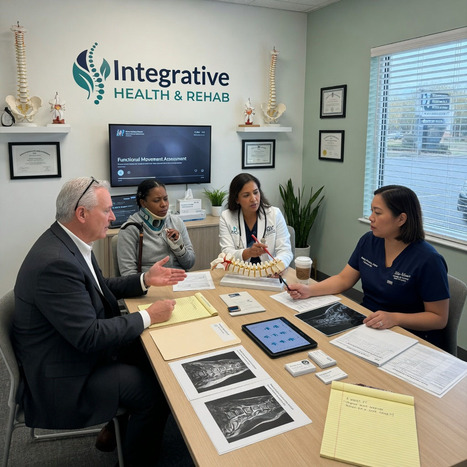
After a motor vehicle accident, the injured person needs more than quick pain relief. They need a clear diagnosis, a safe treatment plan, steady follow-up, and medical records that explain what happened to the body. This is why many personal injury attorneys look for integrative chiropractic clinics that understand both patient recovery and medical-legal documentation.
A strong injury clinic does not simply treat pain. It tells the medical story. It documents the first visit, the patient’s symptoms, range of motion, orthopedic findings, imaging needs, treatment plan, progress, setbacks, referrals, and future care needs. These records help connect the injury to the crash and support a fair personal injury claim (Integrated Health & Injury Center, 2026; Align Med, n.d.). Why Documentation Matters in a Personal Injury CaseInsurance companies and defense teams often look for gaps, delays, vague notes, or inconsistent records. If a patient waits too long to get care, misses visits, or has unclear documentation, the claim may become weaker. Detailed records help show:
Medical records are important because they help prove the injury, the timeline, and the need for care. Personal injury attorneys often prefer providers who understand this process and can send records, bills, imaging reports, and progress notes promptly (GAIN Servicing, n.d.; Veeva Clinics, 2025). What Attorneys Look for in an Injury ClinicWhen an attorney recommends a clinic, the goal is not just convenience. The attorney is usually looking for a provider who is credible, organized, and defendable if the case is questioned. A personal injury attorney may look for a clinic that has:
Medical partners in personal injury cases may also be asked to explain the mechanism of injury, the cost of treatment, physical restrictions, long-term prognosis, and how the injury affects the patient’s life (Greater Texas Orthopedic Associates, n.d.; Chiropractic Economics, 2023). Why an Integrative Clinic Can Be Helpful After an MVACar accidents can injure the spine, discs, muscles, ligaments, nerves, joints, and soft tissues. Some symptoms appear right away. Others show up hours or days later. Common problems include whiplash, neck pain, back pain, headaches, numbness, tingling, sciatica, shoulder pain, hip pain, and reduced mobility (Lorfing Law, 2025).
An integrative clinic can help because it uses multiple levels of care rather than relying on a single treatment. Depending on the patient’s condition, the care plan may include:
This type of team-based care can help address both short-term pain and longer-term tissue recovery. It can also help the attorney understand the full injury pattern, rather than just a simple complaint of “neck pain” or “back pain.” The Role of Chiropractic CareChiropractic care is often used after motor vehicle accidents because many crash injuries affect the spine, joints, muscles, and nerves. A chiropractor may evaluate posture, spinal motion, muscle guarding, joint restriction, nerve symptoms, and functional loss.
In a personal injury case, chiropractic care may support the patient by:
A chiropractor’s documentation can become powerful evidence when it is specific and objective. Strong notes avoid vague terms like “better” or “same” and instead use pain scales, range-of-motion measurements, orthopedic findings, imaging results, and functional limitations (Align Med, n.d.). The Role of Medical OversightIn an integrative injury clinic, medical oversight helps protect patients and strengthen care plans. Some patients have high blood pressure, diabetes, heart disease, medication risks, prior injuries, or symptoms that may require medical review. A medical director can help guide safe care, identify red flags, and support appropriate referrals.
Dr. Maria Guadalupe Cardenas, MD, Board Certified in Internal Medicine, is described in the clinic profile as Medical Director and Collaborative Physician for Injury Medical Clinic PA, also known as Mission Plaza Injury Medical Clinic, in El Paso, Texas. The profile lists Texas MD License #J2933 and identifies her as an internal medicine physician with decades of experience. Public physician listings also identify Dr. Cardenas as an El Paso physician specializing in Internal Medicine and Hospital Medicine, with 40-plus years of experience (Dr. Alex Jimenez, 2026; WebMD, n.d.).
In this multidisciplinary setup, Dr. Cardenas provides medical direction, while Dr. Alex Jimenez, DC, APRN, FNP-BC, provides chiropractic, nurse practitioner, functional medicine, rehabilitation, and personal injury care. This type of structure is common in integrative and injury clinics because it combines conservative care with medical decision-making. How Dr. Cardenas and Dr. Jimenez Work TogetherThe team approach allows each provider to focus on their strengths.
Dr. Jimenez may focus on:
Dr. Cardenas may support:
Together, this creates a broader clinical picture. The chiropractor can document the physical and biomechanical injuries. The medical director can support medical safety, patient complexity, and medical decision-making. For an attorney, this makes the case more organized and easier to understand. Advanced Therapies and Patient SafetySome integrative clinics offer advanced therapies such as PRP, PFP, MFAT, shockwave therapy, and epidural spinal injections. These services must be handled carefully. They should be used only when clinically appropriate, with proper consent, and in accordance with state and federal rules.
The FDA warns that many regenerative medicine products are not approved for orthopedic conditions and should not be marketed with unsupported claims of cure. This is why clinics offering regenerative care must be careful with patient selection, informed consent, documentation, advertising, and scope of practice (U.S. Food and Drug Administration, 2021).
Epidural steroid injections may help certain patients with nerve-root inflammation, such as pain from a herniated disc or spinal stenosis, but they are not for every patient. Cleveland Clinic notes that epidural steroid injections are used for certain chronic pain conditions and are typically considered when pain has not improved with other nonsurgical therapies (Cleveland Clinic, 2021). Compliance Builds TrustA strong integrative clinic must follow healthcare laws and professional rules. This includes proper licensing, informed consent, accurate billing, truthful advertising, good documentation, and staying within the scope of practice. Compliance is especially important when a clinic combines chiropractic, medical, functional medicine, rehabilitation, and advanced therapies (Cohen Healthcare Law Group, 2025).
Good clinics also know when not to treat. Red flags such as fever, unexplained weight loss, possible fracture, severe neurological symptoms, or worsening weakness should lead to medical evaluation or referral, not routine adjustment (Westport Chiropractic & Rehab, n.d.). Why This Helps the Settlement ProcessA personal injury settlement is built on evidence. The attorney must show that the crash caused injury, that treatment was necessary, and that the injury affected the person’s life. A well-organized integrative clinic helps by creating records that explain:
Texas personal injury sources note that chiropractic care may be part of accident recovery, but its value in a settlement often depends on proving that the care was reasonable, necessary, and connected to the crash (CPM Injury Law, 2024). Clinical Observations From Dr. Alexander JimenezDr. Alexander Jimenez, DC, APRN, FNP-BC, often emphasizes a dual-scope view of injury care: the body must be evaluated structurally, neurologically, metabolically, and functionally. His clinical approach, as reflected through his public professional pages, focuses on chiropractic care, functional medicine, personal injury care, rehabilitation, advanced diagnostics, and patient education in El Paso (Dr. Alex Jimenez, n.d.; LinkedIn, n.d.).
In practical terms, this means an injured patient is not treated as only a “case.” The patient is evaluated as a whole person. Pain, loss of motion, nerve irritation, inflammation, sleep, stress, nutrition, and function all matter. This approach can aid recovery while also providing the attorney with a clearer medical record. Final ThoughtsWhen a personal injury attorney recommends an integrative chiropractic clinic, they are often looking for more than treatment. They are looking for a clinic that can provide safe care, timely documentation, medical-legal clarity, and credible providers.
An integrative team with Dr. Alex Jimenez, DC, APRN, FNP-BC, and Dr. Maria Guadalupe Cardenas, MD, creates a strong multidisciplinary model for motor vehicle accident care in El Paso. Chiropractic care, medical oversight, functional medicine, rehabilitation, and advanced therapies can work together to support healing and help build a well-documented personal injury case.
The strongest injury clinic is not the one that promises the most. It is the one that documents clearly, treats ethically, refers when needed, follows the rules, and keeps the patient’s recovery at the center of the case.
Car accident Injury Rehabilitation | El Paso, Tx ReferencesAlign Med. (n.d.). The importance of chiropractic records in personal injury claims. Cleveland Clinic. (2021). Epidural steroid injection. Cohen Healthcare Law Group. (2025). Compliance tips for complementary and alternative medicine providers. CPM Injury Law, P.C. (2024). Settlements for personal injury and chiropractor care in Texas. Dr. Alex Jimenez. (n.d.). El Paso, TX chiropractor Dr. Alex Jimenez DC. Dr. Alex Jimenez. (2026). Dr. Maria Cardenas, MD Board Certified Internal Medicine Specialist. GAIN Servicing. (n.d.). How personal injury attorneys find medical providers for clients. Greater Texas Orthopedic Associates. (n.d.). Top 5 qualities personal injury attorneys seek in medical partners. Integrated Health & Injury Center. (2026). How chiropractic documentation strengthens your personal injury case. LinkedIn. (n.d.). Dr. Alexander Jimenez DC, APRN, FNP-BC, IFMCP, CFMP. Lorfing Law. (2025). Should I go to a chiropractor after a car accident in Texas?. Roman & Roman, P.A. (2018). The role of a chiropractor in your car accident case. U.S. Food and Drug Administration. (2021). Important patient and consumer information about regenerative medicine therapies. Veeva Clinics. (2025). The role of chiropractors in personal injury cases: Documentation and recovery. WebMD. (n.d.). Dr. Maria Guadalupe Cardenas, MD.
Westport Chiropractic & Rehab. (n.d.). What is a red flag in chiropractic care?.
The information herein is not intended to replace a one-on-one relationship with a qualified healthcare professional or licensed physician and is not medical advice. We encourage you to make healthcare decisions based on your research and partnership with a qualified healthcare professional. Our information scope is limited to chiropractic, musculoskeletal, and physical medicine, as well as wellness, sensitive health issues, and functional medicine articles, topics, and discussions. We provide and facilitate clinical collaboration with specialists across disciplines. Each specialist is governed by their professional scope of practice and the jurisdiction in which they are licensed. We utilize functional health and wellness protocols to treat and support care for musculoskeletal injuries or disorders. Our videos, posts, topics, subjects, and insights cover clinical matters and issues that directly or indirectly support our clinical scope of practice. Our office has made a reasonable effort to provide supportive citations and identify relevant research studies for our posts. We provide copies of supporting research studies upon request to regulatory boards and the public.
We are here to help you and your family. Blessings
Dr. Alex Jimenez, DC, MSACP, APRN, FNP-BC*, CCST, IFMCP, CFMP, ATN email: coach@elpasofunctionalmedicine.com Multi-State Advanced Practice Registered Nurse (APRN*) in Texas & Multi-States ANCC FNP-BC: Board Certified Nurse Practitioner* Graduate with Honors: ICHS: MSN-FNP (Family Nurse Practitioner Program)
Dr. Maria Cardenas, MD
Dr. Alex Jimenez DC, APRN, FNP, IFMCP, CFMP's insight:
Understand the benefits of integrative chiropractic clinics for personal injury attorneys and their clients in injury recovery after accidents. For answers to any questions you may have, call 915-850-0900 or 915-412-6677
Scoop.it!

AbstractA motorcycle helmet can save a life, but it cannot stop every brain injury. If a rider suffers a concussion or traumatic brain injury while wearing a helmet in El Paso, it usually means the crash forces were strong enough to exceed what the helmet was designed to absorb. This does not mean the helmet failed. In many cases, the helmet may have reduced the severity of the injury and helped prevent a fatal outcome. Helmets reduce the risk of head injury and death, but riders can still suffer concussion, whiplash, neck trauma, spinal strain, and musculoskeletal injuries after a serious crash (Centers for Disease Control and Prevention [CDC], 2025).
When another driver caused the crash through negligence, the injured rider may still have the right to seek compensation for medical bills, lost income, pain, disability, and long-term care. In El Paso, a strong recovery plan often includes two parts: legal protection and medical care. A personal injury attorney can help investigate fault, while an integrative injury clinic can evaluate the brain, neck, spine, joints, muscles, ligaments, and nervous system. A Helmet Helps, But It Does Not Make a Rider InvincibleMotorcycle helmets are designed to reduce impact forces to the skull and brain. They can help lower the risk of fatal head injuries, skull fractures, and severe traumatic brain injuries. According to the CDC, helmets are 37% effective in preventing deaths for motorcycle operators, 41% effective for passengers, and reduce the risk of head injury by 69% (CDC, 2025).
However, a helmet has limits. In a high-speed crash, a rider may be thrown from the motorcycle, hit the pavement, strike another vehicle, or experience a sudden twisting force through the head and neck. A helmet may absorb part of the blow, but the brain can still move inside the skull. This can lead to a concussion or a more serious traumatic brain injury.
A helmet also does not fully protect the neck, spine, shoulders, ribs, hips, knees, or back. That is why a helmeted rider may still experience:
The CDC notes that concussion symptoms may appear right away or hours to days later. Symptoms can affect how a person feels, thinks, sleeps, and acts (CDC, 2025). What It Means If a Brain Injury Happens While Wearing a HelmetIf a brain injury occurs while wearing a helmet, it does not automatically mean the helmet was defective. It may mean the crash involved more force than the helmet could fully control. Helmets reduce risk, but they do not remove all danger. Modern safety equipment can help protect against direct impact, but sudden twisting, acceleration, deceleration, and secondary impacts can still injure the brain and cervical spine.
This matters because some injured riders feel confused after the crash. They may ask, "How did I get a brain injury if I was wearing a helmet?" The answer is simple: the helmet likely helped, but the crash was still powerful enough to cause trauma.
Medical evaluation is important after any motorcycle crash, especially when symptoms involve the head, neck, or nervous system. A rider should not ignore warning signs such as worsening headache, repeated vomiting, confusion, weakness, slurred speech, seizure, one pupil larger than the other, or trouble waking up. The CDC lists these as danger signs that need emergency care (CDC, 2024). Helmet Use and Legal Rights in TexasIn Texas, the helmet law has specific requirements. Riders under 21 must wear a helmet. Riders 21 and older may legally ride without one only if they meet certain requirements, such as completing an approved motorcycle safety course or carrying qualifying health insurance coverage (Rodman Law Office, 2026).
Still, wearing a helmet is often helpful in an injury claim because it shows the rider took reasonable safety steps. If a helmeted rider suffers a brain injury, the focus should not be, "Why did the helmet not prevent everything?" The better question is, "Who caused the crash, what forces were involved, and what injuries resulted?"
Texas uses a modified comparative fault system. Under Texas Civil Practice and Remedies Code Chapter 33, a claimant generally cannot recover damages if their percentage of responsibility is greater than 50% (Texas Civil Practice and Remedies Code, 2026).
This is why evidence matters. Insurance companies may try to blame the motorcyclist, even when the crash was caused by another driver. They may argue the rider was speeding, unsafe, hard to see, or partly responsible. Local El Paso motorcycle accident attorneys often focus on overcoming unfair assumptions about riders and proving fault with facts. Why an El Paso Personal Injury Attorney Can HelpAfter a motorcycle accident, injured riders should consider speaking with a qualified personal injury attorney in El Paso. Legal guidance can help protect the rider from common mistakes, such as giving a recorded statement too early, accepting a quick settlement, or failing to document the full extent of injuries.
The Law Offices of Ruben Ortiz explain that motorcycle claims often involve bias against riders. The firm notes that people may quickly assume the motorcyclist was at fault, even when the evidence shows otherwise. Their motorcycle accident page also explains the importance of documenting medical treatment, missed work, and the physical and emotional impact of injuries (Law Offices of Ruben Ortiz, n.d.).
The Ruhmann Law Firm also describes common causes of motorcycle crashes in El Paso, including drivers who fail to signal, speed, or yield; make unsafe left turns; follow too closely; or drive under the influence (Ruhmann Law Firm, n.d.).
A strong personal injury case may include:
In Texas, most personal injury claims must be filed within two years from the date the cause of action accrues (Texas Civil Practice and Remedies Code § 16.003, 2026). The Medical Side: Brain, Neck, Spine, and Nervous System RecoveryA helmeted motorcycle crash can create a chain reaction through the body. The head may be protected from a direct fatal blow, but the neck and spine may still absorb violent motion. Cleveland Clinic explains that whiplash occurs when a sudden force strains the neck and spine, affecting muscles, ligaments, bones, and nerves (Cleveland Clinic, 2026).
This is why care should not stop after the emergency room visit. Emergency care is essential for ruling out life-threatening injury, bleeding, fracture, or severe brain trauma. But once the patient is stable, follow-up care may be needed for ongoing pain, stiffness, dizziness, headaches, movement problems, and nerve symptoms.
In Dr. Alexander Jimenez’s clinical model, motorcycle accident recovery is often viewed through a dual-scope lens that considers both structural injury and whole-body recovery. His El Paso practice describes a multidisciplinary approach that blends chiropractic care, functional medicine, physical rehabilitation, diagnostics, nutrition, and medically guided injury care (Jimenez, n.d.).
This type of approach may help identify injuries that are easy to miss, such as:
Integrative Chiropractic Care After a Helmeted Brain InjuryChiropractic care does not treat a brain injury directly like emergency neurology care does. However, integrative chiropractic care may help address the spine, neck, joints, muscles, and nervous system stress that often occur with motorcycle trauma.
After proper medical clearance, treatment may include:
In clinical practice, Dr. Jimenez often emphasizes that crash injuries can affect multiple painful areas. His LinkedIn content describes personal injury trauma as a whole-body event that can involve the cervical spine, upper extremities, lower back, velocity, impact angle, and pre-existing conditions (Jimenez, 2026).
For a helmeted rider, this matters because brain symptoms and spine symptoms can overlap. Headache, dizziness, neck pain, blurred focus, and balance problems may come from concussion, whiplash, cervical joint irritation, muscle spasm, or a combination of these issues. Regenerative Medicine and Musculoskeletal HealingRegenerative medicine may also play a role for selected motorcycle accident injuries, especially when soft tissue, ligament, tendon, joint, or spine-related structures are involved. Weill Cornell Medicine describes regenerative medicine, also called orthobiologics, as a field that aims to stimulate the body’s repair ability in damaged muscles, joints, tendons, and other tissues (Weill Cornell Medicine, n.d.).
Regenerative options may include:
These treatments are not automatic for every patient. They require careful evaluation, proper diagnosis, medical clearance, and a licensed provider who understands the injury pattern. FoRM Health explains that regenerative injection therapy may support healing in joint pain, tendon injury, chronic inflammation, and ligament laxity, but patient selection and imaging guidance are important (FoRM Health, 2025).
For motorcycle accident patients in the El Paso and Horizon City region, regenerative care may be considered after an initial diagnosis when pain continues due to soft tissue damage, ligament injury, tendon injury, joint trauma, or spinal strain. It should be coordinated with a full rehabilitation plan rather than used on its own. Why Documentation Matters for Both Healing and Legal RecoveryMedical documentation is important for two reasons. First, it helps guide care. Second, it helps connect the crash to the injuries. This is especially important with brain injuries because symptoms are not always visible.
A patient may look "fine" but still have headaches, dizziness, memory issues, neck pain, light sensitivity, or trouble sleeping. If these symptoms are not documented, insurance companies may argue they are unrelated or exaggerated.
Good documentation should include:
In personal injury cases, this connection between diagnosis, treatment, and crash mechanics can help show the true impact of the accident. A Practical Recovery Path After a Helmeted Motorcycle CrashAfter a motorcycle crash in El Paso, the rider should take a step-by-step approach:
ConclusionA brain injury while wearing a helmet does not mean the helmet was useless. It often means the crash forces were severe, and the helmet may have prevented a much worse outcome. Helmets reduce the risk of death and head injury, but they cannot prevent every concussion, whiplash injury, spinal strain, or musculoskeletal trauma.
In El Paso, injured motorcycle riders should protect both their health and their legal rights. A personal injury attorney can help investigate negligence and fight unfair bias against motorcyclists. A qualified medical team can evaluate the brain, neck, spine, muscles, ligaments, and nervous system. For some patients, integrative chiropractic care and regenerative therapies may support recovery after the initial medical diagnosis.
The best path is coordinated care: emergency evaluation when needed, clear documentation, legal guidance, conservative spine and musculoskeletal care, and advanced treatment options when clinically appropriate.
El Paso, TX Chiropractor: Auto Accident Injuries ReferencesCenters for Disease Control and Prevention. (2025). Motorcycle injury prevention. Centers for Disease Control and Prevention. (2025). Symptoms of mild TBI and concussion. Centers for Disease Control and Prevention. (2024). Signs and symptoms of concussion. Cleveland Clinic. (2026). Whiplash: What it is, causes, symptoms and treatment. FoRM Health. (2025). Understanding regenerative injection therapy. Jimenez, A. (n.d.). El Paso, TX chiropractor Dr. Alex Jimenez DC | Personal injury specialist. Law Offices of Ruben Ortiz. (n.d.). Motorcycle accident attorney in El Paso. Rodman Law Office. (2026). Motorcycle helmet use and injury claims: What the law says. Ruhmann Law Firm. (n.d.). Motorcycle accident lawyer in El Paso. Texas Civil Practice and Remedies Code § 16.003. (2026). Two-year limitations period. Texas Civil Practice and Remedies Code § 33.001. (2026). Proportionate responsibility.
Weill Cornell Medicine. (n.d.). Regenerative medicine.
The information herein is not intended to replace a one-on-one relationship with a qualified healthcare professional or licensed physician and is not medical advice. We encourage you to make healthcare decisions based on your research and partnership with a qualified healthcare professional. Our information scope is limited to chiropractic, musculoskeletal, and physical medicine, as well as wellness, sensitive health issues, and functional medicine articles, topics, and discussions. We provide and facilitate clinical collaboration with specialists across disciplines. Each specialist is governed by their professional scope of practice and the jurisdiction in which they are licensed. We utilize functional health and wellness protocols to treat and support care for musculoskeletal injuries or disorders. Our videos, posts, topics, subjects, and insights cover clinical matters and issues that directly or indirectly support our clinical scope of practice. Our office has made a reasonable effort to provide supportive citations and identify relevant research studies for our posts. We provide copies of supporting research studies upon request to regulatory boards and the public.
We are here to help you and your family. Blessings
Dr. Alex Jimenez, DC, MSACP, APRN, FNP-BC*, CCST, IFMCP, CFMP, ATN email: coach@elpasofunctionalmedicine.com Multi-State Advanced Practice Registered Nurse (APRN*) in Texas & Multi-States ANCC FNP-BC: Board Certified Nurse Practitioner* Graduate with Honors: ICHS: MSN-FNP (Family Nurse Practitioner Program)
Dr. Alex Jimenez DC, APRN, FNP, IFMCP, CFMP's insight:
Motorcycle Accident TBI While wearing a helmet can still occur. Discover how to navigate legal and medical support options in Texas. For answers to any questions you may have, call 915-850-0900 or 915-412-6677
Scoop.it!

IntroductionA motor vehicle accident can affect the body long after the crash. Some people feel pain right away. Others feel sore for a few days, improve a little, and then months later notice that the same neck, back, shoulder, hip, knee, or ankle pain keeps returning. This can happen because soft tissue injuries do not always heal cleanly. Muscles, ligaments, tendons, fascia, discs, and joints may stay irritated, weak, stiff, or unstable.
The good news is that people with long-term, chronic, or unresolved injuries from motor vehicle accidents may still benefit from an integrated care plan. This can include chiropractic care, rehabilitation, Platelet-Rich Plasma (PRP), Micro-Fragmented Adipose Tissue (MFAT), MLS laser therapy, and shockwave therapy. These therapies are not meant to simply cover up symptoms. They are often used to support tissue repair, improve movement, reduce inflammation, and help the body restart a healthier healing process when appropriate (Thu, 2022; Heidari et al., 2022). Why Old Car Accident Injuries Can Still Cause PainEven a “minor” crash can place a strong force on the body. The neck may whip forward and backward. The lower back may twist. The shoulder, knee, hip, or ankle may absorb impact. These forces can injure soft tissues even when X-rays do not show a fracture. Common long-term MVA injury patterns include:
Soft tissue injuries can become chronic when the tissue heals in a weak, tight, inflamed, or poorly organized way. A person may feel “better” for a while, but the injured area may still lack normal strength, blood flow, mobility, and stability. ChiroMed’s auto accident recovery discussion explains that soft tissue injuries after crashes can involve muscles, tendons, ligaments, fascia, and joint-supporting tissues, and these structures may heal slowly because some have limited blood flow. The Problem With Only Managing SymptomsMany people with old crash injuries rely on pain medication, rest, massage, or temporary relief care. These may help for a short time, but chronic pain often returns if the root problem remains. A deeper recovery plan looks at questions such as:
This is where integrated care becomes important. Chiropractic care may improve joint motion and spinal mechanics. Rehabilitation may rebuild strength and stability. Regenerative medicine may support the damaged tissue environment. MLS laser and shockwave therapy may help reduce pain, improve circulation, and stimulate cellular repair. Chiropractic Care: Restoring Motion and FunctionChiropractic care can play a key role in chronic MVA recovery because old injuries often change how the spine and joints move. When the body protects an injured area for months or years, muscles may tighten, joints may stiffen, and movement patterns may become uneven.
An integrative chiropractic plan may include:
Dr. Alexander Jimenez, DC, APRN, FNP-BC, has built a multidisciplinary injury-recovery model in El Paso that integrates chiropractic care, functional medicine, physical therapy, personalized nutrition, diagnostics, and regenerative therapies. His site describes the clinic’s focus on tailored care for injury, chronic pain, and wellness needs, including digital motion X-rays, nerve tests, metabolic checks, hands-on treatments, spinal decompression, and regenerative therapies.
From a clinical observation standpoint, Dr. Jimenez often emphasizes that chronic accident pain should not be treated as a single-site problem. A painful neck may also involve shoulder tension, nerve irritation, posture changes, and upper back stiffness. A painful knee may be associated with hip weakness, ankle instability, or altered walking mechanics. This whole-body view helps connect the injury, the symptoms, and the long-term recovery plan. PRP Therapy: Restarting the Healing SignalPlatelet-Rich Plasma, or PRP, is made from a patient’s own blood. A small blood sample is drawn and processed to concentrate platelets. Platelets contain growth factors and signaling proteins that help guide tissue repair. PRP is then injected into the injured area when clinically appropriate.
PRP may be considered for:
PRP does not work like a numbing shot. It is not simply meant to hide pain. It is designed to support the body’s healing response. A narrative review on PRP for musculoskeletal pain reported that PRP treatment appears to reduce pain and improve function in several musculoskeletal pain conditions, although patient selection and protocols matter (Thu, 2022).
Research has also explored PRP with shockwave therapy. A randomized controlled trial on chronic patellar tendinopathy found that PRP alone and PRP combined with extracorporeal shockwave therapy were both effective, with the combination giving faster pain reduction at one month (Jhan et al., 2024). MFAT Therapy: Support for More Complex Joint and Soft Tissue ProblemsMicro-Fragmented Adipose Tissue, or MFAT, uses a small amount of the patient’s own fat tissue. The tissue is processed into tiny fragments and then placed into the injured or painful area. MFAT contains a natural tissue matrix and biologic signaling factors that may help support repair in joints, tendons, ligaments, and other soft tissues.
MFAT may be discussed for more complex or long-standing problems, such as:
A 2022 study on MFAT with or without PRP for hip osteoarthritis suggested a positive role for intra-articular MFAT plus PRP as a treatment option, especially in patients in whom obtaining sufficient MFAT may be difficult (Heidari et al., 2022).
Another MFAT study found that MFAT injection improved quality of life in patients with knee osteoarthritis who were considered suitable for knee replacement and described MFAT as a low-morbidity biological option that may delay total knee replacement in selected patients (Heidari et al., 2021).
A 2025 three-year follow-up study reported that MFAT treatment was associated with consistent symptom improvement in knee osteoarthritis, with early improvements at three months helping predict longer-term pain and function outcomes. The authors noted that the study focused on symptom relief, not proven structural regeneration (Stanciu et al., 2025). MLS Laser Therapy: Helping Calm Pain and Support Tissue RepairMLS laser therapy is a non-invasive therapy that uses specific wavelengths of light to stimulate cellular activity. It is commonly discussed for pain, inflammation, nerve irritation, and soft tissue recovery.
Laser therapy may help with:
Cold laser and MLS laser discussions describe light-based therapy as a way to support blood flow, reduce inflammation, and stimulate tissue repair after auto injuries. Nob Hill Family Chiropractic explains that cold laser therapy uses low-level light to reach muscles and joints, helping increase blood flow, reduce inflammation, and support cell repair.
CARS Medical also describes Class IV MLS laser therapy as a non-invasive option for lingering auto accident injuries, including soft tissue damage, inflammation, and nerve pain, and notes that it is often paired with chiropractic care or physical rehab. Shockwave Therapy: Stimulating Chronic Soft Tissue ResponseShockwave therapy uses acoustic waves to stimulate injured tissues. It is often used for chronic pain related to tendons, ligaments, fascia, and joints. In chronic injuries, the goal is to help the tissue move out of a stalled healing state and into a more active repair response.
Shockwave therapy may support recovery by helping:
A clinical study comparing shockwave therapy and laser therapy for myofascial pain syndrome in the upper trapezius evaluated both modalities for symptom reduction, indicating that these modalities are commonly studied for muscle-related pain conditions (Taheri et al., 2016). Why Combining Therapies Can Work Better Than One Treatment AloneChronic MVA injuries are often layered. One person may have spinal stiffness, ligament weakness, muscle guarding, poor posture, and nerve irritation simultaneously. Because of this, one therapy alone may not be enough.
A combined plan may look like this:
Dr. Jimenez’s clinical model reflects this type of integration. His professional materials describe a dual-scope approach as both a chiropractor and a nurse practitioner, using conservative care, medical oversight, advanced diagnostics, and function-based recovery for patients with injuries. Can Healing Be Re-Initiated Years After the Accident?Yes, in many cases, tissue can still respond to the right care plan months or years after an accident. This does not mean every old injury can be fully reversed. It means the body may still be able to improve pain, mobility, strength, and function when the correct tissue targets are treated.
For example:
Regenerative care is not a magic cure. Results vary based on the injury, age, health status, tissue quality, inflammation level, nutrition, activity habits, and how long the problem has been present. However, the research on PRP, MFAT, laser therapy, and shockwave therapy supports the idea that chronic musculoskeletal tissues can still respond to targeted treatment in selected patients. When a Patient Should Be Evaluated FirstBefore regenerative or chiropractic care begins, a patient should have a proper evaluation. Chronic pain after an accident should not be guessed at. A provider may need to review:
Emergency care is needed for symptoms such as severe headache, chest pain, trouble breathing, worsening numbness, new weakness, loss of bladder or bowel control, confusion, severe abdominal pain, or trouble walking after trauma. ChiroMed’s guidance on auto accident recovery also stresses that emergency symptoms must be ruled out before beginning an integrative recovery plan. ConclusionPeople with old motor vehicle accident injuries should not assume that it is “too late” to heal. Chronic pain months or years after a crash may come from unresolved soft tissue damage, ligament laxity, tendon irritation, joint dysfunction, scar tissue, inflammation, or nerve sensitivity. An integrated plan combining chiropractic care, rehabilitation, PRP, MFAT, MLS laser therapy, and shockwave therapy may help the body initiate a healthier healing process.
The main goal is not simply to block pain. The goal is to improve movement, support tissue repair, reduce inflammation, restore strength, and help the patient return to daily life with better function. For patients with chronic MVA pain, a careful diagnosis and personalized treatment plan can make a major difference.
This article is for educational purposes only and is not a replacement for medical advice. Patients with chronic post-accident pain should speak with a qualified healthcare provider to determine which options are safe and appropriate for their condition. Personal Injury Rehabilitation | El Paso, TX ReferencesAABP Integrative Pain Care. (n.d.). 5 essential benefits of PRP for chronic pain CARS Medical. (n.d.). MLS laser therapy for auto injuries in Charlotte NC CHARM Austin. (n.d.). Ankle injuries: The 2 regenerative medicine approaches to healing ChiroMed. (2026). Regenerative therapy for auto accident injury recovery Heidari, N., et al. (2021). Microfragmented adipose tissue injection may be a low-morbidity biological treatment option for knee osteoarthritis Heidari, N., et al. (2022). Comparison of the effect of MFAT and MFAT + PRP on treatment of hip osteoarthritis: An observational, intention-to-treat study at one year Jhan, S. W., Wu, K. T., Chou, W. Y., Chen, P. C., Wang, C. J., Huang, W. C., & Cheng, J. H. (2024). A comparative analysis of platelet-rich plasma alone versus combined with extracorporeal shockwave therapy in athletes with patellar tendinopathy and knee pain: A randomized controlled trial Jimenez, A. (n.d.). El Paso, TX chiropractor Dr. Alex Jimenez DC | Personal injury specialist Jimenez, A. (n.d.). Dr. Alexander Jimenez DC, APRN, FNP-BC, IFMCP, CFMP LinkedIn profile Nob Hill Family Chiropractic. (2025). How cold laser therapy can speed up recovery from auto injuries Primary Health Clinic. (2025). Laser therapy for soft tissue recovery after injury Stanciu, N., Heidari, N., Slevin, M., Ujlaki-Nagi, A. A., Trâmbițaș, C., Arbănași, E. M., Russu, O. M., Melinte, R. M., Azamfirei, L., & Brînzaniuc, K. (2025). Predicting long-term benefits of micro-fragmented adipose tissue therapy in knee osteoarthritis: Three-year follow-up on pain relief and mobility Taheri, P., Vahdatpour, B., & Andalib, S. (2016). Comparative study of shock wave therapy and laser therapy effect in elimination of symptoms among patients with myofascial pain syndrome in upper trapezius Thu, A. C. (2022). The use of platelet-rich plasma in management of musculoskeletal pain: A narrative review
The information herein is not intended to replace a one-on-one relationship with a qualified healthcare professional or licensed physician and is not medical advice. We encourage you to make healthcare decisions based on your research and partnership with a qualified healthcare professional. Our information scope is limited to chiropractic, musculoskeletal, and physical medicine, as well as wellness, sensitive health issues, and functional medicine articles, topics, and discussions. We provide and facilitate clinical collaboration with specialists across disciplines. Each specialist is governed by their professional scope of practice and the jurisdiction in which they are licensed. We utilize functional health and wellness protocols to treat and support care for musculoskeletal injuries or disorders. Our videos, posts, topics, subjects, and insights cover clinical matters and issues that directly or indirectly support our clinical scope of practice. Our office has made a reasonable effort to provide supportive citations and identify relevant research studies for our posts. We provide copies of supporting research studies upon request to regulatory boards and the public.
We are here to help you and your family. Blessings
Dr. Alex Jimenez, DC, MSACP, APRN, FNP-BC*, CCST, IFMCP, CFMP, ATN email: coach@elpasofunctionalmedicine.com Multi-State Advanced Practice Registered Nurse (APRN*) in Texas & Multi-States ANCC FNP-BC: Board Certified Nurse Practitioner* Graduate with Honors: ICHS: MSN-FNP (Family Nurse Practitioner Program)
Dr. Alex Jimenez DC, APRN, FNP, IFMCP, CFMP's insight:
Transform your health by addressing chronic pain from old car accidents with innovative treatments like PRP and laser therapy. For answers to any questions you may have, call 915-850-0900 or 915-412-6677
Scoop.it!
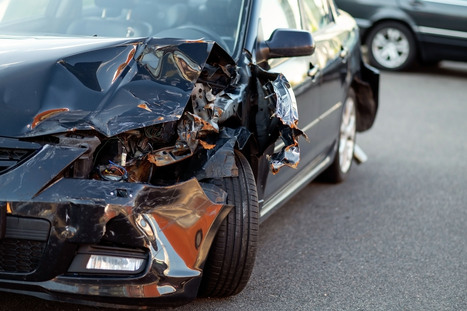
AbstractParking lot motor vehicle accidents in El Paso, TX, may look minor at first, but they can still cause serious pain, soft-tissue injuries, spinal misalignment, whiplash, back pain, headaches, and mobility problems. Parking lots are high-risk areas because drivers, pedestrians, children, shopping carts, tight spaces, backing vehicles, poor lighting, and distracted driving all mix together in one small area. National Safety Council data show that parking lots and garages experience tens of thousands of crashes each year, resulting in many injuries and deaths (National Safety Council [NSC], n.d.). Even though speeds are usually lower, the body can still be injured by sudden twisting, bracing, or impact. Early evaluation and integrative chiropractic care may help reduce inflammation, restore motion, and prevent long-term pain. Why Parking Lots Are More Dangerous Than They LookMany people relax once they leave a main road and enter a parking lot. They may think, “I’m almost there.” But that is when risk can rise. Parking lots are full of movement from every direction. Cars back out. Pedestrians walk between vehicles. Drivers look for open spaces. People push carts, carry bags, check phones, and guide children across lanes.
Parking area crashes are common. One source reports that about one in five car accidents happens in a parking lot or parking garage, while another parking lot safety source notes that parking areas have more than 50,000 crashes each year, causing hundreds of deaths and many injuries (Buckingham & Vega Law Firm, 2021; Schilling & Esposito PLLC, 2019).
In El Paso, this concern matters because local driving risk is already a serious issue. KFOX14/CBS4 reported that Forbes ranked El Paso 20th among the 50 most populous U.S. cities for worst drivers, based on measures such as total crashes, deadly crashes, distracted driving, drunk driving, and speeding (Pittock, 2024). Common Causes of Parking Lot AccidentsParking lot accidents often occur because several small risks coincide. A driver may be backing up while another car is cutting across the lot. A pedestrian may step between parked cars while a driver looks down at a phone. A large truck or SUV may block the view of a smaller car or child.
Common causes include:
The National Safety Council reports that many drivers admit to using phones in parking lots. In one NSC poll, 66% said they would make phone calls while driving in parking lots, 56% said they would text, and 52% said they would use social media (NSC, n.d.). Backing Accidents and Blind SpotsBacking accidents are one of the most common parking lot crash patterns. A driver may look in the mirror but still miss a pedestrian, bicycle, child, or small vehicle. Backup cameras help, but they do not remove all blind spots. NSC safety guidance reminds drivers not to rely solely on cameras and to look over their shoulders, use mirrors, and perform a 360-degree check when possible (NSC, n.d.).
Common backing crashes include:
Because parking lots mix cars and pedestrians in tight spaces, even a slow backing crash can cause neck, back, hip, shoulder, or head injuries. Why Low-Speed Parking Lot Crashes Can Still Cause InjuryA parking lot collision may happen at 5 to 15 miles per hour, but that does not mean the body is safe. A sudden impact can make the head and neck move quickly. The spine may twist. Muscles may tighten to protect the body. The person may brace with the arms, shoulders, or legs. These forces can lead to soft-tissue injuries even when the vehicle damage looks small.
Common injuries include:
El Paso accident care resources note that accident injuries can be hidden at first and may include whiplash, soft-tissue injury, spinal misalignment, headaches, joint stiffness, and reduced mobility (El Paso Doctors of Chiropractic, 2025). Why Symptoms May Be DelayedAfter a crash, the body may release stress hormones. This can hide pain for hours or days. A person may feel “fine” at the scene, only to wake up later with neck stiffness, back pain, headaches, dizziness, or soreness.
Delayed symptoms can include:
This is why early evaluation matters. Integrated chiropractic accident care resources explain that motor vehicle accidents can cause musculoskeletal, ligament, back, neck, and nerve-related symptoms, and that some symptoms may not appear immediately (El Paso Back Clinic, n.d.-b). Why Parking Lot Claims Can Be Complicated in TexasParking lot crashes can be legally confusing because many parking lots are private property. That can affect police response, insurance review, and fault assignment. Some police departments may not issue citations or full reports for private-property crashes unless there are injuries, criminal behavior, or more serious circumstances (Angel Reyes & Associates, n.d.; Universal Law Group, 2025).
Insurance companies may also argue that fault is shared. For example, they may claim both drivers were backing, both were distracted, or both failed to yield. Texas follows a proportionate responsibility rule. Under Texas Civil Practice and Remedies Code § 33.001, a claimant may not recover damages if that person is more than 50% responsible (Texas Civil Practice and Remedies Code § 33.001, 2025). This is why documentation is important.
After a parking lot accident, it can help to:
Resources on Texas parking lot accidents also recommend documenting the scene, gathering witness information, and notifying the property manager if security footage may exist (Angel Reyes & Associates, n.d.; Universal Law Group, 2025). How Integrative Chiropractic Care Helps After a Parking Lot AccidentIntegrative chiropractic care looks beyond surface pain. The goal is to find out how the crash affected the spine, joints, soft tissues, nerves, posture, and movement. This approach may include chiropractic adjustments, rehabilitation exercises, soft-tissue therapy, massage, acupuncture, posture work, nutrition support, and lifestyle guidance.
Dr. Alexander Jimenez, DC, APRN, FNP-BC, uses a dual-scope approach that combines chiropractic and nurse practitioner training. His clinical model emphasizes clinical correlation, dual-scope diagnosis, diagnostic assessments, treatment procedures, and detailed documentation for injury cases (El Paso Back Clinic, n.d.-a; DrAlexJimenez.com, 2026).
For victims of parking lot accidents, this matters because pain is not always localized. A low-speed impact can affect the neck, back, hips, shoulders, and the nervous system. Treating only the painful area may overlook the broader movement pattern. What Treatment May IncludeAn integrative chiropractic plan may include:
The American College of Physicians recommends non-drug treatments such as massage, acupuncture, spinal manipulation, exercise, and multidisciplinary rehabilitation for certain types of low back pain, depending on whether the pain is acute, subacute, or chronic (American College of Physicians, 2017). Why Early Care MattersEarly care can help identify hidden injuries before they become chronic. It may also help improve range of motion, calm inflammation, and reduce protective muscle guarding. If a person waits too long, the body may adapt to pain by changing posture, walking patterns, sleep positions, and movement habits.
Early care may help:
This is especially important when pain starts small but grows over several days. A parking lot crash should not be ignored just because it happened at low speed. When to Seek Urgent Medical CareSome symptoms need immediate medical attention. Go to urgent care or the emergency room if you have:
Chiropractic care can be part of recovery, but emergency warning signs must be evaluated right away. Prevention Tips for El Paso Parking LotsParking lot safety starts before the vehicle moves. Drivers and pedestrians both need to stay alert.
Helpful safety habits include:
NSC also recommends anticipating other drivers, obeying signs, and staying alert when backing out because slow speed alone does not guarantee safety (NSC, n.d.). ConclusionParking-lot motor-vehicle accidents in El Paso, TX, can be more serious than they first appear. These crashes happen in tight spaces where cars, pedestrians, distractions, poor visibility, and backing vehicles all meet. Even low-speed impacts can cause whiplash, soft-tissue injuries, spinal misalignments, headaches, stiffness, and reduced mobility.
Because many parking lot crashes occur on private property, victims may also face issues with police reports, shared-fault arguments, insurance disputes, and missing evidence. The best response is to document the scene, seek care early, and watch for delayed symptoms.
Integrative chiropractic care can help victims of parking lot accidents by addressing hidden injuries, restoring mobility, reducing pain, improving function, and supporting long-term recovery through non-invasive methods. For patients in El Paso, a dual-scope clinical approach like the one described by Dr. Alexander Jimenez, DC, APRN, FNP-BC, can help connect symptoms, biomechanics, imaging, rehabilitation, and documentation into a clearer care plan.
*Car Accident Injury* Chiropractic Solution ReferencesAmerican College of Physicians. (2017). American College of Physicians issues guideline for treating nonradicular low back pain Angel Reyes & Associates. (n.d.). Parking lot accidents in Texas: Rules & rights Buckingham & Vega Law Firm. (2021). How common are parking lot accidents? DrAlexJimenez.com. (2026). El Paso, TX chiropractor Dr. Alex Jimenez DC | Personal injury specialist El Paso Back Clinic. (n.d.-a). Integrative chiropractic care benefits in El Paso El Paso Back Clinic. (n.d.-b). Integrated chiropractic accident treatment for recovery El Paso Back Clinic. (n.d.-c). Chiropractor for auto injuries? El Paso, TX El Paso Doctors of Chiropractic. (2025). Chiropractic care in El Paso: How it helps after an accident Health First Chiropractic. (n.d.). Car accident chiropractor National Safety Council. (n.d.). Parking lots & distracted driving Orihuela, J. (2023). Parking lot accidents: Who’s at fault? Pittock, D. (2024). El Paso ranks 20th on Forbes’ list of U.S. cities with worst drivers Ruhmann Law Firm. (n.d.). Parking lot injury lawyers in El Paso & Las Cruces Schilling & Esposito PLLC. (2019). The dangers of parking lot and garage accidents Synergy Chiropractic. (n.d.). Car accident chiropractic care in El Paso Texas Civil Practice and Remedies Code § 33.001. (2025). Proportionate responsibility Universal Law Group. (2025). Don’t get parked: Your guide to Texas parking lot accidents
The information herein is not intended to replace a one-on-one relationship with a qualified healthcare professional or licensed physician and is not medical advice. We encourage you to make healthcare decisions based on your research and partnership with a qualified healthcare professional. Our information scope is limited to chiropractic, musculoskeletal, and physical medicine, as well as wellness, sensitive health issues, and functional medicine articles, topics, and discussions. We provide and facilitate clinical collaboration with specialists across disciplines. Each specialist is governed by their professional scope of practice and the jurisdiction in which they are licensed. We utilize functional health and wellness protocols to treat and support care for musculoskeletal injuries or disorders. Our videos, posts, topics, subjects, and insights cover clinical matters and issues that directly or indirectly support our clinical scope of practice. Our office has made a reasonable effort to provide supportive citations and identify relevant research studies for our posts. We provide copies of supporting research studies upon request to regulatory boards and the public.
We are here to help you and your family. Blessings
Dr. Alex Jimenez, DC, MSACP, APRN, FNP-BC*, CCST, IFMCP, CFMP, ATN email: coach@elpasofunctionalmedicine.com Multi-State Advanced Practice Registered Nurse (APRN*) in Texas & Multi-States ANCC FNP-BC: Board Certified Nurse Practitioner* Graduate with Honors: ICHS: MSN-FNP (Family Nurse Practitioner Program)
Dr. Alex Jimenez DC, APRN, FNP, IFMCP, CFMP's insight:
Find out why parking lot accidents in El Paso are concerning. Get insights into safety measures and accident-prevention strategies. For answers to any questions you may have, call 915-850-0900 or 915-412-6677
Scoop.it!

Why Speeding Crashes Are So DangerousExcessive speed accidents in El Paso, Texas, are often high-impact crashes. These collisions happen when a driver goes far above the speed limit or drives too fast for the road, traffic, weather, or lighting conditions. Speed makes a crash more dangerous because the vehicle hits with more force, the driver has less time to react, and the body absorbs more trauma during impact.
Speeding is not just a local problem. The National Highway Traffic Safety Administration reports that speeding was a factor in 29% of all U.S. traffic deaths in 2024. NHTSA also explains that a driver can be unsafe even at the posted speed limit if road conditions require slower driving, such as at night, in bad weather, near construction zones, or in busy traffic (National Highway Traffic Safety Administration [NHTSA], n.d.). Speeding and El Paso’s Road Safety ProblemIn El Paso, speed-related crashes are a major concern because many roads carry heavy commuter, commercial, border, and airport traffic. Roads like I-10, Montana Avenue, McRae Boulevard, Airway Boulevard, Zaragoza Road, and Loop 375 can become dangerous when high speeds, lane changes, merging, and congestion occur simultaneously.
Some local 2025 crash summaries describe speed as a leading factor in hundreds of El Paso crashes, including reports citing nearly 750 speed-related crashes. Final crash totals should always be checked against official TxDOT or El Paso Police Department data before they are used in a legal claim. Still, the larger pattern is clear: speed remains one of the most serious traffic dangers in the city.
Local reporting has continued to show how severe these crashes can be. In one 2025 East El Paso motorcycle crash, police identified failure to yield and excessive speed as possible contributing factors. KFOX also reported a high-speed crash on Montana Avenue in 2026, where a vehicle struck a barrier and curb, rolled over, and caused fatal and serious injuries (KFOX14/CBS4, 2025, 2026). Why Certain El Paso Roads See More Serious CrashesSome El Paso roads are risky because they carry fast-moving traffic through busy areas. I-10 is one of the city’s major corridors, with local legal and crash summaries identifying it as one of the most dangerous roads in El Paso. Montana Avenue is also often named for its high traffic volume and its role in connecting large parts of the city. A2X Law reports that I-10 has been associated with thousands of crashes, while Montana Avenue averages around 200 crashes per year in cited local crash data summaries (A2X Law, n.d.).
Farah Law’s review of dangerous El Paso roadways also names I-10, Montana Avenue, Zaragoza Road, Dyer Street/U.S. 54, and Mesa Street as areas where crash risk can be high. The report notes that the I-10 corridor carries heavy car and 18-wheeler traffic, while Montana Avenue has long stretches that can encourage speed and frequent conflict points (Farah Law, 2024).
Common high-speed crash types in El Paso include:
Vision Zero: El Paso’s Plan to Reduce Deaths and InjuriesEl Paso has responded to roadway danger through its Vision Zero Action Plan. Vision Zero is the city’s goal to eliminate roadway injuries and deaths. The city states that too many residents, workers, and visitors are injured or killed while walking, driving, biking, using mobility devices, or taking public transportation (City of El Paso, n.d.).
The City of El Paso’s Vision Zero progress page also explains that reaching zero traffic deaths and serious injuries requires community support, safer street design, and ongoing public involvement (City of El Paso, n.d.).
Vision Zero matters because it treats serious crashes as preventable, not just “accidents.” This approach focuses on safer speeds, safer roads, safer vehicles, safer people, and better post-crash care. Texas Speed Law and “Too Fast for Conditions”In Texas, speed safety is not only about the number on the speed limit sign. Texas Transportation Code Section 545.351 states that a driver may not drive faster than is reasonable and prudent under the conditions. This means a driver may be unsafe if they drive too fast in heavy traffic, with poor visibility, in rain, during construction, or near pedestrians, even if they are close to the posted limit (Texas Legislature, n.d.).
TxDOT also identifies Texas Transportation Code Chapter 545 as the section that governs speed restrictions, including maximum speed requirements and prima facie speed limits (Texas Department of Transportation, n.d.).
For injured patients, this matters because a crash report may list terms such as:
These terms can become important in both treatment planning and personal injury documentation. Common Injuries After High-Speed El Paso CrashesHigh-speed crashes can injure many body systems at once. The body may be thrown forward, backward, sideways, or rotated. Even when a person wears a seat belt, the spine, joints, muscles, ligaments, nerves, head, chest, and abdomen can still be injured. Common injuries include:
Whiplash often occurs when the head is forced backward and forward quickly, as in rear-end crashes. Mayo Clinic explains that this motion can damage neck muscles and soft tissues. Some people recover in weeks, but others may have long-lasting pain, especially when symptoms are severe early on (Mayo Clinic, 2024a).
Traumatic brain injuries may also occur in motor vehicle crashes. The CDC explains that motor vehicle crashes are one common cause of TBI, and motor vehicle injuries remain a major public health concern in the United States (Centers for Disease Control and Prevention [CDC], 2026; CDC, 2025). Why Symptoms May Be DelayedAfter a high-speed crash, the body may release stress hormones that hide pain at first. A person may feel “shaken up” but not realize they are injured until hours or days later. This is why early medical evaluation is important after an El Paso car accident, especially when the crash involved high speed, airbag deployment, rollover, motorcycle impact, or a hit to the head.
Delayed symptoms may include:
Mayo Clinic notes that a whiplash exam may include checking range of motion, pain with movement, tenderness, reflexes, strength, and feeling in the limbs. Imaging such as X-rays, CT scans, or MRIs may be used when needed to rule out fractures, disc injuries, ligament damage, spinal cord issues, or other serious conditions (Mayo Clinic, 2024b). How Integrative Chiropractic Care Supports RecoveryIntegrative chiropractic care in El Paso can help many patients recover after speed-related crashes. This type of care is not only about “cracking the back.” It may combine chiropractic evaluation, spinal adjustments, soft-tissue therapy, rehabilitation exercises, postural correction, functional movement work, and coordination with medical providers as needed.
The goal is to help the patient:
Dr. Alexander Jimenez, DC, APRN, FNP-BC, describes a dual-scope approach to motor vehicle accident recovery that combines chiropractic care, nurse practitioner evaluation, advanced imaging review, medical documentation, physical therapy, and functional medicine support. His clinical education emphasizes that crash injuries can involve muscles, ligaments, joints, discs, nerves, and systemic health concerns (Jimenez, n.d.-a). Dr. Alexander Jimenez’s Clinical ObservationsDr. Jimenez’s clinical observations are important because he evaluates injury cases from both a chiropractic and a nurse practitioner perspective. In high-speed crashes, this dual view can help link the mechanism of injury to the patient’s symptoms, exam findings, imaging, and functional limitations.
In his clinical writings, Dr. Jimenez describes motor vehicle accidents as events that can cause whiplash, back pain, nerve damage, ligament injuries, and delayed symptoms. He also explains that a strong personal injury case depends on accurate diagnosis, advanced diagnostics when needed, and detailed medical documentation (Jimenez, n.d.-b).
This is important because personal injury claims often require more than a pain complaint. They may need objective findings such as:
Dr. Jimenez also notes that personal injury claims often involve neck, back, muscle, and joint injuries, and that documentation can help demonstrate how these injuries affect daily functioning (Jimenez, n.d.-c). Why Documentation Matters After a Speeding CrashAfter a high-speed crash, documentation helps tell the medical story. It connects the crash, the injury, the symptoms, the exam, the treatment plan, and the patient’s recovery. This can be especially important when symptoms are delayed or when insurance companies question whether the injury came from the crash.
A strong medical record may show:
For patients in El Paso, this documentation can support both healing and legal clarity. It also helps attorneys, insurers, and healthcare providers understand the full injury timeline. A Practical Recovery Plan After a High-Speed CrashAfter a speeding crash in El Paso, a patient should take recovery seriously, even if symptoms feel mild at first. Helpful steps include:
Integrative chiropractic care may be part of this recovery plan, especially if the patient has neck or back pain, stiffness, headaches, joint pain, muscle spasms, or reduced mobility. Conclusion: Speeding Crashes Need Serious CareExcessive speed accidents in El Paso can change a person’s life in seconds. A crash on I-10, Montana Avenue, McRae Boulevard, Airway Boulevard, Loop 375, or another busy road can cause whiplash, brain injury, nerve irritation, spinal pain, and long-term functional problems.
El Paso’s Vision Zero Action Plan shows that the city is working to reduce roadway deaths and serious injuries. But after a crash happens, the injured person still needs timely care, a clear diagnosis, and strong documentation.
Integrative chiropractic care can help by treating the musculoskeletal injuries that often follow high-speed crashes. When care includes spinal evaluation, soft-tissue therapy, rehabilitation, imaging review, and detailed medical reporting, patients have a clearer path toward recovery and stronger support for personal injury claims.
Why a Chiropractor for Auto Injuries? | El Paso, Tx ReferencesA2X Law. (n.d.). El Paso car crash statistics Centers for Disease Control and Prevention. (2026). About transportation safety Centers for Disease Control and Prevention. (2025). Facts about TBI City of El Paso. (n.d.). Vision Zero City of El Paso. (n.d.). Vision Zero progress and data Farah Law. (2024). Most dangerous roads for car accidents in El Paso Jimenez, A. (n.d.-a). El Paso injury chiropractor: Your recovery partner Jimenez, A. (n.d.-b). Auto accident legal support and chiropractic care Jimenez, A. (n.d.-c). Why choose Dr. Alex Jimenez as El Paso’s top second opinion specialist KFOX14/CBS4. (2025). Speed, failure to yield identified as factors in deadly East El Paso motorcycle accident KFOX14/CBS4. (2026). Teen driver killed, passenger hurt in high-speed single-car crash on Montana in El Paso Mayo Clinic. (2024a). Whiplash: Symptoms and causes Mayo Clinic. (2024b). Whiplash: Diagnosis and treatment National Highway Traffic Safety Administration. (n.d.). Speeding and aggressive driving prevention Texas Department of Transportation. (n.d.). Basic speed law Texas Legislature. (n.d.). Texas Transportation Code, Section 545.351
The information herein is not intended to replace a one-on-one relationship with a qualified healthcare professional or licensed physician and is not medical advice. We encourage you to make healthcare decisions based on your research and partnership with a qualified healthcare professional. Our information scope is limited to chiropractic, musculoskeletal, and physical medicine, as well as wellness, sensitive health issues, and functional medicine articles, topics, and discussions. We provide and facilitate clinical collaboration with specialists across disciplines. Each specialist is governed by their professional scope of practice and the jurisdiction in which they are licensed. We utilize functional health and wellness protocols to treat and support care for musculoskeletal injuries or disorders. Our videos, posts, topics, subjects, and insights cover clinical matters and issues that directly or indirectly support our clinical scope of practice. Our office has made a reasonable effort to provide supportive citations and identify relevant research studies for our posts. We provide copies of supporting research studies upon request to regulatory boards and the public.
We are here to help you and your family. Blessings
Dr. Alex Jimenez, DC, MSACP, APRN, FNP-BC*, CCST, IFMCP, CFMP, ATN email: coach@elpasofunctionalmedicine.com Multi-State Advanced Practice Registered Nurse (APRN*) in Texas & Multi-States ANCC FNP-BC: Board Certified Nurse Practitioner* Graduate with Honors: ICHS: MSN-FNP (Family Nurse Practitioner Program)
Dr. Alex Jimenez DC, APRN, FNP, IFMCP, CFMP's insight:
Explore the rising issue of excessive speed accidents in El Paso and their impact on injury rates and road safety. For answers to any questions you may have, call 915-850-0900 or 915-412-6677
|
Scoop.it!

AbstractMotor vehicle accidents can place sudden and powerful forces on the body. These forces may twist, compress, stretch, or directly strike the knees, shoulders, hips, wrists, spine, and other joints. The result may be a joint trauma injury, including ligament tears, tendon injuries, cartilage damage, joint dislocations, muscle injuries, and spinal disc problems. A classic example is a “dashboard knee,” where the knee hits the dashboard, and the force may injure the posterior cruciate ligament (PCL).
Treatment depends on the type and severity of the injury. In El Paso, a multidisciplinary approach may bring together chiropractic care, rehabilitation, medical evaluation, functional medicine, pain management, and selected regenerative treatments such as platelet-rich plasma (PRP), platelet-fibrin products (PFP), and micro-fragmented adipose tissue (MFAT). Other options may include epidural injections, trigger-point injections, shockwave therapy, and laser therapy when medically appropriate. Research supports some of these treatments for specific musculoskeletal problems, but no single treatment is right for every accident injury. What Are Joint Trauma Injuries After a Motor Vehicle Accident?A joint trauma injury after an MVA happens when crash forces damage the structures that hold a joint together and allow it to move.
During a collision, the body may stop suddenly while individual body parts continue moving. A knee can strike the dashboard. A shoulder can be pulled against the seat belt. A wrist may take the force of the steering wheel or airbag. The neck and lower back can rapidly bend forward, backward, or sideways.
These forces may injure:
Car accidents can also cause fractures and true joint dislocations, which require prompt medical evaluation.
Joint trauma is important because an injury may affect more than the painful spot. An injured knee may change the way a person walks. A shoulder injury may cause the neck and upper back muscles to tighten. A damaged spinal disc may irritate a nerve and produce pain, tingling, numbness, or weakness farther down an arm or leg. Dashboard Knee and Ligament InjuriesOne of the clearest examples of MVA joint trauma is the dashboard knee injury.
If a person is sitting with the knee bent when the front of the knee or upper shin strikes the dashboard, the tibia can be forced backward under the femur. The PCL normally helps stop this backward movement. If the crash force is greater than the ligament can tolerate, the PCL may stretch or tear (Jimenez, 2026a).
A crash may also injure the:
Patients may notice swelling, instability, stiffness, tenderness, difficulty walking, or a feeling that the knee may “give out.” El Paso accident resources also identify ACL, MCL, PCL, and meniscus injuries among possible knee problems following collisions (Ruhmann Law Firm, 2026a). Shoulder, Hip, Wrist, and Spine TraumaShoulder injuriesThe shoulder has a wide range of motion, which also makes it vulnerable to sudden forces.
An MVA may contribute to:
Seat belts save lives, but the force placed across the shoulder during a collision can still produce soft-tissue trauma. Direct impact against the door, dashboard, or steering wheel can also injure the shoulder (Jimenez, 2026b; Ruhmann Law Firm, 2026b). Hip and wrist injuriesHip trauma can occur when force travels through the legs, pelvis, or side of the body. The labrum, cartilage, tendons, muscles, or joint itself may be affected.
Wrist injuries often occur when someone grips the steering wheel tightly or instinctively puts out a hand during impact. Spinal joint and disc injuriesThe spine contains joints, ligaments, muscles, and discs. Rapid acceleration and deceleration can strain these tissues. Neck and back injuries may occur along with extremity joint injuries, meaning a patient can have several related problems after the same collision. Why a Complete MVA Examination MattersPain alone does not tell a clinician exactly which tissue was injured.
For example, knee pain could come from a ligament, meniscus, cartilage surface, tendon, bone, or more than one structure. Shoulder pain can come from the rotator cuff, labrum, joint capsule, AC joint, neck, or an irritated nerve.
A detailed examination may include:
Suspected fracture, major dislocation, progressive weakness, major neurological symptoms, or significant joint instability should be medically evaluated before aggressive rehabilitation or manipulation begins. How Multidisciplinary MVA Care May HelpA serious collision often causes several problems at once. For this reason, treatment may work best when the patient is not viewed as simply having “knee pain” or “back pain.”
Injury Medical Clinic PA materials describe an integrated El Paso model that combines medical evaluation, chiropractic care, rehabilitation, functional medicine, pain-management coordination, and advanced tissue-focused treatments when appropriate (Jimenez, 2026c).
The goal is to match each treatment to the actual injury instead of giving every patient the same procedure. PRP for Joint and Soft-Tissue ProblemsPlatelet-rich plasma, or PRP, is prepared from a patient's own blood. The blood is processed to concentrate platelets, which contain signaling proteins involved in normal healing.
PRP has been studied most closely for conditions such as knee osteoarthritis and several tendon disorders. Randomized trials have found improvements in pain and function for some patients with knee osteoarthritis, although responses vary and PRP should not be described as a guaranteed way to regrow damaged cartilage (Patel et al., 2013; Baria et al., 2022).
After an MVA, PRP may be considered in selected patients with persistent ligament, tendon, or joint problems after the exact damaged tissue has been identified.
It does not replace surgery when a major tear, unstable joint, displaced fracture, or other serious structural injury requires surgical management. PFP and Platelet-Fibrin ProductsPlatelet-fibrin products, often shortened to PFP, use platelets together with a fibrin framework.
Fibrin is part of the body's normal clotting and tissue-healing process. In clinical use, platelet-fibrin preparations are intended to keep platelets and repair signals near an injured area for a period of time.
However, preparation methods and terminology can vary. Evidence for platelet-fibrin products is less standardized than the large PRP literature. For that reason, PFP should be selected based on the patient's diagnosis rather than treated as a universal solution for accident injuries. El Paso regenerative-care resources describe PFP as one of several possible tools within a larger rehabilitation plan. MFAT for More Complex Joint ProblemsMicro-fragmented adipose tissue, or MFAT, is produced by collecting a small amount of the patient's fat tissue and mechanically processing it before it is placed into a selected treatment area.
MFAT has been studied mainly for degenerative joint conditions such as knee osteoarthritis.
In one randomized comparison of PRP and MFAT for knee osteoarthritis, both groups reported meaningful improvements at six months, but MFAT was not significantly better than PRP (Baria et al., 2022).
This is an important point for MVA patients. MFAT should not be described as automatically “regrowing” a joint after a crash. Instead, it may be one option for carefully selected patients, especially when trauma has contributed to ongoing joint degeneration or more complicated tissue problems. Epidural and Trigger-Point Injections Have Different JobsNot every injection after an accident is regenerative.
An epidural spinal injection is usually directed toward irritated spinal nerves. For example, a traumatic disc herniation may contribute to sciatica or radiating arm pain. Epidural corticosteroid injections may provide relief for some patients with acute radicular pain, although results vary and they are primarily pain- and inflammation-management procedures rather than treatments that rebuild a damaged joint or disc (Kennedy et al., 2014).
Trigger-point injections are aimed at painful areas of tight muscle. They may be useful when muscle guarding or myofascial pain becomes part of the patient's post-accident problem. They do not repair a torn ACL, damaged cartilage, or dislocated shoulder.
This difference matters because each procedure should have a clear clinical purpose. Shockwave and Laser Therapy in RehabilitationShockwave therapyExtracorporeal shockwave therapy uses acoustic energy directed into selected musculoskeletal tissues.
It is most established for certain chronic tendon problems rather than fresh unstable trauma. Research has examined its effects in conditions such as chronic Achilles tendinopathy, with results depending on the condition, treatment protocol, and patient (Pinitkwamdee et al., 2020).
After an MVA, shockwave therapy may become useful later when persistent tendon problems or soft-tissue restrictions remain. It should not be used as a substitute for proper management of fractures or unstable joints. Laser and photobiomodulationLow-level laser therapy, also called photobiomodulation, uses selected wavelengths of light.
A 2025 randomized trial found reduced pain and improved function in patients receiving photobiomodulation for knee osteoarthritis compared with sham and control groups (Maciel et al., 2025).
Laser therapy can therefore be viewed as an adjunct to rehabilitation—not a stand-alone way to rebuild major torn structures. Where Integrative Chiropractic Care FitsIntegrative chiropractic care addresses the movement and mechanical side of recovery.
After a crash, pain may cause a person to guard the injured area. Other muscles then work harder, normal joint motion may decrease, and walking or posture may change.
Depending on the diagnosis, chiropractic and rehabilitative care may include:
Clinical trials have found that spinal manipulation or mobilization can improve pain and function in some people with musculoskeletal neck pain, although it is not superior to every other form of conservative treatment and must be matched to the patient (Chaibi et al., 2021).
Following significant trauma, Dr. Jimenez's published clinical approach emphasizes examining the injury, movement, neurological findings, function, and available imaging before deciding which hands-on methods belong in the treatment plan. Dr. Maria Cardenas and Dr. Alex Jimenez: A Team ApproachAt Injury Medical Clinic PA in El Paso, clinic materials describe a multidisciplinary structure involving Dr. Alexander Jimenez, DC, APRN, FNP-BC, CFMP, IFMCP, ATN, CCST, and Dr. Maria Guadalupe Cardenas, MD, an internal medicine physician with more than four decades of medical experience.
Dr. Jimenez's published materials identify Dr. Cardenas as the clinic's medical director and collaborative physician. The same materials describe Dr. Jimenez as clinical director, with a practice focus that includes chiropractic care, personal injury, rehabilitation, and functional medicine.
Dr. Cardenas' Texas physician license, J2933, is shown on a Texas Medical Board physician-license document, with an expiration date of May 31, 2027. Her professional listings describe internal medicine practice in El Paso and more than 40 years of medical experience.
This type of coordinated structure can allow medical issues and overall health risks to be considered alongside musculoskeletal rehabilitation. Dr. Jimenez can focus on the mechanical, chiropractic, functional, and rehabilitation aspects of care while medical oversight provides another level of clinical review within each professional's legal scope of practice.
Credential accuracy note: Some Injury Medical Clinic-related webpages list Dr. Cardenas' NPI as 1164426749. However, multiple public provider directories currently identify her NPI as 1164426748. The NPI should therefore be verified before the final article is published rather than repeating the conflicting number as confirmed fact. Clinical Observations From Dr. Alexander JimenezAcross his published injury-care materials, Dr. Jimenez emphasizes that MVA treatment often works best when providers connect symptoms to the injured tissue and to the patient's movement problems rather than relying on one procedure alone.
His clinical materials commonly focus on:
This fits the multidisciplinary model described in his El Paso publications and professional profile (Jimenez, 2026c). A Step-by-Step Path After an MVA Joint InjuryA coordinated recovery plan may follow a simple sequence:
This is why coordinated MVA care can be valuable: different treatments solve different parts of the problem. Conclusion: Treat the Injury, Not Just the PainJoint trauma injuries from motor vehicle accidents can involve far more than temporary soreness. A collision may damage ligaments, cartilage, tendons, muscles, spinal discs, and nerves. Dashboard knee injuries, shoulder trauma, meniscus tears, ligament injuries, and spinal problems are examples of conditions that may require careful evaluation.
For patients in El Paso, an integrative approach can combine appropriate chiropractic care, rehabilitation, medical oversight, functional medicine, pain management, and selected regenerative options. PRP, PFP, MFAT, epidural injections, trigger-point treatment, shockwave, and laser therapy have different roles. None should be presented as a cure-all.
The goal is to identify the injured tissue, protect it when necessary, restore healthy movement, improve strength, manage pain, and help the patient return safely to daily life.
Personal Injury Rehabilitation | El Paso, TX ReferencesBaria, M., Pedroza, A., Kaeding, C., Durgam, S., Duerr, R., Flanigan, D., Borchers, J., & Magnussen, R. (2022). Platelet-rich plasma versus microfragmented adipose tissue for knee osteoarthritis: A randomized controlled trial. Orthopaedic Journal of Sports Medicine, 10(9). Chaibi, A., et al. (2021). Spinal manipulative therapy for acute neck pain. El Paso Back Clinic. (2026). Auto and work accident joint pain regenerative care benefits. El Paso Back Clinic. (2026). Regenerative therapies for personal injury healing. El Paso Back Clinic. (2026). Regenerative therapies and chiropractic benefits revealed. FIX Medical Group. (2026). Shockwave therapy vs. PRP: Which is better for pain relief?. Jimenez, A. (2026a). Dashboard knee after a car accident: Understanding PCL injuries. Jimenez, A. (2026b). El Paso car accident shoulder injury recovery care strategies. Jimenez, A. (2026c). Integrated injury care in El Paso: Under-one-roof recovery for personal injury patients. Jimenez, A. (n.d.). Dr. Alexander Jimenez, DC, APRN, FNP-BC. Jimenez, A. (n.d.). Dr. Alexander Jimenez professional profile. Maciel, T. D. S., Chamy, N. C. L., Maciel, M. D. S., & Marques, A. P. (2025). Effect of photobiomodulation (low-level laser therapy) in patients with knee osteoarthritis: A randomized controlled trial. Lasers in Medical Science, 40(1), 293. Patel, S., et al. (2013). Treatment with platelet-rich plasma is more effective than placebo for knee osteoarthritis: A prospective, double-blind, randomized trial. Personal Injury Doctors Group. (2026). Regenerative options for personal injury recovery insights. Personal Injury Doctors Group. (2026). Healing after a car crash with regenerative therapies. Pinitkwamdee, S., Laohajaroensombat, S., Orapin, J., & Woratanarat, P. (2020). Effectiveness of extracorporeal shockwave therapy in the treatment of chronic insertional Achilles tendinopathy. Foot & Ankle International, 41(4), 403–410. Ruhmann Law Firm. (2026a). Knee injuries after a car accident in El Paso. Ruhmann Law Firm. (2026b). Car accident shoulder injuries in El Paso. Scholle Law. (n.d.). Arm and leg pain after an accident. Texas Medical Board. (2026). Maria Guadalupe Cardenas, MD—Texas physician license J2933. WellnessDoctorRx. (2026). El Paso multidisciplinary injury care for healing pain.
WellnessDoctorRx. (2026). El Paso injury regenerative wellness treatments available.
The information herein is not intended to replace a one-on-one relationship with a qualified healthcare professional or licensed physician and is not medical advice. We encourage you to make healthcare decisions based on your research and partnership with a qualified healthcare professional. Our information scope is limited to chiropractic, musculoskeletal, and physical medicine, as well as wellness, sensitive health issues, and functional medicine articles, topics, and discussions. We provide and facilitate clinical collaboration with specialists across disciplines. Each specialist is governed by their professional scope of practice and the jurisdiction in which they are licensed. We utilize functional health and wellness protocols to treat and support care for musculoskeletal injuries or disorders. Our videos, posts, topics, subjects, and insights cover clinical matters and issues that directly or indirectly support our clinical scope of practice. Our office has made a reasonable effort to provide supportive citations and identify relevant research studies for our posts. We provide copies of supporting research studies upon request to regulatory boards and the public.
We are here to help you and your family. Blessings
Dr. Alex Jimenez, DC, MSACP, APRN, FNP-BC*, CCST, IFMCP, CFMP, ATN email: coach@elpasofunctionalmedicine.com Multi-State Advanced Practice Registered Nurse (APRN*) in Texas & Multi-States ANCC FNP-BC: Board Certified Nurse Practitioner* Graduate with Honors: ICHS: MSN-FNP (Family Nurse Practitioner Program)
Dr. Maria Cardenas, MD
Dr. Alex Jimenez DC, APRN, FNP, IFMCP, CFMP's insight:
Explore the effects of joint trauma injuries after an MVA, from ligament tears to dislocations, and effective recovery methods. Find out about treatment with a team approach, combining innovative therapies and care. For answers to any questions you may have, call 915-850-0900 or 915-412-6677
Scoop.it!

AbstractMotor vehicle accidents can injure the neck, lower back, spinal discs, muscles, ligaments, and nerves. Whiplash often causes stiffness, headaches, muscle guarding, and reduced neck movement. A disc injury may also inflame or press on a spinal nerve, causing pain, tingling, numbness, or weakness that travels into an arm or leg.
Epidural spinal injections may calm severe nerve inflammation. Integrative chiropractic care may improve joint movement, reduce muscle tension, and guide a safe return to activity. Because these treatments do different jobs, they may be useful within one coordinated rehabilitation plan.
This article explains how the combination works, who may benefit, what safety limits matter, and how a multidisciplinary team in El Paso, Texas, can coordinate medical oversight, chiropractic care, functional medicine, personal injury care, and rehabilitation. Why Car Accidents Can Cause Whiplash and Back InjuriesA crash can move the body forward, backward, or sideways in a fraction of a second. The head and neck may continue moving after the torso is stopped by the seat belt. This rapid motion can strain neck muscles, ligaments, joints, and other soft tissues. This injury pattern is commonly called whiplash.
Common whiplash symptoms include:
The same crash can injure the middle or lower back. A spinal disc may bulge or herniate, and nearby joints may become irritated. When a damaged disc or swollen tissue affects a nerve root, pain may travel down an arm or leg.
Symptoms can include burning pain, electric pain, numbness, tingling, or weakness. Pain traveling down the leg from the lower back is often called sciatica (Houston Pain Specialists, 2023; In8 Wellness, 2024).
Not every person feels severe pain immediately after an accident. Stress hormones and the body’s early inflammatory response may hide symptoms for several hours or days. A careful examination is important because treatment should be based on the injured tissue, neurologic findings, and overall health—not only on the amount of pain reported that day. What an Epidural Spinal Injection DoesAn epidural spinal injection places medication into the epidural space near an irritated spinal nerve. It often contains a local anesthetic and a corticosteroid.
The anesthetic may provide faster, temporary relief. The corticosteroid is used to reduce inflammation around the nerve over the following days (Fanaee, 2021; Houston Pain Specialists, 2023).
An epidural spinal injection may be considered when an automobile accident causes:
An epidural is not designed to repair every part of a whiplash injury. It does not directly strengthen weak muscles, restore normal joint movement, or rebuild strained ligaments.
The injection is most useful when nerve inflammation is a major part of the problem. For whiplash that causes only muscle soreness and stiffness, an epidural may not be the first treatment choice.
A 2025 American Academy of Neurology systematic review found that epidural steroid injections probably reduce short-term pain and disability in people with cervical or lumbar radiculopathy. However, long-term pain relief is less certain, and results vary from person to person (Armon et al., 2025).
The goal may be to create a period of lower pain so the patient can sleep, move, work, and participate in active rehabilitation. How Integrative Chiropractic Care Fits InChiropractic care focuses on the mechanical side of accident recovery.
After a crash, spinal joints may not move normally. Muscles may tighten to protect an injured area. The patient may begin sitting, standing, or walking differently to avoid pain. These protective patterns can place additional stress on other parts of the body. Integrative chiropractic care may include:
Chiropractic care after a motor vehicle accident should match the diagnosis and stage of healing. A patient with a suspected fracture, unstable injury, serious neurologic loss, or another emergency needs medical evaluation before receiving manual treatment.
Techniques can also be modified when the neck or back is highly sensitive. Gentle mobilization, controlled movement, and soft-tissue care may be more appropriate than forceful treatment during the early stage of recovery.
The National Center for Complementary and Integrative Health reports that spinal manipulation or mobilization can provide small improvements in pain or function for some people with low-back pain. Evidence that applies specifically to whiplash is more limited. Chiropractic care should therefore be individualized and should not be presented as a guaranteed cure (National Center for Complementary and Integrative Health, n.d.). Why Combining the Treatments May HelpEpidural spinal injections and chiropractic care address different barriers to recovery. The epidural injection may help by:
Chiropractic and rehabilitative care may help by:
The injection may first calm a painful nerve flare. Chiropractic care and rehabilitation can then use that lower-pain period to restore movement and function.
The patient must still take an active role in recovery through exercise, pacing, posture changes, activity modifications, and follow-up care. An injection should not be viewed as a replacement for rehabilitation.
Dr. Alexander Jimenez, DC, APRN, FNP-BC, CCST, CFMP, IFMCP, ATN, describes this as treating both the biological and mechanical sides of an injury.
His clinical observations note that reducing inflammation alone may not correct stiffness, weakness, or poor body mechanics. At the same time, mechanical care may be difficult when nerve pain is too severe for comfortable movement (Jimenez, 2026a, 2026b).
These are clinical observations rather than a promise that every patient will experience the same results. The diagnosis, imaging findings, medical history, symptom severity, and response to care all affect the outcome. A Step-by-Step Recovery Plan1. Complete EvaluationThe team reviews how the accident happened, where symptoms travel, which movements increase pain, and whether numbness or weakness is present.
The examination may include:
X-rays, MRI scans, or other tests may be ordered when clinically appropriate. 2. Calm the Acute InjuryEarly care may include activity changes, ice or heat, gentle mobility, soft-tissue care, medication when appropriate, and education about safe movement.
The goal is to protect the injured tissues without causing unnecessary long-term inactivity. 3. Consider an Epidural for Nerve PainA qualified medical specialist may consider an epidural when imaging, symptoms, and examination findings point to an inflamed spinal nerve.
Before the procedure, the patient should receive an explanation of the expected benefits, possible risks, alternatives, and recovery instructions. 4. Restore Motion and StrengthAs pain becomes easier to control, chiropractic mobilization, appropriate adjustments, stretching, decompression, and exercise may be introduced or progressed.
Rehabilitation may focus on:
5. Recheck ProgressThe team tracks pain, range of motion, muscle strength, neurologic symptoms, sleep, work ability, and daily function. If improvement is limited or symptoms become worse, the diagnosis and treatment plan should be reviewed. Multidisciplinary Injury Care in El Paso, TexasAt Injury Medical Clinic PA in El Paso, Dr. Alex Jimenez works within a multidisciplinary model that combines chiropractic care, medical oversight, functional medicine, personal injury care, and rehabilitation.
Clinic materials identify Dr. Jimenez as clinical director and describe his work in neuromusculoskeletal care, functional medicine, and injury rehabilitation.
The clinic describes Dr. Maria Guadalupe Cardenas, MD, as board-certified in internal medicine and as its medical director and collaborative physician. She has more than 40 years of experience as an internist and works with Dr. Jimenez to support:
Dr. Cardenas’s Texas medical license is listed as J2933. Public NPPES-derived records identify her NPI as 1164426748. Some clinic webpages currently display 1164426749, so the number should be confirmed before publication or use in credentialing materials.
This multidisciplinary setup can help because an accident patient may require more than one service. A person may need a medical evaluation, chiropractic treatment, rehabilitation, imaging, medication review, functional health support, or referral to a pain specialist.
Medical direction does not replace the chiropractor’s role. Chiropractic care also does not replace medical diagnosis or treatment. The model works best when each professional stays within the proper scope of practice and shares important findings with the care team. The Role of Functional MedicineFunctional medicine may also be included when a patient has health concerns that could affect healing.
The team may review:
Functional medicine does not replace treatment for a damaged disc, irritated nerve, or whiplash injury. Instead, it may help identify health factors that could slow recovery or make rehabilitation more difficult.
For example, poor sleep can increase pain sensitivity. Poor blood sugar control may affect inflammation and may also influence the safety of a corticosteroid injection. These concerns should be reviewed under proper medical oversight. Safety, Limits, and Questions to AskEpidural steroid injections have possible risks. These may include temporary soreness, headache, flushing, sleep changes, or a short-term increase in blood sugar.
Less common complications include:
The U.S. Food and Drug Administration warns that rare but serious neurologic events have been reported after epidural corticosteroid injections. Patients should discuss the medication, injection method, image guidance, medical risks, and available alternatives with the clinician performing the procedure (U.S. Food and Drug Administration, 2019).
Before combining an epidural injection with chiropractic care, patients should ask:
Seek urgent care after an accident for new loss of bladder or bowel control, numbness around the groin, worsening arm or leg weakness, trouble walking, severe unrelenting pain, fainting, confusion, chest pain, or other emergency symptoms. A Clear Path Toward RecoveryEpidural spinal injections and integrative chiropractic care may help selected patients with back injuries, disc-related nerve pain, and whiplash after a motor vehicle accident.
The injection targets nerve inflammation. Chiropractic care and rehabilitation address restricted movement, muscle tension, weakness, and poor movement patterns.
The strongest treatment plan is not based on one injection or one adjustment. It is based on:
For patients in El Paso, a multidisciplinary model can connect the medical and mechanical parts of accident recovery. With Dr. Cardenas providing internal medicine oversight and Dr. Jimenez directing integrative chiropractic and rehabilitation care, the team can build a treatment plan around the patient’s injuries, medical history, daily needs, and functional goals.
From Injury to Recovery with Chiropractic Care | El Paso, TX
ReferencesArmon, C., Narayanaswami, P., Potrebic, S., Gronseth, G., Bačkonja, M.-M., Cai, V. L., Dorman, J., Gilligan, C., Heller, S. A., Silsbee, H. M., & Smith, D. B. (2025). Epidural steroids for cervical and lumbar radicular pain and spinal stenosis systematic review summary. Neurology, 104(5), e213361. Back Pain Center. (2026, July 29). How chiropractic care helps after car accidents and whiplash. Fanaee, E. K. (2021, October 27). How epidural steroid injections alleviate back and neck pain. Houston Pain Specialists. (2023, September 11). If you’ve suffered a herniated disc from a car accident, an epidural injection can relieve your pain. In8 Wellness. (2024, August 23). Comprehensive guide to chiropractic treatments for whiplash and auto injuries. Jimenez, A. (n.d.). Dr. Alexander Jimenez clinical website. Jimenez, A. (n.d.). Dr. Alexander Jimenez professional profile. Jimenez, A. (n.d.). Dr. Maria Cardenas, MD: Board Certified Internal Medicine specialist. Jimenez, A. (2026a, July 27). How regenerative medicine and chiropractic care work together. Jimenez, A. (2026b, July 29). Auto and work accident joint pain regenerative care benefits. National Center for Complementary and Integrative Health. (n.d.). Spinal manipulation: What you need to know. U.S. Food and Drug Administration. (2019, October 22). Safe Use Initiative: Epidural corticosteroid injection safety.
The information herein is not intended to replace a one-on-one relationship with a qualified healthcare professional or licensed physician and is not medical advice. We encourage you to make healthcare decisions based on your research and partnership with a qualified healthcare professional. Our information scope is limited to chiropractic, musculoskeletal, and physical medicine, as well as wellness, sensitive health issues, and functional medicine articles, topics, and discussions. We provide and facilitate clinical collaboration with specialists across disciplines. Each specialist is governed by their professional scope of practice and the jurisdiction in which they are licensed. We utilize functional health and wellness protocols to treat and support care for musculoskeletal injuries or disorders. Our videos, posts, topics, subjects, and insights cover clinical matters and issues that directly or indirectly support our clinical scope of practice. Our office has made a reasonable effort to provide supportive citations and identify relevant research studies for our posts. We provide copies of supporting research studies upon request to regulatory boards and the public.
We are here to help you and your family. Blessings
Dr. Alex Jimenez, DC, MSACP, APRN, FNP-BC*, CCST, IFMCP, CFMP, ATN email: coach@elpasofunctionalmedicine.com Multi-State Advanced Practice Registered Nurse (APRN*) in Texas & Multi-States ANCC FNP-BC: Board Certified Nurse Practitioner* Graduate with Honors: ICHS: MSN-FNP (Family Nurse Practitioner Program)
Dr. Maria Cardenas, MD
Dr. Alex Jimenez DC, APRN, FNP, IFMCP, CFMP's insight:
Explore how epidural spinal injections for back injuries can relieve pain and inflammation after an accident in conjunction with chiropractic care for optimal healing. For answers to any questions you may have, call 915-850-0900 or 915-412-6677
Scoop.it!
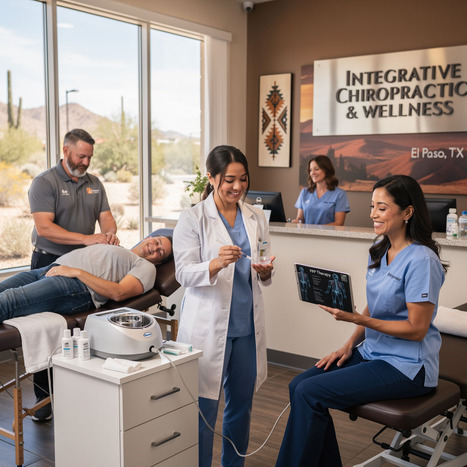
A car crash, work accident, fall, or sports injury can damage muscles, tendons, ligaments, joints, spinal discs, and nerves. Pain medicine may reduce symptoms, but it does not always address damaged tissue or the movement problem that keeps stressing it.
Regenerative therapies support the body’s repair response. Platelet-rich plasma (PRP), platelet-fibrin products (PFP), and micro-fragmented adipose tissue (MFAT) may be used for selected soft-tissue or joint injuries. Epidural spinal injections mainly calm inflammation around irritated spinal nerves. These treatments can support a nonsurgical personal injury treatment plan, but no injection can guarantee complete healing or prevent surgery in every case (Health Coach Clinic, 2026; Jimenez, 2026a). Why Personal Injury Recovery Needs a Layered PlanPersonal injuries often involve three connected problems:
A complete plan identifies the injured structure, severity, and effect on daily function. Imaging, orthopedic testing, neurologic testing, and progress exams may guide a plan that combines injections, chiropractic care, rehabilitation, and medical oversight. PRP: Concentrated Healing Signals From Your Own BloodPRP begins with a small blood draw. The blood is placed in a centrifuge, which separates and concentrates the platelets. The prepared PRP is then injected into a carefully selected injury site, often with ultrasound or other imaging guidance.
Platelets help blood clot and release growth factors involved in tissue repair. PRP places a higher concentration of these signals near injured tissue. It has been studied for muscle, tendon, ligament, and joint problems, but results and preparation methods vary (O’Dowd et al., 2022; Setayesh et al., 2018).
PRP may be considered for:
PRP cannot reconnect a complete tear or replace strengthening and movement retraining. It supports the repair environment while rehabilitation rebuilds function. Clinical outcomes depend on the injury, the patient’s general health, the PRP preparation, injection accuracy, and the rehabilitation plan (Sports Medicine of the Rockies, 2026). PFP: A Fibrin Scaffold for Longer SupportPlatelet-fibrin products, or PFP, describe blood-based preparations containing platelets, fibrin, and healing proteins. They are often related to platelet-rich fibrin, or PRF. Because products vary, patients should ask how the preparation differs from standard PRP.
Fibrin forms a mesh-like scaffold. Platelets and growth factors may remain within this network and release signals over time. A clinician may consider PFP when a thicker product or longer local signal is desired. Research describes platelet-rich fibrin as a biological material containing a fibrin scaffold, platelets, and growth factors that may support tissue repair (Jia et al., 2024; Narayanaswamy et al., 2023).
PFP may be considered for:
PFP is not automatically better than PRP. The choice depends on the injury, tissue quality, treatment goal, and clinician’s technique. Evidence for platelet-fibrin products is still developing, especially for specific personal injury conditions. MFAT: Support From the Patient’s Own Fat TissueMFAT uses a small sample of the patient’s own fat tissue, often collected from the abdomen or another suitable area. The tissue is gently processed into smaller fragments while keeping much of its natural structure. The prepared material is then injected into the injured joint or soft tissue.
Fat tissue contains a natural framework, signaling cells, blood-vessel-related cells, and proteins that may help control inflammation and support repair. MFAT is often considered for larger or more complex problems than those treated with basic PRP. It may also provide cushioning and structural support inside an injured joint (Fu & Wang, 2025; University of Iowa Health Care, n.d.).
MFAT may be considered for:
MFAT is more involved than a blood draw because it requires a small fat-harvesting procedure. Possible concerns include soreness, bruising, bleeding, infection, or discomfort at the collection area. It is not a guaranteed cartilage-regrowth treatment. Research has reported improvements in pain and function among selected patients with knee osteoarthritis, but larger, longer-term studies are still needed (Onorato et al., 2024). Epidural Spinal Injections: Calming an Irritated NerveAn epidural injection places a selected substance near irritated spinal nerves. It is commonly used when a herniated disc or spinal narrowing causes radiculopathy, often called sciatica when it affects the lower back and leg (UCSF Health, n.d.).
A traditional epidural steroid injection delivers a corticosteroid to reduce inflammation around the nerve root. A 2025 American Academy of Neurology review found that epidural steroid injections may provide modest short-term improvement for some people with radiculopathy. However, long-term benefits are less certain (Armon et al., 2025).
Some clinicians also use platelet-based epidural products, such as PRP or platelet lysate. Early trials and a recent meta-analysis suggest that epidural PRP may produce results similar to steroid injections in selected patients with lumbar disc disease. However, regenerative epidural treatment remains an emerging area. Preparation, dosing, patient selection, and long-term standards remain unsettled (Muthu et al., 2025; Wongjarupong et al., 2023).
Epidural spinal injections may help a patient:
An epidural cannot remove a large disc fragment or correct serious spinal instability. New weakness, bowel or bladder changes, or numbness around the inner thighs and saddle area requires urgent medical evaluation. Matching the Therapy to the InjuryThe best personal injury treatment depends on the exact diagnosis, not simply the amount of pain.
The plan must match the injury. A whiplash treatment plan should not simply be copied for a torn rotator cuff or compressed lumbar nerve. Chiropractic Care and Rehabilitation Support RecoveryAn injection targets biology or inflammation. Chiropractic care and rehabilitation address movement, joint function, and mechanical stress.
Dr. Alexander Jimenez, DC, APRN, FNP-BC, CCST, CFMP, IFMCP, ATN, describes a clinical model in which the team evaluates tissue damage, spinal and joint movement, nerve function, posture, strength, nutrition, and the patient’s ability to perform daily tasks.
His published clinical observations emphasize that regenerative therapy should not stand alone. The injured area must be protected from repeated stress, guided through safe movement, and gradually strengthened. The clinic’s published care model combines chiropractic, functional medicine, rehabilitation, nutrition, and medical collaboration (Jimenez, n.d.; Jimenez, 2026b).
The combined treatment plan may include:
Medical Oversight at Injury Medical Clinic PAInjury Medical Clinic PA in El Paso, Texas, uses a multidisciplinary setup. Dr. Jimenez leads chiropractic, neuromusculoskeletal, functional medicine, personal injury, and rehabilitation services.
Dr. Maria Guadalupe Cardenas, MD, a board-certified internal medicine physician with more than 40 years of experience, serves as medical director and collaborative physician. Public provider records identify Dr. Cardenas as NPI 1164426748 and Texas medical license J2933. The clinic’s published materials describe her role as providing medical direction and collaborative oversight (Jimenez, 2026c).
Her internal medicine role may include:
Medical oversight is especially important for patients with diabetes, uncontrolled blood pressure, bleeding disorders, active infections, immune problems, or blood-thinning medications. These factors may change whether an injection is safe or appropriate.
This collaboration brings chiropractic care, medical oversight, functional medicine, personal injury treatment, and rehabilitation into one coordinated system. Can Regenerative Treatment Help a Personal Injury Claim?Treatment should always be selected because it is medically appropriate, not simply to increase the value of a legal case.
However, complete and accurate medical records may become important evidence in a personal injury matter. Medical records can provide a factual history of the diagnosis, treatment, patient response, and expected recovery. They may help attorneys, insurers, experts, judges, or juries understand the medical side of a case (American Bar Association, 2025).
Records may document:
Active, tissue-focused treatment does not automatically prove fault, causation, or damages. Records are most useful when care is medically necessary, consistent, clearly documented, and connected to measurable findings. A Safer Path ForwardPRP, PFP, MFAT, and epidural spinal injections each have a different role.
PRP delivers concentrated platelet signals. PFP adds a fibrin scaffold that may hold and release healing signals over time. MFAT provides a more complex tissue product for selected joint and soft-tissue problems. Epidural injections target inflamed spinal nerves, allowing patients to move, sleep, and participate in rehabilitation more comfortably.
None of these therapies is a cure-all. The strongest plan starts with a clear diagnosis and matches the treatment to the specific injury. It also combines tissue-level support with chiropractic care, medical oversight, and progressive rehabilitation.
Patients should tell the clinic about the specific injuries they are experiencing, such as a herniated disc, whiplash, a torn tendon, a damaged joint, or a compressed nerve. This allows the integrated team to explain which chiropractic, rehabilitative, medical, or regenerative options may be best suited to the individual.
Injury Rehabilitation | El Paso, TX ReferencesAmerican Academy/Association of Orthopedic Medicine. (n.d.). Epidural PRP outperforms ESI for lumbosacral radiculopathy [Video]. YouTube. American Bar Association. (2025, November 5). When a medical record becomes a legal document. Armon, C., et al. (2025). Epidural steroids for cervical and lumbar radicular pain and spinal stenosis: A systematic review summary. Neurology. El Paso Chiropractor Blog. (2026a). Integrative chiropractic and regenerative medicine in El Paso: A modern path for spine, joint, and injury recovery. El Paso Chiropractor Blog. (2026b). Regenerative and integrative care for sciatica: PRP, PFP, MFAT, epidurals, and chiropractic support. Fu, H., & Wang, C. (2025). Micro-fragmented adipose tissue—An innovative therapeutic approach: A narrative review. Medicine. Health Coach Clinic. (2026, June 18). Regenerative medicine options for spinal health. Jia, K., et al. (2024). Platelet-rich fibrin as an autologous biomaterial for bone regeneration: From biological mechanisms to clinical applications. Jimenez, A. (n.d.). El Paso, TX chiropractor Dr. Alex Jimenez DC: Personal injury specialist. Jimenez, A. (2026a, July 16). Regenerative therapies for fitness and recovery insights. Jimenez, A. (2026b, July 16). Regenerative therapies for fitness and recovery. Jimenez, A. (2026c). Dr. Maria Cardenas, MD: Board-certified internal medicine specialist. Muthu, S. M. S., Viswanathan, V. K., & Gangadaran, P. G. P. (2025). Is platelet-rich plasma better than steroids as the epidural drug of choice in lumbar disc disease with radiculopathy? Meta-analysis of randomized controlled trials. Experimental Biology and Medicine, 250. Narayanaswamy, R., et al. (2023). Evolution and clinical advances of platelet-rich fibrin in musculoskeletal regeneration. Bioengineering, 10(1), 58. Onorato, F., et al. (2024). Autologous microfragmented adipose tissue treatment of knee osteoarthritis: Clinical outcomes at four-year follow-up. Sciatica Clinic. (2026). Regenerative and integrative therapies for pain relief. Setayesh, K., Villarreal, A., Gottschalk, A., Tokish, J. M., & Choate, W. S. (2018). Treatment of muscle injuries with platelet-rich plasma: A review of the literature. Current Reviews in Musculoskeletal Medicine, 11(4), 635–642. Sports Medicine of the Rockies. (2026, February 26). Comparing PRP, BMAC, and MFAT: Choosing the right regenerative treatment. University of Iowa Health Care. (n.d.). Microfragmented adipose tissue (MFAT). Wongjarupong, A., et al. (2023). Platelet-rich plasma epidural injection: An emerging strategy in lumbar disc herniation—A randomized controlled trial.
The information herein is not intended to replace a one-on-one relationship with a qualified healthcare professional or licensed physician and is not medical advice. We encourage you to make healthcare decisions based on your research and partnership with a qualified healthcare professional. Our information scope is limited to chiropractic, musculoskeletal, and physical medicine, as well as wellness, sensitive health issues, and functional medicine articles, topics, and discussions. We provide and facilitate clinical collaboration with specialists across disciplines. Each specialist is governed by their professional scope of practice and the jurisdiction in which they are licensed. We utilize functional health and wellness protocols to treat and support care for musculoskeletal injuries or disorders. Our videos, posts, topics, subjects, and insights cover clinical matters and issues that directly or indirectly support our clinical scope of practice. Our office has made a reasonable effort to provide supportive citations and identify relevant research studies for our posts. We provide copies of supporting research studies upon request to regulatory boards and the public.
We are here to help you and your family. Blessings
Dr. Alex Jimenez, DC, MSACP, APRN, FNP-BC*, CCST, IFMCP, CFMP, ATN email: coach@elpasofunctionalmedicine.com Multi-State Advanced Practice Registered Nurse (APRN*) in Texas & Multi-States ANCC FNP-BC: Board Certified Nurse Practitioner* Graduate with Honors: ICHS: MSN-FNP (Family Nurse Practitioner Program)
Dr. Maria Cardenas, MD
Dr. Alex Jimenez DC, APRN, FNP, IFMCP, CFMP's insight:
Explore regenerative therapies for personal injury. Heal faster and ease pain without surgery or strong medications. Find out how we can help restore movement and alleviate pain from new and long-lasting injuries. For answers to any questions you may have, call 915-850-0900 or 915-412-6677
Scoop.it!

Speeding and aggressive driving accidents are some of the most dangerous crashes on the road. These collisions often occur when a driver ignores traffic laws, putting other people at risk. The behavior may include driving too fast, tailgating, changing lanes suddenly, running red lights, or trying to “beat” traffic.
The National Highway Traffic Safety Administration reports that speeding was involved in 29% of all traffic fatalities in 2024, with 11,288 speeding-related deaths nationwide (National Highway Traffic Safety Administration [NHTSA], n.d.). Speeding also makes crashes worse by reducing reaction time, increasing stopping distance, and increasing the force of impact (National Safety Council [NSC], n.d.).
For people in El Paso, Texas, a high-speed or aggressive driving crash can lead to painful injuries that affect daily life, work, sleep, and movement. At Injury Medical Clinic PA, Dr. Alex Jimenez, DC, APRN, FNP-BC, CCST, CFMP, IFMCP, ATN, works in a multidisciplinary setting that combines chiropractic care, personal injury care, functional medicine, rehabilitation, and related services. Dr. Maria Guadalupe Cardenas, MD, board-certified in internal medicine, serves as medical director and collaborative physician, providing medical oversight within this integrative injury care model. Clinic materials list Dr. Cardenas as NPI #1164426749 and Texas MD License #J2933, and Healthgrades notes that she has over 40 years of experience as an internist in El Paso (Dr. Alex Jimenez, n.d.; Healthgrades, n.d.). What Counts as Speeding?Speeding means more than driving above the posted speed limit. It can also mean driving too fast for the conditions. For example, a driver may be “within the limit” but still be unsafe during heavy rain, poor lighting, road construction, or heavy traffic.
NHTSA explains that speed limits are set to protect all road users, not just the person behind the wheel. Speeding can lead to:
NHTSA also notes that traffic congestion, running late, and feeling anonymous inside a vehicle can increase aggressive driving behavior (NHTSA, n.d.). What Is Aggressive Driving?Aggressive driving is not one single mistake. It is usually a pattern of unsafe driving choices. The Governors Highway Safety Association explains that NHTSA defines aggressive driving as a combination of moving traffic offenses that endanger people or property (Governors Highway Safety Association [GHSA], 2026).
Common aggressive driving behaviors include:
The Texas Department of Insurance describes aggressive driving as unsafe behavior done on purpose, with ill intent or disregard for safety. It also lists speeding, tailgating, red-light running, and weaving in and out of traffic as common examples (Texas Department of Insurance [TDI], 2020). Aggressive Driving vs. Road RageAggressive driving and road rage are related, but they are not the same thing.
Aggressive driving usually involves dangerous traffic violations. Road rage is more serious because it may involve intentional violence. TDI explains that extreme aggressive driving can escalate into road rage, which may include throwing objects, ramming another vehicle, forcing another driver off the road, or physically assaulting someone (TDI, 2020).
A simple way to understand the difference is this:
This is why drivers should avoid engaging with angry motorists. Safety experts recommend creating space, not challenging the other driver, and contacting law enforcement if someone is following or harassing you (NHTSA, n.d.; Zero Deaths Maryland, n.d.). Why Speeding and Aggressive Driving Crashes HappenMany aggressive driving accidents begin with pressure. A driver may feel late, stressed, angry, or trapped in traffic. Traffic congestion is one of the most common triggers. A driver may try to make up time by speeding, cutting between cars, or tailgating slower vehicles.
These choices are dangerous because the driver is trading a few seconds for a much higher risk of harm. Zero Deaths Maryland reports that the chance of death or serious injury grows with higher speeds and doubles for every 10 mph over 50 mph (Zero Deaths Maryland, n.d.).
At higher speeds, the body absorbs more force. Even if the vehicle has airbags and seat belts, the spine, muscles, ligaments, discs, joints, and nerves can still be injured. The National Safety Council explains that speeding reduces reaction time, increases stopping distance, and diminishes the effectiveness of roadway safety structures, such as guardrails and concrete barriers, in protecting people in a crash (NSC, n.d.). Common Injuries After High-Speed AccidentsHigh-impact crashes can injure the body from head to toe. Some injuries are felt right away. Others may appear hours or days later as swelling and inflammation increase.
Common injuries after speeding and aggressive driving accidents include:
Dr. Jimenez’s clinical observations, shared on his website and LinkedIn, often focus on how motor vehicle accidents can affect the cervical spine, upper extremities, lower back, and soft tissues. His materials also emphasize integrative care options such as chiropractic care, functional medicine, regenerative medicine, MLS laser therapy, shockwave therapy, and rehabilitation for accident recovery (Dr. Alex Jimenez, n.d.; Jimenez, n.d.). Why Early Evaluation MattersAfter a crash, many people say, “I feel okay,” and wait to seek care. That can be a mistake. Pain may be delayed because adrenaline can mask symptoms. Inflammation can build slowly. Disc irritation, ligament sprains, and nerve compression may not fully show up until the body begins reacting to the trauma.
An early exam can help identify:
In personal injury care, documentation also matters. Clear records can help connect symptoms to the crash, track progress, and support communication with attorneys, insurance teams, and other healthcare providers when appropriate. An Integrative Clinic Approach in El PasoIn an integrative injury care clinic, the goal is not to use one therapy for every patient. The goal is to build a plan around the injury. At Injury Medical Clinic PA in El Paso, Dr. Jimenez provides chiropractic and functional medicine-based care, while Dr. Cardenas provides medical direction as a board-certified internal medicine physician and collaborative physician. This type of setup is common in multidisciplinary injury care, where medical oversight works alongside chiropractic, rehabilitation, personal injury care, and wellness services.
This team-based model may include:
The purpose is to help the injured person move better, reduce pain, calm inflammation, and support tissue healing. Chiropractic Care for Crash InjuriesChiropractic care focuses on joint motion, spinal alignment, nerve function, and movement patterns. After a crash, the spine may become stiff, irritated, or misaligned due to sudden force. This can increase muscle guarding and nerve stress.
Chiropractic adjustments may help:
For whiplash, back pain, and accident-related joint pain, chiropractic care is often paired with soft tissue care, corrective exercises, and home movement guidance. Spinal DecompressionSpinal decompression is used for certain disc and nerve-related problems. It creates controlled traction in the spine. This may help reduce pressure on compressed discs and irritated nerves in the neck or lower back.
For patients with herniated discs, bulging discs, sciatica, or radiating pain, decompression may be part of a broader plan. It is not for every patient, so proper evaluation is important. MLS Laser TherapyMLS laser therapy uses light-based photobiomodulation. In simple terms, targeted light energy is applied to injured tissue to support cellular activity, calm inflammation, and reduce pain. Research on photobiomodulation suggests it may help reduce pain in several musculoskeletal conditions, including neck pain and low back pain (de Oliveira et al., 2022).
After a crash, MLS laser therapy may be used to help relieve irritation in muscles, ligaments, tendons, and joints without surgery. Shockwave TherapyShockwave therapy uses acoustic waves to stimulate injured soft tissue. It is commonly used in outpatient musculoskeletal care. A best-practices review describes extracorporeal shockwave therapy as a treatment used for several musculoskeletal conditions when applied with proper patient selection and technique (Tenforde et al., 2022).
After a high-impact crash, shockwave therapy may help areas with scar tissue, chronic tendon irritation, tight muscle bands, and poor circulation. It is often combined with movement therapy and rehabilitation. Regenerative Therapies: PRP, PFP, and MFATRegenerative therapies are designed to support the body’s natural repair process. They are not magic cures, and they are not a replacement for good rehab. They work best when used as part of a complete plan.
Common options include:
A review on PRP notes that it is used to support bone and soft tissue healing by injecting concentrated autologous platelets into damaged tissue areas (O’Dowd et al., 2022). Epidural Spinal InjectionsSome crash injuries irritate spinal nerves. This may cause severe neck-to-arm pain, back-to-leg pain, sciatica, numbness, tingling, or weakness. When conservative care needs extra support, epidural spinal injections may be considered under medical guidance.
Epidural steroid injections are used to place anti-inflammatory medication near irritated spinal nerves. StatPearls notes that these injections are used to reduce inflammation and pain and may help limit medication use or delay surgery in selected patients (Patel et al., 2024).
These injections should be used carefully, based on diagnosis, symptoms, risk factors, and medical oversight. IV Infusion TherapyAfter a crash, the body may be under stress. Pain, poor sleep, inflammation, and reduced activity can leave a person feeling drained. IV infusion therapy delivers fluids, vitamins, and minerals directly into the bloodstream.
In an integrative plan, IV therapy may support hydration, nutrient status, and recovery energy. It should not replace food, rest, rehabilitation, or medical care, but it may support the body’s internal healing environment when clinically appropriate. A Clear Recovery PathA patient recovering from a speeding or aggressive driving crash may move through care in steps:
Final ThoughtsSpeeding and aggressive driving accidents are not “minor” when the body absorbs the impact. Even a short crash can create long-lasting neck pain, back pain, headaches, nerve irritation, disc injuries, and soft tissue damage.
In El Paso, an integrative injury care model can help patients move from pain and confusion toward a clear recovery plan. With Dr. Alex Jimenez, DC, APRN, FNP-BC, providing chiropractic, functional medicine, personal injury, and rehabilitation-focused care, and Dr. Maria Guadalupe Cardenas, MD, serving as medical director and collaborative physician, Injury Medical Clinic PA reflects a multidisciplinary approach to accident recovery.
The goal is simple: evaluate the injury, calm inflammation, restore movement, support tissue healing, and help the patient return to life with better function and confidence.
The road to recovery: "Chiropractic Care" | El Paso, TX Referencesde Oliveira, M. F., Johnson, D. S., Demchak, T., Tomazoni, S. S., & Leal-Junior, E. C. P. (2022). Low-intensity LASER and LED (photobiomodulation therapy) for pain control of the most common musculoskeletal conditions. European Journal of Physical and Rehabilitation Medicine, 58(2), 282–289. Dr. Alex Jimenez. (n.d.). Dr. Maria Cardenas, MD (Board Certified Internal Medicine Specialist). Dr. Alex Jimenez. (n.d.). Dr. Alex Jimenez: chiropractor and injury recovery. Governors Highway Safety Association. (2026). Speeding & aggressive driving. Healthgrades. (n.d.). Dr. Maria Cardenas, MD - Internist in El Paso, TX. Jimenez, A. (n.d.). Dr. Alexander Jimenez, DC, APRN, FNP-BC, IFMCP, CFMP, ATN. National Highway Traffic Safety Administration. (n.d.). Speeding and aggressive driving prevention. National Safety Council. (n.d.). Speeding. O’Dowd, A., Bowles, R., McKenna, L., & Walters, J. (2022). Update on the use of platelet-rich plasma injections in the management of musculoskeletal injuries. Journal of Clinical Orthopaedics and Trauma, 30, 101917. Patel, K., Upadhyayula, S., & Patel, R. (2024). Epidural steroid injections. StatPearls. StatPearls Publishing. Tenforde, A. S., Borgstrom, H., Polich, G., Steere, H., Davis, I. S., Cotton, K., O’Donnell, M., & Silver, J. K. (2022). Best practices for extracorporeal shockwave therapy in musculoskeletal medicine. Current Physical Medicine and Rehabilitation Reports, 10, 54–65. Texas Department of Insurance. (2020). Aggressive driving fact sheet. Zero Deaths Maryland. (n.d.). Speed and aggressive driving.
The information herein is not intended to replace a one-on-one relationship with a qualified healthcare professional or licensed physician and is not medical advice. We encourage you to make healthcare decisions based on your research and partnership with a qualified healthcare professional. Our information scope is limited to chiropractic, musculoskeletal, and physical medicine, as well as wellness, sensitive health issues, and functional medicine articles, topics, and discussions. We provide and facilitate clinical collaboration with specialists across disciplines. Each specialist is governed by their professional scope of practice and the jurisdiction in which they are licensed. We utilize functional health and wellness protocols to treat and support care for musculoskeletal injuries or disorders. Our videos, posts, topics, subjects, and insights cover clinical matters and issues that directly or indirectly support our clinical scope of practice. Our office has made a reasonable effort to provide supportive citations and identify relevant research studies for our posts. We provide copies of supporting research studies upon request to regulatory boards and the public.
We are here to help you and your family. Blessings
Dr. Alex Jimenez, DC, MSACP, APRN, FNP-BC*, CCST, IFMCP, CFMP, ATN email: coach@elpasofunctionalmedicine.com Multi-State Advanced Practice Registered Nurse (APRN*) in Texas & Multi-States ANCC FNP-BC: Board Certified Nurse Practitioner* Graduate with Honors: ICHS: MSN-FNP (Family Nurse Practitioner Program)
Dr. Maria Cardenas, MD
Dr. Alex Jimenez DC, APRN, FNP, IFMCP, CFMP's insight:
Learn how speeding and aggressive driving accidents lead to painful injuries and discover recovery options at integrative clinics. For answers to any questions you may have, call 915-850-0900 or 915-412-6677
Scoop.it!
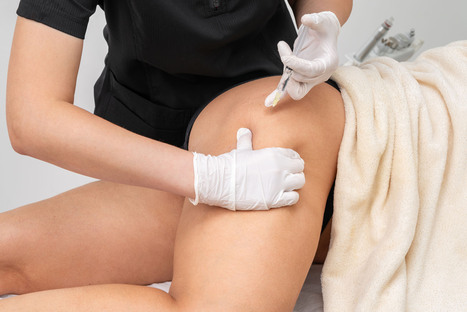
Motor vehicle accidents can exert significant force on the hip joint. Even a short crash can create a powerful chain reaction. The knee may hit the dashboard. The foot may brace hard against the floorboard. The seatbelt may lock across the pelvis. The body may twist suddenly while the hip is still planted.
Because the hip is one of the body’s strongest and most stable joints, it usually takes high-energy trauma to seriously injure it. That is why hip pain after a car accident should never be ignored. Some injuries are simple strains, but others may involve a hip dislocation, acetabular fracture, femoral head fracture, labral tear, bursitis, or deep soft tissue damage (American Academy of Orthopaedic Surgeons [AAOS], n.d.-a; Masiewicz & Johnson, 2023).
At Injury Medical Clinic PA in El Paso, Texas, Dr. Alexander Jimenez, DC, APRN, FNP-BC, CCST, CFMP, IFMCP, ATN, works with Dr. Maria Guadalupe Cardenas, MD, a board-certified internal medicine physician, medical director, and collaborative physician. Dr. Cardenas has over 40 years of experience as an internist and is listed with NPI #1164426749 and Texas MD License #J2933. This multidisciplinary structure allows the clinic to combine chiropractic care, medical oversight, functional medicine, personal injury care, rehabilitation, and related services. Why Hip Injuries Happen in Car AccidentsThe hip is a ball-and-socket joint. The “ball” is the femoral head at the top of the thighbone. The “socket” is the acetabulum, which is part of the pelvis. In a healthy hip, the ball fits tightly into the socket and moves smoothly with the help of cartilage, ligaments, muscles, tendons, and the labrum (AAOS, n.d.-b).
During a crash, force can travel through the leg into the hip. A common example is the “dashboard injury.” This happens when the knee hits the dashboard, driving the thighbone backward. That force can push the femoral head out of the socket, causing a posterior hip dislocation. In some cases, the same impact can also break the back wall of the acetabulum, creating a fracture-dislocation (AAOS, n.d.-a; Ammori et al., 2018).
Hip injuries can also happen when:
The exact injury often depends on the person’s body position during the crash, the direction of the impact, the speed of the collision, and whether the hip was bent, rotated, or braced at the moment of impact. Common Hip Injuries After an MVAHip DislocationA hip dislocation happens when the ball of the thighbone is forced out of the socket. This is a medical emergency. It is usually very painful and often makes it impossible to move the leg normally. Motor vehicle collisions are one of the most common causes of traumatic hip dislocations. The dashboard mechanism is a classic cause because the knee impact drives the thighbone backward into the hip joint (AAOS, n.d.-a). A dislocation can also injure nearby nerves, blood vessels, cartilage, and bone.
Signs may include:
A hip dislocation needs immediate emergency evaluation. The joint may need to be reduced, meaning the ball must be guided back into the socket. Imaging is also important because fractures may occur with the dislocation (Masiewicz & Johnson, 2023). Acetabular FractureAn acetabular fracture is a break in the socket part of the hip joint. These fractures are often caused by high-energy trauma, including motor vehicle accidents. They may occur when the femoral head is driven into the socket with enough force to crack or shatter the bone (AAOS, n.d.-b).
These injuries can be serious because the socket must stay smooth and stable for the hip to move well. If the joint surface becomes uneven, the risk of long-term pain, stiffness, arthritis, and reduced mobility can increase.
Symptoms may include:
Some acetabular fractures may be treated without surgery if the bones are stable and not badly displaced. More severe fractures may require surgery to restore the joint’s shape and stability (AAOS, n.d.-b). Femoral Head FractureA femoral head fracture affects the “ball” at the top of the thighbone. This injury may occur when the ball is forced against the socket during a crash. It can happen at the same time as a hip dislocation.
This is a major injury because the femoral head carries body weight and must stay round and smooth for normal walking. Damage to this area can affect joint movement, cartilage health, and long-term hip function.
A person with a femoral head fracture may feel severe pain, deep groin pain, reduced motion, and an inability to bear weight. These injuries need medical imaging and orthopedic evaluation. Hip Labral TearThe labrum is a ring of strong cartilage that lines the hip socket. It helps deepen the socket, improve stability, and protect the joint. A labral tear can happen when the hip is twisted, compressed, dislocated, or forced into an abnormal position during a crash.
Mayo Clinic notes that trauma, including injury or dislocation from a car accident, can cause a hip labral tear (Mayo Clinic, 2024). This type of injury may not always be obvious on the first day. Some people feel pain right away, while others notice clicking, catching, stiffness, or deep groin pain later.
Common signs include:
Labral tears may be treated with activity changes, rehabilitation, injections, and in some cases, surgery. Muscle Strains, Sprains, and Soft Tissue DamageNot every hip injury after a car accident is a fracture or dislocation. Many people develop soft tissue injuries. These may involve muscles, tendons, ligaments, bursae, and fascia.
Common soft tissue injuries include:
These injuries may sound “minor,” but they can still cause major pain and loss of movement. If they are not treated well, they may change walking patterns and place extra stress on the lower back, knees, and opposite hip. Why Delayed Hip Pain MattersAfter a crash, adrenaline can hide pain. A person may feel “shaken up” but not seriously hurt. Hours or days later, the hip may become stiff, sore, swollen, or unstable.
Delayed hip pain should be evaluated when it includes:
In Dr. Alexander Jimenez’s clinical observations, hip pain after a crash is often connected to more than one region. The hip, pelvis, lumbar spine, sacroiliac joints, knees, and soft tissues may all be part of the injury pattern. This is why a complete structural and functional exam matters. How an Integrative Clinic Looks at MVA Hip InjuriesAn integrative injury clinic does not look only at the painful spot. It looks at the full movement chain. The goal is to find the injury, reduce pain, restore motion, improve stability, and help the person return to daily life safely.
At Injury Medical Clinic PA, the care model combines:
This team-based model is especially helpful after motor vehicle accidents because crash injuries may involve joints, muscles, nerves, inflammation, and whole-body stress. Chiropractic Care for Hip and Pelvic MechanicsChiropractic care may help restore better motion in the spine, pelvis, and surrounding joints after trauma. When the hip is painful, the body often compensates. A person may limp, twist the pelvis, tighten the lower back, or shift weight to the other side. Over time, this can create more pain.
Chiropractic care may focus on:
The goal is not to force the hip through pain. The goal is to improve safe movement, reduce stress on irritated tissues, and support better function. Rehabilitation: Rebuilding Strength and MobilityRehabilitation is a key part of hip injury recovery. Once serious injuries are ruled out and the patient is medically stable, a guided rehab plan can help restore movement and strength.
Rehab may include:
This step matters because the hip is a weight-bearing joint. If the muscles around it stay weak, the joint may continue to feel unstable or painful. Regenerative Therapies: PRP, PFP, and MFATSome patients may be candidates for regenerative therapies such as platelet-rich plasma (PRP), platelet-rich fibrin or plasma/fibrin products (PFP), and microfragmented adipose tissue (MFAT). These treatments are not used as emergency care for fractures or dislocations. They also do not replace needed surgery. Instead, they may be considered for selected soft-tissue injuries, joint irritation, tendon injuries, labral-related pain, or degenerative changes when appropriate.
PRP uses a patient’s own blood, processed to concentrate platelets. Platelets contain growth factors that may help regulate inflammation and support tissue repair. Research on PRP for hip conditions is still developing, but studies suggest it may help reduce pain and improve function in some cases of hip osteoarthritis and soft-tissue hip conditions (Kraeutler et al., 2016; Lim et al., 2023).
PFP and fibrin-based platelet products are also used in certain regenerative settings because fibrin can serve as a natural scaffold. This may help hold healing signals in the treatment area longer.
MFAT uses processed fat tissue that contains cells and signaling factors that may support tissue repair and reduce inflammation. Research on MFAT for hip osteoarthritis and related joint conditions is promising but remains evolving and should be discussed carefully with a qualified medical provider (Natali et al., 2022). Medical Oversight MattersBecause hip trauma can be serious, medical oversight is important. Dr. Maria Guadalupe Cardenas, MD, brings internal medicine training and long-term clinical experience to the multidisciplinary model at Injury Medical Clinic PA. As medical director and collaborative physician, she supports the clinic’s medical structure, safety standards, and coordinated care.
This is especially important when patients have:
Dr. Jimenez’s background in chiropractic, nursing, functional medicine, and injury care pairs with Dr. Cardenas’s medical direction to create a broader care lens for MVA patients. When to Seek Immediate CareSome hip symptoms after a crash require urgent medical attention.
Seek emergency care for:
Fast evaluation can help protect the joint and reduce the risk of long-term problems. A Clear Path Back to MovementHip injuries after motor vehicle accidents can be simple, complex, or life-changing. The key is not to guess. A painful hip after a crash deserves a complete exam, proper imaging when needed, and a care plan that matches the injury.
For many people, recovery may include chiropractic care, medical oversight, rehabilitation, functional medicine, and carefully selected regenerative options. At Injury Medical Clinic PA in El Paso, Texas, Dr. Alex Jimenez and Dr. Maria Cardenas work within a multidisciplinary model designed to support safer recovery, better documentation, and long-term function.
The hip carries the body forward. After a crash, the right care plan can help restore strength, stability, and confidence one step at a time.
El Paso, TX Chiropractor: Auto Accident Injuries ReferencesAmerican Academy of Orthopaedic Surgeons. (n.d.-a). Hip dislocation. OrthoInfo. American Academy of Orthopaedic Surgeons. (n.d.-b). Acetabular fractures. OrthoInfo. Ammori, M. B., et al. (2018). The biomechanics of lower limb injuries in frontal-impact road traffic collisions. Journal of Orthopaedics and Traumatology. Jimenez, A. (n.d.). Dr. Alex Jimenez, DC, APRN, FNP-BC. Jimenez, A. (n.d.). Dr. Alexander Jimenez DC, APRN, FNP-BC, IFMCP, CFMP, ATN. LinkedIn. Kraeutler, M. J., Chahla, J., & LaPrade, R. F. (2016). The use of platelet-rich plasma to augment conservative and surgical treatment of hip and pelvic disorders. Orthopedic Reviews. Lim, A., et al. (2023). The use of intra-articular platelet-rich plasma as a therapeutic intervention for hip osteoarthritis. Orthopaedic Journal of Sports Medicine. Masiewicz, S., & Johnson, D. (2023). Posterior hip dislocation. StatPearls. StatPearls Publishing. Mayo Clinic. (2024). Hip labral tear: Symptoms and causes. Natali, S., et al. (2022). Is intra-articular injection of autologous micro-fragmented adipose tissue effective in hip osteoarthritis?. Journal of Clinical Medicine.
The information herein is not intended to replace a one-on-one relationship with a qualified healthcare professional or licensed physician and is not medical advice. We encourage you to make healthcare decisions based on your research and partnership with a qualified healthcare professional. Our information scope is limited to chiropractic, musculoskeletal, and physical medicine, as well as wellness, sensitive health issues, and functional medicine articles, topics, and discussions. We provide and facilitate clinical collaboration with specialists across disciplines. Each specialist is governed by their professional scope of practice and the jurisdiction in which they are licensed. We utilize functional health and wellness protocols to treat and support care for musculoskeletal injuries or disorders. Our videos, posts, topics, subjects, and insights cover clinical matters and issues that directly or indirectly support our clinical scope of practice. Our office has made a reasonable effort to provide supportive citations and identify relevant research studies for our posts. We provide copies of supporting research studies upon request to regulatory boards and the public.
We are here to help you and your family. Blessings
Dr. Alex Jimenez, DC, MSACP, APRN, FNP-BC*, CCST, IFMCP, CFMP, ATN email: coach@elpasofunctionalmedicine.com Multi-State Advanced Practice Registered Nurse (APRN*) in Texas & Multi-States ANCC FNP-BC: Board Certified Nurse Practitioner* Graduate with Honors: ICHS: MSN-FNP (Family Nurse Practitioner Program)
Dr. Maria Cardenas, MD
Dr. Alex Jimenez DC, APRN, FNP, IFMCP, CFMP's insight:
Discover the impact of car accidents on hip joints, common injuries, and the role of regenerative therapies in recovery. For answers to any questions you may have, call 915-850-0900 or 915-412-6677
Scoop.it!

A New Way to Look at Complex PainAuto accidents, sports injuries, and long-term joint problems can create pain that does not always improve with rest, medication, or basic physical therapy alone. Some injuries affect more than one part of the body at the same time. A car crash may irritate spinal nerves, strain ligaments, tighten muscles, inflame joints, and change how a person walks or moves. A serious sports injury may damage cartilage, tendons, ligaments, and nearby soft tissue. This is why many patients look for integrative chiropractic and regenerative medicine. This type of care does not focus on only one symptom. It looks at the whole injury pattern.
The goal is to help the body:
Regenerative care options such as platelet-rich plasma (PRP), platelet-fibrin products (PFP), microfragmented adipose tissue (MFAT), and carefully selected epidural injections may be used with chiropractic care, rehabilitation, and functional medicine support. Together, these therapies can create a stronger recovery plan for complex musculoskeletal and spinal injuries. Why Traditional Care Can Sometimes PlateauMany people begin with conservative care after an injury. This may include rest, ice, heat, stretching, physical therapy, medication, or basic home exercises. These steps can help many patients. However, some people reach a plateau. A plateau means the patient improves for a while, then progress slows down or stops. This can happen when deeper tissue damage is still present.
Common reasons include:
This is where integrative care may help. Chiropractic care can improve movement and alignment, while regenerative therapies may support the body’s natural repair process. PRP uses a patient’s own blood platelets, which contain growth factors involved in healing and tissue repair (Johns Hopkins Medicine, n.d.; Hospital for Special Surgery, 2024). What PRP Does for Injured TissuePlatelet-rich plasma, or PRP, is made from the patient’s own blood. A small blood sample is taken and centrifuged. This separates the blood into layers. The platelet-rich layer is collected and injected into the injured area.
Platelets are best known for helping blood clot, but they also contain growth factors that help signal repair. PRP may help support healing in tendons, ligaments, muscles, joints, and other injured tissues (Johns Hopkins Medicine, n.d.).
PRP may be considered for:
Because PRP comes from the patient’s own body, the risk of rejection is low. However, it is still an injection, so infection, soreness, swelling, bruising, or limited response can still occur. Patients should always be evaluated by qualified providers to see if PRP is appropriate for their condition (Hospital for Special Surgery, 2024). PFP and Platelet-Fibrin SupportPFP is often used to describe platelet-fibrin products or platelet-fibrin plasma, depending on the clinic’s terminology and preparation system. These products are related to PRP because they also come from the patient’s own blood.
The key difference is the fibrin matrix. Fibrin can act like a natural scaffold. This may help hold healing signals in the treated area longer. In simple terms, PRP is often thought of as a concentrated platelet treatment, while platelet-fibrin products may provide a slower-release healing environment.
These platelet-based therapies are not magic cures. They work best when the diagnosis is clear, the injection is placed accurately, and the patient follows a structured rehab plan. This is why ultrasound-guided care, functional assessment, and careful follow-up are important. MFAT: Using the Body’s Own Fat-Derived Healing SupportMicrofragmented adipose tissue, or MFAT, uses a small amount of the patient’s own fat tissue. The tissue is processed into a microfragmented form and then injected into the injured or painful area. UT Southwestern describes Lipogems-type fat-derived therapy as a method that uses a person’s own fat to introduce mesenchymal signaling cells into injured or diseased tissue, with the goal of supporting healing (UT Southwestern Medical Center, n.d.).
MFAT may be considered for patients with more advanced joint or soft tissue problems, especially when tissue cushioning, joint support, and cellular signaling are important.
MFAT may be used in some cases involving:
Clinical research continues to investigate MFAT across various conditions. Some trials are comparing MFAT with PRP for joint-related pain and function, including temporomandibular joint problems (Veeva Clinical Trials, 2025). This research is important because it helps providers understand which patients may benefit most. Epidural Injections for Nerve InflammationNot all injury pain comes from joints or tendons. Some pain comes from irritated spinal nerves. This is common with sciatica, herniated discs, spinal stenosis, and radiculopathy. Radiculopathy means a spinal nerve root is irritated or compressed.
Epidural steroid injections place anti-inflammatory medicine near the spinal nerves. Cleveland Clinic explains that epidural steroid injections are used to treat pain caused by irritation and inflammation of spinal nerve roots (Cleveland Clinic, 2021).
These injections do not rebuild a disc or “fix” every spine problem. Their main goal is to reduce nerve inflammation so the patient can move better, sleep better, and participate in rehab with less pain.
For some patients, regenerative injection approaches are also being studied in epidural spaces. Educational videos on regenerative spine procedures and epidural PRP discuss this developing area, but patient selection and provider experience are critical (Tekmyster, n.d.; Itskevich, n.d.). Why Chiropractic Care Still MattersRegenerative injections may support healing, but the body still needs proper movement. If the spine, pelvis, hip, knee, or shoulder is moving poorly, injured tissues may remain overloaded.
Chiropractic care can help improve joint motion, reduce mechanical stress, and support better posture and movement patterns. The National Center for Complementary and Integrative Health notes that spinal manipulation may help some people with acute or chronic low back pain, especially when used as part of a broader care plan (National Center for Complementary and Integrative Health, n.d.).
In integrative injury care, chiropractic treatment may include:
The goal is not just to “crack” a joint. The goal is to restore better motion, reduce stress on injured tissues, and help the patient return to normal function. Why Combining Therapies Can Help PatientsA complex injury often needs a layered plan. One treatment may calm pain. Another may improve motion. Another may support tissue healing. Another may restore strength. When these steps are coordinated, the patient may have a better chance of long-term improvement.
Patients may benefit from combined care because it can:
This matters in personal injury care. After a car crash, patients often need accurate exams, imaging review, clear records, and treatment plans that connect the injury to the patient’s symptoms. Integrative clinics can support both healing and documentation by using objective findings, progress tracking, and coordinated care (Personal Injury Doctor Group, 2026). A Multidisciplinary Model in El PasoIn El Paso, Injury Medical Clinic PA uses a multidisciplinary model common in integrative and injury care clinics. In this setup, Dr. Alex Jimenez, DC, provides chiropractic, functional medicine, rehabilitation, personal injury care, and clinical injury-focused services. Dr. Jimenez is also listed as an APRN, FNP-BC, CCST, CFMP, IFMCP, and ATN on his professional and clinical platforms (Jimenez, n.d.-a; Jimenez, n.d.-b).
Dr. Maria Guadalupe Cardenas, MD, board-certified in internal medicine, is listed by the clinic as medical director and collaborative physician. The clinic lists her NPI as #1164426749 and Texas MD license as #J2933. The practice describes her role as medical oversight alongside Dr. Jimenez’s chiropractic and nurse practitioner-led clinical model (Jimenez, n.d.-a).
This type of team-based structure can benefit patients because different providers bring different strengths.
Dr. Cardenas brings:
Dr. Jimenez brings:
Together, this model helps patients receive care that is more complete than a single-treatment approach. Functional Medicine Adds Another LayerFunctional medicine asks an important question: “Why is this person not healing well?”
After an injury, recovery may be affected by more than the damaged joint or spine. The body also needs good nutrition, adequate sleep, balanced blood sugar and hormone levels, and controlled inflammation.
A functional medicine plan may look at:
This does not replace orthopedic or chiropractic care. It supports it. A patient with poor sleep, high inflammation, low protein intake, or uncontrolled blood sugar may not recover as well as someone whose body has the tools it needs to repair. What Patients Can Expect From a Well-Established Integrative ClinicA strong integrative and functional medicine clinic should not rush into injections. The first step is a careful evaluation.
A patient may receive:
The best plans are personalized. A patient with acute sciatica may need a different plan than a patient with knee arthritis or shoulder tendon injury. A patient recovering from a car crash may need different documentation and follow-up than an athlete returning to sport. Recovery Is a Journey, Not a Single ProcedureRegenerative medicine works best when patients understand the process. PRP, PFP, and MFAT are designed to support repair, but tissue healing takes time. Results may develop over weeks to months. Rehab is often needed to help the repaired tissue become stronger and more useful.
Patients may be asked to:
This is why a team approach is valuable. The injection may start the healing signal, but chiropractic care, rehabilitation, and functional medicine help guide the body through the full recovery process. Final ThoughtsIntegrative chiropractic and regenerative medicine offer a modern option for patients dealing with complex spinal, joint, and soft-tissue injuries. These therapies can be especially helpful when basic care has plateaued or when the injury involves several layers of the body.
PRP, PFP, MFAT, and epidural injections each have a different role. PRP and platelet-fibrin products may support tissue repair. MFAT may provide fat-derived cellular signaling support for more complex joint and soft tissue problems. Epidural injections may calm inflamed spinal nerves. Chiropractic care helps improve motion, alignment, and mechanical function. Rehabilitation strengthens the body. Functional medicine supports healing from the inside.
At Injury Medical Clinic PA in El Paso, the multidisciplinary model described by Dr. Alex Jimenez, DC, APRN, FNP-BC, and Dr. Maria Guadalupe Cardenas, MD, reflects the direction of modern injury care: coordinated, layered, medically guided, and focused on long-term function.
For patients recovering from auto accidents, severe sports trauma, sciatica, chronic back pain, or joint injury, this type of care may offer a clearer path forward. The goal is not only to reduce pain. The goal is to help the body move, heal, and function better for the long run.
The Power of Chiropractic Care in Injury Rehabilitation | El Paso, TX ReferencesAmerican Academy/Association of Orthopedic Medicine. (n.d.). Epidural PRP outperforms ESI for lumbosacral radiculopathy [Video]. YouTube. Cleveland Clinic. (2021). Epidural steroid injection (ESI): What it is, benefits, risks & results. FoRM Health. (2025). Portland regenerative medicine: PRP, MFAT & prolotherapy. Hospital for Special Surgery. (2024). Platelet-rich plasma (PRP) injections. Institute of Regenerative Orthopedics & Sports Medicine. (n.d.). Orthobiologics. Jimenez, A. (n.d.-a). El Paso, TX chiropractor Dr. Alex Jimenez DC | Personal injury specialist. Jimenez, A. (n.d.-b). Dr. Alex Jimenez LinkedIn profile. Jimenez, A. (2026). Regenerative medicine and integrative chiropractic approaches. Johns Hopkins Medicine. (n.d.). Platelet-rich plasma (PRP) injections. Leicester Spine and Wellness. (n.d.). PRP injections. National Center for Complementary and Integrative Health. (n.d.). Spinal manipulation: What you need to know. Personal Injury Doctor Group. (2026). How integrative chiropractic clinics help personal injury attorneys. Reagan Integrated Sports Medicine. (2022). What is in platelet-rich plasma injections?. Tekmyster, G. (n.d.). Regenerative spine principles and procedures [Video]. YouTube. University of Miami Health System. (n.d.). Regenerative medicine treatments with PRP and stem cells. UT Southwestern Medical Center. (n.d.). Regenerative medicine. Veeva Clinical Trials. (2025). Therapeutic effect of microfragmented adipose tissue Lipogems injection on maximum interincisal opening versus injectable platelet-rich plasma.
The information herein is not intended to replace a one-on-one relationship with a qualified healthcare professional or licensed physician and is not medical advice. We encourage you to make healthcare decisions based on your research and partnership with a qualified healthcare professional. Our information scope is limited to chiropractic, musculoskeletal, and physical medicine, as well as wellness, sensitive health issues, and functional medicine articles, topics, and discussions. We provide and facilitate clinical collaboration with specialists across disciplines. Each specialist is governed by their professional scope of practice and the jurisdiction in which they are licensed. We utilize functional health and wellness protocols to treat and support care for musculoskeletal injuries or disorders. Our videos, posts, topics, subjects, and insights cover clinical matters and issues that directly or indirectly support our clinical scope of practice. Our office has made a reasonable effort to provide supportive citations and identify relevant research studies for our posts. We provide copies of supporting research studies upon request to regulatory boards and the public.
We are here to help you and your family. Blessings
Dr. Alex Jimenez, DC, MSACP, APRN, FNP-BC*, CCST, IFMCP, CFMP, ATN email: coach@elpasofunctionalmedicine.com Multi-State Advanced Practice Registered Nurse (APRN*) in Texas & Multi-States ANCC FNP-BC: Board Certified Nurse Practitioner* Graduate with Honors: ICHS: MSN-FNP (Family Nurse Practitioner Program)
Dr. Maria Cardenas, MD
Dr. Alex Jimenez DC, APRN, FNP, IFMCP, CFMP's insight:
Transform your recovery with integrative chiropractic and regenerative therapies to improve movement and reduce inflammation. Learn how these therapies can help repair injuries where conventional methods fall short. For answers to any questions you may have, call 915-850-0900 or 915-412-6677
Scoop.it!

The "100 Deadliest Days" is the summer period between Memorial Day and Labor Day. For families in El Paso, Texas, this time matters because more teen drivers are on the road, more families are traveling, and more people are driving late at night. Across the nation, fatal crashes involving teen drivers rise during this window. AAA reports that from 2019 to 2023, more than 30% of deaths in crashes involving teen drivers happened during these summer days (AAA Newsroom, 2025).
This does not mean every teen driver is unsafe. It means summer creates more risk. School is out. Routines change. Teens may drive to work, sports, social events, gyms, summer programs, or family trips. In El Paso, they may also drive long distances on I-10, Loop 375, Montana Avenue, Mesa Street, or roads leading toward Las Cruces, Ruidoso, White Sands, or other regional destinations.
The good news is that many summer crashes can be prevented with planning, clear rules, and early medical care after an accident. Why the 100 Deadliest Days Matter in El PasoTeen drivers are still building real-world driving judgment. They may know traffic laws, but they may not yet have enough experience with sudden stops, aggressive drivers, construction zones, tire blowouts, dust, rain, glare, or late-night traffic.
The Centers for Disease Control and Prevention explains that crash risk is higher for drivers ages 16 to 19 than for any other age group. The CDC also notes that risk increases with nighttime driving, teen passengers, speeding, alcohol use, distractions, and not wearing a seat belt (Centers for Disease Control and Prevention [CDC], 2025).
In El Paso, summer adds more challenges:
Local El Paso reporting has also connected summer drinking, heat, dehydration, and alcohol-related crashes as important safety concerns during this season (KVIA, 2024). The Main Risk Factors for Teen DriversTeen crashes often happen because several small risks combine. A young driver may be tired, have friends in the car, feel pressure to speed, and glance at a phone. Each factor increases danger. Common summer risks include:
The National Road Safety Foundation encourages families to turn the "100 Deadliest Days" into the "100 Safest Days of Summer" by making safe driving a shared habit (National Road Safety Foundation, n.d.). Texas Teen Driving Rules Parents Should KnowTexas has rules for teen drivers for a reason. These rules are not just legal details. They are safety tools.
The Texas Department of Public Safety states that teen provisional drivers may not drive with more than one passenger under 21 who is not a family member. Driving is also restricted between midnight and 5:00 a.m. unless it is for work, school activities, or emergencies. Texas DPS also states that all cell phone use is prohibited for these drivers, including hands-free use, unless it is an emergency (Texas Department of Public Safety, 2024).
Parents can use these rules as the starting point for a family driving plan. A Parent Safety Plan for Summer DrivingParents do not need to scare their teen to make a difference. Clear rules work best when they are simple, repeated, and enforced every time.
Before the teen leaves, review these rules:
A written parent-teen driving agreement can help. It should list the rules, the consequences, and the family promise that safety matters more than embarrassment. A teen should know they can call for a safe ride without fear of an angry reaction in the moment. Route Planning Helps Prevent CrashesOne of the easiest ways to reduce risk is to plan before the drive begins. This is especially helpful in El Paso, where drivers may face high-speed highways, heavy traffic, road construction, and long distances between destinations.
Before a trip, families can ask:
Mapping the route together also gives parents a chance to talk about tricky exits, busy intersections, and safer options. What To Do After a Summer Car AccidentEven careful families can still be involved in a crash. If an accident happens, the first steps matter.
After a crash:
Many people feel "fine" right after a crash because adrenaline can hide pain. Symptoms may show up hours or days later. These may include headaches, neck stiffness, back pain, shoulder pain, dizziness, fatigue, numbness, tingling, trouble sleeping, or trouble focusing (Jimenez, n.d.-a). Why Delayed Pain Should Not Be IgnoredMotor vehicle accidents can affect the body in many ways. A crash may strain muscles, ligaments, joints, discs, and nerves. The force can also cause the body to guard, tighten, and move differently. Over time, this can lead to increased pain and stiffness. Delayed symptoms do not always mean the injury is minor. Pain may appear after swelling increases or after the body comes down from the stress response. This is why early evaluation matters.
A good post-accident evaluation may include:
Early documentation can also help connect the injury to the crash. This is important for insurance and legal claims. How Integrative Chiropractic and Functional Medicine Support RecoveryAn integrative chiropractic and functional medicine clinic looks at the whole recovery picture. It does not focus only on pain. It also considers movement, inflammation, sleep, stress, nutrition, strength, and daily function.
After a car accident, this type of clinic may support recovery through:
This combined approach is helpful because accident injuries are often both mechanical and systemic. The spine, joints, and muscles may be injured. At the same time, the body may be under stress from inflammation, poor sleep, anxiety, pain, and reduced activity. The Role of Dr. Alex Jimenez and Dr. Maria Guadalupe CardenasIn El Paso, multidisciplinary clinics such as ChiroMed and Dr. Alex Jimenez's Injury Rehabilitation & Functional Medicine practice blend chiropractic care, functional medicine, rehabilitation, and personal injury care. The goal is to help patients recover while creating clear records that explain the injury, the treatment plan, and the patient’s progress (ChiroMed, n.d.; Jimenez, n.d.-b).
Dr. Alexander Jimenez, DC, APRN, FNP-BC, brings a dual clinical perspective as a chiropractor and board-certified family nurse practitioner. His clinical observations, shared through dralexjimenez.com and LinkedIn, often focus on how motor vehicle accidents can cause delayed symptoms, spinal pain, soft tissue injury, nerve irritation, headaches, and movement problems.
Dr. Maria Guadalupe Cardenas, MD, Board Certified in Internal Medicine, serves as Medical Director and Collaborative Physician at Injury Medical Clinic PA, also known as Mission Plaza Injury Medical Clinic, in El Paso, Texas. Practice materials list her NPI as #1164426749 and Texas MD License #J2933. With over 40 years of experience as an internist, Dr. Cardenas adds medical oversight to the multidisciplinary model (Jimenez, n.d.-c).
This setup is common in integrative and injury care clinics. The chiropractor focuses on spine, joints, soft tissue, function, and rehabilitation. The medical doctor provides medical direction, internal medicine insight, safety oversight, and care coordination. Together, the team can better address both injury recovery and whole-person health. Why Medical-Legal Documentation MattersAfter a car crash, patients often need more than treatment. They also need records that explain what happened and why care is needed. Personal injury attorneys and insurance companies often review medical records closely.
Strong documentation may include:
Integrative clinics can be valuable because they may document the injury from multiple professional viewpoints. Chiropractic notes may show changes in motion, pain, posture, and function. Medical oversight may add safety review, medication awareness, chronic condition awareness, and referral support when needed (Jimenez, n.d.-d).
Good records do not guarantee a legal result, but they can help show a clear timeline between the crash, the symptoms, and the care plan. A Safer Summer Starts Before the Keys Are Handed OverThe 100 Deadliest Days are a warning, but they can also be a call to action. Families in El Paso can lower risk by setting clear driving rules, limiting passengers, banning phone use, planning routes, avoiding late-night driving, and making seat belts automatic.
If a crash happens, early evaluation is important. Pain may not appear right away. A multidisciplinary clinic that combines chiropractic care, medical oversight, functional medicine, rehabilitation, and personal injury documentation can help patients recover with a clearer plan.
Summer should be a time for family, work, travel, and growth. With prevention, awareness, and the right care after an accident, El Paso families can make the road safer during the 100 Deadliest Days and beyond.
*Car Accident Injuries* Treatment | El Paso, TX ReferencesAAA Newsroom. (2025, May 29). The 100 Deadliest Days: Teen driver deaths jump in summer months. AAA Texas. (2025, May 29). The 100 Deadliest Days: Teen driver deaths jump in summer months. Centers for Disease Control and Prevention. (2025). Risk factors for teen drivers. ChiroMed. (n.d.). Integrated medicine holistic healthcare in El Paso, TX. Jimenez, A. (n.d.-a). Delayed car accident pain and integrative recovery guide. Jimenez, A. (n.d.-b). El Paso, TX chiropractor Dr. Alex Jimenez DC. Jimenez, A. (n.d.-c). Dr. Maria Cardenas, MD: Board certified internal medicine specialist. Jimenez, A. (n.d.-d). Integrative chiropractic clinics help personal injury claims. KVIA. (2024, May 30). 100 Deadliest Days: Staying safe while drinking this summer. Lovett & Murray Law Firm. (2026, June 1). Teen driver accidents in El Paso: A parents’ guide to the 100 Deadliest Days. National Road Safety Foundation. (n.d.). 100 Safest Days of Summer. Reyna Law Firm. (2025, June 16). Why car accidents spike during summer in Texas and New Mexico. Texas Department of Public Safety. (2024). Texas provisional license as a teen.
The information herein is not intended to replace a one-on-one relationship with a qualified healthcare professional or licensed physician and is not medical advice. We encourage you to make healthcare decisions based on your research and partnership with a qualified healthcare professional. Our information scope is limited to chiropractic, musculoskeletal, and physical medicine, as well as wellness, sensitive health issues, and functional medicine articles, topics, and discussions. We provide and facilitate clinical collaboration with specialists across disciplines. Each specialist is governed by their professional scope of practice and the jurisdiction in which they are licensed. We utilize functional health and wellness protocols to treat and support care for musculoskeletal injuries or disorders. Our videos, posts, topics, subjects, and insights cover clinical matters and issues that directly or indirectly support our clinical scope of practice. Our office has made a reasonable effort to provide supportive citations and identify relevant research studies for our posts. We provide copies of supporting research studies upon request to regulatory boards and the public.
We are here to help you and your family. Blessings
Dr. Alex Jimenez, DC, MSACP, APRN, FNP-BC*, CCST, IFMCP, CFMP, ATN email: coach@elpasofunctionalmedicine.com Multi-State Advanced Practice Registered Nurse (APRN*) in Texas & Multi-States ANCC FNP-BC: Board Certified Nurse Practitioner* Graduate with Honors: ICHS: MSN-FNP (Family Nurse Practitioner Program)
Dr. Maria Cardenas, MD
Dr. Alex Jimenez DC, APRN, FNP, IFMCP, CFMP's insight:
Understand the 100 Deadliest Days in El Paso and how to keep young drivers safe during the summer driving season. For answers to any questions you may have, call 915-850-0900 or 915-412-6677
Scoop.it!

A minor motor vehicle accident can feel simple at first. The car may have only light damage. You may walk away thinking, "I am fine." But the body does not always show injury right away. Delayed symptoms after a car accident are common because adrenaline, endorphins, inflammation, muscle guarding, and nerve irritation can hide pain at first. Symptoms may appear 24 to 72 hours later and, in some cases, days or even weeks after the crash.
For people in El Paso, Texas, an integrative injury clinic can help connect the dots among the crash, delayed symptoms, spinal mechanics, and the body’s healing response. At Injury Medical Clinic PA, also known as Mission Plaza Injury Medical Clinic, Dr. Alexander Jimenez, DC, APRN, FNP-BC, works in a multidisciplinary model that includes chiropractic care, functional medicine, rehabilitation, personal injury care, and medical oversight. Dr. Maria Guadalupe Cardenas, MD, a board-certified internal medicine physician with more than 40 years of experience, serves as Medical Director and Collaborative Physician according to clinic credentialing materials. Why Pain May Not Show Up Right AwayRight after a collision, the body moves into survival mode. Stress hormones can make a person feel alert, tense, and less aware of pain. This is one reason someone can feel "okay" at the scene and then wake up the next day with neck pain, low back tightness, headaches, or dizziness.
Delayed symptoms are also connected to inflammation. Soft tissue injuries, such as sprains, strains, whiplash, and small ligament injuries, can take time to swell and become painful. One clinical discussion notes that inflammation often peaks in the 24- to 72-hour window after a motor vehicle accident, which helps explain why day two or three may feel worse than the day of the crash. Common Delayed Symptoms After a Car AccidentDelayed symptoms should not be ignored, even after a low-speed or minor crash. Whiplash symptoms often begin within days and may include neck pain, stiffness, reduced range of motion, headaches, shoulder pain, arm tingling, tiredness, and dizziness. Common delayed warning signs include:
Headaches, numbness, weakness, dizziness, and cognitive changes can sometimes point to concussion, nerve irritation, disc injury, or more serious trauma. The CDC lists danger signs after a head injury that need emergency care, including a headache that worsens and does not go away, weakness, numbness, decreased coordination, repeated vomiting, slurred speech, confusion, unusual behavior, or trouble waking up. When to Get CheckedIt is wise to seek a medical evaluation shortly after a collision, even when the impact felt minor. A healthcare provider can check for red flags, document early findings, and decide whether imaging, neurological testing, chiropractic evaluation, rehabilitation, or referral is needed. Mayo Clinic also notes that if neck pain and other symptoms appear after an injury, a person should see a healthcare professional as soon as possible.
Seek immediate medical attention if you notice:
These symptoms do not always indicate a severe injury, but they are serious enough to be evaluated promptly. How an Integrative Chiropractic Clinic Looks at Delayed InjuriesA delayed injury is not only a pain problem. It can be a movement problem, a nerve problem, an inflammation problem, and sometimes a whole-body recovery problem.
Dr. Jimenez’s clinical model emphasizes a multidisciplinary approach. His website describes services that include chiropractic care, personal injury care, auto accident care, functional medicine, wellness and nutrition, rehabilitation, back pain, neck pain, migraine care, sports injuries, sciatica, complex herniated discs, and related musculoskeletal services.
In this model, chiropractic care may focus on:
Functional medicine and rehabilitation may support:
The Role of Dr. Maria Guadalupe Cardenas, MDIn an integrative injury clinic, a Medical Director and a Collaborative Physician help provide medical oversight, an internal medicine perspective, and clinical coordination. Clinic materials list Dr. Maria Guadalupe Cardenas, MD, as board-certified in internal medicine and as Medical Director and Collaborative Physician for Injury Medical Clinic PA/Mission Plaza Injury Medical Clinic. Those materials list NPI #1164426749 and Texas MD License #J2933, while Healthgrades identifies Dr. Cardenas as an El Paso internist with more than 40 years of medical experience.
This kind of setup is common in integrative and injury care because different providers bring different strengths. Dr. Cardenas adds internal medicine oversight. Dr. Jimenez adds chiropractic, functional medicine, nurse practitioner, and injury care experience. Together, the model supports a more complete view of the patient after a collision. Regenerative Care and the Healing CascadeSome car accident injuries involve ligaments, tendons, joints, discs, muscles, and other soft tissues. When appropriate, regenerative therapies may be considered as part of a broader care plan. Platelet-rich plasma, or PRP, uses a patient’s own concentrated platelets. The American Academy of Orthopaedic Surgeons explains that PRP contains growth factors that may potentially speed healing, although results vary by condition, preparation, and patient factors.
Research reviews describe PRP as an injection of concentrated autologous platelets used to support bone and soft tissue healing. However, evidence varies by injury, and PRP should not be presented as a guaranteed cure. It is best viewed as one possible tool in a larger treatment plan.
Dr. Jimenez’s clinical observations describe a two-part approach: address the biology of tissue repair with regenerative therapies when appropriate, and address biomechanics with chiropractic care, myofascial work, posture correction, gait support, and rehabilitation. In simple terms, injections may support the cellular repair environment, while chiropractic and rehab help reduce the abnormal stress that keeps injured tissue irritated. Why Combining Care MattersRegenerative care without biomechanical correction may miss part of the problem. Chiropractic care without medical oversight may also miss broader health issues that influence healing. A multidisciplinary model can help evaluate both.
For example, after a minor crash, a patient may have:
A complete plan may include gentle chiropractic adjustments, soft tissue work, decompression when indicated, rehabilitation exercises, functional medicine support, nutrition guidance, medical review, and regenerative options when clinically appropriate. A Clear Recovery Path After a Minor CollisionA minor accident can still create real injury. The first step is not panic. The first step is awareness. Watch the body for the next several days. Keep a simple symptom log. Write down headaches, neck pain, back stiffness, sleep problems, dizziness, numbness, emotional changes, and pain that spreads into the arms or legs.
A smart recovery path may include:
This approach gives patients a better chance of healing fully, moving safely, and avoiding long-term pain patterns. ConclusionDelayed pain after a minor motor vehicle accident is common. Symptoms often appear 24 to 72 hours later because stress hormones can hide pain and inflammation can build over time. Some symptoms may even appear weeks later when a person returns to normal activity. Headaches, neck stiffness, back pain, numbness, tingling, dizziness, fatigue, brain fog, and irritability should be taken seriously.
In El Paso, an integrative clinic model led by Dr. Alexander Jimenez, DC, APRN, FNP-BC, with medical direction from Dr. Maria Guadalupe Cardenas, MD, can bring chiropractic care, internal medicine oversight, functional medicine, rehabilitation, personal injury care, and regenerative options into one coordinated plan. The goal is not only to reduce pain, but to restore motion, support healing, and help the body recover with better balance.
Don't Ignore your Post-Accident Pain | El Paso, Tx ReferencesAmerican Academy of Orthopaedic Surgeons. (n.d.). Platelet-rich plasma (PRP). Centers for Disease Control and Prevention. (2025). Symptoms of mild TBI and concussion. Centers for Neurosurgery, Spine & Orthopedics. (n.d.). Delayed symptoms after a car accident are common. Dr. Alex Jimenez. (n.d.). El Paso, TX chiropractor Dr. Alex Jimenez DC | Personal injury specialist. Dr. Alex Jimenez. (n.d.). How PRP composition influences your healing journey. Dr. Alex Jimenez. (n.d.). Non-surgical process with musculoskeletal care for PRP therapy. Healthgrades. (n.d.). Dr. Maria Cardenas, MD - Internist in El Paso, TX. Mayo Clinic. (2024). Whiplash - Symptoms and causes. Mayo Clinic. (2024). Whiplash - Diagnosis and treatment. MLF Legal. (2026). Common delayed symptoms after a car wreck. O’Dowd, A., et al. (2022). Update on the use of platelet-rich plasma injections in musculoskeletal medicine.
Solutions Sports & Spine. (n.d.). Delayed-onset pain after a car accident in Portland.
The information herein is not intended to replace a one-on-one relationship with a qualified healthcare professional or licensed physician and is not medical advice. We encourage you to make healthcare decisions based on your research and partnership with a qualified healthcare professional. Our information scope is limited to chiropractic, musculoskeletal, and physical medicine, as well as wellness, sensitive health issues, and functional medicine articles, topics, and discussions. We provide and facilitate clinical collaboration with specialists across disciplines. Each specialist is governed by their professional scope of practice and the jurisdiction in which they are licensed. We utilize functional health and wellness protocols to treat and support care for musculoskeletal injuries or disorders. Our videos, posts, topics, subjects, and insights cover clinical matters and issues that directly or indirectly support our clinical scope of practice. Our office has made a reasonable effort to provide supportive citations and identify relevant research studies for our posts. We provide copies of supporting research studies upon request to regulatory boards and the public.
We are here to help you and your family. Blessings
Dr. Alex Jimenez, DC, MSACP, APRN, FNP-BC*, CCST, IFMCP, CFMP, ATN email: coach@elpasofunctionalmedicine.com Multi-State Advanced Practice Registered Nurse (APRN*) in Texas & Multi-States ANCC FNP-BC: Board Certified Nurse Practitioner* Graduate with Honors: ICHS: MSN-FNP (Family Nurse Practitioner Program)
Dr. Maria Cardenas, MD
Dr. Alex Jimenez DC, APRN, FNP, IFMCP, CFMP's insight:
Minor car accidents can lead to delayed symptoms. Find out what to expect and how to recover from these effects. For answers to any questions you may have, call 915-850-0900 or 915-412-6677
Scoop.it!

AbstractA slip-and-fall accident may look simple at first, but it can affect the body, the spine, the nervous system, and a person’s legal rights. In personal injury law, slip-and-fall cases often fall under premises liability, meaning a property owner, business, landlord, or other responsible party may be held accountable when unsafe property conditions cause injury.
Medically, these falls may lead to fractures, concussions, sprains, spinal injuries, herniated discs, whiplash, ligament tears, and nerve pain.
Because pain may not appear immediately after a fall, early medical evaluation is important. This article explains how slip-and-fall cases work, why documentation matters, and how integrative chiropractic care, regenerative medicine, and pain-management options may support recovery when used appropriately. What Is a Slip-and-Fall Personal Injury Case?A slip-and-fall accident is usually considered a type of personal injury case because the injured person may suffer physical, emotional, and financial losses. More specifically, it often falls under premises liability law. Premises liability means that a person or business responsible for a property may have a duty to keep that property reasonably safe for visitors. Justia explains that slip-and-fall cases may require proof that a property owner or occupier failed to address an unsafe condition that caused injury and damages (Justia, 2025).
Slip-and-fall hazards may include:
A fall does not automatically mean someone else is legally responsible. The injured person usually must show that the property owner knew, or reasonably should have known, about the dangerous condition and failed to fix it or warn people in time (Ben Crump Law, n.d.; Justia, 2025). Why Texas Slip-and-Fall Rules MatterPremises liability laws are handled at the state level, so the rules can change depending on where the fall happened. In Texas, personal injury claims are generally subject to a two-year statute of limitations, meaning a person usually has two years from the date the claim accrues to bring a lawsuit under Texas Civil Practice and Remedies Code Section 16.003 (Texas Civil Practice and Remedies Code § 16.003, n.d.).
Texas also follows a modified comparative fault rule. Under Texas Civil Practice and Remedies Code Section 33.001, a claimant may not recover damages if their percentage of responsibility is greater than 50 percent (Texas Civil Practice and Remedies Code § 33.001, n.d.).
This matters because insurance companies or defense attorneys may argue that the injured person was partly responsible. They may ask questions such as:
Because of this, documentation is important. Photos, witness names, incident reports, medical records, and preserved shoes or clothing may help show what happened and how the fall caused the injury (Justia, 2025). Why Pain May Be Delayed After a FallMany people stand up after a fall and think, “I’m okay.” But the body can hide pain at first. Stress hormones and adrenaline may keep a person moving for minutes or hours before stiffness, swelling, headaches, nerve symptoms, or deep pain appear.
This is why early medical evaluation matters. Mayo Clinic advises seeking emergency care for back pain after trauma, such as a bad fall, especially when symptoms include bowel or bladder changes, fever, or other serious warning signs (Mayo Clinic, n.d.-a). Mayo Clinic also lists emergency spinal cord injury symptoms after an accident, including serious neck or back pressure, weakness, numbness, loss of coordination, trouble walking, and loss of bowel or bladder control (Mayo Clinic, n.d.-b).
After a fall, seek medical care right away if you notice:
Even when symptoms seem mild, a medical visit can connect the injury to the fall and help rule out fractures, concussions, ligament injuries, disc damage, or nerve irritation. Common Slip-and-Fall InjuriesSlip-and-fall injuries can affect many parts of the body. The most common injuries include fractures, head injuries, soft-tissue injuries, and bruising or cuts. Falls often cause fractures in the wrist, hip, ankle, shoulder, or ribs because people naturally try to catch themselves on the way down. A sudden landing can also twist joints and stretch ligaments beyond their safe range.
Soft-tissue injuries include sprains, strains, and contusions. Boston Medical Center explains that sprains and strains are commonly treated with rest, ice, compression, elevation, and later movement exercises to restore mobility; more serious tears may require additional medical care (Boston Medical Center, n.d.).
A slip-and-fall can also cause spinal injuries, such as:
These injuries may feel like stiffness at first, then become sharper over time. For example, a herniated disc may press on a nerve and cause pain, numbness, burning, or weakness into the arm or leg. A neck injury may trigger headaches, dizziness, shoulder pain, or reduced range of motion. The Integrative Chiropractic View of Slip-and-Fall RecoveryFrom the clinical perspective of Dr. Alexander Jimenez, DC, APRN, FNP-BC, slip-and-fall recovery should not focus only on pain. It should also assess how the fall affected joint motion, spinal alignment, nerve function, soft tissues, inflammation, and the patient’s ability to return to daily activities. Dr. Jimenez’s public practice materials describe a multidisciplinary model that combines chiropractic care, family nurse practitioner evaluation, functional medicine principles, and personalized injury care (Jimenez, n.d.-a). His LinkedIn profile also describes more than 30 years of chiropractic experience and an emphasis on helping patients understand their health and treatment options (Jimenez, n.d.-b).
An integrative chiropractic evaluation after a fall may include:
Chiropractic care may help restore joint movement, reduce muscle guarding, improve mobility, and support better mechanics after a fall. However, chiropractic care should be used carefully. If there are signs of fracture, spinal cord injury, severe neurological symptoms, or acute medical danger, the patient should be medically evaluated before manual treatment. Regenerative Medicine and Injection OptionsSome slip-and-fall injuries heal with conservative care, while others need a more advanced plan. When ligaments, tendons, cartilage, or joints persist in being painful, regenerative medicine may be considered. Platelet-rich plasma, or PRP, is made from a patient’s own blood. The American Academy of Orthopaedic Surgeons explains that PRP contains a higher concentration of platelets and growth factors than normal blood, and laboratory studies suggest these growth factors may potentially support the healing process (AAOS, n.d.).
Other biologic options may include platelet-poor plasma, or PFP, and micro-fragmented adipose tissue, or MFAT. These are not magic cures, and results vary by diagnosis, injury severity, patient health, and treatment technique. Research on orthobiologics continues to grow, but some areas remain controversial and should be discussed carefully with a qualified provider (Costa et al., 2025; Chellini et al., 2019).
For severe nerve pain from a herniated disc or spinal inflammation, epidural steroid injections may sometimes be used. Cleveland Clinic explains that epidural steroid injections may provide temporary pain relief for certain spine-related pain conditions, but they usually do not cure the underlying cause and often work best as part of a broader care plan (Cleveland Clinic, 2021).
A complete plan may combine:
The goal is not just to cover up symptoms. The goal is to identify the injured structures, restore movement, calm inflammation, protect nerves, and help the patient return to normal life as safely as possible. What To Do After a Slip-and-Fall AccidentAfter a fall, the first priority is safety and medical care. If there is severe pain, head trauma, weakness, numbness, confusion, or trouble walking, seek urgent medical attention.
Helpful steps include:
The medical and legal sides often connect. Accurate medical documentation can show which injuries occurred, when symptoms began, what treatment was needed, and how the injuries affected work, sleep, mobility, and quality of life. ConclusionSlip-and-fall accidents are more than embarrassing moments. They can become serious personal injury cases when unsafe property conditions cause harm. They can also create real physical injuries, including fractures, concussions, sprains, herniated discs, whiplash, torn ligaments, and nerve pain. In Texas, timing and fault rules make early action important. Medically, delayed symptoms make evaluation important, even when the person initially feels fine.
An integrative recovery plan may include chiropractic care, rehabilitation, medical evaluation, regenerative medicine, and pain-management injections when appropriate. The strongest approach considers both the body's structure and the deeper healing process. For many patients, the path forward begins with a careful exam, clear documentation, and a treatment plan built around the actual injury, not just the pain.
This article is for educational purposes only and is not legal or medical advice. For legal guidance, speak with a qualified attorney in your state. For medical concerns after a fall, seek evaluation from a licensed healthcare professional.
Slip And Fall Injury Treatment El Paso, TX Chiropractor ReferencesAmerican Academy of Orthopaedic Surgeons. (n.d.). Platelet-rich plasma (PRP). OrthoInfo. American Chiropractic Association. (n.d.). Find a doctor. Hands Down Better. Ben Crump Law. (n.d.). How do slip and fall accidents occur? Boston Medical Center. (n.d.). Sprains, strains & soft-tissue injuries. Chellini, F., Tani, A., Zecchi-Orlandini, S., & Sassoli, C. (2019). Influence of platelet-rich and platelet-poor plasma on endogenous mechanisms of skeletal muscle repair/regeneration. International Journal of Molecular Sciences. Cleveland Clinic. (2021). Epidural steroid injection (ESI): What it is, benefits, risks & results. Costa, F. R., et al. (2025). Orthobiologics revisited: A concise perspective on regenerative medicine. PMC. Jimenez, A. (n.d.-a). El Paso, TX chiropractor Dr. Alex Jimenez DC | Personal injury specialist. Jimenez, A. (n.d.-b). Dr. Alexander Jimenez DC, APRN, FNP-BC, IFMCP, CFMP, ATN. LinkedIn. Justia. (2025). Slip and fall accident law. Mayo Clinic. (n.d.-a). Back pain: When to see a doctor. Mayo Clinic. (n.d.-b). Spinal cord injury: Symptoms and causes. Texas Civil Practice and Remedies Code § 16.003. (n.d.). Two-year limitations period. Texas Civil Practice and Remedies Code § 33.001. (n.d.). Proportionate responsibility. General Disclaimer *
The information herein is not intended to replace a one-on-one relationship with a qualified healthcare professional or licensed physician and is not medical advice. We encourage you to make healthcare decisions based on your research and partnership with a qualified healthcare professional. Our information scope is limited to chiropractic, musculoskeletal, and physical medicine, as well as wellness, sensitive health issues, and functional medicine articles, topics, and discussions. We provide and facilitate clinical collaboration with specialists across disciplines. Each specialist is governed by their professional scope of practice and the jurisdiction in which they are licensed. We utilize functional health and wellness protocols to treat and support care for musculoskeletal injuries or disorders. Our videos, posts, topics, subjects, and insights cover clinical matters and issues that directly or indirectly support our clinical scope of practice. Our office has made a reasonable effort to provide supportive citations and identify relevant research studies for our posts. We provide copies of supporting research studies upon request to regulatory boards and the public.
We are here to help you and your family. Blessings
Dr. Alex Jimenez, DC, MSACP, APRN, FNP-BC*, CCST, IFMCP, CFMP, ATN email: coach@elpasofunctionalmedicine.com Multi-State Advanced Practice Registered Nurse (APRN*) in Texas & Multi-States ANCC FNP-BC: Board Certified Nurse Practitioner* Graduate with Honors: ICHS: MSN-FNP (Family Nurse Practitioner Program)
Dr. Alex Jimenez DC, APRN, FNP, IFMCP, CFMP's insight:
Discover essential information about slip and fall accidents, including causes, injuries, and recovery tips for affected individuals. For answers to any questions you may have, call 915-850-0900 or 915-412-6677
Scoop.it!

Introduction: Why Memorial Day Weekend Can Be Risky on the RoadMemorial Day weekend is one of the busiest travel times of the year. Families travel to visit loved ones, take road trips, attend events, and enjoy the start of summer. With more vehicles on highways, traffic can slow down fast. A driver may brake suddenly, and the driver behind them may not have enough time to stop. This is one reason rear-end collisions are so common during heavy holiday traffic.
AAA reported that Memorial Day weekend drivers should expect the heaviest congestion on Thursday and Friday from 3 p.m. to 6 p.m. and again on Monday afternoon. AAA also noted that crash risk may rise when holiday drivers move from city streets onto highways and unfamiliar routes (AAA, 2026). The National Safety Council estimated 393 traffic deaths for the 2026 Memorial Day holiday period, with a possible range of 330 to 461 deaths (National Safety Council, 2026).
This does not mean every trip is dangerous. It means drivers should stay alert, avoid distractions, keep a safe following distance, and take symptoms seriously after any crash. Why Rear-End Collisions Happen During Holiday TrafficRear-end collisions happen when one vehicle crashes into the back of another. These crashes often occur during traffic jams, sudden stops, distracted driving, and stop-and-go highway congestion (John Price Law Firm, 2024; DeMayo Law Offices, n.d.). Common causes include:
The Centers for Disease Control and Prevention notes that texting, talking on a phone, using a navigation system, and eating while driving are examples of distracted driving (CDC, n.d.). Chandler Ross Injury Attorneys also explain that distracted driving, tailgating, speeding, unsafe backing, and sudden stops are common causes of rear-end collisions (Chandler Ross Injury Attorneys, n.d.).
On Memorial Day weekend, these risks can stack together. A driver may be tired, in unfamiliar traffic, following GPS directions, and trying to keep up with the fast-moving flow of traffic on the highway. That small moment of distraction can be enough to cause a chain-reaction crash. What Happens to the Body in a Rear-End CollisionA rear-end collision can look minor from the outside, but the body may experience a sudden force. The head, neck, spine, shoulders, and low back can move quickly in ways the body is not prepared for.
Whiplash happens when the head and neck are forced backward and forward. The Mayo Clinic explains that whiplash often occurs in rear-end car crashes and can damage the neck's muscles and tissues (Mayo Clinic, 2024). Cleveland Clinic explains that sudden force can strain the neck and spine and may damage muscles, ligaments, nerves, and other structures (Cleveland Clinic, 2026).
Common injuries after rear-end collisions include:
KNR Legal notes that rear-end crashes commonly cause neck and back injuries, including whiplash, herniated discs, spinal fractures, and spinal cord damage in more serious cases (Kisling, Nestico & Redick, n.d.). Zwick Law also describes whiplash, neck injuries, back injuries, lumbar sprains, muscle strains, and disc injuries as common results after rear-end collisions (Zwick Law, 2024). Why Whiplash Symptoms Can Be DelayedOne of the most important things to understand is that accident symptoms may not show up right away. A person may feel “okay” at the scene because adrenaline is high. Later, when the body calms down, stiffness, headaches, pain, or nerve symptoms may begin.
The Mayo Clinic states that whiplash symptoms often begin within days of the injury and may include neck pain, stiffness, headaches, shoulder or upper back pain, tingling, fatigue, dizziness, sleep problems, and difficulty focusing (Mayo Clinic, 2024). Accident Clinics also notes that whiplash symptoms can appear immediately or develop over several days (Accident Clinics, n.d.).
Delayed symptoms may include:
This is why a full evaluation is recommended after an accident, even when the pain seems mild at first. KNR Legal notes that injuries like whiplash, internal bleeding, or traumatic brain injuries may not show symptoms right away, making prompt medical attention important (Kisling, Nestico & Redick, n.d.). How Rear-End Collisions Affect the Spine, Discs, and NervesThe spine is designed to move, but not to withstand sudden, violent crash forces. During a rear-end collision, the spine may compress, stretch, twist, or shift quickly. This can irritate joints, discs, muscles, ligaments, and nerves.
A herniated disc can happen when the inner part of a spinal disc pushes outward and irritates a nearby nerve. A sprain can happen when ligaments stretch too far. A strain can happen when muscles or tendons are overstretched or torn. Muscle spasms may develop as the body tries to protect the injured area.
These injuries can lead to:
United Joint & Spine Center explains that auto accidents can cause whiplash, back pain, disc damage, lumbar sprains, spinal stenosis, and disc herniation symptoms (United Joint & Spine Center, n.d.). Why a Full Evaluation Matters After an AccidentA full post-accident evaluation is not just about finding severe injuries. It is also about catching soft-tissue injuries early, before they become long-term problems.
A helpful evaluation may include:
Dr. Alexander Jimenez, DC, APRN, FNP-BC, describes an integrative injury-recovery model that blends chiropractic care, functional medicine, rehabilitation, diagnostic review, nerve testing, metabolic checks, and individualized care planning, when appropriate (Jimenez, n.d.-a). In his clinical observations on old motor vehicle accident injuries, Dr. Jimenez explains that muscles, ligaments, tendons, fascia, discs, spinal joints, and nerves may be injured even when no fracture is seen and that delayed or chronic pain may develop if the injury does not heal correctly (Jimenez, n.d.-b). How Integrative Chiropractic Care Supports RecoveryIntegrative chiropractic care considers the full picture of the injury. The goal is not only to reduce pain but also to restore healthy movement, calm irritated tissues, support posture, and help the body heal naturally.
Treatment may include:
Doctor Wagner explains that chiropractic care following a car accident may include spinal adjustments, soft-tissue therapy, therapeutic exercises, stretching, posture guidance, and lifestyle education to support pain relief and mobility (Doctor Wagner, n.d.). De Bruin Chiropractic explains how auto accidents can affect posture and how chiropractic care may include posture analysis, range-of-motion testing, spinal manipulation, soft-tissue therapies, ultrasound therapy, and exercises (De Bruin Chiropractic, n.d.).
This type of care can be especially helpful after a rear-end collision because the injury often involves both the joints and the soft tissues. The bones, muscles, ligaments, discs, and nerves all work together. If one part is injured, the rest of the body may compensate. What Dr. Alexander Jimenez Observes in Accident RecoveryIn Dr. Jimenez’s integrative clinical model, post-accident care should not only ask, “Where does it hurt?” It should also ask, “Why is this area still hurting?”
This matters because a rear-end collision can cause hidden injury patterns, such as:
Dr. Jimenez’s care model emphasizes chiropractic care, functional medicine, imaging review, nerve testing, rehabilitation, regenerative therapies when appropriate, and root-cause evaluation for long-term pain following motor vehicle accidents (Jimenez, n.d.-b). His website also describes a multidisciplinary approach involving chiropractic care, functional medicine, physical therapy, personalized nutrition, advanced diagnostics, and individualized recovery protocols (Jimenez, n.d.-a). When to Seek Medical Care Right AwaySome symptoms after a crash should never be ignored. A person should seek urgent medical care if they experience:
The Mayo Clinic recommends seeing a healthcare professional after neck pain or whiplash symptoms from a car accident so broken bones or other damage can be ruled out (Mayo Clinic, 2024). Simple Safety Tips for Memorial Day Weekend DriversDrivers can lower risk by preparing before they leave and staying alert during the trip.
Helpful safety steps include:
NHTSA states that alcohol lowers the ability to drive safely and that about 30% of all U.S. traffic crash fatalities involve drunk drivers with BACs of .08 g/dL or higher (NHTSA, n.d.). Conclusion: Do Not Ignore Rear-End Collision SymptomsRear-end collisions are common during Memorial Day weekend because of heavy traffic, sudden stops, distracted driving, and long highway trips. Even when the crash seems minor, the body can still suffer whiplash, soft tissue sprains, disc injuries, muscle spasms, and nerve irritation.
Because symptoms can take days or weeks to fully appear, a full evaluation after an accident is a smart step. Integrative chiropractic care may help by addressing spinal motion restrictions, soft-tissue damage, postural changes, muscle weakness, and nerve irritation. With the right evaluation and care plan, many people can reduce pain, restore movement, and prevent small injuries from becoming long-term problems.
Car Accident Injury Treatment: El Paso, TX, Chiropractor ReferencesAAA. (2026, May 11). 45 million Americans planning Memorial Day weekend getaways. Accident Clinics. (n.d.). Whiplash and neck pain treatment. Centers for Disease Control and Prevention. (n.d.). Distracted driving. Chandler Ross Injury Attorneys. (n.d.). Top-rated Denton rear-end collision attorneys. Cleveland Clinic. (2026). Whiplash: What it is, causes, symptoms & treatment. De Bruin Chiropractic. (n.d.). How an auto accident impacts your posture and how chiropractic care can help. DeMayo Law Offices. (n.d.). What are the most common types of car accidents?. Doctor Wagner. (n.d.). Long-term benefits of regular chiropractic care after a car accident. Jimenez, A. (n.d.-a). El Paso, TX chiropractor Dr. Alex Jimenez DC | Personal injury specialist. Jimenez, A. (n.d.-b). Can old car accident injuries heal with integrative care?. Jimenez, A. (n.d.-c). LinkedIn profile. John Price Law Firm. (2024). What are the most common car accidents?. Kinney & Moore, PLLC. (n.d.). Car crashes and neck injuries. Kisling, Nestico & Redick. (n.d.). Common car accident injuries in Ohio & how to recover. Mayo Clinic. (2024). Whiplash: Symptoms and causes. Mayo Clinic. (2022). Update on medical management of whiplash-associated disorders. National Highway Traffic Safety Administration. (n.d.). Drunk driving: Statistics and resources. National Safety Council. (2026). Memorial Day 2026 motor vehicle estimates: Data details. Tooele Chiropractor. (n.d.). Managing chronic pain from old car accident injuries: How chiropractic care can help. United Joint & Spine Center. (n.d.). Auto accident injuries.
Zwick Law. (2024). Common injuries after a rear-end collision. The information herein is not intended to replace a one-on-one relationship with a qualified healthcare professional or licensed physician and is not medical advice. We encourage you to make healthcare decisions based on your research and partnership with a qualified healthcare professional. Our information scope is limited to chiropractic, musculoskeletal, and physical medicine, as well as wellness, sensitive health issues, and functional medicine articles, topics, and discussions. We provide and facilitate clinical collaboration with specialists across disciplines. Each specialist is governed by their professional scope of practice and the jurisdiction in which they are licensed. We utilize functional health and wellness protocols to treat and support care for musculoskeletal injuries or disorders. Our videos, posts, topics, subjects, and insights cover clinical matters and issues that directly or indirectly support our clinical scope of practice. Our office has made a reasonable effort to provide supportive citations and identify relevant research studies for our posts. We provide copies of supporting research studies upon request to regulatory boards and the public.
We are here to help you and your family. Blessings
Dr. Alex Jimenez, DC, MSACP, APRN, FNP-BC*, CCST, IFMCP, CFMP, ATN email: coach@elpasofunctionalmedicine.com Multi-State Advanced Practice Registered Nurse (APRN*) in Texas & Multi-States ANCC FNP-BC: Board Certified Nurse Practitioner* Graduate with Honors: ICHS: MSN-FNP (Family Nurse Practitioner Program)
Dr. Alex Jimenez DC, APRN, FNP, IFMCP, CFMP's insight:
Prevent rear-end collisions this Memorial Day weekend by understanding traffic patterns and staying alert on the highways. For answers to any questions you may have, call 915-850-0900 or 915-412-6677
Scoop.it!

AbstractMotor vehicle accidents can injure more than bones. A crash can strain muscles, tear ligaments, irritate nerves, damage joints, and disrupt spinal movement. Many of these injuries do not fully show up right away. That is why early evaluation matters. For some patients, a combined care plan may include regenerative therapies such as platelet-rich plasma (PRP), platelet-poor plasma or related plasma-based concentrates, micro-fragmented adipose tissue (MFAT), shockwave therapy, physical rehabilitation, and integrative chiropractic care. These treatments are often used to support healing, improve mobility, reduce the risk of chronic pain, and avoid surgery when medically appropriate. Why Car Accidents Can Cause Long-Term PainA motor vehicle accident can create sudden force through the neck, back, shoulders, hips, knees, and spine. Even a low-speed crash can stretch soft tissue, irritate nerves, and change how joints move. Common accident-related injuries include whiplash, back strain, herniated or irritated spinal discs, joint sprains, ligament injuries, tendon injuries, nerve irritation, and soft tissue trauma (Pure Wellness, n.d.; Health Coach Clinic, n.d.).
The challenge is that not all injuries are obvious on day one. Pain may be hidden by adrenaline, stress, or inflammation that builds over the next 24 to 72 hours. Soft tissue injuries may also be missed if the exam only looks for fractures. Early care helps identify the injury pattern before it becomes a chronic pain cycle (Fletcher Family Chiropractic, 2026). The Injuries That May Benefit From Regenerative CareRegenerative therapies are often considered when damaged tissue is slow to heal or when the patient wants to explore non-surgical options. These therapies are commonly discussed for:
PRP is often discussed for injuries to tendons, ligaments, muscles, and joints because it uses a patient’s own platelets and growth factors to support tissue repair (Johns Hopkins Medicine, n.d.; MVA MVP, n.d.). PRP: Platelet-Rich Plasma for Tissue RepairPlatelet-rich plasma, or PRP, is made from a small sample of the patient’s blood. The blood is processed to concentrate platelets, which contain growth factors that help with healing signals. The PRP is then injected into the injured area, often with imaging guidance when precision is needed (Johns Hopkins Medicine, n.d.).
After an auto accident, PRP may be considered for ligament, tendon, muscle, and joint tissue injuries. It is not an instant fix, and it does not replace a full exam, imaging, or rehabilitation. Instead, it may be used as part of a broader plan to improve the healing environment, reduce inflammation, and support the body's repair of damaged tissue (MVA MVP, n.d.; Integrative Spine & Sports, 2025). PFP and Plasma-Based Regenerative SupportSome clinics discuss platelet-poor plasma, platelet fibrin products, or other plasma-based concentrates as part of regenerative medicine. The exact term and preparation method can vary by office, so patients should ask which product is being used, how it is prepared, and why it is appropriate for their injury.
In general, plasma-based regenerative care is designed to support tissue repair rather than merely cover pain. The key idea is simple: when ligaments, tendons, joints, or spinal soft tissues are damaged, the injured area may need better healing signals and better movement mechanics (Health Coach Clinic, 2026). MFAT: Micro-Fragmented Adipose TissueMicro-fragmented adipose tissue, or MFAT, uses a small amount of the patient’s own fat tissue. The tissue is processed into smaller fragments and injected into the target area. MFAT contains structural tissue matrix, signaling factors, and cells that may help create a better healing environment (Engelen Sports & Orthobiologics, n.d.; Ortho-Regen, n.d.).
MFAT is often discussed for more advanced joint, tendon, ligament, meniscus, or chronic soft-tissue problems. FoRM Health notes that MFAT may be considered when conservative care is insufficient and may be used for moderate-to-severe arthritis, meniscal tears, partial tendon tears, ligament injuries, and chronic joint pain (FoRM Health, n.d.).
Research on MFAT is still developing. A 2025 narrative review explained that adipose tissue is readily accessible, can be mechanically processed into MFAT, and may have potential for tissue regeneration, but clinical decisions still require appropriate patient selection and medical judgment (Fu & Wang, 2025). Shockwave Therapy After an MVAShockwave therapy uses acoustic energy to stimulate injured tissue. In post-accident care, it is often discussed for soft tissue pain, scar tissue, tendon problems, muscle tightness, and chronic inflammation. Advanced Back & Neck Care describes shockwave therapy as a non-surgical option that may improve circulation, support collagen production, reduce swelling, and aid tissue repair following accident-related injuries (Advanced Back & Neck Care, 2025).
Mayo Clinic also describes shockwave treatment as a noninvasive musculoskeletal care option that may support pain relief and tissue remodeling with minimal activity restrictions (Mayo Clinic, 2025).
Shockwave therapy may be effective before or after regenerative procedures, as it can help prepare the tissue environment. In simple terms, it may help wake up tissue that has become stiff, painful, or poorly responsive after trauma. Why Chiropractic Care Still MattersRegenerative injections and shockwave therapy can support tissue repair, but the body still needs proper movement. If the spine, pelvis, shoulder, hip, or knee continues to move poorly, the injured tissue may continue to be stressed.
Integrative chiropractic care focuses on restoring joint mobility, improving spinal mechanics, reducing muscle guarding, and enhancing nervous system function. After a car accident, this may include spinal adjustments, soft-tissue therapy, corrective exercise, posture work, mobility training, and coordinated referrals for imaging or medical care when needed (Health Coach Clinic, n.d.; Delaware Back Pain & Sports Rehabilitation Centers, 2025).
Dr. Alexander Jimenez, DC, APRN, FNP-BC, describes an injury care model that includes detailed injury evaluation, movement and stability testing, structured re-exams, chiropractic care, soft-tissue therapy, rehabilitation, and organized personal-injury documentation when needed (Jimenez, n.d.). The Best Results Often Come From a Combined PlanThe best post-accident care is rarely a single treatment. A strong plan may include:
Physical therapy is also important because it helps restore strength, flexibility, balance, mobility, and function after an accident. Rehab may reduce the risk of chronic pain and help patients return to daily activities with better control (RES Physical Medicine & Rehab, n.d.; Fairview Rehab, 2024). Why Early Treatment MattersThe first days and weeks after an accident are important. Early care may help reduce inflammation, protect injured tissue, and prevent compensation patterns. When pain is ignored, the body may begin moving around the injury. This can lead to stiffness, weakness, nerve irritation, poor posture, and long-term pain.
Early treatment does not mean every patient needs advanced procedures. It means the injury should be properly evaluated. Some patients may need rest, gentle movement, and chiropractic care. Others may need imaging, physical therapy, injections, shockwave therapy, or referral to a specialist.
The goal is to match the care plan to the injury, not force every patient into the same treatment. When Surgery May Still Be NeededRegenerative care, shockwave therapy, and chiropractic care may help with many soft-tissue and joint injuries, but they are not right for every case. Severe fractures, complete tendon ruptures, major ligament instability, spinal cord compression, progressive neurological symptoms, or serious internal injuries may require urgent medical or surgical care.
Patients should seek emergency care right away if they have:
A safe plan starts with the correct diagnosis. Clinical TakeawayMotor vehicle accidents can create complex injuries involving soft tissue, ligaments, tendons, joints, nerves, and the spine. Regenerative therapies such as PRP, PFP, related plasma-based concentrates, and MFAT may help support tissue repair when used for the right patient and injury. Shockwave therapy may help improve the healing environment by supporting circulation, tissue remodeling, and pain relief. Integrative chiropractic care helps restore motion, improve biomechanics, reduce nerve stress, and support long-term function.
In Dr. Alexander Jimenez’s clinical model, the focus is not only pain relief. The goal is to identify the source of pain, test movement and stability, restore function, support healing, and clearly document progress. That type of integrative plan can help patients recover more completely after a motor vehicle accident.
*CHIROPRACTIC CARE* on Car Accident Injuries | El Paso, Tx ReferencesAdvanced Back & Neck Care. (2025, August 15). Shockwave therapy for motor vehicle accidents in Lumberton BenGlassLaw. (n.d.). What is the value of my PRP therapy claim? Delaware Back Pain & Sports Rehabilitation Centers. (2025, May 2). Best car accident pain solutions that work Engelen Sports & Orthobiologics. (n.d.). Microfragmented adipose tissue (MFAT) therapy Fairview Rehab. (2024, April 1). What type of post-accident therapy you may need Feher Law. (2024, September 9). What is the average settlement for nerve damage from a car accident in California? Fletcher Family Chiropractic. (2026, January 28). Why seeing a chiropractor after a car accident matters FoRM Health. (n.d.). MFAT injections Fu, H., & Wang, C. (2025). Micro-fragmented adipose tissue-An innovative therapeutic approach: A narrative review. Medicine, 104(9), e41724. Health Coach Clinic. (2026, March 24). Regenerative medicine and integrative chiropractic approaches Health Coach Clinic. (n.d.). Chiropractic integrative care for motor vehicle accidents Imperium Health Center. (n.d.). Holistic chiropractic treatments for injuries Integrative Spine & Sports. (2025, February 14). PRP for whiplash: Accelerating recovery and restoring mobility Jimenez, A. (n.d.). El Paso, TX chiropractor Dr. Alex Jimenez DC | Personal injury specialist Jimenez, A. (n.d.). Dr. Alexander Jimenez LinkedIn profile Johns Hopkins Medicine. (n.d.). Platelet-rich plasma (PRP) injections Mayo Clinic. (2025, October 10). Shockwave treatment: A new wave for musculoskeletal care MVA MVP. (n.d.). Platelet-rich plasma therapy for vehicle accidents Ortho-Regen. (n.d.). Microfragmented adipose tissue (MFAT) Pure Wellness. (n.d.). Treating auto injuries with chiropractic care and regenerative medicine RES Physical Medicine & Rehab. (n.d.). Road to recovery: The role of physical therapy after a car accident Whalen Injury Lawyers. (n.d.). What is regenerative care in my motor vehicle accident case?
The information herein is not intended to replace a one-on-one relationship with a qualified healthcare professional or licensed physician and is not medical advice. We encourage you to make healthcare decisions based on your research and partnership with a qualified healthcare professional. Our information scope is limited to chiropractic, musculoskeletal, and physical medicine, as well as wellness, sensitive health issues, and functional medicine articles, topics, and discussions. We provide and facilitate clinical collaboration with specialists across disciplines. Each specialist is governed by their professional scope of practice and the jurisdiction in which they are licensed. We utilize functional health and wellness protocols to treat and support care for musculoskeletal injuries or disorders. Our videos, posts, topics, subjects, and insights cover clinical matters and issues that directly or indirectly support our clinical scope of practice. Our office has made a reasonable effort to provide supportive citations and identify relevant research studies for our posts. We provide copies of supporting research studies upon request to regulatory boards and the public.
We are here to help you and your family. Blessings
Dr. Alex Jimenez, DC, MSACP, APRN, FNP-BC*, CCST, IFMCP, CFMP, ATN email: coach@elpasofunctionalmedicine.com Multi-State Advanced Practice Registered Nurse (APRN*) in Texas & Multi-States ANCC FNP-BC: Board Certified Nurse Practitioner* Graduate with Honors: ICHS: MSN-FNP (Family Nurse Practitioner Program)
Dr. Alex Jimenez DC, APRN, FNP, IFMCP, CFMP's insight:
Discover effective treatments for healing after a car crash. Explore therapies like PRP and shockwave therapy for recovery. For answers to any questions you may have, call 915-850-0900 or 915-412-6677
Scoop.it!

AbstractPersonal injury and work injury care should be more than short-term pain relief. A strong recovery plan looks at the spine, soft tissues, nervous system, inflammation, movement quality, nutrition, and daily function. In El Paso, integrative chiropractic and functional medicine clinics such as El Paso Back Clinic and other integrative chiropractic offices use a whole-person model that may include chiropractic adjustments, soft-tissue therapy, rehabilitation exercises, therapeutic ultrasound, functional medicine, nutritional counseling, and careful documentation. This article explains how these services may help patients recover after car accidents, whiplash, slips and falls, work injuries, strains, and spinal trauma. It also explains why personal injury attorneys often value evidence-based care, objective records, and medically necessary treatment while avoiding questionable “settlement mill” patterns. El Paso Personal Injury Chiropractic Care and Whole-Person RecoveryWhen a person is injured in a crash, a workplace incident, or a slip-and-fall, the injury often affects more than one body part. A sudden force can strain muscles, irritate nerves, sprain ligaments, compress joints, and trigger protective muscle guarding. Pain may begin in the neck or back, but the real problem may involve the full neuromusculoskeletal system.
In my clinical observations, many injured patients come in saying, “I just want the pain to stop.” That is understandable. But pain is often the body’s alarm system. The deeper goal is to restore mobility, posture control, functional movement, and the ability to return to work, exercise, driving, sleep, and normal daily life. Personal Injury Doctors Group describes this type of care as a multidisciplinary injury model focused on personal injury, auto accident care, work injuries, chronic pain, functional medicine, rehabilitation, and soft-tissue recovery.
An integrative chiropractic clinic does not only “adjust the spine.” It may combine:
El Paso Back Clinic describes integrative chiropractic care as a model that combines chiropractic adjustments with therapies such as massage, acupuncture, exercise, nutrition, and lifestyle support to address root causes rather than only symptoms. Why Personal Injury and Work Injuries Need More Than Pain ControlAfter trauma, the body often enters a protective state. Muscles tighten to guard the injured area. Joints may become stiff. The nervous system may become more sensitive. Inflammation brings immune cells and chemical signals to the injured tissues. This response is useful at first, but if it remains too active for too long, the patient may develop ongoing pain, stiffness, poor movement, and fear of activity.
This is why integrative care focuses on function, not only pain. For example, a patient with whiplash may have neck pain, headaches, dizziness, upper-back tightness, jaw tension, and trouble sleeping. A worker with a lifting injury may have low-back pain, hip tightness, sciatica-like symptoms, and difficulty bending. A fall patient may develop shoulder, knee, neck, or low back pain because the body absorbed the force through several joints.
A modern treatment plan asks:
The American College of Physicians recommends non-drug treatments such as spinal manipulation, massage, acupuncture, exercise, yoga, tai chi, and multidisciplinary rehabilitation for many cases of low back pain, depending on whether the pain is acute, subacute, or chronic. This supports the idea that conservative, non-drug care has a meaningful place in musculoskeletal recovery when used appropriately. Chiropractic Adjustments and the Spine-Nervous System ConnectionChiropractic adjustments are used to improve joint motion and reduce mechanical irritation. After an injury, spinal joints may become restricted due to swelling, muscle guarding, or altered movement. When joints stop moving well, nearby muscles may overwork, posture may change, and nerves may become irritated. The goal of an adjustment is not to “force the spine back into place.” A proper adjustment is a controlled, clinical procedure used to improve joint mobility and help the body move more normally. Better movement can reduce strain on muscles and ligaments. It can also help the nervous system receive clearer information from the joints and muscles.
In personal injury recovery, this may help patients with:
The treatment of neck pain and whiplash-associated disorders is often most effective when care is multimodal, combining manual therapy, exercise, education, and self-management advice rather than relying on a single technique. Bussières and colleagues reported that a multimodal approach including manual therapy, self-management advice, and exercise can be effective for neck pain-associated disorders and whiplash-associated disorders. Whiplash, Soft-Tissue Trauma, and RehabilitationWhiplash is not just neck soreness. It is an acceleration-deceleration injury that can affect muscles, ligaments, joints, discs, nerves, and the deep stabilizing muscles of the neck. The patient may feel pain right away, or symptoms may grow over hours or days.
A careful treatment plan may include:
Recent rehabilitation research continues to support the role of neck-specific exercise in chronic whiplash-associated disorders. Peterson and colleagues studied 140 patients with chronic whiplash-associated disorders and found that both clinic-supervised neck-specific exercise and neck-specific exercise with internet support improved neck function over time.
This is important because many whiplash patients do not need only passive care. They need guided movement. The neck has deep muscles that help control the head and protect the cervical spine. After trauma, these muscles may become inhibited or poorly coordinated. Rehabilitation helps retrain them so the patient is not only less painful, but also more stable and functional. Functional Medicine and Nutrition in Injury RecoveryFunctional medicine looks at the body as an interconnected system. In injury care, this matters because healing depends on blood flow, immune response, protein intake, micronutrients, sleep, stress regulation, and metabolic health.
A patient with poor nutrition, high stress, poor sleep, insulin resistance, or chronic inflammation may heal more slowly. Soft tissues such as tendons, ligaments, fascia, and discs have limited blood supply compared with muscles, so they often need steady support over time.
Nutritional support may include attention to:
A 2025 open-access review in Clinical Nutrition ESPEN reported that nutrition is closely linked with immune function, sports injury recovery, physical activity, and rehabilitation, and that energy, protein, carbohydrates, fats, and micronutrients should be adapted to the patient’s needs after injury. A 2021 review in Nutrients also explained that nutrition can affect tissue healing, injury risk, and recovery, with special attention to protein, amino acids, antioxidants, creatine, and omega-3 fatty acids.
At Personal Injury Doctors Group, public materials describe a care model that includes chiropractic care, functional medicine, nutrition, structural conditioning, mobility training, and chronic musculoskeletal support. In my clinical experience, this model can be helpful because injury recovery is not only mechanical. It is also physiological. Therapeutic Ultrasound in Personal Injury Chiropractic CareTherapeutic ultrasound is a non-invasive modality used in many rehabilitation and chiropractic settings. It uses sound-wave energy, often at frequencies such as 1 MHz or 3 MHz, to influence deeper or more superficial tissues. The clinical goal may include warming tissues, improving circulation, reducing stiffness, and helping soft tissues tolerate movement better.
Clinically, ultrasound may be considered for:
However, it is important to speak accurately. Ultrasound treatment records are documentation of care, but they are not, by themselves, proof that an accident caused an injury. Strong personal injury documentation comes from the full clinical picture: history, examination findings, diagnosis, imaging when needed, functional limits, treatment response, and medical necessity.
The current research on therapeutic ultrasound is mixed and depends on the condition being treated. A 2024 systematic review and meta-analysis reported evidence supporting the use of ultrasound therapy for pain reduction and rehabilitation in knee conditions, while noting mixed findings for shoulder conditions. A 2026 systematic review comparing shockwave therapy and ultrasound for tendinopathy found very low-certainty evidence and warned that findings should not be treated as clinically directive without stronger studies.
That means therapeutic ultrasound should be used thoughtfully. It should not be added just to increase billing. It should be selected when the patient’s condition, tissue findings, pain pattern, and treatment goals support its use. Why Personal Injury Attorneys Value Evidence-Based Chiropractic RecordsPersonal injury attorneys often look for chiropractors who provide clear records, reasonable treatment plans, and medically necessary care. This matters because insurance companies, defense attorneys, and medical reviewers may examine every detail of a claim.
Good chiropractic documentation may include:
CPM Injury Law explains that proving the need for chiropractic care in a personal injury settlement often requires detailed medical records, expert opinions, and a clear connection between the accident and the care being provided. Chiropractic Economics also notes that evidence-based care depends on the quality of diagnosis, treatment, documentation, billing consistency, and medical necessity.
This is where an integrative clinic can be valuable. A chiropractor who understands biomechanics, rehabilitation, functional limits, and medical documentation can help tell the patient’s health story clearly. A nurse practitioner background may also support broader screening for red flags, medication concerns, systemic health issues, and referral needs.
Dr. Jimenez’s public professional profiles describe a dual-scope model combining chiropractic care, nurse practitioner training, functional medicine, and advanced diagnostics. Attorney-Chiropractor Relationships and Ethical Referral ConcernsAttorney-chiropractor relationships can be helpful when built on patient care, honest documentation, and timely communication. Personal injury cases often require collaboration between legal and medical professionals because the injured patient may need care while also requiring records that explain injury severity, the necessity of treatment, and functional loss.
But there is an ethical line. A lawyer should not refer every client to the same provider due to a hidden financial relationship. A chiropractor should not provide unnecessary treatment just to increase a bill. Treatment must be based on the patient’s clinical needs.
Blackwell Law Firm warns against “settlement mill” patterns in which clients may be sent through an assembly-line process involving inflated charges or substandard care. The same source argues that injured patients need real medical care and should avoid secret referral arrangements that place business interests over recovery.
This distinction matters. A reputable attorney may recommend trusted providers, but the patient’s medical decisions should remain between the patient and the healthcare provider. A reputable chiropractor should document what is needed, explain why it is needed, adjust treatment when the patient improves, and refer out when another specialist is appropriate. What a Strong Integrative Injury Treatment Plan May Look LikeA strong care plan should be individualized. No two crashes, falls, or work injuries are exactly the same. A patient with whiplash and headaches needs a different plan from a warehouse worker with low-back pain and leg symptoms.
A complete plan may include:
Initial Evaluation
Chiropractic and Joint Care
Soft-Tissue Treatment
Rehabilitation Exercise
Functional Medicine Support
Documentation and Progress Review Telemedicine and Follow-Up in Modern Injury CareTelemedicine can also support injury recovery when used correctly. It cannot replace hands-on care when an examination or procedure is needed, but it can help with follow-up, education, exercise review, nutrition guidance, medication discussion, symptom tracking, and care coordination. El Paso Back Clinic describes telemedicine as part of integrative injury care and patient support.
For patients with personal injuries, this can help maintain continuity. Patients can report changes in pain, function, sleep, and daily activity. Providers can adjust home exercises, reinforce red-flag education, and coordinate referrals when needed. Clinical Perspective From Dr. Alexander JimenezIn my clinical observations, the best personal injury outcomes happen when care is patient-centered, evidence-informed, and function-focused. The patient is not a claim number. The patient may be worried about pain, work, bills, transportation, sleep, family responsibilities, and long-term health.
The goal is to answer three simple but powerful questions:
When chiropractic care, rehabilitation, functional medicine, nutrition, and documentation work together, patients often receive a clearer path forward. This is the heart of integrative personal injury care: treat the person, not only the painful body part. ConclusionIntegrative chiropractic and functional medicine clinics in El Paso can play an important role in personal injury and work injury recovery. By combining chiropractic adjustments, rehabilitation, soft-tissue care, therapeutic ultrasound when appropriate, functional medicine, and nutritional counseling, these clinics can help address the root causes of pain and loss of movement.
For attorneys and patients, the key is not just treatment volume. The key is medical necessity, objective documentation, ethical care, and steady functional progress. When care is honest, individualized, and evidence-based, it supports both healing and clear communication in personal injury cases.
Auto Accident Injury Treatment El Paso, TX ReferencesAmerican College of Physicians. (2017). American College of Physicians issues guideline for treating nonradicular low back pain. Bussières, A. E., Stewart, G., Al-Zoubi, F., et al. (2016). The treatment of neck pain-associated disorders and whiplash-associated disorders: A clinical practice guideline. Chiropractic Economics. (2023). Evidence-based chiropractic: The key to personal-injury cases. CPM Injury Law. (2024). Settlements for personal injury and chiropractor care in Texas 2024. Dr. Alex Jimenez. (n.d.). Dr. Alex Jimenez, chiropractor and injury recovery. El Paso Back Clinic. (n.d.). Integrative chiropractic care benefits in El Paso. El Paso Back Clinic. (n.d.). Telemedicine in integrative injury care benefits. Guan, H., et al. (2024). Ultrasound therapy for pain reduction in musculoskeletal disorders: A systematic review and meta-analysis. Kozjek, N. R., Tonin, G., & Gleeson, M. (2025). Nutrition for optimising immune function and recovery from injury in sports. Personal Injury Doctors Group. (n.d.). Personal injury chiropractor in El Paso, TX. Personal Injury Doctors Group. (2026). Integrative chiropractic for personal injury recovery success. Peterson, G., Nilsing Strid, E., Jönsson, M., Hävermark, J., & Peolsson, A. (2024). Effect of neck-specific exercises with and without internet support on cervical range of motion and neck muscle endurance in chronic whiplash-associated disorders.
Turnagöl, H. H., Koşar, Ş. N., Güzel, Y., Aktitiz, S., & Atakan, M. M. (2021). Nutritional considerations for injury prevention and recovery in combat sports.
The information herein is not intended to replace a one-on-one relationship with a qualified healthcare professional or licensed physician and is not medical advice. We encourage you to make healthcare decisions based on your research and partnership with a qualified healthcare professional. Our information scope is limited to chiropractic, musculoskeletal, and physical medicine, as well as wellness, sensitive health issues, and functional medicine articles, topics, and discussions. We provide and facilitate clinical collaboration with specialists across disciplines. Each specialist is governed by their professional scope of practice and the jurisdiction in which they are licensed. We utilize functional health and wellness protocols to treat and support care for musculoskeletal injuries or disorders. Our videos, posts, topics, subjects, and insights cover clinical matters and issues that directly or indirectly support our clinical scope of practice. Our office has made a reasonable effort to provide supportive citations and identify relevant research studies for our posts. We provide copies of supporting research studies upon request to regulatory boards and the public.
We are here to help you and your family. Blessings
Dr. Alex Jimenez, DC, MSACP, APRN, FNP-BC*, CCST, IFMCP, CFMP, ATN email: coach@elpasofunctionalmedicine.com Multi-State Advanced Practice Registered Nurse (APRN*) in Texas & Multi-States ANCC FNP-BC: Board Certified Nurse Practitioner* Graduate with Honors: ICHS: MSN-FNP (Family Nurse Practitioner Program)
Dr. Alex Jimenez DC, APRN, FNP, IFMCP, CFMP's insight:
Discover how El Paso Personal Injury Chiropractic Care and Recovery helps restore function and relieve pain through integrative methods. For answers to any questions you may have, call 915-850-0900 or 915-412-6677
|






The difference between contemporary medicine, Functional Medicine, and Integrative Medicine. Choose what is best for you.
Have you ever made an appointment with your doctor and ended up leaving you more confused than when you got there? Or have you been sent home with a diagnosis and prescription that you don’t even understand?
If so, you’re not alone. While our conventional medical model cures diseases and saves lives every single day, it doesn’t always address the underlying causes of chronic disease. This leaves many difficult to pinpoint symptoms left untreated or brushed off.
That’s where functional and integrative medicine come in. Today we’re going to explore exactly what functional medicine and integrative medicine are, the differences and commonalities between the two, and how to choose which is right for you. Let’s dive in.
What Is Functional Medicine?
So what exactly is functional medicine? Functional medicine is also sometimes referred to as “root-cause” medicine. This is because functional medicine focuses on finding the root issue that’s causing a patient’s symptoms.
The functional medicine model integrates our understanding of the human body, genetics, and external factors to identify and treat the underlying causes of disease. So rather than focusing on suppressing and managing symptoms, functional medicine looks deeper. Functional medicine practitioners seek to understand the “upstream” issue that’s causing the “downstream” symptoms.
Let’s take a look at a hypothetical example of how a functional medicine approach differs from a conventional medical approach.
Functional Medicine vs Conventional Medicine
Let’s say you’re struggling with a recent onset of depression feelings and symptoms. The conventional medical model primarily focuses on management and suppression – meaning if you schedule an appointment with your primary care physician, you may end up with a prescription for antidepressants and perhaps a referral to a mental health professional.
But if you approach a diagnosis of depression from a functional medicine standpoint, you’ll see that there’s much more at play here. Rather than trying to simply mask the symptoms of depression, a functional medicine doctor will seek to understand and address the underlying cause of depression by assessing things like:
By going directly to the source of the problem, functional medicine is able to treat the root issues and produce long-lasting results.
What Does a Functional Medicine Doctor Do?
A functional medicine doctor uses a science-based approach to look closely at the complex interactions between human biology, genetics, lifestyle, and environmental factors. Each of these elements impact your long-term health and your likelihood of developing chronic disease. By taking all these factors into account, a functional medicine doctor is able to tailor their approach to each unique individual.
They seek to understand each patient on an individual level by:
Once the root cause is identified, functional medicine doctors aim to correct any imbalances or abnormalities through a holistic approach – eliminating the problem at its source. Treatment often encompasses multiple modalities that can include things like:
Now that you have an understanding of functional medicine, let’s take a look at another emerging field of healthcare – integrative medicine.
What Is Integrative Medicine?
The integrative medicine model seeks to treat individuals from a holistic standpoint. That means evaluating each patient as a whole – including physical, mental, emotional, and spiritual well-being. Integrative medicine “integrates” all facets of well-being to heal and optimize your health.
Because integrative medicine seeks to address health on such a multifaceted level, it often incorporates a number of different modalities to heal each person as a whole.
Now let’s revisit the same hypothetical example we used to compare functional medicine and conventional medicine, but now we’ll explore it through the lens of integrative medicine.
Integrative Medicine vs Conventional Medicine
Using the same example from above – a new onset of depression – let’s look at how integrative medicine might approach these symptoms. While an integrative medicine practitioner may consider aspects of the conventional medical model approach (like antidepressants and therapy), they’ll also seek to understand the underlying cause from a more holistic standpoint.
Addressing a diagnosis of depression from an integrative medicine approach might include:
By assessing each patient as a whole and unique individual rather than just a diagnosis, integrative medicine is able to achieve a deeper level of healing.
What Does an Integrative Medicine Doctor Do?
After a comprehensive evaluation is complete, an integrative medicine doctor works with you to create a personalized treatment plan. This plan will incorporate a variety of modalities to enhance healing and restore balance in all aspects of your life. An integrative medicine approach to healing might include:
By treating not only the body, but also the mind and spirit, integrative medicine is able to restore and optimize health in a more meaningful and lasting way.
Functional Medicine vs Integrative Medicine: Differences and Commonalities
When it comes to functional medicine versus integrative medicine, the two terms are often used interchangeably because there are some commonalities between them. Both of these medical models:
These two medical models have many similarities, they simply approach healing in slightly different ways. Functional medicine seeks to understand and address the biological root cause while integrative medicine aims to heal the mind-body-spirit.
So now that you have an understanding of functional medicine versus integrative medicine, you’re probably wondering which is right for you.
Choosing Between Functional Medicine and Integrative Medicine
The good news is, you don’t necessarily have to choose between functional and integrative medicine. Both of these medical models evolved from the idea that true healing requires personalized solutions that target the root cause of imbalance and disease.
There are many doctors and practitioners that incorporate both functional and integrative medicine into their practice to help each of their patients achieve the vibrant health and longevity we all deserve. So if you’re struggling with a chronic condition, suffering with unexplained symptoms, or you’re simply looking to optimize your well-being – I strongly encourage you to work with a practitioner that merges the framework of both functional and integrative medicine.
If you’re new to this approach to health and aren’t sure how to choose the right doctor, head over and check out my article on How to Choose a Good Integrative and Functional Medicine Practitioner. It’ll walk you through my best tips to help you find a practitioner that will help you find the root cause of your issues and address your health from a holistic standpoint.
When It Comes to Your Health, You Are Your Own Best Advocate
While our conventional medical model is incredibly necessary and plays a crucial role in our healthcare system, it’s only a piece of the puzzle when it comes to our health – as individuals and as a collective. Integrative and functional medicine are truly the key to genuine and deep healing on all levels.
Functional and integrative medicine are at the cutting edge when it comes to reversing chronic disease, optimizing health, enhancing performance, and promoting longevity. Functional and integrative medicine practitioners are there to be your partner in achieving your health goals – guiding and empowering you to take your well-being into your own hands.
Because when it comes to your own health, you truly are your own best advocate. So if you’re interested in learning more about the functional and integrative medical approach and taking charge of your health, I encourage you to browse through my blog. – or better yet, sign up for my email newsletter.
As a functional and integrative medical practitioner myself, it’s my mission to empower you with the knowledge and tools to advocate for your own well-being.
Now it’s time to hear from you. Were you surprised to learn about the commonalities and differences between functional medicine and integrative medicine? What are your best tips for finding the right integrative and functional medicine practitioner? Leave your questions and thoughts in the comments below!
* These statements have not been evaluated by the Food and Drug Administration. The product mentioned in this article are not intended to diagnose, treat, cure, or prevent any disease. The information in this article is not intended to replace any recommendations or relationship with your physician. Please review references cited at end of article for scientific support of any claims made.