 Your new post is loading...
Today, we are constantly tapping, scrolling, clicking, using our hands, fingers, and thumbs on smartphones, tablets, computers, etc. Constant repetitive use has increased the development of carpal tunnel syndrome. If tingling, numbness, soreness, or electrical sensations have begun to develop in the hands, especially the index finger, thumb, or palm, carpal tunnel prevention measures can help before it becomes severe. Pinched Nerve Carpal tunnel syndrome is the medical terminology for a pinched nerve. It is the median nerve that passes through the narrow carpal tunnel passageway of ligaments and bones at the base of the hand. This tunnel houses the median nerve and the tendons that allow the fingers to bend. The median nerve generates physical sensation in the index, middle, ring finger, and palm near the thumb. Compression of the nerve or inflammation can cause tingling, numbness, and pain in any and/or all of the hand areas. It can also cause the fingers to bend awkwardly; however, this symptom develops over time. There are so many different causes of carpal tunnel syndrome that it is almost impossible to avoid with the constant overuse/repetition of the hands. - Work - tasks, typing, mouse use, writing, scanning, etc.
- School
- Injury
Doctors recommended approach for carpal tunnel prevention is to take action at the first sign/symptom. The most effective preventative measures include: Take Frequent Hand Breaks At work, school, or when doing any repetitive hand movements like: - Typing
- Using a computer mouse - moving, clicking, using the scrolling wheel, etc.
- Writing
- Cooking - chopping, slicing, mixing, squeezing, etc.
- Drawing
- Make sure to take frequent breaks from the motion.
Carpal tunnel is more likely to develop if the nerves and muscles are overused for a long time without stopping. When focused on a task, we often don’t realize how the repetitive motions cause strain until a sting or pinch makes us stop. Taking a hand break is essential to give the muscles, tendons, ligaments, and nerves time to relax and stay loose. The break only has to be a few minutes to be effective. Repetitive Movements and Proper Hand Form/Posture Repetitive hand or wrist motions in everyday activities sometimes cannot be helped. It is recommended to try to switch hands when performing the task, space it out over the day, take frequent breaks, stretch, and gently shake out the hands throughout the day. Make sure any pressure on the hands or wrists is as light as possible and evenly distributed. Keep the wrists straight or slightly bent and use light tools if possible. Proper posture is crucial for carpal tunnel prevention. Many individuals don’t realize the back, neck, and wrists are intricately connected. Poor posture like hunching over the computer, shoulders rolled forward, and forward neck posture can cause the nerves and muscles of the arm to become compressed, causing tingling, numbing, pain symptoms because they’re not properly aligned. The compression can run down the arms and affect the wrists and hands as well. Carpal Tunnel Prevention Supportive Accessories It is also recommended to consider integrating supportive accessories, like ergonomic keyboards, mice, wrist splints, keypad cushions, etc. These tools can support the body and keep the wrists and hands healthy, comfortable, and pain-free. Wrist splints can help by keeping the wrist in a straight, neutral position without thinking about it. This reduces stress on the area and absorbs the pressure of everyday tasks on the carpal tunnel and median nerve. Individuals can also wear the splint at night to support and train the wrist to stay straight throughout the day. Taking action before the symptoms become severe is highly recommended. Talk to a chiropractor or physical therapist for exercises, stretches, and general tips to help with carpal tunnel prevention. A Snack and A Meal Without proper planning, the calories an individual consumes from snacks can add up. A recent survey found that snacking contributes 586 calories for men and 421 calories for women per day. Weight loss, weight gain, and weight maintenance come down to calories in vs. calories out. - Eating snacks that are too high in calories or snacking too much can disrupt and derail health goals.
- It’s essential to know what a snack consists of, what to look for on a label, and how to plan.
- Snacks come in a range of calories, depending on individual goals.
- For many, 100-200 calories are recommended for snacks.
- Individuals that need increased calories may require a higher calorie snack.
- The number of snacks eaten per day depends on individual needs and goals.
- It’s best to plan and factor snacks into the overall meal plan to avoid overeating.
- Be sure to check labels and measure out snack portions.
General Disclaimer * The information herein is not intended to replace a one-on-one relationship with a qualified health care professional, licensed physician, and is not medical advice. We encourage you to make your own health care decisions based on your research and partnership with a qualified health care professional. Our information scope is limited to chiropractic, musculoskeletal, physical medicines, wellness, sensitive health issues, functional medicine articles, topics, and discussions. We provide and present clinical collaboration with specialists from a wide array of disciplines. Each specialist is governed by their professional scope of practice and their jurisdiction of licensure. We use functional health & wellness protocols to treat and support care for the injuries or disorders of the musculoskeletal system. Our videos, posts, topics, subjects, and insights cover clinical matters, issues, and topics that relate to and support, directly or indirectly, our clinical scope of practice.* Our office has made a reasonable attempt to provide supportive citations and has identified the relevant research study or studies supporting our posts. We provide copies of supporting research studies available to regulatory boards and the public upon request. We understand that we cover matters that require an additional explanation of how it may assist in a particular care plan or treatment protocol; therefore, to further discuss the subject matter above, please feel free to ask Dr. Alex Jimenez or contact us at 915-850-0900. Dr. Alex Jimenez DC, MSACP, CCST, IFMCP*, CIFM*, ATN* email: coach@elpasofunctionalmedicine.com Licensed in: Texas & New Mexico* References LeBlanc, Kim Edward, and Wayne Cestia. “Carpal tunnel syndrome.” American family physician vol. 83,8 (2011): 952-8. Page, Matthew J et al. “Splinting for carpal tunnel syndrome.” The Cochrane database of systematic reviews vol. 2012,7 CD010003. 11 Jul. 2012, doi:10.1002/14651858.CD010003 Shiri, Rahman, and Kobra Falah-Hassani. “Computer use and carpal tunnel syndrome: A meta-analysis.” Journal of the neurological sciences vol. 349,1-2 (2015): 15-9. doi:10.1016/j.jns.2014.12.037
Most if not all of us have probably used heat and/or ice on a sprain, strain, or sore area of the body. Having a pinched nerve, however, has a different feeling than a sprain or strain. Chiropractic treatment for a pinched nerve is recommended, but if the pain isn’t too bad, then home care can work. Which is better for a pinched nerve, heat or ice? Both. Using heat and ice helps reduce swelling, increases blood flow to the area, and relaxes the muscles around the pinched nerve. The objective is to know when to use ice and/or heat. Applying Heat on a Pinched Nerve Applying heat on a pinched nerve is fine. The general guideline for a pinched nerve is to use heat only after the pain has subsided/reduced. - When pain presents or flares up, use ice before using heat.
- Do not apply heat to the area directly after applying ice.
- Wait 30 minutes to an hour.
- Keep the heat on the affected area for 10 to 20 minutes at a time.
- Take a minimum 30-minute break between sessions.
- If the heat helps, make the heat moderate and use it on the area for an hour or more.
- Extended heat therapy is beneficial for severe pain from a pinched nerve.
- The equivalent is like soaking in a hot bath.
Heat for a Pinched Nerve Benefits - Heat soothes and relaxes both the muscles and the mind.
- Heat increases healing abilities by circulating new blood to the injured/affected area, helping to flush toxins away.
- Decreases tension and spasms in the muscles.
- Increases the range of motion in the joints.
When Not To Use Heat Therapy It can be dangerous for individuals with pre-existing conditions. Conditions include: - Deep vein thrombosis
- Diabetes
- Vascular disease
- Multiple sclerosis
- Consult a doctor if unsure.
Applying Ice Tips to safely use ice on a pinched nerve. - Keep the ice pack on for 15-20 minutes at a time, then remove.
- Take an hour break between icing sessions.
- Ice massage, apply ice directly to the affected area for 5 minutes at a time using circular, massaging motions.
Ice for a Pinched Nerve Benefits - Relieves pain quickly by numbing the area.
- Reduces swelling by slowing blood flow to the area.
- Cools the muscle fibers.
- Reduces muscle spasms.
When Not To Use Ice - Individuals, especially those who have difficulty feeling pain, can damage the skin with an ice pack.
- Those with diabetes should take special care, as nerve damage can make it hard to feel or discern pain.
- If trying to relieve soreness and/or stiffness in joints or muscles, use heat instead.
Making a Pinched Nerve Worse A pinched nerve can become worse. Examples of things to avoid when managing a pinched nerve. - Lifting heavy objects.
- Making sudden, twisting, shifting, jerking movements.
- Engaging in high-intensity or high-speed exercise.
- Engaging in contact sports.
- Sitting too much.
- Laying down too much.
- Not consulting a doctor or chiropractor if the pain continues.
Home Remedies and Prevention A few other home remedies and prevention tips for a pinched nerve. - Practice maintaining proper posture.
- Maintain a healthy diet and weight.
- Incorporate anti-inflammatory foods.
- Get 7 to 8 hours of healthy sleep.
- Get a professional therapeutic massage.
- Incorporate stretching and or yoga.
- If home remedies don’t work, know when to consult a chiropractor.
Doctors of chiropractic specialize in pinched/compressed nerves. A chiropractor is trained in different techniques to relieve the pressure and release the nerve back to its proper position. Peripheral Artery Disease Peripheral artery disease or PAD is the narrowing of the arteries that carry blood away from the heart to the other areas of the body. What to know about PAD: - Peripheral artery disease risks increase with age.
- Over half of affected individuals do not present with symptoms.
- Around one-fourth of individuals with peripheral artery disease have diabetes mellitus.
- Smokers have an increased risk of developing PAD.
- This is why it’s important to monitor blood pressure.
General Disclaimer * The information herein is not intended to replace a one-on-one relationship with a qualified health care professional, licensed physician and is not medical advice. We encourage you to make your own health care decisions based on your research and partnership with a qualified health care professional. Our information scope is limited to chiropractic, musculoskeletal, physical medicines, wellness, sensitive health issues, functional medicine articles, topics, and discussions. We provide and present clinical collaboration with specialists from a wide array of disciplines. Each specialist is governed by their professional scope of practice and their jurisdiction of licensure. We use functional health & wellness protocols to treat and support care for the injuries or disorders of the musculoskeletal system. Our videos, posts, topics, subjects, and insights cover clinical matters, issues, and topics that relate to and support, directly or indirectly, our clinical scope of practice.* Our office has made a reasonable attempt to provide supportive citations and has identified the relevant research study or studies supporting our posts. We provide copies of supporting research studies available to regulatory boards and the public upon request. We understand that we cover matters that require an additional explanation of how it may assist in a particular care plan or treatment protocol; therefore, to further discuss the subject matter above, please feel free to ask Dr. Alex Jimenez or contact us at 915-850-0900. Dr. Alex Jimenez DC, MSACP, CCST, IFMCP*, CIFM*, ATN* email: coach@elpasofunctionalmedicine.com Licensed in: Texas & New Mexico* References Chandler, Anne, et al. "Using heat therapy for pain management. (clinical practice)." Nursing Standard, vol. 17, no. 9, 13 Nov. 2002, pp. 40+. Accessed 15 Sept. 2021. Edzard Ernst, Veronika Fialka, Ice freezes pain? A review of the clinical effectiveness of analgesic cold therapy, Journal of Pain and Symptom Management, Volume 9, Issue 1, 1994, Pages 56-59, ISSN 0885-3924, https://doi.org/10.1016/0885-3924(94)90150-3. Shu, Jun, and Gaetano Santulli. “Update on peripheral artery disease: Epidemiology and evidence-based facts.” Atherosclerosis vol. 275 (2018): 379-381. doi:10.1016/j.atherosclerosis.2018.05.033
The hands are a magnificent piece of work. Its intricate design and functional form follow the hand. However, any injury to the underlying structures of the hand can overlap with other injuries/conditions. Even the smallest hand injuries require a proper medical examination. The objective is a quick and accurate initial evaluation along with treatment. Early treatment is done quickly to minimize short and long-term effects. Anatomy The hand consists of 27 bones that include 8 bones in the wrist. If the associated structures: - Nerves
- Arteries
- Veins
- Muscles
- Tendons
- Ligaments
- Joint cartilage
- Fingernails
- Get injured or damaged in some way; there is increased potential for various injuries.
Causes The most common cause of injury/s is blunt trauma, followed by injury from a sharp object. Hand injuries are divided into categories: Other hand injuries include: - Finger injuries
- Wrist injuries
- Broken hand
- Nail injuries
- Finger infection
Symptoms Symptoms vary depending on the type of injury, how the injury occurred/mechanism, the depth, severity, and location. Common symptoms: Lacerations - Tenderness
- Pain
- Bleeding
- Numbness
- Decreased range of motion
- Difficulty moving
- Weakness
- Pale appearance
Fractures and Dislocations - Swelling
- Discoloration
- Tenderness
- Deformity
- Reduced range of motion
- Numbness
- Weakness
- Bleeding
Soft Tissue Injuries and Amputations - Swelling
- Discoloration
- Tenderness
- Deformity with or without tissue loss/bone loss
- Bleeding
- Weakness
- Numbness
Infection - Tenderness
- Swelling
- Warmth/Heat around the area
- Redness
- Deformity
- Reduced range of motion
- Fever is rare in hand infections
Burns - Redness
- Tenderness
- Blistering
- Complete numbness
- Discoloration
- Loss of tissue
- The texture of the skin change
- Areas of tissue blackened
- Deformity
High-pressure Injection Injury - Pain
- Swelling
- Bleeding
- Skin discoloration
- Muscle, tendon, ligament tears
- Cracked/Broken bones
Medical Care Anyone with a hand injury is recommended to call a doctor or seek medical attention. When medical attention is delayed, the possibility of worsening or creating further injuries increases. Even the smallest cut or what looks like a minor injury could require advanced treatment to prevent infection or loss of function. Any cut or laceration that requires stitches to repair should also have a medical evaluation to make sure the musculoskeletal system of the hands is functioning properly. Injuries causing the following symptoms require emergency medical attention at an emergency clinic. - Severe bleeding
- Severe pain
- Numbness
- Loss of motion
- Loss of strength
- Deformity
- Signs of infection - tenderness, warmth/heat, redness, swelling, pus, or fever
- Exposure of structures - tendons, bones, joints, arteries, veins, or nerves
Diagnosis A medical examination can include a medical history and physical examination. Medical History - Past medical history
- Does the patient have diabetes or arthritis?
- Is the patient right or left-handed?
- Occupation
- Extracurricular activities and hobbies
- How does the patient use their hands?
- How did the injury occur, mechanism of injury?
- Does the patient smoke?
Physical Exam - Visual inspection look at the injury
- Sensory nerve exam feeling
- Vascular exam circulation of blood supply
- Muscular and tendon exam movement and strength
- Bone exam broken bones or dislocated joints
Tests A doctor will order X-rays after the history and physical exam if necessary. Certain injuries will require imaging to identify fractures/dislocations or to rule out foreign bodies. Many types of injuries can lead to compartment syndrome. Compartment syndrome is a condition in which there is swelling and an increase in pressure within a limited space or a compartment that presses on and compromises blood vessels, nerves, and/or tendons that run through that particular area. Once the immediate injury is addressed, a personalized treatment plan can be developed .to rehabilitate the hand/s to optimal function quickly Artificial Sweeteners And Muscle Gain Artificial sweeteners don't individuals that are trying to build lean body mass. The body needs carbs after a workout for replenishing the depleted glycogen stores. Many commercially prepared protein supplements are made with artificial sweeteners that don’t provide an adequate source of carbohydrates. If an individual consumes only protein made with sugar substitutes after a workout, they are missing essential components of post-workout recovery. A study found that supplementing with carbohydrates before and during strength training can increase performance, compared to participants that were taking the artificial sweeteners saccharin and aspartame. To properly refuel after a workout, remove the artificially sweetened protein powders and replace them with a snack packed with protein and high-quality carbohydrates. These include: - Greek yogurt
- Fruit with nuts or nut butter
- Hummus with whole-grain crackers
- Tuna
- Hard-boiled eggs
The information herein is not intended to replace a one-on-one relationship with a qualified health care professional, licensed physician, and is not medical advice. We encourage you to make your own health care decisions based on your research and partnership with a qualified health care professional. Our information scope is limited to chiropractic, musculoskeletal, physical medicines, wellness, sensitive health issues, functional medicine articles, topics, and discussions. We provide and present clinical collaboration with specialists from a wide array of disciplines. Each specialist is governed by their professional scope of practice and their jurisdiction of licensure. We use functional health & wellness protocols to treat and support care for the injuries or disorders of the musculoskeletal system. Our videos, posts, topics, subjects, and insights cover clinical matters, issues, and topics that relate to and support, directly or indirectly, our clinical scope of practice.* Our office has made a reasonable attempt to provide supportive citations and has identified the relevant research study or studies supporting our posts. We provide copies of supporting research studies available to regulatory boards and the public upon request. We understand that we cover matters that require an additional explanation of how it may assist in a particular care plan or treatment protocol; therefore, to further discuss the subject matter above, please feel free to ask Dr. Alex Jimenez or contact us at 915-850-0900. Dr. Alex Jimenez DC, MSACP, CCST, IFMCP*, CIFM*, ATN* email: coach@elpasofunctionalmedicine.com Licensed in: Texas & New Mexico* References Banting, Joshua, and Tony Meriano. “Hand Injuries.” Journal of special operations medicine: a peer-reviewed journal for SOF medical professionals vol. 17,4 (2017): 93-96. Fuhrer, Reto et al. “Tipps und Tricks in der Behandlung offener Handverletzungen in der Notfallpraxis” [Treatment of acute injuries of the hand]. Therapeutische Umschau. Revue therapeutique vol. 77,5 (2020): 199-206. doi:10.1024/0040-5930/a001177 Harrison, BP, and M W Hilliard. “Emergency department evaluation and treatment of hand injuries.” Emergency medicine clinics of North America vol. 17,4 (1999): 793-822, v. doi:10.1016/s0733-8627(05)70098-5 MedscapeReference.com. High-Pressure Hand Injury. MedscapeReference.com. Soft Tissue Hand Injury Differential Diagnoses. Siotos, C et al. “Hand injuries in low- and middle-income countries: a systematic review of existing literature and call for greater attention.” Public health vol. 162 (2018): 135-146. doi:10.1016/j.puhe.2018.05.016 WebMD.com. Finger, Hand, and Wrist Injuries.
Teenagers just like adults can experience back pain from accidents, sports injuries, a sedentary lifestyle, part-time jobs, chores, etc. However, sitting too long in school along with heavy backpacks can also contribute to compromised spinal health. Poor spinal health in adolescence can lead to chronic pain in adulthood. Chiropractic professionals can help these young individuals address and prevent spinal issues/injuries to maintain a healthy spine. Teenagers Spine Issues If discomfort or pain presents many just push through, as they and their spines are young. There are common spinal dysfunctions that teens and parents should be aware of, these include: Disc injuries Teenagers can put a serious strain on the spine from various forms of physical activity, jumping, dancing, and playing. This pressure gets transmitted through the spine. During a teenager's development, this can result in permanent disc damage. Scoliosis A spinal deformity or exaggerated curvature of the spine is common and affects young children and teens. It usually happens during the growth spurt just before puberty. This is why it is important to have a teenager’s spine checked regularly and analyzed for signs/symptoms of scoliosis. Spondylolysis This condition is often associated with sports injuries. It happens when teenagers overextend/overreach their backs. It’s most common in gymnastics, weight lifting, tennis, football, diving, and other similar sports. Protection and Prevention There are several ways that parents and healthcare providers can help teenagers make healthy decisions to achieve and maintain optimal spinal health. Sitting less, moving more Children are taught to sit from a very young age. In school, watching t.v., or doing homework, teenagers spend more time sitting than their bodies should. Teenagers need to stand, walk and move around just like adults to protect their spines from degeneration and injury. Maintaining healthy posture Teens that learn how to maintain proper posture at a young age are better able to maintain it for the rest of their life. Learning proper posture at a young age. Sports safety Playing sports is healthy. However, there is a risk associated with teen sports. Although they are taught to play safely, encourage them to continue to educate themselves about sports injuries and know how to address them. Chiropractic Support At Injury Medical Chiropractic and Functional Medicine Clinic, we’re committed to helping young adults and adolescents overcome and prevent spinal injuries that could turn into chronic pain conditions. We are continually developing our chiropractic and physical therapy treatment approaches to achieve optimal results. Sleep and Growth Hormone In Children Growth is primarily controlled by growth hormones. This hormone is regulated by the hypothalamus and the pituitary gland. Sleep plays an important role in the proper function of these glands. A review showed that: - Growth hormone levels rise and peak at the onset of deep sleep
- Multiple but smaller peaks were seen during other sleep stages
- Individuals that have a delay in the onset of deep sleep have delayed peaks in growth hormone levels
For children to grow properly, they need to have adequate levels of growth hormone. This means they need to have a sufficient amount of sleep. The proper amount of sleep is vital for healthy body composition. A study measured the body composition of preschool-aged children. The study found that children that had proper levels of sleep had less overall fat mass and reduced body fat. Children and teenagers need to get the proper amounts of sleep for their bodies to grow healthily. General Disclaimer * The information herein is not intended to replace a one-on-one relationship with a qualified health care professional, licensed physician, and is not medical advice. We encourage you to make your own health care decisions based on your research and partnership with a qualified health care professional. Our information scope is limited to chiropractic, musculoskeletal, physical medicines, wellness, sensitive health issues, functional medicine articles, topics, and discussions. We provide and present clinical collaboration with specialists from a wide array of disciplines. Each specialist is governed by their professional scope of practice and their jurisdiction of licensure. We use functional health & wellness protocols to treat and support care for the injuries or disorders of the musculoskeletal system. Our videos, posts, topics, subjects, and insights cover clinical matters, issues, and topics that relate to and support, directly or indirectly, our clinical scope of practice.* Our office has made a reasonable attempt to provide supportive citations and has identified the relevant research study or studies supporting our posts. We provide copies of supporting research studies available to regulatory boards and the public upon request. We understand that we cover matters that require an additional explanation of how it may assist in a particular care plan or treatment protocol; therefore, to further discuss the subject matter above, please feel free to ask Dr. Alex Jimenez or contact us at 915-850-0900. Dr. Alex Jimenez DC, MSACP, CCST, IFMCP*, CIFM*, ATN* email: coach@elpasofunctionalmedicine.com Licensed in: Texas & New Mexico* References Clement, R Carter et al. “What are normal radiographic spine and shoulder balance parameters among adolescent patients?.” Spine deformity vol. 8,4 (2020): 621-627. doi:10.1007/s43390-020-00074-9 Driehuis, Femke et al. “Spinal manual therapy in infants, children and adolescents: A systematic review and meta-analysis on treatment indication, technique, and outcomes.” PloS one vol. 14,6 e0218940. 25 Jun. 2019, doi:10.1371/journal.pone.0218940 Manansala, Christian et al. “Change in young people's spine pain following chiropractic care at a publicly funded healthcare facility in Canada.” Complementary therapies in clinical practice vol. 35 (2019): 301-307. doi:10.1016/j.ctcp.2019.03.013
After an auto accident that might not have caused serious damage, individuals often believe that they're fine only to find out later that there is a serious injury. How do these hidden injuries happen? It is because of the body's fight or flight response that it activates into high gear. It does whatever is necessary to get out of harm’s way. The result is that individuals might not realize/discover that they have been injured until after the dangerous circumstances have passed. Auto accident doctors and chiropractors are very familiar with these types of hidden injuries. The injuries sustained from non-damage-causing auto accidents are often not visible. This can be internal injuries and joint and muscle misalignments that can often only be seen through extensive x-rays, MRIs, or detailed physical examination. However, a professional chiropractor can determine the root causes of an injury from a single consultation. Hidden Injuries Whiplash Some injuries, like delayed whiplash, do not present immediately because it can take days for symptoms to develop. This is the most common injury caused by an auto accident. This is when the head snaps back and then forward rapidly/violently during a collision. The jolting back-and-forth motion causes muscle strain, sprain, which can stretch and/or tear the tendons and muscles in the neck. The injury can be worsened as the individual does not realize that they have this injury, and they turn, rotate, and crane their necks like normal. Symptoms include: - A stiff/tight neck
- Dull neck pain
- Upper back pain
- Shoulder stiffness, aches, and pain
It is recommended to see a doctor or chiropractor as soon as possible for diagnosis and treatment. Muscle, Tendon, and Ligament Injuries Muscle, tendon, and/or ligament injuries can happen due to whiplash, but they can also happen in other parts of the body like the hands, elbows, knees, and ankles. Contact Injuries Bruises and Swelling Drivers and passengers can bruise and swell from contact with hard surfaces like the steering wheel, dashboard, and doors. Seat belts can also cause injury from quick/rapid braking or a crash. Concussion This is when the brain forcefully makes contact with the skull resulting in bruising/injury to the brain. It is recommended to see a doctor immediately if any of the following are experienced after an auto accident: - Dizziness
- Loss of balance/equilibrium when standing and walking
- Difficulty concentrating
- Difficulty remembering things
Spinal Trauma The spine can sustain separate injury/s or trauma as a result of an auto accident. This includes: - Dislocation/s
- Fractures
- Compressed vertebrae
- Crushed vertebrae
- More symptoms can present after the shock wears off.
- This often reveals severe, debilitating injury/s that affect the nerves and muscle control of different organs and body parts.
Bio-Chiropractic Treatment and Rehabilitation One of the most effective and recommended ways to relieve pain and properly heal hidden injuries is chiropractic treatment and rehabilitation. A professional chiropractor can prevent further injuries from developing while easing and alleviating current pain. No Medication Necessary More people are becoming addicted to prescription medications following accidents and other trauma. Chiropractic care treats the cause of pain without medications. This allows the body to heal naturally and for movement to come back naturally. Reduces Long Term Pain Many continue to deal with back, neck, and other chronic pain conditions after an accident. Chiropractic gets to the root of the problem. A chiropractor will recommend exercises and stretches to keep the body strong and flexible to help prevent pain. The therapy sessions manipulate the body and help naturally restore the body's total range of movement. Reduces Scar Tissue After the body goes through a trauma like an auto accident, muscles and ligaments can be stretched and torn. This can cause areas of internal scar tissue can develop. This can limit movement. Chiropractic helps reduce scar tissue by keeping the tissues loose and relaxed. This allows a normal range of movement. Inflammation Alleviation Auto injury/s can lead to long-term inflammation that can make life miserable. Chiropractors are trained to spot hidden micro-tears that x-rays are not able to scan. However, it is microscopic tears inside the muscles that are often the leading cause of inflammation. With physical manipulation, the body will be able to rerelease IL-6 substances naturally. This is a vital anti-inflammatory. Personalized Functional Medicine Personalized functional medicine is a new model of medicine that considers an individualized approach when making health recommendations. The body works as an integrated system, not as individual parts. This form of medicine combines new technology approaches, including recent gene expression and life and behavioral sciences discoveries. Personalized functional medicine looks at the subject of nutrigenomics. Nutrigenomics is defined as the relationship between nutrients and gene expression. Like identifying individual body composition, nutrigenomics testing can help individuals understand how dietary components influence their genes. This can help prevent the development of chronic diseases. General Disclaimer * The information herein is not intended to replace a one-on-one relationship with a qualified healthcare professional or licensed physician and is not medical advice. We encourage you to make your own health care decisions based on your research and partnership with a qualified health care professional. Our information scope is limited to chiropractic, musculoskeletal, physical medicines, wellness, sensitive health issues, functional medicine articles, topics, and discussions. We provide and present clinical collaboration with specialists from a wide array of disciplines. Each specialist is governed by their professional scope of practice and their jurisdiction of licensure. We use functional health & wellness protocols to treat and support care for the injuries or disorders of the musculoskeletal system. Our videos, posts, topics, subjects, and insights cover clinical matters, issues, and topics that relate to and support, directly or indirectly, our clinical scope of practice.* Our office has made a reasonable attempt to provide supportive citations and has identified the relevant research study or studies supporting our posts. We provide copies of supporting research studies available to regulatory boards and the public upon request. We understand that we cover matters that require an additional explanation of how it may assist in a particular care plan or treatment protocol; therefore, to further discuss the subject matter above, please feel free to ask Dr. Alex Jimenez or contact us at 915-850-0900. Dr. Alex Jimenez DC, MSACP, CCST, IFMCP*, CIFM*, ATN* email: coach@elpasofunctionalmedicine.com Licensed in: Texas & New Mexico* References Calil, Ana Maria et al. “Mapping injuries in traffic accident victims: a literature review.” Revista latino-americana de enfermagem vol. 17,1 (2009): 120-5. doi:10.1590/s0104-11692009000100019 Dindi, Kuru et al. “Road traffic injuries: Epidemiology, challenges, and initiatives in India.” The National medical journal of India vol. 32,2 (2019): 113-117. doi:10.4103/0970-258X.275355 Minich, Deanna M, and Jeffrey S Bland. “Personalized lifestyle medicine: relevance for nutrition and lifestyle recommendations.” TheScientificWorldJournal vol. 2013 129841. 26 Jun. 2013, doi:10.1155/2013/129841 Palmnäs, Marie et al. “Perspective: Metabotyping-A Potential Personalized Nutrition Strategy for Precision Prevention of Cardiometabolic Diseases.” Advances in nutrition (Bethesda, Md.) vol. 11,3 (2020): 524-532. doi:10.1093/advances/nmz121 Sims, J K et al. “Automobile accident occupant injuries.” JACEP vol. 5,10 (1976): 796-808. doi:10.1016/s0361-1124(76)80313-9
With the number of individuals/vehicles on the road today, automobile accidents are frequent and even minor ones can cause damage. The most obvious is the destruction of the vehicle during and after the collision. But these crashes and accidents also cause serious damage to the body that is not immediately visible or felt. Almost every accident and crash results in injuries to one or more of the individuals involved. Vehicle collisions both great and small involve force being applied as two or more vehicles collide. The direction and amount of force can cause damage to the body from twisting, bending, slamming, and jolting in ways the body was not meant to do. There is a 1 in 5 chance of being involved in an automobile accident that causes bodily injury. The most frequent injuries include: Frequent Soft Tissue Injuries Bruising/Contusions Even a minor automobile accident can cause bruising. A collision can jerk/jolt the body from the seat belt, while it is doing its job of keeping the individual from flying out the window, it can leave bruises for days afterward. Bruises are rarely serious injuries that require medical attention and usually heal within a week or two. Whiplash The physical force from an accident can cause the head to move at speeds that it should not move at. Pain or discomfort in the neck and back after a collision can indicate a sustained whiplash strain to the muscles and ligaments. These strains can be painful and take weeks for a full recovery and if left untreated could result in chronic pain. Neck and Spinal injuries The intense force that the body endures from a collision can cause serious damage to the body that is not immediately apparent or present with inflammation/pain letting the individual know that something is not right. Herniations or ruptures of the discs in the spine can occur. This can lead to serious injuries that cause intense pain and limit mobility and flexibility. If pain continues after several days, or there is a history of neck/back injury/s and/or condition/s, consult with an accident chiropractic specialist or spine specialist to see if there is an injury to the spine or surrounding muscles, tendons, and ligaments. Chiropractic treatment and physical therapy are important to return the body to optimal health. Surgery could be an option if there is sustained serious neck or spinal injury. Frequent Head Injuries Concussions During a collision, hitting the head on the steering wheel, window, or roof is frequent and can cause a concussion. Individuals can experience problems with memory, like not remembering what happened before the collision, or feeling like brain function is not as quick. Treatment for any kind of head injury is crucial. Treatment will help alleviate headaches and help restore the brain to a healthy state. Traumatic Brain Injuries These injuries can cause life-altering effects. A traumatic brain injury can change: - The way the brain functions
- Handles information
- Processes emotions
Recovery from a brain injury is possible but can take time, depending on the type and severity of the damage. Frequent Mental and Emotional Injuries Post-traumatic Stress Disorder When the body goes through extreme stress like an automobile accident there is the potential to develop emotional and mental conditions like post-traumatic stress disorder or PTSD. Symptoms can include: Treatment is vital and psychologists and therapists can help individuals express their feelings, and educate individuals on techniques to deal with stresses, anxieties, and fears to get them to a healthy life. Internal Injuries Broken Bones The impact of a collision can cause the body to hit various areas of the vehicle, stressing the musculoskeletal system that it can't take. This can occur in a variety of ways, with the torso, arms, or legs getting pinned by a part of the vehicle causing fracture/s. Also, depending on the speed of the collision, the seatbelt could stop the body suddenly causing a fracture of the ribs. Broken bones are frequent in auto accidents/crashes, however, some fractures could require surgery and hardware to reset the bones to allow proper healing. Depending on the type of break, individuals could require a month or more of rest. Chiropractic care and physical therapy could help expedite recovery. Internal Bleeding The body's organs are delicate and fragile. The impact forces from an auto accident can cause all kinds of damage, causing them to bleed. These are serious injuries and are quite common in high-speed collisions. Body Positivity Body positivity is about every individual having a psychological representation of their body or body image. This includes: - How an individual thinks about their body shape
- Size
- Emotions attached to their perception
Fitness and fashion industries used to promote what the perfect body should look like and those with a body image that did not fit these criteria could develop a sense of inferiority. In response to this, body positivity has become a rapidly growing movement on social media. The movement's objective is to challenge society to focus on an individual’s overall health, and not their body. It encourages acceptance of all body types, no matter the size or shape. The movement has a companion known as the Healthy at Every Size or HAES movement that focuses on health indicators other than weight. It encourages the focus on developing healthy habits that lead to improved health. HAES involves three components: - Intuitive eating
- Encourages body acceptance
- Promotes physical activity through movement and health instead of a structured exercise regimen
These movements offer realistic and encouraging ways to recognize and achieve optimal health. They accept body and health at every stage of an individual's fitness and health journey. Disclaimer The information herein is not intended to replace a one-on-one relationship with a qualified health care professional, licensed physician, and is not medical advice. We encourage you to make your own health care decisions based on your research and partnership with a qualified health care professional. Our information scope is limited to chiropractic, musculoskeletal, physical medicines, wellness, sensitive health issues, functional medicine articles, topics, and discussions. We provide and present clinical collaboration with specialists from a wide array of disciplines. Each specialist is governed by their professional scope of practice and their jurisdiction of licensure. We use functional health & wellness protocols to treat and support care for the musculoskeletal system’s injuries or disorders. Our videos, posts, topics, subjects, and insights cover clinical matters, issues, and topics that relate to and support, directly or indirectly, our clinical scope of practice.* Our office has made a reasonable attempt to provide supportive citations and has identified the relevant research study or studies supporting our posts. We provide copies of supporting research studies available to regulatory boards and the public upon request. We understand that we cover matters that require an additional explanation of how it may assist in a particular care plan or treatment protocol; therefore, to further discuss the subject matter above, please feel free to ask Dr. Alex Jimenez or contact us at 915-850-0900. Dr. Alex Jimenez DC, MSACP, CCST, IFMCP*, CIFM*, CTG*
email: coach@elpasofunctionalmedicine.com
phone: 915-850-0900
Licensed in Texas & New Mexico References Duncan, G J, and R Meals. “One hundred years of automobile-induced orthopedic injuries.” Orthopedics vol. 18,2 (1995): 165-70. Hamilton JB. Seat-belt injuries. Br Med J. 1968 Nov 23;4(5629):485-6. doi: 10.1136/bmj.4.5629.485. PMID: 5697665; PMCID: PMC1912721. Sims, J K et al. “Automobile accident occupant injuries.” JACEP vol. 5,10 (1976): 796-808. doi:10.1016/s0361-1124(76)80313-9
Jaw pain can make chewing, yawning, and talking a painful experience. This is a syndrome known as Temporomandibular Joint syndrome or disorder or TMJ and TMD. What happens is the temporomandibular joint that connects the jaw to the skull becomes inflamed. It is part of the musculoskeletal system, which means that chiropractors can treat the syndrome with various chiropractic techniques that include soft tissue work and temporomandibular joint adjustments. Chiropractic can bring lasting relief from Temporomandibular Joint Syndrome/Disorder. How to Tell if TMJ Is Present Jaw pain is the most common symptom but there are other factors that can cause pain. To help determine if it is TMJ, here is a list of additional symptoms: - Difficulty or pain moving the mouth such as when chewing
- Popping sensation sound when opening/closing the jaw
- Cracking sensation sound when opening or closing the jaw
- Headaches that radiate to the facial muscles
- Tooth pain
- Pain in the neck and shoulders
- Tightness in the jaw
- Facial muscles become fatigued
- Dizziness or ringing in the ears
Chiropractic and Dental If it is TMJ should an individual see a dentist or a chiropractor? This depends on the situation and individual. - If TMJ is caused by teeth grinding while sleeping, or there is pain/problems with the teeth then seeing a dentist is recommended.
- If TMJ pain is accompanied by joint or muscle pain, or there is neck and/or back pain, then chiropractic is recommended.
- Certain cases could require dental treatment and a chiropractor for the joint issues.
Chiropractic TMJ Treatment Jaw Adjustment One way chiropractic treats TMJ is through jaw adjustment/s. This varies from patient to patient. An example assessment and adjustment for TMJ. - The chiropractor will utilize the most beneficial technique/s for each individual.
- The chiropractor will have the individual open and close their jaw while feeling each side.
- They will determine which side opens first and widest, and which opens last and not as wide.
- Then they will perform a jaw adjustment through gentle pressure applied to both sides of the jaw.
Soft Tissue Treatment A contributor to jaw pain can be attributed to the muscles that are used to open and close. In this case, the chiropractor will perform soft tissue manipulation to loosen them up. This releases the jaw so it evens out. This also helps with headaches associated with TMJ. The focus is on three muscles: - Masseter
- Pterygoid
- Temporalis
A chiropractor will mobilize these muscles applying pressure repeatedly as the individual opens and closes their mouth. Jaw Exercise Therapy The chiropractor will recommend exercises to help quicken the healing process and strengthen the muscles. These are simple exercises that can be done at home or work to help relieve any discomfort or pain and for prevention. Mouth Opening - Place one thumb under the chin
- Open the mouth and gently push against it with the thumb
- Hold for 5 to 8 seconds then close mouth
- Repeat a few times every day
Mouth Closing - Open the mouth holding the chin with the index finger and thumb from both hands
- Close jaw with gentle resistance with the fingers
- Hold for 5 to 8 seconds
- Repeat a few times every day
A chiropractor may collaborate with a dentist to provide the best treatment plan. Body Dehydration Dehydration happens when the body loses more water than it can replace. This can come from frequent: - Diarrhea episodes
- Vomiting episodes
- Too much alcohol the night before
- Excessive sweating
- Excessive urination
When dehydration sets in a wide range of symptoms can present. Early signs/symptoms include: - Dizziness
- Headaches
- Dry mouth
- Cool skin
If dehydration is not addressed in the early stages, it can lead to not having the urge/need to urinate. There is potential for long-term health issues like high blood pressure. High blood pressure is common for individuals that are chronically dehydrated. When the body’s cells lack water, the brain sends a signal to secrete vasopressin, which is a chemical that constricts the blood vessels. This causes blood pressure to rise. This could eventually lead to heart failure. If the blood vessels continue to progressively narrow, oxygen, and blood circulation to the brain decreases. This results in migraine headaches and decreased ability to concentrate. Disclaimer The information herein is not intended to replace a one-on-one relationship with a qualified health care professional, licensed physician, and is not medical advice. We encourage you to make your own health care decisions based on your research and partnership with a qualified health care professional. Our information scope is limited to chiropractic, musculoskeletal, physical medicines, wellness, sensitive health issues, functional medicine articles, topics, and discussions. We provide and present clinical collaboration with specialists from a wide array of disciplines. Each specialist is governed by their professional scope of practice and their jurisdiction of licensure. We use functional health & wellness protocols to treat and support care for the musculoskeletal system’s injuries or disorders. Our videos, posts, topics, subjects, and insights cover clinical matters, issues, and topics that relate to and support, directly or indirectly, our clinical scope of practice.* Our office has made a reasonable attempt to provide supportive citations and has identified the relevant research study or studies supporting our posts. We provide copies of supporting research studies available to regulatory boards and the public upon request. We understand that we cover matters that require an additional explanation of how it may assist in a particular care plan or treatment protocol; therefore, to further discuss the subject matter above, please feel free to ask Dr. Alex Jimenez or contact us at 915-850-0900. Dr. Alex Jimenez DC, MSACP, CCST, IFMCP, CIFM, CTG*
email: coach@elpasofunctionalmedicine.com
phone: 915-850-0900
Licensed in Texas & New Mexico References Ibi, Miho. “Inflammation and Temporomandibular Joint Derangement.” Biological & pharmaceutical bulletin vol. 42,4 (2019): 538-542. doi:10.1248/bpb.b18-00442 Blum, Charles L. “Chiropractic and dentistry in the 21st Century.” Cranio: the journal of craniomandibular practice vol. 22,1 (2004): 1-3. doi:10.1179/crn.2004.001 Brantingham, James W et al. “Manipulative and multimodal therapy for upper extremity and temporomandibular disorders: a systematic review.” Journal of manipulative and physiological therapeutics vol. 36,3 (2013): 143-201. doi:10.1016/j.jmpt.2013.04.001 https://www.nidcr.nih.gov/health-info/tmj
Many individuals enjoy riding all-terrain vehicles, or ATVs. It is a fun pastime and it gets individuals outdoors. However, when driving/riding any type of motor vehicle there is potential for crashes and accidents that can result in severe injuries. Unfortunately, many individuals get on an ATV without properly understanding how the vehicle operates, safety measures, and what to do in an emergency. Several facts about ATV accidents, provided by the Consumer Product Safety Commission: - 130,000+ individuals are injured every year from ATV accidents
- Over 700 individuals are killed in these accidents every year
- Around one-third of the individuals killed are under the age of 16.
- Many of the accidents could have been prevented if proper safety protocols were followed
Many of these accidents are based on negligence or recklessness of the driver or other individual/s doing the same in close proximity. The causes range from: - Speeding recklessly
- Steep hill-climbing
- Rollovers
- Drunk driving
- Exceeding capacity
Many of these vehicles are designed to hold one passenger only. When a second or third passenger is on the vehicle, the accidents are usually of the secondary passengers falling or getting thrown off. In other cases, the passenger is not able to shift their weight with the driver, resulting in throwing the entire vehicle off-balance. ATV Today ATVs are used for various jobs including border patrol, construction, emergency medical response, snow plowing, and maintaining farmland. They can be fun, but they can also be extremely dangerous if not properly ridden. Every year faster, and more powerful ATVs arrive on the market for purchase. The first ATVs had around 7-horsepower, an 89 cc engine, and weighed about 200 pounds. Today, some have engines that are 600 ccs, with 50 horsepower, weigh over 400 pounds, and can go up to 100 miles per hour. These are powerful machines that can cause severe injuries. - Injuries typically happen to men around 18 to 30 years of age
- 80 percent of injuries impact the driver and not the passenger
- The most common injury cause is associated with flips and/or rolls
- When this happens, both the driver and passenger can get thrown and in some cases, pinned underneath.
Symptoms and Injuries Common ATV injuries include: - All around body pain
- Muscle stiffness
- Fractures
- Broken bones
- Dislocation/s
- Whiplash
- Headaches
- Migraines
- Concussion
- Neurologic injuries
- Spinal cord damage
- Chronic pain
- Blurred Vision
Chiropractic and Physical Therapy Just like automobile accident injuries, there can be delayed symptoms that begin to present over days or weeks. Seeking the proper treatment as soon as possible is important to decrease inflammation and swelling before the injury/s worsens, or leads to other debilitating conditions. Injury Medical Chiropractic and Functional Medicine Clinic can help restore mobility and flexibility after an ATV accident. A combination of physical therapy, chiropractic adjustments, and massage will help with: - Accelerated recovery
- Decrease in chronic symptoms
- Injury rehabilitation
- Further injury/damage prevention
- Maintaining a level of improved function
- Acute and chronic pain alleviation
- Range of motion increase
- Overall health and wellness
Operation Safety Tips - Always wear a DOT-approved helmet, proper footwear, and safety gear
- Make sure that all drivers are educated and understand how to operate the ATV
- Read the operating manual, watch safety videos
- Know the vehicle's limitations
- Know the terrain where it will be driven
- Check and know local and state regulations
- Never let young children operate the vehicle
- Never drive under the influence
- Keep a phone or other communication device in case of an emergency
Phase Angle values can determine what’s going on in the body It can help identify health risks, address underlying health issues, and track the progress of lifestyle changes like diet and exercise. For many individuals phase angle analysis has helped them make data-driven health and wellness decisions. Many medical practices are using it to personalize a patient’s treatment plan. Lifestyle factors that are likely to impact phase angle include: - Injuries
- Eating highly processed meals
- Lack of quality sleep
- Stress - physical, mental, and emotional
- Lack of regular physical activity
- Excess caffeine, alcohol, and refined sugars
- Toxicity exposure
Disclaimer The information herein is not intended to replace a one-on-one relationship with a qualified health care professional, licensed physician, and is not medical advice. We encourage you to make your own health care decisions based on your research and partnership with a qualified health care professional. Our information scope is limited to chiropractic, musculoskeletal, physical medicines, wellness, sensitive health issues, functional medicine articles, topics, and discussions. We provide and present clinical collaboration with specialists from a wide array of disciplines. Each specialist is governed by their professional scope of practice and their jurisdiction of licensure. We use functional health & wellness protocols to treat and support care for the musculoskeletal system’s injuries or disorders. Our videos, posts, topics, subjects, and insights cover clinical matters, issues, and topics that relate to and support, directly or indirectly, our clinical scope of practice.* Our office has made a reasonable attempt to provide supportive citations and has identified the relevant research study or studies supporting our posts. We provide copies of supporting research studies available to regulatory boards and the public upon request. We understand that we cover matters that require an additional explanation of how it may assist in a particular care plan or treatment protocol; therefore, to further discuss the subject matter above, please feel free to ask Dr. Alex Jimenez or contact us at 915-850-0900. Dr. Alex Jimenez DC, MSACP, CCST, IFMCP, CIFM, CTG*
email: coach@elpasofunctionalmedicine.com
phone: 915-850-0900
Licensed in Texas & New Mexico References Spine Trauma. The Anand Spine Group Web site. http://www.infospine.net/condition-spine-trauma.html. Accessed October 18, 2018. Wilberger JE, Mao G. Spinal Trauma. Merck Manual Professional Version. https://www.merckmanuals.com/professional/injuries-poisoning/spinal-trauma/spinal-trauma. Last reviewed November 2017. Accessed October 18, 2018. Pelvic Fracture. Cedars-Sinai Web site. https://www.cedars-sinai.org/health-library/diseases-and-conditions/p/pelvic-fracture.html. Accessed October 18, 2018.
After being involved in an auto accident, it could be weeks before the full effects of the trauma present. Visiting a chiropractor after an auto injury can help the body heal quicker and helps to prevent further injury. Benefits include: - Inflammation is reduced
- It is non-Invasive
- It is highly effective for pain treatment
- Helps to lessen and avoid pain medications
- Treats whiplash effectively
- Reduces stress
- Promotes quicker healing and recovery time
- Reduces and prevents scar tissue
Especially for those that believe they are okay after an accident, it is highly recommended to get checked by a doctor of chiropractic just in case. This can help prevent more serious issues from developing. Injury From An Accident There could be a wide range of injuries that an individual can suffer after an accident. These include: Soft and Hard Tissue Injuries - Minor scrapes
- Bruising/Contusions
- Whiplash
- Neck/Back injuries
- Concussions
- Post-traumatic stress disorder
- Fractures
- Broken bones
- Internal Bleeding
- Traumatic brain injuries
- Spinal cord injuries and paralysis
- Burns
Chiropractic After Auto Injury During an auto accident, the joints in various parts of the body are often jolted, shaken, and banged up. This damages the joints and the spine. Chiropractors specialize in treating these types of injuries. Chiropractic is a full-body approach that also includes inflammation alleviation and long-term injury therapy. Reduce Inflammation Inflammation is the body’s natural reaction to trauma. But inflammation and swelling that doesn't go away can be detrimental to an individual's health. Chiropractic treats the underlying injury reducing swelling for the body to heal in an optimal fashion. Because inflammation causes pain, chiropractic addresses inflammation, and pain in different ways. These include: - Heat and ice therapy
- Massage
- Physical rehabilitation
- Anti-inflammatory diet
- Ultrasound therapy
- Cold laser therapy
The quicker chiropractic treatment is put into effect after an auto injury, the faster an individual can get back to normal. Effective Pain Treatment The spine can experience intense trauma after a car accident. This can cause it to slip out of alignment leading to pain in the back muscles. Auto injuries that result in a bulging or herniated disc that is pressing on a nerve can generate pain that can spread out to the: - Head
- Neck
- Shoulders
- Arms
- Abdomen
- Legs
Chiropractic adjusting will bring the spine back into alignment, and treat the cause of the pain. This helps prevent/avoid long-term issues and complications that go with surgery or medications. Whiplash Treatment Whiplash is a common injury after an auto accident. The pain can take days or weeks to present. Without treatment, long-term whiplash injuries can become a chronic condition. Whiplash is an injury to the muscles and ligaments of the neck. Common treatment options include: - Massage
- Spinal manipulation
- Trigger Point exercises
- McKenzie exercises
- Stretching
Reduce Stress and Promote Healing Even minor auto injuries can cause massive stress in one’s life. Dealing with the insurance, getting the car fixed, and dealing with the pain can take a serious toll. Chiropractic can help reduce stress through therapeutic massage which promotes optimal blood flow, which helps flush toxins and speeds up the healing of damaged and stressed muscles. Snack Benefits Fullness and Satisfaction An example is almonds have more influence on satisfaction when eaten as a snack, instead of with a meal. And high-protein yogurt promotes healthy satisfaction more than chocolate or crackers. Metabolism Eating a high-protein diet has shown to increase the body's Basal Metabolic Rate (BMR). This process uses a lot of energy, meaning the body burns more calories when eating a high-protein snack. Body Composition For those wanting to build muscle, a high-protein diet is recommended. This is because when exercising muscle is broken down. Protein from the diet has amino acids that repair and rebuild Skeletal Muscle Mass. High-protein snacks can help meet protein recommendations to build Skeletal Muscle Mass. Post-Workout A healthy snack is perfect for replenishing the body’s energy after a workout. Carbohydrates are the body’s preferred source of energy, and protein helps repair the muscle fibers that were broken down. For top results, look for a snack that offers a balance of carbohydrates and protein. Dr. Alex Jimenez’s Blog Post Disclaimer The scope of our information is limited to chiropractic, musculoskeletal, physical medicines, wellness, and sensitive health issues and/or functional medicine articles, topics, and discussions. We use functional health & wellness protocols to treat and support care for injuries or disorders of the musculoskeletal system. Our posts, topics, subjects, and insights cover clinical matters, issues, and topics that relate and support directly or indirectly our clinical scope of practice.* Our office has made a reasonable attempt to provide supportive citations and has identified the relevant research study or studies supporting our posts. We also make copies of supporting research studies available to the board and or the public upon request. We understand that we cover matters that require an additional explanation as to how it may assist in a particular care plan or treatment protocol; therefore, to further discuss the subject matter above, please feel free to ask Dr. Alex Jimenez or contact us at 915-850-0900. The provider(s) Licensed in Texas& New Mexico* References National Spinal Cord Injury Statistical Center. (2020) “Spinal Cord Injury: Facts and Figures at a Glance.” https://www.nspine injurysc.uab.edu/Public/Facts%20and%20Figures%202020.pdf Kelsey L Corcoran, DC, Lori A Bastian, MD, Craig G Gunderson, MD, Catherine Steffens, Alexandria Brackett, MA, MLIS, Anthony J Lisi, DC, Association Between Chiropractic Use and Opioid Receipt Among Patients with Spinal Pain: A Systematic Review and Meta-analysis, Pain Medicine, Volume 21, Issue 2, February 2020, Pages e139–e145, https://doi.org/10.1093/pm/pnz219 https://www.sciencedirect.com/science/article/pii/S1836955315000582
When individuals stop working on their back pain therapy, the pain can come back. Don't give up on the process and trust the therapists/providers. Many people experience their first episode of low back pain between the ages of 20 and 40. Often they are not sure what caused their back problems. There are a variety of factors that could be contributors like: - Old running shoes
- A heavy box that was inappropriately lifted and carried
- Exercise strain
- Too much sitting
- Poor posture
- Work injury
- Personal injury
- Sports injury
After some time with the pain, a visit to the doctor is in order, hoping for clear answers and strong medicine. A diagnosis of non-specific back pain and a prescription for physical therapy is given. This is because doctors are now required to prescribe non-medication, non-invasive therapeutic approaches for any type of pain first. After three to four weeks of physical therapy, and there is still no improvement or signs of improvement will a doctor recommend medication/s and/or surgery. Physical Therapy Nonspecific back pain describes back pain that is not associated with a clear cause like: - Osteoporosis
- Inflammatory arthritis
- Tumor
- Fracture
- Infection
- Structural deformity
Non-specific back pain is very common and often acute, meaning the symptoms usually go away on their own within a month. Physical therapy also known as PT can help expedite the healing process. Physical therapy can improve a variety of back-related problems, including those caused by disease and structural abnormalities. A study found that physical therapy works as well as surgery for lumbar spinal stenosis or the narrowing of the spinal canal in the low back. Don't Give Up On The Program Unfortunately, many individuals do not follow through with the full course of physical therapy. Reasons include: - Time
- Cost
- Inconvenience
- Low level of physical activity before treatment
- Depression
- Anxiety
- Poor social support
- Increased pain during exercise
The problem with stopping physical therapy is that individuals can end up right where they began. Not following a treatment plan can have negative effects on outcomes and healthcare costs. Progress depends on how much follow-through an individual does on their own. Don't give up on the program and maintain rehabilitative progress. Scientifically Backed Benefits Scientific proof means measuring results objectively to determine if a treatment works. Physical therapy has consistently proven to be highly effective. Researchers found that physical therapy led to positive health benefits when treating back pain. Specifically, individuals that followed a physical therapy program to the end had: - Less physical therapy visits
- Their length of care was shorter
- Prescription medications were used far less
- Fewer visits to the doctor
- Advanced imaging is used less
- Cost savings
For example, spine stabilization exercises during an episode of low back pain can decrease pain, disability, and the risk of another episode. The Right Physical Therapy Clinic Do research to find the best therapeutic clinic or professional. It is perfectly understandable to be picky about physical therapy. Several studies have shown that a healthy relationship between patients and physical therapists improves outcomes. When choosing a clinic, individuals should be aware that there are different models. The differences can influence the experience. - Some therapists treat more than one person at a time. This means the exercises will be shown how to do them properly, then the individual will be expected to continue on their own with the therapist returning to see the progress and start the next exercise.
- Some therapists see the patient once, then an assistant takes over. Assistants will help with the exercise programs.
- There are some clinics that could be out of network or do not accept insurance. Individuals can pay more, but the benefit is more one-on-one time/care with a physical therapist.
- If an individual does not like the experience with one model, try another.
- Remember that individuals need to advocate for their own health, treatment, and progress.
- If an individual is not improving, then they need to have a discussion with the physical therapist.
- The therapist can then problem solve and try a new treatment or refer the patient for additional care like imaging, medications, or a different intervention altogether. Don't give up, relief from back pain is possible.
Body composition analysis an effective tool during physical therapy Body composition is essential for understanding physiological makeup and to help guide a treatment plan to target specific areas in physical therapy programs. InBody analysis is non-invasive and convenient, making it ideal when used in conjunction with physical therapy rehabilitation programs. The InBody test provides results that can be used to educate and engage individuals to help track improvements throughout the physical therapy course. In less than 60 seconds, the test results are easy-to-understand, accurate, and objective. This helps to evaluate and monitor progress during rehabilitation. With the test a physical therapist can: - Assess muscle distribution
- Focus on areas weakened by injury or surgery
- Identify fluid imbalances related to inflammation
- Monitor changes to determine the efficacy of the therapy program
- Guide recommendations for long-term success
- Don't give up!
Dr. Alex Jimenez’s Blog Post Disclaimer The scope of our information is limited to chiropractic, musculoskeletal, physical medicines, wellness, and sensitive health issues and/or functional medicine articles, topics, and discussions. We use functional health & wellness protocols to treat and support care for injuries or disorders of the musculoskeletal system. Our posts, topics, subjects, and insights cover clinical matters, issues, and topics that relate and support directly or indirectly our clinical scope of practice.* Our office has made a reasonable attempt to provide supportive citations and has identified the relevant research study or studies supporting our posts. We also make copies of supporting research studies available to the board and or the public upon request. We understand that we cover matters that require an additional explanation as to how it may assist in a particular care plan or treatment protocol; therefore, to further discuss the subject matter above, please feel free to ask Dr. Alex Jimenez or contact us at 915-850-0900. The provider(s) Licensed in Texas& New Mexico* References PLOS One. (Jun 2016) “The Influence of Physical Therapy Guideline Adherence on Healthcare Utilization and Costs among Patients with Low Back Pain: A Systematic Review of the Literature.” https://pubmed.ncbi.nlm.nih.gov/27285608/ Pain and Therapy. (Jan 2020) “Rehabilitation for Low Back Pain: A Narrative Review for Managing Pain and Improving Function in Acute and Chronic Conditions.” https://link.springer.com/article/10.1007/s40122-020-00149-5 Spine. (Apr 2012) “Management Patterns in Acute Low Back Pain: the Role of Physical Therapy.” https://www.ncbi.nlm.nih.gov/pmc/articles/PMC3062937/
Fibromyalgia is a musculoskeletal condition that consists of pain symptoms and fatigue that can make diagnosis a challenge. Through chiropractic therapeutics, individuals can find relief from pain, fatigue, inflammation, and improve their quality of life. Individuals dealing with fibromyalgia and searching for answers should consider consulting a chiropractor to determine what treatment options will provide the most benefits. Treatment can be as much of a challenge without clear underlying issues. This often leads to frustration when trying to develop a treatment plan that works. Fibromyalgia Fibromyalgia is characterized by: - Body aches and pain
- Tender points in muscles
- General fatigue
Accompanied issues include: - Headaches
- Anxiety
- Depression
- Sleep issues
- Poor concentration
It is believed that fibromyalgia causes the brain and spinal cord to transmit amplified/overresponsive signals. The exaggerated response of the neural pathways in the spine and body generate chronic pain. This is where specific diagnostic tools for assessing symptoms, underlying cause/s, and treatment development are necessary. Risk factors include: - Smoking
- Genetics
- Previous infections
- Autoimmune disorders
- Trauma
- Mental disorders
- Sedentary lifestyle
Treatment Fibromyalgia treatment that is most effective consists of lifestyle adjustments. These usually include: Treatment for chronic pain, swelling, and low energy includes: - Massage therapy
- Physical therapy
- Medication
- Acupuncture
- Chiropractic therapeutics
Chiropractors have a significant advantage for addressing these symptoms. Chiropractic Therapeutics Chiropractic therapeutics is a safe, gentle, non-invasive treatment option that can help alleviate body pain and swelling. Options include: - Spinal re-alignment
- Physical therapy/massage for improved nerve circulation
- Manual manipulation
- Soft tissue therapy
- Health coaching
When the body is rebalanced it can better manage symptoms because of the improved nerve circulation. Home treatments can include: - Exercise
- Stretching
- Heat therapy
- Ice therapy
A full medical team consisting of the doctor, physical therapist, massage therapist, and chiropractor could be utilized to maximize results and ensure the highest quality of life. Muscles and The Immune System Increasing muscle mass is a great way to improve body composition and boost the immune system. Research shows that senior adults with greater skeletal muscle mass have an increased number of immune cells in the blood. This indicates that muscles and the immune system are interrelated. When the muscles are worked out, myokines are released. These are hormone-type proteins that strengthen the immune system that helps protect against diseases. A study revealed that regular exercise increases the release of T lymphocytes/T cells. Regular exercise also helps reduce the risk of developing chronic diseases like type 2 diabetes, obesity, various cancers, and cardiovascular diseases. Dr. Alex Jimenez’s Blog Post Disclaimer The scope of our information is limited to chiropractic, musculoskeletal, physical medicines, wellness, and sensitive health issues and/or functional medicine articles, topics, and discussions. We use functional health & wellness protocols to treat and support care for injuries or disorders of the musculoskeletal system. Our posts, topics, subjects, and insights cover clinical matters, issues, and topics that relate and support directly or indirectly our clinical scope of practice.* Our office has made a reasonable attempt to provide supportive citations and has identified the relevant research study or studies supporting our posts. We also make copies of supporting research studies available to the board and or the public upon request. We understand that we cover matters that require an additional explanation as to how it may assist in a particular care plan or treatment protocol; therefore, to further discuss the subject matter above, please feel free to ask Dr. Alex Jimenez or contact us at 915-850-0900. The provider(s) Licensed in Texas& New Mexico* References Schneider, Michael et al. “Chiropractic management of fibromyalgia syndrome: a systematic review of the literature.” Journal of manipulative and physiological therapeutics vol. 32,1 (2009): 25-40. doi:10.1016/j.jmpt.2008.08.012
Injury prevention should be on everyone's mind. All jobs, sports, and activities have the potential to cause some form of injury/s. Sustaining an injury, no matter how big or small can take a toll on the body. It can force an individual to take a lengthy break from work, school, sports, etc, or stop completely. Some form of rest is usually necessary to expedite the healing process but there are other ways to help with injury prevention. The most common type of injury that can be prevented is overuse/repetitive motion/s injuries. Many individuals realize that an underlying issue for injuries is spinal/body misalignment. Injury prevention A few ways that injury prevention can be optimized for various activities: - Full body stretching regularly will keep the body flexible
- A nutrient-rich diet
- A regular strength training regimen
- Avoiding getting into a sedentary lifestyle
- Stress management methods/techniques
- Developing the body's ability to learn healthy movement/s
- Regular chiropractic, physical therapy
- Health coaching
Misalignment and injury When the spine is out of alignment the entire body goes out of balance and begins to function improperly and eventually breaks down. The nerve, blood circulation energy is affected. This compromises: - Tissue health
- The body’s natural healing abilities
- Normal body coordination and movement
This increases the risk of injury/s. Proper posture and body mechanics have a primary role in injury prevention. Proper spinal alignment allows the body’s ability to coordinate effective, pain/injury-free movement. Better coordination promotes optimal performance with less effort and corrects/improves muscle strain, tissue damage, and enhances bone health. Proper spinal alignment Chiropractic is a specialized expert approach that focuses on addressing core issues related to spinal alignment. Chiropractic treatment will locate and address spinal misalignments that individuals did not even know were there. The chiropractic approach will help establish a solid foundation for regular daily activities without injury. When the spine/body is properly-aligned nerve flow is restored and the body can move with reduced risk of injury or complication/s. Contact a chiropractic specialist and see what they can offer. Too Much Sitting Health Consequences When the body is in a seated position, the gluteal muscles, abdominal muscles, and legs remain static. When sitting for a long time day after day with no exercise/movement the muscles begin to degenerate/weaken and go into a pseudo form of atrophy from the lack of engaged movement/exercise. Metabolism is linked with body composition meaning that more muscle increases metabolism and helps burn more calories. Muscle loss, especially from the lower body which is the largest muscle group, can lead to continued fat gain if exercise is not implemented and an unhealthy diet is not changed. Gradual muscle loss from the lower body can hurt functional strength and with age increases the risk of falls. Dr. Alex Jimenez’s Blog Post Disclaimer The scope of our information is limited to chiropractic, musculoskeletal, physical medicines, wellness, and sensitive health issues and/or functional medicine articles, topics, and discussions. We use functional health & wellness protocols to treat and support care for injuries or disorders of the musculoskeletal system. Our posts, topics, subjects, and insights cover clinical matters, issues, and topics that relate and support directly or indirectly our clinical scope of practice.* Our office has made a reasonable attempt to provide supportive citations and has identified the relevant research study or studies supporting our posts. We also make copies of supporting research studies available to the board and or the public upon request. We understand that we cover matters that require an additional explanation as to how it may assist in a particular care plan or treatment protocol; therefore, to further discuss the subject matter above, please feel free to ask Dr. Alex Jimenez or contact us at 915-850-0900. The provider(s) Licensed in Texas& New Mexico* References McClure, Roderick J. “What is this thing called injury prevention?.” Injury prevention: journal of the International Society for Child and Adolescent Injury Prevention vol. 24,3 (2018): 177. doi:10.1136/injury prev-2018-042838
The body's inflammatory response is a chemical one. It happens when the body's tissues are damaged/injured from: - Bacteria
- Trauma
- Toxins
- Heat
The damaged cells release different chemicals that include: These chemicals cause the blood vessels to leak out into the tissues and cause swelling. Redness, swelling, and warmth/heat connected to an inflammatory response are secondary symptoms brought on from an increased blood flow that mobilizes the cells to the specific area to engage the healing process from illness or injury. This process is vital in maintaining the body's optimal health. The inflammatory response can become debilitating when it becomes chronic and leads to the onset or aggravation of a condition or disease. Chiropractic treatment will restore the body's balance and reduce inflammation. Inflammatory Response Causes There are different causes for the body activating a full inflammatory response. When inflammation is caused by an acute injury, virus, or bacterial infection, inflammation is necessary to help restore the body’s homeostasis. Conversely, chronic inflammation leaves the body in a state of stress and imbalance. This depletes energy reserves making it impossible for the body to properly rejuvenate. Common causes of chronic inflammatory response include: - Chronic stress/anxiety
- Poor sleep
- Unhealthy diet
- Sedentary lifestyle
- Being overweight
- Chronic diseases such as heart disease, cancer, and diabetes
- Sensitivity to chemicals, environmental triggers, foods
- Autoimmune diseases
Inflammation Reduction While inflammation is necessary for proper body health, knowing how to manage symptoms can help reduce unnecessary pain. Inflammation can be reduced by: - A nutrient-rich diet that focuses on fruits and vegetables
- Reducing processed foods specifically sugars
- Avoiding common food allergens like gluten and dairy products
- Weight loss
- Sleep hygiene
- Regular physical activity
- Stress management
- Body balance
Spinal Alignment The nervous system plays a significant role in inflammatory response management. The system coordinates proper cellular processes and signals. It also helps with body regulation and restoration when inflammation is no longer needed. A spinal misalignment can throw the entire process into chaos and be an underlying cause that contributes to chronic inflammation. Spinal misalignments block vital nerve energy that helps the body self-regulate. With chiropractic nerve circulation is restored allowing the body to properly and optimally coordinate necessary functions. Chiropractic Balance Chiropractic is a science-oriented branch of medical care that focuses on optimizing spinal alignment. Addressing the root issue of spinal alignment will help restore the balance and energy needed to regulate the inflammatory response. Contact a chiropractic practitioner today and see what they can do for you and your health. Dr. Alex Jimenez’s Blog Post Disclaimer The scope of our information is limited to chiropractic, musculoskeletal, physical medicines, wellness, and sensitive health issues and/or functional medicine articles, topics, and discussions. We use functional health & wellness protocols to treat and support care for injuries or disorders of the musculoskeletal system. Our posts, topics, subjects, and insights cover clinical matters, issues, and topics that relate and support directly or indirectly our clinical scope of practice.* Our office has made a reasonable attempt to provide supportive citations and has identified the relevant research study or studies supporting our posts. We also make copies of supporting research studies available to the board and or the public upon request. We understand that we cover matters that require an additional explanation as to how it may assist in a particular care plan or treatment protocol; therefore, to further discuss the subject matter above, please feel free to ask Dr. Alex Jimenez or contact us at 915-850-0900. The provider(s) Licensed in Texas& New Mexico* References Medzhitov, Ruslan. “Origin and physiological roles of inflammation.” Nature vol. 454,7203 (2008): 428-35. doi:10.1038/nature07201
|
Common Types of vehicle/automobile crashes and accidents. Most accidents and crashes are caused by driving errors, recklessness, distraction, or disregard of traffic laws. Some accidents are caused by safety system failure or defective parts on the vehicle. Individuals can suffer severe and/or permanent injuries, even death. Types of Accident/Crashes Single Vehicle Accident This type of road, highway traffic accident where only one vehicle is involved. Most of these types of crashes are: - Run-off-road collisions
- Collisions with fallen debris
- Rollovers
- Collisions with animals
Side Impact/T-bone Collision These accidents, also known as broadside or T-bone collisions, impact the side of one or more vehicles. According to the Insurance Institute for Highway Safety, these crashes and accidents often happen at: - Busy intersections
- Parking lots
- When a vehicle runs a red light, and a driver that has the green light gets slammed.
- These types of collisions account for a quarter of passenger vehicle occupant deaths.
- Injuries from a side-impact collision can be severe but vary depending on where the vehicle was struck.
Rear-End Collisions Rear-end collisions account for around a fourth of all collisions. These accidents and crashes happen because of: - Driver inattention
- Distraction - Driver distraction has become a common factor in many rear-end crashes.
- Tailgating - When a driver tailgates, they reduce the reaction time to come to a safe stop.
- Panic stops
- Reduced wheel traction because of damaged roads/highways or dangerous road conditions caused by weather.
Head-on Collision Head-on collisions are often fatal road and highway accidents and crashes. This can be caused by drivers not seeing or paying attention to: - Wrong-way signs
- New construction
- Construction detour directions
- Street conditions
- Staying in the proper lane
- Impaired driving and going the wrong way have become common factors in head-on collisions.
Vehicle Rollover These types of accidents and crashes can be complex and violent. Rollovers happen from: - Drivers speeding, making sharp turns, cutting across lanes to exit
- Road conditions
- Construction
- Vehicle dysfunctions like an accelerator that gets stuck, loss of brakes,
- Weather and environmental factors
- Impaired driving
- According to the National Highway Traffic Safety Administration or NHTSA, research shows that around 85% of rollover-related fatalities result from a single-vehicle accident or crash.
When involved in a car crash or accident, the force of the collision can shift the spine and body's joints out of alignment causing all types of injuries. Adjustments and realignment can help alleviate the pain and help heal the injury/s. Chiropractic treatment following a crash or accident is an important step that can benefit the body's health. Benefits of Dairy Intake Packed Nutrient Profile Dairy foods have an impressive nutrition label, and dairy is considered a healthy source of many essential nutrients. - A cup of cow's milk provides close to 8 grams of protein. This exceeds the protein content of most non-dairy milk alternatives.
- There are also essential micronutrients.
- Increasing dairy consumption can significantly improve under-consumed nutrients like:
- Calcium
- Magnesium
- Vitamin A
- Vitamin D
Bone Health A glass of milk has seven of the eight nutrients considered essential for bone maintenance. This includes: - Protein
- Calcium
- Phosphorus
- Magnesium
- Zinc
- Vitamin K
- Studies have found that milk and dairy intake increases bone formation and bone mineral content during childhood and adolescence.
- This means that the bones are stronger and are at less risk of fractures.
General Disclaimer * The information herein is not intended to replace a one-on-one relationship with a qualified health care professional, licensed physician, and is not medical advice. We encourage you to make your own health care decisions based on your research and partnership with a qualified health care professional. Our information scope is limited to chiropractic, musculoskeletal, physical medicines, wellness, sensitive health issues, functional medicine articles, topics, and discussions. We provide and present clinical collaboration with specialists from a wide array of disciplines. Each specialist is governed by their professional scope of practice and their jurisdiction of licensure. We use functional health & wellness protocols to treat and support care for the injuries or disorders of the musculoskeletal system. Our videos, posts, topics, subjects, and insights cover clinical matters, issues, and topics that relate to and support, directly or indirectly, our clinical scope of practice.* Our office has made a reasonable attempt to provide supportive citations and has identified the relevant research study or studies supporting our posts. We provide copies of supporting research studies available to regulatory boards and the public upon request. We understand that we cover matters that require an additional explanation of how it may assist in a particular care plan or treatment protocol; therefore, to further discuss the subject matter above, please feel free to ask Dr. Alex Jimenez or contact us at 915-850-0900. Dr. Alex Jimenez DC, MSACP, CCST, IFMCP*, CIFM*, ATN* email: coach@elpasofunctionalmedicine.com Licensed in: Texas & New Mexico* References Christ, Daniel. "Simulating the relative influence of tire, vehicle and driver factors on forward collision accident rates." Journal of safety research vol. 73 (2020): 253-262. doi:10.1016/j.jsr.2020.03.009 Texas DOT: 2017 Crash Statistics Texas DOT: Total and DUI Fatal and Injury Crashes Comparison Thorning, Tanja Kongerslev et al. "Milk and dairy products: good or bad for human health? An assessment of the totality of scientific evidence." Food & nutrition research vol. 60 32527. 22 Nov. 2016, doi:10.3402/fnr.v60.32527
A motorcyclist has an increased risk of injury every time they get on their bike and get on the road. There is no barrier to protect them in the case of a crash or accident. Because of this, motorcycle injuries sustained can be life-changing. The most common injuries that motorcycle riders sustain and suffer when involved in accidents and crashes tend to be related to high traffic, speed, distracted drivers, and construction. This means that most common motorcycle accidents and crash injuries are severe. Road Rash Also known as road burn. This is a type of burn that is caused when the body's skin gets badly scraped and shredded from the road. This often happens when a rider is thrown from the motorcycle skidding down the road before coming to a stop. Road rash can happen on any part of the body. For motorcyclists, it is common on the legs, hands, arms, and back. It can be excruciating even though the injury is not considered fatal, complications and overlapping injuries can develop. This is usually in the form of infections that can affect mobility and flexibility issues that can require further medical intervention and rehabilitation. In severe cases, it can require skin grafts. Depending on the severity it can leave permanent scarring. Treatment often includes antibiotics, bandage dressings, burn soothing and disinfectant creams. Fractures and Broken Bones When a motorcycle and a vehicle collide, it is very common for the motorcyclist to get thrown or knocked off with intense force. When the rider hits the ground, the impact alone can cause fractures and breaks. If the rider lands at an awkward angle this can definitely cause a fracture or break. Broken bones can happen anywhere on the body, but are most commonly sustained in the arms and legs. Broken ribs are also common and usually occur when the motorcyclist gets hit or falls hard. Motorcycle endorsement classes emphasize the ATGATT system that stands for All The Gear, All The Time. This means wearing motorcyclist protective clothing and ankle-high boots. Ankle injuries and fractures are commonly sustained from operating a motorcycle. Spinal Cord Injuries If the spinal cord gets injured or damaged the results can be devastating. Depending on the area of the injury, an individual might not be able to walk, use their arms, or move at all. Spinal cord injuries tend to happen when the motorcyclist gets thrown hard or up in the air landing hard on their neck, back, or the body gets pierced by an object. Spine fractures often happen when the rider gets pinned or crushed between vehicles and objects. This can cause temporary or permanent paralysis. Traumatic Brain Injury This is one of the most serious injuries sustained in a motorcycle crash. Traumatic brain injury - TBI is when the brain sustains trauma. These injuries usually happen when a motorcyclist is involved in an accident and is not wearing a helmet, their head hits an object forcefully, the head is shaken violently back and forth, or if the skull gets punctured. Around 15% of motorcyclists involved in accidents that receive medical treatment are diagnosed with a traumatic brain injury. When a person sustains a TBI, they can develop physical and cognitive deficits. Depending on the severity, brain injuries can be treated with surgery, traction, and rehabilitation, but can have lifelong effects. Organ Injury and Damage Intense and forceful impacts can cause internal organ damage. Internal bleeding is common in motorcycle accidents. This can be fatal if not diagnosed and treated. Injuries that prove to be fatal, more than three-quarters are caused by traumatic brain injury. Therapy Rehabilitation Our experienced team of accident physical therapists and chiropractic team will review the details of the collision, medical treatments and develop a thorough rehabilitation plan. Call our team today and let us help you put your life back together. Breakfast and Mental Health Beyond an individual's physical health, breakfast can significantly impact mood and mental health. According to a 2018 study, a healthy high-quality breakfast has been shown to reduce stress and depression in adolescents. Breakfast nutritional quality was based on individual responses to the following questions: - Do you have cereal or other grain-based products bread, toast, etc?
- Do you have some type of dairy product for breakfast?
- Do you have commercially baked goods like biscuits or pastries for breakfast?
If a participant stated they consumed commercially baked goods and did not eat bread/toast/cereal or dairy products for breakfast, this was considered a poor quality breakfast. Avoiding commercially baked goods altogether and eating whole bread, healthy cereals, and/or dairy products was considered a good quality breakfast. Choosing grain-based foods along with dairy products was considered healthy because these foods provide a wide range of nutrients. Healthy cereals can provide: - Protein
- Carbohydrates
- Micronutrients
Results found that individuals that ate healthy quality breakfasts had: - Reduced mental distress
- Reduced depressive symptoms
- Increased positive mood
- Improved quality of life
General Disclaimer * The information herein is not intended to replace a one-on-one relationship with a qualified health care professional, licensed physician, and is not medical advice. We encourage you to make your own health care decisions based on your research and partnership with a qualified health care professional. Our information scope is limited to chiropractic, musculoskeletal, physical medicines, wellness, sensitive health issues, functional medicine articles, topics, and discussions. We provide and present clinical collaboration with specialists from a wide array of disciplines. Each specialist is governed by their professional scope of practice and their jurisdiction of licensure. We use functional health & wellness protocols to treat and support care for the injuries or disorders of the musculoskeletal system. Our videos, posts, topics, subjects, and insights cover clinical matters, issues, and topics that relate to and support, directly or indirectly, our clinical scope of practice.* Our office has made a reasonable attempt to provide supportive citations and has identified the relevant research study or studies supporting our posts. We provide copies of supporting research studies available to regulatory boards and the public upon request. We understand that we cover matters that require an additional explanation of how it may assist in a particular care plan or treatment protocol; therefore, to further discuss the subject matter above, please feel free to ask Dr. Alex Jimenez or contact us at 915-850-0900. Dr. Alex Jimenez DC, MSACP, CCST, IFMCP*, CIFM*, ATN* email: coach@elpasofunctionalmedicine.com Licensed in: Texas & New Mexico* References Alicioğlu, Banu et al. “Motosiklet kazalarina bağli yaralanmalar” [Injuries associated with motorcycle accidents]. Acta orthopaedica et traumatologica turcica vol. 42,2 (2008): 106-11. Araujo, Miguel et al. “Effectiveness of interventions to prevent motorcycle injuries: a systematic review of the literature.” International journal of injury control and safety promotion vol. 24,3 (2017): 406-422. doi:10.1080/17457300.2016.1224901 Dupaix, John P et al. “A Comparison of Skeletal Injuries Arising from Moped and Motorcycle Collisions.” Hawai'i journal of health & social welfare vol. 78,10 (2019): 311-315. Elsemesmani, Hussein et al. “Association Between Trauma Center Level and Outcomes of Adult Patients with Motorcycle Crash-Related Injuries in the United States.” The Journal of emergency medicine vol. 59,4 (2020): 499-507. doi:10.1016/j.jemermed.2020.06.018 Peng, Yinan et al. “Universal Motorcycle Helmet Laws to Reduce Injuries: A Community Guide Systematic Review.” American journal of preventive medicine vol. 52,6 (2017): 820-832. doi:10.1016/j.amepre.2016.11.030
Chiropractors and spine specialists utilize spinal imaging through X-rays, MRIs, or CT scans to figure out what is causing back problems and pain. Imaging is common. Whether chiropractic or spinal surgery, they help immensely discover back issues and allow the individual to see what is happening. Types of cases include back pain that: - Comes from trauma
- Has lingered for four to six weeks
- It is accompanied by a history of:
- Cancer
- Fever
- Night sweats
Doctors use these images when diagnosing a spinal condition. Here is some insight into spinal imaging. X-rays X-rays for back pain can be quite helpful. An X-ray is radiation-based and is used to examine the conditions of the bone structures. X-rays are optimal for bone tissue or tissues that are ossified or calcified. They work the best with hard tissues, specifically bones. Soft tissues like muscles, ligaments, or intravertebral discs do not present as well. Individuals undergoing a back X-ray will be scanned by a machine that generates a beam. A receiver picks registers the beam after it passes through the body and generates an image. It takes around five minutes to complete but could be longer depending on the doctor's number of images. X-rays are helpful for insurance purposes and rule out bone conditions like compression fractures and/or bone spurs. X-rays are ordered for specific reasons and are often part of a whole-body diagnostic study. This includes MRI and/or CT scan. CT Scan CT stands for computed tomography. It is a series of X-rays that are digitized into images using a computer. The advantage of a CT scan to standard X-rays is that it offers different views/angles of the body and can be in 3D. CT scans are most often used in trauma cases or individuals who have had surgery. They take around five minutes. For X-rays, individuals stand up or lay under the X-ray machine as it scans the body. A CT scan has the individual lie down in a circular donut-looking machine that scans while rotating during the imaging. Individuals are recommended to wear casual loose, comfortable clothing. Sometimes a dye, or intravenous contrast, is used to get the vascular tissues to stand out, generating clearer images. MRI MRI is short for magnetic resonance imaging. MRIs use magnets to generate images. MRI imaging is often used in individuals that have undergone surgery. They take longer, usually around 30 to 45 minutes. No metallic objects are allowed in the MRI. Patients are asked to remove items like belts, jewelry, etc. Contrast dye can be a part of an MRI. The machine is like a tunnel. This can become challenging for individuals that have claustrophobia. Consult with a doctor and find out how to get comfortable during the process. Other Forms of Spinal Imaging Other forms of imaging include: CT navigation - CT navigation shows real-time CT scans during the procedure.
Fluoroscopy - Fluoroscopy involves an X-ray beam that passes directly through the body that shows live, moving images.
Both of these types of spinal imaging are utilized during surgeries. For some cases, intraoperative imaging is used. This type of imaging uses high-tech robotics to help surgeons navigate through tight spaces during the procedure. This increases the surgeon's accuracy and reduces the size of the incision. Ultrasound Ultrasound can be used for spinal conditions. This is an imaging test that uses sound waves to generate images. However, the imaging tests which are used in spinal imaging are primarily X-rays and MRIs. Imaging Appointment Talk with your doctor or chiropractor ahead of time to understand what to expect during the imaging process. They will let you know how to prepare and any special instructions before the appointment. Along with medical history and a physical examination, spinal imaging is an important part of the diagnostic process to find what is causing the pain and to develop the best treatment plan. Short-term Effects of Coffee and Blood Pressure The caffeine in coffee is a stimulant or substance that excites the body's systems. When caffeine is ingested, individuals experience an increase in excitement, specifically in the cardiovascular system. This excitement causes the heart rate and blood pressure to rise and then lower back to a baseline level for healthy individuals. Coffee slightly increases short-term blood pressure. Moderate coffee consumption is safe for individuals that do not have pre-existing cardiovascular conditions. General Disclaimer * The information herein is not intended to replace a one-on-one relationship with a qualified health care professional, licensed physician, and is not medical advice. We encourage you to make your own health care decisions based on your research and partnership with a qualified health care professional. Our information scope is limited to chiropractic, musculoskeletal, physical medicines, wellness, sensitive health issues, functional medicine articles, topics, and discussions. We provide and present clinical collaboration with specialists from a wide array of disciplines. Each specialist is governed by their professional scope of practice and their jurisdiction of licensure. We use functional health & wellness protocols to treat and support care for the injuries or disorders of the musculoskeletal system. Our videos, posts, topics, subjects, and insights cover clinical matters, issues, and topics that relate to and support, directly or indirectly, our clinical scope of practice.* Our office has made a reasonable attempt to provide supportive citations and has identified the relevant research study or studies supporting our posts. We provide copies of supporting research studies available to regulatory boards and the public upon request. We understand that we cover matters that require an additional explanation of how it may assist in a particular care plan or treatment protocol; therefore, to further discuss the subject matter above, please feel free to ask Dr. Alex Jimenez or contact us at 915-850-0900. Dr. Alex Jimenez DC, MSACP, CCST, IFMCP*, CIFM*, ATN* email: coach@elpasofunctionalmedicine.com Licensed in: Texas & New Mexico* References United States Nuclear Regulatory Commission. (May 2021) “Doses in Our Daily Lives” https://www.nrc.gov/about-nrc/radiation/around-us/doses-daily-lives.html X-Ray for Back Pain: Current Reviews in Musculoskeletal Medicine. (April 2009) “What is the role of imaging in acute low back pain?” https://www.ncbi.nlm.nih.gov/pmc/articles/PMC2697333/
The hands are used for all kinds of tasks/chores day and night. Using the hands requires the wrists. When wrist pain presents, it can make life unbearable, causing individuals to make all kinds of awkward and unhealthy habits that can worsen and cause further injury. Chiropractic wrist and hand adjustments are recommended for this type of injury. A majority of wrist injuries are the result of micro-stress/repetitive tearing use. Repetitive stress injuries often require a multifaceted treatment approach. This is why chiropractic is so effective, in that it treats the symptoms and the causes to get back to work, school, and normal life quickly. Wrist Tendonitis Wrist tendonitis happens when a tendon becomes inflamed. This is common among athletes, store workers, clerks, warehouse workers, hair stylists/barbers, etc. Individuals that are constantly using their hands, wrists, and arms have an increased risk of developing tendonitis. And without proper treatment and rest, the inflammation continues and worsens. Chiropractic wrist adjustments for wrist tendonitis include: - Diagnosis and assessment.
- Swelling and pain are alleviated using ice, bracing, ultrasound, laser therapy, and other inflammation-reducing techniques.
- Once the inflammation has been brought down, massage therapy is incorporated to keep the tendons loose and relaxed.
- Physical therapy and manual manipulation will restore mobility and flexibility to the wrist.
- When the pain is completely reduced and mobility is restored, chiropractic wrist adjustments will break down the scar tissue to prevent future injury.
- The chiropractor will recommend ergonomic tips and exercises to prevent flare-ups.
Wrist Crepitus Another common issue that can be painful is crepitus, which is a popping, clicking, and/or cracking in the wrist when moving the hand. Different causes depend on the type the popping/clicking/cracking. If it occurs without pain, more than likely, it is the gases escaping from the wrist joint. This is normal and is not something to worry about. However, a chiropractor can help if it becomes burdensome. Another cause is when a tendon extends or contracts over the bone with certain types of movements. This type of popping often results in pain and should be addressed by a professional to prevent further damage. Both issues are commonly treated with wrist adjustments. Dislocated Wrist A dislocated wrist needs immediate medical care from the emergency room. The wrist needs to be reset and given time to recover/heal before a chiropractor can work on it to repair any issues that the dislocation caused. There are benefits from chiropractic after a serious wrist injury that includes: - Pain relief
- Function restored
- Mobility restoration
- Proper wrist alignment
- Scar tissue removal
- Strength training
- Aching, popping, and cracking relief
Chiropractic Wrist Adjustment Wrist adjustments depend on the injury/condition that the individual is going through. A chiropractor uses different approaches and techniques that return the joints to the proper alignment. Wrist adjustments are usually done by hand and are gentle. This is because the bones and tendons do not need major force to correct. Chiropractors focus on the wrist the same way they focus on the whole body. - They relieve pain and swelling first.
- They determine what caused the injury.
- Then focus on strengthening the joint.
- Develop a prevention regimen to keep it from recurring.
Complete Body Measurement Getting body composition tested will help progress to optimal health by the results, not the weight scale. Determining progress with metrics like this and lean body mass equips individuals with the knowledge needed to get the results faster and smarter. The quickest and easiest way to determine body composition is to use the InBody. This means focusing on body fat percentage instead of weight. The devices being used today are extremely accurate at giving reliable body fat percentage results. Get a complete readout of your body that includes: - Muscle mass
- Fat mass
- Body water
- Body fat percentage
Getting as much information as possible using optimal tests will help with goal planning and achieving optimal health. General Disclaimer * The information herein is not intended to replace a one-on-one relationship with a qualified healthcare professional or licensed physician and is not medical advice. We encourage you to make your own health care decisions based on your research and partnership with a qualified health care professional. Our information scope is limited to chiropractic, musculoskeletal, physical medicines, wellness, sensitive health issues, functional medicine articles, topics, and discussions. We provide and present clinical collaboration with specialists from a wide array of disciplines. Each specialist is governed by their professional scope of practice and their jurisdiction of licensure. We use functional health & wellness protocols to treat and support care for the injuries or disorders of the musculoskeletal system. Our videos, posts, topics, subjects, and insights cover clinical matters, issues, and topics that relate to and support, directly or indirectly, our clinical scope of practice.* Our office has made a reasonable attempt to provide supportive citations and has identified the relevant research study or studies supporting our posts. We provide copies of supporting research studies available to regulatory boards and the public upon request. We understand that we cover matters that require an additional explanation of how it may assist in a particular care plan or treatment protocol; therefore, to further discuss the subject matter above, please feel free to ask Dr. Alex Jimenez or contact us at 915-850-0900. Dr. Alex Jimenez DC, MSACP, CCST, IFMCP*, CIFM*, ATN* email: coach@elpasofunctionalmedicine.com Licensed in: Texas & New Mexico* References Hulbert, James R et al. “Chiropractic treatment of hand and wrist pain in older people: systematic protocol development Part 2: cohort natural-history treatment trial.” Journal of chiropractic medicine vol. 6,1 (2007): 32-41. doi:10.1016/j.jcme.2007.02.011 Prasad, Ganesh, and Mustafa J Bhalli. “Assessing wrist pain: a simple guide.” British journal of hospital medicine (London, England: 2005) vol. 81,5 (2020): 1-7. doi:10.12968/hmed.2019.0051 Sadowski, M, and D Della Santa. “Les syndromes douloureux du poignet” [Wrist pain]. Revue medicale suisse vol. 2,92 (2006): 2919-23. https://www.sciencedirect.com/science/article/abs/pii/S0161475408002947
Individuals that go through severe low back pain caused by degeneration, herniated discs, vehicle, personal, work, and sports injuries, surgery, or spinal fusion is usually a last resort if non-invasive treatments fail to provide relief or not enough relief. Patients try to avoid spinal fusion because it can be an intense experience and requires a year-long recovery period. Unfortunately, individuals still experience discomfort and pain after surgery. Do individuals want to know what other treatment options are available, including chiropractic care? Doctors will inform post-op patients of the risks involved with chiropractic therapy. However, chiropractic medicine can bring natural pain relief after surgery. Chiropractic treatment requires that an individual be adequately or fully healed before beginning a personalized treatment plan. At Injury Medical Chiropractic and Functional Medicine Clinic, we consult patients post-surgery about the effectiveness of rehabilitation spinal adjustments and physical therapy massage. Wait Time After Surgery Spinal fusion surgery involves removing the discs between two or more vertebrae and fusing the bones with metal screws and plates. The objective is to correct conditions like herniated discs and degenerative diseases by immobilizing the spine in that area. It can take at least three months for the vertebrae to fuse for a fully immobilized graft. Once the graft is complete, a few months of physical therapy are recommended to loosen/stretch and strengthen the muscles around the graft. Initial recovery combined with physical therapy typically takes a full year for a complete recovery. It is during recovery where it can be difficult and for discomfort and pain to present. The reason is patients are recommended to avoid any twisting, bending, over-reaching motions, or the graft could break. This can make an individual take on awkward poses/postures, flexing and contracting muscles incorrectly, causing strain. The result is added discomfort and/or pain. How Chiropractic Helps Spinal fusion is not guaranteed to alleviate an individual's back pain completely. But many do experience discomfort or pain post-surgery. This could be for a little while or longer, depending on their condition or injuries. Fortunately, chiropractic treatment can help bring pain relief through mobilization, manipulation, and massage techniques. Manipulations' objective is to adjust and/or realign the bones of the spine and other areas of the body. Because of the intricacy of spinal manipulations, many who have undergone back or spinal fusion surgery are hesitant to seek chiropractic treatment. Discuss possible chiropractic care with your physician to determine if the surgical graft is strong enough to withstand spinal manipulations. If the graft is adequately/fully healed and your physician believes it can endure mild adjustments, reach out to a chiropractor to discuss a customized treatment plan. Poor Leg Skeletal Muscle Mass The gluteal muscles or buttock muscles are the largest muscle group in the body. Individuals can start losing bone density by their 30s. This increases the risk of injury and further bone density loss. Bone density loss is a natural process, but the process can be accelerated for individuals with under-developed skeletal muscle mass. The health of muscles and bones are closely linked. Researchers found that individuals with less muscle mass than average for their height tended to have narrower and thinner bones. This resulted in limited lower bending strength. Decreased muscle mass was shown to be linked to balance problems and increased risk of falls. There is a higher prevalence of sarcopenia or muscle wasting for patients with hip fractures and a reduction of leg muscle mass. The combination of: - Low muscle mass
- Low bone density
- Hip fractures
- It can have lifelong consequences
General Disclaimer * The information herein is not intended to replace a one-on-one relationship with a qualified healthcare professional or licensed physician and is not medical advice. We encourage you to make your own health care decisions based on your research and partnership with a qualified health care professional. Our information scope is limited to chiropractic, musculoskeletal, physical medicines, wellness, sensitive health issues, functional medicine articles, topics, and discussions. We provide and present clinical collaboration with specialists from a wide array of disciplines. Each specialist is governed by their professional scope of practice and their jurisdiction of licensure. We use functional health & wellness protocols to treat and support care for the injuries or disorders of the musculoskeletal system. Our videos, posts, topics, subjects, and insights cover clinical matters, issues, and topics that relate to and support, directly or indirectly, our clinical scope of practice.* Our office has made a reasonable attempt to provide supportive citations and has identified the relevant research study or studies supporting our posts. We provide copies of supporting research studies available to regulatory boards and the public upon request. We understand that we cover matters that require an additional explanation of how it may assist in a particular care plan or treatment protocol; therefore, to further discuss the subject matter above, please feel free to ask Dr. Alex Jimenez or contact us at 915-850-0900. Dr. Alex Jimenez DC, MSACP, CCST, IFMCP*, CIFM*, ATN* email: coach@elpasofunctionalmedicine.com Licensed in: Texas & New Mexico* References Fernandez, Matthew et al. “Surgery or physical activity in the management of sciatica: a systematic review and meta-analysis.” The European spine journal: official publication of the European Spine Society, the European Spinal Deformity Society, and the European Section of the Cervical Spine Research Society vol. 25,11 (2016): 3495-3512. doi:10.1007/s00586-015-4148-y Keller, Glenda. “The effects of massage therapy after decompression and fusion surgery of the lumbar spine: a case study.” International journal of therapeutic massage & bodywork vol. 5,4 (2012): 3-8. doi:10.3822/ijtmb.v5i4.189 O'Shaughnessy, Julie et al. “Chiropractic management of patients post-disc arthroplasty: eight case reports.” Chiropractic & osteopathy vol. 18 7. 21 Apr. 2010, doi:10.1186/1746-1340-18-7 Perrucci, Rachel M, and Christopher M Coulis. “Chiropractic management of post-spinal cord stimulator spine pain: a case report.” Chiropractic & manual therapies vol. 25 5. 6 Feb. 2017, doi:10.1186/s12998-017-0136-0 Szulc, Pawel et al. “Low skeletal muscle mass is associated with poor structural parameters of bone and impaired balance in elderly men--the MINOS study.” Journal of bone and mineral research: The American Society for Bone and Mineral Research vol. 20,5 (2005): 721-9. doi:10.1359/JBMR.041230
Baastrup’s syndrome is named after Christian Ingerslev Baastrup. He discovered and described the condition in 1933. In this syndrome, pain and inflammation are triggered when the spinous processes of two adjacent vertebrae begin to touch each other. This is where the term kissing spine came from. Most back and neck pain is attributed to inflammation or degeneration of the spinal vertebrae, discs, muscles, and nerves. This is a spinal condition that can cause problems with age. If experiencing pain that worsens when arching the back, consult a professional chiropractor. A physical examination and imaging could reveal the spine is going through this underdiagnosed condition. Kissing Spine Spine problems mostly involve the vertebrae and the discs. However, the spine has other components, which include spinous processes. These are thin segments of bone that protrude off the back of each vertebra. Kissing spine syndrome, also known as Baastrup’s disease, or interspinous bursitis, happens when these spinous processes begin to move close together and touch/kiss. Pain and inflammation can be triggered by this. It is believed to develop as a result of degeneration in the spine that comes with age. As vertebral discs break down from all the wear and tear of life, this can cause the spinous processes to move closer together and touch. This typically develops in the lumbar spine/lower back, but can also affect the cervical spine/neck. The most common symptom of kissing spine syndrome is back pain that worsens when touched or arching the back. For some individuals slumping forward or rounding the back, can help diminish the pain. When the spinous processes touch, they begin abrasively rubbing against each other. This wears them down and can lead to other types of spinal degeneration. Over time secondary problems can begin to present including neurological conditions caused by compressed nerves. The condition is common in older adults from the natural wear and tear on their spines. But young individuals specifically athletes, can develop the syndrome. - Poor posture
- Obesity
- Spinal injury/s are additional risk factors.
Diagnosing the condition involves a physical exam and imaging scans to confirm that the spinous processes are in fact touching. Chiropractic Care A chiropractor can help manage the pain caused by degenerative disc disease and kissing spine syndrome. Treatment protocols for kissing spine syndrome include: - Spinal adjustments
- Physical therapy massage
- Spinal manipulation
- Stretches
- Exercises
- Anti-inflammatory diet
Spinal decompression techniques can open the spinal segments so that the spinous processes don't touch. Manipulations can facilitate proper joint mobility and alleviate inflammation. Physical therapy exercises and stretches will help stretch the spine and the supportive tissues. If experiencing neck or low back pain, contact Injury Medical Chiropractic and Functional Medicine Clinic. Our spine specialists will listen, discuss, and develop a personalized treatment plan. We provide non-invasive approaches for long-term pain management and spinal correction for lasting comfort. The Paleo Diet The Paleo diet consists of eating foods that would have been available to humans before modern agriculture was established. If the food was not available to these human ancestors and they did not eat it, then it is not part of the Paleo diet. This includes eating: - Lean meats
- Fish
- Vegetables
- Fruits
- Eggs
- Nuts
The Paleo cuts out foods like: - Grains
- Legumes
- Dairy
- Sugars
- Processed oils
One study published in the American Journal of Clinical Nutrition compared the Paleo diet to other control diets based on United States nutritional guidelines. The researchers found that the Paleo diet generated improvements in waist circumference, triglyceride levels, and blood pressure. Disclaimer The information herein is not intended to replace a one-on-one relationship with a qualified health care professional, licensed physician, and is not medical advice. We encourage you to make your own health care decisions based on your research and partnership with a qualified health care professional. Our information scope is limited to chiropractic, musculoskeletal, physical medicines, wellness, sensitive health issues, functional medicine articles, topics, and discussions. We provide and present clinical collaboration with specialists from a wide array of disciplines. Each specialist is governed by their professional scope of practice and their jurisdiction of licensure. We use functional health & wellness protocols to treat and support care for the musculoskeletal system’s injuries or disorders. Our videos, posts, topics, subjects, and insights cover clinical matters, issues, and topics that relate to and support, directly or indirectly, our clinical scope of practice.* Our office has made a reasonable attempt to provide supportive citations and has identified the relevant research study or studies supporting our posts. We provide copies of supporting research studies available to regulatory boards and the public upon request. We understand that we cover matters that require an additional explanation of how it may assist in a particular care plan or treatment protocol; therefore, to further discuss the subject matter above, please feel free to ask Dr. Alex Jimenez or contact us at 915-850-0900. Dr. Alex Jimenez DC, MSACP, CCST, IFMCP*, CIFM*, CTG*
email: coach@elpasofunctionalmedicine.com
phone: 915-850-0900
Licensed in Texas & New Mexico References Philipp LR, Baum GR, Grossberg JA, Ahmad FU. Baastrup’s Disease: An Often Missed Etiology for Back Pain. Cureus 8(1): e465. Published January 22, 2016. https://www.cureus.com/articles/3982-baastrups-disease-an-often-missed-etiology-for-back-pain. Accessed December 20, 2018. Filippiadis DK, Mazioti A, Argentos S, et al. Baastrup’s disease (kissing spines syndrome): a pictorial review. Insights Imaging. 2015 Feb; 6(1): 123–128. Published online January 13, 2015. https://link.springer.com/article/10.1007/s13244-014-0376-7 Accessed December 20, 2018.
Cervicogenic headaches can be easily confused with migraine headaches. They can have various underlying triggers/causes that require different treatment approaches for pain management and recovery. - These types of headaches are related to excessive neck stress
- It could be the result of cervical osteoarthritis (spondylosis)
- Damaged disc/s
- Injury
- Whiplash
- Type of movement that irritates or compresses a cervical nerve
Headaches A cervicogenic headache is regarded as a secondary headache brought on by an underlying trigger. They start in the neck and back of the head. Individuals usually describe the feeling primarily as muscle tension. This tension causes pain in the back of the skull that radiates/spreads up and outward to the front of the head. It is common for individuals to only notice the headache pain and not realize the underlying trigger in the neck. Symptoms associated with this type of headache include: - Stiffness in the neck limiting movement
- Neck pain presents by certain movements or positioning
- Tenderness in the shoulders, neck, and back of the skull
- Pain around the eyes, neck
- Pain on one side of the head
- Nausea
- Sensitivity to light
Causes A common underlying trigger is a structural problem with the cervical spine/neck. This can cause: - Poor nerve flow
- Muscle imbalances
- Connective tissue strain
- All can generate upper neck stiffness
Structural issues can come from: - A previous neck injury
- Work occupation that strains the neck and back
- Prolonged sitting, combined with poor posture work
- Manual labor
- Hairstylists
- Automobile accidents, sports injuries causing whiplash are the primary causes for this type of pain.
Getting Chiropractic Treatment A typical treatment from traditional medicine is pain medication/s. However, this will not alleviate the underlying neck issues that are causing the pain that can lead to chronic pain. Restoring alignment of the cervical spine is essential to bring back balance and optimal nerve health to the entire body. This will reduce symptoms and increase long-term healing. A highly recommended treatment option for spinal re-alignment is chiropractic care. Chiropractors are expertly trained to use science-based treatment techniques that are highly effective and bring positive results. Individuals are able to recover and educated on how to manage headaches/pain. As spinal alignment is achieved a chiropractor will make recommendations on natural pain management, stretching, exercise, posture, diet, and more. Lean Body Mass vs Muscle Mass Lean Body Mass is also known as lean mass is the total weight of the body minus all the weight due to fat mass. Lean Body Mass LBM = Total Weight – Fat Mass Lean Body Mass includes weight of the: - Bones
- Skin
- Organs
- Body Water
- Muscle Mass
Lean Body Mass correctly describes the entire weight of the body minus the fat. Because Lean Body Mass comprises many areas, any change in weight can be recorded as changes in Lean Body Mass. Remember that the weight of the organs will not change significantly. Bone density decreases over time, but it will not significantly affect the weight of Lean Body Mass. Two major areas to focus on are body water and muscle mass. When discussing gaining muscle by consuming more protein or muscle-building exercise/workouts, what they are talking about is gaining or building Skeletal Muscle Mass. The three major muscle types include: - Cardiac
- Smooth
- Skeletal muscle mass is the only type of muscle that can actively grow and develop through exercise and nutrition.
Disclaimer The information herein is not intended to replace a one-on-one relationship with a qualified health care professional, licensed physician, and is not medical advice. We encourage you to make your own health care decisions based on your research and partnership with a qualified health care professional. Our information scope is limited to chiropractic, musculoskeletal, physical medicines, wellness, sensitive health issues, functional medicine articles, topics, and discussions. We provide and present clinical collaboration with specialists from a wide array of disciplines. Each specialist is governed by their professional scope of practice and their jurisdiction of licensure. We use functional health & wellness protocols to treat and support care for the musculoskeletal system’s injuries or disorders. Our videos, posts, topics, subjects, and insights cover clinical matters, issues, and topics that relate to and support, directly or indirectly, our clinical scope of practice.* Our office has made a reasonable attempt to provide supportive citations and has identified the relevant research study or studies supporting our posts. We provide copies of supporting research studies available to regulatory boards and the public upon request. We understand that we cover matters that require an additional explanation of how it may assist in a particular care plan or treatment protocol; therefore, to further discuss the subject matter above, please feel free to ask Dr. Alex Jimenez or contact us at 915-850-0900. Dr. Alex Jimenez DC, MSACP, CCST, IFMCP, CIFM, CTG*
email: coach@elpasofunctionalmedicine.com
phone: 915-850-0900
Licensed in Texas & New Mexico References Fredriksen, Torbjørn A et al. “Cervicogenic headache: too important to be left un-diagnosed.” The journal of headache and pain vol. 16 (2015): 6. doi:10.1186/1129-2377-16-6 Chaibi, Aleksander, and Michael Bjørn Russell. “Manual therapies for cervicogenic headache: a systematic review.” The journal of headache and pain vol. 13,5 (2012): 351-9. doi:10.1007/s10194-012-0436-7 Rubio-Ochoa, J et al. “Physical examination tests for screening and diagnosis of cervicogenic headache: A systematic review.” Manual therapy vol. 21 (2016): 35-40. doi:10.1016/j.math.2015.09.008
Most individuals see their family physician or general practitioner after an automobile accident or other common personal injury/s. However, seeing a chiropractor is more beneficial. Chiropractors specialize in treating, rehabilitating, and strengthening the musculoskeletal system after different types of personal injuries. Auto accidents are the most common personal injuries. The next most common type of injury comes from slip and fall accidents. These accidents are a leading cause of hip and head injuries. A chiropractor can help with injuries that involve the: - Muscles
- Tendons
- Joints
- Ligaments
- Hips
- Neck
- Shoulders
- Spine
- Nervous System
Chiropractors are specifically suited to help individuals recover after one of these accidents. Because of this individuals are turning to chiropractic treatment after an auto accident or a slip and fall accident. Who pays for chiropractic treatment after an accident? There are many different factors that determine who pays for chiropractic treatment after an accident. However, the party that is at fault or the insurance company usually handles the chiropractic care expenses. A chiropractor also provides records and reports detailing an individual's injuries. This is for the chiropractic care that the at-fault party will be covering. However, an individual must prove, with the help of the chiropractor, that they did suffer an injury as a result of the accident. Pre-existing injuries typically are not covered. Chiropractic personal injury specialists are well-versed/trained on accident and injury claims. Injury claims and chiropractic expenses An injury claim usually covers most if not all chiropractic treatment expenses following an accident. This often involves dealing with insurance companies and lawyers. It depends on the situation/circumstances of the accident. A personal injury chiropractic specialist keeps updated records and provides the individual with the assistance needed for a successful claim, as well as, for treating the injuries and getting the individual back to optimal health. Lawyers and chiropractors After an accident, talking to a lawyer about filing a personal injury claim means they may recommend seeing a chiropractor. This is a normal procedure for personal injury claims. Personal injury cases are rarely closed before the individual filing the claim is fully healed. If the individual is still being treated, the total cost of the medical expenses is still unknown. Only when the treatment is done can a lawyer present the total cost of the medical bills. This is because chiropractors are also specialists that can diagnose and treat injuries that general physicians or doctors can miss. Whiplash and back problems are two common injuries that happen as a result of auto accidents. How long to wait before seeing a chiropractor after an accident How long the individual waits to see a chiropractor after an accident is up to the individual. However, it is highly recommended to see a chiropractor as soon as possible following an accident to get treatment going before the injury/s worsens and inflammation sets in. The injuries can still be treated, but it could take longer to heal them properly if they have set in. For example, whiplash treatment can take anywhere from 2 to several sessions, depending on the severity of the injury to the muscles and ligaments of the neck. The benefits of seeing a chiropractor after an accident The benefits of chiropractic treatment after an accident includes: Specialized treatment Most personal injury claims involve injuries to the back, neck, muscles, and joints. Chiropractic treatment provides effective care immediately. Reduced pain and inflammation Chiropractic treats the root cause of the pain, which helps reduce swelling and inflammation. A chiropractor will utilize various techniques/methods that include: - Heat and ice
- Ultrasound
- Cold laser therapy
- Massage
- Electrical therapy
An improved frame of mind and range of motion Two major benefits from seeing a chiropractor are an improved frame of mind and range of motion. Stiff muscles and a low mood can become lifted with chiropractic treatment that helps produce positive hormones as muscle tension is worked out and released. Non-invasive and drug-free Chiropractors use non-invasive and drug-free treatment methods. They do not prescribe medications or perform surgical procedures that could worsen or cause further injury. Chiropractors work with other doctors/specialists A chiropractor might not be able to help with every injury or aspect of the injury/s. But doctors of chiropractic are members of the medical community. If they feel that they cannot help the individual, they will refer the individual to someone who can or work closely with the individual's doctor to ensure that safety, overall health, and well-being are the first priority. Chiropractic is ideal for whiplash Whiplash is a common and often debilitating injury suffered during a motor vehicle accident. One study showed that 93% of whiplash patients showed improvement after chiropractic treatment. Chiropractic for whiplash can help speed up the healing process and involves: - Pain relief
- Inflammation reduction
- Spinal manipulation
- Chiropractic massage
- Trigger point therapy
- Stretches
- Exercises
Chiropractic can help with stress after an accident One of the major benefits of chiropractic is stress relief. An accident or injury can generate intense stress and stress and make things worse. Chiropractic adjustments have been shown to improve the levels of beneficial chemicals in the body, that can reduce stress. Injuries along with the insurance companies, lawyers, court costs can contribute to sleep, and diet problems. Conclusion It is highly recommended to make an appointment with a chiropractor after an accident. They can provide a thorough diagnosis and treatment, reduce the pain and healing time for injuries, as well as provide the necessary records for a personal injury claim. Seeing a chiropractor as soon as possible after an accident is beneficial for rehabilitating and strengthening an individual's musculoskeletal health. Body fat percentage The body's fat percentage is a significant number but should not be relied upon as it does not provide an individual with a complete picture of their overall health. In order to maintain a healthy weight and understand the changes that the body experiences over time, an individual needs more specific values. If there is no comparison of body fat percentage to skeletal muscle mass, an individual will not be able to: - Understand the increases and decreases in body fat percentage
- Maintain a healthy body fat percentage
- Maintain a healthy weight and muscle mass level
- Determine if the muscles are balanced
The body is a very complex system of many components that all work together. This is why it is important to get as much information as possible to understand, maintain a healthy weight and achieve optimal health. Disclaimer The information herein is not intended to replace a one-on-one relationship with a qualified health care professional, licensed physician, and is not medical advice. We encourage you to make your own health care decisions based on your research and partnership with a qualified health care professional. Our information scope is limited to chiropractic, musculoskeletal, physical medicines, wellness, sensitive health issues, functional medicine articles, topics, and discussions. We provide and present clinical collaboration with specialists from a wide array of disciplines. Each specialist is governed by their professional scope of practice and their jurisdiction of licensure. We use functional health & wellness protocols to treat and support care for the musculoskeletal system’s injuries or disorders. Our videos, posts, topics, subjects, and insights cover clinical matters, issues, and topics that relate to and support, directly or indirectly, our clinical scope of practice.* Our office has made a reasonable attempt to provide supportive citations and has identified the relevant research study or studies supporting our posts. We provide copies of supporting research studies available to regulatory boards and the public upon request. We understand that we cover matters that require an additional explanation of how it may assist in a particular care plan or treatment protocol; therefore, to further discuss the subject matter above, please feel free to ask Dr. Alex Jimenez or contact us at 915-850-0900. Dr. Alex Jimenez DC, MSACP, CCST, IFMCP, CIFM, CTG*
email: coach@elpasofunctionalmedicine.com
phone: 915-850-0900
Licensed in Texas & New Mexico References Jacobs, Craig L et al. “Musculoskeletal injuries and pain in dancers: a systematic review update.” Journal of dance medicine & science: official publication of the International Association for Dance Medicine & Science vol. 16,2 (2012): 74-84. Plaza-Manzano, Gustavo et al. “Changes in biochemical markers of pain perception and stress response after spinal manipulation.” The Journal of orthopedic and sports physical therapy vol. 44,4 (2014): 231-9. doi:10.2519/jospt.2014.4996
While bruising, soreness, and scrapes are common, whiplash and chronic whiplash injuries may not show for several days or weeks. While today's vehicles are safer than ever, they can still only do so much when it comes to the body and musculoskeletal health. Being involved in an automobile accident, even a light tap can give a sudden jolt to the spine that although the individual might not have felt anything like discomfort or pain, it was enough to shift the disc/s out of place or set them up to shift out of place. No one wants to be involved in a car or motorcycle accident, but regardless of good driving habits, or how advanced the safety features on the vehicle might be, the average driver will be involved in three to four automobile accidents in their life. Whiplash Whiplash and chronic whiplash injuries are common in motor vehicle accidents. More than 3 million Americans will see a doctor and a chiropractor for automobile accidents and whiplash effects. It only takes a 2.5 mph hit to cause an injury. And whiplash doesn't only happen when hit from behind, there are several ways an individual can be subjected to whiplash, including being T-boned, amusement park rides, and falling off a bicycle or a horse. Symptoms Most whiplash symptoms develop in the first twenty-four hours, but this is not always the case. Common symptoms include: - Neck pain
- A stiff neck
- Intense neck pain when moving, rotating
- Headaches that start at the base of the head
- Loss of range of motion
- Dizziness
- Fatigue
- Shoulder pain
- Arm pain
- Upper back pain
- Low back pain
- Blurred vision
- Anxiety
- Nausea
- Depression
- Difficulty with concentration
- Memory difficulties
- Sleep disorders
Facts and Stats Most individuals realize they have whiplash a day or two after, but for others, it can take a few weeks or even months to present. Whiplash is classified by degree or grade: Grade 0 The individual has no complaints and there are no symptoms/signs of physical injury.
Grade 1
There is neck pain but there are no physical signs of injury.
Grade 2
There are signs/symptoms of musculoskeletal damage and neck pain is presenting.
Grade 3
There are signs/symptoms of neurological damage and neck pain is presenting. The average amount of time most individuals stay home from work is around 40 days. However, when whiplash pain lasts longer than a few weeks, it is deemed to be chronic whiplash. Chronic Whiplash Some individuals with whiplash experience painful symptoms for years. This is true of those that avoid or refuse medical attention and learn to live with it. Treatment Options There are very effective methods for treating whiplash and chronic whiplash injuries. Depending on the extent of the injury/s, developing the right treatment/rehabilitation plan requires individual consultation with a chiropractor to discuss options that can include: Pain Relief The pain can be excruciating. Over-the-counter pain relievers like ibuprofen for temporary relief. However, the individual will need extended treatment to ensure it does not become chronic pain. Neck Brace Neck braces help limit the pain, but should not be worn for more than three or four days. If worn for too long the neck muscles are prevented from gaining the strength needed to support the head. Don't Sit For Too Long Avoid keeping the head in any one position for too long. This includes sitting in bed, watching TV, or working at a desk. This places a large amount of pressure and stress on the neck, making the pain even more severe and longer-lasting. Sleeping Properly and Comfortably For many, it can be difficult to get into a comfortable position when sleeping. Sleeping on the back with the head turned to one side can worsen the pain. Try a high-quality ergonomic pillow that allows the individual to sleep on their side and takes the pressure off of the neck. Spinal Alignment Whiplash can cause the spine to shift out of alignment. This can lead to additional problems in the back or shoulders. It’s always a good idea to see a chiropractor that specializes in motor vehicle accident injuries to realign the spine and neck, as well as for rehabilitation to strengthen the muscles and prevent further injuries. See a chiropractor for an evaluation of the injuries and develop a customized treatment plan that works for the individual's condition. Everyone is different Some individuals can be stiff and sore for a few days and then are okay with not much pain. Some individuals experience severe pain immediately after the wreck, while others have no pain for days or even weeks. Both scenarios are pretty common. Soft tissue injuries can be very deceiving. Some don’t experience any pain for months after the accident. Many don’t think they need to see a doctor or chiropractor because there is no pain or symptoms. However, underneath serious problems could be getting ready to present including: - Constant headaches
- Numbness or pins and needles in the hands or arms
- Pain between the shoulder blades
- Poor posture
- Chronic muscle tension
- Painful spasms
- Degeneration of the discs
- Painful inflamed arthritis
- The quick development of arthritis
- Sore, tight, or inflexible muscles
- Sleep disturbances
- Fatigue
- Dizziness
A decrease in physical activity Physical inactivity is a primary factor in the progression of sarcopenia. Resistance exercise can help maintain muscle mass and help build muscular strength. Individuals that are more sedentary can exacerbate the effects of sarcopenia. A decrease in motor neurons Aging is accompanied by motor neuron loss resulting from cell death. This leads to a decrease in muscle fiber. This decrease in muscle fibers leads to: - Impaired performance
- A reduction in functional capacity
- A decreased ability to perform everyday tasks
Dr. Alex Jimenez’s Blog Post Disclaimer The scope of our information is limited to chiropractic, musculoskeletal, physical medicines, wellness, and sensitive health issues and/or functional medicine articles, topics, and discussions. We use functional health & wellness protocols to treat and support care for injuries or disorders of the musculoskeletal system. Our posts, topics, subjects, and insights cover clinical matters, issues, and topics that relate and support directly or indirectly our clinical scope of practice.* Our office has made a reasonable attempt to provide supportive citations and has identified the relevant research study or studies supporting our posts. We also make copies of supporting research studies available to the board and or the public upon request. We understand that we cover matters that require an additional explanation as to how it may assist in a particular care plan or treatment protocol; therefore, to further discuss the subject matter above, please feel free to ask Dr. Alex Jimenez or contact us at 915-850-0900. The provider(s) Licensed in Texas& New Mexico* References How the Neck Works: UpToDate. (2020) “Patient education: Neck pain (Beyond the Basics). https://www.uptodate.com/contents/neck-pain-beyond-the-basics Symptoms: PLOS ONE. (2018) “Thoracic dysfunction in whiplash-associated disorders: A systematic review.” https://www.ncbi.nlm.nih.gov/pmc/articles/PMC5865734/ Causes: Mayo Clinic. (N.d.) “Whiplash.” https://www.mayoclinic.org/diseases-conditions/whiplash/symptoms-causes/syc-20378921
Mental strategy exercises for chronic pain relief and improvement. Living with chronic pain is difficult especially if a doctor is saying that it is all taking place in an individual's head. However, the pain is very real and happening in the brain, literally. Neuroimaging studies show that certain areas of the brain become active when chronic pain presents. This is not the only way to know the brain's role in how an individual experiences pain. What is also known is: - Anxiety, depression, and pain activate similar areas of the brain.
- Certain psychiatric drugs used to relieve pain can also alter an individual's mental state.
- Chronic pain can lead to depression.
- Clinical depression can cause physical symptoms, including back pain.
A health care provider could recommend/suggest psychological support for chronic pain. Psychological help and mental strategy exercises for chronic pain are not about how to reduce the pain, but more on how to reduce the dominance, interference, and impact of the pain and getting a healthy quality of life back. Consider a few evidence-based, psychological approaches to reduce back pain. Cognitive-behavioral therapy Cognitive-behavioral therapy or CBT trains an individual to modify specific thoughts and behaviors. Experts consider this approach a gold standard of psychological interventions for pain. It helps: - Reduce pain
- Improves function
- Improves quality of life
Individuals work on: - Pain coping strategies
- Relaxation skills
- Setting goals
- Shifting perspectives on pain
A study found that two years after a two-week, intensive course of cognitive-behavioral therapy, patients took fewer pain meds than they did before the therapy. Mindfulness meditation Meditation is not all about sitting with crossed legs, hands resting on the knees, although this is a recommended pose for meditative purposes. A modern approach can be done anywhere, in any position that’s comfortable and will help soothe back pain. By oneself or with help from a therapist mental strategies can include - Incorporating breathing techniques
- Guided imagery
- Intense focus on thoughts and feelings
A study suggests that mindfulness meditation can be highly beneficial for older adults that are not as able to get an adequate amount of physical activity to improve pain levels. A group of older adults that participated in eight weeks of a mindfulness program, which consisted of four days a week for 30 minutes per session physical function and pain reduction improved. Mindfulness stress reduction Mindfulness stress reduction is a program that teaches individuals meditation techniques, that include basic stretches and postures. It teaches how to separate the physical and psychological aspects of pain. Medical centers across offer this treatment option for a range of disorders, including chronic back pain. It helps reduce pain intensity and improves function in individuals with arthritis as well as back and neck pain from various causes. It has also been found to be effective for fibromyalgia, which can cause intense widespread pain. A study found that mindfulness stress reduction improved: - Wellbeing
- Pain episodes
- Sleep problems
- Fatigue in participants with fibromyalgia
- More than half reported significant improvement
Acceptance and commitment therapy Acceptance and commitment therapy or ACT teaches acceptance and mindfulness strategies with commitment and behavior mental strategies, to change the way pain is experienced. Numerous studies along with the American Psychological Association validate this approach as an established treatment for chronic pain. Changing expectations In one study several chiropractic patients who expected their back pain to improve were 58% more likely to improve than those who did not expect favorable outcomes. This mental strategy of manifesting a positive outcome through the power of positive thinking and beliefs about pain influence an individual's actions. For example, when thinking that physical activity will cause back pain, individuals are less likely to be active. This is known as fear avoidance. For most individuals with back and neck pain, gentle physical activity is essential because avoiding it will worsen the pain. Having the right mental strategy can go a long way in battling chronic pain, at Injury Medical Chiropractic and Functional Medicine Clinic we can help individuals experiencing/dealing with chronic pain. Depression and physical health Depression is debilitating and, in severe cases, a life-threatening disease that affects over 16 million people nationwide. Depression causes are not always clear and can be brought on by: - Biological factors - genetics
- Individual brain chemistry
- Certain medications
- Stress
- Unhealthy diet/nutrition
Mental illness and becoming overweight or obese often happen in conjunction, whether as a result of each other or from common risk factors that include: - Smoking
- Poor diet
- Lack of physical activity
- Alcohol consumption
Prescribed medications for depression and anxiety disorders are have been shown to be successful in maintaining mental health. However, a side effect of these medications is weight gain. Like genetics, being educated on the potential side effects will help in reducing the risk of, and controlling weight gain when taking medication. Dr. Alex Jimenez’s Blog Post Disclaimer The scope of our information is limited to chiropractic, musculoskeletal, physical medicines, wellness, and sensitive health issues and/or functional medicine articles, topics, and discussions. We use functional health & wellness protocols to treat and support care for injuries or disorders of the musculoskeletal system. Our posts, topics, subjects, and insights cover clinical matters, issues, and topics that relate and support directly or indirectly our clinical scope of practice.* Our office has made a reasonable attempt to provide supportive citations and has identified the relevant research study or studies supporting our posts. We also make copies of supporting research studies available to the board and or the public upon request. We understand that we cover matters that require an additional explanation as to how it may assist in a particular care plan or treatment protocol; therefore, to further discuss the subject matter above, please feel free to ask Dr. Alex Jimenez or contact us at 915-850-0900. The provider(s) Licensed in Texas& New Mexico* References Pain and Therapy. (Jun 2020) “Rehabilitation for Low Back Pain: A Narrative Review for Managing Pain and Improving Function in Acute and Chronic Conditions.” https://www.ncbi.nlm.nih.gov/pmc/articles/PMC7203283/ Journal of Psychosomatic Research. (Jan 2010) “Mindfulness-based stress reduction for chronic pain conditions: variation in treatment outcomes and role of home meditation practice.” European Journal of Pain. (Jan 2019.) “Beliefs about back pain and pain management behaviors, and their associations in the general population: A systematic review.” https://www.ncbi.nlm.nih.gov/pmc/articles/PMC6492285/
many people suffer from the occasional racing heart, pounding heart, skipping a beat, flipping, and irregular tones.
Consistency is what makes chiropractic care work. A common misunderstanding about chiropractic medicine is the number of follow-up treatments necessary after the initial adjustment. Every individual requires a unique customized treatment plan. There are a few general guidelines chiropractors use to determine how they schedule follow-ups. Here is some insight into the nature of corrective chiropractic adjustments. Consistent Chiropractic The critical nature of follow-up visits is that a single chiropractic adjustment is not an instant cure. It is an ongoing corrective process. Follow-up appointments are to ensure that the adjustments are on the right track and that whole-body wellness is maintained. Consistent chiropractic treatments maximize effectiveness and ensure proper functionality. Types of Care The need for consistent care can be placed in types or phases. Types of care are: - Urgent
- Reparative
- Preventive
- Rehabilitative
Urgent Individuals go to a medical clinic because they are experiencing discomforting symptoms, pain, etc. A chiropractor's responsibility is to alleviate those symptoms and address the root cause. Until the symptoms stop and no longer present an individual is in the urgent phase. During this phase, because the injury/condition is new to the chiropractor, they need to get it stabilized first, which consists of several adjustments that focus on various areas. In order to bring proper balance, each of those areas is worked on at follow-up treatment sessions. Reparative/Rehabilitative Reparative care does not require the need to see the individual as often. Instead, the treatment is now focused on the root cause of the symptoms, and getting back range of motion. Regular appointments are still important, but they are not as frequent as initial treatment. Preventive The preventive care phase is when the main issues have been addressed and can now work on strengthening the immune system through regular adjustments along with stretches, exercises, and diet recommendations that will optimize overall health. This phase includes regularly scheduled but more infrequent adjustment appointments. Chiropractic Supplementation A properly maintained regimen of treatment is going beyond the physical manipulation of the spine. Chiropractic clinics offer many other benefits that include: Consistent chiropractic treatment approaches require time, patience, and energy. All of these help to deliver superior care that leads to optimal health. Dr. Alex Jimenez’s Blog Post Disclaimer The scope of our information is limited to chiropractic, musculoskeletal, physical medicines, wellness, and sensitive health issues and/or functional medicine articles, topics, and discussions. We use functional health & wellness protocols to treat and support care for injuries or disorders of the musculoskeletal system. Our posts, topics, subjects, and insights cover clinical matters, issues, and topics that relate and support directly or indirectly our clinical scope of practice.* Our office has made a reasonable attempt to provide supportive citations and has identified the relevant research study or studies supporting our posts. We also make copies of supporting research studies available to the board and or the public upon request. We understand that we cover matters that require an additional explanation as to how it may assist in a particular care plan or treatment protocol; therefore, to further discuss the subject matter above, please feel free to ask Dr. Alex Jimenez or contact us at 915-850-0900. The provider(s) Licensed in Texas& New Mexico* References Liebenson, C. “Rehabilitation and chiropractic practice.” Journal of manipulative and physiological therapeutics vol. 19,2 (1996): 134-40.
|


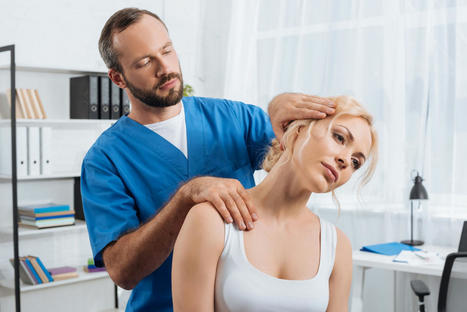













Tingling or soreness sensations can develop in the hands. Carpal tunnel prevention measures can help before it becomes severe. For answers to any questions, you may have, please call Dr. Jimenez at 915-850-0900 or 915-412-6677