 Your new post is loading...
For individuals experiencing gluteus minimus pain and are unsure where to start to deal with it, can a physical therapist, chiropractor, or general practitioner help diagnose lower extremity pain and develop an appropriate treatment plan? Gluteus Minimus Muscles The gluteus minimus is the smallest muscle of the gluteal muscles. Combined with the gluteus maximus and gluteus medius, these muscles make up the glutes. The glutes help form the buttocks shape, stabilize the hips, rotate the legs, and raise the thighs. The gluteus minimus and medius specifically support the gluteus maximus's ability to raise the leg to the side and rotate the thigh inwards. (ScienceDirect. 2011) Anatomy - The gluteus minimus muscles are triangular and lie underneath the gluteus medius near the rotators of the hip joints. The muscles start in the lower ilium region, the upper and largest area of the hip bone that makes up the pelvis and attaches to the femur/thigh bone.
- The fibers on the top part of the muscle are thick and compact, while the lower fibers are flat and spread out.
- The superior gluteal nerves and blood vessels separate the gluteus minimus and the medius.
- The gluteus medius muscles start on the upper ilium region, which covers the gluteus minimus muscle entirely. The location of the gluteus minimus muscles envelopes the sciatic notch or the area in the pelvis that houses the piriformis muscle, superior gluteal vein, and superior gluteal artery, which provide a certain amount of protection.
Function Movement depends on the location of the femur. The gluteus minimus muscle's function is to: - Flex
- Rotate
- Stabilize
- When the thigh is extended, it helps abduct or swing the leg out away from the body.
- When the hip bones are flexed, the gluteus minimus rotates the thigh inward with the help of the gluteus medius.
- The movements are done with the support of the muscle fibers, which contract to move the thigh in both directions. (ScienceDirect. 2011)
- The gluteus minimus and the medius also stabilize the hips and pelvis during movement and when resting.
Associated Conditions One of the most common injuries is muscle wearing and tearing, which can cause pain over and around the greater trochanter. This is known as greater trochanteric pain syndrome or GTPS, a condition usually caused by a gluteus medius or minimus tendinopathy, which can include inflammation of the surrounding bursae. (Diane Reid. 2016) For a gluteus minimus tear, the pain/sensations will be felt outside the hip, especially when rolling or applying weight on the affected side. A tear can happen suddenly with no particular activity causing the tear to occur aside from normal use and stress on the muscle. Physical activities like walking may be painful. Rehabilitation Treatment depends on the severity of the condition. Usually, rest, ice, and over-the-counter medication can help reduce swelling and pain symptoms. For pain symptoms that are not subsiding, it’s recommended to see a healthcare provider who can run an MRI or X-ray to see the condition of the muscle and rule out other causes of pain. The healthcare provider will refer the patient to a physical therapy team that can evaluate the strength of the gluteus minimus and provide a list of exercises and stretches to help repair the muscle while conditioning the surrounding muscles. (SportsRec. 2017) Depending on the level of pain, sometimes the healthcare provider will prescribe a cortisone injection to the gluteus minimus muscle in conjunction with physical therapy. This will help alleviate the pain so that the physical therapy exercises can be done comfortably, allowing the gluteus maximus muscle to heal properly and strengthen. (Julie M. Labrosse et al., 2010) General Disclaimer * The information herein is not intended to replace a one-on-one relationship with a qualified healthcare professional or licensed physician and is not medical advice. We encourage you to make healthcare decisions based on your research and partnership with a qualified healthcare professional. Our information scope is limited to chiropractic, musculoskeletal, physical medicines, wellness, sensitive health issues, functional medicine articles, topics, and discussions. We provide and present clinical collaboration with specialists from various disciplines. Each specialist is governed by their professional scope of practice and their jurisdiction of licensure. We use functional health & wellness protocols to treat and support care for the injuries or disorders of the musculoskeletal system. Our videos, posts, topics, subjects, and insights cover clinical matters, issues, and topics that relate to and directly or indirectly support our clinical scope of practice.* Our office has reasonably attempted to provide supportive citations and identified the relevant research studies or studies supporting our posts. We provide copies of supporting research studies available to regulatory boards and the public upon request. We understand that we cover matters that require an additional explanation of how it may assist in a particular care plan or treatment protocol; therefore, to discuss the subject matter above further, don't hesitate to contact Dr. Alex Jimenez or contact us at 915-850-0900. Dr. Alex Jimenez DC, MSACP, CCST, IFMCP*, CIFM*, ATN* email: coach@elpasofunctionalmedicine.com Licensed in: Texas & New Mexico* References ScienceDirect. (2011). Gluteus minimus muscle. Reid D. (2016). The management of greater trochanteric pain syndrome: A systematic literature review. Journal of orthopaedics, 13(1), 15–28. https://doi.org/10.1016/j.jor.2015.12.006 SportsRec. (2017). Physical therapy exercises for the gluteus minimus. Labrosse, J. M., Cardinal, E., Leduc, B. E., Duranceau, J., Rémillard, J., Bureau, N. J., Belblidia, A., & Brassard, P. (2010). Effectiveness of ultrasound-guided corticosteroid injection for the treatment of gluteus medius tendinopathy. AJR. American journal of roentgenology, 194(1), 202–206. https://doi.org/10.2214/AJR.08.1215
Finger sprains and dislocations are common hand injuries that can happen during work, physical/sports activities, or in automobile collisions and accidents. Can recognizing the symptoms help in developing an effective treatment strategy? Finger Sprains and Dislocations Finger sprains and dislocations are common injuries of the hand that cause pain and swelling. - A sprain happens when the finger tissue that supports a joint gets stretched beyond its limits in a way that stresses the ligaments and tendons.
- The ligament tissue can be partially or completely torn. If the damage is bad enough, the joint comes apart.
- This is a dislocation - A dislocation happens when the joint in the finger gets shifted out of its normal position.
- Both injuries can cause pain and stiffness in the finger and hand.
Sprains Finger sprains can happen any time the finger bends in an awkward or unusual way. This can happen from falling on the hand or getting hurt when engaged in physical activities like sports or household chores. Sprains can occur in any of the knuckle joints in the finger. However, most commonly, the joint in the middle of the finger gets sprained. It's known as the proximal interphalangeal or PIP joint. (John Elfar, Tobias Mann. 2013) Symptoms of a finger sprain can include: Treatment Individuals are encouraged not to move the injured finger while in recovery and healing. It can be hard to do, but wearing a splint can help. - Splints are supports that are usually made from foam and pliable metal.
- A sprained finger can also be taped to one of the fingers next to it while in recovery, known as buddy-taping.
- Splinting a sprained finger while engaged in activities can protect the hand from worsening or further injury.
- However, splinting the finger when it is not needed can cause the joint to become stiff. (OrthoInfo. American Academy of Orthopaedic Surgeons. 2022)
- An injury known as "gamekeeper's thumb" is a more serious type of sprain.
- Injury to the ligaments at the thumb joint can cause difficulty in pinching and gripping.
- This injury must often be taped up or splinted for a significant amount of time for full recovery and could require surgery. (Chen-Yu Hung, Matthew Varacallo, Ke-Vin Chang. 2023)
Other treatments to help a sprained finger include: - Elevate the hand if swelling and inflamed.
- Gentle finger exercises/movements to prevent stiffness.
- Icing the injured finger.
- Take an anti-inflammatory medication.
Individuals who have not broken bones or dislocated the joint will probably be able to move their finger in about a week. A doctor will set a timeline for when to start using the finger normally. - Individuals who sprain their finger that feels swollen and stiff for longer than a few weeks are recommended to consult a doctor or specialist.
- They will need to check the hand to make ensure there aren't any breaks or fractures. (OrthoInfo. American Academy of Orthopaedic Surgeons. 2022)
- Thumb sprains and finger sprains in children may need to be splinted or taped for longer periods, as the ligament is not fully developed or as strong, which could lead to a tear.
Dislocations A finger dislocation is a more severe injury involving the ligament, joint capsule, cartilage, and other tissues that causes misalignment of the finger. The ligaments and the joint capsule get torn when a joint is dislocated. The joint needs to be reset, which can be a simple process, or in severe cases, patients may need to be placed under anesthesia or undergo surgery to reset the joint properly. - In these cases, tendons or other tissues might be preventing the joint from getting into position.
- Putting the finger back into the right position is known as"reduction." Once reduced, the finger needs to be splinted.
- Individuals also need an X-ray to ensure the joint is lined up correctly and that any bones were not broken or fractured when they sustained the injury. (James R. Borchers, Thomas M. Best. 2012)
- Once reset, caring for a dislocated finger is basically the same as a sprained finger. Using ice on the finger, keeping the hand elevated to reduce swelling.
- Individuals need to check with their doctor to find out when to start moving the finger. (James R. Borchers, Thomas M. Best. 2012)
General Disclaimer * The information herein is not intended to replace a one-on-one relationship with a qualified healthcare professional or licensed physician and is not medical advice. We encourage you to make healthcare decisions based on your research and partnership with a qualified healthcare professional. Our information scope is limited to chiropractic, musculoskeletal, physical medicines, wellness, sensitive health issues, functional medicine articles, topics, and discussions. We provide and present clinical collaboration with specialists from various disciplines. Each specialist is governed by their professional scope of practice and their jurisdiction of licensure. We use functional health & wellness protocols to treat and support care for the injuries or disorders of the musculoskeletal system. Our videos, posts, topics, subjects, and insights cover clinical matters, issues, and topics that relate to and directly or indirectly support our clinical scope of practice.* Our office has reasonably attempted to provide supportive citations and identified the relevant research studies or studies supporting our posts. We provide copies of supporting research studies available to regulatory boards and the public upon request. We understand that we cover matters that require an additional explanation of how it may assist in a particular care plan or treatment protocol; therefore, to further discuss the subject matter above, don't hesitate to get in touch with Dr. Alex Jimenez or contact us at 915-850-0900. Dr. Alex Jimenez DC, MSACP, CCST, IFMCP*, CIFM*, ATN* email: coach@elpasofunctionalmedicine.com Licensed in: Texas & New Mexico* References Elfar, J., & Mann, T. (2013). Fracture-dislocations of the proximal interphalangeal joint. The Journal of the American Academy of Orthopaedic Surgeons, 21(2), 88–98. https://doi.org/10.5435/JAAOS-21-02-88 OrthoInfo from the American Academy of Orthopaedic Surgeons. (2022) Hand fractures. Hung, C. Y., Varacallo, M., & Chang, K. V. (2023). Gamekeeper's Thumb. In StatPearls. StatPearls Publishing. OrthoInfo from the American Academy of Orthopaedic Surgeons. (2022) Finger fractures. Borchers, J. R., & Best, T. M. (2012). Common finger fractures and dislocations. American family physician, 85(8), 805–810.
When individuals experience a neuromusculoskeletal injury strain, can following basic pulled muscle treatment protocols help in healing and a full recovery? Pulled Muscle Treatment A pulled muscle or muscle strain occurs when a muscle is stretched beyond its ability resulting in discomfort symptoms and mobility issues. Microscopic tears can occur within the muscle fibers potentially worsening the injury. This type of injury usually causes mild to severe pain, bruising, and immobility, and nerve injuries can develop as well. Common muscle strains include: - Pulled hamstrings
- Groin strains
- Pulled abdominal muscles
- Calf strains
Pulled muscle treatment requires patience to promote proper healing and restoration of optimal function. - Individuals need to focus on the different stages of healing.
- Gradually increase activity levels as the body allows to prevent stiffness and atrophy which can cause complications.
Symptoms The usual symptoms of this type of injury include: - Pain
- Limited mobility
- Muscle spasms
- Swelling
- Bruising
- Often individuals will feel a sudden grabbing or tearing sensation and are then unable to continue the activity.
Grading Muscle strain injuries are graded by severity: (Hospital for Special Surgery. 2019) Grade I - Mild discomfort.
- Often there is no disability.
- Usually does not limit activity.
Grade II - Moderate discomfort
- Can limit the ability to perform certain activities.
- May have moderate swelling and bruising.
Grade III - Severe injury that can cause significant pain.
- Muscle spasms.
- Swelling.
- Significant bruising.
Basic Treatment Protocols Most pulled muscle strain injuries heal with simple treatment. Following the right steps can ensure an expedited recovery. In the early stages after the injury, there is a balance between doing too much or not enough. The amount of activity an individual will be able to do, and the time required for recovery depends on the severity of the injury. Here are some guidelines in the right direction. Rest - Rest is recommended for the early recovery stage.
- Depending on the severity of the injury this could last from one to five days.
- Immobilization is usually not necessary, and not moving at all can lead to muscle and joint stiffness.
- This can be harmful and interfere with mobility. (Joel M. Kary. 2010)
- If immobilization is necessary, like using a splint or cast, careful supervision should be monitored by a healthcare provider.
Cold Therapy - Cold therapy should begin as soon as possible after sustaining a pulled muscle.
- The therapy/ice helps reduce swelling, bleeding, and pain. (Gerard A Malanga, Ning Yan, Jill Stark. 2015)
- Cold therapy applications can be done frequently, but should not exceed 15 minutes at a time.
Stretching - Stretching is important to relax the muscles and for pre-mobilization.
- Muscles that maintain flexibility help prevent further injury.
Strengthening - The injury and the rest period can decrease the strength of the muscle.
- It is important to rebuild strength before returning to physical activities.
- Strengthened muscles help prevent re-injury.
Increased Activity to Prevent Muscle Fatigue Properly Warming Up - Warming up before taking on physical activities will help loosen the muscles and prevent injuries.
- Beginning work or exercise with stiff muscles can lead to an increased chance of strain.
- Studies have shown that temperature can influence the stiffness of a muscle. (K. W. Ranatunga. 2018)
- Maintaining body and muscle warmth helps prevent injury and re-injury.
General Disclaimer * The information herein is not intended to replace a one-on-one relationship with a qualified healthcare professional or licensed physician and is not medical advice. We encourage you to make healthcare decisions based on your research and partnership with a qualified healthcare professional. Our information scope is limited to chiropractic, musculoskeletal, physical medicines, wellness, sensitive health issues, functional medicine articles, topics, and discussions. We provide and present clinical collaboration with specialists from various disciplines. Each specialist is governed by their professional scope of practice and their jurisdiction of licensure. We use functional health & wellness protocols to treat and support care for the injuries or disorders of the musculoskeletal system. Our videos, posts, topics, subjects, and insights cover clinical matters, issues, and topics that relate to and directly or indirectly support our clinical scope of practice.* Our office has reasonably attempted to provide supportive citations and identified the relevant research study or studies supporting our posts. We provide copies of supporting research studies available to regulatory boards and the public upon request. We understand that we cover matters that require an additional explanation of how it may assist in a particular care plan or treatment protocol; therefore, to further discuss the subject matter above, please contact Dr. Alex Jimenez or contact us at 915-850-0900. Dr. Alex Jimenez DC, MSACP, CCST, IFMCP*, CIFM*, ATN* email: coach@elpasofunctionalmedicine.com Licensed in: Texas & New Mexico* References Hospital for Special Surgery, Muscle Strain: What You Need to Know About Pulled Muscles. Kary J. M. (2010). Diagnosis and management of quadriceps strains and contusions. Current reviews in musculoskeletal medicine, 3(1-4), 26–31. https://doi.org/10.1007/s12178-010-9064-5 Malanga, G. A., Yan, N., & Stark, J. (2015). Mechanisms and efficacy of heat and cold therapies for musculoskeletal injury. Postgraduate medicine, 127(1), 57–65. https://doi.org/10.1080/00325481.2015.992719 Mair, S. D., Seaber, A. V., Glisson, R. R., & Garrett, W. E., Jr (1996). The role of fatigue in susceptibility to acute muscle strain injury. The American journal of sports medicine, 24(2), 137–143. https://doi.org/10.1177/036354659602400203 Ranatunga K. W. (2018). Temperature Effects on Force and Actin⁻Myosin Interaction in Muscle: A Look Back on Some Experimental Findings. International journal of molecular sciences, 19(5), 1538. https://doi.org/10.3390/ijms19051538
Can chiropractic treatment protocols diagnose what's causing head pressure in individuals, and provide effective treatment? Head Pressure Head pressure can have various causes and symptoms that affect different areas depending on whether the cause is a headache, allergies, injury, illness, or disease. The location of the pressure or pain can help a doctor of chiropractic determine the cause. - The underlying factor is usually not life-threatening, but the pressure that has built can be the result of serious conditions like a head injury or brain tumor.
- Chiropractic care, which includes a combination of spinal manipulation, active and passive exercises, and massage, is often used for headache management and prevention. (Moore Craig, et al., 2018)
- Chiropractic therapy is often sought out for tension and cervicogenic headaches, migraines, and each responds differently to the treatment.
The Head - The head is made up of a complex system of lobes, sinuses/channels, blood vessels, nerves, and ventricles. (Thau L, et al., 2022)
- The pressure of these systems is regulated and any disruption to this balance can be noticeable.
- Diagnosis can be difficult to figure out what is causing discomfort or head pressure.
- Pain, pressure, irritability, and nausea are all symptoms that can occur with headaches. (Rizzoli P, Mullally W. 2017)
Location - Head pressure in more than one spot is possible with a migraine or a severe cold. (American Migraine Foundation 2023)
- Pain can present in more than one area if there has been a head injury.
- If the pressure is more specific in a certain region, it can help provide clues about the cause of the symptoms.
- Medical issues can cause pressure in different areas. (Rizzoli P, Mullally W. 2017)
- An example is a sinus infection which can cause pressure under the eyes and around the nose.
- A migraine or tension headache can present as: (MedlinePlus. Migraine 2021)
- A tight band around the head.
- Pain or pressure behind the eyes.
- Stiffness and pressure in the back of the head and/or neck.
Causes of Pressure The root cause of the problem is not always clear. There can be a number of potential causes. Tension Headache Tension headaches are the most common that feels like pressure squeezing the head. They usually develop because of tightening scalp muscles caused by: - Stress
- Depression
- Anxiety
- Head injuries
- Unusual positioning of the head or illness can cause tension headaches.
Other than muscle tension, tension headaches can develop from: (MedlinePlus. Tension headache.) - Physical stress
- Emotional stress
- Eye strain
- Fatigue
- Overexertion
- Overuse of caffeine
- Caffeine withdrawal
- Over alcohol use
- Sinus infections
- A cold or flu
- Smoking
- Tension headaches can also run in families. (MedlinePlus. Tension headache.)
Sinus Headache - A sinus headache - rhinosinusitis - is caused by a viral or bacterial infection in the sinus cavities. (American Migraine Foundation 2023)
- There are sinus cavities on each side of the nose, between the eyes, in the cheeks, and on the forehead.
- The location of where these headaches cause pressure varies, depending on which sinuses are infected. (Cedars Sinai. Sinus Conditions and Treatments)
- Sinus infection headaches are obvious from the discolored nasal drainage.
- Individuals can have facial pain and pressure, lose their sense of smell, or have a fever. (American Migraine Foundation 2023)
Ear Conditions - The ears help the body sense movement and balance.
- A problem in the inner ear that helps control balance can cause a type of migraine known as a vestibular migraine. (American Speech-Language-Hearing Association)
- This type of migraine doesn't always present with pain symptoms.
- Problems with balance and feelings of vertigo/sense of spinning are common with these types of migraines. (American Migraine Foundation)
- An ear infection can also cause feelings of head pressure and/or pain.
- Infections can cause pressure to build on the delicate structures of the middle and inner ear.
- These infections are usually caused by viral illness or bacteria. (FamilyDoctor.org)
Neurological Causes - Neurological diseases and conditions can lead to increased pressure in the head.
- The pain symptoms depend on the specific cause.
- For example, a stroke can affect the whole head, while decreased brain fluid levels may affect just the base of the skull.
- The latter condition is known as intracranial hypertension which means increased pressure in the brain. (Schizodimos, T et al., 2020)
- For some individuals, there is no clear cause, this is known as idiopathic intracranial hypertension. (Wall, Michael. 2017) (National Health Service 2023)
Other causes of increased intracranial pressure include: - Medications
- Hormones
- Head injury
- Fluid buildup inside the brain - hydrocephalus (National Institute of Neurological Disorders and Stroke, 2023)
- Brain infections like meningitis or encephalitis
- Brain blood clots
- Brain tumors
Other - Head pressure can also occur only at times when standing up, bending down to pick up an object, or otherwise changing posture in some way that blood pressure is affected.
Chiropractic Treatment The Injury Medical team will develop a personalized treatment plan to help relieve pressure symptoms through a multidisciplinary approach that can include. (Moore Craig, et al., 2018) - Spinal manipulation
- Low-load craniocervical mobilization
- Joint mobilization
- Deep neck flexion exercises
- Neuromuscular massage
- Physical therapy exercises
- Relaxation techniques
- Stress management
- Nutritional recommendations
General Disclaimer * The information herein is not intended to replace a one-on-one relationship with a qualified healthcare professional or licensed physician and is not medical advice. We encourage you to make healthcare decisions based on your research and partnership with a qualified healthcare professional. Our information scope is limited to chiropractic, musculoskeletal, physical medicines, wellness, sensitive health issues, functional medicine articles, topics, and discussions. We provide and present clinical collaboration with specialists from various disciplines. Each specialist is governed by their professional scope of practice and their jurisdiction of licensure. We use functional health & wellness protocols to treat and support care for the injuries or disorders of the musculoskeletal system. Our videos, posts, topics, subjects, and insights cover clinical matters, issues, and topics that relate to and directly or indirectly support our clinical scope of practice.* Our office has reasonably attempted to provide supportive citations and identified the relevant research study or studies supporting our posts. We provide copies of supporting research studies available to regulatory boards and the public upon request. We understand that we cover matters that require an additional explanation of how it may assist in a particular care plan or treatment protocol; therefore, to further discuss the subject matter above, please contact Dr. Alex Jimenez or contact us at 915-850-0900. Dr. Alex Jimenez DC, MSACP, CCST, IFMCP*, CIFM*, ATN* email: coach@elpasofunctionalmedicine.com Licensed in: Texas & New Mexico* References Moore, C., Leaver, A., Sibbritt, D., & Adams, J. (2018). The management of common recurrent headaches by chiropractors: a descriptive analysis of a nationally representative survey. BMC neurology, 18(1), 171. https://doi.org/10.1186/s12883-018-1173-6 Thau, L., Reddy, V., & Singh, P. (2022). Anatomy, Central Nervous System. In StatPearls. StatPearls Publishing. Rizzoli, P., & Mullally, W. J. (2018). Headache. The American journal of medicine, 131(1), 17–24. https://doi.org/10.1016/j.amjmed.2017.09.005 American Migraine Foundation. Is it a migraine or a sinus headache? MedlinePlus. Migraine. MedlinePlus. Tension headache. Cedars Sinai. Sinus conditions and treatments. American Speech-Language-Hearing Association. Dizziness and balance. American Migraine Foundation. What to know about vestibular migraine. FamilyDoctor.org. Ear infection. Schizodimos, T., Soulountsi, V., Iasonidou, C., & Kapravelos, N. (2020). An overview of the management of intracranial hypertension in the intensive care unit. Journal of Anesthesia, 34(5), 741–757. https://doi.org/10.1007/s00540-020-02795-7 Wall M. (2017). Update on Idiopathic Intracranial Hypertension. Neurologic Clinics, 35(1), 45–57. https://doi.org/10.1016/j.ncl.2016.08.004 National Health Service. Intracranial hypertension. National Institute of Neurological Disorders and Stroke. Hydrocephalus. https://www.ninds.nih.gov/health-information/disorders/hydrocephalus
Overexertion and repetitive stress injuries make up a fourth of all work injuries. Repetitive pulling, lifting, punching in numbers, typing, pushing, holding, carrying, and scanning are the most common causes of job-related injuries. These types of injuries are the most common that cause missed days at work. Overexertion can lead to lasting physical chronic conditions, ranging from chronic back pain to chronic joint pain caused by the advanced wearing and tearing of the various musculoskeletal tissues. Chiropractic medicine takes a comprehensive and whole-body approach to treating neuromusculoskeletal injuries. Chiropractic relieves tight or damaged muscles, increases nerve energy flow, and properly aligns the joints through adjustments, spinal traction, decompression, and various forms of manual manipulation. Overexertion and Repetitive Stress Injuries Overexertion and repetitive stress injuries typically occur over time/years of engaging in the same strenuous activity regularly. However, an overexertion injury can occur with one sudden or extreme movement. A worker can injure muscles, tendons, joints, and ligaments. Overexertion can lead to musculoskeletal disorders with symptoms including: - Inflammation
- Swelling
- Numbness
- Stiffness
- Chronic pain
- Limited or total loss of mobility in the muscles, tendons, ligaments, and joints.
Types A few of the most common examples of overexertion injuries include: Soft-Tissue - Injuries to muscles, ligaments, tendons, and joints.
Back - Pulled, strained back muscles.
- Herniated discs.
- Compressed nerve roots.
- Fractured vertebrae.
Dehydration and Heat Stroke - Most common among workers doing outdoor manual labor.
Repetitive and Overuse - Injuries range from carpal tunnel syndrome to stress fractures.
- Often the result of weeks, months, or years of repeated movements
- In many cases, two or more injuries can happen simultaneously.
- For example, a worker is more likely to sustain an injury if they are dehydrated or they are performing dual tasks.
Causes Certain movements and activities are more likely to cause overexertion injuries. Some of the most common include: - Daily lifting of objects, light and heavy.
- Performing awkward movements that cause the body to be in unhealthy positions.
- Standing and/or sitting or for long periods.
- Using excessive force to perform tasks.
- Operating heavy machinery.
- Working in hot and/or humid conditions.
High-Rate Injury Industries Industries in which overexertion injuries are most common include: - Education.
- Health services.
- Manufacturing.
- Construction.
- Warehouse work.
- Transportation.
- Wholesale trade.
- Retail stores.
Chiropractic Treatment These injuries can lead to missed work, debilitating pain, and medical bills. Depending on the severity of the injury, chiropractic care will use massage techniques, spinal manipulation, traction, and decompression therapies, to increase flexibility and mobility to reduce the chances of a recurring injury. The benefits of chiropractic include: - Prevents the risk of worsening or future injuries.
- Expedites recovery to help individuals rehabilitate and get back to work sooner.
- Improves physical and mental well-being.
- Provide recommendations on how to properly stretch and strengthen muscles.
- Nutritional anti-inflammatory recommendations.
By learning how to avoid overexertion injuries, workers can be more productive, enjoy work, and improve their quality of life. General Disclaimer * The information herein is not intended to replace a one-on-one relationship with a qualified healthcare professional or licensed physician and is not medical advice. We encourage you to make healthcare decisions based on your research and partnership with a qualified healthcare professional. Our information scope is limited to chiropractic, musculoskeletal, physical medicines, wellness, sensitive health issues, functional medicine articles, topics, and discussions. We provide and present clinical collaboration with specialists from various disciplines. Each specialist is governed by their professional scope of practice and their jurisdiction of licensure. We use functional health & wellness protocols to treat and support care for the injuries or disorders of the musculoskeletal system. Our videos, posts, topics, subjects, and insights cover clinical matters, issues, and topics that relate to and directly or indirectly support our clinical scope of practice.* Our office has reasonably attempted to provide supportive citations and identified the relevant research study or studies supporting our posts. We provide copies of supporting research studies available to regulatory boards and the public upon request. We understand that we cover matters that require an additional explanation of how it may assist in a particular care plan or treatment protocol; therefore, to further discuss the subject matter above, please contact Dr. Alex Jimenez or contact us at 915-850-0900. Dr. Alex Jimenez DC, MSACP, CCST, IFMCP*, CIFM*, ATN* email: coach@elpasofunctionalmedicine.com Licensed in: Texas & New Mexico* References Anderson, Vern Putz, et al. “Occupational fatalities, injuries, illnesses, and related economic loss in the wholesale and retail trade sector.” American Journal of industrial medicine vol. 53,7 (2010): 673-85. doi:10.1002/ajim.20813 Choi, Hyun-Woo, et al. “Characteristics of occupational musculoskeletal disorders of five sectors in the service industry between 2004 and 2013.” Annals of Occupational and environmental medicine vol. 29 41. 19 Sep. 2017, doi:10.1186/s40557-017-0198-4 Friedenberg, Rivi, et al. “Work-related musculoskeletal disorders and injuries among emergency medical technicians and paramedics: A comprehensive narrative review.” Archives of Environmental & occupational health vol. 77,1 (2022): 9-17. doi:10.1080/19338244.2020.1832038 Galinsky, T et al. “Overexertion injuries in home health care workers and the need for ergonomics.” Home health care services quarterly vol. 20,3 (2001): 57-73. doi:10.1300/J027v20n03_04 González Fuentes, Aroa, et al. “Work-related overexertion injuries in cleaning occupations: An exploration of the factors to predict the days of absence by means of machine learning methodologies.” Applied ergonomics, vol. 105 103847. 30 Jul. 2022, doi:10.1016/j.apergo.2022.103847 Schoenfisch, Ashley L et al. “Declining rates of work-related overexertion back injuries among union drywall installers in Washington State, 1989-2008: Improved work safety or shifting of care?.” American Journal of industrial medicine vol. 57,2 (2014): 184-94. doi:10.1002/ajim.22240 Williams, J M et al. “Work-related injuries in a rural emergency department population.” Academic emergency medicine: official journal of the Society for Academic Emergency Medicine vol. 4,4 (1997): 277-81. doi:10.1111/j.1553-2712.1997.tb03548.x
Automobile accidents and collisions can cause knee and ankle injuries in various ways. Automobile crashes are considered high-energy collisions versus slip and fall traumas which are generally low-energy. However, a 30mph or under-collision can have serious and detrimental effects on the knees and ankles. The sudden forces can cause the knees to collide with the dashboard or push the feet and legs into the body, generating intense pressure and compressing the bones, muscles, and ligaments damaging soft tissues and bone structures from the impact. The Injury Medical Chiropractic and Functional Medicine Clinic Team can rehabilitate, realign, strengthen, and restore function to individuals with minor to severe auto collision injuries. Knee and Ankle Injuries Musculoskeletal motor vehicle crash/collision injuries affect the body's movement. The impact can pull, tear, crush, and smash bones, muscles, tendons, ligaments, discs, and nerves. These injuries restrict the range of motion and can cause pain and sensation symptoms. The National Accident Sampling System reports 33% of injuries sustained during vehicle collisions are to the lower extremities. - Despite the knees and ankles having soft tissues that absorb and distribute the energy's impact, the forces from the collision often happen instantly and unexpectedly, causing the individual to tense up, which overwhelms the structures.
- Even panic stepping on the brake pedal can cause injury to the ankle and foot.
- A passenger's reflex of trying to resist forces can experience foot, ankle, and knee injuries from bracing off the vehicle's floorboard.
- Automobile collisions can cause strains, sprains, fractures, and dislocations.
Torn, Strained, or Sprained Knee - If the foot becomes planted on the floorboard while the body continues to move forward or sideways, the force can travel into the knee, causing twisting or shearing.
- Depending on the injury type, the impact strength can damage different ligaments.
- The ligaments resist forces that push the knee inwards/medially and outwards/laterally and slightly resist rotational forces.
- When any of these ligaments are damaged, swelling, pain, and limited ranges of motion can result.
- Putting weight on the affected leg can be difficult.
- In some cases, the ligaments tear completely, necessitating surgical repair.
- Once the individual can engage in mild activity, they can begin a rehabilitation program to restore function.
- Recovery times vary based on the location and severity of the injury.
Fractured Knee or Ankle - When a fracture occurs in a joint, like the knees or ankles, surgical procedures may be necessary to repair the broken bone/s.
- Broken bones can result in simultaneous damage and/or inflammation of the connective tissues that can cause the muscles to contract/tighten or atrophy during the recovery and healing phases.
- Joints and bones are kept healthy with moderate movement and weight-bearing.
- Fractures require immobilization of the affected area.
- A physical therapy rehabilitation program can begin when the brace or cast comes off.
- Targeted exercises and resistance will strengthen and stretch the joint to improve flexibility and promote healing through improved circulation.
Torn Meniscus - The meniscus is a C-shaped area of cartilage that rests between the thigh and shin bones.
- It acts as a shock absorber.
- The meniscus can become torn, resulting in pain, stiffness, and loss of motion.
- This injury can heal independently with the right rest and therapeutic exercises.
- A chiropractic auto collision specialist can diagnose the severity of the tear and provide the recommendations needed to rehabilitate and strengthen the knee.
- If the tear is severe enough, surgery may be required.
Strained or Sprained Ankle - Strained tendons and sprained ligaments can result from the ankle being subject to tremendous force.
- Strains and sprains vary in severity.
- Both indicate that the connective tissue has been damaged or stretched beyond normal limits.
- They can present with pain, inflammation, and problems moving the affected area.
- With proper medical attention and rehabilitation, recovery is possible.
Torn Achilles Tendon - The Achilles tendon connects the calf muscle to the heel and is necessary for walking, running, physical activity, and bearing weight.
- If the tendon gets torn, surgery will be required to reattach the muscle and tendon.
- After recovery, the individual can begin physical therapy to work the tendon and muscle, slowly building strength and range of motion.
- It is critical to do this with the supervision of an expert in musculoskeletal rehabilitation to avoid re-injury or developing new injuries.
Chiropractic Treatment Any musculoskeletal motor vehicle injuries can result in intense pain that worsens with activity, inflammation, swelling, redness, and/or heat in the affected area. This is why correctly diagnosing the injury is essential if the condition is to be properly and thoroughly treated. A physical examination will vary based on the individual's state and can include: - Strength assessment
- Range of motion
- Reflexes
- Other variables to determine the underlying issues.
- Diagnostic imaging such as X-rays, MRIs, and CT scans can help identify and clarify injuries' extent, nature, and location and rule out problems.
A qualified healthcare professional will combine the data with medical history to develop an accurate diagnosis. Our ability to effectively treat accident individuals is based on applying clinical expertise in musculoskeletal diagnosis and care. Our medical team takes a practical approach to helping individuals quickly heal from musculoskeletal injuries using the latest treatments possible. When you meet with one of our professionals, you will feel relaxed and confident that you have come to the right place. General Disclaimer * The information herein is not intended to replace a one-on-one relationship with a qualified healthcare professional or licensed physician and is not medical advice. We encourage you to make healthcare decisions based on your research and partnership with a qualified healthcare professional. Our information scope is limited to chiropractic, musculoskeletal, physical medicines, wellness, sensitive health issues, functional medicine articles, topics, and discussions. We provide and present clinical collaboration with specialists from various disciplines. Each specialist is governed by their professional scope of practice and their jurisdiction of licensure. We use functional health & wellness protocols to treat and support care for the injuries or disorders of the musculoskeletal system. Our videos, posts, topics, subjects, and insights cover clinical matters, issues, and topics that relate to and directly or indirectly support our clinical scope of practice.* Our office has reasonably attempted to provide supportive citations and identified the relevant research study or studies supporting our posts. We provide copies of supporting research studies available to regulatory boards and the public upon request. We understand that we cover matters that require an additional explanation of how it may assist in a particular care plan or treatment protocol; therefore, to further discuss the subject matter above, don't hesitate to get in touch with Dr. Alex Jimenez or contact us at 915-850-0900. Dr. Alex Jimenez DC, MSACP, CCST, IFMCP*, CIFM*, ATN* email: coach@elpasofunctionalmedicine.com Licensed in: Texas & New Mexico* References Dischinger, P C et al. “Consequences and costs of lower extremity injuries.” Annual proceedings. Association for the Advancement of Automotive Medicine vol. 48 (2004): 339-53. Fildes, B et al. “Lower limb injuries to passenger car occupants.” Accident; analysis and prevention vol. 29,6 (1997): 785-91. doi:10.1016/s0001-4575(97)00047-x Gane, Elise M et al. “The impact of musculoskeletal injuries sustained in road traffic crashes on work-related outcomes: a protocol for a systematic review.” Systematic reviews vol. 7,1 202. 20 Nov. 2018, doi:10.1186/s13643-018-0869-4 Hardin, E C et al. “Foot and ankle forces during an automobile collision: the influence of muscles.” Journal of biomechanics vol. 37,5 (2004): 637-44. doi:10.1016/j.jbiomech.2003.09.030 Li, Wen-Wei, and Cheng-Chang Lu. “Knee deformity following a motor vehicle accident.” Emergency medicine journal: EMJ vol. 38,6 (2021): 449-473. doi:10.1136/emermed-2020-210054 M, Asgari, and Keyvanian Sh S. “Crash Injury Analysis of Knee Joint Considering Pedestrian Safety.” Journal of biomedical physics & Engineering vol. 9,5 569-578. 1 Oct. 2019, doi:10.31661/jbpe.v0i0.424 Torry, Michael R et al. “Relationship of knee shear force and extensor moment on knee translations in females performing drop landings: a biplane fluoroscopy study.” Clinical biomechanics (Bristol, Avon) vol. 26,10 (2011): 1019-24. doi:10.1016/j.clinbiomech.2011.06.010
Automobile accidents are emotionally and physically traumatic events. After an accident, individuals assume that they are okay if they don't have any broken bones or gashing cuts. However, even minor accidents can lead to significant damage, but the individual doesn't know it. An invisible/delayed injury is any injury that is not immediately obvious or is not experienced by the individual until hours, days, or weeks later. The most common are soft tissue injuries, back injuries, whiplash, concussions, and internal bleeding. This is why it is imperative to see a doctor or chiropractic accident specialist as soon as possible after an accident. Invisible Injuries Auto Accidents The body goes into a fight or flight mode in a vehicle accident. That means a massive adrenaline surge makes anything happening to the body go unnoticed and unfelt. The individual does not feel pain and discomfort symptoms until later or much later. Soft Tissue - A soft tissue injury affects muscles, tendons, ligaments, and body parts other than bone.
- Even at low speeds, accidents, and collisions generate a significant force on the body.
- Drivers and passengers often come to a sudden stop along with the vehicle or get thrown around.
- This places intense stress on joints and other areas of the body.
Whiplash The most common invisible soft-tissue injury is whiplash. - Where the neck muscles are suddenly and forcefully thrown forward and then back, causing the muscles and ligaments to stretch beyond their normal range of motion.
- The injury typically results in pain, swelling, reduced mobility, and headaches.
- Symptoms may not present right away.
- Left untreated, whiplash can lead to long-term chronic pain.
Head Injuries - Head injuries are another common invisible injury.
- Even if the head did not hit/impact anything, the force and momentum can cause the brain to collide with the inside of the skull.
- This can lead to a concussion or even more serious brain injuries.
Concussion A concussion is a traumatic brain injury. Individuals can have a concussion without losing consciousness, depending on the accident's severity. Symptoms may be delayed or not experienced, but delayed treatment can lead to a longer recovery. Symptoms can include: - Fatigue.
- Headache.
- Confusion.
- Inability to remember the accident.
- Nausea.
- Ringing in the ears.
- Dizziness.
Back Muscles or Spine Injuries Back muscles and spinal cord injuries are invisible injuries that can happen after an automobile accident. Signs of a back injury include: - The back muscles can be strained due to the impact and tension build-up.
- Sore muscles or pain may not present until a day or two later.
- Body stiffness.
- Reduced mobility.
- Muscle spasms.
- Trouble walking, standing, or sitting.
- Headaches.
- Numbness and tingling.
Injuries to the spine, even serious ones, may not be apparent immediately. - The impact can cause the spine to shift out of alignment profoundly.
- Swelling and bleeding in or around the spinal cord can cause numbness or paralysis that can gradually progress.
- This invisible injury can have long-term consequences, including paralysis.
Chiropractic Care Chiropractic is an effective treatment for neuromusculoskeletal injuries. The chiropractor will assess the damage and its severity to determine the best treatment for the individual. It relieves pain and discomfort symptoms, loosens and relaxes the muscles, and restores alignment, mobility, and a full range of motion. Chiropractic uses several tools and techniques to restore the spine and body balance. Results include: - Pain relieved.
- Improved circulation.
- Restored alignment.
- Released compressed/pinched nerves.
- Improved posture and balance.
- Improved flexibility.
- Restored mobility.
General Disclaimer * The information herein is not intended to replace a one-on-one relationship with a qualified healthcare professional or licensed physician and is not medical advice. We encourage you to make healthcare decisions based on your research and partnership with a qualified healthcare professional. Our information scope is limited to chiropractic, musculoskeletal, physical medicines, wellness, sensitive health issues, functional medicine articles, topics, and discussions. We provide and present clinical collaboration with specialists from various disciplines. Each specialist is governed by their professional scope of practice and their jurisdiction of licensure. We use functional health & wellness protocols to treat and support care for the injuries or disorders of the musculoskeletal system. Our videos, posts, topics, subjects, and insights cover clinical matters, issues, and topics that relate to and directly or indirectly support our clinical scope of practice.* Our office has reasonably attempted to provide supportive citations and identified the relevant research study or studies supporting our posts. We provide copies of supporting research studies available to regulatory boards and the public upon request. We understand that we cover matters that require an additional explanation of how it may assist in a particular care plan or treatment protocol; therefore, to further discuss the subject matter above, don't hesitate to get in touch with Dr. Alex Jimenez or contact us at 915-850-0900. Dr. Alex Jimenez DC, MSACP, CCST, IFMCP*, CIFM*, ATN* email: coach@elpasofunctionalmedicine.com Licensed in: Texas & New Mexico* References “Automobile-related injuries.” JAMA vol. 249,23 (1983): 3216-22. doi:10.1001/jama.1983.03330470056034 Barach, P, and E Richter. “Injury prevention.” The New England Journal of Medicine vol. 338,2 (1998): 132-3; author reply 133. doi:10.1056/NEJM199801083380215 Binder, Allan I. “Neck pain.” BMJ clinical evidence vol. 2008 1103. 4 Aug. 2008 Duncan, G J, and R Meals. “One hundred years of automobile-induced orthopedic injuries.” Orthopedics vol. 18,2 (1995): 165-70. doi:10.3928/0147-7447-19950201-15 “Motor Vehicle Safety.” Annals of emergency medicine vol. 68,1 (2016): 146-7. doi:10.1016/j.annemergmed.2016.04.045 Sims, J K et al. “Automobile accident occupant injuries.” JACEP vol. 5,10 (1976): 796-808. doi:10.1016/s0361-1124(76)80313-9 Vassiliou, Timon, et al. “Physical therapy and active exercises--an adequate treatment for prevention of late whiplash syndrome? Randomized controlled trial in 200 patients.” Pain vol. 124,1-2 (2006): 69-76. doi:10.1016/j.pain.2006.03.017
Introduction Many individuals are constantly in their vehicles and driving from one place to another in the quickest amount of time. When auto accidents occur, numerous effects can affect many individuals, especially their bodies and mentality. The emotional impact of an auto accident can change a person’s quality of life and take a toll on the person as they become miserable. Then there is the physical side, where the body lunges forward rapidly, causing excruciating pain in the upper and lower portions. The muscles, ligaments, and tissues become overstretched beyond their capacity causing pain-like symptoms to develop and overlap other risk profiles. Today’s article discusses the effects of an auto accident occurs on the body, the symptoms associated with auto accidents, and how treatment like chiropractic care utilizes techniques like the MET technique to assess the body. We provide information about our patients to certified medical providers that offer available therapy techniques like MET (muscle energy techniques) for individuals dealing with back and neck pain associated with auto accidents. We encourage each patient appropriately by referring them to our associated medical providers based on their diagnosis results. We accept that education is a spectacular way when asking our providers the most crucial questions at the patient’s acknowledgment. Dr. Alex Jimenez, D.C., assesses this information as an educational service. Disclaimer The Effects Of An Auto Accident On The Body Have you been dealing with excruciating pain in your neck or back after an automobile collision? Have you noticed any of your muscles feeling stiffed or strained? Or have you been dealing with unwanted pain-like symptoms affecting your daily life? When a person has been through an auto accident, the spine, neck, and back along with their associated muscle groups, are affected by pain. When it comes to the effects of an auto accident on the body, we have to look at how the body reacts when the vehicles collide. Research studies have revealed neck pain is a common complaint to many adults involved in an auto accident. When a person collides with another car, their necks are lunged forward rapidly, causing a whiplash effect on the neck and shoulder muscles. Not only the neck is being affected, but also the back. Additional studies have mentioned that low back pain associated with vehicle collisions can cause the lumbar back muscles to be overstretched and develop non-fatal physical injuries over time, either during or the day after the accident. To that point, it can lead to unwanted symptoms associated with auto accidents and correlate with overlap risk profiles. General Disclaimer * The information herein is not intended to replace a one-on-one relationship with a qualified health care professional, licensed physician, and is not medical advice. We encourage you to make your own health care decisions based on your research and partnership with a qualified health care professional. Our information scope is limited to chiropractic, musculoskeletal, physical medicines, wellness, sensitive health issues, functional medicine articles, topics, and discussions. We provide and present clinical collaboration with specialists from a wide array of disciplines. Each specialist is governed by their professional scope of practice and their jurisdiction of licensure. We use functional health & wellness protocols to treat and support care for the injuries or disorders of the musculoskeletal system. Our videos, posts, topics, subjects, and insights cover clinical matters, issues, and topics that relate to and support, directly or indirectly, our clinical scope of practice.* Our office has made a reasonable attempt to provide supportive citations and has identified the relevant research study or studies supporting our posts. We provide copies of supporting research studies available to regulatory boards and the public upon request. We understand that we cover matters that require an additional explanation of how it may assist in a particular care plan or treatment protocol; therefore, to further discuss the subject matter above, please feel free to ask Dr. Alex Jimenez or contact us at 915-850-0900. Dr. Alex Jimenez DC, MSACP, CCST, IFMCP*, CIFM*, ATN* email: coach@elpasofunctionalmedicine.com Licensed in: Texas & New Mexico*
Slip and fall accidents are among the most common causes of workplace/job injuries and can happen anywhere. Work areas can have all kinds of slipping or tripping hazards, including uneven or cracked floors, equipment, furniture, cords, wet floors, and clutter from debris. Individuals involved in a slip-and-fall accident can sustain injuries that vary in severity. The key is to see a doctor or chiropractor immediately to document the slipping and falling injuries and develop a personalized treatment and rehabilitation plan. Injury Medical Chiropractic and Functional Medicine Clinic can help. Slipping and Falling Injuries An individual can experience the following: - Musculoskeletal injuries
- Back and/or spinal cord injuries
- Hip, knee, and ankle injuries
- Nerve injuries
- Fractured or broken bones
- Facial fractures
- Brain injuries
- Paralysis
- Permanent disability
Contributing Factors The type of injury and degree of severity depends on physical and biological factors present during the slipping and falling. These include: Physical Condition - An individual's age, size, gender, and health can influence the type of injury sustained.
Height and Location of the Fall - Slipping, tripping, stumbling, or tumbling injuries could be minimal to severe, depending on the force, height, and location.
Surface Impact - The acceleration during the fall and how the body impacts the surface play an important role in the severity of the injury.
Body Position - Protective reflexes, such as outstretched arms, to break the fall or whether or not the body hit the ground directly determine the injury and to what extent.
Symptoms - Muscle pain and tension are the most common symptoms after slipping and falling.
- The muscle fibers overstretch, causing inflammation and swelling to develop.
- The pain can often start immediately after or a few days later, known as delayed injury symptoms.
- If the nerves sustain injury or irritation, they begin to swell, and the body responds to protect the damaged areas.
- The contact inflammation and irritation can cause tightness and spasms.
- Continuing ongoing discomfort and pain.
- Stomach discomfort and pain.
- Significant bruising.
- Limitations in movement.
Chiropractic Treatment Chiropractors are experts in slip-and-fall injuries and will use adjustments and various therapy protocols to realign the body and restore function. The objective is to relieve symptoms, rehabilitate the injured area/s, and regain mobility. Physical therapy and strength-building exercises under a specialist's supervision and at home are implemented to get back the use of the injured body part. General Disclaimer * The information herein is not intended to replace a one-on-one relationship with a qualified healthcare professional or licensed physician and is not medical advice. We encourage you to make healthcare decisions based on your research and partnership with a qualified healthcare professional. Our information scope is limited to chiropractic, musculoskeletal, physical medicines, wellness, sensitive health issues, functional medicine articles, topics, and discussions. We provide and present clinical collaboration with specialists from various disciplines. Each specialist is governed by their professional scope of practice and their jurisdiction of licensure. We use functional health & wellness protocols to treat and support care for the injuries or disorders of the musculoskeletal system. Our videos, posts, topics, subjects, and insights cover clinical matters, issues, and topics that relate to and directly or indirectly support our clinical scope of practice.* Our office has reasonably attempted to provide supportive citations and identified the relevant research study or studies supporting our posts. We provide copies of supporting research studies available to regulatory boards and the public upon request. We understand that we cover matters that require an additional explanation of how it may assist in a particular care plan or treatment protocol; therefore, to further discuss the subject matter above, don't hesitate to get in touch with Dr. Alex Jimenez or contact us at 915-850-0900. Dr. Alex Jimenez DC, MSACP, CCST, IFMCP*, CIFM*, ATN* email: coach@elpasofunctionalmedicine.com Licensed in: Texas & New Mexico* References Li, Jie, et al. “Slip and Fall Incidents at Work: A Visual Analytics Analysis of the Research Domain.” International journal of environmental research and public health vol. 16,24 4972. 6 Dec. 2019, doi:10.3390/ijerph16244972 Pant, Puspa Raj et al. “Home-related and work-related injuries in Makwanpur district, Nepal: a household survey.” Injury prevention: journal of the International Society for Child and Adolescent Injury Prevention vol. 27,5 (2021): 450-455. doi:10.1136/injuryprev-2020-043986 Shigemura, Tomonori, et al. “Characteristics of stepladder fall injuries: a retrospective study.” European journal of trauma and emergency surgery: official publication of the European Trauma Society vol. 47,6 (2021): 1867-1871. doi:10.1007/s00068-020-01339-8 Smith, Caroline K, and Jena Williams. “Work-related injuries in Washington State's Trucking Industry, by industry sector and occupation.” Accident; analysis and prevention vol. 65 (2014): 63-71. doi:10.1016/j.aap.2013.12.012 Son, Hyung Min, et al. “Occupational fall injuries presenting to the emergency department.” Emergency medicine Australasia: EMA vol. 26,2 (2014): 188-93. doi:10.1111/1742-6723.12166
It is a common scenario, whether sitting or standing, when we need to bend down or forward, and suddenly there is a sharp sting on one side of the low back. The sensation can cause the knees to buckle. So we stand up slowly to assess the condition and realize it is almost impossible to stand completely straight and even harder to bend forward. So we sit back down to try and relieve the pressure. It helps a little, but the injury has caused the back muscles to spasm and get tighter and tighter. When we try to get up, there can be one big or several mild to severe electrical shock sensations traveling through the back. A severely over-rotated vertebrae could be the cause and require chiropractic care, massage, and/or decompression therapy. Over Rotated Vertebrae The spinal column is made of 26 interconnected vertebrae. When in motion, each vertebra moves, and as the torso rotates, the spine must rotate as well. The spine can move in several ways, including: - Bending
- Rounding forward.
- Extending or arching backward.
- Twisting
- Tilting sideways uses some of the same muscles when twisting.
Although the spine can move in various directions, there are limits to how far it can and should go. For example, when bending forward to lift an object, an individual can unknowingly over-extend and over-rotate vertebrae. This is where the risk of injury increases. A rotational injury of the spine occurs when the torso turns too far, and the spinal cord can't handle it. This can stretch the ligaments in the spine to the point of snapping, causing the facet joints to dislocate. Ligament strains and facet dislocations are two of the most common rotational spine injuries. Complications An over-rotated vertebrae injury can also lead to complications that include. Chronic Pain - Spinal nerve damage can lead to chronic pain conditions.
Mobility Problems - Mobility problems are common following an injury of the spine.
- This comes from damage to the nerves that innervate the legs, causing weakness and coordination problems.
Pressure Ulcers - Numbness following a spine injury can cause individuals not to notice pressure ulcers developing.
- These can lead to infections and could require hospitalization.
Individuals accumulate tension and/or weakness in the oblique abdominal muscles and other trunk muscles that can lead to chronic tightness and weakness, affecting movement and decreasing the range of motion. Chiropractic Treatment Plan Depending on the time and severity of the injury, a personalized treatment plan may consist of the following: - Wearing a back brace.
- Non-surgical decompression.
- Muscle stimulation.
- Soft tissue massage.
- Chiropractic mobilization to release the spasms and reset the spine.
- Rest
General Disclaimer * The information herein is not intended to replace a one-on-one relationship with a qualified healthcare professional or licensed physician and is not medical advice. We encourage you to make healthcare decisions based on your research and partnership with a qualified healthcare professional. Our information scope is limited to chiropractic, musculoskeletal, physical medicines, wellness, sensitive health issues, functional medicine articles, topics, and discussions. We provide and present clinical collaboration with specialists from a wide array of disciplines. Each specialist is governed by their professional scope of practice and their jurisdiction of licensure. We use functional health & wellness protocols to treat and support care for the injuries or disorders of the musculoskeletal system. Our videos, posts, topics, subjects, and insights cover clinical matters, issues, and topics that relate to and directly or indirectly support our clinical scope of practice.* Our office has reasonably attempted to provide supportive citations and identified the relevant research study or studies supporting our posts. We provide copies of supporting research studies available to regulatory boards and the public upon request. We understand that we cover matters that require an additional explanation of how it may assist in a particular care plan or treatment protocol; therefore, to further discuss the subject matter above, don't hesitate to get in touch with Dr. Alex Jimenez or contact us at 915-850-0900. Dr. Alex Jimenez DC, MSACP, CCST, IFMCP*, CIFM*, ATN* email: coach@elpasofunctionalmedicine.com Licensed in: Texas & New Mexico* References Janssen, Michiel M A, et al. "Pre-existent vertebral rotation in the human spine is influenced by body position." The European spine journal: official publication of the European Spine Society, the European Spinal Deformity Society, and the European Section of the Cervical Spine Research Society vol. 19,10 (2010): 1728-34. doi:10.1007/s00586-010-1400-3 Kruger, Erwin A et al. "Comprehensive management of pressure ulcers in spinal cord injury: current concepts and future trends." The Journal of spinal cord medicine vol. 36,6 (2013): 572-85. doi:10.1179/2045772313Y.0000000093 Passias, Peter G et al. "Segmental lumbar rotation in patients with discogenic low back pain during functional weight-bearing activities." The Journal of bone and joint surgery. American volume vol. 93,1 (2011): 29-37. doi:10.2106/JBJS.I.01348 Shan, X., Ning, X., Chen, Z. et al. Low back pain development response to sustained trunk axial twisting. Eur Spine J 22, 1972–1978 (2013). https://doi.org/10.1007/s00586-013-2784-7
The ladder is one of the most utilized tools. Most individuals have a ladder or two in their homes or at work and never consider the dangers. Falling off a ladder can lead to serious injuries like muscle tears, broken bones, damage to the spinal cord, skull fractures, or traumatic brain injury. The objective is to educate homeowners and workers on being more alert, increasing awareness, and reinforcing safety protocols. Ladder Falls and Injuries According to the Centers for Disease Control and Prevention, ladder falls account for more than 500,000 injuries and 300 deaths annually. Even professionals with experience in safety can make simple mistakes like carrying too heavy a load or not spotting signs of wearing or a defect that leads to injury. Causes Causes can arise from defects or user mistakes. These include: A Defective Ladder - Old worn-out
- Damaged or broken
- Loose or cracking rungs
- Ladders folding during use
- Using the improper type of ladder for the job or task
Incorrect Ladder Use - Carrying dangerous objects or heavy loads
- Stretching or reaching too far out
- Failing to secure the ladder properly
- Recklessness or horseplay
Injuries Common falls can cause injuries severe enough to require professional medical care. Around one in five falls, on average, cause serious injuries that include. - Muscle sprains and/or tears
- Neck and back injuries
- Herniated discs
- Hip injuries and fractures
- Broken bones
- Spinal cord injuries
- Skull fractures
- Traumatic brain injuries
Any of these injuries could cause permanent disabilities or chronic conditions. Chiropractic Care A fall can damage joints, muscles, bones, and ligaments without realizing there is a problem or injury. The back and spine are most likely to be affected. When landing flat on your back, the joints that connect the spinal column can slip, causing inflammation and joint swelling. To prevent chronic pain and alleviate acute pain, seeking medical attention and chiropractic care as soon as possible is recommended. After confirming the spine is not fractured or broken, a chiropractor can bring relief and restore mobility and function. Injury Medical Chiropractic and Functional Medicine Clinic are committed to helping individuals rehabilitate and recover from injuries. We develop a personalized plan to maximize the potential of recovering and returning to daily activities as soon as possible. General Disclaimer * The information herein is not intended to replace a one-on-one relationship with a qualified healthcare professional or licensed physician and is not medical advice. We encourage you to make healthcare decisions based on your research and partnership with a qualified healthcare professional. Our information scope is limited to chiropractic, musculoskeletal, physical medicines, wellness, sensitive health issues, functional medicine articles, topics, and discussions. We provide and present clinical collaboration with specialists from a wide array of disciplines. Each specialist is governed by their professional scope of practice and their jurisdiction of licensure. We use functional health & wellness protocols to treat and support care for the injuries or disorders of the musculoskeletal system. Our videos, posts, topics, subjects, and insights cover clinical matters, issues, and topics that relate to and directly or indirectly support our clinical scope of practice.* Our office has reasonably attempted to provide supportive citations and identified the relevant research study or studies supporting our posts. We provide copies of supporting research studies available to regulatory boards and the public upon request. We understand that we cover matters that require an additional explanation of how it may assist in a particular care plan or treatment protocol; therefore, to further discuss the subject matter above, please contact Dr. Alex Jimenez or contact us at 915-850-0900. Dr. Alex Jimenez DC, MSACP, CCST, IFMCP*, CIFM*, ATN* email: coach@elpasofunctionalmedicine.com Licensed in: Texas & New Mexico* References Cabilan, C J et al. “Impact of ladder-related falls on the emergency department and recommendations for ladder safety.” Emergency medicine Australasia: EMA vol. 30,1 (2018): 95-102. doi:10.1111/1742-6723.12854 Hicks, Cameron, et al. “Ladder Use in Older People: Type, Frequency, Tasks, and Predictors of Risk Behaviours.” International journal of environmental research and public health vol. 18,18 9799. 17 Sep. 2021, doi:10.3390/ijerph18189799 “Ladder falls.” Health news (Waltham, Mass.) vol. 4,2 (1998): 7. Muir, L, and S Kanwar. “Ladder injuries.” Injury vol. 24,7 (1993): 485-7. doi:10.1016/0020-1383(93)90156-z Partridge, R A et al. “Causes and patterns of injury from ladder falls.” Academic emergency medicine: official journal of the Society for Academic Emergency Medicine vol. 5,1 (1998): 31-4. doi:10.1111/j.1553-2712.1998.tb02571.x
The body's musculoskeletal system consists of bones, cartilage, ligaments, tendons, and connective tissues. These parts get pushed to the extreme with everyday wear and tear, job, school, house chores, and tasks. All the flexing and contracting cause tightness, strain, and soreness that can contribute to negative muscle behavior that holds the muscles in an unhealthy position and in a semi-flexed or tightened state. An example is an unhealthy posture that becomes the norm for an individual. A percussive massage can release tightness, maintain flexibility, relieve discomfort, alleviate stress, and improve circulation. Percussive Massage Therapy A percussive/percussion massage is a form of physical therapy that utilizes vibration through repeated pressure bursts to massage muscles. Percussive therapy offers more control over targeted muscle groups than foam rollers and other static massagers. The treatment involves using an electric massage device to relieve muscle tension. Different massage heads for various therapeutic purposes move rapidly and forcefully, applying pressure directly to the soft tissues while the vibrations help release and loosen the areas. How The Massage Works - Fascia, which wraps around the muscles and joints, can become tight and inflamed, causing soreness and pain.
- Research shows that tight fascia can limit mobility and proper range of motion.
- When a muscle group is stiff and limits the range of motion of a specific part of the body, the rest of the muscles and body will overcompensate. This increases the risk of serious injury.
- Percussive therapy loosens the tissues and increases blood circulation.
- Once the stiffness and soreness are relieved, continued percussive therapy can prevent tightness from reforming, improve the range of motion, and speed up muscle recovery.
- Massage guns can penetrate up to an inch into the soft tissue, stimulating the muscles and helping release tension.
Benefits Improved mobility - Percussive massage distributes the thickened fascia fluid to relieve pressure and tightness.
- Repeated pressure at high speed thins the fluids, making the fascia more workable so the muscles can move easily and efficiently.
Reduced Soreness - Lactic acid builds up in the muscles after working, physical activity, and exercise.
- This build-up causes soreness and pain.
- The percussion forces muscle fibers to release the lactic acid, reducing the soreness.
Decreased DOMS/Delayed Onset Muscle Soreness - It's common to experience pain and soreness 24 to 72 hours after unfamiliar physical activity, such as a new job, exercise routine, or rehabilitation after injury or surgery.
- This is known as delayed onset muscle soreness or DOMS, which results from tiny muscle fiber tears.
- Percussive therapy increases skin temperature, blood flow, and hormonal responses to reduce inflammation and pain.
Increases Relaxation - After work, school, physical activities, and working out, a percussive massage session can help the body wind down and relax.
- A percussive massage will help the muscles release and relax when the body is exhausted or overwhelmed.
How To Use A Percussive Massager - Before starting a new medical treatment, including percussion therapy, talk to your doctor, physical therapist, or chiropractor.
- Ensure you know the difference between normal muscle soreness and pain from an injury.
- Don't use a massager on an injured muscle or body part, as the aggressive motion could aggravate the injury.
- Avoid using the device on bones or joints.
- Never use a massage gun directly on the neck; perform the massage on the shoulders and upper back.
- Start with the lowest intensity level.
- The low and medium settings should provide plenty of power for most users.
- As you become more comfortable with the device, you'll understand how your body reacts then you can try out the higher settings.
- A percussive massager should be used in short bursts on small, targeted areas.
- It is recommended to perform treatments for only a few minutes.
- Seeing the muscles turning reddish during the massage signals that blood is flowing and it's time to move on to another area.
- If the massage gun makes the skin sore or sensitive, make tiny circles instead of holding the massager in one spot.
- Some massagers have pressure-sensing technology to help apply the right amount of pressure.
Combined with chiropractic and professional massage, percussive therapy can help individuals maintain a relaxed musculoskeletal system. General Disclaimer * The information herein is not intended to replace a one-on-one relationship with a qualified healthcare professional or licensed physician and is not medical advice. We encourage you to make healthcare decisions based on your research and partnership with a qualified healthcare professional. Our information scope is limited to chiropractic, musculoskeletal, physical medicines, wellness, sensitive health issues, functional medicine articles, topics, and discussions. We provide and present clinical collaboration with specialists from a wide array of disciplines. Each specialist is governed by their professional scope of practice and their jurisdiction of licensure. We use functional health & wellness protocols to treat and support care for the injuries or disorders of the musculoskeletal system. Our videos, posts, topics, subjects, and insights cover clinical matters, issues, and topics that relate to and directly or indirectly support our clinical scope of practice.* Our office has reasonably attempted to provide supportive citations and identified the relevant research study or studies supporting our posts. We provide copies of supporting research studies available to regulatory boards and the public upon request. We understand that we cover matters that require an additional explanation of how it may assist in a particular care plan or treatment protocol; therefore, to further discuss the subject matter above, please feel free to ask Dr. Alex Jimenez or contact us at 915-850-0900. Dr. Alex Jimenez DC, MSACP, CCST, IFMCP*, CIFM*, ATN* email: coach@elpasofunctionalmedicine.com Licensed in: Texas & New Mexico* References Cafarelli, E et al. "Vibratory massage and short-term recovery from muscular fatigue." International journal of sports medicine vol. 11,6 (1990): 474-8. doi:10.1055/s-2007-1024840 Cerciello, Simone, et al. "Clinical applications of vibration therapy in orthopedic practice." Muscles, ligaments and tendons journal vol. 6,1 147-56. 19 May. 2016, doi:10.11138/mltj/2016.6.1.147 Cheatham, Scott W et al. "Mechanical Percussion Devices: A Survey of Practice Patterns Among Healthcare Professionals." International journal of sports physical therapy vol. 16,3 766-777. 2 Jun. 2021, doi:10.26603/001c.23530 García-Sillero, Manuel et al. “Acute Effects of a Percussive Massage Treatment on Movement Velocity during Resistance Training.” International journal of environmental research and public health vol. 18,15 7726. 21 Jul. 2021, doi:10.3390/ijerph18157726 Jack Martin, "A critical evaluation of percussion muscle gun therapy as a rehabilitation tool focusing on lower limb mobility." A literature review. Department of Health and Wellbeing. The University of Winchester. https://osf.io/preprints/sportrxiv/j9ya8/ Imtiyaz, Shagufta et al. "To Compare the Effect of Vibration Therapy and Massage in Prevention of Delayed Onset Muscle Soreness (DOMS)." Journal of clinical and diagnostic research: JCDR vol. 8,1 (2014): 133-6. doi:10.7860/JCDR/2014/7294.3971 Konrad, Andreas et al. "The Acute Effects of a Percussive Massage Treatment with a Hypervolt Device on Plantar Flexor Muscles' Range of Motion and Performance." Journal of sports science & medicine vol. 19,4 690-694. 19 Nov. 2020
Forklifts, also known as lift trucks, are used for loading, unloading, and transporting various goods and materials in construction, shipping, and retail industries. They are heavy-duty equipment and require extensive training to operate safely. Forklifts are involved in many serious workplace accidents causing thousands of injuries annually. Chiropractors specialize in injury care and rehabilitation from vehicle accidents and collisions. They can help restore optimal musculoskeletal function and health through adjustments, massage, decompression, and traction therapies. Forklift Operation The forklift is one of the most widely used pieces of equipment to raise, lower, or remove pallets, boxes, crates, or other containers and transport and stock goods and materials. There are a variety of lift trucks that include: Operation The weight, speed, and operation difficulty increase the risk of an accident, increasing the risk of injuries. Other factors include: - They can reach up to 20 miles per hour or more.
- They have front braking systems making it harder to stop.
- The weight distribution is in the back.
- The rear wheels turn instead of the front, causing tip-overs.
- Most carry their loads in front and can obstruct an operator’s view.
- Lifting too heavy a load can destabilize a forklift and cause it to turn over.
Accident and Injury Causes Federal work safety regulations require individuals to complete a training program to operate a forklift safely. The most common causes of accidents include: - Lack of training and experience.
- Lack of safety equipment - helmets, seatbelts, grab handles, roll cages, cage guards, warning lights, and sirens.
- Lack of maintenance - bent forks, no load backrest, unbalanced wheels, etc.
- Improper loading - off center, damaged goods, loose loads.
- Lifting, moving or tilting the mast too fast.
- Riding with a raised load.
- Speeding.
- Improper backing-up techniques.
- Poor communication.
- Horseplay.
- Giving rides.
- Failing to immobilize the machine when the operator leaves.
- Failing to pay attention to the position of the forks.
- Failing to yield to pedestrians.
- Traveling up or down unsafe inclines.
- Driving off the side of a ramp.
- Design or manufacturing defects.
Common Accidents The most common type of accidents involve: - Tip-overs and Rollovers.
- Falling off the lift.
- Getting struck by falling materials or objects.
- Pedestrian injuries like getting hit by the vehicle or tripping over the forks.
- Getting caught in or compressed/crushed by the vehicle or objects.
Injuries The most common injuries that result from lift accidents include: - Contusions
- Sprains
- Muscle tears
- Back pain disorders
- Crush injuries
- Fractures
Chiropractic Therapy and Rehabilitation Chiropractic therapy can help heal and rehabilitate musculoskeletal injuries. A chiropractic team will relieve pain symptoms and restore the body’s alignment and function. Treatment includes: Adjustments - To gently realign joints.
- Decrease pain.
- Increase range of motion.
- Improves posture.
Soft-tissue massage - To relax tight muscles.
- Relieve spasms.
- Release tension in the connective tissue surrounding the muscles.
- Reduces pain.
- Improves the range of motion of the spine and joints.
Exercises and stretches - To restore and maintain flexibility, joint stability, and mobility.
Joint bracing and taping - To support sprained joints or muscles during healing.
Health Coaching - Guides diet and nutrition to reduce inflammation and promote healthy eating to manage weight.
General Disclaimer * The information herein is not intended to replace a one-on-one relationship with a qualified healthcare professional or licensed physician and is not medical advice. We encourage you to make your own healthcare decisions based on your research and partnership with a qualified healthcare professional. Our information scope is limited to chiropractic, musculoskeletal, physical medicines, wellness, sensitive health issues, functional medicine articles, topics, and discussions. We provide and present clinical collaboration with specialists from a wide array of disciplines. Each specialist is governed by their professional scope of practice and their jurisdiction of licensure. We use functional health & wellness protocols to treat and support care for the injuries or disorders of the musculoskeletal system. Our videos, posts, topics, subjects, and insights cover clinical matters, issues, and topics that relate to and directly or indirectly support our clinical scope of practice.* Our office has reasonably attempted to provide supportive citations and identified the relevant research study or studies supporting our posts. We provide copies of supporting research studies available to regulatory boards and the public upon request. We understand that we cover matters that require an additional explanation of how it may assist in a particular care plan or treatment protocol; therefore, to further discuss the subject matter above, please feel free to ask Dr. Alex Jimenez or contact us at 915-850-0900. Dr. Alex Jimenez DC, MSACP, CCST, IFMCP*, CIFM*, ATN* email: coach@elpasofunctionalmedicine.com Licensed in: Texas & New Mexico* References Bage, T et al. “Forklift-related lower limb injuries: a retrospective case series study with patient-reported outcome measures (PROMs).” Annals of the Royal College of Surgeons of England vol. 103,10 (2021): 730-733. doi:10.1308/rcsann.2020.7124 Born, C T et al. “Patterns of injury and disability caused by forklift trucks.” The Journal of trauma vol. 40,4 (1996): 636-9. doi:10.1097/00005373-199604000-00020 Hong, Choon Chiet, et al. “Forklift-Related Crush Injuries of the Foot and Ankle.” Foot & ankle international vol. 36,7 (2015): 806-11. doi:10.1177/1071100715576486 Ull, Christopher et al. “Injuries after Forklift Trucks Accidents - Injury Patterns, Therapy and Outcome in the Context of the Statutory Accident Insurance.” “Gabelstaplerunfälle – Verletzungsmuster, Therapie und Outcome im berufsgenossenschaftlichen Kontext.” Zeitschrift fur Orthopadie und Unfallchirurgie, 10.1055/a-1402-1649. 19 Apr. 2021, doi:10.1055/a-1402-1649 Waters, Thomas et al. “Lower back disorders among forklift operators: an emerging occupational health problem?.” American journal of industrial medicine vol. 47,4 (2005): 333-40. doi:10.1002/ajim.20146
|
When a groin strain injury happens, can knowing the symptoms help in the diagnosis, treatment, and recovery times? Groin Strain Injury A groin strain is an injury to an inner thigh muscle. A groin pull is a type of muscle strain affecting the adductor muscle group (the muscles help pull the legs apart). (Parisa Sedaghati, et al., 2013) The injury is caused when the muscle is stretched beyond its normal range of motion, creating superficial tears. Severe strains can tear the muscle in two. (Parisa Sedaghati, et al., 2013) - A groin muscle pull causes pain and tenderness that worsens when squeezing the legs together.
- There may also be swelling or bruising in the groin or inner thigh.
- An uncomplicated groin pull takes four to six weeks to heal with proper treatment. (Andreas Serner, et al., 2020)
Symptoms A groin pull can be painful, interfering with walking, navigating stairs, and/or driving a car. In addition to pain, other symptoms around the injured area include: (Parisa Sedaghati et al., 2013) - A popping sound or snapping sensation when the injury occurs.
- Increased pain when pulling the legs together.
- Redness
- Swelling
- Bruising of the groin or inner thigh.
Groin pulls are graded by severity and how much they impact mobility: Grade 1 - Mild discomfort but not enough to limit activities.
Grade 2 - Moderate discomfort with swelling or bruising that limits running and/or jumping.
Grade 3 - Severe injury with significant swelling and bruising can cause pain while walking and muscle spasms.
Signs of a severe groin strain - Difficulty walking
- Groin pain while sitting or resting
- Groin pain at night
- A healthcare provider should see severe groin pulls because the muscle may have ruptured or be on the verge of rupturing.
- In severe cases, surgery is necessary to reattach the torn ends.
Groin pulls are sometimes accompanied by a stress fracture of the pubis/forward-facing pelvic bones, which can significantly extend healing and recovery time. (Parisa Sedaghati et al., 2013) Causes Groin pulls are often experienced by athletes and individuals who play sports where they must stop and change directions quickly, placing excessive strain on the adductor muscles. (Parisa Sedaghati et al., 2013) The risk is increased in individuals who: (T. Sean Lynch et al., 2017) - Have weak hip abductor muscles.
- Are not in adequate physical condition.
- Have a previous groin or hip injury.
- Pulls can also occur from falls or extreme activities without the proper conditioning.
Diagnosis A healthcare provider will perform a thorough investigation to confirm the diagnosis and characterize the severity. This involves: (Juan C. Suarez et al., 2013) Medical History Review - This includes any previous injuries and specifics about where and when the symptoms started.
Physical Examination - This involves palpating - lightly touching and pressing the groin region and manipulating the leg to understand better where and how extensive the injury is.
Imaging Studies - Ultrasound or X-rays.
- If a muscle rupture or fracture is suspected, an MRI scan may be ordered to visualize soft tissue injuries and stress fractures better.
Differential Diagnosis Certain conditions can mimic a groin pull and require different treatments. These include: (Juan C. Suarez, et al., 2013) Sports Hernia - This type of inguinal hernia occurs with sports and work injuries.
- It causes a portion of the intestine to pop through a weakened muscle in the groin.
Hip Labral Tear - This is a tear in the cartilage ring of the labrum outside the rim of the hip joint socket.
Hip Osteoarthritis - This is the wear-and-tear form of arthritis that can present with groin pain symptoms.
Osteitis Pubis - This is inflammation of the pubic joint and surrounding structures, usually caused by the overuse of the hip and leg muscles.
Referred Groin Pain - This nerve pain originates in the lower back, often due to a pinched nerve, but is felt in the groin.
Treatment Beginning treatment is conservative and includes rest, ice application, physical therapy, and prescribed gentle stretching and exercises. - Individuals may need crutches or a walking device to reduce pain and prevent further injury if the pain is significant. (Andreas Serner, et al., 2020)
- Physical therapy will be a part of the treatment plan.
- Over-the-counter pain medications like Tylenol/acetaminophen or Advil/ibuprofen can help with pain relief short term.
- If there is severe pain from a grade 3 injury, prescription medications may be used for a short period to help minimize pain. (Andreas Serner, et al., 2020)
- Surgery is not usually necessary. (Andreas Serner, et al., 2020)
Recovery Recovery times can vary based on the injury's severity and physical condition before the injury. - Most injuries will heal within four to six weeks with rest and proper treatment.
- Severe groin strains can take up to 12 weeks or longer if surgery is involved. (Andreas Serner, et al., 2020)
General Disclaimer * The information herein is not intended to replace a one-on-one relationship with a qualified healthcare professional or licensed physician and is not medical advice. We encourage you to make healthcare decisions based on your research and partnership with a qualified healthcare professional. Our information scope is limited to chiropractic, musculoskeletal, physical medicines, wellness, sensitive health issues, functional medicine articles, topics, and discussions. We provide and present clinical collaboration with specialists from various disciplines. Each specialist is governed by their professional scope of practice and their jurisdiction of licensure. We use functional health & wellness protocols to treat and support care for the injuries or disorders of the musculoskeletal system. Our videos, posts, topics, subjects, and insights cover clinical matters, issues, and topics that relate to and directly or indirectly support our clinical scope of practice.* Our office has reasonably attempted to provide supportive citations and identified the relevant research studies or studies supporting our posts. We provide copies of supporting research studies available to regulatory boards and the public upon request. We understand that we cover matters that require an additional explanation of how it may assist in a particular care plan or treatment protocol; therefore, to further discuss the subject matter above, don't hesitate to contact Dr. Alex Jimenez or contact us at 915-850-0900. Dr. Alex Jimenez DC, MSACP, CCST, IFMCP*, CIFM*, ATN* email: coach@elpasofunctionalmedicine.com Licensed in: Texas & New Mexico* References Sedaghati, P., Alizadeh, M. H., Shirzad, E., & Ardjmand, A. (2013). Review of sport-induced groin injuries. Trauma monthly, 18(3), 107–112. https://doi.org/10.5812/traumamon.12666 Serner, A., Weir, A., Tol, J. L., Thorborg, K., Lanzinger, S., Otten, R., & Hölmich, P. (2020). Return to Sport After Criteria-Based Rehabilitation of Acute Adductor Injuries in Male Athletes: A Prospective Cohort Study. Orthopaedic journal of sports medicine, 8(1), 2325967119897247. https://doi.org/10.1177/2325967119897247 Lynch, T. S., Bedi, A., & Larson, C. M. (2017). Athletic Hip Injuries. The Journal of the American Academy of Orthopaedic Surgeons, 25(4), 269–279. https://doi.org/10.5435/JAAOS-D-16-00171 Suarez, J. C., Ely, E. E., Mutnal, A. B., Figueroa, N. M., Klika, A. K., Patel, P. D., & Barsoum, W. K. (2013). Comprehensive approach to the evaluation of groin pain. The Journal of the American Academy of Orthopaedic Surgeons, 21(9), 558–570. https://doi.org/10.5435/JAAOS-21-09-558
Individuals dealing with back pain problems could be suffering from a bulging disc. Could knowing the difference between slipped and herniated disc symptoms help with treatments and finding relief? Bulging Disc Pain Back pain can become debilitating if not treated properly. A bulging disc is a common cause of cervical, thoracic, and lower back pain symptoms. It happens when one of the fluid-filled cushions between the vertebrae begins to shift out of place. Instead of being aligned with the edges, the disc bulges over. This begins to generate pressure on the nerves causing pain and inflammation. - Bulging discs are often caused by age, but repetitive movements and/or lifting heavy objects can contribute to the condition.
- Symptoms can resolve on their own, but individuals are recommended to consult with a physical therapist and/or chiropractor to make sure the disc healed properly, otherwise, it can lead to worsening and/or further injuries.
Bulging Disc vs. Herniated Disc Bulging and herniated discs cause pain symptoms. - Bulging - the intervertebral disc moves out of place but stays intact.
- Herniated - the thick outer layer of the disc ruptures, causing the cushioning gel inside to leak onto the spinal nerves.
Location of Symptoms - A bulging disc can happen anywhere along the spine.
- However, most occur between the last five vertebrae in the lower back.
- This is the lumbar spine. (American Academy of Orthopaedic Surgeons. 2022)
- This is because the lower back is subject to all kinds of pressure and movement with daily activities, increasing the chances of pain and injuries.
- The next most common place is the neck/cervical spine where there are constant movements making it prone to injury and pain symptoms.
Causes Bulging discs are most often caused by body aging and normal wear and tear. As time goes on the intervertebral discs naturally degenerate, known as degenerative disc disease. This can cause the discs to pull downward, causing them to bulge from their placement. (Penn Medicine. 2018) Factors that can cause or worsen the condition include: - Practicing unhealthy postures.
- Repetitive motions.
- Lifting heavy objects
- Spinal injuries.
- Medical history of spinal or disc disease in the family.
Treatment Treating a bulging disc takes time and patience. (American Academy of Neurological Surgeons. 2023) Examination Individuals with back pain that interferes with daily functions or has lasted longer than six weeks, should see a healthcare provider for diagnosis. They will order a magnetic resonance imaging scan/MRI, which can show where a disc is protruding. (American Academy of Neurological Surgeons. 2023) Rest - For bulging disc pain, resting the back is necessary. However,
- Many patients benefit from a day or two of bed rest. (American Academy of Orthopaedic Surgeons. 2022)
- After that, start light activities like walking. Avoid any movements that make your pain worse.
NSAIDs - NSAID pain medications like Advil, Motrin, or Aleve can keep pain symptoms and inflammation reduced.
- However, this is for short-term use, as the underlying cause still needs to be addressed.
- A healthcare provider will recommend safe dosage and how long these medications should be taken. (American Academy of Orthopaedic Surgeons. 2022)
Physical Therapy - Individuals may be recommended by their healthcare provider for a referral to a physical therapist.
- A physical therapist will address the injury for rehabilitation and introduce strengthening exercises. (American Academy of Orthopaedic Surgeons. 2022)
- Chiropractic Adjustments (NIH. 2022)
- Non-surgical spinal decompression
- Traction therapy
- Therapeutic massage
- Muscle Energy Technique
Steroid Injection - An epidural steroid injection can provide relief for individuals still experiencing symptoms after six weeks.
- A healthcare provider will inject cortisone into the spine to reduce inflammation and pain. (American Academy of Orthopaedic Surgeons. 2022)
Surgery - If conservative treatments don't work, a healthcare provider may recommend surgery, like a microdiscectomy.
- This procedure uses small incisions to remove all or part of a bulging disc.
- Most individuals with a bulging disc will not require surgery. (American Academy of Neurological Surgeons. 2023)
General Disclaimer * The information herein is not intended to replace a one-on-one relationship with a qualified healthcare professional or licensed physician and is not medical advice. We encourage you to make healthcare decisions based on your research and partnership with a qualified healthcare professional. Our information scope is limited to chiropractic, musculoskeletal, physical medicines, wellness, sensitive health issues, functional medicine articles, topics, and discussions. We provide and present clinical collaboration with specialists from various disciplines. Each specialist is governed by their professional scope of practice and their jurisdiction of licensure. We use functional health & wellness protocols to treat and support care for the injuries or disorders of the musculoskeletal system. Our videos, posts, topics, subjects, and insights cover clinical matters, issues, and topics that relate to and directly or indirectly support our clinical scope of practice.* Our office has reasonably attempted to provide supportive citations and identified the relevant research study or studies supporting our posts. We provide copies of supporting research studies available to regulatory boards and the public upon request. We understand that we cover matters that require an additional explanation of how it may assist in a particular care plan or treatment protocol; therefore, to further discuss the subject matter above, please contact Dr. Alex Jimenez or contact us at 915-850-0900. Dr. Alex Jimenez DC, MSACP, CCST, IFMCP*, CIFM*, ATN* email: coach@elpasofunctionalmedicine.com Licensed in: Texas & New Mexico* References Penn Medicine. (2018) Bulging disc vs. herniated disc: What’s the difference? American Academy of Orthopaedic Surgeons. (2022) Herniated disk in the lower back. American Academy of Neurological Surgeons. (2023) Herniated disc. National Institutes of Health. (2022) Spinal Manipulation: What You Need To Know.
Individuals who have suffered cervical acceleration-deceleration/CAD more commonly known as whiplash, can experience headaches, and other symptoms like neck stiffness, pain, fatigue, and shoulder/neck/back discomfort. Can non-surgical and conservative treatments help alleviate the symptoms? Cervical Acceleration - Deceleration or CAD Cervical acceleration-deceleration is the mechanism of a neck injury caused by a forceful back-and-forth neck motion. It happens most commonly in rear-end vehicle collisions when the head and neck whip forward and backward with intense acceleration and/or deceleration causing the neck to flex and/or extend rapidly, more than normally, straining and possibly tearing muscle tissues and nerves, ligaments, dislocation of spinal discs and herniations, and cervical bone fractures. - For symptoms that do not improve or worsen after 2 to 3 weeks, see a healthcare provider or chiropractor for further evaluation and treatment.
- Whiplash injuries strain or sprain the neck muscles and/or ligaments, but can also affect the vertebrae/bones, disc cushions between the vertebrae, and/or the nerves.
- For individuals who experience a headache that starts at the base of the skull following a motor vehicle accident is more than likely a whiplash headache. (National Institute of Neurological Disorders and Stroke. 2023)
Symptoms Whiplash symptoms can present right away, or after several hours to a few days after the incident, and tend to worsen in the days after the injury. Symptoms can last a few weeks to a few months, and can severely limit activity and range of motion. Symptoms can include: (National Institute of Neurological Disorders and Stroke. 2023) - Pain that extends into the shoulders and back.
- Neck stiffness
- Limited neck motion
- Muscle spasms
- Numbness and tingling sensations - paresthesias or pins and needles in the fingers, hands, or arms.
- Sleep problems
- Fatigue
- Irritability
- Cognitive impairment - memory and/or concentrating difficulties.
- Ringing in the ears - tinnitus
- Dizziness
- Blurred vision
- Depression
- Headaches - A whiplash headache usually starts at the base of the skull and can vary in intensity. Most individuals experience pain on one side of the head and toward the back, though some can experience symptoms all over their head, and a small number experience headaches on the forehead or behind the eyes. (Monica Drottning. 2003)
- The headaches can become aggravated by moving the neck around, especially when looking up.
- Headaches are often associated with shoulder pain along with sensitive neck and shoulder muscles that when touched can increase pain levels.
- Whiplash headaches can lead to chronic neck-related headaches known as cervicogenic headaches. (Phil Page. 2011)
Causes The most common cause of whiplash is rear-end automobile accidents and collisions. (National Institute of Neurological Disorders and Stroke. 2023)
However, cervical acceleration-deceleration injuries can also occur from: - Playing sports - hockey, martial arts, boxing, tackle football, gymnastics, basketball, volleyball, soccer, and baseball.
- A slip and fall that causes the head to suddenly jolt forward and back.
- Physical assault - getting punched or shaken.
- Being struck on the head by a heavy or solid object.
Treatment - Symptoms usually resolve within 2 to 3 weeks.
- Icing the neck for 10 minutes several times a day can help reduce pain and inflammation. (National Institute of Neurological Disorders and Stroke. 2023)
- It is also important to rest your neck area following the injury.
- A cervical collar can be utilized temporarily to stabilize the neck, but for long-term recovery, it is recommended to keep the area mobile.
- Physical activity reduction until the individual can look over both shoulders, and tilt their head all the way forward, all the way back, and from side to side without pain or stiffness.
Additional Treatments - Traction and decompression therapies.
- Chiropractic adjustments
- Therapeutic various massage techniques.
- Electronic nerve stimulation
- Posture retraining
- Stretching
- Sleep position adjustments.
- Non-steroidal anti-inflammatories - NSAIDs - Ibuprofen or Naproxen.
- Muscle relaxers
If symptoms do not improve, a healthcare provider may recommend physical therapy and/or stronger pain medications. For whiplash headaches that last for several months, acupuncture, or spinal injections may be recommended. General Disclaimer * The information herein is not intended to replace a one-on-one relationship with a qualified healthcare professional or licensed physician and is not medical advice. We encourage you to make healthcare decisions based on your research and partnership with a qualified healthcare professional. Our information scope is limited to chiropractic, musculoskeletal, physical medicines, wellness, sensitive health issues, functional medicine articles, topics, and discussions. We provide and present clinical collaboration with specialists from various disciplines. Each specialist is governed by their professional scope of practice and their jurisdiction of licensure. We use functional health & wellness protocols to treat and support care for the injuries or disorders of the musculoskeletal system. Our videos, posts, topics, subjects, and insights cover clinical matters, issues, and topics that relate to and directly or indirectly support our clinical scope of practice.* Our office has reasonably attempted to provide supportive citations and identified the relevant research study or studies supporting our posts. We provide copies of supporting research studies available to regulatory boards and the public upon request. We understand that we cover matters that require an additional explanation of how it may assist in a particular care plan or treatment protocol; therefore, to further discuss the subject matter above, please contact Dr. Alex Jimenez or contact us at 915-850-0900. Dr. Alex Jimenez DC, MSACP, CCST, IFMCP*, CIFM*, ATN* email: coach@elpasofunctionalmedicine.com Licensed in: Texas & New Mexico* References National Institute of Neurological Disorders and Stroke. Whiplash Information Page. Drottning M. (2003). Cervicogenic headache after a whiplash injury. Current pain and headache reports, 7(5), 384–386. https://doi.org/10.1007/s11916-003-0038-9 Page P. (2011). Cervicogenic headaches: an evidence-led approach to clinical management. International journal of sports physical therapy, 6(3), 254–266.
Stiffness and pain developing in the shoulder could be adhesive capsulitis, (frozen shoulder), a condition in the shoulder's ball-and-socket joint/glenohumeral joint. It usually develops over time and limits the functional use of the arm. The pain and tightness restrict arm movement, and the duration of symptoms can persist for 12-18 months. The cause is often unknown, but it is more common in individuals over 40, individuals with diabetes, thyroid disease, and cardiac conditions have an increased risk of developing the condition, and women tend to develop the condition more than men. Chiropractic treatment can be effective at relieving pain and expediting recovery. Stiffness and Pain The shoulder joint allows more movement than any other joint in the body. A frozen shoulder causes the capsule surrounding the shoulder joint to contract and form scar tissue. The capsule contraction and the formation of adhesions cause the shoulder to become stiff, restrict movement, and cause pain and discomfort symptoms. Stages The progression is marked by three stages: Freezing - Stiffness and pain begin to restrict motion.
Frozen - Movement and motion are severely restricted.
Thawing - The shoulder starts to loosen up.
- It can take years to fully resolve symptoms.
- In mild cases, a frozen shoulder can go away on its own but that does not mean that it is truly healed and correctly aligned.
- Even in mild cases seeking treatment is recommended, rather than just waiting for it to go away.
Symptoms - Limited range of motion.
- Stiffness and tightness.
- Dull or aching pain throughout the shoulder.
- Pain can radiate into the upper arm.
- Pain can be triggered by the smallest movements.
- The symptoms are not always due to weakness or injury, but actual joint stiffness.
Causes Most frozen shoulders occur with no injury or discernible cause but the condition is often linked to a systemic condition or one that affects the entire body. Age and Gender - Frozen shoulder most commonly affects individuals between the ages of 40 to 60, and is more common in women than in men.
Endocrine Disorders - Individuals with diabetes have an increased risk of developing a frozen shoulder.
- Other endocrine abnormalities like thyroid problems can also lead to the development of this condition.
Shoulder Trauma and/or Surgery - Individuals who sustain a shoulder injury, or undergo surgery on the shoulder can develop a stiff and painful joint.
- When injury or surgery is followed by prolonged immobilization/resting the arm, the risk of developing a frozen shoulder increases.
Other Systemic Conditions Several systemic conditions such as heart disease have also been associated with an increased risk of developing the condition and can include: - High cholesterol
- Adrenal disease
- Heart and lung disease
- Parkinson's disease
Stiffness and pain can also be associated with damage to the joint from injuries or other shoulder problems that include: - Muscle or connective tissue injury
- Rotator cuff tendinopathy
- Calcific tendinitis
- Dislocation
- Fracture
- Osteoarthritis
- A frozen shoulder associated with any of these causes is considered secondary.
Treatment A diagnosis is made by observing the range of motion in the shoulder, considering the two types: Active Range - This is how far an individual can move a body part on their own.
Passive Range - This is how far another person like a therapist or doctor can move the body part.
Therapies - Chiropractic, massage, and physical therapy involve stretches, realignment, and exercises to relieve pain symptoms and restore mobility and function.
- Usually, strength is not affected by a frozen shoulder but a chiropractor may want to strengthen the surrounding muscles to better support the shoulder and prevent worsening the injury or causing a new injury.
- Anti-inflammatory medications and corticosteroid injections may help manage pain symptoms.
- Getting a diagnosis and treatment during the freezing stage can keep the condition from progressing and expedite recovery time.
General Disclaimer * The information herein is not intended to replace a one-on-one relationship with a qualified healthcare professional or licensed physician and is not medical advice. We encourage you to make healthcare decisions based on your research and partnership with a qualified healthcare professional. Our information scope is limited to chiropractic, musculoskeletal, physical medicines, wellness, sensitive health issues, functional medicine articles, topics, and discussions. We provide and present clinical collaboration with specialists from various disciplines. Each specialist is governed by their professional scope of practice and their jurisdiction of licensure. We use functional health & wellness protocols to treat and support care for the injuries or disorders of the musculoskeletal system. Our videos, posts, topics, subjects, and insights cover clinical matters, issues, and topics that relate to and directly or indirectly support our clinical scope of practice.* Our office has reasonably attempted to provide supportive citations and identified the relevant research study or studies supporting our posts. We provide copies of supporting research studies available to regulatory boards and the public upon request. We understand that we cover matters that require an additional explanation of how it may assist in a particular care plan or treatment protocol; therefore, to further discuss the subject matter above, please contact Dr. Alex Jimenez or contact us at 915-850-0900. Dr. Alex Jimenez DC, MSACP, CCST, IFMCP*, CIFM*, ATN* email: coach@elpasofunctionalmedicine.com Licensed in: Texas & New Mexico* References Brun, Shane. “Idiopathic frozen shoulder.” Australian Journal of general practice vol. 48,11 (2019): 757-761. doi:10.31128/AJGP-07-19-4992 Chan, Hui Bin Yvonne, et al. “Physical therapy in the management of frozen shoulder.” Singapore medical journal vol. 58,12 (2017): 685-689. doi:10.11622/smedj.2017107 Cho, Chul-Hyun, et al. “Treatment Strategy for Frozen Shoulder.” Clinics in orthopedic surgery vol. 11,3 (2019): 249-257. doi:10.4055/cios.2019.11.3.249 Duzgun, Irem, et al. “Which method for frozen shoulder mobilization: manual posterior capsule stretching or scapular mobilization?.” Journal of Musculoskeletal & neuronal interactions vol. 19,3 (2019): 311-316. Jain, Tarang K, and Neena K Sharma. “The effectiveness of physiotherapeutic interventions in the treatment of frozen shoulder/adhesive capsulitis: a systematic review.” Journal of back and musculoskeletal rehabilitation vol. 27,3 (2014): 247-73. doi:10.3233/BMR-130443 Kim, Min-Su, et al. “Diagnosis and treatment of calcific tendinitis of the shoulder.” Clinics in shoulder and elbow vol. 23,4 210-216. 27 Nov. 2020, doi:10.5397/cise.2020.00318 Millar, Neal L et al. “Frozen shoulder.” Nature reviews. Disease primers vol. 8,1 59. 8 Sep. 2022, doi:10.1038/s41572-022-00386-2
As one of the most load-bearing joints in the body, the hips nearly affect every movement. If the hip joint is involved in a vehicle crash, the space in the joint/hip capsule can fill with fluid, causing joint effusion or swelling, inflammation, dull-immobilizing pain, and stiffness. Hip pain is a common injury symptom reported after a vehicle crash. This pain can range from mild to severe and may be short-term or last for months. No matter the level of pain being experienced, action must be taken quickly to avoid long-term damage. Individuals need high-quality, patient-focused care from experienced specialists as soon as possible to get on the road to recovery. Vehicle Crash Hip Injury The hip joints must be healthy and work as effectively as possible to stay active. Arthritis, hip fractures, bursitis, tendonitis, injuries from falls, and automobile collisions are the most common causes of chronic hip pain. Depending upon the type of injury, individuals may experience pain symptoms in the thigh, groin, inside of the hip joint, or buttocks. Associated Injuries The most common injuries that cause pain in the hip after a collision include: Hip Ligament Sprains or Strains - A hip ligament sprain or strain is caused by overstretched or torn ligaments.
- These tissues attach bones to other bones and provide stability to the joints.
- These injuries may only require rest and ice to heal, depending on the severity.
- Chiropractic, decompression, and physical massage therapies may be necessary for realignment and to keep muscles flexible and relaxed.
Bursitis - Bursitis is an inflammation of the bursa, or the fluid-filled sac providing cushioning/material between bones and muscles.
- It is one of the main causes of hip pain after an automobile collision and requires immediate medical attention.
Tendonitis - Tendonitis is a type of injury that affects soft tissues like tendons and ligaments, as opposed to bone and muscle.
- Tendonitis can result in chronic pain and various discomfort symptoms in and around the hip area if left untreated.
Hip Labral Tear - A hip labral tear is a type of joint damage in which the soft tissue/labrum that covers the hip's socket gets torn.
- The tissue ensures that the thighbone head moves smoothly within the joint.
- Damage to the labrum can lead to severe pain symptoms and affect mobility.
Hip Dislocation - A hip dislocation means the femur ball has popped out of the socket, causing the upper leg bone to slide out of place.
- Hip dislocations can cause avascular necrosis, which is the death of bone tissue from a blockage in the blood supply.
Hip Fractures - The hip bones can be broken down into three parts:
- Ilium
- Pubis
- Ischium
- A hip fracture, or broken hip, occurs whenever a break, crack, or crush happens to any one of these parts of the hip.
Acetabular Fracture - An acetabular fracture is a break or a crack outside the hip socket that holds the hip and thigh bones together.
- A fracture to this body part is not as common because of the location.
- Significant force and impact are often necessary to cause this type of fracture.
Symptoms If any of the following symptoms after a vehicle crash are experienced, it could be a hip injury and should be examined by a medical professional. These include: - Soreness or tenderness at the site of injury.
- Bruising.
- Swelling.
- Difficulty moving the hip/s.
- Intense pain when walking.
- Limping.
- Loss of muscle strength.
- Abdominal pain.
- Knee pain.
- Groin pain.
Treatment and Rehabilitation A doctor or specialist should always evaluate hip problems and pain symptoms. With the help of a physical examination and diagnostics like X-rays, CT Scans, or an MRI, a physician can diagnose and recommend treatment options. Treatment after a vehicle crash depends on the severity of the damage. For example, hip fractures often require immediate surgery, while other injuries may only necessitate medication, rest, and rehabilitation. Possible treatment plans include: - Rest
- Pain, muscle relaxants, and anti-inflammatory medication.
- Physical therapy
- Massage therapy
- Chiropractic realignment
- Spinal decompression
- Exercise therapy
- Steroid injections
- Surgery - after surgery, a physical therapist can help stretch and work on muscles around the hip to gain mobility and flexibility for a complete recovery.
- Total hip replacement
Our team collaborates with the necessary specialists to provide the complete care needed to experience full recovery and healing for long-term relief. The team will work together to form a comprehensive treatment plan to strengthen the hip muscles for better support and increased range of motion. General Disclaimer * The information herein is not intended to replace a one-on-one relationship with a qualified healthcare professional or licensed physician and is not medical advice. We encourage you to make healthcare decisions based on your research and partnership with a qualified healthcare professional. Our information scope is limited to chiropractic, musculoskeletal, physical medicines, wellness, sensitive health issues, functional medicine articles, topics, and discussions. We provide and present clinical collaboration with specialists from various disciplines. Each specialist is governed by their professional scope of practice and their jurisdiction of licensure. We use functional health & wellness protocols to treat and support care for the injuries or disorders of the musculoskeletal system. Our videos, posts, topics, subjects, and insights cover clinical matters, issues, and topics that relate to and directly or indirectly support our clinical scope of practice.* Our office has reasonably attempted to provide supportive citations and identified the relevant research study or studies supporting our posts. We provide copies of supporting research studies available to regulatory boards and the public upon request. We understand that we cover matters that require an additional explanation of how it may assist in a particular care plan or treatment protocol; therefore, to further discuss the subject matter above, don't hesitate to get in touch with Dr. Alex Jimenez or contact us at 915-850-0900. Dr. Alex Jimenez DC, MSACP, CCST, IFMCP*, CIFM*, ATN* email: coach@elpasofunctionalmedicine.com Licensed in: Texas & New Mexico* References Cooper, Joseph, et al. "Hip dislocations and concurrent injuries in motor vehicle collisions." Injury vol. 49,7 (2018): 1297-1301. doi:10.1016/j.injury.2018.04.023 Fadl, Shaimaa A, and Claire K Sandstrom. "Pattern Recognition: A Mechanism-based Approach to Injury Detection after Motor Vehicle Collisions." Radiographics: a review publication of the Radiological Society of North America, Inc vol. 39,3 (2019): 857-876. doi:10.1148/rg.2019180063 Frank, C J et al. "Acetabular fractures." The Nebraska medical journal vol. 80,5 (1995): 118-23. Masiewicz, Spencer, et al. "Posterior Hip Dislocation." StatPearls, StatPearls Publishing, 22 April 2023. Monma, H, and T Sugita. "Is the mechanism of traumatic posterior dislocation of the hip a brake pedal injury rather than a dashboard injury?." Injury vol. 32,3 (2001): 221-2. doi:10.1016/s0020-1383(00)00183-2 Patel, Vijal, et al. "The association between knee airbag deployment and knee-thigh-hip fracture injury risk in motor vehicle collisions: A matched cohort study." Accident; Analysis and Prevention vol. 50 (2013): 964-7. doi:10.1016/j.aap.2012.07.023
A joint is where two bones meet. The two sacroiliac or SI joints connect the spine, pelvis, and hips. This strong joint balances and transmits stress from the upper body to the pelvis and legs. The joints can suffer a sprain causing pain and discomfort symptoms. There can also be the feeling of tightness wrapping around the waist and dull aching across the low back as the surrounding muscles tighten up as a form of protection, also known as muscle guarding. A correct diagnosis is vital to avoid any potentially serious complications. Chiropractors are experts on neuromusculoskeletal problems and can treat, heal, and strengthen the body through various MET, mobilization, and manipulation techniques. Sacroiliac Sprain The main function is to balance the upper and lower body forces. The sacroiliac joints are surrounded by muscle, connective tissue, nerves designed to withstand large stresses and a complex system of ligaments, further strengthening the joints. Injury Causes Sacroiliac sprains can be caused by direct trauma to the pelvis from a fall or automobile collision or jobs and sports that involve a lot of bending and twisting. However, sometimes there is no distinct cause. Common causes include: - Repetitive microtrauma is excessive/repetitive movements like prolonged twisting, bending, or lifting at work, home, physical activities, and sports.
- The joint can be pushed out of alignment.
- Muscular imbalance or weakness in the muscles surrounding the sacroiliac joints can cause problems to develop over time, presenting little or no symptoms.
- The tissues around a sacroiliac joint also can be stretched or torn.
- Trauma such as a fall or road traffic accidents
- Problems with the hips, knees, and feet can generate increased pressure on the joint, which can become painful over time due to repetitive strain.
- Pregnancy hormones released to promote pelvis relaxation can increase the risk of SI sprain injury.
Excessive stress on the joint can cause microscopic damage to the ligaments surrounding the joint. The joint then becomes inflamed and presents with pain and sensations of discomfort. The body responds by contracting the muscles to prevent further damage. However, the muscle spasms may not stop, resulting in more pain. Referred pain is common from the muscles that go into spasm, with the most affected being the piriformis, gluteal/buttock, and psoas muscles. Signs and Symptoms - Tenderness over the affected joint and area.
- Pain symptoms on one or both sides above the joints and into the buttocks.
- Standing or working with increased weight on one leg increases pain symptoms.
- Pain after lifting or twisting that develops a little while later.
- Pain travels to the back of the leg, front of the thigh, and the groin.
- Pain gets worse when sitting and bending forward.
- Lying down eases the symptoms.
- Most cases report no loss of strength, tingling, or numbing sensations.
Chiropractic Treatment Chiropractic treatment will relieve the pain symptoms, but there are stages of treatment, each with specific goals before moving to the next. - The objective of the initial stage is to decrease pain and inflammation.
- The second stage is stabilizing and restoring proper musculoskeletal function.
- Rehabilitation and targeted stretches and exercises will be introduced as the treatment continues.
- In the maintenance stage, there should be no pain, and the individual should be able to perform normal daily activities and return to normal life.
- Recovery time for a sacroiliac sprain can be 4-6 weeks but can take months to heal completely.
General Disclaimer * The information herein is not intended to replace a one-on-one relationship with a qualified healthcare professional or licensed physician and is not medical advice. We encourage you to make healthcare decisions based on your research and partnership with a qualified healthcare professional. Our information scope is limited to chiropractic, musculoskeletal, physical medicines, wellness, sensitive health issues, functional medicine articles, topics, and discussions. We provide and present clinical collaboration with specialists from various disciplines. Each specialist is governed by their professional scope of practice and their jurisdiction of licensure. We use functional health & wellness protocols to treat and support care for the injuries or disorders of the musculoskeletal system. Our videos, posts, topics, subjects, and insights cover clinical matters, issues, and topics that relate to and directly or indirectly support our clinical scope of practice.* Our office has reasonably attempted to provide supportive citations and identified the relevant research study or studies supporting our posts. We provide copies of supporting research studies available to regulatory boards and the public upon request. We understand that we cover matters that require an additional explanation of how it may assist in a particular care plan or treatment protocol; therefore, to further discuss the subject matter above, don't hesitate to get in touch with Dr. Alex Jimenez or contact us at 915-850-0900. Dr. Alex Jimenez DC, MSACP, CCST, IFMCP*, CIFM*, ATN* email: coach@elpasofunctionalmedicine.com Licensed in: Texas & New Mexico* References BIDWELL, A M. “Treatment of sacroiliac sprain by manipulation.” The Medical World vol. 65,1 (1947): 14-6. Evans, P. “Sacroiliac sprain.” American family physician vol. 48,8 (1993): 1388; author replies 1390. LeBlanc, K E. “Sacroiliac sprain: an overlooked cause of back pain.” American family physician vol. 46,5 (1992): 1459-63. Sun, Chao, et al. “Cost and outcome analyses on the timing of first independent medical evaluation in patients with a work-related lumbosacral sprain.” Journal of Occupational and environmental medicine vol. 49,11 (2007): 1264-8. doi:10.1097/JOM.0b013e318156ecdb
Injuries after a motorcycle crash include contusions, skin abrasions, soft tissue injuries to tendons, ligaments, and muscles, sprains, strains and tears, facial and jaw fractures, traumatic brain injury, broken bones, misalignment, neck and back injuries, and biker’s arm. The Injury Medical Chiropractic and Functional Medicine Team can develop a comprehensive view of the sustained injuries to create a personalized treatment plan to reduce inflammation, increase flexibility, correct misalignments, rehabilitate the body, relax, stretch, and strengthen the musculoskeletal system, and restore mobility and function. Motorcycle Crash Injuries Motorcycle crash injuries are not easy to recover from. Acute soft tissue injuries caused by sudden trauma are common, as well as herniated discs, pelvis, and spinal misalignments that can have a cascading effect on the rest of the body. Pelvic Misalignment - The pelvis comprises the pubic joint in the front and two sacroiliac joints in the back.
- The sacroiliac joints work to connect the pelvis to the spine.
- The pelvis also connects various muscles, including the pelvic floor and hip.
When the hip sustains a crash/collision impact or the impact causes the individual to fall on their hip, the hip or pelvis can become misaligned. Pelvic misalignment is one of the leading causes of severe back problems and pain. To realign the pelvis, a chiropractor will develop a physical therapy program that will include the following: - Therapeutic massage to relax the muscles and increase blood circulation.
- Directed stretching of tight and overactive muscles.
- Strengthening or reactivating weak and inhibited muscles.
- Exercises to train proper pelvis positioning awareness.
Neck Injuries In addition to whiplash, spinal misalignment to the vertebrae in the neck can occur. A chiropractor can help restore the range of motion. The treatment team will develop a therapy program in addition to chiropractic. The primary focus is to improve the flexibility and strength of the neck. The common types of physical therapy include: - Massage.
- Neck stretches.
- Back strengthening.
- Core strengthening.
Leg and Foot Injuries Extremity injuries frequently occur, particularly to the feet and legs, and include: - Sprains.
- Strains.
- Muscle tears.
- Road Rash.
- Bone fractures.
The therapy team will build a treatment plan that works through each system up the foot, knee, and hip. This plan will help heal soft tissue injuries by applying techniques like massage therapy and at-home exercises. Rider’s Arm Motorcyclists may extend their hands out to protect themselves from the impact when falling. This position can lead to injuries that affect the shoulders, arms, wrists, and hands. The physical therapy team can help heal soft tissue injuries and increase mobility using mobilization. Chiropractic can restrengthen damaged shoulder muscles, support torn ligaments, and treat tissue damage. - This hands-on technique involves easing a joint or muscle through normal movement patterns to release and relax stiffness and increase mobility.
- Manual adjustments, deep tissue massage, exercise, and hot/cold therapy help restore health and mobility and expedite recovery.
General Disclaimer * The information herein is not intended to replace a one-on-one relationship with a qualified healthcare professional or licensed physician and is not medical advice. We encourage you to make healthcare decisions based on your research and partnership with a qualified healthcare professional. Our information scope is limited to chiropractic, musculoskeletal, physical medicines, wellness, sensitive health issues, functional medicine articles, topics, and discussions. We provide and present clinical collaboration with specialists from various disciplines. Each specialist is governed by their professional scope of practice and their jurisdiction of licensure. We use functional health & wellness protocols to treat and support care for the injuries or disorders of the musculoskeletal system. Our videos, posts, topics, subjects, and insights cover clinical matters, issues, and topics that relate to and directly or indirectly support our clinical scope of practice.* Our office has reasonably attempted to provide supportive citations and identified the relevant research study or studies supporting our posts. We provide copies of supporting research studies available to regulatory boards and the public upon request. We understand that we cover matters that require an additional explanation of how it may assist in a particular care plan or treatment protocol; therefore, to further discuss the subject matter above, don't hesitate to get in touch with Dr. Alex Jimenez or contact us at 915-850-0900. Dr. Alex Jimenez DC, MSACP, CCST, IFMCP*, CIFM*, ATN* email: coach@elpasofunctionalmedicine.com Licensed in: Texas & New Mexico* References Dischinger, Patricia C et al. “Injury patterns and severity among hospitalized motorcyclists: a comparison of younger and older riders.” Annual proceedings. Association for the Advancement of Automotive Medicine vol. 50 (2006): 237-49. Mirza, M A, and K E Korber. “Isolated rupture of the anterior tibialis tendon associated with a fracture of the tibial shaft: a case report.” Orthopedics vol. 7,8 (1984): 1329-32. doi:10.3928/0147-7447-19840801-16 Petit, Logan, et al. “A review of common motorcycle collision mechanisms of injury.” EFORT open reviews vol. 5,9 544-548. 30 Sep. 2020, doi:10.1302/2058-5241.5.190090 Sander, A L et al. “Mediokarpale Instabilitäten der Handwurzel” [Mediocarpal instability of the wrist]. Der Unfallchirurg vol. 121,5 (2018): 365-372. doi:10.1007/s00113-018-0476-9 Tyler, Timothy F et al. “Rehabilitation of soft tissue injuries of the hip and pelvis.” International journal of sports physical therapy vol. 9,6 (2014): 785-97. Vera Ching, Claudia, et al. “Traumatic tracheal injury after a motorcycle accident.” BMJ case reports vol. 13,9 e238895. 14 Sep. 2020, doi:10.1136/bcr-2020-238895
Automobile collisions, work, sports, and personal accidents can cause neck injuries that can affect other areas, leading to long-term health problems. Neck injuries involving soft tissue damage frequently persist after the incident. One of the injuries includes vocal cord damage caused by impact to the larynx. The larynx, or voicebox, is an organ that is behind the Adam's apple. A neck injury impacting the larynx can affect the ability to speak and breathe and cause vocal cord paralysis. Treatment can involve surgery, voice therapy, physical therapy, and chiropractic. Vocal Cord Injury The vocal cords are two flexible bands of muscle tissue at the entrance of the trachea. The vocal cords are normally in a relaxed open position to allow breathing. When talking, the bands combine and vibrate to make a sound. Surgery, viral infections, certain cancers, and neck trauma can cause vocal cord paralysis. In this condition, nerve damage blocks or inhibits impulses from transmitting to the voice box. The muscles, usually one of them, become paralyzed, preventing swallowing and ingesting saliva through the windpipe/trachea. In rare cases, both muscles are unable to move. Symptoms Signs and symptoms can include: - Difficulty breathing
- Shortness of breath.
- Hoarse breathing.
- Noisy breathing.
- Speaking problems
- The need to take frequent breaths while speaking.
- Loss of vocal pitch.
- Inability to talk loudly.
- Trouble Swallowing
- Choking or coughing when swallowing.
- Loss of gag reflex.
- Frequent coughing and throat clearing.
Causes Neck or Chest Injury - Trauma to the neck or chest can injure the voice box nerves.
Infections - Infections like Lyme disease, Epstein-Barr virus, and herpes can cause inflammation and nerve damage.
Tumors - Tumors, cancerous and noncancerous, can grow inside or around the muscles, cartilage, and nerves.
Neurological - Neurological conditions like multiple sclerosis or Parkinson's disease can lead to vocal cord paralysis.
Surgical Injury - Surgical procedure mistakes or complications on or near the neck or upper chest can result in damage to the voice box nerves.
- Surgeries to the thyroid or parathyroid glands, esophagus, neck, and chest have an increased risk.
Stroke - A stroke chokes blood flow to the brain and can damage the region of the brain that transmits messages to the voice box.
Treatment Treatment is determined by a doctor based on the individual medical condition and diagnostic tests. Treatment can involve: Speech Therapy Speech therapy is recommended as the laryngeal muscles are strengthened through various exercises, improving breathing function. A speech therapist will begin working with the individual on exercises targeting the weakened vocal folds by enhancing airflow and blood circulation. Physical Therapy and Chiropractic Treatment involves performing gentle exercises that work on the vocal cords gradually and progressively but does not stress them. Chiropractors work with the physical therapist performing high-velocity, low-amplitude manipulation targeted at the lower neck and upper thoracic area, the C3/T1 vertebrae. A treatment plan will also use massage, non-surgical decompression, instrument/tool-assisted soft-tissue mobilization, low laser or ultrasound, and at-home stretches and exercises. Surgery Surgery could be necessary for individuals experiencing no improvement despite doing the prescribed speech and physical therapy exercises. Different types of procedures are based on the degree and extent of the paralysis: - Injections – Collagen and fillers are injected into the vocal cords to reposition the affected muscles closer to the larynx.
- Phonosurgery – The vocal cords are repositioned through restructuring.
- Tracheotomy – If the vocal folds are closing, a surgeon may make an incision in the neck at the opening of the windpipe and insert a breathing tube. This bypasses the air blockage caused by the vocal folds and promotes proper air circulation.
General Disclaimer * The information herein is not intended to replace a one-on-one relationship with a qualified healthcare professional or licensed physician and is not medical advice. We encourage you to make healthcare decisions based on your research and partnership with a qualified healthcare professional. Our information scope is limited to chiropractic, musculoskeletal, physical medicines, wellness, sensitive health issues, functional medicine articles, topics, and discussions. We provide and present clinical collaboration with specialists from various disciplines. Each specialist is governed by their professional scope of practice and their jurisdiction of licensure. We use functional health & wellness protocols to treat and support care for the injuries or disorders of the musculoskeletal system. Our videos, posts, topics, subjects, and insights cover clinical matters, issues, and topics that relate to and directly or indirectly support our clinical scope of practice.* Our office has reasonably attempted to provide supportive citations and identified the relevant research study or studies supporting our posts. We provide copies of supporting research studies available to regulatory boards and the public upon request. We understand that we cover matters that require an additional explanation of how it may assist in a particular care plan or treatment protocol; therefore, to further discuss the subject matter above, don't hesitate to contact Dr. Alex Jimenez or contact us at 915-850-0900. Dr. Alex Jimenez DC, MSACP, CCST, IFMCP*, CIFM*, ATN* email: coach@elpasofunctionalmedicine.com Licensed in: Texas & New Mexico* References Chen, Ching-Chang, et al. “Long-term result of vocal cord paralysis after anterior cervical discectomy.” The European spine journal: official publication of the European Spine Society, the European Spinal Deformity Society, and the European Section of the Cervical Spine Research Society vol. 23,3 (2014): 622-6. doi:10.1007/s00586-013-3084-y Dankbaar JW, et al. Vocal cord paralysis: Anatomy, imaging, and pathology. Insights in Imaging. 2014; doi:10.1007/s13244-014-0364-y. Fitzpatrick, P C, and R H Miller. “Vocal cord paralysis.” The Journal of the Louisiana State Medical Society: official organ of the Louisiana State Medical Society vol. 150,8 (1998): 340-3. Kriskovich, M D et al. “Vocal fold paralysis after anterior cervical spine surgery: incidence, mechanism, and prevention of injury.” The Laryngoscope vol. 110,9 (2000): 1467-73. doi:10.1097/00005537-200009000-00011 Vocal fold paralysis. National Institute on Deafness and Other Communication Disorders. https://www.nidcd.nih.gov/health/vocal-fold-paralysis. Accessed May 18, 2022. Vocal fold paralysis. American Speech-Language-Hearing Association. https://www.asha.org/public/speech/disorders/Vocal-Fold-Paralysis. Accessed May 18, 2022. Waddell, Roger K. “Chiropractic care for a patient with spasmodic dysphonia associated with cervical spine trauma.” Journal of chiropractic medicine vol. 4,1 (2005): 19-24. doi:10.1016/S0899-3467(07)60108-6
The NHTSA records show that rear-end collisions are the most common and make up 30% of all traffic accidents, crashes, and collisions. Rear-end collisions can come out of nowhere. One moment a driver is waiting at a stop or light, and suddenly they are catapulted forward by the intense force of another vehicle/s resulting in serious and sustaining injuries that can impact an individual's physical capabilities. Rear-end collision injuries most commonly affect the neck and back. This is because of the excessive force and intense shifting and whipping the body goes through. Chiropractic care, massage, and decompression therapy can realign the body, relax the muscles, release compressed nerves, expedite recovery, and restore mobility and function. Rear-End Collision Injuries Rear-end collision injuries can range from mild to serious, and what seems like a minor pull can result in a severe injury. The most common injuries include: - Contusions
- Neck and spinal injuries
- Whiplash
- Concussion
- Traumatic brain and other head injuries.
- Facial injuries
- Dental injuries
- Lacerations
- Broken bones
- Crushed or fractured ribs
- Punctured lungs
- Internal bleeding
- Paralysis
- Pre-existing conditions such as degenerative disc disease can worsen.
Collision Types A rear-end collision can occur in several ways. The most common types include: Tailgating - When drivers in the rear follow another motorist too closely, and the lead motorist slows down or has to stop quickly, the rear driver hits the vehicle because there was not enough adequate time and distance to stop.
Slow Speed Collisions - Slow-speed/low-impact collisions or fender benders can result in spinal injuries and concussions.
- They can also lead to facial and head injuries from sudden airbag deployment.
Vehicle Pile-Ups - A single rear-end collision on a busy street or interstate highway can cause a chain reaction of multiple-vehicle collisions.
- These accidents can cause devastating injuries.
Causes Causes that can take attention away from the road include: - Speeding
- Distracted driving - Talking or texting.
- Tailgating
- Looking at something like an accident while driving by.
- Unsafe lane changes
- Drowsy or fatigued driving
- Construction site hazards
- Poor weather conditions
- Parking lot accidents
Chiropractic Care Symptoms of rear-end collision injuries may not immediately present following an accident. It can take 24 to 48 hours for discomfort symptoms to come on and sometimes longer. The adrenaline rush allows the individual not to experience the physical symptoms, which is why individuals think they're fine when they are not. Ignoring signs increases the risk of permanent injury. A herniated disc, for example, left untreated, can lead to permanent nerve damage. Chiropractic treatment for rear-end collisions is one of the most effective options available. A chiropractor manipulates the spine to realign the spinal cord, allowing the body to decrease inflammatory cytokine production, which reduces the inflammatory response. Specific techniques and various tools can realign individual vertebrae, restore joint flexibility, and break up the scar tissue so the areas can heal faster. General Disclaimer * The information herein is not intended to replace a one-on-one relationship with a qualified healthcare professional or licensed physician and is not medical advice. We encourage you to make healthcare decisions based on your research and partnership with a qualified healthcare professional. Our information scope is limited to chiropractic, musculoskeletal, physical medicines, wellness, sensitive health issues, functional medicine articles, topics, and discussions. We provide and present clinical collaboration with specialists from a wide array of disciplines. Each specialist is governed by their professional scope of practice and their jurisdiction of licensure. We use functional health & wellness protocols to treat and support care for the injuries or disorders of the musculoskeletal system. Our videos, posts, topics, subjects, and insights cover clinical matters, issues, and topics that relate to and directly or indirectly support our clinical scope of practice.* Our office has reasonably attempted to provide supportive citations and identified the relevant research study or studies supporting our posts. We provide copies of supporting research studies available to regulatory boards and the public upon request. We understand that we cover matters that require an additional explanation of how it may assist in a particular care plan or treatment protocol; therefore, to further discuss the subject matter above, don't hesitate to get in touch with Dr. Alex Jimenez or contact us at 915-850-0900. Dr. Alex Jimenez DC, MSACP, CCST, IFMCP*, CIFM*, ATN* email: coach@elpasofunctionalmedicine.com Licensed in: Texas & New Mexico* References Chen, Feng, et al. "Investigation on the Injury Severity of Drivers in Rear-End Collisions Between Cars Using a Random Parameters Bivariate Ordered Probit Model." International journal of environmental research and public health vol. 16,14 2632. 23 Jul. 2019, doi:10.3390/ijerph16142632 Davis, C G. "Rear-end impacts: vehicle and occupant response." Journal of manipulative and physiological therapeutics vol. 21,9 (1998): 629-39. Dies, Stephen, and J Walter Strapp. "Chiropractic treatment of patients in motor vehicle accidents: a statistical analysis." The Journal of the Canadian Chiropractic Association vol. 36,3 (1992): 139–145. Garmoe, W. "Rear-end collisions." Archives of physical medicine and rehabilitation vol. 79,8 (1998): 1024-5. doi:10.1016/s0003-9993(98)90106-x
There is a multitude of reasons why back muscles tighten and stiffen up. Muscles pull the bones and joints. Overuse and/or injuries can pull the bones, joints, and tendons out of place, thus causing the muscles to stay in a flexed or stretched position, the inability for the muscles to relax and return to their normal position, resulting in symptoms of discomfort, stiffness, and pain. Individuals can have reoccurring bouts of tight muscles, eventually becoming chronic. Chronic muscle tension can pull the spine out of alignment even if there is no specific injury. The Injury Medical Chiropractic and Functional Wellness Team can relieve tight back muscle tension and restore positioning, mobility, and function. Muscles are the Key Muscles make the body move and greatly impact the skeletal and nervous systems. When a muscle is overstretched or pulled, there is not just injury to the muscles but the potential for injury to the bones and tendons in the area. This, in turn, can pinch nerves and cause problems with the nervous system, especially in pain signal transmissions. Symptoms Symptoms will depend on the cause and severity. The most common include: - Constant or chronic muscle achiness, soreness, stiffness, and tightness.
- Even after stretching or flexing, there is a dull aching or pain.
More serious symptoms may include: - Electrical or burning sensations
- Sharp or stabbing pain.
- Weakness in the legs or arms
- Tingling or numbness in the legs, arms, or chest.
- Chest discomfort symptoms.
Causes Aging The older a person is, the more likely they will experience back discomfort symptoms. Back issues most likely occur in 30- to 50-year-olds. - The aging process naturally wears the body.
- Thinning bones
- Muscle mass reduction
- Fluid loss between joints in the spine.
- All these can cause back issues and problems.
Unhealthy posture Constant pressure on the spine can lead to general back discomfort symptoms. Practicing unhealthy posture can generate this pressure. The muscles and ligaments must work harder to keep the body balanced because the muscles are out of position, and the other muscles can't perform their job properly. Overworking and overuse lead to tight back muscles, aches, and pain. Muscle sprain or strain Sprains are the tearing or stretching of ligaments. Strains are the tearing or stretching of muscles and tendons. Lifting heavy objects without proper form can easily cause a back sprain or strain. Sprains and strains can also occur after an awkward, sudden, or jerking movement. Herniated disc A herniated, slipped, or ruptured disc puts pressure on a nerve/s. This can stress the surrounding muscles causing tension to build up. Fall or other injuries Tight back muscles can result from the following: - A fall
- Vehicle accident
- Force Trauma
- Sports accident
Weight gain Added weight stresses and pulls the body down. This causes unhealthy posture and muscle tension. Chiropractic Functional Wellness Usually, tight muscles can be relieved with a hot bath or cold therapy. Reoccurring bouts of, or chronically tense back muscles, are signals that something is wrong and should not be ignored. Chiropractic care can release and relax tight back muscles and get them back into a natural state by re-aligning the spine through tissue manipulation, decompression, massage, and adjustments. The various treatment methods will relieve the discomfort, pain, tension, and realign the spinal column, and strengthen the body. When spinal components are put back into their proper place, the surrounding muscles no longer need to provide a counter-balance to the misalignment and begin to relax. Chiropractors can also recommend ways to improve posture and strengthen muscles to incur less wear and tear. General Disclaimer * The information herein is not intended to replace a one-on-one relationship with a qualified healthcare professional or licensed physician and is not medical advice. We encourage you to make healthcare decisions based on your research and partnership with a qualified healthcare professional. Our information scope is limited to chiropractic, musculoskeletal, physical medicines, wellness, sensitive health issues, functional medicine articles, topics, and discussions. We provide and present clinical collaboration with specialists from a wide array of disciplines. Each specialist is governed by their professional scope of practice and their jurisdiction of licensure. We use functional health & wellness protocols to treat and support care for the injuries or disorders of the musculoskeletal system. Our videos, posts, topics, subjects, and insights cover clinical matters, issues, and topics that relate to and directly or indirectly support our clinical scope of practice.* Our office has reasonably attempted to provide supportive citations and identified the relevant research study or studies supporting our posts. We provide copies of supporting research studies available to regulatory boards and the public upon request. We understand that we cover matters that require an additional explanation of how it may assist in a particular care plan or treatment protocol; therefore, to further discuss the subject matter above, don't hesitate to get in touch with Dr. Alex Jimenez or contact us at 915-850-0900. Dr. Alex Jimenez DC, MSACP, CCST, IFMCP*, CIFM*, ATN* email: coach@elpasofunctionalmedicine.com Licensed in: Texas & New Mexico* References Furlan, Andrea D et al. "Complementary and alternative therapies for back pain II." Evidence report/technology assessment,194 (2010): 1-764. Geneen, Louise J et al. "Physical activity and exercise for chronic pain in adults: an overview of Cochrane Reviews." The Cochrane database of systematic reviews vol. 4,4 CD011279. 24 Apr. 2017, doi:10.1002/14651858.CD011279.pub3 Mayo Clinic Staff. (2017). Back pain: Symptoms. mayoclinic.org/diseases-conditions/back-pain/basics/symptoms/con-20020797 Miake-Lye, Isomi M et al. "Massage for Pain: An Evidence Map." Journal of alternative and complementary medicine (New York, N.Y.) vol. 25,5 (2019): 475-502. doi:10.1089/acm.2018.0282 Nahian, Ahmed, et al. "Osteopathic Manipulative Treatment: Facial Muscle Energy, Direct MFR, and BLT Procedure – for TMJ Dysfunction." StatPearls, StatPearls Publishing, 12 September 2022. Rahman Shiri, Jaro Karppinen, Päivi Leino-Arjas, Svetlana Solovieva, Eira Viikari-Juntura, The Association Between Obesity and Low Back Pain: A Meta-Analysis, American Journal of Epidemiology, Volume 171, Issue 2, 15 January 2010, Pages 135–154, https://doi.org/10.1093/aje/kwp356
Whiplash-associated disorders, or WAD, describe injuries sustained from sudden acceleration/deceleration movements. It is a common outcome after a motor vehicle collision but can also be caused by sports injuries, falls, or assaults. Whiplash refers to the mechanism of the injury, while WAD refers to the presence of symptoms like pain, stiffness, muscle spasm, and headaches. A WAD prognosis is unpredictable, with some cases remaining acute with a full recovery, while others progress to chronic conditions with long-term symptoms and disability. Early intervention recommendations include rest, chiropractic care and physical rehabilitation, massaging and stretching exercises, and an anti-inflammatory diet. Whiplash Associated Disorders Cervical hyperextension injuries happen to drivers and passengers of moving, slow-moving (less than 14 miles per hour), and stationary vehicles when struck from behind. - The individual's body is thrown forward, but the head does not follow the body and instead whips forward, resulting in hyperflexion or extreme forward movement of the neck.
- The chin limits forward flexion, but the momentum can be sufficient to cause cervical distraction and neurological injuries.
- When the head and neck have reached maximum flexion, the neck snaps back, resulting in hyperextension or extreme backward movement of the neck.
Pathology Most WADs are considered soft tissue-based injuries with no fractures. Stages The injury goes through stages: Stage 1 - The upper and lower spine experiences flexion in stage one.
Stage 2 - The spine takes on an S-shape while extending and eventually straightens, causing lordosis.
Stage 3 - The entire spine is hyperextending with an intense force that causes the facet joint capsules to compress.
Symptoms Whiplash-associated disorders can be classified through grades by the severity of symptoms, including neck pain, stiffness, occipital headache, cervical, thoracic, and lumbar back pain, upper-limb pain, and paraesthesia. Grade 0 - No complaints or physical symptoms.
Grade 1 - Neck complaints but no physical symptoms.
Grade 2 - Neck complaints and musculoskeletal symptoms.
Grade 3 - Neck complaints and neurological symptoms.
Grade 4 - Neck complaints and fracture and/or dislocation.
- Most cervical fractures occur predominantly at C2 or C6, or C7.
- Most fatal cervical spine injuries occur at the craniocervical junction C1 or C2.
Affected Spinal Structures Some symptoms are thought to be caused by injury to the following structures: Causes of pain can be from any of these tissues, with the strain of the injury causing secondary edema, hemorrhage, and inflammation. Joints - Zygapophyseal joints
- Atlanto-axial joint
- Atlanto-occipital joint
- Intervertebral discs
- Cartilaginous endplates
Adjacent Joints Ligaments - Alar ligament
- Anterior atlanto-axial ligament
- Anterior atlanto-occipital ligament
- Apical ligament
- Anterior longitudinal ligament
- Transverse ligament of the atlas
Bones - Atlas
- Axis
- Vertebrae C3-C7
Nervous Systems Structures - Nerve roots
- Spinal cord
- Brain
- Sympathetic nervous system
Vascular System Structures - Internal carotid artery
- Vertebral artery
Chiropractic Care A chiropractor will identify areas of restricted joint motion, muscle tension, muscle spasm, intervertebral disc injury, and ligament injury. - They will analyze posture, and spinal alignment, check for tenderness, tightness, and how well the spinal joints move.
- This will allow the chiropractic physical therapy team to understand the injured body mechanics and how the spine is operating to make a thorough diagnosis.
- The doctor will order imaging tests like an x-ray or an MRI to evaluate any degenerative changes that may have existed before the whiplash injury.
- Once the injury has been accurately diagnosed, the chiropractor will design a personalized treatment plan.
Spinal Adjustments - Spinal manipulation is applied to areas of the spine that are out of alignment to realign the spine and activate the healing process.
- Flexion-distraction technique is a gentle technique that uses slower, less intense pushing motions on the discs used to treat disc herniations that often occur after a whiplash injury.
- Instrument-assisted manipulation utilizes special instruments to apply various forces or massage settings to the area.
- Targeted spinal manipulation targets specific areas to rework, release, and rebuild the structures.
- Massage Therapy stimulates the affected muscles to relax them from their tense state.
- A treatment plan may utilize:
- Instrument-assisted therapy
- Trigger point therapy
- Resistance-based stretches to rehabilitate soft tissue damage.
Our chiropractic team is ready to help you feel your best so you can return to normal activities and get on with your life. General Disclaimer * The information herein is not intended to replace a one-on-one relationship with a qualified healthcare professional or licensed physician and is not medical advice. We encourage you to make healthcare decisions based on your research and partnership with a qualified healthcare professional. Our information scope is limited to chiropractic, musculoskeletal, physical medicines, wellness, sensitive health issues, functional medicine articles, topics, and discussions. We provide and present clinical collaboration with specialists from a wide array of disciplines. Each specialist is governed by their professional scope of practice and their jurisdiction of licensure. We use functional health & wellness protocols to treat and support care for the injuries or disorders of the musculoskeletal system. Our videos, posts, topics, subjects, and insights cover clinical matters, issues, and topics that relate to and directly or indirectly support our clinical scope of practice.* Our office has reasonably attempted to provide supportive citations and identified the relevant research study or studies supporting our posts. We provide copies of supporting research studies available to regulatory boards and the public upon request. We understand that we cover matters that require an additional explanation of how it may assist in a particular care plan or treatment protocol; therefore, to further discuss the subject matter above, please feel free to ask Dr. Alex Jimenez or contact us at 915-850-0900. Dr. Alex Jimenez DC, MSACP, CCST, IFMCP*, CIFM*, ATN* email: coach@elpasofunctionalmedicine.com Licensed in: Texas & New Mexico* References Pastakia, Khushnum, and Saravana Kumar. "Acute whiplash associated disorders (WAD)." Open access emergency medicine: OAEM vol. 3 29-32. 27 Apr. 2011, doi:10.2147/OAEM.S17853 Ritchie, C., Ehrlich, C. & Sterling, M. Living with ongoing whiplash-associated disorders: a qualitative study of individual perceptions and experiences. BMC Musculoskelet Disord 18, 531 (2017). https://doi.org/10.1186/s12891-017-1882-9 https://www.sciencedirect.com/topics/medicine-and-dentistry/whiplash-associated-disorder Sterling, Michele. "Whiplash-associated disorder: musculoskeletal pain and related clinical findings." The Journal of manual & manipulative therapy vol. 19,4 (2011): 194-200. doi:10.1179/106698111X13129729551949 Wong, Jessica J et al. "Are manual therapies, passive physical modalities, or acupuncture effective for the management of patients with whiplash-associated disorders or neck pain and associated disorders? An update of the Bone and Joint Decade Task Force on Neck Pain and Its Associated Disorders by the OPTIMa collaboration." The spine journal: official Journal of the North American Spine Society vol. 16,12 (2016): 1598-1630. doi:10.1016/j.spinee.2015.08.024 Woodward, M N et al. "Chiropractic treatment of chronic 'whiplash' injuries." Injury vol. 27,9 (1996): 643-5. doi:10.1016/s0020-1383(96)00096-4
Back injuries from vehicle collisions vary from person to person. Common injuries may include strains, sprains, herniated discs, and fractures, and individuals dealing with certain spinal conditions like spinal stenosis may cause the medical condition to accelerate. Still, the force and physical impact the body absorbs during a crash, no matter how minor the accident or how safe the car is, will cause bodily aches and pains with the potential for other spinal conditions. Chiropractic care, massage, decompression, and traction therapy can relieve symptoms and restore mobility and function. Back Injuries From Vehicle Collisions Depending on how the impact affects the spine, problems can present in various areas of the back. The violent motion can sprain, strain, and fracture spinal components. Even minor incidents can impact mobility. Symptoms can stem from inflammation, compressed nerves, or fractures. Any damage can have long-lasting effects on the vertebrae, nerve roots, and back muscles. A vehicle collision can affect the following: - Lumbar vertebrae - lower back
- Thoracic vertebrae - middle/upper back
- Cervical vertebrae - neck
Each area consists of bones, tissues, muscles, nerves, tendons, and ligaments extending from the neck to the pelvis. - The most common back injuries are to the neck and lower back, where the most movement and shifting occurs, often causing nerve damage.
- The central placement and rigid structure make middle back injuries less common.
- Upper back injuries that connect the rib and chest region can affect breathing.
- Soft tissue injuries might not show up immediately.
Symptoms After a vehicle collision, it's common to feel sore all over. The symptoms can range from manageable discomfort to complete immobility. Individuals may experience the following: Muscle spasms - The muscle may repeatedly twitch, feel like hard knots, and feel tender to the touch.
- Muscle spasms can vary in pain levels from mild to debilitating.
Stiffness - Individuals may not feel as flexible because of the muscle tension that activated during the crash to protect the body.
- Stiffness can go away after light stretching or continue throughout the day.
Burning or Shooting Pain - A burning or shooting pain may travel down the back and buttocks through the back of one or both legs.
- It can be mild, dull aches and pains that go away quickly or last for days.
- Changing positions, such as sitting up after waking up or standing up after sitting, can cause sharp acute pain.
- Facet disease may cause neck or shoulder pain.
Discomfort When Walking or Standing - Certain physical activities can cause a throbbing sensation or mild pain when attempting to perform various tasks.
Tingling and/or Numbness - Tense muscles can pinch nerves leading to sensations of tingling or numbness in the legs, feet, arms, or hands.
Head Issues - Headaches, dizziness, or disorientation can present.
Spinal Disorders Back injuries from vehicle collisions can result in a degenerative disc disorder months or years later. It can also speed up health issues individuals didn't know they had before the crash. As the body ages, previous damage combined with degeneration can result in: - Pinched nerves
- Sciatica
- Bulging discs
- Herniated discs
- Spinal stenosis
- Degenerative disc disease
- Foraminal stenosis
- Spondylolisthesis
- Spinal osteoarthritis
- Bone spurs
- Degenerative scoliosis
Discogenic pain - Damage to spinal discs causes discogenic pain, often sharp impulses or shooting sensations.
- Individuals can experience symptoms in different ways:
- Some individuals feel better when standing, sitting, or lying down, while the positions or motions worsen the symptoms for others.
Chiropractic Care and Therapies Chiropractic treatment can rule out critical issues and expedite recovery time. Benefits include: Pain Symptom Relief - Chiropractic relieves pain in the affected areas and throughout the body.
- Massaging and decompression release endorphins.
Inflammation Alleviation - Micro-tears within the muscles and ligaments are common and cannot be found through a standard x-ray.
- Spinal adjustments can bring the spine back into alignment, producing natural anti-inflammatory properties to assist with discomfort and heal the tears.
Scar Tissue Breakdown - Muscles can get scarred, causing stiffness and soreness.
- Chiropractic massage targets these areas and breaks down the build-up quicker than if it was left to heal on its own.
- Less scar tissue means faster recovery.
Range of Motion and Mobility Restored - Back injuries can result in restricted mobility.
- It may be difficult to turn or move when the muscles are inflamed.
- Mobilizing the spine through adjustments restores the proper range of motion.
Decreased Medication Use - Prescription pain medications can turn into dependency.
- Chiropractic adjustments can ensure that the injury is healed and the pain is not just masked.
Long-Term Benefits - Receiving chiropractic care can help prevent minor injuries from worsening into serious and chronic conditions.
General Disclaimer * The information herein is not intended to replace a one-on-one relationship with a qualified healthcare professional or licensed physician and is not medical advice. We encourage you to make your own healthcare decisions based on your research and partnership with a qualified healthcare professional. Our information scope is limited to chiropractic, musculoskeletal, physical medicines, wellness, sensitive health issues, functional medicine articles, topics, and discussions. We provide and present clinical collaboration with specialists from a wide array of disciplines. Each specialist is governed by their professional scope of practice and their jurisdiction of licensure. We use functional health & wellness protocols to treat and support care for the injuries or disorders of the musculoskeletal system. Our videos, posts, topics, subjects, and insights cover clinical matters, issues, and topics that relate to and directly or indirectly support our clinical scope of practice.* Our office has reasonably attempted to provide supportive citations and identified the relevant research study or studies supporting our posts. We provide copies of supporting research studies available to regulatory boards and the public upon request. We understand that we cover matters that require an additional explanation of how it may assist in a particular care plan or treatment protocol; therefore, to further discuss the subject matter above, please feel free to ask Dr. Alex Jimenez or contact us at 915-850-0900. Dr. Alex Jimenez DC, MSACP, CCST, IFMCP*, CIFM*, ATN* email: coach@elpasofunctionalmedicine.com Licensed in: Texas & New Mexico* References Erbulut, Deniz U. "Biomechanics of neck injuries resulting from rear-end vehicle collisions." Turkish neurosurgery vol. 24,4 (2014): 466-70. doi:10.5137/1019-5149.JTN.9218-13.1 National Spinal Cord Injury Statistical Center. (2020) "Spinal Cord Injury: Facts and Figures at a Glance." https://www.nspine injurysc.uab.edu/Public/Facts%20and%20Figures%202020.pdf Rao, Raj D et al. "Occupant and Crash Characteristics of Elderly Subjects With Thoracic and Lumbar Spine Injuries After Motor Vehicle Collisions." Spine vol. 41,1 (2016): 32-8. doi:10.1097/BRS.0000000000001079 Rao, Raj D et al. "Occupant and crash characteristics in thoracic and lumbar spine injuries resulting from motor vehicle collisions." The spine journal: official journal of the North American Spine Society vol. 14,10 (2014): 2355-65. doi:10.1016/j.spinee.2014.01.038
|


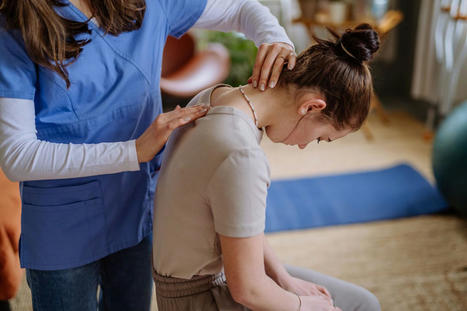


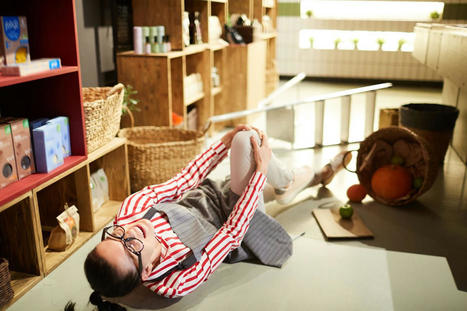
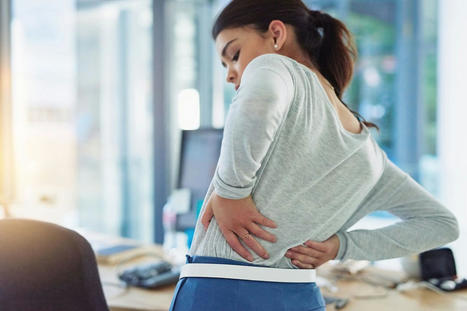

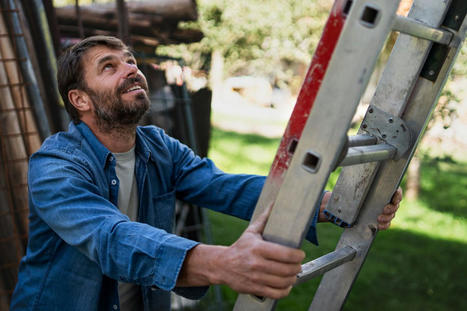
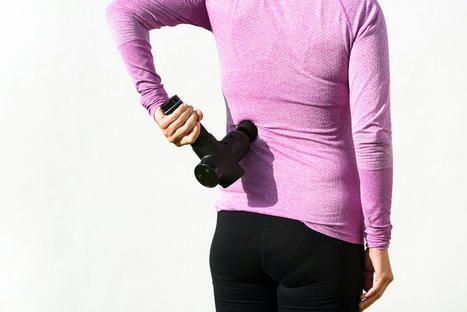



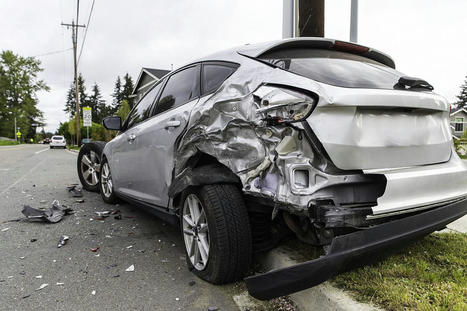


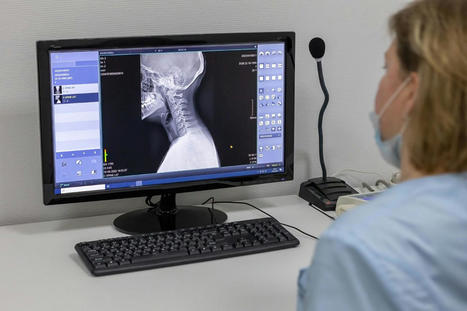
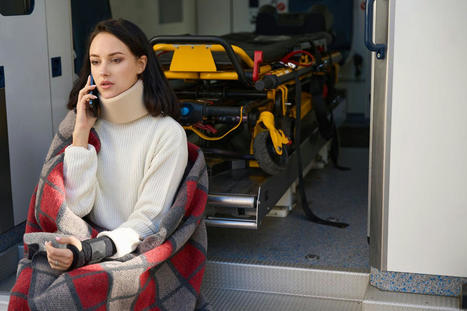
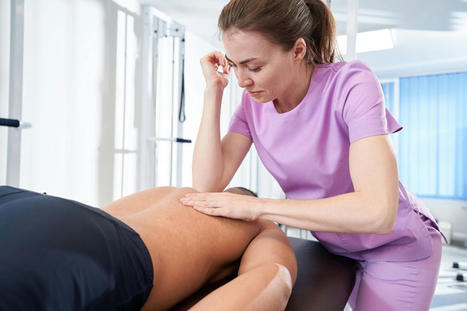
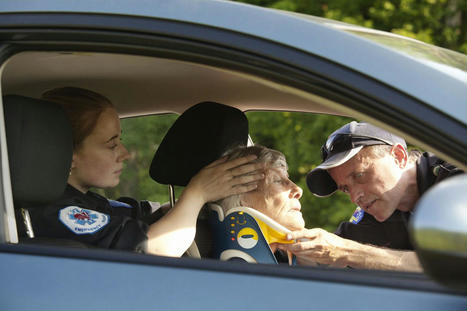
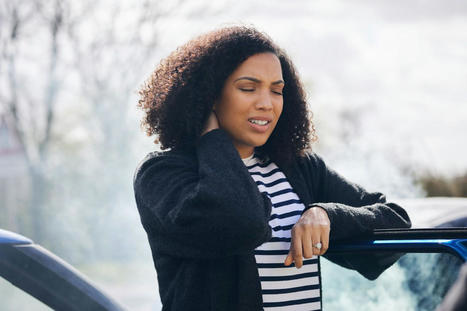





Learn more about the muscles and how they play an important role in the skeletal system, such as aiding with stabilization. For answers to any questions you may have, please call Dr. Alexander Jimenez at 915-850-0900 or 915-412-6677