Your new post is loading...

|
Rescooped by
Jim Lerman
from Active learning Approaches
January 7, 2013 7:46 PM
|
Use engaging videos on TED-Ed to create customized lessons. You can use, tweak, or completely redo any lesson featured on TED-Ed, or create lessons from scratch based on any video from YouTube. Best flips are exceptional, user-created lessons.Users nominate the lessons they build. The lessons are carefully selected by volunteer teachers and TED-Ed.
Want to see your lesson here? Don't forget to hit nominate after you publish.
Via Kim Flintoff
|
|
Rescooped by
Jim Lerman
from Writing Activities for Kids
January 5, 2013 7:25 PM
|
From Kevin's fabulous Edgalaxy Blog: The Snapshot Writing Tool is designed to put students in a specific moment in time using a visual prompt such as a photo or video and then write about what you see? What you hear? What you smell? What you taste? and what you feel? Drawing upon all 5 senses. The snapshot writing tool will really encourage your students create visual imagery within their writing, and they have a great deal of fun putting themselves in the perspective of the picture. Students can either use a photo of their own anlongside the tool or alternately you can access my collection of 150 Amazing writing prompts here.
Via Andrea Zeitz, kathymcdonough, BookChook
|
|
Rescooped by
Jim Lerman
from Writing Activities for Kids
January 5, 2013 7:11 PM
|
Idea generation is often seen as the magic side of creativity, and although I love the magic of it, I also feel like I have learned there is a practical side to it as well.
The great idea spirit seems as unpredictable as the weather. Don’t get me wrong, I agree that idea generation has a mystical side, I just think we have more power to be the catalyst of this spirit than many creatives believe.
Here are 9 ways to flip your own idea generation switch:
Via mooderino, Sarah McElrath, BookChook
|
|
Rescooped by
Jim Lerman
from Feed the Writer
January 5, 2013 7:01 PM
|
You can get great books on the craft of writing and learn to write a novel at home, but there's so many, how do you pick? My favourites are the workbooks providing exercises to try yourself. Here are the top ten workbooks for writing that I couldn't do without:
Via mooderino, Sarah McElrath
|
|
Rescooped by
Jim Lerman
from Feed the Writer
January 5, 2013 6:53 PM
|
Clever and insightful tips for overcoming writer's block, interestingly drawn from Sarah McErath's experience as a painter.
Via Sarah McElrath
|
|
Rescooped by
Jim Lerman
from Into the Driver's Seat
January 2, 2013 5:36 PM
|
By Amy Beth Arkawy :"Start with the smell of burnt toast. Or look for a pair of missing earrings. Try falling out of love. Or waiting for an interview for a job you desperately want ( or one you never thought you'd have to get). Start with a line from a song or a classic movie. Look at a snapshot from a family album. Or a photo from the newspaper.
"These are all prompts I have used in creative writing workshops to help writers tap into the creative well that is available to every artist. We typically use the first twenty to thirty minutes of each session to just write, write, write. The prompt is merely a suggestion- a jumping off point- which can be used or eschewed in favor of an image or idea rumbling around in a writer's head. The premise: uncensored, uninhabited writing can open the creative passageway often blocked by the raging self-doubt of that pesky inner critic who always seems to tag along for the ride."
|
|
Rescooped by
Jim Lerman
from Digital Delights for Learners
December 30, 2012 1:40 AM
|
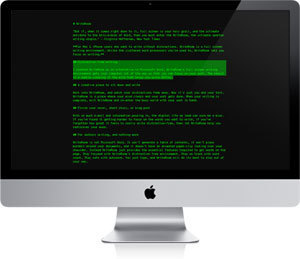
For Mac & iPhone users to write without distractions. WriteRoom is a full screen writing environment. Unlike the cluttered word processors you're used to, WriteRoom lets you focus on writing.
Via Ana Cristina Pratas
|
|
Rescooped by
Jim Lerman
from Social Media 4 Education
December 28, 2012 1:55 AM
|
From the website' "Both high-tech innovations for learning and the inability of many American schoolchildren to write well have been major talking points in educational circles for quite some time, but oddly enough, one may offer a solution to helping remedy the other. There are a variety of tech tools and methods out there for teaching writing that can make the process easier and more fun for both teachers and students. While not every high-tech way of teaching writing will work for every class or every student, there’s enough variety that there’s bound to be something for everyone. Here, we offer just a few tech-focused ways to help students learn grammar, essay-writing, and, most importantly, why good writing is so important to their futures."
Via kathymcdonough, Louise Robinson-Lay, Zbynek Kysela ✔, Ivo Nový
|
|
Rescooped by
Jim Lerman
from :: The 4th Era ::
December 28, 2012 1:42 AM
|
By Shelly Terrell "Learn how images can be powerful tools for teaching. Working with images allows students to visualize learning material. Some ideas for working with images in the classroom are book scavenger hunts, visual dictionaries, and class debates. Have students contribute and write about their own photos to a classroom photo-sharing account."
|
|
Scooped by
Jim Lerman
December 26, 2012 2:58 AM
|
By Susan K. Perry "There are at least 90 such tips, tools, and techniques in Breakthrough! 90 Proven Strategies to Overcome Creative Block & Spark Your Imagination, edited by Alex Cornell, with a foreword by Erik Spiekermann. "Breakthrough! is a fresh compilation of practical, real world solutions offered by a range of creative individuals, including graphic designers, artists, writers, and photographers. These are people who are employed in jobs where they are required to be creative, regularly (brief bios are in the back of the book). The insights in this perkily designed, light-hearted, and useful little volume are sometimes amusing, often unexpected. It's worthy of being read straight through and marked and stickied and personalized by any reader who has ever felt not lazy but gooey in the brain in regards to a particular project."
|
|
Rescooped by
Jim Lerman
from Mobile Websites vs Mobile Apps
December 23, 2012 2:30 AM
|
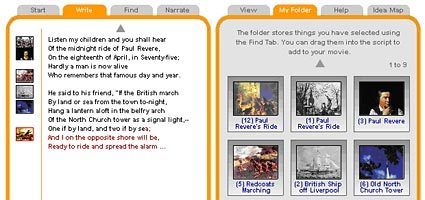
Digital Storyteller is a Web-based tool that offers teachers and students frictionless access to digital images and materials that enable them to construct compelling personal narratives.
Via Ana Cristina Pratas, Zakariyya Spain
|
|
Rescooped by
Jim Lerman
from Into the Driver's Seat
December 18, 2012 4:57 PM
|
By Bill Ferriter
Summary by MiddleWeb SmartBrief
"Sixth-grade language arts teacher Bill Ferriter writes in this blog post about his students' experiment with Scoop.it -- a resource to help users curate collections of resources. Using the tool, students entered search terms related to New York City's ban on large, sugary drinks, then selected sources on the topic they thought should be shared. Scoop.it allows students to evaluate sources, build collections and publish content, Ferriter writes."
|
|
|
Scooped by
Jim Lerman
January 5, 2013 7:45 PM
|
By Fruzsina Eördögh Yahoo beat Google in 2012, when it came to original web video programming. A look back at the best video series the Internet has to offer.
|
|
Rescooped by
Jim Lerman
from Writing Activities for Kids
January 5, 2013 7:23 PM
|
|
|
Rescooped by
Jim Lerman
from Writing Activities for Kids
January 5, 2013 7:08 PM
|
|
|
Rescooped by
Jim Lerman
from Feed the Writer
January 5, 2013 6:58 PM
|
I'm not sure about you, but I'd rather not take any chances in losing my readers' attention. There are too many other things clamoring for their time and energy. We don't want to give them any excuse to put our book down and not pick it back up again.
But is it realistic to think we can rivet our readers on Every. Single. Page?
Via mooderino, Sarah McElrath
|
|
Rescooped by
Jim Lerman
from Into the Driver's Seat
January 3, 2013 10:32 PM
|
By Vicki Windman "As I was browsing through the Tech and Learning magazine in November last year, I came across a review of Footsteps2Brilliance written by Lisa Nielsen, titled “iPad Literacy Program Increases Reading and Writing Ability.” She wrote: “With a tool like this assessing student progress, there should no longer be a need for outdated, standardized bubble tests.” With those words of endorsement, I knew I had to try it. "Footsteps2Brilliance consists of 18 storybooks at the K-3 reading level. The texts can be highlighted to help independent readers focus on the key points, and also be read aloud to a student. The stories are also filled with interactive and animated illustrations."
|
|
Scooped by
Jim Lerman
January 2, 2013 10:32 PM
|
By Jo Scholz "This post is about the basics of why, where and how to use QR codes in your research and teaching. In addition, it will also suggest a few design tweaks that allow you to blend QR codes with the surrounding context (e.g., the keynote slide or a poster). And if you invest some time you can even closely integrate a QR code with your overall self-branding efforts."
Interactive fiction is a kind of text-based adventure game played on the computer.
Via Joe Pereira
|
|
Rescooped by
Jim Lerman
from :: The 4th Era ::
December 28, 2012 7:36 PM
|
“A teacher who is attempting to teach without inspiring the pupil with a desire to learn is hammering on a cold iron.” Horace Mann "Recently I came across a beautifully written ode to creativity written by @RealDavidCameron – see here. Please read it in all of its resplendent glory. The article, appropriate for our austere times, and rather bankrupt political leadership, is not all sweetness and light. Birth weight and poverty are recognized as near intractable factors that inhibit learning, but the driving force of the article resides in the transformative power of education. This was connected to another article by an inspiring school leader, Tom Sherrington – the @headguruteacher – with this article on creativity here: Teaching for Creativity and Innovation. Now, let me admit, when I sometimes hear the term ‘creativity’ used regarding education I wince slightly. ‘Passion’ and ‘creativity’ have become easy labels used across public and private sectors, becoming appropriated by advertisers, regardless of whether those qualities are exhibited or not, like some empty corporate mantra. When people laud Sir Ken Robinson I cannot but agree with his inspired speeches, but without action those words ring hollow. What leaders like Tom Sherrington and people like David Cameron do is put meat onto the bones of the creativity mantra in a real and valuable. They shine a light on creativity in practice and thereby encourage us to bask in the glow and feed the flame,"
|
|
Rescooped by
Jim Lerman
from Social Media 4 Education
December 28, 2012 1:45 AM
|
The buzz around Instagram might have you thinking about jumping ship. Instead, why not consider a few ways to use the app in your classroom?
Via Gust MEES, Ivo Nový
|
|
Rescooped by
Jim Lerman
from Into the Driver's Seat
December 26, 2012 3:12 PM
|
Best education related books and videos of 2012
I was motivated by Larry Ferlazzo, who's been doing something like this for about 4 years, to ask readers of this site to recommend what they've liked reading or viewing in the past year. The book or video need not be directly related to education, but hopefully there is some connection. The media does not need to have been published in 2012, just that you read or viewed it this year.
Please make your addition by adding a comment below. Please give the book title and author, as well as a few sentences regarding what you liked about it. If you are recommending a video, please give its title (if there is one) and the name of the main speaker (or speakers), along with what you liked about it. In addition, it would be great to provide the URL so foks can navigate to it easily.
Thanks to all...and best wishes for the holidays.
Jim
|
|
Scooped by
Jim Lerman
December 23, 2012 12:49 PM
|
By Jeff Brazil "We commissioned filmmaker Nic Askew to make a series of short films that explores the underlying thinking of our six principles of connected learning: interests, peers, youth as producers, networks, shared purpose and academics. Together, the six offer a framework for learning anchored in research and a deep understanding of how people learn, but they also tap the new possibilities of the internet, social media and the information age. This particular film (below) examines a fundamental human experience and key component of connected learning, 'play,' and explores whether it has been underestimated and whether, as a state of being, it holds answers for the reimagining of education."
|
|
Rescooped by
Jim Lerman
from Edumathingy
December 21, 2012 12:33 AM
|
From the website "...he was not only Prime Minister of Great Britian during World War II, he was also the author of more than forty books of biography, history, essays and speeches, and winner of the Nobel Prize in Literature. "So when we found out that as a young man he wrote an essay about the elements of an effective speech, we were excited. Then we discovered that an AP English teacher had developed a series of lessons in which students not only read the essay but also apply Churchill's principles to his own great speeches during WWII. "So here's the essay and the lesson plans. Do tell us what you think of them"
Via Louise Robinson-Lay
|