An informal survey of veterinarians in Brooklyn, N.Y., showed that more than three dozen dogs have been diagnosed with canine influenza since mid-April, and veterinary internist Dennis Slade says the virus is likely to spread to other boroughs.
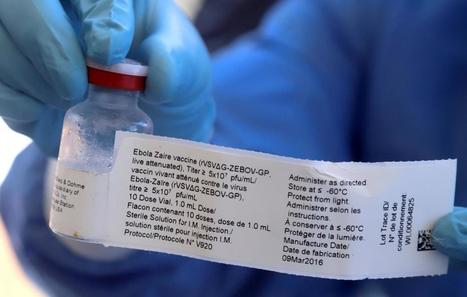
Ebola is a biological weapon being tested in Congo in search of a cure vaccine to generate profit Global mortality figures are used to generate fear for Aid...
Even students who reject evolution are often willing to consider cases in which evolutionary biology contributes to, or undermines, biomedical interventions. Moreover the intersection of evolutionary biology and biomedicine is fascinating in its own right.
Analysis concludes rate of auto-immune diagnosis among 181,000 vaccinated girls between 2007 and 2003 was similar to that of the broader population of adolescent girls
Canine circoviruses (CanineCV’s), belonging to the genus Circovirus of the Circoviridae family, were detected by next generation sequencing in samples from Thai dogs with respiratory symptoms. Genetic characterization and phylogenetic analysis of nearly complete CanineCV genomes suggested that natural recombination had occurred among different lineages of CanineCV’s. Similarity plot and bootscaning analyses indicated that American and Chinese viruses had served as major and minor parental viruses, respectively. Positions of recombination breakpoints were estimated using maximum-likelihood frameworks with statistical significant testing. The putative recombination event was located in the Replicase gene, intersecting with open reading frame-3. Analysis of nucleotide changes confirmed the origin of the recombination event. This is the first description of naturally occurring recombinant CanineCV’s that have resulted in the circulation of newly emerging CanineCV lineages.
Whoo, where to begin...it's a Rep protein gene, NOT a replicase! And CanineCV? SOunds like something a dog would bring to an interview, not a virus! CaCV, maybe?
‘Rapid Apple Decline’ (RAD) is a newly emerging problem of young, dwarf apple trees in the Northeastern USA. The affected trees show trunk necrosis, cracking and canker before collapse in summer. In this study, we discovered and characterized a new luteovirus from apple trees in RAD-affected orchards using high-throughput sequencing (HTS) technology and subsequent Sanger sequencing. Illumina NextSeq sequencing was applied to total RNAs prepared from three diseased apple trees. Sequence reads were de novo assembled, and contigs were annotated by BLASTx. RT-PCR and 5′/3’ RACE sequencing were used to obtain the complete genome of a new virus. RT-PCR was used to detect the virus. Three common apple viruses and a new luteovirus were identified from the diseased trees by HTS and RT-PCR. Sequence analyses of the complete genome of the new virus show that it is a new species of the genus Luteovirus in the family Luteoviridae. The virus is graft transmissible and detected by RT-PCR in apple trees in a couple of orchards. A new luteovirus and/or three known viruses were found to be associated with RAD. Molecular characterization of the new luteovirus provides important information for further investigation of its distribution and etiological role.
Bill Gates Announces a Universal Flu Vaccine Effort “Almost all the speeches I give on global health are about the incredible progress and exciting new tools...
UC San Diego to salvage the "lost" audio recordings of polio vaccine pioneer Jonas Salk Skip to content The idea-a-minute Jonas Salk didn't always have time ...
The CDC's April 27 Morbidity and Mortality Weekly Report examined three rotavirus outbreaks in California in 2017 and found mostly mild to moderate illness among vaccinated and unvaccinated children and adults.
Author summary Cytomegalovirus (CMV) is a common viral pathogen which is highly prevalent, but does not cause clinical disease in hosts with a fully competent immune system. After infection the virus remains with the host life-long in a chronic and then latent state.
Washington—About 85% of a cohort of Alaskans who received the hepatitis B vaccine at age 6 months or older showed evidence of protection after 35 … Continue reading →...
Hi, I'm Jamie. After surviving throat cancer caused by HPV I founded the Throat Cancer Foundation, a national charity that campaigns for HPV vaccination for both boys and girls.#ourboysdeservebetter...
A national shortage of the flu vaccine has hit the ACT with ACT Health staff working to redistribute stock to ensure it goes to those with the greatest need.The shortage …...
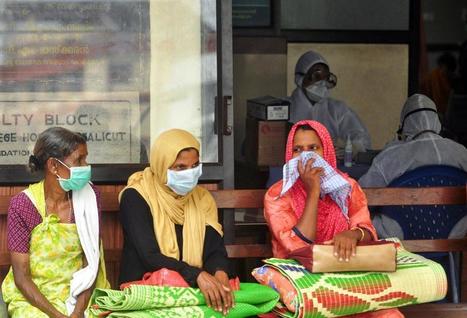
A global coalition set up a year ago to fight epidemics has struck a $25 million deal with two U.S. biotech companies to accelerate work on a vaccine against the brain-damaging Nipah virus that has killed 12 people in India.
Maize lethal necrosis is caused by a synergistic co-infection of Maize chlorotic mottle virus (MCMV) and a specific member of the Potyviridae, such as Sugarcane mosaic virus (SCMV), Wheat streak mosaic virus (WSMV) or Johnson grass mosaic virus (JGMV). Typical maize lethal necrosis symptoms include severe yellowing and leaf drying from the edges. In Kenya, we detected plants showing typical and atypical symptoms. Both groups of plants often tested negative for SCMV by ELISA. We used next-generation sequencing to identify viruses associated to maize lethal necrosis in Kenya through a metagenomics analysis. Symptomatic and asymptomatic leaf samples were collected from maize and sorghum representing sixteen counties. Complete and partial genomes were assembled for MCMV, SCMV, Maize streak virus (MSV) and Maize yellow dwarf virus-RMV (MYDV-RMV). These four viruses (MCMV, SCMV, MSV and MYDV-RMV) were found together in 30 of 68 samples. A geographic analysis showed that these viruses are widely distributed in Kenya. Phylogenetic analyses of nucleotide sequences showed that MCMV, MYDV-RMV and MSV are similar to isolates from East Africa and other parts of the world. Single nucleotide polymorphism, nucleotide and polyprotein sequence alignments identified three genetically distinct groups of SCMV in Kenya. Variation mapped to sequences at the border of NIb and the coat protein. Partial genome sequences were obtained for other four potyviruses and one polerovirus. Our results uncover the complexity of the maize lethal necrosis epidemic in Kenya. MCMV, SCMV, MSV and MYDV-RMV are widely distributed and infect both maize and sorghum. SCMV population in Kenya is diverse and consists of numerous strains that are genetically different to isolates from other parts of the world. Several potyviruses, and possibly poleroviruses, are also involved.
Ah, back to my roots...in 1997 I was part of a group that toured Kenya, looking at mainly maize diseases - and there were a LOT that the KARI people hadn't picked up on. I'm glad to see someone has got creative with NGS!!
Much is known about flu viruses, but little is understood about how they reproduce inside human host cells, spreading infection. Now, a research team headed by investigators from the Icahn School of Medicine at Mount Sina
INTRODUCTION: Seasonal influenza affects millions of people globally each year, causing significant morbidity and mortality. However, there remains substantial uncertainty about the attack rate (incidence) of influenza, particularly in unvaccinated individuals. METHODS: We undertook a systematic review of vaccine randomised controlled trials (RCTs) that reported on laboratory-confirmed seasonal influenza in the placebo arm. We calculated the influenza attack rate from included studies as the number of laboratory-confirmed positive seasonal influenza cases in the placebo arm divided by the total number of subjects in this arm. A random effects meta-analysis was conducted to estimate the influenza attack rate among unvaccinated individuals (both symptomatic only as well as symptomatic and asymptomatic combined). RESULTS: We included 32 RCTs that had a total of 13,329 participants. The pooled estimates for symptomatic influenza were 12.7% (95%CI 8.5%, 18.6%) for children (<18?years), 4.4% (95%CI 3.0%, 6.3%) for adults, and 7.2% (95%CI 4.3%, 12.0%) for older people (65?years and above). The pooled estimates for symptomatic and asymptomatic influenza combined for all influenza were 22.5% (95%CI 9.0%, 46.0%) for children and 10.7% (95%CI 4.5%, 23.2%) for adults. Only one study was identified for symptomatic and asymptomatic combined in older people which had a rate of 8.8% (95%CI 7.0%, 10.8%). There was substantial heterogeneity between studies. CONCLUSION: Overall, we found that approximately 1 in 5 unvaccinated children and 1 in 10 unvaccinated adults were estimated to be infected by seasonal influenza annually, with rates of symptomatic influenza roughly half of these estimates. Our findings help to establish the background risk of seasonal influenza infection in unvaccinated individuals.
New evidence published today in the Cochrane Library shows that human papilloma virus (HPV) vaccines protect against cervical lesions in young women, particularly in those who are vaccinated between the ages of 15 and 26. It also summarizes findings on harms that have been assessed in randomized controlled trials. Below is a Science Media Centre roundup of third-party expert reaction to this review. Prof Keith Neal, Emeritus Professor of Epidemiology, University of Nottingham, said: “This study looks at a collection of studies looking at the benefit of HPV vaccines in reducing pre cervical cancer lesions. HPV also causes many other serious cancers (especially head and neck). In time, as more people have been vaccinated, we will see a reduction in all HPV cancers. The HPV vaccine is one of a number of vaccines using virus like particles (VLPS) which have been shown to be very safe over the last 35 years. “The Cochrane library of reviews has a very rigorous assessment process of all their reviews. “The review only looked at cervical precancer (in women and girls), and does not make any comments about whether boys should be given the vaccine too. But it is an interesting question – the current argument from UK authorities is that herd immunity will protect boys as well. But this is not completely true because 10% of girls do not get vaccinated, nor does it cover sexual activity when abroad or with arrivals to the UK after the vaccination age. Gay men will never be covered by herd immunity from females, hence the separate programme for gay men to receive the vaccine at GUM clinics. Boys can only be fully protected if all their sexual partners have been vaccinated fully.” Dr Mary Ramsay, Head of Immunisations, PHE, said: “This study adds to the wealth of growing evidence from around the world which shows that the HPV vaccine is the most effective way for young girls to protect themselves against cervical cancer. “Most women aged 15 to 25 years in the UK have now received the HPV vaccine. Public Health England has already shown that the HPV vaccine has contributed to a significant decrease in rates of infection with the two main cancer-causing HPV types(16 and 18) in vaccinated and unvaccinated women. This is consistent with very high vaccine effectiveness and substantial herd protection. In time, it is expected that the vaccine will save hundreds of lives every year.” Prof Peter Openshaw, President of the British Society for Immunology, said: “Today’s publication of the Cochrane Library review into the effectiveness and safety of the human papilloma virus (HPV) vaccine paints a reassuring picture, highlighting the huge public health benefits that this vaccine offers to young women. “This very comprehensive review found that the HPV vaccine protects against pre-cancerous changes in the cervix, particularly when given to women aged 15–26. It also finds that, so far, the vaccine causes no serious side-effects. This is very important to emphasise: the negative press that the vaccine has received in some countries is completely unfounded on evidence. The fact that we now have a vaccine that can safely reduce the likelihood of women developing cervical lesions (which often lead to cervical cancer) should be greeted with the highest level of enthusiasm. “Although the HPV vaccine was originally introduced to prevent cervical cancer in women, it’s now recognised that human papilloma virus can cause a number of other diseases in both sexes (which aren’t included in this review) such as genital warts and some other cancers, including those of the anus and some types of mouth and throat cancer. These cancers are rarer than cancer of the cervix, but are really important to prevent too. While this review only concentrates on the effectiveness of the HPV vaccine in relation to cervical lesions, we need to remember that it may confer additional health benefits outside the scope of this review. “Vaccines are among the most effective methods we have to prevent disease. The introduction of the HPV vaccine in the UK in 2008 represented a major step forward in public health, protecting future generations from developing cervical cancer. “The British Society for Immunology celebrates the huge health benefits that this vaccine delivers. It is now crucial that we redouble efforts to ensure that HPV vaccination rates in girls remain high and that we continue to actively communicate the benefits of this vaccine to parents and children.” Prof Margaret Stanley FMedSci, Emeritus Professor of Epithelial Biology and Research Visitor in the Department of Pathology, University of Cambridge, said: “This intensive and rigorous Cochrane analysis of the published clinical trials undertaken with the commercially available HPV vaccines provides reassuring and solid evidence of the safety of these vaccines in young women, with no differences between vaccinated and unvaccinated girls and women in terms of reported serious side effects. It reinforces the evidence that preventing infection by vaccination in young women, with the most important cancer causing HPVs 16 and 18, reduces cervical precancers dramatically. These cervical precancers are the obligate precursors to the life threatening cancer; prevent the precancer and you prevent the cancer. In every clinical trial reviewed in this study the vaccines prevented the development of almost all HPV16/18 caused precancers. These clinical trial results are now being replicated in real life in countries with national HPV vaccination programmes such as the UK – dramatic reductions in the high grade precancers have been shown in Scotland in 20-25 year old women vaccinated at school when they were 12-15.” Dr David Elliman, Consultant in Community Child Health, and RCPCH paediatrician (Royal College of Paediatrics and Child Health), said: “An expert group under the umbrella of the respected Cochrane Collaboration has reviewed all the trials of HPV vaccines. They looked at how well the vaccines worked and how safe they were. After carefully examining all the data, and only including all that which was likely to be accurate and unbiased, they reviewed 26 trials covering 73,428 girls or women. Data on boys and men were not included. “They concluded that both the vaccines that have been in common use (the bivalent vaccine Cervarix and the quadrivalent vaccine Gardasil) were highly effective at preventing infection with the HPV viruses in the vaccines and to a lesser extent reduced infection with some other HPV strains. They also found that the vaccines were highly effective at reducing the incidence of precancerous changes in the cervix, associated with the vaccine strains, that can lead on to cancer. (Because it takes a long time after infection with the virus before cancer develops, there are no published data on this yet.) Changes due to other strains were also reduced, but less so. The main effects were seen in younger females, especially those who were known not to be already infected with HPV. “The group also looked at the incidence of side effects, following the vaccines. They found that, as expected, a number of people had local reactions but there were no serious side effects following the vaccine.” Prof Helen Bedford, Professor of Children’s Health, UCL Great Ormond Street Institute of Child Health, said: “HPV vaccine was introduced 10 years ago for 13-14 year old girls to prevent infection with human papillomavirus (HPV) which can lead to cancer of the cervix, a condition that claims the lives of over 800 women in the UK each year. “This important review of high quality studies shows that HPV vaccines are effective in preventing changes in the cervix that can lead to cancer, particularly when given to young women. It also provides reassuring evidence of the safety of HPV vaccines. “This study provides solid evidence of the effectiveness of HPV vaccines. This, together with early evidence of reduction in cervical cancer in Finland1, confirms the ground breaking value of this cancer preventing vaccine.” 1 Luostarinen T et al. ‘Vaccination protects against invasive HPV-associated cancers’. Int J Cancer, 2018; 142 (2186-2187) Declared interests Prof Keith Neal: "No conflicts." Prof Peter Openshaw: “Prof Peter Openshaw’s research is funded by the Wellcome Trust, the MRC, BBSRC and the European Union. He has received honoraria or consultancy fees from GSK, Janssen, and Mucosis BV.” Prof Margaret Stanley: “Professor Margaret Stanley has acted as consultant and advisor to Glaxo Smith Kline Biologicals and Merck.” Dr David Elliman: “No interests.” Prof Helen Bedford: “I have no conflicts of interest.” No others received. Full citation: Arbyn M, Xu L, Simoens C, Martin-Hirsch PPL. Prophylactic vaccination against human papillomaviruses to prevent cervical cancer and its precursors. Cochrane Database of Systematic Reviews 2018, Issue 5. Art. No.: CD009069. DOI: 10.1002/14651858.CD009069.pub3.
To get content containing either thought or leadership enter:
To get content containing both thought and leadership enter:
To get content containing the expression thought leadership enter:
You can enter several keywords and you can refine them whenever you want. Our suggestion engine uses more signals but entering a few keywords here will rapidly give you great content to curate.


 Your new post is loading...
 Scoop.it!