Your new post is loading...
Deputy Secretary-General Spells Out Organization’s Joint Initiatives in Response to Multiple Crises, as Second Committee Begins Sixty-fourth Session 5 October 2009 General AssemblyGA/EF/3238 Department of Public Information • News and Media Division • New York Sixty-fourth General Assembly Second Committee 2nd & 3rd Meetings (AM & PM)
Deputy Secretary-General Spells Out Organization’s Joint Initiatives in Response
to Multiple Crises, as Second Committee Begins Sixty-fourth Session
As the international community struggled to recover from the global financial and economic recession, mitigate climate change, end poverty and stem the spread of the H1N1 virus, the United Nations was carrying out nine joint initiatives to respond to those and other crises, Deputy Secretary-General Asha‑Rose Migiro said today.
As the Second Committee (Economic and Financial) began its annual general debate, the Deputy Secretary-General said that, with the world economy recovering only slowly, climate change already happening, global unemployment still high and some countries still struggling just to feed their populations, an estimated 100 million people could fall into poverty by year’s end. The H1N1 virus, already present in 180 countries, could turn into a severe pandemic.
She said that to counter those ills, the Organization was bolstering aid to those hardest hit by the economic crisis through a mix of funding and operational capacities, tailored to each country’s needs. Within the framework of the right to food, the Secretary-General’s High-level Task Force on Food Security was leading an initiative to ensure food reached the hungry and malnourished. The Global Jobs Pact gave decision-makers a range of crisis-response measures aimed at using employment and decent work as the basis for long-term recovery.
Moreover, she continued, in a bid to mobilize and share information to help everyone respond better to economic and financial crises, the Secretary-General had launched the Global Impact and Vulnerability Alert System (GIVAS), which gave voice to the poor and most vulnerable. The United Nations had also set up an Integrated Monitoring and Analytical System for Crisis Response, and was helping countries review how they handled social transfers and developed social protection floors.
National commitments to work towards an ambitious, effective and fair deal at the upcoming Climate Change Conference in Copenhagen were encouraging, and the Organization’s Green Economy Initiative aimed to complement them by demonstrating that investing in green sectors improved the chances for recovery and sustainable growth while preserving the environment. A stronger, more coherent United Nations system was essential to reaching those and other goals, as was cooperation and involvement with Member States. “We need better governance, improved funding, and above all, greater results,” she said, emphasizing the importance of fostering a culture of evaluation, reform and simplification, and of responding better to the needs of programme countries.
Echoing the Deputy Secretary-General’s concern about the global crises, Sha Zukang, Under-Secretary-General for Economic and Social Affairs, pointed out that, in 2009, global trade would fall for the first time in 27 years, global gross domestic product (GDP) would shrink, and gains towards achieving the Millennium targets would be reversed, harming the poor and most vulnerable in particular. “Despite unprecedented international cooperation to address the crisis and tentative signs of recovery, there is no room for complacency or a rolling back of concerted actions,” he said.
The crisis response must be aligned with long-term investments in clean energy, food security and poverty reduction in developing countries, he said, voicing support for the call for the Group of Twenty (G-20) agreement in Pittsburgh to establish a framework for strong, sustainable and balanced growth, low on emissions and high on growth for developing countries -- commitments that must be incorporated into national legislation. Donor countries and international organizations should step up debt relief, maintain official development assistance and ensure timely, stable and effective resource flows, he added.
He went on to emphasize that developing countries, long denied a place at the negotiating table, must also be given a greater voice in multilateral financial institutions, which should also be reformed to more adequately and effectively address the potential impact of volatile capital flows and unfettered markets. Giving in to protectionism would impede global recovery, he warned, stressing that all parties must be serious about concluding the Doha Round of trade negotiations in 2010. The Round must include a development perspective.
Committee Chairman Park In-kook ( Republic of Korea) opened the session by stressing the importance for all nations of forging common ground, acting together and working in a spirit of multilateralism to tackle the global economic crisis, alleviate suffering and put the world back on a sustainable track. That was essential to ensuring food security and achieving the Millennium Development Goals. The Committee would also consider climate change -- the most pressing issue of the century, he said, urging members to work for a successful outcome to the Copenhagen Conference.
The Deputy Foreign Minister of Sri Lanka also addressed the Committee.
Also speaking today were the representatives of Sudan (on behalf of the “Group of 77” developing countries and China, and later on behalf of the Group of Arab States), Sweden (on behalf of the European Union), Jamaica (on behalf of the Caribbean Community (CARICOM)), Nepal (on behalf of the Least Developed Countries), Indonesia (on behalf of the Association of South-East Asian Nations (ASEAN)), Japan, China, Pakistan, Russian Federation, United Kingdom, Cuba, Peru, Republic of Korea, Philippines, Turkey, Egypt, Brazil, Qatar, Namibia and Kazakhstan.
The Second Committee will meet again at 10 a.m. tomorrow, Tuesday 6 October, to continue its general debate.
Background
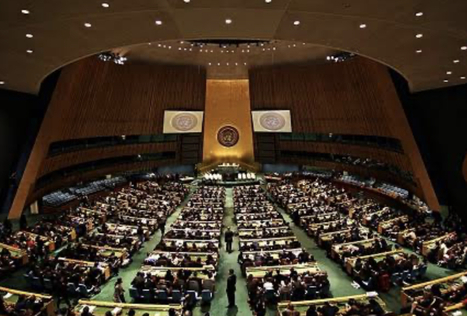
The Second Committee (Economic and Financial) met this morning to begin its general debate for the sixty-fourth session of the General Assembly.
Opening Statements
Committee Chairman PARK IN-KOOK ( Republic of Korea) opened the session by stressing the importance for all nations to forge common ground, act together and work in a spirit of multilateralism. The Committee would consider climate change as the pre-eminent issue of the century, and Committee members were urged to work for a successful outcome to the upcoming Climate Change Conference in Copenhagen. It would also consider the global economic crisis as well as ways to alleviate global suffering and put the world back on a sustainable track. Further, the Committee would look at ways to achieve the Millennium Development Goals and mitigate the global food crisis.
SHA ZUKANG, Under-Secretary-General for Economic and Social Affairs, said the implications of the global financial and economic crisis, the worst in 70 years, as well as the energy, food security and climate change crises, were alarming. Evidence showed that in 2009, global trade would fall for the first time in 27 years. Unemployment would increase worldwide and GDP would decline. Up to 100 million more people would be trapped in poverty than expected before the crisis, and more pressure would be placed on already strained natural resources. Progress towards the Millennium Development Goals would be set back, with a particular impact on the poor and most vulnerable. “Despite unprecedented international cooperation to address the crisis and tentative signs of recovery, there is no room for complacency or a rolling back of concerted actions,” he said, emphasizing that recovery must be sustainable, green and address the multiple crises through an integrated approach.
He said the Department of Economic and Social Affairs (DESA) supported a call for a global green new deal for sustainable development that would enable large-scale transformation investments in energy production and use, provide skills training and transfer, and create millions of green jobs in developed and developing countries. The crisis response must be aligned with long-term investments in clean energy, food security and poverty reduction in developing countries. The Under-Secretary-General voiced support for the G‑20 agreement in Pittsburgh to establish a framework for strong, sustainable and balanced growth, low on emissions and high on growth for developing countries. That growth path was the focus of the Department’s 2009 World Economic and Social Survey titled “Promoting Development, Saving the Planet” and related policy briefs. DESA also aimed to help Member States reach agreement during the Copenhagen Climate Change negotiations.
Addressing the systemic roots of the crisis was of critical importance, he said, as was redoubling efforts to reform the international financial architecture and strengthening institutional frameworks to address more adequately and effectively the potential impact of volatile capital flows and unfettered markets. The G-20 had promised important steps, which must be translated into national legislation. He called for expediting reform of global economic governance to give developing countries a more commensurate voice and participation in multilateral financial institutions, thus ensuring their legitimacy and effectiveness. Giving in to protectionism would impede global recovery, he warned, stressing that all parties must be serious about concluding the Doha Round of trade negotiations in 2010 and with a development perspective. It was also important to overcome hurdles to climate change-related technology transfer posed by intellectual property rights.
Underscoring the urgent need to ensure that the poorest countries benefited from global recovery and contributed to it, he said they must be given adequate development finance to do so. Donor countries and international organizations should step up debt-relief, maintain official development assistance and ensure timely, stable and effective resource flows. It was important to expand innovative sources of financing, focus on employment and social protection as an essential way to contain the negative impact of the economic crisis, and reduce poverty. Creating employment and decent work for all -- a theme of the Second United Nations Decade for the Eradication of Poverty -- was essential to achieving the Millennium targets, as was protecting and expanding gender-equality and women’s empowerment gain. The ongoing response to the financial crisis must include gender-sensitive investments in physical and social infrastructure, as well as employment while taking both paid and unpaid work into account.
ABDALMAHMOOD ABDALHALEEM MOHAMAD (SUDAN), speaking on behalf of the Group of 77 and China, said the global economic and financial crisis had revealed serious multidimensional challenges, among them unemployment and falling wage rates. With millions of people having been thrust into poverty, the United Nations Conference on Trade and Development (UNCTAD) estimated that 53 million people would fall below the poverty line in 2009. The Food and Agriculture Organization (FAO) estimated that the number of hungry people would increase by more than 105 million.
More attention must be paid to development cooperation, especially because developing countries were bearing the brunt of an economic crisis not of their making, he said, calling also for substantial new and additional financial resources to be made available to developing countries. Developed countries should make all efforts to fulfil their commitments in the areas of debt relief, official development assistance, capacity-building and technology transfer in order to counter the effects of the crisis. There was a need to reform the economic and financial system, and the Group of 77 and China reiterated its call for an open, inclusive and transparent reform process.
With regard to food security, he underscored the importance of stronger institutions, the elimination of subsidies by developed countries, investment in agricultural production and research and the stabilization of commodity markets. The Group of 77 and China supported Brazil’s offer to host a summit on sustainable development in 2012. Concerning climate change, it reiterated its call to developed countries to undertake ambitious commitments under the Kyoto Protocol beyond 2012. Solving the climate crisis was an integral part of achieving overall sustainable development objectives. “We look forward to a demonstration of a strong spirit of global partnership for development,” he said in conclusion.
PER ÖRNÉUS ( Sweden), speaking on behalf of the European Union, said the new session offered a timely opportunity to discuss policy options to support the world’s most vulnerable people and avoid a repetition of the global financial and economic crisis, which had been aggravated by climate change. The Committee should discuss new approaches such as green recovery and new technologies for low‑carbon growth, while building on the discussions and outcomes of recent United Nations events such as the Financing for Development Review Conference held in Doha and the Economic and Social Council’s spring meetings with the Bretton Woods institutions, and the recent Group of Eight (G-8) and G-20 meetings. The European Union was fully committed to supporting recovery and long-term development in developing countries. Standing by its official development assistance commitments and its strong commitment to Africa, the European Union reaffirmed that aid effectiveness should guide all development actors.
Emphasizing the European Union’s opposition to protectionism, he said it would continue to press for trade liberalization and further integration of developing countries into the multilateral trading system, including by concluding the upcoming Doha Round in a balanced way. The European Union called on others to match it in providing duty- and quota-free market access for all products from least developed countries. He stressed the importance of aid-for-trade in helping the poorest developing countries overcome trade constraints. The European Union’s public-sector stimulus support in 2009 and 2010 would be a projected to 5 per cent of Members’ combined GDP. Full attention should be given to creating more inclusive labour markets, active labour-market policies, quality education and training programmes. The European Union supported the recently adopted International Labour Organization (ILO) Global Jobs Pact and the reform process under way to increase the voice, quota and representation of underrepresented countries in the Bretton Woods institutions.
The European Union also supported the proposal by the Group of 77 and China to hold a high-level event on sustainable development in 2012, he said, adding that the bloc would continue working to mainstream sustainable development policies to improve the environment, foster green economies and reduce poverty. Renewable energy and energy efficiency were key for sustainable energy and tackling climate change. The international community must make the commitments needed to limit global warning to under 2° C, adapt to the adverse impacts of climate change, and to swiftly and adequately support the world’s poorest and most vulnerable countries in that context, particularly those in Africa and small island developing States. Negotiations to reach an ambitious, global and comprehensive agreement in Copenhagen must be expedited, he said, adding that the European Union also supported the food security initiative endorsed at the G-8 Summit in July, and welcoming the Committee’s new agenda item on legal empowerment of the poor.
RAYMOND WOLFE (Jamaica), speaking on behalf of the Caribbean Community (CARICOM), said that in the present time of “extreme turbulence” the financial and economic crisis was so severe that there was still no consensus on how to address it or how long it would last. The impact on small island developing States had been severe, and there were real fears of further decimation of their economies. Tourism revenues had plummeted, remittances had declined, the financial services sector had contracted and a precipitous commodity price fall were among the effects for those States, he said, noting: “For some of us, the worst is yet to come.”
To address the crisis, a fundamental shift from outmoded ways of doing things was urgently needed, and the international community must develop a common strategy, building on consensus among the 192 Member States, he said. Even during crisis, developing countries continued to be overlooked and CARICOM called on the G-20 actively to seek to accommodate more voices across a wider spectrum, including the CARICOM Subregion. The United Nations, for its part, must be given a more expanded role in international economic governance. CARICOM called for the rapid follow-up to and implementation of the outcome of the Conference on the World Financial and Economic Crisis. Regarding climate change, the region had a particular interest in success at the upcoming Copenhagen Conference, he said, calling on all major emitters to reduce their greenhouse gas emissions. “Our physical and economic survival is at stake,” he added.
MADHU RAMAN ACHARYA ( Nepal), speaking on behalf of the Least Developed Countries, said they were particularly challenged by the global economic and financial crisis, which threatened the attainment of the Millennium Development Goals. Those targets should not be compromised and special attention should be paid to the plight of developing countries. National and G-20 economic packages were too weak to cover needs and protectionist measures in the packages should be actively discouraged. The Brussels Programme of Action, the Almaty Programme of Action and the Barbados Programme of Action should all be implemented in full.
With regard to the upcoming Fourth Conference of the Least Developed Countries in Turkey in 2011, he said States must focus on deliverable and tangible goals for the next decade. Least Developed Countries called for the participation of United Nations Agencies, donors, civil society and the private sector in the Conference, and a spirit of partnership should guide the process. Concerning the food crisis, he said it was a problem that must be addressed through both short‑term and long-term measures, including increased food supply and sustainable agricultural development. Distortions in trading practices must also be corrected, he said.
MARTY NATALEGAWA (Indonesia), speaking on behalf of the Association of South-East Asian Nations (ASEAN), said the Committee must address the current global development challenges -- the financial and economic crisis, climate change, the energy and food crisis and the H1N1 virus -- through meaningful, pragmatic, timely and workable solutions, taking into account the current crisis and the overall global development and economic situation. The Committee must urgently work to help the global economy break free of the economic crisis and recession. Recent indicators showed improvements in the global economy, but the underlying root causes of the crisis still lingered and had yet to be fully addressed.
The international community must remain vigilant and committed to addressing the systemic problems that had led to the financial crisis, he emphasized. It was necessary to ensure that agreed follow-up actions were implemented fully and in a timely fashion, and the Committee’s work must be “in sync” with that follow-up. It must take into account the severe impact of the crisis on the poor, and help alleviate the hardships facing them through meaningful steps. Concrete recommendations were needed to create a comprehensive, equitable and inclusive international financial system. The voices of emerging and developing countries must be taken into account to ensure an inclusive process. ASEAN supported the move, already endorsed by the G-20, to shift quota shares of up to 7 per cent from over-represented countries to under-represented developing countries by January 2011.
The Committee’s work should also contribute to efforts to create an effective early-warning system so as to avoid another global financial crisis, he said. Coordinated global action was needed to restore financial stability and the continued functioning of financial markets. There should be a mechanism in which the views of non-G-20 emerging market economies as a group could be solicited on regulatory standards and issues, since implementation of post-crisis reform would affect most of those economies. The food security crisis merited continued political attention and commitment, as 1 billion people still suffered from hunger and malnutrition. The Committee’s agenda item on agricultural development and food security should comprehensively address that challenge as well as reform of the global food and agriculture economy, taking climate change into account.
Recalling that regional leaders at the fourteenth ASEAN Summit had pledged to strengthen cooperation to enhance food security on the production and distribution fronts, he said they had also promised to work on ensuring sufficient resources and technologies to increase food productivity and develop appropriate mechanisms for the elimination of market distortions in the food trade. In full cooperation with China, Japan and the Republic of Korea -- known as the Plus Three Countries – the regional group would set up an ASEAN Plus Three Emergency Rice Reserve as a permanent regional mechanism, adding to several existing ones. As part of regional efforts to mitigate the impact of natural disasters, the region would implement the ASEAN Agreement on Disaster Management and Emergency Response at the end of 2009.
HUSSEIN BHAILA, Deputy Minister for Foreign Affairs of Sri Lanka, said the international community had reached a critical juncture in efforts to resolve the numerous crises facing the world, most notably the global financial crisis, the worst economic turmoil since the Great Depression. Developing countries had experienced added pressures as a result of the crisis while struggling with other insecurities, including climate change and unstable fuel prices, which threatened the Millennium Development Goals. “This is the time to act,” he said, stressing that it served no purpose to seek stop-gap solutions, such as the rush to generate biofuels, which aggravated the more fundamental food crisis, especially in light of FAO’s estimation that 1.02 billion people, a sixth of the world’s population, were undernourished.
He said the South Asian Association for Regional Cooperation (SAARC) had called for a road map for food security and agricultural development, and such efforts must be complemented by the provision of improved seeds, irrigation water, fertilizer supplies and more investment in research and technology. With regard to climate change, Sri Lanka had begun a national environmental programme called “Green Sri Lanka”, involving all economic development stakeholders. The country has also established a National Carbon Fund to facilitate the Clean Development Mechanism, and urged all States and stakeholders to make the upcoming Copenhagen Conference a success. In conclusion, he said the current financial crisis highlighted the need for reform of the governance structure of the world’s financial institutions. With regard to the World Trade Organization (WTO) negotiations, Sri Lanka reiterated the call for special and differential treatment for developing countries.
SHIGEKI SUMI ( Japan) said the global financial and economic crisis had had the most severe adverse effects on the most vulnerable, and the June high-level Conference on the World Financial and Economic Crisis and Its Impact on Development had been timely and useful. Asia, which had the largest potential for growth in the world, could do much to revive the global economy, and Japan had supported the recovery and growth of the region’s economies by using a broad range of economic and financial tools. Regarding the Millennium Goals, donor countries should honour existing commitments to protect already achieved progress. As for food security and agriculture, rising food prices had jeopardized advances made towards eradicating global hunger. As the largest net importer of food, Japan was particularly interested in food security and supported responsible investment in agriculture.
On the subject of health, he said that, as one of the founders of the Global Fund to Fight HIV/AIDS, Tuberculosis and Malaria, his country had made it a priority to fight infectious diseases. The H1N1 influenza virus had taken a growing toll and become the latest challenge to global health. To combat the pandemic, and in response to a request made by the World Health Organization (WHO) and the United Nations, Japan would provide approximately 1.1 billion yen in emergency grant aid through WHO to help vaccination against H1N1 in developing countries. In conclusion, he highlighted the challenge of climate change, saying his country aimed to reduce emissions by 25 per cent by 2020, compared to 1990 levels. Japan was also ready to provide support to developing countries in the form of financial and technical assistance for their adaptation efforts.
LIU ZHENMIN ( China) said the world’s financial and economic crisis was still unresolved and a comprehensive recovery would be “a slow and tortuous process”. Beyond the crisis, climate change, food security and energy security were serious challenges, as were growing global poverty and the widening gap between North and South, which threatened to undermine attainment of the Millennium Development Goals.
To combat development challenges, the international community must prioritize cooperation, political consensus and partnerships in order to translate their commitments into action, he said. Developed countries should increase assistance and lower artificial barriers to technology transfers, and developing countries should continue to explore appropriate measures for independent growth. The international community should also firmly oppose trade protectionism and safeguard free global trade. Furthermore, a failure of the Doha Round negotiations would counteract the steady development of the world economy.
As for climate change, he recalled that leaders who had gathered at September’s Climate Change Summit had committed themselves to making “vigorous efforts” to address the issue. The international community should adopt a responsible approach to ensuring that the upcoming Climate Change Conference in Copenhagen was a success and that it adhered to the principle of common but differentiated responsibility. With regard to the food crisis, he said the issue deserved high vigilance and attention. States should increase agricultural output, develop technologies and strengthen cooperation while resisting market speculation.
ASHA-ROSE MIGIRO, Deputy Secretary-General of the United Nations, said the world economy was finally stabilizing, but the recovery process was brittle. Unemployment remained high and prospects for a dramatic improvement were bleak. An estimated 100 million people could fall into poverty by year’s end. The world was addressing the financial crisis, but some countries were still struggling just to feed their populations. The spread of the H1N1 virus, already present in 180 countries, could turn into a severe pandemic. Climate change remained one of the world’s most pressing issues, and the September United Nations Summit signalled the world’s determination to address it.
She said developed countries had acknowledged that they must lead by taking radical measures to reduce greenhouse gas emissions, and expressed their readiness to give financial and technological support to developing countries for adaptation and mitigation. Developing countries already had ambitious plans for renewable energy and greater energy efficiency. The most encouraging commitment made was to work towards an ambitious, effective and fair deal in Copenhagen. She welcomed the G-20 leaders’ decision to play a significant role in mitigating the impact of the global economic and financial crisis, while calling at the same time for a more inclusive decision-making process, which would be critical to ensuring effective implementation and a fair, balanced regulatory framework.
Hence the need to institutionalize collaboration between the United Nations and the G-20, she said, adding that the Organization was carrying out coordinated responses to various crises through nine joint initiatives. It was giving assistance to those hardest hit by the economic crisis through a mix of funding and operational capacities tailored to each country’s needs. The Food Security Initiative, led by the Secretary-General’s High-level Task Force on Food Security, had set concrete outcomes required to address the global food crisis and introduce greater food and nutrition security. That was being carried out within the broader framework of the right to food.
The United Nations Trade Initiative worked to counter protectionism, expedite conclusion of the Doha Round, and promote transparency and the sharing of best practices on trade finance market, she said. The Green Economy Initiative aimed to demonstrate that investing in green sectors improved the chances for recovery and sustainable growth while preserving the environment. It also aimed to identify the necessary policy and institutional framework to support green economic growth in all countries. The Global Jobs Pact aimed to focus the attention of decision-makers on employment and decent work as the basis for long‑term recovery, and gave them a range of crisis-response measures. The United Nations was also helping countries review how they handled social transfers and how they developed social protection floors.
The Humanitarian Security and Social Stability Initiative helped decision‑makers take a holistic, concerted approach to those issues, she said. The Technology and Innovation Initiative worked to promote technological innovation investment incentives and strong legal frameworks. The Secretary‑General, in a bid to mobilize and share information to help everyone to better respond to economic and financial crises, had launched GIVAS, which gave voice to the poor and most vulnerable. The United Nations had also set up the Integrated Monitoring and Analytical System for Crisis Response as well as the Monitoring Economic and Financial Policies-International Monetary Fund Surveillance. Everyone must continue their efforts to legally empower the poor.
Noting that the United Nations system was strengthening coherence, she said: “We need better governance, improved funding, and above all, greater results.” There was a need to foster a culture of evaluation, reform and simplification, to better respond to the needs of programme countries, and to help the world’s women while enhancing their role in development. On 14 September, the General Assembly had adopted an important resolution that should improve performance in reaching those goals. “Your involvement is all the more important as we approach 2010’s United Nations High-level Plenary Meeting,” she said. “This will be a timely opportunity to revamp our efforts as we head towards 2015.”
ABDULLAH HUSSAIN HAROON ( Pakistan) said the global development emergency had not relented and was expected to persist. There was no room for complacency; on the contrary, efforts must be redoubled to address daunting challenges. The sense of urgency and collaboration for a successful conclusion to the United Nations Conference on the Global Financial and Economic Crisis must not be allowed to subside, but expedited to ensure early implementation of the Conference’s decisions on mitigating the short-term impact of the crisis while addressing the systemic and structural weaknesses of the global financial and economic architecture.
He said the breakdown of the Doha trade negotiation had thwarted the prospects for using trade as a vehicle for stimulating consumption and production while promoting employment -- necessary tools for ending the global recession. Protectionism would have a negative impact on the growth prospects of developing countries and a successful Doha outcome. A strong effort, involving all stakeholders, was needed to provide the essential political momentum to conclude the Doha Round. Easy access to technology and the transfer of technology were necessary to help the poor build the capacity to achieve higher standards of living, he said. He called for collective efforts to ensure their access to technology, including overcoming constraints on the global intellectual property rights regime
As a low-income country, Pakistan faced the daunting challenge of ensuring sustained development in the wake of the global economic crisis while responding effectively to climate change, he said. Climate change would pose additional challenges to tackling poverty, improving health care, increasing food security and improving access to energy sources. Developed countries must commit to deep‑emission cuts and transfer technology and financial resources to developing countries, which in turn must introduce low-carbon strategies into their socio‑economic growth plans.
VITALY CHURKIN ( Russian Federation) said in respect of the global economic and financial crisis that the G-20 had become a leading platform for international debate, but it was important to develop cooperation between the G-20 and other countries. The United Nations could help ensure that. With regard to the Committee’s work, the chief goal was to prepare for the General Assembly High‑level Plenary Meeting in 2010 and the Committee should avoid duplicating the debates in the Ad-Hoc Open-ended Working Group, which had yet to establish an agenda.
Development goals and the challenge of climate change were closely linked, he said, encouraging the Committee to support the upcoming Climate Change Conference in Copenhagen so that a consensus might be reached. The Russian Federation had decided on a 10-15 per cent reduction of greenhouse gas emissions compared to 1990 levels. In conclusion, he said that his country’s national economy had been growing an average of 0.5 per cent, reversing eight months of recession. In 2009, $19 billion of the federal budget had been allocated to infrastructure and around $17 billion had been earmarked to stimulate construction and housing. However, State involvement would be reduced gradually to promote private investment and traditional market instruments. The Committee, for its part, should abandon a debate of theoretical constructs and focus instead on relevant problems of the international social and economic agenda.
NADIA OSMAN (Sudan), speaking on behalf of the Group of Arab States, said joint efforts were needed to confront the global challenges of climate change, economic crisis and food security, which were affecting development and threatening the Millennium Development Goals. During last January’s Arab Economic Summit in Kuwait, Arab countries had addressed those challenges. The world was experiencing its worst financial crisis in 60 years. Developing and least developed countries, which had played only a small role in creating the crisis, had limited resources and capacity to deal with it. The G-20 recommendations and courses of action had been decided without input from developing countries, which would have been advantageous. The Arab group stressed the need to reform the Bretton Woods institutions in order to foster the participation of developing countries in the decision-making process, as well as the need to reform the quota and voting systems.
Expressing The Arab Group’s concern about the continuing drop in official development assistance, she stressed the need to adhere to the Monterrey Consensus, including by not calculating debt and humanitarian relief as part of aid totals. Developed nations should adhere, without conditions, to their commitments to allocate 0.7 per cent of GDP to official development assistance, and 0.15 per cent to 0.2 per cent of GDP to least developed countries. The international community should give particular attention to least developed Arab States with high poverty levels, and fulfil its commitments to enable African countries to integrate into the world economy, with particular focus on the New Economic Partnership for Africa’s Development (NEPAD). There was also a need to cancel or restructure the debt of Heavily Indebted Poor Countries.
Underlining the importance of addressing the negative impact of climate change in a balanced way, she said the United Nations Framework Convention on Climate Change and its Kyoto Protocol was the most important international instruments in that context. The Arab Group hoped the political momentum generated during the 22 September Summit on climate change would lead to positive results during the upcoming Copenhagen Conference. United efforts were needed to address desertification and drought, which affected most Arab countries, and to implement the United Nations Convention to Combat Desertification. There was a need to address the economic, social and humanitarian plight of Palestinians and Syrians living under Israeli occupation. States must not allow Israel to continue its destructive policies, which undermined Palestinian development. States must take adequate steps, including suspending economic support, to force Israel to respect its obligations under international law.
PHILIP PARHAM (United Kingdom) said that while each agenda item was a priority for the Committee, there were four areas that he wished to highlight: the Millennium Development Goals; system-wide coherence; climate change; and global poverty. With regard to the first challenge, he said faster progress towards reaching the Goals remained more important than ever and the United Kingdom reaffirmed its commitment to attaining them. While the country was on track to meet its aid target, more money was only part of the answer, he said, encouraging States to improve aid effectiveness.
On the subject of system-wide coherence, he commended the resolution adopted at the end of the General Assembly’s sixty-third session, saying he looked forward to its swift implementation. As for climate change, the Committee must capitalize on the political will and vision exhibited at the recent Summit on Climate Change. The United Kingdom urged States to ensure that the upcoming Conference in Copenhagen was a success. In conclusion, he said the poorest had suffered most from the economic and financial crisis and that the United Kingdom supported the Secretary-General’s initiative to track trends and identify vulnerabilities. It also commended the new Global Impact and Vulnerability Alert System, which would produce high-quality analysis and thereby help deliver aid more swiftly and effectively.
RODOLFO BENITEZ ( Cuba) said the Committee’s work this session would be particularly complex because other negotiation processes would be going on simultaneously, among them the upcoming Conference in Copenhagen. Another important event was the Conference on South-South Cooperation in Nairobi, Kenya. The economic and financial crisis had made the global outlook especially dispiriting, he said, adding that the number of poor people in the world was expected to number almost a fourth of the global population. “The number of poor people grows ever more, not less,” he said.
Noting that “absurd” production and consumption patterns threatened the very existence of humankind, he said the international community must find expedient and effective solutions. On the subject of agriculture and food security, he welcomed the opportunity to discuss the challenges ahead, but warned that the discussions must not prejudge the negotiations in Rome on the upcoming World Summit on Food Security. In conclusion, he said his country had been directly affected by unilateral economic measures as a means of “political and economic coercion” against developing countries. However, the United States blockade of Cuba had not impeded significant progress or development.
GONZALO GUTIÉRREZ REINEL ( Peru) said the global economic crisis had confirmed that interdependence was the order of the day, and developing countries must be able to participate to a greater degree in decision-making. Various international bodies with specific mandates for action must seek a comprehensive vision for development that must go beyond basic banking and financial regulation. Financial flows should also be more stringently regulated. In addition to existing commitments, there was a need for new financial resources to help all countries face the crisis, particularly for developing countries. Continued trade flows were essential, and markets must be urgently opened in order to mitigate the impact of the crisis. Eliminating protectionism must be a priority for successfully concluding the Doha Round.
Expressing concern about heavy military spending, which absorbed valuable resources and thwarted the ability of countries to achieve the Millennium Development Goals, he said his country was suffering dramatically from the effects of global warming and an inadequate supply of potable and useable water. Climate change must be urgently tackled, and countries must adhere to specific binding commitments to reduce emissions and transfer green technology. Peru had committed itself to far-reaching mitigation measures, including green education and voluntary national standards. It had started an ambitious forestry conservation programme, among other measures, to reduce 47 per cent of its greenhouse gas emissions. Peru was proposing ambitious global mitigation action, including one to set up a financial mechanism to create a global mitigation fund, which would include a tax on oil production, distribution and sales. Peru also proposed the creation of integrated adaptation programmes for climate change mitigation, and was also actively promoting the use of renewable energy sources.
SHIN BOONAM ( Republic of Korea) said that, while the international community faced a number of heavy challenges, States must remain optimistic and see the present moment as an opportunity to build a more sustainable future together. The United Nations Secretary-General was to be commended for making climate change a priority in advance of the Copenhagen Climate Change Conference and, though the Republic of Korea was not an Annex I country, it was committed to making a contribution and would make a voluntary announcement later this year on an emission reduction target for 2020. The Republic of Korea had also adopted “Low‑Carbon, Green Growth” as a national strategy and planned to invest about 2 per cent of its GDP in the initiative.
With regard to the Millennium Development Goals, he said attaining the targets required an increase in official development assistance, and the Republic of Korea had already committed to tripling its official development assistance by 2015. Furthermore, there was a need to improve aid effectiveness. The United Nations had enhanced cooperation among Member States in the wake of the economic and financial crisis and the Republic of Korea supported the creation of the Open‑ended Working Group. The Secretary-General’s GIVAS and ILO’s Jobs Pact were also laudable. Water also remained a pivotal issue, he said, pointing out that his country had allocated one fifth of its green growth budget to improving domestic water management. He encouraged the exploration of a specialized and unified water management cooperation initiative.
EDUARDO MEÑEZ ( Philippines) said the extreme weather conditions caused by two typhoons in the Philippines in the past few days had caused billions of pesos in property and agricultural losses, claiming the lives of hundreds of people. Viet Nam and Cambodia had also suffered destruction, death and casualties. Those and other natural disasters in nearby Indonesia, Samoa and Tonga underscored the increasing risks in the Asia-Pacific Region of earthquakes, tsunamis and other extreme weather events. The Philippines was a contributor to and recipient of assistance provided by the Central Emergency Response Fund (CERF) and flash appeals coordinated by the United Nations Office for the Coordination of Humanitarian Affairs (OCHA), which were vital aid mechanisms. The Committee’s discussions on sustainable development and the International Strategy for Disaster Reduction could help prevent and alleviate the suffering of many people worldwide.
The consequences of the global financial and economic crisis were of major concern and the Committee had much work ahead, particularly concerning reform of the international financial system, he said. The G-20 had taken the lead in dealing with the financial crisis, amid calls for it to become more transparent and consultative. In that context, the recent briefing organized by DESA, with the participation of the United States Deputy National Security Adviser, was a step forward. But many delegations felt consultations should be held before any far-reaching final policy decisions were made, which might have an impact beyond the G-20. As for climate change, the main objectives of the September Manila Declaration on Green Industry in Asia were for Governments to create policies as well as regulatory and institutional frameworks conducive to shifting to resource‑efficient and low-carbon industries, consistent with the business principle of sustainability.
ERTUĞRUL APAKAN ( Turkey) said the global economic and financial crisis had deepened existing challenges such as volatile fuel prices, food insecurity, the flu pandemic and climate change. Collective efforts were needed to face them. The Committee should focus on sustainable development in the economic, social and environmental spheres.
He said the developing world, especially the least developed countries, landlocked developing countries and small island developing States, had been hit hard by the economic and financial crisis, and eradicating poverty remained the premiere challenge for the international community. Successful negotiations at the Doha Round would be helpful as they would promote integration of the least developed countries into the world economy.
With regard to the United Nations itself, he said the Organization could play a pivotal role in the attainment of the Millennium Development Goals, but it could be further strengthened by increasing its effectiveness and efficiency. On the subject of climate change, he said the high-level Summit in September had been timely. The challenge was urgent and required concrete action, and the Summit had sent a strong signal of the importance of successful negotiations at the upcoming Copenhagen Conference.
MAGED ABDELAZIZ ( Egypt) said the financial and economic crisis had exacerbated the multiple, linked challenges currently facing the international community, among them the energy, food and climate change crises. The Committee must assume its responsibility with seriousness and respond with appropriate solutions. Among the priorities before it, were providing political guidance in advance of next year’s Summit on the Millennium Development Goals, and comprehensive and fundamental reform of the international economic and financial system to enhance the participation of developing countries and the United Nations.
With regard to climate change, he urged States to conclude a landmark agreement, based on the principle of common but differentiated responsibilities, at the upcoming Copenhagen Conference. Food security should also be a priority, and Egypt looked forward to discussions through the Group of 77 and China with a view to adopting a substantive resolution. The energy question also remained high on Egypt’s agenda
He said the United Nations must create an effective mechanism to transfer advanced energy technologies to developing countries, especially renewable energies, for the attainment of the Millennium Goals and to combat climate change. Other important priorities included reaching an agreement on the Doha Round and implementing agreements reached in the political declaration on Africa’s development needs, adopted during the Assembly’s sixty-third session. South-South Cooperation and the issue of middle-income countries could not be ignored either, he added.
MARIA LUIZA RIBEIRO VIOTTI (Brazil), stressing that much more must be done to overcome the global financial and economic crisis, listed several priorities, including the provision of additional resources for developing countries, overhauling financial-market regulation and reforming the governance structures of the International Monetary Fund (IMF) and the World Bank to give greater representation to developing countries. On the subject of food security, she said it was necessary to address the underlying dynamics that had distorted agricultural production, and welcomed the FAO World Summit on Food Security, to be held in Rome in November.
Comprehensive and long-lasting solutions would have to include investment in production and infrastructure as well as aid, she said, adding that special attention and support should be given to Africa’s needs. There was also a need for a new conference on sustainable development, and several countries had expressed support for Brazil’s offer to host such a conference in 2012. It was of pivotal importance that the United Nations continues to focus on development assistance and poverty eradication, she said, reiterating her country’s commitment to strengthening cooperation among developing countries, which was founded on the principles of solidarity and mutual benefit.
NASSIR ABDULAZIZ AL-NASSER ( Qatar) said several developing countries had made important strides in reducing poverty and eradicating hunger and epidemics, but the preliminary assessment of their progress towards achieving the Millennium Development Goals was unsatisfactory. Some gains had been rolled back due to the economic and financial crisis and food crisis, an assessment that should represent the starting point for the Committee’s discussion as it would greatly impact cooperation for development. The Millennium commitments must be fulfilled, and innovative ways found to support the development process.
Developing countries less capable of protecting themselves would be most affected by the fallout from the crisis, he said. It was critically important to restructure the world financial system so as to give sufficient resources to developing countries and not hinder their capacity to develop domestic resources for economic advancement. More aid and debt cancellation were also important. Qatar supported South-South Cooperation and the international conference to be held in December in Kenya.
Huge cash flows were needed to achieve the Millennium Development Goals, he said, stressing the importance of global partnerships in revitalizing efforts to achieve the Millennium targets. The continued deadlock in the Doha negotiations significantly threatened the multilateral trading system, and Qatar called on developed countries to show good faith and flexibility for a successful conclusion to the Round. The country also supported the Rio Declaration on Environment and Development, particularly the principle of common, but differentiated responsibility. Effective solutions to climate change could only be addressed through an integrated approach within the sustainable development process. Qatar would host the Third Conference of States Parties to the United Nations Convention against Corruption in November to review progress towards ending corruption and practices hampering economic growth.
KAIRE MBUENDE (Namibia) said he wished to focus on two issues of crucial importance: climate change and the global economic and financial crisis. “We no longer need awareness campaigns about the danger of climate change. The question is, what is to be done?” Because it affected everyone in the world, climate change could only be addressed in a meaningful way on the multilateral level, he said. With respect to the upcoming Copenhagen Conference, he said failure was not an option, adding that there was a need to finance developing countries so they might mitigate the effects of climate change and develop low-carbon economies.
In terms of the economic and financial crisis, he said deregulation had led to anarchy and financial hurricanes. Meanwhile the WTO’s Doha Round remained deadlocked and free trade was under threat as protectionist tendencies increased, he said, calling on all negotiating groups to make special efforts to reach an agreement that would contribute to development in most countries. Concluding, he said strategies for economic recovery should seek to restore people to their pre‑0crisis situation or better. One goal should be the enactment of governance structures to ensure there was no recurrence of the crisis.
BYRGANYM AITIMOVA ( Kazakhstan) said the Committee’s work had become more relevant and important against the backdrop of the economic and financial turmoil, adding that flexible decision-making in the coming months would be crucial. At a time when the schism between rich and poor continued to widen, the United Nations remained the singular global organization to combat world problems. The global crisis had impeded attainment of the Millennium Development Goals, which now required “redoubling, if not tripling” of the efforts by both developing and developed countries.
With regard to effective multilateral assistance, she said the United Nations Development Assistance Framework (UNDAF) had become even more relevant. As a landlocked country in the heart of Eurasia, Kazakhstan relied, to a great extent, on international cooperation and partnership to gain access to world markets that made stable growth possible. Its development priorities were based on the Almaty Programme of Action.
On national poverty reduction strategies and interventions, she said they should continue to focus on the poor and vulnerable worldwide who had reached the nadir of their capacities. Such strategies and interventions would benefit from an examination of legal empowerment and expanded access to justice. The realization of property rights, labour and entrepreneurship were all directly linked to effective poverty reduction, she said, adding in conclusion that all countries should share best national practices so they might benefit from such programmes.
GA/10860 23 September 2009 With Crises in Food, Energy, Recession Hitting All at Once, ‘the World Looks to Us for Answers’, Secretary-General Says, Opening General Debate General Assembly President Hails United Nations as Most legitimate Forum For Concerted Global Action, as 30 World Leaders Address Session’s First Day
Amid signs that countries were slowly pulling back from the brink of recession, United Nations Secretary-General Ban Ki-moon today cautioned world leaders attending the General Assembly’s annual debate that serious challenges remained, and that tackling the fallout from ongoing crises in food, energy and climate would require nothing less than rising to the call of an exceptional moment in history.
“If ever there were a time to act in a spirit of renewed multilateralism –- a moment to create a United Nations of genuine collective action –- it is now,” Mr. Ban said, opening the Assembly’s sixty-fourth general debate with a call for collective action. “Now is our time,” he declared, urging member States to be united in purpose and united in action.
Laying out his vision, he expressed hope that this year would see significant progress on various fronts, including in the creation of a nuclear-free world. Amid new pledges by the United States and the Russian Federation to reduce nuclear arsenals, and optimism that next year’s Review Conference on the Treaty on the Non-Proliferation of Nuclear Weapons (NPT) would offer a fresh start, the Secretary-General said that action on the issue now could helpbring the Comprehensive Nuclear Test Ban Treaty into force.
As for the ongoing fight against poverty, he drew attention to the fact that the “near poor” were becoming the new poor, and that an estimated 100 million people risked falling below the poverty line this year. With that in mind, he was creating the Global Impact Vulnerability Alert System (GIVAS) to provide real-time data on the world’s socio-economic picture. Further, a summit on the Millennium Development Goals would also be convened at Headquarters in 2010 to mount a final push towards the 2015 deadline.
Turning to the Organization’s work in the field, Mr. Ban called for consolidating progress in Darfur and delivering on world body’s mandate, especially as the African Union-United Nations Hybrid Operation in Darfur (UNAMID) –- which still lacked critical assets -– would be 90 per cent deployed by year’s end. Among other situations, he said that, in Myanmar, if next year’s elections were to be accepted as credible, all political prisoners, including Daw Aung San Suu Kyi, must be released.
Regarding the situation in Gaza, he underscored that issues of justice and accountability had to be addressed and negotiations revived towards achieving a two-State solution. Elsewhere, the United Nations was committed to standing with the people of Afghanistan and Pakistan, and solidifying gains in countries like Timor-Leste, Haiti, Sierra Leone and Nepal.
Above all, the United Nations was committed to offering a voice to the voiceless and defending the defenceless. With crises in food, energy, recession and pandemic flu hitting all at once, “the world looks to us for answers”, he said, adding: “If we are to offer genuine hope to the hopeless, if we are to truly turn the corner to economic recovery, then we must do so for all nations and all people.”
Picking up that thread, the President of the General Assembly, Ali Abdussalam Treki, said the biggest challenges –- peace and security, environmental degradation, extreme poverty, simultaneous economic, food and energy crises and disarmament –- could only be tackled through a well-functioning multilateral system.
As the United Nations chief deliberative policy-making organ, the Assembly held legitimacy unmatched by any other body or organization, and he pledged to work with States to forge consensus on a revitalized Assembly and a reformed Security Council. In the area of human rights, racial discrimination, xenophobia and intolerance continued to plague societies across the globe, and the Assembly would need to support the development of the Human Rights Council.
Recalling that peace required global cooperation, United States President Barack Obama said his Government was ready to begin a new chapter of international cooperation -- one that recognized the rights and responsibilities of all nations. Recalling that he had assumed office at a time when many viewed the United States with mistrust, he said it was his deep belief that in 2009 -- more than at any other time -- the interests of nations and peoples were shared.
He said the United States would live up to its values and lead by example. It had re-engaged the United Nations, joined the Human Rights Council and fully embraced the Millennium Development Goals. Challenging all Member States to work together and with more urgency to ensure global peace and security, Mr. Obama laid down four pillars towards a more peaceful word, including eliminating nuclear weapons, curbing global warming, ending intractable conflicts and creating a fair global economic and trade system.
He noted the General Assembly had often become a forum for sowing discord -- but twenty-first century leadership demanded more. No world order that elevated one nation over others would succeed. “The choice is ours,” he said. “We can be remembered as a generation that chose to drag the arguments of the twentieth century into the twenty-first […] or one that chooses to come together to serve the common interest of all human beings.”
Similarly, Ugandan President Yoweri Kaguta Museveni said Africa was entering a phase of growth and transformation. Uganda had faired well during the recession, mainly because of strong regional trade, but it would do much better when roads, electricity and railways were in place. Progress in those infrastructure areas had been slow, due to dependence on foreign funding, which tended to be frivolous and erratic.
How could growth and transformation be expected in such a situation? he asked, and said the whole of Africa needed to “wake up” and cooperate on finding solutions. Indeed, Africa could no longer be held hostage to foreign funding in such vital areas, he said, stressing that African nations faced a double task: to transform from pre-industrial to modern economies and to cope with problems caused by others, including the global financial crisis and environmental deterioration. The need for dialogue among civilizations was long overdue, he added.
On that point, Dmitry Medvedev, President of the Russian Federation, said the international community had felt the need, as never before, for informal collective leadership, and an increased role for forums like the Group of Eight (G-8) and Group of 20 (G-20). Among problems that could not be solved without the United Nations was the imbalance of existing world economic governance mechanisms, the inadequacy of their “rules of the game” and the chasm between financial markets and the real economy.
He said the United Nations had to strengthen its influence and preserve its multinational nature. Reforming the Security Council was essential to those efforts and the time had come to step up the search for a compromise formula for its expansion. In addition, real progress in nuclear disarmament would be impossible without addressing national missile defence and non-nuclear strategic offensive arms potential. He expected work on a new treaty to fully take into account relevant provisions of the joint document endorsed by himself and the United States President at their meeting in Moscow earlier this year.
Hu Jintao, President of China, said that, as the world moved further towards multi-polarity and economic globalization, democracy in international relations had gained greater public support. At the same time, prospects for global economic recovery were unclear and he called on the United Nations to achieve a more balanced global economic system, notably by creating an international environment conducive to developing country growth. Developed countries should open their markets by reducing or exempting tariffs, while developing nations should upgrade South-South cooperation.
For its part, China would continue to open to the rest of the world, he said, pledging support to developing countries hurt by the financial crisis. Such efforts would include assistance for attainment of the Millennium Development Goals, increased assistance to Africa, the reduction -- or cancellation -- of debt for heavily indebted poor countries and promotion of regional monetary and financial cooperation.
Also speaking today were the Heads of State of Brazil, Libya (on behalf of the African Union), Qatar, Turkmenistan, Chile, Uruguay, Algeria, Republic of Korea, France, Argentina, Tajikistan, Monaco, Colombia, South Africa, Czech Republic, El Salvador, Equatorial Guinea, Dominican Republic, Iran, Bolivia, Ukraine and Poland, as well as the Heads of Government of Sweden (on behalf of the European Union), Italy, United Kingdom and Australia.
The General Assembly will reconvene at 9 a.m. Thursday, 24 September, to resume its general debate.
Background
The General Assembly met this morning to begin its annual general debate.
Statement by the Secretary-General
Opening the sixty-fourth session’s general debate, United Nations Secretary-General BAN KI-MOON recalled that the Assembly gathered every September in a solemn rite –- to reaffirm the United Nations’ founding charter and faith in the principles of peace, justice, human rights and equal opportunity for all. Delegates assessed the state of the world and laid out a vision for the way forward.
This year, however, the Assembly had been asked to rise to an exceptional moment: amid the many crises of food, energy, recession and pandemic flu, the world looked to the 192-member body for answers.
“If ever there were a time to act in a spirit of renewed multilateralism –- a moment to create a United Nations of genuine collective action –- it is now,” he said. It was time to put the “united” back into the United Nations.
Laying out his vision, he asked world leaders to make this year one in which the Organization rose to the greatest challenge facing the human family: the threat of catastrophic climate change. Indeed, just yesterday, 100 Heads of State and Government recognized the need for a climate agreement that all nations could embrace, in line with their abilities, consistent with what science required, and grounded in “green growth” –- the lifeline of the twenty-first century.
He urged that this year see a world free of nuclear weapons. It was a cause that had lain dormant for too long, which was why, last October, he had proposed a five-point plan for putting disarmament back on the global agenda. The Russian Federation and the United States had pledged to cut nuclear arsenals and this May, there would be a chance to push for real progress at the United Nations Review Conference on the Nuclear Non-Proliferation Treaty (NPT).
Moreover, tomorrow’s historic Security Council Summit, chaired by the President of the United States, offered a fresh start. “With action now, we can get the ratifications to bring the Comprehensive Nuclear-Test-Ban Treaty (CTBT) into force,” he said.
In the fight against poverty, he hoped this year would bring a focus on those left behind, as a new crisis was at hand. The near-poor were becoming the new poor and an estimated 100 million people risked falling below the poverty line this year.
Markets might be bouncing back, but incomes and jobs were not, he said. People believed the global economy was stacked against them, which was why he had put forward a Global Jobs Pact for balanced and sustainable growth, and was working to create a new Global Impact Vulnerability Alert System, which would provide real-time data on the world’s socio-economic picture.
A special summit on the Millennium Development Goals also would be convened at this time next year. “With only five years to go, we must mount a final push towards 2015,” he stressed. Rightly, women and children had been placed at the forefront.
The prevention of sexual violence against women also must be a priority. “Let us agree: these acts are an abomination,” he stressed. Leaders of every nation were personally accountable when such crimes were committed within their borders. When women died in childbirth or were raped as a weapon of war, the United Nations could not look the other way, and he reminded delegates they had recently agreed to create a single agency to address women’s issues.
Along similar lines, he said the Assembly also had reaffirmed the responsibility to protect. “Where conflicts arise, justice and accountability should follow,” he said, which was why the work of the International Criminal Court was so vital. He looked forward to the Review Conference next May as a chance to strengthen its mandate.
Turning to the United Nations’ work in the field, he said none of those noble goals could be achieved without peace, security and justice. In Darfur, that meant consolidating progress and delivering on the mandate. While the mission would be 90 per cent deployed by year’s end, it lacked critical assets, and in that context, he urged continued work to stabilize the Sudan and to shore up the comprehensive peace with the Southern Sudan.
Noting that Somalia continued to demand attention, he said the United Nations, in Sri Lanka, would continue to press for settlement, reconciliation and respect for the principle of responsibility. He welcomed the Government’s pledge to allow all displaced persons to return by the end of January.
In Myanmar, the release of some political prisoners last week fell short of what was needed, and he called for doing “much more” in the best interests of the country and its people. If next year’s elections were to be accepted as credible, all political prisoners –- including Daw Aung San Suu Kyi –- must be released.
In Gaza, people continued to suffer, he stressed. Issues of justice and accountability had to be addressed and he urged reviving negotiations towards a two-State solution and comprehensive peace in the Middle East. He supported United States President Barack Obama’s efforts for the resumption of peace talks and would work within the Quartet to that end.
While recent elections in Afghanistan had revealed serious defects, the world should not forget that progress had been made, he continued. The United Nations was committed to standing with the Afghan people, as well as with the people of Pakistan. Significant progress also had been made in Timor-Leste, Haiti, Sierra Leone and Nepal. Quiet progress had been made in Iraq and fresh opportunities created in Cyprus. It was time to take stock and move forward.
On a final note, Mr. Ban reminded delegates that their common ambition should be to make the United Nations’ outward renovation work a symbol of the Organization’s inward renewal. The United Nations had made progress in “Delivering as One” and in “getting peacebuilding right” so that societies emerging from war did not slide back into conflict. It had created the Department of Field Support and was developing the “New Horizons” strategy to make peacekeeping more agile and effective.
“We need the strong support of Member States, just as we do to secure the safety of our brave staff serving in dangerous places,” he said.
In his travels from the Arctic ice rim to the steppes of Mongolia, to the Democratic Republic of the Congo, and to summits in Trinidad and Tobago, London and L’Aquila –- he had spoken out on one point above all others: the United Nations was the voice of the voiceless, the defender of the defenceless.
“If we are to offer genuine hope to the hopeless, if we are to truly turn the corner to economic recovery, then we must do so for all nations and all people,” he said. “We are here to take risks, to assume the burden of responsibility, to rise to an exceptional moment, to make history.” This year, of all years, asked no less.
Statement by General Assembly President
ALI TREKI, President of the United Nations General Assembly, said the sixty‑fourth session was taking place as the international community faced multiple crises and enormous challenges in areas from international peace and security, to environmental degradation and climate change, to extreme poverty and deadly infectious diseases. The setbacks to the achievement of the Millennium Development Goals; the economic, financial, food and energy crises; disarmament and non-proliferation were all challenges in the backdrop of this session.
Those challenges could only be addressed through a well-functioning multilateral system that would ensure effective and collective action. As the embodiment of multilateralism, the United Nations was the most legitimate forum for ensuring concerted global action. The Assembly was “the chief deliberative policymaking organ of the United Nations”, and held a global membership and legitimacy unmatched by any other organization. Mr. Treki pledged to work with Member States to forge a consensus on a revitalized Assembly, a more representative and reformed Security Council, and other initiatives to improve the effectiveness and management of the Organization.
Turning to crucial issues facing the world, he said the international community needed to work towards a global climate change agreement in Copenhagen and a more comprehensive and coherent approach towards peace, security and development in Africa. He said the upcoming high-level Assembly meeting, scheduled for the start of the sixth-fifth session in 2010, would be held just five years before the achievement of the Millennium Development Goals and offered an opportunity to identify the impediments to progress towards the Goals.
Supporting post-conflict peacebuilding would continue to be a major concern for Member States, as would the promotion and protection of human rights. He noted that the Assembly would review the follow-up to the outcome of the Durban Review Conference as racial discrimination, xenophobia and intolerance challenged societies across the globe. The Assembly would be required to support the development of the Human Rights Council. The question of Palestine and the Arab-Israeli conflict remain unresolved despite its place on the Assembly’s plenary agenda for many years, and still posed a serious threat to international peace and security. A comprehensive and lasting settlement was needed, he said.
The Organization had a unique responsibility in striving for the rule of law within international affairs and was the universal centre for international standard setting in various fields of international law. Yet the rule of law meant little without the accountability of law, and in the face of violations of international law, there had to be effective means of redress. While the international community was constantly strengthening accountability mechanisms, including dispute resolutions, it had far to travel to fulfil this part of the vision. The law itself had to reinforce the common belief in the fundamental dignity of all human beings, Mr. Treki said.
Statements
LUIZ INáCIO LULA DA SILVA, President of Brazil, said he would focus on three perils haunting the planet: the ongoing economic crisis; the lack of stable world governance; and the threat of climate change. As he had said a year ago, history would never forgive the serious blunder of dealing with the “impacts” rather than the “causes” of the crisis.
For example, he said, the current economic crisis was more than a crisis of “big banks”. It was a crisis of “big dogmas”. An economic, political and social outlook that had been held to be unquestionable had simply fallen apart. A senseless system based on absurd doctrines, such as markets regulating themselves, had proved itself bankrupt. Furthermore, the fact that a total collapse of the system had been avoided had apparently given rise to irresponsible acquiescence in certain sectors. Most of the underlying problems had been ignored. There was enormous resistance to adopting mechanisms to regulate financial markets.
At the G-20 meetings and in other venues with world leaders, he continued, he had insisted on the need to irrigate the world economy with a significant volume of credit. He had defended the regulation of financial markets, the widespread adoption of anti-cyclic policies, the end of protectionism and the fight against tax havens. He had proposed true reform of the multilateral financial agencies.
The world could no longer be run by the same rules and values that had prevailed 65 years before, he stated. Likewise, the United Nations and the Security Council could no longer be run under the structures imposed after the Second World War. The world was growing “multilateral” and also “multi-polar,” based on regional integration, such as South America’s creation of the Union of South American Nations (UNASUR). And rather than being in conflict with the United Nations, such a world would invigorate the Organization.
It would take political will to confront and overcome situations that conspired against peace, development and democracy, he continued. Without political will, throwbacks such as the embargo against Cuba would continue. There would be more coups such as the one that had toppled the constitutional President of Honduras, granted refuge in Brazil’s embassy in Tegucigalpa since Monday. The international community must demand that he be returned to the Presidency of his country and must ensure the inviolability of Brazil’s diplomatic mission in Honduras.
Finally, he said, the threat of climate change would continue to grow unless all countries took action to turn back global warming. His country would arrive in Copenhagen with precise alternatives and commitments based on a National Climate Change Plan that included an 80 per cent cut in deforestation of the Amazon by 2020. Further, despite the fact that Brazil was self-sufficient in oil and major reserves had recently been found, Brazil would not turn into an oil giant but would consolidate its role as a world power in green energy.
Meanwhile, he said the developed countries must set emission-reduction goals far beyond those tabled to date. Plus, the funding for technological innovations to protect the environment in developing countries was totally insufficient.
BARACK OBAMA, President of the United States, said that, while he had been in office for just nine months, he was aware of the expectations that accompanied his Presidency –- they were rooted in a discontent with a status quo that had allowed people to be increasingly defined by their differences and outpaced by their problems. At the same time, such expectations were rooted in hope that real change was possible and that the United States would lead in bringing it about, he said.
He had come to office at a time when many viewed the United States with mistrust, but it was his deep belief that in 2009, more than at any other time, the interests of nations and peoples were shared. Religious beliefs could forge new bonds or tear people apart. Technology harnessed could light the path to peace or darken it. What happened to the hope of a child anywhere could enrich the world –- or impoverish it. “We must embrace a new era of engagement based on mutual interests and mutual respect,” he said. “Our work must begin now.”
“ America will live its values, and we will lead by example,” he said, noting that his Administration would work with all Members States to disrupt, dismantle and defeat Al-Qaida and its extremist allies. In Afghanistan and Pakistan, the United States and others were helping to develop their Governments’ capacity to lead in that effort, and advance their peoples’ security. In Iraq, it had removed American combat brigades from cities and set a deadline of next August to remove all such brigades from Iraqi territory. He pledged to keep his promise to remove all troops by the end of 2011.
He said the United States had outlined a comprehensive agenda to seek a world without nuclear weapons. In Moscow, the United States and the Russian Federation had announced they would pursue reductions in strategic warheads and launchers. At the Conference on Disarmament, they agreed to a plan for negotiating an end to the production of fissile materials for nuclear weapons, and this week, the Secretary of State, Hillary Rodham Clinton, would become the first senior American representative to the annual Members Conference of the Comprehensive Nuclear-Test-Ban Treaty.
The United States also had re-engaged the United Nations, he explained, saying “we have paid our bills”, joined the Human Rights Council, signed the Convention on the Rights of Persons with Disabilities and fully embraced the Millennium Development Goals. Some actions had yielded progress and others had laid the groundwork for it in the future. But such efforts could not fall to America alone; all had to bear their share of responsibility for a global response to global challenges.
Recalling that peace rested on the cooperative effort of the world, Mr. Obama pointed out that the General Assembly had often become a forum for sowing discord. Twenty-first century leadership demanded more, and no world order that elevated one nation over others would succeed. “Old habits and old arguments are irrelevant to the challenges faced by our people,” he said, calling for building new coalitions that bridged old divides. “The choice is ours: we can be remembered as a generation that chose to drag the arguments of the twentieth century into the twenty-first […] or one that chooses to come together to serve the common interest of all human beings.”
With that, he put forward four pillars, fundamental to a future the United States wished to see, calling first on States to stop the spread of nuclear weapons and seek a world without them. Today, the threat of proliferation was growing in scope and complexity. Failing to act invited a nuclear arms race in every region. A fragile consensus stood in the way of that frightening outcome -– the basic bargain that shaped the Nuclear Non-Proliferation Treaty (NPT), which outlined States’ right to peaceful nuclear energy and that those with nuclear weapons had the duty to move towards disarmament.
He said the United States would pursue a new agreement with the Russian Federation to substantially reduce strategic warheads and launchers, and complete a Nuclear Posture Review that opened doors to deeper cuts. It also would host a summit next April reaffirming nations’ duty to secure nuclear material on their territory and help those unable to do so. Such efforts must work to strengthen the NPT.
When International Atomic Energy Agency (IAEA) inspections were avoided and United Nations demands ignored, people were less safe and all nations were less secure, he said, adding that the Governments of North Korea and Iran threatened to take the world down that dangerous slope. He was committed to diplomacy that opened a path to a more secure peace for both nations, but if they ignored international standards, they must be held accountable. “We must insist that the future does not belong to fear.”
Turning to the second pillar –- the pursuit of peace -– he said efforts must begin with an unshakeable determination that the murder of innocent people would never be tolerated. In confronting extremists that promoted conflict by distorting faith, he said the United States would forge partnerships, share intelligence, coordinate law enforcement and protect people. The most powerful weapon in its arsenal was the hope of human beings –- the belief that the future belonged to those who built, not destroyed.
The United States would boost support for peacekeeping and energize efforts to prevent conflicts. In the Sudan, he said, it would pursue lasting peace through support of people in Darfur and implementation of the Comprehensive Peace Agreement. Elsewhere, from Haiti to the Congo to East Timor, it would work with the United Nations to support lasting peace.
In addition, the United States would continue to seek a just and lasting peace between Israel and Palestine, and the Arab world. Just yesterday, he had met with Prime Minister Benjamin Netanyahu and President Mahmoud Abbas. While progress had been made, he continued to call on Palestinians to end incitement against Israel, and reiterate that America did not accept the legitimacy of continued Israeli settlements.
He said the time had come to relaunch negotiations –- without preconditions –- that addressed the permanent status issues: security for Israelis and Palestinians, borders, refugees and Jerusalem, he said. The goal was clear: two States living side by side in peace and security -– a Jewish State with true security for all Israelis, and a viable, independent Palestinian State with contiguous territory, that ended occupation begun in 1967. The United States would also pursue peace between Israel and Lebanon, Israel and Syria, and a broader peace between Israel and its many neighbours.
Turning to the preservation of the planet, he said the danger posed by climate change could not be denied and nations’ responsibility to meet the challenge could not be deferred. Without action, efforts to end conflict would be eclipsed by wars over refugees and resources; development would be devastated by drought. “The days when America dragged its feet on this issue are over,” he said, adding that the country would press ahead with deep cuts in emissions to reach the goals set for 2020, and eventually 2050.
On the final pillar –- creating a global economy that advanced opportunity for all people –- he said the world was still recovering from the worst economic crisis since the Great Depression. Across the globe, there were promising signs, yet little certainty about what lay ahead. At the upcoming G-20 meeting in Pittsburgh, the United States would work with the world’s largest economies to chart a course for balanced growth. That would mean vigilance, to ensure efforts did not let up until people were back to work, rekindling demand, and strengthening regulation for all financial centres.
Indeed, there was a moral and pragmatic interest in the broader questions of development. The United States had set aside $63 billion to carry forward the fight against HIV/AIDS, to end death from tuberculosis and malaria, to eradicate polio, and strengthen public health systems. The United States would join others in contributing H1N1 vaccines to the World Health Organization.
Growth could not be sustained unless all embraced their responsibility. Wealthy nations had to open their markets to more goods, and reform international institutions to give more countries a greater voice. Developing countries had to root out corruption that precluded progress. The United States would support honest police and independent judges, civil society and a vibrant private sector.
“Our goal is simple: a global economy in which growth is sustained and opportunity is available to all,” he said. Such changes would not be easy but he believed the world’s people hoped that for their children. Democracy and human rights were essential to achieving such goals. The test of leadership would not be the degree to which nations fed the fears of their people. As an African American, he would never forget that he would not be here today without the steady pursuit of a more perfect union in the United States. While America had too often been selective in its promotion of democracy, that only reinforced its commitment.
“We have reached a pivotal moment,” he said. “The United States stands ready to begin a new chapter of international cooperation -– one that recognizes the rights and responsibilities of all nations.” With confidence in its cause, and commitment to its values, the United States called on all nations to help it build the future people deserved.
MUAMMAR AL-QADHAFI, Leader of the Revolution of Libya, speaking also on behalf of the African Union, said he hoped this gathering would be a historic one. He also congratulated United States President Barack Obama on his first address to the General Assembly. This year’s debate was being held in the midst of many challenges and the world should unite and defeat these challenges, which included climate change, the economic crisis and the food crisis.
He said many Member States were not present when the United Nations was created by three countries years ago. They created the Charter but the Preamble was different from the provisions and articles. No one objected to the Preamble, but he rejected everything that came after. The Preamble of the United Nations Charter said nations were equal, whether large or small. The veto power bestowed upon the five permanent members of the Security Council was, therefore, against the Charter, and he neither accepted nor recognized it.
Continuing, he said the Charter’s Preamble stated that military force should not be used unless there was a common interest. But 65 wars, with millions of victims, had broken out since the creation of the United Nations. Moreover, the Preamble said if there was aggression against any country, the United Nations together would check such actions. Despite that, countries which held the veto used aggressive force against “the people”, even as the Charter said no nation had the right to intervene in the internal affairs of another.
He went on to express concern that right now, calls for reforming the Organization focused only on increasing the number of Member States. That would only make things worse. For instance, adding more Security Council seats would “give rise to more super-Powers, crush the small people and create more poverty”. Such an impractical move would also generate more competition among countries. In any case, the Council should act according to the rules of the United Nations. The solution was to close the admission of new Member States and provide equality among those already belonging to the Organization, he said.
Currently, the Assembly was like a decor without any substance. “You just make a speech and then you disappear...that’s who you are right now,” he said. Setting that right would mean that the Security Council could serve as a tool for implementing resolutions adopted by the Assembly. The Council should represent the interests of all countries, through individual seats or seats held by unions that represented each region of the world. There were equal votes in the Assembly and there should be equal votes next door in the Security Council, he declared, adding that ultimately, for a united and peaceful world, serious Organizational reform was needed.
Keeping his focus squarely on Security Council dynamics, he said that the 15-member body practised “security feudalism” for those who had a protected seat. “It should be called the terror council”, he said, underscoring that terrorism could exist in many forms. The super-Powers had complicated interests and used the United Nations for their own purposes. Indeed, the Security Council did not provide the world with security, but gave it “terror and sanctions”. He was not committed to adhere to the Council’s resolutions, which were used to commit war crimes and genocides. He reiterated that the Council did not provide security and the world did not have to obey the rules or orders it decreed, especially as it was currently constituted.
Regarding Africa, the African Union deserved a permanent seat in the Security Council for the suffering it had endured for many years. This had nothing to do with reform, he said, declaring that Africa deserved compensation, amounting to some $77.7 trillion for the resources and wealth that had been stolen in the past. Colonization should be criminalized and people should be compensated for the suffering endured during the reign of colonial power.
Africans were proud and happy that a son of Africa was now governing the United States of America and it was a great thing -- it was a glimmer of light in the dark of the past eight years, he said.
However, he noted the money spent by the United States and the city to secure United Nations Headquarters during the annual Assembly. While thanking the United States for its efforts in hosting the Organization for the past 50 years, he said the United Nations should hold its annual debate in another hemisphere for the next 50 years. He complained about the trouble some diplomats and their staff had in securing visas from the United States Government.
YOWERI KAGUTA MUSEVENI, President of Uganda, said Africa had gotten grasp of the development compass in the last 15 to 20 years. Uganda’s economy had grown at the rate of 6.5 per cent a year for the two decades and had grown 7 per cent the last year, despite the global recession. Those reasonable rates of growth had been achieved despite the fact that three vital infrastructural elements remained to be resolved decisively.
In the areas of electricity, roads and railways, he said progress had been slow due to a dependence on foreign funding, which tended to be frivolous and erratic. Rising tax collections have now put Uganda in position to fund projects in those areas and foreign investments were welcome, of course. But Africa could no longer be held hostage to foreign funding in those vital infrastructural areas in which there were shameful global inequities. The United States, for example, had an electrical usage rate of 14,124 kilowatts per capita per year, while Africa had 574, and some African countries had rates as low as 9 kilowatts.
How could growth and transformation be expected in such a situation, he asked, and said the whole of Africa needed to “wake up” and cooperate on finding solutions to that matter and to the poor condition of roads. In China, the cost of transporting a ton of cargo between Beijing and Shanghai by rail, was $12. In East Africa, the cost was $65.
He said another two bottlenecks were related to the export of raw materials and the lack of progress in modernizing subsistence and traditional agriculture. The present process of exporting raw materials was called “modern slavery” by many Africans since it brought in only 10 per cent of the final processed product. The modernization of farming meant the implementation of initiatives to improve products and equipment, irrigation systems, breeding stocks and agro-practices.
Africa was entering a phase of growth and transformation, he said. Uganda had faired well during the recession because of regional trade, but it would do much better when the three infrastructural elements of roads, electricity and railways were in place. Africa had great growth potential that was not yet tapped and multilateral action would unlock the dormant potential. The situation was similar to the current global crisis, which had been caused by lax regulations in managing the world’s economics. Multilateral actions had been required to stop money-laundering and to strengthen regulations.
In conclusion, he said African countries had a double task. One was to transform their economies from pre-industrial to modern ones. The other task was to cope with problems caused by others, such as the global financial crisis and environmental deterioration. The need for dialogue among civilizations was long overdue.
SHEIKH HAMAD BIN KHALIFA AL-THANI, Amir of Qatar, said the current General Assembly coincided with an extremely special international situation; one that took place at “critical junctions of major historical developments”. That had given rise to the opportunity to regulate international interactions and systems. Those opportunities were a “pre-renewal” for a new future, especially after the financial market crisis, 11 September 2001 and other events.
He urged that the United Nations system needed quick renewal and strengthening of its institutions so that it conformed to the new realities of the world. Global events had altered the world map, changed the balance of power, and had also generated a “renewal-seeking movement” in the United States that “we are all following with interest”.
He added that the international community had become “confused”, and it was now clear that peace and prosperity required more than bi-polarity or the hegemony of one country, no matter how advanced that country was. “It is clear that the serious crises of the world were exacerbated when nations and the international order tried to tackle issues not from the United Nations framework but from another setting.” The situation in the Middle East was one of those issues.
Highlighting the contribution that small States could make on issues, he said that although the sizes of States were not equal that “it is time to go back to the United Nations system that accommodates everyone and is a venue recommended by all and a charter accepted by all nations of the earth”. It was necessary to use the United Nations to solve intractable crises with a legitimate international consensus.
Turning to the issue of energy, he highlighted Qatar’s involvement with energy alternatives, its concern with global climate change and the impact of that phenomenon on the environment and life on planet. Moreover, there could not be peace or prosperity when there was an energy crisis. He thanked Secretary General Ban Ki-moon for his United Nations Summit on Climate Change, which was a forum to discuss the issue’s serious threats. He said it was the duty of the international community to respond to these new challenges.
Finally, he noted that Qatar’s North Field has made that country the world’s third largest producer of natural gas; consumption of which was less harmful to the environment. Thus, the Government of Qatar was promoting its use, as well as encouraging efficiency using other forms of alternative energy such as solar power.
GURBANGULY BERDIMUHAMEDOV, President of Turkmenistan, said today’s world demanded closer coordination among States and international organizations. How effective that interaction was would determine how global problems of ecology, energy, food, water distribution and poverty would be solved. It would be impossible to discuss achieving those goals without reaffirming the United Nations’s most important role. For more than 60 years, it had been the main guarantor of universal peace, security and development.
Regarding United Nations reform, he said the Organization had to improve its effectiveness. Reform must be sensible, targeted and related to the global community’s real needs. Supporting efforts to bring more openness to the United Nations, he said the Security Council’s structure had to be improved, notably to create closer interaction with the General Assembly.
He said the permanent neutrality of Turkmenistan, and features of its legal status, provided opportunities for positive influence on the process in the Central Asia and Caspian Sea region. The idea would be to create permanent mechanisms for discussing regional problems and working out mutually acceptable decisions. Security of one country could not be guaranteed in a lack of regional security.
On energy, he said discussion centred not on accepting preventive measures or local agreements on aspects of fuel transport, but on the creation of a new, universal model of relations in the world energy space –- those based on a multilateral balance of interests. In line with a General Assembly resolution on “Reliable and stable transit of energy resources and its role in securing stable growth and international cooperation” (2008), Turkmenistan had held a high-level international conference on that issue. A proposal from it outlined the creation of a legal document on the transit of energy resources, which would take into account proposals of interested countries and organizations. Turkmenistan fully supported that idea and called on interested States to put forward proposals.
Taking up disarmament and reduction of weapons arsenals, he said countering distribution was a main issue on the global agenda. Turkmenistan was convinced that the fewer armaments, the more stable the world’s development. All countries in his region were parties to the 2006 Treaty that established a nuclear-free zone in Central Asia, and he called for holding an international conference in the first half of next year under United Nations auspices. He also welcomed proposals aimed at assisting global disarmament processes.
Among the most serious issues today was effectively countering international terrorism, illegal drug trafficking and trans-border organized crime, he said. Such problems were especially important in his region and only through joint efforts could those threats be resisted. The United Nations should increase its participation in coordinating models of international cooperation that aimed to neutralize those threats.
Turning to the revival of Afghanistan, he said Turkmenistan would continue to provide assistance to that country for reconstruction, and social and humanitarian purposes. The United Nations, with its peacemaking experience, should suggest new political-diplomatic models for solving Afghanistan’s problems and take into account the potential of the United Nations Regional Centre for Preventive Diplomacy for Central Asia.
The serious after-effects of the world financial and economic crisis demonstrated the need to join efforts in shaping a global architecture of security and establishing conditions for equal relations among States, based on recognized international legal norms, he said. Responsibility, morality and humanism were criteria that current and future generations would use to assess the Assembly’s work. As a member of the world community, Turkmenistan would contribute to strengthening the high principles in such international affairs.
MICHELLE BACHELET, President of Chile, said that, while six decades of international collaboration had led to “significant progress”, the current economic crisis had given new urgency to the need for global collaboration on combating climate change and world hunger, among other things. On the issue of poverty, she reminded the Assembly that more than 1 billion people suffered from hunger globally -- 50 million of them in Latin America alone.
She noted the “sad paradox” that at the same time Governments in developed countries spent trillions of dollars to revitalize the economy, the World Food Programme had seen its budget reduced by half. She then observed that less than 0.1 per cent of what had been spent on the financial rescue plans could end the food crisis, and she added that the issue of global hunger should be put on the agenda –- in the Assembly and at the forthcoming meeting of the G-20.
“[It] is not possible that, on the pretext of the economic crisis, the executives of the investment banks, which were at the centre of the current crisis, gambling irresponsibly with financial assets, should today be back to business as usual,” she continued, decrying the excessive bonuses still being paid out by some companies. The world could not continue that way, especially since the collapse of financial institutions in some countries had revealed a “crisis of conception”, where the State and the public sector were now seen as parts of the problem, not the solution. While widespread damage had thus far been averted, it was time for all to recognize the need for constructing realistic, fair and pragmatic models that ensured advancement for all peoples.
Turning to her own country, she said that, having learned the lessons of the past, Chile had developed stricter and more effective financial regulation and more solid macroeconomic foundations, with better capitalized banking systems. “Today, reform cannot wait -– either domestically…or abroad.” On the issue of the United Nations, she said Chile supported the Organization’s recent efforts in the areas of human rights, development and climate change. Her country favoured reform and enlargement of the Security Council and supported the “important work” being done by the Peacebuilding Commission.
Regarding climate change, she warned that, unless the countries coordinate at the highest level, the upcoming Copenhagen Conference would not attain its goal, and she urged the Assembly, “Let us not use the economic crisis as an excuse for not reaching an agreement that our citizens are demanding.”
TABARE VAZQUEZ, President of Uruguay, demanded the immediate restoration of constitutional order in the Republic of Honduras and the restoration of those democratically elected by the Honduran people to their posts. He further called for the integration of the American continent without exclusions, exceptions or embargoes, such as the one on Cuba, without second-class partners. “We are all Americans,” he said, “and equals.”
As one of the main contributors of troops to United Nations Peacekeeping Operations, he noted that the difficulties encountered in the peacekeeping system -– such as their growing demand and complexity –- far from being discouraging, should be a stimulus to better coordination of efforts with other Member States and the Secretary-General to stabilize areas affected by conflicts, protect the civilian population, strengthen institutions and promote economic and social development of affected countries. States must also cooperate in the fight against terrorism, while maintaining absolute respect for international law and human rights.
Uruguay, which had signed a wide range of human rights conventions, would be one of the first signatories to the Optional Protocol of the International Pact on Economic, Social and Cultural Rights, he said. The country was also party to the main international conventions on the environment and sustainable development.
In a time of globalization, it was not only the economy that had to be globalized; “peace, freedom, democracy, justice, dignity and the welfare of the people must be globalized as well”, he said. Among the many policy and actions undertaken by Uruguay to that end, was its firm commitment to tobacco-control policies. Citing the World Health Organization (WHO) statistic that smoking was “the leading avoidable cause of death worldwide”, he noted that Uruguay had become the first smoke-free country in the Americas, which was no small matter when one considered it caused more than 5 million deaths annually. His delegation had sponsored and promoted the resolution to create a smoke-free United Nations. “It is a partial, but auspicious advance in the fight against this epidemic,” he said.
He also spoke of Uruguay’s efforts to become a country providing equal opportunity access to information technologies through the Ceibal Project, providing every student and teacher in the public primary school system with a laptop computer having Internet access. He anticipated that, by the end of 2009, every student and teacher in the elementary school system would have received an XO prototype. The programme developed intelligence and introduced deep changes in teaching and learning, offering equal access to information starting in childhood. The project would provide knowledge that was indispensable for becoming a member of society and ensuring its proper functioning.
In closing, he quoted Michel de Montaigne, who had said: “There is no greater destiny for human beings than taking care of the task of being human.” Five centuries later, it should not be remembered as something solely of the past, but something to be assumed as a task of the present. “I believe there is no other option if we really want to survive as a species and to improve as human beings,” he said.
ABDELAZIZ BOUTEFLIKA, President of Algeria, said the global economic crisis was again at the centre of the Assembly’s debate. It was only through an integrated, concerted approach to international relations that States could collectively surmount today’s problems and deal with the menace that weighed on peace and security. Describing the current state of affairs, he called for ending opaque commercial and financial practices imposed in the name of free trade, and incoherence in the face of the crisis, seen most notably in the unfair treatment of developing nations.
In negotiations to conclude a treaty to replace the Kyoto Protocol, a spirit of compromise and solidarity was needed, particularly because developed countries had been motivated by narrow national interests. He said such behaviour also had been seen on the issue of non-proliferation and disarmament, which had suffered from non-compliance of certain nuclear Powers, and in the fight against impunity. The question of human rights was based on a selective approach, casting suspicion on efforts in that area.
He favoured measures that would strengthen existing structures to counter the financing of terrorism. In that context, the African Union had launched an appeal, and he supported its efforts to make it concrete. He hoped the United Nations would make progress on reform in the General Assembly, Security Council and Economic and Social Council.
Indeed, he continued, a revitalized Assembly would be able to find compromiseon Security Council reform. Equitable representation in the Council was needed, in line with the demands of our time. In addition, the preservation of peace, promotion of development and respect for human rights were necessary for building an Arab-Maghreb region that was stable and integrated. The United Nations had supported Algeria in settlement of disputes in the Western Sahara, in line with the United Nations Charter, he added.
Continuing, he said Algeria was fully committed to Palestinians and their situation. Indeed, the Middle East would not be able to achieve peace without a just and sustainable solution to that question. Pressure must be brought to bear on Israel and its policy of aggression towards Palestinians. Noting that Algeria had joined all African efforts to end obstacles to development, he said the African Union’s collaboration with the United Nations had led to reduced tension on the continent. In closing, he reiterated his hope that international affairs be carried out in a manner that reinforced the multilateral system.
LEE MYUNG-BAK, President of the Republic of Korea, began by underscoring the special historical ties between his country and the United Nations, which had enabled it to carry out unprecedented democratic elections in 1948. The United Nations had come to his country’s rescue only two years into its independence, once the Korean war had broken out in 1950. He acknowledged the Organization’s invaluable support in that regard.
Regarding Republic of Korea’s international contributions, he said the country was striving to become a “Global Korea” by actively ensuring the well‑being of all human beings. Although financial support was crucial, he said it was fundamental to overcome poverty through a development model that was fit for each cou
General Assembly President Says Dialogue through United Nations, Revitalized Assembly, ‘Is the Way to a Better Future’, as Sixty-Fourth Session Opens 15 September 2009 General AssemblyGA/10857 Department of Public Information • News and Media Division • New York Sixty-fourth General Assembly Plenary 1st Meeting (PM)
General Assembly President Says Dialogue through United Nations, Revitalized
Assembly, ‘Is the Way to a Better Future’, as Sixty-Fourth Session Opens
Says Session Will Focus on Realizing Peace and Security, Dialogue of Civilizations, Responsibility for Development
Opening the General Assembly’s sixty-fourth session today, incoming President Ali Abdussalam Treki of Libya underscored that the United Nations and, in particular, the Assembly, “is the way to a better future”, and called on people of all colours, religions and origin to engage in dialogue through the Organization and its most representative body.
Because of advances in information and communication technology, what affected some, affected others, he explained, and while dialogue was the only solution, one should not make light of existing problems. “Dialogue and mutual understanding are the way to resolve our problems,” he said, stressing that embargoes and blockades were fruitless, as they undermined respect for international will.
Continuing, he said everyone believed the United Nations was in need of reform and democratization, and that the Assembly had been hampered by obstacles that prevented it from enforcing its resolutions. The 192-member body must be reformed to regain its international legitimacy, he declared.
He said reform of the Security Council, the expansion of its membership and the realization of equitable geographic representation were also of utmost importance. Africa was comprised of 53 States, none of which was a permanent member. The same was true of Latin America and countries represented by the Forum of Small States, which accounted for over half of the world’s inhabitants. It was vital to reform the Council and revitalize the Assembly so they could comprehensively fulfil their roles.
Turning to other crucial issues, he said the gap between rich and poor had been steadily growing, most often at the expense of the poor and by exploiting resources with which they were endowed. Terrorism had been condemned by all, yet it continued to grow and spread. The international community had to address its roots, whether carried out by individuals, groups or States, which was the harshest form of terrorism.
He said the Middle East situation, unresolved for more than 60 years, was another threat to the global community despite numerous Assembly and Council resolutions. Through the Assembly, the United Nations needed to assume a new, serious role and the many resolutions needed to be respected and implemented. Realizing Palestinians’ aspirations towards independence and the right to return to their land were fundamental conditions for achieving peace and security in that part of the world. Ending settlement activities and removing illegal settlements would also help, he added.
“We are faced with many momentous issues whose resolutions require dialogue, cooperation and community spirit,” he asserted. As such, the theme of the sixty-fourth session encompassed joint responsibility for development, the realization of peace and security, and the dialogue of civilizations. In addition, the summit on climate change, convened by the Secretary-General and set to be held next Tuesday, would be a chance for the Assembly to prepare recommendations ahead of the United Nations Climate Change Conference in Copenhagen, Denmark in December.
During the upcoming session, he said the Assembly would address the development goals for the third millennium as it prepared for a high-level meeting in September 2010. He looked forward to the Assembly’s joint consultations within the framework of resolution 63/302.
Regarding the global economic crisis, he noted that the Assembly’s relevant resolution had established a working group to follow up on that issue and promote any recommendations that could be undertaken jointly to alleviate the crisis. He called on all States to consider the issue and search for solutions.
The goal of disarmament and non-proliferation was shared by all, particularly with respect to weapons of mass destruction. He urged the Assembly to work not only towards non-proliferation and elimination of nuclear weapons, but also the elimination of other weapons of mass destruction.
In closing, Mr. Treki said he would work to ensure the Assembly gave sustained, serious and responsible efforts to reach consensus on ‑‑ and resolve ‑‑ issues brought before the body. He also commended United Nations Secretary-General Ban Ki-Moon for his support, saying that he and the United Nations chief would be working closely together to achieve their goals of development, stability and security.
In other business today, the Assembly also appointed nine members of the Credentials Committee: Brazil; China; Jamaica; Philippines; Russian Federation; Spain; United Republic of Tanzania; United States; and Zambia.
The Assembly authorized (document A/64/348) the following United Nations programmes and bodies would meet during the sixty-fourth session on the strict understanding meetings be accommodated within available facilities and services: Committee on Relations with the Host Country; the Committee on the Exercise of the Inalienable Rights of the Palestinian People; Disarmament Commission; Executive Board of the United Nations International Research and Training Institute for the Advancement of Women (INSTRAW); Executive Board of the United Nations Children’s Fund (UNICEF); United Nations Dispute Tribunal; and the Working Group on the Financing of the United Nations Relief and Works Agency for Palestine Refugees in the Near East (UNRWA).
Finally, delegations took note of a letter from the Secretary-General to the Assembly President (document A/64/345), informing the Assembly that six Member States were in arrears in payment of their financial contributions to the United Nations, under Article 19 of the United Nations Charter.
[According to Article 19 of the Charter, a Member State in arrears in the payment of its financial contributions to the Organization will have no vote in the Assembly, if the amount of those arrears exceeds the amount of the contributions due from the preceding two years.]
The General Assembly will reconvene at a date and time to be announced.
We are thrilled to present the 7th edition of the Global MSMEs Report by the International Council for Small Business (ICSB). This year, we highlight the transformative potential of the human-centered approach of MSMEs and their crucial role in solving global challenges, from poverty and inequality to climate change and sustainable development. We also express our deep appreciation to the Republic of Argentina for their pivotal role in supporting the creation of Micro, Small, and Medium-sized Enterprises Day and for their continued collaboration with ICSB. Resources UN documents and publications United Nations Trade and Development (UNCTAD) International Trade Center (ITC) Academic Journals* Journal of Small Business Management Publishes international research on small business management and entrepreneurship, including small business finance, organization, strategy, and finance. Journal of the International Council for Small Business Publishes articles on the growth and sustainability of micro, small, and medium-sized enterprises, including Sustainable Development Goals (SDGs) and policy. Reports * The UN is not responsible for the content of external websites. International Labour Organization (ILO) United Nations Industrial Development Organization (UNIDO) World Trade Organization (WTO) Other websites
The most comprehensive geo-political news service available on the Internet, covering over 263 countries and regions, all U.S. States and Industries.
4 May 2015: UN General Assembly (UNGA) President Sam Kutesa convened a high-level thematic debate focusing on strengthening cooperation between the UN, regional and sub-regional organizations. Delegates discussed how to strengthen strategic partnerships, as well as how regional and sub-regional organizations can be engaged and mobilized to play an effective role in the implementation of a transformative post-2015 development agenda. The event resulted in a negotiated declaration on strengthening cooperation between the UN, regional and sub-regional organizations, which was negotiated ahead of the debate and was expected to be adopted by the Assembly on 5 May 2015.
Opening the debate on 4 May 2015, at UN Headquarters in New York, US, Kutesa said strengthening cooperation between the UN and regional and sub-regional organizations has been one his key priorities for the 69th UNGA session, and noted that over 25 regional and sub-regional organizations have established formal “cooperative relationships” with the UN. He called for: building on lessons learned to create even more innovative and flexible partnership arrangements that draw on respective strengths; and to find ways of ensuring predictable and sustainable financing for regional and sub-regional organizations.
UN Secretary-General Ban Ki-moon highlighted a retreat he held during the previous weekend with leaders of a number of regional and sub-regional organizations to look at challenges and strengthen cooperation on peace and security. He remarked that collaboration between the UN and regional partners is richer and more diverse than ever before, as lines of communications have been set up, common strategies have been developed, and joint programmes have been launched. He observed that regional organizations are helping to shape the post-2015 development agenda, and called for their support in “helping the world” reach the Sustainable Development Goals (SDGs).
In a keynote address, Yoweri Museveni, President of Uganda, stressed the need to reform the UN in general and the Security Council in particular, noting that out of the current global population of 7 billion people, the five permanent members of the UN Security Council represent only about 1.9 billion people and “monopolize the responsibility for global security.” He also remarked that regional and sub-regional organizations provide useful fora for policy coordination and harmonization on various ongoing important multilateral processes, such as the post-2015 development agenda and climate change, and are central in coordinating implementation of these processes' outcomes at their appropriate levels.
Fred Mitchell, Minister of Foreign Affairs and Immigration of the Bahamas, representing the Chair of the Caribbean Community (CARICOM), opened a session on how to further enhance the cooperation and strategic partnership between the UN and regional and sub-regional organizations. Referring to the post-2015 negotiations, he called for broader measures of progress to complement gross domestic product (GDP) and for technical capacity and support. He also noted that UNGA resolution 69/265 on cooperation between the UN and CARICOM will be critical for the implementation of the post-2015 development agenda.
Georges Rebelo Chikoti, Minister of Foreign Affairs of Angola and Chair of the International Conference of the Great Lakes Region (ICGRL), outlined the importance of, inter alia: promoting more systematic reporting; conducting joint assessments; predictable and sustainable financing mechanisms; training and capacity building to enhance regional policies, legislations and institutions; and recognizing that lack of economic opportunities is a recipe for political instability.
Annika Soder, Vice Minister and State Secretary of Foreign Affairs of Sweden, said cooperation is more effective when it is based on burden sharing and complementarity. She added that regional mechanisms and frameworks should be recognized in the follow-up framework of the post-2015 development agenda, and noted that reviews should be done at the regional level.
Dieudonné Nzengue, Deputy Minister of Foreign Affairs, Francophony and regional Integration of Gabon, noted the need for local knowledge and stronger cooperation for the post-2015 development agenda. Lamberto Zannier, Ambassador of Italy and Secretary General of the Organization for Security and Cooperation in Europe (OSCE), provided examples of OSCE cooperation with the UN, and remarked that sustainable development and security should have the importance they deserve in the post-2015.
Albert Ramdin, Ambassador and Assistant Secretary-General of the Organization of American States (OAS), highlighted the need for: building institutional capacities; strengthening communication between OAS regional offices and UN regional offices; and agreeing on a monitoring framework for the post-2015.
Alain Le Roy, Secretary-General, European External Action Service, said cooperation should go beyond preventing immediate crisis, and sustainable peace is not possible without sustainable development and respect of human rights. Highlighting the importance of the ongoing intergovernmental discussions related to financing for development, the post-2015 development agenda and climate change, he expressed hope that emerging countries will also join the force in fighting climate change.
A second panel, moderated by Jeffrey Feltman, Under Secretary-General, UN Department of Political Affairs, addressed strengthening UN, regional, and sub-regional cooperation on peace and security, human rights, and development. Erastus Mwencha, Deputy-Chairperson, African Union Commission, said that many of the tools for preventing conflict in the UN Charter are state-based, and so not always effective. He called for tools and mechanisms that are bottom-up, closer to the people that need them, and allow for a more flexible approach.
Molefi Kete Asante, Temple University, discussed how the 1648 Treaty of Westphalia in Europe had introduced the concept of the nation-state, which still governs much of international affairs. He stressed the need for non-European forms of organization to be given more importance in the UN, including sub-regional groups, informal networks of NGOs, and regional organizations. “We must focus on repairing and restoring the acceptability of the local societies,” he concluded.
Peter Van Tuijl, Executive Director, Global Partnership for the Prevention of Armed Conflict (GPPAC), discussed existing mechanisms for creating space for regular consultations with regional and civil society organizations, while Danile Yifru, Director, Peace and Security and Senior Advisor, Intergovernmental Authority on Development, discussed their need to be supported by the international community. Lyazzat Kaltayeva, Association of Women with Disabilities, discussed her work in helping women with disabilities through existing legal structures at the regional and sub-regional level.
The final panel was moderated by Vuk Jeremić, President, Center for International Relations and Sustainable Development, and addressed how to galvanize support of regionals and sub-regionals for the post-2015 development agenda. Alicia Barcena Ibarra, Executive Secretary, UN Economic Commission for Latin America and Caribbean (ECLAC), and Carlos Lopes, Executive Secretary, UN Economic Commission for Africa (UNECA), discussed the importance of national and regional ownership of the agenda, and for it to reflect the priorities of all regions.
David Steven, Senior Fellow and Associate Director, Center on International Cooperation, commented on the “practicalities” of implementation, stressing that making progress on the goals and targets will require truly innovative policies and resources. He emphasized that much progress will need to be made in the first few years to achieve the goals, and underlined the regional dimension of post-2015 action in building political support for the agenda's implementation.
Ali Shahbaz, Sustainable Development Policy Institute, called for the redefinition of the term “organization” to include all individuals and grassroots movements. The SDGs are more than a set of targets, he explained, but “more of a mass consciousness, a movement, and a paradigm shift that is going to be carried on with the momentum of all the people engaged.” Shahbaz also stressed the need for credible, rather than tokenistic, participation of stakeholders.
Throughout the debate, many participants referred to Chapter VIII of the UN Charter on regional arrangements. During a session dedicated to statements and interventions by Member States and stakeholders, states noted the importance of: eliminating extreme poverty; protecting the environment; arms trafficking; combatting trans-national crimes; the role of the UN; the role of the UN Regional Commissions in financing for development; the inclusion of excluded groups; strategies for resource mobilization; partnerships with the private sector; civil society participation; structural transformation; funding for technology transfer; and a global partnership for implementation of the SDGs and targets.
Kutesa gave closing remarks, saying that collective efforts and action are needed to address the world's challenges, and that regional and sub-regional organizations can promote complementarity, burden-sharing, and comparative advantage. He referred to panelists and UN Member States who had called for better communication and coordination between the UN and regional partners.
Finally, Kutesa presented the Political Declaration on Strengthening Cooperation between the UN and Regional and Sub-regional Organizations, which he described as an important step in advancing strategic partnerships in this area. [Programme Webpage] [Event Webpage] [Draft Political Declaration and General Assembly President Letter] [UNGA President Opening Remarks] [UNGA President Closing Remarks] [Remarks of UN Secretary-General] [UN Press Release] [IISD RS Sources] [Adoption of Political Declaration on 5 May]
related meetings:
UNGA High-level Thematic Debate on Strengthening Cooperation between the UN and Regional and Sub-regional Organizations
Press Conference by @UNDESA on the UN Forum on Forests 11th Session: Messrs Filho, Vira & Buck #UNFF11 pic.twitter.com/UnePcxPvV4
President Kutesa visit to Uganda
- Home
- General Assembly
- General Assembly Meetings Coverage
General Assembly Meetings Coverage 5 May 2015 The lessons of World War II — on whose ashes the United Nations was founded — must continue to guide the Organization’s work, even as it adapted to meet the evolving challenges of the modern world, delegates commemorating the seventieth anniversary of the end of the war told the General Assembly today. 4 May 2015 In a rapidly changing world, bolstered cooperation between the United Nations and regional and subregional organizations was needed to respond effectively to emerging threats to international peace and security, the General Assembly was told today as it held a high-level thematic debate on the issue. 4 May 2015 The Fifth Committee (Administrative and Budgetary) today opened the second part of its resumed sixty-ninth session dedicated to the United Nations’ peacekeeping operations, whose budget for 2015/16 would reach $8.5 billion. 1 May 2015 The top Palestinian diplomat at the United Nations this afternoon called on the Organization to include Israel’s army among the parties that committed grave violations against children during armed conflict, and to hold it accountable for attacks last year on United Nations-run schools sheltering civilians in Gaza. 29 April 2015 Transparency, inclusivity, multilingualism and a balance between new media and traditional forms of communications were paramount in the work of the Department of Public Information, Cristina Gallach, Under-Secretary-General for Communications and Public Information of the United Nations, told delegates as the Committee on Information concluded its general debate. 28 April 2015 As large segments of the world’s population relied on traditional media for information on the United Nations and world affairs, delegates warned about the dangers of the digital divide, while hailing the broad reach of new media in disseminating the Organization’s message, as the Committee on Information continued its general debate. 27 April 2015 During a “once-in-a-generation” year which would see the adoption of the new post-2015 development agenda, the United Nations Department of Public Information had a critical role to play in supporting the ever-expanding activities of the Organization, the Committee on Information was told as it opened its thirty‑seventh session today. 24 April 2015 Although the global disarmament and non-proliferation regime had faced a “plethora of obstacles” over a number of years, there was no reason to lose faith, the Chair of the Disarmament Commission told members today, stressing that progress was possible if each State demonstrated the requisite political will. 16 April 2015 Acclaiming peacebuilding as central to the international community’s collective efforts to build sustained international stability, speakers at the General Assembly today urged the ongoing review of the topic to explore ways of maximizing the potential of the Peacebuilding Commission. 8 April 2015 Nuclear disarmament was at a crossroads, with the Korean peninsula a “touch-and-go powder keg” and the oldest and newest nuclear-weapon States in sharp confrontation with each other, the representative of the Democratic People’s Republic of Korea told the Disarmament Commission today, as Member States concluded the general debate of their annual substantive session. Search Search for documents and statements
General Assembly Daily Noon Briefing 5 May 2015The Secretary-General’s Special Envoy for Syria said the first of a series of low-key Geneva-based meetings involving more than 40 Syrian groups, the Government and 20 regional and international actors begins today for an initial five to six weeks. Despite challenges, said the Envoy, we do not have the luxury not to try. Highlights Resources
Letters All the letters are in .pdf format
May April March February January December November October September 2014
Meetings Back to top
Meetings 69th session (2014) Webcast Agenda
The Agenda provides background information on the organization of the session. It lists all the items that will be considered by the General Assembly during the session.
Meetings Summaries
All meeting summaries are available on the Meetings Coverage and Press Releases website.
|
GA/10862 24 September 2009 Inclusive Multilateralism, Fully Democratic United Nations Needed to Combat Poverty, Terrorism, Other Threats, Speakers Tell Assembly General Debate 24 September 2009 General AssemblyGA/10862 Department of Public Information • News and Media Division • New York Sixty-fourth General Assembly Plenary 5th & 6th Meetings (AM & PM)
Inclusive Multilateralism, Fully Democratic United Nations Needed to Combat
Poverty, Terrorism, Other Threats, Speakers Tell Assembly General Debate
To effectively tackle terrorism, entrenched poverty and the threat of weapons proliferation, a more equitable multilateral system that valued diversity and fostered a “climate of dialogue” was urgently needed, world leaders attending the General Assembly’s annual debate stressed today, as they pushed for a more democratic United Nations.
In a day that heard many delegations describe how they were grappling with exactly how to create a more balanced world order, the newly elected Prime Minister of Japan, Yukio Hatoyama, said his Government, following the spirit of yu-ai, or fraternity, would make utmost efforts to be a bridge between the Orient and the Occident, developed and developing countries, and between diverse civilizations.
Discussing how Japan would carry out that task, he said that as nations further liberalized trade and investment, international coordination would be needed to forge systems that reined in poverty and economic disparity, a difficult task if left only to market mechanisms. Japan would play a bridging role in international forms, including the Group of 20 (G-20), in formulating common rules to that end.
On the issue of nuclear disarmament and non-proliferation, Japan could both promote disarmament and help bridge differences between nuclear- and non-nuclear weapon States. To ensure success at next year’s Treaty on the Non-Proliferation of Nuclear Weapons (NPT) Review Conference, he urged taking action now towards the early entry into force of the Comprehensive Nuclear-Test-Ban Treaty and early start of negotiations on a fissile material cut-off treaty.
For Turkey’s Prime Minister, Recep Tayyip Erdoğan, creating an inclusive global order required new leadership so countries would stop perceiving the world as a threat, and start seeing it as a place of solidarity. Everyone -- regardless of creed or colour -- was obliged to build a world of peace, justice and prosperity.
He said Turkey continued to be a force for peace and stability in its restive region. Over the past seven years, it had made efforts to resolve its differences with neighbouring countries and to improve bilateral relations.
Regarding the specific situation in Cyprus, he supported a comprehensive solution, citing the United Nations as the foundation upon which a solution could be built and the world body’s Secretary-General as a “bridge” between the two sides’ differences. Noting that a mutual solution should be reached by the end of 2009, he said a fair, lasting solution would help transform the Mediterranean zone into a peaceful and cooperative place.
Picking up that strand, Dimitris Christofias, President of Cyprus, recalled that one year ago, his country had embarked on intensive negotiations with the Turkish-Cypriot Leader, Mehmet Ali Talat, in a common effort to end the division of the island. While there had been progress, the two sides did not appear close to a final solution to the Cyprus question.
Nonetheless, Turkey had become a key player in finding a solution, and that solutions relied on its political will and policies. He urged Turkey to contribute towards creating a dual federation, in line with Security Council resolutions, and to resume normal relations with Cyprus. Cyprus had never sought hostile relations with Turkey but it had to protect its sovereignty. It was prepared to resume talks with the Turkish Government and and with the Turkish-Cypriot leader.
Pointing towards opportunity, Paul Kagame, President of Rwanda, said history was replete with examples of how nations, immersed in crises, had changed underlying assumptions about themselves and created new tools to solve problems. While such innovations would vary, the challenges were the same: creating a shared vision, increasing trust among peoples and adopting a moral purpose to achieve such goals.
Today, the world had an exceptional opportunity to address environmental challenges, improve economies and reform multilateral institutions -- at the same time. The G-20, for example, was now playing a crucial role in restoring global economic stability. But should its base not be broadened further, to include nations that were most vulnerable to the decisions of the few? He urged thinking differently about issues, especially on providing better support to regional actors and engaging the majority of the world in truly global decision-making.
“We work with each other or we suffer in isolation”, said Lithuanian President Dalia Grybauskaitė, calling on all nations to adapt to the reality of common responsibility for sustainable development. United Nations peacekeeping operations were core to nation-building.
Although Lithuania was a small nation, it was fully committed to regional and global responsibility, and would make use of core United Nations principles of dialogue, respect and tolerance, she explained. With that in mind, Lithuania was the current President of both the Council of the Baltic States and the Community of Democracies. Indeed, democracy was inseparable from peace, the rule of law, respect for human rights and overall prosperity. “The global interest is our national interest and the global responsibility is our national responsibility”, she added.
Pressing world leaders to put that spirit into practice, especially times of heightened insecurity, Israeli Prime Minister Benjamin Netanyahu said the main threat to all nations was the marriage between fundamentalism and weapons of mass destruction. Indeed, the greatest challenge was that of preventing Iran from procuring nuclear weapons. “Are the members of the United Nations up to that challenge?” he asked.
Affirming Israel’s desire for a permanent, genuine and defensible peace, he reminded the General Assembly that anytime an Arab leader reached out to make peace, Israel had met with them, as was the case with Egypt and Jordan. He also recalled that when a two-State solution had been voted on in 1947, the Jews accepted the resolution; the Arabs rejected it. What Israel had wanted for 62 years was for the Palestinians to say “yes” to a Jewish State, and in return, Israel would recognize the State of the Palestinian people. “It is as simple, clear and elementary as that.”
Also speaking today were the Heads of State of Comoros, Ghana, Bosnia and Herzegovina, São Tome and Príncipe, Sierra Leone, Panama, Switzerland, Venezuela, Slovenia, Guyana, Costa Rica, United Republic of Tanzania, Latvia, Malawi, Iraq, Gambia, Paraguay, Maldives, Guatemala, Haiti, Senegal, Finland, Zambia, Croatia, Marshall Islands and Georgia, as well as the Heads of Government of Spain and Malta.
The General Assembly will reconvene at 9 a.m. Friday, 25 September, to resume its general debate.
Background
The General Assembly, this morning, met to continue its general debate for the sixty-fourth session.
Statements
AHMED ABDALLAH MOHAMED SAMBI, President of the Comoros, said the Comorian islands had been accepted into the international community with the colonial Powers. Despite many relevant resolutions and consultations that had taken place, France continued to hold referendums in Mayotte to anchor the island to the French republic. The consultations held meant that the status of Mayotte had been changed, in the context of French law. The latest referendum aimed at making the island an overseas French department in 2011.
However, he pointed out that the relationship between France and the Comoros was unique. Despite attempts to separate one island from its sisters, the country had a privileged partnership with France, especially as it was always associated with the international community in major decision-making. France was still its biggest trading partner and provider of development aid, and more than 200,000 Comorian people lived in France. There was no hostility between the two countries, and the desire for cooperation in no way diminished the importance of the territorial integrity of the Comoros.
He proposed ending differences and discussed the principle of “one country, two administrations”. By that principle, France should acknowledge full sovereignty of the Comorian islands. Both parties had to agree on the duration of the French presence on the islands and he requested that France encourage the economic development of the three other islands, so as to strike a balance over the archipelago that would foster a rapprochement. Those efforts would enable islanders to preserve their living standards.
Describing the relationship between France and the Comoros, he said there had been almost two centuries of shared history, culture and language. “We must not spoil this inheritance by allowing misunderstandings to persist,” he said. For such reasons, he was here to show his goodwill, which he hoped would never be annihilated by inflexibility or intransigence.
As for the Assembly, he said progress had been made “here and there”, but children still suffered. Health care was still a luxury for the majority of Comorian citizens. Small island States, such as his, were also threatened by multiple natural disasters, which worsened an already fragile socio-economic situation. Technological advances had been huge and true international mobilization, especially by countries better served to face challenges, was necessary. It was time to show solidarity by acting and being pragmatic, if people were to find hope. Developing countries were not asking for the moon, “at least for the time being”. They were asking that efforts be pooled to meet their demands.
He said the United Nations had a huge role to play in attaining that goal. Only a more representative and equitable Organization could better solve the problems faced by all nations. He called for a better definition for the responsibility to protect. On peace and security, he welcomed the United States President’s efforts in the Middle East, expressing hope also to see an end to the Arab-Israeli conflict and coexistence of the two States, as outlined in various resolutions. Regarding the situations in Iraq, Afghanistan, Somalia, Democratic Republic of the Congo, the Great Lakes region and Darfur, he said fratricidal conflicts only exacerbated abject poverty in those areas.
JOHN EVANS ATTA MILLS, President of Ghana , said that the combined effects of the crises Africa continued to face, among them climate change and high food and energy prices, as well as the ongoing global financial and economic turbulence, threatened recent economic and democratic growth. Those challenges also had a profound impact on international peace and stability. The beneficial effects of globalization were still negligible in developing countries, and many citizens still lived on less than one dollar a day.
All that, he observed, threatened the recent progress made by many African countries, leaving them vulnerable to erosion by continued external threats, as well as practically ensuring that, for many, the Millennium Development Goals would not be attained in any meaningful way. He noted actions taken by African countries to mitigate those obstacles, amongst them the recapitalization of financial institutions, trade policy changes and regulatory reforms, to name a few. However, additional support was needed to bolster those efforts.
He called for developed countries to meet existing commitments on aid and debt reduction. He also called for sale of International Monetary Fund (IMF) gold reserves to help support the efforts of African countries struggling in the economic crisis, and urged the Fund to support African economies during the crisis by putting in place a new facility with relaxed conditions. Equally important was the fact that although the ongoing World Trade Organization Doha Round talks were committed to improving market access for developing countries, the current global trading system, especially tariff and non-tariff barriers, hindered and damaged earning opportunities of farmers and rural communities in poor countries.
In order for Ghana and other African countries to fully participate in global trade and achieve sustainable social and economic development, he said there needed to be enhanced access to markets. Moreover, abuse of anti-dumping rules must be eliminated, and tariff and non-tariff barriers should be reduced. However, he also noted that for their part, African countries needed to remain committed to good governance in order for any sustainable development to succeed.
Addressing climate change and how that phenomenon was risking Africa’s social, economic and environmental development, he urged that at the upcoming United Nations Climate Change Conference in Copenhagen, the issue of financing, mitigation and adaptation for developing countries be a central component in the deliberations. Further, in illuminating the intricate link between security and development, he heralded Ghana’s peacekeeping operation, one of the oldest and most consistent troop-contributing countries. He said that, although the increasing demands had placed a strain on an already overstretched system, it was an honour to participate in the success of such efforts of the Organization and that he was optimistic about the reform process that had already shown improvements.
Recalling Ghana’s commitment to the adopting of the 1995 Beijing Declarations and Platform in Action, he said that, although there was often a huge gap between policy and practice, his Government was pursing an Affirmative Action Policy, which would ensure 40 per cent representation of women in decision-making positions. In that respect, he noted the appointment of the first female Speaker of Parliament, as well as female Ministers for Women and Children Affairs, Justice and Attorney-General, Trade and Industry, Environment and Science, among the many positions being filled by women.
ŽELJKO KOMŠIĆ, Chairman of the Presidency of Bosnia and Herzegovina, said that one of the most pressing issues last year was the global economic and financial crisis, which had become the biggest threat to global peace and stability. “Global crises require global solutions,” he said, stressing that if the international community failed to act, there could be unimaginable consequences. Welcoming the outcome of last June’s High-Level Conference on the Economic and Financial Crisis and Its Impact on Development, he said the role of the General Assembly was to lead the process, to improve cooperation to eradicate poverty and to create global social justice.
The global economic crisis had jeopardized and compromised efforts to attain the Millennium Development Goals, one of the Organization’s most noble tasks, especially for sub-Saharan Africa’s poorest countries. However, he said developed countries must also take responsibility for helping Africa reach those Goals, including by doing everything they could to overcome the global economic crisis, by reforming the financial system and by making that system more transparent.
He said Bosnia and Herzegovina had made systematic efforts to accomplish the Millennium Development Goals, and it was currently preparing a development and social inclusion strategy with the United Nations. Turning to climate change, he said the international community must respond to this universal threat urgently, and expressed hope that the Copenhagen Summit would gain the support of all Member States and produce a solid post-Kyoto agreement. Political and economic interests should not hinder such goals to regain the loss of the natural balance of our planet.
On Organizational matters, he agreed that the United Nations in general and the Security Council in particular should undergo careful, prudent reforms to ensure better coordination and efficiency of all bodies of the system. There was overall consensus that reforming the Security Council would ensure more transparency by allowing non-member States, particularly those on its agenda and those ridden with crises, to take part in its work and help find the best solutions. While such a move needed to be made urgently, he called for dialogue and compromise when the time came to discuss the way forward.
Continuing, he said a group of countries from Eastern Europe must have another non-permanent seat in the Council, especially as the number of countries in that region had grown over the past two decades. He stressed that the Council must take more efficient use of preventive diplomacy. Indeed, taking such a course would ensure that crises were solved before they became full-blown conflicts. Overall, the United Nations should foster early warning mechanisms to help curb numerous crimes against humanity. He also noted his country’s ongoing commitment to the work of the International Criminal Tribunal for Yugoslavia.
Turning to the global refugee crisis, he expressed his support for a joint United Nations and the non-governmental sector’s efforts to tackle that problem, as the number of refugees grew every day, while viable solutions seemed ever more elusive. On United Nations peacekeeping missions, he urged Member States to do their utmost to ensure that such operations were more long-term oriented, efficient and culturally and geographically sensitive, by ensuring a clear assessment of the situation in the field and peacebuilding processes in order to find a universal sustainable solution.
The country’s foreign policy was committed to finding long-lasting peace, security and stability within a democratic context. Smaller countries had to be encouraged to be part of the Council’s decision-making process. Bosnia and Herzegovina’s participation had been the topic of many international debates. Given its multi-ethnic, multinational and multi-religious state, it was willing to share know-how on building peace especially towards multiculturalism and reconciliation in a post-conflict context.
PAUL KAGAME, President of Rwanda, said the Assembly’s session offered another chance to reflect on how best to reconcile what, at times, were mistakenly considered irreconcilable concepts: socio-economic development and a healthy environment. Leaders and citizens the world over often wondered how to spread prosperity without degrading oceans, rivers and the air we breathe. However, these were also times of extraordinary scientific, technological and business innovations that could help address such challenges, if decision-makers had the courage to harmonize national, regional and global priorities. History was replete with examples of how nations, immersed in crises, had changed underlying assumptions about themselves and created new tools to solve problems. While such innovations would vary, the challenges were the same: creating a shared vision; increasing trust among peoples; and adopting a moral purpose to achieve such goals.
He said today the world community had an exceptional opportunity to address environmental challenges, improve economies and reform global multilateral institutions -- at the same time. The Group of 20 (G-20), for example, was now playing a crucial role in restoring global economic stability. However, should the base not be broadened further, to include nations that were most vulnerable to the decisions of the few? All nations should be part of those important discussions.
“This is the time to embrace true multilateralism,” he said. Multilateralism had always been key to forging a fairer global community. The rise of global networks of trade, industry, prosperity and social values, together with the creation of multilateral institutions to guide such processes, had contributed to an improved decision-making system.
Improving global governance also had to address international justice, which had to be fair to all -- rich and poor, strong and weak. He was pleased that the Assembly’s sixty-third session had examined the issue of universal jurisdiction and looked forward to resolutions on that matter in the current session. Turning to the East African Community, he discussed progress, saying that the January 2010 inauguration of the East African Common Market would boost trade, investment and the free movement of some 130 million people. Indeed, there was no better way to reduce economic difficulty than by building larger regional markets that improved productivity, which, in turn, increased purchasing power and eventually strengthened societies.
On the environment, he said every nation should have co-equal status and be considered a concerned nation at the forthcoming Copenhagen summit. Each nation had rights and obligations, and should be open to burden sharing, according to their ability to do so. Some key issues to be addressed included how much the industrialized nations would reduce greenhouse gas emissions, how much developing nations would limit emissions growth and how to finance strategies to conserve energy and build green technologies. Rwanda had made modest, but proportionate contributions, notably by hosting African preparatory meetings for the Copenhagen conference and implementing policies for reforestation and terracing. On peace and security, he pointed to continued progress in addressing the question of the Great Lakes Region. Leaders recognized that solutions, starting with a joint regional effort, could bring about peace. In closing, he urged thinking differently about various issues: fostering economic growth while investing in the environment; improving peace and stability of all regions by supporting legitimate regional actors; and engaging the majority of the world into multilateral decision-making.
DALIA GRYBAUSKAITE, President of Lithuania, said the challenges facing the global community could not have been envisioned by the founders of the United Nations some 60 years ago. Effectively tackling the economic crisis, and addressing terrorism, proliferation of weapons and climate change required transforming the Organization into an instrument of global politics. “The modern world insists we are dependent on each other. We work with each other or we suffer in isolation,” she said.
In order to address the lag in donor commitment towards the Millennium Development Goals, which was impacting the poorest and most vulnerable, she called on all nations to adapt to the global reality of common responsibilities for sustained development and listed five components to ensure continued growth, cooperation and progress. First, the United Nations peace operations were core components to peacebuilding and nation-building. Therefore, Lithuania was committed to its peacekeeping obligations, regardless of the current economic limitations.
Second, she called for a strengthening of United Nations policy against nuclear proliferation, while still encouraging civil nuclear power. To that end, the forthcoming review conference of the Treaty on the Non-Proliferation of Nuclear Weapons (NPT) next year would offer the opportunity to seek diplomatic solutions that complied with international commitments and requirements. As for her third point, she said that responsible global, regional and local governance was necessary to ensure steady and sustainable economic recovery. “Protectionism and isolationism never worked and will not work,” she added.
On her fourth point, she noted that climate change required a broad and coordinated response that included inputs from all nations. Underscoring Lithuania’s commitment to the success of the upcoming Copenhagen Conference, she also applauded and supported the European Union’s goal to cut emissions by 20 per cent by 2020. Her final point focused on the interdependence of global and regional responsibility towards full implementation of the United Nations Charter. She urged regional organizations to take a greater responsibility in their areas of operation and to share best practices with their neighbours and other local actors.
Although Lithuania was a small nation, it was fully committed to its regional and global responsibility by utilizing the core principles of the United Nations of dialogue, respect and tolerance. To that end, she said her Government was the current President of the Council of the Baltic Sea States, as well as the President of the Community of Democracies. It would continue its preparations for the 2011 Chairmanship of the Organisation for Security and Cooperation in Europe (OSCE), Presidency of the United Nations General Assembly in 2012, as well as the Lithuanian European Union Presidency in 2013. Concluding that democracy was inseparable from peace, the rule of law, respect for individual and human rights, equal opportunities and overall prosperity, she called on Member States “…[to] recognise, from now on, in each of our capitals, that the global interest is our national interest and global responsibility is our national responsibility.”
DIMITRIS CHRISTOFIAS, President of Cyprus, said world stability and welfare had been threatened by the recent global economic and financial crisis. The world could only overcome such challenges, including disease, poverty and threats to the environment, through collective international action and not through economic nationalism. He said: “The most important lesson to be learnt from the financial crisis is that the economy cannot be seen in isolation from the needs of society.” The scope of the current turbulence was a manifestation of neo-liberalism and lawlessness in its strongest forms.
In its present negative state, globalization was driven by the pursuit of excessive gains whereby the rich were becoming richer and the poor were becoming poorer, he continued. More than halfway to attaining the Millennium Development Goals, the financial crisis was forcing States and institutions to rethink global priorities. The United Nations was the most crucial body to find solutions to the effects of the global financial crisis, he added.
The world was faced with numerous challenges, including climate change, human rights abuses, failure to protect the vulnerable, growing conflict, pandemics, the proliferation of weapons of mass destruction and growing conflict. He cautioned, “If we do not take measures now, we face the risk of extinction. We must take measures now. Tomorrow will be too late,” he said, stressing that December’s forthcoming Copenhagen Climate Summit must be a turning point in addressing catastrophic climate changes.
Turning to a military coup and foreign invasion in 1974, he said the United Nations had responded with key resolutions expressing the international community’s support to Cyprus. Those and other international legal instruments and resolutions gave his country help towards finding political solutions. He said that, one year ago, his country had embarked on intensive negotiations with the Turkish-Cypriot leader, Mehmet Ali Talat, in a common effort to end the division of the island. There had been some progress, though he admitted the two sides did not seem to be close to a final solution to the Cyprus question.
His country’s goal was to ensure the sovereignty, independence and unity of the common homeland for Greek-Cypriots and Turkish-Cypriots, and to restore human rights and basic freedoms of all peoples. Above all, Cyprus was committed to creating a United Federal Republic of Cyprus with two large autonomous regions, one Greek-Cypriot and the other Turkish-Cypriot.
Despite his country’s efforts, Turkish-Cypriots, with Turkey’s support, continued to make proposals outside the framework of United Nations resolutions on Cyprus regarding termination of military occupation, the illegal confiscation of property and the presence of settlers. Possible acceptance of those proposals would ultimately lead to violation of international human rights treaties, as well as of the basic principles on which federations were built.
“Such a solution would be neither viable nor functional,” he cautioned, and expressed hope that Turkish-Cypriots would reconsider their position during a second round of talks. He added that the solution must be by the Cypriots, for the Cypriots, signalling that a mutual solution would be presented to the people as two referendums.
Since the 1974 invasion, Turkey had become a key player in finding a solution to the Cyprus problem and successful solutions still relied on its political will and policies. Contrary to its current confederation-oriented approach, he urged Turkey to contribute towards a dual federation in line with Security Council resolutions. It should resume normal relations with the Republic of Cyprus and recognize it in accordance with the European Union’s decisions.
He also said it was a paradox that Turkey, a member of the Security Council, did not recognize the Republic of Cyprus, and that it continued to occupy its territories for 35 years, undermining its unity and integrity, thus violating United Nations resolution 541 (1983), which recognized the sovereignty and independence of the Republic. That was illegal. Cyprus never sought hostile relations with Turkey, but it had to protect its sovereignty. It was prepared to resume talks with the Turkish Government and with the Turkish-Cypriot leader.
FRADIQUE DE MENEZES, President of S ão Tome and Pr íncipe, reminded delegates that though a year had passed, the world had not fully recovered from the effects of the economic and financial crisis. The same distortions remained and the biggest challenge lay in guaranteeing the future of the planet, especially on the economic and environmental fronts, areas that were particularly important for small island nations such as his.
Noting that his country’s carbon emissions were insignificant, he said, “Time is no longer on our side, but has become our unforgiving judge.” There was no time for unfounded justifications for non-fulfilment of the Kyoto Protocol. As such, he called for urgent and concrete measures to address that crisis.
Turning to the Secretary-General’s report on the work of the United Nations, he said there was an urgent need to reform the Organization. African countries, and especially small nations on the periphery, were mired in the deepest poverty. Such problems were particularly difficult to solve and needed more diligent attention from the international community.
Regarding peace and security, he called for rethinking the world order. São Tome and Príncipe was small and vulnerable. Challenges should be faced through a multilateral approach, based on international law and the United Nations Charter. Reform of the Security Council was a question that could not be delayed forever. African States must have a voice in that body, and they could not be “cast aside” when decisions were made that affected the entire Organization. He strongly supported the African Union’s call for Africa to be represented on the Council.
On the Millennium Development Goals, he said that the world was far from making its desired progress to achieve those noble targets. For its part, São Tome and Príncipe had made determined efforts, especially to achieve health and education objectives. “We are almost there”, he added. Also, temperature rise in recent decades had caused glaciers and polar ice caps to melt which, in turn, had caused sea levels to rise. Climate change was a huge strategic challenge for all nations, as it raised security challenges, he said, and called for “substituting” the Kyoto Protocol.
The path ahead was long and arduous, he said, appealing for greater cooperation between developed and developing countries, donors and recipients. Consultations should not be limited to Government officials; they should include recipients of the programmes designed to increase development. The United Nations was an indispensable organization and must continue its mission to maintain peace, security and international organization.
ERNEST BAI KOROMA, President of Sierra Leone, said global crises were best tackled through dialogue among civilizations. Such dialogue promoted understanding, understanding promoted cooperation, and cooperation made vital and legitimate the institutions and mechanisms that had been created to meet common goals. He added that broad and inclusive dialogue also created the synergies required to tackle modern challenges such as climate change, HIV/AIDS, tuberculosis and flu pandemics, the food and fuel crises, terrorism, nuclear proliferation, drug trafficking and the present global economic meltdown.
“Among some population groups, the impact of the [economic] crisis may be on the size of their bonuses; on others it may be on whether they acquire a second car or not,” he said, but stressed that for the vast number of people, particularly in Africa, the impact of the crisis created life-threatening situations. He said that the global financial crisis had put Sierra Leone’s recent economic growth in jeopardy and pushed greater numbers of people towards extreme poverty.
Aside from such challenges, and despite years of conflict, political stability had improved rapidly in his country, and economic growth remained strong at 6 to 9 per cent. He said the Government had already achieved results on key priorities, including health and education reform, as well as infrastructure construction. He also highlighted the recent completion of a hydro-electric project, which was supplying clean, affordable power to Freetown. On the downside, however, his country was still struggling to deal with the effects of trade imbalances in international commerce.
With regard to the challenges ahead, he said that climate change posed a particular threat to African nations. “Today, the poorest nations, who contribute the least to the phenomenon, are the most vulnerable,” he said. Another danger was the increasing proliferation of small arms and light weapons, he said, and called for the strengthening of conflict resolution mechanisms.
He went on to praise the United Nations peacebuilding efforts in his own country and announced that Sierra Leone, as “a payback and in the spirit of reciprocity”, had fully joined the ranks of countries contributing troops to United Nations peacekeeping operations. In conclusion, he called for reform of the Security Council “without further delay”. To that end, he reiterated Africa’s traditional demand for representation in both permanent and non-permanent categories in that body. “Let us promote multilateralism and strengthen our collaborative efforts to contain the rising threats to our planet,” he said.
RICARDO MARTINELLI BERROCAL, President of Panama, began by focusing on climate change and, while he congratulated all nations for their solidarity in confronting global warming, he nevertheless called for decisive action and a new approach to tackle a crisis that had been triggered by unchecked exploitation of natural resources. “We must apply new formulas, change our behaviours and value our relationship with nature,” he said, adding, “our options are clear […] if we do not act with prudence, the consequences will be irreversible.”
Continuing, he highlighted the role Panama played on the international scene, saying his country had a duty to “demonstrate how our economic model and government can be exemplary to all”. Speaking as a former entrepreneur, he said he had entered the political arena to change things and he planned to put his private sector experience to work as he implemented the broad mandate given to him by the people of Panama.
Although his tenure began this past May in the shadow of the current economic and financial crisis, he noted that Panama was growing. He pointed to significant improvements within the country thus far, including increases in the salaries of law enforcement officials, distribution of $100 per month to senior citizens without retirement funds, low-cost housing, and construction of a metro, which would be the largest employment programme in the history of Panama.
Turning to the banking and financial sector, he highlighted the importance of Panama, with its groundbreaking shipping Canal that joined the Caribbean Sea to the Pacific ocean, was a “gatekeeper of the global economy.” He added that the ColÓn Free Trade Zone was the largest in the hemisphere, which made the country the most important maritime commercial route in the world. Thus, Panama was “the most efficient logistics hub in America”.
Important to that logistics hub were plans for a third set of locks that aimed to expand the capacity of the Canal and further open the doorway for international commerce. “ Panama is an ideal place to invest, to establish enterprises and to live. We will transform Panama into the Hong Kong or the Dubai of America.” He highlighted the benefits of the Panama-Pacifico Special Economic Area, which made labour and immigration welcoming and flexible.
He exclaimed, “All are welcome to Panama. We are open for business!” He also said that tourism was the country’s new passion, and that its national parks, coral reefs, islands and biodiversity made it an ideal travel spot.
Turning to issues within the Americas, he said he was closely following the reconciliation efforts in Honduras. He noted that Honduras’ return to the rule of law was necessary to its well-being and that of Central America.
He noted that because Panama was a geographical crossroads, it was used by organized crime for drug and arms traffic, but that “we are declaring our own war”, and said that they had committed to becoming active partners with Mexico and Colombia in the battle on narco-terrorism. He ended on a positive note: “If I had to describe Panama in just a few words, I would say we are a country and a people full of surprises. Panama will amaze you.”
HANS-RUDOLF MERZ, President of Switzerland, said the recent economic crisis and collapse of the global financial system had illustrated the interconnectedness between and among nations. It also served to remind Member States that other global challenges, among them, climate change, the food crisis and pandemics, were not confined to national borders. Confronting those challenges required a concerted and coordinated international cooperative response. “The United Nations is the place where this cooperation happens. Today, the world needs the United Nations more than ever,” he said.
To ensure the success of the Organization and its initiatives, he called for the strengthening of ties between the United Nations and other mechanisms such as the G-20, which “had taken over an important role in the discussion of important global issues”. He cautioned that that development must not undercut the efforts of other, more inclusive institutions. Further, he stated that economic activities needed to adhere to the fundamental values of economic, social and environmental sustainability.
Utilizing institutions such as the International Monetary Fund, the World Bank and United Nations Development Programme (UNDP), the Organization was equipped with the tools to address the financial crisis. He said that, although reforms were crucial to address recent failures and abuses, a liberal economic order and open market system had lifted many people around the world out of poverty, and he supported the United Nations’ call for the swift conclusion of the Doha Round of World Trade Organization negotiations.
Because developing countries were hardest hit by the financial crisis, there was concern that broad achievement of the Millennium Development Goals would be delayed. Despite budget constraints, Switzerland pledged to maintain its level of development aid, as developing and developed countries were partners in achieving the Goals. Turning to climate change, he expressed Switzerland’s support for a successful conference in Copenhagen in December and committed his country to achieving its CO2 reduction targets for 2012, and preparing to cut their emissions by 20 per cent by the year 2020.
He went on to say that, the cost of adaptation to climate change would amount to tens of billions of dollars a year, half of which would be at the expense of developing countries. With that in mind, he proposed a global carbon tax based on the “polluter-pays” principle in order to tackle those expenses.
On United Nations peacekeeping and peacebuilding activities, in taking over the chairmanship of the Burundi configuration of the Peacebuilding Commission, and continuing its initiative on Armed Violence and Development, Switzerland supported the strengthening and expansion of the Organization’s prevention and mediation capacities. On the sixtieth anniversary of the Geneva Convention, and in light of the difficulty in ensuring respect of its rules due to the new forms of warfare, Switzerland would be organizing a ministerial side-event in New York during the General Assembly, as well as an international expert conference in Geneva in November, which would be open to all State parties to the Geneva Convention.
JOSE LUIS RODRIGUEZ ZAPATERO, President of Spain, focusing on the global financial meltdown, said that, despite possible signs of recovery, all were still concerned about the future. Rules had not been put in place to prevent a recurrence of the crisis, and it would be up to the G-20 to establish a basis on which to deal with such issues. While this was not the first global economic upheaval, it was, indeed, the first crisis of global governance.
All nations were obliged to learn lessons -- certainly about economic and financial issues -- but also other challenges that needed a global response, including the need for coordinated, political, multilateral action. Social and economic development would not be possible without the creation of adequate security conditions. With that, he called on States to avoid failure in combating hunger, poverty and climate change, and in the fight to prosecute organized crime, piracy and terrorism. A great opportunity was within reach, he added.
For its part, Spain was committed to multilateralism and building a system of global governance. Indeed, multilateralism was not just a procedure for resolving conflicts. To be effective, it required two promises to be fulfilled. Multilateralism was inseparable from faithfulness to human rights, democracy and equality for all. The firm defence of democracy had a name: Honduras. “We’re not going to accept an anti-democratic coup,” he said.
In addition, multilateralism required a climate of dialogue, respect and recognition among countries, regions and civilizations. Recalling his proposal to create an Alliance of Civilizations, he said Spain was pleased to see that the number of members participating in the Group of Friends had increased. The Alliance’s third forum would be held in Rio de Janeiro, Brazil, next year. He had noted the General Assembly President’s proposal to address dialogue for peace, security and international development, and said the time had come for the Assembly to approve a resolution that would give a Charter to the Alliance.
In the area of security, he said the new multilateralism allowed for the prohibition of antipersonnel land mines and cluster bombs, and now there was a chance to abolish nuclear weapons. Countries today were discussing the greatest arsenal reductions ever seen. Spain renounced nuclear weapons and called for strengthening the Non-Proliferation Treaty (NPT), a goal that coincided with Spain’s Presidency next year of both the European Union and the NPT Review Conference.
On peacekeeping, he shared concern at the situation in Afghanistan, and was confident that the international community would find solutions, not all of which would be military. In addition, the search for peaceful solutions in the Middle East had to continue, and the global community should consider recognizing a State of Israel and a State of Palestine.
Turning to the issues of poverty and hunger, he called the fact that so many people around the world faced hunger daily an unjust situation in the twenty-first century. Indeed, there was a radical imbalance in peoples’ living conditions. Questions about international peace and security must go hand in hand with a renewed fight against poverty, and States must not yield to the temptation to avoid fulfilling commitments to the most vulnerable. With the 2015 deadline in sight, the Millennium Development Goals could still be achieved. Discussing Africa, he said the twenty-first century should belong to a continent that had too long been dispossessed. For its part, Spain was a large donor to Africa had made commitments in the area of food security.
YUKIO HATOYAMA, Prime Minister of Japan, recalling his country’s 30 August general election, which had brought about a change of power, said his Administration embodied the dynamism of democracy, and it would exert all efforts to address domestic and foreign policy challenges. Indeed, the world faced various challenges, and Japan, following the spirit of yu-ai, or fraternity, would make utmost efforts to be a bridge between the Orient and the Occident, developed and developing countries and between diverse civilizations.
Discussing five areas that Japan planned to address, he spoke first of measures to respond to the global economic crisis and explained that Japan must first revive its own economy. Abolishing provisional rates on auto-related taxes would provide 2.5 trillion yen in tax relief annually and enhance the cost competitiveness of Japanese industries.
He also said international coordination would be needed to forge systems to reign in poverty and economic disparity, which would be difficult to coordinate by simply leaving them to market mechanisms. Japan would play a bridging role in international forums, including the G-20, in formulating common rules to that end.
Regarding the second challenge -- climate change -- he said the path to creating a post-2012 framework would be anything but smooth. His Government had set an ambitious target for reducing greenhouse emissions 25 per cent, by 2020, over 1990 levels. It was prepared to provide more financial and technical assistance to developing countries than in the past, premised on the formulation of a fair international framework by all major economies and agreement on their targets.
On the issue of nuclear disarmament and non-proliferation, he welcomed progress in negotiations between the United States and the Russian Federation on nuclear-weapon reductions, adding that it was urgent for all nuclear weapon-holding States to take concrete measures on nuclear disarmament. Japan continued to maintain the “three non-nuclear principles” despite its potential to acquire nuclear weapons.
To ensure success at 2010’s NPT Review Conference, he urged taking action now towards the early entry into force of the Comprehensive Nuclear-Test-Ban Treaty, and early start of negotiations on a fissile material cut-off treaty. In that context, he said nuclear tests and missile launches by the Democratic People’s Republic of Korea posed a threat to peace and stability for the East Asian region and the world. He urged that country to fully comply with relevant Security Council resolutions, saying that Japan would continue its efforts to denuclearize the Korean peninsula through the six-party talks. Indeed, Japan sought to normalize relations with the Democratic People’s Republic of Korea through the comprehensive resolution of outstanding issues.
On peacebuilding, development and poverty, Japan would work with international and non-governmental organizations to strengthen its assistance to developing countries in terms of quality and quantity. It planned to redouble efforts towards the achievement of the Millennium Development Goals and in the promotion of human security. In Afghanistan, he said Japan had provided assistance in such fields as strengthening the security sector and developing social infrastructure. To address the reintegration of insurgents, Japan would make vital contributions, possibly in the area of vocational training. As regional stability was also important, Japan had provided support for Pakistan and other countries in the area.
Finally, he said he looked forward to an East-Asian community taking shape as an extension of cooperation built step by step among partners. He expressed hope to move forward on such issues as free-trade agreements, finance, currency, energy, the environment and disaster relief. Turning to the United Nations, he expressed his firm belief that Japan could play an even greater role in the Organization, and, above all, in the Security Council. Japan would continue to engage in the intergovernmental negotiations on Council reform, pursuing expansion of permanent and non-permanent membership, as well as Japan’s permanent membership on the Council.
TAYYIP Erdoğan, Prime Minister of Turkey, said that in order to overcome the world’s multiple problems, a trust-oriented, diverse, fair and inclusive global order was necessary. “The global problems of our age necessitate global scale solutions.” He called for new leadership so countries could stop perceiving the world as a threat, to seeing it as a place of trust and solidarity. Everybody, regardless of their creed and colour, was responsible for constructing a world of peace, trust, justice, tranquillity and prosperity.
He said that terrorism, the proliferation of nuclear weapons, hunger, poverty, growing pandemics, food and energy concerns, and rising xenophobia continued to pose grave challenges. In addition, global warming and the financial crisis required robust solutions. To ensure a more participatory global order, all countries must work together to make the United Nations more efficient, democratic and transparent. That would, in turn, allow the Organizations to make a greater contribution towards global peace and stability.
The United Nations had to become more effective in tackling the world’s pressing challenges, including human rights and gender equality. In that regard, he said, Turkey endorsed reforming the Organization, which would be incomplete unless the Security Council was restructured and enlarged to include more non-permanent members. The United Nations peacekeeping system had to be improved, bearing in mind, among other things, capacity-building and regional coordination, he added.
Turkey continued to be a force for peace and stability in its restive region. He said that over the past seven years, Turkey had made efforts to resolve its differences with neighbouring countries and to improve bilateral relations. It had also aimed to move from a relationship of “passive-good neighbourliness to one of active friendship and cooperation”. Talks with Greece were an example of such actions.
Having initiated the “neighbouring countries process”, his country was still committed to political dialogue and creating national unity in Iraq. In that regard, Turkey was committed to maintaining the Strategic Dialogue Mechanism with Iraq in the fight against terrorism and to ensure bilateral relations. Turning to Palestine, he said Turkey was very sensitive to this issue and had always stood by the Palestinian people. Resolving the Palestinian-Israeli conflict towards two peaceful coexisting States was invaluable to global peace. Treating everyone fairly and equally would allow for regional and global stability.
Turning to the fight against terrorism and ensuring stability and prosperity in Pakistan and Afghanistan, he expressed his country’s support in this regard. Turkey had convened a ministerial meeting on a democratic Pakistan in August. On Cyprus, he supported a comprehensive solution to the question of the island, citing the United Nations as the foundation upon which a solution could be built and the world body’s Secretary-General as a bridge between the two sides’ differences.
A mutual solution would have to be reached by early 2010, he said, emphasizing that if Greek-Cypriot intransigence obstructed such a conclusion, “the normalization of the status of the Turkish Republic of Northern Cyprus will become a necessity which can no longer be delayed.” A fair and lasting solution in Cyprus would help transform the Mediterranean zone into a peaceful, cooperative and stable place. He added that the Turkish-Cypriot side was still subjected to unfair levels of isolation. Lifting that unfair practice would speed up the peace process.
Regarding cultural diversity, he cautioned against seeing different cultures as “other”, stressing that they had to be seen as individual elements of humankind. The Alliance of Civilizations, a United Nations initiative that was co-sponsored by his country, would shape a global civilization based on universal values in democracy, human rights, youth and media.
BENJAMIN NETANYAHU, Prime Minister of Israel, said the United Nations had been founded 60 years ago, following the Holocaust, and had been thereafter charged with preventing such horrors from ever happening again. Yet nothing impeded that central mission more than “the systematic assault on the truth”, he said, decrying “the latest anti-Semitic rants” by Iranian President Mahmoud Ahmadinejad, during his address to the Assembly yesterday evening.
Mr. Netanyahu then held up a sheaf of Nazi meeting notes as physical proof of that regime’s horrendous work. The preserved minutes had been taken at a meeting in the Villa in Wannsee, where on 20 January 1942, senior Nazi officials had laid out the plans for exterminating the Jewish people. The documents had been recently given to him by the German Government. “Is this a lie?” he asked.
He then presented to the Assembly the original construction plans of the Auschwitz-Birkenau concentration camp, plans that contained the authorizing signature of Heinrich Himmler. Recounting United States President Barack Obama’s recent visit to another concentration camp, Buchenwald, he asked delegations if President Obama had been paying tribute to a lie. He then recounted his own family history of grandparents, aunts, uncles and cousins who had perished, as well as the tattooed numbers on camp survivors. All, he stated, added to the proof of the truth about the Holocaust.
He commended those who had refused to attend the General Assembly to hear the Iranian President’s speech, as well as those who had left in protest. But he stated emphatically to those who stayed that in doing so, they had given legitimacy to a denial that was shameful and to a country that aimed to wipe out Israel. Although the threats were currently levelled at the Jews, he reminded Member States that what had historically started as attacks on the Jews, had inevitably ended up affecting others.
He went on to say that in the past 30 years, fanaticism had impacted all people, and had been the cause of death of not just Jews, but Hindus, Muslims and Christians. Any society that aimed to have only their version of true believers always subjugated those who didn’t conform. That struggle, he continued, wasn’t about one group of believers against another, rather it pit civilization against barbarism, the twentieth century against the ninth century, and those who sanctified life against those who propagated death.
Affirming Israel’s commitment to participate in a global response to the myriad problems facing all nations, such as climate change issues, disease and the need for fossil fuel alternatives, to name a few, he said, however, that the main threat to all nations was the marriage between fundamentalism and weapons of mass destruction. Indeed, the greatest challenge facing the world was that of preventing Iran from procuring nuclear weapons. “Are the Members of the United Nations up to that challenge?” he asked.
He then turned to the recently issued report on the crisis in Gaza earlier in the year. He viewed the document as falsely equating terrorists with those being targeted. Recounting that Hamas had for eight years fired rockets on Israeli citizens, he said that there had not been one United Nations resolution condemning those criminal attacks. And although Israel had unilaterally withdrawn from the Gaza Strip by removing 8,000 Israelis and 21 communities -- a move that many in Israel believed would bring peace -- Israel had been subjected to Irani
General Assembly Adopts Work Programme for Sixty-Fourth Session 18 September 2009 General AssemblyGA/10859 Department of Public Information • News and Media Division • New York Sixty-fourth General Assembly Plenary 2nd Meeting (AM)
General Assembly Adopts Work Programme for Sixty-Fourth Session
Acting on the recommendations of its General Committee, the United Nations General Assembly this morning adopted the work programme and agenda for its sixty-fourth session, which contained more than 160 items.
Among the topics to be considered during the current session are nine new agenda items, one of which –- agriculture development and food security -– would be included under the heading of “Promotion of sustained economic growth and sustainable development in accordance with the relevant solutions of the General Assembly and recent United Nations conferences”.
The other new items to be considered are: Global health and foreign policy; Cooperation between the United Nations and the Shanghai Cooperation Organization; Observer status for the International Humanitarian Fact-Finding Commission in the General Assembly; Observer status for the Global Fund to Fight AIDS, Tuberculosis and Malaria in the General Assembly; Observer status for the International Olympic Committee in the General Assembly; Cooperation between the United Nations and the Collective Security Treaty Organization; Sixty-fifth anniversary of the end of the Second World War; and Observer Status for the International Conference on the Great Lakes Region of Africa in the General Assembly.
The Assembly also decided to postpone its consideration of the traditional item on the “Question of the Comorian Island of Mayotte”. It deferred to its sixty-fifth session an item on the “Question of the Malagasy Islands of Glorieuses, Juan de Nova, Europa and Bassas da India”.
The Assembly also decided to allocate to its plenary and Third Committee (Social, Humanitarian and Cultural), the report of the Human Rights Council, on the understanding that the Committee consider and act on all of the Council’s recommendations, including those dealing with the development of international law in the field of human rights, without prejudice to States’ rights to present resolutions and decisions on all issues in the report.
In the Assembly’s plenary consideration of the report, it would be understood that the current agreement was in no way a reinterpretation of resolution 60/251 (2006) and that it would be reviewed before the start of the sixty-fifth session. On that point, Cuba’s delegate requested that language in the Spanish version of document A/64/250 be the same as language contained in document A/63/252/Add.2.
Taking note of paragraphs 69 (a), (b), and (c) under the “Allocation of Items to the Third Committee” heading of its work programme and agenda (document A/64/250), the Assembly also decided to devote a special meeting at the end of the International Year of Human Learning, to be held on 9 or 10 December 2009.
With the adoption of its work programme and agenda (document A/64/250), the Assembly decided that its current session would recess on Tuesday, 15 December 2009, and close on Monday, 13 September 2010. It further decided that its general debate would be held on Wednesday, 23 September, to Saturday, 26 September, and from Monday, 28 September, to Wednesday, 30 September 2009.
The Assembly also set the meeting schedule for its Main Committees. During the main part of the session, the First Committee (Disarmament and International Security) would complete its work by Tuesday, 3 November; the Fourth Committee (Special Political and Decolonization) by Wednesday, 11 November; the Sixth Committee (Legal) by Thursday, 12 November; the Second (Economic and Financial) and Third Committees (Social, Humanitarian and Cultural) by Tuesday, 24 November; and the Fifth Committee (Administrative and Budgetary) by Friday, 11 December 2009.
The General Assembly will reconvene at 9 a.m. on Wednesday, 23 September, to begin its general debate.
General Assembly President Says United Nations Must Be Urgently ‘Reinvented', As Time for Reform Has Passed, in Closing Statement to 63rd Session
General Assembly President Says United Nations Must Be Urgently ‘Reinvented', As Time for Reform Has Passed, in Closing Statement to 63rd Session 14 September 2009 General AssemblyGA/10854 Department of Public Information • News and Media Division • New York Sixty-third General Assembly Plenary 105th & 106th Meetings (AM & PM)
General Assembly President Says United Nations Must Be Urgently ‘Reinvented’,
As Time for Reform Has Passed, in Closing Statement to 63rd session
Responsibility to Protect, System-Wide Coherence, Assembly Revitalization, High-Level Dialogue on Development among Issues Addressed in Assembly Texts
With the world and its peoples facing unprecedented challenges, outgoing General Assembly President Miguel d’Escoto Brockmann today decried blatant inequality in the international system, and urged Member States to generate the political will to tackle poverty, provide safety nets for vulnerable countries and, even more importantly, to reinvent the United Nations and its major organs.
Describing the Assembly’s sixty-third session as “one of the most turbulent in years”, as it had taken place in the shadow of a massive global financial contraction and economic recession, deepening impact of climate change and ongoing food shortages, Mr. d’Escoto said that, while the 192-member body had successfully addressed some of those issues: “If we fail to make solidarity and a sense of social and environmental responsibility the main driving force behind our human society, then, quite simply, we will not survive.”
“I am one of those who believe that the United Nations has the potential […] to be indispensable to humanity’s efforts to survive crises,” Mr. d’Escoto said, but apparently, some of the Organization’s founding Members did not support, or even believe in its principles. The problem was that the low level of commitment of some Member States and their willingness to “do whatever they feel like with total and absolute impunity”, with no regard for others, were undermining the Organization’s effectiveness. During this year, he had come to realize that the time had passed for reforming the United Nations: “What we need to do is reinvent it, and we need to do it urgently […] for the good of the Earth and of humanity.”
The Assembly held two meetings to wrap up its work ahead of the opening tomorrow of its sixty-forth session. Mr. d’Escoto’s wide-ranging address capped a day when delegations took action on a number of outstanding issues and adopted key resolutions on matters related to system-wide coherence, “the responsibility to protect”, cooperation between the United Nations and the African Union and Assembly revitalization.
Taking stock of the Assembly’s substantive work over the past year, Mr. d’Escoto highlighted the adoption in July of the outcome document of the United Nations Conference on the World Financial and Economic Crisis and its Impact on Development as an “historic milestone”. That document had established the Assembly as the most appropriate forum to address issues that affected the entire international community. It had also led to the creation of an ad hoc working group charged with follow-up on relevant issues such as reform of the current outdated and unfair global financial system, and the Bretton Woods institutions.
“It is precisely because of our failure to resolve the fundamental problems of the economic system, and the extreme poverty and inequality on which it is based, that we have had to resort to palliative measures such as the Millennium Development Goals,” he continued, stressing that no matter how necessary those targets might be, they did not address the need for indispensable international economic reforms. Right now, the most urgent issue remained the provision of resources to the most vulnerable countries, primarily in the form of donations, or rather, compensation, through a global fund or special drawing rights to finance public goods and agreed development objectives.
He went on to say that Member States were currently at a critical juncture, as the institutions that had been established nearly 65 years ago in San Francisco had undergone a natural and inevitable process of attrition, leading to the present crisis in international economic governance and policy. While noting that there now might be a “light at the end of the tunnel” since the launch earlier this year of intergovernmental negotiations on the nettlesome issue of Security Council reform, he said much remained to be done if the United Nations was to become worthy of the trust and credibility it needed to carry out its mission effectively.
Among other steps that could be taken to that end, he stressed that only a strong General Assembly, which vigorously exercised its deliberative, policy-making and decision-making role, would be capable of enhancing multilateralism as the best option for relations between States. He reminded delegations that the most significant achievement thus far in the exercise to reinvigorate the Assembly had been its capacity this year to address existential economic issues, which it had been unable to tackle for nearly three decades. “[So] revitalization is a political, rather than a technical issue,” he declared.
He expressed satisfaction that during his tenure the Assembly had been able to carry out its agenda and remain attuned to events of international relevance not on its work programme, such as the financial and economic crisis, the recent coup d’état in Honduras, and “the Israeli aggression against Gaza”, at the beginning of the year. At the same time, inertia on the Palestinian issue had been “my greatest frustration this year”, he said. Indeed, the Security Council’s apparent indifference to Israel’s ongoing blockade of Gaza had been “disgraceful”. With the humanitarian situation in Gaza threatening to deteriorate even further, now was the time to demonstrate “with action and not words, a true commitment to the responsibility to protect”.
Turning next to climate change, he said it was now clearer than ever that humankind’s reckless behaviour was putting the planet at risk. To be effective, the international community’s response must be immediate and forceful. In terms of economic resources, at least 1 per cent of global gross domestic product (GDP) would be required to mount such a response. The “major culprits” would have to bear the costs in proportion to their responsibility for the problem, he added.
He also called for the adoption of a “universal declaration on the common good of the Earth and humanity” as a first step to reinventing the Organization, and urged Member States to use the opportunity provided by the upcoming United Nations climate summit in Copenhagen to prove its commitment to Mother Earth and to take the action necessary to defend all life on the planet.
Finally, following a moment of silent reflection, Mr. d’Escoto invited to the podium the President of the sixty-fourth session, Ali Abdussalam Treki, of Libya, and passed him the traditional gavel.
Over the course of the day, the Assembly took a number of forward-looking decisions, including approving the holding of a High-Level Dialogue on Financing for Development, to be held at Headquarters on 23 and 24 November 2009. The two-day meeting aims to follow up the decisions taken by the 2002 International Conference on Financing for Development, held in Monterrey, Mexico, and the review Conference held last year in Doha, Qatar.
Also, the Assembly adopted, as orally amended, a resolution submitted by President d’Escoto, on system-wide coherence (document A/63/L.103). That text took up five key areas of concern: strengthening the institutional arrangements for support of gender equality and women’s empowerment; strengthening governance of operational activities for development of the United Nations system; improving the funding system of operational activities for development of the United Nations system; “delivering as one”; and harmonization of business practices.
In a section on the way forward, the Assembly decided to continue its intergovernmental work on the issues addressed in the resolution during the coming session, with a view to achieving further substantive action in all areas, and it resolves, at the conclusion of its entire process on system-wide coherence, to review and take stock of all its prior actions and deliberations in a single resolution or decision.
Among the resolution’s highlights was an expression of the Assembly’s broad support for a composite entity of a consolidated Office of the Special Adviser on Gender Issues and the Advancement of Women, the Division for the Advancement of Women, the United Nations Development Fund for Women and the United Nations International Research and Training Institute for the Advancement of Women, led by an Under-Secretary-General who would report directly to the Secretary-General.
As for delivering as one, the Assembly requested the Secretary-General to urgently undertake an independent evaluation of lessons learned from “programme country pilots” and to inform it of the modalities and terms of reference of that evaluation at its upcoming session. Concerning harmonization of business practices, the Assembly calls on the Secretary-General, in cooperation with members of the United Nations System Chief Executives Board for Coordination, to continue to simplify and harmonize business practices within the United Nations development system. It asks him to regularly inform the Economic and Social Council about progress and challenges.
Several speakers, explaining their position after adoption of the resolution, thanked the co-facilitators ‑‑ the Permanent Representatives of Namibia and Spain ‑‑ for guiding the process forward throughout the Assembly’s consultations. Generally strong support was expressed for consolidating the four entities in the United Nations system dealing with gender issues into a composite entity, headed by an Under-Secretary-General. Several felt that that reform was a fresh start, a catalyst for bringing an important shift to the work of the United Nations in the area of gender equality and women’s empowerment; one urged that the composite gender entity become operational as soon as possible.
In addition, the issue of funding was also considered a top priority, on which many said it was vital to achieve substantive progress during the coming session, particularly in addressing the persistent imbalance between core and non-core funding. Some held that improving the governance structures and funding modalities for development work was essential for the Organization to be an effective partner for developing countries as they worked towards achieving the Millennium Development Goals.
The representative of the United Republic of Tanzania said that, as a “delivering as one” pilot country, his country could confirm that the reform process of system-wide coherence at the country level had been “transformative” in many development areas at the country level and had conferred national ownership of the development process in partnership with the United Nations. He underscored the need for a speedy execution of the independent evaluation of the pilot country, while stressing that the three issues of gender, governance and funding were very different and, thus, could not move at the same pace. The goal, however, should be to achieve significant results for each.
Japan’s delegate said he had joined consensus in support of reforming the gender architecture, despite “strong dissatisfaction” at the draft’s introduction less than a week before the conclusion of the sixty-third session. Furthermore, there had been no opportunity for open consultation, and he was displeased with that “opaque consultation process”. In order to avoid unnecessary bloating of the new entity, the principle of “scrap-and-build” should be strictly applied when rebuilding a “slim” entity. It was important to conserve United Nations resources by creating an effective United Nations system and investing the saved resources into developing countries. If those resources could not be secure, it would not be possible to achieve the goals of system-wide coherence.
Similarly, the speaker from the Russian Federation regretted that the resolution had been put to a vote before the Assembly had gone through the text and without substantial and open consultations. He also had reservations to certain provisions. In particular, he was not prepared to lend decisive support to creating a composite entity on gender issues before receiving information on institutional arrangements, financing mechanisms and an exhaustive list of answers to the questions that had been raised during discussions held within the framework of the system-wide coherence process. He was concerned that the Assembly made decisions on a text in a way that violated its own rules of procedure. Moreover, there was not really a consensus among Member States on the resolution’s content.
Explanations of position after action were also made by the representatives of Egypt (on behalf of the Joint Coordinating Committee of the Non-Aligned Movement and the “Group of 77” developing countries and China), Sweden (on behalf of the European Union), Iceland (on behalf of the Nordic countries), Australia (on behalf of Canada and New Zealand), United States, Mexico, United Kingdom, Ireland, Republic of Korea, Chile, Rwanda, Switzerland and Barbados.
Also generating a brief debate was the Assembly’s adoption of a resolution that took note of the report of the Secretary-General on “the responsibility to protect”, as well as the “timely and productive” debate on the issue held by the world body in late July, 2009 (document A/L.80/Rev.1). That text, introduced by the representative of Guatemala, also decided the Assembly would continue consideration of the responsibility to protect.
Several speakers took the floor to explain their position after the text’s consensus adoption, including the representatives of Venezuela, Cuba, Syria, Bolivia, Sudan, Iran, Ecuador, Nicaragua and Rwanda. Most held that the text just adopted was procedural in nature and that more time should be devoted to carefully studying the responsibility to protect concept, based on the agreement reached at the 2005 World Summit.
While there was broad agreement that States should “carefully watch over” the well-being of their citizens, concern was expressed that a responsibility to protect mechanism could devolve into interference in the affairs of sovereign and politically independent States and the use of force, thereby undermining the principles of the United Nations Charter.
Among the other reform-minded decisions taken today, delegations adopted a resolution based on recommendations contained in the report of the Ad Hoc Working Group on Revitalization of the General Assembly (document A/63/959), which called on the Assembly to convene the Working Group during its sixty-fourth session “to identify further ways to enhance the role, authority, effectiveness and efficiency of the Assembly”.
Following that action, the representative of Belarus praised the efforts of all those that had participated in discussions on Assembly revitalization, including members of the Security Council. He hoped the five permanent Council members would recognize their special responsibility in facilitating ‑‑ “or sometimes simply allowing” ‑‑ bold and meaningful strides of the wider membership to increase the Assembly’s role, and would regard the overall revitalization process not as an “unavoidable nuisance” but rather an indispensable way to ensure the viability and good health of the entire Organization.
Mexico’s representative, speaking on behalf of the Rio Group, said the resolution laid out the various concerns raised by groups during the negotiations. The Rio Group would, therefore, call on all Member States to step up their efforts to bolster the Assembly’s work, including through rationalizing and streamlining its agenda and improving its voting procedures. Also, the Rio Group was convinced that the Assembly should play a more relevant role in selecting the Secretary-General, in line with the Charter.
The Assembly also adopted a decision based on recommendations contained in the report of its Open-Ended Working Group on the Question of Equitable Representation on and Increase in the membership of the Security Council and other issues related to the Security Council (document A/63/47). By that decision, the Assembly took note of that report and decided to convene the Working Group during its sixty-forth session.
Following that action, President d’Escoto noted that the intergovernmental negotiations were ongoing and the Assembly further agreed to immediately continue that exercise in an informal plenary meeting during the sixty-forth session, building on the progress achieved so far. He urged delegations to turn the negotiations into a practical outcome during the coming session, “because the issue of better Council could not be left for the future”.
The Assembly also adopted a decision on the scope and application of the principle of universal jurisdiction (document A/63/L.100), which placed a relevant item on the agenda of its sixty-fourth session and recommended that it be considered by the Sixth Committee (Legal) during that session.
That text was introduced by the representative of the United Republic of Tanzania on behalf of the African States, who recalled that universal jurisdiction was a well-established international law principle whose purpose was to ensure that individuals who committed grave offences such as piracy, slavery, torture, genocide, war crimes and crimes against humanity did not do so with impunity.
However, he said the extent of its application had never been substantively discussed at the General Assembly, and thus, the African States urged its inclusion on the agenda of the sixty-fourth session for further discussions and agreement on the extent and applicability of the principle in order to create uniformity in its application by domestic courts and further ensure that the doctrine was applied justly by all States without limitations.
Speaking after the decision’s adoption, Rwanda’s representative said the African Group fully subscribed to the principle of universal jurisdiction, as enshrined in international law. However, that noble principle had been left open to abuse and often misguided political interest, as in the case of his own country. That misapplication endangered and undermined the very principles of universal jurisdiction and international law. It was imperative, therefore, that a clear universal mechanism be established to ensure the impartial and appropriate uniform application of universal jurisdiction.
Sweden’s representative, speaking on behalf of the European Union, said that that discussion was first and foremost a legal subject, which rightly belonged in the Sixth Committee (Legal), and he looked forward to discussing it there.
Unanimously adopting a draft resolution on cooperation between the United Nations and the African Union (document A/63/L.101), the Assembly stressed the need for both organizations to develop close cooperation and concrete programmes aimed at addressing the problems in areas such as illicit trafficking in small arms and light weapons. It emphasized the need to bolster existing cooperation in emerging areas of peace and security, and political and humanitarian affairs.
Further by that text, introduced by the representative of Algeria on behalf of the African Group, the Assembly called on the United Nations system to support the African Union and its Member States in their efforts to implement the internationally agreed development goals, including the Millennium Development Goals. The United Nations system was also encouraged to intensify efforts, in collaboration with the African Union, in combating the exploitation of natural resources, particularly in conflict areas.
In other business, the Assembly, at the request of the representative of Serbia, decided to reopen consideration of its item on “request for an advisory opinion of the International Court of Justice on whether the unilateral declaration of independence of Kosovo is in accordance with international law”. That representative said the international community was now awaiting the Court’s decision. Therefore, the issue was open and, as such, should be maintained on the draft agenda of the Assembly’s sixty-fourth session.
Also, the Assembly deferred consideration on a number of items to its sixty-fourth session and placed them in that session’s draft agenda, including on “prevention of armed conflict”; “financing of the United Nations Mission in Timor-Leste”; “Zone of peace and cooperation of the South Atlantic”; “Cooperation between the United Nations and regional and other organizations”; and “Financing the United Nations Mission in Sierra Leone (UNAMSIL)”. It also deferred consideration of the report of the Secretary-General on peacebuilding in the immediate aftermath of conflict (document A/63/881).
In addition, the Assembly deferred consideration of its item on “the situation in the occupied territories of Azerbaijan”. Following that action, Armenia’s representative said that, as in previous years, his delegation would again dissociate itself from the consensus on that decision.
It also concluded its consideration of a number of items, including on “Observer status for the Agency for International Trade Information and Cooperation in the General Assembly”. Finally, a proposed text on a recent agreement by the Food and Agriculture Organization (FAO) Council to convene a world food security summit this coming November, was withdrawn for further consideration.
All delegations taking the floor today expressed appreciation for Mr. d’Escoto’s efforts over the past year and, just before the end of the meeting, the representatives of Iran, Uzbekistan, Brazil, Philippines and Cuba delivered separate statements of appreciation.
The General Assembly will convene the first meeting of its sixty-fourth session at 3 p.m. Tuesday, 15 September.
Statement by the President of the Economic and Social Council, H.E. Mr. Martin Sajdik (Austria) on the 6th meeting of United Nations Forum on Forests, Eleventh session.
Theme “The future international arrangement on forests we want”.
The Chair of the United Nations Forum on Forests today described the contours of the draft ministerial declaration and draft resolution that the policy body planned to send to the Economic and Social Council for adoption, following the close of its eleventh session on 15 May.
“The declaration and the resolution are complementary outcomes, which, together, set the stage for a strong and effective International Arrangement on Forests beyond 2015”, said Chair Noel Nelson Messone (Gabon). “They should be mutually reinforcing, but distinct outcomes,” he said, telling Member States it was now up to them to engage in negotiations on the drafts and arrive at a successful outcome. The bureau, he added, had worked to address all States’ concerns and had made efforts to build on areas of convergence.
Describing the elements of the draft ministerial declaration, he said its first section outlined a shared vision on the benefits of forests and their contribution to sustainable development. It recognized the Forum’s role in addressing those issues and integrating forests into the post-2015 agenda. The second section outlined ministerial commitments to, among other things, develop a strategic plan for the International Arrangement on Forests from 2017 to 2030, enhance major groups’ participation in that framework and strengthen countries’ monitoring, assessment and reporting.
The third section, he said, was a “call to action” for the parties to the Rio Conventions — especially the Conference of Parties to the United Nations Framework Convention on Climate Change (UNFCCC) – which should consider the Forest Instrument as the integrated reference framework for related climate-change mitigation and adaptation. Likewise, participants in the Conference of the Parties to the Convention on Biological Diversity were called on to strengthen the Forum’s involvement in forest-related work.
Describing the 13-part draft resolution, the Chair explained that section I would extend the International Arrangement on Forests to 2030 and outline the Arrangement’s objectives and define its components. “This is the first time that the components of the [International Arrangement on Forests] are being defined.” Section II would define the future modalities of the Forum — it would remain a Council subsidiary body and still meet biennially, but for one week in the “even years”. It also contained proposals for strengthening the Forum, notably by establishing a committee on implementation and technical advice, which, among other things, would provide guidance on funding.
He said section III dealt with the non-legally binding instrument on forests beyond 2015, by which the Council would extend the Global Objectives on Forests to 2030, rename the Instrument and replace references to the Millennium Development Goals with sustainable development goals. Section IV — catalysing implementation and financing — would have the Council establish either a Global Forest Fund under the Forum’s auspices, or a voluntary strategic trust fund, to support the “upgraded facilitated process” and implementation of a strategic plan.
By section V — monitoring assessment and reporting — the Council would designate the Forum as the primary body to contribute to the follow-up of forest-related sustainable development goals. The Forum secretariat would be requested to submit a quadrennial global publication on implementation of the non-legally binding instrument. The Forum would establish a “global forest indicators partnership”.
Section VI suggested ways to strengthen its secretariat, he said, including through additional responsibilities, while section VII contained proposals for enhancing the Collaborative Partnership on Forests. Section VIII offered ways to strengthen the Forum’s collaboration with regional and subregional organizations. By Section IX, he said, the Council would strengthen major groups’ participation in the Forum, and by section X, decide that the Forum should develop a strategic plan for the 2017 to 2030 period and ensure it was carried out through quadrennial work programmes. The content of that plan would be adopted at a special session in 2016.
Rounding out the resolution, he said, section XI proposed a mid-term review of the International Arrangement on Forests in 2024 and a final review in 2030. Section XII would have the Council establish a body that, for one year, would propose ways to follow up on issues referred to it by the Forum’s eleventh session. It would meet up to three times in 2016. Section XIII addressed the provision of adequate resources for the resolution’s implementation beyond 2015.
Following his remarks, the representatives of Peru and Iran spoke.
The United Nations Forum on Forests will reconvene at 5:15 p.m. on Friday, 8 May, to continue its eleventh session.
New York, 4 May 2015
I thank General Assembly President Sam Kutesa for convening this important thematic debate. And I also welcome the participation of H.E. President of the Republic of [Uganda], President [Yoweri] Museveni, for his leadership and taking time to participate in this meeting.
I am very encouraged to welcome so many presidents, so many ministers and senior national officials and heads of regional and subregional organizations here today.
There is a great deal of collective expertise in this room. You have worked on the frontlines of regional cooperation – on economic integration, joint peace activities and more.
Such high-level participation sends a strong message about how much we value cooperation between the United Nations and regional organizations.
I have spoken directly to virtually all of the organizations represented here.
Over the last few days - during the weekend - I hosted a retreat with the leaders of a number of regional and sub-regional organizations to strengthen our cooperation on peace and security.
We took a hard look at the challenges we face – and we renewed our resolve to forge solutions.
We will continue to engage in this strategic dialogue at the highest level – and to take action on the ground that makes a meaningful difference in people’s [lives].
This High Level meeting is another reflection of that commitment, and I am very glad that our retreat over the weekend is now continuing, with the participation of at least twenty heads of regional organizations, and I thank you for your participation again.
Conflict, poverty, violence, exclusion and disasters are grave and growing problems. Too many communities are battered by all of these problems at once.
The international community is supposed to care for our most vulnerable members – but too often we fail.
Look at the tragedy in Syria. The deaths of more than 220,000 people – and the trauma of millions of others – show how far we are from realizing the vision of our Charter.
But in this 70th anniversary of the United Nations, we can still declare that the world is much safer thanks to this Organization.
2015 is a milestone year. We will complete the Millennium Development Goals. We are forging a bold vision for sustainable development, including a set of sustainable development goals. And we are aiming for a new, universal climate agreement.
The United Nations will squarely examine our operations – and how we can improve them. I look forward to the recommendations of the Review of Peace Operations and the Review of the Peacebuilding Architecture. These should aim to help us better confront threats.
Regional partners have [already] improved our effectiveness.
But now we have to do more to answer the cries of millions of people who deserve full dignity and true equality.
No country is immune to global threats – and no one country, no matter how powerful, can respond alone.
The Ebola crisis, the tragedy of migrants dying at sea, the international drug trade, organized crime and the rise of violent extremism all show the urgent need for a collective response.
Millions of lives are at stake.
That is why I am doing everything possible to enable the United Nations, regional and subregional organizations to boost our cooperation, build on our strengths and pool our limited resources.
Very often, in times of crisis, I turn to you, the heads of regional organizations.
I may ask for resources, diplomacy or collective action, depending on the situation. And I always ask for your solidarity in advancing our common values.
With your engagement, we have achieved real results.
The collaboration between the United Nations and our regional partners is richer and more diverse than ever before.
We have set up lines of communications. We have developed common strategies. We have launched joint programmes. Our relationships have gained new dimensions. And this has enhanced our ability to serve the world’s people.
In conflict prevention and mediation, we have shown how working together increases our powers of persuasion to press parties to make peace.
Our stronger partnerships in peacekeeping have bolstered UN support especially to African-led operations on the ground.
Regional organizations are helping to shape the post-2015 development agenda – and I count on them to help the world reach the sustainable development goals.
Our long-standing partnerships have also reinforced collective efforts to defend human rights and uphold the values of the United Nations Charter.
Citizens of the world are more connected, forward-looking and informed than ever before.
We owe it to them to rise to the challenges of our times with open communications, outward focus and our collective commitment to human rights, global progress and lasting peace.
Thank you very much.
Statements on 4 May 2015
New York, 4 May 2015 - Secretary-General's message to the launch of the Global Zero Action Corps [delivered by Ms. Virginia Gamba, Deputy to the High Representative for Disarmament Affairs]
UNITED NATIONS: India has been elected to four key subsidiary bodies of the United Nations' agency on economic and social issues, continuing its impressive record of winning elections at the world...
UNGA special meeting kicks off to commemorate victims of WWII---UNGA special meeting kicks off to commemorate victims of WWII
NewsroomPress Statements/ReadoutsApril - President Kutesa meets with the President of the Economic and Social Council Holds meeting with the Coordinators of the Accountability, Coherence and Transparency (ACT) Group Meets with the Commissioner of New York Mayor’s Office for International Affairs (29 April)
- President Kutesa holds bilateral meetings with the Minister of Foreign Affairs of Georgia the Foreign Minister of Algeria the Vice Minister for Multilateral and Economic Affairs, Ministry of External Affairs of India and the new Permanent Representatives of the Philippines and Sri Lanka to the UN (28 April)
- President Kutesa holds bilateral meetings with the Vice Minister of Foreign Affairs of China, and the Deputy Foreign Minister for Multilateral Affairs and Human Rights of Mexico Meets with the President of the Non-Proliferation Conference Receives the new Permanent Representatives of Antigua and Barbuda, Iran, and Malaysia (27 April)
- Earthquake in Nepal (25 April)
- President Kutesa holds bilateral meetings with the Egyptian Foreign Minister the Minister of Foreign Affairs of Somalia and the Minister of Tourism, Wildlife and Antiquities of Uganda (24 April)
- “Mobilizing Resources for the Post-2015 Development Agenda”, Op-Ed by Sam K. Kutesa (22 April)
- President Kutesa opens High-Level Thematic Debate on Promoting Tolerance and Reconciliation meets with Minister of Foreign Affairs of the Republic of Iraq and the Minister of National Reconciliation of Mali (22 April)
- At the Spring Meetings in Washington, President Kutesa holds further bilateral meetings with several Ministers of Finance and Development Cooperation meets with the President of the World Bank and attends the Meeting of the Development Committee (18 April)
- At the Spring Meetings of the World Bank and International Monetary Fund in Washington DC, President Kutesa holds bilateral meetings with several Ministers of Finance and Development Cooperation highlights the importance of ensuring a successful outcome from the Financing for Development Conference in Addis Ababa (17 April)
- On the fringe of the UN Crime Congress in Doha President Sam Kutesa addresses a High-Level Event on the rule of law, human rights and the post-2015 development agenda and a Special Event on Wildlife and Forest Crime GA President holds a bilateral meeting with the Head of the US delegation to the Crime Congress (13 April)
- President Sam Kutesa addresses the 13th UN Congress on Crime Prevention and Criminal Justice in Doha GA President meets with His Highness Sheikh Tamim bin Hamad Al-Thani, Emir of the State of Qatar (12 April)
- President Sam Kutesa strongly condemns the terrorist attack and expresses the solidarity of the United Nations General Assembly with the Government and people of Kenya after the heinous attack in Garissa (2 April)
March February January 2015 December November - President Kutesa holds bilateral meetings with the Prime Minister of Sweden the President of the Parliament of Montenegro a Member of the United States House of Representatives and the UN Secretary-General”s Envoy on Youth, 21 November
- UN Radio: Ambassador Kafeero participated in an event on the occasion of Africa Industrialization Day which focused on agriculture, 20 November
- On the eve of the Annual Parliamentary Hearing in New York, President Kutesa holds bilateral meetings with the Foreign Minister of Argentina and with the Secretary-General of UNCTAD, 18 November – Webcast
- President Kutesa holds bilateral meetings with the President of the Human Rights Council Rt. Hon. Rebecca Kadaga, Speaker of the Parliament of Uganda and Hon. Saber Chowdhury, the President of the Inter-Parliamentary Union, 17 November
- President Kutesa convenes a briefing on the Ebola response holds several bilateral meetings during a busy week at the General Assembly, 14 November
- Transcript of the Media Stakeout on Ebola, 13 November – Webcast
- GA Appointments on Intergovernmental Negotiations, Security Council Reform Consultations, Ebola Outbreak Management, Joint Debate on Cooperation between UN, regional and other organisations, Elections, 11 November
- Opening of the Second Conference on Landlocked Developing Countries (LLDCS), 3 November
- Message of the President on the International Day to End Impunity for Crimes against Journalists, 2 November
October - The President meets with Senators of the Foreign Affairs, Defence and Armed Forces Senate Committee of France, 29 October
- Death of the President of Zambia, 29 October
- President meets with Representatives of Member States Receives a parliamentary delegation from Uganda, 27 October
- United Nations Day Message, 24 October
- Briefing by the Spokesperson on the General Assembly Election of Five Non Permanent Members of the Security Council, 16 October
- President Kutesa meets with Turkey”s Minister of Foreign Affairs, 14 October
- President Kutesa meets with Permanent Representatives of Member States from the European Union to the UN in New York, 13 October
- Remarks of the President at the media stakeout following the briefing of the General Assembly on the Ebola outbreak, 10 October – Webcast
- Briefing by the Spokesperson – Preliminary funding requirements for UN Mission for Ebola Emergency Response Celebration of International Day of Older Persons, 9 October
- President Kutesa convenes a briefing for Member States on the Ebola Outbreak Meets with the President of the Economic and Social Council, 7 October
- President Kutesa meets with the President of the Security Council and the Permanent Representative of the Russian Federation, 3 October
- Press Conference on the achievements of the 69th session, including the post-2015 Development Agenda, 1 October
September - Statement attributable to the Spokesperson – As General Debate concludes, the President of the GA holds bilateral meetings with the Minister of Foreign Affairs of Sierra Leone and the Permanent Representative of Switzerland, 30 September
- The President of the GA holds more bilateral meetings as the General Debate is about to conclude, 30 September
- The President of the GA holds further bilateral on the margins of the High-level week, 27 September
- The President of the GA calls for decisive action to implement a transformative Post-2015 Agenda and combat climate change, 26 September
- President Kutesa meets with US President Obama and His Highness Sheikh Tamim bin Hamad Al-Thani, Amir of Qatar on the first day of the GA Debate, 24 September
- Statement attributable to the Spokesperson – As World Conference on Indigenous Peoples concludes, President of the GA discusses the priorities of the 69th session in further bilateral meetings, 23 September
- Post-2015 Agenda in Focus of GA President”s bilateral meetings at the start of the High-level week at the UN, 22 September
- Introductory remarks by the President following the Plenary Meeting on Ebola, 19 September
- President Kutesa convenes a plenary meeting scheduled for 19 September on the Ebola crisis, 18 September
- Press Conference by the President on his priorities for the 69th session of the General Assembly, 16 September – Webcast
Statements
May April March February 2015 January 2015 December November October September June
Team Mr. Robert B. MUGIMBA Adviser UN Security Council Reform and General Assembly Revitalization; and First Committee
Ms. Evelyne OJWANG
Administrative Assistant
to the President
This page
is safe Bitdefender Antivirus Plus
|