Your new post is loading...

|
Scooped by
dromius
April 29, 2013 3:31 AM
|
(via T. Lahaye, thanks) Qiu et al, 2013 Transcription activator-like effector nucleases (TALENs) are a powerful new approach for targeted gene disruption in various animal models, but little is known about their activities in Mus musculus, the widely used mammalian model organism. Here, we report that direct injection of in vitro transcribed messenger RNA of TALEN pairs into mouse zygotes induced somatic mutations, which were stably passed to the next generation through germ-line transmission. With one TALEN pair constructed for each of 10 target genes, mutant F0 mice for each gene were obtained with the mutation rate ranged from 13 to 67% and an average of ∼40% of total healthy newborns with no significant differences between C57BL/6 and FVB/N genetic background. One TALEN pair with single mismatch to their intended target sequence in each side failed to yield any mutation. Furthermore, highly efficient germ-line transmission was obtained, as all the F0 founders tested transmitted the mutations to F1 mice. In addition, we also observed that one bi-allele mutant founder of Lepr gene, encoding Leptin receptor, had similar diabetic phenotype as db/db mouse. Together, our results suggest that TALENs are an effective genetic tool for rapid gene disruption with high efficiency and heritability in mouse with distinct genetic background.
|
|
Scooped by
dromius
April 17, 2013 7:39 AM
|
(via T. Lahaye) Podevin et al, 2013 Conventional plant breeding exploits existing genetic variability and introduces new variability by mutagenesis. This has proven highly successful in securing food supplies for an ever-growing human population. The use of genetically modified plants is a complementary approach but all plant breeding techniques have limitations. Here, we discuss how the recent evolution of targeted mutagenesis and DNA insertion techniques based on tailor-made site-directed nucleases (SDNs) provides opportunities to overcome such limitations. Plant breeding companies are exploiting SDNs to develop a new generation of crops with new and improved traits. Nevertheless, some technical limitations as well as significant uncertainties on the regulatory status of SDNs may challenge their use for commercial plant breeding.
|
|
Scooped by
dromius
April 15, 2013 10:31 AM
|
Piganeau et al, 2013 Chromosomal translocations are signatures of numerous cancers and lead to expression of fusion genes which act as oncogenes. The wealth of genomic aberrations found in cancer, however, makes it challenging to assign a specific phenotypic change to a specific aberration. In this report, we set out to use genome editing with zinc finger (ZFN) and tale effector (TALEN) nucleases to engineer, de novo, translocation-associated oncogenes at cognate endogenous loci in human cells. Using ZFNs and TALENs designed to cut precisely at relevant translocation breakpoints, we induced cancer-relevant t(11;22)(q24;q12) and t(2;5)(p23;q35) translocations found in Ewing sarcoma and Anaplastic Large Cell lymphoma (ALCL), respectively. We recovered both translocations with high efficiency, resulting in the expression of the EWSR1-FLI1 and NPM1-ALK fusions from the formation of Ewing sarcoma and ALCL translocations. Breakpoint junctions recovered after ZFN cleavage in human ES-cell derived mesenchymal precursor cells fully recapitulated the genomic characteristics found in tumor cells from Ewing sarcoma patients. This approach with tailored nucleases demonstrates that expression of fusion genes found in cancer cells can be induced from the native promoter, allowing interrogation of both the underlying mechanisms and oncogenic consequences of tumor-related translocations in human cells. With an analogous strategy, the ALCL translocation was reverted in a patient cell line to restore the integrity of the two participating chromosomes, further expanding the repertoire of genomic rearrangements that can be engineered by tailored nucleases.
|
|
Rescooped by
dromius
from Plant Cell Biology and Microscopy
April 2, 2013 11:53 AM
|
(via T. Lahaye, thanks) Osborn et al, 2013 Recessive dystrophic epidermolysis bullosa (RDEB) is characterized by a functional deficit of type VII collagen protein due to gene defects in the type VII collagen gene (COL7A1). Gene augmentation therapies are promising, but run the risk of insertional mutagenesis. To abrogate this risk, we explored the possibility of using engineered transcription activator-like effector nucleases (TALEN) for precise genome editing. We report the ability of TALEN to induce site-specific double-stranded DNA breaks (DSBs) leading to homology-directed repair (HDR) from an exogenous donor template. This process resulted in COL7A1 gene mutation correction in primary fibroblasts that were subsequently reprogrammed into inducible pluripotent stem cells and showed normal protein expression and deposition in a teratoma-based skin model in vivo. Deep sequencing-based genome-wide screening established a safety profile showing on-target activity and three off-target (OT) loci that, importantly, were at least 10 kb from a coding sequence. This study provides proof-of-concept for TALEN-mediated in situ correction of an endogenous patient-specific gene mutation and used an unbiased screen for comprehensive TALEN target mapping that will cooperatively facilitate translational application.

|
Suggested by
Tetsushi Sakuma
March 29, 2013 5:00 PM
|
Suzuki et al., 2013 Recently, gene editing with transcription activator-like effector nucleases (TALENs) has been used in the life sciences. TALENs can be easily customized to recognize a specific DNA sequence and efficiently introduce double-strand breaks at the targeted genomic locus. Subsequent non-homologous end-joining repair leads to targeted gene disruption by base insertion, deletion, or both. Here, to readily evaluate the efficacy of TALENs in Xenopus laevis embryos, we performed the targeted gene disruption of tyrosinase (tyr) and pax6 genes that are involved in pigmentation and eye formation, respectively. We constructed TALENs targeting tyr and pax6 and injected their mRNAs into fertilized eggs at the one-cell stage. Expectedly, introduction of tyr TALEN mRNA resulted in drastic loss of pigmentation with high efficiency. Similarly, for pax6, TALENs led to deformed eyes in the injected embryos. We confirmed mutations of the target alleles by restriction enzyme digestion and sequence analyses of genomic PCR products. Surprisingly, not only biallelic but also paralogous, gene disruption was observed. Our results demonstrate that targeted gene disruption by TALENs provides a method comparable to antisense morpholinos in analyzing gene function in Xenopus F0 embryos, but also applies beyond embryogenesis to any life stage.
|
|
Scooped by
dromius
March 28, 2013 2:27 PM
|
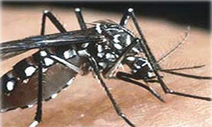
Researchers successfully used a gene disruption technique to change the eye color of a mosquito - a critical step toward new genetic strategies aimed at disrupting the transmission of diseases such as dengue fever.
|
|
Scooped by
dromius
March 28, 2013 2:22 PM
|
Zu et al, 2013 We report gene targeting via homologous recombination in zebrafish. We co-injected fertilized eggs with transcription activator–like effector nuclease mRNAs and a donor vector with long homologous arms targeting the tyrosine hydroxylase (th) locus, and we observed effective gene modification that was transmitted through the germ line. We also successfully targeted two additional genes. Homologous recombination in zebrafish with a dsDNA donor expands the utility of this model organism.
|
|
Scooped by
dromius
January 10, 2013 3:15 AM
|
RETRACTED! Li et al 2013 Ralstonia solanacearum TALE-like proteins (RTLs) exhibit similar structural features to TALEs, including a central DNA-binding domain composed of 35 amino acid-long repeats. Here, we characterize the RTLs and show that they localize in the plant cell nucleus, mediate DNA binding, and function as transcriptional activators. RTLs have a unique DNA-binding architecture and are enriched in repeat variable di-residues (RVDs), which determine repeat DNA-binding specificities. We determined the DNA-binding specificities for the RVD sequences ND, HN, NP, and NT. The RVD ND mediates highly specific interactions with C nucleotides, HN interacts specifically with A and G nucleotides, and NP specifically binds to C, A, and G nucleotides. Moreover, we developed a highly efficient repeat assembly approach for engineering RTL effectors. Taken together, our data demonstrate that RTLs are unique DNA-targeting modules that are excellent alternatives to be tailored to bind to user-selected DNA sequences for targeted genomic and epigenomic modifications. These findings will facilitate research concerning RTL molecular biology and RTL roles in the pathogenicity of Ralstonia spp.
|
|
Scooped by
dromius
March 19, 2013 5:36 AM
|
Voytas 2013 Recent advances in genome engineering provide newfound control over a plant’s genetic material. It is now possible for most bench scientists to alter DNA in living plant cells in a variety of ways, including introducing specific nucleotide substitutions in a gene that change a protein’s amino acid sequence, deleting genes or chromosomal segments, and inserting foreign DNA at precise genomic locations. Such targeted DNA sequence modifications are enabled by sequence-specific nucleases that create double-strand breaks in the genomic loci to be altered. The repair of the breaks, through either homologous recombination or nonhomologous end joining, can be controlled to achieve the desired sequence modification. Genome engineering promises to advance basic plant research by linking DNA sequences to biological function. Further, genome engineering will enable plants’ biosynthetic capacity to be harnessed to produce the many agricultural products required by an expanding world population. Expected final online publication date for the Annual Review of Plant Biology Volume 64 is April 29, 2013. Please see http://www.annualreviews.org/catalog/pubdates.aspx for revised estimates.
|
|
Scooped by
dromius
March 19, 2013 2:52 AM
|
via Tom Schreiber, thanks! Grau et al, 2013
|
|
Scooped by
dromius
March 9, 2013 3:29 AM
|
GeneCopoeia offers several services for designing, creating and validating TALENs, TALE-TFs and other TAL effectors-based targeted genomic modification tools.
|
|
Scooped by
dromius
February 27, 2013 12:43 PM
|
Richter & Boch, 2013 Transcription activator–like effectors (TALEs) can be programmed to specifically bind any DNA, which makes these proteins broadly usable for biotechnology applications in many organisms. One can generate highly specific activators, repressors and nucleases by fusing the TALE DNA-binding domain to different functional protein domains1. In this issue, two groups report that TALE activators can achieve even higher levels of gene induction than envisaged before if several are used simultaneously2, 3. These results increase the power of TALEs as tools for targeted gene control.
|
|
Scooped by
dromius
February 27, 2013 12:39 PM
|
Methods for targeted genome editing are developing at a fast pace. Are there barriers to their widespread use in research?
|
|
|
Scooped by
dromius
April 25, 2013 3:33 AM
|
(via T. Lahaye, thanks!) Beurdeley et al, 2013 Transcription activator-like effector nucleases are readily targetable ‘molecular scissors’ for genome engineering applications. These artificial nucleases offer high specificity coupled with simplicity in design that results from the ability to serially chain transcription activator-like effector repeat arrays to target individual DNA bases. However, these benefits come at the cost of an appreciably large multimeric protein complex, in which DNA cleavage is governed by the nonspecific FokI nuclease domain. Here we report a significant improvement to the standard transcription activator-like effector nuclease architecture by leveraging the partially specific I-TevI catalytic domain to create a new class of monomeric, DNA-cleaving enzymes. In vivo yeast, plant and mammalian cell assays demonstrate that the half-size, single-polypeptide compact transcription activator-like effector nucleases exhibit overall activity and specificity comparable to currently available designer nucleases. In addition, we harness the catalytic mechanism of I-TevI to generate novel compact transcription activator-like effector nuclease-based nicking enzymes that display a greater than 25-fold increase in relative targeted gene correction efficacy.
|
|
Scooped by
dromius
April 16, 2013 10:15 AM
|
(via T. Lahaye, thanks!) comparison of TAL effectors, CRISPR/Cas9 and zinc fingers
|
|
Scooped by
dromius
April 12, 2013 10:15 AM
|
Precise modifications of complex genomes at the single nucleotide level have been one of the big goals for scientists working in basic and applied genetics, including biotechnology, drug development, gene therapy and synthetic biology. However, the relevant techniques for making these manipulations in model organisms and human cells have been lagging behind the rapid high throughput studies in the post-genomic era with a bottleneck of low efficiency, time consuming and laborious manipulation, and off-targeting problems. Recent discoveries of TALEs (transcription activator-like effectors) coding system and CRISPR (clusters of regularly interspaced short palindromic repeats) immune system in bacteria have enabled the development of customized TALENs (transcription activator-like effector nucleases) and CRISPR/Cas9 to rapidly edit genomic DNA in a variety of cell types, including human cells, and different model organisms at a very high efficiency and specificity. In this review, we first briefly summarize the development and applications of TALENs and CRISPR/Cas9 mediated genome editing technologies; compare the advantages and constraints of each method; particularly, discuss the expected applications of both techniques in the field of site-specific genome modification and stem cell based gene therapy; finally, propose the future directions and perspectives for readers to make the choices.
|
|
Suggested by
Tetsushi Sakuma
March 29, 2013 5:01 PM
|
Yamamoto Lab TALEN Accessory Pack This supplemental package contains modified pFUS array vectors, destination vectors and a reporter vector for mammalian cell-based validation assay that are designed for use with the Golden Gate TALEN and TAL Effector Kit. These modified pFUS vectors can reduce the number of module plasmids and improve the success rate of Golden Gate assembly. Destination vectors, pcDNA-TAL-NC2 and pCAGGS-TAL-NC2, are mammalian expression/mRNA synthesis vectors containing unique shorter N- and C-terminal domains (N153AA, C47AA). The reporter vector pGL4-SSA can be used for single-strand annealing assay, which enables the evaluation of TALEN activities in cultured cells. Please note that the Golden Gate TALEN and TAL Effector Kit is required to use the plasmids in this accessory pack. The construction and use of these plasmids are described in: Efficient TALEN construction and evaluation methods for human cell and animal applications. Sakuma T, Hosoi S, Woltjen K, Suzuki K, Kashiwagi K, Wada H, Ochiai H, Miyamoto T, Kawai N, Sasakura Y, Matsuura S, Okada Y, Kawahara A, Hayashi S, Yamamoto T. Genes Cells. 2013 Apr;18(4):315-26. doi: 10.1111/gtc.12037.
|
|
Scooped by
dromius
March 29, 2013 5:14 AM
|
(via T. Lahaye) Davies et al, 2013 In this report we investigate the feasibility of achieving targeted mutagenesis by microinjection of TALEN mRNA within the mouse oocyte. We achieved high rates of mutagenesis of the mouse Zic2 gene in all backgrounds examined including outbred CD1 and inbred C3H and C57BL/6J. Founder mutant Zic2 mice (eight independent alleles, with frameshift and deletion mutations) were created in C3H and C57BL/6J backgrounds. These mice transmitted the mutant alleles to the progeny with 100% efficiency, allowing the creation of inbred lines. Mutant mice display a curly tail phenotype consistent with Zic2 loss-of-function. The efficiency of site-specific germline mutation in the mouse confirm TALEN mediated mutagenesis in the oocyte to be a viable alternative to conventional gene targeting in embryonic stem cells where simple loss-of-function alleles are required. This technology enables allelic series of mutations to be generated quickly and efficiently in diverse genetic backgrounds and will be a valuable approach to rapidly create mutations in mice already bearing one or more mutant alleles at other genetic loci without the need for lengthy backcrossing.
|
|
Scooped by
dromius
March 28, 2013 2:25 PM
|
We show using TAL:3XFLAG ChIP-seq that binding of TALs is virtually exclusive to their target sequence. We show the TAL:LSD1 fusions have the ability to specifically decrease H3K4me2, as well as H3K27acetyl, another mark of distal enhancers, at their intended target sites. We find roughly 50% of TALs significantly reduce the chromatin modifications at the target enhancer, but not at non-target control enhancers. For a subset of these TAL:LSD1 fusions, we used RNA-seq to identify a nearby gene that is downregulated upon loss of the chromatin state at the enhancer. These nearby target genes show a range of decreased expression, allowing us to relatively quantitate the contribution on transcriptional activation of the target enhancer.
|
|
Scooped by
dromius
March 27, 2013 4:40 AM
|
(via T. Lahaye, thanks!) Chen & Gao 2013 Precise genome modification with engineered nucleases is a powerful tool for studying basic biology and applied biotechnology. Transcription activator-like effector nucleases (TALENs) consisting of an engineered specific transcription activator-like effector (TALE) DNA binding domain and a FokI cleavage domain, are newly developed versatile reagents for genome engineering in different organisms. Because of the simplicity of the DNA recognition code and their modular assembly, TALENs can act as customizable molecular DNA scissors inducing double-strand breaks (DSBs) at given genomic location. Thus, they provide a valuable approach to targeted genome modifications such as mutations, insertions, replacements or chromosome rearrangements. In this article, we review the development of TALENs, and summarize the principles and tools for TALEN-mediated gene targeting in plant cells, as well as current and potential strategies for use in plant research and crop improvement.
|
|
Scooped by
dromius
March 22, 2013 4:27 AM
|
(via Tom Schreiber, thanks!) Aryan et al, 2013 In addition to its role as the primary vector for dengue viruses, Aedes aegypti has a long history as a genetic model organism for other bloodfeeding mosquitoes, due to its ease of colonization, maintenance and reproductive productivity. Though its genome has been sequenced, functional characterization of many Ae. aegypti genes, pathways and behaviors has been slow. TALE nucleases (TALENs) have been used with great success in a number of organisms to generate site-specific DNA lesions. We evaluated the ability of a TALEN pair to target the Ae. aegypti kmo gene, whose protein product is essential in the production of eye pigmentation. Following injection into pre-blastoderm embryos, 20–40% of fertile survivors produced kmo alleles that failed to complement an existing khw mutation. Most of these individuals produced more than 20% white-eyed progeny, with some producing up to 75%. Mutant alleles were associated with lesions of 1–7 bp specifically at the selected target site. White-eyed individuals could also be recovered following a blind intercross of G1 progeny, yielding several new white-eyed strains in the genetic background of the sequenced Liverpool strain. We conclude that TALENs are highly active in the Ae. aegypti germline, and have the potential to transform how reverse genetic experiments are performed in this important disease vector.
|
|
Scooped by
dromius
March 19, 2013 4:19 AM
|
(via Tom Schreiber, Thx.) Sun and Zhao 2013 Transcription activator-like effector (TALE) nucleases (TALENs) have recently emerged as a revolutionary genome editing tool in many different organisms and cell types. The site-specific chromosomal double-strand breaks introduced by TALENs significantly increase the efficiency of genomic modification. The modular nature of the TALE central repeat domains enables researchers to tailor DNA recognition specificity with ease and target essentially any desired DNA sequence. Here, we comprehensively review the development of TALEN technology in terms of scaffold optimization, DNA recognition, and repeat array assembly. In addition, we provide some perspectives on the future development of this technology.
|
|
Scooped by
dromius
March 19, 2013 2:40 AM
|
by: Haitao Zhang and Shiping Wang Summary: Bacterial blight, caused by Xanthomonas oryzae pv. oryzae (Xoo), is a devastating disease of rice worldwide. The qualitative or pathogen race-specific resistance to this pathogen conferred by major disease resistance (MR) genes has been widely used in rice improvement. Accumulating genetic and molecular data have revealed that the molecular mechanisms of rice qualitative resistance to Xoo are largely different from those of qualitative resistance in other plant–pathogen pathosystems. In this review, we focus on the unique features of rice qualitative resistance to Xoo based on MR genes that have been identified and characterized. The distinctiveness of the rice–Xoo interaction provides a unique pathosystem to elucidate the diverse molecular mechanisms in plant qualitative resistance.

|
Suggested by
Tom Schreiber
March 6, 2013 4:27 AM
|
The study of genetic disease mechanisms relies mostly on targeted mouse mutants that are derived from engineered embryonic stem (ES) cells. Nevertheless, the establishment of mutant ES cells is laborious and time-consuming, restricting the study of the increasing number of human disease mutations discovered by high-throughput genomic analysis. Here, we present an advanced approach for the production of mouse disease models by microinjection of transcription activator-like effector nucleases (TALENs) and synthetic oligodeoxynucleotides into one-cell embryos. Within 2 d of embryo injection, we created and corrected chocolate missense mutations in the small GTPase RAB38; a regulator of intracellular vesicle trafficking and phenotypic model of Hermansky-Pudlak syndrome. Because ES cell cultures and targeting vectors are not required, this technology enables instant germline modifications, making heterozygous mutants available within 18 wk. The key features of direct mutagenesis by TALENs and oligodeoxynucleotides, minimal effort and high speed, catalyze the generation of future in vivo models for the study of human disease mechanisms and interventions.
|
|
Scooped by
dromius
February 27, 2013 12:42 PM
|
http://www.nature.com/nmeth/journal/v10/n3/full/nmeth.2364.html?WT.ec_id=NMETH-201303 Kim 2013, Nature Methods Zinc-finger nucleases (ZFNs) and transcription activator–like effector nucleases (TALENs) are of great interest for genome engineering in higher eukaryotic cells and organisms1, 2, 3, 4, 5. These enzymes contain the same FokI nuclease domain and induce site-specific DNA cleavage; the repair of this broken DNA via error-prone nonhomologous end joining gives rise to small insertions and deletions at the cleavage site, often disrupting genetic information. We have observed that, despite their similarities, ZFNs and TALENs are associated with different mutation patterns. We first compared ZFN and TALEN mutation signatures reported in the literature. We calculated the frequencies of insertions, deletions and complex patterns that include both insertions and deletions at target sites in mammalian cells, mammalian and nonmammalian organisms, and plants. Our analysis included a total of 1,456 mutant sequences at 122 target sites reported in 43 independent studies.
|