 Your new post is loading...
El Paso, TX. Chiropractor Dr. Alex Jimenez discusses student-athletes and injuries.
Most injuries to student-athletes occur during routine practices, but only about a third of public high schools have a full-time trainer, according to the U.S.-based National Athletic Trainers’ Association (NATA).
“It’s important to have the right sports safety protocols in place to ensure the health and welfare of student athletes,” said Larry Cooper, chairman of NATA’s secondary school committee. “By properly preparing for practices and competitions, young athletes can excel on the field and stay off the sidelines with potential injuries.”
As Spring Season Approaches NATA Recommends Parents & Students Review Their Schools Policies On Sports Injuries
Here’s what to consider:
Who handles sports-related injuries?
Know who will care for athletes who are hurt during practice. Consider that person’s experience and credentials, including first aid and medical training. Determine who makes medical decisions. Coaches and athletes may not make objective decisions about injuries and safety if they are concerned about winning.
What’s the emergency action plan?
Every team should have a written plan detailing what to do if a serious injury occurs. An athletic trainer or first responder should review this plan.
Is all equipment in good working condition?
Sports equipment such as field goals, turf, basketball flooring and gymnastics apparatus should be examined to make sure it’s safe. Medical equipment such as splints and spine boards should be checked routinely. Schools should have an automated external defibrillator (AED) and staff trained in its use.
Are high school coaches qualified?
All coaches, assistant coaches and team volunteers should undergo a background check. They should have knowledge in the sport they are coaching and all credentials required by the state and athletic conference or league. Coaches should be trained to administer CPR, use an AED and provide first aid.
Are locker rooms and gyms sanitary?
These areas should be cleaned routinely to prevent the spread of bacterial, viral and fungal skin infections. Athletes should never share towels, athletic gear, water bottles, razors and hair clippers.
NATA says parents should also help ensure their teens are both mentally and physically prepared to play sports. This includes a preseason physical to identify any health conditions that could limit their participation. Young athletes shouldn’t be pushed or forced to participate. Parents should make sure their child’s school, coaches and other staff have a copy of his or her medical history as well as a completed emergency medical authorization form.
NATA recommends parents, student-athletes and coaches keep these safety tips in mind when spring training begins:
Acclimate gradually
Athletes playing in hot weather should build up their endurance over one to two weeks. During this time, they should stay well hydrated and adjust their exercises according to weather. Athletes who must wear heavy protective equipment should gradually get used to playing in their gear. For example: wear only helmets on days one and two; then helmets and shoulder pads on days three and four, then full gear by day five.
Be aware of concussions
Student-athletes, coaches and school medical staff must be well educated on concussion prevention and management. Students with head injuries should speak up if they experience symptoms such as dizziness, loss of memory, lightheadedness, fatigue or trouble with balance.
Screen for sickle cell
All newborns are tested for this inherited trait that can lead to blockage of blood vessels during intense exertion. Athletes with sickle cell trait should take precautions. Warning signs include fatigue or shortness of breath.
Allow for recovery time
The body needs to rest between seasons. Incorporating recovery time into the year can help prevent injuries. Repetitive motions can put excessive stress on joints, muscles or ligaments, resulting in injuries from overuse.
“It’s critical that all members of a school’s sports medicine team (athletic trainers, physicians and school nurses) work together to help prevent, manage and treat injuries or illnesses should one occur,” Cooper said in a NATA news release. “With a team approach we can reduce acute, chronic or catastrophic injury and ensure a successful season all around.”
News stories are written and provided by HealthDay and do not reflect federal policy, the views of MedlinePlus, the National Library of Medicine, the National Institutes of Health, or the U.S. Department of Health and Human Services.
The majority of clients that present to the clinic with anterior knee pain over the coming year will more often than not have a patellofemoral (PF) problem.
It may be a slight bit of biomechanical mal-alignment that has stirred up the knee cap – this is the good, or they may have started to wear the cartilage behind the knee cap and as a result it has softened – chondromalacia – this is the bad. They may even have worn a hole into the knee cap cartilage and they now have a chondral defect, or worse still an osteochondral defect – the downright ugly.
These problems affect runners, cross fitters, group exercise enthusiasts (PUMP classes) and simple recreational walkers who spend a lot of time on hills and stairs.
HOW THESE EXTREMES ARE MANAGED WILL DIFFER
The biomechanical irritations and the chondromalacia versions can be managed conservatively with a combination of local treatment modalities and correcting the biomechanical faults. The more serious chondral/osteochondral defects often need some surgical intervention as often the pathology is too advanced to respond to conservative treatment alone.
Understanding the exact mechanical contributions of the knee cap in relation to the femur is critical for the therapist to effectively manage these problems.
At the local PF level, the fault is usually a malposition of the patella in the femoral trochlear groove. Often the knee cap is being pulled too far laterally and superiorly in the groove, creating an uneven contact situation between the knee cap and the femur. The PF compression force during loaded knee flexion (squats, lunges etc.) is no longer optimal and usually a smaller portion of the patella cartilage is taking all the load. This wears the cartilage down and creates pain and pathology. This is most noticeable as the knee flexes to 30 degrees and onwards as it is this knee flexion angle where the knee cap enters the femoral trochlear groove.
The more distant (but often dominant) faults lie at the hip/pelvis and at the feet. Below is a breakdown of common biomechanical faults that may contribute to PF pain syndromes.
1. OVERPRONATION
If the foot pronates (rolls in) for too long or too much, the pronated midfoot forces the tibia to remain internally rotated. The femur follows the tibia and also internally rotates. This creates a mal-alignment at the knee whereby the PF arrangement is altered and the knee cap shifts laterally. We are all familiar with the Q angle of the knee and how this affects the PF alignment.
Common causes of overpronation may be structural flatfoot problems that can be corrected with orthotics and shoe selection. However, tight soleus (that limits dorsiflexion) or a tight and overactive peroneal system that everts the foot and flattens the foot can also be a cause.
Stretching and loosening the soleus and peroneals along with strengthening the anti-pronation muscles such as tibialis posterior, flexor hallucis longus and flexor digitorum longus may help fix this problem.
http://secure.newsletters.co.uk/sportsinjurybulletin/image/overpronation…
2. HIP JOINT FADDIR
FADDIR represents a flexed, adducted and internally rotated hip joint at foot strike. This is often caused by tight and overactive hip flexors such as TFL and the adductors and weakness in the abductors (gluteus medius) and external hip rotators (gemellus, obturator muscles). This hip posture forces the femur to roll inwards and as a result the knee is deviated medially and away from the vertical line drawn up from the foot. This also increases the Q angle and PF misalignment results and perpetuates the local knee imbalance of tight and overactive lateral quadriceps and lateral hamstrings along with ITB tightness. As a result the VMO weakens.
Loosening the overactive TFL, adductors, lateral quad, ITB and lateral hamstring whilst strengthening the gluteus medius, hip external rotators and VMO may help this biomechanical mal-alignment.
3. PELVIC TRENDELENBURG
Defined as lateral pelvic shift whereby at stance phase the opposite side of the pelvis drops down below the height of the pelvis on the stance side. This is usually caused by a weak gluteus medius complex that is unable to hold the pelvis stable during stance phase. The implications again are that this causes the knee to roll in and increase the Q angle. The solution is to muscle up the gluteus medius.
http://secure.newsletters.co.uk/sportsinjurybulletin/image/pelvictrendel…
4. HIP FLEXOR TO EXTENSOR IMBALANCE
This often forgotten about imbalance creates a situation whereby the individual finds it difficult to attain hip extension at the end of stance phase. The hip remains locked in a degree of flexion.
The knock on effect is that the knee also stays locked in some flexion. With the knee in flexion, the knee cap is now compressed against the femur, compression on the underside of the kneecap may result. To fix this the therapist needs to stretch/loosen the hip flexors and strengthen the gluteus maximus to promote more hip extension.
Whether your doctor recommends surgery for a ruptured Achilles tendon may depend partly on your age and activity level, foot experts say.
The Achilles tendon is a band of tissue that runs down the back of the lower leg and connects the calf muscle to the heel bone. A rupture is a complete or partial tear of the tendon that leaves the heel bone separated or partially separated from the knee.
Length of recovery from this type of injury varies depending on whether a patient undergoes surgical or nonsurgical treatment. “Treatment processes are dependent upon a patient’s overall health, activity level and ability to follow a functional rehabilitation protocol,” said Dr. Jeffrey McAlister, a foot and ankle surgeon in Sun City West, Ariz. Advances in treating Achilles tendon rupture were discussed by McAlister and other specialists at a recent meeting of the American College of Foot and Ankle Surgeons, in Las Vegas.
Historically athletes were barefoot in the sporting arena and it is only a relatively recent phenomenon for shoes to be worn in competition. In Roman times wrestlers competed barefoot, whilst runners wore little more than thin leather sandals to compete over long distances. More recently several athletes have achieved significant success competing barefoot: Abebe Bikila from Ethiopia won the Rome Olympic marathon in 1960, and Zola Budd became the world record holder over 5000 meters. Since the 1970’s athletic shoe manufacture has boomed and with it so too has the incidence of running-related lower limb injuries. This prompted the question of whether these new designs were to blame for the injuries or simply reflected the growing interest in distance running as a sport. That notwithstanding, the interest around barefoot running to reduce such injuries has grown exponentially. This account aims to appraise some of the literature on this contentious subject.
In issue 139 of Sports Injury Bulletin, I present a case study of a similar problem in a rugby player of identical age. This big lump of a kid ruptured his lateral meniscus in the knee — a bit different to Walcott’s ACL injury. However, this player also missed a big chunk of the season (17 weeks) and I had to live with his personal frustrations, and the yo-yo of daily emotions.
The piece shows the knee anatomy, details the types, clinical features and management of meniscus tears, and the required post-surgical rehabilitation. On a recent Rehab Trainer course, one of the participants asked me what she should do about the small lateral meniscal tear in her knee. This is a bit like answering “how long is a piece of string?”, as it depends on so many things.
But to wrap it up in a nutshell, the surgeon will use a set of criteria to determine if a meniscal tear needs repairing, removing, or to be left well alone.
Ice fishing may seem like a relaxing pastime, however, it can result in broken bones, concussions and other types of injuries, according to surgeons from the Mayo Clinic.
“Ice fishing has become more popular in the last few years, and, with this, we have seen an increase in ice fishing-related injuries,” study author Dr. Cornelius Thiels, a surgical resident, said in a hospital news release. “What is even more concerning is that ice fishing injuries tend to be more severe than injuries associated with traditional fishing,” Thiels said.
“We hope this research will bring awareness to the safety issues that surround this pastime and help prevent similar incidents,” he said.
Focusing too much on playing one favorite sport probably isn’t a good idea for kids under 12, researchers report. That’s because specializing in a single sport seems to increase a child’s risk of injury, researchers say.
“Young athletes should participate in one competitive sport per season, and take at least three months off (non-consecutive) from competition per year,” said the study’s leader, Dr. Neeru Jayanthi. He’s a physician with Emory Sports Medicine and an associate professor of orthopaedics and family medicine at Emory University in Atlanta.
For the study, Jayanthi’s team assessed the risk of sports-related injuries among nearly 1,200 young athletes. After tracking their training schedules over the course of three years, the investigators found that nearly 40 percent of the athletes suffered an injury during the study period. The findings also showed that injured athletes began specializing in one sport at an average age younger than 12 years. In addition, nearly two-thirds of these athletes in highly specialized sports sustained a repeat injury. Athletes who didn’t sustain injuries began to focus on one sport when they were older than 12, on average, according to the report.
Sprains and strains can usually be treated with home therapy using the RICE interventions. However, if the injury is more severe, your care provider may suggest splinting or casting to rest the injured joint. In some cases, operations are required to fix complete tears of muscles or tendons to allow complete return of function and to allow those muscles to do their job of moving the body. Significant tears of ligaments that stabilize joints also may need repair, but again, most are treated with short-term immobilization and early return to activity. Sometimes, resting the injury requires some help. Slings for arm injuries or crutches for leg injuries can be used, in addition to a variety of removable splints to protect the injured area from further damage and movement. Resting also helps relieve some of the muscle spasm associated with the injury.
Sometimes you need to see a doctor for help in diagnosis and treatment. For strains or sprains, the pain can increase in the first one to two days, as the spasm surrounding the injury sets in. If after trying RICE (an acronym for “rest, ice, compression, and elevation” of the injured limb) and over-the-counter medications the pain is not controlled or if the injury is thought to be more severe than initially believed, then a visit to a doctor is wise. A doctor’s visit also is important if swelling gradually develops over a large joint, such as a hip, knee, elbow, or wrist.
As kids play sports like soccer and football with more frequency and force, many are damaging their knees, a new study finds.
A common knee injury — an anterior cruciate ligament (ACL) tear — has steadily increased among 6- to 18-year-olds in the United States, rising more than 2 percent a year over the last two decades, researchers report.
These injuries peak in high school, said lead researcher Dr. Nicholas Beck.
Girls Have A Higher Rate Of ACL Injuries
Added Beck, an orthopedic surgery resident at the University of Minnesota.
Sports that involve cutting or pivoting — such as soccer and basketball — are the riskiest for ACL tears. And contact sports like football can further increase the risk. But ACL tears can occur in tennis and volleyball, too, the researchers noted.
Study co-author Dr. Marc Tompkins said the researchers didn’t look at why ACL tears are on the rise.
But, he said, “one potential cause is the year-round sports specialization that is occurring in kids at an earlier age.” Tompkins is an assistant professor of orthopedic surgery at the University of Minnesota.
Instead of getting cross-training from multiple sports and therefore using different muscle groups, this means the kids do the same thing over and over. This can lead to fatigue and an increased potential for injury, including ACL injury, Tompkins explained.
“Another potential cause is that children as athletes play with more intensity and force than 20 years ago, which may put the body at increased risk of injury,” he added.
More girls are playing sports, which could affect injury rates, the study authors said. And it’s also possible that rates are up “because we are getting better as a medical community at diagnosing ACL injury,” Tompkins suggested.
Beck hopes this study will increase awareness of ACL tears in young athletes and promote interest in prevention programs or developing athletic participation guidelines.
The anterior cruciate ligament sits in the center of the front of the knee. It’s one of the ligaments that holds the knee bones together. When it tears, the ligament splits into two, causing knee instability, according to the American Academy of Orthopaedic Surgeons.
When a tear occurs, you might hear a popping sound and your knee may give out from under you. Depending on the severity of the injury, treatment can range from physical therapy to surgery.
“ACL injuries are serious in the short term because they generally require six months’ to a year’s worth of hard recovery work before going back to sports. And even then it often takes longer to get back to pre-injury function,” Tompkins said.
“ACL injuries are serious in the long term, too, because we know that even if they recover well with or without surgery, the risk of developing arthritis in the injured knee is higher than before the injury,” he added.
Dr. Stephen Swirsky is an orthopedic surgeon at Nicklaus Children’s Hospital in Miami. He said one of the best ways to reduce injuries is to teach good running techniques, which will improve function and agility.
“We have developed an injury prevention program, and we try to reduce the rates of ACL injuries,” Swirsky said.
“In addition, kids need to be on a flexibility and stretching program,” he advised. “The more flexible they are, the less likely they are to have an injury.”
When ACL tears do happen, Swirsky said, he recommends a comprehensive rehab program after surgery. This is accompanied by advice for reducing the risk of injury when young patients return to play.
To study the trends in ACL tears among U.S. children and teens, the study authors used insurance billing data for patients aged 6 to 18 from 1994 to 2013.
The researchers found that girls of all ages experienced a significant increase in the incidence of ACL tears over 20 years. In boys, however, only those aged 15 to 16 showed such an increase.
The report was published online Feb. 22 in the journal Pediatrics.
SOURCES: Nicholas Beck, M.D., resident, department of orthopaedic surgery, University of Minnesota, Minneapolis; Marc Tompkins, M.D., assistant professor, department of orthopaedic surgery, University of Minnesota, Minneapolis; Stephen Swirsky, D.O., orthopedic surgeon, Nicklaus Children’s Hospital, Miami; Feb. 22, 2017, Pediatrics, online
News stories are written and provided by HealthDay and do not reflect federal policy, the views of MedlinePlus, the National Library of Medicine, the National Institutes of Health, or the U.S. Department of Health and Human Services.
Concussions More Likely in Female Athletes
Female athletes appear to be more likely than men to suffer concussions during their careers on the field, a new study suggests.
The findings add to the existing evidence that female athletes may be more susceptible to concussions, even as attention has tended to focus on the risk to male football players.
“The more we look at concussion, the more we realize that women are at high risk,” said study co-author Dr. James Noble. He’s an assistant professor of neurology at Columbia University Medical Center in New York City.
Once a concussion occurs, however, the gender gap dwindles, the researchers found.
“For the most part, men and women experience concussion in about the same way,” Noble said, “although men were more likely to report forgetfulness and women more likely to report sleep problems.”
Concussions, especially among football players from high school to professional levels, have gotten intense attention in recent years.
Last year, a study suggested that concussion diagnoses more than doubled from 2007 to 2014, with especially big jumps among children and teens. It’s not clear, though, how much of the increase is due to increased awareness of concussions or a higher number of injured young people.
In the new study, the researchers tracked more than 1,200 athletes from Columbia University from 2000 to 2014. More than 800 were male, and almost 400 were female.
The Athletes All Played Sports Believed To Pose A Higher Risk Of Concussions
For women, the sports included field hockey, soccer, basketball, softball and lacrosse, said study lead author Cecilia Davis-Hayes, a medical student at Columbia.
For men, the sports initially included just football but then also included wrestling, basketball and soccer, Davis-Hayes said.
Twenty-three percent of the women and 17 percent of the men had at least one concussion during their college careers over the time of the study.
The difference “doesn’t sound like much, but it’s almost 50 percent more, meaning it’s 50 percent more likely for women to get a concussion than men,” Noble said.
Concussions in sports typically happen when athletes run into each other or hit the ground, Noble said. According to Davis-Hayes, lacrosse and soccer are especially physical sports for women with “a lot of contact on every play.”
Levels of most concussion symptoms were similar among the men and women, although forgetfulness was more common for men (44 percent reported it, compared to 31 percent of the women). Women were more likely to experience insomnia (42 percent, compared to 29 percent of men).
The researchers found that it took an average of almost two weeks for the athletes to return to play, although Davis-Hayes said that’s skewed because some players took especially long — months — to recover. The study didn’t look at how the athletes were treated for their concussions.
The study also didn’t take into account how long athletes played each sport. That means researchers don’t know if the women or men were on the field for longer periods, potentially boosting their risk of concussion.
Why might women face a higher risk? It’s not clear, Noble said, although he thinks it could be due to a variety of factors, such as differences in the bodies of men and women.
“Is there something about how the head moves in a woman versus a man?” he said.
Steven Broglio, director of the NeuroTrauma Research Laboratory at the University of Michigan, said the findings fit with other research.
“There are a multitude of studies that have shown that women participating in similar sports as men — like soccer, basketball, baseball/softball — report concussions at a higher rate. Concussions are not just a football or male injury,” he said.
Broglio also noted that the new study results suggest men and women recovered at the same speed. “Historically, we believed women took longer to recover from injury,” he said, “but there is growing evidence suggesting this may not be the case.”
The study authors said larger studies could offer more insight into the differences between the genders when it comes to concussion.
The study was to be presented Tuesday at the annual meeting of the American Academy of Neurology, in Boston. Studies released at medical conferences are typically considered preliminary until published in peer-reviewed journals.
SOURCES: James Noble, M.D., assistant professor, neurology, and Cecilia Davis-Hayes, medical student, Columbia University Medical Center, New York City; Steven Broglio, Ph.D., director, NeuroTrauma Research Laboratory, and concussion lead, University of Michigan Injury Center, Ann Arbor; Feb. 28, 2017, American Academy of Neurology meeting, Boston
News stories are written and provided by HealthDay and do not reflect federal policy, the views of MedlinePlus, the National Library of Medicine, the National Institutes of Health, or the U.S. Department of Health and Human Services.
Jim McMahon Hope For A Better Tomorrow
Jim McMahon knows the questions will come — about his health, about his mind, about the head trauma he has experienced in his life after football that, for long stretches, has left him severely depressed and debilitated.
Yet on Tuesday evening, as McMahon arrived at Soldier Field for a 30-year reunion celebration of the Bears‘ 1985 Super Bowl season, the charismatic quarterback expressed at least some hope.
His severe headaches and overall mental well-being?
“Some days better than others,” McMahon said. “I don’t know when it’s going to happen. Whenever my neck gets out of alignment and fluid starts backing up into my brain, it’s miserable until I get it fixed and get it adjusted. Then the pain at least goes away.”
Watch Cervicogenic Headache Video
McMahon’s health issues have been well documented. He has been diagnosed with early onset dementia and still struggles with memory loss, severe headaches and depression. At times, the pressure on his skull becomes overwhelming. He experiences vision problems and speech difficulties.
But McMahon, 56, also believes he experienced a medical breakthrough recently after chiropractors in New York contacted him in their belief they could help alleviate some of the major problems he had been experiencing.
In ESPN’s forthcoming “30 for 30” documentary, “The ’85 Bears” — which will be shown at a private advance screening Wednesday night at AMC River East with McMahon expected to be in attendance — McMahon’s union with Atlas Orthogonal chiropractor Scott Rosa is chronicled as he continues to deal with the probability of significant brain damage.
In the film, Rosa reveals his diagnosis of McMahon, which showed that some of the former quarterback’s pain and head problems stemmed from neck misalignment that was restricting the flow of spinal fluid and causing toxic proteins to pool in his brain.
McMahon subsequently has received treatment that adjusts his spinal cord and regulates the flow of spinal fluid. In the film, McMahon said the first time he had the procedure, “it was like the toilet flushed. I could feel this stuff actually leaving my brain.”
Suddenly, his vision and speech improved.
“Thank God those doctors in New York found the problem,” he added Tuesday evening. “Had I gone to a neurosurgeon, they probably would have just drilled a hole in my head and drained the fluid and not found the problem. These guys at least found the problem and can keep me semi-coherent most of the time.
“I know when (the problem) starts happening. I start getting headaches and all I want to do is lie down.”
McMahon has been told to return to New York for treatment every three to four months but believes he may need to increase the regularity of those visits.
“Something’s just not right yet,” he said. “I have two blockages in my neck that they’re concerned about. And the degeneration of some of my disks is not doing too good. Now that I know what’s going on, it’s not frightening. I just know what I have to do when it happens.”
Champion Mark Collins Tackles Pain with Chiropractic Care
What Is Causing My Chronic Neck Pain?
The neck—or cervical spine—is a coordinated network of nerves, bones, joints, and muscles directed by the brain and the spinal cord. It is designed for strength, stability, and nerve communication.
Commonly, there are a number of problems that cause pain in the neck. Additionally, irritation along the nerve pathways can cause pain into the shoulder, head, arm, and hand. Irritation of the spinal cord can cause pain into the legs and other areas below the neck.
See Types of Neck Pain
There are a number of problems that can cause pain in the neck.
Watch: Cervical Spine Anatomy Video
Most instances of neck pain will go away within a few days or weeks, but pain that persists for months could signal an underlying medical cause that needs to be addressed—in some instances early intervention may be necessary for the best results.
See Neck Cracking and Grinding: What Does It Mean?
Neck Pain Range of Symptoms
Neck pain can feel like any of the following: - Stiff neck that makes turning the head difficult
- Sharp or stabbing pain in one spot
- Soreness or tenderness in a general area
- Pain that radiates down into the shoulders, arms, or fingers; or radiates up into the head
In some cases, other symptoms associated with the neck pain are even more problematic, such as:
Tingling, numbness, or weakness that radiates into the shoulder, arms, or fingers
Trouble with gripping or lifting objects
Problems with walking, balance, or coordination
Loss of bladder or bowel control
Neck pain might be minor and easily ignored, or it can be excruciating to the point where it interferes with important daily activities, such as sleep. The pain might be short-lived, come and go, or become constant. While not common, neck pain can also be a signal of a serious underlying medical issue, such as meningitis, or cancer.
See Addressing Pain and Medical Problems Disrupting Sleep
Cervical spine problems can be accelerated by an injury, such as strain or sprain.
Watch: Neck Strains and Sprains Video
The Cervical Spine and What Can Go Wrong
The neck, or cervical spine, has the important job of providing support and mobility for the head, which can weigh about 11 pounds—the approximate weight of a medium bowling ball.
See When Neck Cracking Needs Medical Attention
The cervical spine begins at the base of the skull and through a series of seven vertebral segments, named C1 though C7, connects to the thoracic, or chest, region of the spine, at the C7-T1 level.
See Thoracic Spine Anatomy and Upper Back Pain
With the exception of the top level of the cervical spine, which primarily provides rotation for the skull, most levels of the cervical spine can be described as follows:
- A pair of facet joints connect two vertebrae, enabling forward, backward, and twisting motions
- In between the vertebrae is a disc, which provides cushioning, spacing, and coordination
- Nerve roots extend from the spinal cord and exit through the neural foramina (holes in the bones) located on the left and right sides of the spine
Most problems with the cervical spine develop over time, but they can also be caused or accelerated by an injury.
More Info:
Various problems in the cervical spine can compress a nerve root or the spinal cord and cause neck pain and/or neurological (pinched nerve) symptoms. A few examples would be if a disc degenerated and pushed into a nerve, or similarly if bone spurs grew on facet joints to the point that they encroached on a nerve.
See Cervical Pain from Joint Degeneration
The Course of Neck Pain
Neck pain is common among adults, but it can occur at any age. In the course of a year, about 15% of US adults have neck pain that lasts at least one full day.1
Neck pain can develop suddenly, such as from an injury, or it may develop slowly over time, such as from years of poor posture or wear and tear.
See How Poor Posture Causes Neck Pain
The pain can usually be alleviated with self-care, such as rest, icing the area, or improving posture. But sometimes nonsurgical medical treatments are needed, such as medication or physical therapy. If nonsurgical treatments are not helping, then surgical options may be an option.
A doctor should be consulted if pain persists or continues to interfere with routine activities, such as sleeping through the night.
See Pillows for Neck Pain
When Neck Pain Is Serious
Some symptoms associated with neck pain could indicate the health of a nerve root or the spinal cord is at risk, or perhaps there is an underlying disease or infection. These symptoms can include radiating pain, tingling, numbness, or weakness into the shoulders, arm, or hands; neurological problems with balance, walking, coordination, or bladder and bowel control; fever or chills; and other troublesome symptoms.
In addition, severe neck pain from a trauma, such as a car crash or falling down steps, needs emergency care. Before transporting a person in that situation, the neck should be immobilized by a trained professional to reduce the risk for paralysis and other complications.
Injuries to the muscles and ligaments around the hip affect both competitive and recreational athletes. These injuries can interfere significantly with sports enjoyment and performance levels, and they occasionally will end participation completely. Excessive pronation and poor shock absorption have been found to be an underlying cause or a contributing factor for many leg injuries.1 Functional orthotics which have been custom-fitted to improve the biomechanics of the feet and reduce the extent of pronation can help to prevent many sport-related leg injuries.
Lower Extremity Problems in Athletes
One study looked at the foot biomechanics of athletes who reported a recent foot or leg injury and compared them to an uninjured control group.2 The researchers determined that those athletes with more foot pronation had a much greater statistical probability of sustaining one of five leg injuries, including iliotibial band syndrome (which is due to excessive tightness of the hip abductor muscles).
This study helps us understand how providing appropriate functional foot orthotic support to patients who are involved in sports or recreational activities lowers their likelihood of developing both traumatic and overuse hip injuries.
In this paper, sixty-six injured athletes who ran at least once a week, and who had no history of traumatic or metabolic factors, were the study group. Another control group of 216 athletes were matched who did not have any symptoms of lower extremity injuries. The amount of pronation during standing and while running at “regular speed” was determined by measuring the angles of their footprints.3 The investigators found a significant correlation: Those athletes with more pronation had a much greater likelihood of having sustained one of the overuse athletic injuries.
Hip and Thigh Injuries
Many injuries experienced at the hip develop from poor biomechanics and gait asymmetry, especially when running. Smooth coordination of the muscles that provide balance and support for the pelvis is needed for optimum bipedal sports performance. This includes the hamstring muscles and the hip abductor muscles, especially the tensor fascia lata (the iliotibial band). When there is a biomechanical deficit from the feet and ankles, abnormal motions (such as excessive internal rotation of the entire leg) will predispose to pulls and strains of these important support muscles. The hamstrings (comprised of the biceps femoris, semimembranosus, and semitendinosus muscles) are a good example.
During running, the hamstrings are most active during the last 25% of the swing phase, and the first 50% of the stance phase.4 This initial 50% of stance phase consists of heel strike and maximum pronation. The hamstring muscles function to control the knee and ankle at heel strike and to help absorb some of the impact. A recent study has shown a significant decrease in electromyographic activity in the hamstrings when wearing orthotics.5 In fact, these investigators found that the biceps femoris (which is the most frequently injured of the three hamstring muscles) had the greatest decrease in activity of all muscles tested, including the tibialis anterior, the medial gastrocnemius, and the medial and lateral vastus muscles. The scientists in this study theorized that the additional support from the orthotics helped the hamstrings to control the position of the calcaneus and knee, so there was much less stress into the hip joint and pelvis.
Excessive Pronation and Hip Injuries
Using functional orthotics to correct excessive pronation and to treat hip problems requires an awareness of the various problems that can develop. The following is a list of the pathologies that are seen in the hip and pelvis secondary to pronation and foot hypermobility:7
Iliotibial band syndrome Tensor fascia lata strain
Trochanteric bursitis Hip flexor muscle strain
Piriformis muscle strain Hip adductor muscle strain
Hip joint capsulitis Anterior pelvic tilt
These conditions will develop much more easily in athletes, who push their musculoskeletal systems, and who seek more efficient and effective functional performances.
In 2002, researchers at Logan College of Chiropractic recruited a total of 40 male subjects that demonstrated bilateral pes planus or hyperpronation syndrome. Subjects were cast for custom made orthotics; their right and left Q-angles were measured with and without the orthotic in place. Thirty-nine of 40 test subjects showed reduced Q-angle, which was in the direction of correction, suggesting that wearing orthotics can improve stability and levelness of the pelvis, thus protecting the body to some degree from hip injury.8
Conclusion
Excessive pronation and/or poor shock absorption have been shown to be an associated or causative factor in many leg injuries — from the foot itself, up the lower leg to the knee, thigh, and into the hip joint. The good news is that many of these conditions can be prevented with custom-fitted functional orthotics. Evaluation of foot biomechanics is a good idea in all patients, but is especially necessary for those who are recreationally active, or for anyone who has experienced hip problems.
To avoid potentially disabling hip injuries, competitive athletes must have regular evaluations of the alignment and function of their feet. Additional preventive measures include wearing well-designed and solidly-constructed shoes. When athletes are provided with custom-fitted functional orthotics, it can help prevent arch breakdown and biomechanical foot problems, and also treat numerous injuries of the lower extremities, including the hip joints.
Sometime after Kyle Gibson starts for the Twins in their home opener Monday afternoon, the durable young right-hander will connect with perhaps the most important member of his support team this year: his Chiropractor.
Gibson is still just 28, smack in the prime of his career, but there were times during the second half last season when his lower back started to bark at him. In early August in Toronto, for instance, he was shelled for eight earned runs in just 4 2/3 innings.
“I had a problem in Toronto,” Gibson said.
“There were a couple starts where I didn’t sit down in between innings,” Gibson said, “because if I sat down, my hips just got tight.”
Meanwhile, fellow Twins pitcher Trevor May, 26, was dealing with lower back issues of his own. In May’s case, the additional pounding of making multiple relief appearances without much recovery time had caused issues with the hip and lower-back area of his left (landing) leg, as well.
May’s physical woes left him unavailable for days at a time while the Twins chased their first postseason berth since 2010. Massage and electronic stimulation could only do so much to keep May on the mound.
A few sporadic sessions with a chiropractor didn’t provide immediate results, so May discontinued them.
Upon returning to Seattle this offseason, the yoga devotee decided to up the ante and visit a chiropractor weekly for hour-long sessions. This time, he began to see the benefits.
“A couple weeks before spring training, I felt it coming on a little bit again,” May said. “I was like, what is going on? I got it adjusted and my chiropractor said, ‘Man, you are way, way out of whack.’ He explained to me where my pain was and why the hip was pressing against where it was and if we get that moved back, just lengthened out, it’s going to be really sore for a few weeks, but then it’s just going to go back to normal.”
OVERCOMING FEARS
In 2014, his first full season in the majors, Gibson saw a chiropractor a few times at the recommendation of Twins closer Glen Perkins.
Gibson missed a start in late July after getting shelled at home for six earned runs against the Tampa Bay Rays.
“One of Perk’s guys came in and adjusted me,” recalled Gibson, who threw seven shutout innings at Kansas City his next time out.
That never led to a regular appointment, partly because of Gibson’s relative youth but also because of a long-held fear of what a chiropractor might do to a young athlete’s spine.
“My view of them was, ‘OK, I want you to lay on a table and I’m going to pop your back and you can come back in a week,’ ” Gibson said. “Once you start doing it, you’ve got to keep doing it the rest of your life. That was my view.”
A conversation with May early in spring training this year left him more open to chiropractic manipulation.
Hoping to build on the gains of a breakthrough 2015 but still bothered by soreness in his lower back, Gibson asked May for feedback on his chiropractor. May, who by then was going once at week to Darin Stokke at Lifestyles Chiropractic, had nothing but good things to say about the sessions.
“We found that baseball players get skeletally out of line,” May said. “They do one motion one way much harder (than most people), and my hips were really, really out of line. Seeing a chiropractor consistently has helped me make sure I’m getting readjusted and staying in line as much as possible.”
While initially there was some concern that the bullpen simply did not agree with May’s back, his chiropractic sessions convinced him (and the Twins) that he could manage the additional workload with proper preparation.
What derailed him in September 2015, as it turns out, was a problem with the set joint, where the left hip and lower back meet.
“It was all muscular,” May said. “It was just because one hip was closer to the spine than the other side. The other side was normal. (The left side) was just pressing so much and you get so much inflammation. It was just a perfect storm. It was just a little extra torque being in the ‘pen. That’s why it was bothering me. Now I’m on top of it.”
As May explained it to Gibson, realignment of the spine would allow the overtaxed areas of a pitcher’s core to meet the challenge of persistent pounding.
“Letting those muscles unflare and then heal and rebuild them back to where they’re supposed to be, that’s what we’re doing,” May said.
After doing some “normal treatment stuff” as a warmup, Stokke would check May’s alignment much the way a tire installer might need to check an automobile before sending it back out into traffic.
“He checks where you legs are,” May said. “If he sees you’re out of line, he puts you back in line, and the next day I try to do some exercises and heavy strength stuff, just to build those muscles back up. I’m seeing soreness go and I feel more in line and healthier.”
BELIEF SYSTEM
Despite taking the loss in his season debut in Baltimore, Gibson reports much the same results from his twice-weekly chiropractic sessions this spring.
“Toward the beginning of spring training my back started getting sore again,” Gibson said. “Going twice a week helped get things moving in the right direction.”
Now that he feels his lower-back problems are under control, Gibson plans to scale back to a single visit per homestand. That way he won’t have to find somebody to visit on the road, while also limiting those realignment sessions to perhaps two per month.
“It has made a big difference in my hips and just everything,” said Gibson, who set career highs for starts (32) and innings (194 2/3) last season. “My skeletal system was basically allowing my muscular system to stay tight and not function properly. That caused some nerve irritation.”
While May features the classic “drop and drive” delivery, Gibson is from the “tall and fall” school that should, in theory, produce less strain on a pitcher’s hips and back. That didn’t prove to be the case over Gibson’s first few seasons in the majors, so he finally realized adjustments were needed.
“Some of my problem was just that I had some tight hips pulling my pelvis out of line and causing some irritation in the nerve,” Gibson said. “There were certain things I realized I could pitch through. You find ways to get around certain sorenesses and aches and pains.”
If the Twins can get 200 innings out of Gibson and 65 to 75 relief appearances out of May, they won’t just have a better chance to end a postseason drought that has reached five years and counting. They could have additional members of their pitching staff lining up for realignment sessions.
“It’s good,” Gibson said, “to feel good again.”
|
Why is it that all of our patients seem to have “tight” and “overactive” upper trapezius.
A deep ache and constant tightness in the upper trapezius is a common complaint amongst most people and as well as leading to direct discomfort in the muscle, it may also contribute to headaches and neck pain.
But does everyone have tight upper trapezius or is it perhaps a secondary symptom of a larger underlying problem.Upper trapezius tightness and overactivity definitely does exist. We tend to see this a lot in heavy lifters such as weightlifters, powerlifters and cross fitters who have these big jacked up upper traps due to the huge amounts of pulling and pressing movements they do in the execution of their particular lifts.
The upper trapezius primarily works as an upward rotator of the scapular in the last phase of shoulder elevation and abduction, it assists the levator scap to elevate the scapular (but the scapular needs to be already in some upward rotation), it supports the weight of the arm and scapular as our arm is holding something (like heavy groceries or 200kg on the deadlift bar) and it also laterally flexes the neck and works to stabilise the neck when large forces are imposed on the head and neck. All of these movements are involved in most of the powerlifting/Olympic lifts/ Cross Fit moves seen by these athletes.
But what about Sally the secretary who seems to always have a tight upper trap but does not have the same imposed loads as a heavy lifter. Maybe the upper trap is compensating for something or it is trying to protect something. Below are a few reasons why someone may have tight feeling upper traps but in fact have weak traps that are just simply trying too hard.
A TRUE SCAPULAR ELEVATION IN POSTURE WITH A BUNCHED UPPER TRAP IN SPASM
A Patient could be trying to hide or protect something and what they may be trying to protect is a cervical nerve root injury of a brachial plexus injury.Injury to the nerve bundle will feel worse when it is placed on stretch as the traction of the arm will tug on the nerves and may create nerve pain ad radiculopathy. One way we can alleviate the pain is to contract the upper trap to lift the scapular and release some of the traction. This is a common finding in research that looks at how the upper traps fire during an upper limb tension test for the nerves. As the nerve is manually stretched in the test, the upper trap picks up its activity to perhaps protect the nerve and take some stretch away. This happens in healthy people as well as injured persons.
So someone with a nerve root problem may in fact increase the upper trap to protect. This has been studied for decades and I have included a reference of a recent study on this exact phenomenon(1).
THE UPPER TRAPEZIUS CAN COMPENSATE FOR WEAK UPWARD ROTATORS SUCH AS SERRATUS ANTERIOR
The upper trap should only really come in to shoulder elevation movements in the last phase of movement when the arm is approaching a vertical position. It does this to elevate the scapular and clear the acromion process away from the head of the humerus. If it comes in too early and is active too early, then perhaps it is compensating for weakness in other upward rotators such as the serratus anterior.
THE UPPER TRAP COULD BE HAVING A TUG-OF-WAR WITH THE PEC MINOR
The pec minor is a downward rotator of the scapular. As the arm is being lifted and the scapular is upwardly rotating, the pec minor needs to relax. If the pec minor is overly tight and hypertonic, it will try and pull the scapular back down again. So the upper trap along with the serratus anterior will have their work cut out to try and fight this downward drag. Again this is a compensation.
So before you go ahead and deep tissue massage a patient’s “tight” upper trap or dry needle the muscle to relieve the tone, have a think about WHY the muscle is so active. You may get better results treating the neck for a nerve root irritation, or strengthening the serratus anterior or maybe loosening the pec minor instead.
1. Matthews et al (2012) Upper Trapezius Activation during Upper Limb Neural Tension Test-1 in Karate Players. Ibnosina Journal of Medicine and Biomedical Sciences. 173-178.
This piece comes straight from The Sports Injury Doctor. Sign up on the right to receive advice and information like this straight to your inbox.
I have been travelling through Athens and now Istanbul. My 11 year old is a Percy Jackson nut and has been filling me in with the who’s who of Greek mythology and I am learning Latin words every day. Quite an education!
I looked up the word syndesmosis and the Latin translation is “(New Latin, from Greek sundesmos) bond, ligament, from sundein, meaning to bind together”. As sports injury professionals, we know syndesmosis to be the joint articulation between the tibia and the fibula bones around the ankle. These two bones are ‘bound’ together with very firm and strong ligaments.
Syndesmosis comes to mind after I saw a girl sprain a syndesmosis at the Archaeological Museum in Istanbul today. This poor girl was preoccupied by the hundreds of cats and kittens running all over the place and did not see the uneven cobblestones on which she placed her foot. At the same time, she turned to change direction. This is a common mechanism of injury for a syndesmosis – a forced dorsiflexion and rotation on a fixed foot.
REHAB MASTERCLASS ISSUE 140 OF SPORTS INJURY BULLETIN
Of all the ankle injuries, injury to the syndesmosis is the biggest pest to sports physios and the like. And unlike simple garden variety ankle sprains that heal quickly, the syndesmosis takes a LONG time to heal properly. If you deal with athletes that are susceptible to syndesmosis sprains, I’m sure you will agree that these are harder injuries to manage because of the severe consequences if done badly.
I go into a fair bit of detail in my Sports Injury Bulletin piece about syndesmosis injuries, detailing how they happen, how to identify them and then manage them. What I would like to highlight here are the implications of mismanaging a syndesmosis sprain.
In the current issue of The Journal of Sports and Physical Therapy, a group of Japanese researchers discovered that individuals who had chronic ankle instability (CAI) had a distal fibula that was positioned more lateral compared with healthy individuals with no CAI. In effect, those who had suffered serious syndesmosis injuries in the past and ended up with a wider distance between the fibula and the tibia, suffered more ongoing ankle pain than those without a tibfib separation.
Research shows that even a 1mm displacement of the talus within the mortise (due to a wider placed fibula) can reduce the contact area in the talocrural joint by 42% (Ramsey and Hamilton 1976). Mismanaged syndesmosis injuries, resulting in an excessive amount of opening, can lead to early onset arthritic changes and chronic ankle instability. The talus bone bounces around in the now wider tibfib articulation.
A WIDENING OF THE FIBULA IS DUE TO ONE OF THE FOLLOWING:
Poor initial management, whereby the athlete is allowed to weight bear too early and this weight bearing forces the fibula away from the tibia as the syndesmosis ligaments are trying to heal.
The degree of damage is so severe that proper tightening of these ligaments is not possible without surgical intervention such as a screw or similar being placed between the two bones to ‘force’ them together.
The key for a sports injury practitioner, is to properly identify a regular ankle sprain from a more serious syndesmosis injury. If you get this part wrong and allow the athlete to get back to weight bearing too early, then expect some complaints about a chronically painful ankle some time down the track.
Kobayashi et al (2014). ‘Fibular malalignment in individuals with chronic ankle instability.’ JOPST. 44(11); pp 841-910.
Ramsey and Hamilton (1976). J Bone and J Surgery Am. 58(3); 356-357.
Sprains, strains and tears are different types of injuries, and it’s important to know how they differ, a sports massage therapist says.
A sprain is the overstretching or tearing of ligaments, which are the tissues that connect bones to each other and stabilize them.
“Sprains occur when the joint is forced into an unnatural position. They happen most often in the ankle but can occur at any joint, such as the wrist or knee,” said Martin Mufich. He is also a clinical assistant professor at Texas A&M College of Nursing. Symptoms of a sprain include joint or muscle pain, inflammation, hampered movement, tenderness and bruising. “A mild sprain should take approximately seven to 10 days to heal,” Mufich said in a university news release.
“A torn ligament is considered a severe sprain that will cause pain, inflammation, bruising and result in ankle instability, often making it difficult and painful to walk. Recovery from a torn ligament may take several weeks, and should be done under the supervision of a health-care provider,” he explained.
Plantar fasciitis is a common affliction affecting many athletes, in particular runners. Adam Smith has written a great piece in the September issue of Sports Injury Bulletin outlining the relevant anatomy, how the injury occurs, how to differentiate from other similar pathologies, such as neural irritation in the tarsal tunnel, and finally how to manage it.
Speaking from experience as a former sufferer of plantar fasciitis, it can be a frustratingly recalcitrant condition and I have heard of some extreme measures to manage it. Read on for a story on the drastic measures an AFL player took to overcome the problem, and to understand more about the condition.
Many years ago an elite level AFL player had suffered a 2 year history of plantar fasciitis with no relief from any form of treatment. In the end the sports doctor at the club involved injected the plantar fascia origin with a corticosteroid injection the day before a game. The hope was that as the plantar fascia weakened due to the steroid injection, the player would rupture it, go through the standard week rehab protocol, and then be pain free for ever more.
All marathon runners eventually slow down. But, a new study finds that whether a runner is average or elite, or whether they are a man or a woman, may determine at what age and how much their pace will decline.
The researchers reviewed 2001-2016 data from three of the largest U.S. marathons — Boston, Chicago and New York City.
“We found that marathon performance decline begins at about 35 years old,” said study lead author Dr. Gerald Zavorsky, of Georgia State University. “For top runners, we determined the slowdown is about 2 minutes per year beginning at age 35 for men. And for women, it’s actually a little bit statistically faster of a slowdown, around 2 minutes and 30 seconds per year beginning at the age of 35,” Zavorsky said in a university news release.
Female soccer players suffer the highest rate of concussions among all high school athletes in the United States, a new study finds.
“While American football has been both scientifically and colloquially associated with the highest concussion rates, our study found that girls, and especially those who play soccer, may face a higher risk,” said study author Dr. Wellington Hsu. He is a professor of orthopaedics at Northwestern University in Chicago.
“The new knowledge presented in this study can lead to policy and prevention measures to potentially halt these trends,” Hsu said in a news release from the American Academy of Orthopaedic Surgeons.
As kids play sports like soccer and football with more frequency and force, many are damaging their knees, a new study finds.
A common knee injury — an anterior cruciate ligament (ACL) tear — has steadily increased among 6- to 18-year-olds in the United States, rising more than 2 percent a year over the last two decades, researchers report. These injuries peak in high school, said lead researcher Dr. Nicholas Beck. Girls have a higher rate of ACL injuries, added Beck, an orthopedic surgery resident at the University of Minnesota.
Sports that involve cutting or pivoting — such as soccer and basketball — are the riskiest for ACL tears. And contact sports like football can further increase the risk. But ACL tears can occur in tennis and volleyball, too, the researchers noted.
The body is meant to move. Muscles allow that movement to happen by contracting and making joints flex, extend and rotate. Muscles attach on each side of the joint to bone by thick bands of fibrous tissue called tendons. When a muscle contracts, it shortens and pulls on the tendon, which allows the joint to go through a range of motion.
A strain occurs when the muscle tendon unit is stretched or torn. The most common reason is the overuse and stretching of the muscle. The damage may occur in three areas: the muscle itself may tear; the area where the muscle and tendon blend can tear; and the tendon may tear partially or completely (rupture).
Joints are stabilized by thick bands of tissue called ligaments which surround them. These ligaments allow the joint to move only in specific directions. Some joints move in multiple planes; therefore, they need more than one group of ligaments to hold the joint in proper alignment. The ligaments are anchored to bone on each side of the joint. If a ligament is stretched or torn, the injury is called a sprain.
Summertime is the perfect season to start a running program. With the sun shining, there’s simply no reason to not lace up your sneaks and hit the road. But before you get started, learn the five mistakes every beginning runner makes. And skip them! The most common mistake new runners make: going too hard, too fast. By not easing into it, you end up exhausted much sooner than expected, and the tail end of your run becomes a wind-sucking session. This can make running seem too hard, which can lead you to quit your program all together.
The key is pacing yourself; running is a sport in which progress is especially slow and gradual. If you’re running outside, downloading a pacing app like RunKeeper (free, iTunes and Google Play) can help you keep track of your speed. Start off at a moderate pace, and gradually increase throughout your run. This will make for not only a more enjoyable run, but it’s also the key to building endurance.
Sooner or later, you’re going to tweak your back, and there’s nothing you’ll ever experience, perhaps shy of limb dismemberment, that’ll put a stop to your training as cruelly or effectively. Of course, if you’ve already had some back problems, you know what we’re talking about. Either way we recommend you bone up on the back. It’s one complex little beastie.
It’s time for Round 3 of my Lower Back Savers. If you missed Parts 1 and 2, check them out, respectively.
15 – Reevaluate Use of Unstable Surfaces
I’ve spent a good chunk of the last five years studying unstable surface training (UST). In fact, the results of my master’s thesis were published in the Journal of Strength and Conditioning Research in 2007, and I’ve written an entire e-book about the topic.
My main impression that’s come about from all this research and experimentation is that UST is like the food guide pyramid of the exercise world. There are certain people in certain scenarios (e.g., ankle sprain rehabilitation, upper extremity proprioception drills) who need to use it, whereas it’s remarkably inappropriate for others. Standing on an unstable surface is different than sitting on an unstable surface, which is also different than doing a push-up on an unstable surface.
I could go in a hundred different directions with this, but for the sake of brevity — and to avoid the guaranteed Internet pissing match that would ensue — I’ll simply highlight one obvious perspective and back it up with a bit of research. Classic “core” work on unstable surfaces doesn’t really carry over to anything.
Stability balls might increase fiber recruitment on these exercises (and double the spine load, according to Dr. McGill, but that’s another story). The bigger issue is that the core stability improvements may not carry over to functional tasks.
A 2004 study from Stanton et al. is a great example of the divide between testing proficiency and performance. Researchers found that six weeks of stability ball training improved core stability in young athletes — as it was measured (in a manner consistent with the training itself).(1)
In other words, this is like saying that bench press training will make you better at bench pressing. Well, duh! The more important question, though, is whether or not that bench press performance will carry over to athletic performance.
While their measure of “core stability” improved, it did not effect favorable changes in running economy or running posture, or modify EMG activity of the abdominal or erector spinae muscles. In other words, it didn’t carry over.
A comparable result was seen in a 2005 study from Tse et al. After eight weeks of stability ball training in collegiate rowers, while “core stability” (as they tested it) improved, the experimental (core training) group showed no performance improvements over those who did ZERO core training during this time.
And, the researchers tested several measures: “vertical jump, broad jump, shuttle run, 40-m sprint, overhead medicine ball throw, 2,000-m maximal rowing ergometer test.”(2)
So, I guess the question is why bother doing this stuff if there really isn’t any evidence to suggest that it directly improves performance? I could take the “it may lead to injury” perspective, but I think that the “why waste your time?” mindset is far superior.
Of course, if you’re training with unstable surfaces just for comedic value, carry on.
16 – Appreciate the Role Thoracic Erectors in Protecting the Lumbar Spine Take a look at any high-level Olympic lifter or powerlifter, and you’ll see some monster thoracic erectors. Why? They subconsciously know to avoid motion in those segments most predisposed to injury, and the extra meat a bit higher up works to buttress the shearing stress that may come from any flexion that might occur higher up on the spine.
Novice lifters, on the other hand, tend to get flexion at those segments — L5-S1, L4-L5, L3-L4, L2-L3 — where you want to avoid flexion at all costs. Show me a lifter with crazy hypertrophy in the lumbar erectors, and I’ll show you a guy who probably has a history of back pain. Our body is great at adapting to protect itself — especially as we become better athletes and can impose that much more loading on our bodies.
Here’s the issue, though: you’ve got to take care of your thoracic erectors or else they won’t perform up to par. Tissue quality is incredibly important, and since regular massages aren’t always feasible, we utilize two “home versions” with our athletes.
First, you’ve got the more diffuse approach with the foam roller. Second, you can get more focal with a doubled tennis ball (held together by masking tape) by working with a ball on each side of the thoracic spine.
17 – Consider Different Classes of “Core Training” There’s been a pretty solid back-and-forth jabbing here at T Nation over the past few years about whether or not specific “core” work is overrated. Some say that squats and deadlifts are enough, while others insist that you’ve got to train the core directly. Who’s right? As usual, my answer is “it depends.”
Would a powerlifter and other breed of athlete — whether it’s hockey, soccer, baseball, football, or whatever — have different demands? Yep!
Now, how about an athlete who played baseball when he was younger and then took up powerlifting after a collegiate baseball career? Wouldn’t he have a unique set of a) weaknesses and b) functional demands? Of course!
Next, how about a 38-year-old guy who a) chases his two kids around, b) sits at a desk eight hours a day for work and then in the car for another hour to commute, c) lifts heavy stuff three days a week, d) does interval training twice a week, d) does yard work, and e) plays on a beer-league softball team once a week? Think his core might have different functional demands?
Different people, different needs, limited training time and energy. What do you do?
If you’re me, you categorize your core exercises in one of the following four disciplines (although there may be some overlap):
- Anti-Flexion
- Anti-Extension
- Anti-Rotation
I look at both squats and deadlifts as anti-flexion. Your goal is to maintain your neutral spine in scenarios where the load is positioned in front of your center of gravity. Honestly, if you are regularly doing squats and deadlifts (and their derivatives), I don’t think you need to add in extra anti-flexion exercises.
Working with predominantly athletes, though, anti-extension and anti-rotation exercises are of paramount importance. As the majority of athletic lower back injuries involve uncontrolled extension or rotation in either an acute or chronic sense.
With anti-extension exercises, we’re generally setting up in a position where gravity makes our job tougher. Examples include regular ol’ prone bridge variations.
These can be progressed to include all sorts of push-up variations and ab wheel/bar rollout masochism (video at right).
Finally, I love to integrate this work with overhead medicine ball throwing variations, where you resist extension each time you go overhead with the ball, whether you’re getting ready to throw, or just catching.
Taking this a step further, you can appreciate that overhead pressing can serve as a great anti-extension exercise.
As you can see, several of these exercises also include a rotary stability component (the overlap to which I alluded earlier). However, it’s also important to directly train rotary stability, particularly in rotational sport athletes. A basic side bridge is an excellent start for beginners.
These can be progressed into variations with perturbations, or single-leg side bridge variations.
Next, you can toss in some Pallof press isometric holds and split-stance cable lifts.
And these are all great lead-ins to rotational medicine ball training.
Taken all together, I hope that this classification scheme makes you appreciate that “core training” isn’t just about training abs and obliques. More importantly, it’s about training motor control: maximizing hip motion and lumbar stability, and then integrating the two in more complex movement schemes.
And, since very few of the readers out there live and die exclusively by squat, bench, deadlift, it becomes increasingly valuable to dabble in all three realms of my classification scheme each week.
18 – Learn to Love Single-Leg Movements One other realm of stability I think is important to cover is single-leg stability or, simply stated, how well you stand on one foot. It’s crucial to overall health and performance for a number of reasons.
First, we spend a good chunk of our lives standing on one foot. Lunges, split squats, 1-leg RDLs, step-ups, and other single-leg drills are specific to the real world.
Second, and more specific to back pain, in many (but not all) cases of lower back pain, you can use appreciable loading on single-leg exercises because it’s much easier to maintain the spine in a neutral position in split-stance than in the position of bilateral hip flexion that occurs with squatting and deadlifting variations.
Additionally, you can generally drop a vertical line down through the center of gravity from the load on single-leg movements (whether they’re loaded with dumbbells or a barbell). As a result, there’s less shear stress and a reduced likelihood of going into lumbar flexion under load.
Third, using single-leg exercises with correct technique elicits equal contribution of the hip abductors and adductors; the abductors have to “cancel out” the commonly dominant adductors, or else your knee falls in. Seems easy enough. However, there’s more.
Imagine how improved abductor function carries over to the standing position, including gait. If a person’s hip falls out (adducts) in weight bearing, the photo below shows what happens to your spine.
This just goes to show you that the role of the hip abductors (glute medius, if that’s your cup of tea) is as much dynamic stabilization in weight-bearing — or resisting hip adduction — as it is pure hip abduction. You can also tell that it has direct implications of increasing the likelihood of anterior and lateral knee pain (more valgus).
And, if you don’t know what the hell I’m talking about, just recognize that single-leg work is insanely important, whether you’re healthy or have back pain. Here are a few articles with some good single-leg flavor: Five Programming Strategies for Quick Results and Single-Leg Supplements
19 – Tinker with Your Foot Position on the Bench, or Change the Exercise Altogether It may be hard to imagine if you haven’t ever had back pain before, but those who have tried to do upper body days with back pain can tell you that setting up on a bench can be a pain in the butt.
A lot of lifters with extension-based back pain will have problems with lying back on a flat bench. These individuals can get some quick symptomatic relief by simply elevating the feet on some 25-pound plates or aerobic steps. This little bit of foot-lift leads to a slight increase in hip flexion, which allows the lumbar spine to flatten out a bit, eliminating some of the extension stress.
Another option for these individuals is to simply switch to incline pressing variations. The angle between the seat and back pad on the bench ensures that same position of hip flexion. Or, they can switch to floor pressing with the knees flexed, which keeps the spine a bit flatter on the ground.
It’s also worth mentioning that if you’re trying to train upper body while dealing with back pain, it’s generally a better bet to opt for barbells as opposed to dumbbells with your pressing exercises. When a lower back is hurting, the last thing you need to be doing is bending over to pick up heavy dumbbells from a low rack and maneuvering around the gym with them.
Conclusion Next up, in the last installment of this series, I’ll bring everything to a close with the introduction of some drills you may not have seen before, plus a few technique cues to optimize lower back health and performance.
References Stanton R, Reaburn PR, Humphries B. The effect of short-term Swiss ball training on core stability and running economy. J Strength Cond Res. 2004 Aug;18(3):522-8.
Tse MA, McManus AM, Masters RS. Development and validation of a core endurance intervention program: implications for performance in college-age rowers. J Strength Cond Res. 2005 Aug;19(3):547-52.
Child Athlete Injuries
As a team physician for the St Louis Cardinals during their 2011 World Series Championship season, I learned a lot about the importance of players taking care of themselves firsthand. I would see players preparing themselves both mentally and physically for the game ahead. Kids look up to these players and emulate them. Major League Baseball (MLB) recognizes this and wants their youth players to be healthy and play as safely as possible. This is why MLB took time, energy, and resources, to determine what would be best for today’s young pitchers. Below is a snapshot of what the MLB and the American Sports Medicine Institute (ASMI) found as risk factors for the young pitcher. It’s recommended that these guidelines be followed by coaches, parents, and players.
The MLB Pitch Smart guidelines provide practical, age-appropriate parameters to help parents, players, and coaches avoid overuse injuries and encourage longevity in the careers of young pitchers.
It was found that specific risk factors were seen as creating a higher incidence of injuries. According to the ASMI, youth pitchers that had elbow or shoulder surgery were 36 times more likely to regularly have pitched with arm fatigue. Coaches and parents are encouraged to watch for signs of pitching while fatigued during their game, in the overall season, and during the course of the entire year.
The ASMI also found that players that pitched more than 100 innings over the course of a year were 3.5 times more likely to be injured than those who did not exceed the 100 innings pitched mark. It’s important to note that every inning counts. Games and showcase events should count toward that total number of 100.
Rest is key. Overuse on a daily, weekly, and annual basis is the greatest risk to a young pitcher’s health. Numerous studies have shown that pitchers that throw a greater number of pitches per game, as well as those who don’t get enough rest between outings, are at a greater risk of injury. In fact, in little league baseball, pitch count programs have shown a reduction in shoulder injuries by as much as 50% (Little League, 2011). Setting limits for pitchers throughout the season is vitally important to their health and longevity in the game.
Pitching with injuries to other areas of the body will also affect a player’s biomechanics and change the way he delivers his pitch. An ankle, knee, hip, or spinal injury can cause changes in the biomechanics of how a player throws and will put more stress on his arm. Be cautious with these injuries, because at times the changes in the mechanics of the player can be very subtle; however, they can cause a significant amount of strain on a player’s pitching arm.
For best results for your youth baseball player’s longevity in the sport and keeping a healthy arm for seasons to come follow the MLB’s pitch count and required rest guide.
3 Common Shoulder Sports Injuries
The shoulder is the most mobile joint in the body, which also makes it prone to injury. If you’re an athlete, taxing your shoulder over time with repetitive, overhead movements or participating in contact sports may put your shoulder at risk for injury.
There are several nonsurgical and surgical options available to treat labrum tears in the shoulder.
See Labrum Tear Treatments
These are three common shoulder injuries caused by sports participation:
1. SLAP Tear
This is a tear to the ring of cartilage (labrum) that surrounds your shoulder's socket. A SLAP tear tends to develop over time from repetitive, overhead motions, such as throwing a baseball, playing tennis or volleyball, or swimming.
See SLAP Tear Shoulder Injury and Treatment
You may notice these telltale symptoms:
- Athletic performance decreases. You have less power in your shoulder, and your shoulder feels like it could “pop out.”
- Certain movements cause pain. You notice that pain occurs with certain movements, like throwing a baseball or lifting an object overhead.
- Range of motion decreases. You may not throw or lift an object overhead like you used to, as your range of motion decreases. You may also find reaching movements difficult.
- Shoulder pain you can’t pinpoint. You have deep, achy pain in your shoulder, but you can't pinpoint the exact location.
See SLAP Tear Symptoms
If you have a SLAP tear, you may also notice a clicking, grinding, locking, or popping sensation in your shoulder.
See SLAP Tear Causes and Risk Factors
2. Shoulder Instability
It’s common to experience shoulder instability if you’re an athlete. This injury can occur if you’re participating in contact sports, including football or hockey, or ones that require repetitive movements, like baseball.
Shoulder instability happens when your ligaments, muscles, and tendons no longer secure your shoulder joint. As a result, the round, top part of your upper arm bone (humeral head) dislocates (the bone pops out of the shoulder socket completely), or subluxates (the bone partially comes out of the socket).
Dislocation is characterized by severe, sudden onset of pain; subluxation (partial dislocation) may be accompanied by short bursts of pain. Other symptoms include arm weakness and lack of movement. Swelling and bruising on your arm are visible changes you may also notice.
See Treating Acute Sports and Exercise Injuries in the First 24 to 72 Hours
When treating a rotator cuff injury, doctors may order medical imaging right away or prescribe nonsurgical treatment and take a wait-and-see approach.
See Rotator Cuff Injuries: Diagnosis
3. Rotator Cuff Injury
This is another injury commonly seen in athletes participating in repetitive, overhead sports, including swimming and tennis. Rotator cuff injuries are typically characterized by weakness in the shoulder, reduced range of motion, and stiffness.
See Rotator Cuff Injuries
Rotator cuff injuries are also painful. Here’s what you need to know:
- Pain at night is common; you may not be able to sleep comfortably on the side of your injured shoulder.
- Pain may be experienced with certain movements, especially overhead movements.
- Pain in your shoulder or arm may also occur.
Similar to a SLAP tear, people with rotator cuff injuries often experience achy shoulder pain.
See Rotator Cuff Injuries: Causes and Risk Factors
Being aware of these injuries and knowing their symptoms may encourage you to seek medical treatment sooner; early treatment intervention could result in a better outcome and earlier return to sports.
Learn More
The P.R.I.C.E. Protocol Principles
Labrum Tear Treatments
6 Tips to Prevent Shoulder Pain
There’s nothing more frustrating for an athlete than sitting injured on the sidelines watching others compete. Although there’s not one foolproof way to stop shoulder pain from occurring, there are several tips that may help prevent it from starting or getting worse.
See Shoulder Injuries
Shoulder pain and injury are more common in people who play sports with repetitive overhead shoulder motions, like tennis.
See Rotator Cuff Injuries: Causes and Risk Factors
1. Rest
If you notice shoulder pain during certain activities, say while throwing a baseball or swimming, stop that activity for a period of time and find an alternative exercise, such as riding a stationary bike. Doing so can give your shoulder some time to rest and heal, while maintaining your cardiovascular fitness.
At the same time, don’t eliminate all shoulder movement. This is because you don’t want to develop a stiff shoulder from infrequent use. Consider doing some mild stretches to keep your arm moving.
2. Change Your Sleeping Position
If you notice pain in your right shoulder, don’t sleep on your right side. Try sleeping on your left side or back instead. If sleeping on your back irritates your shoulder, try propping your arm up with a pillow.
3. Warm Up
Exercising cold muscles is never a good idea. Before practicing your volleyball serve or baseball pitch, warm up your body with mild exercise. For example, start walking for a few minutes and gradually build up to a jog. Doing so raises your heart rate and body temperature and activates the synovial fluid (lubricant) in your joints.1 In other words, a mild warm up gets your body ready for the intense workout that follows.
4. Build Up Your Endurance
It’s a good idea to increase your endurance over time. If it’s been a few weeks or months since you’ve hit the tennis court, consider playing for a short period of time—maybe just 20 minutes to start—and build up to a longer period of playing time. Don’t fall into the trap of doing too much too soon, especially when your body is not used to it.
Simple Exercise Ball Routines
5. Increase Your Shoulder Strength
Strengthening your shoulder muscles can help provide support and stabilization to your shoulder joint. This, in turn, may prevent painful injuries like a shoulder dislocation, which is when the ball of your shoulder comes out of its socket.
Speak to your doctor before starting a strengthening program. They can suggest exercises to perform or may recommend working with a physical therapist.
6. Cross-Train
Some sports are particularly taxing on the shoulder due to repetitive, overhead movements. So you may want think about cross-training. If you’re a swimmer, for example, alternate some of your swimming workouts with a running or biking workout to reduce the stress on your shoulder, while still staying physically fit.
Exercises to Lessen Back Pain While Running
Alternatively, if you’re a painter or construction worker—two occupations commonly associated with repetitive, overhead movements—talk to your boss and ask if there are other non-repetitive tasks you can take on.
Above all, listen to your body and be proactive. You may need to make some adjustments to workout or daily routine to help prevent further damage down the road. It may also be worth getting your doctor’s input, even if you think you’ve got a minor injury. Catching injuries or discomfort early may help keep you in the game and prevent painful injuries down the road.
Learn more:
Flexibility Routine for Exercise Ball
Advanced Exercise Ball Program for Runners and Athletes
For running athletes as well as a variety of other sport professionals, proper muscle strength, flexibility and mobility is fundamental towards the best, overall performance. When an injury or a condition develops, the damage can lead to issues and complications for the athlete. Many muscles surrounding the lower spine, buttocks and thighs are ultimately essential for the athlete and following various methods and techniques can help. The gluteus medius is a muscle that has peaked a considerable amount of interest among those who actively engage in sports and physical activity as well as healthcare professionals alike. This muscle plays an important role in stabilizing the pelvis during the stance phase of gait and for controlling the sagittal, frontal and coronal planes of movement of the lower extremities during stance phase. An injury or condition affecting the gluteus medius can frequently be associated with a wide variety of musculoskeletal syndromes, including back, hip and knee complications from sports injuries.
|


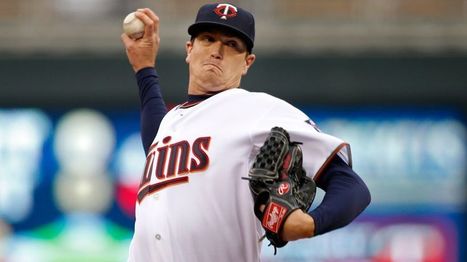


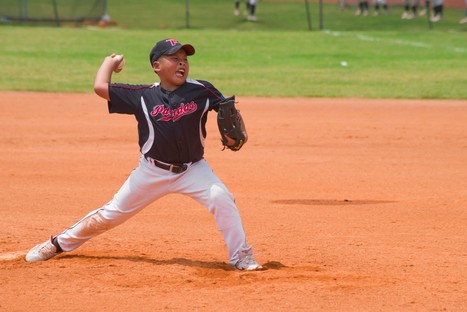






Injuries to student-athletes occur during routine practices, but only a third of public high schools have a full-time trainer. For Answers to any questions you may have please call Dr. Jimenez at 915-850-0900