 Your new post is loading...
Telemedicine is now a normal part of sports medicine. Athletes, parents, and coaches are using virtual visits to get fast answers, avoid long drives, and stay on track with rehab. When an integrative chiropractor and a nurse practitioner (NP) work together via telemedicine, athletes receive both medical and musculoskeletal care in a unified plan. This article explains, in clear language, how this dual team can help with sports injuries using remote exams, guided movement tests, home-based rehab, and continuous support. It also highlights the clinical approach used by Dr. Alexander Jimenez, DC, APRN, FNP-BC, whose practice combines chiropractic care, functional medicine, and integrative injury recovery. El Paso, TX Doctor Of Chiropractic Why Telemedicine Fits Today’s Athletes Telemedicine means seeing a health professional by secure video or phone instead of going to the clinic. Johns Hopkins Medicine notes that telehealth can save travel time, reduce exposure to illness, and make it easier to fit visits into a busy schedule (Johns Hopkins Medicine, 2025). Hopkins Medicine For athletes, that matters. Practices, games, school, work, and travel make it hard to get in-person care. Telemedicine can help by providing: -
Fast access after an injury at a game or practice -
Follow-up care between in-person visits -
Specialist input for teams in rural or small-town settings -
Safer care by avoiding crowded waiting rooms during cold/flu season In sports, telemedicine has become a “game-changer,” offering instant access to injury assessment, personalized rehab programs, nutrition advice, and mental health support (InjureFree Team, 2025; Nully Medical, 2025). InjureFree+1 What Makes an “Integrative” Team Different? An integrative model brings multiple skills together instead of working in silos. In this case: -
A Nurse Practitioner (NP) covers the medical side. -
An integrative chiropractor focuses on the spine, joints, and movement. Together, they can address both medical issues (such as medication, imaging, and ruling out serious problems) and biomechanical matters (such as alignment, soft-tissue strain, and movement faults) through the same telemedicine platform. In clinics like Dr. Jimenez’s in El Paso, the care model is built around: El Paso, TX Doctor Of Chiropractic -
Thorough history-taking and full-body assessment -
Focus on spinal and joint function, posture, and movement. -
Integrated functional medicine, including nutrition and lifestyle -
Recovery plans that mix hands-on care, exercise, and at-home strategies Telemedicine adds a flexible, remote layer on top of this structure, allowing care to continue between office visits. Roles in a Telemedicine Sports Injury Visit What the Nurse Practitioner Does The NP focuses on medical safety and overall case management. Through telemedicine, the NP can: -
Take a detailed medical and injury history. -
Ask about the mechanism of injury, symptoms, and red flags (e.g., severe headache, neck pain, numbness) -
Perform a virtual neurological and general physical screen (within telehealth limits) -
Order diagnostic imaging, such as X-rays, MRI, or ultrasound, when indicated. -
Prescribe medications (for example, short-term pain control, muscle relaxants, or anti-inflammatories when appropriate and safe) -
Coordinate referrals to orthopedics, neurology, physical therapy, or mental health. -
Monitor concussion symptoms, mood, sleep, and overall recovery progress Telehealth research shows that virtual evaluations can be effective and comparable to in-person visits for many musculoskeletal and chronic conditions when structured properly (Brown et al., 2022; Bowhay et al., 2023). PubMed+1 What the Integrative Chiropractor Does The chiropractor focuses on the spine, joints, and movement system, even when the contact is virtual. During telemedicine visits, a chiropractor can: -
Watch how the athlete moves on camera (walks, squats, jumps, rotates) -
Guide self-palpation (having the athlete or parent press along joints or muscles to find painful areas) -
Lead basic orthopedic tests adapted for home use. -
Analyze posture, body mechanics, and how the athlete performs sport-specific motions. -
Teach guided corrective exercises, stretches, and stabilization drills. -
Explain when in-person spinal or joint adjustments are recommended for later. Telehealth sports physio and tele-PT models already rely heavily on guided exercise, movement observation, and coaching, and have been shown to provide outcomes similar to in-person care for function and quality of life (SportsMD Editors, 2025; Cottrell et al., 2017). SportsMD+1 In practices like Dr. Jimenez’s, this approach blends easily with in-clinic chiropractic visits. Virtual sessions are used to check technique, adjust exercise load, and refine recovery plans between hands-on treatments. El Paso, TX Doctor Of Chiropractic How a Telemedicine Sports Injury Visit Actually Works Think of a telemedicine visit as a structured, step-by-step process: -
Pre-visit intake -
Online forms, symptom questionnaires, and injury details -
Uploads of prior imaging reports or athletic trainer notes -
Virtual check-in and tech setup -
The athlete logs in on a phone, tablet, or laptop. -
The camera is positioned so the clinician can see full-body movements (SportsMD Editors, 2025; HHS, 2024). SportsMD+1 -
History and red-flag screen -
NP asks about: -
When and how the injury occurred -
Pain location, severity, and quality -
Red-flag symptoms (e.g., chest pain, shortness of breath, neck instability, severe headache, or neurologic deficits) -
Guided physical and movement exam -
Integrative chiropractor leads the athlete through: -
Range-of-motion tests (neck, shoulder, back, hip, knee, ankle) -
Functional moves like squats, lunges, toe-walks, or sport-specific drills -
Gentle self-palpation or partner-assisted checks (for example, pressing along a tender hamstring or ankle ligaments) -
The NP may also perform basic neurologic screening (vision, balance, coordination) as seen in teleconcussion and sideline telehealth protocols (Subramanyam et al., 2021; SportsMD Editors, 2023). PubMed+1 -
Combined impression and plan -
NP and chiropractor share their findings and rule out urgent red flags that need ER or in-person evaluation. -
They agree on a working diagnosis (for example, Grade I ankle sprain, patellofemoral pain, mild low-back strain). -
They outline a joint care plan that includes rest, activity modifications, home exercises, medication (if indicated), nutrition, and follow-up visits. -
Education and next steps -
The team explains what to expect over the next days and weeks. -
Follow-up virtual visits are scheduled, and any in-person visits (for hands-on treatment or imaging) are arranged. Telemedicine During the Game: Sideline and Concussion Care One of the most powerful uses of telemedicine in sports is real-time decision-making during or right after a game. Sideline Telehealth Telehealth can allow a sports medicine professional to evaluate an injured athlete even when they cannot be physically present. A review in the HSS Journal highlights that telehealth tools and video evaluation can support sideline management and injury assessment, especially during shortages of on-site sports medicine physicians (Subramanyam et al., 2021). PubMed For example, an athletic trainer on the field can: -
Use a phone or tablet to show the athlete to the NP and chiropractor on video. -
Describe the mechanism of injury and initial findings. -
Follow real-time instructions for simple neurologic, balance, or cervical motion tests. This can help answer critical questions quickly, such as: -
“Should this player be removed from the game?” -
“Do we need to call 911 or go straight to the ER?” -
“Is this more likely a mild strain that can be reassessed later?” Teleconcussion Models Telehealth concussion care (“teleconcussion”) has grown rapidly. Articles from SportsMD show that teleconcussion can improve access to specialists, support faster concussion identification, and improve follow-up rates, especially in areas with limited athletic training coverage (SportsMD Editors, 2023). SportsMD Key points for teleconcussion include: -
Early removal from play when a concussion is suspected -
Virtual neurologic assessment and symptom review -
Guidance on when to seek emergency imaging -
Ongoing virtual follow-up to manage return-to-learn and return-to-play In an integrative team: -
The NP leads medical decision-making, concussion protocols, and imaging orders. -
The chiropractor can later address cervical spine stiffness, postural imbalances, and vestibular or musculoskeletal issues that often follow a head impact, using both in-person and telehealth sessions. Building a Collaborative Telemedicine Treatment Plan Once the injury is stable and urgent issues are ruled out, the real work begins: rehab. NP’s Role in the Plan The NP typically: -
Reviews imaging results (X-ray, MRI, ultrasound) and explains them in simple terms. -
Adjusts or prescribes medications when appropriate, such as: -
Screens for and manages comorbid conditions (e.g., asthma, diabetes, sleep issues) that may affect recovery -
Coordinates referrals to: -
Neurology or orthopedics for complex cases -
Physical therapy for structured rehab -
Mental health providers when stress, anxiety, or depression affect recovery Research in telemedicine and sports health shows that telehealth systems can also support nutrition and mental health needs as part of a broader performance and recovery model (Vasco et al., 2023; InjureFree Team, 2025). MDPI+1 Chiropractor’s Role in the Plan The integrative chiropractor focuses heavily on movement rehab and spinal/joint health, even when remote: -
Guided movement corrections -
Teaching safer landing mechanics after ankle sprains -
Coaching proper squat or lunge technique to protect knees and hips -
Correcting spinal alignment and posture patterns that overload certain joints -
Progressive exercise programming -
Core stability and hip activation drills for back pain -
Scapular stability and rotator cuff strengthening for shoulder injuries. -
Foot and ankle strengthening and balance work after sprains -
At-home tools and ergonomics -
Advice on using bands, light weights, or household items for rehab -
Guidance on setting up home workstations or gaming setups to reduce neck and back strain Telehealth physio and PT programs show that exercise-based rehab delivered over video can improve function and quality of life, often with high patient satisfaction (SportsMD Editors, 2025; Xiang et al., 2024). SportsMD+1 In Dr. Jimenez’s integrative model, many athletes combine in-office chiropractic adjustments and manual therapy with telemedicine check-ins for exercise progression, lifestyle counseling, and functional medicine support. El Paso, TX Doctor Of Chiropractic Telemedicine and At-Home Recovery: What Athletes Actually Do Telehealth is not just about talking—it is about doing. A typical home-based recovery program guided by an NP and chiropractor might include: 1. Daily or near-daily exercises -
Mobility drills for the injured joint and related areas -
Strength exercises with bands or body weight -
Balance and coordination drills for return-to-sport 2. Lifestyle changes -
Sleep schedule support: bedtime, screens, and recovery routines -
Load management: how much to walk, practice, or train -
Advice on cross-training that avoids stressing the injured area 3. Nutrition and hydration Drawing from telemedicine and sports nutrition research, and integrative practices like Dr. Jimenez’s, virtual care can include: MDPI+1 -
Adequate protein and calorie intake for tissue repair -
Anti-inflammatory foods (fruits, vegetables, omega-3-rich foods) -
Hydration strategies during rehab and return-to-play -
Supplement discussions when appropriate (always under medical guidance) 4. Mental health and mindset InjureFree and other sports telemedicine platforms highlight the use of telehealth to improve access to mental health care for athletes (InjureFree Team, 2025). InjureFree Virtual visits can connect athletes with: -
Sports psychologists or counselors -
Cognitive-behavioral therapy (CBT) supports chronic pain or concussion -
Stress-management skills for fear of re-injury or performance anxiety Key Benefits of Telemedicine for Sports Injuries From the combined research and clinical experience, several major benefits stand out. 1. Faster access and early decisions This is especially crucial for suspected concussions, spinal injuries, or fractures, where delay increases risk (Subramanyam et al., 2021; SportsMD Editors, 2023). PubMed+1 2. Better access in rural and away-game settings -
Many schools and community teams lack full-time athletic trainers or on-site physicians. Telemedicine can connect them to specialists that would otherwise be unavailable (Winkelmann et al., 2020; NFHS, 2024). PMC+1 3. Personalized rehab without constant travel -
Home-based exercise programs and virtual check-ins reduce time away from school, work, and family, while still maintaining a high level of care (SportsMD Editors, 2025; Johns Hopkins Medicine, 2025). SportsMD+1 4. Long-term performance and injury prevention Telemedicine is not only about recovery; it can also support: -
Periodic movement screens -
Off-season strength and mobility planning -
Nutrition and sleep coaching -
Monitoring of chronic issues (like low back pain, patellar tendonitis, or migraine) Reviews of telemedicine in sports and chronic disease show that telehealth exercise and nutrition programs can improve both exercise capacity and quality of life (Brown et al., 2022; Vasco et al., 2023). PubMed+1 Limits of Telemedicine and When In-Person Care Is Needed Telemedicine is powerful, but it is not a replacement for hands-on, in-person care in all cases. Telemedicine is not enough when: -
There is severe pain, deformity, or suspected fracture. -
There are signs of serious neurologic problems (numbness, weakness, loss of control of bladder/bowel, unstable gait) -
There is concern for spinal cord injury, major ligament rupture, or severe joint dislocation. -
Concussion symptoms are rapidly worsening (repeated vomiting, loss of consciousness, major confusion, or seizures) In these cases, the NP and chiropractor should direct the athlete to emergency care or urgent imaging. Telemedicine can still help by coordinating information, reviewing results later, and continuing rehab once the emergency phase has passed (Subramanyam et al., 2021; SportsMD Editors, 2023). PubMed+1 How Dr. Jimenez’s Integrative Model Illustrates This Approach Dr. Alexander Jimenez, DC, APRN, FNP-BC, runs an integrative clinic in El Paso that focuses on spinal health, sports injuries, personal injury cases, and functional medicine–based wellness. El Paso, TX Doctor Of Chiropractic. His clinical observations support the idea that athletes do best when: -
Medical and musculoskeletal issues are managed together. -
Imaging and lab data are combined with movement analysis, posture, and biomechanics. -
Telemedicine and in-person care work as a continuous loop, not separate silos. -
Athletes receive coaching on nutrition, sleep, stress, and strength training, not just symptom relief. In this type of integrated telemedicine setup, an NP and chiropractor share: -
A unified treatment plan in the record -
Ongoing case reviews (especially for complex or recurrent injuries) -
Communication with coaches, trainers, and physical therapists when appropriate and with consent This model aligns with current telemedicine research, which emphasizes connected care teams, remote exercise programs, and patient-centered design for sports and active populations (Winkelmann et al., 2020; Vasco et al., 2023). PMC+1 Practical Tips for Athletes Using Telemedicine for Sports Injuries If you are an athlete or parent thinking about telemedicine for a sports injury, here are simple steps to get more from each visit: -
Before the visit -
Write down how and when the injury happened. -
Note what makes pain better or worse. -
Gather past imaging reports or trainer notes. -
Check your camera, microphone, and internet connection. -
During the visit -
Wear clothing that makes the injured area easy to see and move. -
Clear a small space for walking, squatting, or performing simple drills. -
Be honest about pain, fears, and goals (performance, timelines, season, etc.). -
After the visit -
Follow the home program as written. -
Track your symptoms and what activities trigger pain. -
Ask questions during follow-ups if something is unclear or too hard. Working with an integrative chiropractor and NP through telemedicine can help you: -
Get faster assessments -
Avoid unnecessary ER visits or long drives. -
Receive unified, whole-person care that covers your medical, musculoskeletal, mental, and lifestyle needs -
Return to sport with a stronger body and clearer plan. References -
Brown, R. C., et al. (2022). Effectiveness of exercise via telehealth for chronic disease: A systematic review and meta-analysis of exercise interventions delivered via videoconferencing. British Journal of Sports Medicine. PubMed -
Cottrell, M. A., Galea, O. A., O’Leary, S. P., Hill, A. J., & Russell, T. G. (2017). Real-time telerehabilitation for the treatment of musculoskeletal conditions is effective and comparable to standard practice: A systematic review and meta-analysis. Clinical Rehabilitation. (Cited in SportsMD telehealth PT article.) PubMed+1 -
InjureFree Team. (2025, January 26). Technology Fridays “Breaking Boundaries – The Power of Telemedicine in Sports Expertise at Your Fingertips!”. InjureFree. InjureFree -
Johns Hopkins Medicine. (2025). Benefits of telemedicine. Hopkins Medicine -
Nully Medical (Savoie, L.). (2025, January 3). The power of telemedicine in athlete health care. Nully Medical LLC. Nully Medical LLC -
SportsMD Editors. (2023, April 7). Concussion urgent care specialist near you – Consider teleconcussion. SportsMD. SportsMD -
SportsMD Editors. (2025, January 2). The benefits of telehealth physical therapy. SportsMD. SportsMD -
Subramanyam, V., Day, M. A., & Kinderknecht, J. J. (2021). The role of telehealth in sideline management of sports-related injuries. HSS Journal, 17(1), 46–50. PubMed -
Vasco, P., et al. (2023). Role of technology innovation in telemedicine: Focus on nutrition and sports. Applied Sciences, 13(8), 4837. MDPI -
Winkelmann, Z. K., et al. (2020). Telemedicine experiences of athletic trainers and orthopaedic physicians for musculoskeletal-based patient encounters: A cross-sectional study. Journal of Athletic Training. PMC -
Xiang, X. N., et al. (2024). Telehealth-supported exercise or physical activity programs for individuals with knee osteoarthritis. BMC Musculoskeletal Disorders. PMC -
Jimenez, A. (n.d.). El Paso, TX Chiropractor Dr. Alex Jimenez DC | Personal Injury Specialist. Retrieved 2025. El Paso, TX Doctor Of Chiropractic The information herein is not intended to replace a one-on-one relationship with a qualified healthcare professional or licensed physician and is not medical advice. We encourage you to make healthcare decisions based on your research and partnership with a qualified healthcare professional. Our information scope is limited to chiropractic, musculoskeletal, and physical medicine, as well as wellness, sensitive health issues, and functional medicine articles, topics, and discussions. We provide and present clinical collaboration with specialists from various disciplines. Each specialist is governed by their professional scope of practice and the jurisdiction in which they are licensed to practice. We utilize functional health and wellness protocols to treat and support care for musculoskeletal injuries or disorders. Our videos, posts, topics, subjects, and insights cover clinical matters and issues that directly or indirectly support our clinical scope of practice. Our office has made a reasonable effort to provide supportive citations and to identify relevant research studies that support our posts. We provide copies of supporting research studies upon request to regulatory boards and the public. We understand that we cover matters that require an additional explanation of how they may assist in a particular care plan or treatment protocol. To discuss the subject matter above further, please contact Dr. Alex Jimenez or us at 915-50-0900. Dr. Alex Jimenez, DC, MSACP, CCST, IFMCP*, CIFM*, ATN* Email: coach@elpasofunctionalmedicine.com Licensed in: Texas & New Mexico*
Find relief from heel pain with effective chiropractic care focusing on the Achilles tendon for optimal recovery. Introduction Heel pain is a common complaint that affects millions of people worldwide, often disrupting daily activities like walking, running, or even standing. One of the primary culprits behind this discomfort is issues related to the Achilles tendon, the strong band of tissue connecting your calf muscles to your heel bone. If you’ve ever felt a sharp or aching pain at the back of your heel, especially after exercise or first thing in the morning, you might be dealing with Achilles-related heel pain. This blog post dives deep into the anatomy, causes, and treatments for this condition, with a special focus on how chiropractic care can provide relief without surgery. We’ll explore why the Achilles tendon is so vital, how problems develop, and practical steps you can take to feel better. Whether you’re an athlete pushing your limits or someone dealing with everyday aches, understanding Achilles tendon heel pain can empower you to seek the right help. We’ll also highlight nonsurgical options like chiropractic adjustments and acupuncture, along with stretches and exercises backed by science. Plus, we’ll share insights from Dr. Alexander Jimenez, a leading expert in chiropractic and functional medicine, to show how personalized care can make a difference. What Does the Achilles Tendon Do in the Lower Body and Extremities? The Achilles tendon plays a crucial role in how your lower body moves and functions. It’s the largest and strongest tendon in the human body, acting like a thick rope that helps you push off the ground when you walk, run, or jump. Without it, simple tasks like climbing stairs or playing sports would be nearly impossible. In the lower extremities, the Achilles tendon connects the gastrocnemius and soleus muscles (your calf muscles) to the calcaneus (heel bone). When these muscles contract, the tendon pulls on the heel, lifting it and propelling your body forward. This action is essential for activities involving propulsion, such as sprinting or jumping. It also helps absorb shock during landing, protecting your joints from excessive force. Beyond movement, the Achilles tendon contributes to balance and stability. It works with other structures in the foot and ankle to maintain posture and prevent falls. In everyday life, it supports weight-bearing tasks, making it vital for mobility in the legs, feet, and overall lower body. If the tendon is injured or inflamed, it can lead to heel pain that radiates up the leg, affecting your gait and potentially causing compensatory issues in the knees, hips, or back. References - Chu, E. C.-P. (2022). Neuromuscular scoliosis in the presence of spina bifida occulta and a transitional lumbosacral vertebra: A case report. Radiology Case Reports, 17(9), 3260-3265. https://doi.org/10.1016/j.radcr.2022.06.033
Anatomy of the Achilles Tendon To understand heel pain, it’s helpful to know the Achilles tendon’s structure. This tendon is about 6 inches long and forms from the merging of fibers from the two main calf muscles: the gastrocnemius (which crosses the knee joint) and the soleus (which doesn’t). These fibers twist together like a rope, creating a tough, fibrous cord that inserts into the back of the heel bone. The tendon is surrounded by a sheath called the paratenon, which provides lubrication and protection. Blood supply to the Achilles is limited, especially in the middle section (about 2-6 cm above the heel), making it prone to injury and slow healing. This area, known as the “watershed zone,” has fewer blood vessels, which can contribute to degeneration over time. Anatomically, the Achilles tendon is part of the posterior compartment of the leg. It works in tandem with the plantar fascia (a band under the foot) and other ligaments to support the ankle joint. When healthy, it can withstand forces up to 10 times your body weight during activities like running. However, overuse or sudden stress can lead to micro-tears, inflammation, or even rupture, manifesting as heel pain. General Disclaimer * The information herein is not intended to replace a one-on-one relationship with a qualified health care professional, licensed physician, and is not medical advice. We encourage you to make your own health care decisions based on your research and partnership with a qualified health care professional. Our information scope is limited to chiropractic, musculoskeletal, physical medicines, wellness, sensitive health issues, functional medicine articles, topics, and discussions. We provide and present clinical collaboration with specialists from a wide array of disciplines. Each specialist is governed by their professional scope of practice and their jurisdiction of licensure. We use functional health & wellness protocols to treat and support care for the injuries or disorders of the musculoskeletal system. Our videos, posts, topics, subjects, and insights cover clinical matters, issues, and topics that relate to and support, directly or indirectly, our clinical scope of practice.* Our office has made a reasonable attempt to provide supportive citations and has identified the relevant research study or studies supporting our posts. We provide copies of supporting research studies available to regulatory boards and the public upon request. We understand that we cover matters that require an additional explanation of how it may assist in a particular care plan or treatment protocol; therefore, to further discuss the subject matter above, please feel free to ask Dr. Alex Jimenez or contact us at 915-850-0900. Dr. Alex Jimenez DC, MSACP, CCST, IFMCP*, CIFM*, ATN* email: coach@elpasofunctionalmedicine.com Licensed in: Texas & New Mexico*
Sports injuries affect athletes of every age, from weekend joggers to professional competitors. Whether the injury is minor, such as a muscle strain, or more serious, such as a ligament tear, the impact can sideline performance, interrupt training, and even change long-term health. Preventing injuries before they happen is always better than treating them afterward. Prevention allows athletes to stay active, train consistently, and avoid unnecessary pain and setbacks (Mount Sinai, n.d.). Research indicates that injury prevention relies on several key elements: proper warm-ups, balanced conditioning, safe technique, adequate recovery, and ongoing monitoring of physical health (Nationwide Children’s, n.d.; Nicklaus Children’s Hospital, n.d.). Chiropractors and integrative healthcare providers emphasize these aspects by helping athletes fine-tune body mechanics, strengthen weak points, and address risk factors early (Premier Injury Clinics of DFW, n.d.). Dr. Alexander Jimenez, DC, APRN, FNP-BC, a chiropractor and nurse practitioner in El Paso, has witnessed firsthand the benefits of a dual-scope approach for athletes and active individuals. His clinic combines chiropractic adjustments, diagnostic imaging, physical therapy, nutritional guidance, and integrative care methods such as massage, acupuncture, and kinesio taping. This multifaceted strategy not only reduces injuries but also enhances performance and recovery (Jimenez, 2025). Why Sports Injuries Happen Modifiable Risk Factors Most sports injuries are preventable because they are linked to modifiable risk factors—things an athlete can change. These include poor flexibility, weak muscle balance, poor technique, and skipping warm-ups (Emery & Meeuwisse, 2008). By identifying and correcting these issues, the chance of injury drops dramatically. Overuse Injuries A large percentage of sports injuries are caused by overuse—doing too much, too fast, without enough rest. This type of injury is common among youth athletes who participate in the same sport year-round without taking recovery breaks (CHOP, n.d.; UTMB, 2017). Tendonitis, shin splints, and stress fractures are typical overuse conditions. Sudden Trauma Contact sports and high-impact activities bring the risk of sudden trauma, such as sprains, concussions, and fractures. Although not every traumatic injury can be prevented, using protective gear and maintaining good physical conditioning can minimize severity (Hopkins Medicine, n.d.). Core Principles of Injury Prevention 1. Warm-Up and Cool-Down Routines Warming up gradually raises body temperature, increases blood flow to muscles, and primes joints for movement. Cooling down reduces stiffness, supports circulation, and lowers the risk of soreness (First Physio Plus, n.d.; Garden State Pain, n.d.). Skipping these steps leaves the body unprepared, making it more likely to sustain injuries. 2. Balanced Strength and Conditioning Strength training that targets all major muscle groups provides joint stability and resilience. Core strengthening, for example, helps prevent back injuries, while hip and leg strength reduces the chance of knee injuries (Walker Physical Therapy, n.d.; PWR Physio, n.d.). Conditioning should strike a balance between endurance, flexibility, and mobility for optimal results. 3. Proper Technique Safe movement mechanics protect the body from unnecessary strain. Coaches, trainers, and chiropractors often review techniques to correct faulty patterns. Small errors—like improper landing after a jump—can place stress on knees and ankles, eventually leading to injuries (GPOA, n.d.). 4. Rest and Recovery Recovery is one of the most important and often overlooked steps. Muscles and connective tissues need rest to repair and grow stronger. Training without rest leads to fatigue, which increases the risk of injury (Bayfront Health, n.d.; Fick PT & Performance, n.d.). 5. Hydration and Nutrition Dehydration reduces performance and increases the risk of heat-related illnesses, cramps, and muscle strains. Proper nutrition supports tissue repair, bone strength, and overall energy levels. A balanced diet rich in protein, vitamins, and minerals supports safe performance (LI Spine Med, 2024). Chiropractic Care in Sports Injury Prevention Joint Function and Alignment Chiropractic adjustments restore joint mobility, improve range of motion, and correct misalignments that can disrupt performance. Athletes with better alignment move more efficiently and reduce unnecessary strain on muscles and ligaments (Advanced Spine & Posture, n.d.). Posture and Movement Patterns Many injuries occur due to faulty posture or repetitive stress on specific joints. Chiropractors analyze gait, balance, and spinal alignment to identify areas of weakness and dysfunction. Correcting these patterns reduces the risk of injury (Dallas Accident & Injury Rehab, n.d.; Evolved Health Chiropractic, n.d.). Enhancing Nerve Function The nervous system functions play a vital role in coordination and reaction time. Chiropractic care supports spinal health, which in turn protects nerve communication and sharpens reflexes, enabling athletes to respond more effectively in competitive situations (Fremont Chiropractic, n.d.; Young Chiropractic, n.d.). Relieving Muscle Tension Chiropractic techniques, including adjustments, soft-tissue therapy, and instrument-assisted treatments, reduce muscle tension and improve circulation. This not only relieves pain but also prepares muscles to perform at their best (Garmon Chiropractic, n.d.). Integrative Care and Injury Prevention Nutrition and Hydration Functional nutrition ensures athletes have the right building blocks for recovery. At Dr. Jimenez’s clinic, nutritional guidance often includes anti-inflammatory foods, hydration strategies, and supplements that support joint and muscle repair (Active Living Chiropractic, n.d.). Physical Therapy Physical therapy complements chiropractic care by building strength, flexibility, and balance. PTs design individualized exercise programs that reduce weaknesses, retrain movement patterns, and help prevent re-injury (Current Physical Therapy, 2025). Massage Therapy Massage improves circulation, reduces muscle stiffness, and helps muscles recover more quickly. It can also relieve scar tissue and improve flexibility, making the body more resilient against injury (Primary Health & Wellness, n.d.). Acupuncture Acupuncture stimulates healing by increasing blood flow, reducing inflammation, and balancing the flow of energy through the body's pathways. Studies suggest it also reduces pain perception, helping athletes recover more efficiently (ASA, n.d.). Kinesio Taping Taping techniques support joints, reduce strain on injured tissues, and improve proprioception. Athletes often use kinesio tape during rehabilitation or as a preventive tool in high-stress sports (Premier Injury Clinics of DFW, n.d.). Clinical Insights: Dr. Alexander Jimenez in El Paso Dr. Alexander Jimenez blends chiropractic and nurse practitioner skills to deliver dual-scope care. His clinic focuses on neuromusculoskeletal imaging and diagnostic assessments to pinpoint the root cause of injuries. By combining chiropractic adjustments with physical therapy, nutrition, and integrative treatments, his patients benefit from comprehensive injury prevention and recovery strategies (Jimenez, 2025). His clinic also handles injuries from sports, workplace accidents, and motor vehicle accidents (MVAs). Beyond medical care, Dr. Jimenez’s team documents injuries carefully to support patients through insurance and legal cases. This dual approach ensures both health and protection in personal injury claims. Recovery and Long-Term Prevention Recovery is not just about healing the current injury—it is about preventing the next one. Athletes who use chiropractic and integrative strategies consistently develop better body awareness, stronger support muscles, and healthier recovery patterns (Hyperice, n.d.; Tigard Chiropractic, n.d.). Long-term prevention focuses on: -
Ongoing chiropractic adjustments to maintain mobility and balance. -
Regular strength training tailored to the sport. -
Nutritional monitoring to prevent deficiencies. -
Cross-training to avoid overuse injuries. -
Rest cycles that allow tissues to fully recover. Dr. Jimenez emphasizes that combining these elements results in not just fewer injuries, but stronger, more resilient athletes who can enjoy sports safely for years. Conclusion Preventing sports injuries requires more than one strategy. Warm-ups, conditioning, proper technique, rest, and nutrition form the foundation. Chiropractic care builds on this by enhancing alignment, posture, nerve function, and muscle health. Integrative care, which encompasses physical therapy, massage, acupuncture, and taping, offers an additional layer of protection and support for recovery. Dr. Alexander Jimenez’s clinic in El Paso provides a real-world example of this multifaceted model in action. By combining chiropractic, functional medicine, and advanced imaging with supportive therapies, athletes are equipped with the tools to prevent injuries, recover more quickly, and maintain long-term health. Lower Back Pain Relief After Gym Injury References -
Advanced Spine & Posture. (n.d.). Key strategies for injury prevention. Link -
Bayfront Health. (n.d.). Guide to sports injury prevention. Link -
CHOP. (n.d.). Tips to prevent sports injuries in youth athletes. Link -
Dallas Accident & Injury Rehab. (n.d.). Integrating chiropractic expertise and holistic sports medicine. Link -
Emery, C. A., & Meeuwisse, W. H. (2008). Injury prevention in young athletes. Clinical Journal of Sport Medicine, 18(2), 102–108. Link -
First Physio Plus. (n.d.). Preventing sports injuries. Link -
Garden State Pain. (n.d.). Preventing sports injuries in teens. Link -
Garmon Chiropractic. (n.d.). Chiropractic care for sports injuries. Link -
GPOA. (n.d.). The right gear matters. Link -
Hopkins Medicine. (n.d.). Sports safety. Link -
Jimenez, A. (2025). Clinical insights. Retrieved from DrAlexJimenez.com and LinkedIn -
LI Spine Med. (2024). 10 tips for preventing sports injuries. Link -
Mount Sinai. (n.d.). Sports injury prevention. Link -
Nationwide Children’s. (n.d.). Preventing sports injuries. Link -
Nicklaus Children’s Hospital. (n.d.). Sports injury prevention. Link -
Premier Injury Clinics of DFW. (n.d.). Guide to preventing sports injuries. Link -
PWR Physio. (n.d.). Understanding sports injuries: prevention and recovery. Link -
Walker Physical Therapy. (n.d.). Preventing sports injuries. Link -
Young Chiropractic. (n.d.). The role of chiropractic in sports performance and injury prevention. Link General Disclaimer * The information herein is not intended to replace a one-on-one relationship with a qualified healthcare professional or licensed physician and is not medical advice. We encourage you to make healthcare decisions based on your research and partnership with a qualified healthcare professional. Our information scope is limited to chiropractic, musculoskeletal, and physical medicine, as well as wellness, sensitive health issues, and functional medicine articles, topics, and discussions. We provide and present clinical collaboration with specialists from various disciplines. Each specialist is governed by their professional scope of practice and the jurisdiction in which they are licensed to practice. We utilize functional health and wellness protocols to treat and support care for injuries or disorders affecting the musculoskeletal system. Our videos, posts, topics, subjects, and insights cover clinical matters and issues that relate to and directly or indirectly support our clinical scope of practice. Our office has made a reasonable attempt to provide supportive citations and identified relevant research studies that support our posts. We provide copies of supporting research studies upon request to regulatory boards and the public. We understand that we cover matters that require an additional explanation of how they may assist in a particular care plan or treatment protocol. To discuss the subject matter above further, please contact Dr. Alex Jimenez or us at 915-50-0900. Dr. Alex Jimenez, DC, MSACP, CCST, IFMCP*, CIFM*, ATN* Email: coach@elpasofunctionalmedicine.com Licensed in: Texas & New Mexico*
Fatigue is one of the most common complaints in modern healthcare. People often describe feeling drained, sluggish, or lacking motivation even after sleeping through the night. While caffeine, sugar, and short naps may provide temporary relief, these strategies do not address the underlying causes of low energy. Long-term vitality requires addressing the root causes of fatigue, including nervous system dysfunction, chronic stress, poor sleep, inflammation, and nutritional imbalances. Chiropractic and integrative care work together to reenergize the body by restoring balance and harmony. Spinal adjustments, targeted exercises, massage, acupuncture, nutrition, and supplementation aim to reduce nervous system interference, improve circulation, decrease inflammation, and support the body's natural healing process. This holistic approach does not mask fatigue—it transforms how the body generates and sustains energy. Research and clinical observations, such as those of Dr. Alexander Jimenez in El Paso, demonstrate that addressing both structural and functional health leads to renewed vitality in patients recovering from work injuries, sports accidents, and personal injury cases【gotcore.net†source】. Nervous System Dysfunction and Energy Loss The nervous system plays a central role in how the body creates and conserves energy. Spinal misalignments, known as subluxations, can disrupt the communication between the brain and body. This disruption may cause the body to waste energy compensating for poor nerve signals, leading to fatigue and decreased focus.【abundantlifechiropractor.com†source】. Chiropractic adjustments remove these barriers, restoring proper alignment and nervous system function. Patients often report increased energy levels, better concentration, and improved physical performance after care. Studies suggest that when the nervous system functions without interference, the body directs its energy toward healing and daily activities instead of fighting unnecessary stressors【awcchiropractic.com†source】. Dr. Jimenez emphasizes that patients recovering from motor vehicle accidents often experience fatigue due to hidden nerve dysfunction. Using dual-scope diagnostic imaging and advanced assessments, he identifies spinal misalignments and designs corrective care plans to restore nervous system efficiency. Reference: Abundant Life Chiropractor – How Chiropractic Spinal Alignment Boosts Your Energy The Role of Stress and Sleep in Fatigue Chronic stress depletes energy reserves by raising cortisol levels and disrupting sleep patterns. Over time, this “always on” state can strain the body, leading to fatigue, brain fog, and impaired recovery. Chiropractic care helps regulate stress by improving nervous system function and reducing physical tension in muscles and joints【hellonote.com†source】. Studies also link chiropractic adjustments to improved sleep quality. By relieving pain, reducing nervous system stress, and balancing hormones such as serotonin and endorphins, chiropractic care supports deep, restful sleep [chiropractorinstoke.co.uk†source]. Dr. Jimenez has observed that patients injured at work or in sports often sleep poorly due to pain and inflammation. By combining chiropractic adjustments with massage therapy, acupuncture, and integrative medicine strategies, he helps restore sleep cycles and assist patients in regaining their natural energy. Reference: HelloNote – Chiropractic for Stress and Sleep Inflammation and Chronic Fatigue Inflammation is both a cause and result of fatigue. When the immune system remains in a constant state of alert, the body spends excessive energy fighting perceived threats. Chiropractic adjustments reduce musculoskeletal inflammation by improving spinal alignment, circulation, and lymphatic drainage【oaklandspinenj.com†source】. Integrative approaches—such as anti-inflammatory diets, targeted supplements, and functional medicine assessments—further reduce systemic inflammation. B-vitamins, magnesium, coenzyme Q10, and adaptogenic herbs like ashwagandha and rhodiola help regulate mitochondrial energy production.【rupahealth.com†source】. Dr. Jimenez often prescribes nutritional protocols for his patients, combining chiropractic therapy with functional medicine supplements to reduce inflammation and restore energy. This dual-scope strategy ensures that patients not only recover from injury but also improve long-term vitality. Reference: Oakland Spine – How Chiropractic Care Helps Improve Chronic Fatigue Syndrome Circulation and Oxygen Flow Better circulation means more oxygen and nutrients reach muscles, tissues, and the brain. When the spine is properly aligned, blood flow improves, helping cells generate energy more efficiently.【thelachiropractor.com†source】. Dr. Jimenez frequently observes improvements in circulation in patients after spinal manipulation and targeted exercise therapies. Athletes recovering from sports injuries or car accidents often regain endurance and strength as circulation improves, reducing feelings of exhaustion. Low-impact activities like swimming, walking, and stretching, combined with chiropractic care, enhance circulation further while reducing inflammation.【marksonchiropractic.com†source】. Reference: LA Chiropractor – How Chiropractic Care Can Boost Your Energy Levels Functional Medicine and Integrative Protocols for Fatigue Functional medicine takes an integrative approach by addressing hormonal imbalances, nutritional deficiencies, and environmental stressors that contribute to fatigue.【functionalhealthkc.com†source】. Tests for thyroid function, adrenal hormones, and micronutrient levels often reveal hidden causes of low energy. Integrative care may include supplementation with vitamins B12, D, and magnesium, along with adaptogenic herbs such as rhodiola and ashwagandha【tampahealthcenter.com†source】. These natural remedies support adrenal function, regulate stress hormones, and enhance recovery. Dr. Jimenez integrates functional lab testing with chiropractic care, ensuring that patients with complex fatigue syndromes receive both physical adjustments and biochemical support. This dual focus addresses root causes on multiple levels. Reference: Rupa Health – Functional Medicine Protocol for Fatigue Rehabilitation After Injury: Restoring Energy and Strength Work injuries, sports trauma, personal accidents, and motor vehicle collisions often drain energy reserves. Pain, inflammation, and restricted movement force the body to use extra energy to compensate. Chiropractic care restores proper alignment, while massage, acupuncture, and rehabilitative exercise reduce strain and promote healing【restorechiro.life†source】. Dr. Jimenez’s El Paso clinics specialize in treating neuromusculoskeletal injuries with an integrative model. Patients benefit from spinal adjustments, soft-tissue therapy, targeted exercise programs, and functional medicine protocols that improve energy and recovery outcomes. His use of advanced imaging ensures accurate diagnosis, while his experience in legal documentation supports patients pursuing personal injury claims. Reference: Restore Chiropractic – How Chiropractic Care Helps Boost Your Energy Dr. Alexander Jimenez’s Dual-Scope Approach in El Paso Dr. Jimenez’s unique expertise as both a chiropractor and nurse practitioner allows him to evaluate patients from a dual perspective. He correlates injury mechanisms with clinical findings, using advanced diagnostic imaging to confirm conditions such as whiplash, disc herniation, or nerve compression. For patients in personal injury cases, Dr. Jimenez provides both medical documentation and therapeutic treatment. His protocols include chiropractic adjustments, functional medicine lab testing, acupuncture, massage therapy, and targeted rehabilitation. By integrating legal documentation with patient care, he ensures that recovery is both clinically sound and legally supported【dralexjimenez.com†source】. Patients frequently report feeling reenergized not only from pain relief but also from the restoration of proper nervous system function, improved sleep, and reduced stress. Reference: Dr. Alex Jimenez – Official Website Exercise, Recovery, and Preventing Long-Term Fatigue Physical activity is one of the most effective ways to boost energy when combined with chiropractic care. Low-impact exercise, such as swimming, walking, and gentle stretching, improves circulation, reduces inflammation, and enhances mood.【jeffersoncountyhealthcenter.org†source】. Dr. Jimenez often prescribes customized rehabilitation programs after accidents, ensuring exercises are safe and tailored to the patient’s injury type. This prevents long-term fatigue, helps restore mobility, and strengthens the body to reduce the risk of future injuries. Reference: Jefferson County Health – Navigating Fatigue in Rheumatic Diseases Conclusion: Restoring Vitality Through Chiropractic and Integrative Care Reenergizing the body requires more than stimulants and temporary fixes. Chiropractic and integrative care provide long-term solutions by addressing nervous system dysfunction, reducing stress, enhancing sleep quality, regulating inflammation, and promoting optimal nutrition. Dr. Alexander Jimenez’s dual-scope approach in El Paso demonstrates how combining chiropractic adjustments, integrative therapies, and functional medicine protocols helps patients recover from injury, regain natural energy, and prevent long-term consequences. By aligning the spine, supporting biochemical balance, and restoring circulation, this holistic approach helps renew vitality and empower individuals to live healthier lives. Is Motion Key to Healing? | El Paso, Tx References General Disclaimer * The information herein is not intended to replace a one-on-one relationship with a qualified healthcare professional or licensed physician and is not medical advice. We encourage you to make healthcare decisions based on your research and partnership with a qualified healthcare professional. Our information scope is limited to chiropractic, musculoskeletal, and physical medicine, as well as wellness, sensitive health issues, and functional medicine articles, topics, and discussions. We provide and present clinical collaboration with specialists from various disciplines. Each specialist is governed by their professional scope of practice and the jurisdiction in which they are licensed to practice. We utilize functional health and wellness protocols to treat and support care for injuries or disorders affecting the musculoskeletal system. Our videos, posts, topics, subjects, and insights cover clinical matters and issues that relate to and directly or indirectly support our clinical scope of practice. Our office has made a reasonable attempt to provide supportive citations and identified relevant research studies that support our posts. We provide copies of supporting research studies upon request to regulatory boards and the public. We understand that we cover matters that require an additional explanation of how they may assist in a particular care plan or treatment protocol. To discuss the subject matter above further, please contact Dr. Alex Jimenez or us at 915-50-0900. Dr. Alex Jimenez, DC, MSACP, CCST, IFMCP*, CIFM*, ATN* Email: coach@elpasofunctionalmedicine.com Licensed in: Texas & New Mexico*
Introduction: Two Paths, One Outcome—Trauma to the Body Whether someone is sprinting down a field or rear-ended at a stoplight, the result can be the same—an injured body. Sports injuries and motor vehicle accidents (MVAs) are different in setting but similar in how they affect the musculoskeletal system. Both can cause sudden trauma from impact, twisting, or high-speed deceleration. The injuries—sprains, fractures, concussions, and spinal misalignments—frequently mirror each other. Because of this overlap, many of the same recovery tools used in sports medicine are also helpful for individuals recovering from car crashes. A multidisciplinary, integrative approach combining chiropractic care, physical therapy, and functional diagnostics leads to stronger outcomes and a reduced risk of chronic pain. National Highway Traffic Safety Administration, n.d. The Most Common Injuries: Sprains, Strains, and Tears Athletes and accident victims often suffer the same types of soft tissue injuries. Sprains—injured ligaments—and strains—overstretched muscles or tendons—happen quickly during impact or awkward movements. In sports, this may be a result of a sudden stop or tackle. In MVAs, it often comes from the jarring motion of the crash. Sprains of the ankle, knee, and wrist are widely reported by rehab clinics like TheraSport, [The Smith Clinic], and Dubuque Physical Therapy. The same joints are frequently affected in drivers and passengers after car accidents. These injuries need more than rest. Functional recovery often includes chiropractic alignment, targeted exercises, soft tissue work, and sometimes bracing to protect the area during healing. Brain Injuries and Whiplash: The Hidden Dangers Concussions and whiplash don’t always show up right away—but they can create long-term issues if not diagnosed quickly. Concussions, which involve brain trauma from forceful movement inside the skull, happen in football, soccer, and other contact sports. In MVAs, even without direct head impact, the brain can jolt violently, leading to similar symptoms. Headaches, dizziness, blurred vision, or mental fog may be signs of a concussion, according to the Skinner Law Firm and Visible Body. Neck sprains are another common issue and often occur in non-collision accidents like falls or sudden jerks, per NIH research. Recovery often involves more than just time off. Chiropractic adjustments, posture retraining, gentle exercise, and neurological screening are all tools used in comprehensive care settings. Fractures and Dislocations: Structural Damage Both athletes and drivers are prone to broken bones and joint dislocations. These may come from falls, tackles, or direct impact with another player—or from seatbelts, airbag deployment, and the crushing forces of a car crash. The Advanced Orthopedic Center reports that accurate imaging and follow-up care are essential for preventing complications. X-rays, CT scans, and MRIs help pinpoint fractures, while rehab restores function after healing. Physical therapy and chiropractic care support joint alignment, rebuild strength, and help prevent re-injury. Chronic Pain and Poorly Healed Injuries Unfortunately, some injuries never fully heal when not managed properly. In both sports and MVAs, patients often return to activity too early, leading to persistent pain or re-injury. Neck pain, back stiffness, nerve symptoms, and headaches can all stem from unresolved trauma. A 2020 study in the Journal of Orthopaedic Research found that poor recovery planning is directly linked to chronic pain. Whether the injury came from an end-zone collision or a traffic incident, consistent follow-up care is vital. Chiropractic, Massage, and Acupuncture: Integrated Care That Works Integrative healthcare blends the best of physical therapy, chiropractic medicine, and alternative healing. Chiropractic care realigns the spine and improves joint function, relieving pressure on nerves and muscles. Massage therapy reduces tension, boosts circulation, and encourages the release of healing hormones. Acupuncture targets the nervous system to reduce inflammation and pain naturally. Together, these approaches help with: -
Whiplash and spinal injuries -
Joint sprains and muscle strains -
Post-concussion recovery -
Nerve compression symptoms -
Long-term pain prevention Each injury is unique, and a tailored rehab plan gives patients the best chance of recovery. Diagnostics and Injury Detection: The Foundation of Proper Care Accurate diagnosis is the first step to healing. Imaging, such as MRIs and musculoskeletal ultrasound, can detect damage that a basic physical exam might miss. Objective testing—like range-of-motion analysis and neurological assessments—offers insight into injury severity and function. In cases of car accidents, these diagnostics also serve as legal and insurance documentation. Proper reports support claims and make it easier to demonstrate the need for treatment and recovery time. Legal and Insurance Coordination After Accidents Unlike sports injuries, motor vehicle accidents often involve legal claims, insurance reports, and ongoing paperwork. For patients, this adds stress to an already difficult situation. Working with clinicians who understand the documentation process makes a big difference. Complete records, diagnostic evidence, and regular progress notes help ensure that injured individuals are fully supported—both medically and legally. This coordination allows patients to focus on recovery while their cases are handled efficiently behind the scenes. A Proactive Approach to Prevention and Performance One of the best ways to recover from injury is to avoid it in the first place. Athletes and drivers alike benefit from prevention strategies: -
Stretching and strengthening muscles -
Practicing proper technique and posture -
Using protective gear and seatbelts -
Maintaining awareness and focus Functional medicine often focuses on proactive wellness—ensuring the body is resilient and prepared to handle physical stress. By building a solid foundation of movement, strength, and flexibility, individuals can better recover from injury and even reduce their risk in the first place. Conclusion: Shared Injuries, Shared Solutions Whether the injury happens on the field or in a car, the body experiences trauma in similar ways. Ligaments tear, muscles strain, nerves become compressed, and bones break. A proper treatment plan—rooted in integrative care and functional diagnostics—can bring healing and restore quality of life. The combination of chiropractic care, physical therapy, massage, and acupuncture doesn’t just treat symptoms—it addresses the root causes of injury. Whether recovering from a hard tackle or a highway collision, the body deserves complete care, compassionate support, and a personalized recovery path. The Natural Way to Heal: Non-Surgical Chiropractic Care for Pain Relief References Advanced Orthopaedics. (n.d.). Sports medicine: Treating common high school sports injuries. Advanced Orthopaedics. Boohoff Law. (n.d.). Common types of injuries in car accidents. Boohoff Law. Brown Health. (n.d.). Types of sports injuries and how they’re treated. Brown Health. Dubuque Physical Therapy. (n.d.). Sports injuries. Dubuque Physical Therapy. Indiana Department of Health. (n.d.). Mechanism of injury. Indiana Department of Health Trauma System. National Highway Traffic Safety Administration. (n.d.). Biomechanics research. U.S. Department of Transportation. National Institute of Arthritis and Musculoskeletal and Skin Diseases. (n.d.). Sports injuries. National Institutes of Health. Skinner Law Firm. (n.d.). Understanding common accident injuries. Skinner Law. Smith Clinic. (n.d.). [Sports injuries](https://thesmithclinic.com/physical-therapy-clinic-services/sports-injuries/#:~:text=Sprains%20(i.e.%2C%20ankle%20or%20ACL,heading%2C%20falls%2C%20etc.). The Smith Clinic. Stroud, Flechas & Dalton Law. (n.d.). What are common car accident injuries?. Stroud Law. TheraSport Physical Therapy. (n.d.). Sports injuries. TheraSport. Uygur, M., & de Jongh Curry, A. (2020). A systematic review of chronic pain and functional outcomes following traumatic musculoskeletal injury. Journal of Orthopaedic Research, 38(11), 2390–2403. Visible Body. (n.d.). Common sports injuries 101. Visible Body. Wright, J., & Marquez, P. (2011). Cycling-related injuries in non-collision incidents. Journal of Emergencies, Trauma, and Shock, 4(4), 443–447. General Disclaimer * The information herein is not intended to replace a one-on-one relationship with a qualified healthcare professional or licensed physician and is not medical advice. We encourage you to make healthcare decisions based on your research and partnership with a qualified healthcare professional. Our information scope is limited to chiropractic, musculoskeletal, and physical medicine, as well as wellness, sensitive health issues, and functional medicine articles, topics, and discussions. We provide and present clinical collaboration with specialists from various disciplines. Each specialist is governed by their professional scope of practice and the jurisdiction in which they are licensed to practice. We utilize functional health and wellness protocols to treat and support care for injuries or disorders affecting the musculoskeletal system. Our videos, posts, topics, subjects, and insights cover clinical matters and issues that relate to and directly or indirectly support our clinical scope of practice. Our office has made a reasonable attempt to provide supportive citations and identified relevant research studies that support our posts. We provide copies of supporting research studies upon request to regulatory boards and the public. We understand that we cover matters that require an additional explanation of how they may assist in a particular care plan or treatment protocol. To discuss the subject matter above further, please contact Dr. Alex Jimenez or us at 915-50-0900. Dr. Alex Jimenez, DC, MSACP, CCST, IFMCP*, CIFM*, ATN* Email: coach@elpasofunctionalmedicine.com Licensed in: Texas & New Mexico*
I. Introduction: Motor Vehicle Accidents & Athletic Risk For athletes, staying in peak physical condition is crucial. However, when a motor vehicle accident (MVA) occurs, it can disrupt an athlete’s performance, mental focus, and overall well-being. Whether the athlete is a weekend runner, a high school star, or a professional competitor, even a minor accident can lead to injuries that interfere with training, mobility, and game-day readiness. Car accidents don’t just damage vehicles—they jolt the body violently, causing trauma to the musculoskeletal system. This trauma can result in joint misalignments, soft tissue strain, ligament tears, or spinal disc issues that may not appear immediately. Even low-speed collisions can result in whiplash, a common neck injury that can affect athletic coordination, strength, and flexibility. And for athletes whose livelihood or identity depends on physical performance, such an injury can be devastating. Beyond the physical toll, many athletes struggle with the emotional and psychological effects of an accident. Post-traumatic stress disorder (PTSD), anxiety, and depression can creep in after a crash, making it harder to focus, train, and bounce back confidently. Combined, these effects can lead to long-term declines in athletic performance if left unaddressed. The good news? A comprehensive recovery approach that includes chiropractic care, nurse practitioners, acupuncture, and integrative medicine can provide a pathway to healing. This team-based strategy addresses both the physical damage and emotional stress of MVAs, restoring the athlete’s body, mind, and confidence. By identifying underlying injuries, supporting the nervous system, reducing inflammation, and tailoring recovery plans, this approach enables athletes to return to their activities stronger, healthier, and more resilient. 🔗 References:
The Emotional Impact of Car Accidents: Coping and Moving Forward (Florida Law Group, 2023)
Psychology of Sports Injuries (Universidad Europea, n.d.)
What Types of Medical Professionals Treat Car Accident Injuries? (Correll Firm, n.d.)
Enhancing Athletic Performance and Recovery with Acupuncture Treatment (ET Sports Medicine, n.d.) II. Common Athletic Injuries from MVAs When an athlete experiences a motor vehicle accident, the physical consequences can go far beyond surface bruises or soreness. The sudden forces involved in a crash—such as rapid deceleration, twisting, or impact—can create hidden injuries that compromise an athlete’s biomechanics and performance. These injuries often involve muscles, ligaments, joints, spinal discs, and nerves—all essential components in athletic motion and strength. Musculoskeletal and Ligamentous Injuries One of the most common outcomes of a car crash is musculoskeletal damage. For athletes, these injuries can be particularly troubling because they affect movement efficiency, coordination, and power. Torn ligaments, strained tendons, or sprained joints can silently weaken the body and increase the risk of reinjury when returning to training. Ligamentous injuries are particularly concerning because they can be subtle yet have a lasting impact. These tissues help stabilize joints, and when overstretched or torn, the body may lose its ability to maintain proper alignment and control during athletic activity. This can lead to instability in the knees, shoulders, or spine, critical areas for high-impact and repetitive movements in sports. Spinal and Disc Injuries Whiplash, herniated discs, and spinal misalignments are all common after an MVA. For athletes who rely on core stability, posture, and back strength, a spinal injury can lead to reduced flexibility, persistent pain, and decreased range of motion. These effects not only hinder performance but also make it unsafe to engage in sports until fully treated. Spinal injuries can also contribute to “referred pain,” where discomfort is felt in other areas of the body due to nerve involvement. Athletes may notice weakness or tingling in their limbs, often misattributed to a sports strain rather than post-accident trauma. Nerve Damage In MVAs, trauma can compress or damage nerves, especially in the neck and lower back. For athletes, this may manifest as sharp pain, numbness, or muscle weakness, all of which can reduce performance and limit physical training. Nerve irritation from bulging discs or spinal subluxations can take time to develop, meaning symptoms might not appear until weeks after the accident. Mental and Emotional Impact Beyond the body, the brain and emotions are often affected too. Studies show that athletes recovering from traumatic injuries like car accidents are more prone to psychological issues such as fear of reinjury, anxiety, and depression. These feelings may lead to hesitation on the field, lack of confidence, and avoidance of certain movements, further impairing recovery and sports readiness. Injuries that keep athletes off the field can also lead to identity struggles, especially in competitive sports where physical ability is tied to personal or professional worth. Addressing these psychological effects is just as important as treating physical wounds. 🔗 References:
Effects of Sports Injuries on Athletes (Advanced Bone & Joint, 2021)
Physiotherapy for Sports Injuries (Freedom Physical Therapy, n.d.)
Car Accident Recovery with Chiropractic and Sports Therapy.-,Intestinal%20Damage,recovery%20(Jimenez%2C%202025.) (Jimenez, 2025)
Chiropractic and Nurse Practitioner for Injury Recovery (ChiroMed, n.d.)
Chiropractic Car Accident Treatment (Cedar Park Chiropractic, n.d.)
III. Chiropractic Care: Foundation of Physical Recovery After a motor vehicle accident, athletes often need more than just rest—they need targeted, restorative treatment that addresses the underlying damage caused by the crash. Chiropractic care is one of the most effective, non-invasive treatment options for athletes recovering from car accidents. It focuses on spinal alignment, joint mobility, and overall nervous system health—three pillars of optimal athletic performance and post-injury healing. Restoring Spinal Alignment and Mobility One of the most common effects of a car crash is a misaligned spine, especially in the neck and lower back. For athletes, spinal misalignments can interfere with posture, flexibility, and strength. Chiropractors use precise spinal adjustments to realign the vertebrae, improve joint function, and reduce nerve interference. This not only relieves pain but also enhances mobility, which is critical for athletes looking to return to their sport. Proper spinal alignment supports better movement mechanics and joint balance, both of which are essential for preventing reinjury during training or competition. Reducing Inflammation and Soft Tissue Damage Injuries from an MVA often lead to inflammation of the muscles, tendons, and ligaments. Chiropractors are trained in soft tissue therapies, including myofascial release, stretching, and ultrasound therapy, to reduce swelling and support tissue regeneration. These treatments help break down scar tissue and improve blood flow, speeding up the healing process. By addressing both the skeletal and muscular systems, chiropractic care enables a more comprehensive recovery, allowing the athlete to regain strength and flexibility in a safe and controlled manner. Preventing Reinjury and Supporting Peak Performance For athletes, returning to sport too soon without proper rehabilitation increases the risk of reinjury. Chiropractic care emphasizes body awareness, structural correction, and functional movement, all of which are critical for reducing the risk of long-term injury. Even after healing, many athletes continue chiropractic care to maintain peak performance. Regular adjustments can improve neuromuscular coordination, balance, and reaction time, all of which give athletes a competitive edge. The Role of Sports-Focused Chiropractors Some chiropractors, such as Dr. Alexander Jimenez of El Paso, specialize in treating sports-related injuries. These practitioners understand the demands placed on an athlete’s body and tailor their care to address sport-specific movement patterns. Dr. Jimenez combines spinal care, posture correction, mobility work, and clinical imaging to ensure each athlete receives precise and personalized treatment after an accident. 🔗 References:
The Role of Chiropractic Care in Sports Injury Recovery (Texas Medical Institute, n.d.)
Injury Rehabilitation: Chiropractic and Sports Recovery (Miami Chiropractors, n.d.)
The Role of Chiropractic in Sports Performance and Injury Prevention (Dr. Luban, n.d.)
Benefits of Pediatric Chiropractic Care for Young Athletes (Lakeside Sports Chiropractic, n.d.)
IV. Nurse Practitioners: Bridging Recovery & Medical Oversight While chiropractic care plays a key role in musculoskeletal recovery, nurse practitioners (NPs) bring a vital medical perspective to post-accident rehabilitation. These advanced practice providers act as a bridge between traditional medical evaluation and holistic recovery. In collaboration with chiropractors, nurse practitioners help ensure that no part of an athlete’s recovery is overlooked—whether it’s diagnostic testing, managing pain, or monitoring overall health. Advanced Assessments and Diagnostic Oversight After an MVA, many athletes may not immediately recognize the extent of their injuries. Nurse practitioners conduct thorough evaluations, order diagnostic imaging (such as MRIs or X-rays), and assess neurological function to identify subtle yet significant damage. For example, what appears to be simple back soreness could involve a disc herniation or nerve impingement, both of which require tailored treatment and possibly referral to a specialist. Working alongside chiropractors, NPs interpret imaging results and collaborate on evidence-based treatment plans. This integrated approach ensures a clearer picture of the athlete’s condition and prevents misdiagnosis or overlooked trauma. Pain Management and Recovery Planning Pain can be a major barrier to an athlete’s return to sport. Nurse practitioners are licensed to prescribe medications, but they often favor conservative pain management options when working with chiropractic and holistic teams. This may include topical analgesics, anti-inflammatory protocols, nutritional guidance, or referrals for physical therapy. In cases of severe or persistent pain, NPs may also coordinate care with specialists in orthopedics or pain management. Their goal is to ensure that the athlete’s pain is controlled safely, without dependence on pharmaceuticals or invasive procedures whenever possible. Monitoring Functional Progress and Return-to-Play Readiness A critical role of the nurse practitioner is to track an athlete’s progress throughout recovery. They assess muscle strength, balance, range of motion, and psychological readiness to return to sport. These objective markers help determine when an athlete is ready to return to their sport or requires additional time to heal. NPs also address coexisting conditions that may be exacerbated by a car crash, such as asthma, headaches, gastrointestinal issues, or hormonal imbalances, ensuring comprehensive recovery that extends beyond the musculoskeletal system. Team-Based Recovery with Dr. Jimenez’s Model Dr. Alexander Jimenez, a licensed chiropractor and family nurse practitioner in El Paso, offers a unique “dual-scope” model that combines both chiropractic care and advanced medical oversight. His integrative approach streamlines diagnostics, accelerates treatment timelines, and improves injury documentation for legal or insurance purposes. This combination provides injured athletes with access to spinal adjustments, soft tissue therapy, laboratory testing, and rehabilitation—all under one roof. It’s an efficient and effective way to recover from the physical and psychological impact of an MVA while preparing the body to return to performance safely. 🔗 References:
Chiropractic and Nurse Practitioner for Injury Recovery (ChiroMed, n.d.)
What Types of Medical Professionals Treat Car Accident Injuries? (Correll Firm, n.d.)
Dr. Alexander Jimenez | LinkedIn
Dr. Alex Jimenez | Chiropractic and Functional Medicine Insights
V. Acupuncture & Mind-Body Restoration Motor vehicle accidents can leave athletes not only physically injured but also emotionally and energetically drained. As part of an integrative approach to healing, acupuncture has become a trusted therapy for relieving both pain and stress. This ancient practice, rooted in Traditional Chinese Medicine (TCM), is now widely used by sports medicine professionals to enhance recovery and athletic performance. For athletes recovering from MVAs, acupuncture can help reestablish mind-body balance, reduce inflammation, and improve overall well-being. Pain Relief Through Nervous System Regulation One of the primary benefits of acupuncture is its ability to modulate the nervous system. When a needle is inserted at specific acupuncture points, it triggers the release of natural pain-relieving chemicals, such as endorphins and enkephalins. These effects can reduce the severity of pain from whiplash, spinal injuries, or soft tissue trauma, which are common in athletes who’ve suffered a crash. Acupuncture also promotes vagal nerve stimulation, which helps reduce sympathetic overdrive (the fight-or-flight response). This can calm nerve irritation and promote parasympathetic healing, allowing the body to focus on recovery rather than remaining in a state of tension or hypervigilance. Improving Circulation and Reducing Inflammation Car accidents often cause inflammation in the joints and surrounding soft tissues. Acupuncture has been shown to enhance microcirculation in injured areas, thereby facilitating the delivery of oxygen and nutrients to damaged tissues and promoting accelerated healing. By reducing localized swelling and promoting cellular repair, athletes may experience quicker recovery times and restored flexibility. Additionally, acupuncture can be used in conjunction with chiropractic care to address spinal and muscular imbalances. For example, while a chiropractor addresses vertebral alignment, acupuncture can target the surrounding muscles and fascia to relieve spasms and support structural corrections. Mental Health and Stress Recovery It’s not uncommon for athletes to experience anxiety, insomnia, or mood disturbances after a traumatic car accident. These symptoms may stem from post-traumatic stress, fear of reinjury, or frustration from being sidelined. Acupuncture has been shown to reduce stress hormones, such as cortisol, and increase serotonin levels, which can help regulate mood and improve sleep quality. This emotional regulation is crucial for athletes who rely on focus, mental clarity, and confidence to perform effectively. With regular acupuncture sessions, many injured athletes report feeling calmer, more centered, and mentally prepared to return to training. Integrative Performance Enhancement Even beyond recovery, acupuncture is used by elite athletes to improve performance and prevent injury. By promoting balanced energy flow (known as Qi in TCM), acupuncture enhances neuromuscular function, range of motion, and energy efficiency. These effects make it a powerful tool in both the rehabilitation and performance optimization phases of an athlete’s journey after an MVA. 🔗 References:
The Healing Power of Acupuncture After an Auto Accident (Forest Park Wellness, n.d.)
Acupuncture for Car Accident Injuries (Doctor LeBlanc, n.d.)
Acupuncture in Physiotherapy (Kinect Physio, n.d.)
Acupuncture for Treating Car Accident Injuries (Governor’s Park Chiropractic, n.d.)
Enhancing Athletic Performance and Recovery with Acupuncture Treatment (ET Sports Medicine, n.d.)
VI. The Jimenez Method: Legal + Clinical Integration Dr. Alexander Jimenez, DC, APRN, FNP-BC, based in El Paso, Texas, stands out for his integrated approach to post-accident care, especially for athletes recovering from motor vehicle accidents. As both a licensed chiropractor and a board-certified family nurse practitioner, Dr. Jimenez combines the best of musculoskeletal and medical sciences. This “dual-scope” method not only streamlines healing but also supports legal documentation critical in personal injury (PI) cases. Clinical Precision with Dual-Scope Diagnostics Unlike most providers who treat symptoms in isolation, Dr. Jimenez performs a full-spectrum evaluation of injuries sustained from MVAs. His clinical insights go beyond surface-level complaints. Through advanced imaging techniques (e.g., MRI, X-rays) and detailed musculoskeletal assessments, he determines the root cause of pain—whether it is disc displacement, ligamentous laxity, spinal misalignment, or nerve compression. Athletes benefit from this type of precise, image-guided care because it reduces the guesswork in their recovery process. The sooner accurate diagnoses are made, the sooner targeted treatments can begin, accelerating healing while minimizing long-term dysfunction. Legal Documentation and Personal Injury Support One of the challenges many injured athletes face is navigating the legal aspects of accident recovery. Insurance companies and attorneys often require detailed medical documentation to support claims, settlements, and disability evaluations. Dr. Jimenez is uniquely equipped to provide this documentation from both a medical and chiropractic lens, which strengthens the validity of personal injury claims. This is especially important for athletes whose careers, scholarships, or endorsements may be jeopardized by accident-related injuries. Dr. Jimenez ensures that all findings, treatments, and progress reports are properly recorded for use in legal proceedings. He works closely with legal teams to communicate the full scope of an athlete’s injuries—an advantage not often available in traditional care settings. A Comprehensive, Athlete-Centered Approach Whether treating a high school football player or a professional runner, Dr. Jimenez prioritizes whole-body recovery. His clinical setting combines chiropractic adjustments, physical rehabilitation, acupuncture referrals, nutritional support, and health coaching to support athletic healing on all levels. For many athletes in El Paso and the surrounding areas, he’s not just a provider—he’s an advocate who helps them restore both their health and opportunities. Through his integrative practice, Dr. Jimenez embodies the future of personal injury care: one that merges medical science, chiropractic precision, and legal foresight into a single, athlete-focused recovery system. 🔗 References:
Dr. Alexander Jimenez | Chiropractic and Functional Medicine Insights
Dr. Alexander Jimenez | LinkedIn Profile
Car Accident Recovery with Chiropractic and Sports Therapy.-,Intestinal%20Damage,recovery%20(Jimenez%2C%202025.) (Jimenez, 2025)
VII. Whole-Body Healing: Integrative and Functional Care True recovery after a motor vehicle accident goes beyond treating pain. For athletes, it’s about restoring balance across all systems—musculoskeletal, neurological, gastrointestinal, psychological, and hormonal. Integrative and functional medicine fills in the gaps left by conventional care, offering a whole-body approach that targets root causes, accelerates healing, and promotes lasting wellness. This approach is particularly effective for athletes, whose bodies rely on optimal function to perform at peak levels. By combining chiropractic care, nurse practitioner expertise, acupuncture, nutrition, and lifestyle support, functional medicine provides a personalized pathway to complete recovery. Nutrition and Gut Health in Recovery After an MVA, inflammation can affect not just muscles and joints, but also the gut. Stress, medications, and trauma can all contribute to gastrointestinal dysfunction, which in turn affects nutrient absorption, immune function, and energy levels—key factors for athletic performance. Functional medicine providers often perform detailed assessments of digestive health and develop anti-inflammatory nutrition plans. These may include foods rich in omega-3 fatty acids, antioxidants, and protein to support tissue healing and reduce oxidative stress. Supplements such as magnesium, collagen, turmeric, or probiotics may also be introduced to help restore the gut lining and regulate systemic inflammation. At Dr. Jimenez’s clinic, dietary guidance is an integral part of the personalized recovery plan, helping athletes rebuild strength from the inside out. Customized Rehabilitation and Movement Therapies No two athletes are alike, and neither are their injuries. That’s why functional medicine incorporates individualized rehabilitation programs, which may include corrective exercises, neuromuscular reeducation, and manual therapies tailored to the athlete’s sport, position, and performance demands. These programs restore range of motion, muscular balance, joint stability, and motor control—all critical components of injury prevention and sports re-entry. In Dr. Jimenez’s clinic, this often includes chiropractic adjustments, exercise prescription, and coordination with sports physical therapy teams. Addressing Hormonal and Stress-Related Imbalances Accidents and their aftermath can disrupt the body’s hormonal balance. Cortisol levels may spike due to emotional trauma or sleep disturbances, interfering with healing, mood, and recovery speed. Functional medicine recognizes the link between stress, hormones, and physical recovery, and works to rebalance the endocrine system. Athletes under prolonged stress are also more likely to develop conditions like adrenal fatigue, insomnia, or delayed tissue repair. Functional practitioners may recommend adaptogenic herbs, breathing techniques, acupuncture, and biofeedback therapies to regulate stress responses and promote restorative sleep. Holistic Performance Coaching for Long-Term Wellness Ultimately, integrative care enables athletes not only to recover but also to thrive. By supporting lifestyle changes—such as improved sleep hygiene, better hydration, mindfulness, and periodized training—functional medicine prepares the athlete to return to sport stronger, healthier, and more mindful of their body’s needs. Clinics like Dr. Jimenez’s offer health coaching to guide these changes. The goal is not just recovery, but long-term resilience and sustainable performance. 🔗 References:
Car Accident Recovery with Chiropractic and Sports Therapy.-,Intestinal%20Damage,recovery%20(Jimenez%2C%202025.) (Jimenez, 2025)
Dr. Alexander Jimenez | Chiropractic and Functional Medicine Insights
Dr. Alexander Jimenez | LinkedIn Profile
Chiropractic and Nurse Practitioner for Injury Recovery (ChiroMed, n.d.)
VIII. Conclusion: A Winning Recovery Gameplan For athletes, a motor vehicle accident isn’t just a temporary setback—it can be a life-altering challenge. Physical injuries like whiplash, spinal misalignments, torn ligaments, and nerve damage can disrupt training, performance, and long-term goals. Emotional trauma and psychological stress only deepen the struggle, often leaving athletes feeling stuck between pain and pressure to return to play. But recovery doesn’t have to be uncertain or incomplete. When care is approached holistically—through a collaborative model that incorporates chiropractic care, nurse practitioners, acupuncture, and functional medicine—athletes can heal more completely and return to sports stronger than before. Chiropractors realign the spine, reduce inflammation, and restore joint mechanics. Nurse practitioners provide diagnostic oversight, coordinate care, and manage pain. Acupuncture helps relieve deep-tissue pain and reduces stress. Functional medicine addresses systemic imbalances, nutrition, and mental well-being. Together, these disciplines form a powerhouse recovery system. Dr. Alexander Jimenez of El Paso exemplifies this integrated model. As both a chiropractor and nurse practitioner, he combines precise diagnostics with personalized care to help athletes navigate the full recovery spectrum—from initial injury to return-to-play clearance. His legal documentation expertise also ensures injured athletes are properly supported in insurance and legal claims. In the high-stakes world of sports, having a comprehensive and athlete-centered recovery plan isn’t just helpful—it’s essential. Whether you're a student-athlete, weekend warrior, or elite competitor, don’t settle for fragmented care. Seek a team that sees the whole picture, honors your goals, and empowers you with every step toward healing. Movement Medicine: Chiropractic Care 🔗 References:
The Role of Chiropractic Care in Sports Injury Recovery
Winning the Injury Recovery Race: Effects of Sports Injuries on Athletes
Car Accident Recovery with Chiropractic and Sports Therapy.-,Intestinal%20Damage,recovery%20(Jimenez%2C%202025.)
Injury Rehabilitation: Chiropractic and Sports Recovery
The Role of Chiropractic in Sports Performance and Injury Prevention
Chiropractic Car Accident Treatment
Acupuncture: Treating Car Accident Injuries
What Types of Medical Professionals Treat Car Accident Injuries?
The Emotional Impact of Car Accidents: Coping and Moving Forward
Physiotherapy for Sports Injuries
Benefits of Pediatric Chiropractic Care for Young Athletes
Psychology of Sports Injuries
Chiropractic and Nurse Practitioner for Injury Recovery
Recovering from Car Accidents: A Holistic Approach to Care
Enhancing Athletic Performance and Recovery with Acupuncture Treatment
Acupuncture in Physiotherapy
Acupuncture for Car Accident Injuries
The Healing Power of Acupuncture After an Auto Accident
Dr. Alexander Jimenez | Chiropractic and Functional Medicine Insights
Dr. Alexander Jimenez | LinkedIn Profile
General Disclaimer * The information herein is not intended to replace a one-on-one relationship with a qualified healthcare professional or licensed physician and is not medical advice. We encourage you to make healthcare decisions based on your research and partnership with a qualified healthcare professional. Our information scope is limited to chiropractic, musculoskeletal, and physical medicine, as well as wellness, sensitive health issues, and functional medicine articles, topics, and discussions. We provide and present clinical collaboration with specialists from various disciplines. Each specialist is governed by their professional scope of practice and the jurisdiction in which they are licensed to practice. We utilize functional health and wellness protocols to treat and support care for injuries or disorders affecting the musculoskeletal system. Our videos, posts, topics, subjects, and insights cover clinical matters, issues, and topics that relate to and directly or indirectly support our clinical scope of practice. Our office has made a reasonable attempt to provide supportive citations and identified relevant research studies that support our posts. We provide copies of supporting research studies upon request to regulatory boards and the public. We understand that we cover matters that require an additional explanation of how they may assist in a particular care plan or treatment protocol. To discuss the subject matter above further, please contact Dr. Alex Jimenez or us at 915-50-0900. Dr. Alex Jimenez, DC, MSACP, CCST, IFMCP*, CIFM*, ATN* Email: coach@elpasofunctionalmedicine.com Licensed in: Texas & New Mexico*
Can understanding the mechanics of the throwing motion help to understand why it may cause shoulder pain, the symptoms of a shoulder problem, the diagnosis, and the treatment options available? Throwing a Ball and Shoulder Pain The throwing motion is a complex shoulder movement that requires the mechanics of muscles, tendons, joints, ligaments, and bones. They all must move in a synchronized and stable pattern to move the shoulder joint. When these mechanics are interrupted or altered, inflammation can result in pain symptoms. (Wardell M., Creighton D., & Kovalcik C., 2022) Throwing Motion Distinct phases characterize the throwing motion: - The wind up
- Cocking
- Acceleration
- Follow-through
- Deceleration
- The rotator cuff and shoulder muscles sequentially guide the movements for effective throwing mechanics. (Wardell M., Creighton D., & Kovalcik C., 2022)
- The labrum stabilizes the ball in the socket of the shoulder.
- The shoulder blade rotation coordinates with the arm to ensure mobility. (Itoigawa Y. et al., 2023)
The throwing motion generates high torque and acceleration forces acting on the shoulder joint and the surrounding muscles, ligaments, and tendons. Causes of Pain Pain when throwing can come from the: - Shoulder blade
- Shoulder joint - cartilage and labrum
- Rotator cuff muscles and tendons
- Nerves that control the muscles' function
The shoulder blade is attached to the upper back by ligaments, muscles, and tendons. The various muscles and tendons that control the movement of the shoulder blade impact movements. Abnormalities of any area can lead to shoulder dysfunction and pain when throwing. (Wardell M., Creighton D., & Kovalcik C., 2022) The most common is the tightness of the posterior shoulder capsule, causing a loss of normal internal rotation of the shoulder. If this is causing pain, individuals may notice that they can't reach up as high on the side with the painful shoulder when reaching behind their back. Symptoms Whether an athlete or playing catch in the backyard, shoulder function abnormalities can cause significant pain. Some symptoms include. Aching Pain - Often deep in the shoulder or extending down the upper arm.
Dead Arm - Lack of strength in the throwing motion.
Pain at Night - Pain can awaken you from sleep.
Diagnosis Finding a healthcare provider familiar with sports injuries can be helpful. They can best determine if a structural abnormality needs to be addressed. (American Academy of Orthopaedic Surgeons, 2021) Treatment Most can improve with nonsurgical treatments. The earliest phase of treatment is resting the joint and reducing inflammation. Treatments can include: - Ice
- Anti-inflammatory medications
- Cortisone injection
Once the inflammation has subsided, the source of the discomfort can be addressed. Physical Therapy Therapy can include: - A structured shoulder stretching and strengthening program will help.
- The physical therapist will focus on scapular mobility when managing shoulder joint problems.
Exercises may include: (American Academy of Orthopaedic Surgeons, 2024) - Stretching to improve internal rotation or any other lost motion can help allow a more normal throwing motion.
- Strength exercises are often aimed at the rotator cuff, as these muscles initiate proper shoulder movements and stabilize the shoulder joint.
- Maintaining flexibility and strength of the periscapular muscles (muscles that attach to the scapula bone) is important to ensure that the scapular movements are coordinated with the throwing motion.
If improvements are not made within three months of therapy, or individuals can't return to competitive sports within six months. In that case, the individual may need to return to their healthcare provider or see an orthopedic specialist who may recommend surgery. (American Academy of Orthopaedic Surgeons, 2024) Injury Medical Chiropractic and Functional Medicine Clinic As a Family Practice Nurse Practitioner, Dr. Jimenez combines advanced medical expertise with chiropractic care to address various conditions. -
Wellness & Nutrition: Personalized plans to optimize health and prevent disease. -
Chronic Pain Management: Non-invasive solutions for fibromyalgia, sciatica, and low back pain. -
Personal Injury & Auto Accident Care: Tailored rehabilitation for whiplash, soft tissue injuries, and more. -
Sports Injuries & Orthopedic Care: Treatment for sprains, strains, and complex injuries. -
Functional Medicine: Root-cause analysis for chronic disorders, incorporating nutrition, lifestyle, and environmental factors. -
Neuromusculoskeletal Health: Care for neck pain, migraines, herniated discs, and scoliosis. Our clinic integrates Functional Medicine, Acupuncture, Electro-Acupuncture, and Sports Medicine to create customized care plans that promote natural healing, mobility, and long-term wellness. By focusing on flexibility, agility, and strength, we empower patients to thrive, regardless of age or health challenges. At El Paso’s Chiropractic Rehabilitation Clinic & Integrated Medicine Center, we passionately focus on treating patients after frustrating injuries and chronic pain syndromes. We focus on improving your ability through flexibility, mobility, and agility programs tailored for all age groups and disabilities. We use in-person and virtual health coaching and comprehensive care plans to ensure every patient’s personalized care and wellness outcomes. General Disclaimer * The information herein is not intended to replace a one-on-one relationship with a qualified healthcare professional or licensed physician and is not medical advice. We encourage you to make healthcare decisions based on your research and partnership with a qualified healthcare professional. Our information scope is limited to chiropractic, musculoskeletal, and physical medicines, wellness, sensitive health issues, functional medicine articles, topics, and discussions. We provide and present clinical collaboration with specialists from various disciplines. Each specialist is governed by their professional scope of practice and their jurisdiction of licensure. We use functional health & wellness protocols to treat and support care for the injuries or disorders of the musculoskeletal system. Our videos, posts, topics, subjects, and insights cover clinical matters, issues, and topics that relate to and directly or indirectly support our clinical scope of practice. Our office has reasonably attempted to provide supportive citations and identified the relevant research studies or studies supporting our posts. We provide copies of supporting research studies available to regulatory boards and the public upon request. We understand that we cover matters that require an additional explanation of how they may assist in a particular care plan or treatment protocol. To discuss the subject matter above further, don't hesitate to contact Dr. Alex Jimenez or us at 915-50-0900. Dr. Alex Jimenez DC, MSACP, CCST, IFMCP*, CIFM*, ATN* email: coach@elpasofunctionalmedicine.com Licensed in: Texas & New Mexico* References Wardell, M., Creighton, D., & Kovalcik, C. (2022). Glenohumeral Instability and Arm Pain in Overhead Throwing Athletes: A Correlational Study. International journal of sports physical therapy, 17(7), 1351–1357. https://doi.org/10.26603/001c.39800 Itoigawa, Y., Koga, A., Morikawa, D., Kubota, A., Uehara, H., Maruyama, Y., Takazawa, Y., & Ishijima, M. (2023). Posterior shoulder stiffness was associated with shoulder pain during throwing in college baseball players: assessment of shear wave elastography. European journal of orthopaedic surgery & traumatology: orthopedie traumatologie, 33(4), 1237–1244. https://doi.org/10.1007/s00590-022-03286-z American Academy of Orthopaedic Surgeons. (2021). Shoulder Injuries in the Throwing Athlete. https://orthoinfo.aaos.org/en/diseases--conditions/shoulder-injuries-in-the-throwing-athlete/ American Academy of Orthopaedic Surgeons. (2024). Shoulder Impingement/Rotator Cuff Tendinitis. https://orthoinfo.aaos.org/en/diseases--conditions/shoulder-impingementrotator-cuff-tendinitis
Finger pulley injuries are unique digital injuries distinct from sprains or dislocations. They occur specifically in rock climbers and occasionally in baseball pitchers. What are the symptoms, diagnoses, and treatments available? Finger Pulley Injury A finger pulley injury, common in activities like climbing, involves damage to the fibrous bands (pulleys) that hold tendons against bones. This causes pain, swelling, and potentially bowstringing of the tendons. - Finger pulleys are structures that hold tendons against the bones of the fingers.
- Injury symptoms include pain, swelling, and a popping sound heard at the time of the injury.
- Finger pulley injuries, or ruptures of the digital pulley, are seen almost exclusively in rock climbers. (Miro P. H. et al., 2021)
This activity stresses the digits when maneuvering along uneven surfaces while supporting the entire body's weight. The injuries result from the mechanics of the finger tendons and joints and the position the fingers hold while rock climbing. Rock climbing has grown in popularity. The only other sport in which this injury has been described is baseball, in pitchers. The forces acting on the finger are very different in these activities, but both place high stress on the finger pulleys. Digital Pulleys Everyone has structures in their fingers called digital pulleys. These pulleys hold the tendons against the bones of the fingers. Each finger has eight pulleys, but only two are considered critical to prevent the finger tendons' bowstringing (when one pulley gives out or ruptures). This can result in various injury outcomes, from a simple strain of the pulley to ruptures of multiple pulleys in a single digit. Pain, stiffness, and an inability to fully flex the finger can occur. (Carruthers K. H., Skie M., & Jain M. 2016) In severe situations, when the tendons are bowstringing, the tendon may lift away from the finger when making a fist. Symptoms Pain and Tenderness - Localized pain and tenderness at the finger's base, particularly when gripping or bending. Pain on the palm side of finger and tenderness with pressure
Swelling - Swelling and bruising around the affected finger joint, especially on the palm side.
Popping Sound Stiffness and Difficulty Bending - Stiffness and pain when bending the fingers or difficulty gripping. Difficulty forming a fist
Bowstringing - Visible displacement of the tendon from its normal position, causing a bulge at the finger's base.
Most commonly, the middle or index digit is the injured finger. The two critical pulleys in the finger are designated the A2 and A4. (Carruthers K. H., Skie M., & Jain M. 2016) Individuals may see swelling, redness, and inflammation at the base of the finger (A2) and/or in the space between the two finger joints closest to the tip of the finger (A4). In rock climbers, either or both of those pulleys may be injured. In baseball pitchers, the injury is typically isolated to the A4 pulley. Causes - Overuse and Repetitive Strain: Frequent or intense gripping or crimping, common in rock climbing and other activities, can cause pulley injuries.
- Dynamic or Sudden Movements: Desperate or dynamic moves or poor technique can lead to injury.
- Excessive Force: Pulleys can rupture when the force exerted on them is too great.
- Mechanism of injury: The A2 pulley is the most commonly injured, followed by the A4 pulley.
Diagnosis Emergency treatment is generally unnecessary. However, it is important to have suspected digital pulley injuries examined by a specialist within several days to a week after the injury. The most important aspect of an evaluation is determining whether the injury has caused the bowstringing of the tendons. Imaging tests may be performed to help with the diagnosis and plan treatment. An ultrasound is recommended as the initial imaging technique. (Miro P. H. et al., 2021) If an ultrasound is inconclusive, an MRI may be advised. Sometimes, an MRI is performed with the finger held straight and then bent to see if the tendons are bowstringing. An X-ray can also help exclude other causes of finger pain, including sprains and fractures. Treatment Conservative Care - Immobilization, physical therapy, and pulley-protective measures, such as splints or taped fingers, are often used.
Surgery - Surgery may be necessary for severe grade IV injuries where conservative care fails.
- Only in situations where there are multiple pulley ruptures or if there is delayed treatment should surgery be necessary.
Rehabilitation - Focuses on regaining flexibility, strength, and grip function through exercises and physical therapy.
If the tendons do not bowstring, treatment usually protects the injured finger until swelling and pain subside. If there is bowstringing of the tendons, more careful management of the injury is needed. Individuals who suspect a pulley injury rest or splint the finger and use nonsteroidal anti-inflammatory drugs as necessary for pain until they can get a medical evaluation. (Carruthers K. H., Skie M., & Jain M. 2016) Physical therapy, along with immobilization, the H-tape method, and a protective pulley splint, are recommended for most injuries. (Miro P. H. et al., 2021) Specialized splints and therapy techniques can allow the pulleys to heal properly. Returning to activity varies significantly with the severity of the injury. With mild pulley strains, full activity can be resumed as soon as swelling and pain have subsided. Treatment for full ruptures that are treated non-surgically typically lasts between one and three months. For individuals requiring surgical reconstruction of a pulley injury, restrictions may apply up to a year after the surgery. Injury Medical Chiropractic & Functional Medicine Clinic To prevent complications, a healthcare provider should evaluate pulley injuries immediately. Treatment most often consists of physical therapy, but surgery may be necessary. Injury Medical Chiropractic and Functional Medicine Clinic works with primary healthcare providers and specialists to develop an optimal health and wellness solution. We focus on what works for you to relieve pain, restore function, and prevent injury. Regarding musculoskeletal pain, specialists like chiropractors, acupuncturists, and massage therapists can help mitigate the pain through spinal adjustments that help the body realign itself. They can also work with other medical professionals to integrate a treatment plan to resolve musculoskeletal issues. General Disclaimer * The information herein is not intended to replace a one-on-one relationship with a qualified healthcare professional or licensed physician and is not medical advice. We encourage you to make healthcare decisions based on your research and partnership with a qualified healthcare professional. Our information scope is limited to chiropractic, musculoskeletal, physical medicines, wellness, sensitive health issues, functional medicine articles, topics, and discussions. We provide and present clinical collaboration with specialists from various disciplines. Each specialist is governed by their professional scope of practice and their jurisdiction of licensure. We use functional health & wellness protocols to treat and support care for the injuries or disorders of the musculoskeletal system. Our videos, posts, topics, subjects, and insights cover clinical matters, issues, and topics that relate to and directly or indirectly support our clinical scope of practice. Our office has reasonably attempted to provide supportive citations and identified the relevant research studies or studies supporting our posts. We provide copies of supporting research studies that are available to regulatory boards and the public upon request. We understand that we cover matters that require an additional explanation of how they may assist in a particular care plan or treatment protocol. To discuss the subject matter above further, please contact Dr. Alex Jimenez or us at 915-50-0900. Dr. Alex Jimenez DC, MSACP, CCST, IFMCP*, CIFM*, ATN* email: coach@elpasofunctionalmedicine.com Licensed in: Texas & New Mexico* References Miro, P. H., vanSonnenberg, E., Sabb, D. M., & Schöffl, V. (2021). Finger Flexor Pulley Injuries in Rock Climbers. Wilderness & environmental medicine, 32(2), 247–258. https://doi.org/10.1016/j.wem.2021.01.011 Carruthers, K. H., Skie, M., & Jain, M. (2016). Jam Injuries of the Finger: Diagnosis and Management of Injuries to the Interphalangeal Joints Across Multiple Sports and Levels of Experience. Sports Health, 8(5), 469–478. https://doi.org/10.1177/1941738116658643
Could incorporating standing lumbar flexion exercise into a daily routine help decrease pain and improve overall spinal mobility for individuals with low back pain? Standing Lower Back Flexion Exercise A chiropractic physical therapy team visit can help determine which exercises are best for an individual's injury or condition and teach them what to stop doing if they have low back pain. Exercise and proper posture can decrease discomfort and improve mobility for individuals with low back pain. (Suh, J. H. et al., 2019) Sometimes, exercises that bend backward are recommended, while other times, flexion or forward bending movements are the best way to manage lower back pain. Many find the standing Williams lumbar flexion exercises maneuver helpful for low back pain. (Amila A, Syapitri H, Sembiring E. 2021) Benefits Individuals with certain diagnoses may benefit from spinal flexion. These diagnoses include: Be sure to speak with a healthcare provider to understand the diagnosis and low back symptoms, and work with a physical therapist to be sure that forward flexion of the spine is the correct exercise for your back. When To Avoid Lumbar Flexion Some should avoid excessive forward bending, which could cause further damage or injury to the spine. Reasons to avoid flexion include: Before starting this or any other exercise program for your spine, check with a healthcare provider or physical therapist. How to Perform Gradually progressing with other gentle lumbar flexion exercises before full-standing lumbar flexion is recommended. These include performing a week or two of lumbar flexion lying down, followed by a couple weeks of lumbar flexion seated. Once these exercises are easy to perform and pain-free, progress with lumbar flexion standing postures.To perform, follow these steps: - Stand with your feet shoulder-width apart.
- Slowly bend forward by sliding your hands down the front of your thighs.
- Reach down as far as possible and let your lower back bend forward.
- Grab your ankles and gently pull into more forward flexion to increase the backstretch.
- Hold the end position for a second or two, then slowly return to the starting position.
As you exercise, be sure to monitor changes in symptoms. Pain worsening in the back or traveling down your leg indicates that you should stop the exercise (Spine-health, 2017). If the pain decreases in your leg or centralizes to your back, continue the exercise. Standing lumbar flexion can be repeated for 10 repetitions a couple of times daily. It can help decrease low back or leg pain symptoms and stretch tight hamstrings and back muscles. (Montefiore Pediatric Orthopedic and Scoliosis Center, 2003) Injury Medical Chiropractic and Functional Medicine Clinic Exercise can also prevent future lower back problems. Standing back flexion, postural correction, regular physical activity, and exercise are tools for keeping the spine healthy. Injury Medical Chiropractic and Functional Medicine Clinic works with primary healthcare providers and specialists to build optimal health and wellness solutions. We focus on what works for you to relieve pain, restore function, prevent injury, and help mitigate issues through adjustments that help the body realign itself. They can also work with other medical professionals to integrate a treatment plan to resolve musculoskeletal problems. General Disclaimer * The information herein is not intended to replace a one-on-one relationship with a qualified healthcare professional or licensed physician and is not medical advice. We encourage you to make healthcare decisions based on your research and partnership with a qualified healthcare professional. Our information scope is limited to chiropractic, musculoskeletal, physical medicines, wellness, sensitive health issues, functional medicine articles, topics, and discussions. We provide and present clinical collaboration with specialists from various disciplines. Each specialist is governed by their professional scope of practice and their jurisdiction of licensure. We use functional health & wellness protocols to treat and support care for the injuries or disorders of the musculoskeletal system. Our videos, posts, topics, subjects, and insights cover clinical matters, issues, and topics that relate to and directly or indirectly support our clinical scope of practice.* Our office has reasonably attempted to provide supportive citations and identified the relevant research studies or studies supporting our posts. We provide copies of supporting research studies available to regulatory boards and the public upon request. We understand that we cover matters that require an additional explanation of how it may assist in a particular care plan or treatment protocol; therefore, to further discuss the subject matter above, please contact Dr. Alex Jimenez or contact us at 915-850-0900. Dr. Alex Jimenez DC, MSACP, CCST, IFMCP*, CIFM*, ATN* email: coach@elpasofunctionalmedicine.com Licensed in: Texas & New Mexico* References Suh, J. H., Kim, H., Jung, G. P., Ko, J. Y., & Ryu, J. S. (2019). The effect of lumbar stabilization and walking exercises on chronic low back pain: A randomized controlled trial. Medicine, 98(26), e16173. https://doi.org/10.1097/MD.0000000000016173 Amila A, Syapitri H, Sembiring E. (2021). The effect of William Flexion Exercise on reducing pain intensity for elderly with low back pain. Int J Nurs Health Serv., 4(1), 28-36. https://doi.org/https://doi.org/10.35654/ijnhs.v4i1.374 Lurie, J., & Tomkins-Lane, C. (2016). Management of lumbar spinal stenosis. BMJ (Clinical research ed.), 352, h6234. https://doi.org/10.1136/bmj.h6234 Sfeir, J. G., Drake, M. T., Sonawane, V. J., & Sinaki, M. (2018). Vertebral compression fractures associated with yoga: a case series. European journal of physical and rehabilitation medicine, 54(6), 947–951. https://doi.org/10.23736/S1973-9087.18.05034-7 Howell E. R. (2012). Conservative management of a 31 year old male with left sided low back and leg pain: a case report. The Journal of the Canadian Chiropractic Association, 56(3), 225–232. Spine-health. (2017). Exercise with lower back pain: Should you work through the pain? Spine-health
Knowledge from Veritas. https://www.spine-health.com/blog/exercising-lower-back-pain-should-you-work-through-pain Montefiore Pediatric Orthopedic and Scoliosis Center. Center, M. P. O. a. S. (2003). Low Back Strain. https://www.cham.org/File%20Library/Global%20Navigation/Expertise%20And%20Programs/Pediatric%20Expertise/Orthopedics/Monte-LOW-BACK-STRAIN-WITH-EXERCISES.pdf
Can incorporating an exercise program like the Alfredson Protocol help athletes and individuals who have hurt their Achilles tendon find pain relief and healing so they can return to regular physical activities? Exercise Protocol Achilles Tendonitis Achilles tendonitis occurs when the tendon at the back of the ankle gets injured. It is common in runners. For individuals who have Achilles tendonitis, walking and running can be painful. You might have to stop engaging in exercise and physical activities like sports. Depending on your job, having the condition may make working harder. Here are a few of the signs and symptoms of the condition: - Pain in the back of the lower leg, just above the heel.
- Pain with running, jumping, or pointing the toes.
- A small lump on the Achilles tendon just above the heel.
The first line of treatment is to rest and ice the tendon. Anti-inflammatory medications can help reduce pain. (American Academy of Orthopaedic Surgeons, 2022) Physical therapy can include strengthening exercises, ultrasound heat therapy, and deep massage. Exercises stretching the nearby muscles will help gradually increase the stress the tendon can handle, eventually reducing inflammation and swelling. Stretching and flexibility exercises will help an Achilles tendon heal. (University of Michigan, 2023) The only way to determine if an individual has injured their Achilles tendon is to see a doctor. If the injury is Achilles tendonitis, a physical therapist may be recommended. A physical therapist can train individuals on the Alfredson protocol, an exercise protocol program for those with Achilles tendonitis (tendinopathy) that research has shown is helpful for those with the condition. The therapist will train on how to exercise to strengthen the tendon. The exercises stretch the Achilles tendon to help it handle forces and stress, known as eccentric loading. (Stevens M., & Tan C. W. 2014) Inflammation Tendonitis is inflammation of a tendon. However, studies have shown that the tendon might not be inflamed in those with the condition. When an area of the body is inflamed, inflammatory cells are present. Individuals usually feel pain in the inflamed area. For those with Achilles tendonitis, the tendon will present with pain, but not necessarily because the tendon is inflamed. Under a microscope, researchers examined tissue from the tendons of those with Achilles tendonitis. They did not find inflammatory cells in the tissue. (Stevens M., & Tan C. W. 2014) This means that although individuals felt pain, they were not inflamed. If there are no inflammatory cells in the tendon, this could explain why those with Achilles tendonitis often do not find relief from the anti-inflammatory treatment of non-steroidal anti-inflammatory drugs (NSAIDs). Studies have shown that gentle exercise protocols for the tendon are more helpful. However, researchers are not sure why these exercises are so beneficial. (O'Neill S., Watson P. J., & Barry S. 2015) Eccentric Exercise A chiropractic physical therapy team can help individuals heal the injury with eccentric loading exercises. Eccentric loading exercises work the muscles and tendons to help them get stronger. Once healing has begun, they can help strengthen the tendon. Individuals start slowly with easy exercises and then work up to harder ones. They will have the patient lengthen or stretch out the muscle. As the patient moves, the muscles and tendons contract or shorten. The Alfredson protocol consists of eccentric loading exercises for the Achilles and the muscles that support it. Alfredson Protocol Before exercising, talk to a doctor or physical therapist to know if it's safe. How to do the Alfredson protocol: - First, stand on a small step or curb.
- Stand with the balls of your feet on the edge.
- Your heels should hang over the edge.
- Hold onto something for balance.
- Keep the knees straight.
- This will load a muscle part of the Achilles tendon called the gastrocnemius.
- Using both feet, lift the heels and rise onto the balls of the feet.
- Keep the foot with the painful Achilles tendon on the step.
- Lift the non-injured foot off the step.
- Slowly lower down using the injured ankle.
- The heel should move towards the floor.
- The ball of the foot should remain in contact with the edge of the step.
- Return the non-injured foot to the step.
- Repeat the exercise.
Do three sets of 15 reps with the knees straight. Then, do the Alfredson protocol again with the knees slightly bent. This will work a muscle called the soleus, which connects to the gastrocnemius. Perform three sets of 15 repetitions. Perform both exercises twice a day. This could be in the morning and the evening. The Alfredson protocol is most beneficial when done for about 12 weeks. (Stevens M., & Tan C. W. 2014) Injury Medical Chiropractic and Functional Medicine Clinic The Alfredson exercise protocol can be done at home with a step or raised platform to put the feet on safely. Individuals should consider working with a personal trainer to ensure safety and get the most out of the workouts. Injury Medical Chiropractic and Functional Medicine Clinic works with primary healthcare providers and specialists to build optimal health and wellness solutions. We focus on what works for you to relieve pain, restore function, prevent injury, and help mitigate issues through adjustments that help the body realign itself. They can also work with other medical professionals to integrate a treatment plan to resolve musculoskeletal problems. General Disclaimer * The information herein is not intended to replace a one-on-one relationship with a qualified healthcare professional or licensed physician and is not medical advice. We encourage you to make healthcare decisions based on your research and partnership with a qualified healthcare professional. Our information scope is limited to chiropractic, musculoskeletal, physical medicines, wellness, sensitive health issues, functional medicine articles, topics, and discussions. We provide and present clinical collaboration with specialists from various disciplines. Each specialist is governed by their professional scope of practice and their jurisdiction of licensure. We use functional health & wellness protocols to treat and support care for the injuries or disorders of the musculoskeletal system. Our videos, posts, topics, subjects, and insights cover clinical matters, issues, and topics that relate to and directly or indirectly support our clinical scope of practice.* Our office has reasonably attempted to provide supportive citations and identified the relevant research studies or studies supporting our posts. We provide copies of supporting research studies available to regulatory boards and the public upon request. We understand that we cover matters that require an additional explanation of how it may assist in a particular care plan or treatment protocol; therefore, to further discuss the subject matter above, don't hesitate to contact Dr. Alex Jimenez or contact us at 915-850-0900. Dr. Alex Jimenez DC, MSACP, CCST, IFMCP*, CIFM*, ATN* email: coach@elpasofunctionalmedicine.com Licensed in: Texas & New Mexico* References American Academy of Orthopaedic Surgeons. OrthoInfo. (2022). Achilles Tendinitis. https://orthoinfo.aaos.org/en/diseases--conditions/achilles-tendinitis/ University of Michigan. (2023). Achilles Tendon Injury: Physical Therapy and Rehab. https://www.uofmhealth.org/health-library/tr2261 Stevens, M., & Tan, C. W. (2014). Effectiveness of the Alfredson protocol compared with a lower repetition-volume protocol for midportion Achilles tendinopathy: a randomized controlled trial. The Journal of orthopaedic and sports physical therapy, 44(2), 59–67. https://doi.org/10.2519/jospt.2014.4720 O'Neill, S., Watson, P. J., & Barry, S. (2015). WHY ARE ECCENTRIC EXERCISES EFFECTIVE FOR ACHILLES TENDINOPATHY?. International journal of sports physical therapy, 10(4), 552–562.
Can understanding what knee tests are used help a healthcare provider diagnose the cause of individuals experiencing knee pain? Knee Pain Tests A knee examination is the first step in determining the cause of knee pain. Different knee tests may be performed during the exam to help the healthcare provider find the cause and develop an optimal treatment plan. These tests evaluate knee function and range of motion and look for conditions and injuries such as arthritis, meniscus tears, ACL tears, other ligament injuries, and kneecap issues. Checking If There is Fluid in the Knee Many individuals know if their knee is swollen, as they can see or feel the swelling. However, if there is excess fluid in the knee joint, the healthcare provider may compress the joint to feel for excess fluid. Fluid is often visible above the kneecap and can be compressed in this area. Fluid may also be detected in the back of the knee, referred to as a Baker's cyst if the fluid has collected into a cluster. (Frush T. J., & Noyes F. R. 2015) Arthritis Tests Certain characteristic findings can detect knee arthritis: Crepitus - Crepitus is the sensation when rough cartilage or exposed bone is rubbing when the knee is bent. (Lo G. H. et al., 2018)
- The examiner will feel and listen for grinding as the knee is bent back and forth.
Deformity - As knee cartilage wears away, the knees can become progressively knock-kneed or bow-legged.
Limited Motion - If arthritis, bone spurs, and swelling prevent normal mobility, the knee's range of motion often becomes limited.
Torn Meniscus Tests Tests used to determine if there is a meniscus tear include: Joint Line Tenderness - Joint line tenderness is a non-specific test in which the area of the meniscus is felt. It is considered a positive test when there is pain in this area.
McMurray's test - This test is performed with the patient lying flat. The examiner bends the knee and rotates the shin bone.
- A click can be felt over the tear as the knee is brought from full flexion to full extension. (Gupta Y., Mahara D., & Lamichhane A. 2016)
Ege's Test - This test is performed with the patient squatting.
- The test is performed with the leg fully externally rotated or internally rotated, depending on whether the lateral or medial meniscus is being tested.
- A click is heard or felt over the area of the tear.
ACL Tear Tests These knee pain tests are for an anterior cruciate ligament (ACL) tear: Lachman Test - The Lachman test is one of the most reliable to diagnose an ACL tear.
- With the knee slightly bent, the examiner stabilizes the thigh while pulling the shin forward.
- The shin shifts too far forward with a torn ACL.
Anterior Drawer Test - This test is performed with the patient lying flat.
- The knee is bent 90 degrees, and then the shin is pulled forward to check the stability of the ACL.
Pivot Shift Test - The pivot shift test can be difficult, especially if the patient is experiencing discomfort and cannot relax the knee.
- This test places stress on the knee joint and assesses the rotational stability of the ACL.
Other Ligament Injuries For a suspected injury to other ligaments, including the posterior cruciate ligament (PCL), medial collateral ligament (MCL), and lateral collateral ligament (LCL), the following tests may be used: Posterior Drawer Test - The posterior drawer is performed similarly to the anterior drawer test, in which the patient lies flat.
- The knee is bent 90 degrees; the shin is pushed backward to check stability and function and detect if the posterior cruciate ligament (PCL) has been injured.
Collateral Ligament Stability - Side-to-side stability of the knee detects problems with the MCL and LCL.
- The shin is shifted to each side, with the patient lying flat and the knee slightly bent.
- The LCL or MCL damage causes the knee to open up too much, a condition known as varus (LCL) or valgus (MCL) instability. (Ohori T. et al., 2017)
Kneecap Tests Tests for kneecap issues include: Patellar Grind - In this test, also called Clarke's sign, the patient lies on their back with the leg extended.
- The examiner pushes the kneecap down to reproduce the knee pain while the patient flexes the thigh muscles.
- Damaged cartilage can cause a grinding sensation/crepitus.
Patellar Tenderness - The examiner can slightly lift the kneecap and place direct pressure on parts of the underside.
- The examiner looks for regions of sensitivity or pain.
Patellar Apprehension - This test indicates an unstable kneecap.
- The examiner places pressure on the kneecap in a certain direction, and the patient may feel like the kneecap is going to pop out.
Injury Medical Chiropractic and Functional Medicine Clinic Knee pain tests typically check the range of motion, discomfort symptoms, and sounds that could indicate a specific type of knee injury. Injury Medical Chiropractic and Functional Medicine Clinic works with primary healthcare providers and specialists to develop an optimal health and wellness solution. We focus on what works for you to relieve pain, restore function, and prevent injury. Regarding musculoskeletal pain, specialists like chiropractors, acupuncturists, and massage therapists can help mitigate the pain through spinal adjustments that help the body realign itself. They can also work with other medical professionals to integrate a treatment plan to resolve musculoskeletal issues. General Disclaimer * The information herein is not intended to replace a one-on-one relationship with a qualified healthcare professional or licensed physician and is not medical advice. We encourage you to make healthcare decisions based on your research and partnership with a qualified healthcare professional. Our information scope is limited to chiropractic, musculoskeletal, physical medicines, wellness, sensitive health issues, functional medicine articles, topics, and discussions. We provide and present clinical collaboration with specialists from various disciplines. Each specialist is governed by their professional scope of practice and their jurisdiction of licensure. We use functional health & wellness protocols to treat and support care for the injuries or disorders of the musculoskeletal system. Our videos, posts, topics, subjects, and insights cover clinical matters, issues, and topics that relate to and directly or indirectly support our clinical scope of practice.* Our office has reasonably attempted to provide supportive citations and identified the relevant research studies or studies supporting our posts. We provide copies of supporting research studies available to regulatory boards and the public upon request. We understand that we cover matters that require an additional explanation of how it may assist in a particular care plan or treatment protocol; therefore, to further discuss the subject matter above, don't hesitate to contact Dr. Alex Jimenez or contact us at 915-850-0900. Dr. Alex Jimenez DC, MSACP, CCST, IFMCP*, CIFM*, ATN* email: coach@elpasofunctionalmedicine.com Licensed in: Texas & New Mexico* References Frush, T. J., & Noyes, F. R. (2015). Baker's Cyst: Diagnostic and Surgical Considerations. Sports health, 7(4), 359–365. https://doi.org/10.1177/1941738113520130 Lo, G. H., Strayhorn, M. T., Driban, J. B., Price, L. L., Eaton, C. B., & Mcalindon, T. E. (2018). Subjective Crepitus as a Risk Factor for Incident Symptomatic Knee Osteoarthritis: Data From the Osteoarthritis Initiative. Arthritis care & research, 70(1), 53–60. https://doi.org/10.1002/acr.23246 Gupta, Y., Mahara, D., & Lamichhane, A. (2016). McMurray's Test and Joint Line Tenderness for Medial Meniscus Tear: Are They Accurate?. Ethiopian journal of health sciences, 26(6), 567–572. https://doi.org/10.4314/ejhs.v26i6.10 Ohori, T., Mae, T., Shino, K., Tachibana, Y., Fujie, H., Yoshikawa, H., & Nakata, K. (2017). Varus-valgus instability in the anterior cruciate ligament-deficient knee: effect of posterior tibial load. Journal of experimental orthopaedics, 4(1), 24. https://doi.org/10.1186/s40634-017-0087-3
What type of concussion tests are there to help establish the extent of head injuries and help assess improvement during recovery? Concussion Tests A concussion is a temporary change in brain function that occurs from a traumatic brain injury or TBI. It can cause problems with thinking and mood and can take weeks to years to heal. Concussion tests are done after a suspected head injury and are also used after diagnosis to assess healing progress. They are noninvasive tests that measure brain functions. Several tests vary in how they are given and what they measure. Tests A mild or moderate traumatic brain injury can cause damage to the brain that is not detectable with brain imaging tests. However, the damage can cause serious symptoms, including headaches, emotional changes, difficulty concentrating, and memory problems. (Haider M. N. et al., 2021) The effects of a concussion can be hard to describe, but concussion testing can help identify and quantify these changes. For individuals who don't have time to heal or experience further brain injuries while recovering, the effects can be prolonged and worsen. This is one reason why concussion testing is vital to get a diagnosis and follow medical recommendations to avoid further injury to the brain. Diagnosis can help set goals, adjust, and assess how the effects improve over time. With improvement, individuals can participate in rehabilitation and follow their doctor's instructions for gradually returning to work, school, and other activities. Measurements Concussion tests can measure subtle aspects of brain function, like visual or auditory perception and response speed (Joyce A. S. et al., 2015). The damage sustained can impair these abilities, like slow decision-making. A traumatic brain injury can be associated with serious injuries, like a skull fracture, swelling, bruise, or bleeding in the brain. These injuries can be detected with imaging tests and often require surgery or other interventions. Brain damage from bleeding or swelling would cause focal neurological symptoms and signs, including partial vision loss, numbness, and weakness. Individuals can have a concussion along with detectable brain injuries or in the absence of detectable brain injuries. Types of Tests There are several types of concussion tests. Individuals may have one or more of these, depending on the standard test that is used in their school, sports league, or by their doctor. These can include: Online Checklists - Several different online checklists are available for concussion screening.
- These tests may include questions about symptoms and are often used as self-tests but are not intended to replace an evaluation by a medical professional.
Baseline and Post-Injury Tests - Many schools and sports leagues conduct preseason skill measurements, including memory tests or tests of speed and accuracy, either in an interview form or with computer testing.
- Individuals might be asked to retake the test that is used as a comparison if they have experienced a traumatic brain injury.
Standardized Assessment of Concussion - SAC - This five-minute test can be done on the sidelines after a sports injury or later.
- It evaluates orientation, immediate memory, neurologic function, concentration, and delayed recall. (Kaufman M. W. et al., 2021)
King-Devick Concussion Test - This two-minute test can be performed on the sidelines after a sports injury or later to assess language, eye movement, and attention. (Krause D. A. et al., 2022)
Post-Concussion Symptom Scale - This test includes 22 questions involving neurocognitive factors, including difficulty concentrating or remembering, physical symptoms like headaches and dizziness, and emotional symptoms like sadness or irritability. (Langevin P. et al., 2022)
Sport Concussion Assessment Tool - SCAT - This test includes an on-field assessment noting concussion symptoms, memory assessment using Maddocks questions (a short list of specific questions), Glasgow Coma Scale (GCS), and cervical spine assessment.
- An off-field assessment involves the evaluation of cognitive, neurological, balance, and delayed recall. (Kaufman M. W. et al., 2021)
Buffalo Concussion Physical Examination - BCPE - A modified physical examination that assesses neck tenderness and range of motion, head, jaw, and face abnormalities, eye movements examination, and coordination. (Haider M. N. et al., 2021)
- After a concussion, individuals will also have a physical examination, including a full neurological examination, in a doctor’s office.
Results A doctor will diagnose based on symptoms, physical examination, and concussion test results. For example, for individuals who have broken several bones and are taking powerful pain medications, concussion test results can be abnormal even if they did not experience a concussion. The results of concussion testing can be compared with results before the head injury. Often, baseline testing is required for participation in certain sports leagues at professional and amateur levels. A low score can indicate that head injury has impaired brain function. Sometimes, testing can be done within a few hours of the head trauma and then again a few days later. Responses of individuals who did not have measurements taken before a head injury can be compared with the average results of people their age. Injury Medical Chiropractic and Functional Medicine Clinic Injury Medical Chiropractic and Functional Medicine Clinic works with primary healthcare providers and specialists to develop an optimal health and wellness solution. We focus on what works for you to relieve pain, restore function, and prevent injury. Regarding musculoskeletal pain, specialists like chiropractors, acupuncturists, and massage therapists can help mitigate the pain through spinal adjustments that help the body realign itself. They can also work with other medical professionals to integrate a treatment plan to resolve musculoskeletal issues. General Disclaimer * The information herein is not intended to replace a one-on-one relationship with a qualified healthcare professional or licensed physician and is not medical advice. We encourage you to make healthcare decisions based on your research and partnership with a qualified healthcare professional. Our information scope is limited to chiropractic, musculoskeletal, physical medicines, wellness, sensitive health issues, functional medicine articles, topics, and discussions. We provide and present clinical collaboration with specialists from various disciplines. Each specialist is governed by their professional scope of practice and their jurisdiction of licensure. We use functional health & wellness protocols to treat and support care for the injuries or disorders of the musculoskeletal system. Our videos, posts, topics, subjects, and insights cover clinical matters, issues, and topics that relate to and directly or indirectly support our clinical scope of practice.* Our office has reasonably attempted to provide supportive citations and identified the relevant research studies or studies supporting our posts. We provide copies of supporting research studies that are available to regulatory boards and the public upon request. We understand that we cover matters that require an additional explanation of how it may assist in a particular care plan or treatment protocol; therefore, to further discuss the subject matter above, don't hesitate to contact Dr. Alex Jimenez or contact us at 915-850-0900. Dr. Alex Jimenez DC, MSACP, CCST, IFMCP*, CIFM*, ATN* email: coach@elpasofunctionalmedicine.com Licensed in: Texas & New Mexico* References Haider, M. N., Cunningham, A., Darling, S., Suffoletto, H. N., Freitas, M. S., Jain, R. K., Willer, B., & Leddy, J. J. (2021). Derivation of the Buffalo Concussion Physical Examination risk of delayed recovery (RDR) score to identify children at risk for persistent postconcussive symptoms. British journal of sports medicine, 55(24), 1427–1433. https://doi.org/10.1136/bjsports-2020-103690 Joyce, A. S., Labella, C. R., Carl, R. L., Lai, J. S., & Zelko, F. A. (2015). The Postconcussion Symptom Scale: utility of a three-factor structure. Medicine and science in sports and exercise, 47(6), 1119–1123. https://doi.org/10.1249/MSS.0000000000000534 Kaufman, M. W., Su, C. A., Trivedi, N. N., Lee, M. K., Nelson, G. B., Cupp, S. A., & Voos, J. E. (2021). The Current Status of Concussion Assessment Scales: A Critical Analysis Review. JBJS reviews, 9(6), e20.00108. https://doi.org/10.2106/JBJS.RVW.20.00108 Krause, D. A., Hollman, J. H., Breuer, L. T., & Stuart, M. J. (2022). Validity Indices of the King-Devick Concussion Test in Hockey Players. Clinical journal of sport medicine: official journal of the Canadian Academy of Sport Medicine, 32(3), e313–e315. https://doi.org/10.1097/JSM.0000000000000938 Langevin, P., Frémont, P., Fait, P., & Roy, J. S. (2022). Responsiveness of the Post-Concussion Symptom Scale to Monitor Clinical Recovery After Concussion or Mild Traumatic Brain Injury. Orthopaedic journal of sports medicine, 10(10), 23259671221127049. https://doi.org/10.1177/23259671221127049
For individuals and athletes with a gluteal contusion with severe bruising, can a healthcare provider determine if there are any other injuries to underlying structures, including muscle or tendon tears? Gluteal Contusion A gluteal contusion is an injury, in this case, a bruise to the buttocks' gluteal muscles caused by damage to muscle fibers and blood vessels. A buttock bruise is caused by direct bodily impact, typically from falls, automobile collisions, accidents, bumping into something, or being struck by an object or person. Like all bruises, a gluteal bruise most often results in pain and visible discoloration of the skin at the injury site, varying in severity from grade I to grade III, with higher-graded bruises requiring more time to heal. Most butt bruises can heal on their own with time and rest, but if bruising is severe, individuals may require physical therapy to restore full muscle function. Symptoms A contusion is a muscle injury that can affect the body's skeletal muscles. A gluteal contusion can be painful, with a black and blue mark that changes color over time. Other symptoms may include: (Mount Sinai, 2024) - Tenderness to touch over the injury site
- Increased pain with contraction of the glutes
- Swelling
- Discomfort with sitting
Causes A contusion occurs from direct trauma and forceful impact on the gluteal muscles, causing damage to underlying blood vessels, muscle fibers, and sometimes bone, resulting in bleeding under the skin. (MedlinePlus, 2016) Direct impacts to the gluteal muscles that can cause a contusion include: - Falls
- Car accidents
- Direct hits to the buttocks from a piece of sports equipment or person.
- Bumping into furniture, a door, or a counter.
- Intramuscular injections into the gluteal muscles.
- Individuals who take blood thinners or anticoagulant medication have an increased risk of bruising from direct contact injuries.
Diagnosis A gluteal contusion is usually diagnosed through a physical examination and is generally straightforward to diagnose based on physical appearance, symptoms, and type of injury. Contusions can be graded based on the severity according to the following criteria (Fernandes, T. L. et al., 2015) Grade I - An injury that affects only a small amount of muscle fibers, resulting in minimal pain, tenderness, and possible swelling.
- Causes minimal or no loss of strength in the affected muscle or range of motion limitations.
- Muscle use is typically unaffected.
Grade II - An injury that causes significant damage to muscle fibers, resulting in increased pain and impaired muscle contraction.
- A small muscle defect can be felt to the touch.
- Discoloration increases over the first few days after injury.
Grade III - An injury that involves extensive muscle fiber damage and bleeding across an entire area of a muscle that results in severe, and sometimes total, loss of muscle function.
- Causes severe pain and significant discoloration of the skin.
- When contusions are larger, deeper, and involve significant blood pooling and swelling, they are called hematomas.
- If the bruising is severe, a diagnostic ultrasound, CT scan, or MRI may be used to determine whether any underlying structures are damaged.
Treatment Contusions are generally mild injuries. Treatment typically involves rest to allow the muscles to heal from the bleeding and the bruising to dissipate. - Applying ice to the injury site can help relieve pain and inflammation.
- If the bruising is severe, significant physical activity like sports, dancing, running, jumping, and weight lifting should be avoided until the muscles heal. (Mount Sinai, 2024)
- With more severe bruising, contraction and stretching of the glutes are painful and can require longer healing and recovery time.
- Physical therapy rehabilitation may be needed for more significant injuries to restore muscle function.
Prognosis A mild injury usually heals on its own with time and rest. More significant injuries take longer to heal and may require physical therapy to build strength and range of motion if muscle function is affected. Healing Time and Recovery Healing and recovery times for gluteal contusions vary depending on the severity of the injury (Fernandes T. L. et al., 2015) Grade I - Minor injuries that cause minimal discomfort typically heal fully in five days to two weeks.
Grade II - During the first two to three days, contusions develop, increasing discoloration under the skin, and complete healing can take two to three weeks.
- Return to sport is typically resumed after a month.
Grade III - Contusions can take up to four to six weeks to heal, often requiring rehabilitation to restore muscle strength and range of motion.
Injury Medical Chiropractic and Functional Medicine Clinic At Injury Medical Chiropractic and Functional Medicine Clinic, we passionately focus on treating patients’ injuries and chronic pain syndromes. We focus on improving ability through flexibility, mobility, and agility programs tailored to the individual. We use in-person and virtual health coaching and comprehensive care plans to ensure every patient’s personalized care and wellness outcomes. Our providers use an integrated approach to create personalized care plans that include Functional Medicine, Acupuncture, Electro-Acupuncture, and Sports Medicine principles. Our goal is to relieve pain naturally by restoring health and function to the body. If he feels the individual needs other treatment, they will be referred to a clinic or physician best suited for them as Dr. Jimenez has teamed up with the top surgeons, clinical specialists, medical researchers, and premier rehabilitation providers to provide our community with the best clinical treatments. General Disclaimer * The information herein is not intended to replace a one-on-one relationship with a qualified healthcare professional or licensed physician and is not medical advice. We encourage you to make healthcare decisions based on your research and partnership with a qualified healthcare professional. Our information scope is limited to chiropractic, musculoskeletal, physical medicines, wellness, sensitive health issues, functional medicine articles, topics, and discussions. We provide and present clinical collaboration with specialists from various disciplines. Each specialist is governed by their professional scope of practice and their jurisdiction of licensure. We use functional health & wellness protocols to treat and support care for the injuries or disorders of the musculoskeletal system. Our videos, posts, topics, subjects, and insights cover clinical matters, issues, and topics that relate to and directly or indirectly support our clinical scope of practice.* Our office has reasonably attempted to provide supportive citations and identified the relevant research studies or studies supporting our posts. We provide copies of supporting research studies that are available to regulatory boards and the public upon request. We understand that we cover matters that require an additional explanation of how they may assist in a particular care plan or treatment protocol; therefore, to discuss the subject matter above further, don't hesitate to contact Dr. Alex Jimenez or us at 915-850-0900. Dr. Alex Jimenez DC, MSACP, CCST, IFMCP*, CIFM*, ATN* email: coach@elpasofunctionalmedicine.com Licensed in: Texas & New Mexico* References Mount Sinai. (2024). Bruise. https://www.mountsinai.org/health-library/injury/bruise MedlinePlus. (2016). Bruises. Retrieved from https://medlineplus.gov/bruises.html Fernandes, T. L., Pedrinelli, A., & Hernandez, A. J. (2015). MUSCLE INJURY - PHYSIOPATHOLOGY, DIAGNOSIS, TREATMENT AND CLINICAL PRESENTATION. Revista brasileira de ortopedia, 46(3), 247–255. https://doi.org/10.1016/S2255-4971(15)30190-7
|
The most common sports head injury is a concussion, which is a mild traumatic brain injury (mTBI). More severe injuries—like brain contusions, intracranial hematomas (epidural or subdural bleeds), and skull fractures—also happen, though less often. Early recognition, rest, and a step-wise return-to-play plan are essential. Chiropractic and integrative care can help manage neck pain, headaches, balance problems, and other musculoskeletal and neurological symptoms as part of a collaborative medical team that follows current concussion safety guidelines (CDC/CISG). (CDC, 2025; AAOS/AMSSM/CISG statements). PMC+3CDC+3OrthoInfo+3 The Big Picture: Why Head Injuries in Sports Matter Head injuries are common in contact and collision sports like football, hockey, rugby, soccer, lacrosse, and wrestling. Non-contact sports can also lead to injuries through falls or impacts with equipment. Concussions are by far the most frequent head injury in athletes; they usually result from a blow to the head or a violent shaking motion that makes the brain move inside the skull (CDC; AAOS; Cleveland Clinic). (CDC, 2025; AAOS; Cleveland Clinic). CDC+2OrthoInfo+2 Research and real-world data show that most concussions do not involve loss of consciousness, and brain imaging (CT/MRI) is often normal because a concussion is a metabolic/functional injury, not a visible structural one. (AANS; AAOS). AANS+1 Why this matters: Athletes may “look fine,” continue to play, or downplay symptoms. That raises the risk of a second injury and a longer recovery. (Cleveland Clinic). Cleveland Clinic Types of Sports Head Injuries (From Most to Least Common) A. Concussion (mTBI) A concussion is a temporary brain dysfunction caused by a bump, blow, or jolt to the head—or to the body with enough force to shake the head. Symptoms can appear right away or hours later and often include headache, dizziness, balance problems, nausea, sensitivity to light/noise, fogginess, and trouble concentrating. (Cleveland Clinic; Mayo Clinic; AAOS). Cleveland Clinic+2Mayo Clinic+2 Red flags that need urgent medical care include worsening headache, repeated vomiting, confusion, unequal pupils, seizures, or increasing drowsiness. (Cleveland Clinic; Mayo Clinic). Cleveland Clinic+1 B. Brain Contusion (Bruising of Brain Tissue) A contusion is a bruise on the brain itself. It may occur with or without a skull fracture and can be associated with swelling or bleeding that needs emergency care. (WebMD/Head Injury overview; Mayo Clinic intracranial hematoma overview). Medscape+1 C. Intracranial Hematomas (Brain Bleeds) These are collections of blood inside the skull that press on the brain and can be fatal without rapid treatment. -
Epidural hematoma: blood between skull and dura mater; often from arterial bleeding; can have a “lucid interval,” then rapid decline. (Mayo Clinic). Mayo Clinic -
Subdural hematoma: blood between dura and brain; often due to tearing of bridging veins; acute subdural is a particularly dangerous sports-related emergency. (PMC review). -
Intracerebral (intraparenchymal) hematoma: bleeding within brain tissue. (Mayo Clinic). Mayo Clinic D. Skull Fractures Skull fractures are breaks in the cranial bones. Linear fractures are most common; depressed and basilar fractures are more serious and may need surgery or special monitoring. (Children’s Minnesota). Children's Minnesota How Common Is a Concussion—and in Which Sports? -
A concussion is the most common sports-related head injury across contact and collision sports. (AAOS; GSA Medicine overview; Cleveland Clinic Athlete Fact Sheet). OrthoInfo+2Genesis Orthopaedics and Spine+2 -
Contact/collision sports, such as football, soccer, wrestling, ice hockey, lacrosse, and rugby, have the highest risk; however, any sport involving falls or high-speed impacts can cause a concussion. (Cleveland Clinic PDF; CDC HEADS UP). Cleveland Clinic+1 Recognizing a Concussion: Signs and Symptoms Common symptoms: headache, dizziness, balance problems, nausea, sensitivity to light/noise, fatigue, drowsiness, sleep changes, trouble concentrating, feeling “in a fog.” (Cleveland Clinic; AAOS). Cleveland Clinic+1 Observable clues (often seen by coaches/teammates): dazed appearance, confusion about plays, slow responses, behavior change, or trouble standing. (Mayo Clinic concussion page; AAOS infographic). Mayo Clinic+1 Danger signs (call emergency services): one pupil larger than the other, repeated vomiting, worsening headache, seizures, weakness, slurred speech, confusion, or loss of consciousness. (Cleveland Clinic). Cleveland Clinic Initial Response and Medical Evaluation Sideline and immediate steps -
Remove from play right away—there is no same-day return to play after a diagnosed concussion. (CISG/Zurich 2012; AAOS Team Physician Statement). PMC+1 -
Monitor for worsening symptoms for several hours after the injury. (CISG). PMC -
Medical evaluation includes symptom checklists, cognitive testing, balance assessment, and a focused neurological exam. (IOM/NRC; AAOS). NCBI+1 Imaging (CT/MRI) -
Not routinely required for a simple concussion because scans are often normal. Imaging is used if there are focal neurological deficits, signs of skull fracture, worsening symptoms, seizures, or very low Glasgow Coma Scale scores. (AANS; AAOS; SportsMedToday Choosing Wisely; Medscape). Medscape+3AANS+3OrthoInfo+3 Recovery and the 6-Step Return-to-Play (RTP) Progression International guidelines and the CDC describe a 6-step progression, with a minimum of 24 hours at each step and medical oversight. If symptoms return, take a step back and rest before trying again. (CDC; CISG/Zurich 2012; PM&R KnowledgeNow). CDC+2PMC+2 Typical 6 steps -
Back to regular activities (school/work) with provider approval -
Light aerobic activity -
Moderate activity -
Heavy, non-contact activity -
Practice/full contact (if cleared) -
Competition (full return)
(CDC). CDC Why gradual matters: Early overexertion can prolong symptoms; a step-wise build supports safer recovery. (CISG; “Put Me Back In, Coach!”). PMC+1 Beyond Concussion: When It’s Something More Serious Know the warning patterns of intracranial hemorrhage: -
Epidural hematoma can cause a brief “lucid interval,” followed by a rapid decline. (Mayo Clinic). Mayo Clinic -
Acute subdural hematoma often involves tearing of bridging veins; it is a leading cause of fatal sports brain injury and needs emergency neurosurgical care. (PMC review). -
Skull fractures (especially depressed or basilar) increase the risk of brain injury and may require surgery. (Children’s Minnesota). Children's Minnesota Bottom line: When red flags are present, skip the sideline tests and call emergency services. (Mayo Clinic; Cleveland Clinic). Mayo Clinic+1 What Chiropractic and Integrative Care Can (and Cannot) Do Scope and role:
Chiropractic and integrative care do not replace emergency medicine, neurology, or neurosurgery. Instead, they support recovery by treating musculoskeletal and some neurological symptoms linked to concussion—especially neck pain, cervicogenic headaches, postural strain, and vestibular/balance issues. This is best done as part of a team that follows medical guidelines. (AAOS/CISG; Cleveland Clinic; CDC). CDC+3AAOS+3PMC+3 Common supportive strategies in an integrative plan -
Cervical spine care: Gentle, evidence-informed manual therapy and mobility exercises for neck dysfunction can help reduce headache triggers and improve comfort, allowing patients to engage in rehabilitation. (Cleveland Clinic PDF; integrative clinic summaries). Cleveland Clinic -
Vestibular and balance rehab: Graded exercises for dizziness and balance; often coordinated with physical therapy. (PM&R KnowledgeNow; CDC RTP framework). PM&R KnowledgeNow+1 -
Sub-symptom aerobic activity: Light, monitored exercise helps recovery when introduced at the right time. (CISG; systematic reviews). PMC+1 -
Oculomotor/visual drills (when appropriate and supervised): To address tracking, convergence, and visual motion sensitivity. (PM&R KnowledgeNow; IOM/NRC). PM&R KnowledgeNow+1 -
Education and pacing: Clear rules for rest, sleep, hydration, limiting screen time early on, and graded cognitive load. (Cleveland Clinic; CDC). Cleveland Clinic+1 Important guardrails -
Chiropractors and rehabilitation clinicians should screen for red flags and refer patients immediately if a serious injury is suspected. (AAOS; AANS; Mayo Clinic). OrthoInfo+2AANS+2 -
Care must follow medical clearance rules and align with the athlete’s return-to-play plan. (CDC; CISG). CDC+1 Clinical Observations From Dr. Alexander Jimenez, DC, APRN, FNP-BC (El Paso, TX) Dr. Jimenez leads an integrative practice that combines chiropractic care with nurse practitioner oversight to support athletes recovering from head and neck injuries. In his clinic content, he emphasizes: -
Neck mechanics matter: Cervical and upper thoracic dysfunction can exacerbate headaches, dizziness, and poor posture following a head injury. Correcting mechanics may improve comfort and balance, as well as training tolerance. (Jimenez Clinic posts). El Paso, TX Doctor Of Chiropractic+1 -
Team-based care: Chiropractic adjustments, soft-tissue therapy, and graded vestibular/postural rehab are coordinated with medical providers to match RTP stages. (Jimenez Clinic posts). El Paso, TX Doctor Of Chiropractic -
Recovery is a process: Step-wise activity, symptom tracking, and patient education drive safer returns to school, work, and sport. (Jimenez Clinic posts and LinkedIn). El Paso, TX Doctor Of Chiropractic+1 Practical note from Dr. Jimenez’s approach: “Start low, go slow.” Short, tolerable bouts of exercise that don’t spike symptoms help athletes stay on track and avoid setbacks. (Jimenez clinic posts). El Paso, TX Doctor Of Chiropractic A Simple, Safe Concussion-Support Plan (After Medical Evaluation) This plan supports—but does not replace—medical care. Always follow your provider’s instructions. Phase 1: Relative Rest (24–48 hours) Phase 2: Sub-Symptom Activity Phase 3: Targeted Rehab -
Neck care (gentle mobility, isometrics), vestibular drills (gaze stabilization, balance progressions), and visual tasks as directed. (PM&R KnowledgeNow). PM&R KnowledgeNow Phase 4: Non-contact Sport-Specific Work Phase 5–6: Full Practice → Competition Preventing Head Injuries Where Possible -
Proper helmets and fit for the sport; helmets lower the risk of skull fracture and severe brain injury (but cannot “prevent” all concussions). (Children’s Minnesota). Children's Minnesota+1 -
Rule changes and technique: Limit dangerous hits, reduce heading in youth soccer, teach safe tackling, and enforce penalties for illegal contact. (CDC; Children’s Minnesota). CDC+1 -
Sportsmanship and conditioning: Follow rules, practice good technique, and maintain strength/flexibility to reduce risky impacts. (Cleveland Clinic PDF). Cleveland Clinic When to Go to the ER (Don’t Wait) -
Worsening headache, repeated vomiting, seizures, confusion, weakness/numbness, unequal pupils, severe drowsiness, or loss of consciousness. (Cleveland Clinic; Mayo Clinic). Cleveland Clinic+1 Frequently Asked Questions (Quick Answers) Q: Can I have a concussion even if my scan is normal?
A: Yes. A concussion usually does not show up on standard CT/MRI because it’s a functional/metabolic injury. (AANS; AAOS). AANS+1 Q: How long does recovery take?
A: Many concussions improve within 2–4 weeks, but some take longer, especially if the athlete returns too soon or has risk factors. Follow a gradual RTP plan with medical supervision. (CDC; “Put Me Back In, Coach!”). CDC+1 Q: What does a chiropractor add to care?
A: As part of a team, chiropractors address neck pain, posture, and some balance/vestibular issues so athletes can complete rehab with fewer flare-ups. Urgent or severe signs always require medical imaging and specialty care. (AAOS/CISG; Jimenez Clinic). AAOS+2PMC+2 Putting It All Together -
A concussion is the most common sports head injury. Skull fractures and brain bleeds are less common but more dangerous and need urgent care. (AAOS; Mayo; Children’s Minnesota; PMC). OrthoInfo+2Mayo Clinic+2 -
Safe recovery follows medical evaluation and a 6-step RTP with at least 24 hours per step. (CDC; CISG). CDC+1 -
Chiropractic and integrative care help manage neck-related pain, headaches, balance issues, and poor posture, allowing athletes to progress through rehabilitation within a team-based plan. (Jimenez Clinic; PM&R KnowledgeNow; Cleveland Clinic). El Paso, TX Doctor Of Chiropractic+2PM&R KnowledgeNow+2 References -
American Academy of Neurology/Neurosurgery (AANS). (n.d.). Concussion. https://www.aans.org/patients/conditions-treatments/concussion/ AANS -
American Academy of Orthopaedic Surgeons (AAOS). (n.d.). Sports concussion. https://orthoinfo.aaos.org/en/diseases--conditions/sports-concussion/ OrthoInfo -
American Academy of Orthopaedic Surgeons (AAOS). (2015). Concussion and the team physician: A consensus statement. https://www.aaos.org/globalassets/about/bylaws-library/information-statements/1029-concussion-mild-traumatic-brain-injury-and-the-team-physician---a-consensus-statement.pdf AAOS -
Bailes, J. E., & Hudson, V. (2001). Classification of sport-related head trauma: A spectrum of mild to severe injury. Journal of Athletic Training. https://pmc.ncbi.nlm.nih.gov/articles/PMC155412/ PMC -
CDC. (2025, Sept 15). Returning to sports (6-step progression). https://www.cdc.gov/heads-up/guidelines/returning-to-sports.html CDC -
Children’s Minnesota. (n.d.). A to Z: Fracture, skull. https://www.childrensmn.org/educationmaterials/parents/article/16232/a-to-z-fracture-skull/ Children's Minnesota -
Children’s Minnesota. (n.d.). How can parents help prevent concussions? https://www.childrensmn.org/educationmaterials/parents/article/18480/how-can-parents-help-prevent-concussions/ Children's Minnesota -
Cleveland Clinic Florida. (n.d.). Sports concussion—Your silent, invisible opponent (PDF handout). https://my.clevelandclinic.org/-/scassets/files/org/florida/ortho/athlete-concussion-fact-sheet.ashx?la=en Cleveland Clinic -
Karger/PMC. (2020). Acute subdural hematoma in sports: Mechanisms and management (review). https://pmc.ncbi.nlm.nih.gov/articles/PMC7755598/ -
Mayo Clinic. (2024). Intracranial hematoma: Symptoms and causes. https://www.mayoclinic.org/diseases-conditions/intracranial-hematoma/symptoms-causes/syc-20356145 Mayo Clinic -
McCrory, P., et al. (2013). Consensus statement on concussion in sport: 4th International Conference (Zurich 2012). PM&R / Br J Sports Med (open versions). https://pmc.ncbi.nlm.nih.gov/articles/PMC3715021/ PMC -
PM&R KnowledgeNow (AAPM&R). (n.d.). Sports concussion. https://now.aapmr.org/sports-concussion/ PM&R KnowledgeNow -
Schneider, K. J., et al. (2017). Rest and active rehabilitation following sport-related concussion: Systematic review. https://folia.unifr.ch/global/documents/258176 FOLIA -
“Put Me Back In, Coach!” (2017). Concussion and return to play. https://pmc.ncbi.nlm.nih.gov/articles/PMC6143567/ PMC -
SportsMedToday (AMSSM). (n.d.). Choosing Wisely: Imaging recommendations for concussions. https://www.sportsmedtoday.com/choosing-wisely%3A-imaging-recommendations-for-concussions-va-56.htm Sports Medicine Today Practice-based/clinic context (integrative care examples): General Disclaimer * The information herein is not intended to replace a one-on-one relationship with a qualified healthcare professional or licensed physician and is not medical advice. We encourage you to make healthcare decisions based on your research and partnership with a qualified healthcare professional. Our information scope is limited to chiropractic, musculoskeletal, and physical medicine, as well as wellness, sensitive health issues, and functional medicine articles, topics, and discussions. We provide and present clinical collaboration with specialists from various disciplines. Each specialist is governed by their professional scope of practice and the jurisdiction in which they are licensed to practice. We utilize functional health and wellness protocols to treat and support care for musculoskeletal injuries or disorders. Our videos, posts, topics, subjects, and insights cover clinical matters and issues that directly or indirectly support our clinical scope of practice. Our office has made a reasonable effort to provide supportive citations and to identify relevant research studies that support our posts. We provide copies of supporting research studies upon request to regulatory boards and the public. We understand that we cover matters that require an additional explanation of how they may assist in a particular care plan or treatment protocol. To discuss the subject matter above further, please contact Dr. Alex Jimenez or us at 915-50-0900. Dr. Alex Jimenez, DC, MSACP, CCST, IFMCP*, CIFM*, ATN* Email: coach@elpasofunctionalmedicine.com Licensed in: Texas & New Mexico*
Training your core is great—but overdoing it can cause strains (groin/adductors, abdominals, hip flexors), tendinitis, rib stress fractures, and even full rib fractures. It can also set off a chain reaction of tight hamstrings, IT-band problems, and weak stabilizers. The fix isn’t “more planks.” It’s smarter loading, better recovery, and whole-body care. Integrative chiropractic teams—using spinal manipulation, soft-tissue therapy, rehab exercise, and modern imaging—can refine the diagnosis, alleviate pain, restore motion, and rebuild strength so you can train hard again without breaking down (Dr. Jimenez, dual-scope DC + APRN, does exactly this in El Paso). (Cleveland Clinic, n.d.; Vincera Institute, n.d.; PhysioAdvisor, n.d.; Integrative Chiropractic, n.d.; Jimenez, 2025). El Paso, TX Doctor Of Chiropractic+4Cleveland Clinic+4Vincera Institute+4 What “the core” really includes—and why it matters Your core is not just your six-pack. It’s a cylinder of muscles and connective tissues that includes your diaphragm (top), pelvic floor (bottom), deep abdominals (front), spinal extensors/multifidi (back), and the hip complex (glutes, adductors/groin, and hip flexors). When the core times its contractions well, it stabilizes the spine and pelvis, allowing your arms and legs to move powerfully and safely. When it’s overworked or mis-trained, the system gets out of balance, and tissues upstream or downstream (like hamstrings and the IT band) start complaining. (Pelvic Exercises, n.d.; DISCMD Group, n.d.). Pelvic Exercises+1 How core overtraining happens Overtraining the core usually isn’t one heroic workout—it’s the slow drip of too much volume or intensity with not enough recovery. Common patterns include: -
Load spikes: Adding too many sets of heavy core work too fast, or suddenly layering weighted planks, ab-wheel rollouts, and hanging leg raises on top of heavy squats/deadlifts in the same week. (Cleveland Clinic, n.d.; RPS Hospitals, n.d.). Cleveland Clinic+1 -
Monotony: Repeating the same exercises over and over (e.g., endless sit-ups) that stress the same fibers and tendon insertions without enough variation. (Muscle & Motion, n.d.). muscleandmotion.com -
Under-recovery: Poor sleep, low energy intake, and skipped rest days turn normal soreness into chronic pain and performance drops. (Cleveland Clinic, n.d.; Healthspan Elite, n.d.; Tonal, 2023). Cleveland Clinic+2healthspanelite.co.uk+2 -
Technique and timing issues: Poor movement patterning or weak stabilizers shift stress to the wrong tissues (e.g., hip flexors doing the abs’ job), inviting tendinitis and strains. (DISCMD Group, n.d.; Pelvic Exercises, n.d.). Discmd Group+1 -
Sport-specific overload: Rowers, baseball throwers, runners, and gymnasts generate repetitive trunk forces that can overload ribs and abdominal/hip attachments—especially with high volumes and minimal rest. (Better Health Channel, n.d.; PhysioWorks, n.d.). Better Health Channel+1 -
Hypermobility or joint laxity: People with extra joint play can exceed safe ranges, straining soft tissues if strength/control aren’t built gradually. (JR Physiotherapy, n.d.). James Rind Physiotherapy Early warning signs include body-wide stiffness, sleep changes, mood dips, slower times/weights, more frequent colds, and persistent soreness—signals to dial it back. (Cleveland Clinic, n.d.; Tonal, 2023). Cleveland Clinic+1 The injuries you can get from core overtraining 1) Muscle strains (groin/adductors, abdominals, hip flexors) -
What it is: Microscopic tearing in muscle fibers from excessive tension or forceful contractions. -
Where you feel it: -
Groin/adductors: inside upper thigh/pubic area; aggravated by cutting, sprinting, or squeezing legs together. -
Abdominals/rectus abdominis: front trunk; worse with coughing, sit-ups, serving/throwing. -
Hip flexors/iliopsoas: front of hip; worse with running, kicking, high-knee drills. -
Why core overtraining causes it: Fatigued deep stabilizers “tap out,” and bigger movers (adductors/hip flexors/rectus) try to stabilize and move at once—an energy-hungry, injury-prone job. (Herlong Sports PT, n.d.; Vincera Institute, n.d.; DISCMD Group, n.d.). Herlong+2Vincera Institute+2 2) Tendinitis and tendinopathy (especially hip) -
What it is: Irritation and later degeneration of tendon tissue from repeated overload. -
Why it happens: Poor biomechanics and weak gluteal/core stabilizers shift load to the hip flexors and lateral hip tendons until they become inflamed. (DISCMD Group, n.d.). Discmd Group 3) Rib stress fractures and rib fractures -
What it is: Repetitive bending/torque to the rib cage or heavy pulling from trunk/arm muscles creates micro-damage; if unhealed, it can progress to a stress fracture or complete fracture. -
Who gets it: Rowers, throwers, and athletes who crank high volumes of trunk rotation or pulling. -
Clues: Localized rib pain that worsens with deep breaths, coughing, rowing, or trunk rotation; point tenderness. -
Why core overtraining causes it: Excessive repetitive force through the trunk without adequate recovery. (Better Health Channel, n.d.; PhysioAdvisor, n.d.; Physioworks, n.d.; Apex Sports Clinic, 2025). apexsportsclinic.sg+3Better Health Channel+3PhysioAdvisor+3 4) Stress reactions/fractures elsewhere -
An overloaded pelvis or thoracolumbar junction can also develop stress reactions if the training plan stacks too much volume, intensity, and impact without rest. (Cleveland Clinic, n.d.). Cleveland Clinic 5) System-wide consequences (tight hamstrings, IT-band issues, general pain/weakness) -
When the core is overtaxed, muscle imbalances cause helpers (hamstrings, TFL/IT band) to become over-tight and overactive, while stabilizers go quiet. This combo creates a tug-of-war at the pelvis, changing gait and running mechanics. (Pelvic Exercises, n.d.; Muscle & Motion, n.d.). Pelvic Exercises+1 6) Youth athletes and specialization risks How to tell the difference between “good sore” and “too much” -
Good sore (DOMS): peaks 24–72 hours after new or harder work; eases gradually; no major performance drop. -
Overtraining/overuse: persistent soreness and stiffness beyond 72 hours, performance stall, irritability, poor sleep, frequent minor illnesses. Time to deload and recover. (Cleveland Clinic, n.d.; Tonal, 2023; Healthspan Elite, n.d.). Cleveland Clinic+2Tonal+2 Red flags (see a clinician): Sharp or pinpoint rib pain, pain with deep breathing/coughing, sudden pop in groin/abdomen, night pain, swelling, or pain that persists >2–3 weeks despite rest. (PhysioAdvisor, n.d.; Better Health Channel, n.d.). PhysioAdvisor+1 Smart prevention: train hard and recover harder -
Progress gradually: Add volume/intensity in small weekly steps so tissues adapt. (RPS Hospitals, n.d.). RPS Hospitals -
Vary your core menu: Rotate anti-extension (dead bug), anti-rotation (pallof press), anti-lateral flexion (suitcase carry), and hip-dominant work (glute bridge) to spread load. (Muscle & Motion, n.d.). muscleandmotion.com -
Balance movers and stabilizers: Train glutes and deep trunk (diaphragm/pelvic floor/transversus) so hip flexors and adductors don’t carry the whole job. (Pelvic Exercises, n.d.). Pelvic Exercises -
Sleep and nutrition: High-quality sleep and adequate protein/carbs speed repair and reduce overtraining risk. (Tonal, 2023). Tonal -
Respect rest days: Plan deload weeks and low-impact cross-training. (Healthspan Elite, n.d.). healthspanelite.co.uk -
Technique first: Use video or coaching to fix rib-torqueing habits in rowing/throwing and avoid lumbar hyper-extension in ab work. (Better Health Channel, n.d.). Better Health Channel Step-by-step recovery plan (what good care looks like) This is a general roadmap; your plan should be personalized after a proper exam. Phase 1: Calm pain, protect tissue -
Short rest from provoking moves (not total bed rest). -
Relative unloading (e.g., swap hanging leg raises for dead bugs; pause rowing sprints). -
Pain-modulating manual care: joint mobilization/manipulation when indicated, soft-tissue therapy to reduce tone and guarding. (DrKal, n.d.). drkal.com Phase 2: Restore motion and breathing mechanics -
Diaphragm-first breathing, gentle thoracic mobility, pelvic control drills. -
Low-load isometrics for adductors/hip flexors; graded trunk endurance (side bridge progressions). Phase 3: Rebuild strength and tendon capacity -
Progressive eccentric and heavy-slow resistance for involved tissue (e.g., Copenhagen adduction, hip-flexor eccentrics) under guidance. -
Anti-rotation carries and chops/lifts to bring timing back to the trunk. Phase 4: Return to sport with guardrails -
Gradual increase in total weekly trunk load (sets × reps × intensity), reintroduce sport-specific power, and monitor symptoms/performance. -
Technique tweaks (rowing stroke, throwing mechanics) to offload ribs and abdominal attachments. (Better Health Channel, n.d.; PhysioWorks, n.d.). Better Health Channel+1 How integrative chiropractic care supports core injury recovery Integrative chiropractic teams blend spinal manipulation/mobilization, soft-tissue techniques, and targeted rehab to improve spinal alignment, muscle function, and nervous-system communication. The goals are to relieve pain, restore motion, normalize muscle timing, and build durable capacity so the injury doesn’t boomerang. (DrKal, n.d.; Integrative Chiropractic, n.d.). drkal.com+1 What that looks like in practice: -
Precise assessment: Posture, gait, segmental motion, rib and pelvic mechanics, and tissue palpation—plus when to order imaging. (DISCMD Group, n.d.). Discmd Group -
Spinal/thoracic/rib manipulation (when indicated): To restore motion where it’s locked down and reduce nociceptive drive. (DrKal, n.d.). drkal.com -
Soft-tissue therapy: Myofascial release and instrument-assisted work to reduce tone in overactive hip flexors/adductors and desensitize painful points. (DrKal, n.d.). drkal.com -
Rehab exercises: Progressions from motor control to strength to power; anti-rotation drills to prevent rib overload; graded adductor and hip-flexor loading for strains/tendinopathy. (Integrative Chiropractic, n.d.). Integrative Chiropractic & Wellness -
Load management: A week-by-week plan that respects tissue healing timelines and your sport calendar. (Cleveland Clinic, n.d.). Cleveland Clinic Special case: Rowers, throwers, and rib injuries Rib stress injuries are classic in rowers and sometimes throwers because repetitive trunk forces and powerful muscle pull on the rib cage add up. Prevention highlights: technique coaching, periodized loading, thoracic mobility, scapular/trunk strength balanced with rest. Recovery requires imaging when indicated, modifying activity, and implementing a progressive return plan. (Better Health Channel, n.d.; PhysioAdvisor, n.d.; Physioworks, n.d.; Apex Sports Clinic, 2025). apexsportsclinic.sg+3Better Health Channel+3PhysioAdvisor+3 Youth athletes & parents: simple rules that protect the core -
One day off per week; one season off per year from a single sport to cut overuse risk. -
Watch for early signs—persistent groin/ab pain, breathing pain, or performance dips. -
Use sport-appropriate equipment and progress skill + load together. (Boston Children’s Hospital, n.d.). Boston Children's Hospital Dr. Alexander Jimenez’s dual-scope, integrative approach (El Paso, TX) Dr. Alexander Jimenez, DC, APRN, FNP-BC, combines chiropractic and nurse-practitioner training to connect what he sees in movement with what shows on advanced imaging (when needed)—MRI/ultrasound for muscle/tendon injuries or suspected rib stress injuries—and then guides a staged plan that includes spinal/segmental care, soft-tissue work, rehab progressions, and load management. His team handles cases related to work, sports, personal injury, and motor vehicle accidents (MVAs), and provides medical-legal documentation of injury and recovery. (Jimenez site & posts, 2025; LinkedIn profile). LinkedIn+3El Paso, TX Doctor Of Chiropractic+3El Paso, TX Doctor Of Chiropractic+3 How does that help with core injuries? -
Better differential diagnosis: Distinguishes adductor vs. abdominal vs. hip-flexor strains—and screens ribs/thoracic spine if breathing or coughing hurts. (Jimenez site, 2025). El Paso, TX Doctor Of Chiropractic -
When to image: Persistent focal rib pain or suspected tendon tear → imaging and adjusted loading plan. (Jimenez site, 2025). El Paso, TX Doctor Of Chiropractic -
Whole-system plan: Aligns spine/pelvis, unloads hot tissues, then rebuilds capacity with graded progressions—documented for sport clearance, work duties, or MVA insurers as needed. (Jimenez site, 2025). El Paso, TX Doctor Of Chiropractic A simple self-check flow (not a diagnosis) -
Pain map: Point with one finger. If it’s rib-specific and hurts to breathe/cough → clinician now. (PhysioAdvisor, n.d.). PhysioAdvisor -
Movement test: Can you plank/bridge without hip flexor grabbing? If not, regress to dead bugs/side bridges and address breathing. -
48–72 hours rule: If pain/soreness isn’t easing after 2–3 days of deload + sleep + gentle mobility → call a provider. (Cleveland Clinic, n.d.). Cleveland Clinic Sample 2-week deload & rebuild (generic template) -
Week 1 (deload): -
Replace sit-ups/hanging leg raises with dead bugs, side planks (knees), and bird dogs. -
Walk, easy stationary bike, or pool work. -
Soft-tissue (foam roll TFL/hip flexors), gentle thoracic mobility (open books). -
Aim for 8–9 hrs sleep; hit protein targets; hydrate. (Tonal, 2023). Tonal -
Week 2 (rebuild): -
Add suitcase carries, Pallof press, glute bridge (pause), and Copenhagen plank (short lever) if groin tolerated. -
Re-introduce sport skills at lower volume; stop before pain returns. -
Plan next week’s load to increase by 10–15%, not 50%. (RPS Hospitals, n.d.). RPS Hospitals (If pain spikes or localizes sharply—especially at the ribs—see a clinician.) (PhysioAdvisor, n.d.). PhysioAdvisor Key takeaways -
The core is a system, not a single muscle. -
Overtraining causes strains, tendinitis, and rib stress injuries—plus imbalances that tug on hamstrings/IT band. -
Smart programming (progression + variety + recovery) prevents most cases. -
Integrative chiropractic care excels at combining joint care, soft-tissue work, rehab, and imaging when needed—so you heal well and come back stronger. (Cleveland Clinic, n.d.; DrKal, n.d.; Integrative Chiropractic, n.d.; Jimenez, 2025). El Paso, TX Doctor Of Chiropractic+3Cleveland Clinic+3drkal.com+3 References Dr. Alexander Jimenez—Clinical Observations & Dual-Scope Care -
Jimenez, A. (2025). Dynamic posture for real life: Move better, hurt less. https://dralexjimenez.com/dynamic-posture-for-real-life-move-better-hurt-less/ El Paso, TX Doctor of Chiropractic -
Jimenez, A. (2025). Chiropractic and integrative care for drivers in El Paso. https://dralexjimenez.com/chiropractic-and-integrative-care-for-drivers-in-el-paso/ El Paso, TX Doctor Of Chiropractic -
Jimenez, A. (2025). Chiropractic athlete rehabilitation care for sports injuries. https://dralexjimenez.com/chiropractic-athlete-rehabilitation-care-for-sports-injuries/ El Paso, TX Doctor Of Chiropractic -
Jimenez, A. (n.d.). Board-certified nurse practitioner (FNP-BC) profile. https://dralexjimenez.com/board-certified-nurse-practitioner-fnp-bc-dr-alex-jimenez-dc-aprn-fnp-bc/ El Paso, TX Doctor Of Chiropractic -
LinkedIn. (n.d.). Dr. Alexander Jimenez, DC, APRN, FNP-BC. https://www.linkedin.com/in/dralexjimenez LinkedIn Additional peer-reviewed resources General Disclaimer * The information herein is not intended to replace a one-on-one relationship with a qualified healthcare professional or licensed physician and is not medical advice. We encourage you to make healthcare decisions based on your research and partnership with a qualified healthcare professional. Our information scope is limited to chiropractic, musculoskeletal, and physical medicine, as well as wellness, sensitive health issues, and functional medicine articles, topics, and discussions. We provide and present clinical collaboration with specialists from various disciplines. Each specialist is governed by their professional scope of practice and the jurisdiction in which they are licensed to practice. We utilize functional health and wellness protocols to treat and support care for injuries or disorders affecting the musculoskeletal system. Our videos, posts, topics, subjects, and insights cover clinical matters and issues that directly or indirectly support our clinical scope of practice. Our office has made a reasonable attempt to provide supportive citations and identified relevant research studies that support our posts. We provide copies of supporting research studies upon request to regulatory boards and the public. We understand that we cover matters that require an additional explanation of how they may assist in a particular care plan or treatment protocol. To discuss the subject matter above further, please contact Dr. Alex Jimenez or us at 915-50-0900. Dr. Alex Jimenez, DC, MSACP, CCST, IFMCP*, CIFM*, ATN* Email: coach@elpasofunctionalmedicine.com Licensed in: Texas & New Mexico*
Chiropractic care for the gluteus medius can play a crucial role in your recovery and physical health. Discover how it can help you. Introduction Welcome, dear reader, to a journey through the dark and twisty world of hip pain, where the gluteus medius muscle plays the starring role in a tragic comedy of aches and strains. Think of this blog post as your grim guidebook, penned with the sardonic wit of Wednesday Addams, as we explore why your hips might be screaming louder than a banshee at a funeral. We’ll delve into the clinical rationale behind chiropractic care, sprinkle in some environmental factors that turn your hips into a gothic horror show, and highlight how Dr. Alexander Jimenez, El Paso’s chiropractic maestro, can help you escape this musculoskeletal misery. Buckle up, because this is going to be a long, delightfully dreary ride. The Gluteus Medius: The Unsung Hero of Your Hips Let’s start with the gluteus medius, the wallflower of the gluteal family, often overshadowed by its flashier sibling, the gluteus maximus. This muscle, nestled on the outer edge of your pelvis, is the unsung hero keeping you upright and moving without toppling over like a poorly balanced skeleton. It’s responsible for hip abduction (moving your leg away from your body), stabilizing your pelvis during walking or running, and preventing your hips from straining when you’re climbing stairs or dodging life’s many metaphorical pitfalls. When the gluteus medius weakens or gets injured, it’s like pulling the keystone out of an arch—everything starts to crumble. You might experience lateral hip pain, a limp that makes you look like you’re auditioning for a zombie flick, or even lower back pain that feels like a personal vendetta from your spine. According to research, gluteus medius dysfunction plays a key role in conditions such as greater trochanteric pain syndrome (GTPS) and nonspecific low back pain (Cooper et al., 2016; Bussey et al., 2019). Why Does the Gluteus Medius Throw a Tantrum? Your gluteus medius can turn into a petulant child for a variety of reasons, many of which are tied to environmental factors that sneak up on you like a ghost in the night. Here’s a rundown of the usual suspects: - Sedentary Lifestyle: Sitting for hours at a desk or binge-watching your favorite gothic series (no judgment) can weaken the gluteus medius, making it as useless as a broken Ouija board. Prolonged sitting reduces muscle activation, leading to atrophy and increased injury risk (El Paso Chiropractic & Rehabilitation Center, 2016).
- Poor Posture: Slouching like you’re trying to blend into the shadows weakens your core and glutes, putting extra strain on the gluteus medius. It’s like asking a single candle to light up an entire haunted mansion.
- Overuse or Improper Exercise: Runners, athletes, or gym enthusiasts who push too hard without proper form can strain or tear the gluteus medius. Imagine sprinting through a graveyard only to trip over a tombstone—ouch (Schroeder et al., 2021).
- Trauma or Injury: A fall, car accident, or other personal injury can damage the gluteus medius, especially in a place like El Paso, where personal injury cases are as common as tumbleweeds. Dr. Alexander Jimenez, with his expertise in personal injury, often sees patients whose hips have been through the wringer (Jimenez, n.d.).
- Environmental Stressors: Carrying heavy loads, like a backpack stuffed with grimoires, or standing on hard surfaces all day, can irritate the gluteus medius. Even tight clothing (yes, those skinny jeans) can restrict movement and contribute to muscle imbalances (Redmond et al., 2020).
General Disclaimer * The information herein is not intended to replace a one-on-one relationship with a qualified health care professional, licensed physician, and is not medical advice. We encourage you to make your own health care decisions based on your research and partnership with a qualified health care professional. Our information scope is limited to chiropractic, musculoskeletal, physical medicines, wellness, sensitive health issues, functional medicine articles, topics, and discussions. We provide and present clinical collaboration with specialists from a wide array of disciplines. Each specialist is governed by their professional scope of practice and their jurisdiction of licensure. We use functional health & wellness protocols to treat and support care for the injuries or disorders of the musculoskeletal system. Our videos, posts, topics, subjects, and insights cover clinical matters, issues, and topics that relate to and support, directly or indirectly, our clinical scope of practice.* Our office has made a reasonable attempt to provide supportive citations and has identified the relevant research study or studies supporting our posts. We provide copies of supporting research studies available to regulatory boards and the public upon request. We understand that we cover matters that require an additional explanation of how it may assist in a particular care plan or treatment protocol; therefore, to further discuss the subject matter above, please feel free to ask Dr. Alex Jimenez or contact us at 915-850-0900. Dr. Alex Jimenez DC, MSACP, CCST, IFMCP*, CIFM*, ATN* email: coach@elpasofunctionalmedicine.com Licensed in: Texas & New Mexico*
Driving is one of the most common daily activities, but it is also one of the most stressful. Tight traffic, unexpected delays, or even the lingering effects of past accidents can trigger anxiety and nervous system overload. When stress levels rise behind the wheel, decision-making, reaction time, and focus all suffer, increasing the risk of motor vehicle accidents. A powerful but often overlooked tool for safer driving is deep, slow breathing—specifically diaphragmatic breathing, also called belly breathing. This article explores why diaphragmatic breathing is the recommended technique for drivers, how it calms the nervous system, and how chiropractic care combined with integrative medicine can enhance breathing capacity. By addressing structural, neurological, and functional aspects of respiratory health, this approach not only supports safer driving but also improves overall well-being. Clinical insights from Dr. Alexander Jimenez, DC, APRN, FNP-BC—a dual-licensed chiropractor and nurse practitioner in El Paso—are included to demonstrate how integrated care addresses both medical and legal aspects of personal injury recovery. Why Deep Breathing Matters Behind the Wheel The human body is built to respond to stress with “fight or flight” reactions. While useful in dangerous situations, this response increases heart rate, raises blood pressure, and tightens muscles, none of which are ideal for driving calmly. Shallow chest breathing reinforces this stress cycle, leaving drivers tense and less attentive. Diaphragmatic breathing, which expands the belly rather than just the chest, activates the parasympathetic nervous system—the body’s natural calming mechanism. This lowers heart rate, reduces cortisol levels, and improves oxygen delivery to the brain, enhancing focus and decision-making (Wim Hof Method, n.d.; Medical News Today, 2019). Techniques such as the 4-7-8 method or steady 4-second inhalations and exhalations can help drivers quickly regain composure during stressful traffic moments (Calm Clinic, n.d.; Bocsit, n.d.). Studies also show that controlled breathing can help manage panic attacks and anxiety while driving, further supporting safety (AMFM Treatment, 2023). By making diaphragmatic breathing a routine practice, drivers can create a buffer between stress and reaction, improving both emotional regulation and physical control behind the wheel. References: Wim Hof Method, n.d., Medical News Today, 2019, AMFM Treatment, 2023, Calm Clinic, n.d., Bocsit, n.d.. Mindfulness, Breathing, and Driving Performance Mindfulness techniques that focus on breathing are increasingly recommended for drivers as a way to lower stress and prevent unsafe driving behaviors. By consciously slowing the breath, drivers can maintain a calm state of mind even during high-pressure conditions like traffic jams or long commutes (Driving to Independence, n.d.). Breathwork also helps regulate thoughts. Racing thoughts often make drivers distracted, leading to missed signals or unsafe lane changes. Deep breathing can reduce these thoughts, allowing drivers to stay present and aware of their surroundings (Amen Clinics, 2021). References: Driving to Independence, n.d., Amen Clinics, 2021. Chiropractic Care and Breathing While breathing exercises are crucial, structural alignment also plays an important role. Misalignments in the spine, especially in the thoracic region, can limit rib expansion, compress lung capacity, and alter nerve signals that regulate breathing. Chiropractic adjustments can relieve these restrictions, improving both the physical and neurological components of respiration (Ignite Chiro TX, n.d.; Kaden Chiropractic, n.d.). Many patients report easier, deeper breathing after chiropractic adjustments because proper spinal alignment allows the diaphragm and lungs to move more freely (Paragon Integrated Medical, n.d.; RX Wellness, n.d.). Chiropractic care has also been linked to improvements in conditions like asthma, COPD, and other breathing difficulties (Orr Chiropractic, n.d.; Dr. David Scoppa, n.d.). References: Ignite Chiro TX, n.d., Kaden Chiropractic, n.d., Paragon Integrated Medical, n.d., RX Wellness, n.d., Orr Chiropractic, n.d., Dr. David Scoppa, n.d.. Integrative Medicine for Respiratory Support Integrative medicine combines traditional therapies with complementary approaches like acupuncture, massage, and nutrition. For breathing health, this may include yoga, tai chi, or mindfulness practices that improve lung function and calm the nervous system (Lung.org, 2021). Acupuncture has shown benefits in treating respiratory disorders, helping balance the body’s energy systems while supporting lung efficiency (Medical Acupuncture Group, n.d.; Dantian Health, n.d.). Functional medicine also emphasizes root causes—looking at inflammation, diet, and lifestyle factors that influence breathing (Rupa Health, 2023). Together, these therapies create a well-rounded support system for drivers and patients recovering from injuries, enhancing both lung capacity and emotional regulation. References: Lung.org, 2021, Medical Acupuncture Group, n.d., Dantian Health, n.d., Rupa Health, 2023. Dr. Alexander Jimenez: A Dual-Scope Approach Dr. Alexander Jimenez, DC, APRN, FNP-BC, is a chiropractor and nurse practitioner in El Paso who specializes in treating injuries from work, sports, personal incidents, and motor vehicle accidents. His dual licensure allows him to provide both medical and chiropractic care while also assisting patients with legal documentation in personal injury cases (Jimenez, 2025). Dr. Jimenez emphasizes the clinical correlation between injuries, diagnostic imaging, and integrative treatment protocols. For patients experiencing breathing difficulties after trauma, he applies spinal assessments, lung function evaluation, and advanced imaging to identify structural or neurological barriers. He then designs a care plan that combines chiropractic adjustments, breathing exercises, massage, acupuncture, and nutritional guidance to restore function. This dual-scope model ensures patients not only receive comprehensive physical care but also the medical documentation needed for legal claims, bridging a gap many providers cannot fill. References: Jimenez, 2025, Jimenez LinkedIn, 2025. The Power of Combining Breathing Training with Chiropractic and Integrative Medicine The strength of an integrative approach lies in addressing both structure and function. Chiropractic care restores spinal alignment and nerve signaling, while breathing techniques train the body to regulate stress responses. Meanwhile, acupuncture, mindfulness, massage, and functional nutrition reduce inflammation, balance energy, and improve oxygen flow. When combined, these therapies create a system that not only makes driving safer by calming the nervous system but also improves long-term respiratory health. Patients recovering from injuries can breathe easier, think more clearly, and return to daily life with greater confidence. Conclusion Breathing may seem automatic, but how we breathe matters—especially while driving. Deep, diaphragmatic breathing reduces stress, sharpens focus, and lowers the risk of accidents. Chiropractic care enhances breathing by correcting spinal and neurological issues, while integrative medicine adds therapies that support lung health, reduce inflammation, and improve resilience. Dr. Alexander Jimenez’s dual-scope expertise shows how chiropractic and integrative medicine together create powerful outcomes for patients recovering from injuries and managing respiratory health. By addressing both structural and functional root causes, patients can achieve not just symptom relief but also long-term wellness. Recovering After a Car Accident | El Paso, TX References General Disclaimer * The information herein is not intended to replace a one-on-one relationship with a qualified healthcare professional or licensed physician and is not medical advice. We encourage you to make healthcare decisions based on your research and partnership with a qualified healthcare professional. Our information scope is limited to chiropractic, musculoskeletal, and physical medicine, as well as wellness, sensitive health issues, and functional medicine articles, topics, and discussions. We provide and present clinical collaboration with specialists from various disciplines. Each specialist is governed by their professional scope of practice and the jurisdiction in which they are licensed to practice. We utilize functional health and wellness protocols to treat and support care for injuries or disorders affecting the musculoskeletal system. Our videos, posts, topics, subjects, and insights cover clinical matters and issues that relate to and directly or indirectly support our clinical scope of practice. Our office has made a reasonable attempt to provide supportive citations and identified relevant research studies that support our posts. We provide copies of supporting research studies upon request to regulatory boards and the public. We understand that we cover matters that require an additional explanation of how they may assist in a particular care plan or treatment protocol. To discuss the subject matter above further, please contact Dr. Alex Jimenez or us at 915-50-0900. Dr. Alex Jimenez, DC, MSACP, CCST, IFMCP*, CIFM*, ATN* Email: coach@elpasofunctionalmedicine.com Licensed in: Texas & New Mexico*
When a bicycle and a motor vehicle collide, the cyclist almost always suffers the greater loss. With little more than a helmet and thin clothing for protection, riders are vulnerable to spinal, musculoskeletal, and nerve injuries—even in what drivers might consider a “minor” crash. Understanding how these accidents happen helps you prevent them. Knowing what to do medically can speed recovery and protect your legal rights. This comprehensive guide explains the most common types of bicycle–motor vehicle accidents (MVAs): intersection crashes, rear-end impacts, dooring incidents, and unsafe passing/sideswipes. You’ll learn the top causes (driver negligence is a big one), what injuries to watch for, and how a team approach that includes chiropractic care, nurse practitioners, and integrative medicine can help you heal. We’ll also highlight the dual-scope work of Dr. Alexander Jimenez, DC, APRN, FNP-BC, a chiropractor and nurse practitioner in El Paso who treats auto- and bicycle-related injuries while helping patients navigate the medical–legal process. Bicyclists, Traffic, and Injury Risk: A Quick Overview Even confident riders are at risk when sharing the road with heavier, faster vehicles. Most bicycle–motor vehicle crashes happen in predictable environments: busy intersections, urban curb lanes lined with parked cars, and multi-lane roads where impatient drivers try to squeeze by. Injury severity doesn’t always match vehicle speed; awkward angles and ejections can produce fractures, spinal strain, and nerve injuries at surprisingly low speeds. Legal case reviews from multiple injury law practices show repeat patterns—drivers failing to yield, distracted driving, and poor scanning behavior before turns. These patterns appear across urban, suburban, and mixed-traffic communities. (Christensen & Hymas, n.d.; The Champion Firm, n.d.; Foster Wallace, n.d.) References (Section 1) -
Christensen & Hymas. (n.d.). Different types of bike accidents. -
The Champion Firm. (n.d.). What are the most common types of bicycle accidents? -
Foster Wallace. (n.d.). Different types of bike accidents. Crash Mechanics: Why Cyclists Get Hurt Even at Low Speeds Unlike car occupants, cyclists lack a protective structure, seat belts, or airbags. When struck, two collisions occur: first, the vehicle (or door, or ground) hits the rider; second, the rider’s body hits the pavement or surrounding objects. Rotational forces during a fall can twist the spine, strain ligaments, and cause disc injuries. Hand-out reactions often lead to wrist and shoulder trauma. If the front wheel is clipped, the cyclist may somersault, producing cervical hyperflexion or hyperextension—similar to whiplash. These injury pathways are frequently described in post-crash medical casework and law firm accident summaries involving serious cyclist claims. (Bay Area Bicycle Law, n.d.; Varner Faddis, n.d.; Lorenz & Lorenz, n.d.) References -
Bay Area Bicycle Law. (n.d.). Bicycle accidents. -
Varner Faddis. (n.d.). Most common types of bicycle accidents. -
Lorenz & Lorenz. (n.d.). What are most common types of bicycle accidents? Intersection Collisions: Left Cross, Right Hook, and Failure to Yield Intersections are the most common environment for serious bicycle–vehicle conflicts. A left cross collision happens when a driver turns left across the path of an oncoming cyclist, and the driver either didn’t see or misjudged the speed. A right hook occurs when a motorist passes a cyclist traveling in the same direction and then turns right across the rider’s line, cutting them off. Both are often rooted in scanning errors, speed misjudgment, or failure to yield. (Christensen & Hymas, n.d.) Busy multi-approach intersections also create exposure when drivers roll through stop signs, accelerate on yellow lights, or focus on other vehicles while overlooking cyclists in designated lanes. Intersection-related crashes resulting from distracted or reckless behavior are widely cited in injury claims and crash investigations. (The Champion Firm, n.d.; Langston & Lott, n.d.; The Hawk Firm, n.d.) Injuries from intersection crashes range from clavicle and rib fractures to lumbar strain, cervical sprain, and traumatic brain injury (TBI), depending on the angle and speed of impact. Sudden deceleration plus sideways ejection raises concussion and shoulder dislocation risk. (Reinartz Law, n.d.; Hawn Walsh Law, 2024) References -
Christensen & Hymas. (n.d.). Different types of bike accidents. -
The Champion Firm. (n.d.). What are the most common types of bicycle accidents? -
Langston & Lott. (n.d.). What are the most common types of bicycle accidents? -
The Hawk Firm. (n.d.). What are the most common types of bicycle accidents? -
Reinartz Law. (n.d.). Common types of bicycle accidents. -
Hawn Walsh Law. (2024, July). What are the most common bicycle accidents? Rear-End Collisions: Struck From Behind A rear-end crash happens when a motorist follows too closely or fails to notice a cyclist stopped or slowing at a light, sign, or lane obstruction. Texting, looking at in-car screens, speeding, impaired driving, or low-light conditions frequently contribute. (Clarke Esq., n.d.; Gallagher & Kennedy Injury Law, n.d.) Because the force is delivered from behind, the cyclist may be thrown forward off the bike, producing a head-first impact, upper spine strain, or whiplash-like cervical injury. If the front wheel locks or the bike frame collapses, the rider can sustain wrist fractures, shoulder separations, or thoracic contusions from bracing. In severe cases—especially with pickup trucks or SUVs—the rider may be run over. (Clarke Esq., n.d.; Foster Wallace, n.d.) Reflective gear, daytime running lights for bikes, and assertive lane positioning in narrow lanes can reduce risk, but they cannot fully compensate for a distracted or impaired driver. (Varner Faddis, n.d.) References -
Clarke Esq. (n.d.). Bicycle accidents. -
Gallagher & Kennedy Injury Law. (n.d.). What are the most common types of bicycle accidents? -
Foster Wallace. (n.d.). Different types of bike accidents. -
Varner Faddis. (n.d.). Most common types of bicycle accidents. “Dooring” Accidents: The Opening-Car-Door Hazard A driver or passenger parked along a curb opens a door into the cyclist’s immediate path—sometimes called being “doored.” Cyclists either collide directly with the door or swerve into traffic, risking a secondary crash with a moving vehicle. Dooring is common in dense downtown or mixed-use corridors where curbside parking lines bike routes. (CBPW Law, n.d.; Lorenz & Lorenz, n.d.; The Hawk Firm, n.d.) Impact with a door at even modest cycling speeds can produce facial injuries, dental trauma, AC (acromioclavicular) shoulder sprains, rib bruising, thoracic spine strain, and wrist fractures from a forward brace. Secondary impacts—if the rider is thrown under moving traffic—can escalate to pelvic fractures or spinal cord involvement. (CBPW Law, n.d.; Bay Area Bicycle Law, n.d.) Prevention tactics include riding outside the “door zone,” scanning for occupied vehicles, and using bike lanes with painted buffer stripes when available. Some regions promote the “Dutch Reach,” a technique that forces drivers to look back before opening the door. (Christensen & Hymas, n.d.) References -
CBPW Law. (n.d.). What are the most common types of bicycle accidents? -
Lorenz & Lorenz. (n.d.). What are most common types of bicycle accidents? -
The Hawk Firm. (n.d.). What are the most common types of bicycle accidents? -
Bay Area Bicycle Law. (n.d.). Bicycle accidents. -
Christensen & Hymas. (n.d.). Different types of bike accidents. Unsafe Passing & Sideswipes: Not Enough Space When a driver attempts to pass a cyclist without leaving adequate lateral clearance, the result may be a sideswipe (contact with the vehicle’s side, mirror, or trailer) or a panic swerve leading to a solo crash. These incidents are common on rural two-lane roads, narrow city streets, and areas lacking clearly marked bike lanes. (Langston & Lott, n.d.; Reinartz Law, n.d.) State and local traffic laws increasingly specify a minimum passing distance—often 3 feet (or more for higher speeds)—but drivers may ignore or be unaware of these rules. Close passes can destabilize a rider through wind blast alone, while mirror strikes can cause sudden handlebar deviation and crash. Injury potential includes lateral hip contusions, tib-fib fractures, lumbar torsion injuries, and peripheral nerve trauma if the cyclist is dragged or pinned. (Gallagher & Kennedy Injury Law, n.d.; The Champion Firm, n.d.) Assertive lane positioning and signaling can deter risky passes, but enforcement and driver education remain critical. (Foster Wallace, n.d.) References -
Langston & Lott. (n.d.). What are the most common types of bicycle accidents? -
Reinartz Law. (n.d.). Common types of bicycle accidents. -
Gallagher & Kennedy Injury Law. (n.d.). What are the most common types of bicycle accidents? -
The Champion Firm. (n.d.). What are the most common types of bicycle accidents? -
Foster Wallace. (n.d.). Different types of bike accidents. Other High-Risk Bicycle-MVA Scenarios While intersection, rear-end, dooring, and unsafe passing events make up the core patterns, several additional crash types often appear in injury reports: -
Driveway or Parking-Lot Pull-Outs: Drivers exiting driveways or alleys into the roadway without checking for cyclists. (The Hawk Firm, n.d.; The Champion Firm, n.d.) -
Backing Vehicle Collisions: Motorist reverses out of a parking space into a passing cyclist. (Reinartz Law, n.d.) -
Right-Turn Lane Merges & Lane Drifts: Confusion about lane priority leads to side contact. (Varner Faddis, n.d.) -
Intoxicated or Impaired Drivers: Reduced reaction time and poor judgment greatly increase crash risk. (Gallagher & Kennedy Injury Law, n.d.) -
Night / Low-Visibility Crashes: Headlights, reflective gear, and proper lane lighting reduce but don’t eliminate risk. (Clarke Esq., n.d.) -
Roadway Debris or Poor Pavement Combined With Traffic Avoidance: Cyclists swerving to avoid potholes or debris may be struck by passing vehicles. (Bay Area Bicycle Law, n.d.) References -
The Hawk Firm. (n.d.). What are the most common types of bicycle accidents? -
The Champion Firm. (n.d.). What are the most common types of bicycle accidents? -
Reinartz Law. (n.d.). Common types of bicycle accidents. -
Varner Faddis. (n.d.). Most common types of bicycle accidents. -
Gallagher & Kennedy Injury Law. (n.d.). What are the most common types of bicycle accidents? -
Clarke Esq. (n.d.). Bicycle accidents. -
Bay Area Bicycle Law. (n.d.). Bicycle accidents. Driver Negligence: Behaviors That Put Cyclists in Harm’s Way Across jurisdictions, certain driver behaviors repeatedly show up in crash narratives and legal filings: -
Failure to Yield at Intersections – Turning across bike lanes, rolling through stop signs, or assuming the cyclist will slow. (Christensen & Hymas, n.d.; The Champion Firm, n.d.) -
Distracted Driving (Texting, Screens, Food) – Momentary inattention leads to rear-end and lane-departure crashes. (Gallagher & Kennedy Injury Law, n.d.; Foster Wallace, n.d.) -
Unsafe Lane Changes / Passing Too Close – Crowding cyclists, clipping handlebars, or forcing evasive maneuvers. (Reinartz Law, n.d.; Langston & Lott, n.d.) -
Driving Under the Influence (DUI) – Impaired drivers misjudge distance and speed. (Gallagher & Kennedy Injury Law, n.d.) -
Speeding and Aggressive Driving – Reduced stopping distance, harsher impact forces. (Varner Faddis, n.d.) These behaviors account for the majority of driver-at-fault scenarios in many bicycle injury claims, underscoring the need for thorough evidence gathering after a crash. (The Hawk Firm, n.d.) References -
Christensen & Hymas. (n.d.). Different types of bike accidents. -
The Champion Firm. (n.d.). What are the most common types of bicycle accidents? -
Gallagher & Kennedy Injury Law. (n.d.). What are the most common types of bicycle accidents? -
Foster Wallace. (n.d.). Different types of bike accidents. -
Reinartz Law. (n.d.). Common types of bicycle accidents. -
Langston & Lott. (n.d.). What are the most common types of bicycle accidents? -
Varner Faddis. (n.d.). Most common types of bicycle accidents. -
The Hawk Firm. (n.d.). What are the most common types of bicycle accidents? Shared Responsibility: When Rider Behavior Contributes Although drivers cause many bicycle-MVAs, cyclists can contribute to collisions through risky or unlawful behavior. Examples include riding against traffic, ignoring traffic signals, sudden unsignaled lane changes, crossing mid-block, or making an unsafe left turn outside designated intersections. Poor visibility (no lights at night) also raises risk. Some legal cases show shared liability when a cyclist leaves a bike lane without checking for overtaking vehicles or rides in the blind spot of turning traffic. (1-800-THE-LAW2, n.d.; Gallagher & Kennedy Injury Law, n.d.; Hawn Walsh Law, 2024) Cyclists must also yield to pedestrians in crosswalks and follow local traffic codes; failure to do so can weaken an injury claim even when the driver bears primary fault. (Gallagher & Kennedy Injury Law – Fault, n.d.) References -
1-800-THE-LAW2. (n.d.). Bike accident. -
Gallagher & Kennedy Injury Law. (n.d.). What are the most common types of bicycle accidents? -
Hawn Walsh Law. (2024, July). What are the most common bicycle accidents? -
Gallagher & Kennedy Injury Law. (n.d.). Understanding fault in pedestrian accidents involving bicycles. Common Injury Patterns in Bicycle-MVA Survivors Because cyclists absorb impact forces directly, injury patterns often involve multiple body systems: Spinal & Axial Injuries – Cervical sprain/strain (whiplash), thoracic compression, lumbar facet irritation, and in severe crashes, vertebral fractures or disc herniation. Sudden rotational forces are common in sideswipes and right hooks. (Bay Area Bicycle Law, n.d.; Christensen & Hymas, n.d.) Musculoskeletal Trauma – Clavicle fractures, wrist/forearm fractures from bracing falls, shoulder dislocations, knee ligament injury, and pelvic trauma in run-over or high-side ejections. (Varner Faddis, n.d.; The Champion Firm, n.d.; Lorenz & Lorenz, n.d.) Peripheral Nerve Injury – Brachial plexus stretch from handlebar yank, ulnar neuropathy from impact, sciatic irritation from pelvic or lumbar trauma, and nerve compression from swelling or malalignment. (Dr. Alexander Jimenez, n.d.; PushasRx, n.d.) Head & Concussion – Rotational brain injury can occur even with helmets; secondary neck strain may complicate recovery. (Reinartz Law, n.d.; Hawn Walsh Law, 2024) References -
Bay Area Bicycle Law. (n.d.). Bicycle accidents. -
Christensen & Hymas. (n.d.). Different types of bike accidents. -
Varner Faddis. (n.d.). Most common types of bicycle accidents. -
The Champion Firm. (n.d.). What are the most common types of bicycle accidents? -
Lorenz & Lorenz. (n.d.). What are most common types of bicycle accidents? -
Dr. Alexander Jimenez. (n.d.). Clinical observations and dual-scope care. -
PushasRx. (n.d.). Integrative performance & recovery insights. -
Reinartz Law. (n.d.). Common types of bicycle accidents. -
Hawn Walsh Law. (2024, July). What are the most common bicycle accidents? Emergency Red Flags: When to Seek Immediate Care Call emergency services or go to an ER/urgent care immediately if any of the following occur after a bicycle–vehicle crash: -
Loss of consciousness, confusion, or amnesia -
Neck pain with numbness, tingling, or weakness in arms/legs -
Severe back pain, especially with bowel/bladder changes -
Obvious deformity (fracture) or inability to bear weight -
Persistent vomiting, severe headache, or vision changes after a head impact -
Rapid swelling at a joint or suspected internal bleeding Legal and clinical case reviews emphasize the importance of quick evaluation—delays can worsen outcomes and complicate insurance claims. Document symptoms early, even if they seem minor at the scene; adrenaline can mask injury. (The Champion Firm, n.d.; Varner Faddis, n.d.; Dr. Alexander Jimenez, n.d.) References -
The Champion Firm. (n.d.). What are the most common types of bicycle accidents? -
Varner Faddis. (n.d.). Most common types of bicycle accidents. -
Dr. Alexander Jimenez. (n.d.). Clinical observations and dual-scope care. Diagnostic Pathway: Imaging and Functional Evaluation Accurate diagnosis guides effective treatment—and strengthens legal documentation. Clinicians typically follow a staged approach: -
History & Mechanism Review: Direction of impact, speed, protective gear use, immediate symptoms. -
Physical Examination: Neurological screening (sensation, reflexes, motor strength), spinal palpation, range of motion, orthopedic stress tests. -
Imaging Selection: -
X-rays for suspected fracture, dislocation, or alignment. -
MRI for disc injury, ligament damage, spinal cord involvement, and persistent radiculopathy. -
CT for complex fractures or head injury evaluation. -
Functional Outcome Baselines: Pain scales, disability indices, balance, and gait testing. -
Reassessment Over Time: To track healing, detect delayed complications (e.g., nerve entrapment), and update impairment ratings for personal injury cases. Providers with dual training in chiropractic biomechanics and advanced practice nursing—like Dr. Jimenez—are well-positioned to correlate symptoms with imaging and functional status, creating unified treatment plans and medico-legal reports. (Dr. Alexander Jimenez, n.d.; PushasRx, n.d.; LinkedIn Profile – Jimenez, n.d.) References -
Dr. Alexander Jimenez. (n.d.). Clinical observations and dual-scope care. -
PushasRx. (n.d.). Integrative performance & recovery insights. -
Jimenez, A. (n.d.). Professional profile [LinkedIn]. Chiropractic Care After a Bicycle Crash Chiropractic care focuses on restoring alignment, joint motion, and neuromuscular function after trauma. Common post-crash therapeutic goals include: -
Reducing spinal joint restrictions caused by impact or defensive bracing -
Relieving nerve pressure from postural distortion or inflammation -
Improving biomechanics to reduce compensatory pain in shoulders, hips, and knees -
Supporting disc and facet joint health through mobilization, decompression, and targeted exercise Cyclists recovering from dooring, right hook, and rear-end crashes frequently report mid-back stiffness, neck pain, and altered shoulder mechanics—patterns that respond well to staged chiropractic interventions combined with rehab exercise. (Lorenz & Lorenz, n.d.; Bay Area Bicycle Law, n.d.; Dr. Alexander Jimenez, n.d.) Chiropractors also collaborate with legal teams by documenting objective findings (range of motion deficits, neurologic changes) that can corroborate injury severity. (Clarke Esq., n.d.) References -
Lorenz & Lorenz. (n.d.). What are most common types of bicycle accidents? -
Bay Area Bicycle Law. (n.d.). Bicycle accidents. -
Dr. Alexander Jimenez. (n.d.). Clinical observations and dual-scope care. -
Clarke Esq. (n.d.). Bicycle accidents. Nurse Practitioners in Bicycle Injury Care Nurse practitioners (NPs) bring a whole-person, continuity-focused lens to crash recovery. In many clinics, NPs: -
Perform initial triage and comprehensive exams -
Order imaging and lab work -
Prescribe pain control, anti-inflammatory medications, and neuropathic pain agents when appropriate -
Manage wound care and soft tissue recovery -
Monitor red-flag symptoms over time (e.g., worsening radiculopathy) -
Coordinate referrals to chiropractic, physical therapy, neurology, orthopedics, or mental health providers Because they straddle acute care and long-term management, NPs help keep post-crash care organized—critical for patients juggling insurance, rehab, and work restrictions. (Hawn Walsh Law, 2024; 1-800-THE-LAW2, n.d.; Dr. Alexander Jimenez, n.d.) References -
Hawn Walsh Law. (2024, July). What are the most common bicycle accidents? -
1-800-THE-LAW2. (n.d.). Bike accident. -
Dr. Alexander Jimenez. (n.d.). Clinical observations and dual-scope care. Integrative Medicine: A Team-Based Recovery Model Healing from a bicycle crash rarely depends on one therapy alone. An integrative approach blends conventional and complementary care to improve outcomes: -
Chiropractic Adjustments & Spinal Decompression: Restore alignment and nerve flow. -
Physical Rehabilitation & Corrective Exercise: Rebuild strength, balance, and joint stability. -
Massage / Soft Tissue Therapy: Reduce muscle spasm, break up adhesions, and improve circulation. -
Acupuncture: Modulate pain signaling and inflammation. -
Nutrition for Tissue Repair: Protein, anti-inflammatory fats, and micronutrients support tissue repair and recovery. -
Mind–Body Strategies: Stress and trauma processing matter—crash survivors often ride with fear. Dr. Jimenez’s clinics integrate multiple disciplines under one umbrella, coordinating care plans that connect imaging findings, functional deficits, and personalized rehab. (PushasRx, n.d.; Dr. Alexander Jimenez, n.d.; The Champion Firm, n.d.) References -
PushasRx. (n.d.). Integrative performance & recovery insights. -
Dr. Alexander Jimenez. (n.d.). Clinical observations and dual-scope care. -
The Champion Firm. (n.d.). What are the most common types of bicycle accidents? Legal–Medical Documentation: Protecting Your Health and Your Case Accurate and timely medical records are crucial to both recovery planning and personal injury claims. Important elements include: -
Mechanism of injury narrative (who, what, where, speed, impact direction) -
Immediate and delayed symptoms (pain, numbness, headaches, mobility limits) -
Objective exam findings (swelling, neurologic deficits, range of motion) -
Imaging results linked to clinical symptoms -
Treatment plan, progress notes, and functional limitations (work, sport, ADLs) Providers who understand both clinical practice and legal standards—like Dr. Jimenez—are able to produce documentation that supports fair insurance valuation and, when needed, courtroom presentation. Law firms repeatedly emphasize that consistent medical follow-up and well-organized records strengthen cases and demonstrate injury legitimacy. (Christensen & Hymas, n.d.; Clarke Esq., n.d.; Gallagher & Kennedy Injury Law – Fault, n.d.; Jimenez, A., n.d.) References -
Christensen & Hymas. (n.d.). Different types of bike accidents. -
Clarke Esq. (n.d.). Bicycle accidents. -
Gallagher & Kennedy Injury Law. (n.d.). Understanding fault in pedestrian accidents involving bicycles. -
Jimenez, A. (n.d.). Professional profile [LinkedIn]. What to Do After a Bicycle–Motor Vehicle Crash: Step-by-Step Follow these steps to protect your health and your rights after a crash: -
Get to Safety: Move out of traffic if able. -
Call 911: Report injuries—even if you think you’re okay. Police reports matter later. (The Hawk Firm, n.d.) -
Document the Scene: Photos of vehicle position, skid marks, damage, traffic controls, and lighting. (Foster Wallace, n.d.; The Champion Firm, n.d.) -
Exchange Information: Names, license numbers, insurance, witness contacts. (Christensen & Hymas, n.d.) -
Seek Medical Evaluation Promptly: Some injuries (concussion, soft tissue strain, internal trauma) show up hours or days later. (Varner Faddis, n.d.; Dr. Alexander Jimenez, n.d.) -
Follow Through With Recommended Care: Missed appointments can be used to question injury seriousness in claims. (Clarke Esq., n.d.) -
Track Symptoms Daily: Use a notebook or app; share with your provider. -
Consult Injury-Savvy Providers: Especially those experienced in both treatment and documentation for personal injury matters. (Jimenez, A., n.d.) References -
The Hawk Firm. (n.d.). What are the most common types of bicycle accidents? -
Foster Wallace. (n.d.). Different types of bike accidents. -
The Champion Firm. (n.d.). What are the most common types of bicycle accidents? -
Christensen & Hymas. (n.d.). Different types of bike accidents. -
Varner Faddis. (n.d.). Most common types of bicycle accidents. -
Dr. Alexander Jimenez. (n.d.). Clinical observations and dual-scope care. -
Clarke Esq. (n.d.). Bicycle accidents. -
Jimenez, A. (n.d.). Professional profile [LinkedIn]. Prevention: Practical Safety Strategies for Riders and Drivers While no strategy eliminates risk, a layered approach helps reduce crash likelihood and injury severity: For Cyclists -
Take the lane in narrow roads to discourage unsafe passing. (Langston & Lott, n.d.) -
Use front and rear lights day and night; add reflectors and high-visibility clothing. (Clarke Esq., n.d.) -
Ride outside the door zone; scan parked cars for occupants. (CBPW Law, n.d.) -
Communicate clearly with hand signals and eye contact at intersections. (Christensen & Hymas, n.d.) -
Obey traffic controls; predictable riding reduces surprises. (1-800-THE-LAW2, n.d.) For Drivers -
Perform a mirror-and-shoulder check before opening doors (Dutch Reach). (Christensen & Hymas, n.d.) -
Give at least 3 feet—or more at speed—when passing cyclists. (Reinartz Law, n.d.) -
Slow and scan carefully before turning across bike lanes. (The Champion Firm, n.d.) -
Put devices away; distracted seconds cause lifelong injuries. (Gallagher & Kennedy Injury Law, n.d.) References -
Langston & Lott. (n.d.). What are the most common types of bicycle accidents? -
Clarke Esq. (n.d.). Bicycle accidents. -
CBPW Law. (n.d.). What are the most common types of bicycle accidents? -
Christensen & Hymas. (n.d.). Different types of bike accidents. -
1-800-THE-LAW2. (n.d.). Bike accident. -
Reinartz Law. (n.d.). Common types of bicycle accidents. -
The Champion Firm. (n.d.). What are the most common types of bicycle accidents? -
Gallagher & Kennedy Injury Law. (n.d.). What are the most common types of bicycle accidents? Putting It All Together: Integrated Recovery and Advocacy Bicycle–motor vehicle crashes are multi-layered events: physics, human behavior, medical complexity, and legal accountability all intersect. That’s why a collaborative recovery plan is most effective. Early evaluation identifies red-flag injuries. Imaging anchors diagnosis. Chiropractic care restores alignment and function. Nurse practitioners coordinate medical management and referrals. Integrative therapies support tissue repair, reduce pain, and help riders return to activity with confidence. Accurate and timely documentation preserves your story when it matters most—during insurance negotiations or legal proceedings. Clinicians who straddle both medical and legal worlds—like Dr. Alexander Jimenez in El Paso—help patients connect the dots between crash mechanics, exam findings, imaging, and functional recovery goals. Whether you’re an everyday commuter, a recreational rider, or a competitive cyclist, building a trusted care team after a crash can shorten recovery time, lower long-term disability risk, and protect your rights. (Dr. Alexander Jimenez, n.d.; PushasRx, n.d.; Christensen & Hymas, n.d.) References Christensen & Hymas. (n.d.). Different types of bike accidents. https://christensenhymas.com/utah-bicycle-accident-attorney/different-types-of-bike-accidents/ The Champion Firm. (n.d.). What are the most common types of bicycle accidents? https://www.thechampionfirm.com/blog/what-are-the-most-common-types-of-bicycle-accidents/ CBPW Law. (n.d.). What are the most common types of bicycle accidents? https://cbpw-law.com/what-are-the-most-common-types-of-bicycle-accidents/ Clarke Esq. (n.d.). Bicycle accidents. https://clarkesq.com/practice-groups/bicycle-accidents/ Gallagher & Kennedy Injury Law. (n.d.). What are the most common types of bicycle accidents? https://www.gallagherkennedyinjury.com/what-are-the-most-common-types-of-bicycle-accidents/ Foster Wallace. (n.d.). Different types of bike accidents. https://www.fosterwallace.com/blog/different-types-of-bike-accidents/ Bay Area Bicycle Law. (n.d.). Bicycle accidents. https://bayareabicyclelaw.com/bicycle-accidents/ Varner Faddis. (n.d.). Most common types of bicycle accidents. https://www.varnerfaddis.com/most-common-types-of-bicycle-accidents/ Reinartz Law. (n.d.). Common types of bicycle accidents. https://reinartzlaw.com/common-types-of-bicycle-accidents/ Langston & Lott. (n.d.). What are the most common types of bicycle accidents? https://langstonlott.com/what-are-the-most-common-types-of-bicycle-accidents/ The Hawk Firm. (n.d.). What are the most common types of bicycle accidents? https://thehawkfirm.com/what-are-the-most-common-types-of-bicycle-accidents/ Lorenz & Lorenz. (n.d.). What are most common types of bicycle accidents? https://www.lorenzandlorenz.com/blog/what-are-most-common-types-of-bicycle-accidents/ Hawn Walsh Law. (2024, July). What are the most common bicycle accidents? https://www.hawnwalsh.com/blog/2024/07/what-are-the-most-common-bicycle-accidents/ 1-800-THE-LAW2. (n.d.). Bike accident. https://www.1800thelaw2.com/resources/vehicle-accident/bike-accident/ Gallagher & Kennedy Injury Law. (n.d.). Understanding fault in pedestrian accidents involving bicycles. https://gallagherkennedyinjury.com/understanding-fault-in-pedestrian-accidents-involving-bicycles/ Dr. Alexander Jimenez. (n.d.). Clinical observations and dual-scope care. https://dralexjimenez.com/ | https://pushasrx.com/ | https://www.linkedin.com/in/dralexjimenez/ General Disclaimer * The information herein is not intended to replace a one-on-one relationship with a qualified healthcare professional or licensed physician and is not medical advice. We encourage you to make healthcare decisions based on your research and partnership with a qualified healthcare professional. Our information scope is limited to chiropractic, musculoskeletal, and physical medicine, as well as wellness, sensitive health issues, and functional medicine articles, topics, and discussions. We provide and present clinical collaboration with specialists from various disciplines. Each specialist is governed by their professional scope of practice and the jurisdiction in which they are licensed to practice. We utilize functional health and wellness protocols to treat and support care for injuries or disorders affecting the musculoskeletal system. Our videos, posts, topics, subjects, and insights cover clinical matters, issues, and topics that relate to and directly or indirectly support our clinical scope of practice. Our office has made a reasonable attempt to provide supportive citations and identified relevant research studies that support our posts. We provide copies of supporting research studies upon request to regulatory boards and the public. We understand that we cover matters that require an additional explanation of how they may assist in a particular care plan or treatment protocol. To discuss the subject matter above further, please contact Dr. Alex Jimenez or us at 915-50-0900. Dr. Alex Jimenez, DC, MSACP, CCST, IFMCP*, CIFM*, ATN* Email: coach@elpasofunctionalmedicine.com Licensed in: Texas & New Mexico*
How can one effectively manage the early signs of bunions? Bunions A bunion, scientifically termed hallux valgus, denotes a bony protrusion that frequently causes discomfort on the lateral aspect of the big toe. The primary factor contributing to the development of bunions is the misalignment of the big toe, known as the hallux. Initial indicators of bunions encompass erythema, hyperkeratosis, edema, and sensitivity surrounding the metatarsophalangeal joint of the hallux. Although the progression of a bunion cannot be reversed, it is possible to effectively manage the associated symptoms throughout the process. The initial indicators of bunions encompass approaches to pain management and a range of therapeutic alternatives. ( MedlinePlus, 2024) Visual Signs of Early Symptoms - Redness
-
- Skin that is darker and swollen
-
- Skin that has gotten thicker and harder
-
- There is a bony bump
-
- A bump where the big toe goes toward the second toe or under it
-
- Corns and calluses
Physical Signs Early On Although bunions may not be immediately apparent, they can cause discomfort even in their early stages. Presented below are some initial physical indicators of an evolving bunion. ( MedlinePlus, 2024) - Pain in the foot and big toe
- Walking or wearing tight, narrow-toed shoes aggravates this ache.
- Decreased movement of the big toe
- Tenderness
- Inflammation
- Swelling
- Stiffness
- Heat
Stages Bunions often worsen over time, as they are a progressive condition. You risk developing issues if you don't take action to stop your bunions from getting bigger. The following signs are linked to advanced stages of bunions: ( American Academy of Orthopaedic Surgeons, 2022) - Prolonged, excruciating pain in the MTP joint, as well as on the sides and bottom of your foot
- Bursitis, which results in the formation of a fluid-filled sac near the base of your big toe
- Your big toe may even bend over and cross over your second toe.
- Overgrowth of bone on the side of your big toe
- Not being able to wear your normal shoes
- Having trouble walking
- When you have hammer toe abnormalities, your second, third, or fourth toes bend upward in the middle, like a claw or hammer.
- Hallux rigidus is the name for big toe arthritis.
Stop the Progress - Steer clear of high heels and poorly fitting shoes.
- Putting on wide, cozy, low-heeled shoes with soft soles or orthopaedic footwear
- By putting spacers between your toes, you can avoid chafing and rubbing.
- Using over-the-counter (OTC) pads composed of foam, silicone, or felt to cover the bunion
- To enhance joint alignment, stretch your calf muscles.
Pain Control Bunion discomfort can be reduced using ice packs and non-steroidal anti-inflammatory medications (NSAIDs), such as Advil or Motrin (ibuprofen). Injections of Botox into the forefoot muscles may also alleviate discomfort, according to studies. ( Hurn, S. E., et al., 2022) Early-stage nonsurgical treatment If your bunions continue to worsen despite using the self-care procedures listed above, you may need to consult a podiatrist (a foot expert) or another healthcare provider. A healthcare provider may recommend. Orthotics, or foot orthoses - Orthoses, sometimes referred to as foot orthoses, are specially made inserts that reduce pain and avoid chafing in the bunions.
Splints Physical Therapy - You can get assistance from a physical therapist by doing exercises that will help your joints and feet align better. To relieve discomfort, they can also use manual therapy. (Hurn, S. E., et al., 2022)
Podiatrist A podiatrist is a medical professional (M.D.) who focuses on treating ailments affecting the lower limbs, ankles, and feet. If you want assistance in controlling your bunion problems, ask your doctor for a recommendation to see a podiatrist. ( American Podiatric Medical Association, 2025) Chiropractic Treatment A chiropractor and nurse practitioner can address bunions through complementary approaches, focusing on pain relief, improved foot function, and slowing progression. Here’s how each can help: Chiropractor: - Adjustments and Mobilization: Chiropractors can perform adjustments to the foot and ankle to improve joint alignment and mobility, reducing stress on the bunion (big toe joint). This may alleviate pain and enhance foot function.
- Soft Tissue Therapy: Techniques like massage or myofascial release can reduce tension in foot muscles and tissues around the bunion, improving flexibility and reducing discomfort.
- Custom Orthotics: Some chiropractors provide or recommend custom shoe inserts to support proper foot alignment, redistribute pressure, and prevent worsening of the bunion.
- Exercise and Stretching: They may prescribe specific exercises to strengthen foot muscles, improve toe mobility, and promote proper gait, which can help manage symptoms.
- Lifestyle Advice: Chiropractors often guide patients on footwear choices (e.g., wide-toed, supportive shoes) and activities to avoid aggravating the bunion.
Nurse Practitioner: - Medical Assessment: A nurse practitioner (NP) can evaluate the bunion’s severity, check for underlying conditions (e.g., arthritis or gout), and assess for complications like bursitis or infection.
- Pain Management: NPs can prescribe or recommend medications, such as nonsteroidal anti-inflammatory drugs (NSAIDs), like ibuprofen, to reduce pain and inflammation.
- Referrals: If the bunion is severe or progressive, an NP can refer the patient to a podiatrist or orthopedic surgeon for further evaluation, imaging (e.g., X-rays), or potential surgical options.
- Wound Care: If the bunion causes skin irritation, blisters, or open sores, an NP can provide or recommend appropriate wound care to prevent infection.
- Patient Education: NPs can educate on bunion management, including proper footwear, weight management to reduce foot pressure, and when to seek specialist care.
Collaborative Care: - Together, a chiropractor and NP can create a holistic plan. For example, the chiropractor addresses biomechanical issues and pain through non-invasive methods, while the NP manages medical aspects, such as inflammation or complications.
- They may recommend conservative treatments like padding, taping, or splinting the bunion to reduce pressure and pain, alongside monitoring for signs that surgery might be needed.
Limitations: - Neither can a surgeon surgically correct a bunion, which may be necessary for severe cases. A podiatrist or orthopedic surgeon is typically required for surgical intervention.
- Effectiveness depends on bunion severity—mild cases respond better to conservative care than advanced deformities.
Practical Steps: - Wear wide-toed, low-heeled shoes to reduce pressure.
- Use over-the-counter bunion pads or toe spacers for comfort.
- Apply ice to the area to reduce swelling after activity.
- Follow prescribed exercises or stretches to maintain foot mobility.
If symptoms persist or worsen (e.g., severe pain, difficulty walking), consult a podiatrist for specialized care. Always ensure the chiropractor and NP are licensed and coordinate care if needed. Injury Medical Chiropractic and Functional Medicine Clinic Dr. Jimenez is a nurse practitioner who treats a variety of conditions by combining chiropractic care with medical knowledge. The clinic provides individualized treatment plans that incorporate sports medicine, acupuncture, electroacupuncture, and functional medicine. The clinic emphasizes the value of strength, agility, and flexibility in treating injuries and chronic pain disorders. Individualized treatment and wellness outcomes for patients of all ages and abilities are ensured through comprehensive care plans, supported by both in-person and virtual health coaching. General Disclaimer * The information herein is not intended to replace a one-on-one relationship with a qualified healthcare professional or licensed physician and is not medical advice. We encourage you to make healthcare decisions based on your research and partnership with a qualified healthcare professional. Our information scope is limited to chiropractic, musculoskeletal, and physical medicine, as well as wellness, sensitive health issues, and functional medicine articles, topics, and discussions. We provide and present clinical collaboration with specialists from various disciplines. Each specialist is governed by their professional scope of practice and the jurisdiction in which they are licensed. We utilize functional health and wellness protocols to treat and support care for injuries or disorders affecting the musculoskeletal system. Our videos, posts, topics, subjects, and insights cover clinical matters, issues, and topics that relate to and directly or indirectly support our clinical scope of practice. Our office has made a reasonable attempt to provide supportive citations and identified relevant research studies that support our posts. We provide copies of supporting research studies upon request to regulatory boards and the public. We understand that we cover matters that require an additional explanation of how they may assist in a particular care plan or treatment protocol. To discuss the subject matter above further, please contact Dr. Alex Jimenez or us at 915-50-0900. Dr. Alex Jimenez, DC, MSACP, CCST, IFMCP*, CIFM*, ATN* Email: coach@elpasofunctionalmedicine.com Licensed in: Texas & New Mexico* References MedlinePlus (2024). Bunions. U.S. Department of Health and Human Services. Hurn, S. E., Matthews, B. G., Munteanu, S. E., & Menz, H. B. (2022). Effectiveness of Nonsurgical Interventions for Hallux Valgus: A Systematic Review and Meta-Analysis. Arthritis care & research, 74(10), 1676–1688. https://doi.org/10.1002/acr.24603
What are some leg-strengthening exercises that will expedite recovery for athletes and physically active individuals who have undergone leg surgery? Post Surgery Leg Strengthening Leg muscles may weaken after hip, knee, ankle, or foot surgery. This happens because those muscles are not used as much during recovery. Gaining back strength and muscle endurance after an injury or surgery is an important step in recovery. Leg exercises can help regain mobility and prevent complications like blood clots and pressure sores after surgery or an injury, which is why engaging in post-surgery leg strengthening is important once the doctor gives the ok. Benefits Post-surgery leg strengthening exercises have several benefits, including - Rebuilds strength and confidence
- Retraining for optimal mobility and flexibility
- Prevents pressure sores
- Prevents blood clots
When the leg muscles are contracted, they move blood like a pump, maintaining proper circulation. Moving in a bed after surgery also helps prevent pressure sores from forming and blood clots. A physical therapy team will determine the right leg exercises for each individual and their injury/condition. This is an important step when moving forward after surgery. (Hoogeboom T. J. et al., 2014) Starting Out The first exercises should target all the major muscles of the leg. (Madara K. C. et al., 2019) Gluteal Sets This isometric exercise means the muscles contract while no motion occurs at the hip joints. To perform: - Lie on your back and tighten your buttock muscles.
- Hold the muscles tight for 5 seconds, then relax.
- Repeat 10 or 15 times.
- Gluteal sets can be done several times per day.
Heel Slide Heel slides can help regain strength in the major muscles of the leg. To perform: - Lie on your back.
- Bend the knee of the surgical leg and slowly slide the heel toward your butt.
- Slide as far as possible and hold for 5 seconds.
- Slowly return to the starting position and repeat.
Short Arc Quad The short arc quad, or SAQ, is a simple way to get the quadricep muscles working. To perform: - Lie on your back with a towel roll, small ball, or something similar under the knee.
- Slowly straighten the knee.
- Tighten the quad muscle on the top of the thigh.
- Hold for 3 seconds, then relax.
- Repeat 10 to 15 times.
Quad Set This exercise helps get the quad muscles working. It also helps control the position of the kneecap. To perform: - Lie on your back.
- Place a small towel roll under the knee.
- Try to press the back of the knee flat against the floor.
- Hold for 10 seconds and release.
- Repeat 10 to 15 times.
Individuals can complete quad sets bilaterally or with both knees simultaneously. This makes the stronger leg help strengthen the weaker side. Straight Leg Raise To perform: - Lie on your back.
- Lift your leg straight off the floor until it is at the height of the opposite bent knee.
- Hold for 10 seconds and slowly lower.
- Repeat 10 to 15 times.
Be sure to keep the knee straight for the entire exercise. Keep the opposite knee bent for comfort. To ensure the knee is straight, individuals can complete a quad set first and then the straight leg raise. The exercise can be more challenging by increasing repetitions or adding a 2- to 3-pound ankle weight on the thigh. For even more challenge, add the ankle weight to the ankle. Hamstring Strengthening Working out the hamstrings after injury or surgery is important. The hamstring muscles bend the knee and extend the hip backward. To perform: - Lie on your stomach.
- Bend one knee to raise the lower limb straight in the air.
- Hold for 5 seconds and lower slowly.
- Repeat 10 to 15 times.
Once the exercise is easy to do, increase the repetitions to 30. Individuals can also add a 2- to 3-pound ankle weight. Physical therapy can help individuals regain mobility after injury or surgery. A therapist may prescribe exercises as part of an at-home exercise program. Over time, progress will go from simple exercises to more challenging ones to improve balance and mobility. (Madara K. C. et al., 2019) Injury Medical Chiropractic & Functional Medicine Clinic Before starting this or any other exercise program, consult a doctor and a physical therapist to find the right exercises for your situation. Injury Medical Chiropractic and Functional Medicine Clinic works with primary healthcare providers and specialists to develop an optimal health and wellness solution. We focus on what works for you to relieve pain, restore function, and prevent injury. Regarding musculoskeletal pain, specialists like chiropractors, acupuncturists, and massage therapists can help mitigate the pain through spinal adjustments that help the body realign itself. They can also work with other medical professionals to integrate a treatment plan to resolve musculoskeletal issues. General Disclaimer * The information herein is not intended to replace a one-on-one relationship with a qualified healthcare professional or licensed physician and is not medical advice. We encourage you to make healthcare decisions based on your research and partnership with a qualified healthcare professional. Our information scope is limited to chiropractic, musculoskeletal, and physical medicines, wellness, sensitive health issues, functional medicine articles, topics, and discussions. We provide and present clinical collaboration with specialists from various disciplines. Each specialist is governed by their professional scope of practice and their jurisdiction of licensure. We use functional health & wellness protocols to treat and support care for the injuries or disorders of the musculoskeletal system. Our videos, posts, topics, subjects, and insights cover clinical matters, issues, and topics that relate to and directly or indirectly support our clinical scope of practice. Our office has reasonably attempted to provide supportive citations and identified the relevant research studies or studies supporting our posts. We provide copies of supporting research studies that are available to regulatory boards and the public upon request. We understand that we cover matters that require an additional explanation of how they may assist in a particular care plan or treatment protocol. To discuss the subject matter above further, please contact Dr. Alex Jimenez or us at 915-50-0900. Dr. Alex Jimenez DC, MSACP, CCST, IFMCP*, CIFM*, ATN* email: coach@elpasofunctionalmedicine.com Licensed in: Texas & New Mexico* References Hoogeboom, T. J., Dronkers, J. J., Hulzebos, E. H., & van Meeteren, N. L. (2014). Merits of exercise therapy before and after major surgery. Current opinion in anaesthesiology, 27(2), 161–166. https://doi.org/10.1097/ACO.0000000000000062 Madara, K. C., Marmon, A., Aljehani, M., Hunter-Giordano, A., Zeni, J., Jr., & Raisis, L. (2019). PROGRESSIVE REHABILITATION AFTER TOTAL HIP ARTHROPLASTY: A PILOT AND FEASIBILITY STUDY. International Journal of Sports Physical Therapy, 14(4), 564–581.
In females, hernia symptoms are often smaller and deeper without a noticeable lump and can mimic gynecological issues, with misdiagnoses being common. Can knowing the risk factors and how female hernias are treated help women get relief? Female Hernia A hernia occurs when an internal structure pushes through a weak spot in the abdominal wall, the muscles, and the tissue covering the front of the torso. The more common include: - Groin hernia, known as an inguinal hernia.
- Upper thigh or femoral hernia.
However, a hernia can develop anywhere from the ribcage to the upper thigh. Hernias are less common in women, have different symptoms than in men, and are often misdiagnosed. Lower abdominal and pelvic hernias present differently in women than men, who typically have a visible bulge. Instead, female hernias tend to be smaller, deeper, and less noticeable. They can also cause chronic pelvic pressure or pain that can be mistaken for gynecological problems. Hernia Symptoms For a Woman Hernias in women tend to be smaller and deeper than male hernias, with no lump showing. Instead, female hernias can cause chronic, deep pelvic pain and occasional sharp, stabbing pain that comes on fast and lingers. (Köckerling F., Koch A., & Lorenz R. 2019) Hernia pain worsens with exercise, laughing, coughing, or straining to evacuate the bowels. The pain is often described as: - Dull
- Aching
- Pinching
- Sharp
- Shooting
- Burning
Inguinal hernia pain is usually felt at or above the groin and may radiate to the hip, lower back, vulva, or thigh. Many women find the pain increases during their menstrual cycle. The pain can also be exacerbated by any activity that generates extra pressure on the pelvic floor, including: - Prolonged sitting or standing.
- Bending
- Getting in or out of bed.
- Getting in or out of a car.
- Sexual intercourse
Emergency Hernias in the pelvic area are at risk of becoming incarcerated hernias. An incarcerated hernia occurs when a portion of the intestine or other abdominal tissue becomes trapped in the hernial sac, making it impossible to push it back into place. If this gets trapped or strangulated, it can cause tissue death. Strangulated hernias are a medical emergency. Symptoms include: - Deep red or purple tissues.
- The hernia bulge does not shrink when you lie down.
Other symptoms that warrant immediate medical attention include: (Johns Hopkins Medicine, 2025) - Worsening pain
- Bloating
- Difficulty with bowel movements
- Nausea
- Fever
- A fast, racing heartbeat.
Contact a healthcare provider or the emergency room if experiencing any of the above symptoms. Types Hernias can occur anywhere on the abdominal wall. They may be caused by: - Internal pressure, such as during pregnancy.
- A sports injury
- Tissue weakness
Hernias in the lower abdomen or groin are typically indirect inguinal hernias. The inguinal canal comprises multiple layers of muscles and fascia that the thin round ligament threads through. Other groin and pelvic hernias include: - A direct inguinal hernia
- A femoral hernia at the top of the inner thigh.
- An obturator hernia in the front upper thigh, although this type is rare.
Other common hernias in women are: - Incisional hernia - at the site of a surgical incision
- Umbilical hernia - around the belly button
- Ventral hernia - abdominal midline
Less common hernias include: - Hiatal hernia - diaphragm
- Perineal hernia - pelvic floor
Risk Factors Risk factors for developing a hernia include: (Johns Hopkins Medicine, 2025) - Obesity
- Frequent constipation
- Abdominal or pelvic surgery.
- Allergies with chronic sneezing.
- A chronic cough.
- Collagen defects or connective tissue disorders.
Pregnancy and repeated pregnancies are linked to an increased risk of hernia. Types that are more common in pregnancy include: - Umbilical hernia
- Ventral hernia
- Inguinal hernia
Umbilical hernias are the most common. However, only a small percentage of pregnant individuals get them. (Kulacoglu H. 2018) Diagnosis A hernia diagnosis is made with a physical examination and, if needed, imaging studies. Patients are asked to describe their symptoms precisely, where the pain is located, and any activities that exacerbate it. To check for a hernia, the healthcare provider will palpate for a hernia while the patient sits, stands, or coughs. Imaging tests can include: - Ultrasound
- CT scan
- Endoscopy - a camera is used to see inside the esophagus and stomach.
Misdiagnoses Female hernia symptoms can be vague, which often points healthcare providers in the wrong direction. Female hernias are commonly misdiagnosed as: (Köckerling F., Koch A., & Lorenz R. 2019) - Cysts in the reproductive organs
- Endometriosis
- Fibroid tumors
Treatment A small hernia that does not cause problems or pain may be treated with a wait-and-evaluate protocol. A hernia often worsens over time and could eventually require surgery. (University of Michigan Health, 2024) Self-care treatments include: Medical treatments usually start with conservative measures, including physical therapy, stretching, exercise, and rest. Physical therapists often use myofascial release techniques to relieve muscle spasms. Surgery may be needed to repair the weak area of the abdominal wall to relieve symptoms. (University of Michigan Health, 2024) Hernia repair surgery is typically performed as a laparoscopic surgery. (Köckerling F., Koch A., & Lorenz R. 2019) Most patients heal quickly from the surgery and can return to regular activities in a week or two. Injury Medical Chiropractic and Functional Medicine Clinic Injury Medical Chiropractic and Functional Medicine Clinic works with primary healthcare providers and specialists to develop an optimal health and wellness solution. We focus on what works for you to relieve pain, restore function, and prevent injury. Regarding musculoskeletal pain, specialists like chiropractors, acupuncturists, and massage therapists can help mitigate the pain through spinal adjustments that help the body realign itself. They can also work with other medical professionals to integrate a treatment plan to resolve musculoskeletal issues. General Disclaimer * The information herein is not intended to replace a one-on-one relationship with a qualified healthcare professional or licensed physician and is not medical advice. We encourage you to make healthcare decisions based on your research and partnership with a qualified healthcare professional. Our information scope is limited to chiropractic, musculoskeletal, physical medicines, wellness, sensitive health issues, functional medicine articles, topics, and discussions. We provide and present clinical collaboration with specialists from various disciplines. Each specialist is governed by their professional scope of practice and their jurisdiction of licensure. We use functional health & wellness protocols to treat and support care for the injuries or disorders of the musculoskeletal system. Our videos, posts, topics, subjects, and insights cover clinical matters, issues, and topics that relate to and directly or indirectly support our clinical scope of practice.* Our office has reasonably attempted to provide supportive citations and identified the relevant research studies or studies supporting our posts. We provide copies of supporting research studies that are available to regulatory boards and the public upon request. We understand that we cover matters that require an additional explanation of how it may assist in a particular care plan or treatment protocol; therefore, to further discuss the subject matter above, please contact Dr. Alex Jimenez or contact us at 915-850-0900. Dr. Alex Jimenez DC, MSACP, CCST, IFMCP*, CIFM*, ATN* email: coach@elpasofunctionalmedicine.com Licensed in: Texas & New Mexico* References Köckerling, F., Koch, A., & Lorenz, R. (2019). Groin Hernias in Women-A Review of the Literature. Frontiers in surgery, 6, 4. https://doi.org/10.3389/fsurg.2019.00004 Johns Hopkins Medicine. (2025). How to tell if you have a hernia. https://www.hopkinsmedicine.org/health/conditions-and-diseases/how-to-tell-if-you-have-a-hernia Kulacoglu H. (2018). Umbilical Hernia Repair and Pregnancy: Before, during, after…. Frontiers in surgery, 5, 1. https://doi.org/10.3389/fsurg.2018.00001 University of Michigan Health. (2024). Inguinal hernia: Should I have surgery now, or should I wait? https://www.uofmhealth.org/health-library/za1162 American Academy of Orthopaedic Surgeons. (2022). Sports hernia. https://orthoinfo.aaos.org/en/diseases--conditions/sports-hernia-athletic-pubalgia/ Northeast Georgia Health System. (2022). Living with a hernia. Northeast Georgia Health System Improving the health of our community in all we do. https://www.nghs.com/2022/02/15/living-with-a-hernia
Can a knee brace relieve discomfort, provide support, and expedite recovery for individuals recovering from an injury or surgery? Knee Brace A knee brace is a medical device that supports and stabilizes the knee joint to help with pain and recovery after an injury or surgery. Many knee braces are made of various materials and offer a range of support levels. A healthcare provider or physical therapist can recommend the appropriate one for your condition and suggest the best one. Ask a healthcare provider if you're unsure, as wearing a knee brace correctly and for the recommended time is important for healing. They are generally safe. However, individuals with health conditions such as poor circulation should be cautious when using them and consult their healthcare provider. What They Do The knee joint comprises bones, cartilage, ligaments, tendons, and muscles. A knee brace stabilizes these structures, preventing them from moving too much or too fast. Some braces redistribute the knee joint's weight, decreasing the force the knee absorbs. (American Academy of Family Physicians, 2020) Conditions A knee brace is used after surgery to aid in healing and following an injury. This can be: - Sprain
- Ligament injury
- Patellar/kneecap dislocation
They are also used to support the knee and relieve pain from some chronic conditions including: (Sprouse R. A., McLaughlin A. M., & Harris G. D. 2018) - Tendonitis
- Patellar tendinopathy
- Chondromalacia patellae
- Patellofemoral stress syndrome
- Medial knee osteoarthritis
Types Knee braces differ in function and support level. Some stabilize the knee, while others completely immobilize the joint. A healthcare provider and/or physical therapist will explain what support is needed and how to use it. They can also check the brace's fit and determine if adjustments or a different size are required. Most Commonly Used Prophylactic Brace Unloader - This brace helps rebalance the weight and shift the pressure on the knee joint to other parts of the leg, reducing pain. (American Academy of Family Physicians, 2020)
- A knee unloader is typically used to control discomfort due to inflammatory conditions like tendonitis and osteoarthritis.
Functional - This brace limits motion in the joint after an injury or prevents dislocation.
Bledsoe Brace - This brace has straps to wrap around the thigh and shin and support brackets on the inside and outside of the knee joint.
- A small mechanism locks the knee into full extension or allows the knee to bend a specific amount.
Knee Immobilizer - A knee immobilizer keeps the knee in one position.
- It is a long cloth brace that runs the length of the shin and thigh.
Knee Brace vs Knee Support A knee support or sleeve is usually a tight-fitting fabric garment. It provides compression to help reduce swelling and discomfort. A knee brace offers more support and can also be set to limit mobility. Wearing The Brace Individuals may need to wear a knee brace all day or only when performing specific tasks and operations. It depends on the individual and the condition the brace is being used for. Some may only need a knee brace during certain activities or a flare-up of pain. (Mayo Clinic, 2022) Wearing a brace for unnecessarily long periods can cause skin abrasion, joint stiffness, and muscle atrophy. (American Academy of Family Physicians, 2020) Conversely, neglecting to wear it can cause more susceptibility to injury or extend and or impair healing time. Ask a healthcare provider when you should and should not wear the brace. This could be when: - Sitting
- Walking
- Driving
- Sleeping
- Stretching
Contraindications Some medical conditions can make an individual susceptible to injury and adverse effects from wearing a knee brace. These include: (Holden, M. A. et al., 2021) - Poor circulation
- Superficial wounds on the knee
- Psoriasis
- Eczema
- Arterial insufficiency
- Severe varicose veins
- A history of thrombophlebitis
Injury Medical Chiropractic and Functional Medicine Clinic If you have one of these conditions, a healthcare provider will decide if a knee brace is safe. Injury Medical Chiropractic and Functional Medicine Clinic works with primary healthcare providers and specialists to build optimal health and wellness solutions. We focus on what works for you to relieve pain, restore function, prevent injury, and help mitigate issues through adjustments that help the body realign itself. They can also work with other medical professionals to integrate a treatment plan to resolve musculoskeletal problems. General Disclaimer * The information herein is not intended to replace a one-on-one relationship with a qualified healthcare professional or licensed physician and is not medical advice. We encourage you to make healthcare decisions based on your research and partnership with a qualified healthcare professional. Our information scope is limited to chiropractic, musculoskeletal, physical medicines, wellness, sensitive health issues, functional medicine articles, topics, and discussions. We provide and present clinical collaboration with specialists from various disciplines. Each specialist is governed by their professional scope of practice and their jurisdiction of licensure. We use functional health & wellness protocols to treat and support care for the injuries or disorders of the musculoskeletal system. Our videos, posts, topics, subjects, and insights cover clinical matters, issues, and topics that relate to and directly or indirectly support our clinical scope of practice.* Our office has reasonably attempted to provide supportive citations and identified the relevant research studies or studies supporting our posts. We provide copies of supporting research studies that are available to regulatory boards and the public upon request. We understand that we cover matters that require an additional explanation of how it may assist in a particular care plan or treatment protocol; therefore, to further discuss the subject matter above, please contact Dr. Alex Jimenez or contact us at 915-850-0900. Dr. Alex Jimenez DC, MSACP, CCST, IFMCP*, CIFM*, ATN* email: coach@elpasofunctionalmedicine.com Licensed in: Texas & New Mexico* References American Academy of Family Physicians. (2020). Knee Bracing: What Works? https://familydoctor.org/knee-bracing-what-works/ Sprouse, R. A., McLaughlin, A. M., & Harris, G. D. (2018). Braces and Splints for Common Musculoskeletal Conditions. American Family Physician, 98(10), 570–576. American Academy of Pediatrics. (2019). Knee pain: how to choose the right knee brace for your child. https://www.healthychildren.org/English/health-issues/injuries-emergencies/sports-injuries/Pages/Knee-Pain-and-braces.aspx Mayo Clinic. (2022). To brace or not to brace: What's the best answer? https://www.mayoclinichealthsystem.org/hometown-health/speaking-of-health/to-brace-or-not-to-brace#:~:text=If%20you%20have%20early%20onset%2C%20mild%20arthritis,below%20the%20knee%20for%20compression%20and%20comfort. Holden, M. A., Callaghan, M., Felson, D., Birrell, F., Nicholls, E., Jowett, S., Kigozi, J., McBeth, J., Borrelli, B., Jinks, C., Foster, N. E., Dziedzic, K., Mallen, C., Ingram, C., Sutton, A., Lawton, S., Halliday, N., Hartshorne, L., Williams, H., Browell, R., … Peat, G. (2021). Clinical and cost-effectiveness of bracing in symptomatic knee osteoarthritis management: protocol for a multicentre, primary care, randomised, parallel-group, superiority trial. BMJ open, 11(3), e048196. https://doi.org/10.1136/bmjopen-2020-048196
Athletic individuals must train regularly, eat healthy, and rest properly to recover and perform their best. Is sleep different for athletes? Athletes and Sleep Physical activity is an important component of a healthy lifestyle. Regular exercise increases longevity and can also reduce the risk of anxiety and depression and improve sleep (Centers for Disease Control and Prevention, 2024). When one area is lacking for athletes, overall performance can suffer. Evidence shows that more or extended sleep can benefit athletes and their recovery and performance. (Bird, Stephen P. 2013) Recommendations for athletes range between seven and nine hours nightly, and elite athletes are encouraged to get at least nine hours of sleep nightly and to treat sleep as much as athletic training and diet. Sleep is essential for overall health and well-being for both athletes and non-athletes. Everyone needs sleep to feel restored and function their best daily. (Richard J. Schwab, 2024) Other physical benefits include: Cardiovascular Recovery This allows the heart to rest and cells and tissue to be repaired. (MedlinePlus, 2017) This can help the body recover after physical exertion. As an individual progresses through the stages of sleep, the changes in heart rate and breathing throughout the night promote cardiovascular health (National Heart, Lung, and Blood Institute, 2011) Illness Prevention The proper amount of sleep helps the body recover from illness. During sleep, the body produces cytokines/hormones that help the immune system fight off infections. These therapeutic effects are important for an athlete’s recovery and performance. Lack of Sleep Affects Performance Poor quality and quantity of sleep can lead to several negative effects. Sleep deprivation reduces the ability to react quickly and think clearly. A lack of sleep also increases irritability and risk for anxiety and depression. Sleep-deprived individuals are more likely to make poor decisions and take unnecessary risks. From a physical standpoint, a lack of sleep increases the risk for medical concerns, including type 2 diabetes, high blood pressure, kidney disease, and stroke. When athletes do not receive adequate sleep, it can: Inhibit Ability - In a study of sleep-deprived male team athletes, average and total sprint times decreased. (Skein, M. et al., 2011)
Decrease Accuracy - In a study, male and female sleep-deprived tennis players had decreased serve accuracy by up to 53% compared to performance after normal sleep. (Reyner L. A. & Horne J. A. 2013)
Cause Quicker Exhaustion - A study of male runners and volleyball players found that both athletes exhausted faster after sleep deprivation. (Azboy O. & Kaygisiz Z. 2009)
Decrease Reaction Time Difficulty Learning and Decision Making - A lack of sleep negatively impacts cognitive skills and functions.
- Athletes can become distracted, and decisions like passing the ball or going for the smash can be difficult or made too late.
Increases Risk of Injury - Research on middle—and high-school athletes showed that chronic lack of sleep was associated with increased rates of injury. (Milewski M. D. et al., 2014)
Increases The Risk of Illness or Immunosuppression Athletic Sleep Hygiene Common components to sleep well include: Avoid alcohol and Caffeine - Before bedtime, these can interrupt sleep or lead to more disturbed sleep.
Have a Wind-Down Routine - Activities such as reading, bathing, or meditating can help the body relax and get ready for sleep.
Reduce Stressors - Not only do mental stressors affect sleep quality, but they also impact performance overall.
Create an Optimal Sleep Environment - A sleeping space should be dark and cool with little to no noise.
- The environment should be used only for sleep and sex.
No Electronics Before Bed - This includes TVs, cell phones, and computers.
- The blue light that these devices emit can affect circadian rhythm.
Don't Stay Awake In Bed - If you can’t fall asleep after 20 minutes of trying, get out of bed.
- Do a quiet activity in another space until you feel sleepy.
Avoid Overtraining - Keep a consistent training schedule so as not to overexert yourself.
Quick Naps - Keep naps brief. Naps should be longer than an hour and not after 3 p.m.
Injury Medical Chiropractic and Functional Medicine Clinic The right bed and mattress contribute to overall health and can improve one's quality of life. Doctor Alexander Jimenez, DC, at Injury Medical Chiropractic and Functional Medicine Clinic, says a healthy mattress can improve sleep, reduce pain, increase energy levels, and elevate mood. Injury Medical Chiropractic and Functional Medicine Clinic works with primary healthcare providers and specialists to develop an optimal health and wellness solution. We focus on what works for you to relieve pain, restore function, prevent injury, and help mitigate the pain through spinal adjustments that help the body realign itself. They can also work with other medical professionals to integrate a treatment plan to resolve musculoskeletal issues. General Disclaimer * The information herein is not intended to replace a one-on-one relationship with a qualified healthcare professional or licensed physician and is not medical advice. We encourage you to make healthcare decisions based on your research and partnership with a qualified healthcare professional. Our information scope is limited to chiropractic, musculoskeletal, physical medicines, wellness, sensitive health issues, functional medicine articles, topics, and discussions. We provide and present clinical collaboration with specialists from various disciplines. Each specialist is governed by their professional scope of practice and their jurisdiction of licensure. We use functional health & wellness protocols to treat and support care for the injuries or disorders of the musculoskeletal system. Our videos, posts, topics, subjects, and insights cover clinical matters, issues, and topics that relate to and directly or indirectly support our clinical scope of practice.* Our office has reasonably attempted to provide supportive citations and identified the relevant research studies or studies supporting our posts. We provide copies of supporting research studies available to regulatory boards and the public upon request. We understand that we cover matters that require an additional explanation of how it may assist in a particular care plan or treatment protocol; therefore, to further discuss the subject matter above, don't hesitate to contact Dr. Alex Jimenez or contact us at 915-850-0900. Dr. Alex Jimenez DC, MSACP, CCST, IFMCP*, CIFM*, ATN* email: coach@elpasofunctionalmedicine.com Licensed in: Texas & New Mexico* References Centers for Disease Control and Prevention. (2024). Benefits of Physical Activity. Retrieved from https://www.cdc.gov/physical-activity-basics/benefits/?CDC_AAref_Val=https://www.cdc.gov/physicalactivity/basics/pa-health/index.htm Bird, Stephen P. PhD. (2013). Sleep, Recovery, and Athletic Performance: A Brief Review and Recommendations. Strength and Conditioning Journal, 35(5), 43-47. https://doi.org/DOI: 10.1519/SSC.0b013e3182a62e2f Schwab, R. J. (2024). Overview of Sleep. Merck Manual Consumer Version. https://www.merckmanuals.com/home/brain-spinal-cord-and-nerve-disorders/sleep-disorders/overview-of-sleep National Library of Medicine. MedlinePlus. (2017). Healthy Sleep Also called: Sleep Hygeine. Retrieved from https://medlineplus.gov/healthysleep.html National Heart, Lung, and Blood Institute. (2011). Your guide to healthy sleep. Retrieved from https://www.nhlbi.nih.gov/resources/your-guide-healthy-sleep Skein, M., Duffield, R., Edge, J., Short, M. J., & Mündel, T. (2011). Intermittent-sprint performance and muscle glycogen after 30 h of sleep deprivation. Medicine and science in sports and exercise, 43(7), 1301–1311. https://doi.org/10.1249/MSS.0b013e31820abc5a Reyner, L. A., & Horne, J. A. (2013). Sleep restriction and serving accuracy in performance tennis players, and effects of caffeine. Physiology & behavior, 120, 93–96. https://doi.org/10.1016/j.physbeh.2013.07.002 Azboy, O., & Kaygisiz, Z. (2009). Effects of sleep deprivation on cardiorespiratory functions of the runners and volleyball players during rest and exercise. Acta physiologica Hungarica, 96(1), 29–36. https://doi.org/10.1556/APhysiol.96.2009.1.3 Taheri, M., & Arabameri, E. (2012). The effect of sleep deprivation on choice reaction time and anaerobic power of college student athletes. Asian journal of sports medicine, 3(1), 15–20. https://doi.org/10.5812/asjsm.34719 Milewski, M. D., Skaggs, D. L., Bishop, G. A., Pace, J. L., Ibrahim, D. A., Wren, T. A., & Barzdukas, A. (2014). Chronic lack of sleep is associated with increased sports injuries in adolescent athletes. Journal of pediatric orthopedics, 34(2), 129–133. https://doi.org/10.1097/BPO.0000000000000151 Prather, A. A., Janicki-Deverts, D., Hall, M. H., & Cohen, S. (2015). Behaviorally Assessed Sleep and Susceptibility to the Common Cold. Sleep, 38(9), 1353–1359. https://doi.org/10.5665/sleep.4968
Yips are involuntary wrist muscle spasms that affect athletes. They are often associated with golf, baseball, and sports that involve swinging and throwing motions, such as bowling, darts, cricket, and others. Can understanding the information and causes help diagnose and find the right therapy or training? Yips Yips are involuntary wrist spasms that athletes experience. The term is also used to refer to performance anxiety without physical spasms. Researchers believe they are caused by muscle overuse that leads to dystonia (a condition that causes muscles to contract involuntarily), and combined with psychological factors like performance anxiety and overthinking, can make them worse. (Beacon Health Systems, 2024) Types Researchers have identified three types of yips that affect athletes (Clarke P. Sheffield D. and Akehurst S., 2020) Type I - Muscle spasms
- Freezing up/choking
Type II - Performance anxiety
- Psychological symptoms
Type III - Muscle spasms
- Performance anxiety
A study of over a hundred experienced athletes found that nearly 68% of archers and 40% of golfers experienced yips. (Clarke P., Sheffield D. and Akehurst S. 2020) Symptoms The most common symptom is muscle spasms, often in the hands and wrists. That’s why it is the most common among athletes who play sports that require precision hand and wrist movements. Yips affect fine motor skills. (Aoyama, T. et al., 2021) In addition to muscle spasms, symptoms can also include: (Beacon Health Systems, 2024) - Twitching
- Tremors
- Freezing up
- Psychological distress
Causes Healthcare providers, trainers, coaches, and researchers know that psychological and physical factors cause yips. Underlying physical causes include overusing wrist muscles, which leads to dystonia or involuntary muscle movements. Also known as task-specific dystonia, it can also affect individuals who engage in repetitive muscle movements, like factory and assembly line workers, store check-out clerks, musicians, etc. (Clarke P., Sheffield D., and Akehurst S. 2020). Performance anxiety and psychological stress can worsen dystonia. (Aoyama, T. et al., 2021) Athletes can become so focused on their movements that they overthink their actions and perform worse. Individuals who have anxiety, self-consciousness, or stress about a game or performance often find that their involuntary wrist spasms are worse. (Clarke P., Sheffield D. and Akehurst S. 2020) Increased Risk Yips are most common in athletes who use their hands and wrists for their sport and are likely to impact more experienced, competing, and older athletes. (Beacon Health Systems, 2024) They are more common in athletes focused on smaller movements or shorter distances. For example, golfers commonly experience involuntary wrist spasms when putting, and baseball players are likelier to experience them when throwing less than 20 meters. (Clarke P., Sheffield D. and Akehurst S. 2020) Diagnosis There is no official diagnosis for yips. However, a coach, athletic trainer, sports doctors, and others can observe the pattern of symptoms and behavior and provide an informed diagnosis. Treatment Identifying triggers is important as yips can be triggered by: (Aoyama, T. et al., 2021) - Psychological distress - anxiety and/or fear
- Abnormal sensations
- Symptoms of discomfort and pain
- Mechanical movement/motion adjustments or changes
Once trigger/s are identified, they can be addressed. Treatments that can help include: (Beacon Health Systems, 2024) Alternate Hand Positions - This can provide relief from dystonia and overthinking.
Using Different Equipment or Stabilizers - This allows the immobilization of certain muscles and the activation of different muscles.
Mindfulness - Reducing anxiety and distress can help relax the body.
- Practicing mindfulness before games or tournaments can help reduce psychological triggers.
Botox Injections - Botox injections can treat certain types of dystonia.
Sports Psychology - A sports psychologist is a healthcare provider who studies individual athletes' sports performance and how it affects their minds and skills.
- A sports psychologist can help individuals create a program that reduces stress or anxiety around games and performance.
Injury Medical Chiropractic and Functional Medicine Clinic Yips are common among athletes. It is important to address the physical and psychological components to treat the condition. Talking with a coach or a sports psychologist, other athletes, and supporting staff like trainers can help you find a solution. Injury Medical Chiropractic and Functional Medicine Clinic works with primary healthcare providers and specialists to develop an optimal health and wellness solution. We focus on what works for you to relieve pain, restore function, and prevent injury. Regarding musculoskeletal pain, specialists like chiropractors, acupuncturists, and massage therapists can help mitigate the pain through spinal adjustments that help the body realign itself. They can also work with other medical professionals to integrate a treatment plan to resolve musculoskeletal issues. General Disclaimer * The information herein is not intended to replace a one-on-one relationship with a qualified healthcare professional or licensed physician and is not medical advice. We encourage you to make healthcare decisions based on your research and partnership with a qualified healthcare professional. Our information scope is limited to chiropractic, musculoskeletal, physical medicines, wellness, sensitive health issues, functional medicine articles, topics, and discussions. We provide and present clinical collaboration with specialists from various disciplines. Each specialist is governed by their professional scope of practice and their jurisdiction of licensure. We use functional health & wellness protocols to treat and support care for the injuries or disorders of the musculoskeletal system. Our videos, posts, topics, subjects, and insights cover clinical matters, issues, and topics that relate to and directly or indirectly support our clinical scope of practice.* Our office has reasonably attempted to provide supportive citations and identified the relevant research studies or studies supporting our posts. We provide copies of supporting research studies that are available to regulatory boards and the public upon request. We understand that we cover matters that require an additional explanation of how it may assist in a particular care plan or treatment protocol; therefore, to further discuss the subject matter above, don't hesitate to contact Dr. Alex Jimenez or contact us at 915-850-0900. Dr. Alex Jimenez DC, MSACP, CCST, IFMCP*, CIFM*, ATN* email: coach@elpasofunctionalmedicine.com Licensed in: Texas & New Mexico* References Beacon Health Systems. (2024). Yips. https://www.beaconhealthsystem.org/library/diseases-and-conditions/yips/ Clarke, P., Sheffield, D., & Akehurst, S. (2020). Personality Predictors of Yips and Choking Susceptibility. Frontiers in psychology, 10, 2784. https://doi.org/10.3389/fpsyg.2019.02784 Aoyama, T., Ae, K., Souma, H., Miyata, K., Kajita, K., Kawamura, T., & Iwai, K. (2021). Difference in Personality Traits and Symptom Intensity According to the Trigger-Based Classification of Throwing Yips in Baseball Players. Frontiers in sports and active living, 3, 652792. https://doi.org/10.3389/fspor.2021.652792
For individuals dealing with finger injuries, which can occur from various causes, including overuse, jobs, sports, and more, can knowing the cause of finger pain help healthcare providers determine what steps to take for treatment? Finger Injuries Finger injuries are common and can range from minor to serious. (van Veenendaal L. M. et al., 2014) Symptoms can result from an acute injury, including broken fingers and sprains, or chronic conditions like arthritis. Fractures Finger fractures can vary and can be serious and lead to permanent damage, deformity, and loss of function if not treated properly. What is important is that fractures are appropriately diagnosed so the proper treatment plan can be initiated. Most finger fractures can be addressed with simple treatments, while others may require surgery. (Oetgen M. E., and Dodds S. D. 2008) Sprain and Dislocation Sprains and dislocations are common finger injuries. (Prucz R. B. and Friedrich J. B. 2015) Both damage the ligaments that support the finger joints. In more severe injuries, a dislocation can occur, necessitating the finger to be put back into place or reduced. Individuals with a sprain or dislocation often notice finger swelling or stiffness for months after the injury. Ligament Damage Some call this injury skier's or gamekeeper's thumb, which results from a specific type of thumb dislocation. Here, the ulnar collateral ligament of the thumb is damaged. This ligament helps keep the thumb stable and supports grip and hand strength. However, this type of ligament injury often requires surgery. (Christensen T. et al., 2016) Arthritis Arthritis causes damage to normal joint surfaces where two bones come together. Fingers are one of the most common locations where arthritis occurs. (Spies C. K. et al., 2018) Two types of arthritis commonly affect the fingers: osteoarthritis and rheumatoid arthritis. Arthritis of The Thumb Arthritis of the thumb usually occurs at the joint where the thumb meets the wrist. This joint called the carpometacarpal/CMC joint, helps with gripping and pinching. Thumb arthritis is more common in women than men and increases in frequency over 40. (Deveza L. A. et al., 2017) Trigger Finger Trigger finger or stenosing tenosynovitis, is a common injury that causes pain and snapping of the fingers' tendons, resulting in a sensation of locking or catching when bending and straightening the digits. (Makkouk A. H. et al., 2008) Other symptoms include pain and stiffness in the fingers and thumb. Treatments can vary from observation, rest, splinting, injections, and surgery. Tendon Injuries Mallet finger A mallet finger is an injury to the tip of the finger. Usually, it occurs when the end of a straightened finger or thumb is hit, jamming the finger. After the injury, the individual may notice that they cannot fully straighten the tip of the finger. Treatment almost always uses a splint that has to stay on for about six weeks without removal. (Alla, S. R., Deal, N. D., and Dempsey, I. J. 2014) Very rarely is a surgical procedure necessary. Jersey Finger This is an injury to the finger flexor tendon. The flexor tendon pulls the finger into the palm when contracting the forearm flexor muscles. The injury occurs at the tip of the finger; typically, the tendon snaps back to the finger's base or into the palm. Ring Injuries Injuries to the finger while wearing wedding bands or other finger jewelry can lead to serious complications. Even minor injuries can have devastating complications if the severity of the injury is not recognized and addressed. If an injury occurs while wearing the jewelry and there is soft tissue damage, including blood circulation being cut off, immediate medical attention is necessary. Other Injuries Bruises The most common finger injury is caused by direct trauma to the skin and muscles. Symptoms include pain, swelling, tenderness, and discoloration of the skin. Cuts and Scrapes These can range from minor to more serious, such as injuries that cut through blood vessels, nerves, and tendons. Injury Medical Chiropractic and Functional Medicine Clinic After the initial inflammation and swelling have subsided, a doctor will recommend a treatment plan that usually involves physical therapy, self-performed physical rehabilitation, or supervision by a physical therapist or team. At Injury Medical Chiropractic and Functional Medicine Clinic, our areas of practice include Chronic Pain, Personal Injury, Auto Accident Care, Work Injuries, Back Injury, Low Back Pain, Neck Pain, Migraine Headaches, Sports Injuries, Severe Sciatica, Scoliosis, Complex Herniated Discs, Fibromyalgia, Chronic Pain, Complex Injuries, Stress Management, Wellness & Nutrition, Functional Medicine Treatments, and in-scope care protocols. We focus on what works for you to relieve pain and restore function. If other treatment is needed, individuals will be referred to a clinic or physician best suited to their injury, condition, and/or ailment. General Disclaimer * The information herein is not intended to replace a one-on-one relationship with a qualified healthcare professional or licensed physician and is not medical advice. We encourage you to make healthcare decisions based on your research and partnership with a qualified healthcare professional. Our information scope is limited to chiropractic, musculoskeletal, physical medicines, wellness, sensitive health issues, functional medicine articles, topics, and discussions. We provide and present clinical collaboration with specialists from various disciplines. Each specialist is governed by their professional scope of practice and their jurisdiction of licensure. We use functional health & wellness protocols to treat and support care for the injuries or disorders of the musculoskeletal system. Our videos, posts, topics, subjects, and insights cover clinical matters, issues, and topics that relate to and directly or indirectly support our clinical scope of practice.* Our office has reasonably attempted to provide supportive citations and identified the relevant research studies or studies supporting our posts. We provide copies of supporting research studies available to regulatory boards and the public upon request. We understand that we cover matters that require an additional explanation of how it may assist in a particular care plan or treatment protocol; therefore, to further discuss the subject matter above, please contact Dr. Alex Jimenez or contact us at 915-850-0900. Dr. Alex Jimenez DC, MSACP, CCST, IFMCP*, CIFM*, ATN* email: coach@elpasofunctionalmedicine.com Licensed in: Texas & New Mexico* References van Veenendaal, L. M., de Klerk, G., & van der Velde, D. (2014). A painful finger as first sign of a malignancy. Geriatric orthopaedic surgery & rehabilitation, 5(1), 18–20. https://doi.org/10.1177/2151458514522125 Oetgen, M. E., & Dodds, S. D. (2008). Non-operative treatment of common finger injuries. Current reviews in musculoskeletal medicine, 1(2), 97–102. https://doi.org/10.1007/s12178-007-9014-z
Prucz, R. B., & Friedrich, J. B. (2015). Finger joint injuries. Clinics in sports medicine, 34(1), 99–116. https://doi.org/10.1016/j.csm.2014.09.002
Christensen, T., Sarfani, S., Shin, A. Y., & Kakar, S. (2016). Long-Term Outcomes of Primary Repair of Chronic Thumb Ulnar Collateral Ligament Injuries. Hand (New York, N.Y.), 11(3), 303–309. https://doi.org/10.1177/1558944716628482 Spies, C. K., Langer, M., Hahn, P., Müller, L. P., & Unglaub, F. (2018). The Treatment of Primary Arthritis of the Finger and Thumb Joint. Deutsches Arzteblatt international, 115(16), 269–275. https://doi.org/10.3238/arztebl.2018.0269 Deveza, L. A., Hunter, D. J., Wajon, A., Bennell, K. L., Vicenzino, B., Hodges, P., Eyles, J. P., Jongs, R., Riordan, E. A., Duong, V., Min Oo, W., O'Connell, R., & Meneses, S. R. (2017). Efficacy of combined conservative therapies on clinical outcomes in patients with thumb base osteoarthritis: protocol for a randomised, controlled trial (COMBO). BMJ open, 7(1), e014498. https://doi.org/10.1136/bmjopen-2016-014498 Makkouk, A. H., Oetgen, M. E., Swigart, C. R., & Dodds, S. D. (2008). Trigger finger: etiology, evaluation, and treatment. Current reviews in musculoskeletal medicine, 1(2), 92–96. https://doi.org/10.1007/s12178-007-9012-1 Alla, S. R., Deal, N. D., & Dempsey, I. J. (2014). Current concepts: mallet finger. Hand (New York, N.Y.), 9(2), 138–144. https://doi.org/10.1007/s11552-014-9609-y
|


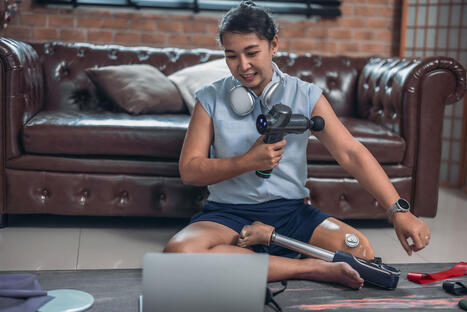


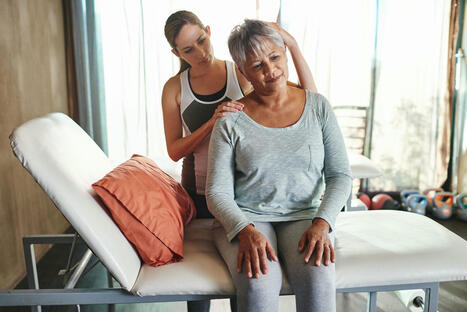

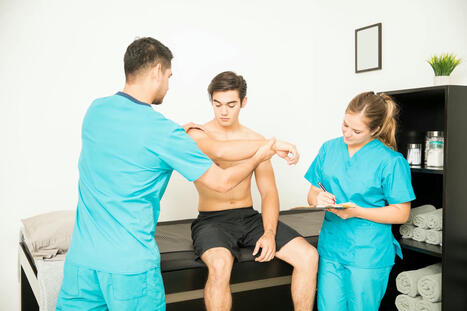
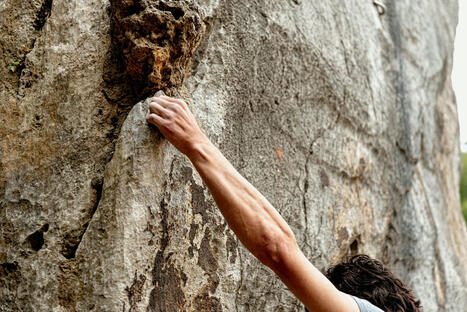
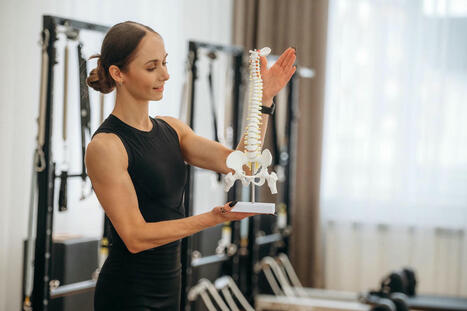
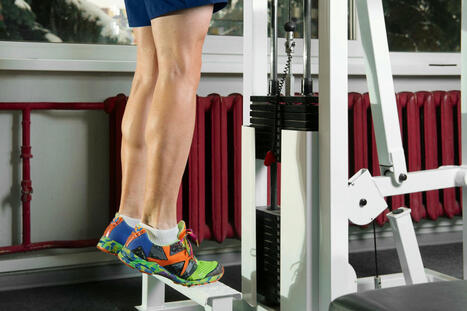
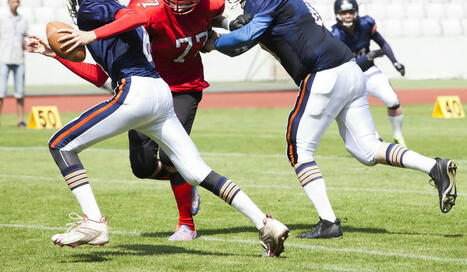
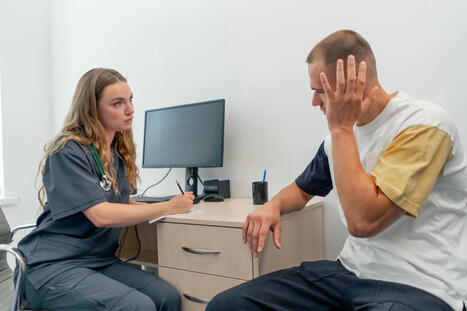

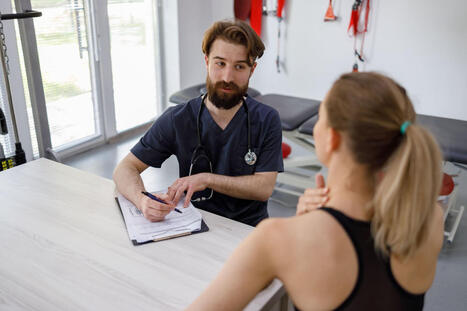



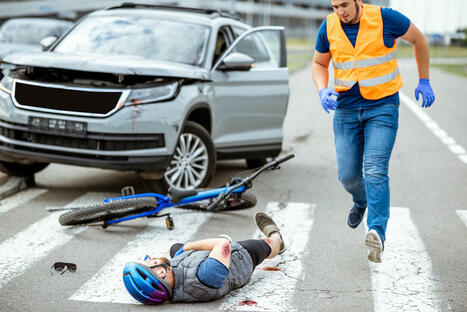


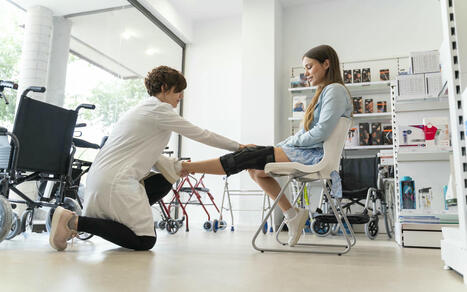






Researchers have demonstrated that lower extremity injuries occurring among running athletes can occur at varying levels of gait, primarily as a result of weakened hamstring and quadriceps muscles. These muscles can be susceptible to injury through the stance or swing phase of a gait cycle. For more information, please feel free to ask Dr. Jimenez or contact us at (915) 850-0900.