 Your new post is loading...
Bone fracture rates have been on the rise in the last few years and a study predicts that they are going to increase in the coming decades. These predictions are based on: - Rising osteoporosis among the aging population
- Increase in sports-related fractures among young and active people
Any type of bone fracture, especially when the spine is involved, comes with the most common and debilitating symptom is severe pain. Managing pain correctly is vital to the proper healing of a fractured bone. Unfortunately, the common treatments prescribed to manage fracture pain can cause significant side effects, especially when used beyond the short-term or acute phase of pain. Bone fractures cannot be always be avoided, but when it comes to osteoporosis, everyone can take steps to help minimize the risk of developing the condition. How to Prevent Osteoporosis and Bone Fracture First, understand that osteoporosis is not a normal part of the aging process. It is an irreversible and degenerative disease that causes bones to become porous over time. Prevention should begin as early as possible, as this will benefit an individual later in life. It's never too late to begin taking steps! Protecting the bones begins with the most important thing and that is diet. Most individuals' diet does not fill the recommended daily values of calcium and Vitamin D. Both are essential for strong bone health and density. Diet must be well-balanced with an abundance of: - Green leafy vegetables
- Fruit
Dairy sources high in calcium: However, vitamin D is typically highest in sources of wild-caught fatty fish like salmon and tuna. Regular exercise is the next important step to help reduce the risk and keep bones strong. Do exercises that are both: - Weight-bearing (high/low-impact aerobics or walking/jogging)
- Muscle-strengthening (weightlifting and exercise bands)
Yoga and Pilates can also help to improve: - Strength
- Balance
- Flexibility
These are essential in the prevention of bone fractures from falls. Engage in exercise that you enjoy, this way you will stick with it on a regular basis. Try for two to three sessions a week if you’re beginning and try to work up to five. While diet and exercise are extremely important to prevent osteoporosis, there are some areas that should be removed from the lifestyle or limited. These chemicals in both cigarettes and heavy alcohol consumption are known to be significant contributors to bone loss. Injury Medical & Chiropractic Clinic offers not only chiropractic treatment, but exercise, and diet programs set up by professional life/health coaches that are customized to each patient. Set up an appointment today, we can help! Aracely Norte suffered a slip-and-fall accident which tremendously limited her ability to work, affecting her quality of life. Due to the chronic pain she experienced, Aracely had difficulty engaging in her regular, everyday responsibilities. After her lawyer recommended Dr. Alex Jimenez, chiropractor, Aracely found the relief she was looking for. Chronic pain is a common issue that can occur due to a variety of reasons, including injuries and underlying conditions, however, chiropractic care can help eliminate chronic pain symptoms from the source.
During my first pregnancy, I was in great shape as a yoga instructor. I thought I was ready but juggling: - Pregnancy
- Birth
- Early motherhood
I realized how intense the weight gain was, especially on my: This turned into a cycle of: - Gaining baby weight
- Losing baby weight
Along with repetitive movements of: - Lifting
- Swaying
- Hunching over to nurse
- Bathing
I experienced body discomfort and back pain that I never thought I would feel! Then came my second pregnancy, and the pain was there again. This time targeting my: And of course, the back pain was there in full force, which discouraged and saddened me. I was sick of feeling uncomfortable and realized it was time to find a solution I could use at home and every day of my pregnancy. I surrounded myself with top professionals, absorbed their knowledge and utilized their tips and tools into my daily routine. Tips to alleviate back pain during pregnancy These tips come from my background as a yoga instructor along with consultations from my: Strengthening the abdominals and glutes During pregnancy when your back hurts it is because you are not using the muscle groups that stabilize the body's frame. As you gain pregnancy weight, the discomfort can worsen. My Pilates instructor showed me deep core strengthening and glute exercises to do at home, which immediately helped alleviate my back pain. These exercises can get those muscle groups to respond. Therefore, instead of the back doing the work, these muscles take over. - Bridges with a rear-end squeeze at the top
- Pelvic tilts to gently awaken the transverse abdominals
Side-stretching helps expand the spine Stretching the sides of your body allows for space between the ribs. It alleviates back pain and improves breathing. As pregnancy advances, the middle area of your body can feel tighter. This is one reason you may feel out of breath. My massage therapist shared a stretch that helps to open up this space. - Sit cross-legged and raise both arms toward the ceiling
- Put your right hand down and, with the left hand, reach over toward the right side of the room
- Repeat on the opposite side
- Take deep breaths
The goal is to reach up and over to improve breathing. Legs up the wall Your legs, knees, and feet will begin to feel the effects of added bodyweight and pressure. A restorative yoga pose that involves placing a yoga mat or blanket as a back cushion next to a wall. - Lie on the floor against the wall
- Let your legs climb up the wall
- Stretch arms outward and turn your palms up
- Take deep breaths
This reverses the blood flow and gives your joints a much-needed break. Hang out and enjoy. If the back of your legs feel like it's too much to stretch all the way up, bring the soles of your feet together and let the knees butterfly out to the sides. Make it a Daily habit It can be a struggle to do daily stretches and exercises, especially as things get crazier and busier. But this is what makes these home exercises/tips work. Get into the habit to make it more personal and make body-care a top priority. Children and life will try to take over but your wellness needs to come first before the care of others. Living with back pain is something I would not recommend trying. Instead, see a chiropractor/doctor and learn these exercises and more tips so you can work out the discomfort/pain whenever it presents and enjoy your pregnancy to the fullest. Truide Torres, office manager, first received chiropractic care with Dr. Alex Jimenez during her pregnancy for her lower back pain. Mrs. Torres experienced aggravating symptoms throughout the progression of her pregnancy, which led her to seek a natural treatment approach for her own health as well as that of her own baby. Once Mrs. Torres started chiropractic treatment with Dr. Jimenez, she recovered her quality of life and was able to return to her original state of well-being. As an office manager, Mrs. Torres also receives regular chiropractic care for any lower back pain which may occur as a result of her job. Mrs. Truide expresses how important it is to continue her spinal maintenance and she highly recommends Dr. Jimenez as the non-surgical choice for a variety of health issues. Low back pain (LBP) is a frequent health issue involving the muscles, nerves, and bones of the spine. Pain may differ from a dull persistent pain to a sudden sharp sensation. Low back pain can be classified by length and severity (pain lasting less than 6 months), sub-chronic (6 to 12 months), or chronic (over 12 months). The status could be further categorized by the underlying cause as both bodily, non-mechanical, or referred pain. The symptoms of low back pain may generally improve in a couple of weeks from the time they begin, however, some cases may require additional treatment. In the majority of episodes of lower back pain, a specific underlying cause isn't identified or properly cared for, and healthcare professionals may attribute it to mechanical issues like joint or muscle strain.
Chiropractic can help with a wide variety of health conditions, particularly those involving the spine. Your chiropractor’s ability to adjust your spine makes it possible to correct many issues with the back and neck. Chiropractic also offers the advantage of being drug-free and non-invasive, so the side effects you need to worry about are minimal. 6 Disorders of the Spine that Chiropractic Can Help With 1. Degenerative Disc Disease Most often, degenerative disc disease is a condition that strikes people as they get older. The discs that sit between your vertebrae are supposed to be relatively soft to provide cushion and flexibility to the spine. Unfortunately, years of use and various injuries can cause the discs to wear down. When they wear down it can lead to pressure on nerves and bone on bone contact. 2. Herniated Disc Sometimes a disc can rupture, allowing the interior matter to protrude from the outer shell and press against nerves in the spine. The most common areas of the body to have a herniated disc are the lower back and the neck. 3. Sciatica The sciatic nerve travels from the lower back and down the legs. The nerve can become irritated if there are issues with the lower back, such as degenerative disc disease, herniated disc or misalignment. Pressure on the nerve can cause symptoms like shooting pains, numbness, tingling, dull aching, and other discomforts. 4. Whiplash Whiplash is most common in rear-end car accidents, where a car hits you from behind and causes your head to whip forward and backward. The force generated by the whipping motion can cause significant damage to your neck. Stiffness and pain are common symptoms. Whiplash should be treated as soon as possible following an accident. 5. Myofascial Pain The fascia is the sheath-like material that surrounds your muscles. Adhesions can occur in the fascia due to overuse or injury. Sometimes the painful points can feel like hard knots under the skin. Myofascial pain often causes discomfort in other areas of the body that you would not assume are related to the problem area. 6. Back Sprains and Strains There are many ways that the back can become sprained or strained. A sprain involves the ligaments that are attached to your bones, while a strain involves your muscles and/or tendons. Either condition can cause significant pain and a loss of mobility. How Chiropractic Can Help Your chiropractor will offer you different options for healing your spinal condition. These may include: Adjustments Many times the problems with your spine can be improved by realigning the vertebrae. Injuries and spinal conditions are often associated with misalignment—where the vertebrae are not sitting on top of one another as they should be. A chiropractic adjustment gently returns your vertebrae to alignment. Massage Therapy Massage is a great complementary therapy to chiropractic adjustments. It can help to relax muscles, eliminate adhesions and improve mobility. It can also help your spinal adjustments to stay in place as you go about your day to day life. Ultrasound Ultrasound treatments are an effective way to encourage your body’s own healing mechanisms without causing any unwanted side effects. The sound waves penetrate deep into the tissues to create heat energy, which encourages circulation and aids in healing. Get Help with Your Spinal Disorder If you are struggling with a spinal disorder like those mentioned above, we would love the opportunity to help. Our chiropractic team understands how to administer safe, effective treatments that are non-invasive and work together to improve healing outcomes. Please contact us today to discuss your spinal condition and schedule an appointment. Heel Spurs Do you have a sharp pain in your heel? When you take a step, does it feel like a knife is stabbing your heel? If the answer is yes, then you might have a heel spur. A heel spur is a degenerative outgrowth of bone on the calcaneus. While the heel spur itself is sometimes painless, the condition is commonly associated with Plantar Fasciitis. - Heel spurs themselves are not what cause pain
- Spurs occur in 50-75% of heels afflicted with plantar fasciitis
- Heel spurs sufferers usually tell of sharp pain in the heel, that radiates to the bottom of the foot.
- Symptoms can impede walking, and movement in general.
Treatment Surgery can be costly, risky, but is usually unnecessary. Recovery time: - Between 3 to 6 months or more to return to weight-bearing functions
- Conservative treatment, on the other hand, is shown to be quite effective.
- The pain and irritation experienced by about 90% of people respond quite well to conservative treatment.
Home Care: - Stretch foot and calf consistently
- Ice the heel to bring down swelling
- Wear custom orthotics
- Focused exercises on strengthening muscles in the feet and ankles
- Weight loss, and better shoes if necessary
At Injury Medical & Chiropractic Clinic: Foot adjustments: - Inferior navicular
- Fixated cuboid
- Posterior calcaneus and/or “dropped” metatarsal heads.
- Though adjustments may help reduce symptoms, they do not restore plantar aponeurosis laxity or the resultant excessive pronation.
Custom orthotics support all 3 arches, which help control pronation and protect against heel shock. Your healthcare provider and custom orthotic's center can offer a special cut out at the site of the insertion of the plantar fascia to reduce pressure. Conclusion Heel spur pain can be reduced by seeing your movement patterns of the foot and ankle. While there is no cure for heel spurs, chiropractic foot adjustments, orthotics and home stretching can help. Blanca, born and raised in El Paso, TX, has been suffering from heel spurs for about two years. As a registered nurse, her symptoms significantly affected her ability to work and her overall quality of life. Determined to improve her health, Blanca considered chiropractic care. Once she started treatment with Dr. Alex Jimenez, however, Blanca experienced tremendous relief from her heel spurs, almost instantly. Blanca highly recommends chiropractic care with Dr. Alex Jimenez as the non-surgical choice for the treatment of heel spurs. A heel spur is a calcium residue resulting in a bony protrusion on the bottom of the heel bone. Although heel spurs are often painless, they can lead to heel pain. They are often associated with plantar fasciitis, a painful inflammation of the fibrous band of connective tissue (plantar fascia) that runs across the bottom of the foot and also connects the heel bone to the ball of the foot. Heel spurs are usually caused by strains on foot muscles and ligaments, stretching of the plantar fascia, and repeated tearing of the membrane which covers the heel bone. Heel spurs are particularly common among athletes.
Degenerative disc disease is a condition where your spinal discs wear down that can lead to pain and discomfort. Everyone’s discs wear down with time, but not every person experiences pain from this process. What are the 4 Stages Two of the main components of the spine are the vertebrae and the discs. The discs sit between vertebrae to provide cushion, support, and flexibility. Each disc is made up of a soft inner layer and a tough outer layer. Over time, or due to injury, the discs can lose their integrity, begin to thin and even tear in certain cases. Compromised discs increase the likelihood of pressure on nerves and friction between the vertebrae. Like many diseases, degenerative disc disease has several possible stages. As the stages progress, the negative symptoms become more pronounced. Stage 1 The first stage of degenerative disc disease may go unnoticed by the individual but can be identified by a chiropractor or other medical professional. The loss of the natural curvature of the spine can indicate the beginning of degenerative disc disease. Pain may not be apparent, but extra pressure is being placed on the spine which can lead to more rapid aging of the spine, nerves, joints, etc. Stage 2 The degradation of discs becomes more apparent in the second stage. They may look thinner, and it is common to see deformations in the bone, such as bone spurs. The curvature of the spine will become more unnatural and the spinal canal may become more narrow. Stage 2 is often where you will begin to notice some pain and discomfort. Stage 3 Stage 3 is marked by a more extreme change in the posture and curvature of the spine, along with more pain and loss of mobility. Nerve damage is common and scar tissue typically begins to form. Discs are even thinner than before, which can sometimes cause even more deformation of the bones. Stage 4 The final stage of degenerative disc disease is the most severe and is typically considered irreversible. Discs are at their thinnest or gone altogether. The flexibility of the spine is extremely limited and pain is often considerable. Nerve damage can be severe and the bones of the spine may even begin to fuse together. What Chiropractic Do for Degenerative Disc Disease? Chiropractic care is a preferred treatment option for degenerative disc disease for a variety of reasons. Because it is gentle and non-invasive, chiropractic is much less likely to create undesirable side effects—which are common with prescription medications and surgery. Obviously, the earlier the stage of degenerative disc disease, the more successful treatment can be. But chiropractic can be helpful even in the most extreme cases of degenerative disc disease. Chiropractic treatments may include: Chiropractic Adjustments One of the most effective ways to treat degenerative disc disease is to ensure the spine is in proper alignment. Loss of alignment, which can happen due to injury or just day to day life, puts extra stress on the spine which can accelerate the degradation of discs. Adjustments bring back alignment. Spine Decompression Spinal decompression uses gentle but firm pressure to bring space back between the vertebrae. Space allows blood flow to return and healing to happen. Decompression is an important treatment to complement adjustments. Now is the Time for Treatment of Degenerative Disc Disease The best time to seek treatment for your back and neck pain is right now. Our chiropractic team can help you feel better and live a healthier life. Please contact us now to learn more!
April Hermosillo enjoys participating in fitness classes and following good lifestyle habits. She describes herself as a work in progress that loves getting into a variety of physical activities. However, due to a little too much activity, April began to experience neck pain and back pain. She worked through the pain for a while but eventually her symptoms began to affect her quality of life. That's when she sought out local El Paso, Texas chiropractor, Dr. Alex Jimenez. The treatments are safe and focus on the root of the problem. April highly recommends Dr. Jimenez for personalized spine treatment for neck pain and back pain. We are blessed to present to you El Paso’s Premier Wellness & Injury Care Clinic. Our services are specialized and focused on injuries and the complete recovery process. Our areas of practice include Wellness & Nutrition, Chronic Pain, Personal Injury, Auto Accident Care, Work Injuries, Back Injury, Low Back Pain, Neck Pain, Migraine Treatment, Sports Injuries, Severe Sciatica, Scoliosis, Complex Herniated Discs, Fibromyalgia, Chronic Pain, Stress Management, and Complex Injuries. As El Paso’s Chiropractic Rehabilitation Clinic & Integrated Medicine Center, we passionately are focused on treating patients after frustrating injuries and chronic pain syndromes. We focus on improving your ability through flexibility, mobility and agility programs tailored for all age groups and disabilities. We want you to live a life filled with more energy, positive attitude, better sleep, less pain, proper body weight and educated on how to maintain this way of life. I assure you, I will only accept the best for you… If you have enjoyed this video and we have helped you in any way, please feel free to subscribe and recommend us. Recommend: Dr. Alex Jimenez - RN, DC, MSACP, CCST Health Grades: http://www.healthgrades.com/review/3SDJ4 Facebook Clinical Page: https://www.facebook.com/dralexjimene... Facebook Sports Page: https://www.facebook.com/pushasrx/ Facebook Injuries Page: https://www.facebook.com/elpasochirop... Facebook Neuropathy Page: https://www.facebook.com/ElPasoNeurop... Yelp: El Paso Rehabilitation Center: http://goo.gl/pwY2n2 Yelp: El Paso Clinical Center: Treatment: https://goo.gl/r2QPuZ Clinical Testimonies: https://www.dralexjimenez.com/categor... Information: Dr. Alex Jimenez – Chiropractor Clinical Site: https://www.dralexjimenez.com Injury Site: https://personalinjurydoctorgroup.com Sports Injury Site: https://chiropracticscientist.com Back Injury Site: https://www.elpasobackclinic.com Pinterest: https://www.pinterest.com/dralexjimenez/ Twitter: https://twitter.com/dralexjimenez Twitter: https://twitter.com/crossfitdoctor Recommend: PUSH-as-Rx ®™ Rehabilitation Center: https://www.pushasrx.com Facebook: https://www.facebook.com/PUSHftinessa... PUSH-as-Rx: http://www.push4fitness.com/team/
The spinal cord and brain make up the central nervous system while the spinal nerves (branching to the spinal cord) and cranial nerves (branching to the brain) make up the peripheral nervous system. There are 31 sets of nerves that extend out of the spinal cord and are connected to it by the nerve root. Each nerve branches out about a half inch from the spinal cord before dividing into smaller branches. The dorsal rami are on the posterior side of the branch while the larger ventral rami are on the anterior side. The dorsal rami provide nerve function for the skin of the trunk and posterior muscles. The ventral rami from T1 to T12 provide nerve function to the skin of the trunk as well as the lateral and anterior muscles. The anterior divisions that remain for plexuses, networks that provide nerve function to the body. Each plexus has specific areas on the body for skin sensitivity as well as certain muscles. Their point where they exit the spine determines how they are numbered. The four primary plexuses are: - Cervical plexus, C1 – C4, innervates the diaphragm, shoulder, and neck
- Brachial plexus, C5 – T1, innervates the upper limbs
- Lumbar plexus, T12/L1 – L4, innervates the thigh
- Sacral plexus, L4 – S4, innervates the leg and foot.
These spinal nerves have two sets of fibers: motor and sensory. Motor fibers facilitate movement and provide nerve function to the muscles. Sensory fibers facilitate sensitivities to touch, temperature and other stimuli. They provide nerve function to the skin. What are Myotomes and Dermatomes? A group of muscles that are innervated by the motor fibers that stem from a specific nerve root is called a myotome. An area of the skin that is innervated by the sensory fibers that stem from a specific nerve root is called a dermatome. These patterns of myotome and dermatome are almost always identical from person to person. There are occasionally variances, but that is rare. This consistency allows doctors to treat nerve pain in patients. If a certain area is hurting, they know that it is attributed to a certain myotome or dermatome, whichever the case may be, and its corresponding nerve root. Problems with nerve damage are often the result of stretching the nerve or compressing it. When the nerves are injured in specific areas like the lumbosacral or brachial plexus, it presents as sensory and motor deficits in the limbs that correspond to them. Myotomes and dermatomes are used to assess the extent of the damage. How are Myotomes and Dermatomes used to Assess Nerve Damage? When a doctor tests for nerve root damage in a patient, he or she will often test the myotomes or dermatomes for the nerves assigned to that location. A dermatome is examined for abnormal sensation, such as hypersensitivity or lack of sensitivity. This is done by using stimulus inducing tools such as a pen, paper clip, pinwheel, fingernails, cotton ball, or pads of the fingers. The patient is instructed to provide feedback regarding their response. Some of the abnormal sensation responses include: - Hypoesthesia (decreased sensation).
- Hyperesthesia (excessive sensation).
- Anesthesia (loss of sensation).
- Paresthesia (numbness, tingling, burning sensation).
A myotome is tested for nerve damage in the muscles which presents as muscle weakness. This grading scale, which assigns a rating to the degree of muscle weakness, is often used: - 5 – Normal – Complete range of motion against gravity with full resistance
- 4 – Good – Complete range of motion against gravity with some resistance
- 3 – Fair – Complete range of motion against gravity with no resistance, active ROM
- 2 – Poor – Complete range of motion with some assistance and gravity eliminated
- 1 – Trace – Evidence of slight muscular contraction, no joint motion evident
- 0 – Zero – No evidence of muscle contraction
During a typical chiropractic exam, your chiropractor will assess both dermatomes and myotomes for potential neurological problems. This gives him or her additional insight on how to treat your condition, whether it's related to a subluxation of vertebral bodies or other other disease processes.
Hormones can also play a significant part in the pain. One of the many changes that occur in a pregnant woman’s body is an increase in the production of a hormone called Relaxin. The job of this hormone is to “relax” the ligaments or soften them. This allows the pelvis to spread so that the baby can be born. However, while the body is making these positive and necessary preparations, it can also allow bones to shift or move in directions that they shouldn’t. The result is impingement or compression on the nerves exiting the spinal canal, causing the tissues in the area to become irritated and inflamed. Another effect of the increased production of relaxin is that it can lead to an intrauterine constraint. This condition causes the pelvic bones to become misaligned which obstructs the baby’s natural movement in utero while it develops. This can keep the baby from moving into the birthing position with the head down. As the bones move out of their natural place, it can stress, pull, and twist the attached ligaments. The baby doesn’t have as much space as it should so it can’t move like a normal fetus can. This can also cause breech births. Stress, poor posture, and overexertion can also cause pregnancy back pain. Why is pregnancy low back pain so difficult to treat and what treatments are available? Medications given to the mother will cross over the placenta delivering a dose of the medication to the baby. Because of this, pain medications are generally off limits for pregnant women. In order to protect the baby, natural pain control is preferred. This makes chiropractic a preferred treatment for pregnancy low back pain. The chiropractor may perform a spinal subluxation to bring the spine back into alignment and the body back onto balance. He or she may also make some recommendations to help the woman manage her pain on her own, including improving her posture, stretching, and special exercises. Other recommendations may include: - Not wearing high heels. They put strain on the back when a woman isn’t pregnant. On a pregnant body, the strain is even worse.
- Avoid bending over to pick up things, but instead, squat – or ask for help.
- Sleeping on the left side and use pillows under the belly to support it as well as a pillow between her legs.
- Rest, lots of rest and elevating her feet.
Regular chiropractic care and following the doctor’s instructions can help greatly decrease low back pain for the mom to be so that she can better enjoy the excitement and joy of her pregnancy.
It is estimated that scoliosis affects anywhere from 2 to 3 percent of children and adults in the United States. That is roughly six to nine million people. While it seems to develop most commonly within specific age ranges for boys and girls, it can also develop in infancy. Every year, approximately 30,000 children are fitted with a scoliosis back brace while 38,000 people have spinal fusion surgery to correct the problem. Scoliosis screenings can have tremendous benefits by identifying both risk factors for scoliosis and allowing for early treatment. The earlier you detect scoliosis, the easier it is to treat. Scoliosis typically develops in childhood. For girls, it usually occurs between 7 and 14 years of age. Boys develop it a little later, between 6 and 16 years of age. Getting a scoliosis screening each year during these critical age ranges allow doctors to identify the condition early and begin treating it before it gets serious. Advanced scoliosis can require extensive treatments, bracing, and even surgery. Chiropractic has been shown to help scoliosis, as do stretching, special exercises, and physical therapy. There are spinal adjustments that chiropractors do that are specific to the treatment of scoliosis. When addressing the condition early on, the Cobb angle can be stopped from progressing and even reduced so that the spine has a more natural curve. Non-surgical treatments tend to be much more effective in the earlier stages of scoliosis, so early detection and early diagnosis are critical. Identifying high risk cases early can address current issues and prevent future ones. Chiropractors can identify certain scoliosis risk factors in children before the condition even develops. A scoliosis screening allows them to spot tension in a child’s spinal cord – a common sign that they will develop scoliosis. When parents are aware that their child is in a high-risk category for developing scoliosis, they can take proactive measures with home monitoring for the signs of scoliosis as well as keeping up with the course of recommended screenings. They will know to look for the signs and can address them quickly so that treatment can be started at the earliest possible time. Help researchers and doctors become more effective in treating scoliosis. The early stages and development of scoliosis are still shrouded in mystery for researchers and doctors. While there have been great strides made in better understanding the condition, there is still much left to learn. There have been many studies that have aided doctors in identifying high risk children and making early stage diagnoses, such as how the angle of the ankle and foot are linked to scoliosis. However, screening, diagnosis, and treatment are vital to maintaining the flow of data for more studies to be conducted and more research to be done. More mainstream screenings means identifying more cases of scoliosis at the early stages. This would have a two-prong effect on research. It would provide more data to be reviewed and studied, and it would increase interest in the condition as more cases of early stage scoliosis are found. This would further spur research. Avoid the “waiting game” of seeing if the scoliosis will progress. Any parent who has had to wait for the results of a test or to see if a condition will develop or worsen knows well the anxiety of playing that waiting game. A family is usually the first person to discover scoliosis in a child. While they may suspect a problem, or know that a problem exists, they may take a “wait and see” approach in getting treatment. If the curve worsens they may eventually seek treatment, but the constant nagging of not knowing if the curve will get worse – and the anxiety it produces – can impact not only the parents’ peace of mind, but the child’s as well. Scoliosis screenings provide peace of mind and monitor the child’s development so that if their scoliosis does progress or become a problem it can be addressed in the quickest, most efficient way possible.
Gardening is a favorite warm-weather activity for many people. Unfortunately, it can often send them straight to the chiropractor with back pain and stiffness. If you enjoy your garden but your back doesn’t take heart. An estimated 80% of the population has experienced back pain or will experience it at some point in their lifetime. It is common, but it doesn’t have to keep you from doing the things you enjoy. There are some fairly simple things you can do to make it easier and less painful. Stretching is a good way to prevent back pain for nearly any activity. The more limber you are and the more warmed up your muscles are, the more comfortable you will be while you are gardening and afterward. Stretches for gardeners aren’t all that different from stretches for other activities. You need to address your hamstrings, triceps, and of course your back. Then you will be ready to get in the dirt and do what you love. Use Back Friendly Tools and Gardening Methods It may feel wonderful to get close to the dirt as you dig, breathing in its earthiness, feeling at one with nature, but your back likely does not hold the same appreciation. You can mix it up a little, but allow at least part of your gardening time to the use of tools that are “back friendly.” Long handled and telescopic tools allow you to do your garden work without overworking your back. This is also great for people who don’t have a full range of motion in their backs or who have trouble getting up and down. Another back saver is a raised container garden. This will put your garden within easy reach, saving you from trying to get on the ground or, worse, feeling like you have to forego a garden because you can’t get around like you once did. You can set the containers at whatever height you choose and include benches and seats for more comfortable gardening. If you do get on the ground, knee pads or a mat can help reduce some of the stress and prevent some pain. Change Your Position Frequently It’s easy to get in the zone and lose track of time, only for your body to remind you when you try to move and are met with painful stiffness. Carry a small timer with you and set it so that you are reminded every 30 minutes to stop, walk around, and stretch a little. This not only prevents pain and stiffness, but it also helps with your circulation and blood flow, even digestion. You can also vary your garden tasks so that you don’t over-tax a single muscle group. You may weed for a while, then move to your potting bench for a while or pruning trees or shrubs. It isn’t good to stay in one position for too long no matter what you are doing. A physical activity like gardening, though, requires more movement. Take Care when Bending, Reaching, and Lifting Gardening involves a lot of reaching, bending, and lifting. When you don’t do it correctly you would wind up with a sore back – or worse. To lift: Don’t bend at your waist. Squat, grasp the object with both hands while pulling it close to your body. Straighten your legs slowly, letting those muscles to the work of lifting. You may also use a dolly, wheelbarrow, or wagon to move heavy items around and minimize the need to lift them. Push: Pushing doesn’t strain the back as much as pulling does. Push your seeder, wheelbarrow, and lawnmower and try to avoid pulling as much as possible. Reaching: Be careful when you reach, especially if you are reaching to lift. Even something that doesn’t weigh much can throw off your balance or cause you to twist your back. Try to minimize lifting while reaching as much as possible. Bending: Keep your knees soft when you bend and try bending from the waist. If you are doing a task that requires bending, take frequent breaks where you can stand upright. If you bend to lift, make sure you use proper lifting techniques. Gardening can be wonderful for mind, body, and spirit. It can also be painful if you don’t take the necessary precautions. When you go out to tend your plants, remember these back-saving gardening tips. Your back will thank you.
Regular preventative care and maintenance are integral to good health. The better you treat your body, the better it will treat you. Unfortunately, you can’t always see or know when there is a problem and regular check-ups can help you stay ahead of potential health problems that could significantly impact your quality of life. However, many people only see their chiropractor when they have a problem like pain or immobility. What they don’t realize is that they may have prevented the issue had they been undergoing regular chiropractic adjustments. Just as they can prevent serious dental issues when they undergo regular dental check-ups. The Importance of Regular Dental Exams Most people get regular dental exams each year without know all of the reasons why it is so important. Dental care is more than just caring for teeth; it is a crucial part of caring for your health. Dental visits help you maintain healthy teeth and gums. Gum disease and poor dental health have been linked to a variety of health issues, including heart disease. In fact, researchers have drawn a direct line between tooth loss and heart disease. What’s more, regular oral exams and teeth cleaning can lead to the detection of early-stage medical conditions, some of which can be life-threatening which include: - Leukemia
- Heart disease
- Oral cancer
- Diabetes
- Kidney disease
- Pancreatic cancer
Studies show that these and other systemic diseases have some type of oral manifestation such as dry mouth, swollen gums, excessive gum problems, and mouth ulcers. In the long run, good oral care that includes regular dental exams can save you a lot of time and money because you will catch many problems before they get out of hand and can incur great expense. The Importance of Regular Chiropractic Adjustments Just like regular dental care can help you stay healthy, regular chiropractic can also be very beneficial to your health. Chiropractors treat so much more than just pain! Regular chiropractic adjustments help to keep the body in balance which allows the organs to function more efficiently. What’s more, regular chiropractic treatments put you in frequent, close contact with a health professional who can spot potential problems or the early stages of chronic diseases. The benefits extend beyond that though. Regular chiropractic care helps you stay flexible and mobile which prevents many conditions that are related to aging. It also naturally treats a myriad of health conditions including: - Back pain
- Blood pressure
- Arthritis
- Headaches
- Joint pain
- Ear infections
- Asthma
- Neck pain
- Scoliosis
It also improves organ function and can help you avoid surgery and provides a natural, healthy alternative to medications that can be addictive and have harmful side effects. Another added benefit of chiropractic care is the whole-body approach to wellness. Your chiropractor will look at your lifestyle, habits, diet, and exercise regimen and recommend changes and modifications that will help you live a healthier, fuller life. Sure, they are there to help when you have a problem such as pain, but, like your dentist, they can also be the front line to better health care decisions and a healthier you. The natural approach that chiropractors take to healthcare also means that they typically see issues from a different perspective and may pick up on clues that your medical doctor might miss. So, while you are scheduling your next dental check-up, make it a point to visit your chiropractor as well and talk to him or her about creating a plan for regular chiropractic adjustments. Your body will thank you and you will find that you are healthier for it.
Back pain can be debilitating. A patient can find they have trouble moving or engaging in regular activities like lifting their children or even walking. Pain in the mid to upper back can be caused by a variety of issues, and it can have a significant impact on a person’s quality of life. Many people see chiropractors to get relief from their back pain, but there are some things that chiropractic patients should know so that they can get the most out of their treatments. What is the Thoracic Spine? 12 vertebrae make up the thoracic spine which is located just above the lumbar spine and just below the cervical spine. It is often referred to as the upper back. This part of the spine has several essential functions. The ribs connect with this portion of the spine, and it also is responsible for protecting the spinal cord. The thoracic spine also differs from the lumbar spine and cervical spine. Instead of curving inward (lordosis) as those areas do, it curves outward (kyphosis). This provides the freedom of movement that allows a person to bend forward and touch their toes. It does not allow for much bending backward; that typically comes from the lower back. Many nerves extend from the thoracic spine. They control organ function for the major organs, including: T1 to T4 - Heart
- Esophagus
- Upper body muscles
- Lungs
- Larynx
- Part of the arms
- Trachea
- Esophagus
T5 to T10 - Gallbladder
- Diaphragm
- Small intestine
- Appendix
- Liver
- Kidneys
- Suprarenal gland
- Stomach
- Spleen
- Adrenal gland
- Pancreas
T11 to T12 - Small intestines
- Mid to upper body muscles
- Lymph circulation
- Colon
- Solar plexus
- Uterus
Mid to Upper Back Pain Pain in the thoracic area of the spine is often caused by muscle strain, overuse, and injury to the discs, ligaments, and muscles that surround the spine and support it. Poor posture can also cause pain in that area. It is also very common for myofascial pain to affect the connective tissue of` muscle groups and individual muscles. These problems can occur due to a variety of causes: - Slouching or slumping while standing or sitting
- Getting in a car accident where the patient is lurched forward or jolted
- Lifting something that is too heavy
- Yard work
- Getting struck or hit in the back
- Playing sports
Osteoarthritis can also occur in this area. It is caused by torn cartilage brought about by the everyday wear and teas and even the simple process of aging. Fractured vertebrae can also cause back pain in the thoracic area, as can a herniated disc, and a spine that is oddly shaped or misshapen. Degenerative disc disease and spinal stenosis can also be culprits. Chiropractic Care for the Thoracic Spine The goal of the chiropractor treating a patient for thoracic back pain will usually focus on reducing the pain and inflammation in the area. The treatments may include: - Spinal adjustments
- Specialized exercise recommendations
- Ergonomic training
- Distraction
- Heat or ice
- Traction
- Electrical stimulation
The chiropractor may also recommend nutritional supplements like proteolytic enzymes to aid in managing the swelling and pain that may be caused by disc herniation and some other back injuries. They may also recommend dietary changes or weight loss to help the patient manage their pain. Chiropractic is a safe, effective, non-invasive treatment for mid to upper back pain. Many patients experience results immediately which is another draw for people. Most patients with back problems will be advised to maintain regular chiropractic visits to effectively manage the pain and keep it at bay.
Pyogenic Spinal Infection - aka Spondylodiscitis and vertebral osteomyelitis overall are relatively infrequent and may present with bimodal distribution: children and adults >50's
- Occasionally considered as two separate entities due to variations in the blood supply of pediatric vs. adult spines
- Risk factors/causes: distant site of infection in the body (25-35%), e.g., oropharynx, urogenital infections, bacterial endocarditis, indwelling catheters, florid skin infections furunculosis/abscess, etc.
- Iatrogenic: operative (e.g., discectomy) interventional or diagnostic/therapeutic procedures
- Penetrating trauma
- Immunocompromised patients
- Diabetics
- Malnourished patients or patients with low protein
- IV drug users
- Chronic disease patients, cancer patients, etc.
Potential Pathological Sequence Clinical Presentation - Back pain with or w/o high fever and other "septic" signs. High temperature may only present in 50% of children
- Exacerbation of pre-existing back pain in post-surgical cases
- Neurological complications in advanced cases of vertebral destruction and epidural abscess
- Meningitis, septicemia, etc.
- Labs: Blood tests are unspecific, may or may not indicate elevated ESR/CRP, WBC
- Diagnostic imaging is important but
- If clinical suspicion is strong, prompt I.V. antibiotics are needed to prevent serious complications
Routes of Infection - Infection routes to the spine are similar to bone in general
- 3-distinct routes:
- 1) Hematogenous spread as bacteremia (most common)
- 2) Adjacent site of infection (e.g., soft tissue abscess)
- 3)Direct inoculation (e.g., iatrogenic or traumatic)
- M/C organism Staph. Aureus
- Mycobacterium TB (tuberculous spinal osteomyelitis) aka Pott's disease can be presented in cases of re-activated or disseminated pulmonary TB
Mechanisms of Spinal Infection - May vary depending on the patients' age
- In children, the IVD receives direct blood supply and can be infected directly spreading to adjacent bone and causing spondylodiscitis
In Adults - The disc is avascular
- Pathogens invade adjacent vertebral end-plates via end-arterial supply of the vertebral body that may facilitate infection due to slow, turbulent flow
- Organisms may then quickly gain access to disc substance rich in nutrients (discitis) often w/o significant initially visible destruction to the bone
- Thus, one of the earliest rad. findings of spinal infection or sudden reduction of disc height
- Later end-plate irregularity/sclerosis may develop, subsequently affecting the entire adjacent vertebral bodies
Diagnostic Imaging - Initially, in most cases of MSK complaints, radiography is the 1st imaging step
- Initially, X-radiography is often unrewarding and may appear unremarkable for 7-10 days or presents with some subtle soft tissue changes (e.g., obscuration of Psoas shadows, etc.)
- Some of the earliest x-ray signs of pyogenic spondylodiscitis: sudden reduction of disc height (above arrow) during initial 7-10 days
- Subsequently (10-20 days) some end-plate irregularity and adjacent sclerosis may be noted
- In more advanced cases, subsequent vertebral destruction and collapse may occur
- N.B. Reliable feature to DDx between spinal infection and metastasis is the preservation of disc height in the latter
Discitis - Discitis needs to be DDx from DDD (spondylosis)
- An important DDx between discitis and DDD is lack of osteophytes (spondylophytes) and intradiscal gas (vacuum phenomenon) in DDD.
- Presence the of intradiscal gas (vacuum phenomenon) virtually excludes discitis (except if gas-forming pathogens are involved)
- Note: sudden disc narrowing with no appreciable spondylosis (above the first image) is suspicious for infection (discitis)
- MRI +C is required to evaluate suspected infection
- N.B. 50-60% of pyogenic spondylodiscitis occur in the lumbar region
AP & Lateral Lumbar Radiographs - Note severe disc narrowing and adjacent vertebral body destruction at L1-L2 in a 68 -y.o.-female with a known Hx of type 2 DM
- Additional imaging modalities should be used to support the Dx
- Final Dx: Pyogenic Spondylodiscitis
Sagittal T1 & T2 MRI - Weighted MRI slices of a patient who had laminectomy at L4
- MR imaging with gad contrast is the modality of choice for Dx of spinal infection
- Early septic changes affecting the disc and adjacent vertebral end-plates are readily demonstrated as a low signal on T1 and high T2/STIR d/t edema and inflammation
- T1 FS +C gad images show avid enhancement of the lesion due to granulation tissue around the phlegmon. Peripheral enhancement is also characteristic of an abscess.
- Epidural extension/abscess can also be successfully detected my MRI
- N.B. 50% of epidural abscess cases present with neurological signs
STIR & T1 FS +C Gad Sagittal MRI - Marked septic collection and edema affecting L4-5 disc and vertebral body with some epidural extension and paraspinal soft tissue edema. Avid contrast enhancement is noted surrounding low signal foci within the bone and disc tissue, some gad. Enhancement is observed in posterior paraspinal muscles and dural spaces
- Management: Dx of spondylodiscitis requires prompt I.V antibiotics. If instability and neurological complications develop referral to a Neurosurgeon is required
MRI Unavailable or Contraindicated - Bone scintigraphy is very sensitive but non-specific for spinal infection but overall is of great value d/t higher sensitivity than x-rays and relatively low cost.
- An area of increased flow with radiopharmaceutical uptake is characteristic but not specific sign of spondylodiscitis
- If neurological symptoms are present and MRI is contraindicated than CT myelography may be used
TB Osteomyelitis aka Pott's Disease - TB osteomyelitis is increasing d/t HIV and other immunocompromised states. Extrapulmonary TB m/c affects the spine and especially the thoracic spine (60%)
- Radiographic Pathology: TB bacillus infects the vertebral body and often spreads subligamentously. "Cold" paraspinal abscess collection may develop and spreads along fascial planes, e.g., Psoas abscess. Disc spaces are preserved until v. late and skip areas are noted helping to DDx TB from pyogenic infection. Severe vertebral destruction aka Gibbus deformity may develop (>60-degree sometimes) and may become permanent. Neurologic and many regional complications may develop
- Imaging approach: CXR with spinal x-rays 1st step that may be unrewarding but may potentially reveal VB destruction w/o disc narrowing. CT scanning is more superior than x-rays. MRI with gad C is a modality of choice
- Management: isoniazid, rifampin, operative.
- DDx: Fungal/Brucella infection, neoplasms, Charcot spine
Gibbus Deformity & Pott's Disease
Metastatic Bone Disease (aka Mets) or "Secondaries." Are the most common malignant bone neoplasms affecting the spine, aka spinal neoplasms (>70%) and the rest of the skeleton in adults. - 5-Primaries are m/c involved:
- Breast (16-37%)
- Lung (12-15%)
- Thyroid (4%)
- Renal (3-6%)
- Prostate (9-15%)
- Spine, pelvis, proximal femurs & proximal humeri are m/c affected in that particular order of frequency
- Thoracic & upper Lumbar spine considered the m/c site of spinal Mets
Pathophysiology & Etiology of Metastasis - Malignant cells a very good at evading immune detection and elimination
- They gain access to circulation expressing Vascular Endothelial Adhesion Molecules (e.g., integrines & selectins)
- Once reaching their target organs, malignant cells stimulate the production of various vasogenic growth factors and by exiting blood vessels invade their target tissues
- Lung, Liver, and Bone are particularly at risk due to the character of their blood supply
- Baston venous plexus-is a network of valveless freely communicating veins connecting axial skeleton/meninges and proximal femurs/humeri with abdomino-pelvic and thoracic cavities
- The risk of Mets is increased during daily variations in the intra-abdominal and intra-thoracic pressure
- In adults, the axial skeleton is involved in hematopoiesis, and it is particularly vulnerable to metastatic deposits via an abundant network of sinusoids within a spongy bone
- The vast majority of bone Mets will be detected in the axial skeleton
Clinical Presentation - Back pain often mimicking "mechanical back pain" is the m/c and often misleading symptom
- Chiropractors and other manipulators should be particularly aware of this dangerous pitfall.
- Nocturnal pain or pain unresponsive to NSAID may be reported in more advanced cases
- Advanced cases may also present with a neurological deficit due to pathologic vertebral fractures and spinal cord/nerves compression
- Metastatic hypercalcemia may occasionally develop in severe cases and considered a medical emergency that potentially presents with confusion, muscle weakness, and renal signs
- Imaging plays a significant role in the Dx and management of bone metastasis
- Lab tests are of limited value, but hypercalcemia and alkaline phosphatase (Alk Phos) may be elevated
- In some cases, a bone biopsy may be used to confirm bone Mets
When Bone Mets are Detected, Patients Prognosis is Significantly Worsened - Median survival:
- Thyroid - 48 - months
- Prostate - 40 - months
- Breast - 24 - months
- Renal Cell - may vary, can be as low as 6 - months
- Lung - 6 - months
Imaging Diagnosis - Begins with radiography investigating a clinical complaint of back/bone pain
- If radiographs are unrewarding or equivocal, unique imaging modalities are required
- MRI may help to show marrow replacement by Mets foci but limited to specific regions
- Tc99 radionuclide bone scan (scintigraphy) is considered one of the most sensitive and reliable imaging steps in evaluating bone Mets
- Bone scintigraphy is good at detecting both lytic and blastic Mets
- However, very aggressive/vascular osteolytic Mets and Multiple Myeloma often appear "cold" or photopenic on bone scan due to greater stimulation/activation of osteoclasts which "outpace" osteoblasts ability to uptake the radiopharmaceutical
- CT scanning is an excellent modality to show bone destruction, but it is not widely used during bone Mets Dx especially if radiography, bone scintigraphy, and MRI provide adequate information about the process
- CT scanning may be particularly helpful with delineation of pathological fractures
General Radiographic Features of Bone Mets - Osteolytic (lytic), osteoblastic (blastic) aka sclerotic Mets or misec Mets can be identified radiographically
- However, it takes between 30-50% of lamella (cortical) bone and 50-75% of trabecular (cancellous) or spongy bone to be destroyed before it can be detected on plain film radiographs
- This can make early radiographic detection of bone Mets very difficult, requiring particular imaging modalities (e.g., MRI)
- Also, bowel gas/fecal matter and numerous soft tissue densities in the abdomino-pelvic and thoracic cavities may pose challenges of bone Mets detection
- Different tumors often manifest with different metastatic appearance, depending on tumor activity and release of cytokines (IL6, IL11), endothelin 1 or other growth factors that will be responsible for either osteolytic, osteoblastic or mixed Mets
- For example: purely lytic bone Mets are noted in Lung, Thyroid, and Renal cell CA (very vascular)
- Breast CA may present with 60% of blastic Mets
- Prostate CA presents with 90% of blastic Mets
- Other blastic Mets may derive from urinary bladder, melanoma and GI adenocarcinomas
- Sclerotic foci may also represent as previously treated primaries
- Very vascular Mets like Renal cell and Thyroid may present with markedly lytic and expansile foci often called "blow out Mets."
- Mets found distal to elbows and knees (acro-metastasis) are commonly associated with Lung CA
- PA chest view of a routinely screened patient with a known Hx of Prostatic adenocarcinoma
- Note sclerotic lesion identified in the left posterior Rib 5
- What imaging modality is required next?
- Radionuclide bone scan should be suggested
- Multiple foci of high uptake of the Tc99 radiopharmaceutical
- This is due to Mets and increased osteoblastic activity in the thoracic and lumbar spine, ribs and other sites of the skeleton
- Comparison of purely lytic (a and b) versus blastic (d) and mixed (c) Mets
- What primaries to consider?
- Frog leg view of the hip
- Clinical Dx: Prostatic adenocarcinoma
- Note diffuse blastic Mets in the proximal femur
- Hx: severe shoulder and arm pain unrelieved by rest
- Rad DDx: Mets, Myeloma or less frequently Lymphoma
- This classic DDx is used by the majority of Radiologists when aggressive osteolytic bone lesions are noted
- The patient had a known Hx of Breast CA
- A 51-year-old female with Breast CA
- Large lytic destructive lesion in the distal femoral metaphysis characteristic of aggressive osteolytic Mets
- Sudden onset of severe leg pain and inability to stand in a 53-year-old female with Breast CA
- Dx: Pathological fracture through the distal femoral shaft
- Pathological Mets fractures in the spine and extremities are dreaded by most Oncologists due to higher association with severe complications and poor clinical prognosis
- Radiographic Dx of vertebral Mets should be suspected if a "missing pedicle sign" aka "winking owl sign" is noted
- DDx: pedicle agenesis (above left) shows hypertrophy and sclerosis of a contralateral pedicle d/t increased mechanical stress
- Pedicle Mets are often thought of as the m/c initial site of spinal Mets
Vertebral Body Pathologic Fracture (VERTEBRA PLANA) - Isolated compression fracture at the T8 segment noted (above arrow)
- The loss of the posterior and anterior height suggest an underlying pathologic condition for which the differential diagnosis includes:
- Multiple myeloma
- Metastatic Carcinoma
- Other malignancy
- Osteoporosis
- Differentiating Pathological Fx of the vertebral body from an osteoporotic insufficiency Fx can be a significant challenge
- Close inspection of the posterior body height is helpful but often not reliable
- In metastasis, the posterior body is collapsed
- In OSP, the posterior body may be maintained appearing more as anteriorly wedge fracture
- MR imaging and/or radionuclide bone scan need to be performed
- A skeletal radiographic survey may be used occasionally for the evaluation of bone Mets especially in well-established cases
- It includes bilateral AP & lateral Thoracic and Lumbar views, AP pelvis, humeri, femurs, and the skull
- Availability of special imaging has supplanted the use of skeletal radiographic survey
- However, in a clinical practice skeletal radiographic study of Multiple Myeloma may still be used primarily if the diagnosis was previously established
Technetium-99 (99mTc) bone scintigraphy is very sensitive and cost-effective study: - For the detection/localization of Mets and often an assessment of their biologic activity and response to treatment
- This modality is a well-established part of the workup for known as well as unknown primaries
- It may also help with determination of lesions that will be most accessible and easy to biopsy
- When the burden of Mets is significantly high as shown in the case above
- The radiotracer uptake is being almost entirely taken in by metastatic lesions
- No material is left for the kidneys to excrete
- This is known as a "super scan"
- Sagittal Lumbar and Lower Thoracic MRI. Multiple metastasis are noted on T1 (above right) and T2 (above left) WI as hypointense foci of marrow replacement of the vertebral bodies in a patient with Hx of Prostate CA
- MR imaging protocol with T1, T2, and T1+C gad can be used in many cases if x-radiography is unrewarding or questionable
- MRI can reveal bone marrow changes due to bone marrow replacement by Mets and surrounding edema
- Typically blastic Mets appear as abnormally decreased signal intensity (hypointense) lesions on T1 and T2 pulse sequences
- Purely lytic Mets often appear as hypo-intense on T1 and hype-intense on T2
- Increased gadolinium uptake may also be evident on T1+C fat suppressed sequence d/t increased vascularity of malignant foci especially in very aggressive vascular neoplasms
- Sagittal Lumbar and Lower Thoracic MRI. Multiple metastasis are noted on T1 (above right) and T2 (above left) WI as hypointense foci of marrow replacement of the vertebral bodies in a patient with Hx of Prostate CA
- MR imaging protocol with T1, T2, and T1+C gad can be used in many cases if x-radiography is unrewarding or questionable
- MRI can reveal bone marrow changes due to bone marrow replacement by Mets and surrounding edema
- Typically blastic Mets appear as abnormally decreased signal intensity (hypointense) lesions on T1 and T2 pulse sequences
- Purely lytic Mets often appear as hypo-intense on T1 and hype-intense on T2
- Increased gadolinium uptake may also be evident on T1+C fat suppressed sequence d/t increased vascularity of malignant foci especially in very aggressive vascular neoplasms
|
There are those that can predict approaching storms, and weather change based on the way, their joints behave. Similarly, individuals with chronic back pain can at times sense a change in how they feel when the weather shifts. The connection between weather and back pain is not fully understood but here are a few beliefs on why people feel pain based on the season/weather. There is not a great deal of research on weather's effects on spinal conditions. said Dr. Alexander Jimenez, D.C. in El Paso, Texas. Some spinal conditions have been shown to have a clear link to cold weather. An example is sciatica patients that would experience worsened pain when the weather would shift. Chiropractor Alexander Jimenez breaks down how weather can affect back pain and explains six ways to help weather-related back pain. Weather and Osteoarthritis Dr. Jimenez talks of a study that examined joint pain differences between older people with osteoarthritis that were weather-sensitive versus those who also had osteoarthritis but were not weather-sensitive. More than two-thirds said weather affected their osteoarthritis pain Researchers found that weather sensitivity and pain: - More prevalent among women
- People with anxiety conditions
Weather and season change alters how we feel mentally and emotionally. That link is definitely true between depression and back pain. Dr. Jimenez sees the shift in spine health from the hot summer months into the cold ones and that is when the health problems peak. Winter brings cloudier weather, and that increases melatonin from the brain, which causes drowsiness and less energy. Sunlight increases serotonin, which causes feelings of happiness. Cold, dark, winter weather can deplete energy and makes people stay indoors. This is not good because being outside, involved in activity and exercise definitely helps with joint pain. Staying inside and not moving will worsen pain and possibly lead to severe conditions. When the seasons begin to change, it also brings to realization the holiday season, which can cause all kinds of: The holiday season can cause major stress, and the changes in weather are a reminder of that upcoming stress. Theories A common theory suggests that when the temperature drops it affects the viscosity of the synovial fluid in the joints. This could be one of the reasons why people with spinal joint pain experience flare-ups during the cold shift. Dr. Jimenez says that the structures within your: - Joints
- Tendons
- Ligaments
- Muscles
- Connective tissues
All have different densities and react differently to temperature changes. In the cold, some connective tissues are looser than others. So those that are tighter take longer to warm up, and if not then there is a perfect set-up for joint dysfunction. Another theory is that barometric pressure is what causes the pain. This theory supports people with joint pain that can tell when it’s about to rain. Some rheumatologists believe the joint capsule and tissues around the joint are like a balloon. The barometric pressure squeezes this balloon, causing the balloon to expand/inflammation that causes pain. Moving to Warmer Climate - Mental
- Emotional
- Physical
Factors play into how pain affects the individual and moving to a sunny place is not necessarily the answer. Dr. Jimenez says that warmer climates have been thought to be healthier for various conditions. In a sunny climate, one is likely to be in the sun, being active physically/mentally, getting plenty of vitamin D, which is good for bones and joints and makes for a good mood all around. But moving to a warm climate isn’t always an option, so lifestyle changes can do the trick. Clinical treatments, like infrared sauna, can bring the sun's benefits during dark winter days. People with chronic pain have said they feel pain-free and relaxed after sitting in an infrared sauna. An infrared sauna does not give off ultraviolet rays, but healthy light. The light penetrates into the tissues, warms the body, and makes the connective tissue stretchier and looser, which moves easier and doesn't hurt. 6 Tips There is no need to move to a sunny climate. Dr. Jimenez says you can minimize the weather’s effects with these tips: Diet Dr. Jimenez recommends reducing consumption of inflammation-inducing foods like: - Red meats
- Fried foods
- Sugars
- Processed starches
Quitting smoking tobacco is essential for finding pain relief. Proper Hydration Alcoholic beverages dehydrate and can worsen depression and anxiety. Dr. Jimenez says drinking plenty of water is important for the spine, and is often overlooked by the senior community. Older adults don't have an active thirst like a young person, and can, therefore, dehydrate rapidly. Stay Warm Layer clothing or keep the house warm. Keep a humidifier running with the heater to prevent respiratory problems caused by the dry heat. Get Into The Sun Regularly Natural light helps wards off depression, and it improves productivity in the workplace Exercise Physical activity plays a huge part in particularly with low back conditions, walking, which he said engages the postural muscles in the spine. Dr. Jimenez personally sees the benefits of this: When I’m working out, I don’t feel my hip pain. And I continue because I know that I'm strengthening my body for the better, especially since I help others with their pain. Hobbies Can Help A hobby creates a diversion from the pain and releases endorphins, the body's natural painkillers. A hobby allows you to focus on something else besides the pain. Chronic pain caused by injuries and/or aggravated conditions can often be one of the main causes of depression in patients. When painful symptoms cause patients to struggle with their everyday physical activities, their mental health can be tremendously affected. Chiropractic care utilizes spinal adjustments and manual manipulations which can help restore the original integrity of the spine. Patients describe how chiropractic care has helped them recover their quality of life and they highly recommend Dr. Alex Jimenez, chiropractor, as the non-surgical choice for chronic pain and depression, among a variety of other common health issues.
Before and after spine surgery the surgeon and medical staff prepare you for recovery. The recovery process can take a long time and be extremely challenging. Pain after spine surgery is normal, but how to tell if it’s beyond the typical pain during recovery? What indicates that the surgery failed? Chiropractor Dr. Alex Jimenez has dealt with this issue throughout his career and discusses symptoms associated with failed back surgery syndrome (FBSS, also known as failed back surgery (FBS) or post-laminectomy syndrome). Back Pain the most common symptom Chronic back pain is the most common symptom from failed back surgery. With FBSS, chronic pain in one patient can be very different from pain in another. People with FBSS can experience a range of different types of pain based on: - Spinal disorder
- Spinal procedure
- The underlying cause of failed back surgery syndrome
Types of back and neck pain people with failed back surgery may experience. Some may have one or more types. Chronic pain: - Sustained pain that lasts for more than 12 weeks.
- Chronic pain is the opposite of acute pain, which is short-term severe pain.
- Acute pain is expected during spine surgery recovery but should fade during the healing.
Nociceptive pain: Localized pain that can be dull or sharp. This is the type of pain patients may experience immediately after surgery Example: The pain felt around where the incision was made. When most people think of pain, nociceptive pain is the type. Neuropathic pain (neuropathy): Nerve-related pain is caused by damage to the nerves or spinal cord. Neuropathic pain shoots and moves around, thus affecting large areas of the body. Examples of this type of pain include: - Numbness
- Burning
- Tingling
- Weakness
- Abnormal sensations (called paresthesia)
Radicular pain (radiculopathy): A branch of nerve pain (neuropathy) is called radiculopathy, or radicular pain. Radicular pain radiates from one area to another. Examples include from the: - Low back
- Down the buttocks
- Legs
- Feet
And then starts all over again, or goes in a different order. Other symptoms: The original symptoms return: When the symptoms that put the patient in the surgery room return, then there is a definite possibility of failed back surgery. New pain presents: New pain, meaning pain in a different part of the spine or a different type merits a discussion with your doctor. Mobility Reduced : It does take time to recover and that process can affect: - Endurance
- Flexibility
- Movement
However, if mobility or limitation is different from what was talked about with the surgeon or develops after recovery, then it should be discussed with your doctor. Example: A limited range of motion in the neck or low back. Headaches begin to present: If headaches were not an original part of your medical history, this may point to a nerve problem. Nerve Symptoms & Quality of Life Neuropathic pain/ neuropathy or nerve-related pain is the most complex, debilitating, and difficult-to-treat. People who experience this type of pain find it lowers their quality of life. An online survey of 1,000-2000 patients that underwent low back surgery responded and revealed the following: - 94% of respondents reported post-surgery low back pain
- 71.1% dull achiness
- 69.8% numbness
- 43.3% cold sensations
- 35.3% paresthesia (eg, burning, tingling, pricking sensations)
A separate study noted that nerve-related pain suffered by people with FBSS is more life-altering than pain caused by joint and nerve disorders. Patients with FBSS and neuropathic pain go through higher levels of pain and have less quality of life/physical function compared with people with osteoarthritis, rheumatoid arthritis, and fibromyalgia. FBS Symptoms Emergency Treatment After surgery, it can be difficult to tell whether the pain is within the bounds of normal recovery pain. At follow-up appointments ask questions about the progress of your recovery and about any concerns. Pain after surgery is normal, but there are some signs and symptoms that merit emergency attention. If you experience any of the red flag symptoms, call your doctor immediately: - New weakness
- Difficulty walking
- Electric pain in the lower body
- Fever
- Vomiting
- Unintentional weight loss
- Loss of bowel or bladder function
This can be a sign of a spinal nerve disorder called cauda equina syndrome. Symptoms of Failed Back Surgery Syndrome Are Different for Every Patient - Every patient goes through a unique surgical experience and if it fails, patients may experience unique symptoms.
- Because failed back surgery has several possible causes, the symptoms are going to be different for each patient.
- Before you are discharged and even before you go under, ask your surgeon questions about what to expect during the recovery process.
- Educating yourself with possible expectations during recovery, you’ll be best positioned to know when things aren’t going as they should.
Denise was involved in an auto accident which resulted in low back pain. When she realized she couldn't sit, walk or sleep for extended periods of time without experiencing painful symptoms, Denise found chiropractic care with Dr. Alex Jimenez in El Paso, TX. Once she received treatment for her auto accident injuries, Denise experienced relief from her symptoms and she was able to perform her everyday activities once again. Thanks to the education and care Dr. Alex Jimenez provided, Denise regained her original health and wellness. Back pain is common, with roughly nine out of ten adults experiencing it at some time in their life, and five from ten working adults developing it every year. Some estimate around 95 percent of Americans will experience back pain at some time in their lifetime. It's by far the usual cause of chronic pain, as it is also a significant contributor to missed work and disability. In the United States alone, acute cases of lower back pain are the fifth most common reason for physician visits and cause 40 percent of missed days off work. Furthermore, it is the only leading cause of disability globally.
Healthy joints have obvious benefits, including aiding in movement, keeping you flexible and allowing you to stay active. The health of some of your joints is readily apparent—you only have to bend your knees, ankles, elbows or wrists to see how they are functioning at any given moment. But there are some joints in your body that are even more important, although you may not be as aware of them. The joints in your spine, where each vertebra connects to another, are vital to the normal, healthy function of your body. Without healthy spinal joints, you can expect pain and loss of mobility, among other unpleasant symptoms. Fortunately, keeping your spinal joints healthy is made much easier with regular chiropractic care. Periodic visits to your chiropractor will help you keep your spine operating as well as it possibly can, year in and year out! Ways that Chiropractic Aids Spinal Joint Health 1. Increasing circulation. Stiffness in the spine can be caused by a variety of issues, including trauma and degenerative disc disease. While chiropractic cannot prevent the wear and tear that life often brings, it can do a lot to heal that damage. One way that adjustments aid in healing is by increasing circulation to your spinal discs and surrounding tissues. Increased circulation brings in healthy nutrients and removes undesirable material, making it possible for your spine to heal more thoroughly than without good circulation. 2. Reducing or eliminating pain. Back pain can make living a normal life difficult if not impossible. Depending on the frequency and severity of the pain, you may find yourself unable to do many of the things you once enjoyed. Even if you do not lose mobility, back pain can distract and upset you every time it shows up. The pain in your back can most likely be alleviated through chiropractic care. By returning your spine to proper alignment, your chiropractor can ease pressure on the nerves in your back and encourage muscles and other soft tissue to release. Over time spinal adjustments can greatly reduce or even eliminate back pain, which will help you stay active and improve the health of your spinal joints. 3. Increasing mobility. Pain in your spine and/or neck is usually accompanied by a loss of mobility. Your muscles may seize up in an effort to protect your spine, which can make it impossible to move normally. Even if you are not suffering from muscle spasms, consistent back and neck pain can make you hesitant to move in ways that will trigger pain. Over time, the lack of movement can cause the body to stiffen and weaken. The longer this goes on, the less likely you are to get the physical activity you need to keep your joints mobile and your body strong. Chiropractic adjustments are capable of breaking up the stiffness that holds you back. By returning your spine to proper alignment, circulation is increased, pain is decreased, muscles release and mobility returns. It can take time to get back to the way you want to be, but it is time well spent. Joint Health Requires Consistency The best way to keep your spinal joints healthy over the long-term is to make regular visits to your chiropractor while also maintaining a healthy diet and exercise regimen. Every individual is different, which is why it is important to get customized treatment from your chiropractor. By establishing a relationship with your chiropractor, you can ensure that you are always on the right track for spinal joint health. Contact us today to learn more about chiropractic care and to schedule an appointment with our team. Why Custom Orthotics are Worth It - People who experience back, hip, and/or foot pain usually turn to orthotics for relief.
- Foot Levelers is the leading custom orthotic provider in the U.S., but custom is not always cheap, as compared with the non-customized, over-the-counter orthotics.
- What’s the difference and why spend money on custom orthotics?
A Pain Relief Solution is Not The Same for Everyone - What works for one person may not work for you, which is evident by all the different insoles on the market for the same problems.
- Take 10 people, all of who have different levels of activity, weight, age, types of pain and wear different shoes, go to the store for store-bought orthotics, take a quick assessment, and are all told to wear the same insole.
- You need customized care, which is exactly what custom orthotics provide for your body.
- Custom orthotics are created by scanning and assessing your arches, seeing how you distribute your body weight on your feet, and then a unique treatment plan is created especially for you.
Feet: The Foundation of the Body - What if you were told that the foundation of your home was cracking and you had two options: put duct tape over the crack and hope for the best or spend a little more money and fix the problem the right way.
- A scan of the feet is used to learn about each foot independently.
- These scans highlight any differences between your feet like one being smaller, wider, or flatter than the other.
- This information is essential to creating orthotics and helps achieve a result that over-the-counter orthotics simply cannot provide.
- Although non-custom orthotics are less expensive, they are basically like putting duct tape on your foundation and may not resolve the issue\s and cause more problems and greater costs.
Saves Money In the Long Run - Custom orthotics are an investment that pays your body back a hundredfold.
- Non-custom orthotics are cheaper and are made with unreliable and usually cheap material. These are not designed to resolve your condition, which forces you to spend more money.
- Paying attention to the foundation of your body provides benefits to the rest of your body, and eliminates the cost of treating all types of discomfort.
- The process of getting custom orthotics begins with a simple foot scan.
- This provides us with important information to keep your body operating optimally.
Backpacks allow us to carry everything we need whenever and wherever. However, when carried improperly the fact is they can cause real damage. We carry too much weight and in incorrect ways. Children, the elderly, and everyone in between should know how to carry a backpack correctly and stay healthy. How They Can Hurt Your Back A recent article on NBC News discussed the health concerns that backpacks present, discussing the various studies that have shown the damage they can cause. As the article noted, most everyone uses a backpack at one time or another. They are simply too useful to do otherwise. But research has demonstrated that they can hurt the back significantly, especially in children. The back injuries that a backpack can cause include: Disc Injuries The spine is made up of vertebrae separated by spinal discs. The discs provide cushioning and flexibility in the spine. But the discs in your spine are only capable of carrying so much weight. When a backpack is too heavy, it can lead to disc compression and possibly tearing of the disc. Pinched Nerves Backpacks that are carried incorrectly, like when they are slung over one shoulder only, can cause misalignments in the spine. If the misalignment involves enough pressure, like from a heavy backpack, or is repeated daily, it can lead to a pinched nerve. Muscle Imbalances Carrying a backpack over one shoulder day after day will eventually cause your body to alter its alignment and your muscles to become imbalanced. Muscle imbalances can cause a cascade of problems, including altering the way you walk and increasing wear on your spine. How to Carry Properly Backpacks can be used safely, you just need to take the proper steps. These include: 1. Do not carry too much weight. The recommended percentage of your body weight when using a backpack ranges from 10% - 15%. Someone that weighs 100 lbs should carry a backpack weighing no more than 15 lbs. Ideally, you should keep it around 10%. The more you go over the recommended weight, the more risk of injury to your back. 2. Use both straps. Backpacks are designed to be carried using a strap over each shoulder. Using both straps distributes the weight evenly across your shoulders, minimizing the risk of excessive wear or injury. 3. Adjust the backpack properly. The straps of your backpack should be pulled snug, but not too tight. If your backpack includes a belt or additional straps, use them – especially if you are carrying a lot of weight. 4. Only take what you need. It is easy to accumulate items in your backpack without realizing how much you have. Try to examine what is in your pack on a regular basis to ensure you are only taking what you need. 5. Use rolling bags for heavy loads. If you really need to carry more weight, invest in a bag with wheels. Rolling backpacks or other rolling bags can allow you to carry significantly more weight in comfort and safety. 6. Pay attention to your child’s backpack. If you have one or more children, it is important to train them on how to use backpacks safely – and to check them from time to time. Get Relief from Back Pain Our chiropractic team is ready to help you get relief from your back pain. If you are suffering from back pain, please contact us to schedule an appointment with an experienced chiropractor.
The spine is comprised of vertebrae, small bones that are stacked on top of each other with impact cushioning discs between each one. These bones act as joints, allowing the spine to bend and twist in a variety of ways. However, it is not intended to be naturally bent, twisted, or curved. The natural state of a healthy spine is somewhat straight with slight curves running front to back so that a side view would reveal them. They gently curve, sloping slightly inward at the small of the back, and again slightly at the neck. The pull of gravity, combined with body movement, can put a great deal of stress on the spine and these slight curves help absorb some of the impact. Viewing the spine from the back, you should see something completely different – a spine that runs straight down, top to bottom with no side to side curves. This doesn’t always happen though. Sometimes there are abnormalities of the spine and it causes a misalignment of the natural curvatures or some curvatures may be exaggerated. These unnatural curvatures of the spine are characterized by three health conditions called lordosis, kyphosis, and scoliosis. Three different conditions for three different types of spinal curvatures Each of these three spinal curvature disorders affects a certain area of the spine in a very specific way. - Hyper or Hypo Lordosis – This spinal curvature disorder affects the lower back, causing the spine to curve inwards or outwards significantly.
- Hyper or Hypo Kyphosis – This spinal curvature disorder affects the upper back, causing the spine to bow, resulting in that area rounding or flattening abnormally.
- Scoliosis – This spinal curvature disorder can affect the entire spine, causing it to curve sideways, forming a C or S shape.
What are the symptoms of spinal curvature disorders? Each type of curvature exhibits its own set of symptoms. While some symptoms may overlap, many are unique to the specific curvature disorder. - Lordosis
- A “swayback” appearance where the buttocks stick out or are more pronounced.
- Discomfort in the back, typically in the lumbar region
- When lying on a hard surface on the back, the lower back area does not touch the surface, even when attempting to tuck the pelvis and straighten the lower back.
- Difficulty with certain movements
- Back pain
- Kyphosis
- A curve or hump to the upper back
- Upper back pain and fatigue after sitting or standing for long periods (Scheuermann’s kyphosis)
- Leg or back fatigue
- The head bends far forward instead of being more upright
- Scoliosis
- Hips or waist are uneven
- One shoulder blade is higher than the other
- The person leans to one side
What are the causes of spinal curvature disorders? Many different health issues can cause the spine to become misaligned or to form a spinal curvature. Each of the spinal conditions mentioned is affected by different conditions and situations. - Lordosis
- Osteoporosis
- Achondroplasia
- Discitis
- Obesity
- Spondylolisthesis
- Kyphosis
- Kyphosis
- Arthritis
- Tumors on or in the spine
- Congenital kyphosis (abnormal development of the vertebrae while the person is in utero)
- Spina bifida
- Scheuermann's disease
- Spine infections
- Osteoporosis
- Habitual slouching or poor posture
Scoliosis is still a bit of a mystery to doctors. They are not certain what exactly causes the most common form of scoliosis that is typically seen in children and adolescents. Some of the causes that they have pinpointed include: - Hereditary, it has a tendency to run in families
- Infection
- Birth defect
- Injury
Chiropractic for spinal curvature disorders Spinal manipulations for spinal curvature disorders have been shown to be very effective. Chiropractic helps restore the spine’s natural balance even if the patient has one of these types of conditions. There are screenings available for both children and adults to identify any spinal curvatures in their early stages through your chiropractor. Early detection of these disorders is crucial in identifying them before they become too serious.
Teachers go through a lot in a day. They spend hours on their feet. They bend, stoop, and lift, hunching over students’ desks helping them and carrying heavy books. They sit at a desk, grading papers. It’s no wonder so many of our educators complain of neck and back pain! The good news is, regular chiropractic care can help alleviate those symptoms so that teachers can keep doing what they do best – sculpting young minds. Research shows that back pain is a common complaint for teachers. When you factor in the mental stress as well as the physical demands, it is easy to see how they could have problems with aches and pains. Chiropractic care offers a proactive approach to health care and overall wellness to keep teachers pain free. Why Teachers should Seek Chiropractic Care When you are juggling home, family, and career, it is easy to put your health on the back burner. You may start out ignoring that twinge of pain in your lower back, or those headaches that you get now and then. But if left untreated, these problems can worsen. That occasional back pain could turn into a full-time ordeal, affecting your arms, legs, even your feet. The occasional headaches could steadily increase in intensity and frequency until it seems you can’t go a day without one. When your body is bombarded with pain it affects every aspect of your life. Even low-level pain that is constant can lower your performance on the job and at home. It can cause irritability, difficulty concentrating, and fatigue. Your students suffer; your family suffers. It is really worth it? Chiropractic care is a proactive approach to better health both mentally and physically. It will help you stay on top of your game so that you function better in the classroom as well as at home. When you feel better you will have more energy to do the things you enjoy. Even once a week or once every two weeks in a chiropractor’s office can make a world of difference in how you feel and how you function. What Chiropractic won’t do for Teachers Chiropractic is a natural approach to health care. It provides patients with a non-invasive, medication-free way to manage their pain. The teacher who seeks out chiropractic care will not be prescribed mind-numbing medications that upset the stomach and inhibit your performance in the classroom. It won’t prescribe invasive procedures that require time off work and out of the class while you recuperate. Medical doctors often just treat just the symptoms without ever addressing the root of the problem. This is an almost sure-fire guarantee that your problems will return because they were never resolved. Chiropractic seeks to find the cause of the problem so that the pain can be managed, not just temporarily relieved. How Chiropractic Benefits Teachers When you visit a chiropractor, he or she will do much more than just adjust your neck and back. They may discuss with you the activities you enjoy, what your schedule is like, and how you spend your day. While they will realign your spine and bring your body back into alignment, they will also help you in other areas as well. This translates to fewer sick days, less pain, and increased effectiveness in the classroom. Chiropractic provides a whole-body approach to wellness. It sees the patient, treating the underlying causes, not just the symptoms. Your chiropractor may offer nutrition and dietary advice, advising you to lose weight, eliminate certain foods from your diet, or add certain foods. They may recommend lifestyle changes like quitting smoking or incorporating exercise into your daily routine. You may be given supplements that support your immunity, joints, or overall health. By treating the whole patient, chiropractic is more effective and will greatly improve the patient’s quality of life.
You hear a lot of people talk about the benefits of walking, but may not know how it applies to you. If you have back pain, walking regularly can be exceptionally helpful by providing the spine with added support and increased blood flow. These three spinal health benefits of walking should be enough to convince you. Walking Aids in Rehydrating Your Spinal Discs Gravity is not your friend. Well, not when it comes to your back. From the time you get out of bed until you lay down again at the end of the day, the pressure of gravity compresses your spine. When your spine is compressed that means your spinal discs are too. These fluid-filled discs provide a cushion for your vertebrae, but the constant compression that occurs throughout the day due to normal activity squeezes out the fluid out of them. Dehydrated discs can cause back pain and structural problems. That is why restful sleep and staying hydrated are extremely important for spinal health. Walking is also important because it increases circulation throughout your body, including your spine. This increased blood flow helps to rehydrate your discs which improves your spinal health. It also helps keep your spine younger, staving off the effects of the aging process. Walking Relieves Back Pain and Reduces Stress to the Spine Walking provides a great low impact aerobic workout. It increases blood flow which helps improve mobility, flexibility, and range of motion. When you incorporate stretching, you can reap even more of the benefits of a healthy spine. The human body is made to move. When you don’t move or are sedentary, your muscles become stiff and inflexible. Moving prevents that, but even if you are experiencing some stiffness walking, stretching, and movement can help you regain that flexibility. You will also find that walking regularly also helps with stress relief. Lower back pain is a very common stress symptom but walking combats the effects by encouraging the release of dopamine. When you are stressed, your pain sensitivity is increased. You feel pain more acutely and it is more difficult to manage. By reducing your stress level, you also make your pain more manageable but at the same time, minimize lower back pain. Walking Improves Posture When you don’t use your muscles, they become weak and inflexible – and are not able to do their intended job. The muscles of the back are designed to provide support to the spine. When they are not used they can atrophy and weaken, resulting in stooped or other improper posture. Poor posture causes back pain by putting more pressure on the spine. This can lead to pain, soreness, tension, and headaches. Without the necessary support, it can also lead to misalignment of the spine which can cause a number of problems. Walking strengthens the supporting muscle groups so that your back muscles get stronger. Your spine gets the structural support that it needs. As your back muscles get stronger your body will naturally begin to adopt a correct posture. The benefits of good posture include improved organ function, reduced pain, less fatigue, and easier breathing. Walking is good for your whole body as well as your mind. When you walk to reduce back pain you are also doing great things for your body. If you have any questions about the proper form or how to achieve better, healthier posture, your chiropractor can help you. The spine is such an important part of the body; it does so much. Do your best to protect it and keep it in good health. In return, it will keep you moving for a long, long time.
If you’ve been experiencing lower back pain and can’t seem to pinpoint the cause, try looking down – at your feet. What kind of shoes are you wearing? Your shoes can have a tremendous effect on your spine, causing back pain. While this is traditionally considered to be a “female issue,” some men’s shoe styles are unsafe as well. Take a look at the most common culprits and find out how you can be safely shod. The Truth About High Heels Wearing high heels puts your body in a position that is very similar to walking on a ramp. It causes your calf muscles to stay in a constantly flexed position and increases fatigue throughout the lower body. What’s worse, though, is that high heels cause your entire posture to change, they: - Thrust your chest forward
- Push your lower back forward
- Tilt your pelvis up so the spine and hips are out of alignment
- Put excessive pressure on the knees
- Tendons get thicker and calf muscles get shorter
- Shift your weight to the balls of your feet with increased downward force pressure
- Extended regular wear can actually cause your anatomy to change
Wearing high heels for even a few hours can cause lower back pain. Wearing them regularly can have a detrimental effect on your body. This does not take into account the increased risk of falls and twisted ankles. Why Flip Flops are a Flop Flip flops are a popular summer shoe. They are easy to slip on and take off, they’re cool, and fairly comfortable. Most even stand up to getting wet without damage. However, you may be sacrificing your safety and spine health for choosing these easy to wear shoes. The biggest problem is, they do not offer any ankle or foot support – none at all. The cushioning is minimal at best and they aren’t really secure on your foot. All of this leaves you vulnerable to trips and falls – a leading cause of injury and death in the United States. It also leaves you vulnerable to back pain and spinal injury. There are several problems with wearing flip flops, especially on a regular basis: - You have to unnaturally shorten your stride
- You have to curl or pinch your toes to keep your shoes on while you walk
- Your foot contacts the ground in an unnatural way that causes your leg to rotate slightly
All of these things put pressure on your spine, causing unusual strain on your hips, knees, feet, and lower back. It can cause muscular pain and strain, but it can also cause a misalignment of your spine. So, are Flat Shoes Better? When compared to high heels, flat shoes are much better, especially when it comes to posture. Flats keep your spine pretty straight and your calf muscles are relaxed. They also help to distribute your body weight more evenly through your whole foot as opposed to pushing it to the balls of the feet. However, not all flat shoes are created equal. For instance, flip flops are flat, but we know that they are bad for your body, so be careful when choosing your flat footwear. 10 Tips for Spine Friendly Shoes Keep these tips in mind when looking for back friendly shoes: - Throughout the course of the day your foot naturally expands. Go shoe shopping in the afternoon to get a more accurate fit.
- Get your feet measured every time you buy shoes.
- Always try on new shoes, walk around in them and stand.
- When determining length and width, do it while standing.
- Look for shoes that provide foot support and have an arch support.
- Don’t get shoes that are too wide or too narrow – or too long or short.
- Look at both size and width. Going up a half a size may not necessarily mean a shoe is wide enough if the shoes you are trying on pinch.
- Speaking of size, let it be a guide, not a rule. Gauge your shoe size by your comfort, not a number.
- Feel the insides of the shoes, along the heel and down to the toe to make sure that there are not seams, tags, or anything else that will affect your comfort or rub your foot.
- Check the shoe for sturdiness and soundness. Is the sole thick? Does the sole adhere well to the shoe (no gaps or loose spots)? Is the shoe made from durable, quality material?
Shoes are not accessories, they are tools that help protect much more than just your feet. Wear them well.
When you spend a lot of time behind the wheel, whether you are going on a long trip or your job requires you to drive around town all day, it can be a real pain – in the back. Many car seats may be comfortable for short jaunts, but they are not built to support the back on the long hauls. However, there are some things that you can do to offset a non-back friendly seat design and alleviate, or even prevent, back pain while driving. Create a Comfortable Space Before you settle in behind the wheel, you want to make sure that you are comfortable. Keeping things like your wallet and cellphone in your pocket may be convenient when you are moving about, but can be an irritant when you are basically sitting on them mile after mile. Wear comfortable clothing and shoes. Any discomfort can put stress on your body so even if it is not necessarily pain related, it can exacerbate pain as your body’s sensitivity heightens in response to the pressure. Adjust your seat so that you are comfortable, but sitting fairly upright. If you recline, it could put stress on your neck and upper back, causing pain. Your seat should also be high enough so that you can place your feet flat on the floor – at least for a while (you can do this while driving if you have cruise control). There should be a slight bend in your elbows as you reach for the steering wheel and you should not have to stretch to reach the pedals. Make sure that your mirrors are adjusted so that you don’t have to bend or crane your neck to get good visibility. Put Together a Healthy Back Kit Bring along some things to help keep your back comfortable and pain-free – even if you’ve never experienced back pain while driving. There is always a first time. Some of the items you might want to bring along include: - A towel that you can roll up and place behind the small of your back
- A lumbar support pillow
- A cold or hot pack
- Something for pain relief
- A cushion for your car seat to absorb the vibration
- Water (so you can stay hydrated)
- Essential Oil like lavender or peppermint (put a few drops in a carrier oil and apply to the sore areas)
Take Breaks and Move a Little Driving straight through without any breaks is never a good idea. In fact, it can make you more tired, stiff and sore – and less alert on the road. Instead, take breaks to get out of the car, walk around, and stretch. When you move, you stimulate your circulation which brings oxygen and vital nutrients to your muscles. You’ll feel better, be more alert, and will be less likely to experience back pain. Stopping every hour or so will help considerably with alleviating back pain. It doesn’t have to be a big production, just walk around for a few minutes, stretch your neck, shoulders, and back, then get back on the road. In between stops you can move your ankles up and down or rotate them to increase circulation to the lower leg. You should also adjust your position or your seat about every 20 minutes. Even these slight movements can help keep the blood flowing which will prevent your muscles from getting stiff and sore. Regular chiropractic care, as well as a consistent exercise routine, can help prevent back pain in many situations, including while driving. Your chiropractor can also recommend some back strengthening exercises and stretches that will help make your spine even healthier.
Aracely Pisana visited Dr. Alex Jimenez, doctor of chiropractic in El Paso, Tx, for the first time after several other treatment attempts were unable to provide her with the back pain relief she deserved. Aracely Pisana describes how well Dr. Alex Jimenez and his staff have taken care of her and she adds that their services are what keeps her coming back for chiropractic care. Aracely Pisana has recovered her quality of life and she highly recommends Dr. Alex Jimeneaz as the non-surgical choice for back pain, among other health issues. We are blessed to present to you El Paso’s Premier Wellness & Injury Care Clinic. Our services are specialized and focused on injuries and the complete recovery process. Our areas of practice include Wellness & Nutrition, Chronic Pain, Personal Injury, Auto Accident Care, Work Injuries, Back Injury, Low Back Pain, Neck Pain, Migraine Treatment, Sports Injuries, Severe Sciatica, Scoliosis, Complex Herniated Discs, Fibromyalgia, Chronic Pain, Stress Management, and Complex Injuries. As El Paso’s Chiropractic Rehabilitation Clinic & Integrated Medicine Center, we passionately are focused on treating patients after frustrating injuries and chronic pain syndromes. We focus on improving your ability through flexibility, mobility and agility programs tailored for all age groups and disabilities. We want you to live a life that is fulfilled with more energy, positive attitude, better sleep, less pain, proper body weight and educated on how to maintain this way of life. I have made a life of taking care of every one of my patients. I assure you, I will only accept the best for you…
If you have enjoyed this video and we have helped you in any way, please feel free to subscribe and recommend us.
Recommend: Dr. Alex Jimenez – Chiropractor Health Grades: http://www.healthgrades.com/review/3SDJ4 Facebook Clinical Page: https://www.facebook.com/dralexjimene... Facebook Sports Page: https://www.facebook.com/pushasrx/ Facebook Injuries Page: https://www.facebook.com/elpasochirop... Facebook Neuropathy Page: https://www.facebook.com/ElPasoNeurop... Yelp: http://goo.gl/pwY2n2 Clinical Testimonies: https://www.dralexjimenez.com/categor...
Information: Dr. Alex Jimenez – Chiropractor
Clinical Site: https://www.dralexjimenez.com Injury Site: https://personalinjurydoctorgroup.com Sports Injury Site: https://chiropracticscientist.com Back Injury Site: https://www.elpasobackclinic.com Linked In: https://www.linkedin.com/in/dralexjim... Pinterest: https://www.pinterest.com/dralexjimenez/ Twitter: https://twitter.com/dralexjimenez Twitter: https://twitter.com/crossfitdoctor
Recommend: PUSH-as-Rx ®™
Rehabilitation Center: https://www.pushasrx.com Facebook: https://www.facebook.com/PUSHftinessa... PUSH-as-Rx: http://www.push4fitness.com/team/
If you are one of the seven out of 10 Americans who have back pain, you are probably looking for relief. What you probably aren’t looking for are injections or pills with harmful side effects. Your doctor may have told you that exercise is a great way to naturally relieve pain, but you aren’t sure where to start or even what activity is best. Running and walking are both good exercises, but they aren’t for everyone. Some back pain patients can run with no problem with others have significant trouble. So, which is better for back pain sufferers? The answer might surprise you. Benefits of running When it comes to health benefits, running and walking, don’t differ much. Both help to decrease your risk of developing heart disease, diabetes, and hypertension as well as lower your cholesterol. Running also has the added benefit of increasing the bone that connects the femur head to the shaft, substantially strengthening the hips and helping to prevent hip fractures. Both running and walking burn calories, facilitate weight loss and can help to make you healthier. However, one activity is a lot harder on the back, so if you have chronic back pain, there are some things you should know. How running affects the back Running puts repetitive impact and stress on the back. If you have a problem with your lower back, running can exacerbate it or lead to additional issues like sciatica. You can experience back muscle spasms, muscular strain, and other centralized lower back pain. If you have disc problems, the high impact nature of running can make put a lot of stress on your spine and make your disc problems worse. How walking benefits back pain sufferers Walking is a much lower impact activity than running. Although some back problems can be made worse by walking, that is relatively rare. Most back pain is relieved with walking, and you can enjoy other great benefits as well. By adopting a regular walking routine, you will strengthen your hips, legs, ankles, and feet as well as your core. This helps to provide better stability for your spine. It also helps to increase circulation in the spinal structures, draining toxins, and pumping nutrients into the surrounding soft tissues. Pain often restricts mobility. Walking helps to improve range of motion and flexibility. You will find that your posture improves as well as your mood. A stronger body and increased flexibility help to prevent injury. Walking at least three times a week for at least 15 minutes is great for overall wellness and a strong body. Combine it with a healthy diet and stress relief techniques, and you will look, feel, and move better – and your pain will be easier to manage. Make walking work When you start your walking program, don’t push too hard too fast. Go at your own pace and start slow. If you have a higher fitness level, you may want to try speed walking. After a five-minute warm-up, walk as fast as you can for about 8 minutes then slow to a moderate pace for two minutes to cool down. You can also engage your core muscles by using several techniques. Walk on an incline or using walking poles are excellent for strengthening the core. Pulling your abdominals in toward your spine while you walk is also a great move. Running is beneficial for your health, but it isn’t for everyone. Walking is a far better choice for most patients with lower back pain. You may even find that your pain is alleviated altogether so get out there and get moving.
Summary - Neoplasms
- The vast majority of clinically suspected bone Mets are found in the axial skeleton and proximal femurs/humeri
- Radiography is the most cost-effective and readily available initial imaging tool to investigate bone Mets but often fails early metastatic detection
- Tc99 bone scintigraphy is the most sensitive and cost-effective imaging modality to demonstrate metastatic foci
- MR imaging may help regional identification of bone Mets especially if x-radiography is unrewarding
- Significant limitations of MRI: inability to perform a whole-body MRI scan
- Cost and other contraindications such as cardiac pacemakers and cochlear implants may be another limiting factor
Marrow Based Neoplasms - Malignancy originating from the marrow cells are often referred to as "round-cell tumors."
- Multiple Myeloma (MM)
- Lymphoma
- Ewing's sarcoma
- The last two are less frequent than MM
- Red marrow in adults is in the axial skeleton and proximal femurs/humeri d/t gradual marrow "retraction" following the childhood
- Note bone marrow biopsy histopathology specimen of MM with abnormal plasma cells replacing regular marrow residents (above image)
- Multiple Myeloma (MM) is the most common primary bone neoplasm in adults>40s. Etiology is unknown, but many theories exist (e.g., genetic, environmental, radiation, chronic inflammation, MGUS)
- MM: malignant proliferation of plasma cells >10% of red marrow, with subsequent replacement of normal marrow cells by myeloma cells and overproduction of monoclonal antibodies paraproteins (M protein) with heavy chains IgG (52%), IgA (21%), IgM (12%) and light chains kappa or lambda aka Bence-Jones proteins
Clinical Presentation of MM - MM is occasionally detected as unexplained anemia on routine blood studies for unrelated complaints
- Common MSK symptoms: Bone pain/Pathologic fractures
- Constitutional: Weakness/malaise
- Systemic: bleeding, anemia, Infection (especially pneumococcal) d/t marrow replacement and pancytopenia
- Hypercalcemia d/t bone resorption
- Renal failure aka myeloma kidney
- Neuropathies
- Amyloidosis
- Gout
- Diagnostic imaging plays an essential role during the Dx of MM
- Bone marrow aspiration biopsy, blood tests, and serum protein electrophoresis may be used
- Imaging approach: bone pain is investigated with initial x-radiographs if radiographs are unrewarding MR imaging may help to reveal bone marrow abnormality. MRI is recommended as myeloma survey
- Currently, MRI protocol known as "whole body myeloma scan" consisting of T1, T2-fat suppressed, and T1+C coronal sequences can detect MM in the skull, spine, pelvis, ribs and femurs/humeri. This technique is much more superior to radiographic "skeletal myeloma survey."
- Tc99 bone scintigraphy is not typically used for MM because over 30% of MM lesions are "cold" or photopenic on radionuclide bone scan d/t highly lytic nature of MM with osteoclasts outpacing osteoblasts.
- A radiographic skeletal survey is considered more sensitive than bone scintigraphy in MM
- PET-CT scanning of MM is gaining popularity due to the high level of detection of multiple sites of MM
- Radiographic Dx of MM: consists of identification of characteristically localized focal osteolytic "punched out" or "moth-eaten" lesions of variable sizes following the distribution of adults red marrow
- Note rad abnormality is known as "raindrop skull" is characteristic of MM
- Radiographic appearance of MM may vary from "punched out" round radiolucencies to "moth-eaten" or permeating osteolytic lesion producing endosteal scalloping (yellow arrow)
- Pelvis and femurs are commonly affected by MM and present radiographically as round lytic punched out or moth-eaten lesions
- N.B. Occasionally MM may pose radiographic dilemma by presenting as generalized osteopenia in the spine that can be difficult to differentiate from age-related osteoporosis
- MR imaging of MM reveals marrow changes with low signal on T1, a high signal on fluid-sensitive sequences and bright contrast enhancement on T1+C gad d/t increased vasculature and high activity of MM cells
- Example of full-body MRI of "whole body myeloma scan" with T2-fat suppressed (A), T1 (B) and T1+C (C) pulse sequences produced in coronal slices
- Note multiple foci of bone marrow changes in the spine pelvis and femurs
Miscellaneous Neoplasms of the Spinal Column - Chordoma: is relatively uncommon but considered the m/c primary malignant neoplasm that only affects the spine. D/t slow growth is often misdiagnosed for a considerable length of time as LBP
- Pathology: derives from malignant transformation of notochordal cells presented as mucoid, gelatinous mass containing physaliphorous cells
- Demo: M: F 3:1 (30-70S). 50%-sacrococcygeal, 35% spheno-occipital 15%-spine
- Clinically: asymptomatic for a long time until non-specific LBP, changes in bladder & bowel, neurological signs are less common d/t midline "outward" growth & inferior to S1. Local invasion worsens prognosis. 60%-survive 5-years, 40%-10-years, Mets are delayed, poor prognosis d/t local invasion. >50% can be id. on DRE.
- Imaging: x-rays often tricky d/t overlying gas/feces. CT is >sensitive to id the bone mass and internal calcifications. MRI: T2 bight signal, T1 heterogeneously low and high d/t mucus/blood decomposition, MRI best detects local invasion and essential for care planning. Rx: complete excision is often impossible d/t local vascular invasion.
- Giant cell tumor (GCT): 2nd most common primary sacral tumor. It is a histolgically benign neoplasm containing multinucleated Giant cells of Monocyte-Osteoclast origin
- Imaging Dx: x-radiography is the 1st step usually in response to complaints of LBP. Often challenging to id on x-rays d/t bowel gas/feces
- Key rad feature: osteolytic expansile lesion noted by destruction of sacral arcuate lines. CT may id the lesion better. MRI is the modality of choice folowing x-rays. MRI: T1 low to intermediate signal. Heterogeneously high d/t edema with areas of low signal on T2 d/t blood degradation and fibrosis. Characteristic fluid-fluid levels may be noted especially if ABC develops within a GCT. Rx: operative. Prognosis is less favorable than GCT in long bones d/t lung Mets (deposits) in 13.7%
- Aneurysmal Bone Cysts (ABC) are benign expansile tumor-like bone lesions (not a true neoplasm) composed and filled with numerous blood-filled channels. Thus the term "blood sponge." ABC is m/c id in children and adolescents
- Unknown etiology: trauma and pre-existing bone neoplasm (e.g., GCT) often reported. Clinically: pain that may be progressive d/t rapid nature of ABC expansion. In the spine, ABC m/c affects posterior elements and presented as expansile, soap-bubbly or lytic lesion.
- DDx: can be broad, but Osteoblastoma and GCT are the top DDxs.
- Imaging: x-rays demo expansile mass in posterior elements, CT is more sensitive than x-rays, MRI will demo characteristic fluid-fluid levels and mixed high and low signal d/t edema and blood decomposition/aging with some septations.
- N.B. MRI fluid-fluid levels are not exclusive to ABC, and DDx includes GCT, osteoblastoma, telangiectatic osteosarcoma.
- Rx: operative curettage and bone grafting, fibrosing agents. Recurrence 10-30%.
Additional Resources
|


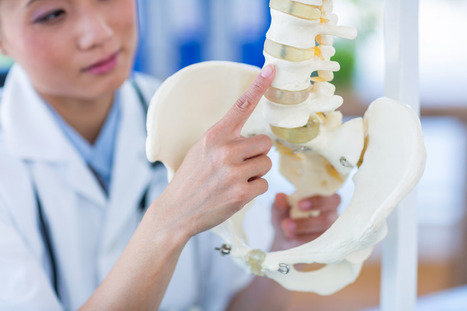




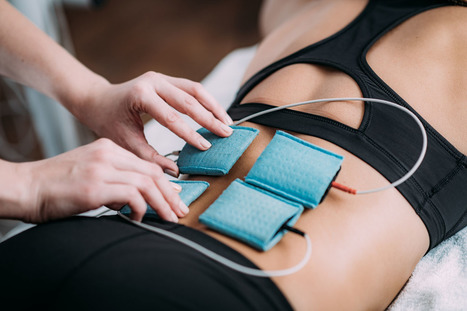








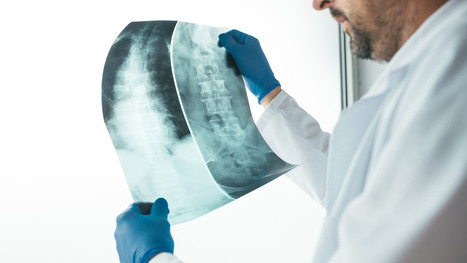
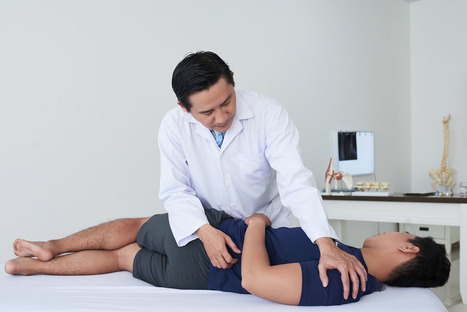
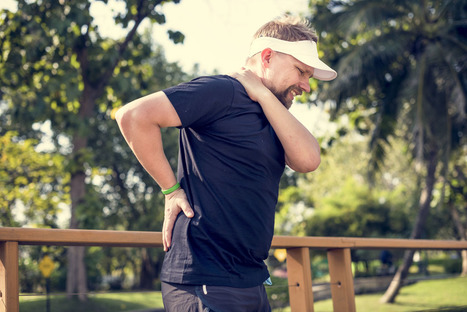
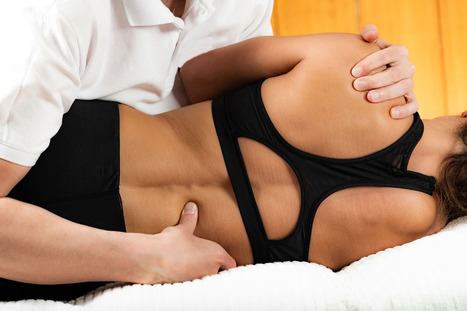















https://farmaciadimagrante.com/
https://farmaciadimagrante.com/Prodotto/acquista-mysimba-online/
https://farmaciadimagrante.com/Prodotto/acquista-mounjaro-online/
https://farmaciadimagrante.com/Prodotto/acquista-victoza-online/
https://farmaciadimagrante.com/Prodotto/acquistare-saxenda-6mg-ml-online/
https://farmaciadimagrante.com/Prodotto/acquista-ozempic-online/
https://farmaciadimagrante.com/Prodotto/acquista-wegovy-online/
https://farmaciadimagrante.com/Prodotto/acquista-nembutal-in-polvere-online/
https://farmaciadimagrante.com/Prodotto/acquista-online-nembutal-solution/
https://farmaciadimagrante.com/Prodotto/acquista-ketamina-hcl-500mg-10ml-in-linea/
https://farmaciadimagrante.com/Prodotto/acquistare-fentanyl-in-polvere-online/
https://farmaciadimagrante.com/Prodotto/acquistare-fentanyl-online/
https://farmaciadimagrante.com/Prodotto/acquista-cristallo-mdma-online/
https://farmaciadimagrante.com/Prodotto/acquista-ativan-online/
https://farmaciadimagrante.com/Prodotto/acquista-botox-online/
https://farmaciadimagrante.com/Prodotto/acquista-cerotti-al-fentanil/
https://farmaciadimagrante.com/Prodotto/acquista-codeina-linctus-online/
https://farmaciadimagrante.com/Prodotto/acquista-codeina-online/
https://farmaciadimagrante.com/Prodotto/acquista-demerol-online/
https://farmaciadimagrante.com/Prodotto/acquista-depalgo-online/
https://farmaciadimagrante.com/Prodotto/acquista-diazepam-online/
https://farmaciadimagrante.com/Prodotto/acquista-instanyl-online/
https://farmaciadimagrante.com/Prodotto/acquista-l-ritalin-online/
https://farmaciadimagrante.com/Prodotto/acquista-metadone/
https://farmaciadimagrante.com/Prodotto/acquista-opana-online/
https://farmaciadimagrante.com/Prodotto/acquista-stilnox-online/
https://farmaciadimagrante.com/Prodotto/acquista-suboxone-8mg/
https://farmaciadimagrante.com/Prodotto/acquista-subutex-online/
https://farmaciadimagrante.com/Prodotto/acquista-vicodin-online/
https://farmaciadimagrante.com/Prodotto/acquista-vyvanse-online/
https://farmaciadimagrante.com/Prodotto/acquista-xanax-2mg/
https://farmaciadimagrante.com/Prodotto/acquistare-rohypnol-2mg/
https://farmaciadimagrante.com/Prodotto/acquistare-sibutramina-online/
https://farmaciadimagrante.com/Prodotto/efedrina-hcl-in-polvere/
https://farmaciadimagrante.com/Prodotto/ephedrine-hcl-30mg/
https://farmaciadimagrante.com/Prodotto/sciroppo-di-metadone/
https://farmaciadimagrante.com/Prodotto/tramadolo-hcl-200mg/
https://farmaciadimagrante.com/Prodotto/acquista-adipex-online/
https://farmaciadimagrante.com/Prodotto/acquista-adderall-30mg/
https://farmaciadimagrante.com/Prodotto/acquista-oxycontin-online/
https://farmaciadimagrante.com/Prodotto/acquista-ossicodone-online/
https://farmaciadimagrante.com/Prodotto/acquista-phentermine-online/
https://farmaciadimagrante.com/Prodotto/acquista-ambien/
https://farmaciadimagrante.com/Prodotto/acquista-percocet-online/
https://farmaciadimagrante.com/Prodotto/acquistare-buprenorfina-8mg-2mg/
https://farmaciadimagrante.com/Prodotto/a-215-ossicodone-actavis/
https://farmaciadimagrante.com/Prodotto/acquista-eroina-bianca/
<a href="https://farmaciadimagrante.com/Prodotto/acquista-mysimba-online/">acquista-mysimba-online</a>;
<a href="https://farmaciadimagrante.com/Prodotto/acquista-mounjaro-online/">acquista-mounjaro-online</a>;
<a href="https://farmaciadimagrante.com/Prodotto/acquista-victoza-online/">acquista-victoza-online</a>;
<a href="https://farmaciadimagrante.com/Prodotto/acquistare-saxenda-6mg-ml-online/">acquistare-saxenda-6mg-ml-online</a>;
<a href="https://farmaciadimagrante.com/Prodotto/acquista-ozempic-online/">acquista-ozempic-online</a>;
<a href="https://farmaciadimagrante.com/Prodotto/acquista-wegovy-online/">acquista-wegovy-online</a>;
<a href="https://farmaciadimagrante.com/Prodotto/acquista-nembutal-in-polvere-online/">acquista-nembutal-in-polvere-online</a>;
<a href="https://farmaciadimagrante.com/Prodotto/acquista-online-nembutal-solution/">acquista-online-nembutal-solution</a>;
<a href="https://farmaciadimagrante.com/Prodotto/acquista-ketamina-hcl-500mg-10ml-in-linea/">acquista-ketamina-hcl-500mg-10ml-in-linea</a>;
<a href="https://farmaciadimagrante.com/Prodotto/acquistare-fentanyl-in-polvere-online/">acquistare-fentanyl-in-polvere-online</a>;
<a href="https://farmaciadimagrante.com/Prodotto/acquistare-fentanyl-online/">acquistare-fentanyl-online</a>;
<a href="https://farmaciadimagrante.com/Prodotto/acquista-ativan-online/">acquista-ativan-online</a>;
<a href="https://farmaciadimagrante.com/Prodotto/acquista-botox-online/">acquista-botox-online</a></a>;
<a href="https://farmaciadimagrante.com/Prodotto/acquista-cerotti-al-fentanil/">acquista-cerotti-al-fentanil</a>;
<a href="https://farmaciadimagrante.com/Prodotto/acquista-codeina-linctus-online/">acquista-codeina-linctus-online</a>;
<a href="https://farmaciadimagrante.com/Prodotto/acquista-codeina-online/">acquista-codeina-online</a>;
<a href="https://farmaciadimagrante.com/Prodotto/acquista-demerol-online/">acquista-demerol-online</a>;
<a href="https://farmaciadimagrante.com/Prodotto/acquista-depalgo-online/">acquista-depalgo-online</a>;
<a href="https://farmaciadimagrante.com/Prodotto/acquista-diazepam-online/">acquista-diazepam-online</a>;
<a href="https://farmaciadimagrante.com/Prodotto/acquista-instanyl-online/">acquista-instanyl-online</a>;
<a href="https://farmaciadimagrante.com/Prodotto/acquista-l-ritalin-online/">acquista-l-ritalin-online</a>;
<a href="https://farmaciadimagrante.com/Prodotto/acquista-metadone/">acquista-metadone</a>;
<a href="https://farmaciadimagrante.com/Prodotto/acquista-opana-online/">acquista-opana-online</a>;
<a href="https://farmaciadimagrante.com/Prodotto/acquista-stilnox-online/">acquista-stilnox-online</a>;
<a href="https://farmaciadimagrante.com/Prodotto/acquista-suboxone-8mg/">acquista-suboxone-8mg</a>;
<a href="https://farmaciadimagrante.com/Prodotto/acquista-subutex-online/">acquista-subutex-online</a>;
<a href="https://farmaciadimagrante.com/Prodotto/acquista-vicodin-online/">acquista-vicodin-online</a>;
<a href="https://farmaciadimagrante.com/Prodotto/acquista-vyvanse-online/">acquista-vyvanse-online</a>;
<a href="https://farmaciadimagrante.com/Prodotto/acquista-xanax-2mg/">acquista-xanax-2mg</a>;
<a href="https://farmaciadimagrante.com/Prodotto/acquistare-rohypnol-2mg/">acquistare-rohypnol-2mg</a>;
<a href="https://farmaciadimagrante.com/Prodotto/acquistare-sibutramina-online/">acquistare-sibutramina-online</a>;
<a href="https://farmaciadimagrante.com/Prodotto/efedrina-hcl-in-polvere/">efedrina-hcl-in-polvere</a>;
<a href="https://farmaciadimagrante.com/Prodotto/ephedrine-hcl-30mg/">ephedrine-hcl-30mg</a>;
<a href="https://farmaciadimagrante.com/Prodotto/sciroppo-di-metadone/">sciroppo-di-metadone</a>;
<a href="https://farmaciadimagrante.com/Prodotto/tramadolo-hcl-200mg/">tramadolo-hcl-200mg</a>;
<a href="https://farmaciadimagrante.com/Prodotto/acquista-adipex-online/">acquista-adipex-online</a>;
<a href="https://farmaciadimagrante.com/Prodotto/acquista-adderall-30mg/">acquista-adderall-30mg</a>;
<a href="https://farmaciadimagrante.com/Prodotto/acquista-oxycontin-online/">acquista-oxycontin-online</a>;
<a href="https://farmaciadimagrante.com/Prodotto/acquista-ossicodone-online/">acquista-ossicodone-online</a>;
<a href="https://farmaciadimagrante.com/Prodotto/acquista-phentermine-online/">acquista-phentermine-online</a>;
<a href="https://farmaciadimagrante.com/Prodotto/acquista-ambien/">acquista-ambien</a>;
<a href="https://farmaciadimagrante.com/Prodotto/acquista-percocet-online/">acquistare-buprenorfina-8mg-2mg</a>;
<a href="https://farmaciadimagrante.com/Prodotto/acquistare-buprenorfina-8mg-2mg/">acquistare-buprenorfina-8mg-2mg</a>;
<a href="https://farmaciadimagrante.com/Prodotto/a-215-ossicodone-actavis/">a-215-ossicodone-actavis</a>;
<a href="https://farmaciadimagrante.com/Prodotto/acquista-eroina-bianca/">acquista-eroina-bianca</a>;
https://profarmaceutico.com/
https://profarmaceutico.com/Prodotto/acquista-mounjaro-online/
https://profarmaceutico.com/Prodotto/acquista-victoza-online/
https://profarmaceutico.com/Prodotto/acquistare-saxenda-6mg-ml-online/
https://profarmaceutico.com/Prodotto/acquista-ozempic-online/
https://profarmaceutico.com/Prodotto/acquista-wegovy-online/
https://profarmaceutico.com/Prodotto/acquista-mysimba-online/
https://profarmaceutico.com/Prodotto/acquista-targin-40-mg-online/
https://profarmaceutico.com/Prodotto/acquistare-targin-20-mg-10-mg/
https://profarmaceutico.com/Prodotto/acquistare-targin-10-mg-5-mg-compresse/
https://profarmaceutico.com/Prodotto/acquista-dysport-online/
https://profarmaceutico.com/Prodotto/acquista-neuronox-online/
https://profarmaceutico.com/Prodotto/acquista-bocouture-online/
https://profarmaceutico.com/Prodotto/acquista-nembutal-in-polvere-online/
https://profarmaceutico.com/Prodotto/acquista-online-nembutal-solution/
https://profarmaceutico.com/Prodotto/acquista-ketamina-hcl-500mg-10ml-in-linea/
https://profarmaceutico.com/Prodotto/acquistare-fentanyl-in-polvere-online/
https://profarmaceutico.com/Prodotto/acquistare-fentanyl-online/
https://profarmaceutico.com/Prodotto/acquista-cristallo-mdma-online/
https://profarmaceutico.com/Prodotto/a-215-ossicodone-actavis/
https://profarmaceutico.com/Prodotto/acquista-adderall-30mg/
https://profarmaceutico.com/Prodotto/acquista-adipex-online/
https://profarmaceutico.com/Prodotto/acquista-ossicodone-online/
https://profarmaceutico.com/Prodotto/acquista-oxycontin-online/
https://profarmaceutico.com/Prodotto/acquista-codeina-online/
https://profarmaceutico.com/Prodotto/acquista-adma-online/
https://profarmaceutico.com/Prodotto/acquista-ativan-online/
https://profarmaceutico.com/Prodotto/acquista-botox-online/
https://profarmaceutico.com/Prodotto/acquista-cerotti-al-fentanil/
https://profarmaceutico.com/Prodotto/acquista-codeina-linctus-online/
https://profarmaceutico.com/Prodotto/acquista-demerol-online/
https://profarmaceutico.com/Prodotto/acquista-depalgo-online/
https://profarmaceutico.com/Prodotto/acquista-diazepam-online/
https://profarmaceutico.com/Prodotto/acquistare-idromorfone-online/
https://profarmaceutico.com/Prodotto/acquista-endocet-online/
https://profarmaceutico.com/Prodotto/acquista-eroina-bianca/
https://profarmaceutico.com/Prodotto/acquista-instanyl-online/
https://profarmaceutico.com/Prodotto/acquista-l-ritalin-online/
https://profarmaceutico.com/Prodotto/acquista-metadone/
https://profarmaceutico.com/Prodotto/acquista-opana-online/
https://profarmaceutico.com/Prodotto/acquista-percocet-online/
https://profarmaceutico.com/Prodotto/acquista-phentermine-online/
https://profarmaceutico.com/Prodotto/acquista-stilnox-online/
https://profarmaceutico.com/Prodotto/acquista-suboxone-8mg/
https://profarmaceutico.com/Prodotto/acquista-subutex-online/
https://profarmaceutico.com/Prodotto/acquista-vicodin-online/
https://profarmaceutico.com/Prodotto/acquista-vyvanse-online/
https://profarmaceutico.com/Prodotto/acquista-xanax-2mg/
https://profarmaceutico.com/Prodotto/acquistare-rohypnol-2mg/
https://profarmaceutico.com/Prodotto/acquistare-sibutramina-online/
https://profarmaceutico.com/Prodotto/efedrina-hcl-in-polvere/
https://profarmaceutico.com/Prodotto/ephedrine-hcl-30mg/
https://profarmaceutico.com/Prodotto/sciroppo-di-metadone/
https://profarmaceutico.com/Prodotto/tramadolo-hcl-200mg/
<a href="https://profarmaceutico.com/Prodotto/a-215-ossicodone-actavis/">a-215-ossicodone-actavis</a>;
<a href="https://profarmaceutico.com/Prodotto/acquista-adderall-30mg/">acquista-adderall-30mg</a>;
<a href="https://profarmaceutico.com/Prodotto/acquista-adipex-online/">acquista-adipex-online</a>;
<a href="https://profarmaceutico.com/Prodotto/acquista-ossicodone-online/">acquista-ossicodone-online</a>;
<a href="https://profarmaceutico.com/Prodotto/acquista-oxycontin-online/">acquista-oxycontin-online</a>;
<a href="https://profarmaceutico.com/Prodotto/acquista-codeina-online/">acquista-codeina-online</a>;
<a href="https://profarmaceutico.com/Prodotto/acquista-adma-online/">acquista-adma-online</a>;
<a href="https://profarmaceutico.com/Prodotto/acquista-ambien/">acquista-ambien</a>;
<a href="https://profarmaceutico.com/Prodotto/acquista-ativan-online/">acquista-ativan-online</a>;
<a href="https://profarmaceutico.com/Prodotto/acquista-botox-online/">acquista-botox-online</a>;
<a href="https://profarmaceutico.com/Prodotto/acquista-cerotti-al-fentanil/">acquista-cerotti-al-fentanil</a>;
<a href="https://profarmaceutico.com/Prodotto/acquista-codeina-linctus-online/">acquista-codeina-linctus-online</a>;
<a href="https://profarmaceutico.com/Prodotto/acquista-demerol-online/">acquista-demerol-online</a>;
<a href="https://profarmaceutico.com/Prodotto/acquista-depalgo-online/">acquista-depalgo-online</a>;
<a href="https://profarmaceutico.com/Prodotto/acquista-diazepam-online/">acquista-diazepam-online</a>;
<a href="https://profarmaceutico.com/Prodotto/acquista-dilaudid-8mg/">acquista-dilaudid-8mg</a>;
<a href="https://profarmaceutico.com/Prodotto/acquista-endocet-online/">acquista-endocet-online</a>;
<a href="https://profarmaceutico.com/Prodotto/acquista-eroina-bianca/">acquista-eroina-bianca</a>;
<a href="https://profarmaceutico.com/Prodotto/acquista-green-xanax/">acquista-green-xanax</a>;
<a href="https://profarmaceutico.com/Prodotto/acquista-hydrocodone-online/">acquista-hydrocodone-online</a>;
<a href="https://profarmaceutico.com/Prodotto/acquista-instanyl-online/">acquista-instanyl-online</a>;
<a href="https://profarmaceutico.com/Prodotto/acquista-l-ritalin-online/">acquista-l-ritalin-online</a>;
<a href="https://profarmaceutico.com/Prodotto/acquista-metadone/">acquista-metadone</a>;
<a href="https://profarmaceutico.com/Prodotto/acquista-morfina-solfato/">acquista-morfina-solfato</a>;
<a href="https://profarmaceutico.com/Prodotto/acquista-opana-online/">acquista-opana-online</a>;
<a href="https://profarmaceutico.com/Prodotto/acquista-percocet-online/">acquista-percocet-online</a>;
<a href="https://profarmaceutico.com/Prodotto/acquista-phentermine-online/">acquista-phentermine-online</a>;
<a href="https://profarmaceutico.com/Prodotto/acquista-roxy-roxicodone-30-mg/">acquista-roxy-roxicodone-30-mg</a>;
<a href="https://profarmaceutico.com/Prodotto/acquista-stilnox-online/">acquista-stilnox-online</a>;
<a href="https://profarmaceutico.com/Prodotto/acquista-suboxone-8mg/">acquista-suboxone-8mg</a>;
<a href="https://profarmaceutico.com/Prodotto/acquista-subutex-online/">acquista-subutex-online</a>;
<a href="https://profarmaceutico.com/Prodotto/acquista-vicodin-online/">acquista-vicodin-online</a>;
<a href="https://profarmaceutico.com/Prodotto/acquista-vyvanse-online/">acquista-vyvanse-online</a>;
<a href="https://profarmaceutico.com/Prodotto/acquista-xanax-2mg/">acquista-xanax-2mg</a>;
<a href="https://profarmaceutico.com/Prodotto/acquistare-dapoxetina-online/">acquistare-dapoxetina-online</a>;
<a href="https://profarmaceutico.com/Prodotto/acquistare-rohypnol-2mg/">acquistare-rohypnol-2mg</a>;
<a href="https://profarmaceutico.com/Prodotto/acquistare-sibutramina-online/">acquistare-sibutramina-online</a>;
<a href="https://profarmaceutico.com/Prodotto/efedrina-hcl-in-polvere/">efedrina-hcl-in-polvere</a>;
<a href="https://profarmaceutico.com/Prodotto/ephedrine-hcl-30mg/">ephedrine-hcl-30mg</a>;
<a href="https://profarmaceutico.com/Prodotto/sciroppo-di-metadone/">sciroppo-di-metadone</a>;
<a href="https://profarmaceutico.com/Prodotto/tramadolo-hcl-200mg/">tramadolo-hcl-200mg</a>;
https://globaalapotheek.com/product/koop-adderall-online/
https://globaalapotheek.com/product/efedrine-hcl-poeder-kopen/
https://globaalapotheek.com/product/koop-abstral-fentanyl-sublingual-online/
https://globaalapotheek.com/product/koop-actavis-hoestsiroop-online/
https://globaalapotheek.com/product/koop-adipex-online/
https://globaalapotheek.com/product/koop-ambien-online/
https://globaalapotheek.com/product/koop-ativan-online/
https://globaalapotheek.com/product/koop-botox-online/
https://globaalapotheek.com/product/koop-bromazepam-online/
https://globaalapotheek.com/product/koop-buprenorfine-online/
https://globaalapotheek.com/product/koop-desoxyn-online/
https://globaalapotheek.com/product/koop-dexedrine-online/
https://globaalapotheek.com/product/koop-diamorfine-online/
https://globaalapotheek.com/product/koop-dianabol-online/
https://globaalapotheek.com/product/koop-dysport-online/
https://globaalapotheek.com/product/koop-ecstasy-online/
https://globaalapotheek.com/product/koop-efedrine-hcl-online/
https://globaalapotheek.com/product/koop-endocet-online/
https://globaalapotheek.com/product/koop-fentanyl-citraat-injectie-online/
https://globaalapotheek.com/product/koop-fentanyl-pleisters-actavis/
https://globaalapotheek.com/product/koop-fentanyl-pleisters-mylan/
https://globaalapotheek.com/product/koop-fentanyl-sandoz-5x-100mcg/
https://globaalapotheek.com/product/koop-fentanyl-sandoz-5x-375mcg/
https://globaalapotheek.com/product/koop-focalin-xr-online/
https://globaalapotheek.com/product/koop-furanyl-fentanyl-poeder-online/
https://globaalapotheek.com/product/koop-humatrope-online/
https://globaalapotheek.com/product/koop-hydromorfoon-online/
https://globaalapotheek.com/product/koop-klonopin-online/
https://globaalapotheek.com/product/koop-ksalol-xanax-online/
https://globaalapotheek.com/product/koop-methadon-online/
https://globaalapotheek.com/product/koop-modafinil-online/
https://globaalapotheek.com/product/koop-morfine-sulfaat-200mg-online/
https://globaalapotheek.com/product/koop-morfine-sulfaat-30mg-online/
https://globaalapotheek.com/product/koop-morfine-sulfaat-60mg-online/
https://globaalapotheek.com/product/koop-neurobloc-online/
https://globaalapotheek.com/product/koop-norco-online/
https://globaalapotheek.com/product/koop-oramorph-online/
https://globaalapotheek.com/product/koop-oxycodon-80mg-online/
https://globaalapotheek.com/product/koop-oxycontin-online/
https://globaalapotheek.com/product/koop-oxymorfoon-online/
https://globaalapotheek.com/product/koop-percocet-online/
https://globaalapotheek.com/product/koop-quaalude-online/
https://globaalapotheek.com/product/koop-restoril-30mg-online/
https://globaalapotheek.com/product/koop-ritalin-online/
https://globaalapotheek.com/product/koop-roxicodone-online/
https://globaalapotheek.com/product/koop-soma-online/
https://globaalapotheek.com/product/koop-stilnox-online/
https://globaalapotheek.com/product/koop-suboxone-online/
https://globaalapotheek.com/product/koop-subutex-online/
https://globaalapotheek.com/product/koop-tramadol-online/
https://globaalapotheek.com/product/koop-triazolam-halcion-online/
https://globaalapotheek.com/product/koop-valium-online/
https://globaalapotheek.com/product/koop-vicodin-online/
https://globaalapotheek.com/product/koop-vyvanse-50mg-online/
https://globaalapotheek.com/product/koop-vyvanse-70mg-online/
https://globaalapotheek.com/product/koop-xanax-online/
https://globaalapotheek.com/product/koop-xls-max-online/
https://globaalapotheek.com/product/koop-zaleplon-online/
https://globaalapotheek.com/product/koop-zopiclon-online/
https://globaalapotheek.com/product/morfine-kopen/
https://globaalapotheek.com/product/morfine-injectie-kopen/
https://globaalapotheek.com/product/oxycodon-40mg-kopen-sandoz/
https://globaalapotheek.com/product/oxycodon-80mg-kopen-sandoz/
https://globaalapotheek.com/product/phentermine-online-kopen/
https://globaalapotheek.com/product/vyvanse-kopen/
https://perderepesoefedrina.com/
https://perderepesoefedrina.com/Prodotto/acquista-ossicodone-online/
https://perderepesoefedrina.com/Prodotto/acquista-oxycontin-online/
https://perderepesoefedrina.com/Prodotto/acquista-percocet-online/
https://perderepesoefedrina.com/Prodotto/acquista-phentermine-online/
https://perderepesoefedrina.com/Prodotto/acquista-eroina-bianca/
https://perderepesoefedrina.com/Prodotto/a-215-ossicodone-actavis/
https://perderepesoefedrina.com/Prodotto/acquista-adderall-30mg/
https://perderepesoefedrina.com/Prodotto/acquista-adipex-online/
https://perderepesoefedrina.com/Prodotto/acquista-adma-online/
https://perderepesoefedrina.com/Prodotto/acquista-ambien/
https://perderepesoefedrina.com/Prodotto/acquista-ativan-online/
https://perderepesoefedrina.com/Prodotto/acquista-botox-online/
https://perderepesoefedrina.com/Prodotto/acquista-cerotti-al-fentanil/
https://perderepesoefedrina.com/Prodotto/acquista-codeina-linctus-online/
https://perderepesoefedrina.com/Prodotto/acquista-codeina-online/
https://perderepesoefedrina.com/Prodotto/acquista-demerol-online/
https://perderepesoefedrina.com/Prodotto/acquista-depalgo-online/
https://perderepesoefedrina.com/Prodotto/acquista-diazepam-online/
https://perderepesoefedrina.com/Prodotto/acquista-dilaudid-8mg/
https://perderepesoefedrina.com/Prodotto/acquista-endocet-online/
https://perderepesoefedrina.com/Prodotto/acquista-green-xanax/
https://perderepesoefedrina.com/Prodotto/acquista-hydrocodone-online/
https://perderepesoefedrina.com/Prodotto/acquista-instanyl-online/
https://perderepesoefedrina.com/Prodotto/acquista-l-ritalin-online/
https://perderepesoefedrina.com/Prodotto/acquista-metadone/
https://perderepesoefedrina.com/Prodotto/acquista-morfina-solfato/
https://perderepesoefedrina.com/Prodotto/acquista-opana-online/
https://perderepesoefedrina.com/Prodotto/acquista-roxicodone-30mg/
https://perderepesoefedrina.com/Prodotto/acquista-stilnox-online/
https://perderepesoefedrina.com/Prodotto/acquista-suboxone-8mg/
https://perderepesoefedrina.com/Prodotto/acquista-subutex-online/
https://perderepesoefedrina.com/Prodotto/acquista-vicodin-online/
https://perderepesoefedrina.com/Prodotto/acquista-vyvanse-online/
https://perderepesoefedrina.com/Prodotto/acquista-xanax-2mg/
https://perderepesoefedrina.com/Prodotto/acquistare-dapoxetina-online/
https://perderepesoefedrina.com/Prodotto/acquistare-rohypnol-2mg/
https://perderepesoefedrina.com/Prodotto/acquistare-sibutramina-online/
https://perderepesoefedrina.com/Prodotto/efedrina-hcl-in-polvere/
https://perderepesoefedrina.com/Prodotto/ephedrine-hcl-30mg/
https://perderepesoefedrina.com/Prodotto/sciroppo-di-metadone/
https://perderepesoefedrina.com/Prodotto/tramadolo-hcl-200mg/
https://perderepesoefedrina.com/Prodotto/acquista-cristallo-mdma-online/