 Your new post is loading...
Abstract A weekend of raking, cleaning, painting, lifting boxes, or moving furniture can leave your lower back protesting by Monday morning. Often, the problem is not one dramatic “bad lift.” It is a sudden jump in workload after several days of very different movement. Repeated bending, lifting, twisting, carrying, and reaching can fatigue the muscles that support the spine and challenge the hips, trunk, and nervous system. This article explains how weekend workload mismatch can trigger back pain, how spinal hygiene can help, what to do when Monday work begins, and which neurological warning signs need prompt medical attention. The Weekend Shift Your Spine Notices During the workweek, a programmer may sit for long stretches, while a data center technician or Amazon employee repeats familiar tasks. Then Saturday completely changes the movement pattern. You rake, bend over flower beds, carry soil, scrub floors, paint, clean the garage, or move furniture. None of those movements is automatically harmful. The challenge is the sudden increase in volume. Research on occupational exposure suggests that lifting and carrying, non-neutral postures, and combined mechanical demands are associated with chronic low-back pain, especially when exposure is greater (Jahn et al., 2023). This does not mean the spine should never bend or twist. It means workload matters. Why It May Not Be One “Bad Lift” People often remember the moment they first noticed discomfort and blame one movement. Sometimes there is a clear injury, but many Monday flare-ups build gradually. As trunk and hip muscles fatigue, you may reach farther, carry objects away from your body, twist while lifting, or rush transitions to finish the job. That combination can irritate muscles, joints, discs, or other pain-sensitive tissues without producing a catastrophic injury. This is an important spinal-health lesson: pain does not always equal serious structural damage. Most low-back pain is considered nonspecific, meaning clinicians cannot identify one dangerous disease or single damaged structure as the cause (World Health Organization [WHO], 2023). Spinal Hygiene Is Daily Capacity Building The Spine Health & Spinal Hygiene concept is useful here because prevention is not about holding the spine perfectly straight all day. It is about giving the body regular movement, strength, and recovery so normal physical demands are easier to tolerate. Useful spinal hygiene habits include: -
changing positions throughout the workday; -
walking regularly instead of remaining still for hours; -
practicing comfortable hip-hinge and squat patterns; -
strengthening the trunk, hips, and legs; -
gradually increasing lifting and carrying capacity; -
keeping loads manageable and close when practical; -
alternating heavy tasks with lighter tasks; and -
allowing recovery between demanding projects. Your back is built to move. The goal is not to avoid movement but to prepare for it. Hip Motion Helps the Spine Share Work Consider lifting a bucket. Your ankles, knees, hips, trunk, shoulders, and spine all contribute. If the hips and legs are tired after a low-movement week, you may rely more heavily on the lower back. That does not make lumbar flexion dangerous. It means fatigue can reduce your comfortable movement options. A rehabilitation program may therefore address more than the painful spot. Hip mobility, trunk endurance, leg strength, walking tolerance, balance, and lifting technique can all influence how a patient handles work and home projects. Monday Morning: Do Not Turn Into a Statue When the back feels stiff Monday morning, complete rest can be tempting. For uncomplicated low-back pain, however, guidance supports staying active and continuing normal activities as tolerated (National Institute for Health and Care Excellence [NICE], 2016). Try scaling Monday instead of abandoning movement. For desk work, change positions and take short walking breaks. For standing work, shift your stance and walk periodically. For lifting work, temporarily reduce load size, use team lifts when appropriate, keep handled items close, and break large jobs into smaller sets. The goal is to keep moving while reducing unnecessary overload. When Chiropractic Care Fits A useful chiropractic evaluation should go beyond asking, “Where does it hurt?” The clinician may examine spinal and hip motion, gait, strength, reflexes, sensation, lifting mechanics, and whether pain travels into the leg. Weekend activities and Monday job demands also matter. For selected patients with low-back pain, guidelines support manual therapy, including spinal manipulation or mobilization, as part of a broader plan that includes exercise rather than as a stand-alone treatment (NICE, 2016). WHO guidance for chronic primary low-back pain also includes education, structured exercise, and some physical therapies such as spinal manipulative therapy within person-centered care (WHO, 2023). The goal is practical: restore comfortable motion, then rebuild capacity through rehabilitation. An Integrated Spine Evaluation At Injury Medical Clinic PA in El Paso, Dr. Alex Jimenez, DC, APRN, FNP-BC, CFMP, IFMCP, brings together chiropractic structural care, mechanical rehabilitation, functional medicine principles, and advanced medical assessment. As both a Doctor of Chiropractic and board-certified Family Practice Nurse Practitioner, he can evaluate musculoskeletal and neurological findings while coordinating broader medical concerns. Dr. Maria Guadalupe Cardenas, MD, a board-certified internal medicine physician with more than 40 years of experience, serves as medical director, clinical director, and collaborative physician. Her oversight supports risk assessment and medical coordination when a back-pain presentation involves metabolic disease, medications, systemic symptoms, laboratory abnormalities, or other concerns beyond a routine mechanical flare. This multidisciplinary structure supports beneficence by matching care to the patient’s actual needs, non-maleficence by favoring appropriate conservative options before unnecessary invasive care, and autonomy by explaining findings so patients can make informed decisions with their existing medical team. Know the Neurological Red Flags Not every Monday backache belongs in a routine self-care plan. Seek urgent medical evaluation when back pain is accompanied by: -
new or progressive leg weakness; -
numbness around the groin, inner thighs, or saddle region; -
new loss of bladder or bowel control; -
major difficulty walking because of neurological weakness; -
rapidly worsening numbness or coordination problems; or -
symptoms suggesting serious trauma, infection, fracture, or another systemic condition. The American College of Radiology notes that uncomplicated acute low-back pain usually does not require immediate imaging, but imaging becomes appropriate when red flags raise concern for conditions such as cauda equina syndrome, malignancy, fracture, or infection (Expert Panel on Neurological Imaging, 2021). Progressive neurological symptoms should never be dismissed as ordinary soreness. Make Next Weekend Easier The best time to prepare for Saturday’s projects is during the week. Walk regularly. Strength train appropriately. Practice lifting and carrying before a garage-cleaning marathon. Break long sitting periods with movement. Use a cart for heavy materials, ask for help with awkward furniture, and alternate repetitive tasks. Increase workload gradually. If you normally do very little physical work during the week, six straight hours of landscaping is a major jump. Your spine may tolerate the movements, yet the total dose can still exceed your current capacity. Spinal hygiene is not fear-based. It is capacity-based. A healthy spine needs movement, strength, recovery, and options. When pain repeatedly appears after yard work, cleaning, lifting, or home projects, the useful question is not simply, “What did I do wrong?” A better question is, “What does my body need so this workload becomes easier to handle?” That shift can turn Monday back pain from a recurring mystery into a practical plan for stronger lifting, better recovery, safer work, and more confident weekends. Lower Back Pain Relief After Gym Injury | Patient Testimonial ___________________________________________________________________ References Expert Panel on Neurological Imaging. (2021). ACR Appropriateness Criteria® low back pain: 2021 update. Journal of the American College of Radiology, 18(11S), S361–S379. Jahn, A., Andersen, J. H., Christiansen, D. H., Seidler, A., & Dalbøge, A. (2023). Occupational mechanical exposures as risk factor for chronic low-back pain: A systematic review and meta-analysis. Scandinavian Journal of Work, Environment & Health, 49(7), 453–465. National Institute for Health and Care Excellence. (2016). Low back pain and sciatica in over 16s: Assessment and management. World Health Organization. (2023). WHO guideline for non-surgical management of chronic primary low back pain in adults in primary and community care settings. ___________________________________________________________________ General Disclaimer * The information herein is not intended to replace a one-on-one relationship with a qualified healthcare professional or licensed physician and is not medical advice. We encourage you to make healthcare decisions based on your research and partnership with a qualified healthcare professional. Our information scope is limited to chiropractic, musculoskeletal, and physical medicine, as well as wellness, sensitive health issues, and functional medicine articles, topics, and discussions. We provide and facilitate clinical collaboration with specialists across disciplines. Each specialist follows their professional scope of practice and the jurisdiction in which they are licensed. We utilize functional health and wellness protocols to treat and support care for musculoskeletal injuries or disorders. Our videos, posts, topics, subjects, and insights cover clinical matters and issues that directly or indirectly support our clinical scope of practice. Our office has made a reasonable effort to provide supportive citations and identify relevant research studies for our posts. We provide copies of supporting research studies upon request to regulatory boards and the public. We are here to help you and your family. Blessings Dr. Alex Jimenez, DC, MSACP, APRN, FNP-BC*, CCST, IFMCP, CFMP, ATN Email: coach@elpasofunctionalmedicine.com
Multidisciplinary Licensing & Board Certifications:
Licensed as a Doctor of Chiropractic (DC) in Texas & New Mexico*
Texas DC License #: TX5807, Verified: TX5807
New Mexico DC License #: NM-DC2182, Verified: NM-DC2182 Multi-State Advanced Practice Registered Nurse (APRN*) in Texas & Multi-States
Multi-State Compact APRN License by Endorsement (42 States)
Texas APRN License #: 1191402, Verified: 1191402 *
Florida APRN License #: 11043890, Verified: APRN11043890 *
New York APRN License #: N25929, Verified: APRN-N25929*
License Verification Link: Nursys License Verifier
* Prescriptive Authority Authorized ANCC FNP-BC: Board Certified Nurse Practitioner*
Compact Status: Multi-State License: Authorized to Practice in 40 States* Graduate with Honors: ICHS: MSN-FNP (Family Nurse Practitioner Program)
Degree Granted. Master's in Family Practice MSN Diploma (Cum Laude)
Dr. Alex Jimenez, DC, APRN, FNP-BC*, CFMP, IFMCP, ATN, CCST
My Digital Business Card
Dr. Maria Cardenas, MD
(Board Certified in Internal Medicine)
Medical Director & Collaborative Physician
NPI # 1164426748
MD License #: J2933
Abstract Complex spinal joint and nerve pain can be difficult to treat because the pain may come from more than one structure at the same time. A worn facet joint, damaged disc, tight muscle, inflamed ligament, and irritated nerve root may all contribute to the same pain pattern. This can make a simple diagnosis or one-size-fits-all treatment less effective. For people in El Paso and throughout West Texas who continue to have neck pain, back pain, sciatica, numbness, weakness, or limited movement after traditional care, a second opinion may provide a fresh look at the problem. A thorough evaluation may include imaging, neurological testing, movement assessment, medical review, and rehabilitation planning. Depending on the diagnosis, an integrated plan may combine chiropractic care, rehabilitation, shockwave therapy, MLS laser therapy, medically supervised injections, and selected biologic or supportive therapies. The main goal is not to use every treatment available. The goal is to identify the structures causing the pain and select treatments that match those findings. What Is Complex Spinal Joint and Nerve Pain? Complex spinal joint and nerve pain is a useful descriptive term for chronic discomfort caused by overlapping problems involving the vertebrae, spinal joints, discs, muscles, ligaments, and nerve roots. It is important to understand that this phrase is not one specific medical diagnosis. Instead, it describes a situation in which several pain generators may be working together. The spine contains: -
Vertebrae that provide structural support. -
Discs that absorb forces between the vertebrae. -
Facet joints that guide spinal movement. -
Ligaments that help stabilize the spine. -
Muscles that control movement and posture. -
Nerve roots that carry signals between the spinal cord and the body. Pain can begin in any of these structures. Because they are located close together, one injured area can also affect another (Kansas Pain Management, 2026). For example, a damaged disc may become inflamed and irritate a nearby nerve root. A person may then change the way they walk or move to avoid pain. That compensation can place extra stress on the facet joints and muscles. Soon, the patient may have disc pain, nerve pain, joint pain, and muscle tightness at the same time. What Does Nerve Pain Feel Like? Nerve pain often feels different from ordinary muscle soreness. Possible symptoms include: -
Burning pain. -
Electrical or shock-like pain. -
Tingling. -
Pins-and-needles sensations. -
Numbness. -
Pain traveling into an arm or leg. -
Muscle weakness. -
Increased sensitivity. A compressed or irritated spinal nerve root is known as radiculopathy. Common causes include herniated discs, bone spurs, spinal degeneration, thickened ligaments, inflammation, and narrowing of the spaces where nerves travel (Advanced Orthopaedics & Sports Medicine, n.d.). Nerve compression may also develop gradually as the spine ages or appear after an injury (Dallas Spine Surgery, 2026). How Is Joint Pain Different? Facet joints are small joints located along the back of the spine. They allow the neck and back to bend, rotate, and extend. Facet joint pain may feel more like: -
Deep aching. -
Localized neck or low-back pain. -
Stiffness. -
Pain with twisting. -
Pain when standing for a long time. -
Pain when extending or arching the spine. Joint pain and nerve pain can overlap, which is one reason a correct diagnosis is important. Treating nerve pain as if it were only joint pain—or treating joint pain as if it were only a pinched nerve—may lead to disappointing results (Butler, 2026). Is This the Same as Complex Regional Pain Syndrome? No. Complex regional pain syndrome, or CRPS, is a separate neurological condition. CRPS usually affects an arm, leg, hand, or foot and can cause severe pain, swelling, changes in skin color or temperature, and unusual sensitivity. Cleveland Clinic explains that CRPS involves abnormal nervous system pain processing and may occur after an injury or nerve damage (Cleveland Clinic, 2022). CRPS is mentioned here because it shows how complicated pain can become when the nervous system remains overly sensitive. However, chronic spinal joint and nerve pain should not automatically be labeled CRPS. A careful examination is needed to determine the actual diagnosis. When Should You Seek a Second Opinion in West Texas? A second opinion does not necessarily mean the first doctor was wrong. Complex spine problems can change over time, and different specialists may look at the same condition from different perspectives. Consider seeking another evaluation when: -
Pain continues after weeks or months of treatment. -
Treatment only provides short-term relief. -
Sciatica keeps returning. -
You have continued numbness or tingling. -
You are developing weakness. -
Your MRI findings do not seem to match your symptoms. -
You have been told surgery is your only option and want to review conservative choices. -
You have already had surgery but still have significant pain. -
Several treatments have failed. -
Your pain began after an automobile, workplace, or sports injury. -
Nobody has clearly explained where the pain is coming from. -
Your treatment plan focuses on pain control without addressing movement and function. A second-opinion examination may review your history, MRI or CT findings, X-rays, muscle strength, reflexes, sensation, posture, gait, spinal motion, and previous treatment response. Some cases may also require EMG or nerve-conduction testing. The key question is: What structure—or combination of structures—is actually generating the pain? An Integrated Approach to Complex Spine Pain Once the major pain generators are identified, treatment can be layered according to the patient’s needs. This is where integrative chiropractic and medical care can be useful. Instead of asking one treatment to solve every problem, several treatments may address different parts of the condition. Chiropractic Care and Rehabilitation Integrative chiropractic care may focus on improving how the spine and surrounding joints move. Depending on the diagnosis, care may include: -
Chiropractic adjustments or mobilization. -
Soft-tissue therapy. -
Spinal decompression. -
Posture correction. -
Neuromuscular retraining. -
Mobility exercises. -
Core strengthening. -
Balance and stability training. -
Nerve-mobility exercises. -
Progressive rehabilitation. Chiropractic treatment should be based on examination findings and should not be used when a condition requires urgent medical or surgical treatment. Dr. Alexander Jimenez, DC, APRN, FNP-BC, CCST, CFMP, IFMCP, ATN, describes his clinical approach as combining chiropractic biomechanics, functional medicine, rehabilitation, personal injury care, and medical collaboration (Jimenez, n.d.). In his clinical observations, restoring movement is only one part of the process. Rehabilitation also needs to teach the body how to maintain better movement after treatment. Shockwave Therapy Extracorporeal shockwave therapy uses acoustic energy delivered into targeted tissues. It may be considered when chronic pain has a strong muscular, fascial, tendon, or soft-tissue component. Research has found improvements in pain and function among some patients with chronic low-back pain who received shockwave therapy, although larger and better studies are still needed (Liu et al., 2023). Shockwave therapy should not be described as physically removing a herniated disc or bone spur. Instead, it may serve as an adjunct to rehabilitation when the clinical findings support its use. MLS Laser Therapy MLS laser therapy is a form of therapeutic light treatment, often discussed within the broader area of photobiomodulation or low-level laser therapy. The goal is to deliver light energy to targeted tissues without surgery. Some patients may use laser therapy as part of a plan for: -
Pain management. -
Soft-tissue irritation. -
Muscle discomfort. -
Joint inflammation. -
Rehabilitation. Research on laser treatment for low-back pain has produced mixed results. Some studies report short-term pain improvement, while others have not shown meaningful additional benefit compared with exercise alone (Cochrane, 2008). Therefore, MLS laser therapy is best viewed as a possible supportive treatment rather than a replacement for proper diagnosis, exercise, or treatment of serious nerve compression. Epidural Spinal Injections When inflammation surrounds a spinal nerve root, an epidural injection may sometimes be considered. Epidural steroid injections place anti-inflammatory medication near irritated spinal nerves. They may be useful for conditions such as: A 2025 American Academy of Neurology review evaluated epidural steroid injections for cervical and lumbar radicular pain and spinal stenosis. Evidence suggests that these injections may provide limited short-term improvement for some patients (American Academy of Neurology, 2025). An epidural injection does not rebuild a damaged disc. Its role is mainly to reduce inflammation and pain enough to help the patient move and participate in rehabilitation. PRP and Platelet/Fibrin Therapies Platelet-rich plasma, or PRP, is prepared from a patient's own blood. Platelets contain signaling proteins involved in normal tissue repair. PRP is being studied for several orthopedic conditions. Some clinicians also use platelet-and-fibrin preparations, sometimes called PFP or platelet fibrin products, to create a fibrin-rich environment around selected damaged tissues. Their use must be based on the exact structure being treated. For spinal disc or nerve-related conditions, these applications remain an evolving area of research. Patients should understand the evidence, possible risks, cost, alternatives, and regulatory status before treatment. These therapies should not be presented as guaranteed ways to regenerate a spinal disc or permanently eliminate nerve compression. MFAT: Micro-Fragmented Adipose Tissue Micro-fragmented adipose tissue, or MFAT, is prepared from a patient's own fat tissue and has been explored mainly for orthopedic and joint conditions. Its potential role in tissue-supportive care is being studied, but spinal applications are not established treatments for every form of back or nerve pain. The U.S. Food and Drug Administration warns that many regenerative products marketed for orthopedic conditions have not been FDA-approved for conditions such as back pain, neck pain, or disc disease. Patients should ask exactly what product is being proposed and what evidence supports its use (U.S. Food and Drug Administration, 2021). A responsible treatment plan should discuss both possible benefits and limitations. IV Infusion Therapy IV therapy can deliver fluids, medications, or specific nutrients directly into the bloodstream. Its purpose depends entirely on what is being infused. For example, medically indicated IV treatment may help address: -
Dehydration. -
Documented nutritional deficiencies. -
Certain medication needs. -
Specific pain conditions under medical supervision. Cleveland Clinic notes that IV ketamine is sometimes used in selected severe CRPS cases, although this is very different from routine nutritional IV therapy (Cleveland Clinic, 2022). Routine vitamin IV infusions should not be described as directly repairing a herniated disc or decompressing a spinal nerve. Within an integrative program, IV treatment is best considered supportive medical care when a clear indication exists. Why Combining Treatments May Make Sense A carefully designed plan may include several layers of treatment. For example: -
Reduce severe nerve irritation with appropriate medical treatment when indicated. -
Restore safe spinal and joint movement through chiropractic or manual care. -
Address soft-tissue restrictions with rehabilitation, shockwave, or laser therapy when appropriate. -
Improve stability through strengthening and neuromuscular retraining. -
Consider biologic procedures only when the diagnosis, evidence, risks, and patient goals support them. -
Address health factors such as sleep, nutrition, inflammation, metabolic health, and physical conditioning. The point is not to perform PRP, MFAT, epidurals, IV therapy, laser, and shockwave on every patient. The better approach is to determine which treatment has a reasonable purpose for that individual patient. A Multidisciplinary Model in El Paso, Texas At Injury Medical Clinic PA in El Paso, Dr. Jimenez works within a multidisciplinary model that combines chiropractic care with medical oversight, functional medicine, personal injury care, and rehabilitation. Clinic materials identify Maria Guadalupe Cardenas, MD, as an internal medicine physician, medical director, and collaborative physician, with more than 40 years of medical experience. Public NPI records identify Dr. Cardenas as an internal medicine physician with NPI #1164426749 and Texas medical license #J2933. Clinic materials describe Dr. Cardenas as board-certified in internal medicine and working alongside Dr. Jimenez to provide medical direction for complex and integrative cases. This type of MD-DC collaboration allows each professional to contribute within the appropriate scope of practice. Dr. Jimenez may focus on: -
Chiropractic evaluation. -
Spinal biomechanics. -
Joint mobility. -
Neuromusculoskeletal rehabilitation. -
Functional medicine. -
Personal injury evaluation. -
Return-to-activity planning. Medical oversight can include: -
Review of health risks. -
Medication considerations. -
Medical diagnoses. -
Laboratory assessment when indicated. -
Screening before medical procedures. -
Medical management of chronic conditions. -
Coordination with specialists. Together, these services can create a broader treatment picture than focusing on only one painful structure. Do Not Ignore Neurological Warning Signs Some symptoms should not wait for a routine second-opinion appointment. Seek urgent medical evaluation for symptoms such as: -
New loss of bladder or bowel control. -
Numbness around the groin or saddle area. -
Rapidly increasing arm or leg weakness. -
Severe symptoms after significant trauma. -
Fever combined with severe unexplained spinal pain. -
Sudden difficulty walking. -
New major loss of coordination. These signs may indicate serious neurological or spinal disease. A Second Opinion Can Change the Question For many people with long-term spinal pain, the question begins as: “Why does my back still hurt?” A more useful set of questions may be: -
Is my pain coming from a disc, joint, nerve, muscle, or several structures? -
Is there active nerve compression? -
Is inflammation keeping the nerve irritated? -
Have movement problems developed around the original injury? -
What treatment has already failed? -
Which options are supported by evidence for my specific diagnosis? -
Can conservative treatment still help? -
When is a medical procedure appropriate? -
When should surgery be considered? That is the value of a thorough second opinion. For patients with complex spinal joint and nerve pain in El Paso and West Texas, the goal should be more than temporarily covering up pain. A well-designed treatment plan attempts to understand the pain generator, improve function, protect the nervous system, restore movement, and give the patient a realistic path forward. References Advanced Orthopaedics & Sports Medicine. (n.d.). Radiculopathy. American Academy of Neurology. (2025). Epidural steroids for cervical and lumbar radicular pain and spinal stenosis. Butler, B. (2026, April 7). Nerve pain vs. joint pain: Understanding the differences and finding proper relief. Oakland Spine & Physical Therapy. Cleveland Clinic. (2022, September 30). Complex regional pain syndrome (CRPS). Cochrane. (2008). Low level laser therapy for low-back pain. Dallas Spine Surgery. (2026, April 3). What causes nerve compression in the spine?. Jimenez, A. (n.d.). Dr. Alex Jimenez: El Paso chiropractor and personal injury specialist. Jimenez, A. (n.d.). Dr. Alex Jimenez professional profile. LinkedIn. Kansas Pain Management. (2026, March 18). Is your back pain coming from nerves, muscles, or joints?. Liu, K., Zhang, Q., Chen, L., Zhang, H., Xu, X., Yuan, Z., et al. (2023). Efficacy and safety of extracorporeal shockwave therapy in chronic low back pain: A systematic review and meta-analysis of 632 patients. Journal of Orthopaedic Surgery and Research, 18, 455. Manipal Hospitals. (n.d.). Spine problems affect the vertebrae, discs, nerves, and surrounding muscles [Video]. Facebook. U.S. Food and Drug Administration. (2021). Important patient and consumer information about regenerative medicine therapies. YouTube. (n.d.). Spinal pain educational video resource [Video]. YouTube. (n.d.). Spine and nerve pain educational video resource [Video]. General Disclaimer * The information herein is not intended to replace a one-on-one relationship with a qualified healthcare professional or licensed physician and is not medical advice. We encourage you to make healthcare decisions based on your research and partnership with a qualified healthcare professional. Our information scope is limited to chiropractic, musculoskeletal, and physical medicine, as well as wellness, sensitive health issues, and functional medicine articles, topics, and discussions. We provide and facilitate clinical collaboration with specialists across disciplines. Each specialist is governed by their professional scope of practice and the jurisdiction in which they are licensed. We utilize functional health and wellness protocols to treat and support care for musculoskeletal injuries or disorders. Our videos, posts, topics, subjects, and insights cover clinical matters and issues that directly or indirectly support our clinical scope of practice. Our office has made a reasonable effort to provide supportive citations and identify relevant research studies for our posts. We provide copies of supporting research studies upon request to regulatory boards and the public. We are here to help you and your family. Blessings Dr. Alex Jimenez, DC, MSACP, APRN, FNP-BC*, CCST, IFMCP, CFMP, ATN email: coach@elpasofunctionalmedicine.com
Multidisciplinary Licensing & Board Certifications:
Licensed as a Doctor of Chiropractic (DC) in Texas & New Mexico*
Texas DC License #: TX5807, Verified: TX5807
New Mexico DC License #: NM-DC2182, Verified: NM-DC2182 Multi-State Advanced Practice Registered Nurse (APRN*) in Texas & Multi-States
Multi-State Compact APRN License by Endorsement (42 States)
Texas APRN License #: 1191402, Verified: 1191402 *
Florida APRN License #: 11043890, Verified: APRN11043890 *
New York APRN License #: N25929, Verified: APRN-N25929*
License Verification Link: Nursys License Verifier
* Prescriptive Authority Authorized ANCC FNP-BC: Board Certified Nurse Practitioner*
Compact Status: Multi-State License: Authorized to Practice in 40 States* Graduate with Honors: ICHS: MSN-FNP (Family Nurse Practitioner Program)
Degree Granted. Master's in Family Practice MSN Diploma (Cum Laude)
Dr. Alex Jimenez, DC, APRN, FNP-BC*, CFMP, IFMCP, ATN, CCST
My Digital Business Card
Dr. Maria Cardenas, MD
(Board Certified in Internal Medicine)
Medical Director & Collaborative Physician
NPI # 1164426749
MD License #: J2933
Chronic spine pain is rarely caused by one simple problem. A person may have poor alignment, tight muscles, weak ligaments, irritated discs, nerve pressure, scar tissue, and inflammation all at the same time. That is why lasting relief often needs more than one treatment. Integrative chiropractic and regenerative therapies work together to treat both structure and tissue. Chiropractic adjustments help restore spinal alignment and joint motion. Regenerative options like PRP, shockwave therapy, and laser therapy support the soft tissues that help hold the spine in place. When these therapies are combined with decompression, massage, rehabilitation, and medical oversight, the goal is not just short-term pain relief. The goal is stronger support, better movement, and improved function without unnecessary surgery. MedlinePlus explains that chiropractic care uses adjustments, or manipulations, to correct alignment problems, ease pain, and support the body’s natural ability to heal. Chiropractors may also use exercise, lifestyle counseling, relaxation techniques, and other supportive care (MedlinePlus, n.d.). The Spine Is Like a House Think of your spine like a house. Chiropractic adjustments help straighten the crooked frame. They improve joint mobility and help reduce stress on the nervous system. But if the wood is weak, the pipes are damaged, or the foundation is shifting, the frame may not stay straight for long. That is where regenerative and supportive therapies come in. PRP, laser therapy, shockwave therapy, decompression, massage, and rehabilitation act like the repair crew. They help support the soft tissues, calm irritation, improve circulation, reduce pressure, and give the body a better chance to rebuild. Sleppy Chiropractic uses a similar “house” example to explain why adjustments, decompression, shockwave therapy, and laser treatment can work better together than as isolated services (Sleppy Chiropractic, n.d.). In simple terms: • Chiropractic care works on the frame.
• PRP and regenerative care work on the damaged tissue.
• Shockwave therapy wakes up slow-healing areas.
• Laser therapy supports cell energy and inflammation control.
• Decompression reduces pressure on discs and nerves.
• Massage reduces guarding, tightness, and daily stress.
• Rehabilitation helps the body hold the correction. Why Adjustments Alone May Not Be Enough Many people feel better after an adjustment because joint motion improves and pressure decreases. However, pain may return if the muscles, ligaments, tendons, fascia, or discs remain weak or irritated. Soft tissues are the support system of the spine. If those tissues are injured, overstretched, inflamed, or full of scar tissue, the spine may keep falling back into poor movement patterns. Oakland Spine and Physical Therapy explains that chiropractic care can help correct structural imbalance, while physical therapy helps rebuild strength, mobility, and movement habits so the body can better hold those changes (Oakland Spine & Physical Therapy, 2025). This is why a complete spine plan often includes: • Spinal adjustments
• Corrective exercise
• Core strengthening
• Posture training
• Soft-tissue therapy
• Decompression
• Regenerative support
• Functional medicine support when needed The goal is to help the body break the pain cycle rather than only chase symptoms. PRP and Regenerative Support for Soft Tissues Platelet-rich plasma, or PRP, is made from a patient’s own blood. The blood is processed to concentrate platelets, which contain growth factors. These growth factors may help signal tissue repair in tendons, ligaments, joints, and other damaged areas (El Paso Back Clinic, n.d.). PRP does not “glue” the spine back together overnight. Instead, it supports the body’s natural repair process. Research describes PRP as a biologic treatment that may help deliver growth factors and support repair in certain musculoskeletal tissues, including tendon, ligament, muscle, and cartilage conditions (Halpern et al., 2012; Everts et al., 2020). This matters because chronic pain often involves tissue that has stopped healing well. After months or years of stress, the area may become stuck in a cycle of irritation, poor blood flow, weakness, and guarding. Regenerative therapies are used to help the body break that cycle. Shockwave Therapy: Waking Up the Repair Response Shockwave therapy uses acoustic waves to stimulate irritated or slow-healing tissues. It is often used for tendons, ligaments, muscle trigger points, plantar fascia pain, and other soft-tissue problems. Sleppy Chiropractic describes shockwave therapy as a way to increase blood flow, help break down scar tissue, and trigger healing activity in damaged soft tissue (Sleppy Chiropractic, n.d.). Research on extracorporeal shockwave therapy, also called ESWT, supports its use in several musculoskeletal conditions. Reviews describe ESWT as a non-drug option that may reduce pain and support tissue recovery in selected patients (Tenforde et al., 2022; Ryskalin et al., 2025). When paired with chiropractic care, shockwave therapy can help treat the “support beams” around the spine. If the joints are moving better after an adjustment, but the soft tissues remain stiff and irritated, shockwave may help those tissues respond. Laser Therapy: Helping Cells Work Better Laser therapy, also called photobiomodulation when using low-level light therapy principles, uses light energy to support cellular activity. Research describes photobiomodulation as the use of red or near-infrared light to stimulate healing, reduce pain, and reduce inflammation. The mitochondria, which are the cell's energy centers, are believed to play an important role in this response (Hamblin, 2017; Hamblin, 2018). In an integrative spine plan, laser therapy may be used to calm irritated tissues after an injury, after an adjustment, or during rehabilitation. It does not replace movement, strength, or alignment care. Instead, it helps create a better healing environment. This is important because pain often makes people move less. When a person moves less, muscles weaken. When muscles weaken, the spine loses support. When support drops, pain often returns. Laser therapy may help reduce irritation enough for the patient to continue with care. Spinal Decompression: Taking Pressure Off the System Spinal decompression uses controlled traction to reduce pressure on spinal discs and irritated nerves. This may be helpful for certain patients with disc-related pain, sciatica, or nerve compression symptoms. Some studies suggest mechanical traction may help certain patients with lumbar radiculopathy when added to physical therapy, but results can vary, and decompression should not be treated as a one-size-fits-all cure (Vanti et al., 2021). In the house example, decompression is like taking pressure off a squeezed doorway. If the doorframe is jammed, the door cannot open or close properly. When pressure decreases, the surrounding tissues may have a better chance to calm down. Decompression may be paired with: • Chiropractic adjustments
• PRP or other regenerative support
• Shockwave therapy
• Laser therapy
• Massage
• Core rehabilitation
• Posture correction The goal is to reduce pressure while rebuilding strength and stability. Massage and Rehabilitation: Making the Healing Last Massage therapy is often viewed as simple relaxation, but in injury and spine care, it can do more. Tight muscles can pull the spine out of balance. Guarded muscles can limit motion after an adjustment. Trigger points can refer pain into the neck, back, hips, or shoulders. Massage helps reduce muscle guarding and daily spinal stress. Rehabilitation then teaches the body how to move better. This is where posture training, stretching, strengthening, balance work, and core control become important. Integrated posture care resources from Sciatica Clinic and Health Coach Clinic describe how posture problems can affect muscles, ligaments, discs, joints, nerves, and daily function. These resources also explain that posture care often works best when multiple therapies are combined, including chiropractic care, decompression, regenerative support, shockwave therapy, laser therapy, and rehabilitation (Sciatica Clinic, n.d.; Health Coach Clinic, n.d.). A Multidisciplinary Model in El Paso At Injury Medical Clinic PA in El Paso, Texas, Dr. Alexander Jimenez, DC, APRN, FNP-BC, CCST, CFMP, IFMCP, ATN, integrates chiropractic care with functional medicine, personal injury care, rehabilitation, and related services. His clinical materials describe a practice model that blends chiropractic care, functional medicine, physical therapy, nutrition, and injury recovery support (Jimenez, n.d.). This model also includes medical oversight from Dr. Maria Guadalupe Cardenas, MD, board-certified in internal medicine. Clinic materials list Dr. Cardenas as Medical Director and Collaborative Physician, NPI #1164426749, Texas MD License #J2933 (Jimenez, n.d.). Healthgrades also lists Dr. Maria Cardenas as an internist in El Paso with more than 40 years of experience and a 1982 medical graduation year (Healthgrades, n.d.). This type of setup is common in integrative and injury care clinics. The chiropractor focuses on spinal alignment, joint motion, posture, rehabilitation, and neuromusculoskeletal function. The internal medicine physician provides medical direction and helps guide safety, medical complexity, and oversight when patients have broader health concerns. Why Medical Oversight Matters Many spine and injury patients have more than back pain. They may also have inflammation, diabetes, thyroid problems, weight concerns, hormone changes, medication use, high blood pressure, autoimmune issues, or past surgeries. These factors can affect healing. A multidisciplinary team can look at the whole person rather than just one painful area. Dr. Jimenez’s website describes functional and integrative care as a patient-focused model that considers physical, nutritional, lifestyle, and environmental factors (Jimenez, n.d.). His LinkedIn profile also emphasizes personal health, wellness, neck and back pain, sciatica, sports injuries, functional medicine, and patient education (Jimenez, n.d.). In this model, care may include: • Chiropractic adjustments by Dr. Jimenez
• Medical oversight by Dr. Cardenas
• Functional medicine assessment
• Personal injury documentation
• Rehabilitation and exercise planning
• Posture correction
• Decompression
• Shockwave therapy
• Laser therapy
• Regenerative procedures when appropriate
• Nutrition and lifestyle support This gives the patient a more complete path from pain control to functional recovery. How the “Inside Out” Recovery Process Works Repairing the spine from the inside out does not mean forcing the body into place. It means improving the environment that allows healing to happen. First, the team identifies the cause of the pain. Is it a disc problem? A joint problem? A ligament injury? Nerve irritation? Muscle imbalance? Poor posture? A past car accident? A sports injury? A work injury? Second, the team reduces stress on the spine. Chiropractic adjustments restore movement. Decompression may reduce pressure. Massage may calm tight muscles. Laser therapy may reduce irritation. Third, regenerative therapies may be used to support damaged tissues. PRP and related options may help deliver healing signals to tissues that need repair. Fourth, rehabilitation teaches the body how to hold the improvement. Strength, posture, balance, and mobility help protect the spine in the long term. This is how the “house” becomes stronger. The frame is corrected. The damaged materials are supported. The pressure is reduced. The repair crew strengthens the structure so it does not keep breaking down. Who May Benefit From This Approach? An integrative chiropractic and regenerative spine plan may help people dealing with: • Chronic neck or back pain
• Sciatica
• Disc-related pain
• Poor posture
• Whiplash injuries
• Personal injury trauma
• Sports injuries
• Work injuries
• Muscle guarding
• Ligament strain
• Joint stiffness
• Recurrent flare-ups
• Pain that returns after temporary relief However, not every patient needs every therapy. Some people may only need chiropractic care and exercise. Others may need medical evaluation, imaging, regenerative support, decompression, or referral to another specialist. Severe weakness, loss of bowel or bladder control, fever, cancer history, major trauma, or rapidly worsening symptoms require urgent medical evaluation. The Real Goal: Better Function Without Unnecessary Surgery The purpose of integrative chiropractic and regenerative care is not to promise a miracle. The purpose is to create a stronger healing plan. Surgery may still be needed in some serious cases. But many patients want to explore conservative and regenerative options first when it is safe to do so. By combining chiropractic alignment, soft-tissue healing, decompression, laser therapy, shockwave therapy, massage, rehabilitation, and medical oversight, the spine receives support from many angles. The result is a care plan that looks at structure, tissue health, inflammation, movement, strength, and daily habits. For patients in El Paso, this type of multidisciplinary care offers a clear path: reduce pain, improve motion, rebuild support, and help the body function better from the inside out. The Non-Surgical Approach to Wellness with Chiropractic Care | El Paso, Tx References El Paso Back Clinic. (n.d.). Regenerative therapies combined with chiropractic for pain relief. El Paso Chiropractor Blog. (2026, June). Integrated injury clinic in El Paso, TX: Under-one-roof care for recovery, rehabilitation, and documentation. Everts, P., Onishi, K., Jayaram, P., Lana, J. F., & Mautner, K. (2020). Platelet-rich plasma: New performance understandings and therapeutic considerations in 2020. Halpern, B. C., Chaudhury, S., Rodeo, S. A., Hayter, C., Bogner, E., Potter, H. G., & Nguyen, J. T. (2012). The role of platelet-rich plasma in inducing musculoskeletal tissue healing. Hamblin, M. R. (2017). Mechanisms and applications of the anti-inflammatory effects of photobiomodulation. Hamblin, M. R. (2018). Mechanisms and mitochondrial redox signaling in photobiomodulation. Health Coach Clinic. (n.d.). Poor posture and regenerative chiropractic recovery methods. Healthgrades. (n.d.). Dr. Maria Cardenas, MD - Internist in El Paso, TX. Integrative Physical Health. (n.d.). About. Jimenez, A. (n.d.). El Paso, TX chiropractor Dr. Alex Jimenez, DC | Personal injury specialist. Jimenez, A. (n.d.). Dr. Alexander Jimenez, DC, APRN, FNP-BC, IFMCP, CFMP, ATN. MedlinePlus. (n.d.). Chiropractic. Neu Life Chiropractic. (n.d.). Types chiropractic treatments: Unveiling spinal secrets. Oakland Spine & Physical Therapy. (2025, November 5). Benefits of combining chiropractic care with physical therapy. Personal Injury Doctor Group. (2026, June 29). Regenerative therapies and chiropractic for injury recovery. Personal Injury Doctor Group. (2026, June 30). Chiropractic and regenerative therapies for structural support. Personal Injury Doctor Group. (2026, July 1). Arm and shoulder injuries after a car accident treatment. Ryskalin, L., et al. (2025). Recent advances in shockwave therapy for musculoskeletal disorders. Sciatica Clinic. (n.d.). Integrated posture care combining multiple therapies. Sleppy Chiropractic. (n.d.). Beyond the adjustment: How decompression, shockwave therapy, and laser treatment work together. Tenforde, A. S., et al. (2022). Best practices for extracorporeal shockwave therapy in musculoskeletal medicine. Vanti, C., et al. (2021). Effectiveness of mechanical traction for lumbar radiculopathy. Wellness Doctor Rx. (n.d.). Regenerative spine care for chronic back pain. Wellness Doctor Rx. (n.d.). Restoring healthy posture through effective techniques. General Disclaimer * The information herein is not intended to replace a one-on-one relationship with a qualified healthcare professional or licensed physician and is not medical advice. We encourage you to make healthcare decisions based on your research and partnership with a qualified healthcare professional. Our information scope is limited to chiropractic, musculoskeletal, and physical medicine, as well as wellness, sensitive health issues, and functional medicine articles, topics, and discussions. We provide and facilitate clinical collaboration with specialists across disciplines. Each specialist is governed by their professional scope of practice and the jurisdiction in which they are licensed. We utilize functional health and wellness protocols to treat and support care for musculoskeletal injuries or disorders. Our videos, posts, topics, subjects, and insights cover clinical matters and issues that directly or indirectly support our clinical scope of practice. Our office has made a reasonable effort to provide supportive citations and identify relevant research studies for our posts. We provide copies of supporting research studies upon request to regulatory boards and the public. We are here to help you and your family. Blessings Dr. Alex Jimenez, DC, MSACP, APRN, FNP-BC*, CCST, IFMCP, CFMP, ATN email: coach@elpasofunctionalmedicine.com
Multidisciplinary Licensing & Board Certifications:
Licensed as a Doctor of Chiropractic (DC) in Texas & New Mexico*
Texas DC License #: TX5807, Verified: TX5807
New Mexico DC License #: NM-DC2182, Verified: NM-DC2182 Multi-State Advanced Practice Registered Nurse (APRN*) in Texas & Multi-States
Multi-State Compact APRN License by Endorsement (42 States)
Texas APRN License #: 1191402, Verified: 1191402 *
Florida APRN License #: 11043890, Verified: APRN11043890 *
New York APRN License #: N25929, Verified: APRN-N25929*
License Verification Link: Nursys License Verifier
* Prescriptive Authority Authorized ANCC FNP-BC: Board Certified Nurse Practitioner*
Compact Status: Multi-State License: Authorized to Practice in 40 States* Graduate with Honors: ICHS: MSN-FNP (Family Nurse Practitioner Program)
Degree Granted. Master's in Family Practice MSN Diploma (Cum Laude)
Dr. Alex Jimenez, DC, APRN, FNP-BC*, CFMP, IFMCP, ATN, CCST
My Digital Business Card
Dr. Maria Cardenas, MD
(Board Certified in Internal Medicine)
Medical Director & Collaborative Physician
NPI # 1164426749
MD License #: J2933
Abstract In this educational post, I share how I approach musculoskeletal pain through an integrative, evidence-based lens that unites interventional orthopedics, functional orthopedics, and chiropractic care. I explain why treating pain generators alone often falls short, and how assessing and treating the entire functional unit yields deeper, longer-lasting outcomes. I cover ultrasound- and fluoroscopy-guided injections to targeted structures; why subchondral bone matters in osteoarthritis; the physiologic logic of intra-articular, extra-articular, and intraosseous orthobiologic strategies; and how lower-limb biomechanics, core stability, and neurodynamics drive joint health. I provide clinical observations from my practice and review recent research demonstrating improved outcomes when we treat the whole system. Throughout, I detail how integrative chiropractic care—informed by modern biomechanics, neuromuscular assessment, and functional medicine—fits into comprehensive protocols that help patients reduce pain, restore function, and avoid surgery. Highlights -
The why: We aim for durable improvement by treating the entire functional unit, not just pain generators. -
The how: Image-guided interventional orthopedics targets joints, ligaments, fascia, muscles, nerves, and subchondral bone. -
The what: Orthobiologics and rehabilitative strategies are matched to the patient’s unique biomechanics and healing capacity. -
Integrative chiropractic care: A core pillar for restoring alignment, neuromuscular control, and load distribution across kinetic chains. Introduction: From Pain Generators to Treatment Generators I have witnessed countless patients arrive frustrated after years of “chasing pain.” They receive one-off injections or isolated treatments that briefly reduce symptoms, only for the problem to return. Early in my career, I learned a simple truth: the body is a unit, structure and function are interrelated, and the human organism possesses remarkable self-healing potential when given the right inputs. Those osteopathic principles shaped my philosophy, and over time I forged a practical, systems-based method I call functional orthopedics—an approach that pairs interventional orthopedics with comprehensive biomechanics and integrative chiropractic care. What does this change in thinking accomplish? Instead of asking “Where is the pain?” I ask, “Which structures, loads, and control systems across the functional unit are failing—and why?” With modern image guidance and orthobiologic tools, we can precisely support injured tissues. With chiropractic integration, we can restore alignment and neuromuscular coordination so those tissues stop getting overloaded. And with functional medicine, we can optimize healing biology—sleep, nutrition, glycemic control, and systemic inflammation—so the mechanical improvements “stick.” The result is a treatment plan designed to be a generator of recovery, not just a bandage for symptoms. Foundational Concepts: Interventional Orthopedics and Functional Units -
Interventional orthopedics refers to using image guidance—ultrasound, fluoroscopy—to target specific structures (joint compartments, ligaments, tendons, paraspinal muscles, fascia, peripheral nerves, and subchondral bone) with precision therapies such as platelet-rich plasma (PRP), bone marrow aspirate concentrate (BMAC), peripheral nerve hydrodissection, or biologically active injectates. The goal is to provide biological support and mechanical stabilization to the tissues that bear load in the functional unit. -
Functional orthopedics adopts a systems view: joints do not bear load in isolation. Each joint belongs to a functional unit with associated soft tissues, control systems, and regional kinetic chain influences. For example: -
Knee functional unit: tibiofemoral and patellofemoral joints, cruciate and collateral ligaments, menisci, capsule, retinacula, quadriceps/hamstrings/gastrocnemius/adductors, iliotibial band, patellofemoral ligament, subchondral bone, and neural inputs from lumbar plexus and femoral/sciatic branches. -
Spinal functional unit: vertebral motion segment (disc, endplates), facet joints, ligaments (interspinous, supraspinous, flavum), paraspinal muscles (multifidus, erector spinae), thoracolumbar fascia, dorsal rami, epidural compartment, and load contributions from hips, pelvis, ribcage, and center of gravity. -
Integrative chiropractic care aligns these units. Through high-precision, low-force adjustments, soft-tissue mobilization, neurodynamic techniques, and progressive stabilization, chiropractic restores segmental motion, improves proprioception, and redistributes load, reducing pathological stress on vulnerable tissues and enhancing the effectiveness of orthobiologic interventions. Why Treat More Than the Pain Generator? Pain often arises where tissues fail, but failure is usually a downstream effect of load mismanagement. An irritated medial meniscus may have begun as chronic varus loading from hip abductor weakness, foot pronation collapse, or rotational tibial maltracking. A facet joint flare may stem from poor core stiffness during lifting or from a shortened hip flexor chain that alters the lumbopelvic rhythm. When I treat the meniscus or facet alone, I miss the upstream drivers. When I treat the entire unit—joint, ligaments, muscles, neuromotor control, and subchondral bone—I see outcomes last. Physiologic Underpinnings: How Structure Meets Biology -
Cartilage is avascular and relies on cyclic loading for nutrient diffusion. Excess shear and compressive peaks degrade proteoglycans and collagen II, diminishing stiffness and shock absorption. -
Menisci distribute load and guide knee kinematics. Loss of hoop stress integrity accelerates chondral wear. -
Ligaments are viscoelastic sensors; microfailure alters mechanoreceptor signaling, destabilizing joint reflexes. -
Subchondral bone remodels under load, and in osteoarthritis (OA) it becomes sclerotic yet microfractured, with altered perfusion and nociceptive signaling through marrow channels. Supporting subchondral bone can reduce pain and improve the cartilage-bone interface. -
Paraspinal muscles (e.g., multifidus) are segmental stabilizers; inhibition due to pain or neural irritation reduces stiffness, thereby increasing facet and disc loading. -
Neuroinflammation can sensitize nociceptors; orthobiologics rich in growth factors may modulate local inflammatory milieus while chiropractic and rehabilitative loading re-normalize mechanotransduction. Putting It Together: A Three-Layer Approach -
Biological support -
Mechanical support -
Correct alignment and motion via integrative chiropractic care: targeted adjustments, instrument-assisted mobilization, myofascial release, and neurodynamic mobilizations to normalize joint play, fascial glide, and nerve excursion. -
Neuromotor support Evidence Spotlight: Whole-Unit Strategies Yield Better Outcomes -
Spine functional-unit injections: Fluoroscopy- or ultrasound-guided injections into the epidural space, facet joints, posterior ligaments, and paraspinal muscles have shown more durable relief when targeted collectively rather than individually. Studies using PRP and BMAC across lumbar and cervical segments report improved pain and function with multi-structure approaches (Centeno et al., 2017; Wu et al., 2020). -
Knee OA comprehensive injection strategy: Trials comparing intra-articular-only versus intra-articular plus extra-articular injections (e.g., retinacular, ligamentous, and peri-tendinous structures) show the combined approach yields superior functional gains and pain reduction over time (Filardo et al., 2015; Raeissadat et al., 2021). -
Subchondral bone matters: Meta-analyses indicate intraosseous PRP provides significant benefit, particularly in moderate-to-severe OA, likely by modulating subchondral marrow lesions and osteochondral unit signaling (Sadelain et al., 2022). Long-term cohort data for intraosseous BMAC in severe knee OA suggest high rates of arthroplasty avoidance and patient preference for biologically supported knees over prosthetic replacements, with notable 10–15-year follow-up durability (Hernigou et al., 2014; Hernigou et al., 2020). Why Do These Strategies Work? -
Intra-articular injections modulate synovial inflammation and provide growth factors that support chondrocyte anabolism and extracellular matrix repair. PRP contains platelet-derived growth factor, transforming growth factor-β, and vascular endothelial growth factor, which can reduce catabolic cytokines (IL-1β, TNF-α) and enhance matrix synthesis. -
Extra-articular injections calm pain generators and restore force transmission in periarticular tissues—e.g., iliotibial band tension, retinacular stiffness, pes anserine tendinopathy—that alter patellofemoral and tibiofemoral kinematics. -
Intraosseous support addresses the osteochondral unit, improving subchondral perfusion and reducing contributors to marrow lesion pain. By influencing osteoblast/osteoclast activity and marrow stromal cell communication, the osteochondral interface can better handle load, reducing cartilage stress. Integrative Chiropractic Care: The Load Redistributor In my practice, chiropractic integration is indispensable. When I support tissues biologically, I must ensure they are no longer overloaded. That requires: -
Targeted spinal and extremity adjustments: Restoring segmental motion normalizes afferent input from joint mechanoreceptors, improving reflexive muscle activation and dynamic stability. -
Myofascial and fascial plane work: Addressing thoracolumbar fascia, IT band, adductor fascia, and retinacular systems reduces aberrant tension lines that misguide patellar tracking or spinal loading patterns. -
Neurodynamic mobilizations: Gentle nerve gliding of the femoral, sciatic, and peroneal nerves enhances neural excursion and reduces mechanosensitivity, which perpetuates guarding and a dysfunctional gait. -
Sensorimotor retraining: Using closed-chain drills, balance perturbations, and biofeedback to rebuild proprioceptive acuity and control. Clinically, I see a pattern: when we pair precise injections with chiropractic alignment and progressive motor control, patients not only hurt less—they move differently. Their gait smooths, their stance stabilizes, and their joint loads normalize. Clinical Observations from My Practice Across my clinics, I’ve documented common drivers and responses: -
Varus knees and medial OA: Patients with medial joint line pain often show hip abductor weakness (gluteus medius) and lateral trunk lean during stance. Correcting frontal-plane control through gluteal strengthening and foot tripod training (hallux, fifth metatarsal, calcaneus) reduces medial compartment load. When necessary, ultrasound-guided medial compartment PRP, plus intraosseous subchondral support at the medial femoral condyle and tibial plateau, can convert a recurrent pain pattern into durable function—especially when IT band tension and LCL strain are addressed in care. -
Valgus knees and lateral OA: These patients benefit from adductor magnus and medial hamstring reconditioning, control of foot supination, and patellofemoral realignment. Treating lateral retinaculum plus MPFL support and modulating lateral femoral condyle subchondral stress improves patellar tracking and reduces lateral facet overload. -
Patellofemoral maltracking: Often a product of femoral internal rotation, tibial external rotation, and foot pronation. Chiropractic pelvis and hip adjustments, combined with gluteal external rotator reconditioning and soft-tissue release to the lateral retinaculum, help normalize tracking. Injections into the retinacular tissue or the trochlear groove synovium are considered when inflammation and fibrosis persist. -
Atraumatic lateral meniscus tears: I regularly inspect the entire chain—foot mechanics, peroneal strength, proximal hip control, and lumbar contribution. Malalignment in subtalar motion or weakness in the extensor hallucis longus (EHL) can telegraph instability upstream, increasing lateral compartment shear. -
Spine pain with multifactorial generators: Epidural irritation, facet arthropathy, interspinous ligament strain, and paraspinal muscle inhibition commonly coexist. Multi-target care—epidural PRP in selective cases, facet injections, posterior ligament support, and paraspinal biologics—coupled with chiropractic corrections and multifidus reactivation reduces recurrence. Decision-Making: Mapping Loads to Structures When analyzing a knee with varus stress: -
Address medial joint space overload (meniscus, cartilage, medial compartment synovium). -
Consider medial femoral condyle and tibial plateau subchondral stress—especially in advanced OA. -
Do not neglect lateral structures—LCL and iliotibial band often become taut and reactive, requiring soft-tissue care and load redistribution. For valgus scenarios: -
Lateral compartment support plus attention to medial soft tissue that may be lengthened and underactive. -
Evaluate patellofemoral alignment; a laterally dragged patella often benefits from MPFL reinforcement and medial retinaculum soft-tissue reconditioning. For patellofemoral laxity or maltracking: -
Beyond the knee, inspect ankle/foot pronation, hip rotation control, and core. The patella follows the femur; control femoral rotation and tibial translation, and the patella often self-corrects. Precision Tools: Ultrasound and Fluoroscopy -
Ultrasound provides dynamic visualization of tendons, ligaments, nerves, and superficial joint structures, allowing us to identify pathological glide, synovial hypertrophy, and neovascularization. It enables guided injections to periarticular tissues with millimetric precision. -
Fluoroscopy is invaluable for deep joint and subchondral targeting, as well as epidural and facet injections. It ensures accurate placement in complex anatomy, reducing procedural variability. Selecting Orthobiologics: Why This, Not That -
PRP: Ideal for synovial inflammation, tendinopathy, and early cartilage degeneration. Leukocyte-poor PRP may reduce catabolic signaling in joints; leukocyte-rich PRP may be more suitable for tendinopathies that require a stronger inflammatory kick-start to healing. -
BMAC: Contains mesenchymal stromal cells and a broader cytokine profile; considered in advanced osteochondral pathology or when intraosseous support is prioritized. While not a cell transplant in the traditional sense, the trophic signaling (paracrine effects) can be potent. -
Adjuncts: Dextrose prolotherapy for ligamentous laxity, microfragmented adipose in selected cases for cushioning and trophic factors, and nerve hydrodissection for entrapment syndromes. Choice is guided by pathology, patient biology, and functional unit deficits. Rehabilitation and Functional Medicine Integration -
Strength and control: Progressions focus on gluteus medius and maximus for the frontal and transverse planes, hamstring-quadriceps co-contraction for tibiofemoral stability, calf-soleus endurance for deceleration, and intrinsic foot strength for arch integrity. -
Motor learning: Use tempo training, biofeedback, and perturbation to lock in neuromuscular patterns. Patients learn to spread load across joints and fascial lines efficiently. -
Functional medicine: Optimize sleep, reduce systemic inflammation (omega-3 intake, reduce ultra-processed foods), correct vitamin D and magnesium deficiencies, and manage metabolic syndrome markers. Healing is slower without the biology on our side. Patient Selection and Safety -
Thorough evaluation: Physical exam, functional movement screening, diagnostic ultrasound, and targeted imaging. Identify red flags and confirm indications for orthobiologics. -
Informed consent and realistic timelines: PRP and BMAC are not instant fixes. They require patience and staged rehabilitation to realize full benefits. -
Risk reduction: Aseptic technique, ultrasound/fluoro guidance, and stepwise loading progressions minimize complications. Monitor for post-injection flares and adjust activity accordingly. Outcomes That Matter: Function, Not Just Pain Scores Pain reduction is important, but I prioritize functional metrics: -
Gait symmetry and single-leg stance time -
Ability to descend stairs with controlled knee valgus/varus -
Return to occupation or sport without compensatory patterns -
Reduced reliance on analgesics These indicate whether we truly changed the system's load-sharing behavior. A Practical Roadmap for Clinicians -
Identify the functional unit and key load failures. -
Use image guidance to treat primary and secondary pain generators—joint, ligament, tendon, muscle, fascia, nerve, and subchondral bone—based on the patient’s unique biomechanics. -
Integrate chiropractic care to restore alignment and neuromuscular control. -
Commit to progressive rehabilitation and functional medicine to support biology. -
Measure functional outcomes and iterate. My Closing Perspective When we treat the whole person—the functional unit, the biology, and the behavior—orthobiologics become catalysts for durable change. Integrative chiropractic care is not ancillary; it is the mechanical and neuromotor backbone that makes biologic therapies stick. In my experience, this approach converts pain generators into treatment generators and gives patients what they deserve: sustainable movement health. Key Takeaways -
Treat the whole unit: joints, ligaments, muscles, nerves, fascia, and bone. -
Subchondral bone is a living, pain-relevant participant in OA; consider intraosseous strategies in advanced disease. -
Integrative chiropractic care redistributes load and restores neuromotor control—essential for long-term success. -
Image-guided precision ensures effective, safe delivery of orthobiologics to the right targets. -
Functional medicine augments healing and resilience. References Additional Clinical Resources -
Clinical insights on integrative musculoskeletal care and biomechanics: https://dralexjimenez.com/ -
Case discussions and rehabilitation strategies: https://www.elpasochiropractorblog.com/ -
Professional updates and research commentary: https://www.linkedin.com/in/dralexjimenez/ General Disclaimer * The information herein is not intended to replace a one-on-one relationship with a qualified healthcare professional or licensed physician and is not medical advice. We encourage you to make healthcare decisions based on your research and partnership with a qualified healthcare professional. Our information scope is limited to chiropractic, musculoskeletal, and physical medicine, as well as wellness, sensitive health issues, and functional medicine articles, topics, and discussions. We provide and facilitate clinical collaboration with specialists across disciplines. Each specialist is governed by their professional scope of practice and the jurisdiction in which they are licensed. We utilize functional health and wellness protocols to treat and support care for musculoskeletal injuries or disorders. Our videos, posts, topics, subjects, and insights cover clinical matters and issues that directly or indirectly support our clinical scope of practice. Our office has made a reasonable effort to provide supportive citations and identify relevant research studies for our posts. We provide copies of supporting research studies upon request to regulatory boards and the public. We are here to help you and your family. Blessings Dr. Alex Jimenez, DC, MSACP, APRN, FNP-BC*, CCST, IFMCP, CFMP, ATN email: coach@elpasofunctionalmedicine.com
Multidisciplinary Licensing & Board Certifications:
Licensed as a Doctor of Chiropractic (DC) in Texas & New Mexico*
Texas DC License #: TX5807, Verified: TX5807
New Mexico DC License #: NM-DC2182, Verified: NM-DC2182 Multi-State Advanced Practice Registered Nurse (APRN*) in Texas & Multi-States
Multi-State Compact APRN License by Endorsement (42 States)
Texas APRN License #: 1191402, Verified: 1191402 *
Florida APRN License #: 11043890, Verified: APRN11043890 *
New York APRN License #: N25929, Verified: APRN-N25929*
License Verification Link: Nursys License Verifier
* Prescriptive Authority Authorized ANCC FNP-BC: Board Certified Nurse Practitioner*
Compact Status: Multi-State License: Authorized to Practice in 40 States* Graduate with Honors: ICHS: MSN-FNP (Family Nurse Practitioner Program)
Degree Granted. Master's in Family Practice MSN Diploma (Cum Laude)
Dr. Alex Jimenez, DC, APRN, FNP-BC*, CFMP, IFMCP, ATN, CCST
My Digital Business Card
Dr. Maria Cardenas, MD
(Board Certified in Internal Medicine)
Medical Director & Collaborative Physician
NPI # 1164426749
MD License #: J2933
Abstract In this educational post, I walk you through how the sex hormone triad—testosterone, estradiol (estrogen), and progesterone—shapes mood, cognition, sleep, pain, metabolism, and sexual function in women and men. Drawing on the latest findings from leading researchers and my integrative chiropractic practice in El Paso, I explain hallmark symptom patterns (such as 2:00–4:00 a.m. awakenings, afternoon energy crashes, hot flashes, and loss of drive), clarify the physiology behind these patterns, and compare evidence-based treatment strategies including pellets, transdermals, patches, injections, and rapid-dissolve tablets. I detail nuanced decision-making for different ages and sexes, highlight monitoring and safety, and show how integrative chiropractic care—with autonomic balancing, spinal-neuroimmune modulation, restorative movement, and nutrition—amplifies outcomes. Throughout, I include dosing pearls, clinical flow, special situations (perimenopause, low libido, menstrual migraine, breast cancer survivorship). You will see how modern, evidence-based research methods inform a layered, patient-centered approach that restores physiologic rhythms and resilience. Understanding Hormone Signals: Why Mood, Sleep, and Drive Shift In my daily practice, patients often describe feeling anxious, irritable, wired yet exhausted, unfocused, and flat. They tell me "I wake at 2 or 3 AM wide awake," "I hit a wall around 2 PM," or "my get-up-and-go got up and left." These are not random complaints; they reflect neuro-hormonal mismatch—an imbalance between the brain's arousal systems and endocrine signals that normally buffer stress and stabilize sleep and motivation. Key Patterns I See Clinically -
Early morning 2:00–4:00 a.m. wake-ups: a hallmark of sympathetic overdrive and HPA axis dysregulation -
Afternoon energy crash (1–4 p.m.): temporarily relieved by caffeine, often signaling adrenal strain and low sex-steroid support -
Loss of drive and enjoyment: diminished dopamine-reward tone often linked to low testosterone -
Low libido or reduced morning erections in men: sensitive biomarker for declining nocturnal androgen signaling -
Night sweats and hot flashes: estradiol deficiency and hypothalamic thermoregulatory shifts -
Chronic pain and fibromyalgia-like symptoms: frequently intersect with low sex steroids and sleep fragmentation Why These Patterns Emerge: The Physiology -
HPA axis dysregulation: Chronic stress elevates CRH and ACTH, raising nocturnal cortisol when it should be falling. This fragments sleep and elevates sympathetic tone (Lightman, Birnie, & Conway-Campbell, 2020). -
Sex steroids as neurosteroids: Estradiol, progesterone, and testosterone modulate GABA and glutamate, synaptic plasticity, and neuroinflammation. Low levels tilt the brain toward hypervigilance and poor sleep consolidation (Barth, Villringer, & Sacher, 2015; Schumacher et al., 2014). -
Testosterone and reward: Low testosterone blunts mesolimbic dopamine, reducing motivation, hedonic tone, and libido; in men, it aligns with loss of morning erections (Corona et al., 2014). -
Estrogen and thermoregulation: Estradiol influences KNDy neurons and hypothalamic setpoints; deficiency expands the thermoneutral zone and triggers vasomotor symptoms (Rance, Young, & Morrison, 2013; Santoro, Epperson, & Mathews, 2021). -
Progesterone and GABA-A modulation: Micronized progesterone and its metabolite allopregnanolone are positive GABA-A modulators that calm anxiety and enhance sleep; deficits heighten irritability and insomnia (Schüssler et al., 2018). Clinical pearl: When patients report clustered mood, sleep, and libido changes—especially 2–4 a.m. awakenings and afternoon crashes—I evaluate estradiol, progesterone (women), total and free testosterone, SHBG, LH/FSH, DHEA-S, TSH/free T4, vitamin D, ferritin, and morning cortisol. I always pair labs with symptom timing; timing tells the story. Male Androgen Insufficiency: Why Morning Erections Matter Men often say, "Hobbies feel flat," or "my morning erections are gone." That matters clinically. -
Morning erections reflect intact parasympathetic vascular tone and sufficient nocturnal androgen signaling. Decline often precedes daytime symptom recognition and aligns with falling free testosterone or rising SHBG. -
Metabolic drag, including central adiposity and insulin resistance, may accompany androgen insufficiency, exacerbating fatigue and mood flattening (Grossmann, 2018). In care plans, I aim to restore steady androgen tone without exaggerated peaks that spike aromatization into estradiol and destabilize mood. Women's Hormone Transitions: Perimenopause Through Postmenopause In women, the earliest signals are mood and sleep lability. In the forties, progesterone generally declines earlier and more sharply than estradiol. This imbalance drives: -
Anxiety, insomnia, irritability: insufficient GABAergic modulation -
Heavy or irregular bleeding and breast tenderness: relative estrogen dominance -
Night sweats and hot flashes: later-stage estradiol decline and hypothalamic thermoregulation shifts Principles I Apply -
Perimenopause: Prioritize calming the nervous system and stabilizing cycles. Nightly micronized progesterone can be transformative for sleep and mood. -
Early postmenopause: Estradiol support improves vasomotor symptoms, sleep, and bone turnover. -
Late postmenopause: "Start low, go slow"—long-term deprivation downregulates receptor populations; conservative titration avoids adverse effects. I also track FSH dynamics to stage menopause and follow response trends. FSH rises as estradiol falls; after therapy initiation, a gradual reduction in FSH (often by half in early cycles) correlates with symptom improvement over months (Burger, 2011). Evidence-Based Treatment Routes: Pros, Cons, and Clinical Fit I select modalities based on physiology, lifestyle, sensitivity, and safety—and I layer changes to isolate cause and effect. Bioidentical Pellets -
What: Compounded estradiol and testosterone pellets placed subcutaneously for continuous release over 3–5 months. -
Why patients like them: Steady-state delivery avoids peaks/troughs common with injections or daily gels, resulting in smoother mood and energy (Davis & Wahlin-Jacobsen, 2015). -
Considerations: -
Not easily removable; the dose must run its course. -
Kinetics vary by body fat, blood flow, and pellet manufacturing specifics. -
Side effects can persist longer due to continuous exposure. -
When I use pellets: -
Patients valuing convenience and struggling with volatility on other routes -
Women with severe vasomotor/sleep symptoms not controlled by patches or gels -
Men who prefer stable delivery with consistent monitoring Transdermal Creams and Gels -
Pros: Non-invasive, flexible dosing, bypasses the hepatic first-pass. -
Absorption nuances: Skin thickness, site, temperature, and vehicle matter; scrotal or labial application yields superior absorption in men and women, respectively (Handelsman, 2020). -
Pearls: -
Alcohol-based gels can irritate thin genital skin; use intact skin (neck/shoulders). -
Avoid transfer to partners/children (Bhasin et al., 2018). -
Vaginal estradiol is excellent for genitourinary syndrome of menopause (GSM) but rarely yields systemic levels sufficient for vasomotor control (The North American Menopause Society, 2022). Transdermal Patches Injections Oral, Sublingual, and Rapid-Dissolve Tablets -
Estradiol: -
Oral estradiol is effective but increases hepatic production of clotting factors; consider transdermal administration to lower VTE risk (Vinogradova et al., 2019). -
Sublingual/rapid-dissolve estradiol bypasses the first pass and yields predictable peaks when sampled 3–4 hours post-dose. -
Vaginal estradiol is best for GSM; not adequate alone for systemic symptoms. -
Progesterone: -
Micronized oral progesterone (200 mg nightly) is standard for endometrial protection in postmenopausal women on systemic estrogen (The North American Menopause Society, 2022). -
In perimenopause, 100–200 mg at night eases sleep and anxiety; nightly or luteal-phase targeting based on symptoms. -
Avoid progesterone creams for endometrial protection; they are not adequate. -
Testosterone tablets: -
Oral testosterone undecanoate exists for men; modern formulations mitigate hepatic impact but require monitoring (Saad, Yassin, & Doros, 2021). -
In women, low-dose rapid-dissolve testosterone (2–10 mg) can improve libido and vitality with fewer side effects compared to injections. Layered Therapy: Why "Start Low, Go Slow" Works I rarely introduce multiple hormones at full dose simultaneously—especially in women who are more sensitive to neuroendocrine shifts. Layering isolates cause and effect, respects receptor adaptation and binding protein (SHBG) dynamics, and reduces adverse events. -
Receptor kinetics: Sex hormone receptors modulate gene transcription over days to weeks; abrupt multi-hormone changes overshoot physiologic set points, causing headaches, mood swings, breast tenderness, or acne. -
SHBG buffering: SHBG modulates the availability of free hormones. Changing several hormones can unpredictably shift free fractions, particularly in women with high or low SHBG. -
Neurosteroid effects: Progesterone's GABAergic impact can soothe or sedate; dosing too quickly can destabilize sensitive responders. When switching modalities (e.g., injections to gel, gels to pellets), I often overlap for a short window to prevent troughs while the new route equilibrates. This keeps symptoms stable and avoids unnecessary dose escalation. Validated Symptom Tools and Labs: Anchoring Care in Data I believe in measuring what matters. To anchor care in the patient’s voice and in objective trends, I use validated tools and comprehensive labs. Symptom Inventories -
Menopause Rating Scale (MRS) and AIMS: Baseline and follow-up assessments quantify changes in vasomotor, sleep, cognitive, pain, and sexual function, guiding shared decision-making (Heinemann, Potthoff, & Schneider, 2004). Laboratory Strategy -
Core panel: Total and free testosterone (direct assay), LH/FSH, TSH/free T4/free T3, CBC, CMP. -
Integrative panel: 25-hydroxyvitamin D, A1C, fasting insulin, hs-CRP, DHEA-S, ferritin/iron panel, lipids/apolipoproteins; in men, PSA as appropriate. -
Why breadth matters: Insulin resistance and inflammation blunt steroidogenesis and destabilize hypothalamic set points; correcting these factors improves hormonal responsiveness and symptom relief (Barbieri, 2011). Timing nuances matter. Transdermal creams can artifactually elevate serum levels if blood is drawn shortly after application; for sublingual estradiol or RDTs, sample 3–4 hours post-dose to assess peak. Perimenopause Strategy: Low Basal Estradiol Plus Progesterone Perimenopause is defined by dynamic swings—high one day, low the next. These drops precipitate hot flashes, sleep disruption, and mood lability. My approach uses low basal estradiol to blunt withdrawal dips while maintaining micronized progesterone at night for GABAergic sleep and endometrial protection. -
Basal estradiol: Low-dose patch (0.025–0.05 mg/day) or carefully titrated compounded/pellet approaches smooth fluctuations and reduces vasomotor instability (Freedman, 2014). -
Progesterone support: 100–200 mg nightly improves sleep onset and diminishes anxiety; it counterbalances estrogen in the uterus and breast. I avoid postmenopausal-strength estrogen doses in cycling states; those provoke mastalgia and bleeding. Cycle status always guides dosing. Testosterone in Women: Treat the Patient, Not Just the Number There is no single "magic" number for women's testosterone that maps perfectly onto symptoms. I assess female androgen insufficiency based on libido, motivation, energy, exercise tolerance, cognitive clarity, and musculoskeletal pain. -
I prefer direct free testosterone assays rather than calculated estimates because variability in binding proteins can be misleading. -
Modest elevations in total testosterone may be required to achieve a therapeutic free fraction in women with high SHBG, especially if on oral estrogens. -
If symptoms persist despite higher doses, I reassess thyroid, iron, sleep apnea, depression/anxiety, and chronic inflammation before escalating the dose (Wierman et al., 2014; Davis et al., 2019). Safety is paramount: I monitor for acne, hirsutism, voice changes, or hair thinning, and adjust microdoses or dosing intervals accordingly. Special Clinical Scenarios: Menstrual Migraine, Fibroids, SSRIs, and Fertility Menstrual Migraine Many pre- or perimenopausal patients experience late-luteal migraines triggered by estradiol withdrawal. A low, continuous basal estradiol can prevent these drops and reduce attack frequency; androgen optimization sometimes helps via local aromatization and central analgesia (MacGregor, 2018; Nappi & Cagnacci, 2020). Uterine Fibroids Fibroids can be estrogen-responsive. I tailor doses, ensure adequate progesterone balance, and co-manage with gynecology when growth risk is a concern. Lifestyle strategies—weight management, anti-inflammatory nutrition, and pelvic/low-back mechanics—reduce pressure and pain (Stewart et al., 2017). SSRIs and Deprescribing Strategy SSRIs can contribute to weight gain and low libido. When we correct the hormonal milieu, patients can often taper SSRIs safely in coordination with prescribers. I use written, individualized plans (every-other-day dosing or halving stepwise) and never unilaterally deprescribe in complex psychiatric cases (Dürsteler-MacFarland et al., 2011). Clomiphene in Men In younger men wishing to preserve fertility, clomiphene increases endogenous LH/FSH and testicular testosterone production. Its effectiveness declines with age as Leydig-cell reserve wanes; I reserve it for appropriate cases and monitor closely (Kim, McCullough, Kaminetsky, Rogers, & Li, 2022). Integrative Chiropractic Care: Amplifying Hormone Outcomes Hormone optimization works best when the nervous system is balanced, inflammation is controlled, sleep is restored, and movement patterns are efficient. My integrative chiropractic model leverages manual therapy, neuromuscular rehabilitation, autonomic regulation, and lifestyle medicine to modulate the neuroendocrine-immune axis. Core Elements I Use -
Precise spinal and rib adjustments: Normalize segmental mechanoreception, reduce nociceptive input to the dorsal horn, lower sympathetic outflow, and ease HPA hyperarousal (Pickar, 2002; Haavik & Murphy, 2012). -
Autonomic balancing: Cervical/thoracic adjustments, diaphragm/rib mobilization, and vagal stimulation practices (slow nasal breathing, box breathing) increase parasympathetic tone, reducing hot flashes and anxiety. -
Sleep optimization: Light timing, temperature control, and pre-sleep routines; nightly progesterone plus parasympathetic practices enhance GABAergic sleep consolidation. -
Anti-inflammatory nutrition: Mediterranean or low-glycemic patterns with adequate protein, omega-3s, magnesium, and vitamin D lower cytokine tone that disrupts dopamine and serotonin. -
Strength and fascia work: Resistance training 2–3 times/week improves insulin sensitivity and androgen receptor expression; myofascial release reduces peripheral nociception, sustaining sympathetic dominance. -
Stress reconditioning: HRV biofeedback and brief daily mindfulness retrain stress reactivity, lowering nocturnal cortisol spikes that cause awakenings between 2:00–4:00 a.m. Clinical Observations from My Practice I have documented consistent patterns: -
Combining low-dose testosterone with an autonomic-focused chiropractic plan improves afternoon energy and reduces anxiety more consistently than hormone therapy alone. Thoracic mobilization and diaphragmatic breathing reduce nocturnal awakenings within 2–3 weeks. -
Perimenopausal women on nightly micronized progesterone report faster improvements in sleep onset latency and fewer morning headaches when we add cervical spine adjustments and HRV biofeedback. -
Men with central adiposity and low morning erections improve faster when progressive resistance training and adequate protein intake accompany microdosed cypionate; libido and morning erections typically return within 4–8 weeks as free testosterone normalizes. Decision-Making Framework: Matching Modality to Goals Men -
Goals: Restore vitality, libido, and metabolic efficiency without peaks/troughs. -
Preferred routes: Pellets or split-dose injections; scrotal cream for highly adherent patients aware of transfer risks. -
Avoid: Unduly high IM doses that spike estradiol and destabilize mood. -
Monitoring: Baseline labs; 6–8 weeks after initiation; then every 6–12 months. Track total/free T, SHBG, hematocrit/hemoglobin, lipids, PSA, liver function, and estradiol when clinically indicated. Monitor hematocrit during injections; adjust the dose or donate blood if elevated (Bhasin et al., 2018). Women -
Perimenopause: -
Start with nightly micronized progesterone for sleep, anxiety, and cycle control. -
Add an estradiol patch for vasomotor symptoms or cognitive fog as estradiol declines. -
Consider low-dose testosterone for hypoactive sexual desire and vitality; use micro-doses with close follow-up. -
Postmenopause: -
"Start low, go slow," especially beyond 10–15 years since menopause. -
Ensure endometrial protection with 200 mg oral micronized progesterone when using systemic estrogen. -
Route selection: -
Patches for estradiol; do not rely on vaginal cream for systemic symptoms. -
Pellets for convenience and steady relief when other routes fail; begin conservatively for sensitive responders. -
Avoid high-dose or infrequent IM testosterone; prefer micro-dosed subcutaneous or low-dose rapid-dissolve tablets. Stepwise Care Pathway: From Intake to Long-Term Optimization -
Clarify the phenotype -
Map symptoms to timing (2–4 a.m. awakenings, afternoon crashes, loss of morning erections, hot flashes, heavy bleeding, low libido). -
Obtain baseline labs: sex steroids, gonadotropins, SHBG, thyroid, fasting glucose/insulin, lipids, vitamin D, ferritin, CBC, CMP. -
Stabilize sleep and autonomic tone -
Nightly micronized progesterone where appropriate. -
Breathing and HRV training, blue-light control, and consistent wake times. -
Chiropractic care focusing on cervicothoracic mechanics, rib/diaphragm mobility, and vagal upregulation. -
Choose hormone route based on goals and tolerance -
Men: split-dose injections or pellets; consider scrotal cream. -
Women: estradiol patches; pellets if adherence or volatility is problematic; micro-dose testosterone for HSDD. -
GSM: add local vaginal estradiol. -
Titrate and monitor -
Build metabolic resilience -
Resistance training 2–3 days/week. -
Protein 1.2–1.6 g/kg/day (as clinically appropriate). -
Anti-inflammatory diet and micronutrient repletion. -
Maintain and personalize -
Follow up every 3–6 months initially, then every 6–12 months. -
Revisit goals, transitions, and preferences; switch modalities as needed for stability. Safety, Monitoring, and Iterative Adjustments I emphasize safety first: -
Monitor blood pressure, lipids, liver enzymes, hematocrit (men), and bleeding patterns (women). -
Prefer transdermal or non-oral estradiol where thrombotic risk is a concern (Vinogradova et al., 2019). -
Reassess MRS/AIMS at 8–12 weeks post-initiation and at dose adjustments. -
Educate on timelines: symptom improvements at 4–8 weeks, FSH shifts over months, body composition changes over 6–12 months. -
Integrate exercise, sleep hygiene, and nutrition early to accelerate gains and reduce dose requirements. Physiological Underpinnings: Why Each Lever Matters -
Testosterone–estradiol cross-talk: Androgens enhance dopaminergic tone, protein synthesis, and IGF-1/mTOR signaling, improving motivation and muscle anabolism. Estradiol maintains hippocampal synaptic plasticity and endothelial nitric oxide synthase, supporting cognition and vascular health (Arevalo et al., 2015). -
Progesterone's neurocalming role: Allopregnanolone, a progesterone metabolite, is a positive allosteric modulator of GABA-A receptors, enhancing anxiolysis and sleep initiation (Schüssler et al., 2018). -
FSH as a long-arc biomarker: Sustained estradiol support normalizes GnRH pulsatility and gradually brings FSH downward, reflecting improved symptom stability (Burger, 2011). -
Inflammation and insulin resistance: Chronic low-grade inflammation and hyperinsulinemia impair steroidogenesis, increase SHBG, and dysregulate hypothalamic setpoints—explaining why metabolic correction is integral to successful hormone therapy (Barbieri, 2011). Real-World Lessons and Case Insights One formative lesson: a perimenopausal patient with a high estradiol snapshot received a postmenopausal dose and developed breast swelling and heavy bleeding. The missed question was basic: "Are you still cycling?" The correct approach was low basal estradiol plus nightly progesterone, layered conservatively. This reiterates my rule: never treat labs in isolation—integrate history, cycles, symptoms, and validated tools. Over the years, I have consistently observed: -
Patients who combine hormone therapy, progressive resistance training, and spinal/rib manual therapy report faster reductions in hot flashes, better sleep, and improved body composition. -
Achieving stable free testosterone levels in women correlates with improved exercise adherence, likely due to increased motivation and reduced pain. -
Down-trending FSH over months tracks with diminished vasomotor symptoms and cognitive clarity—provided we correct co-factors (iron, thyroid, sleep). -
When progress stalls despite "adequate" hormone levels, the underlying cause is usually metabolic (insulin resistance), inflammatory, or sleep-related. Addressing those domains often unlocks rapid improvement. Closing Thoughts: Precision Hormones in an Integrative Model Hormone optimization is not just about numbers; it is about restoring the rhythms that anchor our physiology—sleep, stress reactivity, thermoregulation, and motivation. Modern, evidence-based therapies—patches, pellets, injections, and sublingual options—give us flexible tools to tailor care. Yet, the fastest, most durable outcomes occur when we simultaneously restore spinal mechanics, rebalance autonomic tone, correct nutrition, and train resilience. If you recognize yourself in these patterns—early morning awakenings, afternoon crashes, loss of drive—know that a structured, integrative plan can recalibrate your system safely and effectively. Assessing and Treating Patterns of Adrenal Dysfunction References -
Arevalo, M. A., Azcoitia, I., & Garcia-Segura, L. M. (2015). Estrogen signaling and the aging brain: Mechanisms and clinical implications. Molecular and Cellular Endocrinology, 418, 1–17. -
Barbieri, R. L. (2011). The influence of obesity on reproduction in women. Fertility and Sterility, 94(7), 1021–1025. -
Barth, C., Villringer, A., & Sacher, J. (2015). Sex hormones affect neurotransmitters and shape the adult female brain during hormonal transition periods. Frontiers in Cellular Neuroscience, 9, 37. -
Bhasin, S., Brito, J. P., Cunningham, G. R., Hayes, F. J., Hodis, H. N., Matsumoto, A. M., Snyder, P. J., Swerdloff, R. S., & Wu, F. C. W. (2018). Testosterone therapy in men with hypogonadism: An Endocrine Society clinical practice guideline. The Journal of Clinical Endocrinology & Metabolism, 103(5), 1715–1744. -
Burger, H. G. (2011). The endocrinology of the menopause. Journal of Steroid Biochemistry and Molecular Biology, 142, 2–12. -
Corona, G., Rastrelli, G., Morgentaler, A., Sforza, A., Mannucci, E., & Maggi, M. (2014). Meta-analysis of results of testosterone therapy on sexual function based on International Index of Erectile Function scores. The Journal of Clinical Endocrinology & Metabolism, 99(5), 1516–1524. -
Davis, S. R., & Wahlin-Jacobsen, S. (2015). Testosterone in women—the clinical significance. The Journal of Clinical Endocrinology & Metabolism, 100(3), 811–822. -
Davis, S. R., Baber, R., Panay, N., Bitzer, J., Perez, S. C., Islam, R. M., & Kaunitz, A. M. (2019). Global consensus position statement on the use of testosterone therapy for women. Climacteric, 22(5), 429–434. -
Dürsteler-MacFarland, K. M., et al. (2011). SSRI-associated sexual dysfunction and management. CNS Drugs, 25(8), 695–709. -
Freedman, R. R. (2014). Menopausal hot flashes: Mechanisms, endocrinology, treatment. Journal of Steroid Biochemistry and Molecular Biology, 142, 115–120. -
Grossmann, M. (2018). Hypogonadism and male obesity: Focus on unresolved questions. The Journal of Clinical Endocrinology & Metabolism, 103(4), 1264–1274. -
Haavik, H., & Murphy, B. A. (2012). The role of spinal manipulation in addressing altered sensorimotor integration and poor proprioception. Brain Sciences, 2(3), 319–340. -
Heinemann, L. A., Potthoff, P., & Schneider, H. P. (2004). International versions of the Menopause Rating Scale (MRS). Health and Quality of Life Outcomes, 2, 4. -
Kim, E. D., McCullough, A., Kaminetsky, J., Rogers, A., & Li, P. S. (2022). Clomiphene citrate and enclomiphene in male hypogonadism: Mechanisms and clinical use. Andrology, 10(2), 241–252. -
Lightman, S. L., Birnie, M. T., & Conway-Campbell, B. L. (2020). Dynamics of ACTH and cortisol secretion and implications for disease. Nature Reviews Endocrinology, 16, 437–446. -
MacGregor, E. A. (2018). Menstruation, sex hormones and migraine. The Journal of Headache and Pain, 19(1), 88. -
Nappi, R. E., & Cagnacci, A. (2020). Hormonal management of menstrual migraine. Gynecological Endocrinology, 36(10), 885–889. -
Pickar, J. G. (2002). Neurophysiological effects of spinal manipulation. The Spine Journal, 2(5), 357–371. -
Rance, N. E., Young, W. S., & Morrison, S. F. (2013). Hot flashes: Correlates with neurokinin B and thermoregulation in menopause. Science, 341(6141), 273–274. -
Saad, F., Yassin, A., & Doros, G. (2021). Long-term safety of testosterone therapy. Andrology, 9(5), 1516–1530. -
Santoro, N., Epperson, C. N., & Mathews, S. B. (2021). Menopausal symptoms and their management. The New England Journal of Medicine, 384(9), 803–813. -
Schumacher, M., Mattern, C., Ghoumari, A., Oudinet, J.-P., Liere, P., Labombarda, F., Sitruk-Ware, R., & De Nicola, A. F. (2014). Progesterone, neurosteroids, and neuroprotection. Pharmacology & Therapeutics, 142(1), 77–98. -
Stewart, E. A., Cookson, C., Gandolfo, R. A., & Schulze-Rath, R. (2017). Uterine fibroids. Nature Reviews Disease Primers, 3, 17058. -
The North American Menopause Society. (2022). The 2022 hormone therapy position statement of The North American Menopause Society. Menopause, 29(7), 767–794. -
Vinogradova, Y., Coupland, C., & Hippisley-Cox, J. (2019). Use of hormone replacement therapy and risk of venous thromboembolism: Nested case-control studies. BMJ, 364, k4810. -
Wierman, M. E., Arlt, W., Basson, R., Davis, S. R., Miller, K. K., Murad, M. H., & Rosner, W. (2014). Androgen therapy in women: A reappraisal: An Endocrine Society Clinical Practice Guideline. Journal of Clinical Endocrinology & Metabolism, 99(10), 3489–3510. The information herein is not intended to replace a one-on-one relationship with a qualified healthcare professional or licensed physician and is not medical advice. We encourage you to make healthcare decisions based on your research and partnership with a qualified healthcare professional. Our information scope is limited to chiropractic, musculoskeletal, and physical medicine, as well as wellness, sensitive health issues, and functional medicine articles, topics, and discussions. We provide and facilitate clinical collaboration with specialists across disciplines. Each specialist is governed by their professional scope of practice and the jurisdiction in which they are licensed. We utilize functional health and wellness protocols to treat and support care for musculoskeletal injuries or disorders. Our videos, posts, topics, subjects, and insights cover clinical matters and issues that directly or indirectly support our clinical scope of practice. Our office has made a reasonable effort to provide supportive citations and identify relevant research studies for our posts. We provide copies of supporting research studies upon request to regulatory boards and the public. We are here to help you and your family. Blessings Dr. Alex Jimenez, DC, MSACP, APRN, FNP-BC*, CCST, IFMCP, CFMP, ATN email: coach@elpasofunctionalmedicine.com
Multidisciplinary Licensing & Board Certifications:
Licensed as a Doctor of Chiropractic (DC) in Texas & New Mexico*
Texas DC License #: TX5807, Verified: TX5807
New Mexico DC License #: NM-DC2182, Verified: NM-DC2182 Multi-State Advanced Practice Registered Nurse (APRN*) in Texas & Multi-States
Multi-State Compact APRN License by Endorsement (42 States)
Texas APRN License #: 1191402, Verified: 1191402 *
Florida APRN License #: 11043890, Verified: APRN11043890 *
New York APRN License #: N25929, Verified: APRN-N25929*
License Verification Link: Nursys License Verifier
* Prescriptive Authority Authorized ANCC FNP-BC: Board Certified Nurse Practitioner*
Compact Status: Multi-State License: Authorized to Practice in 40 States* Graduate with Honors: ICHS: MSN-FNP (Family Nurse Practitioner Program)
Degree Granted. Master's in Family Practice MSN Diploma (Cum Laude)
Dr. Alex Jimenez, DC, APRN, FNP-BC*, CFMP, IFMCP, ATN, CCST
My Digital Business Card
A chiropractic spinal reduction, more commonly called a spinal adjustment or spinal manipulation, is a non-surgical procedure used to improve motion in spinal joints that are not moving well. During the visit, a chiropractor uses the hands or a specialized instrument to apply a controlled force to a specific joint. The goal is to improve joint mobility, reduce mechanical stress, and help the area move more normally. Major medical sources describe spinal manipulation as a controlled thrust delivered to a spinal joint by hand or device, and they note that it is commonly used for musculoskeletal problems such as back pain and neck pain. Many patients notice that they can move better right after an adjustment. Some also report reduced stiffness, reduced muscle tightness, and a sense of relief. Research summarized by the National Center for Complementary and Integrative Health suggests that spinal manipulation may help some people with low back pain, and there is also evidence of benefit for some cases of chronic nonspecific neck pain, though results can vary by condition and by patient. What happens during a chiropractic adjustment? A chiropractic adjustment usually begins with an assessment. The provider reviews symptoms, health history, prior injuries, and daily activity patterns. A physical examination helps identify joints that are restricted, painful, or not moving well. In some cases, imaging such as X-rays or other studies may be used when clinically appropriate to clarify the problem or rule out other causes. Clinical descriptions from chiropractic and medical education sources consistently describe this process as an exam-first procedure rather than a one-size-fits-all treatment. During the adjustment, the chiropractor positions the body and applies a quick, controlled force to the targeted joint. This is often called a high-velocity, low-amplitude thrust, or HVLA thrust. The movement is brief and precise. The purpose is not to force the spine into an unnatural position. Instead, it is meant to restore motion to a restricted joint. NCCIH explains that spinal manipulation moves the joint more than it would on its own, while still being controlled by the practitioner. Common techniques include: -
Manual adjustment, in which the chiropractor uses their hands to deliver the thrust -
Instrument-assisted adjustment, in which a handheld device gives a smaller, targeted force -
Mobilization or low-force methods, which may be used when a rapid thrust is not the best fit -
Spinal decompression methods, which are different from a manual adjustment, usually use a specialized table to gently distract or stretch the spine over time rather than deliver a quick thrust Why do joints "pop" or "crack"? One of the most common questions patients ask is about the popping sound. In many cases, that sound is called cavitation. It happens when gas is released from the fluid inside the joint. Cleveland Clinic explains that the cracking sound is the release of gas from the joint, similar to cracking one's knuckles. That sound itself is not the treatment goal, and an adjustment can still be effective even without an audible pop. The gases typically discussed in relation to cavitation include oxygen, nitrogen, and carbon dioxide. When the joint is stretched quickly, pressure changes inside the joint can allow gas to come out of solution and create that familiar sound. This is why the pop is better understood as a physical event inside the joint rather than bones grinding or "breaking back into place." What does a chiropractic adjustment feel like? Most people do not describe an adjustment as sharply painful. Instead, they often describe pressure, quick movement, and then a release. Some patients feel immediate lightness or improved movement. Others feel mild soreness later that day, similar to post-exercise soreness. NCCIH notes that temporary side effects from spinal manipulation can include discomfort, tiredness, or headache. Cleveland Clinic also notes that some soreness can happen after an adjustment. It is common for patients to notice: -
A brief pressure sensation during the thrust -
A popping or cracking sound -
Reduced stiffness afterward -
Mild soreness for a short time -
Better range of motion in the treated area Physical effects of an adjustment A spinal adjustment is designed to improve joint mechanics. When a restricted joint begins moving more normally, nearby muscles may relax, and the area may feel less guarded. Better joint motion can also reduce local mechanical stress. This is one reason many patients report less tightness and easier movement after treatment. NCCIH describes the purpose of manipulation as improving joint motion and function. Possible short-term physical effects may include: -
Improved spinal or segmental joint motion -
Less feeling of tightness around the joint -
Reduced mechanical stress on nearby tissues -
Improved comfort with bending, turning, or standing -
Better tolerance for exercise, stretching, and rehab work It is important to keep the claims realistic. Chiropractic adjustment is not a cure-all, and the strongest evidence is still centered on musculoskeletal problems, especially low back pain and some neck pain conditions. NCCIH specifically notes that evidence for nonmusculoskeletal conditions is limited and has not shown a clear benefit. Adjustment vs. spinal decompression Patients sometimes confuse a manual spinal adjustment with spinal decompression. They are not the same thing. A manual adjustment is a quick, controlled force applied to a joint. Spinal decompression usually involves a mechanical table that slowly stretches the spine to reduce pressure and create more space between spinal structures. In practice, some clinics may use both approaches, but they serve different mechanical purposes. In simple terms: -
An adjustment is quick and targeted -
Decompression is slower and traction-based -
An adjustment focuses on joint motion -
Decompression focuses more on gentle spinal distraction Why integrated care can improve outcomes For straightforward back or neck pain, chiropractic care alone may be enough. But more complex cases often benefit from an interdisciplinary team. This is especially true after car accidents, in chronic pain cases, or when healing is slowed by inflammation, metabolic issues, stress, poor sleep, nutritional deficits, or overlapping medical conditions. Coordinated care is often associated with better patient experience and more complete treatment planning because each provider works within a defined scope of practice. APRN and FNP-BC The American Nurses Association explains that APRNs are registered nurses with advanced clinical education and training. Family Nurse Practitioners are one APRN role focused on primary and family-centered care. In an integrated musculoskeletal setting, an APRN or FNP-BC can help with diagnosis, red-flag screening, medication management when needed, patient education, coordination of imaging or referrals, and monitoring of broader health issues that may affect recovery. This can be valuable when a patient has: -
Persistent pain that needs broader medical evaluation -
Neurologic symptoms such as numbness or weakness -
Multiple health conditions affecting recovery -
A need for medication review or imaging coordination -
Injury documentation is needed after trauma Functional medicine roles: CFMP and IFMCP or FMCP-trained clinicians Functional medicine clinicians aim to look beyond symptom control alone and consider contributors such as inflammation, diet, sleep, stress, metabolic health, environmental exposures, and nutrient status. The Institute for Functional Medicine describes its certification as validating competency in applying functional medicine to patient care. In a spine or injury setting, that lens may help identify barriers to healing, such as poor glycemic control, inflammatory load, or inadequate nutrition for tissue repair. That does not replace structural care. Instead, it can support it by asking deeper questions such as: -
Is inflammation staying high? -
Is sleep poor? -
Are nutritional gaps delaying tissue repair? -
Is stress increasing muscle tension and pain sensitivity? -
Are there lifestyle factors making relapse more likely? ATN and nutrigenomics-informed support Nutrigenomics focuses on how nutrition interacts with biology and gene expression. While personalized nutrition is still an evolving field, the broader idea of using nutrition strategically to support inflammation control, recovery, and overall health is supported by science. In an integrated clinic, nutrigenomics-informed care may guide more individualized nutrition and supplement strategies, especially when paired with a comprehensive clinical assessment rather than used as a stand-alone shortcut. CCST and spinal trauma expertise Advanced spinal trauma training matters when a patient has been through a motor vehicle collision, sports trauma, or another significant injury. Trauma-focused chiropractic education can help the provider recognize when standard approaches need modification, when imaging is more urgent, and when additional specialists should be involved. In complex cases, this kind of focused expertise can improve safety and decision-making. Clinical observations from Dr. Alexander Jimenez, DC, APRN, FNP-BC According to Dr. Alexander Jimenez's public clinical materials and professional profile, his care model combines chiropractic management with nurse practitioner oversight, functional medicine assessment, rehabilitation, and injury-focused evaluation. His published materials emphasize identifying structural problems, neurologic symptoms, inflammation, and recovery barriers together rather than treating each issue in isolation. In that model, a spinal adjustment is one part of a larger plan that may also include medical assessment, rehab strategies, nutrition support, imaging review, and patient education. That kind of integrated model may be especially helpful for: -
Whiplash and post-accident spinal pain -
Disc-related symptoms -
Recurrent muscle tension and movement restriction -
Patients with both musculoskeletal and metabolic concerns -
Longer recovery cases that need more than a simple adjustment visit Final thoughts A chiropractic spinal reduction or adjustment is a focused, non-surgical procedure used to improve motion in restricted spinal joints. The popping sound that sometimes occurs is usually joint cavitation, not bones grinding. Many patients experience reduced stiffness and improved mobility afterward, though some may have mild, short-term soreness. The best-supported uses are musculoskeletal, especially for back and some neck pain. For more complicated cases, especially trauma, chronic pain, or slower healing, integrated care can offer a broader path forward. When chiropractic care is combined with APRN or FNP-BC oversight, functional medicine thinking, nutrition strategy, and trauma-aware clinical decision-making, patients may receive a more complete and personalized recovery plan. How can Chiropractic Care transform pain into relief | El Paso, TX References The information herein is not intended to replace a one-on-one relationship with a qualified healthcare professional or licensed physician and is not medical advice. We encourage you to make healthcare decisions based on your research and partnership with a qualified healthcare professional. Our information scope is limited to chiropractic, musculoskeletal, and physical medicine, as well as wellness, sensitive health issues, and functional medicine articles, topics, and discussions. We provide and facilitate clinical collaboration with specialists across disciplines. Each specialist is governed by their professional scope of practice and the jurisdiction in which they are licensed. We utilize functional health and wellness protocols to treat and support care for musculoskeletal injuries or disorders. Our videos, posts, topics, subjects, and insights cover clinical matters and issues that directly or indirectly support our clinical scope of practice. Our office has made a reasonable effort to provide supportive citations and identify relevant research studies for our posts. We provide copies of supporting research studies upon request to regulatory boards and the public. We are here to help you and your family. Blessings Dr. Alex Jimenez, DC, MSACP, APRN, FNP-BC*, CCST, IFMCP, CFMP, ATN email: coach@elpasofunctionalmedicine.com
Multidisciplinary Licensing & Board Certifications:
Licensed as a Doctor of Chiropractic (DC) in Texas & New Mexico*
Texas DC License #: TX5807, Verified: TX5807
New Mexico DC License #: NM-DC2182, Verified: NM-DC2182 Multi-State Advanced Practice Registered Nurse (APRN*) in Texas & Multi-States
Multi-State Compact APRN License by Endorsement (42 States)
Texas APRN License #: 1191402, Verified: 1191402 *
Florida APRN License #: 11043890, Verified: APRN11043890 *
New York APRN License #: N25929, Verified: APRN-N25929*
License Verification Link: Nursys License Verifier
* Prescriptive Authority Authorized ANCC FNP-BC: Board Certified Nurse Practitioner*
Compact Status: Multi-State License: Authorized to Practice in 40 States* Graduate with Honors: ICHS: MSN-FNP (Family Nurse Practitioner Program)
Degree Granted. Master's in Family Practice MSN Diploma (Cum Laude)
Dr. Alex Jimenez, DC, APRN, FNP-BC*, CFMP, IFMCP, ATN, CCST
My Digital Business Card
Back pain is one of the most common health problems in the United States. In fact, about 80% of adults will experience back pain at some point in their lives. When back pain shows up, people often ask the same big questions: -
“Is this serious or just a strain?” -
“Do I need surgery, or can I get better with conservative care?” -
“What daily habits are hurting my spine?” -
“Could my backpack, work bag, or gear be part of the problem?” That last question matters more than many people think—because backpacks are not just for students. Adults in El Paso carry backpacks for work, travel, the gym, hiking, and long commutes. In a region where people drive a lot, do hands-on work, and stay active, small daily stressors can add up over time. The quick answer: Yes—backpacks can be safe (if you wear them the right way) A backpack is often safer than a one-strap bag because it can spread weight across the body’s stronger muscles. But it can still cause trouble if it’s too heavy, poorly packed, or worn incorrectly. The American Academy of Orthopaedic Surgeons (AAOS) warns that backpacks that are too heavy or worn incorrectly can lead to back, neck, and shoulder pain. Here’s the spine-safe goal: -
Keep the load light -
Keep the load close to your body -
Keep the load even (both straps) -
Keep the load stable (good fit + smart packing) Why backpack weight can trigger back pain, sciatica, or “tight neck” symptoms When a backpack is heavy, your body often responds by leaning forward or arching the lower back to stay balanced. That can increase strain on: -
Neck and upper back muscles (tight traps, headaches) -
Shoulders (strap pressure, soreness) -
Low back joints and discs (irritation, stiffness) -
Hips and SI joints (uneven load can flare pain) Many spine problems are “mechanical,” meaning they come from how the body moves and loads weight. Mayo Clinic Health System notes that many cases of low back pain are related to muscle sprain or joint irritation, and that back pain often improves with time and smart activity changes. Backpack strain can also feel worse if you already have conditions that limit smooth spinal motion—like disc wear-and-tear, arthritis changes, or narrowing around nerves. How heavy is too heavy? A practical weight rule that protects your spine There isn’t one perfect number for every person. But major orthopedic and spine sources give helpful ranges, especially for kids and teens: -
The American Academy of Pediatrics advises that backpacks should be about 10% to 20% of a child’s body weight. -
A spine surgeon featured by Virginia Spine Institute suggests a “rule of thumb” of 10%–15%. A simple, spine-smart guideline (works well for adults too) For daily use (work, school, commuting), aim for: -
10% of body weight as a comfortable target -
15% only if the pack fits well and you feel stable -
Avoid loads that make you lean forward or shrug your shoulders Fast self-checks that matter more than math If any of these are true, the pack is probably too heavy or poorly fitted: -
You lean forward to walk -
You feel strap digging or tingling/numbness -
You get neck/shoulder pain during or after carrying -
You feel low back pain that lasts more than a day Do backpacks cause scoliosis? This is a common worry. AAOS is very clear: heavy backpacks do not cause scoliosis. That said, a heavy or uneven backpack can still cause muscle soreness and poor posture—especially if someone already has a spinal curvature or weakness. Backpack fit: the “spine-safe setup” that protects your back and neck AAOS recommends key features like two wide padded straps, a padded back, and (for heavier loads) a waist strap. Choose the right backpack Look for: -
Two wide, padded shoulder straps -
Padded back panel -
Waist strap (helps shift load to hips) -
A pack that is lightweight when empty Adjust it correctly (this is huge) Do this before you judge comfort: -
Wear it on both shoulders (not one-strap style) -
Tighten straps so the pack sits close to your back -
Use the waist strap when carrying heavier loads (it stabilizes the pack) -
If you have a chest strap, use it to reduce strap sliding Pack it the right way AAOS and UMass highlight that weight distribution matters. -
Put heavier items low and toward the center -
Keep heavy items close to your back -
Use compartments so items don’t shift side-to-side -
Pack light and remove “just in case” items “Everyday carriers” that also affect spinal health (common in El Paso) Backpack safety is part of a bigger pattern: how you carry your daily load. UMass notes that carrying groceries or purses on one side can lead to muscle strain and misalignment—and that backpacks or cross-body straps distribute weight more evenly. If you drive often (common in El Paso), these issues can stack up: -
Sitting posture + long drives -
Then, carrying a heavy pack into work -
Then lifting or bending at the job or gym That combination is a common recipe for recurring tightness and flare-ups. Who should be extra careful with backpacks? Be more cautious if you have any of the following: -
Pain shooting into the leg (possible nerve irritation) -
History of herniated disc, sciatica, or stenosis-type symptoms -
“Pinched nerve” symptoms (tingling, numbness, weakness) -
SI joint pain (pain near one or both low back dimples) -
Arthritis or joint stiffness -
Back pain after a car accident or fall When should you get a medical evaluation? Backpack discomfort should improve when you lighten the load and fix the fit. If it doesn’t, pay attention. Nebraska Medicine offers five simple screening questions, including whether your pain is worsening, whether home measures helped, and whether you have abnormal sensations, bowel/bladder issues, or weakness. UMass also lists red flags like: Red-flag symptoms: don’t wait Seek urgent care if you have: -
New bowel or bladder problems -
Progressive leg weakness -
Severe symptoms after trauma -
Fever with back pain or unexplained weight loss Conservative care vs. surgery: how many people decide wisely Many people fear that seeing a spine specialist means surgery is automatic. Mayo Clinic Health System explains that a “surgical consultation” often means reviewing options, and that many cases do best with nonsurgical care rather than bed rest. Key points Mayo Clinic highlights: -
Bed rest is not usually recommended and may make pain last longer -
Many cases improve with activity modification, appropriate exercise, and conservative therapies -
Nonsurgical options may include physical therapy, injections, medications, chiropractic care, and massage Questions to ask your spine or orthopedic doctor (so you don’t feel rushed) If you’re deciding between conservative care and surgery, good questions protect you. Many spine resources recommend asking about diagnosis, risks, realistic timelines, and what to try first. Strong questions to bring to your visit -
What do you think is the main pain generator (disc, joint, nerve, muscle)? -
Do I need imaging now, or should we start conservative care first? -
What “red flags” would change the plan? -
What are the best nonsurgical options for my case? -
If surgery is discussed: what are the goals, risks, and recovery steps? -
What happens if I wait—will nerves be at risk? -
What can I do at home that truly helps (and what should I avoid)? Chiropractor vs. orthopedic spine surgeon: who does what? This is another common question in El Paso: “Should I see a chiropractor or an orthopedic spine surgeon?” In general: -
Orthopedic spine surgeons (MD/DO) can prescribe meds, order advanced imaging, and perform surgery when needed. -
Chiropractors (DC) focus on non-surgical care, improving joint motion, and restoring function—often alongside exercise and lifestyle guidance. A smart plan is often stepwise: -
Screen for red flags -
Try appropriate conservative care first -
Escalate to imaging/injections/surgical consultation if progress is not happening or symptoms worsen Clinical observations from Dr. Alexander Jimenez in El Paso (DC, APRN, FNP-BC) In integrative practice, Dr. Alexander Jimenez often sees people whose pain is not from “one big injury” but from repeated strain patterns—such as carrying uneven loads, poor posture while driving, and weak core/hip control that makes the spine work harder. Two common patterns he discusses in patient education include: -
Knowing when to contact a doctor, especially if pain follows an accident, worsens, lasts beyond several weeks, interrupts sleep, or includes abdominal/back pain together. -
SI joint dysfunction, as a possible source of low back pain, can be missed, especially when symptoms feel one-sided and flare with walking, stairs, or uneven loading. From a real-world standpoint, this matters for backpack use because one-strap carrying or shifting a load can irritate the low back, hips, and SI region—especially in people with a history of sciatica, disc issues, or accident-related injuries. A simple “backpack-safe” weekly reset (easy, realistic, effective) Try this for 7 days: -
Day 1: Empty the pack. Remove anything non-essential. -
Day 2: Re-pack with heavy items low and centered. -
Day 3: Adjust straps so the pack sits close to your back. -
Day 4: Add waist strap use (if available) for heavier days. -
Day 5: Take two 60-second walking breaks if you carry it a lot. -
Day 6: Do 2–3 core moves (plank variation, bridges, pelvic tilts). -
Day 7: Re-check: Any numbness, weakness, or lasting pain? If yes, get evaluated. Bottom line A backpack is usually safe—and often better than a one-strap bag—when you keep it light, close, and even. If your backpack is triggering persistent pain, tingling, weakness, or bowel/bladder changes, that’s not something to “push through.” Follow the safety rules above, and get a professional evaluation when red flags appear. Understanding Academic Low Back Pain: Impact and Chiropractic Solutions References The information herein is not intended to replace a one-on-one relationship with a qualified healthcare professional or licensed physician and is not medical advice. We encourage you to make healthcare decisions based on your research and partnership with a qualified healthcare professional. Our information scope is limited to chiropractic, musculoskeletal, and physical medicine, as well as wellness, sensitive health issues, and functional medicine articles, topics, and discussions. We provide and present clinical collaboration with specialists from various disciplines. Each specialist is governed by their professional scope of practice and the jurisdiction in which they are licensed to practice. We utilize functional health and wellness protocols to treat and support care for musculoskeletal injuries or disorders. Our videos, posts, topics, subjects, and insights cover clinical matters and issues that directly or indirectly support our clinical scope of practice. Our office has made a reasonable effort to provide supportive citations and identify relevant research studies for our posts. We provide copies of supporting research studies upon request to regulatory boards and the public. We understand that we cover matters that require an additional explanation of how they may assist in a particular care plan or treatment protocol. To discuss the subject matter above further, please contact Dr. Alex Jimenez or us at 915-50-0900. Dr. Alex Jimenez, DC, MSACP, CCST, IFMCP*, CIFM*, ATN* Email: coach@elpasofunctionalmedicine.com Licensed in: Texas & New Mexico*
Enhanced Surgical Recovery (ESR) for spine surgery is changing how patients heal. When it is done well—with strong pre-op education, nutrition support, multimodal pain control, and early movement—it can cut opioid use, shorten hospital stays, and reduce readmissions. Integrative chiropractic care and nurse practitioners (NPs) fit naturally into this model, and newer tools such as virtual reality (VR) can further accelerate recovery. Below is a clear overview of how ESR/ERAS works for spine surgery, how chiropractic and NPs strengthen the pathway, and how VR can be used to improve strength, function, and long-term outcomes. What Is Enhanced Surgical Recovery (ESR/ERAS) in Spine Surgery? Enhanced Surgical Recovery (ESR), also known as Enhanced Recovery After Surgery (ERAS), is a structured, evidence-based care pathway that follows the patient from pre-op clinic to home recovery. It is designed to: -
Reduce the body’s stress response to surgery -
Protect organ function -
Get patients walking, eating, and healing faster -
Lower complications, opioid use, and readmission rates Classic ERAS principles include: -
Preoperative counseling and education -
Nutrition optimization and minimal fasting -
Carbohydrate drinks up to 2 hours before anesthesia -
Standardized multimodal analgesia (non-opioid + opioid only as needed) -
Early mobilization after surgery PMC+1 Large reviews show that ERAS programs across surgical specialties reduce complications, length of stay (LOS), and readmissions by combining these elements into a single, well-coordinated pathway.PMC+1 Why ESR Matters Specifically for Spine Surgery Spine surgery—especially lumbar fusion and deformity correction—carries high risks of: -
Severe post-operative pain -
Prolonged bed rest and deconditioning -
High opioid requirements -
Longer hospital stays and readmissions Studies of ERAS-style protocols for lumbar fusion report: -
>50% reduction in in-hospital opioid use -
Earlier ambulation and catheter removal -
Better 3-month pain scores compared with pre-ERAS care.Norton Healthcare Provider At specialized spine centers using ESR protocols, patients show: -
Less than 2% requiring IV narcotics -
Average LOS shortened by about one day -
Readmission rates under 5%, compared with a ~7% national average hcadam.com This is where integrative chiropractic care, nurse practitioners, and VR technology can layer on additional benefits. Core ESR Components That Cut Opioids, Shorten Stays, and Reduce Readmissions Strong Preoperative Education and Expectation Setting Patients do better when they know what is coming. ERAS pathways emphasize pre-op counseling so patients understand: -
What their pain is likely to feel like -
How multimodal pain control will work -
When they are expected to get out of bed and walk -
What to do at home to stay on track The AANA (American Association of Nurse Anesthesiology) highlights patient/family education as a core ERAS element and notes that patient-centered, multidisciplinary pathways improve satisfaction and shorten hospital stay.AANA Helpful pre-op education topics for spine surgery ESR: -
How multimodal pain management reduces opioids -
Why early walking is critical for preventing clots and stiffness -
How nutrition and hydration affect pain, energy, and wound healing -
What “red flag” symptoms require an urgent call or ER visit When patients are treated like partners, they are more likely to follow the pathway, which lowers complications and readmissions. Nutrition Optimization and Carbohydrate Loading Poor nutrition is a known risk factor for post-surgical complications, longer stays, and delayed healing. ERAS protocols call for: -
Screening for malnutrition and anemia -
Treating deficits before surgery whenever possible -
Avoiding long fasting periods -
Providing carbohydrate drinks up to 2 hours before anesthesia to maintain energy and reduce insulin resistance PMC In spine ESR programs: Pre-op nutrition steps that help spine ESR succeed: -
Nutrition assessment (weight loss, albumin levels, appetite) -
Iron and B-vitamin support for anemia, when present -
Guidance on protein intake and hydration -
Clear instructions on when to stop solid food vs clear fluids Optimizing nutrition reduces wound problems, infections, and readmissions, and supports faster rehabilitation. Multimodal, Opioid-Sparing Analgesia One of the most powerful ESR tools is multimodal analgesia—using several non-opioid and regional techniques to control pain so fewer opioids are needed. Key elements include: -
Scheduled acetaminophen and NSAIDs (if safe) -
Gabapentinoids for neuropathic pain in select patients -
Regional/local anesthetic blocks at incision sites -
Short-acting opioids only as “rescue,” not as the mainstay of therapy PMC+1 A major review of ERAS pathways shows that multimodal regimens: -
Reduce opioid requirements -
Lower opioid-related side effects -
Contribute to shorter hospital stays and fewer complicationsPMC+1 In the Reston Hospital ESR spine program, patients receive a pre-op oral multimodal regimen (muscle relaxer, anti-inflammatory, long-acting pain medication, Tylenol, and a nerve pain medication as appropriate). After ESR implementation: Multimodal pain strategy staples for spine ESR: -
Pre-emptive oral non-opioid medications -
Local anesthetic at the surgical site (e.g., TAP block or wound infusion) -
Strict protocols for when opioids are started, tapered, and stopped -
Patient education about non-drug pain tools (positioning, ice, breathing, VR, etc.) Minimally Invasive Techniques and Early Tube Removal ESR protocols encourage: -
Shorter incisions when possible -
Minimally invasive approaches -
Limiting drains and catheters -
Removing tubes early to support mobilization and reduce infection risk PMC+1 These steps: Early Mobilization and Structured Physical Therapy Getting spine patients moving quickly—usually the day of surgery—is a pillar of ESR.AANA+1 For example: -
The Norton Healthcare ERAS lumbar fusion study found that ERAS patients ambulated earlier, had catheters removed sooner, and used fewer opioids. Norton Healthcare Provider -
Reston’s ESR program reports that over 96% of spine patients walk within hours of surgery, contributing to shorter stays and better overall outcomes.hcadam.com Early mobilization elements often include: -
Sitting at the edge of the bed on surgery day -
Walking with assistance in the hall -
Early use of walkers and braces as ordered -
Basic leg pumps and ankle circles in bed This is the perfect place for integrative chiropractic care and later-phase VR-based rehab to build on the foundation once the surgeon clears more active movement. How Integrative Chiropractic Care Strengthens ESR for Spine Surgery Chiropractic care is not applied directly to fresh surgical levels, but it plays a powerful supportive role before and after spine surgery when integrated correctly. Post-surgical rehabilitation articles highlight that combining musculoskeletal treatments (exercise rehab + manual therapy) can improve posture, joint mobility, and nervous system regulation, speeding recovery. Active Health and Wellness Center+1 Pre-Hab: Preparing the Spine and Body Before Surgery Before surgery, an integrative chiropractor can: -
Assess posture and movement patterns -
Improve core stability and hip mobility -
Address compensatory areas above and below the planned surgical site -
Teach safe movement patterns (log-rolling, proper bending, basic neutral spine positioning) Pre-hab goals: -
Go into surgery with better muscle strength and flexibility -
Reduce chronic joint restrictions that could slow rehab -
Teach “spine sparing” techniques, and patients will need post-op As a dual-credentialed chiropractor and nurse practitioner, Dr. Alexander Jimenez, DC, APRN, FNP-BC, uses pre-hab strategies in personal injury and spine cases to prepare patients for procedures and create a smoother post-operative recovery, blending functional movement work with medical risk assessment. El Paso, TX Doctor Of Chiropractic Post-Op: Gentle, Targeted Chiropractic Support After Surgeon Clearance Once the fusion or decompression is stable and the surgeon gives clearance (often 3–6 months after fusion), chiropractic care can help by focusing on: -
Regions above and below the fusion to reduce overload -
Gentle, low-force adjustments away from the surgical segment -
Soft tissue techniques to reduce muscle guarding and scar-related stiffness -
Posture retraining and core strengthening in coordination with physical therapy Active Health and Wellness Center+1 Benefits may include: -
Less pain in non-surgical segments -
Better range of motion -
Reduced risk of compensatory problems like sacroiliac dysfunction or upper-back strain -
Improved walking, sitting, and lifting tolerance Chiropractic as a Non-Opioid Pain and Function Tool Within ESR, chiropractic care becomes one more non-opioid pain strategy, alongside: -
Physical therapy and exercise -
Mind–body tools (breathing, relaxation, VR) -
Nutrition and sleep optimization This integrative approach aligns with ERAS principles of multimodal, opioid-sparing pain control and early mobilization.PMC+1 The Central Role of Nurse Practitioners in Spine ESR Nurse practitioners are natural “connectors” in ESR pathways. ERAS guidance specifically highlights the value of nurse-led coordination and ERAS coordinators for education, data tracking, and pathway adherence.AANA Pre-Op Optimization and Education NPs can: -
Perform detailed pre-surgical assessments -
Screen for malnutrition, anemia, diabetes, smoking, and other modifiable risks -
Arrange lab work, nutrition referrals, and pre-hab consults -
Explain ESR expectations and answer patient questions In many hospitals, NPs act as ERAS coordinators, rounding on patients, checking compliance (ambulation, diet, pain scores, narcotic use), and closing gaps in the pathway.AANA In-Hospital and Early Post-Op Management During hospitalization and early follow-up, spine ESR NPs typically: -
Titrate multimodal analgesia and monitor for side effects -
Guard against unnecessary opioid escalation -
Encourage early mobilization and oral intake -
Reinforce spine precautions and home instructions They also identify early red flags (fever, new weakness, uncontrolled pain, wound problems) and coordinate fast responses, helping prevent readmissions. Long-Term Rehab, Telemedicine, and Integration with Chiropractic On the outpatient side, NPs can: -
Provide telemedicine check-ins to monitor pain, function, and medication use -
Gradually taper opioids, while adding non-drug strategies (heat, stretching, VR sessions, meditation, topical medicines) -
Coordinate referrals to integrative chiropractic care and physical therapy -
Communicate with the surgeon, physical therapist, chiropractor, and primary care provider to keep everyone aligned Clinicians like Dr. Jimenez, who practice as both DC and APRN, are uniquely positioned to blend ESR principles with chiropractic post-op rehab and telehealth follow-ups to support safe, sustained recovery after spine surgery. El Paso, TX Doctor Of Chiropractic How Virtual Reality (VR) Can Be Used to Boost Strength, Reduce Pain, and Improve Recovery Virtual reality is emerging as a powerful, non-drug adjunct for surgical recovery. VR programs use immersive visual and audio environments to: Systematic reviews of VR in orthopedic and back-pain rehab show that immersive VR can: -
Lower pain and anxiety scores -
Reduce opioid use in some post-operative settings -
Improve adherence to rehabilitation exercises -
Enhance balance, mobility, and muscle strength in orthopedic patients PMC+2Semantic Scholar+2 VR-assisted rehab for postsurgical patients has been shown to improve function, mobility, balance, and range of motion while reducing pain compared with conventional therapy alone.Lippincott Williams & Wilkins Journals+2MDPI+2 Where VR Fits in a Spine ESR Pathway Pre-Op Phase: Education and Anxiety Control VR can: -
Walk patients through a virtual “tour” of what to expect on surgery day -
Offer guided relaxation or breathing programs to lower pre-op anxiety -
Practice basic movements (using avatars) that will be required after surgery, like getting out of bed safely This supports the ERAS emphasis on patient education and psychological readiness.AANA+1 Immediate Post-Op: Pain and Anxiety Reduction In the early post-op period (while still in the hospital), short VR sessions can: -
Provide immersive distraction (e.g., calming ocean scenes or interactive games) -
Decrease perceived pain intensity -
Lower anxiety and help patients tolerate early movement and breathing exercises Reviews of VR in postoperative orthopedic populations report meaningful reductions in acute pain and anxiety, with some studies showing reduced opioid use compared with standard care alone. Semantic Scholar+2MDPI+2 Early Rehab: Guided Strengthening and Balance Training Once the surgeon and ESR team allow more active rehab, VR-based physical therapy can: -
Deliver graded core and leg exercises in a game-like setting -
Use motion sensors to track posture and movement quality -
Train balance and gait with real-time feedback -
Adjust difficulty based on patient performance Systematic reviews of VR in orthopedic rehab and chronic low back pain show improvements in pain, balance, and strength, often equal or superior to conventional rehab, with excellent patient engagement and adherence.PMC+2advrehab.org+2 Long-Term Recovery: Treating Fear of Movement and Building Confidence For some spine patients, fear of movement and chronic pain linger long after surgery. VR programs that combine: have been shown to reduce fear of movement and improve function in patients with low back pain.PMC+1 This is especially powerful when coordinated with: -
NP-led medication tapering -
Chiropractic and physical therapy -
Sleep, nutrition, and stress-management support Best Practices for Using VR Safely and Effectively After Spine Surgery To fit VR into an ESR spine pathway: Screening and Safety -
Screen for motion sickness, seizures, or severe vertigo -
Start with short sessions (5–10 minutes) and progress gradually -
Respect the surgeon’s movement restrictions (e.g., no trunk rotation early on) Program Design -
Use calm, low-intensity visual scenes early, then progress to active games -
Focus early on breathwork, relaxation, and gentle reaching or seated movements -
Gradually introduce core and leg work as bracing and healing allow -
Tailor programs for each patient’s surgery type (fusion vs decompression) Team Integration -
NPs can prescribe and monitor VR use, tracking pain scores and opioid needs -
Physical therapists and chiropractors can suggest specific movements and limits -
Data from VR sessions (time active, range of motion, balance scores) can feed into the record to show progress Putting It All Together: Example ESR-Style Spine Surgery Pathway with Chiropractic, NPs, and VR Below is a simplified example of how an integrated spine ESR pathway might look: 4–6 Weeks Before Surgery Day of Surgery and Hospital Stay -
In OR / PACU -
Post-Op Day 0–1 -
Early sitting and walking, guided by PT and nursing -
Oral multimodal medications (acetaminophen, NSAID, nerve pain medicines as appropriate) -
Short VR sessions for distraction and relaxation (if stable) -
NP and ESR Team Weeks 1–6 After Discharge -
Telemedicine NP Visits -
Monitor pain, function, and wound status -
Taper opioids strategically -
Reinforce walking and home exercises -
Home or Outpatient PT -
VR at Home or Clinic -
Guided low-impact virtual exercises within surgeon-approved limits -
Pain distraction sessions when needed -
Balance training and simple game-based tasks to keep patients active 3–6 Months and Beyond -
Surgeon Clears Active Manual Care -
NP, Chiropractor, PT, and Patient -
Collaborate on long-term goals: return to work, sports, or higher-level activity -
VR may shift to more advanced motor control and fitness-oriented programs This type of integrated ESR pathway—supported by chiropractors, NPs, and VR—can lock in the benefits observed in spine ERAS research: lower opioid use, shorter stays, fewer readmissions, and stronger, more confident patients.Norton Healthcare Provider+2hcadam.com+2 Say Goodbye to Pain with Chiropractic Care | El Paso, Tx References American Association of Nurse Anesthesiology. (n.d.). Enhanced recovery after surgery. Retrieved from https://www.aana.com/practice/clinical-practice/clinical-practice-resources/enhanced-recovery-after-surgery/ AANA Active Health Center. (2025, July 31). Rehabilitation after surgery: Integrating chiropractic care into recovery. Retrieved from https://activehealthcenter.com/rehabilitation-after-surgery-integrating-chiropractic-care-into-recovery/ Active Health and Wellness Center Dr. Alex Jimenez, DC, El Paso, TX chiropractor – Personal injury specialist. (n.d.). Retrieved from https://dralexjimenez.com/ El Paso, TX Doctor of Chiropractic Liu, H. W., et al. (2025). Virtual reality–assisted rehabilitation for patients… American Journal of Physical Medicine & Rehabilitation. Retrieved from https://journals.lww.com/ajpmr/fulltext/2025/11000/virtual_reality_assisted_rehabilitation_for.2.aspx Lippincott Williams & Wilkins Journals Melnyk, M., Casey, R. G., Black, P., & Koupparis, A. J. (2011). Enhanced recovery after surgery (ERAS) protocols: Time to change practice? Canadian Urological Association Journal, 5(5), 342–348. Retrieved from https://pmc.ncbi.nlm.nih.gov/articles/PMC3202008/ PMC Norton Healthcare. (2021, July 22). Study finds Enhanced Recovery After Surgery (ERAS) protocols help recovery after lumbar fusion. Retrieved from https://nortonhealthcareprovider.com/news/eras-protocol-spine-surgery/ Norton Healthcare Provider Reston Hospital Center. (n.d.). Enhanced surgical recovery – Center for Scoliosis and Spinal Deformity. Retrieved from https://www.hcadam.com/api/public/content/f42a4095a6f9451baa991b5a56cad568?v=4786eda4&download=true hcadam.com Shen, M. R., & Waljee, J. F. (2019). Enhanced recovery after surgery protocols: Can they reduce postoperative opioid use? Annals of Surgery, 270(6), e72. Retrieved from https://pmc.ncbi.nlm.nih.gov/articles/PMC7042977/ PMC Vuong, T., et al. (2024). Virtual reality as a pain control adjunct in orthopedics. Cureus. Retrieved from https://pdfs.semanticscholar.org/b230/d5d86e943e28fd9d5b1921d07ed92b2a9a52.pdf Semantic Scholar Esteban-Sopeña, J., et al. (2024). Effectiveness of virtual reality on postoperative pain: A systematic review. Life, 14(3), 289. Retrieved from https://www.mdpi.com/2075-1729/14/3/289 MDPI Jeyaraman, M., et al. (2024). Enhancing orthopedic rehabilitation: The emergence and role of virtual reality. Journal of Clinical Orthopaedics and Trauma. Retrieved from https://pmc.ncbi.nlm.nih.gov/articles/PMC11043980/ PMC Nagpal, A. S., et al. (2022). Virtual reality in the management of chronic low back pain: A scoping review. Pain Practice. Retrieved from https://pmc.ncbi.nlm.nih.gov/articles/PMC8915689/ PMC Garofano, M., et al. (2025). Remote rehabilitation and virtual reality interventions in chronic low back pain. Technologies, 13(5), 186. Retrieved from https://www.mdpi.com/2227-7080/13/5/186 MDPI New York City Spine. (2025, January 2). How a chiropractor can aid spinal fusion recovery. Retrieved from https://newyorkcityspine.com/how-a-chiropractor-can-aid-spinal-fusion-recovery/ New York City Spine The information herein is not intended to replace a one-on-one relationship with a qualified healthcare professional or licensed physician and is not medical advice. We encourage you to make healthcare decisions based on your research and partnership with a qualified healthcare professional. Our information scope is limited to chiropractic, musculoskeletal, and physical medicine, as well as wellness, sensitive health issues, and functional medicine articles, topics, and discussions. We provide and present clinical collaboration with specialists from various disciplines. Each specialist is governed by their professional scope of practice and the jurisdiction in which they are licensed to practice. We utilize functional health and wellness protocols to treat and support care for musculoskeletal injuries or disorders. Our videos, posts, topics, subjects, and insights cover clinical matters and issues that directly or indirectly support our clinical scope of practice. Our office has made a reasonable effort to provide supportive citations and to identify relevant research studies that support our posts. We provide copies of supporting research studies upon request to regulatory boards and the public. We understand that we cover matters that require an additional explanation of how they may assist in a particular care plan or treatment protocol. To discuss the subject matter above further, please contact Dr. Alex Jimenez or us at 915-50-0900. Dr. Alex Jimenez, DC, MSACP, CCST, IFMCP*, CIFM*, ATN* Email: coach@elpasofunctionalmedicine.com Licensed in: Texas & New Mexico*
Enhance your spinal and back health with swimming. Discover routines that promote flexibility and strengthen your core. Introduction Hey there, back pain battlers and wellness warriors! Ever wish you could glide through life with a spine that feels as free and fluid as a dolphin in the ocean? If back pain’s been cramping your style, it’s time to make a splash with chiropractic care and swimming—two powerhouse allies for a healthier, happier spine. Swimming is like a vacation for your back, offering a low-impact way to strengthen your muscles and ease pain, while chiropractic care is like your spine’s personal mechanic, keeping everything aligned and running smoothly. In this epic, science-packed guide (over 5,000 words of pure back-saving goodness), we’ll dive into how chiropractic care and swimming team up to boost spinal health, explore the awesome benefits of swimming for your musculoskeletal system, and share aquatic exercises to soothe back pain. We’ll also cover swimming tools that make these exercises a blast. With insights from Dr. Alexander Jimenez, DC, APRN, FNP-BC, a top El Paso expert in integrative care, we’ll uncover how advanced diagnostics pinpoint back issues and guide personalized recovery plans. Think of this as your ultimate guide to swimming your way to a stronger, pain-free back—with a splash of humor to keep things fun. Let’s dive in! Why Swimming Is a Game-Changer for Back Health Swimming is like a superhero workout for your back—it’s gentle, effective, and feels like a refreshing escape. Unlike high-impact activities like running, swimming uses water’s buoyancy to support your body, reducing stress on your spine and joints while strengthening muscles (Becker, 2009). Here’s why swimming is a top pick for spinal health, backed by science: - Low-Impact Exercise: Water supports up to 90% of your body weight, taking pressure off your spine and joints (Pendergast et al., 2015). This makes it ideal for those with back pain or conditions like herniated discs or sciatica.
- Full-Body Workout: Swimming engages your core, back, glutes, and legs, strengthening the muscles that support your spine without jarring it (Cole & Becker, 2004).
- Improved Flexibility: The fluid movements of swimming stretch your spine and muscles, increasing range of motion and reducing stiffness (Becker, 2009).
- Pain Reduction: Water’s buoyancy and resistance reduce muscle tension and inflammation, easing chronic back pain (Waller et al., 2009).
- Better Posture: Swimming strengthens postural muscles, helping correct misalignments that contribute to back pain (Cole & Becker, 2004).
- Stress Relief: Swimming triggers endorphin release, reducing stress and tension that can tighten back muscles (Boecker et al., 2008).
- Cardiovascular Boost: It improves heart health, enhancing blood flow to spinal tissues for faster healing (Lee et al., 2014).
Humor break: Swimming for your back? It’s like giving your spine a relaxing day at the spa while secretly making it stronger! Swimming’s benefits are amplified when paired with chiropractic care, which fine-tunes your spine to keep you moving pain-free. Let’s explore how chiropractic care supports your back and enhances your swimming routine. Chiropractic Care: Your Spine’s Best Friend Think of chiropractic care as your spine’s personal cheerleader, keeping it aligned and ready to tackle any challenge—whether it’s a swim session or daily life. Chiropractors like Dr. Alexander Jimenez focus on correcting spinal misalignments (subluxations) and optimizing musculoskeletal function, which is crucial for swimmers and anyone with back pain (Haldeman, 2000). Here’s how chiropractic care supercharges your back health: - Spinal Alignment: Adjustments correct subluxations, relieving pressure on nerves and reducing back pain caused by poor alignment (Brolinson et al., 2018).
- Reduced Muscle Tension: Chiropractic techniques like myofascial release relax tight muscles, easing pain and improving mobility (Brantingham et al., 2009).
- Injury Prevention: By improving joint mobility and muscle balance, chiropractic care prevents injuries that could flare up during swimming (Hoskins & Pollard, 2010).
- Enhanced Recovery: Adjustments boost blood flow and reduce inflammation, speeding recovery from back pain or injuries (Brolinson et al., 2018).
- Improved Biomechanics: Proper alignment enhances your swimming form, making strokes more efficient and reducing strain on your spine (Jimenez, 2016).
Dr. Jimenez uses advanced diagnostics to get to the root of back pain. With MRI and CT scans, he identifies spinal issues or soft-tissue damage. Functional assessments evaluate movement patterns, and lab tests check for inflammation or nutritional deficiencies that could worsen pain (DrAlexJimenez.com, n.d.). For complex cases, dual-scope procedures (combining endoscopy and arthroscopy) provide a real-time view of spinal or joint health, guiding precise treatments (NYS DOH, 2013). His approach ensures your spine is ready to make a splash without pain holding you back. Humor: Chiropractic care? It’s like giving your spine a high-five and a tune-up so it can swim like a champion! General Disclaimer * The information herein is not intended to replace a one-on-one relationship with a qualified health care professional, licensed physician, and is not medical advice. We encourage you to make your own health care decisions based on your research and partnership with a qualified health care professional. Our information scope is limited to chiropractic, musculoskeletal, physical medicines, wellness, sensitive health issues, functional medicine articles, topics, and discussions. We provide and present clinical collaboration with specialists from a wide array of disciplines. Each specialist is governed by their professional scope of practice and their jurisdiction of licensure. We use functional health & wellness protocols to treat and support care for the injuries or disorders of the musculoskeletal system. Our videos, posts, topics, subjects, and insights cover clinical matters, issues, and topics that relate to and support, directly or indirectly, our clinical scope of practice.* Our office has made a reasonable attempt to provide supportive citations and has identified the relevant research study or studies supporting our posts. We provide copies of supporting research studies available to regulatory boards and the public upon request. We understand that we cover matters that require an additional explanation of how it may assist in a particular care plan or treatment protocol; therefore, to further discuss the subject matter above, please feel free to ask Dr. Alex Jimenez or contact us at 915-850-0900. Dr. Alex Jimenez DC, MSACP, CCST, IFMCP*, CIFM*, ATN* email: coach@elpasofunctionalmedicine.com Licensed in: Texas & New Mexico*
Say goodbye to back pain with chiropractic care and spinal manipulation. Discover how it can transform your back health today. Introduction Back pain is a widespread issue affecting millions of people worldwide, impacting their daily lives, work, and overall well-being. Whether it’s a dull ache in the lower back or sharp pain radiating down the leg, back pain can range from mildly uncomfortable to severely debilitating. Fortunately, nonsurgical treatments like chiropractic care, spinal manipulation, targeted exercises, and complementary therapies such as massage and acupuncture offer effective solutions for managing and alleviating back pain. This comprehensive guide examines the clinical rationale behind chiropractic care and spinal manipulation, the factors that contribute to back pain, and how integrative, patient-centered approaches can promote natural healing and prevent long-term issues. Drawing on scientific research and clinical insights from experts like Dr. Alexander Jimenez, DC, APRN, FNP-BC, from El Paso, Texas, this article provides actionable information to help you understand and effectively address back pain. Understanding Back Pain: A Global Health Concern Back pain is one of the leading causes of disability worldwide, affecting approximately 11% of the global population (Gevers-Montoro et al., 2021). It ranks as the fourth leading cause of years lost to disability, creating significant personal, social, and economic burdens (Gevers-Montoro et al., 2021). For many, back pain is not a one-time event but a recurrent condition characterized by periods of relief interspersed with flare-ups (Von Korff et al., 1996). Low back pain, in particular, is highly prevalent, with studies estimating that 66% to 75% of patients continue to experience at least mild pain one month after seeking treatment, and about one in three report moderate to severe pain after a year (Von Korff et al., 1996). Most cases of back pain are classified as non-specific, meaning no single structural or pathological cause can be identified (Gevers-Montoro et al., 2021). This makes diagnosis and treatment challenging, as the pain often stems from a combination of factors, including musculoskeletal imbalances, lifestyle habits, and psychological stressors. Chronic low back pain, defined as pain persisting for more than three months, can significantly impact quality of life, limiting mobility and daily activities (Petrozzi et al., 2020). Why Back Pain Matters Back pain affects people of all ages, but its prevalence increases with age, with a minority of individuals over 65 experiencing it (Borenstein, 2001). It can result from acute injuries, such as lifting heavy objects incorrectly, or chronic conditions, including poor posture and sedentary lifestyles. The impact of back pain extends beyond physical discomfort, often leading to emotional distress, reduced productivity, and increased healthcare costs. Understanding the causes and effective treatments is crucial for managing this condition and preventing long-term disability. Factors Contributing to Back Pain Back pain is multifactorial, meaning it arises from a complex interplay of physical, lifestyle, psychological, and social factors. Below are some of the primary contributors to the development of back pain, supported by research and clinical insights. 1. Musculoskeletal Factors - Muscle Imbalances and Weakness: Weak or imbalanced muscles, particularly in the core and paraspinal muscles, can lead to poor spinal support, increasing the risk of pain and injury (Alrwaily et al., 2019). For example, weak core muscles may fail to stabilize the spine during movement, placing undue stress on the vertebrae and discs.
- Herniated Discs: A herniated disc occurs when the soft inner material of an intervertebral disc protrudes through its outer layer, potentially compressing nearby nerves. This can cause localized back pain or radiating pain (sciatica) (Borenstein, 2001).
- Spinal Misalignments: Misalignments or subluxations in the spine can disrupt normal biomechanics, leading to pain and restricted movement (Personal Injury Doctor Group, 2017).
- Degenerative Conditions: Conditions such as spinal stenosis or osteoarthritis can narrow the spinal canal or degrade joint cartilage, leading to pain and stiffness (Borenstein, 2001).
2. Lifestyle Factors - Sedentary Behavior: Prolonged sitting, especially with poor posture, can weaken back muscles and increase pressure on the spine, contributing to pain (Lis et al., 2015).
- Physical Inactivity: Lack of regular exercise can lead to reduced muscle strength and flexibility, increasing the likelihood of back pain (Alrwaily et al., 2019).
- Obesity: Excess body weight places additional strain on the spine, particularly the lower back, exacerbating pain (Borenstein, 2001).
- Improper Lifting Techniques: Lifting heavy objects without proper form can strain back muscles or cause acute injuries like sprains or disc herniations (Von Korff et al., 1996).
3. Psychological and Social Factors - Stress and Anxiety: Psychological stress can lead to muscle tension, particularly in the back and neck, exacerbating pain (Pinheiro et al., 2016).
- Fear-Avoidance Beliefs: Fear of pain or reinjury can lead to reduced physical activity, which may worsen symptoms and contribute to chronicity (Alrwaily et al., 2019).
- Work-Related Factors: Jobs requiring repetitive motions, heavy lifting, or prolonged sitting increase the risk of back pain. Lower work ability is also a predictor of worse outcomes in chronic low back pain (Petrozzi et al., 2020).
4. Medical and Genetic Factors - Previous Injuries: A history of back injuries can predispose individuals to recurrent pain or chronic conditions (Von Korff et al., 1996).
- Genetic Predispositions: Genetic factors, such as variations in genes related to disc degeneration, may influence susceptibility to back pain (Borenstein, 2001).
- Comorbid Conditions: Conditions like depression or fibromyalgia can amplify pain perception and complicate recovery (Pinheiro et al., 2016).
5. Environmental and Occupational Factors - Poor Ergonomics: Inadequate workstation setups, such as non-ergonomic chairs or desks, can contribute to back strain (Lis et al., 2015).
- High Physical Demands: Occupations involving heavy lifting, bending, or twisting increase the risk of back pain and injury (Petrozzi et al., 2020).
Understanding these factors is essential for tailoring effective treatment plans. Chiropractic care, combined with spinal manipulation and other nonsurgical approaches, addresses many of these contributors to promote healing and prevent recurrence. General Disclaimer * The information herein is not intended to replace a one-on-one relationship with a qualified health care professional, licensed physician, and is not medical advice. We encourage you to make your own health care decisions based on your research and partnership with a qualified health care professional. Our information scope is limited to chiropractic, musculoskeletal, physical medicines, wellness, sensitive health issues, functional medicine articles, topics, and discussions. We provide and present clinical collaboration with specialists from a wide array of disciplines. Each specialist is governed by their professional scope of practice and their jurisdiction of licensure. We use functional health & wellness protocols to treat and support care for the injuries or disorders of the musculoskeletal system. Our videos, posts, topics, subjects, and insights cover clinical matters, issues, and topics that relate to and support, directly or indirectly, our clinical scope of practice.* Our office has made a reasonable attempt to provide supportive citations and has identified the relevant research study or studies supporting our posts. We provide copies of supporting research studies available to regulatory boards and the public upon request. We understand that we cover matters that require an additional explanation of how it may assist in a particular care plan or treatment protocol; therefore, to further discuss the subject matter above, please feel free to ask Dr. Alex Jimenez or contact us at 915-850-0900. Dr. Alex Jimenez DC, MSACP, CCST, IFMCP*, CIFM*, ATN* email: coach@elpasofunctionalmedicine.com Licensed in: Texas & New Mexico*
Chiropractic care can provide significant benefits for scoliosis. Find out how it can help manage symptoms effectively. Introduction Welcome to a deep dive into the world of scoliosis, spinal health, and the magic of chiropractic care! If your spine has been acting like it is auditioning for a role in a twisty-turny movie, you are in the right place. We are here to unpack how chiropractic care, particularly through the expertise of Dr. Alexander Jimenez, DC, APRN, FNP-BC, can help manage scoliosis, ease spinal pain, and tackle those pesky overlapping risk profiles that mess with your musculoskeletal system. Think of this as your friendly guide to keeping your spine happy, with a sprinkle of humor to keep things light—like imagining your spine as a slightly confused Slinky trying to find its way back to straight. Let us get started! Understanding Scoliosis: The Spine’s Unexpected Plot Twist Scoliosis is like the spine deciding to take a scenic detour instead of sticking to the straight-and-narrow highway. It is a condition where the spine curves sideways in an “S” or “C” shape, often diagnosed in adolescents but possible at any age. According to the El Paso Back Clinic, scoliosis affects about 3% of the population, with causes ranging from idiopathic (a fancy word for “we do not understand why”) to congenital issues or conditions like Marfan syndrome or cerebral palsy (El Paso Back Clinic, n.d.). Symptoms and Impact Imagine your spine throwing a curveball that leaves you with uneven shoulders, a protruding shoulder blade, or hips that look like they are practicing for the uneven bars in gymnastics. Scoliosis symptoms include: - Chronic back pain or stiffness: Like your spine is complaining about its new shape.
- Reduced flexibility: Bending over feels like your spine is saying, “Nope, not today!”
- Breathing difficulties: In severe cases, the curve can squish your lungs a bit.
- Low self-esteem: Visible deformities can make teens feel like they are starring in a drama they did not sign up for.
These symptoms can make daily activities, such as sitting through a long class or carrying a backpack, feel like a daunting task. The severity of the curve, measured in degrees (10–24° is mild, 25–49° is significant, and 50°+ is severe), determines how much it impacts your life (Ideal Spine, n.d.). Risk Profiles Scoliosis does not just mess with your spine’s alignment; it brings along friends like disc degeneration, nerve compression, and muscle imbalances, which can lead to: - Chronic pain: From irritated nerves or strained muscles.
- Herniated discs: The spine’s cushions are getting squished the wrong way.
- Poor posture Can Lead to fatigue and more strain.
- Organ dysfunction: Severe curves can press on lungs or other organs, making breathing or digestion trickier.
These overlapping risk profiles are like a domino effect—one issue in the spine can trigger a cascade of musculoskeletal problems. Nevertheless, do not worry; chiropractic care is here to help catch those dominoes before they fall! References The Spine: Your Body’s Superhighway Your spine serves as the main highway for your nervous system and provides structural support for your entire body. It is divided into five sections, each with a unique role in keeping you moving, grooving, and not falling over like a wobbly Jenga tower. Let us break it down: Cervical Spine (Neck, C1–C7) - What it does: This top section supports your head (which weighs about as much as a bowling ball—10–12 pounds!). It enables you to nod, shake your head, and monitor your blind spots while driving. It also protects the spinal cord, sending nerve signals to your brain, arms, and upper body.
- When it is not functioning properly, misalignments in this area can lead to neck pain, headaches, or even tingling sensations in your arms. Scoliosis in the cervical spine (rare but possible) can make turning your head feel like a rusty hinge.
Thoracic Spine (Upper/Mid Back, T1–T12) - This middle section of the spine anchors your rib cage and protects your heart and lungs. It is less mobile than the cervical spine and is designed for stability to keep your torso upright. It functions similarly to a stoic middle child, keeping everything in place.
- When the lumbar spine is misaligned, scoliosis often manifests in this area, leading to uneven shoulders or a hump. This can lead to back pain, breathing issues, or fatigue from poor rib mechanics.
Lumbar Spine (Lower Back, L1–L5) - What it does: The lumbar spine handles the heavy lifting, supporting your upper body’s weight and allowing you to bend, twist, and lift. It is the powerhouse of the spine, built for strength.
- What happens when it is off: Scoliosis or misalignments here can cause lower back pain, sciatica (nerve pain shooting down your legs), or difficulty standing for long periods. It is like your spine is saying, “I am tired of carrying all this weight!”
Sacral Spine (Sacrum, S1–S5, fused) - What it does: The sacrum connects your spine to your pelvis, forming a sturdy base for your hips. It is like the foundation of a house, keeping everything stable while you walk, run, or dance.
- What happens when the sacrum is misaligned: Issues in this area can lead to hip pain, an uneven gait, or pelvic imbalances, which may ripple up to affect the rest of the spine.
Coccygeal Spine (Tailbone, 4 fused vertebrae) - What it does: The tiny tailbone is a vestige of where tails are in animals. It anchors ligaments and muscles for sitting and balance. It plays a crucial role in enabling you to endure a tedious lecture.
- What happens when it is off: A misaligned or injured tailbone can make sitting painful and affect pelvic floor muscles, leading to discomfort during movement.
Scoliosis or other spinal issues disrupt these sections, causing nerve signals to be delayed, muscles to strain, and joints to wear out more quickly. This is where chiropractic care swoops in like a traffic cop to clear the road! References General Disclaimer * The information herein is not intended to replace a one-on-one relationship with a qualified health care professional, licensed physician, and is not medical advice. We encourage you to make your own health care decisions based on your research and partnership with a qualified health care professional. Our information scope is limited to chiropractic, musculoskeletal, physical medicines, wellness, sensitive health issues, functional medicine articles, topics, and discussions. We provide and present clinical collaboration with specialists from a wide array of disciplines. Each specialist is governed by their professional scope of practice and their jurisdiction of licensure. We use functional health & wellness protocols to treat and support care for the injuries or disorders of the musculoskeletal system. Our videos, posts, topics, subjects, and insights cover clinical matters, issues, and topics that relate to and support, directly or indirectly, our clinical scope of practice.* Our office has made a reasonable attempt to provide supportive citations and has identified the relevant research study or studies supporting our posts. We provide copies of supporting research studies available to regulatory boards and the public upon request. We understand that we cover matters that require an additional explanation of how it may assist in a particular care plan or treatment protocol; therefore, to further discuss the subject matter above, please feel free to ask Dr. Alex Jimenez or contact us at 915-850-0900. Dr. Alex Jimenez DC, MSACP, CCST, IFMCP*, CIFM*, ATN* email: coach@elpasofunctionalmedicine.com Licensed in: Texas & New Mexico*
Discover the significance of chiropractic care for herniated discs in achieving optimal health and regaining your strength. Chiropractic Care for Herniated Discs: A Natural Path to Relieving Low Back Pain Oh, cara mia, does your lower back cry out in agony, turning each step into a dramatic waltz with pain? If a herniated disc has you feeling like you are starring in a spine-chilling episode of The Addams Family, fear not! Chiropractic care, with its gentle adjustments and soothing spinal decompression, offers a non-invasive approach to ease your low back pain and restore your zest for life. In this comprehensive, informative guide, we will unravel the mysteries of herniated discs in the lumbar spine, explore their impact on daily routines, and highlight the clinical expertise of chiropractic care, with insights from Dr. Alexander Jimenez, a renowned expert in El Paso, Texas. This post, crafted for a high school reading level, will weave in a touch of Gomez Addams’ flamboyant humor to keep things lively—because who says learning about back pain cannot be a passionate tango? We will cover the clinical rationale behind chiropractic interventions, supported by scientific studies and expert insights, while emphasizing Dr. Jimenez’s role in personal injury cases. Let us step into the dance of healing! What is a Herniated Disc? The Spine’s Rebellious Jelly Donut Picture your spine as a grand stack of vertebrae, each cushioned by a soft, squishy intervertebral disc—like a jelly donut nestled between gothic pillars. These discs, with their tough outer layer (annulus fibrosus) and gel-like core (nucleus pulposus), absorb shocks and keep your spine flexible. Nevertheless, when the annulus tears, the nucleus can bulge or burst out, creating a herniated disc. It is as if you squeezed that donut too hard, and the jelly staged a breakout! In the lumbar spine (your lower back), herniated discs are common because this region bears the brunt of your body’s weight. They often occur between the ages of 30 and 50, when discs lose moisture and elasticity due to aging (Personal Injury Doctor Group, 2017). A sudden twist, heavy lifting, or even a theatrical sneeze can trigger the tear—oh, the drama! The herniated disc material may press on nearby nerves, causing sharp, shooting pain (radiculopathy) or sciatica, where pain radiates down your leg like a fiery fandango. The progression of a herniated disc follows stages: protrusion (bulging but intact), prolapse (more pronounced bulging), extrusion (material breaks through but stays connected), and sequestration (material fully detaches). Early stages may cause mild aches, but advanced cases can lead to numbness, weakness, or, in rare cases, cauda equina syndrome—a medical emergency affecting bladder and bowel control. Mon dieu, what a plot twist! To keep it light: Imagine your disc as a mischievous poltergeist, slipping out to cause chaos. However, with chiropractic care, we will coax it back into place with the charm of Gomez wooing Morticia. References Personal Injury Doctor Group. (2017). Herniated Discs: Definition, Progression, and Diagnosis. https://personalinjurydoctorgroup.com/2017/04/03/herniated-discs-definition-progression-diagnosis/ American Academy of Orthopaedic Surgeons. (n.d.). Herniated disk in the lower back. OrthoInfo. https://orthoinfo.aaos.org/en/diseases–conditions/herniated-disk-in-the-lower-back/ Shokri, P., Zahrai, A., Viskochil, G. A., & Bowden, A. E. (2023). Lumbar Disc Herniation: Diagnosis and Management. The American Journal of Medicine, 136(7), 645-651. https://pubmed.ncbi.nlm.nih.gov/37072094/ The Lumbar Spine’s Starring Role in Herniated Discs The lumbar spine, with its five vertebrae (L1 to L5), is the backbone’s powerhouse, supporting your torso and enabling twists and bends. It is like the sturdy foundation of the Addams Family mansion—grand but prone to creaks under strain. Intervertebral discs are thicker in this area to handle heavy loads, but when they herniate, trouble ensues. A herniated disc can compress nerve roots exiting the spinal canal, disrupting signals and causing pain, tingling, or weakness. For example, a herniation at L4-L5 or L5-S1 may compress the sciatic nerve, triggering sciatica that feels like a lightning bolt down the leg (Shokri et al., 2023). Historically, French neurologists T. Alajouanine and D. Petit-Dutaillis in 1930 clarified how disc material causes nerve root compression, building on earlier discoveries (Oppenheimer et al., 2019). Their work was a breakthrough, akin to uncovering a hidden passage in a Gothic estate. In discogenic back pain, often linked to herniated discs, degenerative changes spark inflammation and instability. Factors such as genetics, repetitive strain, or even oxidative stress can sensitize nerves, turning mild discomfort into a chronic condition (Ito & Creemers, 2019). The lumbar spine’s weight-bearing role makes it vulnerable; poor posture or heavy lifting can accelerate disc wear, leading to herniation and instability. It is as if your spine is staging a revolt, refusing to cooperate with your daily dance. Oh, the tragedy! Your lumbar spine, once a noble performer, now groans like Gomez after a particularly wild tango. However, fear not—chiropractic care can restore its rhythm. References Oppenheimer, J. H., DeCastro, I., & McDonnell, D. E. (2019). Nerve root compression by lumbar disc herniation: A French discovery? Orthopaedics & Traumatology: Surgery & Research, 105(2), 335-338. https://pubmed.ncbi.nlm.nih.gov/30799172/ Ito, K., & Creemers, L. (2019). Discogenic back pain: Literature review of definition, diagnosis, and treatment. JBMR Plus, 3(5), e10180. https://pubmed.ncbi.nlm.nih.gov/31131347/ Shokri, P., Zahrai, A., Viskochil, G. A., & Bowden, A. E. (2023). Lumbar Disc Herniation: Diagnosis and Management. The American Journal of Medicine, 136(7), 645-651. https://pubmed.ncbi.nlm.nih.gov/37072094/ General Disclaimer * The information herein is not intended to replace a one-on-one relationship with a qualified health care professional, licensed physician, and is not medical advice. We encourage you to make your own health care decisions based on your research and partnership with a qualified health care professional. Our information scope is limited to chiropractic, musculoskeletal, physical medicines, wellness, sensitive health issues, functional medicine articles, topics, and discussions. We provide and present clinical collaboration with specialists from a wide array of disciplines. Each specialist is governed by their professional scope of practice and their jurisdiction of licensure. We use functional health & wellness protocols to treat and support care for the injuries or disorders of the musculoskeletal system. Our videos, posts, topics, subjects, and insights cover clinical matters, issues, and topics that relate to and support, directly or indirectly, our clinical scope of practice.* Our office has made a reasonable attempt to provide supportive citations and has identified the relevant research study or studies supporting our posts. We provide copies of supporting research studies available to regulatory boards and the public upon request. We understand that we cover matters that require an additional explanation of how it may assist in a particular care plan or treatment protocol; therefore, to further discuss the subject matter above, please feel free to ask Dr. Alex Jimenez or contact us at 915-850-0900. Dr. Alex Jimenez DC, MSACP, CCST, IFMCP*, CIFM*, ATN* email: coach@elpasofunctionalmedicine.com Licensed in: Texas & New Mexico*
Addressing back pain from motor vehicle accidents is crucial. Discover effective strategies for recovery and maintaining a healthy back. Back Pain and Motor Vehicle Accidents: A Comprehensive Guide Introduction Imagine cruising down the highway, feeling as carefree as Herman Munster behind the wheel of his quirky, gothic Drag-U-La car from The Munsters. Life seems grand—until, out of nowhere, crash! A motor vehicle accident (MVA) turns your joyride into a painful ordeal. Suddenly, your back is screaming louder than Herman’s hearty laugh. Back pain is one of the most common complaints following MVAs, affecting countless individuals each year. Whether it’s a minor fender-bender or a major collision, the sudden forces involved can wreak havoc on your spine, leaving you with discomfort that ranges from a nagging ache to debilitating pain. Understanding why back pain occurs after MVAs and how to address it is crucial for recovery. This blog post dives deep into the clinical reasons behind MVA-related back pain, exploring the mechanics of these injuries, their symptoms, diagnosis, and treatment options. We’ll spotlight the expertise of Dr. Alexander Jimenez, a distinguished chiropractor and functional medicine expert in El Paso, Texas, who helps accident victims get back on their feet—without needing Herman’s oversized boots. We’ll also highlight the critical role of personal injury cases in securing compensation and how proper car seat design can prevent or lessen back pain. To keep things light, we’ll sprinkle in a bit of Munster-style humor, but rest assured, we’ll get serious when it matters most. The Mechanics of Back Injuries in MVAs Car accidents are like an unexpected plot twist in a Munsters episode—sudden, jarring, and often leaving you worse for wear. The forces involved in an MVA, whether it’s a rear-end collision, a side impact, or a rollover, can place immense stress on the spine and surrounding tissues. Let’s break down how these accidents lead to back injuries, with a nod to the science behind it. Types of Collisions and Their Impact - Rear-End Collisions: These are the classic “whiplash” accidents. The sudden backward-then-forward motion of the head and neck can strain the cervical and upper thoracic spine. This motion often extends to the lower back, causing muscle strains or ligament damage.
- Frontal Collisions: When your car slams into something head-on, your body may be thrust forward against the seatbelt, compressing the spine. This can lead to injuries like herniated discs or vertebral fractures.
- Side-Impact Collisions: T-bone accidents can twist the torso, stressing the lumbar spine and potentially causing sprains or facet joint injuries.
- Rollover Accidents: These are the most chaotic, with multiple impacts that can lead to severe spinal injuries, including fractures or dislocations (Tennessee Injury Attorney).
Ligament Injuries and Chronic Pain Ligaments, the tough bands that stabilize joints, are particularly vulnerable in MVAs. Research indicates that ligaments can tear or stretch during sudden trauma, resulting in long-term issues. The healing process forms scar tissue that’s less elastic and weaker than the original ligament, with viscoelastic properties recovering to only 10-20% of normal and failure loads at about 50% of normal (Akeson et al., 1988; Frank et al., 1988). This inferior healing can cause joint instability, leading to chronic back pain as the spine struggles to maintain proper alignment. It’s like trying to fix Herman’s creaky old car with duct tape—it might hold for a while, but it’s not the same as the original parts. General Disclaimer * The information herein is not intended to replace a one-on-one relationship with a qualified health care professional, licensed physician, and is not medical advice. We encourage you to make your own health care decisions based on your research and partnership with a qualified health care professional. Our information scope is limited to chiropractic, musculoskeletal, physical medicines, wellness, sensitive health issues, functional medicine articles, topics, and discussions. We provide and present clinical collaboration with specialists from a wide array of disciplines. Each specialist is governed by their professional scope of practice and their jurisdiction of licensure. We use functional health & wellness protocols to treat and support care for the injuries or disorders of the musculoskeletal system. Our videos, posts, topics, subjects, and insights cover clinical matters, issues, and topics that relate to and support, directly or indirectly, our clinical scope of practice.* Our office has made a reasonable attempt to provide supportive citations and has identified the relevant research study or studies supporting our posts. We provide copies of supporting research studies available to regulatory boards and the public upon request. We understand that we cover matters that require an additional explanation of how it may assist in a particular care plan or treatment protocol; therefore, to further discuss the subject matter above, please feel free to ask Dr. Alex Jimenez or contact us at 915-850-0900. Dr. Alex Jimenez DC, MSACP, CCST, IFMCP*, CIFM*, ATN* email: coach@elpasofunctionalmedicine.com Licensed in: Texas & New Mexico*
|
Abstract This educational post explores the multifaceted approach to diagnosing and managing occipital neuralgia, a debilitating condition characterized by severe headaches originating from the base of the skull. As a practitioner with dual credentials in chiropractic (DC) and advanced practice nursing (FNP-BC), I offer a unique perspective that merges structural care with targeted medical interventions. We will walk through the diagnostic process, from palpation to pinpointing nerve irritation, and explore a specific therapeutic procedure: a targeted injection combining a corticosteroid and a local anesthetic. This post aims to provide a clear, evidence-based understanding of the physiological mechanisms behind occipital neuralgia, the rationale for our integrative treatment protocols, and how we combine chiropractic, functional medicine, and internal medicine expertise to achieve strong patient outcomes. We will highlight our clinic's collaborative framework, where Dr. Maria Guadalupe Cardenas, MD, provides medical direction and supports my work to ensure a comprehensive, safe approach to patient care. Our Integrative Team: A Foundation for Comprehensive Care Before diving into the specifics of occipital neuralgia, I believe it's crucial to explain the philosophy that guides our practice at Injury Medical Clinic PA. Our model is built on multidisciplinary collaboration, bringing together diverse medical specialties under one roof to provide holistic, patient-centered care. I am Dr. Alex Jimenez, and my journey in healthcare has led me to earn credentials as both a Doctor of Chiropractic (DC) and a board-certified Family Nurse Practitioner (FNP-BC), along with advanced certifications in functional medicine. This dual expertise allows me to view health through two essential lenses: the structural and biomechanical lens of chiropractic and the systemic, physiological lens of medical science. However, our clinic's strength lies in our team. I have the distinct privilege of working alongside Dr. Maria Guadalupe Cardenas, MD, our esteemed medical director and collaborative physician. Dr. Cardenas is board-certified in internal medicine and brings over 40 years of invaluable clinical experience to our practice. Her role is fundamental. As an internist, she provides essential medical oversight, helps diagnose complex conditions, manages systemic health issues that may contribute to a patient's pain, and collaborates on safe, effective treatment plans. This partnership between a Doctor of Chiropractic/Nurse Practitioner and a supervising medical doctor is a cornerstone of modern integrative and injury care, ensuring every patient receives a comprehensive diagnostic workup and a well-rounded, evidence-based treatment strategy. Together, our team integrates: -
Chiropractic Care: Focused on spinal alignment, nervous system integrity, and musculoskeletal function. -
Medical Oversight (Internal Medicine): Providing diagnosis, managing underlying medical conditions, and guiding medical procedures. -
Functional Medicine: Investigating the root causes of dysfunction, from nutritional deficiencies to hormonal imbalances. -
Rehabilitation and Personal Injury Care: Creating tailored programs to restore function and support recovery after an injury. This collaborative model is particularly effective for complex conditions like occipital neuralgia, where the problem can be both structural and inflammatory. Unmasking the Culprit: What Is Occipital Neuralgia? Imagine a sharp, zapping, or throbbing pain that starts at the base of your skull and radiates up the back of your head, sometimes reaching behind your eyes. This is the classic presentation of occipital neuralgia. It arises when the occipital nerves—which run from the top of the spinal cord up through the scalp—become inflamed, irritated, or compressed. The greater and lesser occipital nerves emerge from the C2 and C3 nerve roots in the upper neck. They must navigate a complex path, piercing through several layers of muscle and fascia at the suboccipital region (the area just below the skull). This anatomical journey makes them vulnerable. Common causes of nerve irritation include: -
Muscle Tension and Spasm: Chronic tension in the suboccipital muscles (like the trapezius and semispinalis capitis) can physically squeeze the nerves. -
Cervical Spine Misalignment: Poor posture or injury can shift the upper cervical vertebrae (atlas and axis), directly impinging on the nerve roots. This is a primary focus of chiropractic care. -
Trauma: A direct blow to the back of the head or a whiplash injury can damage the nerves. -
Systemic Inflammation: Conditions like gout, diabetes, or autoimmune diseases can create a systemic inflammatory environment that sensitizes nerves. My clinical observations consistently show that patients with occipital neuralgia often present with significant forward head posture and upper cervical joint restrictions. Biomechanically, for every inch the head moves forward, its effective weight on the cervical spine doubles. This places immense strain on the suboccipital muscles, leading to a vicious cycle of muscle tension, nerve compression, and pain. The Diagnostic Journey: Finding the Source of Pain A successful treatment begins with an accurate diagnosis. For occipital neuralgia, this involves more than just imaging; it requires a hands-on, functional assessment. Step 1: Precise Palpation The first step in my examination is always palpation. This is the art and science of using touch to feel for abnormalities in the body's tissues. With the patient seated or lying down, I carefully apply firm, targeted pressure along the path of the occipital nerves at the base of the skull, just below the occipital ridge. My goal is to replicate the patient's specific pain. I'm searching for small, hyper-irritable points, often no larger than a fingertip, that, when pressed, trigger that familiar zinging or aching sensation. As I palpate, I communicate constantly with the patient. "Does this hurt right here?" "Is this the pain you've been experiencing?" This feedback is invaluable. In a recent case, I located two distinct points of exquisite tenderness. These areas correspond directly to where the occipital nerves pierce through the fascia and are most susceptible to entrapment. Step 2: Marking the Targets Once we've identified the trigger points, precision becomes paramount. To ensure I can relocate these exact spots, I use a simple but effective technique. With a ballpoint pen (cap on), I press firmly into the identified spot. This creates a temporary indentation in the skin—a small, physical landmark. I then place a tiny ink mark just below the indentation for visual reference. This method is far more reliable than just a surface mark, especially in the hairline, where visual cues can be lost. For this particular patient, we identified and marked two such areas. Now, we were ready to proceed with a targeted intervention. A Targeted Intervention: The Occipital Nerve Block When conservative measures like chiropractic adjustments and soft tissue therapy provide incomplete relief, or when the pain is so acute that it prevents effective manual therapy, a diagnostic and therapeutic injection, often called an occipital nerve block, can be a powerful tool. Under the medical direction of Dr. Cardenas, and utilizing my scope of practice as a family nurse practitioner, I can perform this procedure right here in our clinic. This is a perfect example of our integrative model in action—combining a medical procedure with our broader functional and structural care plan. The Therapeutic Cocktail: Cortisone and Lidocaine The injection I prepared contains a carefully measured mixture of two key ingredients: -
Lidocaine: This is a local anesthetic. Its primary job is to provide immediate, short-term pain relief. It works by blocking the sodium channels in the nerve fibers. Nerve impulses, which are essentially electrical signals, rely on the flow of sodium ions. By blocking these channels, lidocaine effectively stops the pain signal from traveling along the nerve to the brain. This immediate relief serves a dual purpose: it’s therapeutic for the patient and diagnostic for us. If the pain vanishes within minutes, it confirms that we have targeted the correct nerve. -
Cortisone (a corticosteroid): This is the long-term workhorse of the injection. Cortisone is a powerful anti-inflammatory agent. The "-itis" in neuritis means inflammation. The corticosteroid works at the cellular level to suppress the inflammatory cascade irritating the nerve. It reduces swelling, decreases chemical irritants in the local tissue, and calms the hyper-excitable nerve. The relief from the cortisone is not immediate; it typically takes effect over the next few days and can last for weeks or even months. The Procedure: Precision and Safety With the target areas marked and cleaned with alcohol, I proceed with the injection. For this procedure, I use a very fine 25-gauge, 1-inch needle to minimize discomfort. -
No Freeze Spray: While I often use a topical freeze spray (like ethyl chloride) to numb the skin before an injection, it's not practical in the hairline. The spray would run down the patient's neck and into their ears, causing more discomfort than it would prevent. Instead, I rely on a quick, precise technique. -
The Injection Process: I approach the first marked spot. "You're going to feel a little bit of a stick here. One, two, three..." The needle quickly penetrates the skin. I advance it until I feel the tip gently touch the occipital bone. This bony backstop ensures I am at the correct depth and not too deep. -
Aspiration: Before injecting any medication, I perform a critical safety check called aspiration. I gently pull back on the syringe plunger to create negative pressure. I am looking to see if any blood enters the syringe. If it does, it means the needle tip is inside a blood vessel. Injecting a corticosteroid into an artery or vein can cause serious complications. Seeing no blood on aspiration confirms it is safe to proceed. -
Injection: I slowly inject half of the prepared solution, bathing the inflamed nerve and surrounding tissue in the anesthetic and anti-inflammatory medication. -
Repeat: I then repeat the exact same process at the second marked location, using the remaining half of the solution. After both injections, I gently massage the area with my fingers. This helps to physically spread the medication throughout the fascial planes, ensuring it reaches all the irritated tissues surrounding the nerve. The Power of Immediate Feedback One of the most gratifying aspects of this procedure is the ability to assess its effectiveness almost instantly. Moments after the injection, I re-palpated the areas that were exquisitely tender just minutes before. "How does that feel now when I press here?" I asked. "Just pressure," the patient replied. "Is it painful?" "Somewhat... but it feels better." I then moved to the second spot. "And what about here?" "No, that feels better," she confirmed. "Just a little bit." The sharp, intense pain had been replaced by a dull, minor pressure. This immediate and significant reduction in pain confirms two things: -
Our diagnosis of occipital neuralgia was correct. -
We successfully delivered the medication to the source of the problem. The lidocaine provided instant relief, and now the cortisone can begin reducing the underlying inflammation for longer-lasting results. Integrating Chiropractic Care for Long-Term Success This injection is not a standalone cure; it is a strategic part of a comprehensive care plan. The goal of the nerve block is to break the cycle of pain and inflammation, creating a crucial "window of opportunity." With acute pain managed, the patient can more comfortably and effectively engage in other essential therapies needed for long-term resolution, primarily integrative chiropractic care. Here’s how chiropractic fits in: -
Cervical Spine Adjustments: Now that the intense muscle guarding has subsided, I can perform gentle and specific chiropractic adjustments to the upper cervical vertebrae. Restoring proper alignment of the C1 (atlas) and C2 (axis) vertebrae can relieve direct mechanical pressure on the C2 nerve root, which is the origin of the greater occipital nerve. This addresses the structural root cause of the nerve irritation. -
Soft Tissue and Myofascial Release: With the pain reduced, we can more deeply work on the chronically tight suboccipital and trapezius muscles. Techniques like Graston, Active Release Technique (ART), or trigger point therapy can break up adhesions and scar tissue, clear the path for the occipital nerve, and restore normal muscle function. -
Postural Rehabilitation: We implement specific exercises to correct forward head posture, strengthen the deep neck flexor muscles, and stretch the tight pectoral and suboccipital muscles. This ergonomic and postural retraining is essential to prevent recurrence. By combining the immediate relief of the medical injection with the long-term structural correction of chiropractic care, we attack the problem from all angles. The injection calms the "fire" (inflammation), while chiropractic and rehabilitation rebuild the "foundation" (spinal structure and posture) to prevent future fires. This is the essence of true integrative medicine. Tension Headaches? | El Paso, TX References For those interested in exploring the research behind these concepts, I recommend the following resources: -
Choi, I., & Jeon, S. R. (2016). Neuralgias of the Head and Neck. The Korean Journal of Pain, 29(4), 219–229. https://doi.org/10.3344/kjp.2016.29.4.219 -
Dougherty, C. (2014). Occipital Neuralgia. Current Pain and Headache Reports, 18(5), 411. https://doi.org/10.1007/s11916-014-0411-x -
Natsis, K., Baraliakos, X., Appell, H. J., Tsikaras, P., Koebke, J., & Karkavelas, G. (2006). The course of the greater occipital nerve in the suboccipital region: a proposal for a new classification. Clinical Anatomy, 19(4), 332–339. https://doi.org/10.1002/ca.20235 General Disclaimer * The information herein is not intended to replace a one-on-one relationship with a qualified healthcare professional or licensed physician and is not medical advice. We encourage you to make healthcare decisions based on your research and partnership with a qualified healthcare professional. Our information scope is limited to chiropractic, musculoskeletal, and physical medicine, as well as wellness, sensitive health issues, and functional medicine articles, topics, and discussions. We provide and facilitate clinical collaboration with specialists across disciplines. Each specialist follows their professional scope of practice and the jurisdiction in which they are licensed. We utilize functional health and wellness protocols to treat and support care for musculoskeletal injuries or disorders. Our videos, posts, topics, subjects, and insights cover clinical matters and issues that directly or indirectly support our clinical scope of practice. Our office has made a reasonable effort to provide supportive citations and identify relevant research studies for our posts. We provide copies of supporting research studies upon request to regulatory boards and the public. We are here to help you and your family. Blessings Dr. Alex Jimenez, DC, MSACP, APRN, FNP-BC*, CCST, IFMCP, CFMP, ATN Email: coach@elpasofunctionalmedicine.com
Multidisciplinary Licensing & Board Certifications:
Licensed as a Doctor of Chiropractic (DC) in Texas & New Mexico*
Texas DC License #: TX5807, Verified: TX5807
New Mexico DC License #: NM-DC2182, Verified: NM-DC2182 Multi-State Advanced Practice Registered Nurse (APRN*) in Texas & Multi-States
Multi-State Compact APRN License by Endorsement (42 States)
Texas APRN License #: 1191402, Verified: 1191402 *
Florida APRN License #: 11043890, Verified: APRN11043890 *
New York APRN License #: N25929, Verified: APRN-N25929*
License Verification Link: Nursys License Verifier
* Prescriptive Authority Authorized ANCC FNP-BC: Board Certified Nurse Practitioner*
Compact Status: Multi-State License: Authorized to Practice in 40 States* Graduate with Honors: ICHS: MSN-FNP (Family Nurse Practitioner Program)
Degree Granted. Master's in Family Practice MSN Diploma (Cum Laude)
Dr. Alex Jimenez, DC, APRN, FNP-BC*, CFMP, IFMCP, ATN, CCST
My Digital Business Card
Dr. Maria Cardenas, MD
(Board Certified in Internal Medicine)
Medical Director & Collaborative Physician
NPI # 1164426749
MD License #: J2933
Abstract Motor vehicle accidents and work injuries can place sudden force on the neck or lower back. This force may strain a spinal disc, cause an annular tear, or push disc material outward. Common findings include disc protrusions, disc extrusions, and annular fissures. Many people improve with conservative treatment. However, care must match the injury, symptoms, physical examination, and MRI findings. Platelet-rich plasma, or PRP, platelet-fibrin products, or PFP, and microfragmented adipose tissue, or MFAT, may be considered for selected patients. The evidence for these treatments is still developing, and results can vary. IV infusions may support hydration or correct a nutrient deficiency, but they do not directly repair a herniated disc. Integrative chiropractic care and rehabilitation may help improve movement, reduce muscle guarding, and rebuild strength as part of a medically supervised recovery plan. How Accidents Can Affect a Spinal Disc Spinal discs sit between the bones of the spine. Each disc has a firm outer ring called the annulus fibrosus and a softer center called the nucleus pulposus. The disc absorbs force while allowing the spine to bend and move. A car accident may rapidly bend, twist, compress, or extend the neck and lower back. A work injury may involve: -
Heavy lifting -
Falling from a height -
Repetitive bending -
Pulling or pushing heavy objects -
Twisting while carrying a load -
Long periods of vibration or poor posture These forces may irritate a healthy disc. They may also make an older disc problem painful. An MRI can show a disc change, but the image alone does not prove that the disc is causing the patient’s symptoms. It also does not always prove that the accident created the entire condition. Some people have disc bulges or herniations without pain. A complete evaluation should compare the injury history, symptoms, neurological examination, function, and imaging findings (Stretanski et al., 2025). Common Types of Disc Injuries Annular Fissure or Annular Tear An annular fissure is a split in one or more layers of the disc’s outer ring. The tear may cause pain in the neck or lower back. It may also release inflammatory chemicals that irritate a nearby spinal nerve. This can produce burning, tingling, numbness, or pain traveling into an arm or leg. An annular fissure does not always mean that material has moved outside the disc. However, the opening may create a pathway for the softer center of the disc to move outward (Shin & Chang, 2023). Disc Protrusion A protrusion is usually a contained disc herniation. The base of the displaced material is wider than the part that extends outward. A small protrusion may not cause symptoms. When it narrows the spinal canal or touches a nerve root, it may cause local pain, sciatica, numbness, or weakness. Disc Extrusion An extrusion is generally a larger or less-contained herniation. The part of the disc that has moved outward is wider than the opening connecting it to the original disc. Extrusions may be more likely to irritate or compress a spinal nerve. However, the size of an extrusion does not always predict how much pain a person will feel. Sequestered Disc Fragment A sequestration happens when a piece of extruded disc material separates from the main disc. The loose fragment may move upward or downward within the spinal canal. It can place pressure on a nerve root. In the neck, a fragment may also affect the spinal cord. This type of injury requires a careful neurological examination and medical review. Broad Disc Bulge A broad disc bulge is not the same as a focal herniation. A larger portion of the disc extends beyond its normal border. Bulges are often related to age and wear. However, an accident may make a previously painless bulge symptomatic. Modern spine terminology separates broad bulges from focal protrusions and extrusions (Fardon et al., 2014). Common Symptoms of a Disc Injury Disc injuries may cause: -
Neck or lower back pain -
Pain traveling into an arm or leg -
Numbness, tingling, or burning -
Muscle weakness -
Muscle spasms -
Pain with sitting or bending -
Pain when coughing or sneezing -
Reduced range of motion -
Trouble walking, gripping, working, or sleeping Lumbar herniations commonly affect the L4-L5 and L5-S1 levels. Cervical disc injuries may cause arm pain and weakness. More serious cervical injuries may affect balance, walking, or hand control. Many disc herniations improve over time with nonsurgical treatment. However, worsening neurological symptoms require prompt medical evaluation (Stretanski et al., 2025). Diagnosis Must Come Before Treatment A treatment plan should not be based on the MRI report alone. The healthcare team may review: -
How and when the injury happened -
Where the pain begins and travels -
Which movements make symptoms worse -
Muscle strength -
Reflexes and sensation -
Balance and walking -
Prior neck or back problems -
Current medicines -
Medical conditions -
MRI, X-ray, or other test results This evaluation helps separate disc pain from muscle strain, ligament injury, fracture, joint problems, hip conditions, shoulder injuries, or non-spinal causes of pain. Can PRP Help a Herniated Disc? Platelet-rich plasma is made from the patient’s own blood. The blood is processed to concentrate platelets and healing signals. Depending on the diagnosis, a trained physician may place PRP near an injured spinal structure. In selected cases, PRP may be placed inside a painful disc using image guidance. Small studies and research reviews suggest that intradiscal PRP may reduce disc-related pain and improve function in some patients. However, the evidence is mixed. Some studies have reported improvements lasting several months. Another controlled study found no clear improvement over the control treatment after one year. PRP should therefore be presented as a possible treatment option, not as a proven way to rebuild every torn or herniated disc (Machado et al., 2023; Schepers et al., 2022). PRP may be considered when: -
Pain appears to come from a contained disc injury -
Symptoms match the MRI and examination -
Conservative treatment has not helped enough -
There is no urgent surgical problem -
The patient understands that results are not guaranteed A large extrusion, free disc fragment, severe spinal narrowing, or worsening weakness may require a surgical or spine specialist evaluation. What Are PFP Treatments? PFP commonly refers to platelet-fibrin products. These preparations form a thicker fibrin network than standard liquid PRP. The fibrin may hold platelets and growth factors in one area for a longer time. Platelet-fibrin products are used in some orthopedic and soft-tissue procedures. However, direct research on PFP injections inside injured spinal discs is limited. PFP should not be described as a guaranteed seal for an annular tear. Important factors include: -
How the product is prepared -
Where it is injected -
Whether image guidance is used -
The experience of the treating clinician -
The patient’s medical risks -
The severity of the disc injury Can MFAT Repair a Disc? Microfragmented adipose tissue is prepared from a patient’s own fat tissue. It contains structural tissue, signaling molecules, and cells that may influence inflammation and healing. Early studies of mesenchymal cell treatments for disc-related pain have reported possible improvements in pain and function. However, the studies are generally small. They also use different products, cell sources, doses, and treatment methods (Zhang et al., 2023). MFAT and other cell-based treatments remain investigational for spinal disc disease. The U.S. Food and Drug Administration states that regenerative medicine products have not been approved to treat orthopedic conditions such as disc disease, neck pain, or back pain. Patients should ask exactly what is being injected, how it is processed, and what evidence supports its use (U.S. Food and Drug Administration, 2021). No regenerative procedure should be promoted as a guaranteed way to restore a severely damaged disc to its original condition. Where Do IV Infusions Fit? IV infusions do not pull a disc protrusion back into place. They also do not close an annular tear or remove an extruded disc fragment. An IV infusion may be used under medical supervision to: -
Treat dehydration -
Correct a confirmed nutrient deficiency -
Support patients who cannot absorb certain nutrients normally -
Address a specific medical need found during testing IV therapy should be viewed as supportive care rather than direct disc regeneration. Medical screening is important for patients with kidney disease, heart disease, abnormal electrolyte levels, medication interactions, or other chronic health conditions. How Integrative Chiropractic Care Fits In Chiropractic care does not remove a sequestered or extruded disc fragment. Its role is to improve movement, reduce mechanical stress, calm muscle guarding, and support a safe return to activity. A personalized chiropractic plan may include: -
Gentle spinal mobilization -
Carefully selected adjustments -
Flexion-distraction methods -
Spinal decompression methods -
Soft-tissue treatment -
Posture training -
Corrective exercise -
Core and hip strengthening -
Work-specific movement training The technique must match the injury. Forceful treatment may not be appropriate when a patient has severe nerve compression, spinal cord involvement, a fracture, spinal instability, or rapidly worsening weakness. Clinical guidelines recognize spinal manipulation as one possible non-drug treatment for certain forms of low back pain. It is generally most useful as part of a broader plan that includes activity, exercise, and rehabilitation (Qaseem et al., 2017). Multidisciplinary Injury Care in El Paso At Injury Medical Clinic PA in El Paso, Texas, Dr. Alexander Jimenez, DC, APRN, FNP-BC, CCST, CFMP, IFMCP, ATN, combines chiropractic evaluation with functional medicine, personal injury care, and rehabilitation. In his published clinical observations, Dr. Jimenez emphasizes matching MRI findings with the physical examination. He also focuses on measuring function and coordinating different forms of care instead of depending on one treatment alone (Jimenez, 2026). Dr. Maria Guadalupe Cardenas, MD, is identified by the practice as a board-certified internal medicine physician, medical director, and collaborative physician. She has more than 40 years of experience and holds Texas medical license J2933. Public NPPES-derived information lists her NPI as 1164426748. Her internal medicine experience may help the team review: This multidisciplinary setup allows chiropractic care from Dr. Jimenez to work alongside medical oversight from Dr. Cardenas. The team may coordinate: -
Chiropractic and manual care -
Medical evaluation and safety screening -
Functional medicine -
Nutrition support -
Personal injury care and documentation -
Progressive rehabilitation -
Imaging and specialist referrals -
Care before and after a medically indicated procedure Each clinician works within their professional training, license, and scope of practice. Who May Be a Candidate for Regenerative Care? A person may be considered for PRP, PFP, or another regenerative procedure when: -
The diagnosis is clear -
Symptoms match the injured structure -
Conservative care has not helped enough -
There is no urgent surgical condition -
Medical risks have been reviewed -
The patient understands the limits of the treatment -
Image guidance and sterile technique are used The severity of the injury matters. A small contained protrusion is different from a large extrusion causing progressive weakness. The safest plan may include continued conservative care, a targeted injection, a surgical opinion, or a combination of treatments. Warning Signs That Need Urgent Care Seek immediate or prompt medical attention for: -
Loss of bowel or bladder control -
Numbness in the groin or saddle area -
Rapidly worsening arm or leg weakness -
Severe trouble walking -
Loss of balance or coordination -
Fever with severe spinal pain -
Major trauma with a possible fracture -
Neck pain with signs of spinal cord pressure These symptoms should not be delayed while trying supportive, chiropractic, or regenerative care. A Clear and Realistic Path Forward Disc protrusions, extrusions, annular tears, and related injuries may become painful after car crashes and workplace accidents. Many cases improve without surgery when treatment begins with an accurate diagnosis and structured conservative care. PRP may help selected patients, but the evidence is mixed. PFP has less direct research for spinal discs. MFAT and other cell-based approaches remain investigational for disc disease. IV infusions may support hydration or correct nutrient deficiencies, but they do not directly repair a herniated disc. Integrative chiropractic care and rehabilitation may improve movement, strength, work ability, and daily function when they are used safely and matched to the patient’s condition. The best treatment plan is not based on one word in an MRI report. It is built from the accident history, symptoms, examination, imaging, medical risks, work needs, and recovery goals. Herniated Disc Pain Treatment El Paso, TX References Absolute Injury and Pain Physicians. (n.d.). Types of disc injuries. Desert Spine and Sports Physicians. (n.d.). PRP therapy for discogenic low back pain and herniated discs. Fardon, D. F., Williams, A. L., Dohring, E. J., Murtagh, F. R., Rothman, S. L. G., & Sze, G. K. (2014). Lumbar disc nomenclature: Version 2.0. The Spine Journal, 14(11), 2525–2545. Jimenez, A. (2026). El Paso, TX chiropractor Dr. Alex Jimenez: Personal injury specialist. Jimenez, A. (2026). Regenerative therapies for personal injury healing. Machado, E. S., et al. (2023). Systematic review of platelet-rich plasma for low back pain. Biomedicines, 11(9). Mahoney Chiropractic Group. (n.d.). Advanced spinal decompression for disc relief. Naples Regenerative Institute. (n.d.). Can regenerative medicine repair my herniated disc?. Open Wellness PDX. (n.d.). What is regenerative injection therapy? A complete guide to PRP, prolotherapy, and perineural injection. Orthobiologics Associates. (n.d.). PRP for a herniated disc: Everything you need to know. Qaseem, A., Wilt, T. J., McLean, R. M., & Forciea, M. A. (2017). Noninvasive treatments for acute, subacute, and chronic low back pain. Annals of Internal Medicine, 166(7), 514–530. Schepers, M. O., et al. (2022). Effectiveness of intradiscal platelet-rich plasma for discogenic low back pain. Stretanski, M. F., Hu, Y., & Mesfin, F. B. (2025). Disk herniation. In StatPearls. StatPearls Publishing. U.S. Food and Drug Administration. (2021). Important patient and consumer information about regenerative medicine therapies. Zhang, W., et al. (2023). Mesenchymal stem cells can improve discogenic pain in patients with intervertebral disc degeneration: A systematic review and meta-analysis. Frontiers in Bioengineering and Biotechnology, 11, 1155357. General Disclaimer * The information herein is not intended to replace a one-on-one relationship with a qualified healthcare professional or licensed physician and is not medical advice. We encourage you to make healthcare decisions based on your research and partnership with a qualified healthcare professional. Our information scope is limited to chiropractic, musculoskeletal, and physical medicine, as well as wellness, sensitive health issues, and functional medicine articles, topics, and discussions. We provide and facilitate clinical collaboration with specialists across disciplines. Each specialist is governed by their professional scope of practice and the jurisdiction in which they are licensed. We utilize functional health and wellness protocols to treat and support care for musculoskeletal injuries or disorders. Our videos, posts, topics, subjects, and insights cover clinical matters and issues that directly or indirectly support our clinical scope of practice. Our office has made a reasonable effort to provide supportive citations and identify relevant research studies for our posts. We provide copies of supporting research studies upon request to regulatory boards and the public. We are here to help you and your family. Blessings Dr. Alex Jimenez, DC, MSACP, APRN, FNP-BC*, CCST, IFMCP, CFMP, ATN email: coach@elpasofunctionalmedicine.com
Multidisciplinary Licensing & Board Certifications:
Licensed as a Doctor of Chiropractic (DC) in Texas & New Mexico*
Texas DC License #: TX5807, Verified: TX5807
New Mexico DC License #: NM-DC2182, Verified: NM-DC2182 Multi-State Advanced Practice Registered Nurse (APRN*) in Texas & Multi-States
Multi-State Compact APRN License by Endorsement (42 States)
Texas APRN License #: 1191402, Verified: 1191402 *
Florida APRN License #: 11043890, Verified: APRN11043890 *
New York APRN License #: N25929, Verified: APRN-N25929*
License Verification Link: Nursys License Verifier
* Prescriptive Authority Authorized ANCC FNP-BC: Board Certified Nurse Practitioner*
Compact Status: Multi-State License: Authorized to Practice in 40 States* Graduate with Honors: ICHS: MSN-FNP (Family Nurse Practitioner Program)
Degree Granted. Master's in Family Practice MSN Diploma (Cum Laude)
Dr. Alex Jimenez, DC, APRN, FNP-BC*, CFMP, IFMCP, ATN, CCST
My Digital Business Card
Dr. Maria Cardenas, MD
(Board Certified in Internal Medicine)
Medical Director & Collaborative Physician
NPI # 1164426749
MD License #: J2933
Chronic back pain and sciatica can make daily life hard. Simple things like walking, sitting, sleeping, driving, working, and exercising can become painful. Many patients try pain pills, rest, stretching, or steroid shots, but the pain may come back again and again. This is why many people are now looking at regenerative spine care. Regenerative therapies, such as platelet-rich plasma (PRP), platelet-poor fibrin or plasma-based products (PFP), and microfragmented adipose tissue (MFAT), are designed to support the body’s own repair process. These treatments are not only about covering up pain. They aim to support healing in damaged tissues, calm inflammation, and improve function over time (Hospital for Special Surgery, 2024; University of Iowa Health Care, n.d.). At Injury Medical Clinic PA in El Paso, Texas, Dr. Alexander Jimenez, DC, APRN, FNP-BC, CCST, CFMP, IFMCP, ATN, integrates chiropractic care, functional medicine, personal injury care, rehabilitation, and medically guided treatment planning. Dr. Maria Guadalupe Cardenas, MD, Board Certified in Internal Medicine, serves as Medical Director and Collaborative Physician. Clinic materials list Dr. Cardenas as NPI #1164426749 and Texas MD License #J2933, with over 40 years of experience as an internist. Together, this model helps patients receive spine care from a team that considers the full picture, not just a single symptom. Why Chronic Back Pain and Sciatica Happen Sciatica is not just “leg pain.” It often happens when a spinal nerve becomes irritated or compressed. This may come from: - Herniated discs
- Bulging discs
- Degenerative disc disease
- Spinal stenosis
- Facet joint arthritis
- Ligament injury
- Scar tissue
- Inflammation around the nerve
Sciatica may cause pain that travels from the low back into the buttock, hip, leg, or foot. Patients may also feel burning, numbness, tingling, or weakness. In many cases, pain is not caused by one single problem. A patient may have a disc injury, weak spinal stabilizing muscles, poor posture, inflammation, and irritated nerves simultaneously. This is why a “one-size-fits-all” plan often fails. A better plan starts with a careful exam, health history, imaging review when needed, functional movement testing, and a clear diagnosis. What Regenerative Spine Therapies Aim to Do Regenerative medicine uses cells, platelets, growth factors, and tissue-based signals to help the body repair damaged areas. University of Iowa Health Care explains that regenerative medicine may include PRP, bone marrow aspirate concentrate, and MFAT. These treatments use the patient’s own cells or cellular components, concentrate them, and place them into the painful or injured area (University of Iowa Health Care, n.d.). PRP is made from the patient’s own blood. A small blood sample is drawn and centrifuged to concentrate platelets. Platelets contain growth factors that help signal repair. Hospital for Special Surgery explains that PRP can support healing in tendons, ligaments, muscles, bones, and joints, and may reduce the need for certain pain medications (Hospital for Special Surgery, 2024). PFP and related plasma or fibrin products may be used in some regenerative protocols to provide additional biologic signaling or a supportive matrix. MFAT uses a patient’s own fat tissue. It may provide both signaling support and a cushioning or scaffolding effect in injured joints, ligaments, and soft tissues (Regen Axis Health, n.d.). For spine pain, these therapies may be considered for carefully selected patients with problems such as disc irritation, annular tears, ligament injury, facet irritation, or chronic inflammation. They are not magic cures, and they are not right for everyone. But when used correctly, they may help support a deeper healing response than treatments that only block pain. Epidural Spinal Injections: Fast Relief for Nerve Inflammation Epidural spinal injections are often used when nerve inflammation is strong and symptoms are severe. The epidural space is the area around the spinal nerves. When medicine is placed into this space, it can help calm irritated nerve tissue. Traditional epidural steroid injections may reduce pain in the short term, especially when nerve inflammation is intense. However, research on long-term benefits is mixed. A large NCBI Bookshelf review on lumbar spinal stenosis reported that steroid plus lidocaine did not show long-term benefits beyond lidocaine alone for certain older adults with spinal stenosis (Friedly et al., 2019). Steroids may also have side effects, especially when repeated or used in patients with certain risks. These may include blood sugar changes, hormone effects, bone concerns, blood pressure changes, and tissue-related concerns. This does not mean steroid injections are never useful. It means they should be used carefully, with proper patient selection and medical oversight. In regenerative spine care, some providers also use platelet lysate or PRP-based epidural approaches. Platelet lysate is produced by lysing platelets to release growth factors and anti-inflammatory proteins. Some regenerative clinics describe this as a way to calm inflamed nerves and support healing without using steroid medication (iRehabMed, 2023). More research is still needed, but this area is growing. How Shockwave Therapy Works as a Biological Catalyst Extracorporeal shockwave therapy, often called ESWT, uses acoustic energy to stimulate tissues. It is non-surgical and does not require an injection. Shockwave therapy may help by turning mechanical energy into biological signals. This process is called mechanotransduction. In simple terms, shockwave therapy tells injured tissue to “wake up” and start a repair response. Shockwave therapy may help: - Increase local blood flow
- Support new blood vessel formation
- Reduce pain signaling
- Stimulate tissue remodeling
- Improve collagen organization
- Support stem cell and repair-cell activity
- Break up unhealthy scar tissue patterns
- Improve healing in tissues with poor blood supply
Life in Balance Physical Therapy explains that shockwave therapy can regulate inflammation, angiogenesis, collagen remodeling, and tissue regeneration. It may also activate mesenchymal stem cells and improve migration of repair cells to the treatment area (Life in Balance Physical Therapy, n.d.). This is why shockwave therapy can pair well with regenerative injections. PRP, PFP, and MFAT may bring biologic healing signals into the injured area. Shockwave therapy may help improve the local tissue environment so those signals can work better. Why Shockwave and Regenerative Injections May Work Better Together The spine has tissues that do not always heal easily. Spinal discs, ligaments, tendons, and deep joint structures often have limited blood flow. When blood flow is poor, healing can be slow. Chronic inflammation and scar tissue can also block recovery. Shockwave therapy may help prepare the area by improving circulation and cell activity. Regenerative injections may then bring concentrated healing factors to the injured tissue. Together, they may create a better environment for repair. This combined approach may be useful when patients have: - Chronic low back pain
- Sciatica
- Disc-related pain
- Facet joint irritation
- Ligament injury
- Post-accident spine pain
- Scar tissue after injury
- Recurrent flare-ups
- Pain that has not improved with basic care
SoftWave Tissue Regeneration Technologies describes shockwave and biologic injections as two different regenerative paths that may work toward the same goal: helping the body heal itself. Shockwave may support blood flow, cell signaling, and collagen remodeling, while injections may deliver biologic repair factors directly into damaged structures (SoftWave TRT, 2026). Why an Integrative Chiropractic and Functional Medicine Clinic Helps Patients with chronic back pain and sciatica often need more than one treatment. Pain may be coming from the spine, but healing is affected by the whole body. Inflammation, blood sugar problems, poor sleep, stress, poor nutrition, low muscle strength, and hormone imbalance may slow recovery. This is where an integrative clinic model can help. At Injury Medical Clinic PA, Dr. Alex Jimenez brings a chiropractic, nurse practitioner, functional medicine, rehabilitation, and personal injury perspective. His clinical model includes neuromusculoskeletal care, functional medicine assessment, personal injury documentation, rehabilitation planning, nutrition, and coordination with medical professionals. Dr. Maria Guadalupe Cardenas, MD, provides internal medicine oversight as Medical Director and Collaborative Physician. As an internist with decades of experience, Dr. Cardenas brings medical knowledge in adult health, chronic disease, prevention, medication safety, and risk screening. This is important for patients who may have diabetes, high blood pressure, heart disease, autoimmune concerns, thyroid problems, or other medical issues that affect healing. Together, this team-based model supports safer, smarter care. What Patients May Benefit From Patients may benefit from this type of multidisciplinary care because it can connect several key parts of recovery: - Chiropractic evaluation to assess spinal motion, posture, joint stress, and nerve irritation
- Medical oversight to review risks, medications, chronic disease, and injection safety
- Functional medicine to look at inflammation, nutrition, hormones, gut health, and metabolic factors
- Rehabilitation to restore strength, mobility, balance, and function
- Personal injury care to document accident-related injuries and track progress
- Regenerative therapy to support tissue repair
- Shockwave therapy to improve the local healing environment
- Epidural injections to reduce acute nerve inflammation when appropriate
This type of care does not simply ask, “Where does it hurt?” It asks, “Why is this tissue not healing, and what does the patient need to recover better?” A Step-by-Step Patient Journey A strong care plan may include: 1. Full Evaluation The team reviews symptoms, injury history, medical history, movement patterns, and prior treatments. Imaging such as MRI or X-ray may be reviewed when available. 2. Pain Source Identification The provider works to determine whether the pain is mainly from a disc, nerve, joint, ligament, muscle, or more than one structure. 3. Medical Risk Review Dr. Cardenas’ medical oversight helps support safe care planning for patients with chronic conditions or medication concerns. 4. Conservative Care First When Possible This may include chiropractic care, mobility work, decompression, exercise therapy, functional medicine support, and nutrition guidance. 5. Targeted Injection or Regenerative Planning If needed, regenerative therapies or epidural injections may be considered based on diagnosis, severity, and patient goals. 6. Shockwave Support Shockwave therapy may be used before, during, or after regenerative treatment to improve tissue response and maintain healing momentum. 7. Rehabilitation and Long-Term Prevention The goal is not only pain relief. The goal is better movement, stronger support muscles, less inflammation, and fewer flare-ups. Regenerative Spine Care Is Not About Quick Fixes Patients should understand that regenerative care takes time. Steroid injections may sometimes reduce pain quickly. Regenerative therapies often work more slowly because they are designed to support repair. Some patients may notice changes within a few weeks, while others may see improvement over several months. The best results often come when regenerative care is combined with: - Better nutrition
- Strength training
- Mobility work
- Weight management when needed
- Improved sleep
- Lower inflammation
- Better posture and movement habits
- Careful follow-up
This is why an integrative chiropractic and functional medicine model can be so helpful. It supports the treatment and the body that must respond to the treatment. Final Thoughts Chronic back pain and sciatica can be frustrating, but patients now have more options than simple pain masking. PRP, PFP, MFAT, epidural injections, and shockwave therapy may each play a role in a smart spine care plan. Epidural injections may help calm acute nerve inflammation. Regenerative therapies may support deeper tissue repair. Shockwave therapy may act as a biological catalyst by improving blood flow, cell signaling, collagen remodeling, and tissue healing. At Injury Medical Clinic PA in El Paso, Texas, Dr. Alex Jimenez, DC, APRN, FNP-BC, and Dr. Maria Guadalupe Cardenas, MD, bring together chiropractic care, medical oversight, functional medicine, rehabilitation, and personal injury care. This team-based approach helps patients receive care that is more complete, better coordinated, and focused on long-term healing. For patients dealing with chronic back pain, sciatica, herniated discs, or post-accident spine pain, this type of integrative care may offer a path toward better movement, less pain, and improved quality of life. Discovering the Benefits of Chiropractic Care | El Paso, TX References Canadian Agency for Drugs and Technologies in Health. (2023). Platelet-rich plasma injections for lower back pain. NCBI Bookshelf. Friedly, J. L., Bauer, Z., Comstock, B., Turner, J., Kessler, L., Heagerty, P., Truitt, A., Lavallee, D., & Jarvik, J. (2019). Comparing the effects of two types of epidural shots on pain and physical ability in older adults with lumbar spinal stenosis. NCBI Bookshelf. Hospital for Special Surgery. (2024). Platelet-rich plasma (PRP) injections. iRehabMed. (2023). Treating the spine and nerves with PRP platelet lysate epidural injections. Jimenez, A. (n.d.). El Paso, TX chiropractor Dr. Alex Jimenez DC | Personal injury specialist. Jimenez, A. (2026). Dr. Maria Cardenas, MD Board Certified Internal Medicine Specialist. Life in Balance Physical Therapy & Pilates. (n.d.). Shockwave therapy: The science behind faster healing. Regen Axis Health. (n.d.). Adipose-derived cell therapy MFAT for joints and spine. SoftWave Tissue Regeneration Technologies. (2026). Shockwave + biologic regeneration: Two paths to healing, one goal. University of Iowa Health Care. (n.d.). Regenerative medicine. Wang, F., Cheung, C. W., & Wong, S. S. C. (2023). Regenerative medicine for the treatment of chronic low back pain: A narrative review. Journal of International Medical Research, 51(2), 3000605231155777. General Disclaimer * The information herein is not intended to replace a one-on-one relationship with a qualified healthcare professional or licensed physician and is not medical advice. We encourage you to make healthcare decisions based on your research and partnership with a qualified healthcare professional. Our information scope is limited to chiropractic, musculoskeletal, and physical medicine, as well as wellness, sensitive health issues, and functional medicine articles, topics, and discussions. We provide and facilitate clinical collaboration with specialists across disciplines. Each specialist is governed by their professional scope of practice and the jurisdiction in which they are licensed. We utilize functional health and wellness protocols to treat and support care for musculoskeletal injuries or disorders. Our videos, posts, topics, subjects, and insights cover clinical matters and issues that directly or indirectly support our clinical scope of practice. Our office has made a reasonable effort to provide supportive citations and identify relevant research studies for our posts. We provide copies of supporting research studies upon request to regulatory boards and the public. We are here to help you and your family. Blessings Dr. Alex Jimenez, DC, MSACP, APRN, FNP-BC*, CCST, IFMCP, CFMP, ATN email: coach@elpasofunctionalmedicine.com
Multidisciplinary Licensing & Board Certifications:
Licensed as a Doctor of Chiropractic (DC) in Texas & New Mexico*
Texas DC License #: TX5807, Verified: TX5807
New Mexico DC License #: NM-DC2182, Verified: NM-DC2182 Multi-State Advanced Practice Registered Nurse (APRN*) in Texas & Multi-States
Multi-State Compact APRN License by Endorsement (42 States)
Texas APRN License #: 1191402, Verified: 1191402 *
Florida APRN License #: 11043890, Verified: APRN11043890 *
New York APRN License #: N25929, Verified: APRN-N25929*
License Verification Link: Nursys License Verifier
* Prescriptive Authority Authorized ANCC FNP-BC: Board Certified Nurse Practitioner*
Compact Status: Multi-State License: Authorized to Practice in 40 States* Graduate with Honors: ICHS: MSN-FNP (Family Nurse Practitioner Program)
Degree Granted. Master's in Family Practice MSN Diploma (Cum Laude)
Dr. Alex Jimenez, DC, APRN, FNP-BC*, CFMP, IFMCP, ATN, CCST
My Digital Business Card
Dr. Maria Cardenas, MD
(Board Certified in Internal Medicine)
Medical Director & Collaborative Physician
NPI # 1164426749
MD License #: J2933
Abstract In this educational post, I walk you through how modern shockwave therapy integrates into an evidence-based, multidisciplinary chiropractic practice. I explain, from the clinician’s chair, the science behind radial and focused shockwave, how each modality targets tissue, and why using them together amplifies outcomes. Drawing on leading peer-reviewed research and my clinical observations in functional medicine and musculoskeletal care, I detail protocols, dosing, patient experience, maintenance, reimbursement insights, and how shockwave fits alongside manual therapy, neuromuscular re-education, and rehabilitative exercise. You will learn the physiological underpinnings—mechanotransduction, microtrauma signaling, neovascularization, nociceptive modulation, and stem/progenitor cell dynamics—and how these pathways translate into practical, step-by-step care plans. I include case-style scenarios (e.g., tennis elbow, plantar fasciitis, whiplash-related neck pain) and outline how integrative chiropractic care optimizes shockwave outcomes. Introduction: Why Shockwave Therapy Belongs in Modern Integrative Chiropractic Care I am committed to offering my patients safe, precise, and effective regenerative solutions that align with modern functional and orthopedic principles. Shockwave therapy—both radial and focused—has transformed how I approach stubborn tendinopathies, fascia-related pain, bone stress responses, and deep joint issues that resist conventional care. When incorporated into a comprehensive plan that includes chiropractic adjustments, soft tissue mobilization, corrective exercise, neuromuscular retraining, and targeted lifestyle interventions, shockwave therapy accelerates the transition from chronic dysfunction to progressive tissue remodeling and functional restoration. My goal in this post is to make the science clinically usable. I explain exactly what happens inside the body, how I calibrate treatments, why radial and focused shockwave complement each other, and how we structure series-based care to reflect the realities of tissue-healing timelines. I also share practical points on devices, energy dosing, maintenance, and patient education. Understanding Shockwave Modalities: Radial vs Focused and Why Both Matter Shockwave therapy delivers high-pressure acoustic (sound) waves into tissue to stimulate intrinsic regeneration. The two primary modalities differ in how energy is distributed: -
Radial Shockwave (e.g., OrthoPulse Ultra 100 series) -
Highest energy at the skin surface, then fans out and dissipates through tissues up to ~6 cm. -
Ideal for superficial tendons and large muscle groups, diffuse myofascial tightness, and peri-tendon hyperalgesia. -
Mechanically behaves like a broad broom—excellent for global soft-tissue modulation around a primary lesion. -
Focused Shockwave (e.g., DuoLith SD1 T-Top Ultra) -
Energy converges at a precise focal point deep within the tissue, reaching depths of up to ~12.5 cm. -
Ideal for deep tendon, bone, ligament, and intra-articular targets; precise for primary pathology sites. -
Think of it as a dart hitting the bullseye—excellent for focal degenerative changes. When a patient presents with, say, lateral epicondylalgia (tennis elbow), the forearm flexors/extensors and proximal kinetic chain often co-contract around the pain source. I will typically use radial shockwave to decompress and desensitize the entire forearm and biceps fascia, then use focused shockwave to target the primary site of injury at the origin of the extensor carpi radialis brevis tendon. This layered approach creates immediate analgesia and mobility, then trains tissue toward long-term remodeling. How Shockwave Engages the Body’s Regenerative Machinery From a physiological standpoint, shockwave therapy promotes healing via mechanotransduction—cells convert mechanical stimuli (acoustic pressure) into biochemical signals that trigger repair. Here’s what’s happening: -
Controlled Microtrauma and Danger Signaling -
Acoustic pulses induce micro-disruptions in dysfunctional tendon/fascia matrices and nociceptive fibers. -
This triggers local release of damage-associated molecular patterns (DAMPs), activating resident macrophages and fibroblasts and recruiting immune-modulatory cells to re-initiate a stalled healing response (Schmitz et al., 2015). -
Neovascularization and Angiogenic Drive -
Shockwave upregulates VEGF, eNOS, and angiogenic signaling cascades to promote microvessel formation, thereby improving oxygenation and nutrient delivery to hypoxic, degenerative tissue (Wang, 2012). -
Stem/Progenitor Cell Recruitment and ECM Remodeling -
Acoustic mechanotransduction mobilizes mesenchymal stem cells and tenocytes, increases collagen I synthesis, and modulates the MMP/TIMP balance, thereby promoting structured extracellular matrix remodeling rather than random scar deposition (Notarnicola & Moretti, 2012). -
Nociceptive Modulation and Central Sensitization Dampening -
Shockwave transiently reduces substance P and calcitonin gene-related peptide (CGRP) in local tissues, hyperstimulates mechanoreceptors, and shifts dorsal horn processing toward hypoalgesia, often yielding immediate analgesia after treatment (Hausdorf et al., 2011). -
Breaking Fibrotic Entrapment and Improving Sliding Interfaces This is why patients often stand up from the table with reduced pain and improved range of motion right away. They may experience a return of symptoms around 72 hours—that’s the normal arc of acute inflammatory signaling post-stimulation. Across a structured series, those symptoms recur with less intensity and less frequency as vascularity, matrix organization, and neurosensory modulation take hold. Clinical Indications and Case-Style Integration I integrate shockwave in a series-based plan alongside chiropractic and rehab for durable outcomes. Below are common scenarios and my approach: -
Tennis Elbow (Lateral Epicondylalgia) -
Radial: Forearm flexor/extensor compartments, biceps, and lateral fascial lines for 5 minutes. -
Focused: Pinpoint epicondylar tendon origin for 5 minutes. -
Rationale: Reduce regional hypertonicity and nociceptive spillover, then target tendon degeneration to drive collagen remodeling. Combine with eccentric loading and grip retraining. In my experience, this pairing shortens recovery timelines and reduces flare-ups compared to either modality alone. -
Plantar Fasciitis (Chronic) -
Focused: Medial calcaneal tubercle and proximal plantar fascia focal points, 5 minutes. -
Radial: Calf complex (gastrocnemius/soleus), plantar intrinsic musculature, 5 minutes. -
Rationale: Address deep fascial enthesis with focused energy, decompress the kinetic chain with radial to offload tensile stress. Evidence supports the use of focused shockwave for chronic PF under FDA pathways; clinically, I see improved gait normalization by week 3–4 with combined use. -
Patellar Tendinopathy and Bone Stress -
Focused: Mid-portion patellar tendon or inferior pole; consider focal delivery along bone stress lines if indicated. -
Radial: Quadriceps, iliotibial band, and lateral retinaculum. -
Rationale: Improve tendon structure while rebalancing anterior knee mechanics. Integrate closed-chain kinetic drills and hip-abductor strengthening to reduce patellofemoral load. -
Whiplash-Related Neck Pain -
Radial: Cervical paraspinals, upper trapezius, levator scapulae—avoiding cranial vault. I do not apply shockwave over the skull. -
Focused: Select deep targets below the skull base if clinically appropriate (e.g., deep paraspinal insertions), staying within safety parameters. -
Rationale: Radial reduces global cervical myofascial guarding; focused addresses deep insertions. Combine with gentle segmental mobilization, sensorimotor control, and breathing mechanics to downshift sympathetic overdrive. I’ve found this combination improves headache frequency and neck ROM when carefully dosed. -
Gluteal Tendinopathy and Greater Trochanteric Pain Syndrome -
Focused: Gluteus medius/minimus tendon insertions at the greater trochanter. -
Radial: Lateral hip fascia, tensor fasciae latae, and iliotibial band. -
Rationale: Focused remediates enthesopathy; radial decompresses lateral kinetic chains. Pair with hip stability drills and side-lying isometrics. The Patient Experience: Dosing, Feel, and Series Treatments average about 10 minutes. When I combine modalities, I generally apply ~5 minutes radial plus ~5 minutes focused. Radial handpieces can sound like a small jackhammer, while focused units are relatively quieter. I titrate energy based on real-time patient feedback, aiming for a perceived intensity of 5–6/10—firmly therapeutic without excessive discomfort. -
Typical pulse dosing: -
Radial: ~2,500–3,000 pulses per session. -
Focused: Comparable pulse counts per targeted site, adjusted per tissue depth and tolerance. -
Immediate effects: Many patients report reduced pain and increased ROM right after treatment. -
Expectation setting: Symptoms may partially return around 72 hours; series-based care (often 4–6 visits) progressively shortens and softens these recurrences. Why Series-Based Protocols Work Chronic tendinopathies and fascial disorders exist in a metabolically hypoxic, poorly vascularized, and disorganized ECM state. One session can jump-start the acute healing cascade, but capillary formation, collagen maturation, and neurosensory recalibration require time and repeat stimulus. In my practice, this is why I structure plans across 3–6 visits, sometimes extending for complex cases, always embedded in a rehab framework: -
Early phase: Initiate angiogenesis, downregulate neurogenic inflammation, and restore glide. -
Middle phase: Drive collagen alignment via eccentric loading and reinforce proximal mechanics. -
Late phase: Integrate return-to-activity patterns and resilience drills to prevent recurrence. Evidence-Based Methods and Leading Research Modern shockwave therapy is supported by robust literature across tendinopathy, fasciopathy, and bone-related indications. High-quality trials and systematic reviews outline benefits for chronic plantar fasciitis, lateral epicondylalgia, calcific shoulder tendinopathy, patellar and Achilles tendinopathies, and more. Key methodological hallmarks include controlled dosing, standardized outcomes (pain scales, function indices), and imaging/biomarker correlates. -
Shockwave and tendinopathy remodeling: Demonstrated improvements in pain and function with biological markers of neovascularization and ECM reorganization (Wang, 2012; Schmitz et al., 2015). -
Plantar fasciitis outcomes: Consistent benefits in chronic PF populations, informing FDA approvals for focused devices (Rompe et al., 2002; Gerdesmeyer et al., 2008). -
Neurochemical analgesia: Reduced substance P and CGRP post-treatment, aligning with immediate hypoalgesia reported clinically (Hausdorf et al., 2011). I apply these findings through patient-centered titration, tissue depth targeting, and layered plans that honor the biomechanics driving the pathology. How Integrative Chiropractic Care Enhances Shockwave Outcomes Shockwave therapy is not a stand-alone solution; it thrives within a multimodal system. My approach includes: -
Chiropractic Adjustments: Restore segmental motion, reduce joint fixation, and normalize afferent input, enabling tissues to receive clearer signaling during ECM remodeling. Adjustments synergize with shockwave’s mechanotransductive effects by improving force distribution across kinetic chains. -
Soft Tissue Mobilization: Instrument-assisted fascial release and manual therapy help break adhesions and normalize fascial gliding. Post-shockwave, tissues are receptive to manual structuring and lymphatic decongestion. -
Corrective Exercise: Eccentric protocols for tendons, isometric pain-modulation exercises, and kinetic-chain strengthening (glutes, deep neck flexors, scapular stabilizers) reinforce new collagen alignment and reduce relapse risk. -
Neuromuscular Reeducation: Proprioceptive drills recalibrate joint position sense and motor control, dampening central sensitization that perpetuates pain. Shockwave’s hypoalgesic window is ideal for initiating these drills. -
Functional Medicine Layers: Nutritional support for collagen synthesis (vitamin C, amino acids), metabolic anti-inflammatory strategies, and sleep optimization improve the healing milieu. In cases with endocrine or metabolic barriers (e.g., poorly controlled diabetes), I address those factors to prevent stalled repair. This integrative model ensures that the mechanical stimulus from the shockwave is translated into functional, durable outcomes. Safety, Contraindications, and Targeting Considerations I adhere to established safety principles: -
Avoid direct application over the skull/brain; while exploratory European work exists, US indications are tissue-focused outside intracranial targets. -
Consider caution with coagulopathies, active infections, malignancies in the target area, pregnancy over the abdomen/pelvis, and unhealed fractures unless managed under specific protocols. -
Calibrate energy for patients with neuropathic pain or fibromyalgia, staying within tolerable ranges and integrating graded exposure. Device Practicalities: Workflow, Maintenance, and Training Modern devices streamline clinical workflow: -
Handpiece Screens and Pulse Counters: Real-time titration at the handpiece allows me to adjust energy based on immediate patient feedback without stepping away. -
Noise Profile: Radial is louder (mini jackhammer), focused is quieter. Both are significantly quieter than large electrohydraulic systems used by some brands. -
Maintenance: -
Radial devices use an air-driven bullet and guide tube, replaced roughly every 1,000 treatments (~2 million pulses per kit, with on-screen notifications). -
Focused devices use an electromagnetic coil that is replaced after around 2 million pulses (~1,000 treatments), typically via quick handpiece service turnaround. -
Training and Protocols: Comprehensive hands-on training and ongoing support communities provide energy ranges, frequency settings, case discussions, marketing assets, and maintenance guides. This education ensures my team delivers consistent, safe, and effective care. Reimbursement, Series Pricing, and Practice Strategy Most clinics position shockwave as a cash-pay modality. In practical terms: -
Average per-session fees typically range from $250 to $300 when combining radial and focused modalities. -
Typical plans sell in bundles of 4–6 treatments; I advise setting expectations that many patients need at least 3 treatments to see progressive benefits, with functional gains often crystallizing by visits 4–6. -
From a practice management standpoint, deferred financing for equipment can align with the ROI from series-based care, but I keep clinical decisions patient-centric and outcome-driven. My Clinical Observations in Practice In my clinics, I consistently observe: -
Immediate post-session analgesia followed by a 72-hour physiological response window, then progressive symptom attenuation across a series. -
Superior outcomes when radial and focused are combined—especially for tendon entheses surrounded by myofascial guarding. -
Faster return to function when shockwave sessions are timed with rehab milestones, such as advancing eccentric loads or integrating closed-chain stability drills. -
Lower recurrence rates when patients receive post-remodeling kinetic training, footwear or ergonomic adjustments, and stress-sleep-nutrition support. Putting It All Together: A Practical Care Pathway When a patient with chronic tendon or fascial pain presents: -
Assess kinetic chains, segmental mechanics, tissue depth, and chronicity markers. -
Begin with a radial shockwave to decompress myofascial structures and desensitize the region. -
Apply focused shockwave to the primary lesion to drive deep mechanotransduction. -
Immediately follow with corrective exercise in the patient’s hypoalgesic window. -
Layer chiropractic adjustments to normalize segmental motion and afferent input. -
Assign home programming for eccentric loading and proprioceptive drills. -
Reassess outcomes each session and titrate energy to keep the patient within their therapeutic comfort range. -
Educate patients on the 72-hour response arc and the importance of completing the series. -
Address functional medicine elements (nutrition, sleep, stress) that sustain collagen remodeling and neuromuscular adaptation. This approach unites modern, evidence-based shockwave methods with integrative chiropractic care, producing results that are not only clinically significant but meaningful to patients’ daily lives. Bullet Highlights: What Patients and Providers Need to Know -
Shockwave is a mechanotransductive regenerative therapy; it restarts healing in stalled tissues. -
Radial treats broad, superficial myofascial structures; focused pinpoints deep lesions. -
Combined use yields faster analgesia and better long-term remodeling. -
Expect immediate relief, a possible 72-hour symptom echo, and progressive improvement over a 4–6-treatment series. -
Integrate chiropractic adjustments, soft-tissue work, and corrective exercise for durable outcomes. -
Devices support on-handpiece titration, with manageable maintenance and robust training. -
Position shockwave as cash-pay with transparent series pricing and strong patient education. References -
Extracorporeal shock wave therapy: how it works and why it matters (Schmitz, C., et al., 2015). Knee Surgery, Sports Traumatology, Arthroscopy, 23(3), 769–783. https://doi.org/10.1007/s00167-014-3477-1 -
Extracorporeal shockwave therapy in musculoskeletal disorders (Wang, C. J., 2012). Journal of Orthopaedic Surgery, 20(3), 367–370. https://doi.org/10.1177/1753191112444617 -
Extracorporeal shock wave therapy in tendinopathies: a review (Notarnicola, A., & Moretti, B., 2012). Medical Ultrasonography, 14(3), 222–231. -
Reduction of substance P in shockwave-treated tissue provides a mechanism for analgesic effect (Hausdorf, J., et al., 2011). Archives of Orthopaedic and Trauma Surgery, 131(6), 897–903. https://doi.org/10.1007/s00402-010-1211-5 -
Low-energy extracorporeal shock wave therapy for chronic plantar fasciitis (Rompe, J. D., et al., 2002). Journal of Bone and Joint Surgery, 84(3), 335–341. https://doi.org/10.1302/0301-620X.84B3.11375 -
Randomized controlled trial of radial shockwave therapy in plantar fasciitis (Gerdesmeyer, L., et al., 2008). Journal of Bone and Joint Surgery, 90(8), 1631–1641. https://doi.org/10.2106/JBJS.G.01289 -
Extracorporeal shockwave therapy for chronic calcific shoulder tendinitis: results of a randomized trial (Gerdesmeyer, L., et al., 2003). American Journal of Sports Medicine, 31(1), 74–82. -
Shockwave therapy for patellar tendinopathy: systematic review and meta-analysis (van der Worp, H., et al., 2014). Knee Surgery, Sports Traumatology, Arthroscopy, 22(1), 32–41. https://doi.org/10.1007/s00167-015-3547-3 The information herein is not intended to replace a one-on-one relationship with a qualified healthcare professional or licensed physician and is not medical advice. We encourage you to make healthcare decisions based on your research and partnership with a qualified healthcare professional. Our information scope is limited to chiropractic, musculoskeletal, and physical medicine, as well as wellness, sensitive health issues, and functional medicine articles, topics, and discussions. We provide and facilitate clinical collaboration with specialists across disciplines. Each specialist is governed by their professional scope of practice and the jurisdiction in which they are licensed. We utilize functional health and wellness protocols to treat and support care for musculoskeletal injuries or disorders. Our videos, posts, topics, subjects, and insights cover clinical matters and issues that directly or indirectly support our clinical scope of practice. Our office has made a reasonable effort to provide supportive citations and identify relevant research studies for our posts. We provide copies of supporting research studies upon request to regulatory boards and the public. We are here to help you and your family. Blessings Dr. Alex Jimenez, DC, MSACP, APRN, FNP-BC*, CCST, IFMCP, CFMP, ATN email: coach@elpasofunctionalmedicine.com
Multidisciplinary Licensing & Board Certifications:
Licensed as a Doctor of Chiropractic (DC) in Texas & New Mexico*
Texas DC License #: TX5807, Verified: TX5807
New Mexico DC License #: NM-DC2182, Verified: NM-DC2182 Multi-State Advanced Practice Registered Nurse (APRN*) in Texas & Multi-States
Multi-State Compact APRN License by Endorsement (42 States)
Texas APRN License #: 1191402, Verified: 1191402 *
Florida APRN License #: 11043890, Verified: APRN11043890 *
New York APRN License #: N25929, Verified: APRN-N25929*
License Verification Link: Nursys License Verifier
* Prescriptive Authority Authorized ANCC FNP-BC: Board Certified Nurse Practitioner*
Compact Status: Multi-State License: Authorized to Practice in 40 States* Graduate with Honors: ICHS: MSN-FNP (Family Nurse Practitioner Program)
Degree Granted. Master's in Family Practice MSN Diploma (Cum Laude)
Dr. Alex Jimenez, DC, APRN, FNP-BC*, CFMP, IFMCP, ATN, CCST
My Digital Business Card
Platelet-Rich Plasma, or PRP, is a regenerative treatment made from a patient's own blood. After the blood is processed, the platelet-rich part is collected and placed into a painful or damaged area. In spinal care, PRP is being studied for disc-related pain, some ligament problems, facet-related pain, and other degenerative conditions that can drive chronic neck or low back pain. Because PRP uses the patient's own blood and is delivered by injection instead of surgery, it is often described as a minimally invasive option. PRP matters in spine care because platelets carry growth factors and signaling proteins that may help calm inflammation and support tissue repair. Research reviews describe PRP as promising for degenerative spinal pain, but they also make an important point: the field still needs better standardization for who should get PRP, how it should be prepared, and exactly where it should be placed before it can be used more broadly with confidence. What PRP Does in the Spine Spinal degeneration is not just one problem. It may involve the discs, facet joints, ligaments, nearby muscles, and irritated nerve tissue. A 2023 systematic review on PRP for low back pain notes that degenerative spine disease may include internal disc disruption, disc herniation, facet arthropathy, muscle atrophy, and spinal stenosis. That helps explain why some patients have more than one pain source at the same time. PRP is thought to help by delivering concentrated platelets into the area of injury. Those platelets release growth factors such as PDGF, VEGF, TGF-beta, FGF, and IGF, which are linked to inflammation control, angiogenesis, collagen support, soft-tissue repair, and other healing signals. Laboratory and review literature also suggest PRP may support nerve-related healing pathways, including anti-inflammatory signaling, axonal support, and Schwann cell activity, although the nerve evidence is stronger in preclinical and peripheral nerve work than in large spine trials. In simple terms, PRP does not act like a pain pill that only covers symptoms. The goal is to create a better healing environment inside damaged tissues. That is why PRP is often discussed for discogenic pain and other chronic spine problems that have not responded well enough to exercise, medication, and other conservative care. Who May Be a Good Candidate PRP is generally considered for people with ongoing spine pain who have already tried conservative care and still have symptoms. Common first-line approaches for chronic low back pain include exercise, medications, and other non-surgical options. When those do not control symptoms well enough, targeted interventional care may be considered. A recent pain clinic overview also states that patients with mild-to-moderate degenerative changes and pain that has not improved with conservative care may be good candidates for PRP. Possible candidates may include people with: - Disc-related back pain or disc degeneration after a careful workup.
- Some cases of chronic neck or low back pain are linked to degeneration.
- Ligament-related pain or soft-tissue stress around the spine.
- Radicular or stenosis-related symptoms in selected cases, although the evidence here is still developing.
PRP is not a fit for every patient. Severe neurologic deficits, suspected infection, fracture, progressive weakness, spinal instability, or conditions needing urgent surgery call for a different path. Also, one of the major lessons from the evidence is that patient selection matters greatly. What the Research Says The research on PRP for spinal pain is encouraging, but it is not perfect. A 2023 systematic review found 13 randomized controlled trials and 27 non-randomized or case-series studies. Most of the randomized trials showed favorable results for pain and disability, and the authors graded the evidence for PRP in low back pain as level II. At the same time, they called for larger multicenter trials. One earlier double-blind, randomized trial of intradiscal PRP found significant improvements in pain, function, and patient satisfaction compared with controls, with functional benefits lasting at least 1 year. No disc infection, neurologic injury, or progressive herniation was reported in that study. A 2022 clinical trial also reported meaningful improvement after a single intradiscal PRP injection over 48 weeks, with 71 percent of patients classified as treatment successes. Still, the study reported one case of discitis requiring surgery, a reminder that even minimally invasive biologic procedures are not risk-free. A 2024 multicenter randomized controlled trial reported that both intradiscal PRP and bone marrow concentrate improved pain and function more than placebo, and none of the patients experienced adverse effects, hospitalization, or surgery up to 12 months. But the evidence is not one-sided. A 2025 randomized, double-blind study of facet joint syndrome found that PRP was not superior to corticosteroid injections for pain relief or clinically important functional improvement at 6 months. That result is important because it shows PRP may work better for some spinal problems than others, and it should not be sold as a cure-all. Why an Integrative Clinic Model Can Matter Dr. Alexander Jimenez is described by the American Academy of Anti-Aging Medicine as a dual-licensed chiropractor and board-certified nurse practitioner whose work bridges physical medicine, functional medicine, and advanced diagnostics. His clinic materials also describe a whole-person model that includes detailed health assessment, lifestyle review, functional medicine strategies, chronic pain care, and neuromusculoskeletal treatment. That kind of clinic model matters because spine pain is often not just a local tissue issue. Dr. Jimenez's published clinical observations emphasize that spine pain may overlap with neuroinflammation, metabolic stress, posture problems, ligament issues, and poor recovery habits. He also stresses a sequence of care: evaluate carefully, prepare the biological terrain, apply precise regenerative therapies, and support recovery with nutrition, rehabilitation, and other targeted strategies. Based on that model, it is reasonable to infer that PRP may work best when it is not treated as a stand-alone procedure. A patient may also need improved spinal mechanics, movement retraining, sleep support, inflammation control, nutritional support, and a recovery plan to reduce repeated overload on the painful segment. Direct clinical trials of PRP plus chiropractic care are still limited, but the integrative idea is clinically logical because degeneration and chronic pain usually involve both tissue damage and faulty movement patterns. How Chiropractic and Functional Medicine May Support PRP In an integrative setting, chiropractic and functional medicine do not replace PRP. They can support the healing environment around it. That support may include: - Careful structural assessment to find motion problems and mechanical stress patterns in the neck, mid-back, pelvis, or low back.
- Targeted rehabilitation and exercise to improve support from the surrounding muscles and reduce repeated strain on irritated tissues.
- Nutrition and recovery strategies that help the body respond to regenerative treatment more effectively.
- A broader clinical review of lifestyle, inflammatory load, and chronic stress, so the spine is not being asked to heal in a poor metabolic environment.
This does not mean chiropractic care can regrow a disc on its own or that nutrition alone can fix spinal degeneration. It means a combined plan may improve function, reduce mechanical irritation, and help patients get more value from a regenerative procedure. What a Typical PRP Spine Visit May Look Like Most descriptions of spine PRP follow a similar pattern. The visit usually starts with a detailed consultation, history, examination, and review of imaging to ensure the pain source is targeted correctly. Then blood is drawn, the sample is centrifuged, and the concentrated PRP is prepared for injection. The injection is commonly performed with image guidance such as fluoroscopy or ultrasound to improve accuracy. The procedure itself is often done in an outpatient setting and may take about 30 to 60 minutes. Afterward, patients may have mild soreness for a few days, may need to avoid heavy activity for a short period, and often improve gradually over several weeks rather than overnight. Some clinics report that many patients return to normal daily activity quickly, but full tissue response usually takes longer than the injection visit itself. Final Takeaway PRP therapy is a promising option for selected patients with spinal degeneration and chronic spine pain, especially when conservative care has not been effective enough, and surgery is not the first choice. The best current evidence suggests PRP may improve pain and function in some patients with discogenic and degenerative spinal pain, but the field still needs better standardization and stronger trials. It is most accurate to describe PRP as promising, biologically active, and still evolving rather than fully settled science. In an integrative chiropractic clinic led by a dual-trained provider such as Dr. Alexander Jimenez, PRP can be placed inside a larger recovery framework that includes diagnostics, structural care, functional medicine thinking, rehabilitation, and nutrition. That does not guarantee success, but it may create a more complete healing environment for patients dealing with chronic spinal pain, mobility loss, and degeneration. Chiropractic: The Secret to Unlocking Mobility | El Paso, TX References Apostolakis, S., & Kapetanakis, S. (2024). Platelet-Rich Plasma for Degenerative Spine Disease: A Brief Overview. Spine Surgery and Related Research, 8(1), 10-21. Geoffroy, M., et al. (2025). Platelet-rich plasma versus corticosteroids in facet joint syndrome: A controlled, randomized, double-blind study. Orthopaedics & Traumatology: Surgery & Research. Greater Austin Pain Center. (2025, October 31). PRP Injections for Joint and Spine Pain: What You Need to Know. Jimenez, A. (2026). PRP Therapy for Sciatica: The Future of Pain Management. Dr. Alex Jimenez. Jimenez, A. (2026). Regenerative Therapies and Solutions for Neuroinflammation. Dr. Alex Jimenez. Jimenez, A. (n.d.). Why Choose Our Clinical Team?. Dr. Alex Jimenez. Machado, E. S., et al. (2023). Systematic Review of Platelet-Rich Plasma for Low Back Pain. International Journal of Molecular Sciences, 24(15), 12392. Navani, A., et al. (2024). The Safety and Effectiveness of Orthobiologic Injections for Discogenic Chronic Low Back Pain: A Multicenter Prospective, Crossover, Randomized Controlled Trial with 12 Months Follow-up. Pain Physician. Ohio State Wexner Medical Center. (n.d.). The Benefits of Using Platelet-Rich Plasma Therapy to Treat Back Pain. Tuakli-Wosornu, Y. A., et al. (2016). Lumbar Intradiskal Platelet-Rich Plasma Injections: A Prospective, Double-Blind, Randomized Controlled Study. PM&R, 8(1), 1-10. Wang, J., Cheng, L., Hu, J., & Tang, J. (2024). Platelet-rich plasma in nerve repair. Regenerative Therapy. Zhang, J., et al. (2022). Intradiscal Autologous Platelet-Rich Plasma Injection for Discogenic Low Back Pain: A Clinical Trial. Pain Research and Management. American Academy of Anti-Aging Medicine. (n.d.). Dr. Alex Jimenez, DC, APRN, FNP-BC, CFMP, IFMCP. CalSpine MD. (n.d.). PRP Therapy for Spine Pain The information herein is not intended to replace a one-on-one relationship with a qualified healthcare professional or licensed physician and is not medical advice. We encourage you to make healthcare decisions based on your research and partnership with a qualified healthcare professional. Our information scope is limited to chiropractic, musculoskeletal, and physical medicine, as well as wellness, sensitive health issues, and functional medicine articles, topics, and discussions. We provide and facilitate clinical collaboration with specialists across disciplines. Each specialist is governed by their professional scope of practice and the jurisdiction in which they are licensed. We utilize functional health and wellness protocols to treat and support care for musculoskeletal injuries or disorders. Our videos, posts, topics, subjects, and insights cover clinical matters and issues that directly or indirectly support our clinical scope of practice. Our office has made a reasonable effort to provide supportive citations and identify relevant research studies for our posts. We provide copies of supporting research studies upon request to regulatory boards and the public. We are here to help you and your family. Blessings Dr. Alex Jimenez, DC, MSACP, APRN, FNP-BC*, CCST, IFMCP, CFMP, ATN email: coach@elpasofunctionalmedicine.com
Multidisciplinary Licensing & Board Certifications:
Licensed as a Doctor of Chiropractic (DC) in Texas & New Mexico*
Texas DC License #: TX5807, Verified: TX5807
New Mexico DC License #: NM-DC2182, Verified: NM-DC2182 Multi-State Advanced Practice Registered Nurse (APRN*) in Texas & Multi-States
Multi-State Compact APRN License by Endorsement (42 States)
Texas APRN License #: 1191402, Verified: 1191402 *
Florida APRN License #: 11043890, Verified: APRN11043890 *
New York APRN License #: N25929, Verified: APRN-N25929*
License Verification Link: Nursys License Verifier
* Prescriptive Authority Authorized ANCC FNP-BC: Board Certified Nurse Practitioner*
Compact Status: Multi-State License: Authorized to Practice in 40 States* Graduate with Honors: ICHS: MSN-FNP (Family Nurse Practitioner Program)
Degree Granted. Master's in Family Practice MSN Diploma (Cum Laude)
Dr. Alex Jimenez, DC, APRN, FNP-BC*, CFMP, IFMCP, ATN, CCST
My Digital Business Card
If you’ve ever been in a chiropractic office and seen a triangle-shaped foam block placed under your neck, hips, or feet, you’ve seen a chiropractic wedge (sometimes called a block). These tools look simple, but they can be very useful when they’re used correctly and matched to the right person. Wedges are angled foam or orthopedic supports that help position the body, using gravity and gentle pressure to encourage better alignment, stretching, and movement. Instead of forcing motion, wedges often work through passive, comfortable positioning—meaning your own body weight and posture do much of the work. Clinics may use wedges to support: -
Natural spinal curves (especially the neck and low back) -
Pelvic balance and sacral mechanics -
Foot biomechanics (pronation/supination patterns that can affect knees, hips, and spine) -
Postural strain relief during rehabilitation and home care This approach is often used alongside hands-on chiropractic care and other therapies. National health resources describe chiropractic care as typically involving manual therapy and other supportive approaches as part of conservative, non-drug care for many musculoskeletal concerns. (NCCIH, 2024; NCCIH, 2025) What Are Wedges in Chiropractic Care? Chiropractic wedges are usually firm foam triangles (or paired wedges) placed under specific parts of the body—commonly the neck, pelvis/hips, or feet. Their purpose is to create a specific angle that: -
encourages gentle traction -
supports structural positioning -
reduces compression stress -
improves posture awareness -
helps the body “settle” into a more neutral position over time A helpful way to think about wedges is this:
They don’t “fix” you by themselves— they create a position that helps your body move and rest in a healthier way. Some offices describe wedge work as a gentle technique where blocks are placed under the spine or body to help with stretching and comfort-focused correction. (Diamond State Chiropractic, 2024) Why Wedges Can Be So Helpful: The “Gravity-Assisted” Advantage Many people want care that feels safe, calm, and controlled—especially if they are sore, anxious about forceful adjustments, or healing after an injury. Wedges can be a great fit because they often support: Some clinics describe wedges as tools that rely on positioning, body weight, and gravity to encourage gentle pelvic and lower-back mobilization—especially for people who need a softer approach (such as acute pain cases, older adults, or pregnancy). (Walkley Chiropractic Group, n.d.) The Main Types of Chiropractic Wedges (and What They’re For) Below are the most common wedge styles used in chiropractic and integrative musculoskeletal care. Neck Wedges (Cervical Wedges): Supporting the Natural Neck Curve Neck wedges are used to support the cervical lordosis (the natural “C-shaped” curve of your neck). When that curve flattens—often from prolonged sitting, “text neck,” or postural strain—people may feel: -
neck tightness and stiffness -
shoulder tension -
headaches or upper-back discomfort -
limited neck range of motion A typical setup is simple: -
You lie on your back -
The wedge sits under your neck (not under your head) -
You rest there for a short time, often 5–10 minutes, depending on the plan Many clinics teach neck wedge home care to support posture correction and cervical curve work between visits. (CORE Chiropractic, 2016; Pure-Health, 2024) Video examples (as demonstrations, not as medical advice): Important note: Neck wedges are not “one-size-fits-all” in real life. Some sources emphasize matching wedge use to the person’s needs and comfort, and using guidance to achieve the best positioning. (Pure-Health, 2024) Pelvic Wedges / SOT Blocks: Gentle Pelvic and Sacral Balancing In the Sacro Occipital Technique (SOT) tradition, wedge-shaped blocks are placed under the pelvis/hips while the patient lies prone (on their stomach). The blocks act like a fulcrum, allowing the body to self-correct using gravity rather than a thrust adjustment. SOT-style descriptions commonly emphasize: -
normalizing the relationship between the pelvis and the head -
using pelvic blocks to help the body do the correction -
a non-thrust approach where appropriate (Tiger Lily Chiropractic, n.d.) Video example (demonstration): Clinically, pelvic wedge positioning is often considered when someone has patterns like: -
pelvic tilt or rotation tendencies -
sacroiliac irritation patterns -
postural imbalance from compensation Dr. Alexander Jimenez, DC, APRN, FNP-BC, often discusses how pelvic and hip alignment problems can create compensations that spread symptoms into the low back or legs, and how conservative care may focus on restoring more balanced movement patterns over time. (Jimenez, n.d.-a; Jimenez, n.d.-b) Foot Wedges: Small Changes Under the Foot Can Affect the Whole Chain Foot wedges are used to influence: -
how pressure loads through the foot -
how the foot transitions through pronation and supination -
how the ankle, knee, hip, and pelvis may respond during movement Some foot therapy educators describe wedges as devices that can: -
influence the direction of motion in a bone -
fill a pressure “gap” (like a missing tripod connection) -
provide feedback to help initiate movement patterns (Physioflexx Ayrshire, n.d.) This matters because the foot is the “foundation” for standing and walking. When the foundation changes, the rest of the body may adapt. Common reasons foot wedges may be considered: -
recurring foot strain -
gait or alignment training -
rehab where movement retraining is part of the plan -
chronic aches that seem linked to lower-body mechanics Seat Wedges and Supportive Wedges for Sitting Posture Not all wedges are used on a treatment table. Some are used as everyday tools, especially for people who sit a lot. Some clinics describe seat wedges as supportive products that: -
reduce hip and back strain while sitting -
slightly tilt the pelvis forward -
encourage more natural spinal curves -
reduce slouching tendencies (Nexus Chiropractic Clinic, n.d.) This can be helpful for people who spend long hours at desks or behind the wheel. Conditions and Situations Where Wedges May Be Used Wedges can support a care plan for a wide range of musculoskeletal patterns. They are not a cure-all, but they can be a useful tool when they align with a person’s needs. Common clinical goals -
restoring a more natural curve in the neck or low back -
reducing postural strain and muscle guarding -
supporting gentle decompression positioning -
improving pelvic mechanics and reducing compensation patterns -
improving comfort during rehab and mobility work Common situations where a gentle approach is preferred Wedges are often described as especially helpful for people who want a lower-force method, including: Wedges and Tailbone Pain (Coccydynia): Why Positioning Matters Coccydynia means tailbone pain. It often worsens with sitting, especially leaning back. Educational medical sources describe coccydynia as pain around the coccyx (tailbone), commonly aggravated by sitting pressure. (Cleveland, n.d.) Dr. Alexander Jimenez also describes tailbone pain as originating in the coccyx and often making sitting uncomfortable, which is why supportive positioning can be important in conservative care planning. (Jimenez, n.d.-c) In practice, wedge-style supports (such as seat wedges) may be considered part of a broader plan to reduce pressure during sitting, along with mobility work, soft-tissue care, and guidance on activity modification. Wedges for Scoliosis or Postural Imbalance: Supportive, Not “Magic” Some wedge methods are discussed in the context of scoliosis and posture training. In general, the most realistic way to frame wedges is: -
They may help with positioning, comfort, and movement awareness -
They do not replace medical evaluation or scoliosis-specific management -
They work best when combined with a broader rehab plan Some public-facing resources mention the use of wedges in chiropractic technique discussions for scoliosis-related care. (Diamond State Chiropractic, 2024) If scoliosis is suspected or known, it’s smart to work with a clinician who can coordinate appropriate evaluation and conservative care options. What a Wedge Session Can Look Like in a Clinic A typical wedge-based session often includes a combination of: -
evaluation (posture, movement, symptom patterns) -
wedge positioning (neck, pelvis, feet, or sitting support) -
manual therapy or mobilization when appropriate -
rehab exercises (mobility + stabilization) -
home-care coaching (sleep posture, sitting habits, wedge use if prescribed) Wedge positioning can feel surprisingly relaxing, especially for people who don’t want aggressive force. Many patients describe wedge work as: Clinics that provide wedge training often include instructional videos and home-care education to help people use wedges safely and consistently. (Chiropractic First, n.d.; Chiropractic First, n.d.) Safety Basics: Simple Do’s and Don’ts Wedges are usually low-force, but they still matter because poor positioning can irritate symptoms. Do: -
start with short time periods and build gradually -
keep breathing slowly and relaxed -
stop if you feel sharp pain, dizziness, or numbness -
use clinician guidance if the wedge is prescribed for your specific curve or condition (Pure-Health, 2024) Don’t: -
force your body into a painful angle -
overdo time on the wedge (more is not always better) -
use a wedge if symptoms are rapidly worsening without evaluation -
treat wedges as a substitute for a full clinical plan If you have a complex history (recent injury, neurological symptoms, severe osteoporosis risk, etc.), it’s best to get individualized guidance first. Why Integrative Clinics Often Get Better Results Than “One Tool” Care Wedges are helpful—but they are one tool. Many people do best when care includes multiple evidence-informed supports for healing and function. National resources describe chiropractic as a form of conservative care often involving manual therapy, and many people use it for pain-related concerns. (NCCIH, 2024; NCCIH, 2024) Many clinics describe a multidisciplinary model that combines chiropractic with other services such as physical therapy and acupuncture, aiming to support mobility, reduce pain, and improve long-term outcomes. (AllCure Spine & Sports Medicine, 2020; AllCure Spine & Sports Medicine, n.d.) Other integrative clinic descriptions emphasize combining chiropractic with lifestyle guidance, functional approaches, and broader wellness planning. (Involve Health, n.d.; Poet’s Corner Medical Centre, 2024) What “integrative wedge care” can look like In a well-run integrative clinic, wedges may be paired with: -
Manual adjustments or mobilization (only when appropriate) -
Rehab exercise for strength, control, and stability -
Soft tissue work (to reduce guarding and stiffness) -
Acupuncture for pain modulation and recovery support (when indicated) (AllCure Spine & Sports Medicine, 2020) -
Nutrition and lifestyle coaching to support inflammation control, sleep, and tissue healing (Poet’s Corner Medical Centre, 2024) Clinical Observations From Dr. Alexander Jimenez, DC, APRN, FNP-BC: “Alignment Is a Whole-Body Conversation” From Dr. Jimenez’s clinical perspective, alignment problems are rarely isolated. Hip and pelvic imbalance can cause compensation patterns that spread strain into: He emphasizes that hip and pelvic issues can affect daily function, such as walking, bending, lifting, and training, and that conservative care often works best when it addresses movement patterns and the sources of compensation, rather than just the area that hurts. (Jimenez, n.d.-a; Jimenez, n.d.-b) In that kind of model, wedges can be useful because they: -
help place the pelvis, spine, or neck into a more supportive position -
allow gentle decompression and postural training -
make rehab more tolerable for sensitive patients -
support home-care routines that reinforce clinic work A Simple “Realistic Expectations” Checklist Wedges tend to work best when you treat them like part of a system: -
✅ Helpful tool for posture and gentle alignment support -
✅ Comfort-focused option for people who prefer low-force care -
✅ Good rehab support when paired with exercise and coaching -
❌ Not a stand-alone cure -
❌ Not a replacement for evaluation when symptoms are severe or changing Bottom Line Chiropractic wedges are simple, triangle-shaped supports that can create a powerful effect through gentle positioning and gravity-assisted alignment. Whether used under the neck to support cervical curve work, under the pelvis in SOT-style blocking, or under the feet to influence biomechanics, wedges can help many people feel more comfortable and move better—especially when used as part of a multidisciplinary, integrative plan. When wedges are paired with the right mix of manual care, rehab, and lifestyle guidance, they can become a practical, calming, and effective part of modern conservative musculoskeletal care. (NCCIH, 2024; AllCure Spine & Sports Medicine, 2020) How can Chiropractic Care transform pain into relief | El Paso, Tx References AllCure Spine & Sports Medicine. (2020, November 10). The Benefits of a Multidisciplinary Therapeutic Approach. AllCure Spine & Sports Medicine. (n.d.). Our Practice. Chiropractic First. (n.d.). Wedge Videos in Grand Rapids, MI. Chiropractic First. (n.d.). Chiropractic Care in Grand Rapids, MI. Cleveland, A. (n.d.). Tailbone Pain El Paso | Coccydynia. CORE Chiropractic. (2016, February 8). Posture Exercises and Neck Wedges—Do You Need Them?. Diamond State Chiropractic. (2024, October 29). 5 Common Chiropractic Techniques for Back and Neck Pain. Involve Health. (n.d.). Chiropractic FAQs. Jimenez, A. (n.d.-a). Out of Alignment Hips Decompression. Jimenez, A. (n.d.-b). Ways to Improve Hip & Pelvic Pain With Chiropractic. Jimenez, A. (n.d.-c). Tailbone Pain Also Known As Coccydynia El Paso, Texas. National Center for Complementary and Integrative Health. (2024). Chiropractic: In Depth. National Center for Complementary and Integrative Health. (2024). Graph: Use of Complementary Health Approaches for Pain (20-Year Trends). National Center for Complementary and Integrative Health. (2025). Spinal Manipulation: What You Need To Know. Nexus Chiropractic Clinic. (n.d.). Supportive Products. Physioflexx Ayrshire. (n.d.). Foot Wedges. Poet’s Corner Medical Centre. (2024, January 31). Why Should You Visit a Holistic Chiropractor?. Pure-Health. (2024, August 25). Neck Traction Wedge—Do’s and Don’ts. Tiger Lily Chiropractic. (n.d.). Our Techniques (SOT Blocks). Walkley Chiropractic Group. (n.d.). Biomechanical Wedges. YouTube. (n.d.). Houston Chiropractor Demonstrates How To Use The Neck Wedge. YouTube. (n.d.). Home Care: Pelvic Wedges. YouTube. (n.d.). Neck Traction Wedge—Fix Forward Head Posture. The information herein is not intended to replace a one-on-one relationship with a qualified healthcare professional or licensed physician and is not medical advice. We encourage you to make healthcare decisions based on your research and partnership with a qualified healthcare professional. Our information scope is limited to chiropractic, musculoskeletal, and physical medicine, as well as wellness, sensitive health issues, and functional medicine articles, topics, and discussions. We provide and facilitate clinical collaboration with specialists across disciplines. Each specialist is governed by their professional scope of practice and the jurisdiction in which they are licensed to practice. We utilize functional health and wellness protocols to treat and support care for musculoskeletal injuries or disorders. Our videos, posts, topics, subjects, and insights cover clinical matters and issues that directly or indirectly support our clinical scope of practice. Our office has made a reasonable effort to provide supportive citations and identify relevant research studies for our posts. We provide copies of supporting research studies upon request to regulatory boards and the public. We are here to help you and your family. Blessings Dr. Alex Jimenez, DC, MSACP, APRN, FNP-BC*, CCST, IFMCP, CFMP, ATN email: coach@elpasofunctionalmedicine.com
Multidisciplinary Licensing & Board Certifications:
Licensed as a Doctor of Chiropractic (DC) in Texas & New Mexico*
Texas DC License #: TX5807, Verified: TX5807
New Mexico DC License #: NM-DC2182, Verified: NM-DC2182 Multi-State Advanced Practice Registered Nurse (APRN*) in Texas & Multi-States
Multi-State Compact APRN License by Endorsement (42 States)
Texas APRN License #: 1191402, Verified: 1191402 *
Florida APRN License #: 11043890, Verified: APRN11043890 *
New York APRN License #: N25929, Verified: APRN-N25929*
License Verification Link: Nursys License Verifier
* Prescriptive Authority Authorized ANCC FNP-BC: Board Certified Nurse Practitioner*
Compact Status: Multi-State License: Authorized to Practice in 40 States* Graduate with Honors: ICHS: MSN-FNP (Family Nurse Practitioner Program)
Degree Granted. Master’s in Family Practice MSN Diploma (Cum Laude)
Dr. Alex Jimenez, DC, APRN, FNP-BC*, CFMP, IFMCP, ATN, CCST
My Digital Business Card
Spinal hygiene refers to the everyday habits that keep your spine healthy, much as dental hygiene protects your teeth. You don’t brush your teeth only when a cavity hurts. In the same way, you don’t “take care of your spine” only when your back is already in pain. Spinal hygiene is about prevention and maintenance: posture, movement, safe lifting, core strength, hydration, nutrition, sleep, and stress management. Your spine is more than stacked bones. It protects your spinal cord, supports your body weight, helps you move in every direction, and acts as a key “communication highway” for nerves traveling between your brain and body. When daily habits overload the spine—like slouching for hours, lifting with poor mechanics, or not moving at all—people often develop stiffness, muscle imbalances, reduced mobility, and sometimes disc problems or nerve irritation. What is spinal hygiene? Spinal hygiene is a set of daily practices that help maintain the strength, flexibility, and alignment of your spine. It usually includes: -
Good posture (while sitting, standing, driving, and sleeping) -
Frequent movement and “position changes” -
Safe lifting and body mechanics -
Core and hip strength -
Mobility exercises (moving the spine in multiple directions) -
Hydration and nutrition that support bones, discs, and muscles -
Stress management (because stress can increase muscle tension and pain) -
Professional care when needed (like chiropractic care, physical therapy, and medical evaluation) Many clinics describe spinal hygiene as “preventative maintenance” for your spine—again, like brushing and flossing. You can think of it as protecting your spine’s motion and function before problems build up. Why spinal hygiene matters When spinal hygiene is neglected, the results often show up slowly, then loudly. Common outcomes include: -
Frequent neck or low-back pain -
Tight hips and hamstrings -
Headaches linked to posture strain -
Reduced range of motion (stiffness with turning, bending, or extending) -
Muscle imbalances (some muscles overwork while others get weak) -
Higher risk of flare-ups from lifting, sports, or long workdays In some cases, poor posture, weak trunk muscles, and improper lifting can add stress to spinal discs and increase the risk of disc problems. Mayo Clinic notes that posture, trunk strength, healthy weight, and proper lifting are part of preventing disc herniation. Spinal hygiene also supports daily function—walking, sleeping, working, exercising, and recovering from injuries—because it helps you keep the spine moving well and the supporting muscles working like they should. The “Big 6” pillars of spinal hygiene Posture that protects your natural spinal curves Good posture is not “standing like a statue.” It’s keeping your spine’s natural curves (neck, mid-back, low-back) supported during real life. MedlinePlus explains that maintaining proper posture helps keep these three natural curves without exaggerating them. Simple posture cues that work: -
Head stacked over shoulders (not drifting forward) -
Ribs stacked over pelvis (not flared up) -
Feet grounded and balanced -
Shoulders relaxed (not shrugged) Dr. Alexander Jimenez often emphasizes posture awareness as a daily skill—keeping both feet supported while sitting, using low-back support, and avoiding positions (like stomach sleeping) that can strain the spine over time. Movement “snacks” throughout the day Your spine dislikes one thing more than almost anything: staying in the same position too long. Desk work, long drives, and screen time can create stiffness and muscle shutdown. Research commonly reports that adults spend over half the day sedentary (around 55%), which is one reason spinal hygiene needs to be intentional. Dr. Jimenez’s clinical education content repeatedly highlights micro-breaks and position changes—short walks, gentle mobility, and “mini-workouts” to keep the core active and posture supported. Try this rule: Safe lifting and body mechanics Many back flare-ups happen during simple tasks: picking up a box, lifting a child, moving a chair, or loading groceries. MedlinePlus recommends key lifting steps, such as using a wide base, bending at the knees (not the waist), tightening the abdominal muscles, holding the object close, and lifting with the legs. A quick “spine-safe lift” checklist: -
Feet shoulder-width apart -
Get close to the object -
Bend knees and hips (not rounding your back) -
Brace your core gently (“tighten your stomach muscles”) -
Lift with your legs -
Avoid twisting while carrying—turn your feet instead Core, hips, and upper-back strength Your spine is like a mast on a ship—if the support system is weak, the mast takes the stress. Mayo Clinic lists trunk muscle strength as a key factor in stabilizing and supporting the spine.
Dr. Jimenez also emphasizes core and back strengthening as “everyday insurance” that helps the body resist spinal injuries.
Core strength that supports spinal hygiene isn't endless crunches. Many rehab and movement experts prefer exercises that build stability and endurance. Strong spine-supporting moves (beginner-friendly): -
Bird-dog -
Dead bug -
Side plank (modified on knees if needed) -
Glute bridge -
Suitcase carry (light weight, good posture) -
Rows or band pull-aparts for the upper back Spinal mobility (moving in multiple directions) A healthy spine moves in several directions every day: -
Flexion (bending forward) -
Extension (gentle backward bend) -
Rotation (turning) -
Side-bending -
Controlled “translation” (small shifts) Several spinal hygiene routines teach short daily sequences using these movements. For example, the Invictus/Coach Nick routine describes a brief daily flow covering flexion, extension, rotation, and translation. A simple daily spinal hygiene mobility flow (2–5 minutes): -
Gentle neck turns left/right -
Gentle side-bending (neck or upper back) -
Controlled forward fold (easy range) -
Gentle backward extension (hands on hips if needed) -
Thoracic rotations (open book or seated turns) -
Cat-cow (slow and controlled) (If any movement causes sharp pain, dizziness, numbness, or radiating symptoms, stop and get evaluated.) Nutrition + hydration for discs, bones, and muscles Spinal hygiene is not only “mechanics.” Your discs, muscles, and bones are living tissues that depend on nutrition and hydration. The National Spine Health Foundation notes that a well-balanced diet—especially nutrients such as calcium and vitamin D—supports bone density and tissue health and may reduce the risk of osteoporosis and spine degeneration over time. Mayo Clinic also lists maintaining a healthy weight as one factor that reduces stress on the spine and discs. Hydration matters too. Many spinal hygiene resources include hydration as a daily habit that supports overall tissue health and movement readiness. Spine-supporting nutrition basics: -
Protein at most meals (muscle repair) -
Calcium + vitamin D sources (bone support) -
Fiber-rich plants (help weight control and inflammation) -
Omega-3 fats (fish, walnuts, flax) -
Limit ultra-processed foods that can increase inflammation and weight gain risk A practical daily spinal hygiene routine (realistic, not perfect) You don’t need a 60-minute workout to practice spinal hygiene. You need consistency. Morning (3–6 minutes) -
1 minute: posture reset (head over shoulders, ribs over pelvis) -
2–4 minutes: gentle mobility (cat-cow + rotations + easy extension) -
Optional: 30–60 seconds of core activation (dead bug or plank variation) Workday (micro-break plan) Evening (5–12 minutes) Spinal hygiene for desk jobs: the “workstation fix” Desk work isn’t harmless. NIAMS notes that desk jobs can contribute to back pain, especially when posture is poor and prolonged sitting is common. Salinas Physical Therapy’s spinal hygiene guidance for desk jobs emphasizes improving spinal health through movement, circulation, and better daily habits. Desk setup basics (quick wins): -
Screen at eye level (reduces neck strain) -
Feet flat (or on a footrest) -
Hips slightly higher than knees, if possible -
Low-back support (small pillow or lumbar roll) -
Keyboard close (avoid reaching forward) Dr. Jimenez similarly teaches practical posture steps, such as keeping both feet supported, avoiding leg-crossing, and using low-back support to reduce strain. Stress, tension, and the spine: why they’re connected Stress changes the body. People often clench their jaw, elevate their shoulders, tighten their lower back, and breathe shallowly. Over time, that tension can increase pain sensitivity and worsen flare-ups. NIAMS lists stress and mental health factors (like poor sleep, anxiety, depression) as issues that can make back pain more frequent and more severe. A chiropractic stress-and-back-pain resource also highlights how stress can affect muscle tension and posture patterns, which may contribute to pain. Simple stress tools that support spinal hygiene: -
2 minutes of slow breathing (longer exhale) -
Short walks after stressful moments -
Gentle mobility instead of “freezing” in a tense posture -
Consistent sleep schedule (your tissues recover during sleep) When spinal hygiene is not enough: signs you should get evaluated Spinal hygiene is powerful, but it is not a substitute for medical evaluation when symptoms are concerning. Seek professional care promptly if you have: -
Numbness, tingling, or weakness in an arm/hand or leg/foot -
Pain shooting down the arm or leg that is getting worse -
New bowel or bladder control problems -
Fever, unexplained weight loss, or severe night pain -
Significant trauma (fall, car accident) -
Pain that doesn’t improve after a few weeks of consistent self-care How integrative chiropractic care + nurse practitioners (NPs) strengthen spinal hygiene Spinal hygiene works best when the structure and the lifestyle are addressed together. This is where integrative care can shine: What the chiropractor focuses on -
Joint mobility and spinal mechanics -
Posture and movement assessment -
Manual therapy and spinal manipulation, when appropriate -
Exercise guidance to restore motion and stability Mayo Clinic describes chiropractic adjustment (spinal manipulation) as a controlled force applied to a spinal joint to improve spinal motion and function. NCCIH summarizes research showing spinal manipulation may lead to small improvements in pain and function for acute or chronic low-back pain (evidence quality varies). What the NP focuses on -
Whole-person health factors that drive pain and recovery -
Sleep, stress, nutrition, hydration, and weight support -
Screening for red flags and medical causes of pain -
Coordinating imaging, referrals, and medication options when needed Why the combination is stronger Many spinal problems are “mixed” problems: -
Weak core + stiff hips + long sitting -
Stress + poor sleep + inflammation + poor mechanics -
Old injuries + new workload + inconsistent recovery When chiropractors and NPs collaborate, you can get a plan that connects the dots—movement, posture, tissue recovery, stress load, and nutrition—so you’re not just chasing symptoms. This “whole system” approach is consistent with how Dr. Alexander Jimenez teaches spinal health: posture awareness, frequent position changes, daily habit tweaks, and strength work that protects the spine in real life. A simple 2-week “Spinal Hygiene Reset” plan Goal: reduce irritation, restore motion, and build daily consistency. Week 1 (foundation) -
Daily: 3–5 minutes spinal mobility (flexion/extension/rotation) -
Workdays: micro-break every 60 minutes -
3 days/week: 8 minutes strength (bird-dog, glute bridge, side plank) -
Hydration: aim for steady intake across the day -
Sleep: consistent bedtime/wake time Week 2 (build) -
Daily mobility: keep it -
Strength: add light carries or rows for upper-back posture -
Add one longer walk (20–30 minutes) most days -
Practice spine-safe lifting every time you pick something up Key takeaways -
Spinal hygiene is daily spine care, like brushing teeth: posture + movement + safe mechanics + strength + nutrition + stress management. -
Sitting too long and poor posture are common risk factors for back pain. -
Safe lifting and a stronger trunk reduce strain on the back and discs. -
A healthy diet and a healthy weight support the spine over time. -
Chiropractic + NP care can be a powerful team approach because it combines biomechanics with a whole-person health strategy. References -
American Chiropractic Association. (n.d.). Back pain facts and statistics. American Chiropractic Association. -
Donovan, C., et al. (2021). Sedentary work and physiological markers of health. CDC Stacks. -
East Portland Chiropractor. (2019, January 16). Spinal hygiene. Cascade Chiropractic & Wellness. -
Invictus Fitness. (2020, March 8). Spinal hygiene—daily flossing for your backbone. Invictus Fitness Blog. -
Jimenez, A. (n.d.). Everyday exercises/chiropractic to strengthen your spine. DrAlexJimenez.com. -
Jimenez, A. (n.d.). Changing positions and posture throughout the day. DrAlexJimenez.com. -
Jimenez, A. (n.d.). Dynamic posture for real life: Move better, hurt less. DrAlexJimenez.com. -
Jimenez, A. (n.d.). Posture specialty. DrAlexJimenez.com. -
Life Moves Massage Therapy. (n.d.). Love your spine: Tips for spinal hygiene. Life Moves MT. -
Mayo Clinic Staff. (2024, November 5). Chiropractic adjustment. Mayo Clinic. -
Mayo Clinic Staff. (2025, July 18). Herniated disk—Symptoms and causes. Mayo Clinic. -
Mayo Clinic Staff. (2025, July 18). Herniated disk—Diagnosis and treatment. Mayo Clinic. -
MedlinePlus. (2024, July 23). Taking care of your back at home. National Library of Medicine. -
MedlinePlus. (2025, September 2). Lifting and bending the right way. National Library of Medicine. -
MedlinePlus. (2025, September 8). Guide to good posture. National Library of Medicine. -
National Center for Complementary and Integrative Health. (n.d.). Spinal manipulation: What you need to know. NCCIH. -
National Center for Complementary and Integrative Health. (n.d.). 4 things to know about spinal manipulation for low-back pain. NCCIH. -
National Institute of Arthritis and Musculoskeletal and Skin Diseases. (2023, February 1). Back pain. NIAMS. -
National Institute of Arthritis and Musculoskeletal and Skin Diseases. (2023, February 1). Back pain: Diagnosis, treatment, and steps to take. NIAMS. -
National Spine Health Foundation. (2024, May 1). Nutrition and the spine. National Spine Health Foundation. -
Prestige Health & Wellness. (n.d.). The benefits of spinal care chiropractic for a healthy lifestyle. Prestige Health & Wellness. -
Salinas Physical Therapy. (2024, May 28). Spinal hygiene: For desk jobs. SalinasPT. -
Serving Life Chiropractic & Wellness. (n.d.). Nurturing the nervous system: The importance of spinal hygiene. Serving Life Dallas. -
Texas Spine and Pain Clinic. (n.d.). The role of lifestyle changes in reducing chronic pain. Spine N Pain. -
YouTube. (n.d.). Spinal hygiene | How to keep a healthy spine. YouTube. -
YouTube. (n.d.). Spinal hygiene | Invictus Fitness | Mind Muscle Mobility. YouTube. -
YouTube. (n.d.). Spinal hygiene. YouTube. The information herein is not intended to replace a one-on-one relationship with a qualified healthcare professional or licensed physician and is not medical advice. We encourage you to make healthcare decisions based on your research and partnership with a qualified healthcare professional. Our information scope is limited to chiropractic, musculoskeletal, and physical medicine, as well as wellness, sensitive health issues, and functional medicine articles, topics, and discussions. We provide and present clinical collaboration with specialists from various disciplines. Each specialist is governed by their professional scope of practice and the jurisdiction in which they are licensed to practice. We utilize functional health and wellness protocols to treat and support care for musculoskeletal injuries or disorders. Our videos, posts, topics, subjects, and insights cover clinical matters and issues that directly or indirectly support our clinical scope of practice. Our office has made a reasonable effort to provide supportive citations and to identify relevant research studies that support our posts. We provide copies of supporting research studies upon request to regulatory boards and the public. We understand that we cover matters that require an additional explanation of how they may assist in a particular care plan or treatment protocol. To discuss the subject matter above further, please contact Dr. Alex Jimenez or us at 915-50-0900. Dr. Alex Jimenez, DC, MSACP, CCST, IFMCP*, CIFM*, ATN* Email: coach@elpasofunctionalmedicine.com Licensed in: Texas & New Mexico*
A sudden hit or fall can cause the spine to undergo rapid flexion, extension, rotation, and compression. These forces can strain muscles and ligaments (resulting in whiplash), shift or tear discs (leading to herniation), crack vertebrae (causing fractures), or bruise the spinal cord. At the same time, rapid acceleration–deceleration and twisting can make the brain move inside the skull, stretching delicate nerve fibers and causing concussions or diffuse axonal injury (DAI). A team-based, integrative plan—starting with emergency evaluation when needed, followed by coordinated medical care, chiropractic care for alignment and mobility, and targeted rehabilitation—can reduce pain, protect nerves, and support a safer recovery (Mayo Clinic, 2024; NINDS, 2025; Weill Cornell Medicine Neurological Surgery, n.d.). Mayo Clinic+2NINDS+2 The Forces That Injure the Spine During a crash, work incident, sports impact, or hard fall, the body absorbs high-speed changes in motion. The neck and back are forced through: -
Flexion/extension (whiplash-type motion) -
Axial compression (head or torso driven straight down) -
Rotation and side-bending (twisting) These motions can injure soft tissues (such as strains/sprains), shift or tear discs, and fracture vertebrae. High-energy events, especially those involving the cervical spine (neck), can cause serious injury patterns even with milliseconds of extreme extension or compression (StatPearls; MDPI, 2024). NCBI+1 Common structural results -
Muscle and ligament injury: neck/back pain, stiffness, spasm (Mayo Clinic – back pain). Mayo Clinic -
Disc injury: annular tears and herniations that irritate spinal nerves, causing radiating arm or leg pain, numbness, or weakness (Mayo Clinic – herniated disk). Mayo Clinic -
Fractures: from compression, flexion, or hyperextension forces; patterns vary by level (StatPearls cervical fractures). NCBI -
Spinal cord injury (SCI): disruption of motor, sensory, and autonomic pathways below the level of injury, ranging from weakness and numbness to paralysis (Mayo Clinic; NINDS; StatPearls). Mayo Clinic+2NINDS+2 Why Whiplash-Style Motion Also Threatens the Brain When the body stops or turns suddenly, the brain can continue to function. This relative motion causes the brain to collide with the inner skull and shear long nerve fibers (axons). That is why crashes, sports hits, and falls can cause concussions or DAI, even without a direct head blow. Research links rotational acceleration—especially twisting—to diffuse axonal damage (NINDS TBI report; Meaney & Smith, 2011; Stemper et al., 2014; Lota et al., 2022). PubMed Central+3NINDS+3PubMed Central+3 What this looks like clinically -
Concussion: headache, dizziness, fogginess, light/noise sensitivity, sleep changes, and slowed thinking. -
Diffuse axonal injury: more severe stretching of axons; can present with prolonged confusion, loss of consciousness, or lingering cognitive and balance problems (NINDS; NCBI Bookshelf—DAI). NINDS+1 Secific Spine Injuries Triggered by High-Impact Events A. Soft-Tissue Strains and Sprains (Whiplash Spectrum) Rapid flexion–extension injures the neck’s supporting structures. Symptoms include neck pain, stiffness, and headaches; most recover with guided care, but some develop persistent symptoms if alignment and movement remain restricted (Mayo Clinic; UT Southwestern overview of spine disorders and diagnostics). Mayo Clinic+1 B. Disc Herniation and Nerve Root Irritation A sudden load can push disc material posteriorly or posterolaterally, pressing on a nerve root. Sciatica or arm pain, numbness, and weakness can follow. MRI helps confirm level and severity (Mayo Clinic—herniated disk; UT Southwestern—MRI/CT/X-ray role). Mayo Clinic+1 C. Fractures—Including “Hangman’s” Fracture (C2) A Hangman’s fracture is a bilateral break through the pars interarticularis of C2 from extreme hyperextension and sudden deceleration (e.g., high-speed car crash, diving). Stability varies; neurologic risk depends on the degree of displacement and canal compromise (StatPearls). NCBI+1 Other cervical and subaxial fractures emerge from axial loading, hyperflexion, hyperextension, or combined mechanisms—common in high-impact accidents (StatPearls). NCBI D. Spinal Cord Injury (SCI) SCI can occur at the moment of impact or secondarily as swelling, bleeding, or bone fragments compress the cord. Effects include motor/sensory loss, bowel/bladder changes, spasms, burning pain, and breathing difficulty in higher cervical injuries (Mayo Clinic; NINDS; Weill Cornell Neurosurgery). Mayo Clinic+2NINDS+2 E. Blunt Cerebrovascular Injury (BCVI) High-energy neck trauma can injure the carotid or vertebral arteries, risking stroke. Hyperextension with rotation—exactly the posture seen in some collisions—can damage the vertebral artery. Incidence is about 1–2% of all blunt trauma admissions and up to 9% in severe head injuries; identifying risk patterns and screening with CT angiography can be lifesaving (StatPearls—Vertebral Artery Injury; Brommeland et al., 2018; Shafafy et al., 2017). NCBI+2PubMed+2 Sports and Work Settings: Who’s at Risk? Sports that load the head/neck—football, ice hockey, wrestling, diving, skiing/snowboarding, rugby, cheerleading—carry a higher risk for catastrophic cervical injury, often via axial compression to the crown (Boden & Jarvis, 2008). Heavy labor, ladder falls, and high-force tasks also increase risk at work. Pediatric patterns differ: kids sustain cervical injuries in MVAs, falls, and sports, with similar force mechanisms (MDPI, 2024). PubMed+1 How These Spine Forces Link to Head Injury A sudden neck motion doesn’t stay “local.” The cervical spine anchors the head. When the neck whips or compresses, the head undergoes both rotational and linear accelerations, which stress the brain tissue. Studies show rotational acceleration produces widespread shear and DAI-like changes; translational impacts can also concentrate shear at the corpus callosum and brainstem—areas often affected in concussion and DAI (Meaney & Smith, 2011; Nishimoto & Murakami, 1998). PubMed Central+1 Warning Signs That Need Emergency Care Seek immediate medical evaluation (call emergency services) for any of the following after a crash, fall, or on-field collision: -
Neck or back pain with numbness/weakness, loss of bowel or bladder control, or progressive neurologic changes -
Loss of consciousness, repeated vomiting, severe or worsening headache, slurred speech, seizures, confusion, or focal weakness -
Difficulty breathing, chest heaviness, or sudden severe neck pain after high-energy trauma (consider BCVI risk) These signs align with common SCI and TBI red flags, warranting imaging (X-ray/CT/MRI) as guided by clinicians (Mayo Clinic—SCI, Diagnosis & Treatment; NINDS; UT Southwestern diagnostics). UT Southwestern Medical Center+3Mayo Clinic+3Mayo Clinic+3 Diagnosis: Linking Structure to Symptoms History & Exam. Clinicians correlate the mechanism of injury with neurologic and musculoskeletal findings. Imaging. -
CT: excellent for fractures and emergency screening. -
MRI: best for discs, ligaments, cord bruising/edema, and subtle brain injuries (vs. CT for acute bleeding). -
CTA (CT angiography): evaluates suspected BCVI.
These choices reflect mainstream trauma pathways, as outlined by the Mayo Clinic (SCI Diagnosis), UT Southwestern diagnostics, and the BCVI literature. Mayo Clinic+2UT Southwestern Medical Center+2 Integrative, Team-Based Care: Where Chiropractic Fits Big picture: Effective recovery pairs medical safety with restoring motion and control. In Dr. Alexander Jimenez’s integrative practice, plans typically combine nurse practitioner oversight, chiropractic to improve joint motion and reduce nociceptive drive, targeted rehab (vestibular, balance, postural, and strength), and collaboration with primary care, neurology, neurosurgery, and physical therapy when indicated (Jimenez, 2025a; 2025b). El Paso, TX Doctor Of Chiropractic+1 What chiropractic can contribute (within a coordinated plan) -
Spinal adjustments or mobilization (as appropriate): restore segmental mobility, reduce mechanical pain, and improve proprioceptive input that supports balance and head–neck control (Jimenez, 2025a; NWHSU/Chiropractic Economics commentary on chiropractic and TBI). El Paso, TX Doctor Of Chiropractic+1 -
Soft-tissue therapies: ease muscle guarding and improve tolerance for movement (Jimenez, 2023; supportive clinical overviews). El Paso, TX Doctor Of Chiropractic -
Neuromotor rehab: cervical stabilization, vestibular/ocular drills, postural retraining, and graded aerobic work to rebuild balance and stamina (Jimenez, 2025c). El Paso, TX Doctor Of Chiropractic -
Care coordination and safety: screening for red flags, referring for imaging and specialist input when symptoms point to fracture, SCI, BCVI, or intracranial injury (Mayo Clinic; NINDS). Mayo Clinic+1 Note: For fractures, SCI, or vascular injury, acute management is medical/surgical first. Manual therapies are contraindicated until cleared. Chiropractors practicing in integrated teams routinely follow these safety pathways (Mayo Clinic; Weill Cornell Medicine). Mayo Clinic+1 Putting It Together: A Practical Step-By-Step Path Step 1 — Rule out emergencies.
Any red flag (see Section 6) → ER evaluation. Imaging as indicated (CT/MRI/CTA). Stabilize the spine if fracture or SCI is suspected (trauma protocols). Authoritative guidance emphasizes the importance of early stabilization and transfer processes for high-mechanism injuries. NCBI Step 2 — Calm the acute phase.
Rest within reason, control pain as medically advised, and perform gentle range-of-motion exercises only after clearance. Early over-activity can flare symptoms; no spinal manipulation where instability or acute cord/vascular injury is suspected (Mayo Clinic—SCI care). Mayo Clinic Step 3 — Restore alignment and motion safely.
Once cleared, carefully dosed manual therapy (mobilization/adjustment when appropriate), soft-tissue work, and movement retraining can reduce pain, restore mobility, and help normalize neck–head coordination—key for post-concussion recovery (Jimenez, 2025a; Jimenez, 2025c). El Paso, TX Doctor Of Chiropractic+1 Step 4 — Rebuild balance, strength, and endurance.
Integrate vestibular/ocular, postural, cervical stabilization, and graded aerobic sessions. Keep sessions short and progress only when symptoms remain stable for 24–48 hours (Jimenez, 2025c). El Paso, TX Doctor Of Chiropractic Step 5 — Track the brain–spine link.
Because cervical mechanics influence head motion, improving neck mobility and control can reduce dizziness and headaches, making cognitive and balance rehab more effective (NINDS; Jimenez, 2025b). NINDS+1 Step 6 — Monitor for vascular or delayed complications.
New neurologic deficits, severe unilateral neck pain, Horner syndrome, or stroke-like symptoms after neck trauma warrant urgent BCVI evaluation (StatPearls; Brommeland et al., 2018). NCBI+1 Frequently Asked Questions Q: Can a “simple” whiplash cause brain symptoms?
A: Yes. Rapid acceleration–deceleration can jostle the brain, producing concussion-type symptoms even without a direct head hit (NINDS; Meaney & Smith, 2011). NINDS+1 Q: Why does my leg or arm tingle after a crash?
A: A disc herniation or inflamed nerve root can send pain and tingling down the limb (Mayo Clinic—herniated disk). Mayo Clinic Q: What is a Hangman’s fracture, and why is it dangerous?
A: It’s a C2 fracture from extreme hyperextension; stability varies, and misplaced motion can threaten the spinal cord—hence, strict medical clearance is vital (StatPearls). NCBI Q: Where does chiropractic fit if I had a concussion?
A: After emergencies are ruled out, gentle, individualized manual care plus vestibular and postural rehab can help symptoms tied to neck mechanics and head–neck control—as part of a coordinated plan with your medical team (Jimenez, 2025a; 2025c). El Paso, TX Doctor Of Chiropractic+1 Dr. Alexander Jimenez’s Clinical Observations (Integrative Model) After decades of working in neuromusculoskeletal care, Dr. Alexander Jimenez, DC, APRN, FNP-BC, emphasizes: -
Many post-crash patients show combined neck motion loss, muscle guarding, and balance complaints. Restoring segmental mobility and postural control can alleviate headaches and dizziness, and pave the way for more effective vestibular and cognitive rehabilitation. -
A dual-scope approach—NP oversight for medical safety and systems care, coupled with chiropractic for movement and alignment—helps patients progress steadily without provoking setbacks (Jimenez, 2025a; 2025b; 2025c). El Paso, TX Doctor Of Chiropractic+2El Paso, TX Doctor Of Chiropractic+2 Bottom Line High-impact forces can cause injuries to both the spine and the brain. The neck’s job—positioning and stabilizing the head—means cervical trauma often couples with concussion-type brain stress. A clear pathway—utilizing urgent care when needed, imaging to define the problem, and then integrating rehab with chiropractic, medical, and therapy collaboration—gives people the best chance for a safer, steadier recovery (Mayo Clinic; NINDS; UT Southwestern; Weill Cornell Neurosurgery). Weill Cornell Neurosurgery+3Mayo Clinic+3NINDS+3 Beyond the Surface: Understanding the Effects of Personal Injury References -
Boden, B. P., & Jarvis, C. G. (2008). Spinal injuries in sports. Neurologic Clinics, 26(1), 63–78. https://pubmed.ncbi.nlm.nih.gov/18295084/ PubMed -
Brommeland, T., et al. (2018). Best practice guidelines for blunt cerebrovascular injury. Scandinavian Journal of Trauma, Resuscitation and Emergency Medicine. https://pubmed.ncbi.nlm.nih.gov/30373641/ PubMed -
Jimenez, A. (2025a). Traumatic brain injury: Understanding the long-term effects (clinical perspectives on chiropractic and rehab). https://dralexjimenez.com/traumatic-brain-injury-understanding-the-long-term-effects/ El Paso, TX Doctor Of Chiropractic -
Jimenez, A. (2025b). Traumatic brain injury and posture: Signs and solutions. https://dralexjimenez.com/traumatic-brain-injury-and-posture-signs-and-solutions/ El Paso, TX Doctor Of Chiropractic -
Jimenez, A. (2025c). Rehabilitation exercises after head injuries—Step-by-step plan. https://dralexjimenez.com/rehabilitation-exercises-after-head-injuries-step-by-step-plan/ El Paso, TX Doctor Of Chiropractic -
Lota, K. S., et al. (2022). Rotational head acceleration and TBI in contact sports. Frontiers in Neurology. https://pmc.ncbi.nlm.nih.gov/articles/PMC9351374/ PubMed Central -
Mayo Clinic. (2024). Spinal cord injury—Symptoms and causes. https://www.mayoclinic.org/diseases-conditions/spinal-cord-injury/symptoms-causes/syc-20377890 Mayo Clinic -
Mayo Clinic. (2024). Spinal cord injury—Diagnosis & treatment. https://www.mayoclinic.org/diseases-conditions/spinal-cord-injury/diagnosis-treatment/drc-20377895 Mayo Clinic -
Mayo Clinic. (2025). Herniated disk—Symptoms & causes. https://www.mayoclinic.org/diseases-conditions/herniated-disk/symptoms-causes/syc-20354095 Mayo Clinic -
Meaney, D. F., & Smith, D. H. (2011). Biomechanics of concussion. Clinics in Sports Medicine. https://pmc.ncbi.nlm.nih.gov/articles/PMC3979340/ PubMed Central -
NINDS. (2025). Spinal cord injury (patient information). https://www.ninds.nih.gov/health-information/disorders/spinal-cord-injury NINDS -
NINDS. (2020). Traumatic brain injury: Hope through research (DAI mechanism). https://www.ninds.nih.gov/sites/default/files/migrate-documents/traumatic_brain_injury_htr_february_2020_508c_1.pdf NINDS -
NCBI Bookshelf—Diffuse Axonal Injury. (2016). https://www.ncbi.nlm.nih.gov/books/NBK326722/ NCBI -
StatPearls—Cervical Injury (Hangman’s fracture overview). (2022). https://www.ncbi.nlm.nih.gov/books/NBK448146/ NCBI -
StatPearls—Hangman’s fractures. (2023). https://www.ncbi.nlm.nih.gov/books/NBK519496/ NCBI -
StatPearls—Cervical spine fractures (pathophysiology). (2023). https://www.ncbi.nlm.nih.gov/books/NBK448129/ NCBI -
StatPearls—Vertebral artery injury. (2023). https://www.ncbi.nlm.nih.gov/books/NBK470363/ NCBI -
UT Southwestern Medical Center. (n.d.). Spine disorders and spine surgery (diagnostics & multidisciplinary care). https://utswmed.org/conditions-treatments/spine-disorders-and-spine-surgery/ UT Southwestern Medical Center -
Weill Cornell Medicine—About brain and spine injuries. (n.d.). https://neurosurgery.weillcornell.org/service/brain-and-spine-injury/about-brain-and-spine-injuries Weill Cornell Neurosurgery -
MDPI—Children (2024). Challenges and insights: Cervical spine injuries in pediatrics. https://www.mdpi.com/2227-9067/11/7/809 MDPI -
Shafafy, R., et al. (2017). Blunt vertebral vascular injury in trauma patients. EFORT Open Reviews. https://pmc.ncbi.nlm.nih.gov/articles/PMC5506306/ PubMed Central -
Nishimoto, T., & Murakami, S. (1998). Relation between diffuse axonal injury and internal head structures on blunt impact. Journal of Biomechanical Engineering. https://pubmed.ncbi.nlm.nih.gov/9675693/ PubMed Additional clinical perspectives across Dr. Jimenez’s network provide patient-friendly explanations of chiropractic’s role post-injury (e.g., sports and post-accident pages). These commentaries are educational and complement the peer-reviewed and institutional sources above (Jimenez, 2025a; 2025b; 2025c). El Paso, TX Doctor Of Chiropractic+2El Paso, TX Doctor Of Chiropractic+2 General Disclaimer * The information herein is not intended to replace a one-on-one relationship with a qualified healthcare professional or licensed physician and is not medical advice. We encourage you to make healthcare decisions based on your research and partnership with a qualified healthcare professional. Our information scope is limited to chiropractic, musculoskeletal, and physical medicine, as well as wellness, sensitive health issues, and functional medicine articles, topics, and discussions. We provide and present clinical collaboration with specialists from various disciplines. Each specialist is governed by their professional scope of practice and the jurisdiction in which they are licensed to practice. We utilize functional health and wellness protocols to treat and support care for musculoskeletal injuries or disorders. Our videos, posts, topics, subjects, and insights cover clinical matters and issues that directly or indirectly support our clinical scope of practice. Our office has made a reasonable effort to provide supportive citations and to identify relevant research studies that support our posts. We provide copies of supporting research studies upon request to regulatory boards and the public. We understand that we cover matters that require an additional explanation of how they may assist in a particular care plan or treatment protocol. To discuss the subject matter above further, please contact Dr. Alex Jimenez or us at 915-50-0900. Dr. Alex Jimenez, DC, MSACP, CCST, IFMCP*, CIFM*, ATN* Email: coach@elpasofunctionalmedicine.com Licensed in: Texas & New Mexico*
What “spinal health” really means Spinal health refers to the proper structure, alignment, and function of your spine so it can support your body, allow movement, and protect the spinal cord—the main highway for nerve signals between the brain and the rest of the body. When the spine works well, you move with ease, feel steadier, and your nerves send and receive messages clearly. When it does not, everyday life can become painful and limited. You support good spinal health with regular exercise, smart posture, a balanced diet, hydration, and a healthy weight. When these areas slip, problems can build. Poor spinal health can lead to chronic pain, nerve irritation or damage, and a lower quality of life (Orthopedic Specialists of SW Florida, 2024; Raleigh Orthopaedics, 2024). osswf.com+1 Why your spine is a big deal (in simple terms) -
Support: Your spine is your body’s central pillar. It holds you upright and stabilizes your movements (Premier Spine & Sports Medicine, n.d.). premierspineandsports.com -
Movement: It bends, twists, and absorbs shock, allowing you to sit, stand, walk, lift, and play. -
Nerve protection: It shields the spinal cord, which carries signals that control muscle action, reflexes, and sensation. When spinal joints or discs irritate nearby nerves, pain, tingling, or weakness can follow (Cary Orthopaedics, n.d.). Cary Orthopaedics -
Whole-body impact: Ongoing spinal issues can lead to fatigue, headaches, mood changes, poor sleep, and more if not addressed (Raleigh Orthopaedics, 2024). Raleigh Orthopaedic Spine basics: What’s inside your “backbone” -
33 vertebrae grouped into the cervical (neck), thoracic (mid-back), lumbar (low back), sacrum, and coccyx regions. -
Discs between vertebrae cushion movement like small shock absorbers. -
Joints, ligaments, and muscles guide and stabilize motion. -
Nerves exit between the bones to power and sense your body. Knowing this layout helps you understand why posture, movement, and lifting form matter—and why certain pains “radiate” down an arm or leg when a nerve is involved (Cary Orthopaedics, n.d.; Orthopedic Specialists of SW Florida, 2024). Cary Orthopaedics+1 Common problems you can prevent -
Muscle strain & facet joint irritation from overuse, poor posture, or long sitting -
A disc herniation that can press on nerves and cause sciatica -
Spinal stenosis (narrowed canals) that can pinch nerves -
Degenerative changes from aging, smoking, low activity, or excess body weight Early attention matters. Many issues respond well to exercise, posture changes, and other conservative care—especially if you act early (Orthopedic Specialists of SW Florida, 2024; Centeno-Schultz Clinic, n.d.). osswf.com+1 Signs you should not ignore -
Radiating pain, numbness, or weakness down an arm or leg -
Night pain, fever, or unexplained weight loss with back pain -
New headaches, changes in coordination, or loss of function These are reasons to get professional help promptly (Cary Orthopaedics, n.d.; Suarez Physical Therapy, n.d.). Cary Orthopaedics+1 Daily habits that make (or break) spinal health 1) Posture you can actually use -
Sit with feet flat, hips back in the chair, and ears over shoulders. -
Keep screens at eye level; use a lumbar roll or small pillow to support your low back. -
Stand with weight balanced, knees soft, and pelvis neutral—avoid locking your knees. -
Move every 30–45 minutes. Short, frequent breaks beat one long break later (National Spine Health Foundation, 2024). National Spine Health Foundation 2) Movement as medicine -
Walk, swim, cycle, or engage in gentle cardio exercises most days (20–30 minutes). -
Add core and hip strengthening 2–3 times per week (planks, bridges, side steps). -
Include mobility (thoracic rotations, hamstring and hip-flexor stretches) after you warm up. -
Progress gradually—consistency beats intensity (National Spine Health Foundation, 2024; Mobility Project PT, n.d.). National Spine Health Foundation+1 3) Smart ergonomics at work and home -
Adjust the chair height so that your hips are level with or slightly above your knees. -
Keep keyboard and mouse close, forearms supported, and shoulders relaxed. -
For lifting: maintain a wide base, hinge at the hips, keep the load close, and exhale as you stand. 4) Sleep and recovery -
Choose a supportive mattress and pillow height that keeps the neck and back aligned. -
Side sleepers: a pillow between the knees reduces strain on the lower back. -
Back sleepers: A pillow under the knees can help maintain a neutral spine position. 5) Stress, hydration, and healthy weight -
Stress tightens muscles and alters pain perception; use breathing exercises, light walks, or brief stretch breaks to relieve tension in your back. -
Hydration supports disc health and tissue recovery; aim for steady water intake during the day (Centeno-Schultz Clinic, n.d.). Centeno-Schultz Clinic -
Maintaining a healthy body weight reduces the strain on discs and joints (Raleigh Orthopaedics, 2024). Raleigh Orthopaedic Nutrition that supports a strong spine Your spine benefits when your whole body is well-nourished: -
Protein to repair muscle and connective tissue -
Omega-3 fats (fish, walnuts) to help calm inflammation -
Calcium & vitamin D for bone strength -
Magnesium for muscle and nerve function -
Colorful fruits and vegetables for antioxidants that support recovery -
Water for disc hydration and nutrient transport These steps help reduce inflammation and promote better tissue healing—two significant benefits for your back (Watkins Family Chiropractic, n.d.; Orthopedic Specialists of SW Florida, 2024). Watkins Family Chiropractic+1 A simple weekly spine plan (just start here) Daily (10–15 minutes): -
2 rounds: front plank (20–30 seconds), side plank (15–20 seconds each side), glute bridge (10–12 reps) -
Hip-flexor stretch, hamstring stretch, and thoracic open-books (5–8 per side) -
5–10 minute walk after long sitting blocks 3 days/week (20–30 minutes): Weekly add-on: -
Practice lifting form on 2–3 household items: hinge, brace, lift close. -
Desk reset every Monday: keyboard in close, screen at eye level, lumbar support in place. When home care is not enough If symptoms persist for more than a couple of weeks or if you experience numbness, weakness, or radiating pain, it’s time to seek medical attention (Cary Orthopaedics, n.d.). Early action helps you recover faster and avoid bigger problems later (Raleigh Orthopaedics, 2024; Orthopedic Specialists of SW Florida, 2024). Cary Orthopaedics+2Raleigh Orthopaedic+2 How an integrative clinic approaches spine care in the real world (Clinical insights from El Paso nurse practitioner and chiropractor Dr. Alexander Jimenez, DC, APRN, FNP-BC) At Dr. Jimenez’s clinic in El Paso, the team evaluates spine pain and injuries from both chiropractic and medical perspectives. This dual-scope approach combines hands-on care with medical assessment to identify the root cause and develop a plan tailored to your goals and daily life. Their site describes comprehensive programs for auto collisions, work injuries, sports injuries, and general spine care, along with sections dedicated to Exams & Imaging Diagnostics and Medical & Legal topics for injury cases—important for individuals navigating the personal injury and insurance processes (Jimenez, n.d.). El Paso, TX Doctor Of Chiropractic Here is how that looks step by step: -
History and movement screen -
When did pain start? What triggers it? What improves it? -
Movement checks for posture, core control, hip mobility, and nerve tension. -
Dual-scope diagnosis -
A chiropractor examines joints, discs, and movement patterns. -
A nurse practitioner considers medical factors such as inflammation, metabolic health, and other conditions that may impact healing. -
Targeted testing and imaging (when needed) -
Most back pain improves without the need for advanced tests. -
If there are red flags, neurological signs, or persistent symptoms, imaging techniques such as X-rays or MRIs can help clarify the issue. -
Dr. Jimenez’s site highlights “Exams & Imaging Dx” and “Imaging & Diagnostics” as part of the clinic’s toolset (Jimenez, n.d.). El Paso, TX Doctor Of Chiropractic -
Personalized, conservative care plan -
Chiropractic adjustments to restore joint motion and reduce irritation -
Therapeutic exercise to build core and hip strength and improve mobility -
Massage therapy for soft-tissue recovery and stress relief -
Acupuncture/electro-acupuncture as part of an integrative plan when appropriate -
Lifestyle coaching for posture, sleep, stress control, and weight management
Together, these aim to reduce pain, improve function, and prevent relapse (Raleigh Orthopaedics, 2024; Prestige Health & Wellness, n.d.; Mobility Project PT, n.d.). Raleigh Orthopaedic+2Prestige Health and Wellness+2 -
Documentation and legal support when injuries involve accidents -
For work, sports, personal, and motor vehicle accidents, documentation matters. The clinic’s site includes “Medical & Legal Topics,” “Personal Injury,” and “Collision & Injury Dynamics,” which underscores processes that often matter in claims and attorney communication (Jimenez, n.d.). El Paso, TX Doctor Of Chiropractic -
Progress checks & prevention -
Track pain levels, function (walking, lifting), and quality of life. -
Re-test core strength and mobility every few weeks. -
Transition to a maintenance routine similar to the one outlined in the weekly plan above. Special situations: sports, work, and car accidents -
Sports: Repeated bending, rotation, and impact can stress discs and joints. Care typically involves pairing mobility work, core/hip strengthening, and a gradual return to play. -
Work: Desk work requires posture breaks and ergonomic adjustments; physical labor necessitates lifting skills, hip strength, and recovery. -
Motor vehicle accidents (MVAs): Even “minor” crashes can create whiplash and soft-tissue injuries that change posture and movement. A stepwise evaluation, with imaging if needed, helps guide care and documentation (Orthopedic Specialists of SW Florida, 2024; Jimenez, n.d.). osswf.com+1 Quick guide: what to do first for a new back flare -
Calm it down for 24–72 hours: relative rest, short walks, and gentle hips-over-knees breathing. -
Keep moving: walking and maintaining easy hip mobility are better than long periods of bed rest. -
Re-introduce your core set: planks and bridges in short, frequent bouts. -
Check your setup: reset your chair, adjust the monitor level, and ensure the lumbar support is in place. -
Seek care if pain lasts > 2 weeks, or sooner for numbness/weakness, severe radiating pain, night pain, fever, or unexplained weight loss (Cary Orthopaedics, n.d.; Suarez Physical Therapy, n.d.). Cary Orthopaedics+1 Myths vs. facts (short and clear) -
“If my back hurts, I should stop all activity.”
Myth. Gentle movement often speeds up recovery; complete rest can actually exacerbate stiffness (National Spine Health Foundation, 2024). National Spine Health Foundation -
“Only heavy lifting causes back pain.”
Myth. Sitting too long, poor ergonomics, and stress can be just as harmful. -
“Pain equals damage.”
Not always. Pain also reflects sensitivity, stress, sleep, and deconditioning—addressing these helps. Putting it together: your spinal health checklist -
☐ I break up sitting every 30–45 minutes -
☐ My screen is at eye level, and my lower back is supported -
☐ I do 10–15 minutes of core and mobility most days -
☐ I walk or do low-impact cardio for 20–30 minutes often -
☐ I hydrate and include protein, calcium, vitamin D, magnesium, and omega-3s -
☐ I sleep on a supportive mattress with neck-friendly pillows -
☐ I lift with a hip hinge, braced core, load close -
☐ I get help quickly if I notice red flags (numbness, weakness, severe radiating pain, illness signs) The big picture You don’t have to overhaul your life to protect your spine. Small daily actions—such as better posture, short walks, a few core drills, hydration, and smart sleep—add up. If pain persists or nerve signs appear, integrative care led by a dual-scope team can guide you through assessment, imaging when needed, hands-on treatment, targeted exercise, and documentation for work or accident cases (Jimenez, n.d.; Orthopedic Specialists of SW Florida, 2024). El Paso, TX Doctor Of Chiropractic+1 Chiropractic Care: The Natural Way to Recover from Injuries | El Paso, Tx References General Disclaimer * The information herein is not intended to replace a one-on-one relationship with a qualified healthcare professional or licensed physician and is not medical advice. We encourage you to make healthcare decisions based on your research and partnership with a qualified healthcare professional. Our information scope is limited to chiropractic, musculoskeletal, and physical medicine, as well as wellness, sensitive health issues, and functional medicine articles, topics, and discussions. We provide and present clinical collaboration with specialists from various disciplines. Each specialist is governed by their professional scope of practice and the jurisdiction in which they are licensed to practice. We utilize functional health and wellness protocols to treat and support care for injuries or disorders affecting the musculoskeletal system. Our videos, posts, topics, subjects, and insights cover clinical matters and issues that relate to and directly or indirectly support our clinical scope of practice. Our office has made a reasonable attempt to provide supportive citations and identified relevant research studies that support our posts. We provide copies of supporting research studies upon request to regulatory boards and the public. We understand that we cover matters that require an additional explanation of how they may assist in a particular care plan or treatment protocol. To discuss the subject matter above further, please contact Dr. Alex Jimenez or us at 915-50-0900. Dr. Alex Jimenez, DC, MSACP, CCST, IFMCP*, CIFM*, ATN* Email: coach@elpasofunctionalmedicine.com Licensed in: Texas & New Mexico*
Nerve conditions of the spine affect millions of people worldwide, leading to pain, numbness, tingling, weakness, and mobility issues. These problems occur when spinal nerves become compressed, irritated, or damaged. The causes range from natural age-related degeneration to sudden injuries. Spinal nerve conditions can reduce quality of life, making even simple daily activities difficult. Fortunately, advances in medical and chiropractic care, combined with integrative therapies, offer patients new hope for recovery. In this article, we will explore common spinal nerve conditions such as radiculopathy, sciatica, spinal stenosis, and disc-related issues like herniated or bulging discs. We will also examine how degenerative conditions, trauma, infections, and structural abnormalities affect spinal nerves. Importantly, we will connect this knowledge to the clinical insights of Dr. Alexander Jimenez, DC, APRN, FNP-BC, a nurse practitioner and chiropractor in El Paso, Texas, who integrates dual-scope diagnostic care, advanced imaging, and legal-medical documentation to support patients recovering from work injuries, sports trauma, and motor vehicle accidents (MVAs). How Spinal Nerves Become Injured Spinal nerves are delicate pathways that transmit information between the brain and the rest of the body. When these nerves are disrupted, symptoms can appear in the back, arms, or legs, depending on the nerve root affected. Injury occurs through several mechanisms: -
Compression – when nerves are pinched by herniated discs, bone spurs, or stenosis. -
Inflammation – swelling from trauma, infection, or autoimmune disorders can irritate nerves. -
Degeneration – wear-and-tear conditions like arthritis or degenerative disc disease narrow spaces in the spine. -
Trauma – sudden accidents, falls, or sports injuries can fracture vertebrae or shift spinal alignment. This disruption leads to neuropathic pain, which is often chronic, burning, or shooting in nature【Macomb Pain Management, n.d.】. Dr. Jimenez emphasizes that these injuries are often multifactorial. For example, a patient may develop radiculopathy from a herniated disc but also experience worsening pain due to poor posture, weak core muscles, and stress. His dual-scope approach allows him to assess musculoskeletal alignment while also considering neurological, vascular, and metabolic contributors. (HealthCentral, n.d.; Jimenez, n.d.) Radiculopathy: The "Pinched Nerve" Condition Radiculopathy occurs when a spinal nerve root is compressed or inflamed, producing pain that radiates into the arms or legs. This condition is often described as a “pinched nerve” and is one of the most common spinal nerve disorders【YPO Education, n.d.】. Types of Radiculopathy -
Cervical radiculopathy: pain, tingling, and weakness in the arms or hands. -
Thoracic radiculopathy: less common; causes mid-back pain that can mimic heart or abdominal issues. -
Lumbar radiculopathy (sciatica): radiates from the lower back down one leg, often described as sharp, burning, or stabbing. Causes -
Herniated discs -
Bone spurs -
Spinal stenosis -
Traumatic injury Clinical Perspective Dr. Jimenez notes that sciatica and lumbar radiculopathy are frequent in MVA and sports injury patients in El Paso. He explains that “a patient presenting with sciatica may also have hidden pelvic misalignment or sacroiliac dysfunction that requires chiropractic adjustment alongside medical management.” Integrating spinal decompression, targeted exercise, and nerve imaging helps patients recover faster while preventing long-term complications. (YPO Education, n.d.; Penn Medicine, n.d.-a; Jimenez, n.d.) Spinal Stenosis: Narrowing of the Spinal Canal Spinal stenosis is the narrowing of the spinal canal or nerve root passages, which squeezes nerves and causes pain, tingling, and weakness【Hospital for Special Surgery, n.d.】. Symptoms -
Back or neck pain -
Numbness in hands, arms, or legs -
Weakness, cramping, or difficulty walking -
Balance problems Causes Clinical Perspective Dr. Jimenez uses advanced imaging such as MRI to determine whether stenosis is caused by disc protrusion or bony overgrowth. In many patients, especially older adults, chiropractic care, stretching, and acupuncture help maintain mobility without the need for surgery. However, severe cases may require surgical consultation. (Hospital for Special Surgery, n.d.; Inova, n.d.; Jimenez, n.d.) Disc Problems: Herniated and Bulging Discs The discs between vertebrae act as cushions. When discs tear or weaken, the soft inner material may push outward, pressing against spinal nerves. -
Bulging discs: disc protrudes but remains intact. -
Herniated discs: disc material leaks out, irritating nerves. Symptoms Disc problems often occur after trauma such as MVAs or sports injuries. They may also develop slowly due to aging. Clinical Perspective At Dr. Jimenez’s clinic, disc-related conditions are diagnosed using neuromusculoskeletal imaging and nerve conduction studies. Treatment often combines chiropractic adjustments, decompression therapy, physical therapy, and integrative modalities like massage and acupuncture to relieve nerve pressure and restore function. (Penn Medicine, n.d.-b; Cleveland Clinic, n.d.; Jimenez, n.d.) Degenerative Conditions and Arthritis Degeneration is a natural part of aging, but when it affects the spine, it can lead to nerve compression. Arthritis, degenerative disc disease, and bone spurs reduce space in the spinal canal, irritating nerves【Mayo Clinic Health System, n.d.】. Symptoms Clinical Perspective Dr. Jimenez stresses the importance of prevention and early management. Patients with degenerative conditions often benefit from lifestyle changes, including weight control, posture correction, and exercise. His clinic integrates chiropractic care with functional medicine, focusing on nutrition, supplementation, and inflammation control to slow degeneration. (Mayo Clinic Health System, n.d.; OrthoWisconsin, n.d.) Trauma, Accidents, and Spinal Nerve Damage Motor vehicle accidents, falls, and sports injuries are leading causes of spinal trauma. These events may fracture vertebrae, dislocate joints, or cause swelling that compresses nerves【Verywell Health, n.d.; Solomon Law, n.d.】. Legal and Medical Integration Dr. Jimenez’s clinic in El Paso is unique in providing dual-scope diagnostic and legal documentation support. Many patients require detailed medical records for personal injury claims. His team coordinates imaging, functional assessments, and chiropractic notes to ensure patients receive both effective care and proper legal representation. This dual role is critical for patients with nerve injuries caused by MVAs, where compensation depends on accurate documentation of neurological impairment. (Cleveland Clinic, n.d.; National Claims, n.d.; Jimenez, n.d.) Integrative Treatments for Spinal Nerve Conditions Treatment must address both the cause of nerve irritation and the patient’s overall health. At Dr. Jimenez’s clinic, care plans often include: -
Chiropractic Adjustments – restore spinal alignment and reduce nerve pressure. -
Targeted Exercise – build strength and flexibility to support spinal stability. -
Massage Therapy – reduces muscle tension that aggravates nerve pain. -
Acupuncture – improves circulation and reduces pain perception. -
Nutritional and Functional Medicine – reduce inflammation and promote healing. -
Advanced Imaging – MRI, CT, and nerve conduction studies for precise diagnosis. By blending chiropractic and medical care, patients experience holistic recovery. (Total Spine Ortho, n.d.; OrthoTOC, n.d.; Jimenez, n.d.) Conclusion Nerve conditions of the spine—such as radiculopathy, spinal stenosis, and disc problems—cause pain, weakness, and reduced quality of life. They arise from compression, degeneration, trauma, and structural abnormalities. With accurate diagnosis, personalized treatment, and integrative care, patients can achieve significant recovery. Dr. Alexander Jimenez, DC, APRN, FNP-BC, provides a unique dual-scope approach in El Paso, combining chiropractic adjustments, neuromusculoskeletal imaging, functional medicine, and legal-medical documentation. His clinic’s focus on integrative care empowers patients to recover from work injuries, sports trauma, and MVAs while preventing long-term complications. For patients struggling with spinal nerve conditions, combining medical and chiropractic expertise offers a path to relief and long-term health. Understanding Academic Low Back Pain: Impact and Chiropractic Solutions References General Disclaimer * The information herein is not intended to replace a one-on-one relationship with a qualified healthcare professional or licensed physician and is not medical advice. We encourage you to make healthcare decisions based on your research and partnership with a qualified healthcare professional. Our information scope is limited to chiropractic, musculoskeletal, and physical medicine, as well as wellness, sensitive health issues, and functional medicine articles, topics, and discussions. We provide and present clinical collaboration with specialists from various disciplines. Each specialist is governed by their professional scope of practice and the jurisdiction in which they are licensed to practice. We utilize functional health and wellness protocols to treat and support care for injuries or disorders affecting the musculoskeletal system. Our videos, posts, topics, subjects, and insights cover clinical matters and issues that relate to and directly or indirectly support our clinical scope of practice. Our office has made a reasonable attempt to provide supportive citations and identified relevant research studies that support our posts. We provide copies of supporting research studies upon request to regulatory boards and the public. We understand that we cover matters that require an additional explanation of how they may assist in a particular care plan or treatment protocol. To discuss the subject matter above further, please contact Dr. Alex Jimenez or us at 915-50-0900. Dr. Alex Jimenez, DC, MSACP, CCST, IFMCP*, CIFM*, ATN* Email: coach@elpasofunctionalmedicine.com Licensed in: Texas & New Mexico*
The gluteal muscles are central to movement, stability, and strength. When they are constantly contracting — whether from muscle imbalances, poor posture, repetitive movements, or compensatory patterns after an injury — they can become a persistent source of pain and dysfunction. Chronic contraction can cause tightness, inflammation, nerve irritation, and even misalignment of the spine and pelvis. Over time, these issues may spread to other areas, affecting gait, lower back function, and overall mobility (Kirk Chiropractic, n.d.). Chiropractic and integrative care aim to address the root causes of these muscular problems rather than just the symptoms. Through spinal and pelvic adjustments, soft tissue therapy, targeted exercises, acupuncture, and patient education, these approaches can retrain the nervous system, release tension, and restore proper muscle function. Dr. Alexander Jimenez, DC, APRN, FNP-BC, a chiropractor and nurse practitioner in El Paso, specializes in treating individuals involved in work, sports, personal, and motor vehicle injuries. His dual-scope expertise allows him to connect diagnostic imaging, clinical examination, and functional assessments to create personalized recovery plans. This includes addressing gluteal overactivity by restoring musculoskeletal alignment, optimizing nerve function, and integrating rehabilitative therapies. (Grant Chiropractic, n.d.; Dr. Alexander Jimenez, n.d.) Why Gluteal Muscles Become Constantly Contracted Constant gluteal contraction can stem from several causes: -
Pelvic misalignment: Tilted or rotated pelvis changes muscle length and tension. -
Nerve irritation: Lumbar or sacral nerve compression can trigger reflexive muscle tightening. -
Postural habits: Sitting for extended periods or standing with weight shifted unevenly. -
Overuse from training: Repetitive activities like running or weightlifting without adequate recovery. -
Compensatory activation: Weakness in core or hip stabilizers forces the glutes to work overtime. When the glutes stay in a shortened or overactive state, blood flow is reduced, waste products accumulate, and the surrounding joints and tissues become stressed. This can lead to pain not just in the hips and buttocks, but also in the lower back, hamstrings, and even the knees. Dr. Jimenez’s clinical observations show that after motor vehicle accidents, patients often develop chronic gluteal tension as the body adapts to pain, guarding, or altered movement patterns. Without intervention, these adaptations become ingrained in the nervous system, making recovery more challenging. (Kirk Chiropractic, n.d.; Cruz Chiro Wellness, n.d.) How Pelvic and Spinal Misalignment Contribute The pelvis and spine are structural partners. Misalignment in one often affects the other. For example, anterior pelvic tilt can overstretch the hamstrings while keeping the glutes in a contracted position. Similarly, rotated pelvic bones can cause uneven gluteal activation and increased lumbar strain (Grant Chiropractic, n.d.). Chiropractic adjustments help restore symmetrical movement between the pelvis and spine, reducing asymmetrical muscle loading. By improving joint mechanics, chiropractic care can decrease the unnecessary contraction signals sent from the nervous system to the gluteal muscles. Dr. Jimenez frequently uses advanced imaging — including MRI, X-rays, and functional movement assessments — to identify subtle misalignments and their impact on muscle recruitment patterns. This precision ensures that treatment targets both the structural and neuromuscular contributors to gluteal overactivity. (Grant Chiropractic, n.d.; Dr. Alexander Jimenez, n.d.) Nervous System Retraining Muscle contraction is controlled by nerve signals. When pain, injury, or repetitive strain alters these signals, muscles may contract when they should be resting. This phenomenon, known as “neuromuscular guarding,” is common after trauma or prolonged overuse. Chiropractic adjustments, soft tissue therapies, and proprioceptive exercises help “reset” these nerve pathways. Techniques such as instrument-assisted soft tissue mobilization, joint mobilization, and specific rehabilitation exercises can restore normal firing patterns, encouraging the glutes to contract only when needed (Chiropractic Health, n.d.). In Dr. Jimenez’s integrative clinic, nervous system retraining often involves combining chiropractic care with massage therapy, acupuncture, and movement therapy. This multimodal approach addresses both the physical and neurological roots of muscle overactivity. (Chiropractic Health, n.d.; Prime Sports Med, n.d.) The Role of Chiropractic Adjustments Chiropractic care works by improving joint mobility, reducing nerve interference, and enhancing overall body mechanics. For constantly contracting glutes, adjustments to the lumbar spine, sacroiliac joints, and hips are particularly beneficial. Benefits include: -
Decreased nerve irritation that can cause reflexive muscle contraction -
Improved pelvic alignment, reducing uneven muscle tension -
Enhanced range of motion, allowing the glutes to lengthen and relax Research shows that chiropractic adjustments can improve muscle recovery times and help athletes and active individuals maintain optimal muscle function (Trident Health Chiropractic, n.d.). Dr. Jimenez integrates spinal and extremity adjustments with exercise programming, ensuring that structural corrections are reinforced through functional movement. (Myevolve Chiropractor, n.d.; Trident Health Chiropractic, n.d.) Targeted Exercise and Stretching Exercise therapy is crucial for retraining overactive gluteal muscles. The goal is to restore balance between the glutes and their synergists — the hamstrings, quadriceps, hip flexors, and core muscles. Key strategies include: -
Gluteal stretches: Pigeon pose, figure-four stretch -
Hip flexor stretches: Counteract anterior pelvic tilt -
Core strengthening: Improves pelvic stability -
Neuromuscular re-education: Exercises like clamshells and bridges with proper form Dr. Jimenez often prescribes individualized exercise programs that progress from isolated gluteal stretches to integrated functional movements, ensuring that muscle activation patterns become balanced and efficient. (Prime Sports Med, n.d.; Cruz Chiro Wellness, n.d.) Massage Therapy and Myofascial Release Massage therapy helps release chronic muscle tension, improve circulation, and promote relaxation in overactive glutes. Techniques such as deep tissue massage, trigger point therapy, and myofascial release can break down adhesions and restore normal tissue elasticity. When integrated with chiropractic adjustments, massage therapy helps reinforce joint mobility by addressing the surrounding soft tissue restrictions. This combined effect allows for longer-lasting relief and improved movement quality. Dr. Jimenez’s clinic uses massage therapy not just for pain relief but as a preparatory tool before adjustments, making the musculoskeletal system more receptive to correction. (Prime Sports Med, n.d.; Cruz Chiro Wellness, n.d.) Acupuncture and Neuromodulation Acupuncture can be an effective adjunct for releasing chronic gluteal contraction. By stimulating specific points along meridians and nerve pathways, acupuncture helps reduce pain, decrease muscle tension, and modulate nervous system activity. In integrative settings, acupuncture is often combined with chiropractic care to provide both immediate muscle relaxation and long-term postural correction. Dr. Jimenez incorporates acupuncture when gluteal tension is linked to chronic pain syndromes or when patients have not responded fully to manual therapies alone. (Prime Sports Med, n.d.) Integrative Care for Comprehensive Recovery An integrative approach combines chiropractic care, targeted exercise, massage therapy, acupuncture, nutritional counseling, and patient education. This model ensures that both the cause and the consequence of muscle overactivity are addressed. Benefits include: -
Faster recovery from acute injuries -
Reduced risk of re-injury -
Improved overall physical function -
Better patient engagement through education Dr. Jimenez’s dual-scope credentials allow him to manage both the medical and legal aspects of personal injury cases. His ability to correlate imaging findings with functional assessments means patients receive precise, individualized treatment plans. (Myevolve Chiropractor, n.d.; Dr. Alexander Jimenez, n.d.) Conclusion Constantly contracting gluteal muscles are more than just a local problem; they often signal deeper structural, neurological, and functional imbalances. Chiropractic and integrative care address these issues by restoring spinal and pelvic alignment, retraining the nervous system, and promoting balanced muscle function. With expertise in both chiropractic and medical care, Dr. Alexander Jimenez offers a comprehensive recovery model that combines adjustments, rehabilitation exercises, massage therapy, acupuncture, and integrative medicine to resolve the root causes of gluteal overactivity and prevent long-term complications. Through targeted, evidence-based interventions, patients can return to optimal function, reduce pain, and improve their overall quality of life. References General Disclaimer * The information herein is not intended to replace a one-on-one relationship with a qualified healthcare professional or licensed physician and is not medical advice. We encourage you to make healthcare decisions based on your research and partnership with a qualified healthcare professional. Our information scope is limited to chiropractic, musculoskeletal, and physical medicine, as well as wellness, sensitive health issues, and functional medicine articles, topics, and discussions. We provide and present clinical collaboration with specialists from various disciplines. Each specialist is governed by their professional scope of practice and the jurisdiction in which they are licensed to practice. We utilize functional health and wellness protocols to treat and support care for injuries or disorders affecting the musculoskeletal system. Our videos, posts, topics, subjects, and insights cover clinical matters and issues that relate to and directly or indirectly support our clinical scope of practice. Our office has made a reasonable attempt to provide supportive citations and identified relevant research studies that support our posts. We provide copies of supporting research studies upon request to regulatory boards and the public. We understand that we cover matters that require an additional explanation of how they may assist in a particular care plan or treatment protocol. To discuss the subject matter above further, please contact Dr. Alex Jimenez or us at 915-50-0900. Dr. Alex Jimenez, DC, MSACP, CCST, IFMCP*, CIFM*, ATN* Email: coach@elpasofunctionalmedicine.com Licensed in: Texas & New Mexico*
Transform your life with chiropractic care for low back pain. Learn how it can help you manage and reduce pain effectively. Introduction Low back pain (LBP) is a well-known issue that affects millions of people, making it one of the most common reasons for seeking medical care. It is like that uninvited guest who shows up at your door, overstays their welcome, and leaves you wondering why you ever let them in. Research suggests that LBP is the leading cause of disability worldwide, impacting daily activities, work productivity, and overall quality of life (World Health Organization, 2023). Fortunately, chiropractic care offers a promising, non-invasive approach to managing this condition by addressing its root causes and restoring function. In El Paso, TX, Dr. Alexander Jimenez, a board-certified chiropractor and nurse practitioner, stands out as a leading expert in treating low back pain and personal injury cases. With over 25 years of experience, Dr. Jimenez combines chiropractic adjustments, functional medicine, and advanced diagnostics to create personalized treatment plans that address the unique needs of each patient. His unique approach not only helps alleviate pain but also supports patients in navigating legal documentation for personal injury cases, making him a trusted liaison between medical and legal services. This blog post explores the clinical rationale for chiropractic care in reducing low back pain, the anatomy and roles of the lumbar spine, environmental factors contributing to LBP, and effective therapeutic techniques. We will also highlight Dr. Jimenez’s expertise and his role in personal injury cases in El Paso, incorporating a touch of dark humor to keep the content engaging. Let us delve into the core of knowledge and explore how to manage low back pain effectively. Clinical Anatomy of the Lumbar Spine
The lumbar spine, which is situated in the lower back, is a crucial structure that supports the body’s weight and facilitates movement. It consists of five vertebrae, which are larger and stronger than those in the neck or upper back to handle the increased load (Bogduk & Twomey, 1997). Each vertebra has several components: - Vertebral Body: The weight-bearing part is cylindrical in shape.
- Pedicles and laminae form the vertebral arch, which protects the spinal cord.
- Spinous Process: A bony projection at the back, serving as a muscle attachment point.
- Transverse Processes: Lateral projections for muscle and ligament attachment.
- Articular Processes: Form facet joints with adjacent vertebrae, allowing movement while providing stability.
Between each vertebra lies an intervertebral disc, which acts as a shock absorber. These discs have a soft, jelly-like inner center, the nucleus pulposus, which is surrounded by a tough outer ring, the annulus fibrosus. The discs maintain spinal height and flexibility (Bogduk & Twomey, 1997). Ligaments, such as the anterior and posterior longitudinal ligaments, provide additional stability to the spine. When these structures are compromised—due to injury, degeneration, or poor posture—low back pain can result. For example, a herniated disc usually occurs when the nucleus pulposus protrudes (inner center) through a tear in the annulus fibrosus (outer layer), potentially compressing nerves and causing pain. Facet joint arthritis or muscle strain can also lead to discomfort and reduced mobility. Chiropractic care focuses on correcting these structural issues to alleviate pain and restore function. Dark Humor Note: The lumbar spine is like a stack of pancakes—each layer supports the one above it. However, if one pancake starts to crumble (or herniate), the whole stack can come crashing down, leaving you with a mess of pain. General Disclaimer * The information herein is not intended to replace a one-on-one relationship with a qualified health care professional, licensed physician, and is not medical advice. We encourage you to make your own health care decisions based on your research and partnership with a qualified health care professional. Our information scope is limited to chiropractic, musculoskeletal, physical medicines, wellness, sensitive health issues, functional medicine articles, topics, and discussions. We provide and present clinical collaboration with specialists from a wide array of disciplines. Each specialist is governed by their professional scope of practice and their jurisdiction of licensure. We use functional health & wellness protocols to treat and support care for the injuries or disorders of the musculoskeletal system. Our videos, posts, topics, subjects, and insights cover clinical matters, issues, and topics that relate to and support, directly or indirectly, our clinical scope of practice.* Our office has made a reasonable attempt to provide supportive citations and has identified the relevant research study or studies supporting our posts. We provide copies of supporting research studies available to regulatory boards and the public upon request. We understand that we cover matters that require an additional explanation of how it may assist in a particular care plan or treatment protocol; therefore, to further discuss the subject matter above, please feel free to ask Dr. Alex Jimenez or contact us at 915-850-0900. Dr. Alex Jimenez DC, MSACP, CCST, IFMCP*, CIFM*, ATN* email: coach@elpasofunctionalmedicine.com Licensed in: Texas & New Mexico*
|


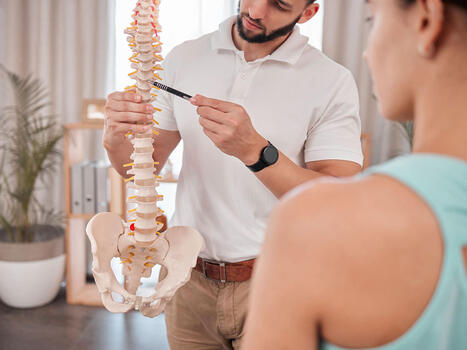


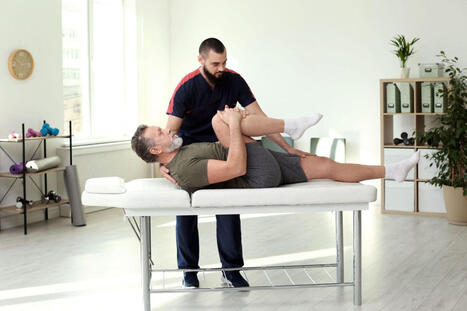
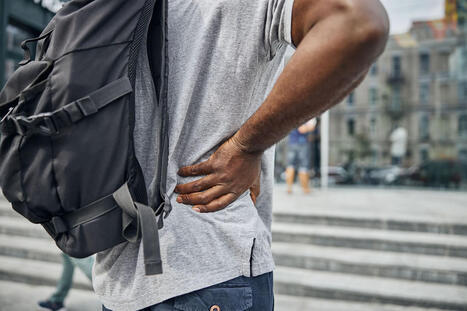



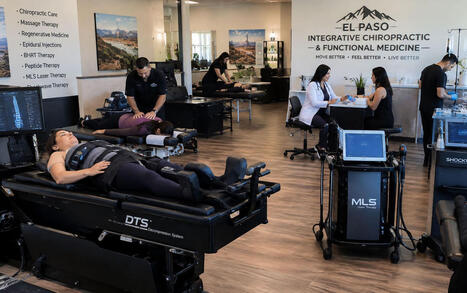


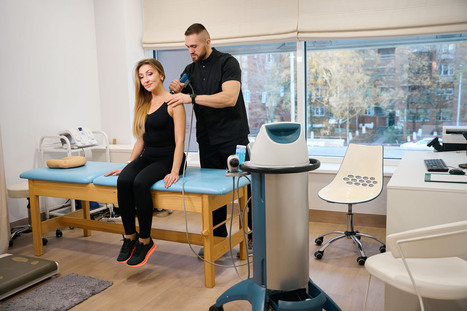

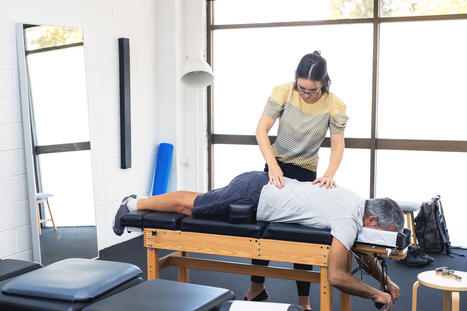
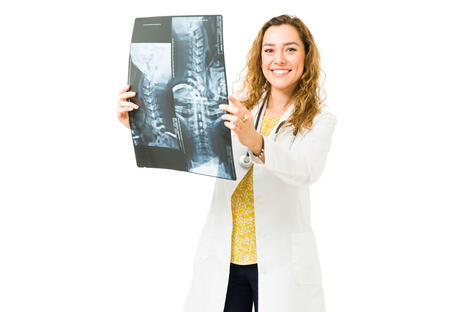








Weekend projects can overload your spine. Learn why Monday back pain happens and how spinal hygiene can support safer recovery. For answers to any questions you may have, call 915-850-0900 or 915-412-6677