ICT Security-Sécurité PC et Internet
114.2K views | +0 today
ICT Security-Sécurité PC et Internet
ICT Security + Privacy + Piracy + Data Protection - Censorship - Des cours et infos gratuites sur la"Sécurité PC et Internet" pour usage non-commercial... (FR, EN+DE)...
Curated by Gust MEES
Your new post is loading...
Scooped by Gust MEES
August 7, 2019 4:45 PM
Scoop.it!

LokiBot Gets Sneakier With Steganography | #CyberSecurity

LokiBot Gets Sneakier With Steganography | #CyberSecurity | ICT Security-Sécurité PC et Internet | Scoop.it

The LokiBot malware continues to evolve and is now using steganography to cloak its malicious files, according to a report from Trend Micro this week.

Recently highlighted as one of the top three malware strains of 2018, LokiBot started out as a password- and cryptocurrency wallet–stealing malware on hacker forums as early as 2015, but it has evolved, according to Trend Micro. It has taken to abusing the Windows installer and updating the methods that it uses to stay on the victim's system.

Now, Trend Micro has identified a new variant of the malware that uses steganography to help hide its malicious intent. It installed itself as a .exe file, along with a separate .jpg image file. The image file opens, but it also contains data that LokiBot uses when unpacking itself.

This LokiBot variant drops the image and the .exe file into a directory that it creates, along with a Visual Basic script file that runs the LokiBot file. Its unpacking program uses a custom decryption algorithm to extract the encrypted binary from the image.

Trend Micro has seen LokiBot hiding inside image files before. In April, it reported a variant of the malware that hid a .zipx attachment inside a .png file.


Learn more / En savoir plus / Mehr erfahren:


http://www.scoop.it/t/securite-pc-et-internet/?&tag=Steganography


https://www.scoop.it/topic/securite-pc-et-internet/?&tag=LokiBot


Gust MEES's insight:

The LokiBot malware continues to evolve and is now using steganography to cloak its malicious files, according to a report from Trend Micro this week.

Recently highlighted as one of the top three malware strains of 2018, LokiBot started out as a password- and cryptocurrency wallet–stealing malware on hacker forums as early as 2015, but it has evolved, according to Trend Micro. It has taken to abusing the Windows installer and updating the methods that it uses to stay on the victim's system.

Now, Trend Micro has identified a new variant of the malware that uses steganography to help hide its malicious intent. It installed itself as a .exe file, along with a separate .jpg image file. The image file opens, but it also contains data that LokiBot uses when unpacking itself.

This LokiBot variant drops the image and the .exe file into a directory that it creates, along with a Visual Basic script file that runs the LokiBot file. Its unpacking program uses a custom decryption algorithm to extract the encrypted binary from the image.

Trend Micro has seen LokiBot hiding inside image files before. In April, it reported a variant of the malware that hid a .zipx attachment inside a .png file.


Learn more / En savoir plus / Mehr erfahren:


http://www.scoop.it/t/securite-pc-et-internet/?&tag=Steganography


https://www.scoop.it/topic/securite-pc-et-internet/?&tag=LokiBot


No comment yet.
Scooped by Gust MEES
August 7, 2019 3:23 PM
Scoop.it!

LokiBot malware now hides its source code in image files | #CyberSecurity #Steganography

LokiBot malware now hides its source code in image files | #CyberSecurity #Steganography | ICT Security-Sécurité PC et Internet | Scoop.it

The LokiBot malware family has been given a significant upgrade with the ability to hide its source code in image files on infected machines. 

Known as steganography, the technique is used to hide messages or codes within various file formats, including .txt, .jpg, .rtf, and some video formats. 

While this practice can be implemented for legitimate purposes, such as the protection of files on intellectual property and copyright grounds, attackers can also embed files with triggers to hide source code and malware functionality. 

The developers of LokiBot have realized the potential of steganography for concealment. Trend Micro researchers Miguel Ang, Erika Mendoza, and Jay Yaneza said this week that a new variant of the malware uses the technique to hide its code.


Learn more / En savoir plus / Mehr erfahren:


http://www.scoop.it/t/securite-pc-et-internet/?&tag=Steganography


https://www.scoop.it/topic/securite-pc-et-internet/?&tag=LokiBot


Gust MEES's insight:

The LokiBot malware family has been given a significant upgrade with the ability to hide its source code in image files on infected machines. 

Known as steganography, the technique is used to hide messages or codes within various file formats, including .txt, .jpg, .rtf, and some video formats. 

While this practice can be implemented for legitimate purposes, such as the protection of files on intellectual property and copyright grounds, attackers can also embed files with triggers to hide source code and malware functionality. 

The developers of LokiBot have realized the potential of steganography for concealment. Trend Micro researchers Miguel Ang, Erika Mendoza, and Jay Yaneza said this week that a new variant of the malware uses the technique to hide its code.


Learn more / En savoir plus / Mehr erfahren:


http://www.scoop.it/t/securite-pc-et-internet/?&tag=Steganography


https://www.scoop.it/topic/securite-pc-et-internet/?&tag=LokiBot


No comment yet.
Scooped by Gust MEES
August 7, 2019 2:48 PM
Scoop.it!

Mutmaßliche russische Hacker nutzen Drucker als Einfallstor | #CyberSecurity 

Mutmaßliche russische Hacker nutzen Drucker als Einfallstor | #CyberSecurity  | ICT Security-Sécurité PC et Internet | Scoop.it

Microsoft-Experten warnen vor einem Hacker-Angriff über Drucker und Internet-Telefone. Eine mutmaßlich russische Gruppe von Cyberkriminellen dringt über die vernetzten Geräte in Firmen-Netze ein und scannt die IT nach weiteren Schwachstellen.
Mutmaßlich russische Hacker nutzen nach Erkenntnissen der IT-Sicherheitsexperten von Microsoft vernetzte Geräte wie Drucker und Internet-Telefon, um in Firmen-Netze einzudringen. Die entdeckten Angriffe seien dadurch begünstigt worden, dass die Geräte mit unveränderten Standard-Passwörtern oder ohne Sicherheits-Update wurden, erklärten die Forscher zur IT-Sicherheitskonferenz Black Hat in Las Vegas. Nachdem die Hacker über die Geräte ins Netzwerk eingedrungen seien, hätten sie es nach weiteren Schwachstellen abscannen können.


Die Microsoft-Experten vermuten hinter den Attacken eine Hacker-Gruppe, die sie Strontium nennen. Sie wird in der Branche dem russischen Militäraufklärungsdienst GRU zugeordnet und ist auch unter den Namen APT28, Fancy Bear und Sofacy bekannt. Dieser Hackergruppe wird unter anderem auch der schwerwiegende Cyberangriff auf die IT-Systeme des Deutschen Bundestages im Jahr 2015 zugeschrieben.


Die Microsoft-Experten warnten, dass die vernetzten Geräte in Firmen-Netzwerken stärker abgesichert werden müssten, weil sie mit zunehmender Ausbreitung zu einem Einfallstor für Hacker werden könnten.


Learn more / En savoir plus / Mehr erfahren: 


https://globaleducationandsocialmedia.wordpress.com/2014/01/21/why-is-it-a-must-to-have-basics-knowledge-of-cyber-security-in-a-connected-technology-world/


http://www.scoop.it/t/securite-pc-et-internet/?tag=SHODAN+Search+Engine


http://www.scoop.it/t/21st-century-learning-and-teaching/?tag=Internet+of+Things


http://www.scoop.it/t/securite-pc-et-internet/?tag=smart-TV


http://www.scoop.it/t/securite-pc-et-internet/?tag=Internet+of+things


https://www.scoop.it/topic/securite-pc-et-internet/?&tag=printer


Gust MEES's insight:

Microsoft-Experten warnen vor einem Hacker-Angriff über Drucker und Internet-Telefone. Eine mutmaßlich russische Gruppe von Cyberkriminellen dringt über die vernetzten Geräte in Firmen-Netze ein und scannt die IT nach weiteren Schwachstellen.
Mutmaßlich russische Hacker nutzen nach Erkenntnissen der IT-Sicherheitsexperten von Microsoft vernetzte Geräte wie Drucker und Internet-Telefon, um in Firmen-Netze einzudringen. Die entdeckten Angriffe seien dadurch begünstigt worden, dass die Geräte mit unveränderten Standard-Passwörtern oder ohne Sicherheits-Update wurden, erklärten die Forscher zur IT-Sicherheitskonferenz Black Hat in Las Vegas. Nachdem die Hacker über die Geräte ins Netzwerk eingedrungen seien, hätten sie es nach weiteren Schwachstellen abscannen können.


Die Microsoft-Experten vermuten hinter den Attacken eine Hacker-Gruppe, die sie Strontium nennen. Sie wird in der Branche dem russischen Militäraufklärungsdienst GRU zugeordnet und ist auch unter den Namen APT28, Fancy Bear und Sofacy bekannt. Dieser Hackergruppe wird unter anderem auch der schwerwiegende Cyberangriff auf die IT-Systeme des Deutschen Bundestages im Jahr 2015 zugeschrieben.


Die Microsoft-Experten warnten, dass die vernetzten Geräte in Firmen-Netzwerken stärker abgesichert werden müssten, weil sie mit zunehmender Ausbreitung zu einem Einfallstor für Hacker werden könnten.


Learn more / En savoir plus / Mehr erfahren: 


https://globaleducationandsocialmedia.wordpress.com/2014/01/21/why-is-it-a-must-to-have-basics-knowledge-of-cyber-security-in-a-connected-technology-world/


http://www.scoop.it/t/securite-pc-et-internet/?tag=SHODAN+Search+Engine


http://www.scoop.it/t/21st-century-learning-and-teaching/?tag=Internet+of+Things


http://www.scoop.it/t/securite-pc-et-internet/?tag=smart-TV


http://www.scoop.it/t/securite-pc-et-internet/?tag=Internet+of+things


https://www.scoop.it/topic/securite-pc-et-internet/?&tag=printer


No comment yet.
Scooped by Gust MEES
August 5, 2019 6:29 PM
Scoop.it!

GermanWiper ransomware hits Germany hard, destroys files, asks for ransom | #CyberSecurity 

GermanWiper ransomware hits Germany hard, destroys files, asks for ransom | #CyberSecurity  | ICT Security-Sécurité PC et Internet | Scoop.it

For the past week, a new ransomware strain has been wreaking havoc across Germany. Named GermanWiper, this ransomware doesn't encrypt files but instead it rewrites their content with zeroes, permanently destroying users' data.

As a result, any users who get infected by this ransomware should be aware that paying the ransom demand will not help them recover their files.

For now, the only good news is that this ransomware appears to be limited to spreading in German-speaking countries only, and with a focus on Germany primarily.

PRETTY BIG DISTRIBUTION CAMPAIGN
First signs of GermanWiper were reported earlier this week when victims started asking for help on the Bleeping Computer forums, a popular place where internet users congregate to get advice in dealing with ransomware infections.


Learn more / En savoir plus / Mehr erfahren:


https://www.scoop.it/t/securite-pc-et-internet/?&tag=RANSOMWARE


https://www.scoop.it/topic/securite-pc-et-internet/?&tag=GermanWiper


Gust MEES's insight:

For the past week, a new ransomware strain has been wreaking havoc across Germany. Named GermanWiper, this ransomware doesn't encrypt files but instead it rewrites their content with zeroes, permanently destroying users' data.

As a result, any users who get infected by this ransomware should be aware that paying the ransom demand will not help them recover their files.

For now, the only good news is that this ransomware appears to be limited to spreading in German-speaking countries only, and with a focus on Germany primarily.

PRETTY BIG DISTRIBUTION CAMPAIGN
First signs of GermanWiper were reported earlier this week when victims started asking for help on the Bleeping Computer forums, a popular place where internet users congregate to get advice in dealing with ransomware infections.


Learn more / En savoir plus / Mehr erfahren:


https://www.scoop.it/t/securite-pc-et-internet/?&tag=RANSOMWARE


https://www.scoop.it/topic/securite-pc-et-internet/?&tag=GermanWiper


No comment yet.
Scooped by Gust MEES
August 4, 2019 1:46 AM
Scoop.it!

New Dragonblood vulnerabilities found in WiFi WPA3 standard | #CyberSecurity 

New Dragonblood vulnerabilities found in WiFi WPA3 standard | #CyberSecurity  | ICT Security-Sécurité PC et Internet | Scoop.it

Earlier this year in April, two security researchers disclosed details about five vulnerabilities (collectively known as Dragonblood) in the WiFi Alliance's recently launched WPA3 WiFi security and authentication standard.

Yesterday, the same security researchers disclosed two new additional bugs impacting the same standard.

The two researchers -- Mathy Vanhoef and Eyal Ronen -- found these two new bugs in the security recommendations the WiFi Alliance created for equipment vendors in order to mitigate the initial Dragonblood attacks.

Just like the original Dragonblood vulnerabilities from April, these two new ones allow attackers to leak information from WPA3 cryptographic operations and brute-force a WiFi network's password.


Learn more / En savoir plus / Mehr erfahren:


https://www.scoop.it/t/securite-pc-et-internet/?&tag=WiFi


https://www.scoop.it/topic/securite-pc-et-internet/?&tag=WPA3


https://www.scoop.it/topic/securite-pc-et-internet/?&tag=Dragonblood


Gust MEES's insight:

Earlier this year in April, two security researchers disclosed details about five vulnerabilities (collectively known as Dragonblood) in the WiFi Alliance's recently launched WPA3 WiFi security and authentication standard.

Yesterday, the same security researchers disclosed two new additional bugs impacting the same standard.

The two researchers -- Mathy Vanhoef and Eyal Ronen -- found these two new bugs in the security recommendations the WiFi Alliance created for equipment vendors in order to mitigate the initial Dragonblood attacks.

Just like the original Dragonblood vulnerabilities from April, these two new ones allow attackers to leak information from WPA3 cryptographic operations and brute-force a WiFi network's password.


Learn more / En savoir plus / Mehr erfahren:


https://www.scoop.it/t/securite-pc-et-internet/?&tag=WiFi


https://www.scoop.it/topic/securite-pc-et-internet/?&tag=WPA3


https://www.scoop.it/topic/securite-pc-et-internet/?&tag=Dragonblood


No comment yet.
Scooped by Gust MEES
July 30, 2019 11:21 AM
Scoop.it!

100 million Americans and 6 million Canadians caught up in Capital One breach | #CyberSecurity #DataBreaches 

100 million Americans and 6 million Canadians caught up in Capital One breach | #CyberSecurity #DataBreaches  | ICT Security-Sécurité PC et Internet | Scoop.it

Capital One has disclosed that it has suffered a data breach impacting 100 million people in the United States, and 6 million in Canada.

The company said in a statement that data between 2005 and 2019 was accessed and related to information on consumers at the time when they applied for a credit card.

"This information included personal information Capital One routinely collects at the time it receives credit card applications, including names, addresses, zip codes/postal codes, phone numbers, email addresses, dates of birth, and self-reported income," the company said.

"Beyond the credit card application data, the individual also obtained portions of credit card customer data, including: Customer status data, e.g., credit scores, credit limits, balances, payment history, contact information; Fragments of transaction data from a total of 23 days during 2016, 2017 and 2018."

Approximately 1 million Canadian social insurance numbers, as well as 140,000 American social security numbers and 80,000 bank account numbers were also accessed.

"No bank account numbers or Social Security numbers were compromised," the bank said before listing the above numbers.


Learn more / En savoir plus / Mehr erfahren:


https://www.scoop.it/t/securite-pc-et-internet/?&tag=DATA-BREACHES


Gust MEES's insight:

Capital One has disclosed that it has suffered a data breach impacting 100 million people in the United States, and 6 million in Canada.

The company said in a statement that data between 2005 and 2019 was accessed and related to information on consumers at the time when they applied for a credit card.

"This information included personal information Capital One routinely collects at the time it receives credit card applications, including names, addresses, zip codes/postal codes, phone numbers, email addresses, dates of birth, and self-reported income," the company said.

"Beyond the credit card application data, the individual also obtained portions of credit card customer data, including: Customer status data, e.g., credit scores, credit limits, balances, payment history, contact information; Fragments of transaction data from a total of 23 days during 2016, 2017 and 2018."

Approximately 1 million Canadian social insurance numbers, as well as 140,000 American social security numbers and 80,000 bank account numbers were also accessed.

"No bank account numbers or Social Security numbers were compromised," the bank said before listing the above numbers.


Learn more / En savoir plus / Mehr erfahren:


https://www.scoop.it/t/securite-pc-et-internet/?&tag=DATA-BREACHES


No comment yet.
Scooped by Gust MEES
July 27, 2019 9:39 AM
Scoop.it!

Mozilla arbeitet an Tor-Modus für Firefox | #Privacy #Browsers 

Mozilla arbeitet an Tor-Modus für Firefox | #Privacy #Browsers  | ICT Security-Sécurité PC et Internet | Scoop.it

Mozilla und das Tor-Projekt arbeiten gemeinsam daran, einen anonymen und sicheren Surfmodus für den Firefox-Browser zu entwickeln. Die zugrundeliegende Technologie stammt aus dem Tor Browser.


Mozillas Firefox-Browser ist bereits in der aktuellen Version mit zahlreichen Tools ausgestattet, die Anwender vor Tracking-Cookies, Fingerprinting, Cryptominern und anderen Nervensägen aus dem Internet schützen sollen. Wie nun aber das Security-Portal Bleeping Computer berichtet, wollen die Open-Source-Spezialisten die Stellschrauben in Sachen Datenschutz noch feiner justieren. So soll künftig ein eigener Tor-Modus in Firefox ein anonymes und sicheres Surfen im Netz garantieren. Hinweise auf das neue Datenschutz-Tool tauchen auch im Mozilla Research Grants 2019H1 auf.


Bevor die Tor-Technologie aus dem gleichnamigen Browser auch in Firefox einziehen kann, gilt es die Performance-Probleme im Zusammenhang mit dem anonymen Netzwerk in den Griff zu bekommen. So erlaubt der Tor-Browser zwar ein nahezu anonymes Surfen im Internet und Darknet, allerdings kann die Performance dabei nicht mit herkömmlichen Browsern wie Firefox oder Chrome mithalten. Im Tor Browser werden Server-Anfragen über ein Netzwerk von Knotenpunkten versendet, um die Identität des Anwenders zu verschleiern - und das kostet Zeit. Neue Technologien wie Tor-over-QUIC, mit DTLS und Walking Onions versprechen hier Abhilfe.


Tor-Modus als Add-on in Firefox


Learn more / En savoir plus / Mehr erfahren:


https://www.scoop.it/t/securite-pc-et-internet/?&tag=TOR


Gust MEES's insight:

Mozilla und das Tor-Projekt arbeiten gemeinsam daran, einen anonymen und sicheren Surfmodus für den Firefox-Browser zu entwickeln. Die zugrundeliegende Technologie stammt aus dem Tor Browser.


Mozillas Firefox-Browser ist bereits in der aktuellen Version mit zahlreichen Tools ausgestattet, die Anwender vor Tracking-Cookies, Fingerprinting, Cryptominern und anderen Nervensägen aus dem Internet schützen sollen. Wie nun aber das Security-Portal Bleeping Computer berichtet, wollen die Open-Source-Spezialisten die Stellschrauben in Sachen Datenschutz noch feiner justieren. So soll künftig ein eigener Tor-Modus in Firefox ein anonymes und sicheres Surfen im Netz garantieren. Hinweise auf das neue Datenschutz-Tool tauchen auch im Mozilla Research Grants 2019H1 auf.


Bevor die Tor-Technologie aus dem gleichnamigen Browser auch in Firefox einziehen kann, gilt es die Performance-Probleme im Zusammenhang mit dem anonymen Netzwerk in den Griff zu bekommen. So erlaubt der Tor-Browser zwar ein nahezu anonymes Surfen im Internet und Darknet, allerdings kann die Performance dabei nicht mit herkömmlichen Browsern wie Firefox oder Chrome mithalten. Im Tor Browser werden Server-Anfragen über ein Netzwerk von Knotenpunkten versendet, um die Identität des Anwenders zu verschleiern - und das kostet Zeit. Neue Technologien wie Tor-over-QUIC, mit DTLS und Walking Onions versprechen hier Abhilfe.


Tor-Modus als Add-on in Firefox


Learn more / En savoir plus / Mehr erfahren:


https://www.scoop.it/t/securite-pc-et-internet/?&tag=TOR


No comment yet.
Scooped by Gust MEES
July 25, 2019 3:17 PM
Scoop.it!

Louisiana governor declares state emergency after local ransomware outbreak | #CyberSecurity #Schools #EDUcation 

Louisiana governor declares state emergency after local ransomware outbreak | #CyberSecurity #Schools #EDUcation  | ICT Security-Sécurité PC et Internet | Scoop.it

Louisiana Governor John Bel Edwards has activated a state-wide state of emergency in response to a wave of ransomware infections that have hit multple school districts.

The ransomware infections took place this week and have impacted the school districts of three North Louisiana parishes -- Sabine, Morehouse, and Ouachita.

IT networks are down at all three school districts, and files have been encrypted and are inaccessible, local media outlets are reporting.


Learn more / En savoir plus / Mehr erfahren:


https://www.scoop.it/t/securite-pc-et-internet/?&tag=RANSOMWARE


Gust MEES's insight:

Louisiana Governor John Bel Edwards has activated a state-wide state of emergency in response to a wave of ransomware infections that have hit multple school districts.

The ransomware infections took place this week and have impacted the school districts of three North Louisiana parishes -- Sabine, Morehouse, and Ouachita.

IT networks are down at all three school districts, and files have been encrypted and are inaccessible, local media outlets are reporting.


Learn more / En savoir plus / Mehr erfahren:


https://www.scoop.it/t/securite-pc-et-internet/?&tag=RANSOMWARE


No comment yet.
Scooped by Gust MEES
July 18, 2019 9:29 AM
Scoop.it!

Bluetooth-Sicherheitslücke: Hacker können Windows-, iOS- und macOS-Geräte tracken | #CyberSecurity #Tracking 

Wie Forscher herausgefunden haben, gibt es ein massives Sicherheitsproblem bei Bluetooth. Geräte sind dadurch von Angreifern leicht zu verfolgen.

Forscher der Boston University haben einen Fehler im Kommunikationsprotokoll von Bluetooth entdeckt, durch den die meisten Geräte von Dritten getrackt werden können und Daten verloren gehen.

In dem Forschungsbericht, der unter dem Namen „Tracking Anonymized Bluetooth Devices“ erschien und von den Forschern Johannes K. Becker und David Starobinski herausgegeben wurde, wird die Sicherheitsanfälligkeit von Bluetooth-Geräten detailliert beschrieben. Betroffen sein können Geräte, die Windows 10, iOS und macOS nutzen, sowie Smartwatches von Apple und Fitbit.


Learn more / En savoir plus / Mehr erfahren:


http://www.scoop.it/t/securite-pc-et-internet/?&tag=Bluetooth


Gust MEES's insight:

Wie Forscher herausgefunden haben, gibt es ein massives Sicherheitsproblem bei Bluetooth. Geräte sind dadurch von Angreifern leicht zu verfolgen.

Forscher der Boston University haben einen Fehler im Kommunikationsprotokoll von Bluetooth entdeckt, durch den die meisten Geräte von Dritten getrackt werden können und Daten verloren gehen.

In dem Forschungsbericht, der unter dem Namen „Tracking Anonymized Bluetooth Devices“ erschien und von den Forschern Johannes K. Becker und David Starobinski herausgegeben wurde, wird die Sicherheitsanfälligkeit von Bluetooth-Geräten detailliert beschrieben. Betroffen sein können Geräte, die Windows 10, iOS und macOS nutzen, sowie Smartwatches von Apple und Fitbit.


Learn more / En savoir plus / Mehr erfahren:


http://www.scoop.it/t/securite-pc-et-internet/?&tag=Bluetooth


No comment yet.
Scooped by Gust MEES
July 18, 2019 6:49 AM
Scoop.it!

Neue Linux-Malware spioniert Desktop-Nutzer aus | #CyberSecurity #EvilGnome

Die neue Linux-Spyware EvilGnome ist speziell für den Angriff auf Desktop-Nutzer ausgelegt. Einmal infiziert überträgt der Schädling Dateien, Screenshots, Audiomitschnitte und mehr von betroffenen Systemen auf die Server der Cyberkriminellen.
Linux gilt gemeinhin als äußerst sicheres Betriebssystem. Im Vergleich zu Windows werden für die Open-Source-Lösung kaum Schadprogramme entwickelt und die wenigen im Umlauf befindlichen Schädlinge sind zumeist auf Linux-Server ausgelegt.


Nun sind die Sicherheitsexperten von Intezer allerdings auf eine Malware gestoßen, die es explizit auf Desktop-Nutzer unter Linux abgesehen hat. Dabei handelt es sich um eine Spyware, die von den Virenforschern EvilGnome getauft wurde und dieser Name ist Programm.


Learn more / En savoir plus / Mehr erfahren:


https://www.scoop.it/t/securite-pc-et-internet/?&tag=Linux


Gust MEES's insight:

Die neue Linux-Spyware EvilGnome ist speziell für den Angriff auf Desktop-Nutzer ausgelegt. Einmal infiziert überträgt der Schädling Dateien, Screenshots, Audiomitschnitte und mehr von betroffenen Systemen auf die Server der Cyberkriminellen.
Linux gilt gemeinhin als äußerst sicheres Betriebssystem. Im Vergleich zu Windows werden für die Open-Source-Lösung kaum Schadprogramme entwickelt und die wenigen im Umlauf befindlichen Schädlinge sind zumeist auf Linux-Server ausgelegt.


Nun sind die Sicherheitsexperten von Intezer allerdings auf eine Malware gestoßen, die es explizit auf Desktop-Nutzer unter Linux abgesehen hat. Dabei handelt es sich um eine Spyware, die von den Virenforschern EvilGnome getauft wurde und dieser Name ist Programm.


Learn more / En savoir plus / Mehr erfahren:


https://www.scoop.it/t/securite-pc-et-internet/?&tag=Linux


No comment yet.
Scooped by Gust MEES
July 15, 2019 8:13 AM
Scoop.it!

German banks to stop using SMS to deliver second authentication/verification factor | #CyberSecurity #MobileSecurity 

German banks to stop using SMS to deliver second authentication/verification factor | #CyberSecurity #MobileSecurity  | ICT Security-Sécurité PC et Internet | Scoop.it

According to German business news outfit Handelsblatt, a number banks – whether private, co-operative or public – have either stopped offering the option or are planning to remove it by the end of the year. Among these are Postbank, Berliner Sparkasse, Consorsbank, and others.

The reasons are mostly due to security and regulation compliance
Since a lot of people do their online banking via their mobile/smart phones, hackers need to compromise only this device to get all the information needed to perform a fraudulent transaction. Users can have also their online banking credentials compromised and be targeted with fake text messages purportedly coming from the bank.

It’s also becoming common for attackers to perform SIM swapping to impersonate the target’s phone and validate the fraudulent transaction. And, finally, there have been instances of criminals exploiting long-known security vulnerabilities in the SS7 protocols to bypass German banks’ two-factor authentication and drain their customers’ bank accounts.


Learn more / En savoir plus / Mehr erfahren:


https://www.scoop.it/t/securite-pc-et-internet/?&tag=Two-factor+authentication


Gust MEES's insight:

According to German business news outfit Handelsblatt, a number banks – whether private, co-operative or public – have either stopped offering the option or are planning to remove it by the end of the year. Among these are Postbank, Berliner Sparkasse, Consorsbank, and others.

The reasons are mostly due to security and regulation compliance
Since a lot of people do their online banking via their mobile/smart phones, hackers need to compromise only this device to get all the information needed to perform a fraudulent transaction. Users can have also their online banking credentials compromised and be targeted with fake text messages purportedly coming from the bank.

It’s also becoming common for attackers to perform SIM swapping to impersonate the target’s phone and validate the fraudulent transaction. And, finally, there have been instances of criminals exploiting long-known security vulnerabilities in the SS7 protocols to bypass German banks’ two-factor authentication and drain their customers’ bank accounts.


Learn more / En savoir plus / Mehr erfahren:


https://www.scoop.it/t/securite-pc-et-internet/?&tag=Two-factor+authentication


No comment yet.
Scooped by Gust MEES
July 12, 2019 5:28 AM
Scoop.it!

25 Million Android Phones Infected With Malware That ‘Hides In WhatsApp’

25 Million Android Phones Infected With Malware That ‘Hides In WhatsApp’ | ICT Security-Sécurité PC et Internet | Scoop.it

As many as 25 million Android phones have been hit with malware that replaces installed apps like WhatsApp with evil versions that serve up adverts, cybersecurity researchers warned Wednesday.

Dubbed Agent Smith, the malware abuses previously-known weaknesses in the Android operating system, making updating to the latest, patched version of Google's operating system a priority, Israeli security company Check Point said.

Most victims are based in India, where as many as 15 million were infected. But there are more than 300,000 in the U.S., with another 137,000 in the U.K., making this one of the more severe threats to have hit Google's operating system in recent memory.


Learn more / En savoir plus / Mehr erfahren:


https://gustmees.wordpress.com/2014/03/05/often-asked-questions-are-there-cyber-security-dangers-with-apps-and-whats-about-privacy/


http://www.scoop.it/t/securite-pc-et-internet/?&tag=WhatsApp...


Gust MEES's insight:

As many as 25 million Android phones have been hit with malware that replaces installed apps like WhatsApp with evil versions that serve up adverts, cybersecurity researchers warned Wednesday.

Dubbed Agent Smith, the malware abuses previously-known weaknesses in the Android operating system, making updating to the latest, patched version of Google's operating system a priority, Israeli security company Check Point said.

Most victims are based in India, where as many as 15 million were infected. But there are more than 300,000 in the U.S., with another 137,000 in the U.K., making this one of the more severe threats to have hit Google's operating system in recent memory.


Learn more / En savoir plus / Mehr erfahren:


https://gustmees.wordpress.com/2014/03/05/often-asked-questions-are-there-cyber-security-dangers-with-apps-and-whats-about-privacy/


http://www.scoop.it/t/securite-pc-et-internet/?&tag=WhatsApp...


Eric Bouttier's curator insight, July 15, 2019 5:33 AM
25 millions de smartphone Android piratés par un programme malveillant qui se planque dans WhatsApp !
Scooped by Gust MEES
July 10, 2019 8:04 PM
Scoop.it!

Logitech wireless USB dongles vulnerable to new hijacking flaws | #CyberSecurity 

Logitech wireless USB dongles vulnerable to new hijacking flaws | #CyberSecurity  | ICT Security-Sécurité PC et Internet | Scoop.it

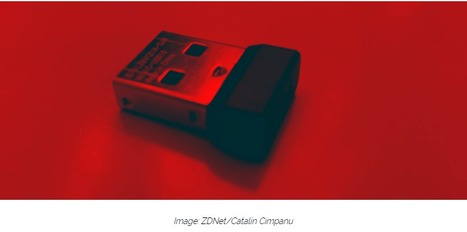
Vulnerabilities found in Logitech's proprietary Unifying USB dongle technology.


Learn more / En savoir plus / Mehr erfahren:


http://www.scoop.it/t/securite-pc-et-internet/?tag=USB


Gust MEES's insight:

Vulnerabilities found in Logitech's proprietary Unifying USB dongle technology.


Learn more / En savoir plus / Mehr erfahren:


http://www.scoop.it/t/securite-pc-et-internet/?tag=USB


No comment yet.
Scooped by Gust MEES
August 7, 2019 3:52 PM
Scoop.it!

Gravierende Schwachstelle in Server-Technik entdeckt | #CyberSecurity #Servers

Gravierende Schwachstelle in Server-Technik entdeckt | #CyberSecurity #Servers | ICT Security-Sécurité PC et Internet | Scoop.it

Sicherheitsrisiko für Unternehmen und Verbraucher: Bei vielen Servern gibt es eine Sicherheitslücke, über die zum Beispiel Login-Daten abgefischt werden können. Auch Bankkunden könnten betroffen sein.


IT-Sicherheitsexperten haben eine Schwachstelle in oft genutzter Server-Infrastruktur entdeckt, die verdeckte Angriffe auf Unternehmen und Verbraucher erlaubt.


Ein denkbares Szenario sei, dass Hacker Kunden betroffener Banken ausspionieren und deren Bankkonten leerräumen, warnte die Antivirenfirma F-Secure. Hinzu komme, dass die Technik die Aktionen der Hacker unter einigen Umständen nicht protokolliere - so dass danach keine Beweise für einen Angriff vorhanden wären.
Der Anbieter der betroffenen Software veröffentlichte bereits eine Anleitung zur Schließung der Sicherheitslücke. Dafür müssen allerdings Unternehmen, die die Technik einsetzen, jeweils selbst aktiv werden.


F-Secure fand das Problem in einem sogenannten Load Balancer, der die Auslastung in Server-Infrastruktur verteilt. Die Sicherheitslücke stecke direkt in der vom Anbieter F5 Networks verwendeten Programmiersprache.


Angreifer könnten mit Kenntnis der Schwachstelle beliebige Befehle einschleusen und so zum Beispiel auch Login-Daten bei betroffenen Webdiensten abgreifen, betonte F-Secure-Experte Christoffer Jerkeby. "Solange ein Unternehmen keine eingehende technische Prüfung seiner Systeme durchgeführt hat, ist die Wahrscheinlichkeit groß, dass es von der Sicherheitslücke betroffen ist", warnte Jerkeby.


Learn more / En savoir plus / Mehr erfahren:


https://www.scoop.it/topic/securite-pc-et-internet/?&tag=servers


http://www.scoop.it/t/securite-pc-et-internet/

Gust MEES's insight:

Sicherheitsrisiko für Unternehmen und Verbraucher: Bei vielen Servern gibt es eine Sicherheitslücke, über die zum Beispiel Login-Daten abgefischt werden können. Auch Bankkunden könnten betroffen sein.


IT-Sicherheitsexperten haben eine Schwachstelle in oft genutzter Server-Infrastruktur entdeckt, die verdeckte Angriffe auf Unternehmen und Verbraucher erlaubt.


Ein denkbares Szenario sei, dass Hacker Kunden betroffener Banken ausspionieren und deren Bankkonten leerräumen, warnte die Antivirenfirma F-Secure. Hinzu komme, dass die Technik die Aktionen der Hacker unter einigen Umständen nicht protokolliere - so dass danach keine Beweise für einen Angriff vorhanden wären.
Der Anbieter der betroffenen Software veröffentlichte bereits eine Anleitung zur Schließung der Sicherheitslücke. Dafür müssen allerdings Unternehmen, die die Technik einsetzen, jeweils selbst aktiv werden.


F-Secure fand das Problem in einem sogenannten Load Balancer, der die Auslastung in Server-Infrastruktur verteilt. Die Sicherheitslücke stecke direkt in der vom Anbieter F5 Networks verwendeten Programmiersprache.


Angreifer könnten mit Kenntnis der Schwachstelle beliebige Befehle einschleusen und so zum Beispiel auch Login-Daten bei betroffenen Webdiensten abgreifen, betonte F-Secure-Experte Christoffer Jerkeby. "Solange ein Unternehmen keine eingehende technische Prüfung seiner Systeme durchgeführt hat, ist die Wahrscheinlichkeit groß, dass es von der Sicherheitslücke betroffen ist", warnte Jerkeby.


Learn more / En savoir plus / Mehr erfahren:


https://www.scoop.it/topic/securite-pc-et-internet/?&tag=servers


http://www.scoop.it/t/securite-pc-et-internet/


No comment yet.
Scooped by Gust MEES
August 7, 2019 3:01 PM
Scoop.it!

Hack-age delivery! Wardialing, wardriving... Now warshipping: Wi-Fi-spying gizmos may lurk in future parcels | #CyberSecurity #IoT

Hack-age delivery! Wardialing, wardriving... Now warshipping: Wi-Fi-spying gizmos may lurk in future parcels | #CyberSecurity #IoT | ICT Security-Sécurité PC et Internet | Scoop.it

Black Hat IBM's X-Force hacking team have come up with an interesting variation on wardriving – you know, when you cruise a neighborhood scouting for Wi-Fi networks. Well, why not try using the postal service instead, and called it "warshipping," Big Blue's eggheads suggested earlier today.

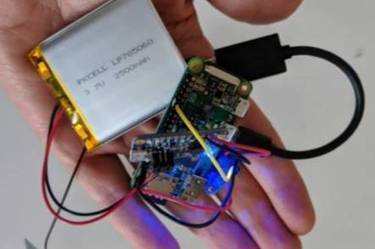
To demonstrate this approach, the X-Force team built a low-power gizmo consisting of a $100 single-board computer with built-in 3G and Wi-Fi connectivity and GPS. It's smaller than the palm of your hand, and can be hidden in a package sent out for delivery to a target's business or home.

Once it arrives, it can be activated remotely over the internet, or when it detects it is near its destination using GPS. It can be instructed to scan for vulnerable networks to infiltrate – a la the TJX wireless hacking in the mid-2000s – or spoof nearby legit wireless networks to harvest passphrases from those connecting, or get up to other mischief over the air.

Any obtained information can be relayed back to base, over the internet, and it can be commanded to drill further into any networks it is able to break into, installing spyware as it goes. This widget is potentially potent as it passes through a business on its way to someone's desk.


Learn more / En savoir plus / Mehr erfahren:


https://www.scoop.it/t/securite-pc-et-internet/?&tag=Internet+of+things


https://www.scoop.it/topic/securite-pc-et-internet/?&tag=Warshipping


Gust MEES's insight:

Black Hat IBM's X-Force hacking team have come up with an interesting variation on wardriving – you know, when you cruise a neighborhood scouting for Wi-Fi networks. Well, why not try using the postal service instead, and called it "warshipping," Big Blue's eggheads suggested earlier today.

To demonstrate this approach, the X-Force team built a low-power gizmo consisting of a $100 single-board computer with built-in 3G and Wi-Fi connectivity and GPS. It's smaller than the palm of your hand, and can be hidden in a package sent out for delivery to a target's business or home.

Once it arrives, it can be activated remotely over the internet, or when it detects it is near its destination using GPS. It can be instructed to scan for vulnerable networks to infiltrate – a la the TJX wireless hacking in the mid-2000s – or spoof nearby legit wireless networks to harvest passphrases from those connecting, or get up to other mischief over the air.

Any obtained information can be relayed back to base, over the internet, and it can be commanded to drill further into any networks it is able to break into, installing spyware as it goes. This widget is potentially potent as it passes through a business on its way to someone's desk.


Learn more / En savoir plus / Mehr erfahren:


https://www.scoop.it/t/securite-pc-et-internet/?&tag=Internet+of+things


https://www.scoop.it/topic/securite-pc-et-internet/?&tag=Warshipping


No comment yet.
Scooped by Gust MEES
August 7, 2019 2:42 PM
Scoop.it!

Dragonblood: Neue Lücken in WLAN-Verschlüsselung WPA3 könnten WPA3.1 nötig machen | #CyberSecurity #WiFi

Dragonblood: Neue Lücken in WLAN-Verschlüsselung WPA3 könnten WPA3.1 nötig machen | #CyberSecurity #WiFi | ICT Security-Sécurité PC et Internet | Scoop.it

Dragonblood: Neue Lücken in WLAN-Verschlüsselung WPA3 könnten WPA3.1 nötig machen
Während Gerätehersteller fleißig das löchrige WPA3 in Produkte integrieren, sieht es so aus, als ob neue Lücken eine nicht-kompatible Version 3.1 nötig machen.

Das Schlüsselaustausch-Protokoll von WPA3 ist nach der Insekten-Ordnung der Libellen benannt (englisch: dragonfly). (Bild: Pixabay )

Im April hatten die beiden Sicherheitsforscher Mathy Vanhoef und Eyal Ronen ernste Sicherheitslücken in der Passwörtprüfung des neuen WLAN-Sicherheitsstandards WPA3 entdeckt und Dragonblood getauft. Vanhoef war mit der Entdeckung des KRACK-Angriffs auf WPA2 im Jahr 2017 überhaupt erst dafür verantwortlich gewesen, dass die Standardisierungsorganisation Wi-Fi Alliance den WPA3-Standard entwickelt hatte.

Nun sieht es so aus, als könnten durch Vanhoef und Ronen neu veröffentlichte Dragonblood-Lücken dafür sorgen, dass ein WPA3.1 aus der Taufe gehoben werden muss. Diese neue Version des Sicherheits-Standards wäre nicht abwärtskompatibel zu WPA3.


Learn more / En savoir plus / Mehr erfahren:


https://www.scoop.it/t/securite-pc-et-internet/?&tag=WiFi


https://www.scoop.it/topic/securite-pc-et-internet/?&tag=WPA3


https://www.scoop.it/topic/securite-pc-et-internet/?&tag=Dragonblood


Gust MEES's insight:

Dragonblood: Neue Lücken in WLAN-Verschlüsselung WPA3 könnten WPA3.1 nötig machen
Während Gerätehersteller fleißig das löchrige WPA3 in Produkte integrieren, sieht es so aus, als ob neue Lücken eine nicht-kompatible Version 3.1 nötig machen.

Das Schlüsselaustausch-Protokoll von WPA3 ist nach der Insekten-Ordnung der Libellen benannt (englisch: dragonfly). (Bild: Pixabay )

Im April hatten die beiden Sicherheitsforscher Mathy Vanhoef und Eyal Ronen ernste Sicherheitslücken in der Passwörtprüfung des neuen WLAN-Sicherheitsstandards WPA3 entdeckt und Dragonblood getauft. Vanhoef war mit der Entdeckung des KRACK-Angriffs auf WPA2 im Jahr 2017 überhaupt erst dafür verantwortlich gewesen, dass die Standardisierungsorganisation Wi-Fi Alliance den WPA3-Standard entwickelt hatte.

Nun sieht es so aus, als könnten durch Vanhoef und Ronen neu veröffentlichte Dragonblood-Lücken dafür sorgen, dass ein WPA3.1 aus der Taufe gehoben werden muss. Diese neue Version des Sicherheits-Standards wäre nicht abwärtskompatibel zu WPA3.


Learn more / En savoir plus / Mehr erfahren:


https://www.scoop.it/t/securite-pc-et-internet/?&tag=WiFi


https://www.scoop.it/topic/securite-pc-et-internet/?&tag=WPA3


https://www.scoop.it/topic/securite-pc-et-internet/?&tag=Dragonblood


No comment yet.
Scooped by Gust MEES
August 4, 2019 7:02 AM
Scoop.it!

Erpressungstrojaner GermanWiper löscht Daten | #CyberSecurity #Ransomware

Erpressungstrojaner GermanWiper löscht Daten | #CyberSecurity #Ransomware | ICT Security-Sécurité PC et Internet | Scoop.it

CERT-Bund, das Notfallteam des BSI, warnt aktuell vor einer besonders perfiden Ransomware-Variante: Das an ein vermeintliches Bewerbungsschreiben angehängte Zip-Archiv enthält mitnichten den Lebenslauf als Word-Dokument, sondern eine Windows-Link-Datei. Diese startet beim Klick die Powershell in Windows, um die eigentliche Malware von einem Server nachzuladen. Die Bewerbungsmail verwendet verschiedene Namen und Absenderdomains, sodass sich die Malware daran nicht zuverlässig erkennen lässt. Sprachlich gibt die Mail kaum Anlass zum Argwohn. Soweit nichts Neues.

Aber wer den GermanWiper getauften Trojaner arglos aktiviert, der verliert Daten dauerhaft: Statt sie aufwendig zu verschlüsseln, überschreibt die Malware Dateien mit Nullen und ändert die Dateiendung, bevor sie die Lösegeldforderung anzeigt. Der sollte man auf gar keinen Fall nachkommen. Der einzige Schlüssel zum Wiederherstellen der Daten ist das eigene Backup, nachdem man den PC gesäubert hat.


Learn more / En savoir plus / Mehr erfahren:


https://www.scoop.it/t/securite-pc-et-internet/?&tag=RANSOMWARE


https://www.scoop.it/topic/securite-pc-et-internet/?&tag=GermanWiper


Gust MEES's insight:

CERT-Bund, das Notfallteam des BSI, warnt aktuell vor einer besonders perfiden Ransomware-Variante: Das an ein vermeintliches Bewerbungsschreiben angehängte Zip-Archiv enthält mitnichten den Lebenslauf als Word-Dokument, sondern eine Windows-Link-Datei. Diese startet beim Klick die Powershell in Windows, um die eigentliche Malware von einem Server nachzuladen. Die Bewerbungsmail verwendet verschiedene Namen und Absenderdomains, sodass sich die Malware daran nicht zuverlässig erkennen lässt. Sprachlich gibt die Mail kaum Anlass zum Argwohn. Soweit nichts Neues.

Aber wer den GermanWiper getauften Trojaner arglos aktiviert, der verliert Daten dauerhaft: Statt sie aufwendig zu verschlüsseln, überschreibt die Malware Dateien mit Nullen und ändert die Dateiendung, bevor sie die Lösegeldforderung anzeigt. Der sollte man auf gar keinen Fall nachkommen. Der einzige Schlüssel zum Wiederherstellen der Daten ist das eigene Backup, nachdem man den PC gesäubert hat.


Learn more / En savoir plus / Mehr erfahren:


https://www.scoop.it/t/securite-pc-et-internet/?&tag=RANSOMWARE


https://www.scoop.it/topic/securite-pc-et-internet/?&tag=GermanWiper


No comment yet.
Scooped by Gust MEES
August 2, 2019 11:00 AM
Scoop.it!

New Windows malware sets up proxies on your PC to relay malicious traffic | #CyberSecurity #SystemBC

New Windows malware sets up proxies on your PC to relay malicious traffic | #CyberSecurity #SystemBC | ICT Security-Sécurité PC et Internet | Scoop.it

A new malware strain targeting Windows systems is rearing its ugly head. Named SystemBC, this malware installs a proxy on infected computers.

The bad news is that SystemBC never comes alone, and usually, the presence of this malware indicates that a computer was also infected by a second threat.

Proofpoint researchers, who recently analyzed the malware, say its creators are advertising it on underground cybercrime forums to other malware authors.

The SystemBC malware is effectively an on-demand proxy component that other malware operators can integrate and deploy on compromised computers alongside their primary strain.

SystemBC's main role is to create a SOCKS5 proxy server through which the other malware can create a tunnel to bypass local firewalls, skirt internet content filters, or connect to its command-and-control server without revealing its real IP address.


Learn more / En savoir plus / Mehr erfahren:


https://www.scoop.it/t/securite-pc-et-internet/?&tag=Malware


Gust MEES's insight:

A new malware strain targeting Windows systems is rearing its ugly head. Named SystemBC, this malware installs a proxy on infected computers.

The bad news is that SystemBC never comes alone, and usually, the presence of this malware indicates that a computer was also infected by a second threat.

Proofpoint researchers, who recently analyzed the malware, say its creators are advertising it on underground cybercrime forums to other malware authors.

The SystemBC malware is effectively an on-demand proxy component that other malware operators can integrate and deploy on compromised computers alongside their primary strain.

SystemBC's main role is to create a SOCKS5 proxy server through which the other malware can create a tunnel to bypass local firewalls, skirt internet content filters, or connect to its command-and-control server without revealing its real IP address.


Learn more / En savoir plus / Mehr erfahren:


https://www.scoop.it/t/securite-pc-et-internet/?&tag=Malware


No comment yet.
Scooped by Gust MEES
July 29, 2019 3:40 PM
Scoop.it!

Urgent11 security flaws impact routers, printers, SCADA, and many IoT devices | #CyberSecurity 

Urgent11 security flaws impact routers, printers, SCADA, and many IoT devices | #CyberSecurity  | ICT Security-Sécurité PC et Internet | Scoop.it

Security researchers have disclosed details today about 11 vulnerabilities known collectively as "Urgent11" that impact a wide range of devices, from routers to medical systems, and from printers to industrial equipment.

The vulnerabilities affect VxWorks, a real-time operating system created by Wind River.

Real-time operating systems (RTOSes) are simple pieces of software with very few features that are deployed on chipsets with access to a limited amount of resources, such as the chipsets used in modern Internet of Things (IoT) devices -- where the chipsets only need to manage input/output operations, with little data processing and no need for a visual interface.

Among all RTOS versions, VxWorks is today's most popular product, deployed on more than two billion devices, according to Wind River's website. However, in its 32-year history, only 13 security flaws with a MITRE-asigned CVE have been found in the VxWorks RTOS.

VxWorks' popularity and the lack of any attention from the security community were the two reasons why experts from IoT cybersecurity firm Armis decided to analyze the OS for security flaws, the company told ZDNet in a phone call last week.


Learn more / En savoir plus / Mehr erfahren:


https://www.scoop.it/topic/securite-pc-et-internet/?&tag=Urgent11


https://www.scoop.it/topic/securite-pc-et-internet


Gust MEES's insight:

Security researchers have disclosed details today about 11 vulnerabilities known collectively as "Urgent11" that impact a wide range of devices, from routers to medical systems, and from printers to industrial equipment.

The vulnerabilities affect VxWorks, a real-time operating system created by Wind River.

Real-time operating systems (RTOSes) are simple pieces of software with very few features that are deployed on chipsets with access to a limited amount of resources, such as the chipsets used in modern Internet of Things (IoT) devices -- where the chipsets only need to manage input/output operations, with little data processing and no need for a visual interface.

Among all RTOS versions, VxWorks is today's most popular product, deployed on more than two billion devices, according to Wind River's website. However, in its 32-year history, only 13 security flaws with a MITRE-asigned CVE have been found in the VxWorks RTOS.

VxWorks' popularity and the lack of any attention from the security community were the two reasons why experts from IoT cybersecurity firm Armis decided to analyze the OS for security flaws, the company told ZDNet in a phone call last week.


Learn more / En savoir plus / Mehr erfahren:


https://www.scoop.it/topic/securite-pc-et-internet/?&tag=Urgent11


https://www.scoop.it/topic/securite-pc-et-internet


No comment yet.
Scooped by Gust MEES
July 27, 2019 9:19 AM
Scoop.it!

Medizin: Sicherheitslücken in Beatmungsgeräten | #CyberSecurity #Health

Medizin: Sicherheitslücken in Beatmungsgeräten | #CyberSecurity #Health | ICT Security-Sécurité PC et Internet | Scoop.it

Sicherheitslücken in Beatmungsgeräten


Über das Krankenhausnetzwerk lassen sich Befehle an Anästhesie- und Beatmungsgeräte des Herstellers GE senden. Eine Sicherheitslücke ermöglicht unter anderem, Dosierung und Typ des Narkosemittels zu ändern.

An die Anästhesie- und Beatmungsgeräte Aestiva und Aespire der Firma GE lassen sich unauthentifiziert Befehle schicken, sofern die Geräte an das Krankenhausnetzwerk angeschlossen wurden. Beispielsweise lassen sich Alarme aus der Ferne abschalten oder die Gaszusammensetzung bei der Beatmung ändern. Entdeckt wurde die Lücke von der Sicherheitsfirma Cybermdx. Das Department of Homeland Security (DHS) warnt vor der Sicherheitslücke, der Hersteller GE sieht hingegen keine Gefahr für die Patienten.

Sind die betroffenen Versionen 7100 und 7900 von Aestiva und Aespire über einen Terminal-Server an das Krankenhaus-Netzwerk angeschlossen, können Angreifer Befehle an die Geräte senden.


Zum Einsatz kommt laut Cybermdx ein proprietäres Protokoll, dessen Befehle sich leicht herausfinden lassen. Mit einem dieser Befehle lassen sich die Geräte dazu bringen, eine ältere Version des Protokolls zu verwenden, das aus Gründen der Kompatibilität immer noch vorhanden ist. Eine Authentifizierung, um die Befehle abzusetzen, gibt es nicht.


Learn more / En savoir plus / Mehr erfahren:


https://www.scoop.it/topic/securite-pc-et-internet/?&tag=Medicine


Gust MEES's insight:

Sicherheitslücken in Beatmungsgeräten


Über das Krankenhausnetzwerk lassen sich Befehle an Anästhesie- und Beatmungsgeräte des Herstellers GE senden. Eine Sicherheitslücke ermöglicht unter anderem, Dosierung und Typ des Narkosemittels zu ändern.

An die Anästhesie- und Beatmungsgeräte Aestiva und Aespire der Firma GE lassen sich unauthentifiziert Befehle schicken, sofern die Geräte an das Krankenhausnetzwerk angeschlossen wurden. Beispielsweise lassen sich Alarme aus der Ferne abschalten oder die Gaszusammensetzung bei der Beatmung ändern. Entdeckt wurde die Lücke von der Sicherheitsfirma Cybermdx. Das Department of Homeland Security (DHS) warnt vor der Sicherheitslücke, der Hersteller GE sieht hingegen keine Gefahr für die Patienten.

Sind die betroffenen Versionen 7100 und 7900 von Aestiva und Aespire über einen Terminal-Server an das Krankenhaus-Netzwerk angeschlossen, können Angreifer Befehle an die Geräte senden.


Zum Einsatz kommt laut Cybermdx ein proprietäres Protokoll, dessen Befehle sich leicht herausfinden lassen. Mit einem dieser Befehle lassen sich die Geräte dazu bringen, eine ältere Version des Protokolls zu verwenden, das aus Gründen der Kompatibilität immer noch vorhanden ist. Eine Authentifizierung, um die Befehle abzusetzen, gibt es nicht.


Learn more / En savoir plus / Mehr erfahren:


https://www.scoop.it/topic/securite-pc-et-internet/?&tag=Medicine


No comment yet.
Scooped by Gust MEES
July 20, 2019 11:50 AM
Scoop.it!

Hackers breach FSB contractor, expose Tor deanonymization project and more | #CyberSecurity

Hackers breach FSB contractor, expose Tor deanonymization project and more | #CyberSecurity | ICT Security-Sécurité PC et Internet | Scoop.it

Hackers have breached SyTech, a contractor for FSB, Russia's national intelligence service, from where they stole information about internal projects the company was working on behalf of the agency -- including one for deanonymizing Tor traffic.

The breach took place last weekend, on July 13, when a group of hackers going by the name of 0v1ru$ hacked into SyTech's Active Directory server from where they gained access to the company's entire IT network, including a JIRA instance.

Hackers stole 7.5TB of data from the contractor's network, and they defaced the company's website with a "yoba face," an emoji popular with Russian users that stands for "trolling."

Hackers posted screenshots of the company's servers on Twitter and later shared the stolen data with Digital Revolution, another hacking group who last year breached Quantum, another FSB contractor.

This second hacker group shared the stolen files in greater detail on their Twitter account, on Thursday, July 18, and with Russian journalists afterward.


Learn more / En savoir plus / Mehr erfahren:


https://www.scoop.it/t/securite-pc-et-internet/?&tag=TOR


Gust MEES's insight:

Hackers have breached SyTech, a contractor for FSB, Russia's national intelligence service, from where they stole information about internal projects the company was working on behalf of the agency -- including one for deanonymizing Tor traffic.

The breach took place last weekend, on July 13, when a group of hackers going by the name of 0v1ru$ hacked into SyTech's Active Directory server from where they gained access to the company's entire IT network, including a JIRA instance.

Hackers stole 7.5TB of data from the contractor's network, and they defaced the company's website with a "yoba face," an emoji popular with Russian users that stands for "trolling."

Hackers posted screenshots of the company's servers on Twitter and later shared the stolen data with Digital Revolution, another hacking group who last year breached Quantum, another FSB contractor.

This second hacker group shared the stolen files in greater detail on their Twitter account, on Thursday, July 18, and with Russian journalists afterward.


Learn more / En savoir plus / Mehr erfahren:


https://www.scoop.it/t/securite-pc-et-internet/?&tag=TOR


No comment yet.
Scooped by Gust MEES
July 18, 2019 8:37 AM
Scoop.it!

Bluetooth Flaws Could Allow Global Tracking of Apple, Windows 10 Devices | #CyberSecurity

Bluetooth Flaws Could Allow Global Tracking of Apple, Windows 10 Devices | #CyberSecurity | ICT Security-Sécurité PC et Internet | Scoop.it

Identifying tokens and random addresses, meant to create anonymity, do not change in sync on some devices — opening an attack vector.

Vulnerabilities in the way Bluetooth Low Energy is implemented on devices by manufacturers can open the door to global device tracking for the Windows 10, iOS and macOS devices that incorporate it, according to research from Boston University.

An academic team at BU uncovered the flaws, which exist in the periodically changing, randomized device addressing mechanism that many new-model Bluetooth Low Energy (BLE) devices incorporate to prevent passive tracking. A paper on the issues (PDF) was presented Wednesday at the 19th Privacy Enhancing Technologies Symposium.


Learn more / En savoir plus / Mehr erfahren:


http://www.scoop.it/t/securite-pc-et-internet/?&tag=Bluetooth


Gust MEES's insight:

Identifying tokens and random addresses, meant to create anonymity, do not change in sync on some devices — opening an attack vector.

Vulnerabilities in the way Bluetooth Low Energy is implemented on devices by manufacturers can open the door to global device tracking for the Windows 10, iOS and macOS devices that incorporate it, according to research from Boston University.

An academic team at BU uncovered the flaws, which exist in the periodically changing, randomized device addressing mechanism that many new-model Bluetooth Low Energy (BLE) devices incorporate to prevent passive tracking. A paper on the issues (PDF) was presented Wednesday at the 19th Privacy Enhancing Technologies Symposium.


Learn more / En savoir plus / Mehr erfahren:


http://www.scoop.it/t/securite-pc-et-internet/?&tag=Bluetooth


No comment yet.
Scooped by Gust MEES
July 16, 2019 7:13 AM
Scoop.it!

Hacker Discovers A Simple Way To Hijack Any Instagram Account

Hacker Discovers A Simple Way To Hijack Any Instagram Account | ICT Security-Sécurité PC et Internet | Scoop.it

A professional hacker discovered what he considered a fairly simple way to seize control of any Instagram user's account. Fortunately for the site's 500 million active daily users, he told Instagram exactly how it could be done.


Learn more / En savoir plus / Mehr erfahren:


http://www.scoop.it/t/securite-pc-et-internet/?&tag=Instagram


Gust MEES's insight:

A professional hacker discovered what he considered a fairly simple way to seize control of any Instagram user's account. Fortunately for the site's 500 million active daily users, he told Instagram exactly how it could be done.


Learn more / En savoir plus / Mehr erfahren:


http://www.scoop.it/t/securite-pc-et-internet/?&tag=Instagram


No comment yet.
Scooped by Gust MEES
July 12, 2019 7:02 AM
Scoop.it!

Three quarters of mobile apps have this security vulnerability that could put your personal data at risk | #CyberSecurity #MobileSecurity

Three quarters of mobile apps have this security vulnerability that could put your personal data at risk | #CyberSecurity #MobileSecurity | ICT Security-Sécurité PC et Internet | Scoop.it

Three quarters of mobile applications have vulnerabilities relating to insecure data storage, leaving both Android and Apple iOS users open to cyberattacks that could allow hackers to steal sensitive information.

Managing the influx of Apple devices into the workplace
Insecure data storage is just one of a number of vulnerabilities that a security company's researchers said they have found after conducting security assessments of a number of mobile applications for both iPhones and and Google Android devices.

The findings have been outlined in the Vulnerabilities and Threats in Mobile Applications 2019 report from Positive Technologies.


Learn more / En savoir plus / Mehr erfahren:


https://gustmees.wordpress.com/2014/03/05/often-asked-questions-are-there-cyber-security-dangers-with-apps-and-whats-about-privacy/


https://www.scoop.it/topic/securite-pc-et-internet/?&tag=Apps


Gust MEES's insight:

Three quarters of mobile applications have vulnerabilities relating to insecure data storage, leaving both Android and Apple iOS users open to cyberattacks that could allow hackers to steal sensitive information.

Managing the influx of Apple devices into the workplace
Insecure data storage is just one of a number of vulnerabilities that a security company's researchers said they have found after conducting security assessments of a number of mobile applications for both iPhones and and Google Android devices.

The findings have been outlined in the Vulnerabilities and Threats in Mobile Applications 2019 report from Positive Technologies.


Learn more / En savoir plus / Mehr erfahren:


https://gustmees.wordpress.com/2014/03/05/often-asked-questions-are-there-cyber-security-dangers-with-apps-and-whats-about-privacy/


https://www.scoop.it/topic/securite-pc-et-internet/?&tag=Apps


No comment yet.
Scooped by Gust MEES
July 12, 2019 5:10 AM
Scoop.it!

Whatsapp von Virus befallen: 25 Millionen Smartphones infiziert | #CyberSecurity #MobileSecurity #Apps

Whatsapp von Virus befallen: 25 Millionen Smartphones infiziert | #CyberSecurity #MobileSecurity #Apps | ICT Security-Sécurité PC et Internet | Scoop.it

Whatsapp ist mit mehr als 1,5 Milliarden Nutzern einer der populärsten Messenger auf der Welt. Das macht die App zur Zielscheibe für Cyberkriminelle. Nun warnen Sicherheitsforscher der israelischen Firma Check Point vor einer neuen Android-Schadsoftware namens "Agent Smith", die sich in rasender Geschwindigkeit verbreitet.

Whatsapp wird durch Fake ersetzt
Den Experten zufolge tarnt sich die Schadsoftware häufig als harmlose App oder als kostenloses Spiel. Sobald sie heruntergeladen wurde, durchsucht sie das Gerät nach populären Apps wie Whatsapp oder MXPlayer und ersetzt diese heimlich durch Fake-Versionen. Dazu werden mehrere bereits bekannte Android-Schwachstellen ausgenutzt. In den manipulierten Apps bekommen die Nutzer dann betrügerische Anzeigen zu sehen.

Check Point zufolge ist der Virus auch in der Lage, die Nutzer zu belauschen und sich Zugriff auf deren Bankdaten zu verschaffen. Da die Software auf dem Gerät versteckt sei und sich als vertraute App tarnt, biete sie "unendlich viele Möglichkeiten", das Gerät des Nutzers zu beschädigen.


Learn more / En savoir plus / Mehr erfahren:


https://gustmees.wordpress.com/2014/03/05/often-asked-questions-are-there-cyber-security-dangers-with-apps-and-whats-about-privacy/


http://www.scoop.it/t/securite-pc-et-internet/?&tag=WhatsApp...


Gust MEES's insight:

Whatsapp ist mit mehr als 1,5 Milliarden Nutzern einer der populärsten Messenger auf der Welt. Das macht die App zur Zielscheibe für Cyberkriminelle. Nun warnen Sicherheitsforscher der israelischen Firma Check Point vor einer neuen Android-Schadsoftware namens "Agent Smith", die sich in rasender Geschwindigkeit verbreitet.

Whatsapp wird durch Fake ersetzt
Den Experten zufolge tarnt sich die Schadsoftware häufig als harmlose App oder als kostenloses Spiel. Sobald sie heruntergeladen wurde, durchsucht sie das Gerät nach populären Apps wie Whatsapp oder MXPlayer und ersetzt diese heimlich durch Fake-Versionen. Dazu werden mehrere bereits bekannte Android-Schwachstellen ausgenutzt. In den manipulierten Apps bekommen die Nutzer dann betrügerische Anzeigen zu sehen.

Check Point zufolge ist der Virus auch in der Lage, die Nutzer zu belauschen und sich Zugriff auf deren Bankdaten zu verschaffen. Da die Software auf dem Gerät versteckt sei und sich als vertraute App tarnt, biete sie "unendlich viele Möglichkeiten", das Gerät des Nutzers zu beschädigen.


Learn more / En savoir plus / Mehr erfahren:


https://gustmees.wordpress.com/2014/03/05/often-asked-questions-are-there-cyber-security-dangers-with-apps-and-whats-about-privacy/


http://www.scoop.it/t/securite-pc-et-internet/?&tag=WhatsApp...


No comment yet.