

The FBI is cracking down on the loosely affiliated hacking group Anonymous, whose members have claimed participation in just about every recent notable hacking attack.

 Your new post is loading...
 Your new post is loading...
Your new post is loading...
 Scoop.it!
The FBI is cracking down on the loosely affiliated hacking group Anonymous, whose members have claimed participation in just about every recent notable hacking attack. No comment yet.
Sign up to comment
Scoop.it!

Ein neuer SMS-Trojaner verbreitet sich unter Android-Smartphones. Er meldet die Opfer bei kostenpflichtigen SMS-Diensten an - und verhindert, dass die Anmeldebestätigung zugestellt wird.
Das Opfer des Betrugs hat so keine Möglichkeit, die Anmeldung an den kostenpflichtigen SMS-Diensten mitzubekommen, berichtet das Kaspersky-Blog Threatpost.
Scoop.it!
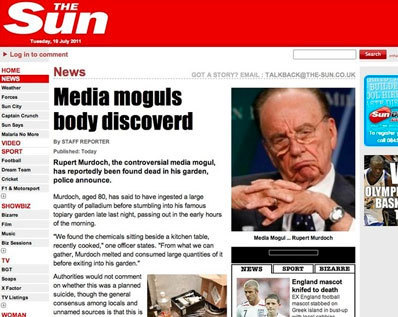
Hacktivist group LulzSec is back in business. It has added to the pressure put on Rupert Murdoch following the phone hacking scandal by hacking into News International servers, hijacking the front page of The Sun and redirecting users to the (also compromised) new-times.co.uk site where a fake story about Murdoch's suicide was featured:
Scoop.it!

TIME asks questions about the future of workn society during the 21st century...
Scoop.it!

Before laptops and smartphones, getting away from the Internet was easy. At least, you had a choice. Now most anywhere you are, your most useful and addictive sites, apps and feeds are as close as your pocket or purse.
In a recent Facebook Question, we found that more than 83% of respondents plan to use the Internet in one way or another while on holiday. 41% will connect on their laptops while 35% will depend on their mobile devices for their digital fix.
Scoop.it!

Al-Qaeda is using social media sites such as Facebook to plan attacks in pursuit of a "cyber-jihad", the UK government warns.
Scoop.it!

SAN FRANCISCO — Hackers infected computers, derailed websites, and plundered networks in a memorably miserable quarter, according to a report released Wednesday by Internet security firm PandaLabs.
Hacking groups Lulz Security and Anonymous caused "widespread mayhem" during the three months ending June 30, and malicious software "spread substantially," according to the research unit of Spain-based Panda Security.
Scoop.it!

Hier, à Londres, l'organisme a été inauguré. Il regroupe divers gouvernements, entreprises et organisations d'état ...
Scoop.it!
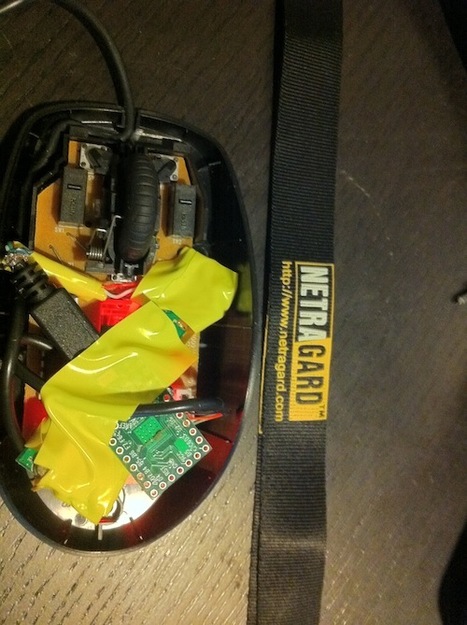
When hackers from penetration testing firm Netragard were hired to pierce the firewall of a customer, they knew they had their work cut out. The client specifically ruled out the use of social networks, telephones, and other social-engineering vectors, and gaining unauthorized physical access to computers was also off limits.
Deprived of the low-hanging fruit attackers typically rely on to get a toe-hold onto their target, Netragard CTO Adriel Desautels borrowed a technique straight out of a plot from Mission Impossible: He modified a popular, off-the-shelf computer mouse to include a flash drive and a powerful microcontroller that ran custom attack code that compromised whatever computer connected to it.
Scoop.it!

What’s the best way to deal with malicious software on PCs and Macs?
Scoop.it!
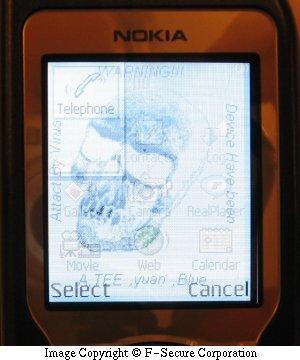
From late 2010 to the first few months of 2011, there’s been a fair bit of buzz in the tech media about how mobile malware may be the big IT security issue for 2011. (To be fair, I also said something similar in a previous post.)
Even though PC threats are still hugely more prevalent, mobile malware tends to get more press because they’re like the up-and-coming starlets of tech threats – they’re fresh, new, interesting, and frankly, just a little sexier than plain ol’ Windows malware.
Scoop.it!
This is the third and final article in this series on mobile malware.
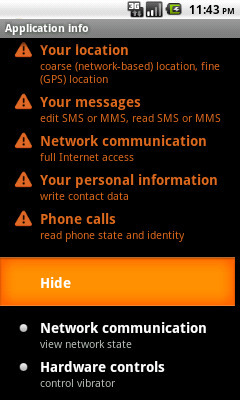
HOW (CAN I PROTECT MYSELF)? Permissions request list from Trojan:Android/AdSMS In my previous articles, I’ve covered what kind of mobile threats have emerged in the first half of 2011 and why these malicious programs may cause concern for smartphone users. Now, let’s assume you’re a cautious smartphone user who wants to make sure you don’t get hit by a malware infection on your smartphone. What can you do?
Scoop.it!
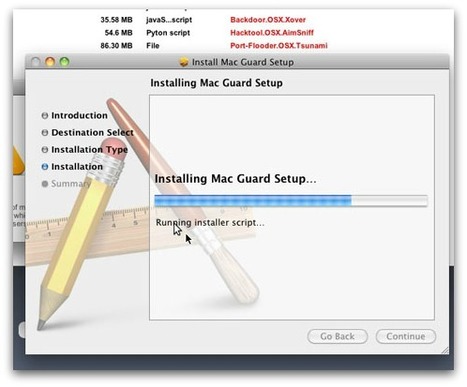
A new variant of the fake security software for OS X was discovered today and it no longer requires administrators to enter their passwords. We take a brief look at the advancement of malware on the Mac over the last month.
|
Scoop.it!
Les hacktivistes de LulzSec ont joué un nouveau tour, en annonçant la mort de Rupert Murdoch, sur le site Internet du tabloïd The S...
Scoop.it!

Luxembourg is preparing itself against potential cyber attacks, by setting up a computer emergency response team, as well as a cyber security board.
Scoop.it!

Add mice and keyboards to the list of UBS-based peripherals now suspect in any corporate environment, especially if your company or industry is targeted for an attack.
Scoop.it!

After surviving numerous devastating wars throughout history, humanity is well acquainted with war in the physical realm.
But we're still unfamiliar with the concept of cyberwar, except perhaps in movie thrillers.
Scoop.it!
Twitter can be addictive. For some, it’s the perfect mix of an RSS reader, a chat room and a never-ending cocktail party. But for cybercriminals, it’s just another technology to be exploited.
To protect your irreplaceable content, relationships and financial information, remember the following while you’re tweeting, re-tweeting and hashtagging away:
Scoop.it!

My #1 help question of 2011? It’s no contest: “How do I protect myself online?
Scoop.it!

The rootkit allows its creators to sell YOUR computer to cyber-criminals - MalwareCity Blog on viruses description, botnets, spam review, malware history...
Scoop.it!
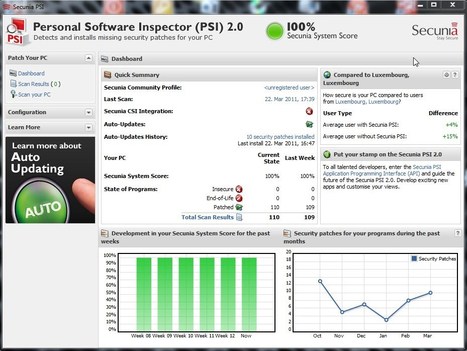
Secure your PC by easy to follow steps. A knol about a series of Knol-Tutorials who will show you how to secure your PC and...
Scoop.it!
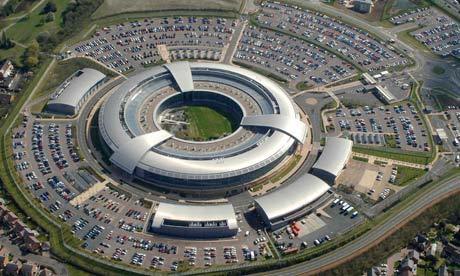
Military to gain a new range of offensive options to defend critical installations around the country from cyber attacks...
Scoop.it!

Apple’s security reality is changing right before our eyes and the company’s response will be telling.
Scoop.it!

WHY (SHOULD I BE WORRIED)?
Worm:iOS/Ikee.A changed the phone's wallpaper Last week I gave a brief summary of the kinds of threats a user might encounter on the smartphones of today. This week’s article is supposed to cover the reasons why a user would worry about mobile malware, so let me give the short answer now: Usually, mobile malware attacks are motivated by: Bragging rights; money; stealing personal information that can be sold for money. For the user that gets hit by the malware, it means: Losing control over your phone; losing your money; someone else might be using your personal details for who-knows-what. |