ICT Security-Sécurité PC et Internet
114.2K views | +0 today
ICT Security-Sécurité PC et Internet
ICT Security + Privacy + Piracy + Data Protection - Censorship - Des cours et infos gratuites sur la"Sécurité PC et Internet" pour usage non-commercial... (FR, EN+DE)...
Curated by Gust MEES
Your new post is loading...
Scooped by Gust MEES
July 10, 2019 6:43 PM
Scoop.it!

Mehr als 1300 Android-Apps sammeln private Daten - sogar dann, wenn man es verbietet | #Privacy 

Mehr als 1300 Android-Apps sammeln private Daten - sogar dann, wenn man es verbietet | #Privacy  | ICT Security-Sécurité PC et Internet | Scoop.it

Hunderte Bilder, alle Kontakte, der Zugriff aufs Konto: Auf unseren Smartphones verwalten wir beinahe unser gesamtes Leben. Es ist randvoll mit privaten Daten. Deshalb sollten wir besonders darauf sensibilisiert sein, welchen Apps wir Zugriff auf diese Informationen gewähren – und welchen nicht. Doch nun zeigten Forscher im Rahmen der PrivacyCon 2019, dass die App-Hersteller immer wieder Wege gefunden haben, die eingebauten Sicherheitsmaßnahmen von Android-Smartphones auszuhebeln. Einige Anwendungen konnten sogar dann Daten sammeln, wenn wir ihnen genau das verboten haben.


Learn more / En savoir plus / Mehr erfahren:


https://gustmees.wordpress.com/2014/03/05/often-asked-questions-are-there-cyber-security-dangers-with-apps-and-whats-about-privacy/


https://www.scoop.it/t/securite-pc-et-internet/?&tag=Android


https://www.scoop.it/topic/securite-pc-et-internet/?&tag=Apps


Gust MEES's insight:

Hunderte Bilder, alle Kontakte, der Zugriff aufs Konto: Auf unseren Smartphones verwalten wir beinahe unser gesamtes Leben. Es ist randvoll mit privaten Daten. Deshalb sollten wir besonders darauf sensibilisiert sein, welchen Apps wir Zugriff auf diese Informationen gewähren – und welchen nicht. Doch nun zeigten Forscher im Rahmen der PrivacyCon 2019, dass die App-Hersteller immer wieder Wege gefunden haben, die eingebauten Sicherheitsmaßnahmen von Android-Smartphones auszuhebeln. Einige Anwendungen konnten sogar dann Daten sammeln, wenn wir ihnen genau das verboten haben.


Learn more / En savoir plus / Mehr erfahren:


https://gustmees.wordpress.com/2014/03/05/often-asked-questions-are-there-cyber-security-dangers-with-apps-and-whats-about-privacy/


https://www.scoop.it/t/securite-pc-et-internet/?&tag=Android


https://www.scoop.it/topic/securite-pc-et-internet/?&tag=Apps


No comment yet.
Scooped by Gust MEES
July 4, 2019 6:00 PM
Scoop.it!

Android malware returns and this time it will record what is on your screen, too | #CyberSecurity #MobileSecurity 

Android malware returns and this time it will record what is on your screen, too | #CyberSecurity #MobileSecurity  | ICT Security-Sécurité PC et Internet | Scoop.it

An Android banking trojan has returned with improvements which allow it to record the screens of infected devices while also adding new techniques that help the malware remain hidden from victims.

Can Google win its battle with Android malware?

Cybercriminals are sneaking malicious apps into Google's official app store. Can they be stopped?

First detailed by cybersecurity researchers at ThreatFabric in October last year, BianLian started life as a dropper for other forms of malware, most notably the Anubis banking malware, which has stolen funds from thousands of Android users around the globe.

But the cybercriminals behind BianLian soon changed their tactics, altering the code and re-purposing the malware into a banking trojan in its own right – repeatedly bypassing protections in the official Google Play app store as a means of distributing their malicious payload.


Learn more / En savoir plus / Mehr erfahren:


https://www.scoop.it/t/securite-pc-et-internet/?&tag=Android


Gust MEES's insight:

An Android banking trojan has returned with improvements which allow it to record the screens of infected devices while also adding new techniques that help the malware remain hidden from victims.

Can Google win its battle with Android malware?

Cybercriminals are sneaking malicious apps into Google's official app store. Can they be stopped?

First detailed by cybersecurity researchers at ThreatFabric in October last year, BianLian started life as a dropper for other forms of malware, most notably the Anubis banking malware, which has stolen funds from thousands of Android users around the globe.

But the cybercriminals behind BianLian soon changed their tactics, altering the code and re-purposing the malware into a banking trojan in its own right – repeatedly bypassing protections in the official Google Play app store as a means of distributing their malicious payload.


Learn more / En savoir plus / Mehr erfahren:


https://www.scoop.it/t/securite-pc-et-internet/?&tag=Android


No comment yet.
Scooped by Gust MEES
July 2, 2019 11:59 AM
Scoop.it!

Cyberwarfare in space: Satellites at risk of hacker attacks | #CyberSecurity #CyberWar 

Cyberwarfare in space: Satellites at risk of hacker attacks | #CyberSecurity #CyberWar  | ICT Security-Sécurité PC et Internet | Scoop.it

There's an urgent need for NATO and its member countries to address the cybersecurity of space-based satellite control systems because they're vulnerable to cyberattacks - and if left unaddressed, it could have severe consequences for global security, a new paper from a major thinktank on international affairs has warned.

Almost all modern military engagements rely on space-based assets, providing GPS coordinates, telecommunications, monitoring and more.

The newly released Cybersecurity of NATO's Space-based Strategic Assets research paper from Chatham House warns that there's an urgent need to study and address the cybersecurity of these systems and the challenges which could be posed if a network was breached or otherwise attacked.


Learn more / En savoir plus / Mehr erfahren:


https://gustmees.wordpress.com/2012/05/21/visual-it-securitypart2-your-computer-as-a-possible-cyber-weapon/


https://www.scoop.it/t/securite-pc-et-internet/?tag=cyberwarfare


https://www.scoop.it/t/securite-pc-et-internet/?tag=Cyberwar...


Gust MEES's insight:

There's an urgent need for NATO and its member countries to address the cybersecurity of space-based satellite control systems because they're vulnerable to cyberattacks - and if left unaddressed, it could have severe consequences for global security, a new paper from a major thinktank on international affairs has warned.

Almost all modern military engagements rely on space-based assets, providing GPS coordinates, telecommunications, monitoring and more.

The newly released Cybersecurity of NATO's Space-based Strategic Assets research paper from Chatham House warns that there's an urgent need to study and address the cybersecurity of these systems and the challenges which could be posed if a network was breached or otherwise attacked.


Learn more / En savoir plus / Mehr erfahren:


https://gustmees.wordpress.com/2012/05/21/visual-it-securitypart2-your-computer-as-a-possible-cyber-weapon/


https://www.scoop.it/t/securite-pc-et-internet/?tag=cyberwarfare


https://www.scoop.it/t/securite-pc-et-internet/?tag=Cyberwar...


No comment yet.
Scooped by Gust MEES
June 23, 2019 8:17 AM
Scoop.it!

Cyberwar: USA legen iranische Computer lahm | #CyberSecurity 

Cyberwar: USA legen iranische Computer lahm | #CyberSecurity  | ICT Security-Sécurité PC et Internet | Scoop.it

Die USA haben ein iranisches Militärsystem gehackt und stillgelegt. Das berichten US-Medien. Der Iran wiederum setze bei seinen IT-Angriffen auf Täuschung.


Learn more / En savoir plus / Mehr erfahren:


https://gustmees.wordpress.com/2012/05/21/visual-it-securitypart2-your-computer-as-a-possible-cyber-weapon/


https://www.scoop.it/t/securite-pc-et-internet/?tag=cyberwarfare


https://www.scoop.it/t/securite-pc-et-internet/?tag=Cyberwar...


Gust MEES's insight:

Die USA haben ein iranisches Militärsystem gehackt und stillgelegt. Das berichten US-Medien. Der Iran wiederum setze bei seinen IT-Angriffen auf Täuschung.


Learn more / En savoir plus / Mehr erfahren:


https://gustmees.wordpress.com/2012/05/21/visual-it-securitypart2-your-computer-as-a-possible-cyber-weapon/


https://www.scoop.it/t/securite-pc-et-internet/?tag=cyberwarfare


https://www.scoop.it/t/securite-pc-et-internet/?tag=Cyberwar...


No comment yet.
Scooped by Gust MEES
June 21, 2019 9:50 AM
Scoop.it!

Cyberwarfare escalation just took a new and dangerous turn | #CyberSecurity

Cyberwarfare escalation just took a new and dangerous turn | #CyberSecurity | ICT Security-Sécurité PC et Internet | Scoop.it

The rhetoric surrounding cyberwarfare has ratcheted up again, potentially creating an unwelcome development in an area where misunderstanding and confusion could easily lead to escalation.

Cyberwar and the Future of Cybersecurity

Today's security threats have expanded in scope and seriousness. There can now be millions -- or even billions -- of dollars at risk when information security isn't handled properly.

The New York Times has reported that the US has escalated its plans to place malware in Russia power networks, in response to similar and ongoing online incursions by Russia-backed hackers.

This is the latest development in online hostilities involving power grids; energy companies have long been the targets of cyber-espionage, but in recent years the intent has switched from spying to creating outages.


Learn more / En savoir plus / Mehr erfahren:


https://gustmees.wordpress.com/2012/05/21/visual-it-securitypart2-your-computer-as-a-possible-cyber-weapon/


https://www.scoop.it/t/securite-pc-et-internet/?tag=cyberwarfare


https://www.scoop.it/t/securite-pc-et-internet/?tag=Cyberwar...


Gust MEES's insight:

The rhetoric surrounding cyberwarfare has ratcheted up again, potentially creating an unwelcome development in an area where misunderstanding and confusion could easily lead to escalation.

Cyberwar and the Future of Cybersecurity

Today's security threats have expanded in scope and seriousness. There can now be millions -- or even billions -- of dollars at risk when information security isn't handled properly.

The New York Times has reported that the US has escalated its plans to place malware in Russia power networks, in response to similar and ongoing online incursions by Russia-backed hackers.

This is the latest development in online hostilities involving power grids; energy companies have long been the targets of cyber-espionage, but in recent years the intent has switched from spying to creating outages.


Learn more / En savoir plus / Mehr erfahren:


https://gustmees.wordpress.com/2012/05/21/visual-it-securitypart2-your-computer-as-a-possible-cyber-weapon/


https://www.scoop.it/t/securite-pc-et-internet/?tag=cyberwarfare


https://www.scoop.it/t/securite-pc-et-internet/?tag=Cyberwar...


No comment yet.
Scooped by Gust MEES
June 13, 2019 12:47 PM
Scoop.it!

This data-stealing malware has returned with new attacks and nasty upgraded features | #CyberSecurity #Scranos

This data-stealing malware has returned with new attacks and nasty upgraded features | #CyberSecurity #Scranos | ICT Security-Sécurité PC et Internet | Scoop.it

The group behind a malware campaign targeting both Windows and Android devices in an adware operation across both Europe and the US have altered its attack techniques and added new payloads including a cryptominer and a Trojan in an apparent bid to make more money from infected devices.

Details of the multi-functional Scranos malware first emerged in April but shortly afterwards, the operators lost their main mechanism of persistence and disguise when their illicit use of Authenticode certificates was revoked.

But that hasn't stopped the cyber criminal campaign, because in the space of just a few weeks, Scranos has already updated its attack methods in an attempt to rebuild their botnet.


Learn more / En savoir plus / Mehr erfahren:


https://www.scoop.it/t/securite-pc-et-internet/?&tag=Malware


Gust MEES's insight:

The group behind a malware campaign targeting both Windows and Android devices in an adware operation across both Europe and the US have altered its attack techniques and added new payloads including a cryptominer and a Trojan in an apparent bid to make more money from infected devices.

Details of the multi-functional Scranos malware first emerged in April but shortly afterwards, the operators lost their main mechanism of persistence and disguise when their illicit use of Authenticode certificates was revoked.

But that hasn't stopped the cyber criminal campaign, because in the space of just a few weeks, Scranos has already updated its attack methods in an attempt to rebuild their botnet.


Learn more / En savoir plus / Mehr erfahren:


https://www.scoop.it/t/securite-pc-et-internet/?&tag=Malware


No comment yet.
Scooped by Gust MEES
June 8, 2019 8:02 PM
Scoop.it!

Der Smart-TV, der Sie beobachtet! | Offizieller Blog von Kaspersky | #CyberSecurity #Privacy #Tracking 

Der Smart-TV, der Sie beobachtet! | Offizieller Blog von Kaspersky | #CyberSecurity #Privacy #Tracking  | ICT Security-Sécurité PC et Internet | Scoop.it

Smart-TVs beobachten Sie mehr, als Sie denken. Ein bestimmtes Modell sogar sehr genau, wie ein Entwickler entdeckt hat.


Learn more / En savoir plus / Mehr erfahren:


http://www.scoop.it/t/securite-pc-et-internet/?tag=smart-TV


http://www.scoop.it/t/securite-pc-et-internet/?tag=Internet+of+things


Gust MEES's insight:

Smart-TVs beobachten Sie mehr, als Sie denken. Ein bestimmtes Modell sogar sehr genau, wie ein Entwickler entdeckt hat.


Learn more / En savoir plus / Mehr erfahren:


http://www.scoop.it/t/securite-pc-et-internet/?tag=smart-TV


http://www.scoop.it/t/securite-pc-et-internet/?tag=Internet+of+things


No comment yet.
Scooped by Gust MEES
June 1, 2019 7:29 PM
Scoop.it!

New Linux Malware ‘HiddenWasp’ Borrows from Mirai, Azazel | #CyberSecurity

New Linux Malware ‘HiddenWasp’ Borrows from Mirai, Azazel | #CyberSecurity | ICT Security-Sécurité PC et Internet | Scoop.it

HiddenWasp is unique for Linux-based malware in that it targets systems to remotely control them.

A new strain of malware targeting Linux systems has been identified by researchers. The malware, dubbed HiddenWasp, is believed to be used as part of a second-stage attack against already-compromised systems and is composed of a rootkit, trojan and deployment script.

“The ratio of Linux treats has increased significantly over the years” said Nacho Sanmillan, a security researcher at Intezer Labs who analyzed the malware. “However, the majority of [Linux] malware is either tied to IoT, DDoS bots or cryptominers.”

Sanmillan said what’s unique about HiddenWasp is some of the evasion techniques implemented in the malware and that it contains rootkit used to hide the main trojan implant. “Rootkits are not artifacts commonly seen deploy along simple Linux malware.”

Learn more / En savoir plus / Mehr erfahren:


https://www.scoop.it/t/securite-pc-et-internet/?&tag=Linux


Gust MEES's insight:

HiddenWasp is unique for Linux-based malware in that it targets systems to remotely control them.

A new strain of malware targeting Linux systems has been identified by researchers. The malware, dubbed HiddenWasp, is believed to be used as part of a second-stage attack against already-compromised systems and is composed of a rootkit, trojan and deployment script.

“The ratio of Linux treats has increased significantly over the years” said Nacho Sanmillan, a security researcher at Intezer Labs who analyzed the malware. “However, the majority of [Linux] malware is either tied to IoT, DDoS bots or cryptominers.”

Sanmillan said what’s unique about HiddenWasp is some of the evasion techniques implemented in the malware and that it contains rootkit used to hide the main trojan implant. “Rootkits are not artifacts commonly seen deploy along simple Linux malware.”

Learn more / En savoir plus / Mehr erfahren:


https://www.scoop.it/t/securite-pc-et-internet/?&tag=Linux


No comment yet.
Scooped by Gust MEES
May 25, 2019 8:00 PM
Scoop.it!

In Baltimore and Beyond, a Stolen N.S.A. Tool Wreaks Havoc | #CyberSecurity #EternalBlue

In Baltimore and Beyond, a Stolen N.S.A. Tool Wreaks Havoc | #CyberSecurity #EternalBlue | ICT Security-Sécurité PC et Internet | Scoop.it

For nearly three weeks, Baltimore has struggled with a cyberattack by digital extortionists that has frozen thousands of computers, shut down email and disrupted real estate sales, water bills, health alerts and many other services.

But here is what frustrated city employees and residents do not know: A key component of the malware that cybercriminals used in the attack was developed at taxpayer expense a short drive down the Baltimore-Washington Parkway at the National Security Agency, according to security experts briefed on the case.

Since 2017, when the N.S.A. lost control of the tool, EternalBlue, it has been picked up by state hackers in North Korea, Russia and, more recently, China, to cut a path of destruction around the world, leaving billions of dollars in damage. But over the past year, the cyberweapon has boomeranged back and is now showing up in the N.S.A.’s own backyard.


Learn more / En savoir plus / Mehr erfahren:


http://www.scoop.it/t/securite-pc-et-internet/?&tag=NSA


Gust MEES's insight:

For nearly three weeks, Baltimore has struggled with a cyberattack by digital extortionists that has frozen thousands of computers, shut down email and disrupted real estate sales, water bills, health alerts and many other services.

But here is what frustrated city employees and residents do not know: A key component of the malware that cybercriminals used in the attack was developed at taxpayer expense a short drive down the Baltimore-Washington Parkway at the National Security Agency, according to security experts briefed on the case.

Since 2017, when the N.S.A. lost control of the tool, EternalBlue, it has been picked up by state hackers in North Korea, Russia and, more recently, China, to cut a path of destruction around the world, leaving billions of dollars in damage. But over the past year, the cyberweapon has boomeranged back and is now showing up in the N.S.A.’s own backyard.


Learn more / En savoir plus / Mehr erfahren:


http://www.scoop.it/t/securite-pc-et-internet/?&tag=NSA


No comment yet.
Scooped by Gust MEES
May 2, 2019 8:56 AM
Scoop.it!

World’s Biggest Data Breaches & Hacks | #CyberSecurity

World’s Biggest Data Breaches & Hacks | #CyberSecurity | ICT Security-Sécurité PC et Internet | Scoop.it

Data visualization of the world biggest data breaches, leaks and hacks. Constantly updated. Powered by VizSweet.


Learn more / En savoir plus / Mehr erfahren:


https://www.scoop.it/t/securite-pc-et-internet/?&tag=DATA-BREACHES


Gust MEES's insight:

Data visualization of the world biggest data breaches, leaks and hacks. Constantly updated. Powered by VizSweet.


Learn more / En savoir plus / Mehr erfahren:


https://www.scoop.it/t/securite-pc-et-internet/?&tag=DATA-BREACHES


No comment yet.
Scooped by Gust MEES
April 11, 2019 9:52 AM
Scoop.it!

Is Anyone Listening to You on Alexa? A Global Team Reviews Audio - Bloomberg | #Privacy #Amazon

Is Anyone Listening to You on Alexa? A Global Team Reviews Audio - Bloomberg | #Privacy #Amazon | ICT Security-Sécurité PC et Internet | Scoop.it

Tens of millions of people use smart speakers and their voice software to play games, find music or trawl for trivia. Millions more are reluctant to invite the devices and their powerful microphones into their homes out of concern that someone might be listening.

Sometimes, someone is.

Amazon.com Inc. employs thousands of people around the world to help improve the Alexa digital assistant powering its line of Echo speakers. The team listens to voice recordings captured in Echo owners’ homes and offices. The recordings are transcribed, annotated and then fed back into the software as part of an effort to eliminate gaps in Alexa’s understanding of human speech and help it better respond to commands. 


Learn more / En savoir plus / Mehr erfahren:


https://www.scoop.it/t/securite-pc-et-internet/?&tag=Privacy


https://www.scoop.it/topic/securite-pc-et-internet/?&tag=Alexa


Gust MEES's insight:

Tens of millions of people use smart speakers and their voice software to play games, find music or trawl for trivia. Millions more are reluctant to invite the devices and their powerful microphones into their homes out of concern that someone might be listening.

Sometimes, someone is.

Amazon.com Inc. employs thousands of people around the world to help improve the Alexa digital assistant powering its line of Echo speakers. The team listens to voice recordings captured in Echo owners’ homes and offices. The recordings are transcribed, annotated and then fed back into the software as part of an effort to eliminate gaps in Alexa’s understanding of human speech and help it better respond to commands. 


Learn more / En savoir plus / Mehr erfahren:


https://www.scoop.it/t/securite-pc-et-internet/?&tag=Privacy


https://www.scoop.it/topic/securite-pc-et-internet/?&tag=Alexa


No comment yet.
Scooped by Gust MEES
April 3, 2019 3:19 PM
Scoop.it!

This new malware is scanning the internet for systems info on valuable targets | #CyberSecurity #Xwo #Malware

This new malware is scanning the internet for systems info on valuable targets | #CyberSecurity #Xwo #Malware | ICT Security-Sécurité PC et Internet | Scoop.it

A new form of malware is scanning the internet for exposed web services and default passwords in what's thought to be a reconnaissance operation – one which might signal a larger cyberattack is to come.

VirusTotal debuts retro, simplified interface for legacy systems
Researchers at AT&T Alien Labs first spotted the malware in March and have named it Xwo after its primary module name. It's thought that Xwo could be related to two other forms of malicious software – MongoLock ransomware and X Bash, a malware that rolls ransomware, a coinminer, a botnet and a worm into one – due to similarities in the Python-based code.

But unlike MongoLock and Xbash, Xwo doesn't have any ransomware, cryptocurrency mining or any other similar money-making capabilities: it's main focus is scanning for credentials and exposed services and sending information back to its command and control server.


Learn more / En savoir plus / Mehr erfahren:


https://www.scoop.it/t/securite-pc-et-internet/?&tag=Malware


Gust MEES's insight:

A new form of malware is scanning the internet for exposed web services and default passwords in what's thought to be a reconnaissance operation – one which might signal a larger cyberattack is to come.

VirusTotal debuts retro, simplified interface for legacy systems
Researchers at AT&T Alien Labs first spotted the malware in March and have named it Xwo after its primary module name. It's thought that Xwo could be related to two other forms of malicious software – MongoLock ransomware and X Bash, a malware that rolls ransomware, a coinminer, a botnet and a worm into one – due to similarities in the Python-based code.

But unlike MongoLock and Xbash, Xwo doesn't have any ransomware, cryptocurrency mining or any other similar money-making capabilities: it's main focus is scanning for credentials and exposed services and sending information back to its command and control server.


Learn more / En savoir plus / Mehr erfahren:


https://www.scoop.it/t/securite-pc-et-internet/?&tag=Malware


No comment yet.
Scooped by Gust MEES
March 18, 2019 4:21 PM
Scoop.it!

Android-Malware mit 250 Millionen Downloads | #CyberSecurity #MobileSecurity #Apps 

Sicherheitsexperten haben zwei groß angelegte Malware-Kampagnen im Google Play Store entdeckt. Die schadhaften Anwendungen wurden insgesamt rund 250 Millionen Mal heruntergeladen.


Die Sicherheitsexperten von Check Point haben im Google Play Store zwei große Malware-Kampagnen entdeckt. Insgesamt sind davon 222 Apps betroffen, die weltweit rund 250 Millionen Mal heruntergeladen wurden.


Der erste Schädling wurde mithilfe von 206 verseuchten Apps verteilt und 147 Millionen Mal heruntergeladen. Die meisten der Betroffenen Anwendungen sind sogenannte Simulatorspiele. Die Malware war in der Lage, auch nach Beenden der eigentlichen App Werbung auf den Geräten auszuspielen. Diese erschienen etwa dann, wenn der Nutzer sein Smartphone entsperrt hat.$


Neben der ungefragt angezeigten Produktbewerbung öffnete sich zudem permanent der Google Play Store oder der 9App Store. Damit sollten die Nutzer dazu verleitet werden, eine weitere App herunterzuladen. Außerdem habe sich immer wieder der Browser mit Links der Malware-Urheber geöffnet. Im Hintergrund lud der Schadcode mehrere APK-Dateien herunter und forderte dann den Nutzer dazu auf, dies auch zu installieren. Damit die Malware nicht so einfach entfernt werden konnte, wurde dessen Icon vor den Android-Launchern verborgen.


Learn more / En savoir plus / Mehr erfahren:


https://www.scoop.it/t/securite-pc-et-internet/?&tag=Android


https://www.scoop.it/topic/securite-pc-et-internet/?&tag=Apps


Gust MEES's insight:

Sicherheitsexperten haben zwei groß angelegte Malware-Kampagnen im Google Play Store entdeckt. Die schadhaften Anwendungen wurden insgesamt rund 250 Millionen Mal heruntergeladen.


Die Sicherheitsexperten von Check Point haben im Google Play Store zwei große Malware-Kampagnen entdeckt. Insgesamt sind davon 222 Apps betroffen, die weltweit rund 250 Millionen Mal heruntergeladen wurden.


Der erste Schädling wurde mithilfe von 206 verseuchten Apps verteilt und 147 Millionen Mal heruntergeladen. Die meisten der Betroffenen Anwendungen sind sogenannte Simulatorspiele. Die Malware war in der Lage, auch nach Beenden der eigentlichen App Werbung auf den Geräten auszuspielen. Diese erschienen etwa dann, wenn der Nutzer sein Smartphone entsperrt hat.$


Neben der ungefragt angezeigten Produktbewerbung öffnete sich zudem permanent der Google Play Store oder der 9App Store. Damit sollten die Nutzer dazu verleitet werden, eine weitere App herunterzuladen. Außerdem habe sich immer wieder der Browser mit Links der Malware-Urheber geöffnet. Im Hintergrund lud der Schadcode mehrere APK-Dateien herunter und forderte dann den Nutzer dazu auf, dies auch zu installieren. Damit die Malware nicht so einfach entfernt werden konnte, wurde dessen Icon vor den Android-Launchern verborgen.


Learn more / En savoir plus / Mehr erfahren:


https://www.scoop.it/t/securite-pc-et-internet/?&tag=Android


https://www.scoop.it/topic/securite-pc-et-internet/?&tag=Apps


No comment yet.
Scooped by Gust MEES
July 10, 2019 4:43 PM
Scoop.it!

Vulnerabilities found in GE anesthesia machines

Vulnerabilities found in GE anesthesia machines | ICT Security-Sécurité PC et Internet | Scoop.it

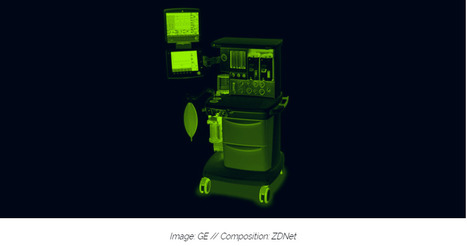
Security researchers have discovered vulnerabilities in two models of hospital anesthesia machines manufactured by General Electric (GE).

The two devices found to be vulnerable are GE Aestiva and GE Aespire -- models 7100 and 7900. According to researchers from CyberMDX, a healthcare cybersecurity firm, the vulnerabilityies reside in the two devices' firmware.

RESEARCHERS: FLAWS CAN PUT PATIENTS AT RISK
CyberMDX said attackers on the same network as the devices -- a hospital's network -- can send remote commands that can alter devices' settings.

"There is simply a lack of authentication," a CyberMDX researcher told ZDNet in an email today, detailing the exact nature of the security flaws.

"The mentioned commands are supported by design," he added. "Some of them are only supported on an earlier version of the protocol, however there is another command that allows changing the protocol version (for backward compatibility). After sending a command to change the protocol version to an earlier one, an attacker can send all other commands.


Learn more / En savoir plus / Mehr erfahren:


https://www.scoop.it/topic/securite-pc-et-internet/?&tag=Medicine


Gust MEES's insight:

Security researchers have discovered vulnerabilities in two models of hospital anesthesia machines manufactured by General Electric (GE).

The two devices found to be vulnerable are GE Aestiva and GE Aespire -- models 7100 and 7900. According to researchers from CyberMDX, a healthcare cybersecurity firm, the vulnerabilityies reside in the two devices' firmware.

RESEARCHERS: FLAWS CAN PUT PATIENTS AT RISK
CyberMDX said attackers on the same network as the devices -- a hospital's network -- can send remote commands that can alter devices' settings.

"There is simply a lack of authentication," a CyberMDX researcher told ZDNet in an email today, detailing the exact nature of the security flaws.

"The mentioned commands are supported by design," he added. "Some of them are only supported on an earlier version of the protocol, however there is another command that allows changing the protocol version (for backward compatibility). After sending a command to change the protocol version to an earlier one, an attacker can send all other commands.


Learn more / En savoir plus / Mehr erfahren:


https://www.scoop.it/topic/securite-pc-et-internet/?&tag=Medicine


No comment yet.
Scooped by Gust MEES
July 4, 2019 7:35 AM
Scoop.it!

Amazon Admits Alexa Voice Recordings Saved Indefinitely | #Tracking #Privacy 

Amazon Admits Alexa Voice Recordings Saved Indefinitely | #Tracking #Privacy  | ICT Security-Sécurité PC et Internet | Scoop.it

Amazon’s acknowledgment that it saves Alexa voice recordings – even sometimes after consumers manually delete their interaction history – has thrust voice assistant privacy policies into the spotlight once again.

Amazon has acknowledged that it retains the voice recordings and transcripts of customers’ interactions with its Alexa voice assistant indefinitely. The admission raises questions about how long companies should be able to save highly-personal data collected from voice assistant devices.


Learn more / En savoir plus / Mehr erfahren:


https://www.scoop.it/t/securite-pc-et-internet/?&tag=Privacy


https://www.scoop.it/topic/securite-pc-et-internet/?&tag=Alexa


Gust MEES's insight:

Amazon’s acknowledgment that it saves Alexa voice recordings – even sometimes after consumers manually delete their interaction history – has thrust voice assistant privacy policies into the spotlight once again.

Amazon has acknowledged that it retains the voice recordings and transcripts of customers’ interactions with its Alexa voice assistant indefinitely. The admission raises questions about how long companies should be able to save highly-personal data collected from voice assistant devices.


Learn more / En savoir plus / Mehr erfahren:


https://www.scoop.it/t/securite-pc-et-internet/?&tag=Privacy


https://www.scoop.it/topic/securite-pc-et-internet/?&tag=Alexa


No comment yet.
Scooped by Gust MEES
June 28, 2019 8:07 PM
Scoop.it!

FDA Warns Of Dangerous Cybersecurity Hacking Risk With Connected Medical Devices

FDA Warns Of Dangerous Cybersecurity Hacking Risk With Connected Medical Devices | ICT Security-Sécurité PC et Internet | Scoop.it

The U.S. Food and Drug Administration (FDA) warned this week that a number of insulin pumps from Medtronic MiniMed might be at risk of a cybersecurity breach, going as far as to warn patients to switch devices—"Medtronic is recalling affected MiniMed pumps," the FDA said, "and providing alternative insulin pumps to patients."

A full list of affected models can be found with the warning. The affected models cannot be updated and need to be replaced, even though "the FDA is not aware of any reports of patient harm related to these potential cybersecurity risks."


Learn more / En savoir plus / Mehr erfahren:


https://www.scoop.it/t/securite-pc-et-internet/?&tag=Pacemakers+Hacking


https://www.scoop.it/topic/securite-pc-et-internet/?&tag=Medicine


Gust MEES's insight:

The U.S. Food and Drug Administration (FDA) warned this week that a number of insulin pumps from Medtronic MiniMed might be at risk of a cybersecurity breach, going as far as to warn patients to switch devices—"Medtronic is recalling affected MiniMed pumps," the FDA said, "and providing alternative insulin pumps to patients."

A full list of affected models can be found with the warning. The affected models cannot be updated and need to be replaced, even though "the FDA is not aware of any reports of patient harm related to these potential cybersecurity risks."


Learn more / En savoir plus / Mehr erfahren:


https://www.scoop.it/t/securite-pc-et-internet/?&tag=Pacemakers+Hacking


https://www.scoop.it/topic/securite-pc-et-internet/?&tag=Medicine


No comment yet.
Scooped by Gust MEES
June 22, 2019 7:06 AM
Scoop.it!

JPL: Nasa über Raspberry Pi gehackt | #CyberSecurity 

JPL: Nasa über Raspberry Pi gehackt | #CyberSecurity  | ICT Security-Sécurité PC et Internet | Scoop.it

Hacker haben ungefähr 500 MByte an Daten aus dem Netzwerk des Jet Propulsion Laboratory (JPL) der Nasa erbeutet, indem sie einen Raspberry Pi als Einstiegspunkt nutzten. Der Bastelrechner war ohne Autorisierung in das Netzwerk eingebunden und entsprechend nicht ausreichend gesichert.

Der Angriff erfolgte bereits im April 2018 und blieb ein Jahr lang unentdeckt, wie Zdnet unter Berufung auf einen Bericht der Nasa schreibt. Der Zwischenfall ist unter anderem Thema eines Sicherheitsberichtes des Office of Inspector General (OIG) der Nasa, das firmeninterne Untersuchungen durchführt.


Learn more / En savoir plus / Mehr erfahren:


http://www.scoop.it/t/securite-pc-et-internet/?tag=Samy+KAMKAR


http://www.scoop.it/t/securite-pc-et-internet/?tag=Raspberry+PI


Gust MEES's insight:

Hacker haben ungefähr 500 MByte an Daten aus dem Netzwerk des Jet Propulsion Laboratory (JPL) der Nasa erbeutet, indem sie einen Raspberry Pi als Einstiegspunkt nutzten. Der Bastelrechner war ohne Autorisierung in das Netzwerk eingebunden und entsprechend nicht ausreichend gesichert.

Der Angriff erfolgte bereits im April 2018 und blieb ein Jahr lang unentdeckt, wie Zdnet unter Berufung auf einen Bericht der Nasa schreibt. Der Zwischenfall ist unter anderem Thema eines Sicherheitsberichtes des Office of Inspector General (OIG) der Nasa, das firmeninterne Untersuchungen durchführt.


Learn more / En savoir plus / Mehr erfahren:


http://www.scoop.it/t/securite-pc-et-internet/?tag=Samy+KAMKAR


http://www.scoop.it/t/securite-pc-et-internet/?tag=Raspberry+PI


No comment yet.
Scooped by Gust MEES
June 20, 2019 2:40 PM
Scoop.it!

Three quarters of mobile apps have this security vulnerability which could put your personal data at risk | #CyberSecurity #CyberHygiene #Awareness #MobileSecurity #Vulnerabilities 

Three quarters of mobile applications have vulnerabilities relating to insecure data storage, leaving both Android and Apple iOS users open to cyber attacks which could allow hackers to steal sensitive information.

Insecure data storage is just one of a number of vulnerabilities which a security company's researchers said they have found after conducting security assessments of a number of mobile applications for both iPhones and and Google Android devices.

The findings have been outlined in the Vulnerabilities and Threats in Mobile Applications 2019 report from Positive Technologies.

Insecure data storage is by far the most common vulnerability identified in the tested applications, with 76 percent of those examined found to demonstrate this as a security risk, potentially putting the privacy and security of users at risk.

Just over a third of applications (35 percent) have been found to exhibit vulnerabilities relating to insecure transmission of sensitive data, while researchers found that the same percentage demonstrated issues around incorrect implementation of session expiration.


Learn more / En savoir plus / Mehr erfahren:


https://gustmees.wordpress.com/2014/03/05/often-asked-questions-are-there-cyber-security-dangers-with-apps-and-whats-about-privacy/


https://www.scoop.it/topic/securite-pc-et-internet/?&tag=Apps


Gust MEES's insight:

Three quarters of mobile applications have vulnerabilities relating to insecure data storage, leaving both Android and Apple iOS users open to cyber attacks which could allow hackers to steal sensitive information.

Insecure data storage is just one of a number of vulnerabilities which a security company's researchers said they have found after conducting security assessments of a number of mobile applications for both iPhones and and Google Android devices.

The findings have been outlined in the Vulnerabilities and Threats in Mobile Applications 2019 report from Positive Technologies.

Insecure data storage is by far the most common vulnerability identified in the tested applications, with 76 percent of those examined found to demonstrate this as a security risk, potentially putting the privacy and security of users at risk.

Just over a third of applications (35 percent) have been found to exhibit vulnerabilities relating to insecure transmission of sensitive data, while researchers found that the same percentage demonstrated issues around incorrect implementation of session expiration.


Learn more / En savoir plus / Mehr erfahren:


https://gustmees.wordpress.com/2014/03/05/often-asked-questions-are-there-cyber-security-dangers-with-apps-and-whats-about-privacy/


https://www.scoop.it/topic/securite-pc-et-internet/?&tag=Apps


No comment yet.
Scooped by Gust MEES
June 10, 2019 9:08 AM
Scoop.it!

Platinum APT hides backdoor communication in text | #CyberSecurity #Steganography

Platinum APT hides backdoor communication in text | #CyberSecurity #Steganography | ICT Security-Sécurité PC et Internet | Scoop.it

The Platinum advanced persistent threat (APT) group is back with new techniques that employ steganography to hide their actions in text.

On Wednesday, Kaspersky researchers said the discovery was made while tracking hacking activity across Asian countries this month and the method of disguise, of particular interest to the team, is a "previously unseen steganographic technique to conceal communication."

Platinum came on to the scene and snagged the interest of cybersecurity researchers in 2012. The APT's campaign tends to focus on diplomatic, government and military targets.

This is not the first time that Platinum has been linked with obscure or novel attack techniques -- given the group's use of a now-deprecated feature in Windows called hotpatching in the past -- but it is the first time that steganography appears to have been used.


Learn more / En savoir plus / Mehr erfahren:


http://www.scoop.it/t/securite-pc-et-internet/?tag=Steganography


Gust MEES's insight:

The Platinum advanced persistent threat (APT) group is back with new techniques that employ steganography to hide their actions in text.

On Wednesday, Kaspersky researchers said the discovery was made while tracking hacking activity across Asian countries this month and the method of disguise, of particular interest to the team, is a "previously unseen steganographic technique to conceal communication."

Platinum came on to the scene and snagged the interest of cybersecurity researchers in 2012. The APT's campaign tends to focus on diplomatic, government and military targets.

This is not the first time that Platinum has been linked with obscure or novel attack techniques -- given the group's use of a now-deprecated feature in Windows called hotpatching in the past -- but it is the first time that steganography appears to have been used.


Learn more / En savoir plus / Mehr erfahren:


http://www.scoop.it/t/securite-pc-et-internet/?tag=Steganography


No comment yet.
Scooped by Gust MEES
June 6, 2019 11:31 AM
Scoop.it!

New RCE vulnerability impacts nearly half of the internet's email servers | #CyberSecurity #Exim

New RCE vulnerability impacts nearly half of the internet's email servers | #CyberSecurity #Exim | ICT Security-Sécurité PC et Internet | Scoop.it

Exim vulnerability lets attackers run commands as root on remote email servers.


Learn more / En savoir plus / Mehr erfahren:


 https://www.scoop.it/topic/securite-pc-et-internet/?&tag=Exim


https://www.scoop.it/topic/securite-pc-et-internet/?&tag=Vulnerabilities


Gust MEES's insight:


Exim vulnerability lets attackers run commands as root on remote email servers.


Learn more / En savoir plus / Mehr erfahren:


 https://www.scoop.it/topic/securite-pc-et-internet/?&tag=Exim


https://www.scoop.it/topic/securite-pc-et-internet/?&tag=Vulnerabilities


No comment yet.
Scooped by Gust MEES
May 27, 2019 8:06 AM
Scoop.it!

Instagram website leaked phone numbers and emails for months, researcher says | #CyberSecurity #DataBreaches

Instagram website leaked phone numbers and emails for months, researcher says | #CyberSecurity #DataBreaches | ICT Security-Sécurité PC et Internet | Scoop.it

Instagram's website leaked user contact information, including phone numbers and email addresses, over a period of at least four months, a researcher says.

The source code for some Instagram user profiles included the account holder's contact information whenever it loaded in a web browser, says David Stier, a data scientist and business consultant, who notified Instagram shortly after he discovered the problem earlier this year. The contact information wasn't displayed on the account holder's profiles on the desktop version of the Instagram website, although it was used by the photo sharing site's app for communication. It isn't clear why the information was included in the website's source code.


Learn more / En savoir plus / Mehr erfahren:


http://www.scoop.it/t/securite-pc-et-internet/?&tag=Instagram


Gust MEES's insight:

Instagram's website leaked user contact information, including phone numbers and email addresses, over a period of at least four months, a researcher says.

The source code for some Instagram user profiles included the account holder's contact information whenever it loaded in a web browser, says David Stier, a data scientist and business consultant, who notified Instagram shortly after he discovered the problem earlier this year. The contact information wasn't displayed on the account holder's profiles on the desktop version of the Instagram website, although it was used by the photo sharing site's app for communication. It isn't clear why the information was included in the website's source code.


Learn more / En savoir plus / Mehr erfahren:


http://www.scoop.it/t/securite-pc-et-internet/?&tag=Instagram


Eric Bouttier's curator insight, May 30, 2019 5:58 AM
Le site Web Instagram a fuité les numéros de téléphone et les emails pendant des mois, d'après un chercheur en sécurité internet.
Scooped by Gust MEES
May 2, 2019 9:33 AM
Scoop.it!

Sind VPNs legal? Verständlich erklärt - CHIP | #CyberSecurity #Privacy #Encryption

Sind VPNs legal? Verständlich erklärt


Learn more / En savoir plus / Mehr erfahren:


https://www.scoop.it/t/securite-pc-et-internet/?&tag=VPN


Gust MEES's insight:
Sind VPNs legal? Verständlich erklärt


Learn more / En savoir plus / Mehr erfahren:


https://www.scoop.it/t/securite-pc-et-internet/?&tag=VPN


No comment yet.
Scooped by Gust MEES
April 27, 2019 6:43 PM
Scoop.it!

Over two million IoT devices vulnerable because of P2P component flaws | #CyberSecurity #InternetOfThings

Over two million IoT devices vulnerable because of P2P component flaws | #CyberSecurity #InternetOfThings | ICT Security-Sécurité PC et Internet | Scoop.it

More than two million IoT devices, possibly more, are using a vulnerable P2P firmware component that allows hackers to locate and take over impacted systems.

Vulnerable devices include IP cameras, baby monitors, smart doorbells, DVRs, and many others, manufactured and sold by multiple vendors under hundreds of brands, such as HiChip, TENVIS, SV3C, VStarcam, Wanscam, NEO Coolcam, Sricam, Eye Sight, and HVCAM, just to name a few.

What all these devices have in common is that they use iLnkP2P, a firmware component that allows the device to talk to vendors' servers via the P2P (peer-to-peer) protocol.

Earlier this year, security researcher Paul Marrapese discovered two vulnerabilities in this component --tracked under the CVE-2019-11219 and CVE-2019-11220 identifiers.

According to Marrapese, the first "allows attackers to rapidly discover devices that are online," while the second "allows attackers to intercept connections to devices and perform man-in-the-middle attacks" and "to steal the password to a device and take control of it."


Learn more / En savoir plus / Mehr erfahren:


https://www.scoop.it/t/securite-pc-et-internet/?&tag=Internet+of+things


https://www.scoop.it/t/securite-pc-et-internet/?&tag=iot


Gust MEES's insight:

More than two million IoT devices, possibly more, are using a vulnerable P2P firmware component that allows hackers to locate and take over impacted systems.

Vulnerable devices include IP cameras, baby monitors, smart doorbells, DVRs, and many others, manufactured and sold by multiple vendors under hundreds of brands, such as HiChip, TENVIS, SV3C, VStarcam, Wanscam, NEO Coolcam, Sricam, Eye Sight, and HVCAM, just to name a few.

What all these devices have in common is that they use iLnkP2P, a firmware component that allows the device to talk to vendors' servers via the P2P (peer-to-peer) protocol.

Earlier this year, security researcher Paul Marrapese discovered two vulnerabilities in this component --tracked under the CVE-2019-11219 and CVE-2019-11220 identifiers.

According to Marrapese, the first "allows attackers to rapidly discover devices that are online," while the second "allows attackers to intercept connections to devices and perform man-in-the-middle attacks" and "to steal the password to a device and take control of it."


Learn more / En savoir plus / Mehr erfahren:


https://www.scoop.it/t/securite-pc-et-internet/?&tag=Internet+of+things


https://www.scoop.it/t/securite-pc-et-internet/?&tag=iot


No comment yet.
Scooped by Gust MEES
April 11, 2019 7:04 AM
Scoop.it!

Privatsphäre: Amazon-Mitarbeiter hören Befehle an Alexa an und tippen sie ab | #Privacy

Privatsphäre: Amazon-Mitarbeiter hören Befehle an Alexa an und tippen sie ab | #Privacy | ICT Security-Sécurité PC et Internet | Scoop.it

Jeden Tag hören Mitarbeiter Tausende aufgezeichnete Gespräche ab, die die Kunden mit Amazons Assistenzsoftware Alexa geführt haben. Die Begründung des US-Konzerns für diese bislang verschwiegene Maßnahme klingt abenteuerlich.
30

Nutzer von Amazons Assistenzsoftware Alexa sollten sich zweimal überlegen, worüber sie sprechen: Der US-Internetriese lässt zum Teil Mitarbeiter aufgezeichnete Befehle von Nutzern an Alexa anhören und abtippen, um die Spracherkennung zu verbessern.

Der Konzern bestätigte die Vorgehensweise am Donnerstag dem Finanzdienst Bloomberg. „Wir versehen nur eine sehr geringe Auswahl an Alexa-Sprachaufnahmen mit Kommentaren, um das Kundenerlebnis zu verbessern.“


Learn more / En savoir plus / Mehr erfahren:


https://www.scoop.it/t/securite-pc-et-internet/?&tag=Privacy


https://www.scoop.it/topic/securite-pc-et-internet/?&tag=Alexa


Gust MEES's insight:

Jeden Tag hören Mitarbeiter Tausende aufgezeichnete Gespräche ab, die die Kunden mit Amazons Assistenzsoftware Alexa geführt haben. Die Begründung des US-Konzerns für diese bislang verschwiegene Maßnahme klingt abenteuerlich.
30

Nutzer von Amazons Assistenzsoftware Alexa sollten sich zweimal überlegen, worüber sie sprechen: Der US-Internetriese lässt zum Teil Mitarbeiter aufgezeichnete Befehle von Nutzern an Alexa anhören und abtippen, um die Spracherkennung zu verbessern.

Der Konzern bestätigte die Vorgehensweise am Donnerstag dem Finanzdienst Bloomberg. „Wir versehen nur eine sehr geringe Auswahl an Alexa-Sprachaufnahmen mit Kommentaren, um das Kundenerlebnis zu verbessern.“


Learn more / En savoir plus / Mehr erfahren:


https://www.scoop.it/t/securite-pc-et-internet/?&tag=Privacy


https://www.scoop.it/topic/securite-pc-et-internet/?&tag=Alexa


No comment yet.
Scooped by Gust MEES
March 24, 2019 8:22 AM
Scoop.it!

Pwn2Own 2019: Researchers Win Tesla After Hacking Its Browser | #CyberSecurity

Pwn2Own 2019: Researchers Win Tesla After Hacking Its Browser | #CyberSecurity | ICT Security-Sécurité PC et Internet | Scoop.it

A team of researchers has earned $35,000 and a Tesla Model 3 after hacking the vehicle’s web browser at the Pwn2Own 2019 competition that took place this week in Vancouver, Canada.

The third day of the event was dedicated to automotive hacking. Two teams signed up initially, but one of them withdrew just hours before the start of the third day.

Amat Cama and Richard Zhu of team Fluoroacetate, who were the only ones to take a crack at hacking a Tesla, managed to display a message on the car’s web browser by exploiting a just-in-time (JIT) bug in the renderer component. The duo earned $35,000 for their exploit, along with the Tesla they hacked.

This was the first time Pwn2Own had an automotive hacking category. Team Fluoroacetate targeted the Tesla’s infotainment system, but the rewards were much higher for components such as the modem or tuner, Wi-Fi or Bluetooth, key fobs (including the phone used as a key), and the autopilot. The highest reward, up to $250,000, was offered for hacking the gateway, autopilot or security system.

Cama and Zhu won a total of $375,000 in cash at Pwn2Own 2019 for demonstrating exploit chains against Safari, Oracle VirtualBox, VMware Workstation, Firefox, and Microsoft Edge.

Other participants hacked Firefox, Edge, Safari and Oracle VirtualBox. In total, organizers of the contest paid out $545,000 for 19 bugs.


Learn more / En savoir plus / Mehr erfahren:


https://www.scoop.it/t/securite-pc-et-internet/?&tag=Pwn20wn


Gust MEES's insight:

A team of researchers has earned $35,000 and a Tesla Model 3 after hacking the vehicle’s web browser at the Pwn2Own 2019 competition that took place this week in Vancouver, Canada.

The third day of the event was dedicated to automotive hacking. Two teams signed up initially, but one of them withdrew just hours before the start of the third day.

Amat Cama and Richard Zhu of team Fluoroacetate, who were the only ones to take a crack at hacking a Tesla, managed to display a message on the car’s web browser by exploiting a just-in-time (JIT) bug in the renderer component. The duo earned $35,000 for their exploit, along with the Tesla they hacked.

This was the first time Pwn2Own had an automotive hacking category. Team Fluoroacetate targeted the Tesla’s infotainment system, but the rewards were much higher for components such as the modem or tuner, Wi-Fi or Bluetooth, key fobs (including the phone used as a key), and the autopilot. The highest reward, up to $250,000, was offered for hacking the gateway, autopilot or security system.

Cama and Zhu won a total of $375,000 in cash at Pwn2Own 2019 for demonstrating exploit chains against Safari, Oracle VirtualBox, VMware Workstation, Firefox, and Microsoft Edge.

Other participants hacked Firefox, Edge, Safari and Oracle VirtualBox. In total, organizers of the contest paid out $545,000 for 19 bugs.


Learn more / En savoir plus / Mehr erfahren:


https://www.scoop.it/t/securite-pc-et-internet/?&tag=Pwn20wn


No comment yet.