ICT Security-Sécurité PC et Internet
114.2K views | +0 today
ICT Security-Sécurité PC et Internet
ICT Security + Privacy + Piracy + Data Protection - Censorship - Des cours et infos gratuites sur la"Sécurité PC et Internet" pour usage non-commercial... (FR, EN+DE)...
Curated by Gust MEES
Your new post is loading...
Scooped by Gust MEES
September 8, 2019 5:01 PM
Scoop.it!

FunkyBot Malware Intercepts Android Texts, 2FA Codes | #CyberSecurity #MobileSecurity

FunkyBot Malware Intercepts Android Texts, 2FA Codes | #CyberSecurity #MobileSecurity | ICT Security-Sécurité PC et Internet | Scoop.it

The spyware poses as a legitimate application, spreading via SMS messages to victims’ contact lists.

An Android malware dubbed “FunkyBot” has started making the scene in Japan, operated by the same attackers responsible for the FakeSpy malware. It intercepts SMS messages sent to and from infected devices.

According to FortiGuard Labs, the malware (named after logging strings found in the persistence mechanism of the payload) masquerades as a legitimate Android application. The payload thus consists of two .dex files: One is a copy of the original legitimate application that the malware is impersonating, and the other is malicious code.

As for the kill chain, a packer first determines which version of Android the phone is running on, in order to generate the proper payload. After that, the payload is started by calling the method `runCode` class through Java reflection. This starts a class called KeepAliceMain, which is used as persistence mechanism by the malware.


Learn more / En savoir plus / Mehr erfahren:


https://www.scoop.it/t/securite-pc-et-internet/?&tag=Android


Gust MEES's insight:

The spyware poses as a legitimate application, spreading via SMS messages to victims’ contact lists.

An Android malware dubbed “FunkyBot” has started making the scene in Japan, operated by the same attackers responsible for the FakeSpy malware. It intercepts SMS messages sent to and from infected devices.

According to FortiGuard Labs, the malware (named after logging strings found in the persistence mechanism of the payload) masquerades as a legitimate Android application. The payload thus consists of two .dex files: One is a copy of the original legitimate application that the malware is impersonating, and the other is malicious code.

As for the kill chain, a packer first determines which version of Android the phone is running on, in order to generate the proper payload. After that, the payload is started by calling the method `runCode` class through Java reflection. This starts a class called KeepAliceMain, which is used as persistence mechanism by the malware.


Learn more / En savoir plus / Mehr erfahren:


https://www.scoop.it/t/securite-pc-et-internet/?&tag=Android


No comment yet.
Scooped by Gust MEES
September 6, 2019 4:03 PM
Scoop.it!

Thousands of servers infected with new Lilocked (Lilu) ransomware | #Linux #CyberSecurity #NobodyIsPerfect #Lilocked #Lilu #Ransomware 

Thousands of servers infected with new Lilocked (Lilu) ransomware | #Linux #CyberSecurity #NobodyIsPerfect #Lilocked #Lilu #Ransomware  | ICT Security-Sécurité PC et Internet | Scoop.it

Thousands of web servers have been infected and had their files encrypted by a new strain of ransomware named Lilocked (or Lilu).

Infections have been happening since mid-July, and have intensified in the past two weeks, ZDNet has learned.

Based on current evidence, the Lilocked ransomware appears to target Linux-based systems only.

First reports date to mid-July, after some victims uploaded the Lilocked ransom note/demand on ID Ransomware, a website for identifying the name of the ransomware that infected a victim's system.


Learn more / En savoir plus / Mehr erfahren:


https://www.scoop.it/t/securite-pc-et-internet/?&tag=Linux


https://www.scoop.it/topic/securite-pc-et-internet/?&tag=RANSOMWARE


Gust MEES's insight:

Thousands of web servers have been infected and had their files encrypted by a new strain of ransomware named Lilocked (or Lilu).

Infections have been happening since mid-July, and have intensified in the past two weeks, ZDNet has learned.

Based on current evidence, the Lilocked ransomware appears to target Linux-based systems only.

First reports date to mid-July, after some victims uploaded the Lilocked ransom note/demand on ID Ransomware, a website for identifying the name of the ransomware that infected a victim's system.


Learn more / En savoir plus / Mehr erfahren:


https://www.scoop.it/t/securite-pc-et-internet/?&tag=Linux


https://www.scoop.it/topic/securite-pc-et-internet/?&tag=RANSOMWARE


No comment yet.
Scooped by Gust MEES
September 6, 2019 9:30 AM
Scoop.it!

Hackers Needed To Defeat Hackers | #CyberSecurity #Cyberdefence

Hackers Needed To Defeat Hackers | #CyberSecurity #Cyberdefence | ICT Security-Sécurité PC et Internet | Scoop.it

In an online world infested with hackers, we need more hackers.

No, that’s not an oxymoron. While hacking remains a generally pejorative term (“Don’t respond to any Facebook invites from me! I got hacked!), the reality is that it’s all about the motivation. To have a chance of blocking or defeating malicious hackers, organizations need “good” or ethical hackers on their side—people who know how to think like the bad guys. 

It’s like anything—the best detectives know how to think like criminals. The best sports teams get that way in part by figuring out what their opponents are likely to do before the game starts.


Learn more / En savoir plus / Mehr erfahren:


https://www.scoop.it/topic/securite-pc-et-internet


Gust MEES's insight:

In an online world infested with hackers, we need more hackers.

No, that’s not an oxymoron. While hacking remains a generally pejorative term (“Don’t respond to any Facebook invites from me! I got hacked!), the reality is that it’s all about the motivation. To have a chance of blocking or defeating malicious hackers, organizations need “good” or ethical hackers on their side—people who know how to think like the bad guys. 

It’s like anything—the best detectives know how to think like criminals. The best sports teams get that way in part by figuring out what their opponents are likely to do before the game starts.


Learn more / En savoir plus / Mehr erfahren:


https://www.scoop.it/topic/securite-pc-et-internet


No comment yet.
Scooped by Gust MEES
September 4, 2019 6:55 PM
Scoop.it!

Exposed Server Contained Phone Numbers of Hundreds of Millions of Facebook Users | #CyberSecurity #DataBreaches #SocialMedia

Exposed Server Contained Phone Numbers of Hundreds of Millions of Facebook Users | #CyberSecurity #DataBreaches #SocialMedia | ICT Security-Sécurité PC et Internet | Scoop.it

Facebook is staring down yet another security blunder, this time with an incident involving an exposed server containing hundreds of millions of phone numbers that were previously associated with accounts on its platform.

The situation appears to be pinned to a feature no longer enabled on the platform but allowed users to search for someone based on their phone number. TechCrunch’s Zack Whittaker first reported Wednesday that a server—which did not belong to Facebook but was evidently not password protected and therefore accessible to anyone who could find it—was discovered online by security researcher Sanyam Jain and found to contain records on more than 419 million Facebook users, including 133 records on users based in the U.S.


Learn more / En savoir plus / Mehr erfahren:


https://www.scoop.it/t/securite-pc-et-internet/?&tag=Facebook


Gust MEES's insight:

Facebook is staring down yet another security blunder, this time with an incident involving an exposed server containing hundreds of millions of phone numbers that were previously associated with accounts on its platform.

The situation appears to be pinned to a feature no longer enabled on the platform but allowed users to search for someone based on their phone number. TechCrunch’s Zack Whittaker first reported Wednesday that a server—which did not belong to Facebook but was evidently not password protected and therefore accessible to anyone who could find it—was discovered online by security researcher Sanyam Jain and found to contain records on more than 419 million Facebook users, including 133 records on users based in the U.S.


Learn more / En savoir plus / Mehr erfahren:


https://www.scoop.it/t/securite-pc-et-internet/?&tag=Facebook


No comment yet.
Scooped by Gust MEES
August 29, 2019 7:42 AM
Scoop.it!

Schwachstellen bei den 100 beliebtesten Fintech-Apps entdeckt | #CyberSecurity #Apps #MobileSecurity

Schwachstellen bei den 100 beliebtesten Fintech-Apps entdeckt | #CyberSecurity #Apps #MobileSecurity | ICT Security-Sécurité PC et Internet | Scoop.it

Die 100 beliebtesten Fintech-Apps weisen allesamt Schwachstellen auf. Die älteste, nicht abgedichtete Sicherheitslücke stammt aus dem Jahr 2012. Außerdem sind 64 Prozent der getesteten Apps nicht DSGVO-konform.

Lediglich 36 Prozent der getesteten Anwendungen sind mit ihrer Hauptseite DSGVO-Konform
(Quelle: ImmuniWeb )Die 100 beliebtesten und erfolgreichsten Fintech-Anwendungen weisen ausnahmslos alle Sicherheitslücken auf. Das ergab nun eine Studie von ImmuniWeb.
Eines der Kernergebnisse ist, dass acht Hauptwebseiten und 64 Subdomains der überprüften Anwendungen mindestens eine Schwachstelle mit mittlerem oder sogar hohem Risiko aufweisen. Außerdem fanden die Experten in vergessenen Web Apps, APIs und Subdomains in den Bereichen Sicherheit und Datenschutz weitere Fehler. Betroffen sind hierbei ausnahmslos alle getesteten Apps. Besonders prekär ist, dass diese Lücken alle öffentlich gemeldet wurden und entsprechend auch potenziellen Angreifern bekannt sein dürften. Nur die beiden Hauptwebseiten von Brex Inc und N26 GmbH beinhalten laut der Studie keine Schwachstellen für SSL-Verschlüsselungen.


Learn more / En savoir plus / Mehr erfahren:


https://gustmees.wordpress.com/2014/03/05/often-asked-questions-are-there-cyber-security-dangers-with-apps-and-whats-about-privacy/


https://www.scoop.it/topic/securite-pc-et-internet/?&tag=Apps


Gust MEES's insight:

Die 100 beliebtesten Fintech-Apps weisen allesamt Schwachstellen auf. Die älteste, nicht abgedichtete Sicherheitslücke stammt aus dem Jahr 2012. Außerdem sind 64 Prozent der getesteten Apps nicht DSGVO-konform.

Lediglich 36 Prozent der getesteten Anwendungen sind mit ihrer Hauptseite DSGVO-Konform
(Quelle: ImmuniWeb )Die 100 beliebtesten und erfolgreichsten Fintech-Anwendungen weisen ausnahmslos alle Sicherheitslücken auf. Das ergab nun eine Studie von ImmuniWeb.
Eines der Kernergebnisse ist, dass acht Hauptwebseiten und 64 Subdomains der überprüften Anwendungen mindestens eine Schwachstelle mit mittlerem oder sogar hohem Risiko aufweisen. Außerdem fanden die Experten in vergessenen Web Apps, APIs und Subdomains in den Bereichen Sicherheit und Datenschutz weitere Fehler. Betroffen sind hierbei ausnahmslos alle getesteten Apps. Besonders prekär ist, dass diese Lücken alle öffentlich gemeldet wurden und entsprechend auch potenziellen Angreifern bekannt sein dürften. Nur die beiden Hauptwebseiten von Brex Inc und N26 GmbH beinhalten laut der Studie keine Schwachstellen für SSL-Verschlüsselungen.


Learn more / En savoir plus / Mehr erfahren:


https://gustmees.wordpress.com/2014/03/05/often-asked-questions-are-there-cyber-security-dangers-with-apps-and-whats-about-privacy/


https://www.scoop.it/topic/securite-pc-et-internet/?&tag=Apps


No comment yet.
Scooped by Gust MEES
August 25, 2019 11:40 AM
Scoop.it!

Bluetooth is bad and you should stop using it | #CyberSecurity 

Bluetooth is bad and you should stop using it | #CyberSecurity  | ICT Security-Sécurité PC et Internet | Scoop.it

Everyone uses Bluetooth. Perhaps they shouldn't.

The technology that we've come to rely on to connect our phones, smart speakers, cars, vibrators, and toasters is problematic for reasons more serious than pairing issues. Bluetooth has been shown time and time again to be a security and privacy nightmare — albeit one that can be mostly solved with a simple toggling of an off switch. 

You just have to decide to flip that switch. 

Bluetooth has long been a dirty word for security professionals. So much so, in fact, that one of the most common pieces of advice given to attendees of the annual DEF CON hacker conference in Las Vegas is to make sure Bluetooth is disabled on their phones.

This is not just paranoia. In fact, at this year's DEF CON researchers showed off the ability to use Bluetooth to identify vulnerable digital speakers. Once identified, hackers could take control of the devices and force them to play "dangerous" sounds that could lead to hearing loss in anyone unfortunate enough to be nearby.  


Learn more / En savoir plus / Mehr erfahren:


http://www.scoop.it/t/securite-pc-et-internet/?&tag=Bluetooth


Gust MEES's insight:

Everyone uses Bluetooth. Perhaps they shouldn't.

The technology that we've come to rely on to connect our phones, smart speakers, cars, vibrators, and toasters is problematic for reasons more serious than pairing issues. Bluetooth has been shown time and time again to be a security and privacy nightmare — albeit one that can be mostly solved with a simple toggling of an off switch. 

You just have to decide to flip that switch. 

Bluetooth has long been a dirty word for security professionals. So much so, in fact, that one of the most common pieces of advice given to attendees of the annual DEF CON hacker conference in Las Vegas is to make sure Bluetooth is disabled on their phones.

This is not just paranoia. In fact, at this year's DEF CON researchers showed off the ability to use Bluetooth to identify vulnerable digital speakers. Once identified, hackers could take control of the devices and force them to play "dangerous" sounds that could lead to hearing loss in anyone unfortunate enough to be nearby.  


Learn more / En savoir plus / Mehr erfahren:


http://www.scoop.it/t/securite-pc-et-internet/?&tag=Bluetooth


No comment yet.
Scooped by Gust MEES
August 25, 2019 5:02 AM
Scoop.it!

Instagram Security Warning: Millions At Risk From ‘Believable’ New Phishing Attack | #CyberSecurity

Instagram Security Warning: Millions At Risk From ‘Believable’ New Phishing Attack | #CyberSecurity | ICT Security-Sécurité PC et Internet | Scoop.it

Security researchers at Sophos have warned of a new phishing campaign targeting Instagram users. And this is a phishing campaign with a devious twist. The attackers mock up what's intended to look like two-factor authentication (2FA) in an attempt to appear legitimate. But it's obviously not 2FA. It's a standard attempt to steal login credentials, to amass usernames and passwords.

The initial phishing attack emails include what looks like a 2FA code. The user is instructed to enter the code when they login to prove their identity. The premise of the attack is that there has been an unauthorized login. The login warning, the email and of course the 2FA code are completely fake—the code just a clever twist to suggest some form of security. The whole thing it spurious, but people will be tricked.

The email link takes users to a fake Instagram login page, described by Sophos as "much more believable" than many of the standard email phishing campaigns uncovered. "We don't like to admit it," the research team reports, "but the crooks thought this one through."


Learn more / En savoir plus / Mehr erfahren:


http://www.scoop.it/t/securite-pc-et-internet/?&tag=Instagram


Gust MEES's insight:

Security researchers at Sophos have warned of a new phishing campaign targeting Instagram users. And this is a phishing campaign with a devious twist. The attackers mock up what's intended to look like two-factor authentication (2FA) in an attempt to appear legitimate. But it's obviously not 2FA. It's a standard attempt to steal login credentials, to amass usernames and passwords.

The initial phishing attack emails include what looks like a 2FA code. The user is instructed to enter the code when they login to prove their identity. The premise of the attack is that there has been an unauthorized login. The login warning, the email and of course the 2FA code are completely fake—the code just a clever twist to suggest some form of security. The whole thing it spurious, but people will be tricked.

The email link takes users to a fake Instagram login page, described by Sophos as "much more believable" than many of the standard email phishing campaigns uncovered. "We don't like to admit it," the research team reports, "but the crooks thought this one through."


Learn more / En savoir plus / Mehr erfahren:


http://www.scoop.it/t/securite-pc-et-internet/?&tag=Instagram


No comment yet.
Scooped by Gust MEES
August 24, 2019 11:31 AM
Scoop.it!

Big Data Makes Black Hat Hackers More Terrifying Than Ever | #CyberSecurity #MachineLEARNing 

Big Data Makes Black Hat Hackers More Terrifying Than Ever | #CyberSecurity #MachineLEARNing  | ICT Security-Sécurité PC et Internet | Scoop.it

Big data is the lynchpin ofnew advances in cybersecurity. Unfortunately, predictive analytics and machine learning technology is a double-edged sword for cybersecurity. Hackers are also exploiting this technology, which means that there is a virtual arms race between cybersecurity companies and black hat cybercriminals.

Datanami has talked about the ways that hackers use big data to coordinate attacks. This should be a wakeup call to anybody that is not adequately prepared.

Black Hat Hackers Exploit Machine Learning to Avoid Detection
Jathan Sadowski wrote an article in The Guardian a couple years ago on the intersection between big data and cybersecurity. Sadowski said big data is to blame for a growing number of cyberattacks.

In the evolution of cybercrime, phishing and other email-borne menaces represent increasingly prevalent threats. FireEye claims that email is the launchpad for more than 90 percent of cyber attacks, while a multitude of other statistics confirm that email is the preferred vector for criminals.

This is largely because of their knowledge of machine learning. They use machine learning to get a better understanding of customers, choose them them more carefully and penetrate defenses more effectively.


Learn more / En savoir plus / Mehr erfahren:


https://gustmees.wordpress.com/2013/12/21/privacy-in-the-digital-world-shouldnt-we-talk-about-it/


https://www.scoop.it/t/securite-pc-et-internet/?&tag=tracking


https://www.scoop.it/t/securite-pc-et-internet/?&tag=Privacy


https://www.scoop.it/t/securite-pc-et-internet/?&tag=Big+Data


Gust MEES's insight:

Big data is the lynchpin ofnew advances in cybersecurity. Unfortunately, predictive analytics and machine learning technology is a double-edged sword for cybersecurity. Hackers are also exploiting this technology, which means that there is a virtual arms race between cybersecurity companies and black hat cybercriminals.

Datanami has talked about the ways that hackers use big data to coordinate attacks. This should be a wakeup call to anybody that is not adequately prepared.

Black Hat Hackers Exploit Machine Learning to Avoid Detection
Jathan Sadowski wrote an article in The Guardian a couple years ago on the intersection between big data and cybersecurity. Sadowski said big data is to blame for a growing number of cyberattacks.

In the evolution of cybercrime, phishing and other email-borne menaces represent increasingly prevalent threats. FireEye claims that email is the launchpad for more than 90 percent of cyber attacks, while a multitude of other statistics confirm that email is the preferred vector for criminals.

This is largely because of their knowledge of machine learning. They use machine learning to get a better understanding of customers, choose them them more carefully and penetrate defenses more effectively.


Learn more / En savoir plus / Mehr erfahren:


https://gustmees.wordpress.com/2013/12/21/privacy-in-the-digital-world-shouldnt-we-talk-about-it/


https://www.scoop.it/t/securite-pc-et-internet/?&tag=tracking


https://www.scoop.it/t/securite-pc-et-internet/?&tag=Privacy


https://www.scoop.it/t/securite-pc-et-internet/?&tag=Big+Data


No comment yet.
Scooped by Gust MEES
August 14, 2019 12:01 PM
Scoop.it!

New Data Breach Has Exposed Millions Of Fingerprint And Facial Recognition Records: Report | #CyberSecurity #Biometrics #DataBreaches

New Data Breach Has Exposed Millions Of Fingerprint And Facial Recognition Records: Report | #CyberSecurity #Biometrics #DataBreaches | ICT Security-Sécurité PC et Internet | Scoop.it

It has been coming for some time, but now the major breach of a biometric database has actually been reported—facial recognition records, fingerprints, log data and personal information has all been found on "a publicly accessible database." The damage is not yet clear, but the report claims that actual fingerprints and facial recognition records for millions of people have been exposed.

The issue with biometric data being stored in this way is that, unlike usernames and passwords, it cannot be changed. Once it’s compromised, it’s compromised. And for that reason this breach report will sound all kinds of alarms.

The report published by security researches Noam Rotem and Ran Locar at Vpnmentor relates to Suprema, a company describing itself as a "global Powerhouse in biometrics, security and identity solutions," with a product range that "includes biometric access control systems, time and attendance solutions, fingerprint live scanners, mobile authentication solutions and embedded fingerprint modules."


Learn more / En savoir plus / Mehr erfahren:


https://www.scoop.it/t/securite-pc-et-internet/?&tag=DATA-BREACHES


https://www.scoop.it/topic/securite-pc-et-internet/?&tag=biometrics


Gust MEES's insight:

It has been coming for some time, but now the major breach of a biometric database has actually been reported—facial recognition records, fingerprints, log data and personal information has all been found on "a publicly accessible database." The damage is not yet clear, but the report claims that actual fingerprints and facial recognition records for millions of people have been exposed.

The issue with biometric data being stored in this way is that, unlike usernames and passwords, it cannot be changed. Once it’s compromised, it’s compromised. And for that reason this breach report will sound all kinds of alarms.

The report published by security researches Noam Rotem and Ran Locar at Vpnmentor relates to Suprema, a company describing itself as a "global Powerhouse in biometrics, security and identity solutions," with a product range that "includes biometric access control systems, time and attendance solutions, fingerprint live scanners, mobile authentication solutions and embedded fingerprint modules."


Learn more / En savoir plus / Mehr erfahren:


https://www.scoop.it/t/securite-pc-et-internet/?&tag=DATA-BREACHES


https://www.scoop.it/topic/securite-pc-et-internet/?&tag=biometrics


No comment yet.
Scooped by Gust MEES
August 12, 2019 2:41 PM
Scoop.it!

Browserdaten in der Blockchain: IBM reicht Patent ein - Sagt eurem löschbaren Internetverlauf ade! | #Privacy #Tracking #SmartContracts 

Browserdaten in der Blockchain: IBM reicht Patent ein - Sagt eurem löschbaren Internetverlauf ade! | #Privacy #Tracking #SmartContracts  | ICT Security-Sécurité PC et Internet | Scoop.it

Ein neuer Tag, eine neue Blockchain-Applikation. IBM hat in den USA ein weiteres Patent eingereicht, das die Entwicklung eines Webbrowsers für die Blockchain vorsieht. Sagt eurem löschbaren Internetverlauf ade!

Wenn es um Blockchain-Lösungen auf Unternehmensebene geht, ist IBM führend. Die unter Beschuss geratene Computing- und Cloud-Größe bietet nicht nur Blockchain-as-a-Service (BaaS), Anwendungen für das Supply-Chain-Management sowie sein Oracle getauftes Tool für Smart Contracts an. Jetzt soll noch ein Browser hinzukommen – vorausgesetzt, das Unternehmen setzt die Idee in dem Patent auch um.

Browserdaten dauerhaft in der Blockchain

Das beschreibt die Aussendung von Nutzerinformationen in ein globales Netzwerk von Knotenpunkten, um sie dort zu speichern und zu verarbeiten. Bei einem Browser wären das also Daten über die aktuelle Session, Bookmarks, installierte Plugins, Sicherheitsupdates sowie Standortdaten und der Verlauf über besuchte Seiten. Wer sich ein bisschen mit Blockchains auskennt, weiß, dass Daten, die in die Blockchain geschrieben werden, auch da bleiben und nachverfolgt werden können. Überlegt euch also schon mal eine Menge neue Varianten von: „Da habe ich aus Versehen drauf geklickt.“


Learn more / En savoir plus / Mehr erfahren:


https://www.scoop.it/t/securite-pc-et-internet/?&tag=Privacy


Gust MEES's insight:

Ein neuer Tag, eine neue Blockchain-Applikation. IBM hat in den USA ein weiteres Patent eingereicht, das die Entwicklung eines Webbrowsers für die Blockchain vorsieht. Sagt eurem löschbaren Internetverlauf ade!

Wenn es um Blockchain-Lösungen auf Unternehmensebene geht, ist IBM führend. Die unter Beschuss geratene Computing- und Cloud-Größe bietet nicht nur Blockchain-as-a-Service (BaaS), Anwendungen für das Supply-Chain-Management sowie sein Oracle getauftes Tool für Smart Contracts an. Jetzt soll noch ein Browser hinzukommen – vorausgesetzt, das Unternehmen setzt die Idee in dem Patent auch um.

Browserdaten dauerhaft in der Blockchain

Das beschreibt die Aussendung von Nutzerinformationen in ein globales Netzwerk von Knotenpunkten, um sie dort zu speichern und zu verarbeiten. Bei einem Browser wären das also Daten über die aktuelle Session, Bookmarks, installierte Plugins, Sicherheitsupdates sowie Standortdaten und der Verlauf über besuchte Seiten. Wer sich ein bisschen mit Blockchains auskennt, weiß, dass Daten, die in die Blockchain geschrieben werden, auch da bleiben und nachverfolgt werden können. Überlegt euch also schon mal eine Menge neue Varianten von: „Da habe ich aus Versehen drauf geklickt.“


Learn more / En savoir plus / Mehr erfahren:


https://www.scoop.it/t/securite-pc-et-internet/?&tag=Privacy


No comment yet.
Scooped by Gust MEES
August 12, 2019 6:26 AM
Scoop.it!

This is how ransomware could infect your digital camera | #CyberSecurity #Ransomware

This is how ransomware could infect your digital camera | #CyberSecurity #Ransomware | ICT Security-Sécurité PC et Internet | Scoop.it

Security vulnerabilities in popular internet-connected digital cameras could allow hackers to infect them with ransomware, rendering the devices useless, or deploy other forms of malware which could potentially turn a camera into a gateway for infecting larger networks.

Digital cameras use Picture Transfer Protocol (PTP), a standard protocol to transfer digital files. Researchers at cybersecurity company Check Point Software found that it was possible to exploit vulnerabilities in the protocol to infect a camera with ransomware, presenting their findings at the Defcon security conference in Las Vegas.

The researchers looked at the Canon EOS 80D because it has both USB and Wi-Fi connectivity, as well as an extensive modding community which provides open source software for the camera. But while this particular model was chosen for the experiment, researchers warn that any internet-connected digital camera could be vulnerable to the attacks.

"As PTP is widely used by all digital camera vendors, we do believe that similar vulnerabilities will affect other vendors as well," Eyal Itkin, security researcher at Check Point, told ZDNet.


Learn more / En savoir plus / Mehr erfahren:


https://www.scoop.it/t/securite-pc-et-internet/?&tag=RANSOMWARE


Gust MEES's insight:

Security vulnerabilities in popular internet-connected digital cameras could allow hackers to infect them with ransomware, rendering the devices useless, or deploy other forms of malware which could potentially turn a camera into a gateway for infecting larger networks.

Digital cameras use Picture Transfer Protocol (PTP), a standard protocol to transfer digital files. Researchers at cybersecurity company Check Point Software found that it was possible to exploit vulnerabilities in the protocol to infect a camera with ransomware, presenting their findings at the Defcon security conference in Las Vegas.

The researchers looked at the Canon EOS 80D because it has both USB and Wi-Fi connectivity, as well as an extensive modding community which provides open source software for the camera. But while this particular model was chosen for the experiment, researchers warn that any internet-connected digital camera could be vulnerable to the attacks.

"As PTP is widely used by all digital camera vendors, we do believe that similar vulnerabilities will affect other vendors as well," Eyal Itkin, security researcher at Check Point, told ZDNet.


Learn more / En savoir plus / Mehr erfahren:


https://www.scoop.it/t/securite-pc-et-internet/?&tag=RANSOMWARE


Eric Bouttier's curator insight, August 13, 2019 6:14 AM
Décidément les logiciels rançonneurs envahissent Internet et même les objets connectés.
Scooped by Gust MEES
August 8, 2019 5:24 PM
Scoop.it!

Steam Zero-Day Vulnerability Affects Over 100 Million Users | #CyberSecurity #Games #Windows

Steam Zero-Day Vulnerability Affects Over 100 Million Users | #CyberSecurity #Games #Windows | ICT Security-Sécurité PC et Internet | Scoop.it

The popular Steam game client for Windows has a zero-day privilege escalation vulnerability that can allow an attacker with limited permissions to run a program as an administrator

Privilege escalation vulnerabilities are bugs that enable a user with limited rights to launch an executable with elevated, or administrative privileges. As Steam has over 100 million registered users and millions of them playing at a time, this is a serious risk that could be abused by malware to perform a variety of unwanted activities.


Learn more / En savoir plus / Mehr erfahren:


https://www.scoop.it/topic/securite-pc-et-internet/?&tag=Games


Gust MEES's insight:

The popular Steam game client for Windows has a zero-day privilege escalation vulnerability that can allow an attacker with limited permissions to run a program as an administrator

Privilege escalation vulnerabilities are bugs that enable a user with limited rights to launch an executable with elevated, or administrative privileges. As Steam has over 100 million registered users and millions of them playing at a time, this is a serious risk that could be abused by malware to perform a variety of unwanted activities.


Learn more / En savoir plus / Mehr erfahren:


https://www.scoop.it/topic/securite-pc-et-internet/?&tag=Games


No comment yet.
Scooped by Gust MEES
August 7, 2019 4:55 PM
Scoop.it!

IBM's Warshipping Attacks Wi-Fi Networks From Afar | #CyberSecurity #IoT

IBM's Warshipping Attacks Wi-Fi Networks From Afar | #CyberSecurity #IoT | ICT Security-Sécurité PC et Internet | Scoop.it

You've heard about wardriving, but what about warshipping? Researchers at IBM X-Force Red have detailed a new tactic that they say can break into victims' Wi-Fi networks from far.

The company calls the technique warshipping, and it is a more efficient evolution of wardriving, a popular technique among hackers seeking access to any wireless network they can find. Whereas wardrivers drive around a wide area with a directional antenna looking for wireless networks to crack, IBM's researchers took a more targeted approach.

Speaking at Black Hat USA, IBM researchers explained how they used off-the-shelf components costing under $100 to create a single-board computer with Wi-Fi and 3G capability. This enables it to connect to a Wi-Fi network to harvest data locally and then send it to a remote location using its cellular connection. The small device runs on a cell phone battery and easily fits into a small package.

Attackers can then send the device to a company via regular mail, where it will probably languish in a mail room for a while. During this time, it can connect to any Wi-Fi networks it finds in the building and harvest data – typically a hashed network access code. It sends this back to the attacker, who can then use their own resources (or a cloud-based cracking service) to extract the original access code. At this point, they have access to the company's Wi-Fi network.


Learn more / En savoir plus / Mehr erfahren:


https://www.scoop.it/t/securite-pc-et-internet/?&tag=Internet+of+things


https://www.scoop.it/topic/securite-pc-et-internet/?&tag=Warshipping


Gust MEES's insight:

You've heard about wardriving, but what about warshipping? Researchers at IBM X-Force Red have detailed a new tactic that they say can break into victims' Wi-Fi networks from far.

The company calls the technique warshipping, and it is a more efficient evolution of wardriving, a popular technique among hackers seeking access to any wireless network they can find. Whereas wardrivers drive around a wide area with a directional antenna looking for wireless networks to crack, IBM's researchers took a more targeted approach.

Speaking at Black Hat USA, IBM researchers explained how they used off-the-shelf components costing under $100 to create a single-board computer with Wi-Fi and 3G capability. This enables it to connect to a Wi-Fi network to harvest data locally and then send it to a remote location using its cellular connection. The small device runs on a cell phone battery and easily fits into a small package.

Attackers can then send the device to a company via regular mail, where it will probably languish in a mail room for a while. During this time, it can connect to any Wi-Fi networks it finds in the building and harvest data – typically a hashed network access code. It sends this back to the attacker, who can then use their own resources (or a cloud-based cracking service) to extract the original access code. At this point, they have access to the company's Wi-Fi network.


Learn more / En savoir plus / Mehr erfahren:


https://www.scoop.it/t/securite-pc-et-internet/?&tag=Internet+of+things


https://www.scoop.it/topic/securite-pc-et-internet/?&tag=Warshipping


No comment yet.
Scooped by Gust MEES
September 6, 2019 6:53 PM
Scoop.it!

DDoS-Angriff: Deutsche Wikipedia lahmgelegt | #CyberSecurity 

DDoS-Angriff: Deutsche Wikipedia lahmgelegt | #CyberSecurity  | ICT Security-Sécurité PC et Internet | Scoop.it

Die deutsche Version des Online-Lexikons Wikipedia war am Freitagabend zeitweise unerreichbar. Die Betreibergesellschaft geht von einem gezielten Angriff aus. Auch weitere europäische Ausgaben sind betroffen.

Die deutsche Ausgabe der offenen Internetenzyklopädie Wikipedia war am Freitagabend zeitweise nicht aufrufbar. Hintergrund sei ein "massiver und sehr breit angelegter DDoS-Angriff", teilte die Betreibergesellschaft Wikimedia Deutschland via Twitter mit.

Angriffe des Typs DDoS (Distributed Denial of Service, in etwa "systematische Lahmlegung" eines Diensts) überfluten die Server einer Internetseite so lange mit sinnlosen Anfragen, bis sie zusammenbricht und nicht mehr angezeigt werden kann. Große Netzportale haben meist Schutzmechanismen dagegen.

Ich bin damit einverstanden, dass mir Inhalte von Twitter angezeigt werden.
Der Nachrichtenagentur dpa zufolge sind auch weitere europäische Wikipedia-Versionen betroffen. Unter anderem berichten Nutzer der französischen und der englischen Wikipedia von Problemen.


Learn more / En savoir plus / #Mehr erfahren:


https://www.scoop.it/topic/securite-pc-et-internet/?&tag=Wikipedia


Gust MEES's insight:

Die deutsche Version des Online-Lexikons Wikipedia war am Freitagabend zeitweise unerreichbar. Die Betreibergesellschaft geht von einem gezielten Angriff aus. Auch weitere europäische Ausgaben sind betroffen.

Die deutsche Ausgabe der offenen Internetenzyklopädie Wikipedia war am Freitagabend zeitweise nicht aufrufbar. Hintergrund sei ein "massiver und sehr breit angelegter DDoS-Angriff", teilte die Betreibergesellschaft Wikimedia Deutschland via Twitter mit.

Angriffe des Typs DDoS (Distributed Denial of Service, in etwa "systematische Lahmlegung" eines Diensts) überfluten die Server einer Internetseite so lange mit sinnlosen Anfragen, bis sie zusammenbricht und nicht mehr angezeigt werden kann. Große Netzportale haben meist Schutzmechanismen dagegen.

Ich bin damit einverstanden, dass mir Inhalte von Twitter angezeigt werden.
Der Nachrichtenagentur dpa zufolge sind auch weitere europäische Wikipedia-Versionen betroffen. Unter anderem berichten Nutzer der französischen und der englischen Wikipedia von Problemen.


Learn more / En savoir plus / #Mehr erfahren:


https://www.scoop.it/topic/securite-pc-et-internet/?&tag=Wikipedia


No comment yet.
Scooped by Gust MEES
September 6, 2019 3:53 PM
Scoop.it!

Metasploit team releases BlueKeep exploit | #CyberSecurity #Windows 

Metasploit team releases BlueKeep exploit | #CyberSecurity #Windows  | ICT Security-Sécurité PC et Internet | Scoop.it

The developers of the Metasploit penetration testing framework have released today a weaponized exploit for the BlueKeep Windows vulnerability.

While other security researchers have released defanged BlueKeep proof-of-concept code in the past, this exploit is advanced enough to achieve code execution on remote systems, infosec experts who reviewed the Metasploit module have told ZDNet.

WHAT IS BLUEKEEP?


BlueKeep, also known as CVE-2019-0708, is a vulnerability in the Remote Desktop Protocol (RDP) service in older versions of the Windows operating system (Windows XP, Windows 2003, Windows 7, Windows Server 2008, and Windows Server 2008 R2).

Microsoft patched BlueKeep in the May 2019 Patch Tuesday security fixes released on May 14, and warned users to apply the patches as soon as possible.

At the time, to spur users into patching faster, the OS maker described BlueKeep as a "wormable" vulnerability that can self-propagate in a similar manner similar to how the EternalBlue exploit helped the WannaCry ransomware propagate to millions of computers in 2017.


Learn more / En savoir plus / Mehr erfahren:


https://www.scoop.it/topic/securite-pc-et-internet/?&tag=Metasploit


Gust MEES's insight:

The developers of the Metasploit penetration testing framework have released today a weaponized exploit for the BlueKeep Windows vulnerability.

While other security researchers have released defanged BlueKeep proof-of-concept code in the past, this exploit is advanced enough to achieve code execution on remote systems, infosec experts who reviewed the Metasploit module have told ZDNet.

WHAT IS BLUEKEEP?


BlueKeep, also known as CVE-2019-0708, is a vulnerability in the Remote Desktop Protocol (RDP) service in older versions of the Windows operating system (Windows XP, Windows 2003, Windows 7, Windows Server 2008, and Windows Server 2008 R2).

Microsoft patched BlueKeep in the May 2019 Patch Tuesday security fixes released on May 14, and warned users to apply the patches as soon as possible.

At the time, to spur users into patching faster, the OS maker described BlueKeep as a "wormable" vulnerability that can self-propagate in a similar manner similar to how the EternalBlue exploit helped the WannaCry ransomware propagate to millions of computers in 2017.


Learn more / En savoir plus / Mehr erfahren:


https://www.scoop.it/topic/securite-pc-et-internet/?&tag=Metasploit


No comment yet.
Scooped by Gust MEES
September 5, 2019 4:40 AM
Scoop.it!

Phone numbers of 419 million Facebook users found online in exposed database | #CyberSecurity #DataBreaches #SocialMedia

Phone numbers of 419 million Facebook users found online in exposed database | #CyberSecurity #DataBreaches #SocialMedia | ICT Security-Sécurité PC et Internet | Scoop.it

Millions of phone numbers associated with Facebook users have been found online in an unsecured database.

The database contained the phone numbers of more than 419 million Facebook users from across the world and included the real name, country and gender for many users.

The records leaked included 133 million records on Facebook users from the US, 18 million records associated with UK users - which will invite an investigation by the Information Commissioner's Office (ICO) under GDPR - and another 50 million records on users in Vietnam.

No password was used to protect the exposed server. TechCrunch said it verified some of the phone numbers existing in the database by matching known Facebook users' phone number against their listed Facebook ID.

The database was spotted by Sanyam Jain, a security researcher and a member of the GDI foundation, according to TechCrunch. 


 Learn more / En savoir plus / Mehr erfahren:


https://www.scoop.it/t/securite-pc-et-internet/?&tag=Facebook


Gust MEES's insight:

Millions of phone numbers associated with Facebook users have been found online in an unsecured database.

The database contained the phone numbers of more than 419 million Facebook users from across the world and included the real name, country and gender for many users.

The records leaked included 133 million records on Facebook users from the US, 18 million records associated with UK users - which will invite an investigation by the Information Commissioner's Office (ICO) under GDPR - and another 50 million records on users in Vietnam.

No password was used to protect the exposed server. TechCrunch said it verified some of the phone numbers existing in the database by matching known Facebook users' phone number against their listed Facebook ID.

The database was spotted by Sanyam Jain, a security researcher and a member of the GDI foundation, according to TechCrunch. 


 Learn more / En savoir plus / Mehr erfahren:


https://www.scoop.it/t/securite-pc-et-internet/?&tag=Facebook


No comment yet.
Scooped by Gust MEES
September 2, 2019 11:04 AM
Scoop.it!

WordPress sites under attack as hacker group tries to create rogue admin accounts | #CyberSecurity #SocialMedia #Blogs

WordPress sites under attack as hacker group tries to create rogue admin accounts | #CyberSecurity #SocialMedia #Blogs | ICT Security-Sécurité PC et Internet | Scoop.it

A hacker group is exploiting vulnerabilities in more than ten WordPress plugins to create rogue admin accounts on WordPress sites across the internet.

The attacks are an escalation part of a hacking campaign that started last month. During previous attacks, the hackers exploited vulnerabilities in the same plugins to plant malicious code on the hacked sites. This code was meant to show popup ads or to redirect incoming visitors to other websites.

However, two weeks ago, the group behind these attacks changed its tactics. Mikey Veenstra, a threat analyst with cybersecurity firm Defiant, told ZDNet today that starting with August 20, the hacker group modified the malicious code planted on hacked sites.

Instead of just inserting pop-ups and redirects, the malicious code also ran a function in order to test if the site visitor had the ability to create user accounts on the site, a feature only available for WordPress admin accounts.


Learn more / En savoir plus / Mehr erfahren:


https://www.scoop.it/t/securite-pc-et-internet/?&tag=WordPress


Gust MEES's insight:

A hacker group is exploiting vulnerabilities in more than ten WordPress plugins to create rogue admin accounts on WordPress sites across the internet.

The attacks are an escalation part of a hacking campaign that started last month. During previous attacks, the hackers exploited vulnerabilities in the same plugins to plant malicious code on the hacked sites. This code was meant to show popup ads or to redirect incoming visitors to other websites.

However, two weeks ago, the group behind these attacks changed its tactics. Mikey Veenstra, a threat analyst with cybersecurity firm Defiant, told ZDNet today that starting with August 20, the hacker group modified the malicious code planted on hacked sites.

Instead of just inserting pop-ups and redirects, the malicious code also ran a function in order to test if the site visitor had the ability to create user accounts on the site, a feature only available for WordPress admin accounts.


Learn more / En savoir plus / Mehr erfahren:


https://www.scoop.it/t/securite-pc-et-internet/?&tag=WordPress


Scooped by Gust MEES
August 25, 2019 3:16 PM
Scoop.it!

How to Prevent Bluetooth Hacks: Bluejacking, Bluesnarfing & Bluebugging | #CyberSecurity 

How to Prevent Bluetooth Hacks: Bluejacking, Bluesnarfing & Bluebugging | #CyberSecurity  | ICT Security-Sécurité PC et Internet | Scoop.it

Bluetooth Hacks: The way devices communicate with each other is changing every day.  Earlier, they used to communicate by using a range of electrical wires and optical cables.  This type of communication is not so preferred due to limitations. Limitations can be like lack of sensors and weather conditions impact etc.  Nowadays, devices are communicating with Bluetooth Technology.

Bluetooth: It is one of the features found in millions of devices we use in our day to day life.  Some of them are like mobile phones, headphones, laptops and portable speakers.  In this article, we will take a look at Bluetooth and Bluetooth Hacks.


Learn more / En savoir plus / Mehr erfahren:


http://www.scoop.it/t/securite-pc-et-internet/?&tag=Bluetooth


Gust MEES's insight:

Bluetooth Hacks: The way devices communicate with each other is changing every day.  Earlier, they used to communicate by using a range of electrical wires and optical cables.  This type of communication is not so preferred due to limitations. Limitations can be like lack of sensors and weather conditions impact etc.  Nowadays, devices are communicating with Bluetooth Technology.

Bluetooth: It is one of the features found in millions of devices we use in our day to day life.  Some of them are like mobile phones, headphones, laptops and portable speakers.  In this article, we will take a look at Bluetooth and Bluetooth Hacks.


Learn more / En savoir plus / Mehr erfahren:


http://www.scoop.it/t/securite-pc-et-internet/?&tag=Bluetooth


No comment yet.
Scooped by Gust MEES
August 25, 2019 11:29 AM
Scoop.it!

Wie Viren AutoFill-Daten von Browsern stehlen | #CyberSecurity #Stealer #Browsers

Wie Viren AutoFill-Daten von Browsern stehlen | #CyberSecurity #Stealer #Browsers | ICT Security-Sécurité PC et Internet | Scoop.it

Wir erklären, wie Malware in Browsern gespeicherte Daten – darunter Passwörter und andere wertvolle Daten – stiehlt und wie Sie sich schützen können.


Learn more / En savoir plus / Mehr erfahren:


https://www.scoop.it/topic/securite-pc-et-internet


Gust MEES's insight:

Wir erklären, wie Malware in Browsern gespeicherte Daten – darunter Passwörter und andere wertvolle Daten – stiehlt und wie Sie sich schützen können.


Learn more / En savoir plus / Mehr erfahren:


https://www.scoop.it/topic/securite-pc-et-internet


No comment yet.
Scooped by Gust MEES
August 24, 2019 4:16 PM
Scoop.it!

ISS-Astronautin im Visier: Erstes Verbrechen vom All aus begangen? | #CyberSecurity #CyberCrime 

ISS-Astronautin im Visier: Erstes Verbrechen vom All aus begangen? | #CyberSecurity #CyberCrime  | ICT Security-Sécurité PC et Internet | Scoop.it

Die ISS kreist in rund 400 Kilometern Höhe über der Erde. Diese Distanz reicht offenbar aber nicht aus, um von irdischen Problemen Abstand zu nehmen. Eine Astronautin wird nun verdächtigt, von der Raumstation aus ein Verbrechen begangen zu haben. Es wäre der erste Fall von Weltraum-Kriminalität.

Eine Nasa-Astronautin soll von der internationalen Raumstation ISS aus illegalerweise auf das Bankkonto ihrer Ex-Partnerin zugegriffen haben. Wie die "New York Times" berichtete, könnte es sich dabei um den ersten Vorwurf eines Verbrechens vom Weltraum aus handeln.

Demnach gab Anne McClain, die im Juni nach einem sechsmonatigen Aufenthalt im All auf die Erde zurückgekehrt war, gegenüber Ermittlern zu, auf besagtes Konto mit dem ihr bekannten Passwort zugegriffen zu haben. Sie habe sich vergewissern wollen, dass mit den - noch immer miteinander verwobenen - Finanzen des Ex-Paares alles in Ordnung sei, schrieb das Blatt. Die Sache flog dann auf, weil die Bank auf Nachfrage der Ex-Partnerin herausfand, dass Zugriffe auf das Konto von einem Nasa-Netzwerk vorgenommen worden waren - und zwar in der Zeit, in der McClain sich im All befunden hatte.


Learn more / En savoir plus / Mehr erfahren:


https://www.scoop.it/topic/securite-pc-et-internet/?&tag=cybercrime


Gust MEES's insight:

Die ISS kreist in rund 400 Kilometern Höhe über der Erde. Diese Distanz reicht offenbar aber nicht aus, um von irdischen Problemen Abstand zu nehmen. Eine Astronautin wird nun verdächtigt, von der Raumstation aus ein Verbrechen begangen zu haben. Es wäre der erste Fall von Weltraum-Kriminalität.

Eine Nasa-Astronautin soll von der internationalen Raumstation ISS aus illegalerweise auf das Bankkonto ihrer Ex-Partnerin zugegriffen haben. Wie die "New York Times" berichtete, könnte es sich dabei um den ersten Vorwurf eines Verbrechens vom Weltraum aus handeln.

Demnach gab Anne McClain, die im Juni nach einem sechsmonatigen Aufenthalt im All auf die Erde zurückgekehrt war, gegenüber Ermittlern zu, auf besagtes Konto mit dem ihr bekannten Passwort zugegriffen zu haben. Sie habe sich vergewissern wollen, dass mit den - noch immer miteinander verwobenen - Finanzen des Ex-Paares alles in Ordnung sei, schrieb das Blatt. Die Sache flog dann auf, weil die Bank auf Nachfrage der Ex-Partnerin herausfand, dass Zugriffe auf das Konto von einem Nasa-Netzwerk vorgenommen worden waren - und zwar in der Zeit, in der McClain sich im All befunden hatte.


Learn more / En savoir plus / Mehr erfahren:


https://www.scoop.it/topic/securite-pc-et-internet/?&tag=cybercrime


No comment yet.
Scooped by Gust MEES
August 14, 2019 1:49 PM
Scoop.it!

Hacker können Kopfhörer in eine Waffe verwandeln | #CyberSecurity #Defcon2019

Hacker können Kopfhörer in eine Waffe verwandeln | #CyberSecurity #Defcon2019 | ICT Security-Sécurité PC et Internet | Scoop.it

Gadgets wie intelligente Lautsprecher, Laptops oder Handys sind meist nicht nur mit dem Internet verbunden, sondern auch in der Lage, Schallwellen wiederzugeben. Doch was im Alltag dafür sorgt, dass wir Musik streamen oder ein Telefonat führen können, kann dazu verwendet werden, Nutzer zu verletzen.

Wie das geht, hat ein Sicherheitsforscher auf der Hackerkonferenz Defcon in Las Vegas gezeigt. Matt Wixey, der für die Firma PWC UK arbeitet, brachte mithilfe von Computerviren diverse Geräte dazu, gefährliche Geräusche oder Töne von sich zu geben.


Cyber- vs. reale Welt
«Ich habe mich schon immer für Schadsoftware interessiert, die den Sprung von der digitalen in die physische Welt schaffen kann», sagte Wixey laut einem Bericht von Wired.com. Mit seiner Forschung hat er nun bewiesen, dass Lautprecher so manipuliert werden können, dass sie das menschliche Gehör schädigen oder Tinnitus verursachen.

Für die Arbeit griff er eine Handvoll Geräte – unter anderem einen intelligenten Lautsprecher und einen Kopfhörer – an. Mit einer einfachen Schadsoftware gelang es ihm, Töne außerhalb des sicheren Spektrums abzuspielen. Im Smart Speaker konnte sogar eine so große Hitze erzeugt werden, dass das Gerät zu schmelzen begann.


Learn more / En savooir plus / Mehr erfahren:


https://www.scoop.it/topic/securite-pc-et-internet


Gust MEES's insight:

Gadgets wie intelligente Lautsprecher, Laptops oder Handys sind meist nicht nur mit dem Internet verbunden, sondern auch in der Lage, Schallwellen wiederzugeben. Doch was im Alltag dafür sorgt, dass wir Musik streamen oder ein Telefonat führen können, kann dazu verwendet werden, Nutzer zu verletzen.

Wie das geht, hat ein Sicherheitsforscher auf der Hackerkonferenz Defcon in Las Vegas gezeigt. Matt Wixey, der für die Firma PWC UK arbeitet, brachte mithilfe von Computerviren diverse Geräte dazu, gefährliche Geräusche oder Töne von sich zu geben.


Cyber- vs. reale Welt
«Ich habe mich schon immer für Schadsoftware interessiert, die den Sprung von der digitalen in die physische Welt schaffen kann», sagte Wixey laut einem Bericht von Wired.com. Mit seiner Forschung hat er nun bewiesen, dass Lautprecher so manipuliert werden können, dass sie das menschliche Gehör schädigen oder Tinnitus verursachen.

Für die Arbeit griff er eine Handvoll Geräte – unter anderem einen intelligenten Lautsprecher und einen Kopfhörer – an. Mit einer einfachen Schadsoftware gelang es ihm, Töne außerhalb des sicheren Spektrums abzuspielen. Im Smart Speaker konnte sogar eine so große Hitze erzeugt werden, dass das Gerät zu schmelzen begann.


Learn more / En savooir plus / Mehr erfahren:


https://www.scoop.it/topic/securite-pc-et-internet


No comment yet.
Scooped by Gust MEES
August 14, 2019 5:52 AM
Scoop.it!

Hacker: Biometrische Daten von Millionen Nutzern offen im Netz | #CyberSecurity #DataBreaches 

Hacker: Biometrische Daten von Millionen Nutzern offen im Netz | #CyberSecurity #DataBreaches  | ICT Security-Sécurité PC et Internet | Scoop.it

Fingerabdrücke, Gesichtsscans, Passwörter und Sicherheitsfreigaben: Durch ein Leck hatten Hacker aus Israel Zugriff auf die Daten einer internationalen Sicherheitsfirma.
14. August 2019, 11:26 Uhr Quelle: ZEIT ONLINE, dpa, kg

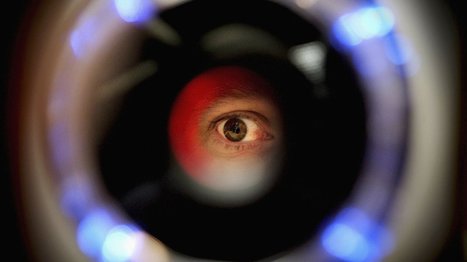
Ein Irisscan auf einer Biometrie-Messe 2004 in London © Ian Waldie/​Getty Images


Sicherheitsforscher aus Israel haben eine riesige Datenbank mit rund einer Million Fingerabdrücken und anderen biometrischen Daten aufgespürt, die quasi ungeschützt und unverschlüsselt im Web abgerufen werden konnten. Die Daten stammen vom System Biostar 2 der koreanischen Sicherheitsfirma Suprema, die nach eigenen Angaben Marktführer in Europa bei biometrischen Zutrittskontrollsystemen ist.

Biostar 2 arbeitet mit Fingerabdrücken oder Gesichtsscans auf einer webbasierten Plattform für intelligente Türschlösser, mit der Unternehmen die Zugangskontrolle für ihre Büros oder Lagerhallen selbst organisieren können. Wie der Guardian berichtet, wird das System auch von der britischen Polizei sowie mehreren Verteidigungsunternehmen und Banken genutzt.
Entdeckt wurde die Sicherheitslücke von den israelischen Hackern Noam Rotem und Ran Lokar, die für den Dienst vpnMentor arbeiten. Die Schwachstelle habe dazu geführt, dass man die vollständige Kontrolle über die Konten im System erhalten konnte, sagte Rotem dem Portal Calcalist. 


Learn more / En savoir plus / Mehr erfahren:


https://www.scoop.it/t/securite-pc-et-internet/?&tag=DATA-BREACHES


https://www.scoop.it/topic/securite-pc-et-internet/?&tag=biometrics


Gust MEES's insight:

Learn more / En savoir plus / Mehr erfahren:


https://www.scoop.it/t/securite-pc-et-internet/?&tag=DATA-BREACHES


https://www.scoop.it/topic/securite-pc-et-internet/?&tag=biometrics


No comment yet.
Scooped by Gust MEES
August 12, 2019 10:41 AM
Scoop.it!

Flaws in device drivers from 20 vendors allow hackers to install a persistent backdoor | #CyberSecurity #Windows

Flaws in device drivers from 20 vendors allow hackers to install a persistent backdoor | #CyberSecurity #Windows | ICT Security-Sécurité PC et Internet | Scoop.it

Researchers discovered multiple flaws in more than 40 device drivers from at least 20 different vendors that could to install a persistent backdoor on Windows PCs.
Experts at firmware security firm Eclypsium have conducted a study on the device drivers from major vendors and discovered serious issues in over 40 drivers from 20 companies.

The researchers warn that the vulnerabilities that can be exploited by attackers to deploy persistent backdoor on vulnerable systems.

Flawed drivers were developed by several major vendors, including ASUS, Toshiba, Intel, NVIDIA, and Huawei, below the complete list:


Learn more / En savooir plus / Mehr erfahren:


https://www.scoop.it/topic/securite-pc-et-internet


Gust MEES's insight:

Researchers discovered multiple flaws in more than 40 device drivers from at least 20 different vendors that could to install a persistent backdoor on Windows PCs.
Experts at firmware security firm Eclypsium have conducted a study on the device drivers from major vendors and discovered serious issues in over 40 drivers from 20 companies.

The researchers warn that the vulnerabilities that can be exploited by attackers to deploy persistent backdoor on vulnerable systems.

Flawed drivers were developed by several major vendors, including ASUS, Toshiba, Intel, NVIDIA, and Huawei, below the complete list:


Learn more / En savooir plus / Mehr erfahren:


https://www.scoop.it/topic/securite-pc-et-internet


No comment yet.
Scooped by Gust MEES
August 11, 2019 11:42 AM
Scoop.it!

Unpatched KDE vulnerability disclosed on Twitter | #Linux #CyberSecurity #Vulnerabilities 

Unpatched KDE vulnerability disclosed on Twitter | #Linux #CyberSecurity #Vulnerabilities  | ICT Security-Sécurité PC et Internet | Scoop.it

A security researcher has published proof-of-concept (PoC) code for a vulnerability in the KDE software framework. A fix is not available at the time of writing.

The bug was discovered by Dominik "zer0pwn" Penner and impacts the KDE Frameworks package 5.60.0 and below.

The KDE Frameworks software library is at the base of the KDE desktop environment v4 and v5 (Plasma), currently included with several Linux distributions such as Kubuntu, openSUSE, OpenMandriva, Chakra, KaOS, and others.

HOW THE VULNERABILITY WORKS
The vulnerability occurs because of the way the KDesktopFile class (part of KDE Frameworks) handles .desktop or .directory files.

Penner discovered that he could create malicious .desktop and .directory files that could be used to run malicious code on a user's computer.

When a user opens the KDE file viewer to access the directory where these files are stored, the malicious code contained within the .desktop or .directory files executes without user interaction -- such as running the file.


Learn more / En savoir plus / Mehr erfahren:


https://www.scoop.it/t/securite-pc-et-internet/?&tag=Linux


Gust MEES's insight:

A security researcher has published proof-of-concept (PoC) code for a vulnerability in the KDE software framework. A fix is not available at the time of writing.

The bug was discovered by Dominik "zer0pwn" Penner and impacts the KDE Frameworks package 5.60.0 and below.

The KDE Frameworks software library is at the base of the KDE desktop environment v4 and v5 (Plasma), currently included with several Linux distributions such as Kubuntu, openSUSE, OpenMandriva, Chakra, KaOS, and others.

HOW THE VULNERABILITY WORKS
The vulnerability occurs because of the way the KDesktopFile class (part of KDE Frameworks) handles .desktop or .directory files.

Penner discovered that he could create malicious .desktop and .directory files that could be used to run malicious code on a user's computer.

When a user opens the KDE file viewer to access the directory where these files are stored, the malicious code contained within the .desktop or .directory files executes without user interaction -- such as running the file.


Learn more / En savoir plus / Mehr erfahren:


https://www.scoop.it/t/securite-pc-et-internet/?&tag=Linux


No comment yet.
Scooped by Gust MEES
August 8, 2019 8:38 AM
Scoop.it!

Whatsapp-Verschlüsselung hat Sicherheitslücken | #CyberSecurity #Encryption

Whatsapp-Verschlüsselung hat Sicherheitslücken | #CyberSecurity #Encryption | ICT Security-Sécurité PC et Internet | Scoop.it

Die Sicherheitsexperten von Check Point Software Technologies haben auf der Sicherheitskonferenz Black Hat in Las Vegas drei von ihnen entdeckte Schwachstellen in der Whatsapp-Verschlüsselung vorgestellt. Bei den Nachforschungen zu den Schwachstellen wurde ein Werkzeug entwickelt, für welches die von Whatsapp verwendete Verschlüsselung nachgebaut wurde.

Die Recherche ergab, dass Whatsapp für die Entschlüsselung der Kommunikation im Nachrichtenmodul das "protobuf2"-Protokoll verwendet. Bei Konvertierung der protobuf2-Daten in Json könnten Angreifer diese auf drei Arten manipulieren, und zwar wie folgt:

Verwenden der Zitier-Funktion in einem Gruppengespräch, um die Identität des Zitatgebers zu ändern, selbst dann, wenn diese Person kein Mitglied der Gruppe ist.

Änderung der Antwort eines anderen Teilnehmers, um ihm unbemerkt andere Wörter in den Mund zu legen.

Versenden einer privaten Nachricht an einen anderen Gruppenteilnehmer, die aber als öffentliche Nachricht getarnt ist. Antwortet die Zielperson, ist die Nachricht für alle Teilnehmer des Gespräches sichtbar.


Learn more / En savoir plus / Mehr erfahren:


https://gustmees.wordpress.com/2014/03/05/often-asked-questions-are-there-cyber-security-dangers-with-apps-and-whats-about-privacy/


http://www.scoop.it/t/securite-pc-et-internet/?&tag=WhatsApp...


Gust MEES's insight:

Die Sicherheitsexperten von Check Point Software Technologies haben auf der Sicherheitskonferenz Black Hat in Las Vegas drei von ihnen entdeckte Schwachstellen in der Whatsapp-Verschlüsselung vorgestellt. Bei den Nachforschungen zu den Schwachstellen wurde ein Werkzeug entwickelt, für welches die von Whatsapp verwendete Verschlüsselung nachgebaut wurde.

Die Recherche ergab, dass Whatsapp für die Entschlüsselung der Kommunikation im Nachrichtenmodul das "protobuf2"-Protokoll verwendet. Bei Konvertierung der protobuf2-Daten in Json könnten Angreifer diese auf drei Arten manipulieren, und zwar wie folgt:

Verwenden der Zitier-Funktion in einem Gruppengespräch, um die Identität des Zitatgebers zu ändern, selbst dann, wenn diese Person kein Mitglied der Gruppe ist.

Änderung der Antwort eines anderen Teilnehmers, um ihm unbemerkt andere Wörter in den Mund zu legen.

Versenden einer privaten Nachricht an einen anderen Gruppenteilnehmer, die aber als öffentliche Nachricht getarnt ist. Antwortet die Zielperson, ist die Nachricht für alle Teilnehmer des Gespräches sichtbar.


Learn more / En savoir plus / Mehr erfahren:


https://gustmees.wordpress.com/2014/03/05/often-asked-questions-are-there-cyber-security-dangers-with-apps-and-whats-about-privacy/


http://www.scoop.it/t/securite-pc-et-internet/?&tag=WhatsApp...


No comment yet.