Your new post is loading...

|
Scooped by
mhryu@live.com
March 31, 2018 3:38 PM
|
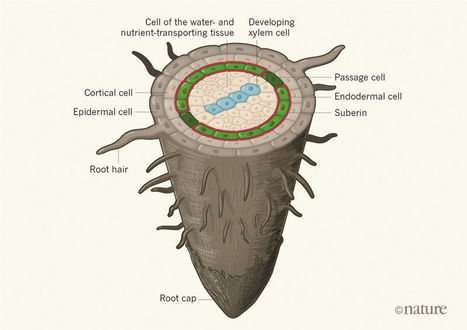
Water-conducting tissues inside plant roots are surrounded by impermeable cells. This protective barrier is punctured by ‘passage cells’, which are thought to regulate nutrient uptake. How these cells form has now been revealed. Plants need to take up water and nutrients through their roots, while keeping out pathogens and toxins. To achieve this, the roots’ inner transport tissues are enclosed in a protective, impermeable barrier of endodermal cells, interspersed with ‘openings’ in the form of a specific type of endodermal cell called a passage cell, which is thought to serve as a cellular gatekeeper, controlling access to the root interior1–4. In a paper in Nature, Andersen et al.5 describe molecular mechanisms that control the formation of passage cells, and show how the numbers of such cells are regulated by nutrient availability. The findings offer insights into the formation of these key plant cells, and link this to the patterning processes that form the embryonic root, providing an intriguing demonstration of the continuity of developmental mechanisms.
|
|
Scooped by
mhryu@live.com
March 30, 2018 5:08 PM
|
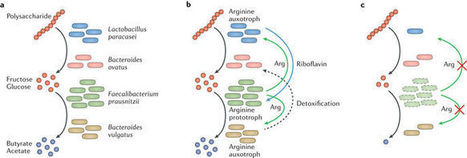
Microorganisms engage in complex interactions with other organisms and their environment. Recent studies have shown that these interactions are not limited to the exchange of electron donors. Most microorganisms are auxotrophs, thus relying on external nutrients for growth, including the exchange of amino acids and vitamins. Currently, we lack a deeper understanding of auxotrophies in microorganisms and how nutrient requirements differ between different strains and different environments. In this Opinion article, we describe how the study of auxotrophies and nutrient requirements among members of complex communities will enable new insights into community composition and assembly. Understanding this complex network over space and time is crucial for developing strategies to interrogate and shape microbial communities.
|
|
Scooped by
mhryu@live.com
March 29, 2018 3:02 PM
|
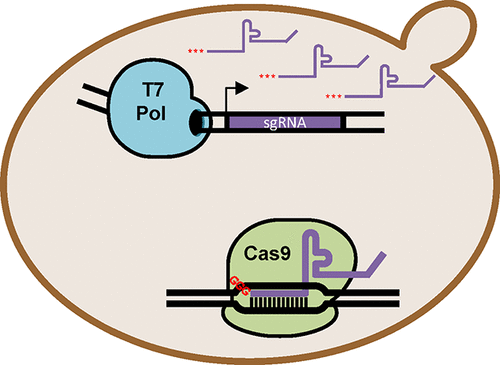
Efficient guide RNA expression often limits CRISPR-Cas9 implementation in new hosts. To address this limitation in fungal systems, we demonstrate the utility of a T7 polymerase system to effectively express sgRNAs. Initially, we developed a methodology in Saccharomyces cerevisiae using a modified version of the T7 P266L mutant polymerase with an SV40 nuclear localization signal to allow guide RNA expression immediately downstream of a T7 promoter. To improve targeting efficiency, guide RNA design was found to be tolerant to three mismatches or up to three additional bases appended to the 5′ end. The addition of three guanines to a T7-based guide RNA improved guide RNA expression 80-fold and achieved transcriptional output similar to the strong Pol III snr52 promoter. Resulting gene editing and dCas9-guided gene regulation with a T7-based guide RNA was on par with the commonly used snr52 system in S. cerevisiae. Finally, 96% and 60% genome editing efficiencies were achieved in Kluyveromyces lactis and Yarrowia lipolytica respectively with minimal optimization of this system. Thus, T7-based expression of sgRNAs offers an orthogonal method for implementing CRISPR systems in fungal systems.
|
|
Scooped by
mhryu@live.com
March 28, 2018 12:16 AM
|
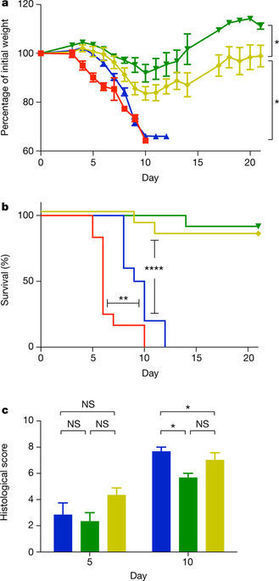
Microbiome-wide association studies have established that numerous diseases are associated with changes in the microbiota1,2. These studies typically generate a long list of commensals implicated as biomarkers of disease, with no clear relevance to disease pathogenesis1,2,3,4,5. If the field is to move beyond correlations and begin to address causation, an effective system is needed for refining this catalogue of differentially abundant microbes and to allow subsequent mechanistic studies1,4. Here we demonstrate that triangulation of microbe–phenotype relationships is an effective method for reducing the noise inherent in microbiota studies and enabling identification of causal microbes. We found that gnotobiotic mice harbouring different microbial communities exhibited differential survival in a colitis model. Co-housing of these mice generated animals that had hybrid microbiotas and displayed intermediate susceptibility to colitis. Mapping of microbe–phenotype relationships in parental mouse strains and in mice with hybrid microbiotas identified the bacterial family Lachnospiraceae as a correlate for protection from disease. Using directed microbial culture techniques, we discovered Clostridium immunis, a previously unknown bacterial species from this family, that—when administered to colitis-prone mice—protected them against colitis-associated death. To demonstrate the generalizability of our approach, we used it to identify several commensal organisms that induce intestinal expression of an antimicrobial peptide. Thus, we have used microbe–phenotype triangulation to move beyond the standard correlative microbiome study and identify causal microbes for two completely distinct phenotypes. Identification of disease-modulating commensals by microbe–phenotype triangulation may be more broadly applicable to human microbiome studies.
|
|
Scooped by
mhryu@live.com
March 27, 2018 5:12 PM
|
Pseudomonas aeruginosa and Aspergillus fumigatus are common opportunistic bacterial and fungal pathogens, respectively. They often coexist in airways of immunocompromised patients and individuals with cystic fibrosis, where they form biofilms and cause acute and chronic illnesses. Hence, the interactions between them have long been of interest and it is known that P. aeruginosa can inhibit A. fumigatus in vitro. We have approached the definition of the inhibitory P. aeruginosa molecules by studying 24 P. aeruginosa mutants with various virulence genes deleted for the ability to inhibit A. fumigatus biofilms. The ability of P. aeruginosa cells or their extracellular products produced during planktonic or biofilm growth to affect A. fumigatus biofilm metabolism or planktonic A. fumigatus growth was studied in agar and liquid assays using conidia or hyphae. Four mutants, the pvdD pchE, pvdD, lasR rhlR, and lasR mutants, were shown to be defective in various assays. This suggested the P. aeruginosa siderophore pyoverdine as the key inhibitory molecule, although additional quorum sensing-regulated factors likely contribute to the deficiency of the latter two mutants. Studies of pure pyoverdine substantiated these conclusions and included the restoration of inhibition by the pyoverdine deletion mutants. A correlation between the concentration of pyoverdine produced and antifungal activity was also observed in clinical P. aeruginosa isolates derived from lungs of cystic fibrosis patients. The key inhibitory mechanism of pyoverdine was chelation of iron and denial of iron to A. fumigatus.
|
|
Scooped by
mhryu@live.com
March 27, 2018 2:50 PM
|
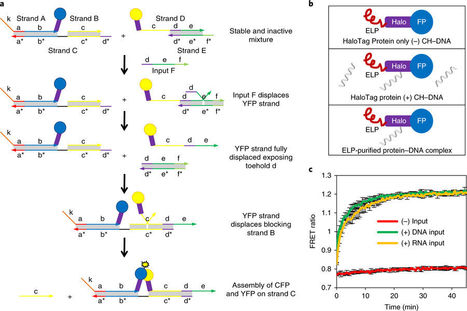
Inspired by the remarkable ability of natural protein switches to sense and respond to a wide range of environmental queues, here we report a strategy to engineer synthetic protein switches by using DNA strand displacement to dynamically organize proteins with highly diverse and complex logic gate architectures. We show that DNA strand displacement can be used to dynamically control the spatial proximity and the corresponding fluorescence resonance energy transfer between two fluorescent proteins. Performing Boolean logic operations enabled the explicit control of protein proximity using multi-input, reversible and amplification architectures. We further demonstrate the power of this technology beyond sensing by achieving dynamic control of an enzyme cascade. Finally, we establish the utility of the approach as a synthetic computing platform that drives the dynamic reconstitution of a split enzyme for targeted prodrug activation based on the sensing of cancer-specific miRNAs.
|
|
Scooped by
mhryu@live.com
March 27, 2018 9:29 AM
|
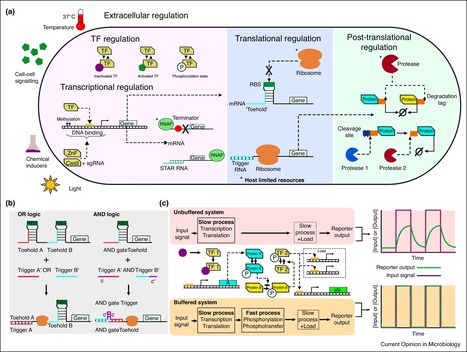
One promise of synthetic biology is to provide solutions for biomedical and industrial problems by rational design of added functionality in living systems. Microbes are at the forefront of this biological engineering endeavor due to their general ease of handling and their relevance in many potential applications from fermentation to therapeutics. In recent years, the field has witnessed an explosion of novel regulatory tools, from synthetic orthogonal transcription factors to posttranslational mechanisms for increased control over the behavior of synthetic circuits. Tool development has been paralleled by the discovery of principles that enable increased modularity and the management of host–circuit interactions. Engineered cell-to-cell communication bridges the scales from intracellular to population-level coordination. These developments facilitate the translation of more than a decade of circuit design into applications.
|
|
Scooped by
mhryu@live.com
March 23, 2018 3:27 PM
|
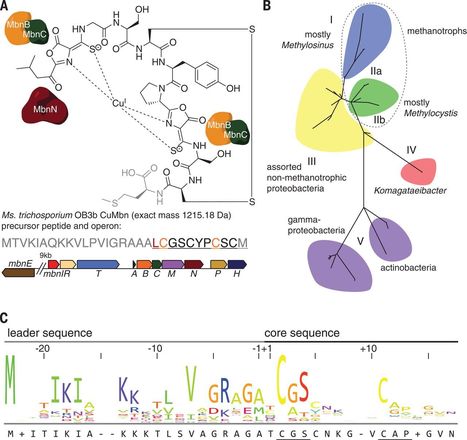
Many microbial enzymes are metal-dependent, and the microbe must acquire scarce metals from the environment. Microbes that use methane as a carbon source have a copper-dependent enzyme that oxidizes the methane. Peptides known as methanobactins (Mbns) acquire copper by using a pair of ligands comprising a nitrogen-containing ring and an adjacent thioamide. Kenney et al. describe the biosynthetic machinery that adds the copper-binding groups to a precursor peptide. This involves a complex of two homologs: MbnB, a member of a functionally uncharacterized protein family that includes a diiron cluster, and MbnC, which is even less well characterized. The iron cofactor is required for ligand synthesis. MbnB and MbnC homologs are encoded in many genomes, suggesting that they may have roles beyond Mbn biosynthesis.
|
|
Scooped by
mhryu@live.com
March 23, 2018 1:51 PM
|
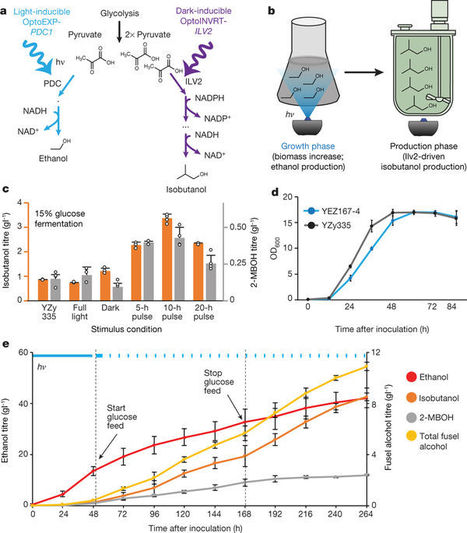
The optimization of engineered metabolic pathways requires careful control over the levels and timing of metabolic enzyme expression1,2,3,4. Optogenetic tools are ideal for achieving such precise control, as light can be applied and removed instantly without complex media changes. Here we show that light-controlled transcription can be used to enhance the biosynthesis of valuable products in engineered Saccharomyces cerevisiae. We introduce new optogenetic circuits to shift cells from a light-induced growth phase to a darkness-induced production phase, which allows us to control fermentation with only light. Furthermore, optogenetic control of engineered pathways enables a new mode of bioreactor operation using periodic light pulses to tune enzyme expression during the production phase of fermentation to increase yields. Using these advances, we control the mitochondrial isobutanol pathway to produce up to 8.49 ± 0.31 g l−1 of isobutanol and 2.38 ± 0.06 g l−1 of 2-methyl-1-butanol micro-aerobically from glucose. These results make a compelling case for the application of optogenetics to metabolic engineering for the production of valuable products.
|
|
Scooped by
mhryu@live.com
March 20, 2018 11:00 PM
|
A powerful contributor to prokaryotic evolution is horizontal gene transfer (HGT) through transformation, conjugation, and transduction, which can be advantageous, neutral, or detrimental to fitness. Bacteria and archaea control HGT and phage infection through CRISPR-Cas (clustered regularly interspaced short palindromic repeats–CRISPR-associated proteins) adaptive immunity. Although the benefits of resisting phage infection are evident, this can come at a cost of inhibiting the acquisition of other beneficial genes through HGT. Despite the ability of CRISPR-Cas to limit HGT through conjugation and transformation, its role in transduction is largely overlooked. Transduction is the phage-mediated transfer of bacterial DNA between cells and arguably has the greatest impact on HGT. We demonstrate that in Pectobacterium atrosepticum, CRISPR-Cas can inhibit the transduction of plasmids and chromosomal loci. In addition, we detected phage-mediated transfer of a large plant pathogenicity genomic island and show that CRISPR-Cas can inhibit its transduction. Despite these inhibitory effects of CRISPR-Cas on transduction, its more common role in phage resistance promotes rather than diminishes HGT via transduction by protecting bacteria from phage infection. This protective effect can also increase transduction of phage-sensitive members of mixed populations. CRISPR-Cas systems themselves display evidence of HGT, but little is known about their lateral dissemination between bacteria and whether transduction can contribute. We show that, through transduction, bacteria can acquire an entire chromosomal CRISPR-Cas system, including cas genes and phage-targeting spacers. We propose that the positive effect of CRISPR-Cas phage immunity on enhancing transduction surpasses the rarer cases where gene flow by transduction is restricted.
|
|
Scooped by
mhryu@live.com
March 19, 2018 9:58 PM
|
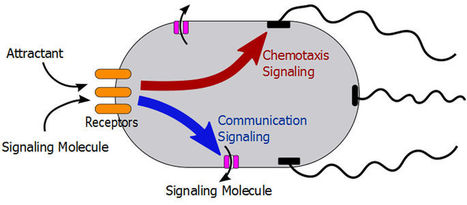
Bacteria are able to coordinate their movement, growth and biochemical activities through cell-cell communication. While the biophysical mechanism of bacterial chemotaxis has been well understood in individual cells, the role of communication in the chemotaxis of bacterial populations is not clear. Here we report experimental evidence for cell-cell communication that significantly enhances the chemotactic migration of bacterial populations, a finding that we further substantiate using numerical simulations. Using a microfluidic approach, we find that E. coli cells respond to the gradient of chemoattractant not only by biasing their own random-walk swimming pattern through the well-understood intracellular chemotaxis signaling, but also by actively secreting a chemical signal into the extracellular medium, possibly through a hitherto unknown communication signal transduction pathway. This extracellular signaling molecule is a strong chemoattractant that attracts distant cells to the food source. The observed behavior may represent a common evolved solution to accelerate the function of biochemical networks of interacting cells.
|
|
Scooped by
mhryu@live.com
March 19, 2018 8:38 AM
|
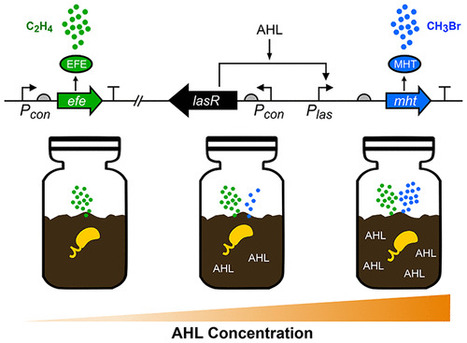
Fluorescent proteins are ubiquitous tools that are used to monitor the dynamic functions of natural and synthetic genetic circuits. However, these visual reporters can only be used in transparent settings, a limitation that complicates nondisruptive measurements of gene expression within many matrices, such as soils and sediments. We describe a new ratiometric gas reporting method for nondisruptively monitoring gene expression within hard-to-image environmental matrices. With this approach, C2H4 is continuously synthesized by ethylene forming enzyme to provide information on viable cell number, and CH3Br is conditionally synthesized by placing a methyl halide transferase gene under the control of a conditional promoter. We show that ratiometric gas reporting enables the creation of Escherichia coli biosensors that report on acylhomoserine lactone (AHL) autoinducers used for quorum sensing by Gram-negative bacteria. Using these biosensors, we find that an agricultural soil decreases the bioavailable concentration of a long-chain AHL up to 100-fold. We also demonstrate that these biosensors can be used in soil to nondisruptively monitor AHLs synthesized by Rhizobium leguminosarum and degraded by Bacillus thuringiensis. Finally, we show that this new reporting approach can be used in Shewanella oneidensis, a bacterium that lives in sediments.
|
|
Scooped by
mhryu@live.com
March 19, 2018 8:30 AM
|
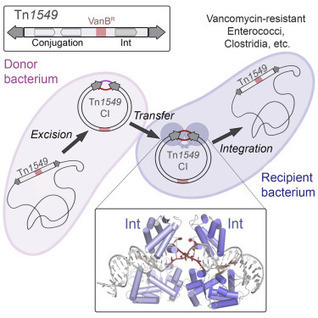
Conjugative transposition drives the emergence of multidrug resistance in diverse bacterial pathogens, yet the mechanisms are poorly characterized. The Tn1549 conjugative transposon propagates resistance to the antibiotic vancomycin used for severe drug-resistant infections. Here, we present four high-resolution structures of the conserved Y-transposase of Tn1549 complexed with circular transposon DNA intermediates. The structures reveal individual transposition steps and explain how specific DNA distortion and cleavage mechanisms enable DNA strand exchange with an absolute minimum homology requirement. This appears to uniquely allow Tn916-like conjugative transposons to bypass DNA homology and insert into diverse genomic sites, expanding gene transfer. We further uncover a structural regulatory mechanism that prevents premature cleavage of the transposon DNA before a suitable target DNA is found and generate a peptide antagonist that interferes with the transposase-DNA structure to block transposition. Our results reveal mechanistic principles of conjugative transposition that could help control the spread of antibiotic resistance genes.
|
|
|
Scooped by
mhryu@live.com
March 31, 2018 3:31 PM
|
Symbiotic N2 fixation research thus far, has been primarily focused on bacteria selection. However, little progress in impacting crop yields has resulted from this approach. Bacteria introduced in field soils rarely compete well with indigenous bacteria, including mutated lines selected for high nitrogen fixation capacity. Consequently, introduction of ‘elite’ bacteria in fields commonly does not result in crop yield increase. This review highlights that the primary regulation of N2 fixation is a result of response of integrated physiological activity at the plant level. Nitrogen feedback from the host plant plays an important role in regulating N2 fixation rate. Rapid sequestration of fixed nitrogen by the plant is especially important for high N2 fixation activity. In addition, water cycling in the plant between the shoot and nodules plays a key role in sustaining high N2 fixation activity. Therefore, attention in selecting host plant genotype is suggested to be the next step to increasing N2 fixation activity of grain legumes.
|
|
Scooped by
mhryu@live.com
March 29, 2018 3:06 PM
|
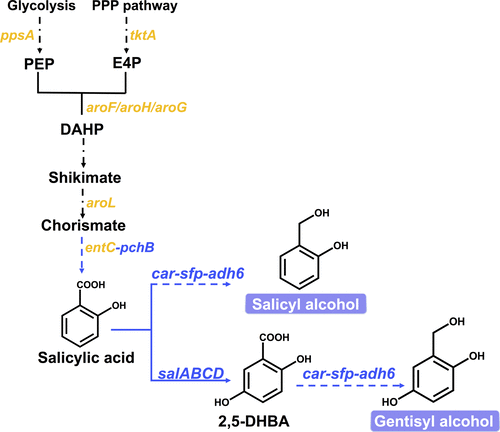
Salicyl alcohol and gentisyl alcohol are two important phenolic alcohols that possess significant biological activities and pharmaceutical properties. Here, we report establishment of novel biosynthetic pathways for microbial production of salicyl alcohol and gentisyl alcohol from renewable feedstocks. We first examined the promiscuity of the carboxylic acid reductase CAR toward salicylic acid and 2,5-DHBA, which enabled efficient synthesis of salicyl alcohol and gentisyl alcohol. Then, we employed a novel salicylic acid 5-hydroxylase to achieve 2,5-DHBA production from salicylic acid. After that, the de novo biosynthetic pathways were assembled and optimized by programming the carbon flux into the shikimate pathway. The final titers of salicyl alcohol and gentisyl alcohol reached to 594.4 mg/L and 30.1 mg/L, respectively. To our knowledge, this work achieved microbial production of salicyl alcohol and gentisyl alcohol for the first time. Our present study also demonstrated application of enzyme promiscuity to establish non-natural biosynthetic pathways for the production of high-value compounds.
|
|
Scooped by
mhryu@live.com
March 28, 2018 1:52 AM
|
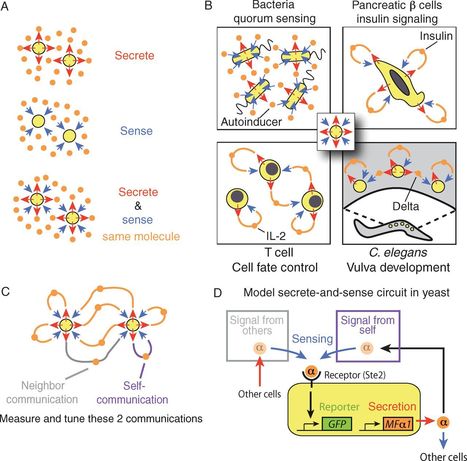
Cells that secrete and sense the same signaling molecule are ubiquitous. To uncover the functional capabilities of the core “secrete-and-sense” circuit motif shared by these cells, we engineered yeast to secrete and sense the mating pheromone. Perturbing each circuit element revealed parameters that control the degree to which the cell communicated with itself versus with its neighbors. This tunable interplay of self-communication and neighbor communication enables cells to span a diverse repertoire of cellular behaviors. These include a cell being asocial by responding only to itself and social through quorum sensing, and an isogenic population of cells splitting into social and asocial subpopulations. A mathematical model explained these behaviors. The versatility of the secrete-and-sense circuit motif may explain its recurrence across species.
|
|
Scooped by
mhryu@live.com
March 28, 2018 12:14 AM
|
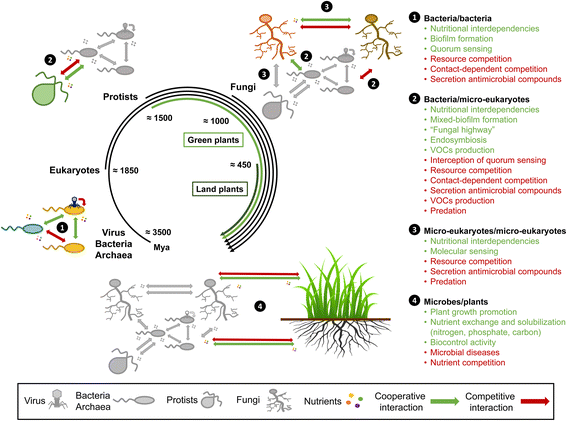
Since the colonization of land by ancestral plant lineages 450 million years ago, plants and their associated microbes have been interacting with each other, forming an assemblage of species that is often referred to as a “holobiont.” Selective pressure acting on holobiont components has likely shaped plant-associated microbial communities and selected for host-adapted microorganisms that impact plant fitness. However, the high microbial densities detected on plant tissues, together with the fast generation time of microbes and their more ancient origin compared to their host, suggest that microbe-microbe interactions are also important selective forces sculpting complex microbial assemblages in the phyllosphere, rhizosphere, and plant endosphere compartments. Reductionist approaches conducted under laboratory conditions have been critical to decipher the strategies used by specific microbes to cooperate and compete within or outside plant tissues. Nonetheless, our understanding of these microbial interactions in shaping more complex plant-associated microbial communities, along with their relevance for host health in a more natural context, remains sparse. Using examples obtained from reductionist and community-level approaches, we discuss the fundamental role of microbe-microbe interactions (prokaryotes and micro-eukaryotes) for microbial community structure and plant health. We provide a conceptual framework illustrating that interactions among microbiota members are critical for the establishment and the maintenance of host-microbial homeostasis.
|
|
Scooped by
mhryu@live.com
March 27, 2018 2:59 PM
|
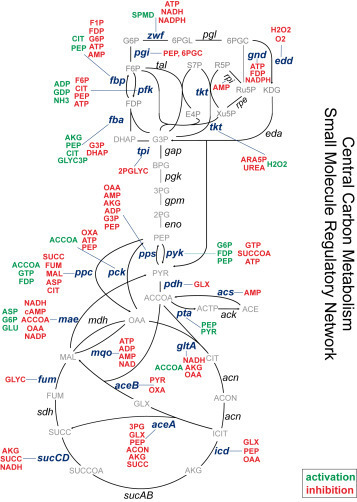
Metabolic flux is in part regulated by endogenous small molecules that modulate the catalytic activity of an enzyme, e.g., allosteric inhibition. In contrast to transcriptional regulation of enzymes, technical limitations have hindered the production of a genome-scale atlas of small molecule-enzyme regulatory interactions. Here, we develop a framework leveraging the vast, but fragmented, biochemical literature to reconstruct and analyze the small molecule regulatory network (SMRN) of the model organism Escherichia coli, including the primary metabolite regulators and enzyme targets. Using metabolic control analysis, we prove a fundamental trade-off between regulation and enzymatic activity, and we combine it with metabolomic measurements and the SMRN to make inferences on the sensitivity of enzymes to their regulators. Generalizing the analysis to other organisms, we identify highly conserved regulatory interactions across evolutionarily divergent species, further emphasizing a critical role for small molecule interactions in the maintenance of metabolic homeostasis.
|
|
Scooped by
mhryu@live.com
March 27, 2018 2:47 PM
|
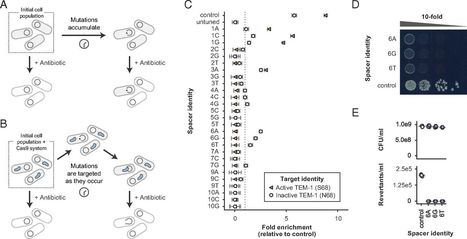
Single-base substitutions are capable of producing transformative phenotypic changes. While methods to classify such mutations are well established, it is difficult to modulate or preclude their occurrence in a direct and efficacious manner. In this study, we refine the specificity of the CRISPR-Cas9 system and present a general framework for proactively preventing the occurrence of point mutations. This “mutation prevention system” is a broadly useful tool for the study and control of DNA substitutions, particularly in contexts where an associated phenotype or evolutionary pathway is undesirable.
Here, we present a generalized method of guide RNA “tuning” that enables Cas9 to discriminate between two target sites that differ by a single-nucleotide polymorphism. We employ our methodology to generate an in vivo mutation prevention system in which Cas9 actively restricts the occurrence of undesired gain-of-function mutations within a population of engineered organisms. We further demonstrate that the system is scalable to a multitude of targets and that the general tuning and prevention concepts are portable across engineered Cas9 variants and Cas9 orthologs. Finally, we show that the mutation prevention system maintains robust activity even when placed within the complex environment of the mouse gastrointestinal tract.
|
|
Scooped by
mhryu@live.com
March 25, 2018 1:32 AM
|
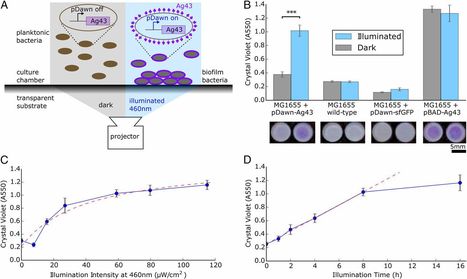
Bacterial biofilms represent a promising opportunity for engineering of microbial communities. However, our ability to control spatial structure in biofilms remains limited. Here we engineer Escherichia coli with a light-activated transcriptional promoter (pDawn) to optically regulate expression of an adhesin gene (Ag43). When illuminated with patterned blue light, long-term viable biofilms with spatial resolution down to 25 μm can be formed on a variety of substrates and inside enclosed culture chambers without the need for surface pretreatment. A biophysical model suggests that the patterning mechanism involves stimulation of transiently surface-adsorbed cells, lending evidence to a previously proposed role of adhesin expression during natural biofilm maturation. Overall, this tool—termed “Biofilm Lithography”—has distinct advantages over existing cell-depositing/patterning methods and provides the ability to grow structured biofilms, with applications toward an improved understanding of natural biofilm communities, as well as the engineering of living biomaterials and bottom–up approaches to microbial consortia design.
|
|
Scooped by
mhryu@live.com
March 23, 2018 1:51 PM
|
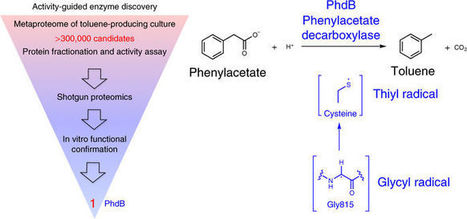
Microbial toluene biosynthesis was reported in anoxic lake sediments more than three decades ago, but the enzyme catalyzing this biochemically challenging reaction has never been identified. Here we report the toluene-producing enzyme PhdB, a glycyl radical enzyme of bacterial origin that catalyzes phenylacetate decarboxylation, and its cognate activating enzyme PhdA, a radical S-adenosylmethionine enzyme, discovered in two distinct anoxic microbial communities that produce toluene. The unconventional process of enzyme discovery from a complex microbial community (>300,000 genes), rather than from a microbial isolate, involved metagenomics- and metaproteomics-enabled biochemistry, as well as in vitro confirmation of activity with recombinant enzymes. This work expands the known catalytic range of glycyl radical enzymes (only seven reaction types had been characterized previously) and aromatic-hydrocarbon-producing enzymes, and will enable first-time biochemical synthesis of an aromatic fuel hydrocarbon from renewable resources, such as lignocellulosic biomass, rather than from petroleum.
|
|
Scooped by
mhryu@live.com
March 23, 2018 1:48 PM
|
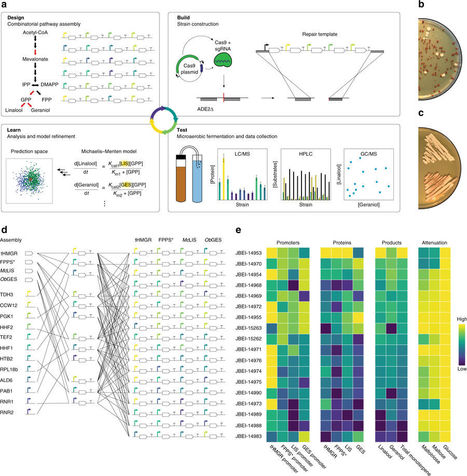
Flowers of the hop plant provide both bitterness and “hoppy” flavor to beer. Hops are, however, both a water and energy intensive crop and vary considerably in essential oil content, making it challenging to achieve a consistent hoppy taste in beer. Here, we report that brewer’s yeast can be engineered to biosynthesize aromatic monoterpene molecules that impart hoppy flavor to beer by incorporating recombinant DNA derived from yeast, mint, and basil. Whereas metabolic engineering of biosynthetic pathways is commonly enlisted to maximize product titers, tuning expression of pathway enzymes to affect target production levels of multiple commercially important metabolites without major collateral metabolic changes represents a unique challenge. By applying state-of-the-art engineering techniques and a framework to guide iterative improvement, strains are generated with target performance characteristics. Beers produced using these strains are perceived as hoppier than traditionally hopped beers by a sensory panel in a double-blind tasting.
|
|
Scooped by
mhryu@live.com
March 20, 2018 11:38 AM
|
Increasing availability of new genomes and putative biosynthetic gene clusters (BGCs) has extended the opportunity to access novel chemical diversity for agriculture, medicine, environmental and industrial purposes. However, functional characterization of BGCs through heterologous expression is limited because expression may require complex regulatory mechanisms, specific folding or activation. We developed an integrated workflow for BGC characterization that integrates pathway identification, modular design, DNA synthesis, assembly and characterization. This workflow was applied to characterize multiple phenazine-modifying enzymes. Phenazine pathways are useful for this workflow because all phenazines are derived from a core scaffold for modification by diverse modifying enzymes (PhzM, PhzS, PhzH, and PhzO) that produce characterized compounds. We expressed refactored synthetic modules of previously uncharacterized phenazine BGCs heterologously in Escherichia coli and were able to identify metabolic intermediates they produced, including a previously unidentified metabolite. These results demonstrate how this approach can accelerate functional characterization of BGCs.
|
|
Scooped by
mhryu@live.com
March 19, 2018 3:36 PM
|
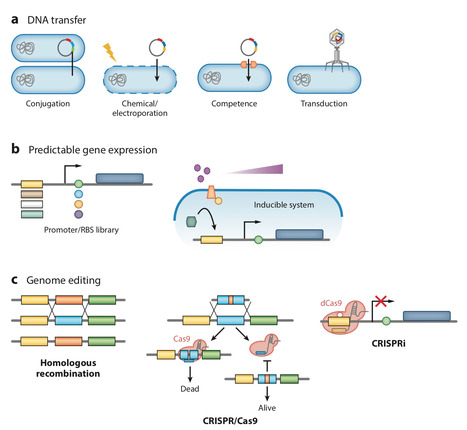
An increasing number of studies have strongly correlated the composition of the human microbiota with many human health conditions and, in several cases, have shown that manipulating the microbiota directly affects health. These insights have generated significant interest in engineering indigenous microbiota community members and nonresident probiotic bacteria as biotic diagnostics and therapeutics that can probe and improve human health. In this review, we discuss recent advances in synthetic biology to engineer commensal and probiotic lactic acid bacteria, bifidobacteria, and Bacteroides for these purposes, and we provide our perspective on the future potential of these technologies.
|
|
Scooped by
mhryu@live.com
March 19, 2018 8:32 AM
|
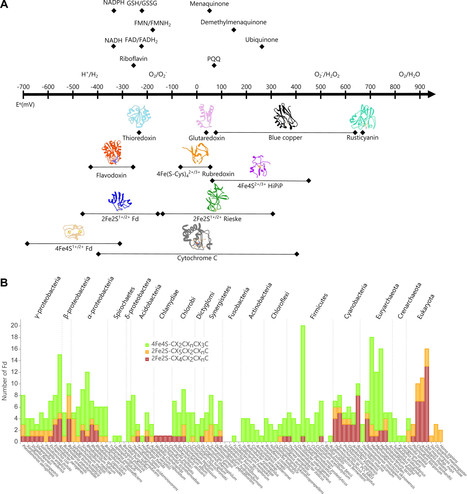
The ferredoxin (Fd) protein family is a structurally diverse group of iron–sulfur proteins that function as electron carriers, linking biochemical pathways important for energy transduction, nutrient assimilation, and primary metabolism. While considerable biochemical information about individual Fd protein electron carriers and their reactions has been acquired, we cannot yet anticipate the proportion of electrons shuttled between different Fd-partner proteins within cells using biochemical parameters that govern electron flow, such as holo-Fd concentration, midpoint potential (driving force), molecular interactions (affinity and kinetics), conformational changes (allostery), and off-pathway electron leakage (chemical oxidation). Herein, we describe functional and structural gaps in our Fd knowledge within the context of a sequence similarity network and phylogenetic tree, and we propose a strategy for improving our understanding of Fd sequence–function relationships. We suggest comparing the functions of divergent Fds within cells whose growth, or other measurable output, requires electron transfer between defined electron donor and acceptor proteins. By comparing Fd-mediated electron transfer with biochemical parameters that govern electron flow, we posit that models that anticipate energy flow across Fd interactomes can be built. This approach is expected to transform our ability to anticipate Fd control over electron flow in cellular settings, an obstacle to the construction of synthetic electron transfer pathways and rational optimization of existing energy-conserving pathways.
|