Your new post is loading...


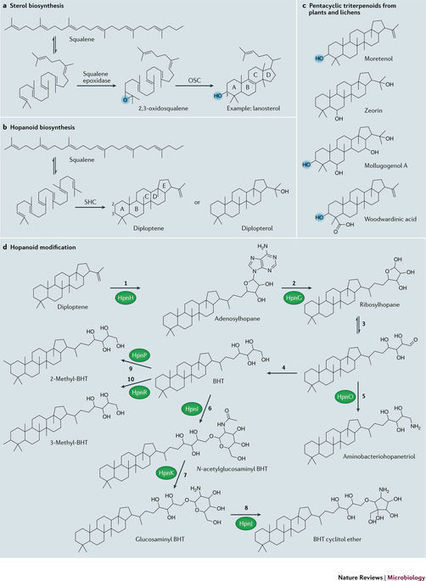

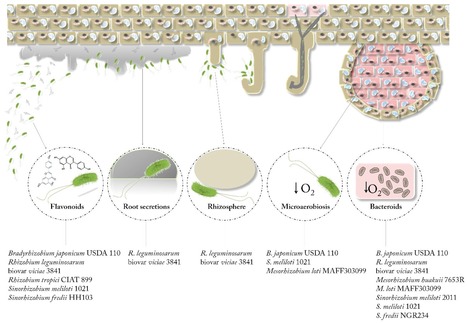
Hopanoids, which resemble sterols and are found in the membranes of diverse bacteria, have left an extensive molecular fossil record. Today, hopanoid-producing bacteria remain abundant in various ecosystems, such as the rhizosphere.
In vitro, hopanoids contribute to bacterial stress resistance, which may help explain their ability to facilitate beneficial plant–bacteria interactions. However, given that hopanoids can also serve as carriers for plant hormones and that plants themselves make hopanoid-like compounds, it is likely that other mechanisms are additionally at play.
In closing, we remind the reader of the words of John F. Kennedy when explaining what was needed to send astronauts to the Moon. “We choose to go to the Moon! ... We choose to go to the Moon in this decade and do the other things, not because they are easy, but because they are hard; because that goal will serve to organize and measure the best of our energies and skills...”. Replacing the words 'go to the Moon' with 'study lipids' provides fitting inspiration for tackling one of the next great challenges in microbiology. It is time for lipids to get the attention they deserve, and the study of hopanoids is an excellent place to begin.