Your new post is loading...

|
Scooped by
mhryu@live.com
June 13, 4:50 PM
|
Many antiphage defence systems directly bind a specific phage-encoded protein that acts similar to a pathogen-associated molecular pattern to activate an immune response. Such activation is often assumed to occur independent of host factors. Here we demonstrate that the antiphage defence protein CapRelEbc, a fused toxin–antitoxin system from Enterobacter chengduensis, senses the T7 phage-encoded protein Gp0.4 in complex with the host bacterial factor FtsZ, an essential cell division protein. During T7 infection, Gp0.4 sequesters monomeric FtsZ to block its polymerization and thereby inhibit bacterial cell division. Only the complex of Gp0.4–FtsZ, but neither protein alone, triggers CapRelEbc activity. Structural modelling and hydrogen–deuterium exchange mass spectrometry indicate that Gp0.4, FtsZ and CapRelEbc form a ternary complex that activates phage defence. Our work suggests that activation of bacterial immune systems does not always depend exclusively on phage-encoded triggers. Instead, activation can involve host factors targeted by phages, analogous to how eukaryotic innate immune systems detect pathogen-induced perturbations of host cells through effector-triggered immunity. The activation of an antiphage defence system relies on host factors targeted by phages, a mechanism analogous to the way that eukaryotic innate immune systems detect pathogen-induced perturbations of host cells through effector-triggered immunity.
|
|
Scooped by
mhryu@live.com
June 13, 4:45 PM
|
Bacterial endophytes inhabit internal plant tissues and can influence plant nutrition, development, stress responses, and immunity from within the host. Yet their functional significance is often difficult to predict, because endophyte effects depend on colonization, tissue compartment, host genotype, resident microbiomes, and environmental context. Here, we synthesize current evidence on how bacterial endophytes contribute to plant performance through nutrient mobilization, hormone regulation, redox control, and pathogen suppression. We place particular emphasis on biocontrol, where antimicrobial metabolites, volatile compounds, hydrolytic enzymes, siderophores, quorum-sensing interference, and competition for space and nutrients operate as interacting processes rather than isolated traits. This distinction is important because many mechanisms related to endophytes are identified in culture or simplified assays, whereas their expression and causal contribution inside plant tissues remain context-dependent. We then examine how mechanistic knowledge can guide microbiome engineering through the selection of hub or keystone-like taxa, synthetic microbial communities, seed-mediated transmission, and functional enhancement of bacterial strains. Across these approaches, successful use of bacterial endophytes will require cultivable and traceable strains, reliable host colonization, compatibility with native microbiomes, and stable performance under field conditions. By integrating physiological mechanisms with ecological constraints, this review reframes bacterial endophytes as context-dependent contributors to plant adaptation and outlines a route toward microbiome engineering strategies that are experimentally grounded and ecologically realistic.
|
|
Scooped by
mhryu@live.com
June 13, 4:39 PM
|
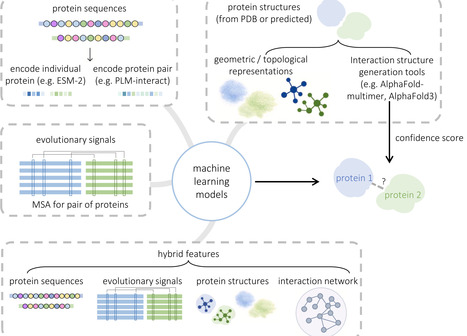
Protein–protein interactions (PPIs) are fundamental to cellular processes, and essential for understanding biological function and disease mechanisms. In this review, we emphasize recent deep learning-based methods for protein interaction study. Focusing on three closely related tasks of proteome-wide PPI prediction, PPI interface prediction, and PPI co-complex structure prediction, we discuss how emerging concepts and computation approaches have evolved to shape these fields We categorize recent approaches according to their methodological paradigms, summarize their strengths and limitations, and further explore diverse biological and biomedical applications, highlighting how computational methods in PPI prediction, PPI interface prediction, and PPI structure prediction jointly contribute to understanding of complex biological systems.
|
|
Scooped by
mhryu@live.com
June 13, 4:34 PM
|
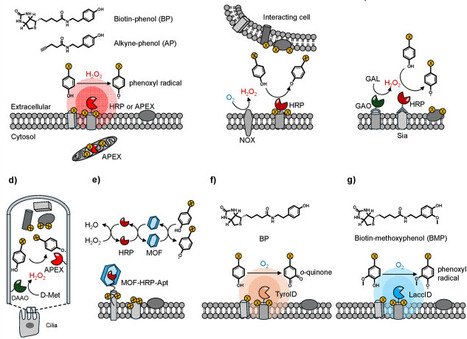
By generating short-lived reactive intermediates that covalently tag nearby biomolecules, proximity labeling (PL) has become a central strategy for spatial proteomics and for probing protein–protein interactions ppi in living systems. However, key aspects of PL performance, including labeling radius, temporal resolution, and biological compatibility, are ultimately governed by how these intermediates are produced, confined, and quenched in situ. Here we use reactive-intermediate generation as an organizing chemical framework to compare major PL modalities. We focus primarily on proteome-centered PL systems, while noting that the same framework can extend to other biomolecular readouts. We discuss peroxide- and oxygen-driven platforms that form phenoxyl radicals and quinone electrophiles, ATP-coupled ligase approaches that transfer activated intermediates to proximal nucleophiles, and light-triggered photocatalytic systems that access carbenes or nitrenes, singlet oxygen or radical reactive oxygen species, and photoredox-uncaged electrophiles. Across these manifolds, we highlight the trade-offs that set operational boundaries and outline design principles for next-generation PL that is quantitative, minimally perturbative, and increasingly in vivo compatible.
|
|
Scooped by
mhryu@live.com
June 13, 4:30 PM
|
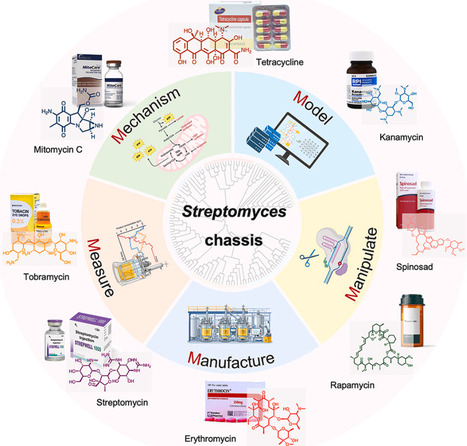
Streptomyces species continue to occupy a pivotal role in natural product biosynthesis, owing to their unparalleled metabolic diversity and genetic adaptability. This review focuses on cutting-edge advances documented from 2020 to 2025 (encompassing approximately 150 cases), with particular emphasis on innovations in canonical/non-canonical Streptomyces chassis engineering. We synthesize key developments across genome streamlining, mitigation of endogenous interference, redistribution of precursors and cofactors, regulatory circuit reprogramming, optimization of phylogenetic host-cluster compatibility, and enhancement of fermentation robustness. These strategies collectively transform Streptomyces into versatile, application-specific production platforms. A standout innovation highlighted herein is the 5M strategy (Mechanism–Model–Manipulate–Measure–Manufacture), which reframes chassis engineering as an iterative, systems-level process inspired by engineering principles. This framework fosters precise manipulation and strain-bioreactor synergy, based on a deep comprehension of metabolic mechanisms and bioreactor compatibility dynamics, thereby facilitating scalable manufacturing of high-value compounds. By providing a structured roadmap, this perspective equips researchers with actionable insights for advancing next-generation Streptomyces chassis in synthetic biology and industrial biotechnology. Furthermore, we explore emerging technological breakthroughs, such as AI-driven design tools, multiplexed genome editing technologies, and hybrid chemical-enzymatic integration strategies, that are poised to accelerate the evolution toward intelligent, modular chassis architectures. Ultimately, this review offers a practical resource for advancing Streptomyces applications in natural product discovery, functional characterization, and yield enhancement, supporting incremental improvements in biotechnological applications.
|
|
Scooped by
mhryu@live.com
June 13, 4:19 PM
|
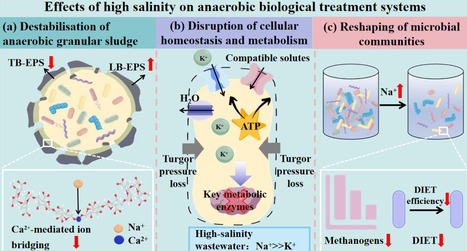
Anaerobic treatment of industrial wastewater offers a sustainable and cost-effective approach to reducing environmental contamination while recovering biogas. High-salinity wastewater poses ecological risks and remains difficult to treat due to salt-induced sludge disintegration, volatile fatty acid accumulation, and reduced methane production. Quorum sensing is emerging as a key regulator of microbial activity and system stability under salt stress. This review summarizes salinity-stress inhibition mechanisms, evaluates quorum sensing-based mitigation strategies, and proposes a stage- and performance-based framework for quorum sensing application to advance resilient and efficient anaerobic treatment systems.
|
|
Scooped by
mhryu@live.com
June 13, 4:07 PM
|
SEMPLR is an R package that predicts transcription factor binding and variant effects using SNP Effect Matrices (SEMs), providing efficient, genome-wide scoring, enrichment testing, and visualization tools for comprehensive analysis of regulatory sequences.
|
|
Scooped by
mhryu@live.com
June 13, 3:58 PM
|
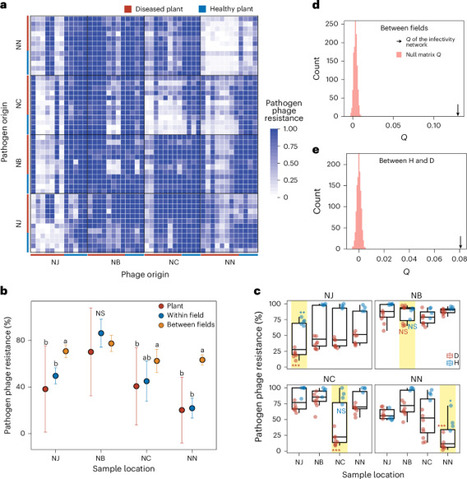
Bacteria–phage coevolution often results in correlated fitness effects on partner species. Whether coevolutionary changes impact the ecology of the surrounding communities is unclear. Here we link coevolution between the phytopathogenic bacterium Ralstonia pseudosolanacearum and its phage parasites to bacterial wilt disease patterns across four geographically disconnected tomato fields. We find that bacteria and phages are locally adapted between and within fields. Phage infectivity was highest on sympatric bacteria, and bacteria showed greater phage resistance when isolated from healthy than diseased plants. The modularity of phage–bacteria coevolution was associated with field-specific anti-phage defence system patterns and locally adapted phage populations. Moreover, phages selected for field-specific mutations in different phage receptor genes, which were negatively associated with virulence measured in planta, suggesting why phage-resistant but weakly virulent pathogen isolates are associated with healthy tomato plants within fields. Our findings show that bacteria–phage coevolution results in patchy plant disease distribution through phage resistance–virulence trade-offs. Phage–bacteria coevolution is associated with field-specific anti-phage defence and locally adapted phage populations, resulting in phage-resistant but weakly virulent pathogens.
|
|
Scooped by
mhryu@live.com
June 13, 3:40 PM
|
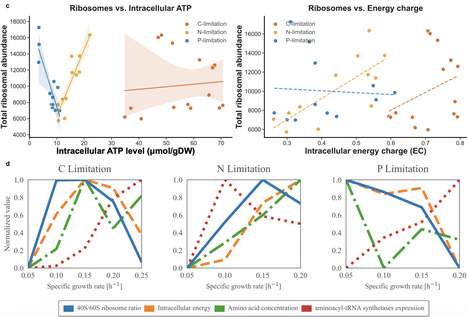
Understanding how nutrient-specific limitations shape anaerobic metabolism in Saccharomyces cerevisiae is essential for defining the physiological limits of yeast growth. Integrating chemostat physiology, multi-omic profiling, and targeted metabolic engineering under strictly anaerobic conditions, we show that yeast maintains a conserved maximum glucose uptake (~14 mmol/gDW/h) under carbon (C), nitrogen (N), and phosphorus (P) limitation, while distinct regulatory bottlenecks constrain maximal growth rate: ATP insufficiency under C and P limitation, and aminoacyl-tRNA synthetase scarcity under N limitation. Under these stresses, S. cerevisiae reallocates proteomic resources toward anabolic functions, with nutrient-specific phosphorylation networks compensating for translational stress, most pronounced under N limitation. Building on these insights, a “push–pull” strategy enhancing energy supply (VMA3) and translational capacity (WRS1) increased the maximal anaerobic growth rate by 27.2%, 47.5% and 52.5% under C, N, and P limitation, respectively. These findings reveal energy–translation coupling as the central determinant of anaerobic growth limits and provide a framework for rational strain engineering. Saccharomyces cerevisiae must balance limited protein resources between energy generation and translation capacity. Here, authors map these trade-offs in yeast under nutrient stress, revealing a coupled energy-translation bottleneck that can be engineered to synergistically boost anaerobic growth and ethanol yields.
|
|
Scooped by
mhryu@live.com
June 13, 3:22 PM
|
Ribosomes are central to protein synthesis but also serve as dynamic hubs that integrate cellular stress responses. Here, we investigate how ribosomal protein L11 regulates ribosome conformational dynamics and long-distance coupling. Long-timescale molecular dynamics simulations of wild-type and L11-deleted (ΔL11) ribosomes reveal that L11 functions as a global allosteric regulator coordinating communication between the ribosomal stalk and the peptidyl transferase center. The absence of L11 disrupts long-distance couplings involving RelA and Obg and rigidifies the hibernation-promoting factor site, suggesting altered hibernation dynamics that could affect ribosome persistence under stress. To examine the physiological implications of these computational predictions, we construct a ΔL11 Bacillus subtilis strain and quantify its sporulation behavior. The ΔL11 variant exhibits delayed entry into and exit from dormancy, consistent with a breakdown in stress-adaptive ribosomal regulation. Overall, these results highlight the role of L11 in ribosomal allostery, suggesting how local perturbations propagate through the ribosome to influence global physiological outcomes and bacterial survival under environmental stress. Ribosomes are crucial for protein synthesis and managing cellular stress. Here, authors show that ribosomal protein L11 acts as a global regulator, coordinating complex internal signaling to ensure proper bacterial survival during environmental stress.
|
|
Scooped by
mhryu@live.com
June 13, 3:14 PM
|
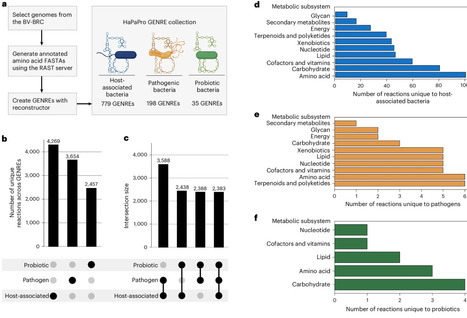
Probiotic supplements are marketed for diverse health benefits, yet species inclusion often lacks functional rationale. Our survey of 352 over-the-counter probiotic products available in the USA revealed 36 unique microbial species. However, there is no clear link between species inclusion and the intended health benefit. Here, to address this gap, we developed HaPaPro, a collection of 1,012 genome-scale metabolic models spanning pathogenic, probiotic and host-associated bacteria, constructed from publicly available genome sequences. Flux balance analysis revealed that probiotic species fail to capture the metabolic diversity of host-associated microbes. Focusing on vaginal health, we computationally identified vaginal microbes with metabolic profiles overlapping Gardnerella vaginalis. In vitro spent media assays using 11 vaginal isolates showed variable inhibition of G. vaginalis, primarily driven by d-lactic acid production, which was also produced by non-Lactobacillus species. These findings highlight the need for function-based probiotic design and demonstrate a scalable framework integrating metabolic modelling with experimental validation. Metabolic modelling and experimental validation reveal that current probiotics lack the functional diversity of native microbes, identifying vaginal species that inhibit Gardnerella vaginalis through the dual mechanisms of resource competition and d-lactic acid production.
|
|
Scooped by
mhryu@live.com
June 13, 1:36 PM
|
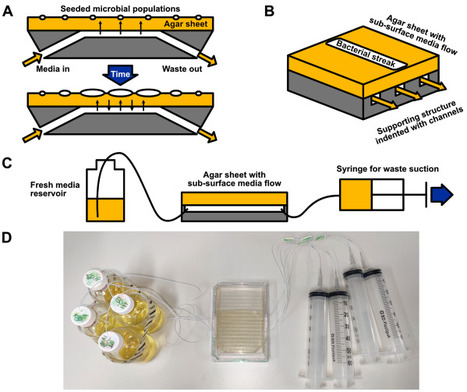
The role of spatial structure in microbial ecology and evolution is increasingly recognised and investigated, often with agar plates as a template for a spatially structured environment. While convenient, agar plates do not allow for the spatial and temporal control microbiologists have become accustomed to in the field of microfluidics with its tight environmental control for single cells and small populations, holding back research on surfaces and at larger length scales and population sizes. To close this gap, we developed a novel device with an agar sheet sealing indented channels through which media perfuses. As proof of principle, we grew populations of non-motile E. coli and motile Pseudomonas aeruginosa for 60 hours with continuous propagation of the colony's front, in contrast to agar plates where growth declined much earlier and stopped after about 40 hours. To demonstrate the capabilities of spatial control, we grew P. aeruginosa along different temporally-stable gradients of the cephalosporin antibiotic ceftazidime and characterised the emerging bacterial growth patterns. The device is a step towards highly controlled studies of microbial populations in continuous, non-uniform spatially structured environments. Designed with cost and accessibility in mind, we believe that this novel device will enable new insights into microbial ecology and evolution.
|
|
Scooped by
mhryu@live.com
June 13, 1:22 PM
|
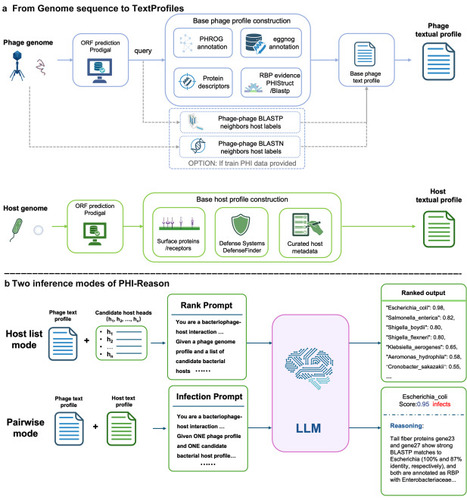
Phage--host interaction (PHI) prediction is a fundamental problem in microbiology with applications in microbial ecology and microbiome engineering. Existing computational approaches typically convert phage and host information into numerical representations derived from sequence similarity, protein content, genome composition or reference databases, then score candidate hosts or train host-prediction models. Although effective, such representations often make it difficult to inspect which biological evidence supports a prediction. Here, we present PHI-Reason, a species-level PHI prediction framework that reformulates host prediction as constrained biological text reasoning. Instead of embedding phages and hosts directly as numerical vectors, PHI-Reason converts heterogeneous PHI-related evidence from phage genomes, host genomes, functional annotations, homology searches and biological metadata into modular natural-language profiles. A frozen large language model then performs species-level candidate-host ranking or pairwise PHI assessment by integrating the supplied evidence at inference time. Across species-level benchmarks, PHI-Reason achieved competitive host-prediction performance and recovered complementary correct assignments relative to established sequence- and reference-based methods. Its explicit profile design enabled systematic evidence perturbation and rationale-grounding analyses, showing that predictions depend on coherent multi-source biological evidence and that hallucination risk from unsupported or incomplete profiles can be made operationally measurable. These results position PHI-Reason as a constrained evidence-integration framework for species-level PHI prediction. Rather than replacing sequence-based predictors, it provides an interpretable layer that shows how far explicit biological evidence can support host inference, and where that evidence falls short.
|
|
|
Scooped by
mhryu@live.com
June 13, 4:48 PM
|
Bacteria and archaea possess an enormous variety of antiviral immune systems that often share homologous proteins and domains. YprA-family helicases are central to widespread defense systems, which include defense island system associated with restriction-modification (DISARM), 7-deazapurine in DNA (Dpd), and Druantia. Through comprehensive phylogenetic and structural analyses of YprA-like helicases, we identify several major clades, which define distinct defense systems including a broad class we call ARMADA (disARM-related antiviral defense array). Apart from the YprA-like helicase, ARMADAs share two more proteins with DISARM, but their YprA homologs are most similar to those of Druantia, which suggests that ARMADA is a missing link connecting DISARM and Druantia. We show experimentally that ARMADA protects bacteria against a broad range of phages via a direct, non-abortive mechanism. We further demonstrate that ARMADA and Druantia Type III systems often co-occur within distinct satellite phage-like mobile elements, which we call SPIDERs (satellite phage integrated defensive and ecotypic replicons) and which provide synergistic resistance against diverse phages.
|
|
Scooped by
mhryu@live.com
June 13, 4:41 PM
|
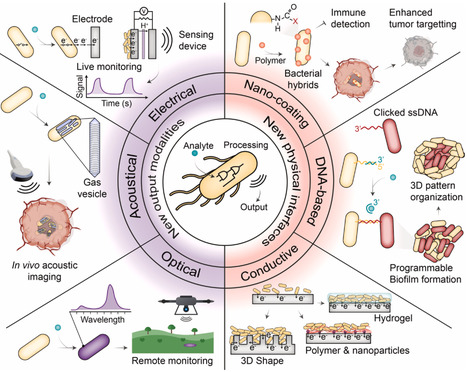
Bacterial biosensors have emerged as versatile platforms for biomedical and environmental applications, yet their real-world deployment is constrained by limited signal readouts and weak integration with external devices. Two complementary research directions are now converging to address these gaps. First, emerging reporter systems expand the range of outputs beyond fluorescence and luminescence to include bioelectronic signals via extracellular electron transfer, acoustic reporter genes for deep-tissue ultrasound imaging, and hyperspectral reporters for large-scale remote sensing. Second, engineered interface layers, such as polymer and lipid coatings, DNA scaffolds, and inorganic or metal–organic composites, provide robust coupling between cells and their environments or external hardware. Together, these advances broaden the design space for bacterial biosensors and should accelerate their transition from proof-of-concept systems to practical tools for diagnostics, environmental monitoring, and living therapeutics.
|
|
Scooped by
mhryu@live.com
June 13, 4:36 PM
|
Anaerobic microorganisms facilitate native lignin deconstruction via targeted cleavage of interunit linkages (e.g., β–O–4 bonds), selective lignin side-chain modification, and removal of lignin–carbohydrate crosslinks (e.g., ferulate ester cleavage). We discuss emerging mechanisms and their potential to advance lignocellulosic biorefineries through synthetic microbial consortia and consolidated bioprocessing strategies.
|
|
Scooped by
mhryu@live.com
June 13, 4:32 PM
|
Global agricultural productivity is increasingly destabilized by climate change—driven droughts, floods, extreme heat, and severe storms. Although the climate-smart agriculture (CSA) framework addresses these challenges, implementation has focused mainly on plant genetics and agronomic inputs, leaving the adaptive potential of the crop microbiome underexplored. Here, we examine the agricultural use of synthetic microbial communities (SynComs) through the “crop holobiont” concept, in which plants and their associated microbiota function as an integrated, responsive system rather than through plant genomes alone. Pioneer plants in extreme environments may serve as reservoirs of stress-adapted microbes and provide a strategic toolkit for advancing CSA. SynComs assembled from these microbes can act not only as nutrient suppliers but also as dynamic physiological modulators that enhance crop phenotypic plasticity under climatic stress. We propose a roadmap for crop microbiology that integrates synthetic ecological engineering, with broad implications for CSA.
|
|
Scooped by
mhryu@live.com
June 13, 4:27 PM
|
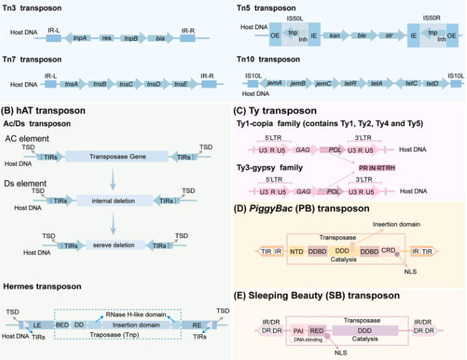
Transposons are mobile genetic elements that have attracted sustained scientific interest since their discovery in maize, evolving into indispensable tools in genetic research. Saccharomyces cerevisiae serves as a preferred model for transposon studies, benefiting from a mature genetic manipulation system, a well-characterized genome, and cellular mechanisms that resemble those of higher organisms. This review summarizes recent advances and application strategies of transposons in S. cerevisiae. We begin by classifying transposons based on their transposition mechanisms, with a focus on representative systems including the Tn, hAT, Ty, piggyBac (PB), Tc1/mariner and CRISPR-associated transposon (CAST) families, detailing their molecular mechanisms. We further discuss the applications of endogenous and engineered transposons in yeast, address key challenges such as insertion bias and genomic instability, and summarize corresponding engineering strategies aimed at enhancing their efficiency and specificity. Our goal is to provide a roadmap for developing transposons into efficient, precise, and low-off-target genome-editing tools, thereby advancing the construction of yeast cell factories.
|
|
Scooped by
mhryu@live.com
June 13, 4:10 PM
|
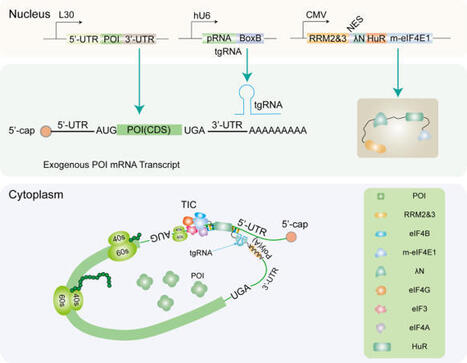
While the central dogma outlines DNA-to-protein information flow, existing gene regulators mainly target transcription. Here, we developed the λN-Guided RNA Targeting System (λGRTS), a CRISPR-independent platform enhancing mammalian mRNA translation via specific translation-guiding RNAs (tgRNAs). λGRTS integrates λN (high-affinity BoxB binder), mutated eIF4E1 (ablated non-specific 5′ cap binding, retains TIC recruitment), and auxiliary factors (HuR for dsRNA stabilization, PABP and RRM2-RRM3 for mRNA closed loops). Optimized 22-nt tgRNAs (targeting 58 bp upstream of mRNA ATG in 5′ UTR) and NES-tagged proteins maximized efficacy. λGRTS outperformed dCasRX (smaller ~ 50 kDa vs. ~ 150 kDa, single tgRNA vs. crRNA-tracrRNA), boosting functional proteins (e.g., GFP). It activated P53/PTEN, suppressing GBM cell proliferation, inducing G1 arrest, and reducing invasion in vitro. In vivo, lentiviral λGRTS inhibited orthotopic GBM in nude mice, extended survival by approximately 35–40 days, with IHC confirming P53/PTEN upregulation. Mass spectrometry showed no off-target effects. Cross-species tests (human, mouse, bovine cells) validated broad applicability via conserved eIF4E1. λGRTS offers a specific, safe translation-centric tool for gene regulation and oncology research.
|
|
Scooped by
mhryu@live.com
June 13, 4:03 PM
|
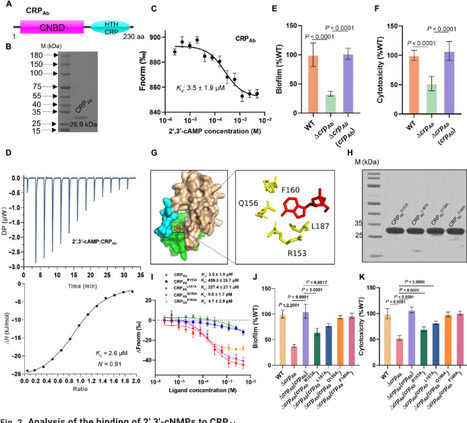
Nucleotide second messengers are widely used to mediate the physiology and antiphage immunity in bacteria. It was revealed that 2′,3′-cAMP/2′,3′-cGMP synthetase activity is required for immune response in plants. However, it remains unclear whether 2′,3′-cNMPs are involved in the interactions between bacteria and phages. Here, we report that 2′,3′-cNMPs, which are synthesized by RnaA and degraded by A1S_2339, A1S_0249, and A1S_2666, play critical roles in the modulation of the physiology of Acinetobacter baumannii. 2′,3′-cNMPs specifically bind to the receptor protein CRPAb in A. baumannii and thus affect the interaction between CRPAb and the promoters of target genes. Furthermore, our study reveals that bacteriophages elevate 2′,3′-cNMPs to up-regulate the transcription of the transposases and Mu-like integrases required for bacteriophage DNA integration. Together, our results show that 2′,3′-cNMPs are important intracellular signals that control biological functions of A. baumannii, and bacteriophages could hijack these signals to facilitate phage DNA integration.
|
|
Scooped by
mhryu@live.com
June 13, 3:42 PM
|
Communication between bacteriophages, particularly in biofilms, has long been studied. The recent discovery of the arbitrium lysis-lysogeny switch in Bacillus phages, similar to bacterial quorum sensing, has renewed interest in phage communication. This review examines the arbitrium system alongside other switching mechanisms, explores its role in pathogen-phage-host immune interactions, and proposes design principles for “smart” phage therapies.
|
|
Scooped by
mhryu@live.com
June 13, 3:34 PM
|
Ralstonia solanacearum is a major plant pathogen causing bacterial wilt, whose unpredictable onset hinders timely detection and effective control. Here, we report the design, preparation and field use of a dual pH-responsive multifunctional double network (DN) hydrogel for the efficient and sustainable control of bacterial wilt. The primary network of carboxylated agarose chelates Zn2+ and loosens under acidic conditions (pH ≤ 5) to release a pesticide (zhongshengmycin) and Zn2+, while the secondary L-phenylalanine (Phe)/ Zn2+ network disassembles to provide additional bioactive components (Phe and Zn2+). This dual-triggered release achieves a combined antibacterial effect, enhances plant growth, and activates plant disease resistance pathways. A simple root application protects plants for up to 14 days, and field experiments demonstrate disease control for up to 30 days, significantly preserving tomato yield. Here, we present a sustainable, effective system for managing bacterial wilt and highlight the potential of smart hydrogels in crop protection. Bacterial wilts unpredictable onset makes control difficult. Here, the authors report on a dual pH-responsive hydrogel system which releases antimicrobial agents and plant immune elicitors, L-phenylalanine and zinc, in acidic soils to enable control of bacterial wilt.
|
|
Scooped by
mhryu@live.com
June 13, 3:17 PM
|
Formate is an exciting potential microbial feedstock as it can be derived from CO2 and electricity. Despite this, limited progress has been made in engineering formatotrophy in yeasts, and no yeasts grow using formate naturally. Here we use metabolic modelling to find two potential formatotrophy pathways in Yarrowia lipolytica. We then use C13 tracer analysis and computationally guided growth experiments to show that wild-type Y. lipolytica possesses strong formate dissimilation and a cyclical C1 pathway with similar architecture to the synthetic serine–threonine cycle, which it uses to co-assimilate formate and glycerol. RNA-seq shows that formate exposure results in increased oxidative stress and changes in the tricarboxylic acid cycle, redox and C1 metabolism. Following this, we use model-guided adaptive laboratory evolution to produce a formatotrophic strain of Y. lipolytica using the eukaryotic serine–threonine cycle. We then use further messenger RNA sequencing to show that formatotrophy is supported by changes in adenosine triphosphate and reactive oxygen species metabolism. Subsequently, we engineer nicotinamide adenine dinucleotide phosphate (NADPH) and reactive oxygen species metabolism to create a strain with substantially improved growth. This strain reaches about 10% of the theoretical maximum biomass yield, highlighting its potential for additional engineering approaches. Finally, we show that beta-carotene production from formate is possible in our engineered strain, opening the door to formatotrophic eukaryote bioprocesses. Yarrowia lipolytica is a non-model yeast of considerable industrial interest. Here metabolic modelling and directed evolution are used to create a strain of Y. lipolytica that is able to grow on formate as a step towards electrical CO2-based bioprocesses based on a complex metabolic pathway.
|
|
Scooped by
mhryu@live.com
June 13, 2:44 PM
|
Diversity-generating retroelements (DGRs) are natural systems that accelerate evolution via targeted hypermutation at adenines. We previously developed DGRec, a system combining DGRs and recombineering for programmable mutagenesis in E. coli. We here address two important issues with DGRec: the dependence of mutagenesis efficiency on the dgrRNA secondary structure and the variability of the reverse-transcription biases with sequence context and position. First, we introduce and validate a method to recode non-functional templates, i.e. with low mutagenesis efficiency, into highly functional ones through synonymous mutations. Second, we develop a Long Short-Term Memory (LSTM) model to predict DGRec mutational profiles for any given template sequence. By integrating this LSTM model with our recoding method, we establish a comprehensive workflow for customized directed evolution, enabling researchers to precisely fine-tune DGRec in vivo mutagenesis to their engineering needs.
|
|
Scooped by
mhryu@live.com
June 13, 1:29 PM
|
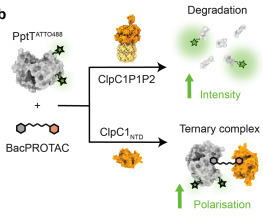
Antibiotic discovery has long relied on occupancy-driven inhibition, leaving a vast number of potential bacterial targets undrugged. Targeted protein degradation offers a mechanistically distinct alternative to inhibition, yet its application to antibacterial drug discovery remains largely unexplored. Here we describe the development of first-in-class heterobifunctional bacterial proteolysis targeting chimeras (BacPROTACs) directed against an essential Mycobacterium tuberculosis protein, 4'-phosphopantetheinyl transferase (PptT). Leveraging the modular architecture of BacPROTACs, we repurposed PptT inhibitors by incorporating them into degraders, yielding compounds with markedly improved antimycobacterial activity. Integrating in vitro and cellular approaches, we developed a characterisation pipeline to assess protein degradation in bacteria, applicable to future BacPROTAC programmes. Our study establishes targeted protein degradation as a strategy for antibacterial drug discovery.
|