 Your new post is loading...

|
Scooped by
mhryu@live.com
Today, 4:14 PM
|
Ancestral sequence reconstruction (ASR) resurrects proteins that existed millions of years ago. These ancient enzymes often display capabilities that modern proteins lack. In this Comment, we explore key ASR applications and future challenges, and showcase how ancient enzymes are inspiring new innovations in biotechnology. Ancestral sequence reconstruction is used to resurrect extinct proteins, which often have capabilities that modern proteins lack and thus applications in biotechnology.
|
|
Scooped by
mhryu@live.com
Today, 3:47 PM
|
Advancing the performance of programmable genome editing nucleases remains a key challenge in expanding their research and therapeutic applications. Here, we introduce a scalable deep learning–guided protein engineering framework for improving nuclease activity without requiring experimental training data. As a demonstration, we apply this strategy to SpuFz1, a compact Fanzor nuclease of eukaryotic origin, identifying and validating beneficial mutations that produces a multi-mutant variant with an 11.6-fold increase in editing efficiency. In parallel, we use comparative sequence analysis to design and experimentally validate a 75-nt ultrashort ωRNA scaffold, reducing guide RNA length by 79% while maintaining activity. Integration of these optimized components yields enFanzor, a compact genome editing system that achieves editing efficiencies up to 81.9% in mammalian cells, with strong editing performance in both human hematopoietic stem and progenitor cells (HSPCs) and mouse embryos. The outperforming variant developed through this strategy also supports robust CBE and ABE activity. Notably, the shortened ωRNA not only improves nuclease editing specificity but also leads to a substantial increase in base editing efficiency. Together, this work demonstrates the power of combining AI-guided protein optimization with rational RNA design, and establishes a generalizable strategy for engineering next-generation genome editing tools. How to quickly and systematically advance the activity of programmable RNA-guided endonucleases remains a key challenge to be overcome. Here the authors combined deep learning-guided protein optimization with rational RNA design, generating enFanzor system which supports robust genome editing.
|
|
Scooped by
mhryu@live.com
Today, 12:48 PM
|
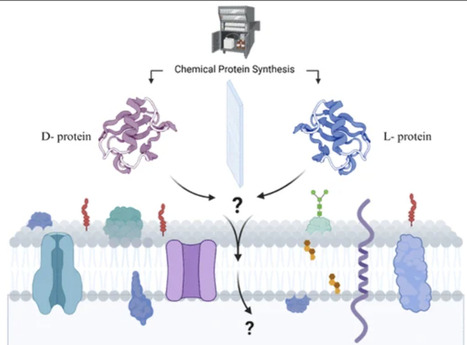
Mirror-image peptides and proteins are attracting interest as therapeutics, as key building blocks for constructing mirror-image life, and as tools to probe the origin of life. Their resistance to proteolytic degradation and unique stereochemistry make D-peptides/proteins particularly appealing for biomedical applications, yet a critical unresolved question is how their intracellular uptake compares to that of natural L-forms. To address this, we systematically investigated the role of cargo chirality in cellular internalization while maintaining a constant delivery vehicle. Three model cargos of increasing size and structural complexity were synthesized in both L- and D-configurations and conjugated to an identical cyclic deca-arginine (cR10) cell-penetrating peptide (CPP). By keeping the CPP scaffold constant, we reduced delivery-related variability and directly assessed the influence of the cargo chirality on uptake. Quantitative uptake analysis using flow cytometry, gel analysis, and confocal microscopy across multiple mammalian cell lines reveals that L-cargos are internalized more efficiently than their mirror image D-counterparts, demonstrating that cargo chirality is a key determinant of uptake efficiency across the chiral biological membrane. Collectively, these findings provide a systematic basis for further exploration of chirality effects in CPP-mediated delivery and may inform the design of mirror image peptides and proteins for therapeutic or synthetic biology applications.
|
|
Scooped by
mhryu@live.com
Today, 12:26 PM
|
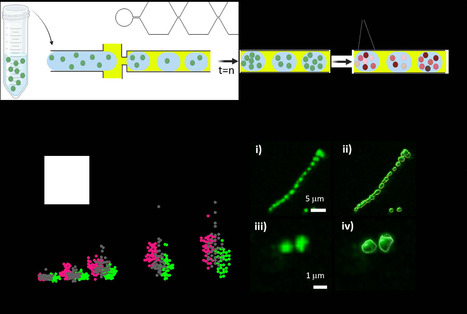
Cell-cell communication (CCC) contributes to bacterial survival and adaptability. Gram-positive bacteria employ secreted peptides to coordinate CCC. While the molecular pathways activated by these peptides are well studied, little is known about how individual cells contribute to initiating the signaling response. To address this question, we used microdroplet arrays to examine the major human pathogen Streptococcus pneumoniae and its TprA/PhrA regulator/peptide CCC system, which promotes colonization and virulence. We measured phrA promoter activity in wild-type (WT) cells and in a phrA deletion mutant, using populations seeded before signaling began. As signaling emerged, we observed heterogeneity in S. pneumoniae signaling within and across microdroplets. Addition of exogenous PhrA increased both the magnitude of signal and the percentage of signaling cells, yet it did not reduce the heterogeneity of signal. When examining whether PhrA peptide produced from WT cells was shared with ΔphrA cells, we found a preference for self-signaling over signaling to neighboring cells. Overall, we developed a platform to quantify cell-cell signaling at the single-cell level and determined that at early stages TprA/PhrA signaling is highly heterogeneous and primarily targets producing cells. We propose that this heterogeneity and its amplification through autoinduction may confer a fitness advantage to the population. Microdroplet platform for single-cell imaging reveals the dynamics and quantitative features of a pneumococcal peptide/regulator cell-cell communication system.
|
|
Scooped by
mhryu@live.com
Today, 1:19 AM
|
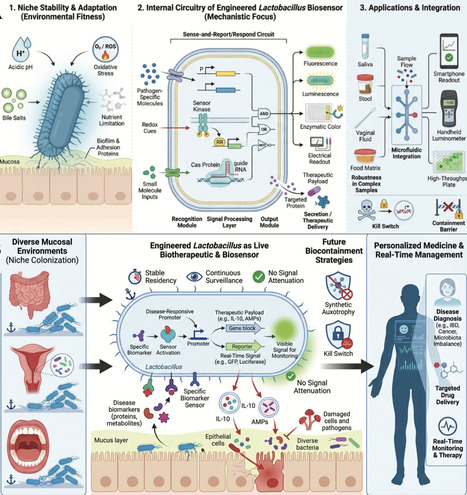
Lactobacillus species are renowned for their probiotic properties and niche adaptability, driven by unique genomic traits, stress-response mechanisms, and biofilm formation. This versatility makes them exceptional candidates for advanced biotechnological applications. Their biocompatibility and immunomodulatory effects allow them to serve as live biotherapeutic products. Through genetic engineering and encapsulation, Lactobacillus can be programmed to deliver recombinant proteins and vaccines, cytokines and anti-inflammatory molecules, targeted enzymes, and peptides. Beyond therapy, these bacteria can be engineered into biosensors to detect pathogens, toxins, and clinical biomarkers. By integrating CRISPR-Cas systems and reporter genes into whole‑cell or cell‑free platforms, they offer robust solutions for food safety, environmental monitoring, and diagnostics. While challenges in stability and regulation persist, advancements in synthetic biology are transforming Lactobacillusfrom a simple probiotic into a precise, multifunctional tool for improving global health and environmental oversight.
|
|
Scooped by
mhryu@live.com
Today, 1:13 AM
|
Cyanobacteria are photoautotrophic microorganisms that fix CO2 through oxygenic photosynthesis during the day and rely on heterotrophic metabolism at night. In nature, the availability of inorganic carbon (Ci) is often limited, posing a major constraint on photosynthetic efficiency. To overcome this, cyanobacteria have evolved a sophisticated CO2-concentrating mechanism (CCM) that enhances the catalytic performance of the primary carboxylating enzyme, ribulose-1,5-bisphosphate carboxylase/oxygenase (RubisCO). The CCM functions by elevating intracellular CO2 concentrations around RubisCO to suppress its oxygenase activity and enhance CO2 fixation efficiency. Central to this system is the carboxysome, a proteinaceous microcompartment that encapsulates RubisCO and carbonic anhydrase, facilitating efficient conversion of bicarbonate (HCO3−) to CO2 and its subsequent fixation. This is complemented by multiple Ci transporters that mediate active uptake of CO2 and HCO3−. Five major transport systems have been characterized: two specialized NDH-1 complexes for CO2 transport and its conversion into HCO3−, and SbtA, BicA, and BCT1 for HCO3− uptake. Recent structural studies on CCM uptake systems have revealed key mechanisms of HCO3− transport, CO2 hydration and transport coupling. These insights provided a deeper understanding of how these systems enhance Ci acquisition and maintain photosynthetic efficiency across diverse environmental conditions and various CO2 regimes. Moreover, the CCM is tightly regulated at both transcriptional and post-translational levels to balance energy usage and carbon demand. This review outlines our current insights into the molecular architecture, transport dynamics, and regulatory networks of the cyanobacterial CCM, emphasizing its critical role in photosynthesis and its potential as a model for bioengineering enhanced CO2 fixation or for engineering synthetic bacterial microcompartments.
|
|
Scooped by
mhryu@live.com
Today, 12:05 AM
|
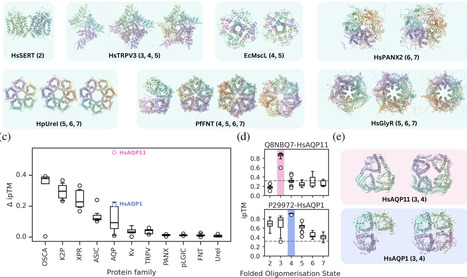
Homooligomerisation is a prevalent and important process that many proteins undergo to form the quaternary structures required for biological function. However, determining oligomeric states and structures experimentally remains technically challenging and time-consuming for many proteins. Here, we show that the protein structure prediction tools AlphaFold2-Multimer and AlphaFold3 can be used to quickly and accurately predict oligomeric states and structures for a range of soluble and membrane proteins. Across over 4700 proteins, AlphaFold2-Multimer provides reliable oligomeric state predictions in the majority of cases, however accuracy is more limited for proteins lacking close structural representatives in the AlphaFold training set, highlighting the dependence of these methods on robust training data. Together, our results suggest both the utility and current limitations of AlphaFold-based oligomeric state prediction, highlight cases where multiple physiologically relevant assemblies may be plausible, and provide practical guidance for minimizing computational cost, identifying challenging cases, and applying these methods to proteins lacking experimental structural data.
|
|
Scooped by
mhryu@live.com
June 17, 11:14 PM
|
Heterologous expression of enzymes from higher organisms limits the construction of microbial cell factories for natural product biosynthesis. Here we develop a ProteinMPNN-based sequence redesign strategy, guided by essential structural features and evolutionary conservation, to improve the bacterial expression of heterologous enzymes. Applied to two plant glycosyltransferases, TOGT and UGT84A56, for esculetin glycosylation, this strategy generates extensively redesigned variants with markedly enhanced soluble expression and catalytic activity in E. coli. In vitro enzyme assays and in vivo whole-cell conversions show consistent improvements, outperforming conventional solubility-enhancing strategies. Molecular simulations suggest that the improved performance arises from global optimization of hydrophobic and hydrophilic residue exposure while preserving productive substrate-binding interactions. Fed-batch fermentation achieved titers of 2.11 g/L cichoriin and 4.05 g/L aesculin. This work establishes a generalizable route for converting difficult-to-express eukaryotic enzymes into efficiently expressible and functional variants, thereby expanding the enzymatic toolbox for microbial cell factory construction. Heterologous expression of plant-derived enzymes often limits microbial biosynthesis of valuable natural products. Here, the authors establish an enzyme sequence redesign strategy guided by evolutionary and structural information, achieving enhanced glycosyltransferase activity in Escherichia coli for the efficient production of coumarin glucosides.
|
|
Scooped by
mhryu@live.com
June 17, 4:45 PM
|
Bacterial conjugation, the process of horizontal gene transfer between bacteria, is initiated by mating pair formation (MPF) via a conjugative pilus. Conjugation of the IncP RP4 plasmid is mediated by short mating pili. Here, we report the cryo-EM structure of the RP4 pilus at 2.74 Å resolution. Uniquely, both the structural and quantitative mass spectral analyses revealed that the cyclic TrbC pilin subunit is not lipidated. Consistently, an E. coli pgsA mutant lacking phosphatidylglycerol (PG) can serve as a donor of RP4 but not of F- (pKpQIL), H- (R27) or W- (R388) pili, whose biogenesis and DNA transfer is PG-dependent. RP4 is the first example of a lipid-independent functional mating pilus. This discovery suggests that an amphipathic lipid moiety is not universally essential for the biogenesis of conjugative pili and MPF, providing an alternative model for their assembly and function. These data expand our understanding of the diverse bacterial mechanisms employ to transfer genetic material. Bacteria can exchange plasmids via conjugation using filamentous appendages, known as pili, containing lipidated subunits. Here, the authors elucidate the structure of a conjugative pilus and show that, unlike other pili, it is built from non-lipidated cyclic subunits, suggesting pilus assembly and DNA transfer can occur independently of lipids.
|
|
Scooped by
mhryu@live.com
June 17, 4:05 PM
|
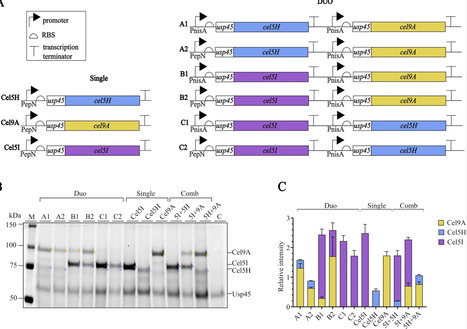
Lactic acid bacteria are commonly used to convert carbohydrates into valuable products like lactic acid, but they currently rely on carbon sources from food crops, raising sustainability and cost concerns. Lignocellulosic waste is a more sustainable alternative, yet these bacteria cannot naturally break down cellulose to grow on it. Efficient cellulose degradation requires synergetic action of multiple cellulolytic enzymes, each operating through distinct mechanisms. To design genetic constructs for co-expression of gene pairs encoding different heterologous cellulases (Cel5I, Cel5H or Cel9A) from separate expression cassettes in Lactococcus cremoris, the BglBrick approach was used. The activity of culture supernatants containing co-expressed cellulases was assessed on microcrystalline cellulose and phosphoric acid swollen cellulose (PASC), and compared with that of co-cultures and cultures expressing individual enzymes. Subsequently, growth of selected developed strains on PASC was evaluated. The A1 strain that co-produced cellulase pair Cel5H-Cel9A achieved the highest activity on PASC and one of the highest activities measured on microcrystalline cellulose. Additionally, the A1 strain showed the highest degradation of PASC during the 16 days of anaerobic cultivation and one of the highest lactic acid production levels. In this study, co-expression of gene pairs that encode different heterologous cellulases from separate promoters in L. cremoris was achieved for the first time. This approach allows each cellulase to be tuned independently, enabling optimization of their expression levels to maximize synergistic effects and enhance the cellulolytic performance of the engineered bacteria.
|
|
Scooped by
mhryu@live.com
June 17, 3:58 PM
|
Nanopore direct RNA sequencing holds promise for advancing our understanding of the epitranscriptome. Recently, Oxford Nanopore Technologies released basecalling models capable of detecting N6-methyladenosine (m6A), inosine (I), pseudouridine (Ψ), and 5-methylcytosine (m5C). However, their performance and cross-reactivity with other modifications remain largely unexplored. Here, we systematically benchmark four available modification-aware basecalling models by evaluating their per-read and per-site predictions across synthetic molecules and biological samples from diverse species. Models performed well on highly modified, balanced synthetic constructs (AUC = 0.93–0.97, PR-AUC = 0.84–0.91), but their performance dropped sharply on unbalanced datasets that reflect modification abundances in biological samples (PR-AUC: 0.04–0.09). Analysis of in vivo rRNA samples confirmed this limitation, with false-discovery rate ranging from 50% to 100%, even after filtering with modification-free controls. We identify two major sources of false positives: cross-reactivities with other modifications and current alterations at sites neighbouring a modified residue. Finally, we demonstrate that basecalling error- and current-based methods can accurately detect modifications, offering effective alternatives for modifications lacking dedicated models. Our results highlight the utility and limitations of modification-aware basecalling models for RNA modification detection, and underscore the importance of including control samples to mitigate false-positive predictions.
|
|
Scooped by
mhryu@live.com
June 17, 12:58 PM
|
Riboswitches are useful models for revealing how some RNA molecules undergo dynamic rearrangements of their structures to perform cellular functions. A great deal is known about riboswitch aptamer domains through sequence covariation analysis, which has been difficult to apply to expression platforms given their large sequence diversity. Here, we develop an approach to generate covariation models for entire riboswitch sequences including the aptamer domain and the expression platform. The method consists of bioinformatically extending aptamer domains to include downstream sequences and filtering these sequences using either computational or high-throughput experimental approaches to identify those that include bacterial intrinsic terminators. Filtered sequences are then used to generate covariation models. We developed this approach in the context of the fluoride riboswitch, characterizing 1901 fluoride riboswitch sequences using high-throughput in vitro transcription followed by next-generation sequencing, and generating a covarion model consistent with its mechanism. We then developed covariation models of the ZTP, lysine, and TPP riboswitches and find covariation support for previously published mechanisms. Our method represents a new approach to characterizing large numbers of riboswitch sequences and to generate covariation models of complete riboswitches, which should expand our understanding of riboswitch mechanisms and the evolution of RNA structure dynamics.
|
|
Scooped by
mhryu@live.com
June 17, 12:36 PM
|
Lignin-related aromatics are promising renewable feedstocks, but their microbial conversion into useful compounds is fundamentally constrained by substrate toxicity and metabolic flux imbalance. Here, we report an autonomous microbial system in Corynebacterium glutamicum, which integrates evolutionary engineering with multiplexed dynamic control to overcome these constraints. This system features a robust, evolved chassis with reinforced cellular defenses and upgraded aromatic efflux machinery. We engineer a layered, multi-input regulatory network that enables real-time, substrate-responsive and precise control of metabolic pathways. This system achieves 99.89% conversion of diverse lignin-related aromatics to protocatechuic acid and subsequently achieves a titer of 53.40 g L⁻¹. This further supports high-titer production of value-added downstream chemicals, including cis,cis-muconic acid and β-ketoadipic acid with titers of 51.90 g L⁻¹ and 38.33 g L⁻¹, respectively. This work establishes a versatile and scalable paradigm for the autonomous bioprocessing of lignin feedstocks into sustainable value-added products. Biological valorization of lignin is hindered by substrate toxicity and metabolism inefficiency. Here, the authors established a platform for lignin-derived aromatics tolerance engineering and multi-node dynamic pathway control in Corynebacterium glutamicum.
|
|
|
Scooped by
mhryu@live.com
Today, 3:56 PM
|
Understanding protein architecture and predicting its structural tolerance to profound remodeling is pivotal for engineering functional proteins. We present SplitSeek-Pro, a deep learning model that evaluates amino acid-level splittability in folded proteins, a property critical for protein engineering tasks such as circular permutation and split reconstitution. By integrating primary sequences with 3D structural features, SplitSeek-Pro achieves residue-resolution predictions through a two-stage training process: large-scale pre-training followed by high-quality fine-tuning. Experimental validation on three distinct proteins confirms its superior predictive power over existing methods. Notably, SplitSeek-Pro identifies characteristic segments that function as cohesive, integral fragments analogous to super-secondary structural motifs. These results establish SplitSeek-Pro as a robust tool for rational protein engineering and offer insights into the fundamental structural building blocks of protein folding. To facilitate community access, we provide an automated web server at http://splitseek.topo.bio. Predicting protein splitability is pivotal for engineering functional variants. Here the authors present SplitSeek-Pro, a deep learning model integrating sequence and 3D features to achieve accurate residue-resolution split site prediction for protein design.
|
|
Scooped by
mhryu@live.com
Today, 3:20 PM
|
Accurate image annotation is essential for training artificial intelligence (AI) systems in biomedical image analysis, enabling tasks such as cell detection, tissue quantification, and disease characterization. However, creating pixel-level annotations is a time-consuming and labor-intensive process that requires expert input, limiting the development and adoption of AI methods. Recent advances in foundation models, such as the Segment Anything Model (SAM), enable interactive object segmentation from simple user prompts, but their integration into widely used bioimage analysis platforms remains limited and often requires technical expertise. Here we show that SAMJ, a user-friendly plugin for ImageJ/Fiji, enables fast, interactive, and accurate image annotation on standard computers without requiring programming skills or specialized hardware. SAMJ integrates efficient SAM variants into a familiar graphical interface, allowing users to delineate objects in large scientific images in real time using simple clicks or bounding boxes. This approach significantly reduces annotation effort, accelerates dataset creation, and broadens access to advanced AI-assisted annotation tools for the biomedical research community. García-López-de-Haro and colleagues present SAMJ, a plugin that brings the Segment Anything AI to ImageJ/Fiji, enabling fast, click-based image annotation on standard computers, and accelerating creation of biomedical training datasets.
|
|
Scooped by
mhryu@live.com
Today, 12:43 PM
|
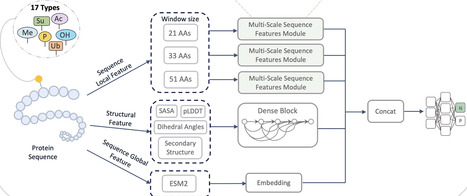
Post-translational modifications are important for regulating cellular functions. Although traditional experimental methods accurately identify PTM sites, they are time-consuming. In this study, we propose a novel model capable of predicting 17 types of PTMs through multi-modal integration and AlphaFold predictions. Our model employs an enhanced CNN-transformer architecture to capture local dependencies within the sequence, while incorporating structural features and evolutionary patterns to effectively capture complex spatial relationships and global contextual dependencies. Through rigorous cross-validation and testing, our model demonstrates exceptional performance, achieving area under the curve scores of 96.5%, 91.6%, 91.0%, and 89.5% for the prediction of hydroxylation, malonylation, O-linked glycosylation, and phosphorylation, respectively. Notably, our model accurately identified known phosphorylation sites on tau and two recently identified residues linked to pre-tangle stages and early Alzheimer’s disease pathology. This work not only deepens the understanding of PTMs but also holds promise for advancing future research in the prediction of PTM sites and functional annotation.
|
|
Scooped by
mhryu@live.com
Today, 1:24 AM
|
Soil organic carbon (OC) sequestration is presumed to rely to a large extent on microbial transformation of plant residues into microbial necromass. Necromass formation, however, represents only one pathway by which microorganisms contribute to soil organic matter, while OC released through metabolism is often neglected. Using a dynamic modeling approach, we show that exudates and waste products contribute about equally to bacterially derived OC inputs to soil with median contributions of 10% each (95% CI of 0.5 to 73% and 0.6 to 71%, respectively). Exoenzymes contribute an additional 15% (5 to 41%) and necromass contributes 49% (5 to 84%) to bacterial products. Overall, 6% (2 to 27%) of the organic input is released into the soil as bacterial metabolites (exoenzymes, exudates, and waste products), and the same amount as bacterial necromass 6% (8 to 20%). Exudates and waste products are typically composed of small reactive compounds that differ greatly from necromass in their molecular properties and will therefore likely contribute disproportionally to long-term soil OC accrual.
|
|
Scooped by
mhryu@live.com
Today, 1:16 AM
|
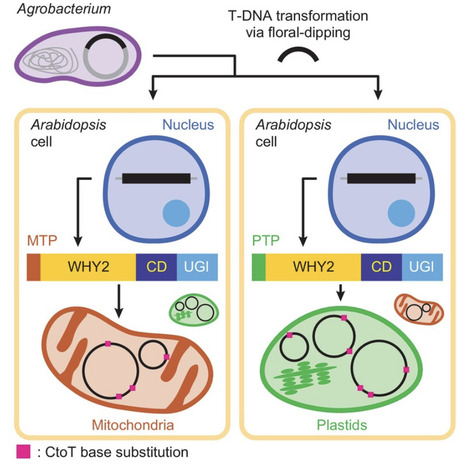
Organelle genomes in plastids (including chloroplasts) and mitochondria encode essential genes for photosynthesis, respiration, and agronomic traits, representing promising targets for crop improvement. However, their high copy number and non-Mendelian inheritance have long hindered efficient modification compared to nuclear genomes. Recent advances in organelle base editing (C-to-T and A-to-G) have enabled precise nucleotide substitutions, yet information on useful mutations remains limited. Here, to establish a forward genetics platform for C-to-T substitutions, we developed a method to introduce random C-to-T mutations throughout the entire organelle genomes of Arabidopsis thaliana. We engineered a fusion protein, WHY2-CD mutator, combining cytidine deaminase (CD), uracil glycosylase inhibitor, and sequence-nonspecific DNA-binding protein WHIRLY2 (WHY2), fused to organelle-targeting peptides. This system introduced dispersed C-to-T substitutions specifically within plastid or mitochondrial genomes. In T2 lines, we identified homoplasmic (homozygous) plastid genome mutants, including rpoA knockouts and rbcL variants with an amino acid substitution. Screening T3 populations on spectinomycin revealed plastid genome mutants with resistant traits and their causal mutation. These mutations can be transferred or combined using targeted base editors, such as transcription activator-like effector cytidine deaminase (TALECD). This comprehensive, C-to-T-focused mutagenesis provides a powerful tool for organelle forward genetics and molecular breeding.
|
|
Scooped by
mhryu@live.com
Today, 1:04 AM
|
Synteny detection analyses facilitate comparative genomics, especially when investigating gene duplications, genomic rearrangements, and ancient whole-genome duplication events. In recent years, major advancements have been seen in synteny detection and visualization. In this forum article, we explore the trending role that these tools play in gene-duplication detection, pangenome graph construction, and deep-learning-based cross-species transcript prediction.
|
|
Scooped by
mhryu@live.com
Today, 12:03 AM
|
Corynebacterium glutamicum is a crucial food-grade (GRAS) bacterial chassis widely utilized for the industrial production of amino acids and nutraceuticals. However, the efficient production of recombinant proteins and secondary metabolites in this host remains limited by context dependence and low translational efficiency. To overcome this, we introduce a 5′-end translationalization strategy. By repurposing passive 5′ untranslated regions (5′UTRs) into actively translated fore-cistrons, we converted conventional monocistronic designs into context-independent, leaderless polycistronic designs (PCDs). This assembly of concatenated fore-cistrons functions as a translational amplifier, largely decoupling protein output from mRNA abundance. We validated this platform by optimizing two biomanufacturing paradigms: achieving a 4.07-fold enhanced secretion of OmlA, a porcine vaccine antigen, and boosting biosynthesis of the food-grade pigment indigoidine to 1.20 g/L (a 7.33-fold increase over baselines). Together, this framework establishes a versatile, portable toolkit to overcome translational bottlenecks, enabling robust hyperproduction of recombinant proteins and engineered metabolites in biotechnology.
|
|
Scooped by
mhryu@live.com
June 17, 4:52 PM
|
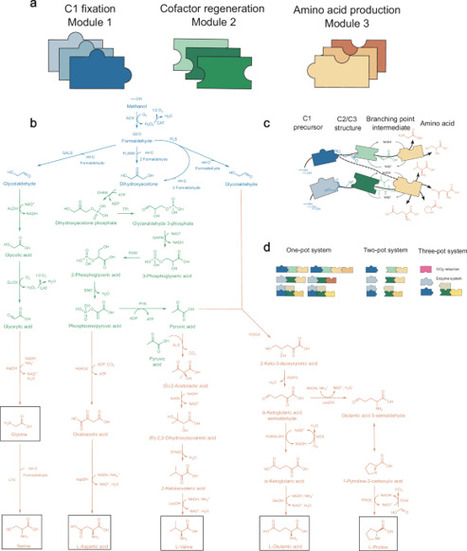
Amino acids are the building blocks of proteins and thus among the macronutrients to feed humankind. They have extensive industrial applications as animal feed and food additives like dietary supplements, and flavor enhancers and moreover as chemical precursors. We present the design of a synthetic enzyme cascade system for synthesizing a series of amino acids from methanol. This acts as a case study on how to contribute to the sustainable, renewable energy-based supply of food and feed. The modular nature of the cascade allows for plug-and-play module swapping and fine tuning of enzyme composition to customize the target compound. The one-pot enzymatic systems, capable of utilizing methanol, ammonia, and, partially, carbon dioxide, were employed to synthesize glycine, serine, L-aspartic acid, L-valine, L-glutamic acid, and L-proline. Considering the increasing availability of methanol produced from carbon dioxide through thermocatalytic and even electrocatalytic and photocatalytic processes, methanol represents a key intermediate in future CO2-based value chains. In this context, our study provides a pathway for amino acid synthesis and food and feed production based on methanol and CO2 as carbon building blocks with reduced environmental impact. Amino acids have extensive applications as feed, food additives, and chemical precursors. Here the authors develop a modular enzymatic one-pot cascade system for amino acid synthesis from methanol and CO2.
|
|
Scooped by
mhryu@live.com
June 17, 4:37 PM
|
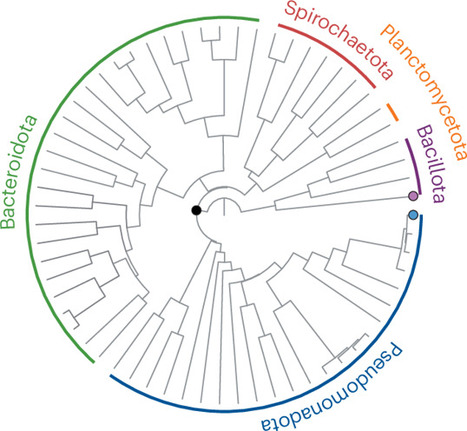
Bacteria use both motility and antagonism to compete in spatially structured environments, but whether these traits evolve together across broad bacterial diversity remains unclear. We developed a spatial kin-competition model predicting that motility should couple robustly with contact-dependent weapons by increasing encounter rates with competitors, whereas coupling with diffusible weapons should be weaker and context-dependent. To test these predictions, we performed a comprehensive analysis of 11,365 bacterial genomes across the Tree of Life (ToL). By utilizing large-scale homology-based searches, we annotated flagellar, T6SS, and bacteriocin components and then applied phylogenetic comparative models to examine evolutionary associations. T6SS presence was strongly associated with flagellar motility: T6SS-positive lineages were predominantly flagellated, and BayesTraits supported a dependent model of FliC and T6SS evolution. In contrast, bacteriocins showed no detectable evolutionary coupling with flagellar motility. Transition-rate analyses further indicated that T6SS gain was strongly biased towards motile lineages, even though T6SS loss was common overall. These results support an asymmetric macroevolutionary relationship between bacterial motility and antagonism, in which flagellar motility is robustly coupled to contact-dependent competition but not to diffusible antagonistic systems.
|
|
Scooped by
mhryu@live.com
June 17, 4:01 PM
|
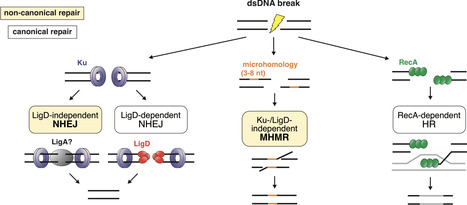
Pseudomonas aeruginosa is a highly adaptive Gram-negative pathogen that is commonly managed with fluoroquinolone (FQ) antibiotics. Even without heritable resistance mutations, FQ-susceptible cells of P. aeruginosa can survive treatment in a phenomenon termed antibiotic persistence. Current models of stationary-phase FQ persistence established with other bacterial species posit that persister survival is dependent on DNA double-stranded break (DSB) repair via RecA-mediated homologous recombination (HR). In P. aeruginosa, however, the effects of RecA loss on FQ persistence vary depending on the culture conditions. In this current work, we find that stationary-phase P. aeruginosa does not depend on either of its canonical DSB repair pathways—HR or non-homologous end joining (NHEJ)—for FQ persistence. By creating cross-pathway deletion strains, we found that RecA and Ku (but not LigD) are conditionally essential, which suggests that P. aeruginosa can conduct LigD-independent NHEJ. Using a chromosomally integrated DSB reporter assay, we further show that P. aeruginosa can repair DSBs using two non-canonical pathways: LigD-independent NHEJ and microhomology-mediated repair. Together, these findings demonstrate that P. aeruginosa does not adhere to the conventional requirement for DSB repair after FQ treatment and can engage in alternative DSB repair pathways than those previously described.
|
|
Scooped by
mhryu@live.com
June 17, 2:38 PM
|
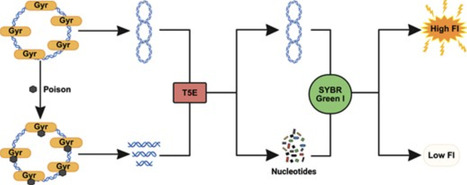
Antimicrobial resistance is a major global public health threat, yet no new antibiotic class has been introduced in over 30 years. Fluoroquinolones (FQs), a type of bacterial DNA gyrase poison, are potent antibiotics which stabilizes gyrase–DNA cleavage complexes and therefore cause lethal DNA double-stranded breaks. However, rising FQ resistance combined with adverse effects highlight the need to identify new chemical scaffolds for gyrase poisons. Discovery efforts in this area have been limited by the lack of robust high-throughput screening (HTS) assays. Here, we describe a fluorescence-based, T5 exonuclease (T5E)-assisted DNA cleavage assay that exploits the formation of multiple gyrase–DNA cleavage complexes on a single plasmid. When stabilized by a gyrase poison, these complexes are denatured with sarkosyl and processed by proteinase K to generate small linear DNA fragments, which are selectively degraded by T5E, thereby decreasing fluorescence upon SYBR Green staining. This assay was miniaturized into an automated 1536-well ultra-HTS format and used to screen 7415 compounds, identifying numerous potent gyrase poisons, predominantly FQs. We also discovered a new gyrase poison, Pyr-AMC. Biochemical assays and molecular dynamic simulation demonstrate that a single Pyr-AMC molecule binds the hydrophobic gepotidacin-binding pocket of gyrase, stabilizing cleavage complexes, and trapping gyrase-mediated DNA cleavages.
|
|
Scooped by
mhryu@live.com
June 17, 12:42 PM
|
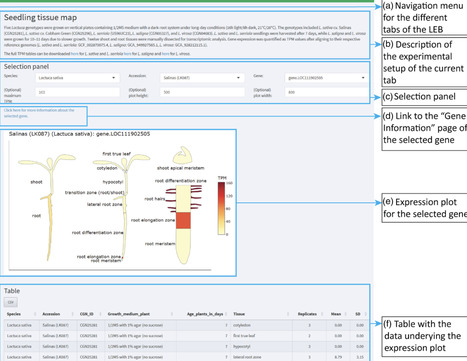
Lettuce (Lactuca sativa L.) is an economically important leafy vegetable within the Asteraceae family, cultivated worldwide across diverse agricultural systems. Recent advances in genomic and transcriptomic resources have positioned lettuce as a promising model system for functional genomics in the Asteraceae. However, currently available gene expression datasets lack comprehensive tissue-specific resolution, primarily focus on a single cultivar and are not visualised in an interpretable manner, limiting their utility for broader genetic and physiological studies. To bridge this gap, we developed the Lettuce Expression Browser (LEB), a publicly available platform providing high-resolution gene expression maps across various organs, tissues and developmental stages in both cultivated and wild lettuce species. The LEB integrates transcriptomic data from finely dissected seedlings, shoot tissues at various developmental stages and seedlings subjected to abiotic stresses (salt and far-red), visualised using the ggPlantmap R package. This platform offers an intuitive interface for exploring gene expression patterns and serves as a valuable resource for those studying lettuce development, stress responses and evolutionary genomics. The LEB is hosted on the LettuceKnow Web Portal (https://lettuce.bioinformatics.nl) and can be expanded to include additional datasets, enhancing its role as a key tool for lettuce research and crop improvement.
|


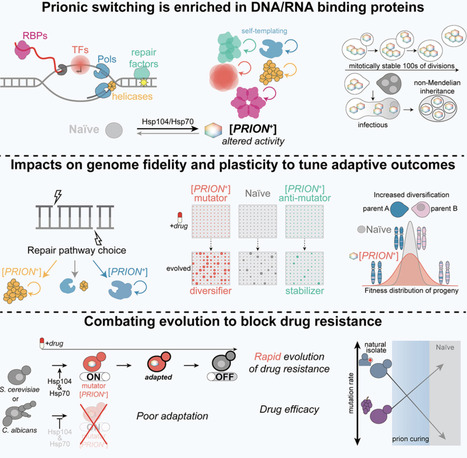

















prion is a protein that can fold into an alternative conformation that has the property of being self-templating — when it contacts a natively folded copy of the same protein it converts that copy to the same alternative conformation. The converted copies then aggregate together. This aggregate is the prion state.