Your new post is loading...

|
Scooped by
Jean-Michel Ané
July 5, 2021 9:33 PM
|
Chitin oligosaccharides (COs) hold high promise as organic fertilizers in the ongoing agro-ecological transition. Short- and long-chain COs can contribute to the establishment of symbiotic associations between plants and microorganisms, facilitating the uptake of soil nutrients by host plants. Long-chain COs trigger plant innate immunity. A fine investigation of these different signaling pathways requires improving the access to high-purity COs. Here, we used the response surface methodology to optimize the production of COs by enzymatic hydrolysis of water-soluble chitin (WSC) with hen egg-white lysozyme. The influence of WSC concentration, its acetylation degree, and the reaction time course were modelled using a Box–Behnken design. Under optimized conditions, water-soluble COs up to the nonasaccharide were formed in 51% yield and purified to homogeneity. This straightforward approach opens new avenues to determine the complex roles of COs in plants.
|
|
Scooped by
Jean-Michel Ané
July 5, 2021 9:30 PM
|
The extracellular space in plants, termed the apoplast, has a pH and sugar content that enables bacterial growth and represents a possible niche for the establishment of endophytic bacteria. Previous studies have investigated the effects of diazotrophic bacteria inoculation in sugarcane varieties, but it has not yet been analyzed how the microbial community of apoplast fluid of sugarcane is affected. High-throughput next generation sequencing of the 16S rRNA gene was used throughout this study to determine the effect of inoculation with a diazotrophic bacteria consortium, previously isolated from sugarcane, on the native bacterial population of sugarcane variety RB867515 grown in the field. The analyses were carried out 450 days after inoculation. The results revealed the presence of 22 phyla, with predominance of Proteobacteria phylum. It was observed that the inoculated consortium changed the indigenous bacterial community structure of sugarcane apoplast fluid by decreasing diversity and evenness, interfering in the composition of rare species. Microbial community composition analysis revealed differences between treatments. The differential abundance test showed there were 43 amplicon sequence variants (ASVs) which were relatively more abundant in the inoculated treatment, with predominance of the Sphingomonas genus. The predicted functions of the most abundant ASVs revealed the presence of genera related to plant growth promotion and protection against phytopathogens. Analysis to evaluate the occurrence of inoculated strains in the recovered data was not conclusive since the ASVs taxonomically close to the inoculated bacteria were observed in low abundance. The present study is the first report to elucidate the bacterial community in sugarcane apoplast fluid using a culture-independent approach. It demonstrated that the diazotrophic bacterial consortium interferes in the natural bacterial community in sugarcane variety RB867515.
|
|
Scooped by
Jean-Michel Ané
July 5, 2021 7:38 PM
|
Background
Protocols for Agrobacterium rhizogenes-mediated hairy root transformation of the model legume Lotus japonicus have been established previously. However, little efforts were made in the past to quantify and improve the transformation efficiency. Here, we asked whether effectors (nodulation outer proteins) of the nodule bacterium Sinorhizobium sp. NGR234 can promote hairy root transformation of L. japonicus. The co-expressed red fluorescent protein DsRed1 was used for visualization of transformed roots and for estimation of the transformation efficiency.
Results
Strong induction of hairy root formation was observed when A. rhizogenes strain LBA9402 was used for L. japonicus transformation. Expression of the effector gene nopP in L. japonicus roots resulted in a significantly increased transformation efficiency while nopL, nopM, and nopT did not show such an effect. In nopP expressing plants, more than 65% of the formed hairy roots were transgenic as analyzed by red fluorescence emitted by co-transformed DsRed1. A nodulation experiment indicated that nopP expression did not obviously affect the symbiosis between L. japonicus and Mesorhizobium loti.
Conclusion
We have established a novel protocol for hairy root transformation of L. japonicus. The use of A. rhizogenes LBA9402 carrying a binary vector containing DsRed1 and nopP allowed efficient formation and identification of transgenic roots.
|
|
Scooped by
Jean-Michel Ané
July 5, 2021 7:33 PM
|
The interactions of microbes with plant cells can radically change plant-cell form and function. A new study shows how a specialised formin protein paves the way for nitrogen-fixing bacteria to make homes in legumes.
|
|
Scooped by
Jean-Michel Ané
July 5, 2021 7:07 PM
|
Soybean is a nitrogen fixer. Also it is a model plant for the study of biological nitrogen fixation (BNF). Soybeans produce more protein and vegetable oil per acre than they do. Over 5000 years, China has been the centre of global soybean production. The Chinese Academy of Agriculture Sciences (CAAS) institute for crop germplasm resources has a national gene bank called the National Gene Bank (NGB) that is made up of nearly 24,000 soybean accessions, which include both wild and domesticated varieties. It started in the 18th century, but more intense cultivation started in the latter half of the 20th century. This has led to North America becoming the world's leading soybean producer. This present review is focused on the diversity and evolution of Bradyrhizobium communities relating to Soybean cultivation.
|
|
Scooped by
Jean-Michel Ané
July 5, 2021 6:45 PM
|
One way to improve profitability, is to reduce input costs. When it comes to maize, one of those inputs – and a particularly significant one at that – is nitrogen fertiliser. But how much could you save if your maize, like legumes, could fix its own nitrogen?
|
|
Scooped by
Jean-Michel Ané
July 5, 2021 6:42 PM
|
Species of the floating, freshwater fern Azolla form a well-characterized symbiotic association with the non-culturable cyanobacterium Nostoc azollae, which fixes nitrogen for the plant. However, several cyanobacterial strains have over the years been isolated and cultured from Azolla from all over the world. The genomes of 10 of these strains were sequenced and compared with each other, with other symbiotic cyanobacterial strains, and with similar strains that were not isolated from a symbiotic association. The 10 strains fell into three distinct groups: six strains were nearly identical to the non-symbiotic strain, Nostoc (Anabaena) variabilis ATCC 29413; three were similar to the symbiotic strain, Nostoc punctiforme, and one, Nostoc sp. 2RC, was most similar to non-symbiotic strains of Nostoc linckia. However, Nostoc sp. 2RC was unusual because it has three sets of nitrogenase genes; it has complete gene clusters for two distinct Mo-nitrogenases and an alternative V-nitrogenase. Genes for Mo-nitrogenase, sugar transport, chemotaxis and pili characterized all the symbiotic strains. Several of the strains infected the liverwort Blasia, including N. variabilis ATCC 29413, which did not originate from Azolla but rather from a sewage pond. However, only Nostoc sp. 2RC, which produced highly motile hormogonia, was capable of high-frequency infection of Blasia. Thus, some of these strains, which grow readily in the laboratory, may be useful in establishing novel symbiotic associations with other plants.
|
|
Scooped by
Jean-Michel Ané
July 5, 2021 6:38 PM
|
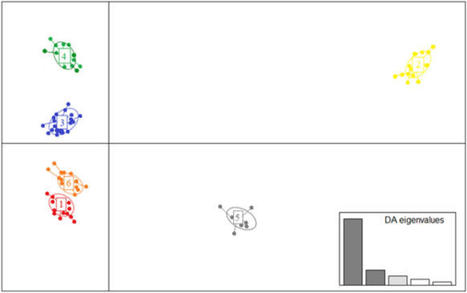
Positive effects of arbuscular mycorrhizal fungi (AMF)—wheat plant symbiosis have been well discussed by research, while the actual role of the single wheat genotype in establishing this type of association is still poorly investigated. In this work, the genetic diversity of Triticum turgidum wheats was exploited to detect roots susceptibility to AMF and to identify genetic markers in linkage with chromosome regions involved in this symbiosis. A tetraploid wheat collection of 127 accessions was genotyped using 35K single-nucleotide polymorphism (SNP) array and inoculated with the AMF species Funneliformis mosseae (F. mosseae) and Rhizoglomus irregulare (R. irregulare), and a genome‐wide association study (GWAS) was conducted. Six clusters of genetically related accessions were identified, showing a different mycorrhizal colonization among them. GWAS revealed four significant quantitative trait nucleotides (QTNs) involved in mycorrhizal symbiosis, located on chromosomes 1A, 2A, 2B and 6A. The results of this work enrich future breeding activities aimed at developing new grains on the basis of genetic diversity on low or high susceptibility to mycorrhization, and, possibly, maximizing the symbiotic effects.
|
|
Scooped by
Jean-Michel Ané
July 5, 2021 5:41 PM
|
Ascophyllum nodosum extracts (ANE) are well-established plant biostimulants that improve stress tolerance and crop vigour, while also having been shown to stimulate soil microbes. The intersection of these two stimulatory activities, and how they combine to enhance plant health, however, remains poorly understood. In the present study, we aimed to evaluate: (1) the direct effect of ANE on the arbuscular mycorrhizal fungus Rhizophagus irregularis, and (2) whether ANE influences endomycorrhization in plants. ANE enhanced development of R. irregularis in vitro, showing greater spore germination, germ tube length, and hyphal branching. Greenhouse-grown Medicago truncatula drench-treated with ANE formed mycorrhizal associations faster (3.1-fold higher mycorrhization at week 4) and grew larger (29% greater leaf area by week 8) than control plants. Foliar applications of ANE also increased root colonization and arbuscular maturity, but did not appear to enhance plant growth. Nonetheless, following either foliar or drench application, M. truncatula genes associated with establishment of mycorrhizae were expressed at significantly higher levels compared to controls. These results suggest that ANE enhances mycorrhization through both direct stimulation of arbuscular mycorrhizal fungus growth and through stimulation of the plant’s accommodation of the symbiont, together promoting the establishment of this agriculturally vital plant–microbe symbiosis.
|
|
Scooped by
Jean-Michel Ané
July 5, 2021 5:32 PM
|
•Aboveground herbivory reduced root growth and belowground carbon allocation.
•Total and arbuscular fungal colonisation decreased in response to herbivory.
•Herbivory reduced phosphorus uptake in plants with AM fungi.
|
|
Scooped by
Jean-Michel Ané
July 5, 2021 5:22 PM
|
•AMF strains promoted growth of tomato plants regardless of irrigation status.
•AMF restored shoot and root dry weight of tomato plants under limited watering.
•Colonization restored nutrient uptake by tomato plants under limited watering.
•Area-to-biomass ratio changes in mycorrhizal plant leaves linked to watering status.
•Stomatal conductance and transpiration rates not increased by AMF under drought.
|
|
Scooped by
Jean-Michel Ané
July 5, 2021 3:10 PM
|
The establishment of the symbiotic interaction between rhizobia and legumes involves the Nod factor signaling pathway. Nod factor recognition occurs through two plant receptors, NFR1 and NFR5. However, the signal transduction mechanisms downstream of NFR1-NFR5-mediated Nod factor perception remain largely unknown. Here, we report that a small guanosine triphosphatase (GTPase), GmROP9, and a guanine nucleotide exchange factor, GmGEF2, are involved in the soybean-rhizobium symbiosis. We show that GmNFR1α phosphorylates GmGEF2a at its N-terminal S86, which stimulates guanosine diphosphate (GDP)-to-GTP exchange to activate GmROP9 and that the active form of GmROP9 can associate with both GmNFR1α and GmNFR5α. We further show that a scaffold protein, GmRACK1, interacts with active GmROP9 and contributes to root nodule symbiosis. Collectively, our results highlight the symbiotic role of GmROP9-GmRACK1 and support the hypothesis that rhizobial signals promote the formation of a protein complex comprising GmNFR1, GmNFR5, GmROP9, and GmRACK1 for symbiotic signal transduction in soybean.
|
|
Scooped by
Jean-Michel Ané
July 5, 2021 3:00 PM
|
Nitrogen fixation by rhizobia is a highly energy-demanding process. Therefore, nodule initiation in legumes is tightly regulated. Environmental nitrate is a potent inhibitor of nodulation. However, the precise mechanism by which this agent (co)regulates the inhibition of nodulation is not fully understood. Here, we demonstrate that in Medicago truncatula the lipo-chitooligosaccharide-induced accumulation of cytokinins is reduced in response to the application of exogenous nitrate. Under permissive nitrate conditions, perception of rhizobia-secreted signalling molecules leads to an increase in the level of four cytokinins (i.e., iP, iPR, tZ, and tZR). However, under high-nitrate conditions, this increase in cytokinins is reduced. The ethylene-insensitive mutant Mtein2/sickle, as well as wild-type plants grown in the presence of the ethylene biosynthesis inhibitor 2-aminoethoxyvinyl glycine (AVG), is resistant to the inhibition of nodulation by nitrate. This demonstrates that ethylene biosynthesis and perception are required to inhibit nodule organogenesis under high-nitrate conditions.
|
|
|
Scooped by
Jean-Michel Ané
July 5, 2021 9:30 PM
|
Purpose
Mung bean is a host of the root-lesion nematode Pratylenchus thornei (Sher & Allen) and the beneficial symbionts arbuscular mycorrhizal fungi (AMF) and nitrogen-fixing Bradyrhizobium bacteria. The purpose of this research was to investigate interactions among these organisms affecting their reproduction and functional impact on mung bean nodulation, nutrition, biological nitrogen fixation, growth and seed yield.
Methods
A glasshouse experiment was conducted with mung bean in pots of a pasteurised vertisol using a factorial design of treatments to investigate the interactive effects of AMF, Bradyrhizobium and P. thornei. The plants were assessed at 6 and 12 weeks after sowing for variables of shoot biomass, seed yield, nodulation, P. thornei population density, AMF colonisation of the roots, and nutrients in the plant shoot, including nitrogen isotope natural abundance (δ15N) to quantify fixed nitrogen.
Results
Arbuscular mycorrhizal fungi and rhizobia acted synergistically to substantially increase nodulation, nitrogen fixation, nutrition, seed yield and biomass of the plants. The population density of P. thornei in roots of the mung bean at 12 weeks increased in plants inoculated with AMF and was positively correlated with plant nutrition namely increased phosphorus, zinc and copper concentrations in the plant shoot.
Conclusion
Understanding these interactions should inform changes in agronomic practices, to promote the synergism between mycorrhiza and rhizobia for mung bean yield, while managing to limit P. thornei population densities to benefit mung bean itself and subsequent crops in the farming system.
|
|
Scooped by
Jean-Michel Ané
July 5, 2021 7:41 PM
|
Nitrogen-fixing nodules are new organs formed on legume roots as a result of the beneficial interaction with the soil bacteria, rhizobia. Proteins of the nitrate transporter 1/peptide transporter family (NPF) are largely represented in the subcategory of nodule-induced transporters identified in mature nodules. The role of nitrate as a signal/nutrient regulating nodule functioning has been recently highlighted in the literature, and NPFs may play a central role in both the permissive and inhibitory pathways controlling N2-fixation efficiency. In this study, we present the characterization of the Lotus japonicus LjNPF3.1 gene. LjNPF3.1 is upregulated in mature nodules. Promoter studies show transcriptional activation confined to the cortical region of both roots and nodules. Under symbiotic conditions, Ljnpf3.1-knockout mutant’s display reduced shoot development and anthocyanin accumulation as a result of nutrient deprivation. Altogether, LjNPF3.1 plays a role in maximizing the beneficial outcome of the root nodule symbiosis.
|
|
Scooped by
Jean-Michel Ané
July 5, 2021 7:37 PM
|
Plants MADS-domain/AGL proteins constitute a large transcription factor (TF) family that controls the development of almost every plant organ. We performed a phylogeny of (ca. 500) MADS-domain proteins from Arabidopsis and four legume species. We identified clades with Arabidopsis MADS-domain proteins known to participate in root development that grouped legume MADS-proteins with similar high expression in roots and nodules. In this work, we analyzed the role of AGL transcription factors in the common bean (Phaseolus vulgaris) – Rhizobium etli N-fixing symbiosis. Sixteen P. vulgaris AGL genes (PvAGL), out of 93 family members, are expressed – at different levels – in roots and nodules. From there, we selected the PvAGL gene denominated PvFUL-like for overexpression or silencing in composite plants, with transgenic roots and nodules, that were used for phenotypic analysis upon inoculation with Rhizobium etli. Because of sequence identity in the DNA sequence used for RNAi-FUL-like construct, roots, and nodules expressing this construct -referred to as RNAi_AGL- showed lower expression of other five PvAGL genes highly expressed in roots/nodules. Contrasting with PvFUL-like overexpressing plants, rhizobia-inoculated plants expressing the RNAi_AGL silencing construct presented affection in the generation and growth of transgenic roots from composite plants, both under non-inoculated or rhizobia-inoculated condition. Furthermore, the rhizobia-inoculated plants showed decreased rhizobial infection concomitant with the lower expression level of early symbiotic genes and increased number of small, ineffective nodules that indicate an alteration in the autoregulation of the nodulation symbiotic process. We propose that the positive effects of PvAGL TF in the rhizobia symbiotic processes result from its potential interplay with NIN, the master symbiotic TF regulator, that showed a CArG-box consensus DNA sequence recognized for DNA binding of AGL TF and presented an increased or decreased expression level in roots from non-inoculated plants transformed with OE_FUL or RNAi_AGL construct, respectively. Our work contributes to defining novel transcriptional regulators for the common bean – rhizobia N-fixing symbiosis, a relevant process for sustainable agriculture.
|
|
Scooped by
Jean-Michel Ané
July 5, 2021 7:28 PM
|
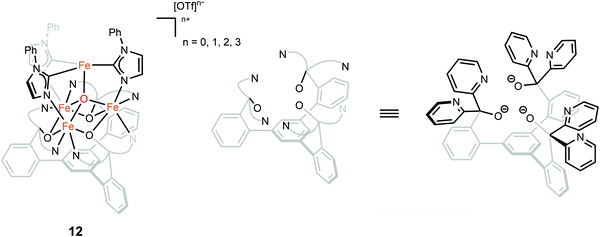
The reduction of dinitrogen (N2) is essential for its incorporation into nucleic acids and amino acids, which are vital to life on earth. Nitrogenases convert atmospheric dinitrogen to two ammonia molecules (NH3) under ambient conditions. The catalytic active sites of these enzymes (known as FeM-cofactor clusters, where M = Mo, V, Fe) are the sites of N2 binding and activation and have been a source of great interest for chemists for decades. In this review, recent studies on nitrogenase-related synthetic molecular complexes and biological clusters are discussed, with a focus on their reactivity and spectroscopic characterization. The molecular models that are discussed span from simple mononuclear iron complexes to multinuclear iron complexes and heterometallic iron complexes. In addition, recent work on the extracted biological cofactors is discussed. An emphasis is placed on how these studies have contributed towards our understanding of the electronic structure and mechanism of nitrogenases.
|
|
Scooped by
Jean-Michel Ané
July 5, 2021 7:03 PM
|
• For organic onion cultivation AMF non-hosts can be used in rotations under conventional tillage.
• One-year cultivation of different crops does not affect soil microbial community structure in boreal fields.
• Bare soil during winter period uniforms the soil microbial communities.
|
|
Scooped by
Jean-Michel Ané
July 5, 2021 6:42 PM
|
One of the major limiting factors of growing plants is nitrogen. Nitrogen is a very important nutrient because it is a constituent of major genomic or structural portion of the organism due to the presence of nucleic acid (DNA and RNA), ATP, NAD and amino acid (Protein). The abundant amount is present in the atmosphere but not be utilized by plants and animals directly. From several decades, plant biotechnologists inspired about improvement of genetically modified N2 fixation. In this chapter, we discuss biological nitrogen fixation and how much recent progress occurred in genetic engineering of nitrogenase into bacteria and plants to perform their own biological nitrogen fixation. Researchers are inspired to develop transgenic bacteria capable of producing novel symbiotic relationships with non-legumes, as well as engineering transgenic plants to express its own nitrogenase. Several advances have been made in synthetic biology, as well as our understanding of biochemistry and genetics of the nitrogenase enzyme in last four decades, which has made the apparently distant and for long unapproachable dream more possible.
|
|
Scooped by
Jean-Michel Ané
July 5, 2021 6:40 PM
|
Mutually beneficial associations between plants and soil fungi, mycorrhizas, are one of the most important terrestrial symbioses. These partnerships are thought to have propelled plant terrestrialisation some 500 million years ago and today they play major roles in ecosystem functioning. It has long been known that bryophytes harbour, in their living tissues, fungal symbionts, recently identified as belonging to the three mycorrhizal fungal lineages Glomeromycotina, Ascomycota and Basidiomycota. Latest advances in understanding of fungal associations in bryophytes have been largely driven by the discovery, nearly a decade ago, that early divergent liverwort clades, including the most basal Haplomitriopsida, and some hornworts, engage with a wider repertoire of fungal symbionts than previously thought, including endogonaceous members of the ancient sub-phylum Mucoromycotina. Subsequent global molecular and cytological studies have revealed that Mucoromycotina symbionts, alongside Glomeromycotina, are widespread in both complex and simple thalloid liverworts and throughout hornworts, with physiological studies confirming that, in liverworts at least, these associations are mycorrhizal-like, and highlighting important functional differences between Mucoromycotina and Glomeromycotina symbioses. Whether a more prominent role of Mucoromycotina symbionts in plant nitrogen nutrition, as identified in liverworts, extends to other plant lineages, including the flowering plants, is a major topic for future research.
|
|
Scooped by
Jean-Michel Ané
July 5, 2021 6:34 PM
|
Nitrogen (N) fixation by legumes and nitrogen transfer to cereals have been considered as important pathways for overyielding and higher N use efficiency in cereal/legume intercropping systems. However, the extent to which root morphology contributes to N fixation and transfer is unclear. A two-factorial greenhouse experiment was conducted to quantify the N fixation, transfer and root morphology characteristics of the maize/alfalfa intercropping system in two consecutive years using the 15N-urea leaf labeling method, and combining two N levels with three root separation techniques. N application could inhibit N fixation and transfer in a maize/alfalfa intercropping system. Irrespective of the N application level, compared with plastic sheet separation (PSS), no separation (NS) and nylon mesh separation (NNS) significantly increased the total biomass (36%) and total N content (28%), while the N fixation rate also sharply increased by 75 to 134%, and the amount of N transferred with no root barrier was 1.24–1.42 times greater than that with a mesh barrier. Redundancy analysis (RDA) showed that the crown root dry weight (CRDW) of maize and lateral root number (LRN) of alfalfa showed the strongest associations with N fixation and transfer. Our results highlight the importance of root contact for the enhancement of N fixation and transfer via changes in root morphology in maize/alfalfa intercropping systems, and the overyielding system was achieved via increases in maize growth, at the cost of smaller decreases in alfalfa biomass production.
|
|
Scooped by
Jean-Michel Ané
July 5, 2021 5:40 PM
|
This book encompasses current knowledge of soil microbiomes and their potential biotechnological application for plant growth, crop yield, and soil health under the natural as well as harsh environmental conditions for sustainable agriculture. The microbes are ubiquitous in nature. The soil is a natural hotspot of the soil microbiome. The soil microbiome plays a critical role in the maintenance of global nutrient balance and ecosystem functioning. The soil microbiomes are associated with plant ecosystems through the intense network of plant–microbe interactions. The microbes present in bulk soil move toward the rhizospheric region due to the release of different nutrients by plant systems. The rhizospheric microbes may survive or proliferate in rhizospheric zone depending on the extent of influences of the chemicals secreted into the soil by roots. The root exudates contain the principal nutrients factors (amino acids, glucose, fructose, and sucrose). The microbes present in rhizospheric region have capabilities to fix atmospheric nitrogen, produce different phytohormones, and solubilize phosphorus, potassium, and zinc. The plant systems take these nutrients for their growth and developments. These soil and plant associated microbes also play an important role in protection of plants from different plant pathogenic organisms by producing different secondary metabolites such as ammonia, hydrogen cyanide, siderophores, and hydrolytic enzymes. The soil microbiomes with plant growth-promoting (PGP) attributes have emerged as an important and promising tool for sustainable agriculture. The soil microbiomes promote the plant growth and enhance the crop yield and soil fertility via directly or indirectly different plant growth-promoting mechanism. The soil microbes help the plant for adaptation in extreme habitats by mitigating the abiotic stress of high/low temperatures, hypersalinity, drought, and acidic/alkaline soil. These PGP microbes are used as biofertilizers/bioinoculants to replace the harmful chemical fertilizers for sustainable agriculture and environments.
|
|
Scooped by
Jean-Michel Ané
July 5, 2021 5:30 PM
|
Aims
Phosphorus (P) fertilizers are often considered an important source of cadmium (Cd) in crop plants. However, increased plant Cd concentrations are not strictly related to the Cd content of P fertilizers. Considering this, we hypothesized that, alternatively, reduction of arbuscular mycorrhizal colonization by P fertilization enhances Cd accumulation in plants.
Methods
Wheat and canola as mycorrhizal and non-mycorrhizal species, respectively, were grown under greenhouse conditions with and without soil sterilization. Phosphorus fertilizers with 0.09, 5, and 28 mg Cd kg−1 were applied at different rates with varied zinc (Zn) fertilization.
Results
In wheat, all three P fertilizers markedly increased shoot and grain Cd concentrations as P supply was increased, irrespective of the Cd concentration in the fertilizers. These increases were pronounced with soil sterilization or at low zinc supply. Adding mycorrhizal fungi to sterilized soil substantially decreased shoot Cd concentrations. We found a strong negative relationship in wheat between mycorrhizal colonization and shoot Cd concentration, for both high- and low-Cd fertilizers. In contrast to wheat, shoot Cd concentrations in canola showed virtually no response to P supply or soil sterilization. High Zn application also reduced plant Cd concentrations, especially at high P rates.
Conclusion
Our findings demonstrate the critical importance of mycorrhizal colonization in reducing Cd accumulation in wheat, and suggest that factors suppressing root mycorrhizal activity including P fertilization, will increase Cd uptake in mycorrhizal plants.
|
|
Scooped by
Jean-Michel Ané
July 5, 2021 5:21 PM
|
Background
The ability of chickpea to obtain sufficient nitrogen via its symbiotic relationship with Mesorhizobium ciceri is of critical importance in supporting growth and grain production. A number of factors can affect this symbiotic relationship including abiotic conditions, plant genotype, and disruptions to host signalling/perception networks. In order to support improved nodule formation in chickpea, we investigated how plant genotype and soil nutrient availability affect chickpea nodule formation and nitrogen fixation. Further, using transcriptomic profiling, we sought to identify gene expression patterns that characterize highly nodulated genotypes.
Results
A study involving six chickpea varieties demonstrated large genotype by soil nitrogen interaction effects on nodulation and further identified agronomic traits of genotypes (such as shoot weight) associated with high nodulation. We broadened our scope to consider 29 varieties and breeding lines to examine the relationship between soilborne disease resistance and the number of nodules developed and real-time nitrogen fixation. Results of this larger study supported the earlier genotype specific findings, however, disease resistance did not explain differences in nodulation across genotypes. Transcriptional profiling of six chickpea genotypes indicates that genes associated with signalling, N transport and cellular localization, as opposed to genes associated with the classical nodulation pathway, are more likely to predict whether a given genotype will exhibit high levels of nodule formation.
Conclusions
This research identified a number of key abiotic and genetic factors affecting chickpea nodule development and nitrogen fixation. These findings indicate that an improved understanding of genotype-specific factors affecting chickpea nodule induction and function are key research areas necessary to improving the benefits of rhizobial symbiosis in chickpea.
|
|
Scooped by
Jean-Michel Ané
July 5, 2021 3:09 PM
|
Biofilm and nitrogen fixation are two competitive strategies used by many plant-associated bacteria; however, the mechanisms underlying the formation of nitrogen-fixing biofilms remain largely unknown. Here, we examined the roles of multiple signalling systems in the regulation of biofilm formation by root-associated diazotrophic P. stutzeri A1501. Physiological analysis, construction of mutant strains and microscale thermophoresis experiments showed that RpoN is a regulatory hub coupling nitrogen fixation and biofilm formation by directly activating the transcription of pslA, a major gene involved in the synthesis of the Psl exopolysaccharide component of the biofilm matrix and nifA, the transcriptional activator of nif gene expression. Genetic complementation studies and determination of the copy number of transcripts by droplet digital PCR confirmed that the regulatory ncRNA RsmZ serves as a signal amplifier to trigger biofilm formation by sequestering the translational repressor protein RsmA away from pslA and sadC mRNAs, the latter of which encodes a diguanylate cyclase that synthesises c-di-GMP. Moreover, RpoS exerts a braking effect on biofilm formation by transcriptionally downregulating RsmZ expression, while RpoS expression is repressed posttranscriptionally by RsmA. These findings provide mechanistic insights into how the Rpo/Gac/Rsm regulatory networks fine-tune nitrogen-fixing biofilm formation in response to the availability of nutrients.
|